Little Chef
For decades, Little Chef was one of the most recognisable names on Britain’s roads. Founded in Reading in 1958, the chain was inspired by the American roadside diner and grew alongside the rapid expansion of car ownership and Britain’s road network. By its peak, Little Chef had more than 400 restaurants across the country, becoming synonymous with roadside breakfasts, coffee and its distinctive red-and-white branding.
However, the very changes that had helped Little Chef become successful eventually worked against it. From the 1990s onwards, the chain faced increasing competition from McDonald’s, Burger King, KFC, Costa Coffee and other modern roadside operators. At the same time, many Little Chef restaurants became dated, while years of under-investment and changes in ownership left the brand struggling to keep pace with changing customer expectations.
The decline became particularly severe in the 2000s. Little Chef entered administration in 2007, with around 40 restaurants closing immediately. Although the business was rescued by RCapital, the chain continued to shrink. An ambitious attempt to modernise the brand included a 2009 television series with chef Heston Blumenthal, but this failed to reverse its long-term decline.
By 2012, Little Chef announced the closure of 67 of its 161 remaining restaurants. The chain was reduced to a much smaller collection of sites, many of which were increasingly difficult to make profitable.
In 2017, Euro Garages acquired the Little Chef brand and began converting many of its remaining locations into more contemporary roadside businesses, including Starbucks and Greggs. The Little Chef name was eventually withdrawn completely in 2018.
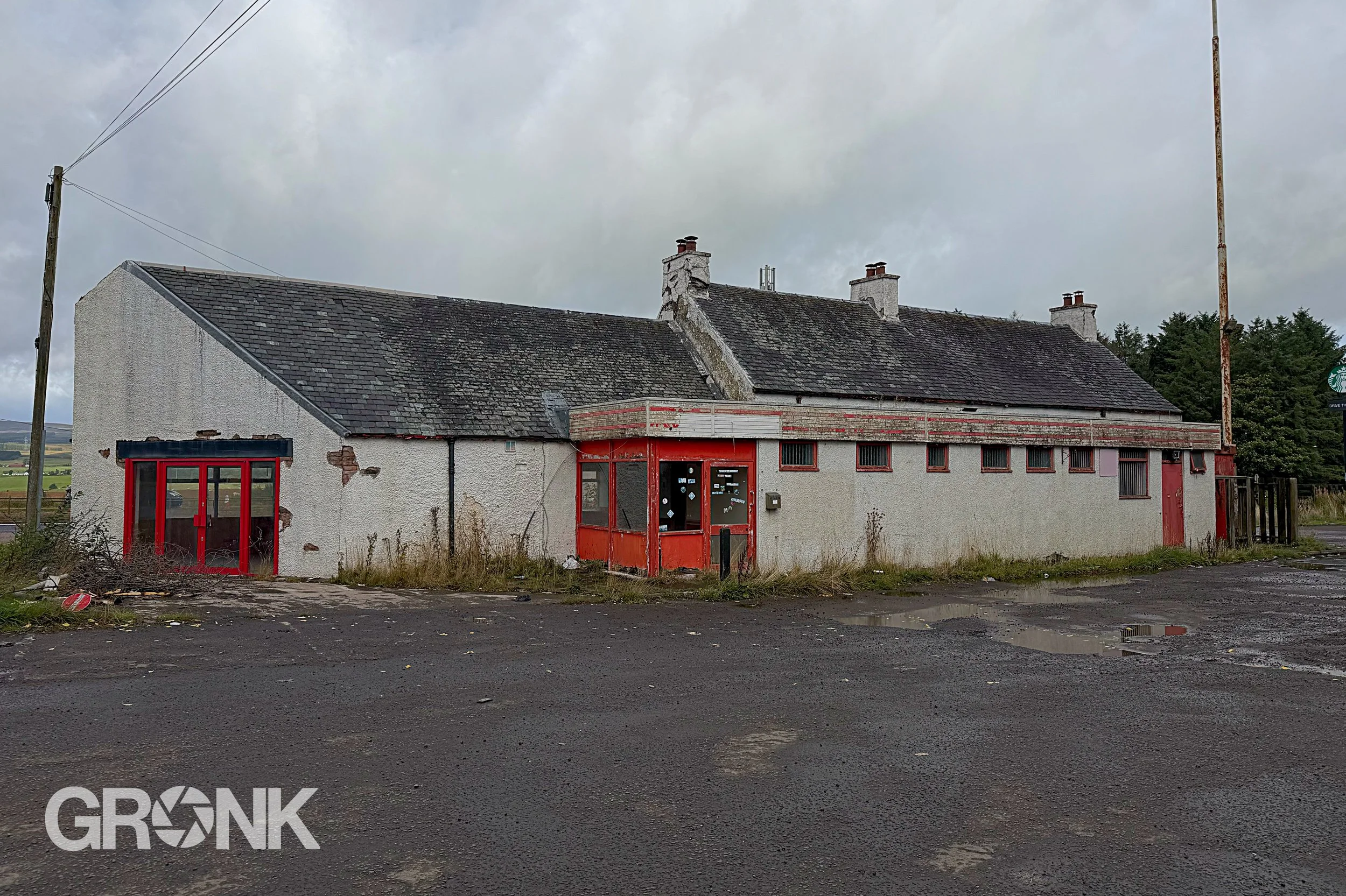
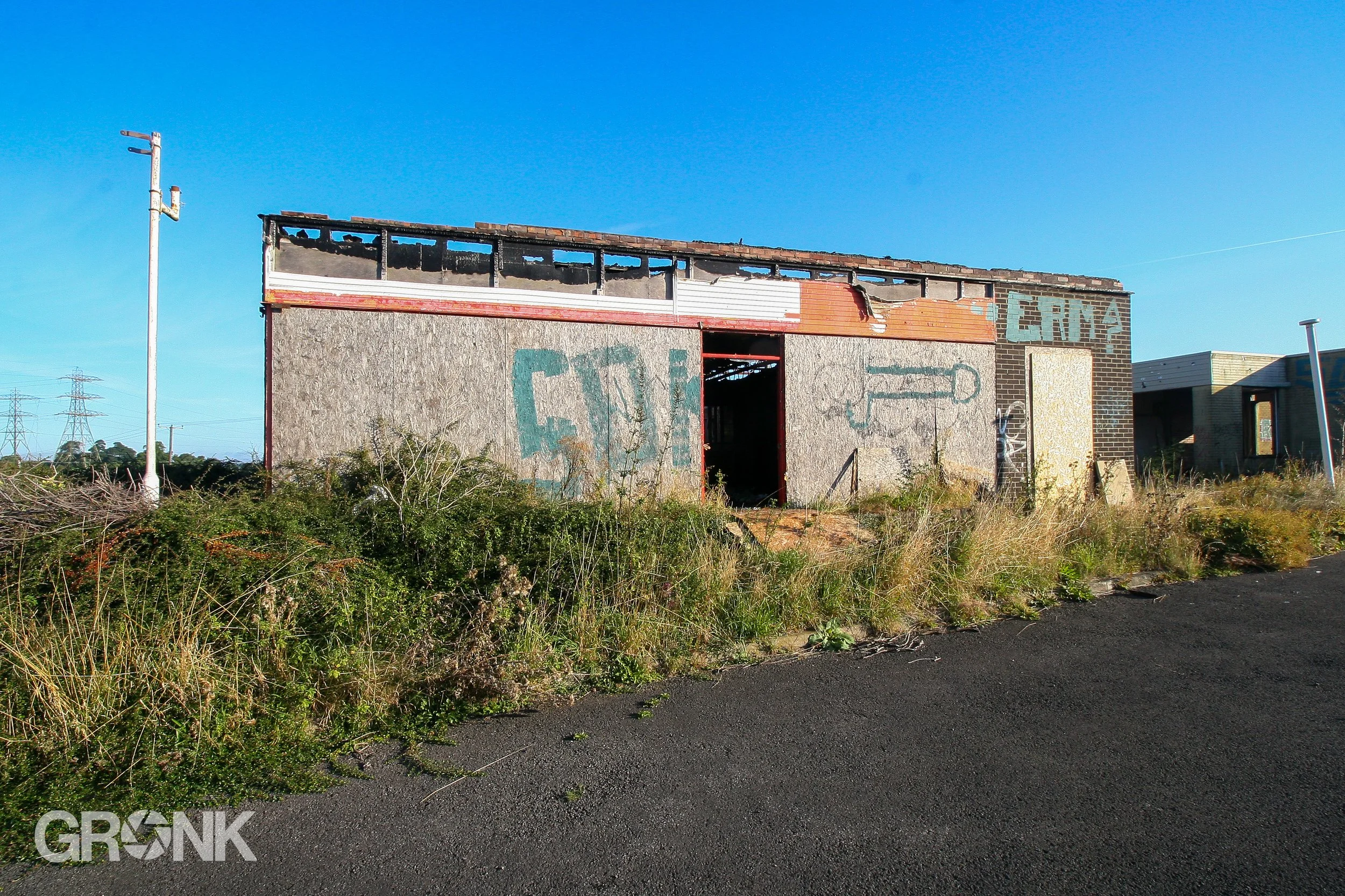
Today, the legacy of Little Chef can still be found across Britain. Some former restaurants have become cafés, fast-food outlets or coffee shops, while others have been demolished. Others, however, remain empty and increasingly derelict — stranded beside roads that have changed dramatically since their heyday.