Blackburn House, Stoke on Trent
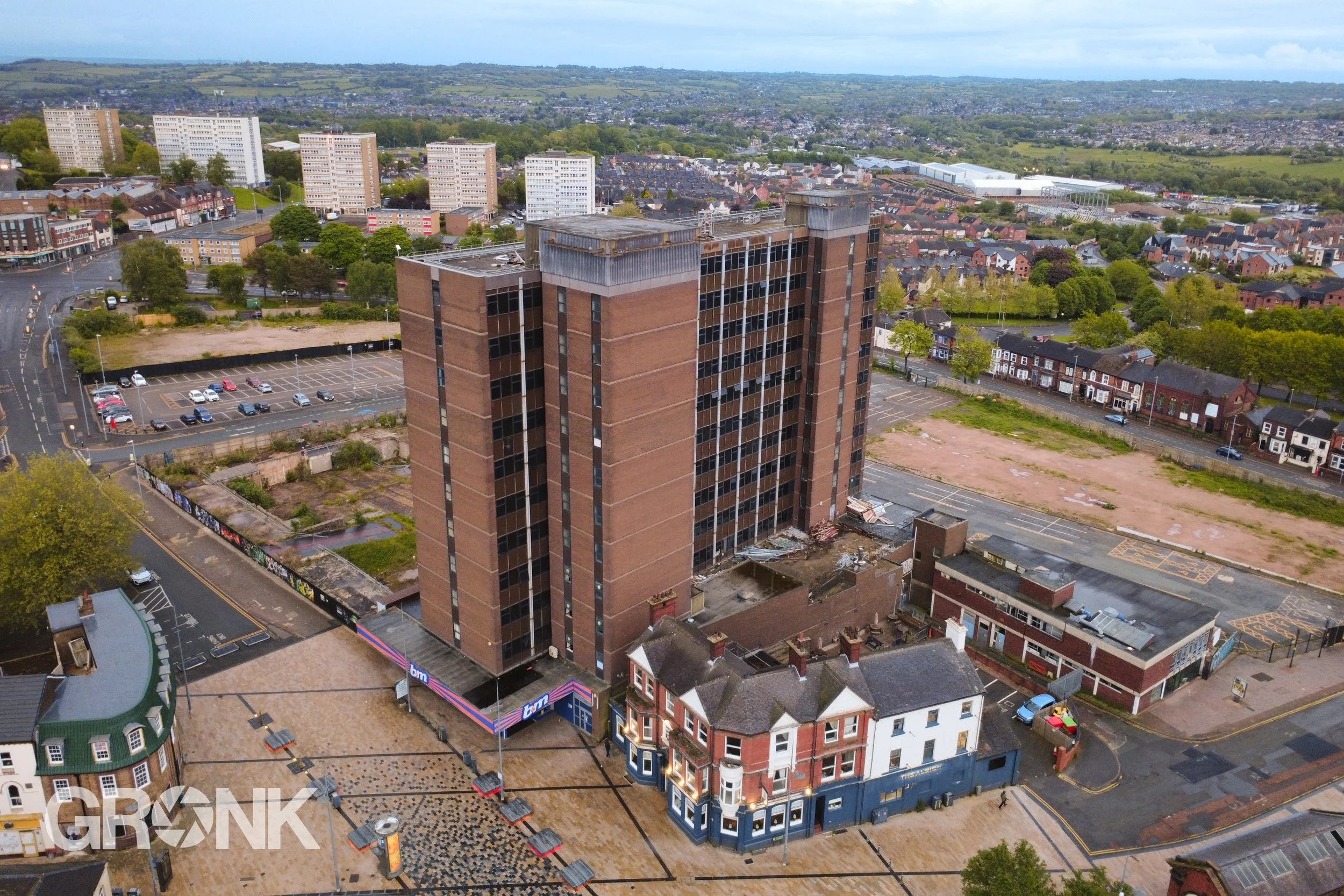
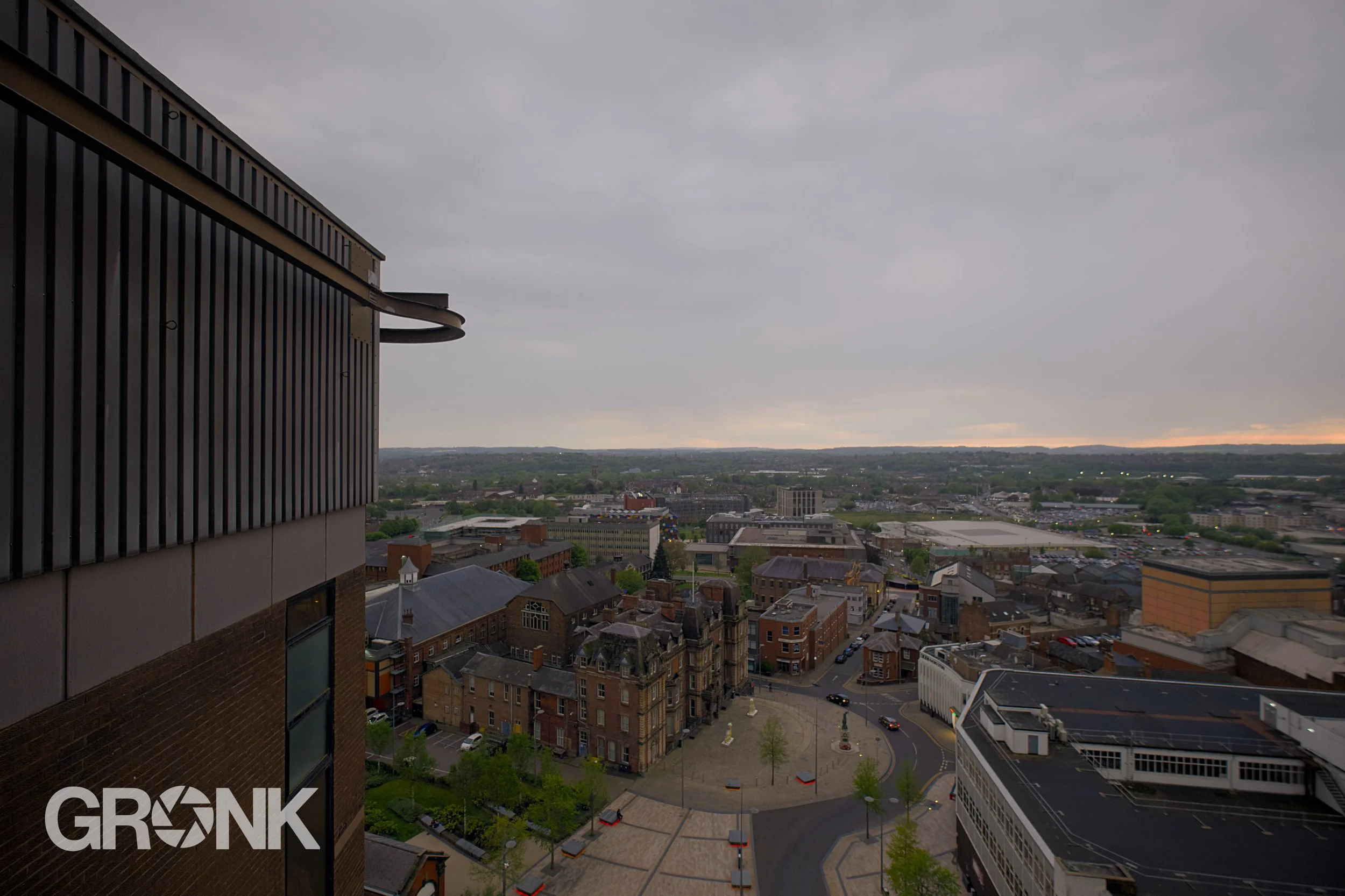
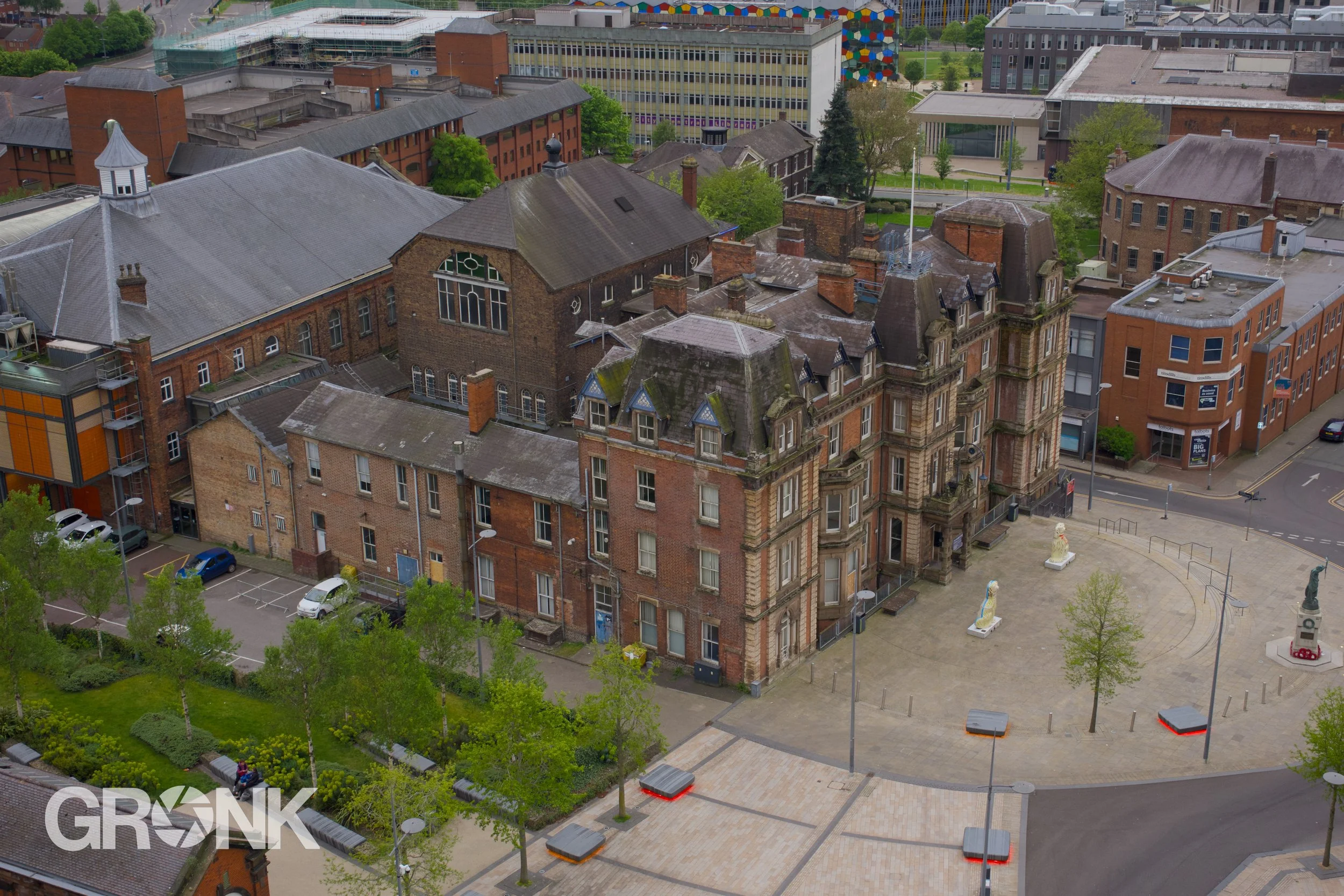
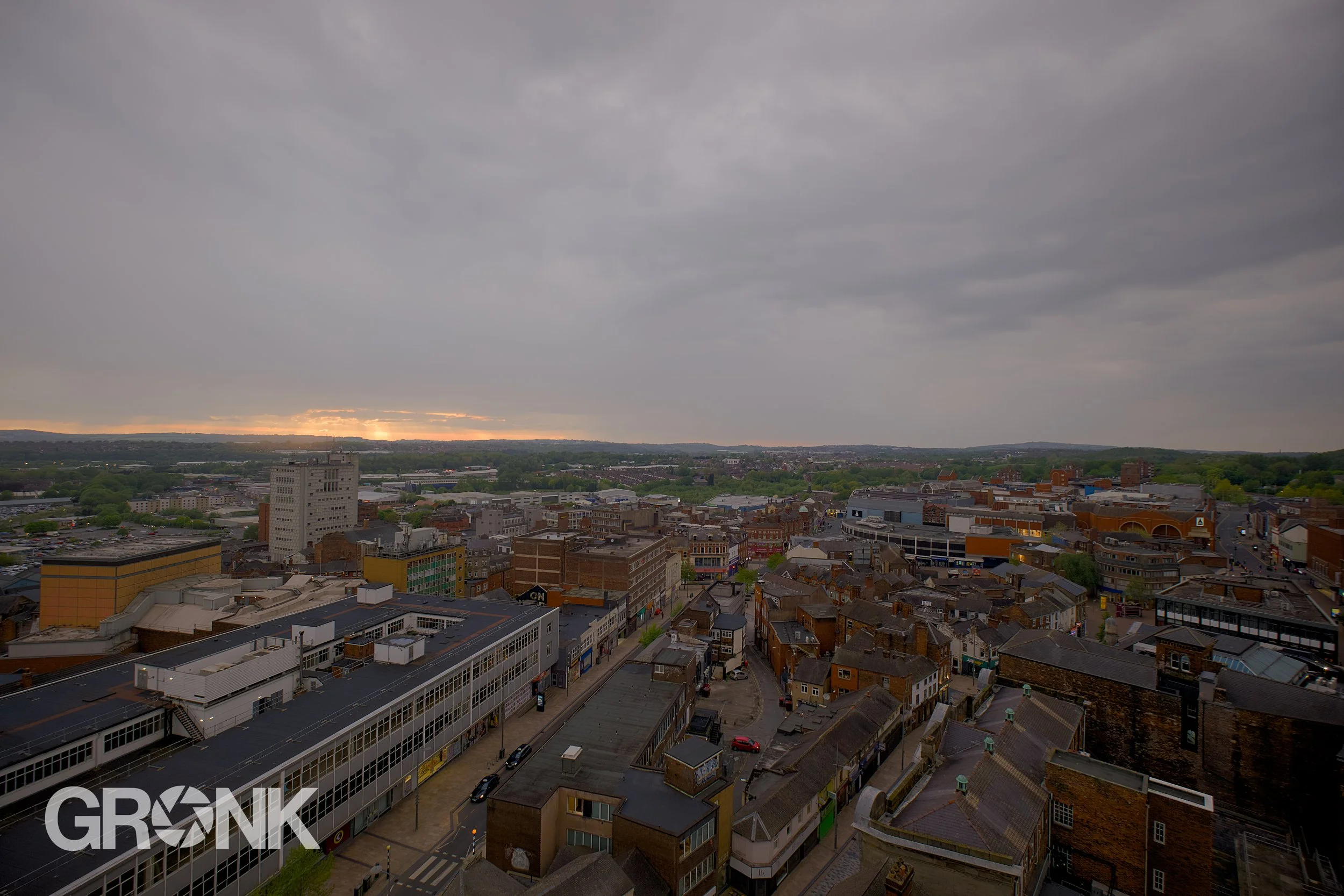
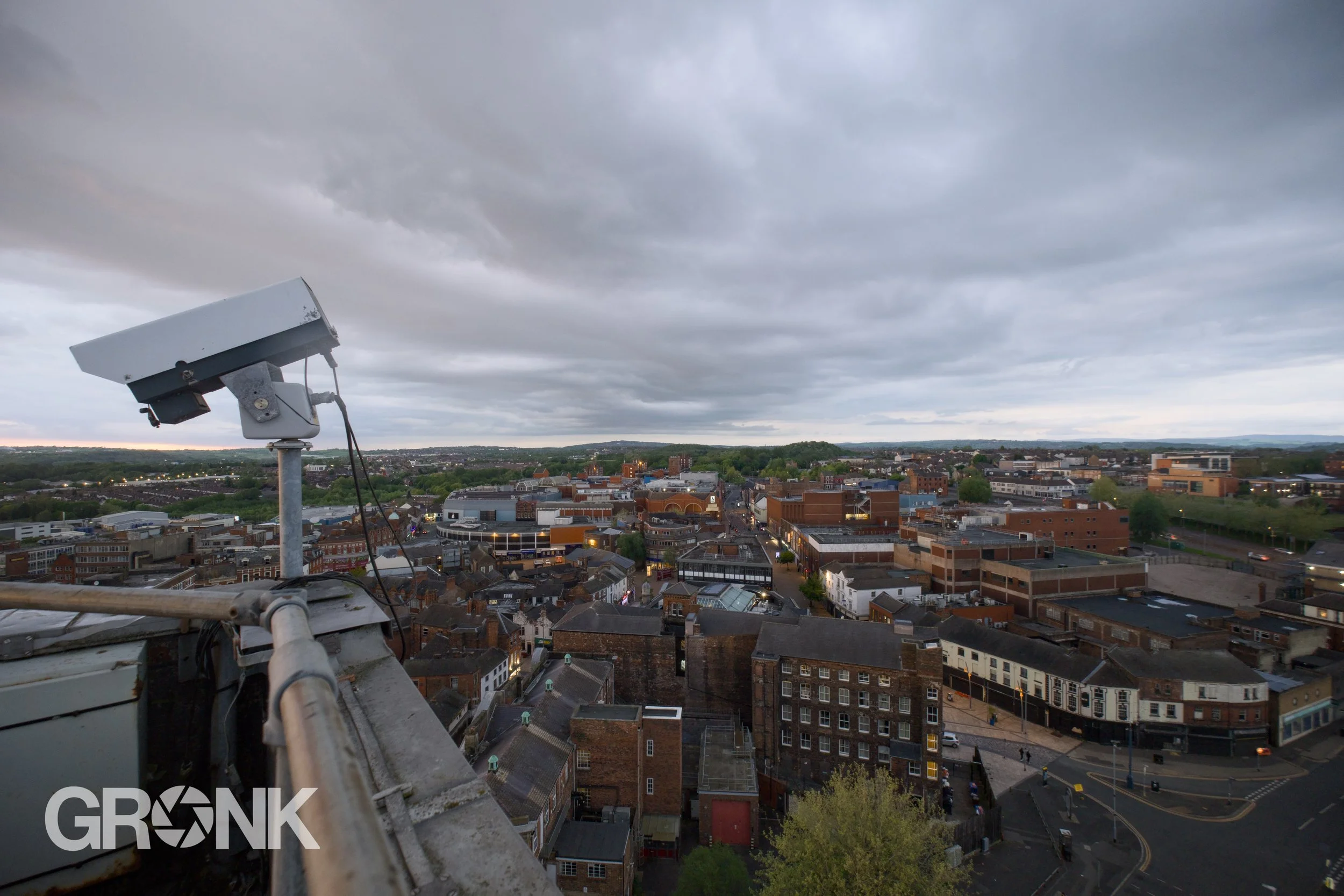
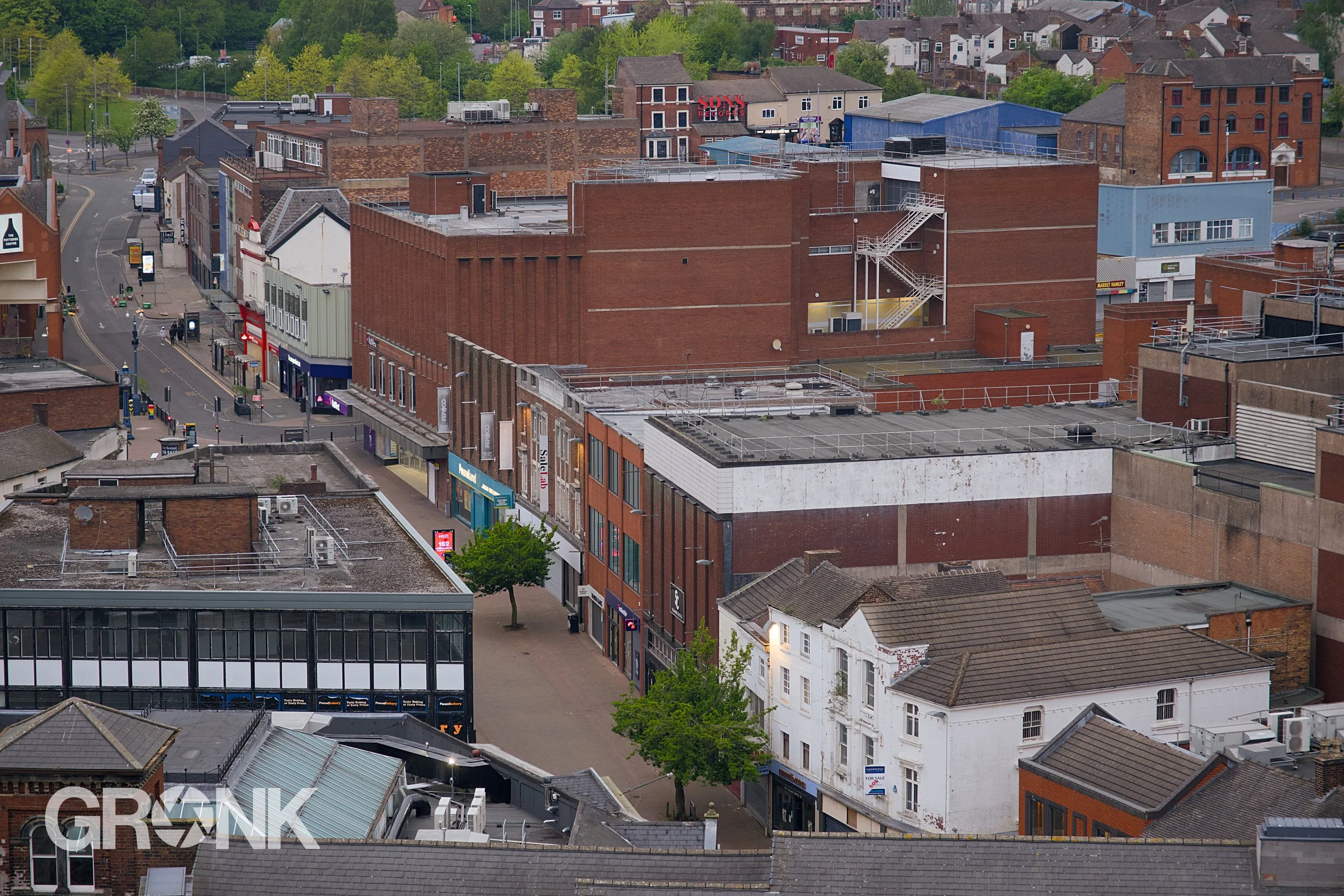
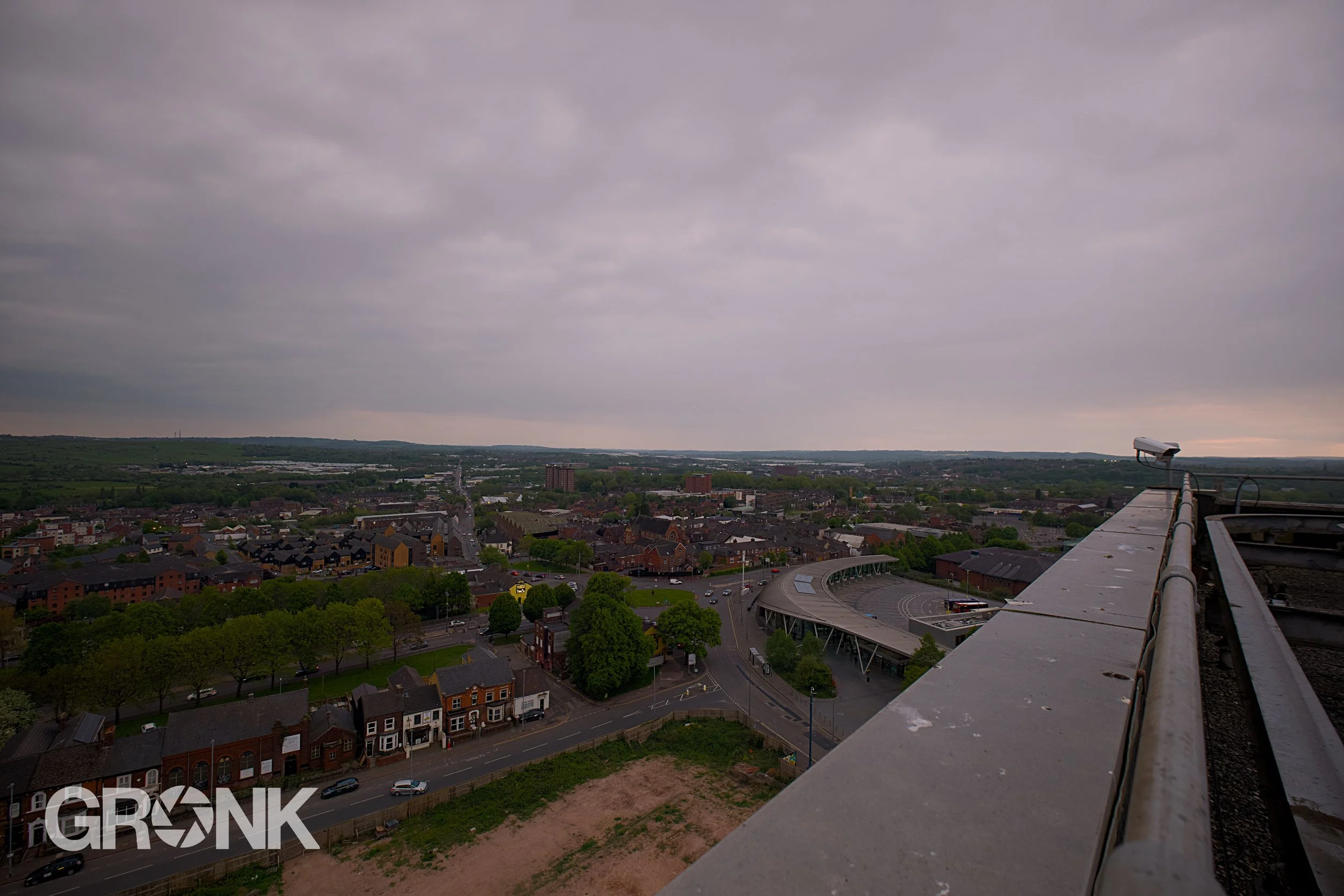
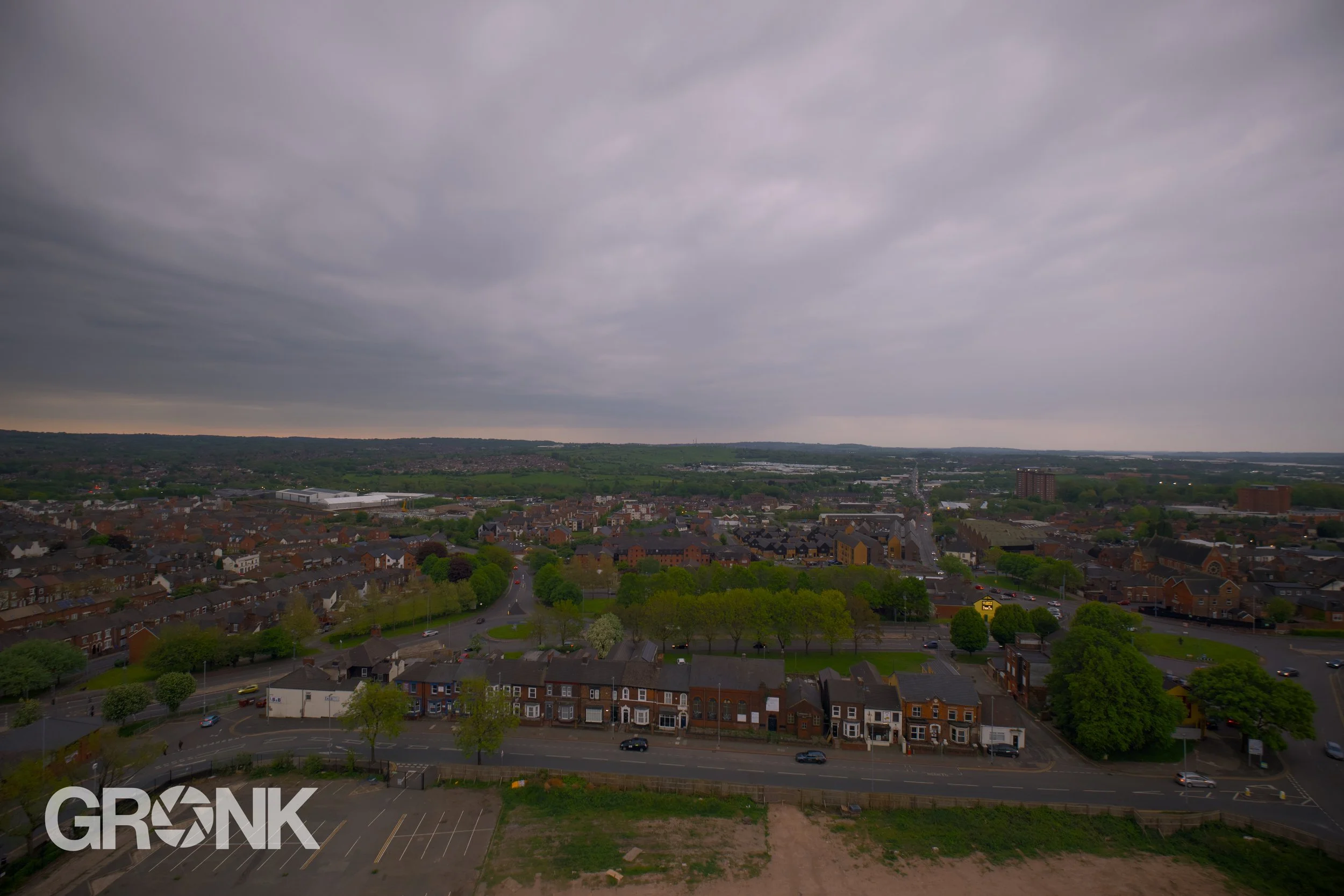
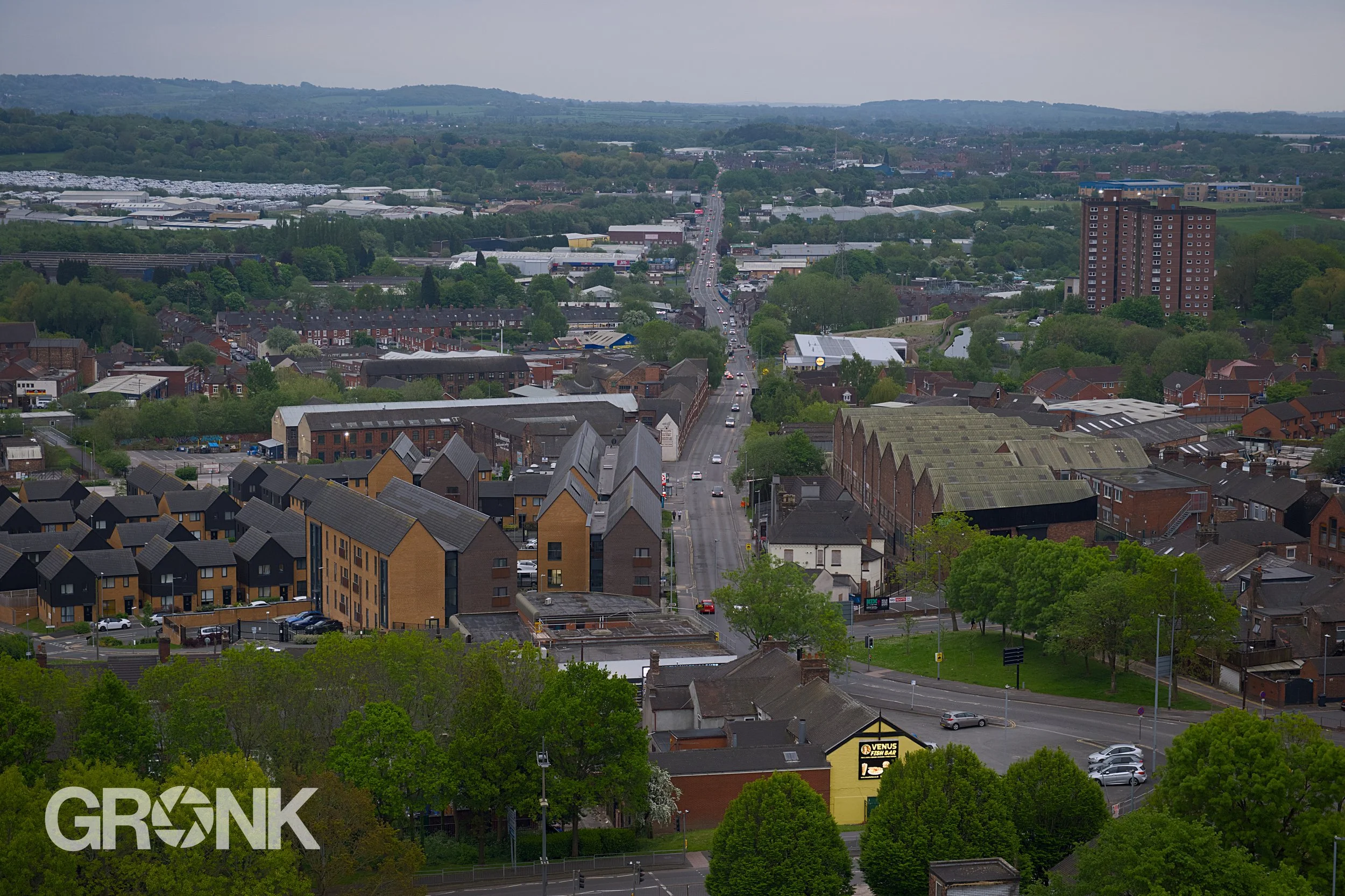
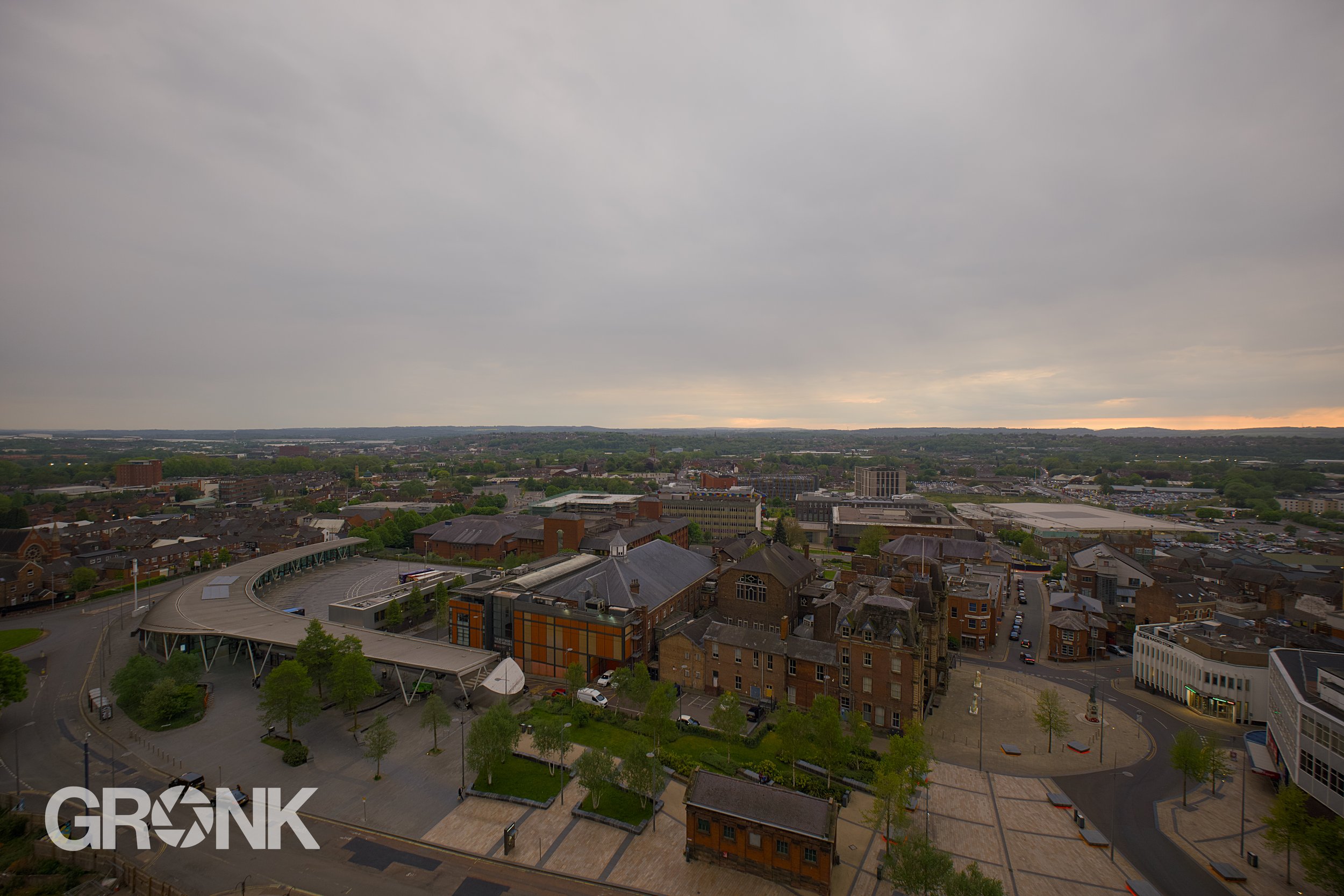
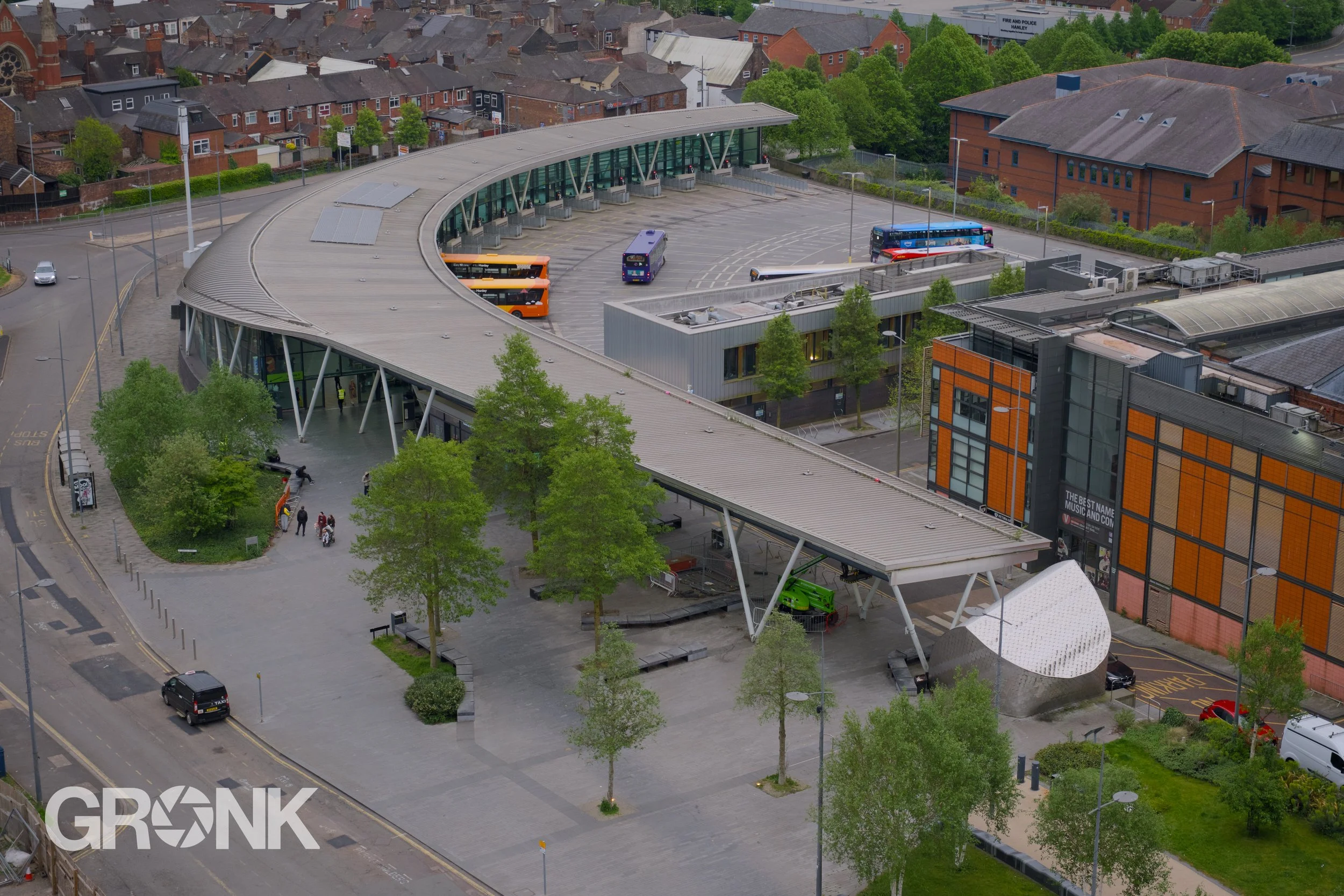
Blackburn House is a prominent high-rise office building in the centre of Hanley, close to the city’s bus station and the Etruscan Square redevelopment area. Built during the early 1970s, it formed part of the large-scale post-war redevelopment that transformed much of Hanley town centre. Older Victorian buildings on Old Hall Street, including a rectory and Sunday school, were demolished to make way for modern commercial buildings and road layouts that reflected the planning ideas of the period.
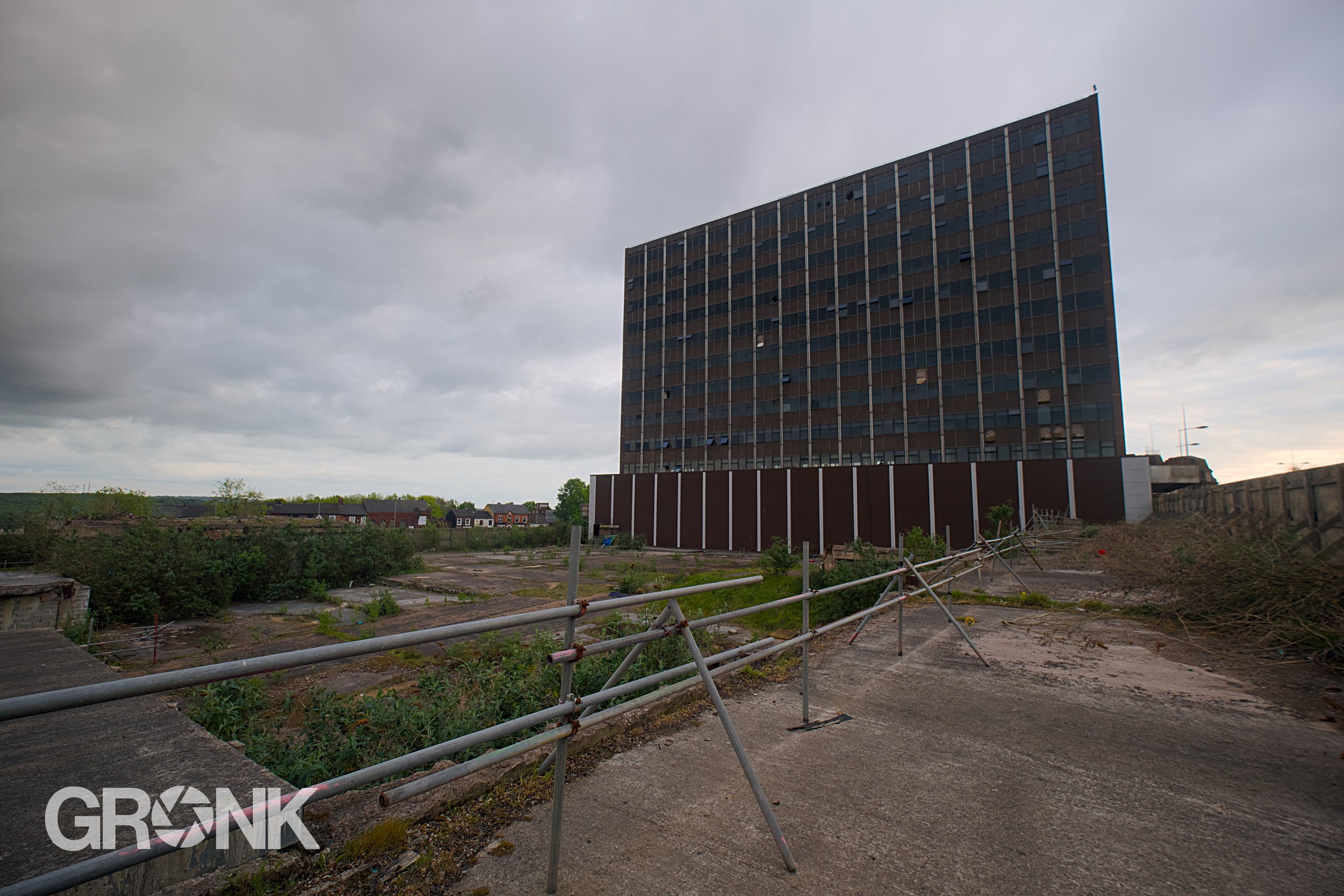
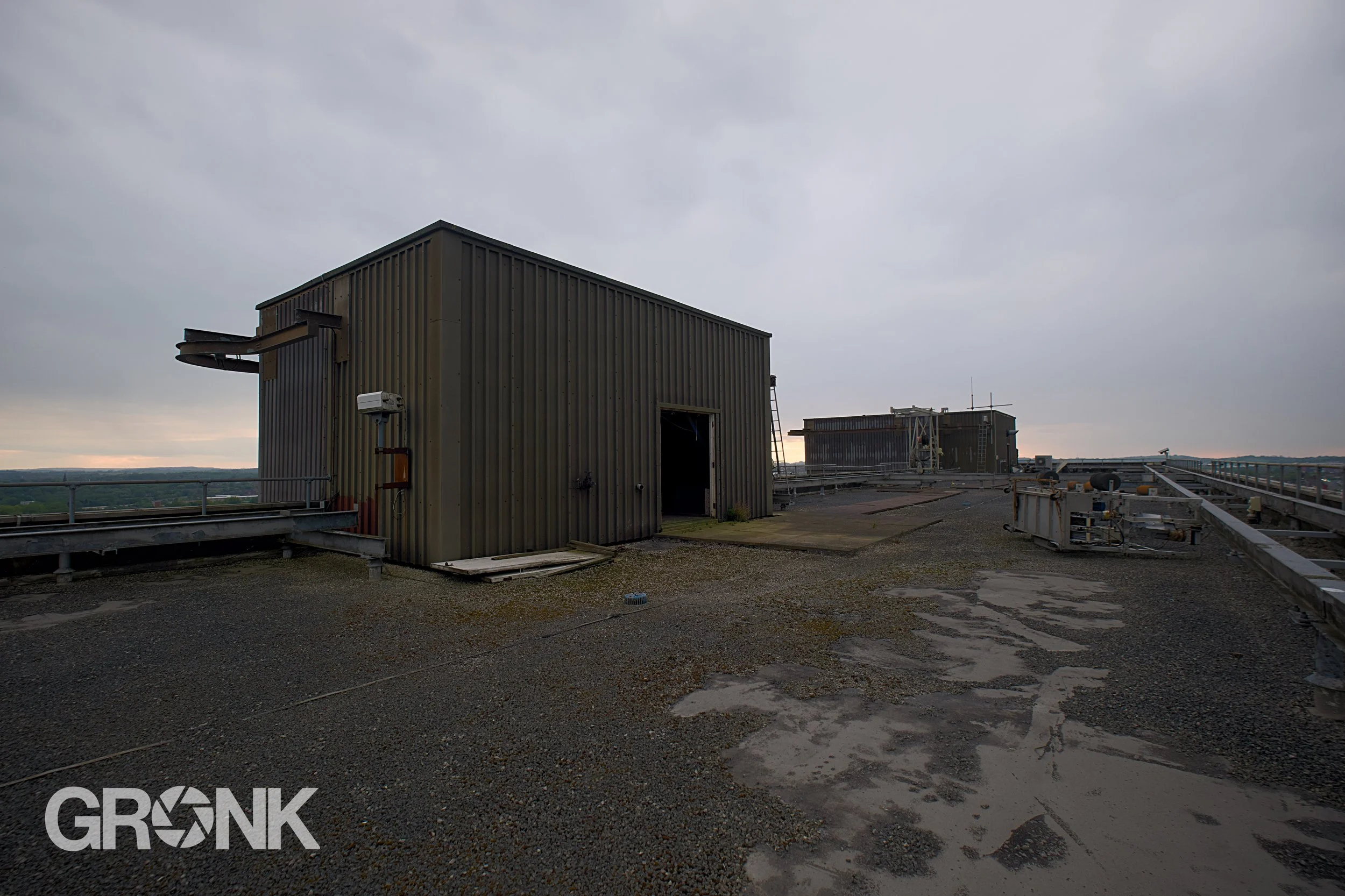
The building was designed in the modernist style common to many British town centres after the Second World War. Constructed with a concrete frame and simple rectangular form, Blackburn House was intended to provide large amounts of office space rather than decorative architecture. Rising to around eleven storeys, it quickly became a familiar landmark on the Hanley skyline.
For most of its history, Blackburn House was occupied by government departments. It became widely known locally as the “tax office” because it housed offices for the Inland Revenue and later HM Revenue & Customs (HMRC) after the merger of government tax departments in 2005. Hundreds of civil servants worked there over several decades, and the building played an important role in Stoke-on-Trent’s public-sector employment. The ground floor also contained retail units, helping to connect the office block with the surrounding shopping area.
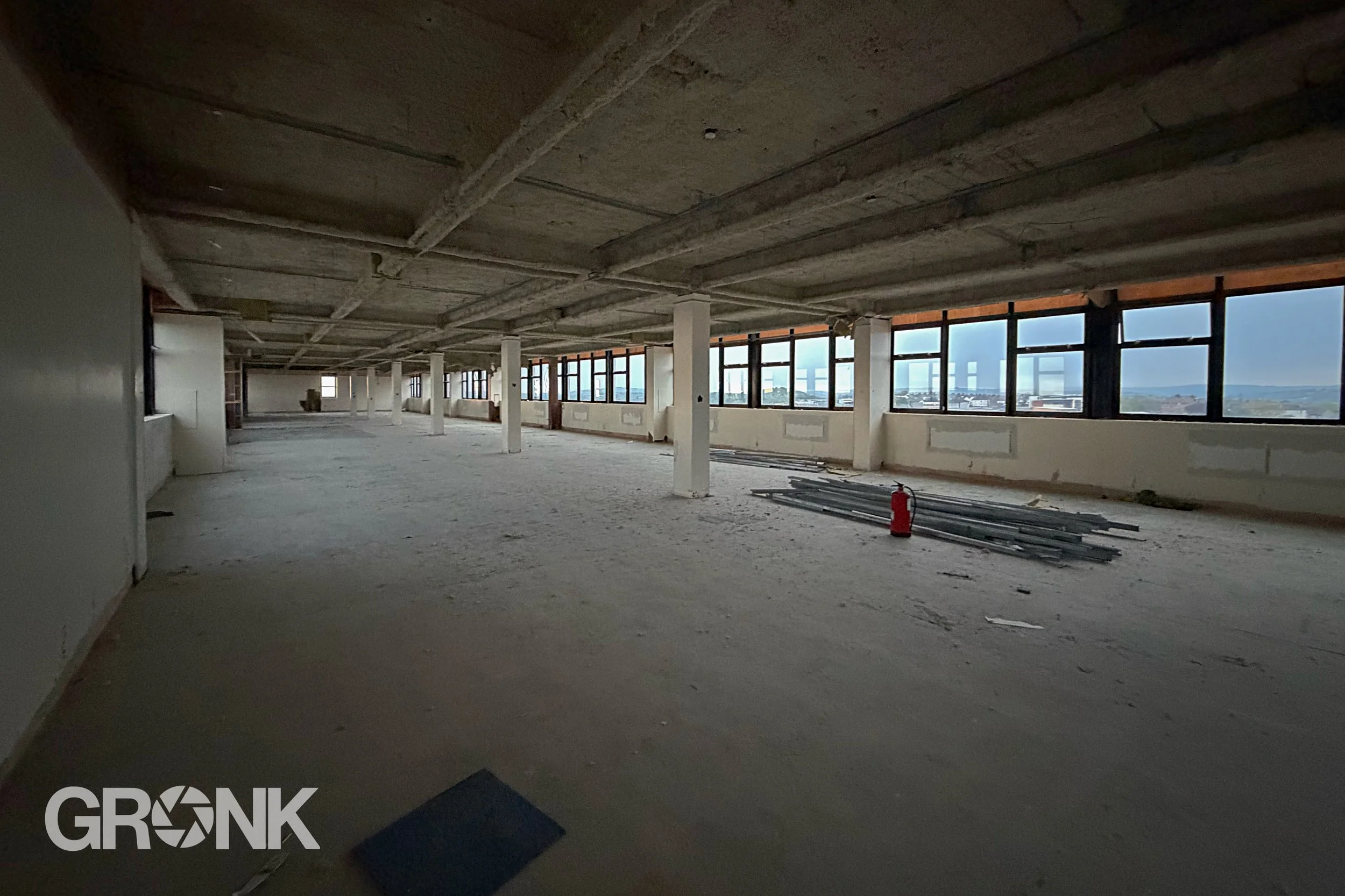
In 2016, part of the lower floors became occupied by the retailer B&M, which continues to trade from the building today. However, the character of Blackburn House changed significantly when HMRC closed its Stoke-on-Trent offices in 2019. The departure left most of the tower vacant and raised questions about the future of the building and the wider city centre.
Since then, Blackburn House has become part of wider regeneration plans for Hanley. Developers proposed converting the empty upper floors into residential accommodation while retaining the retail space below. In 2024 and 2025, plans for more than 100 apartments received approval as part of efforts to increase city-centre living in Stoke-on-Trent. Blackburn House therefore represents both Hanley’s post-war redevelopment history and its more recent transition toward urban regeneration and residential reuse.