Cefn Coed Colliery Museum
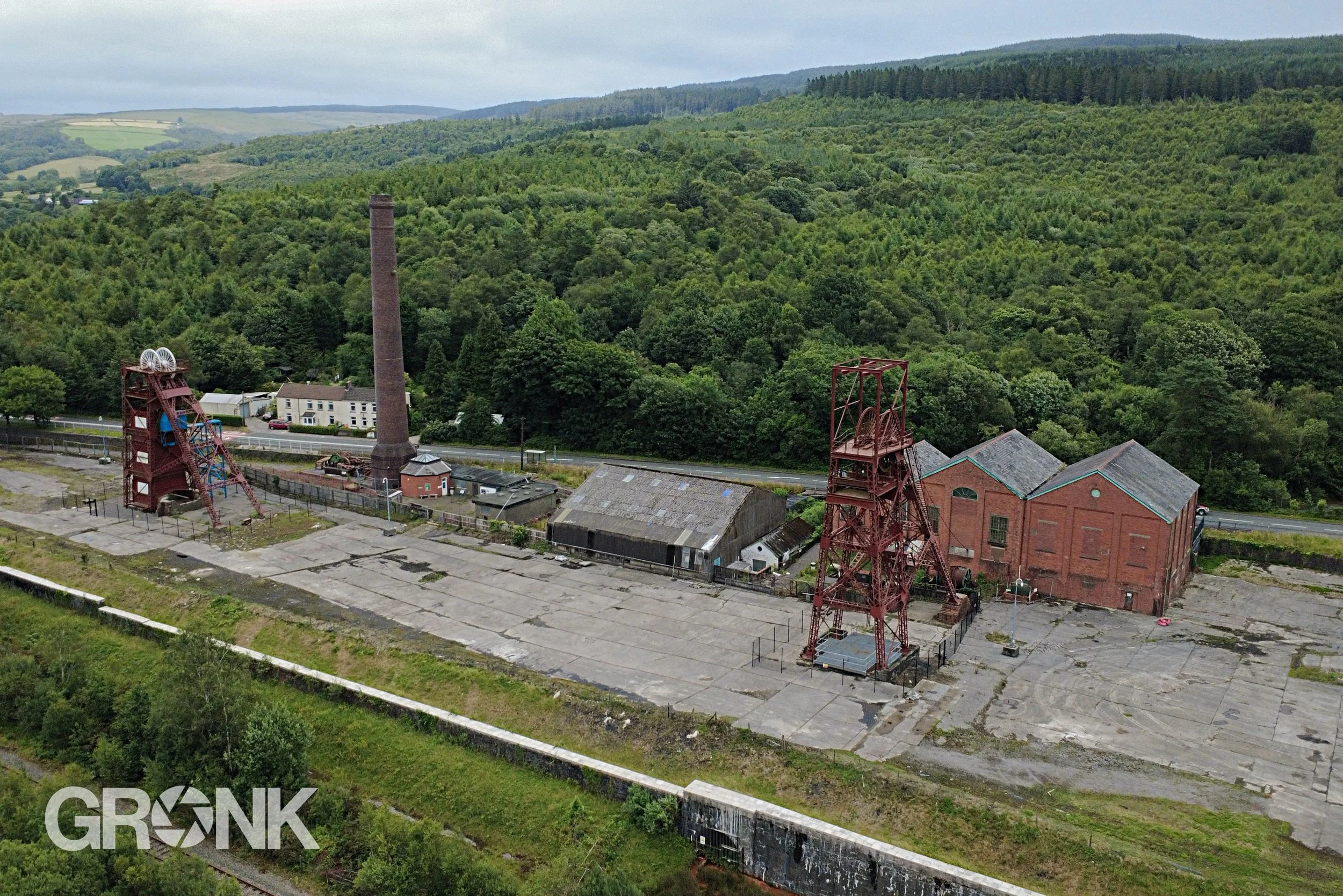
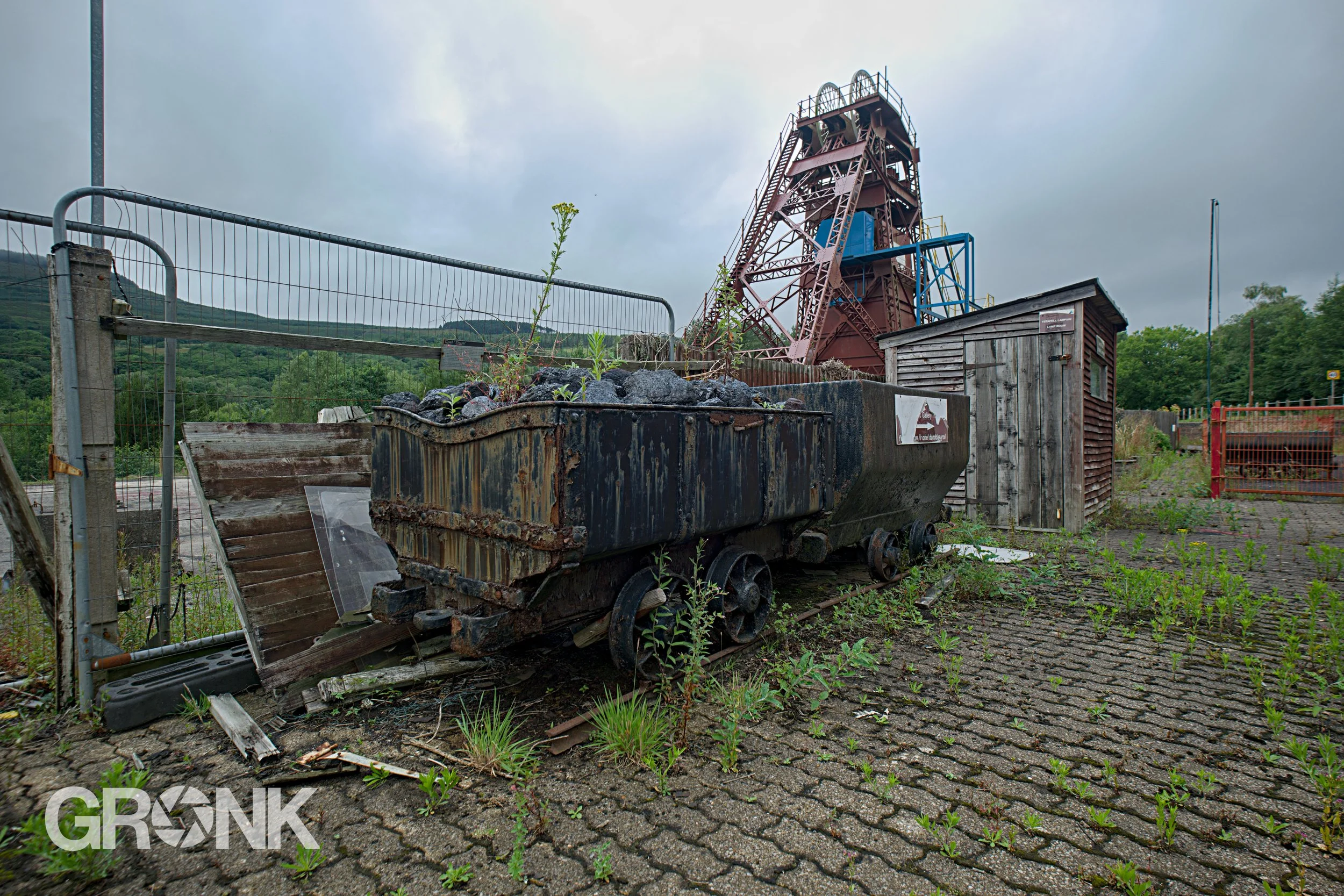
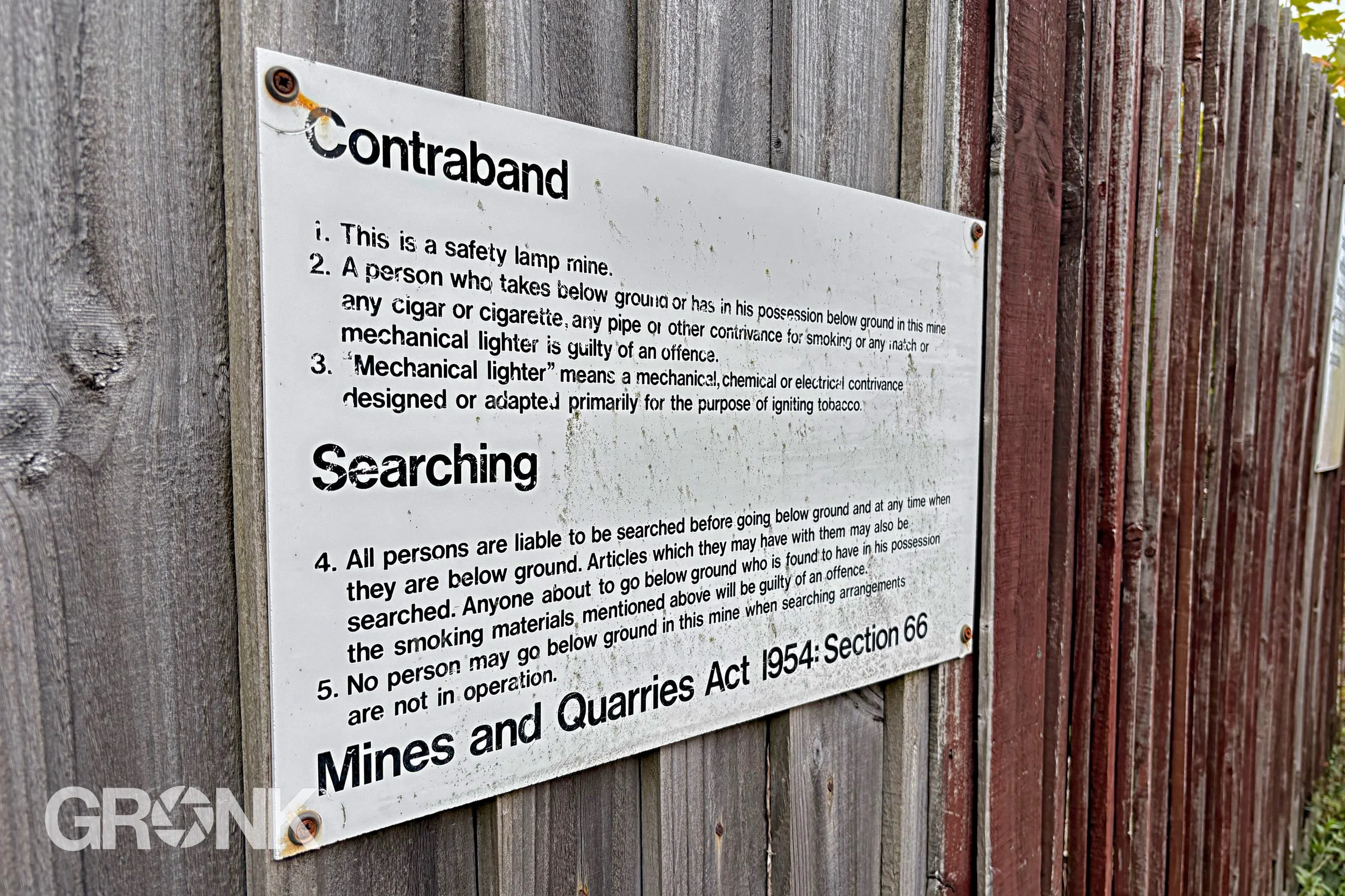
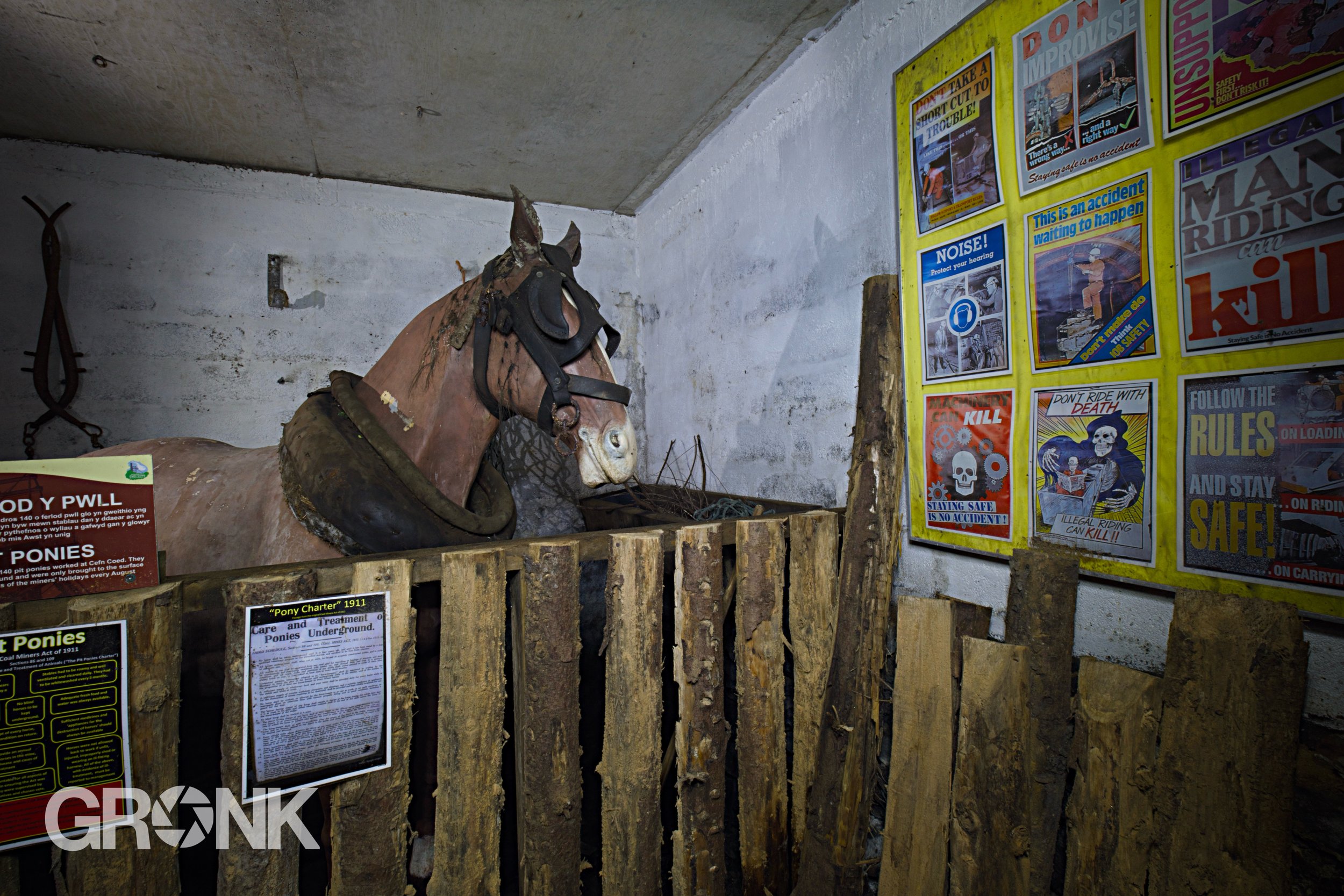
This former colliery was originally sunk during the 1920s under the Llwynonn Colliery Company. Following its takeover by the Amalgamated Anthracite Combine in 1926, the mine finally produced its first coal in 1930, after shafts had been driven through the notoriously hard Blue Pennant sandstone. The colliery subsequently worked seams including the ‘Big Vein’, reaching depths of more than 2,500 feet. Its extreme depth and dangerous working conditions earned it the grim nickname “The Slaughterhouse”, reflecting the frequent methane incidents and roof falls experienced underground.
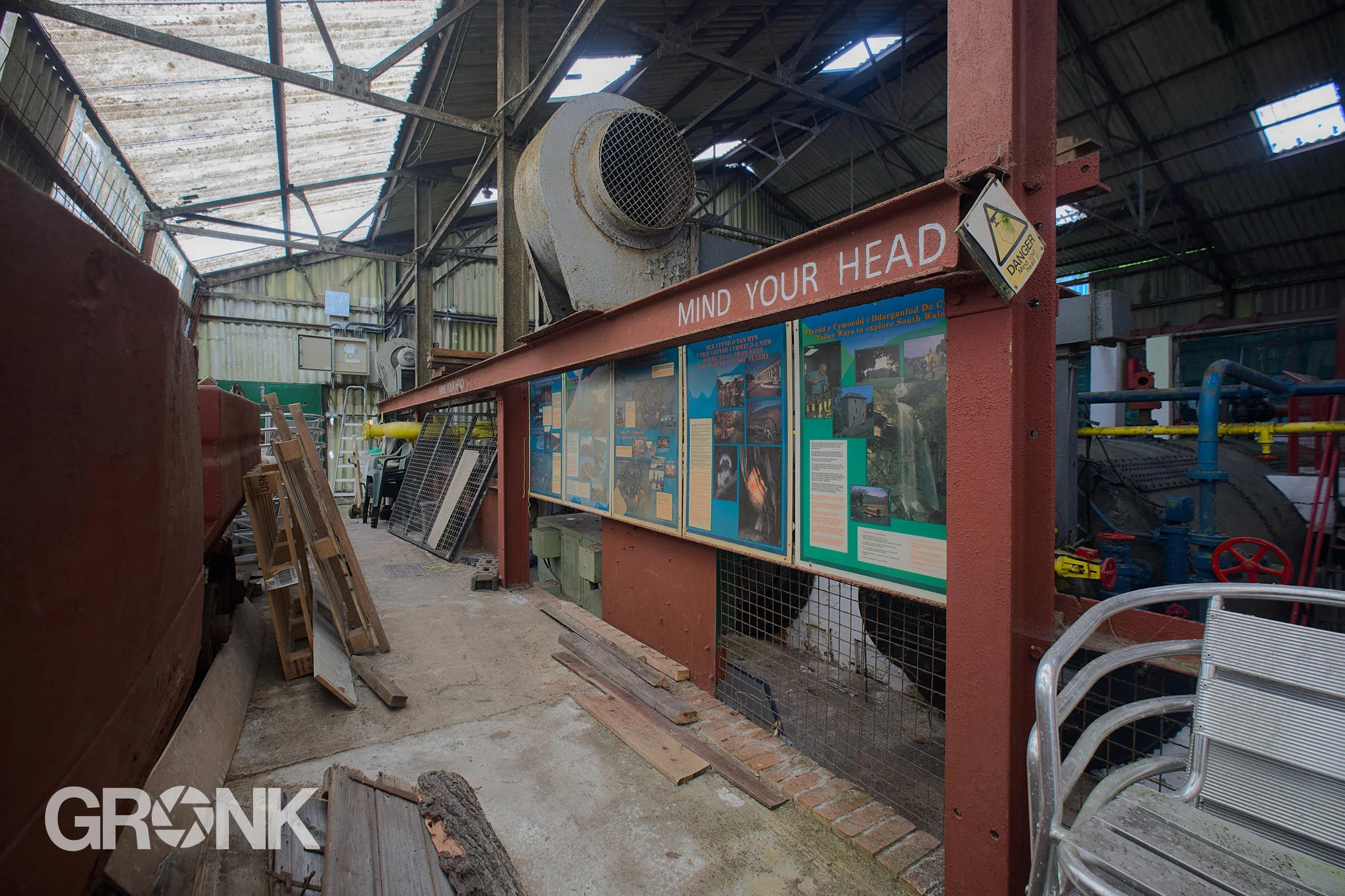
By the end of the Second World War, in 1945, around 908 men were employed at the pit. Following the nationalisation of the coal industry in 1947, the colliery came under the control of the National Coal Board. However, declining demand for coal, together with the considerable cost of maintaining its deep underground roadways, eventually led to its closure in 1968. Many of its former workers subsequently transferred to a nearby drift mine. The former colliery site was later transformed into a museum, which officially opened in 1978. Today, it preserves a remarkable collection of industrial heritage, including the 1927 Worsley Mesnes horizontal duplex steam winding engine. Now electrically driven, this enormous machine originally powered the No. 2 shaft and remains one of the largest working winding engines in Wales.
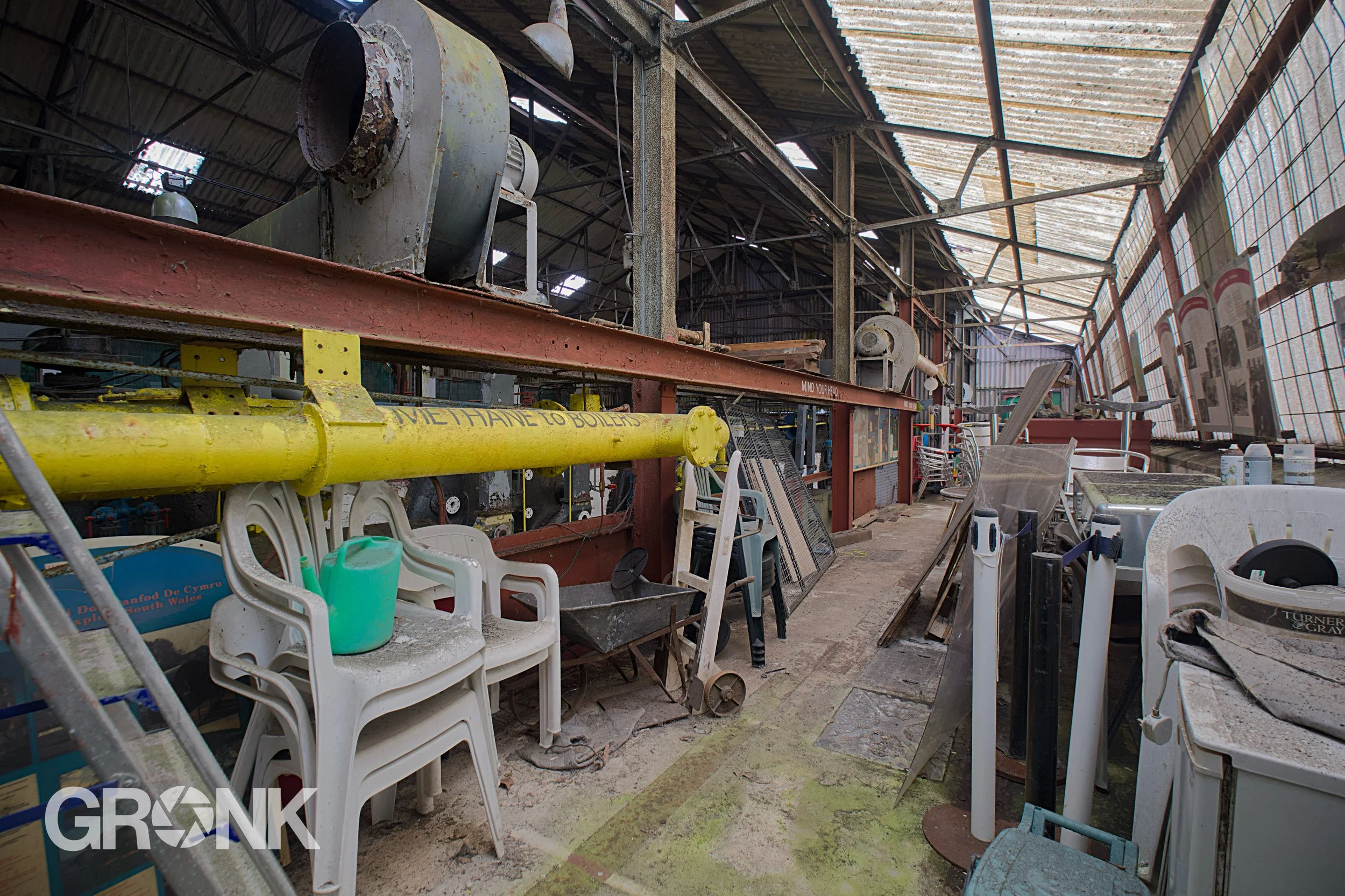
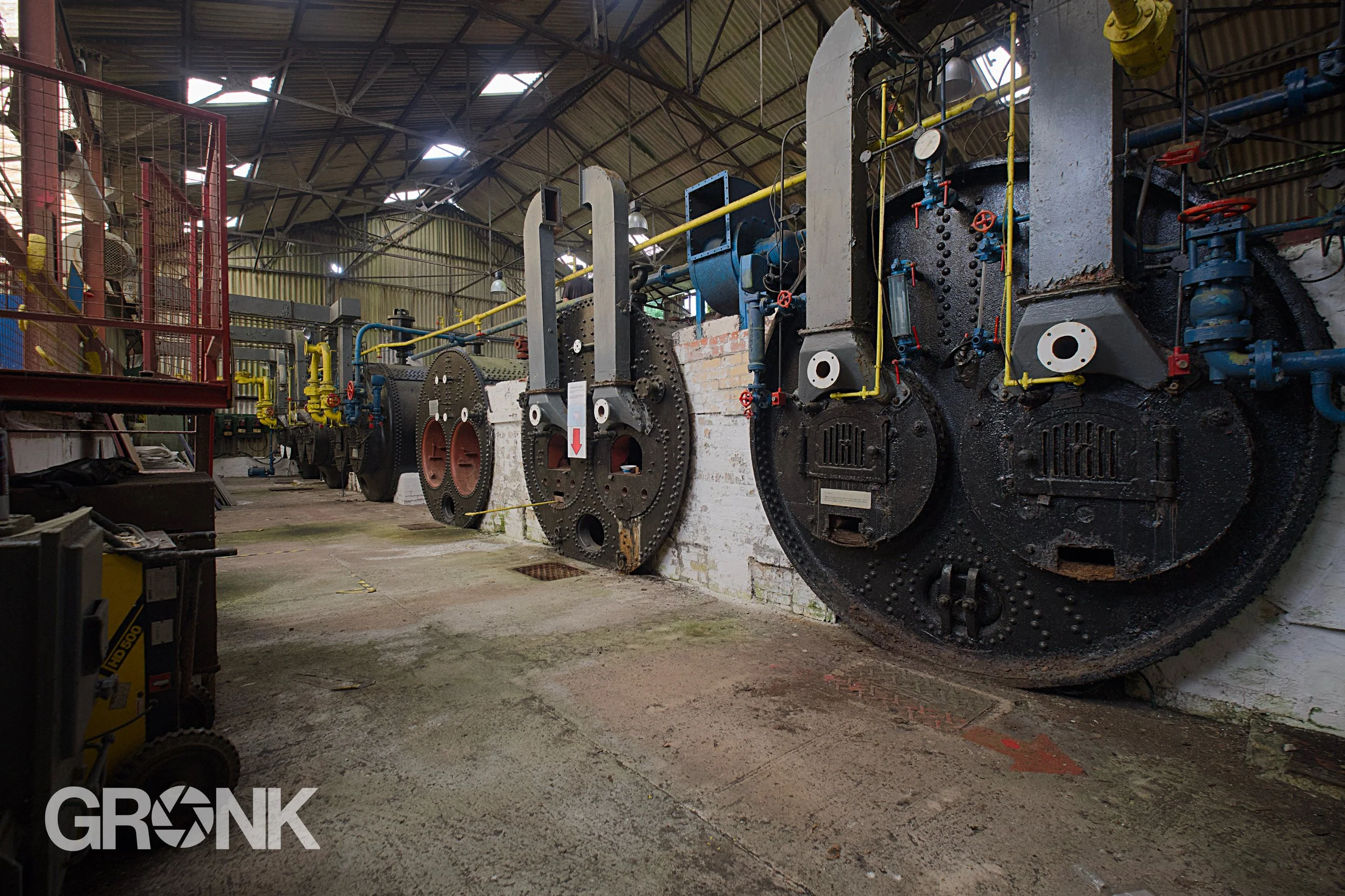
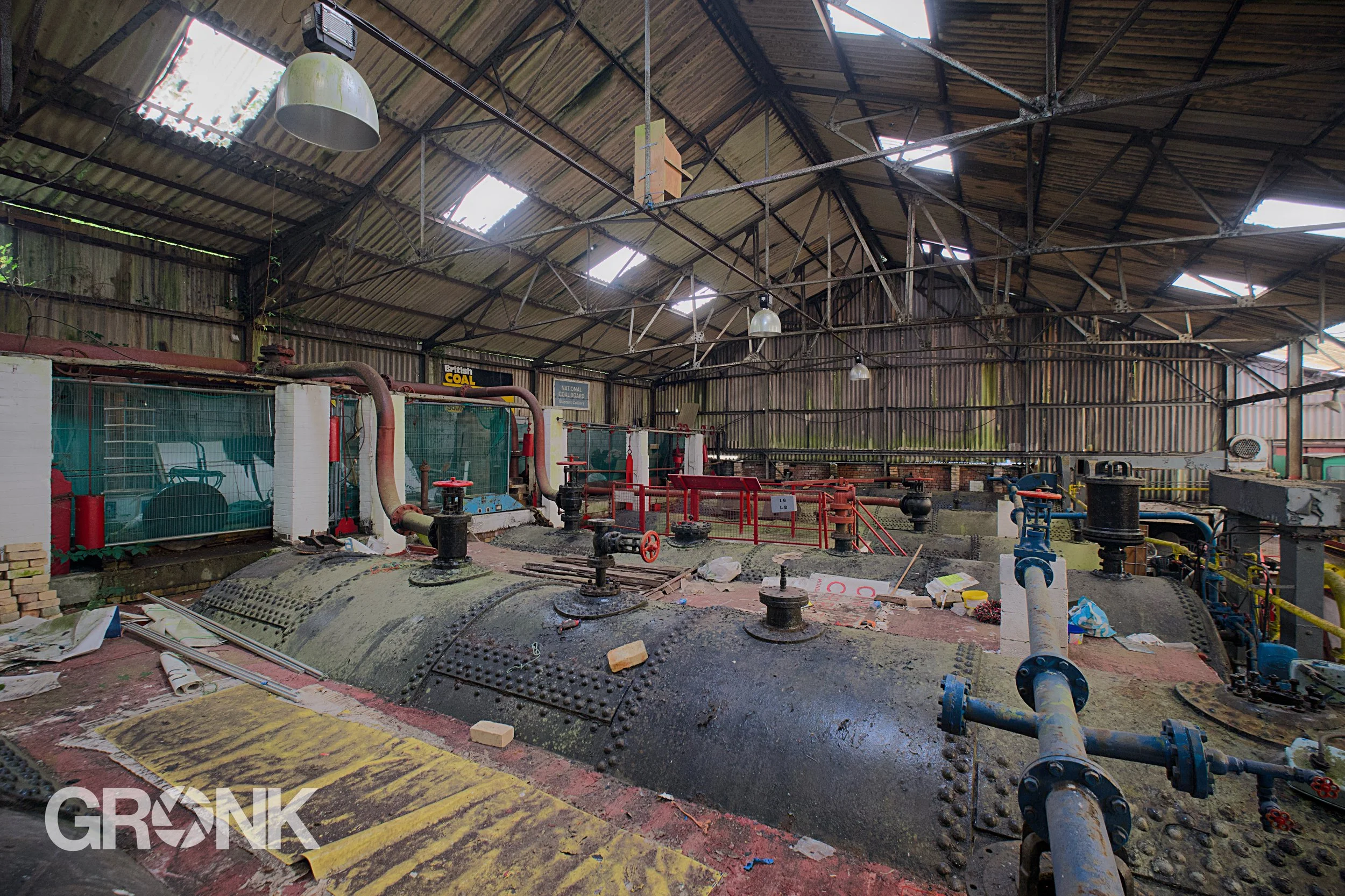
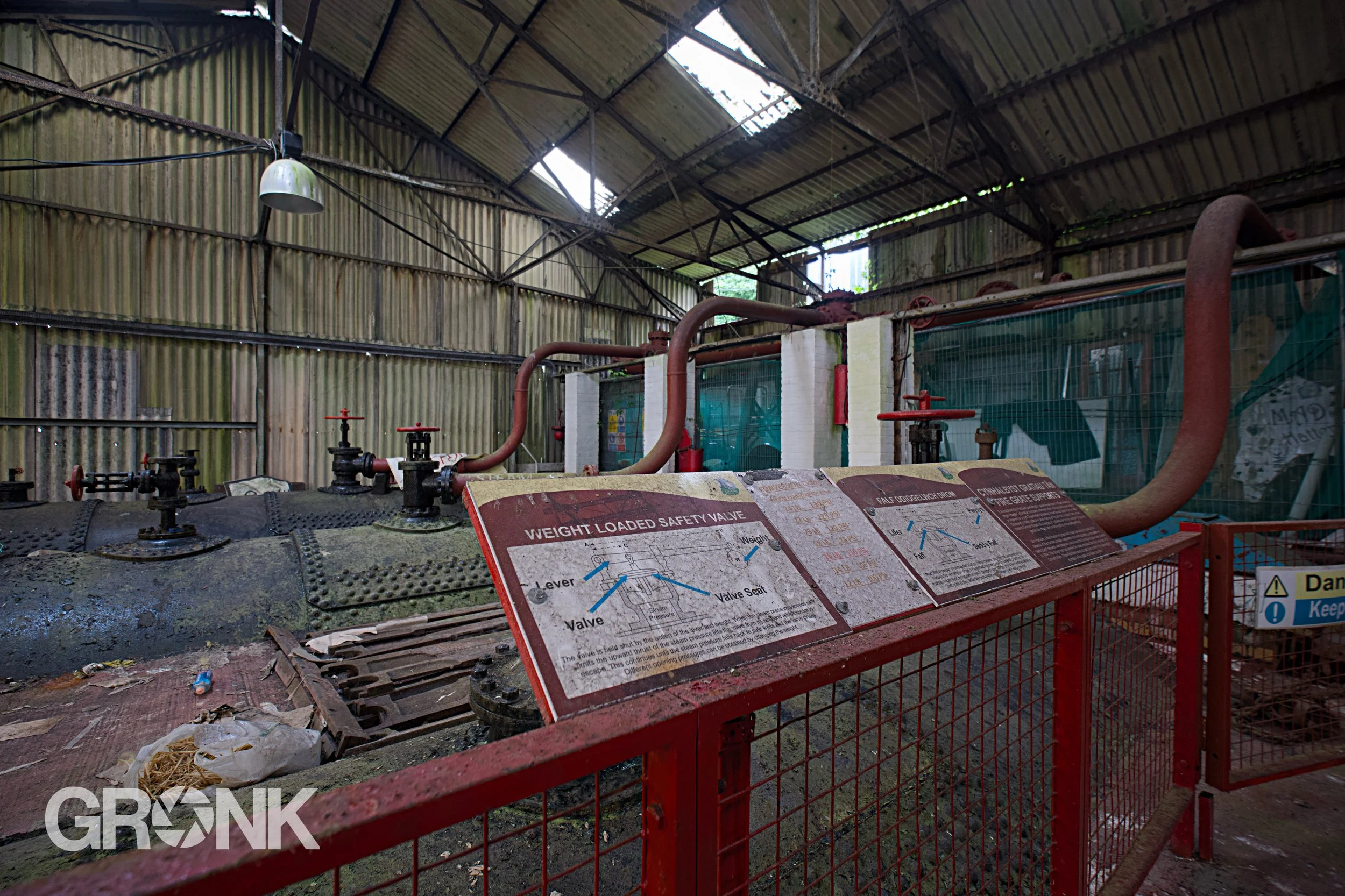
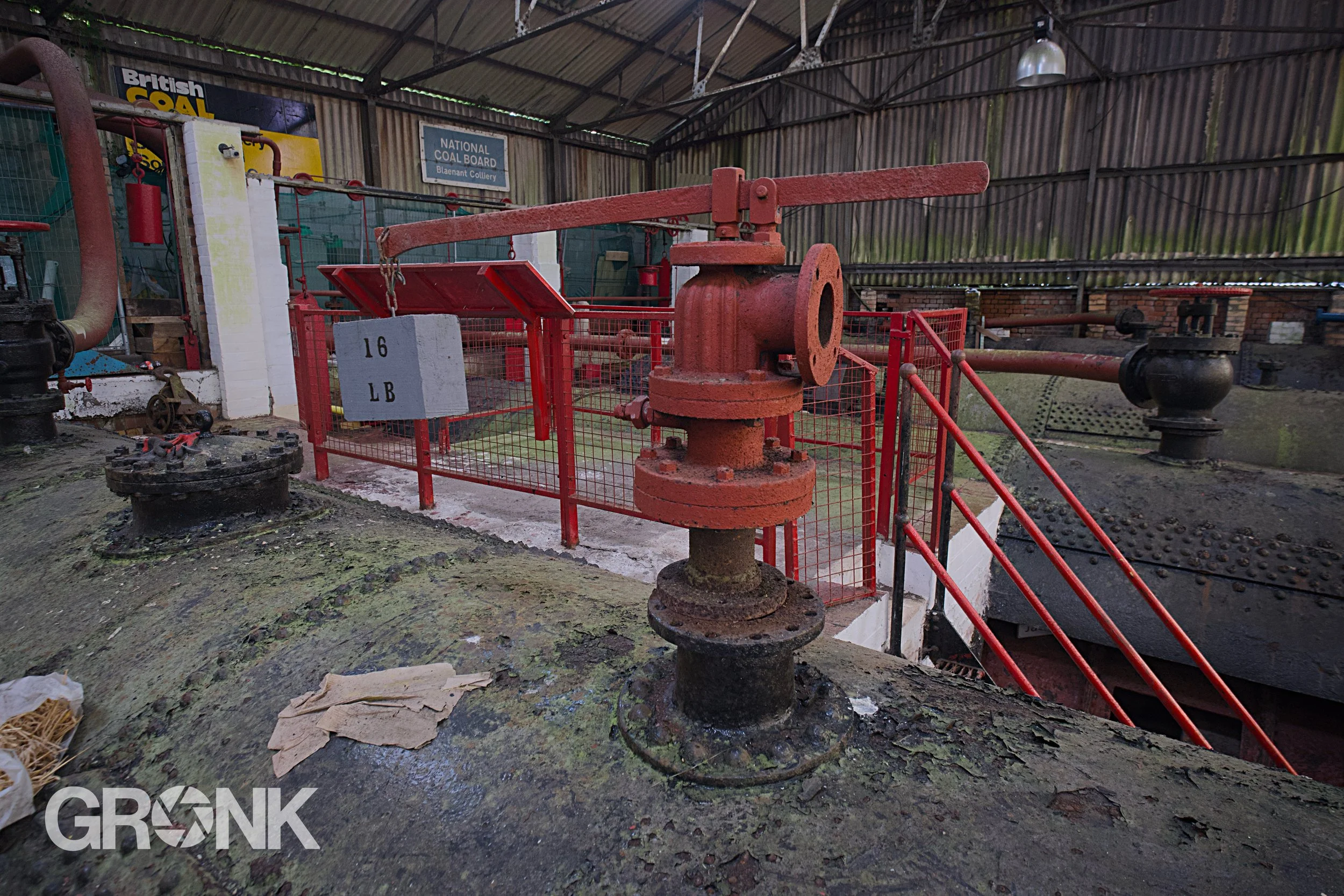
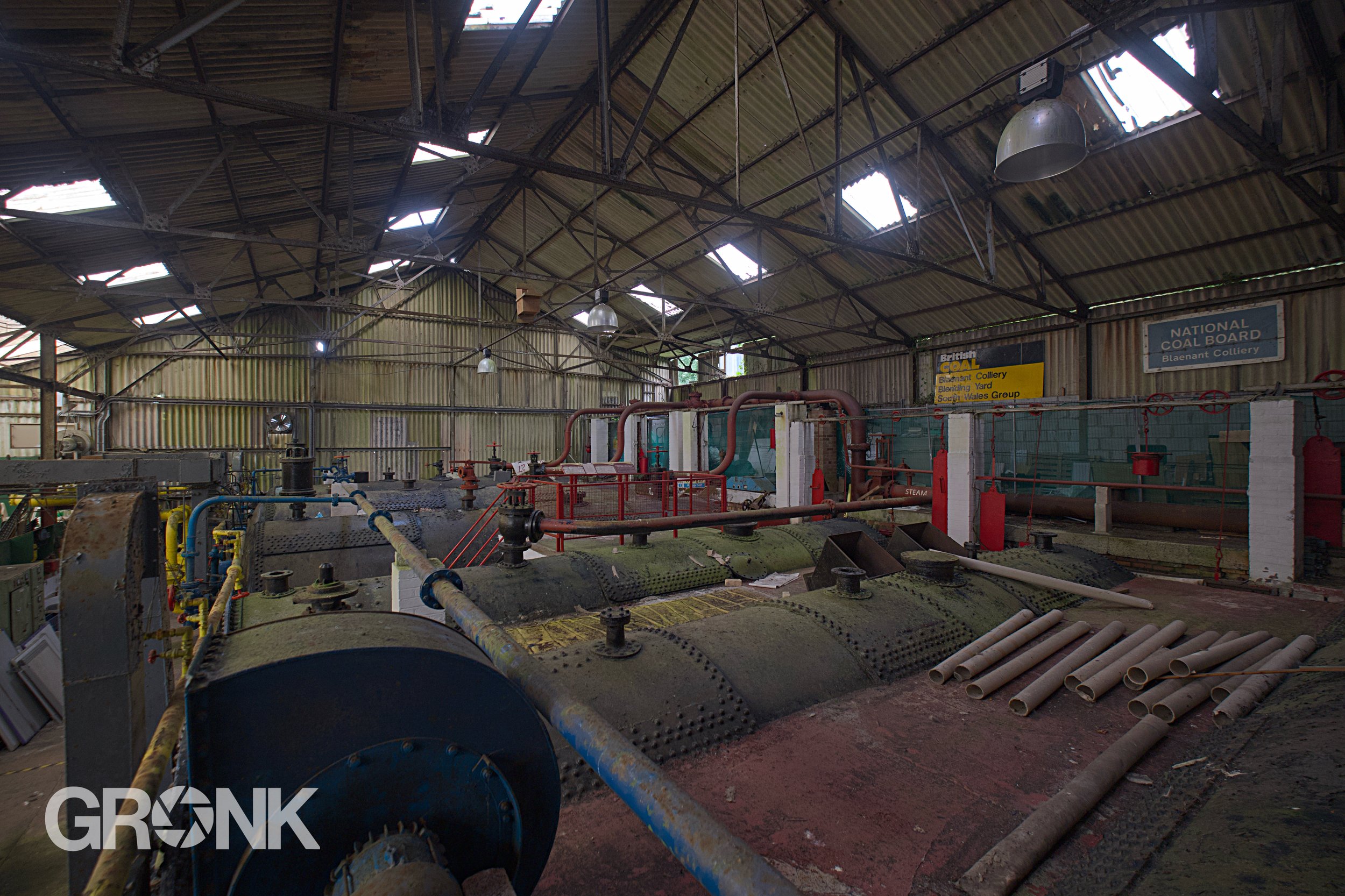
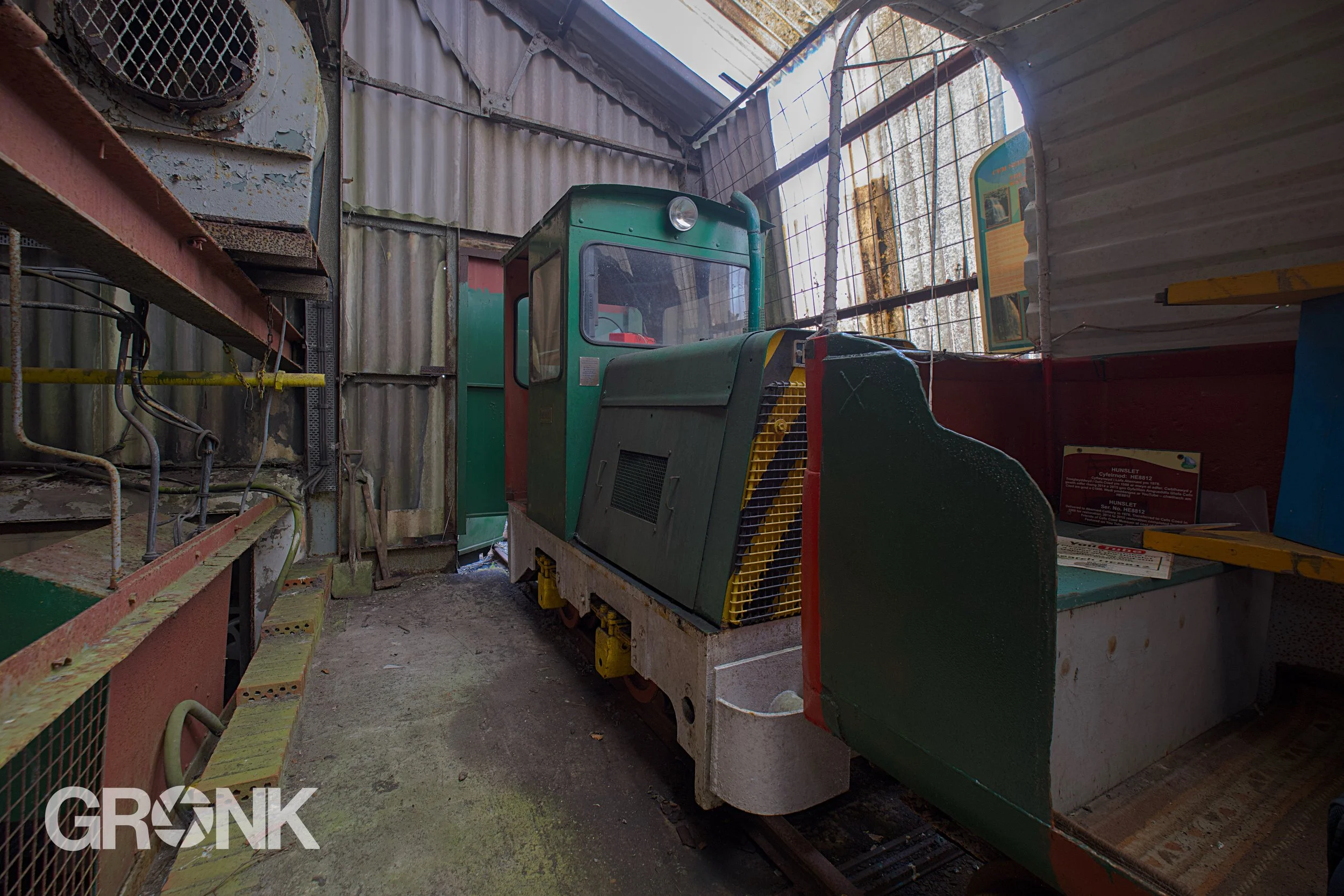
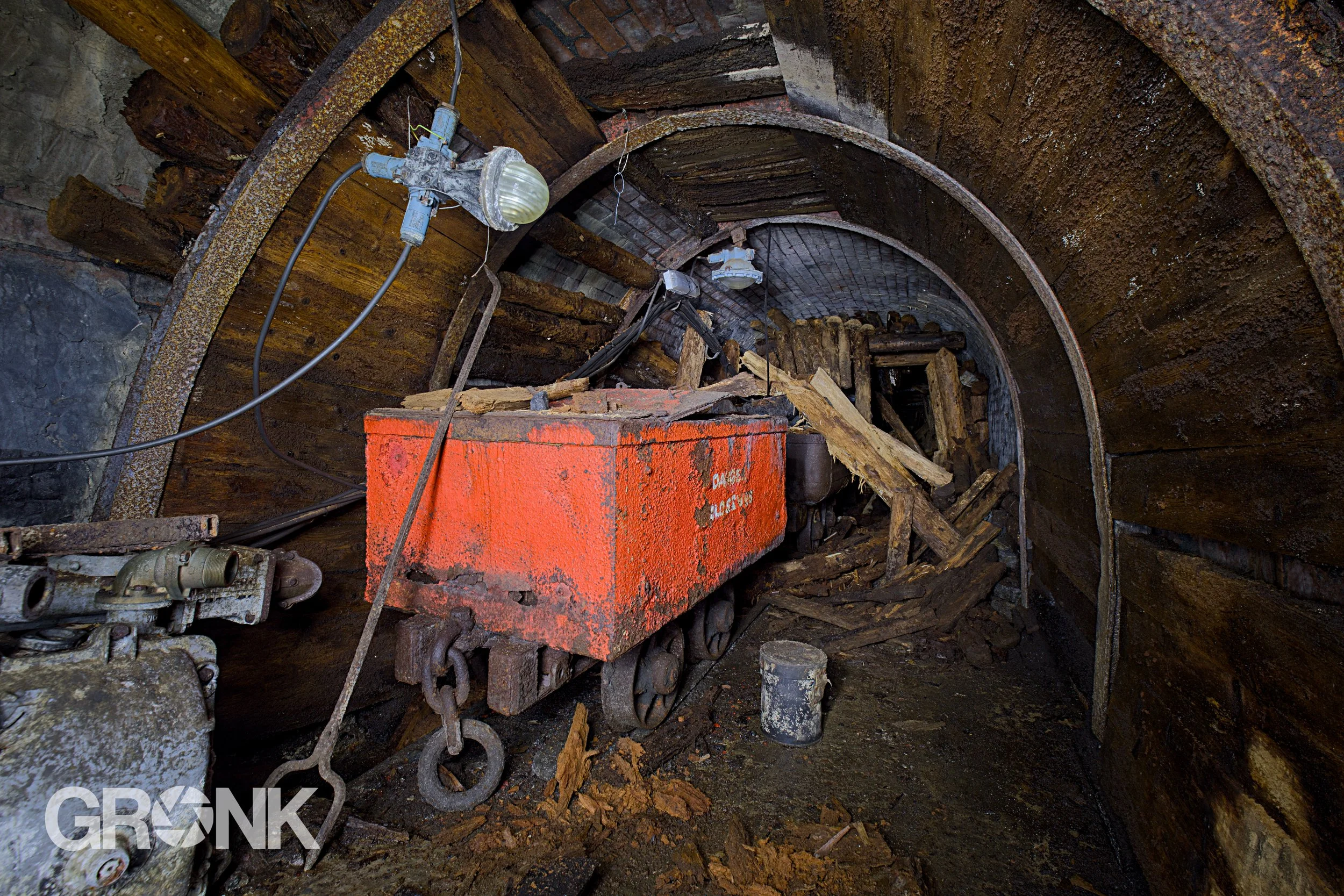
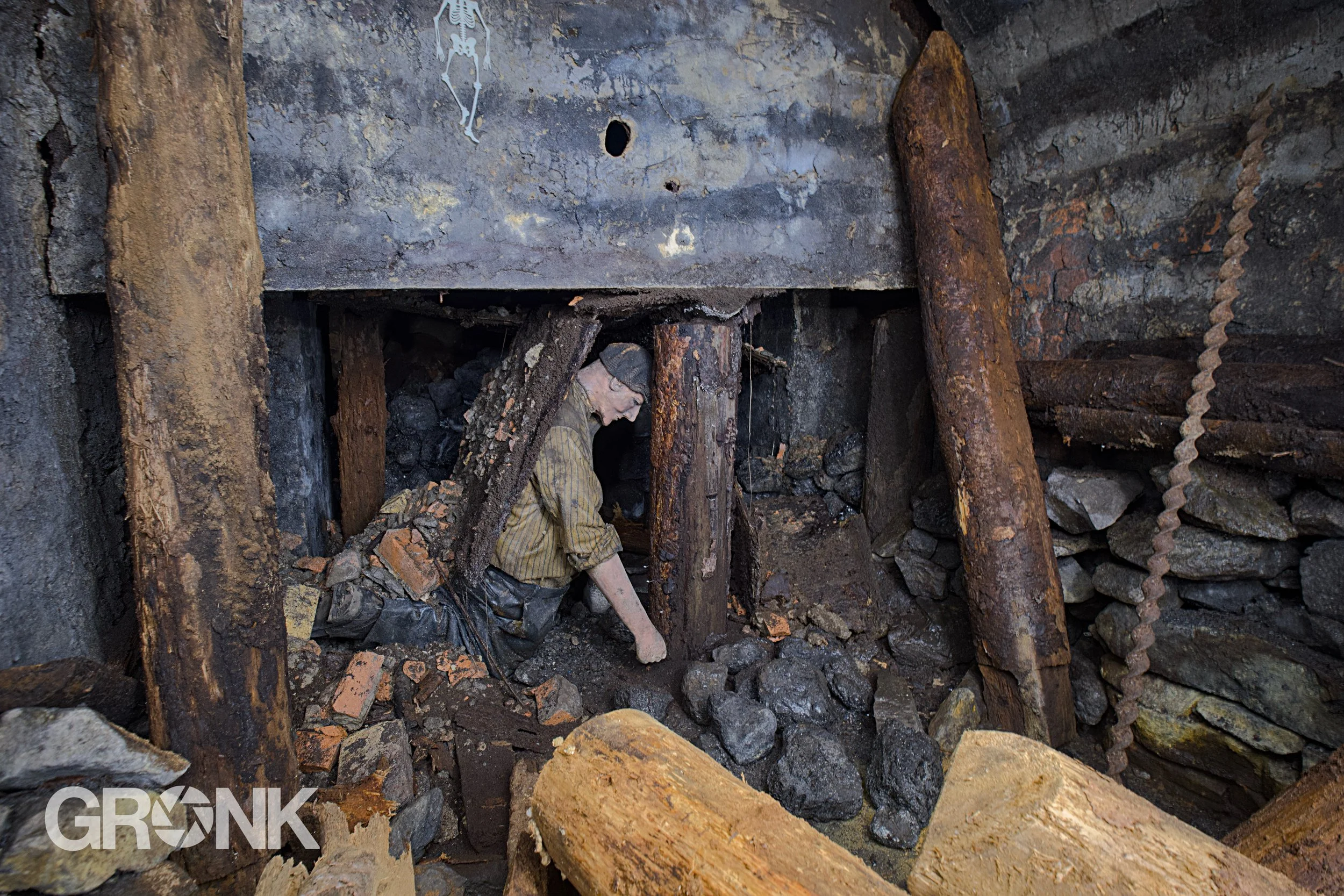
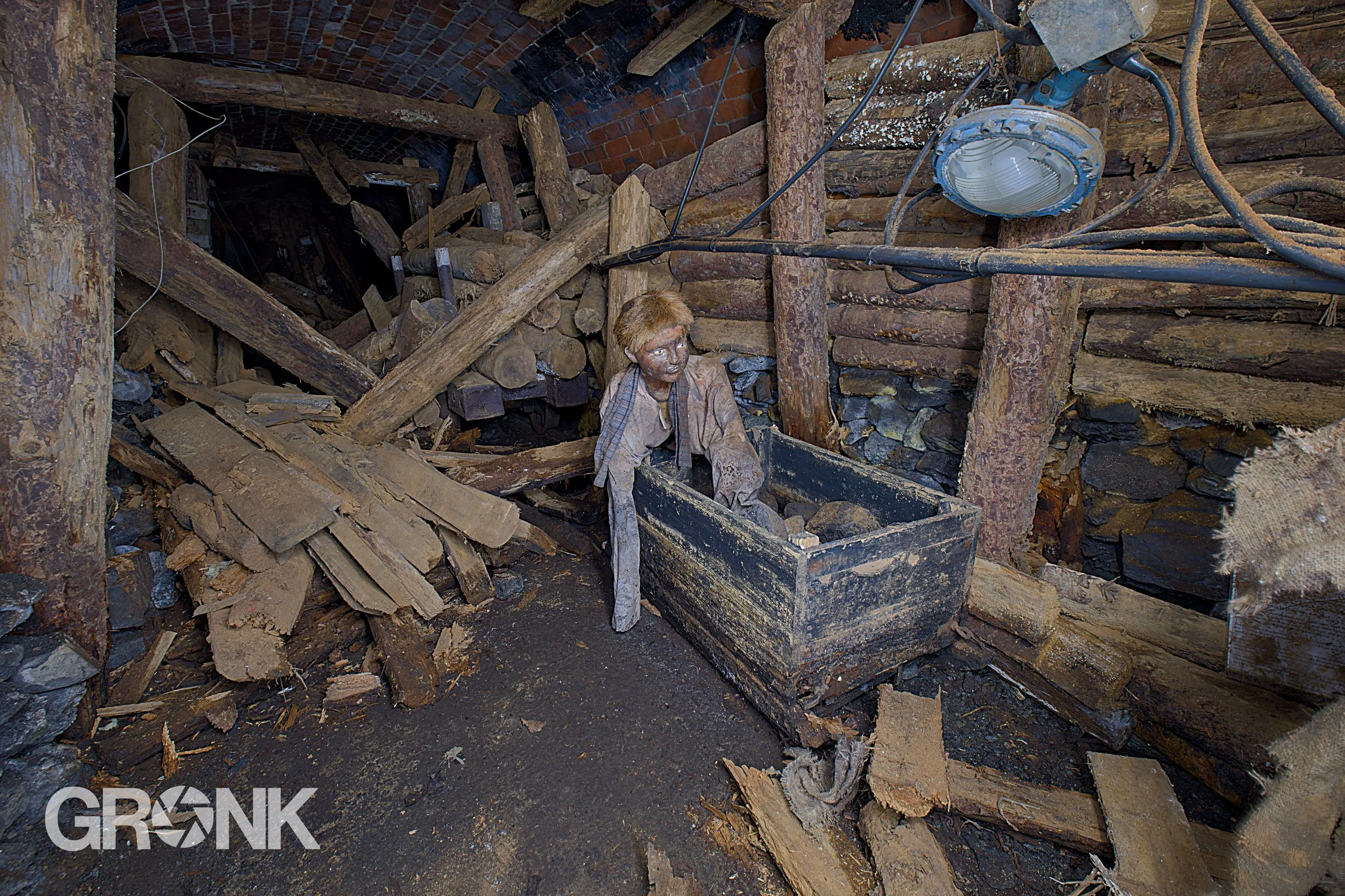
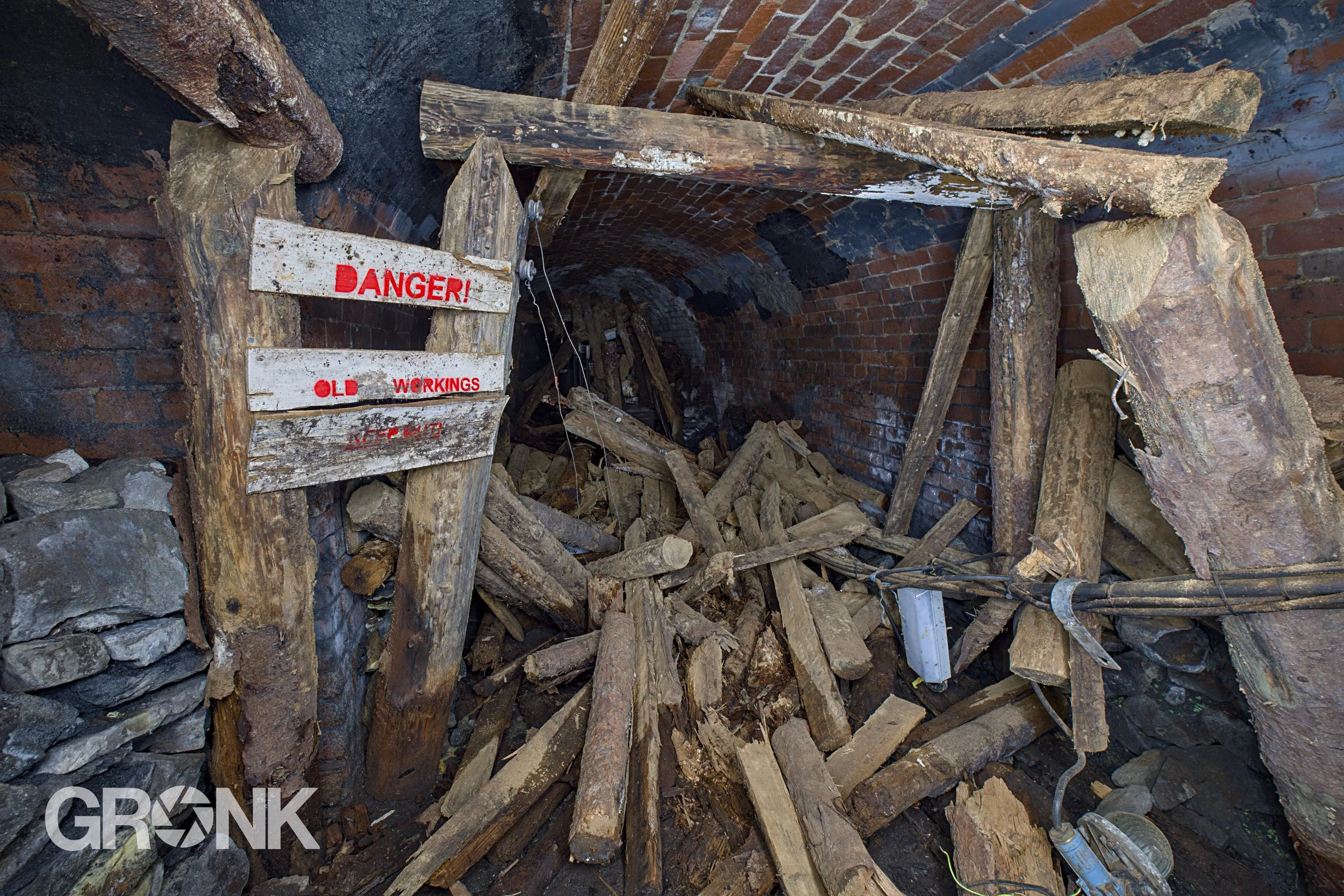
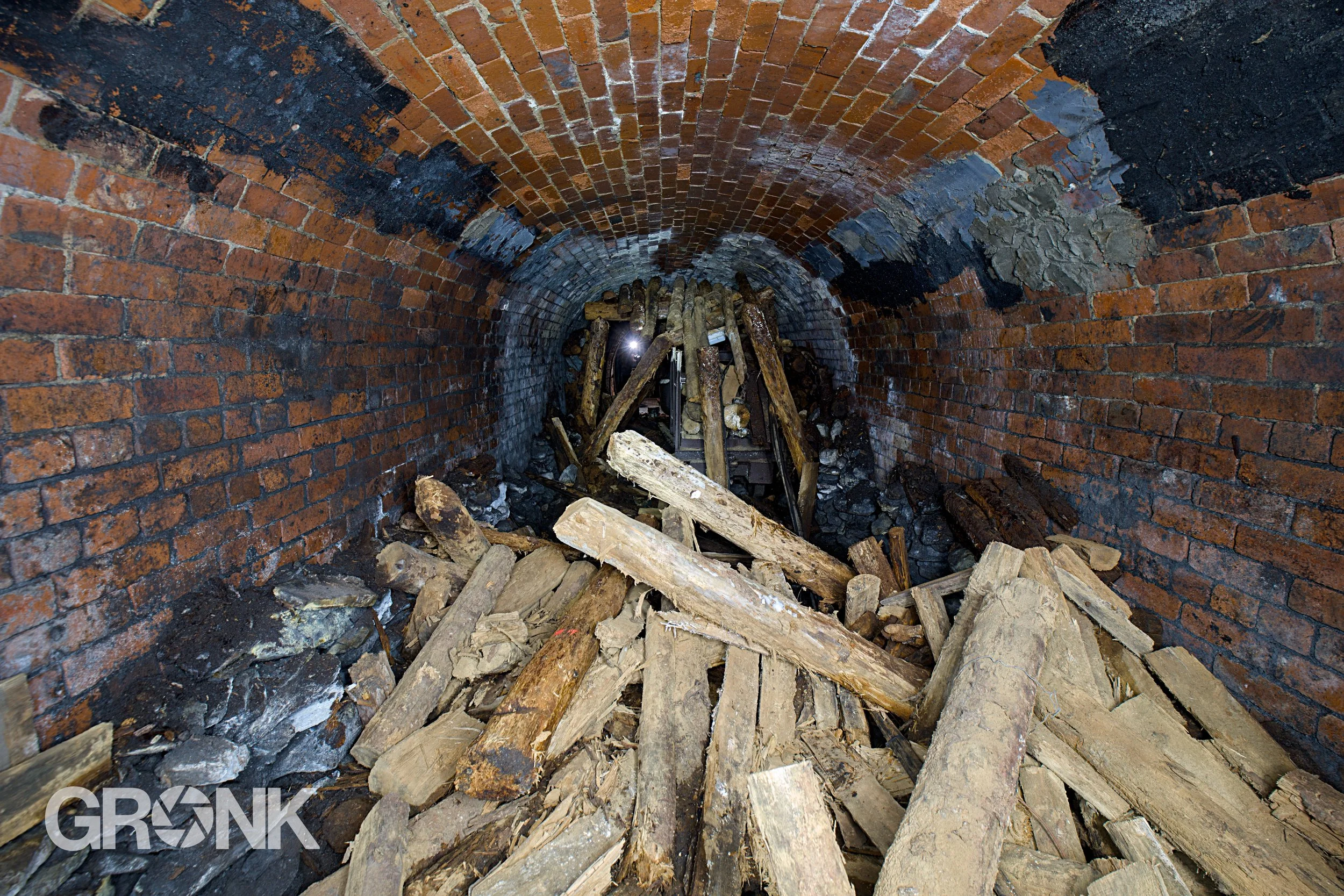
The engine house also contains six original Lancashire boilers, forming what is described as the largest collection of working steam boilers of their type in the UK. Visitors can also explore a reconstructed underground mining gallery, designed to recreate the harsh conditions faced by miners, including the experience of pulling a sled in a demonstration inspired by the work once undertaken by child labourers. Among the museum’s other notable exhibits is a uniquely restored gas-powered passenger tram, which operated in Neath from around 1899 until 1920 and is believed to be the only surviving example of its type.
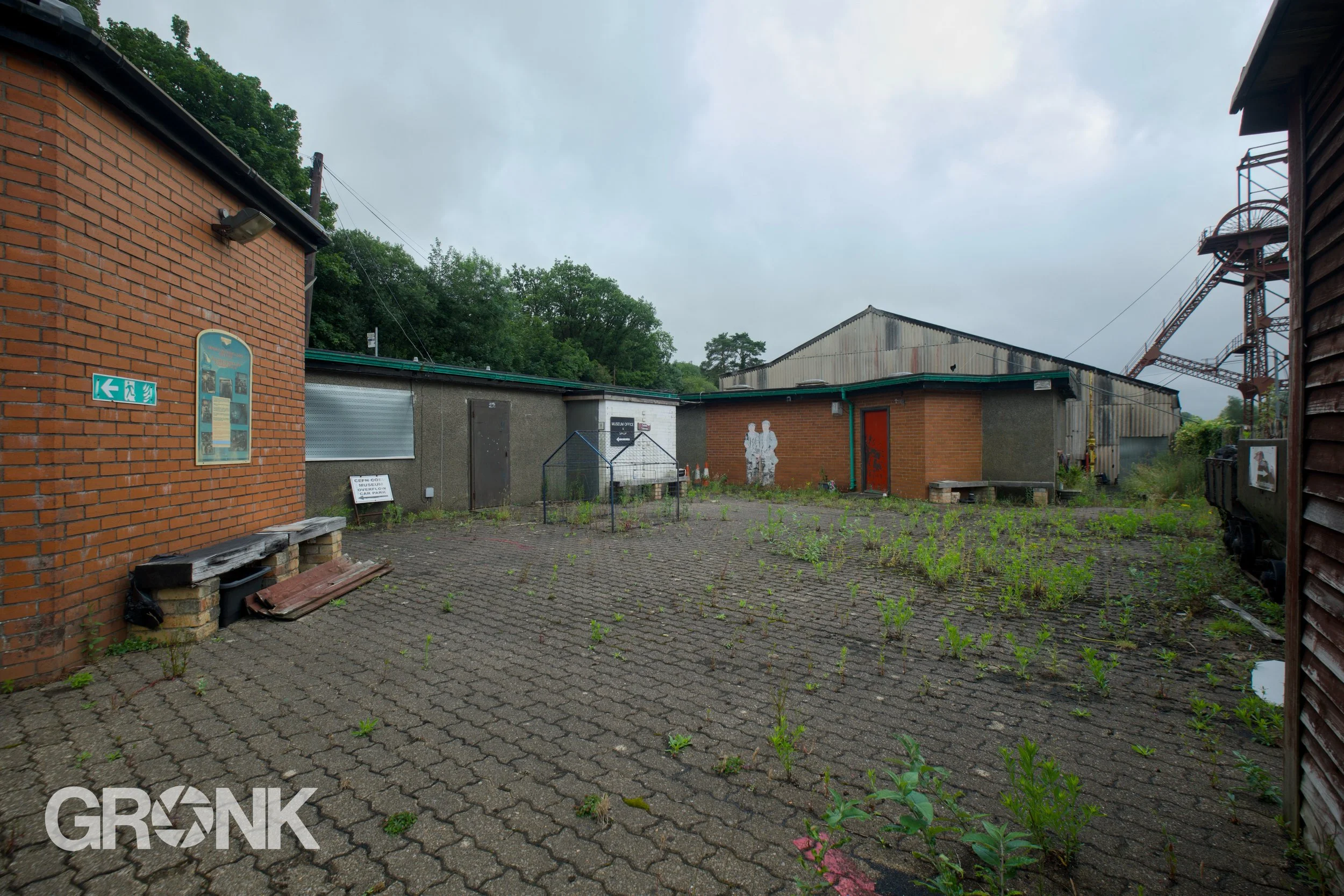
In August 2017, the museum unveiled a miners’ memorial garden dedicated to those who lost their lives at the colliery. The garden was designed by local artist Olwen Maidment. The museum has, however, been closed to the public since mid-2021 after serious health and safety issues were identified across the site. A subsequent detailed survey found a range of structural and environmental problems, including flaking stonework, unstable tunnels, asbestos and corrosion. Emergency repairs were estimated to cost more than £1.25 million, while a full refurbishment was estimated at around £8 million.