Garston Empire, Liverpool
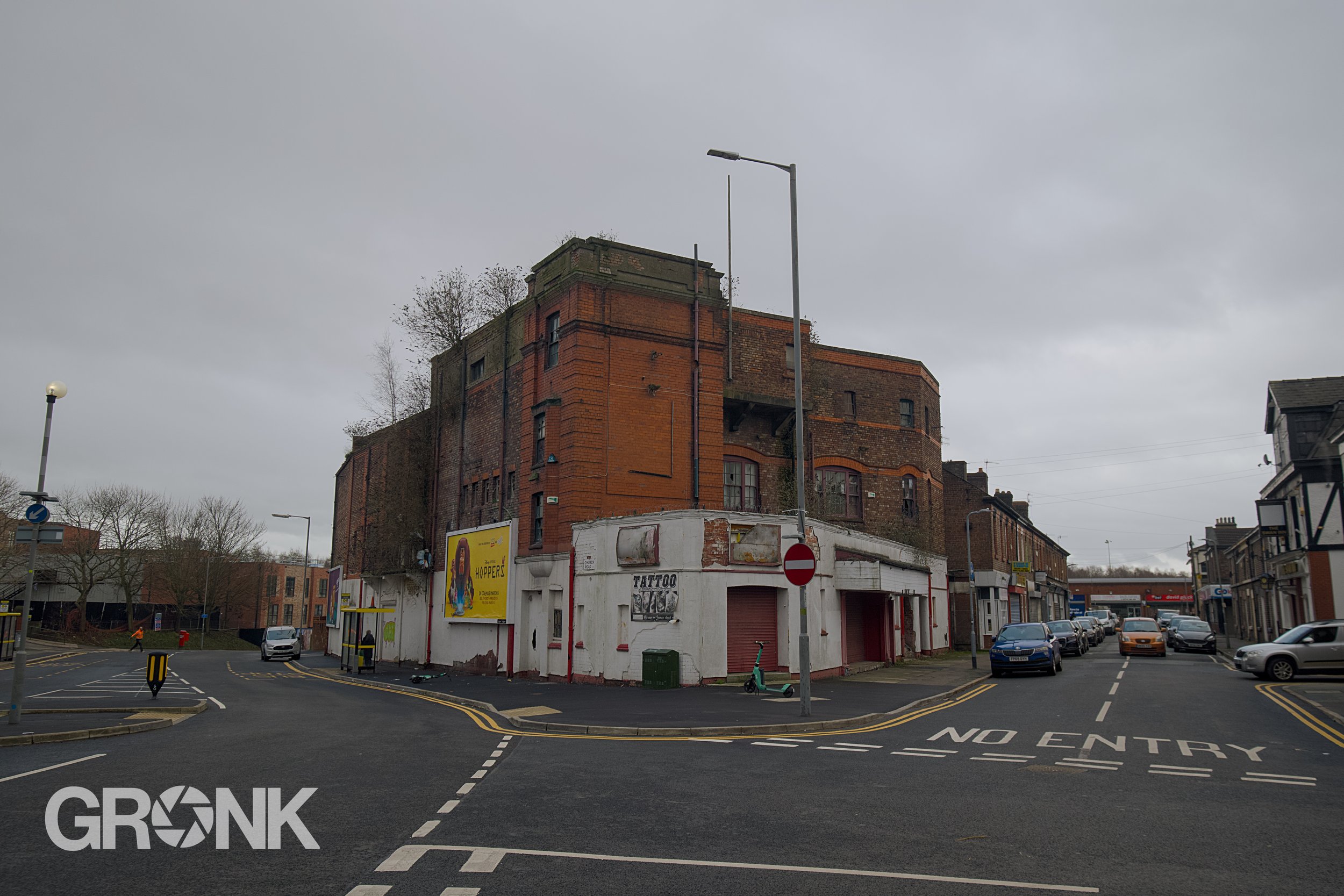
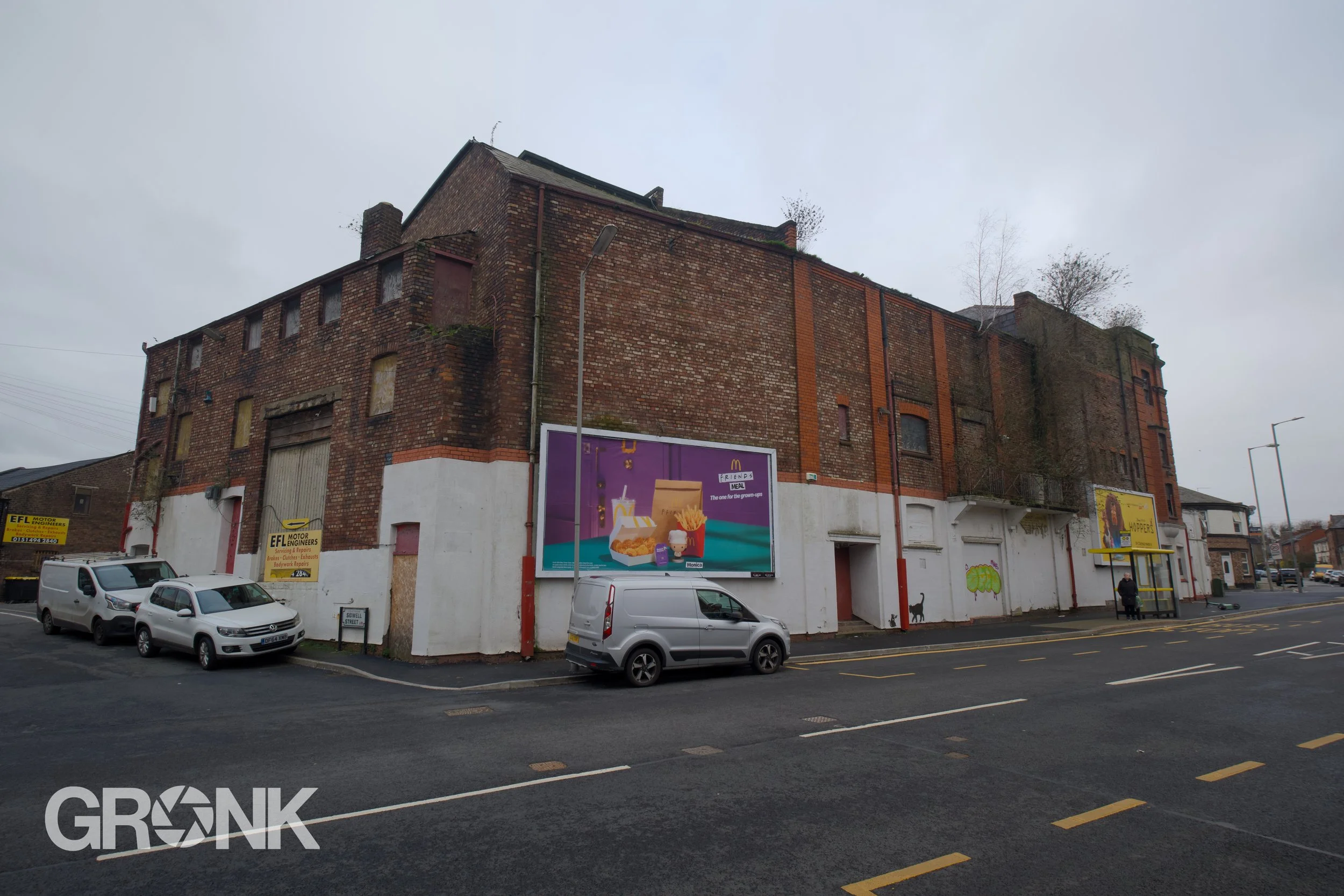
The Garston Empire in Liverpool is a historic former theatre and cinema located in the Garston district of South Liverpool. It opened in 1915 at and was designed by architect Joseph Pearce as a cine-variety theatre. This meant it was built to host both live stage performances and silent films, serving the growing working-class community in the area.
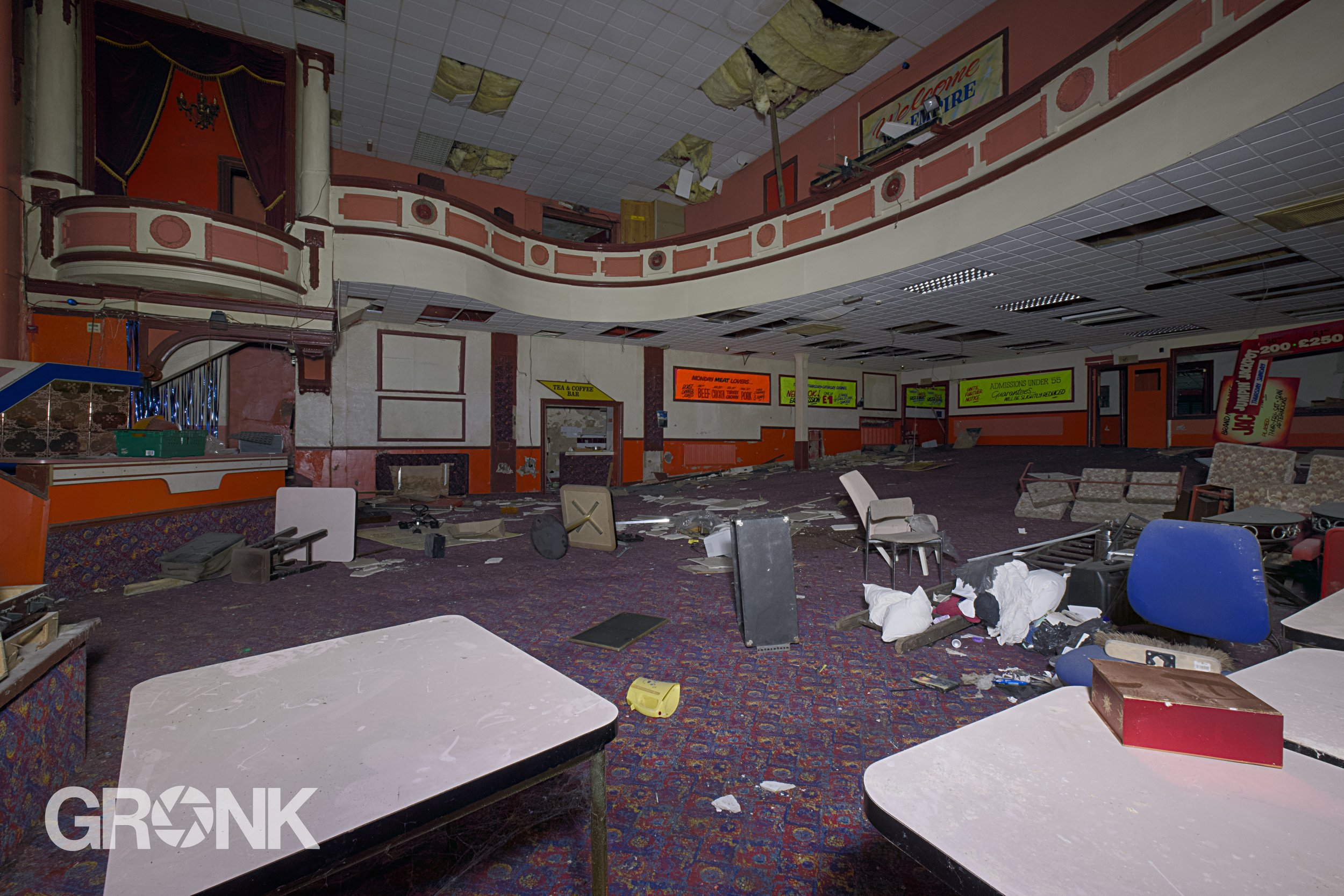
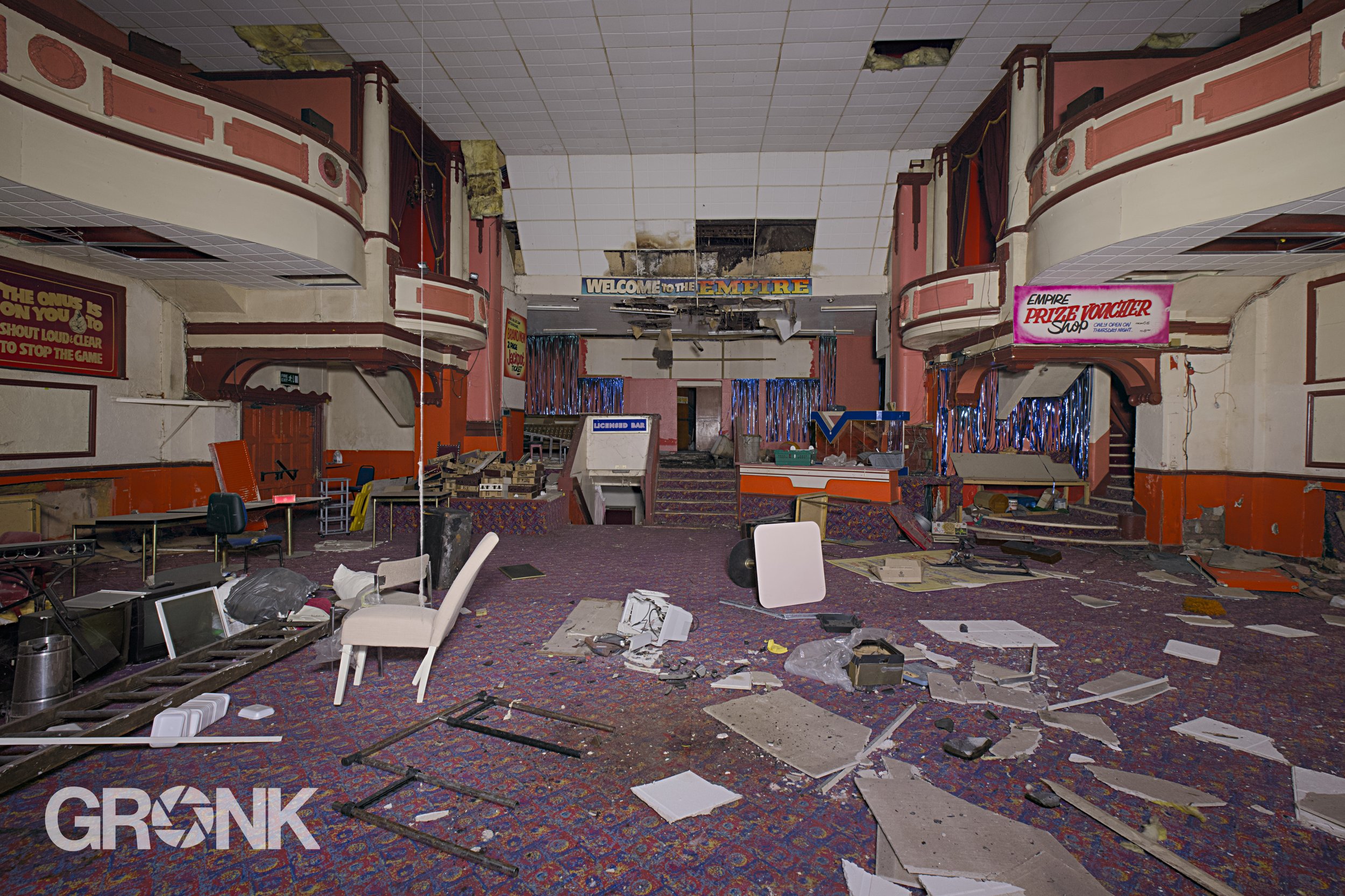
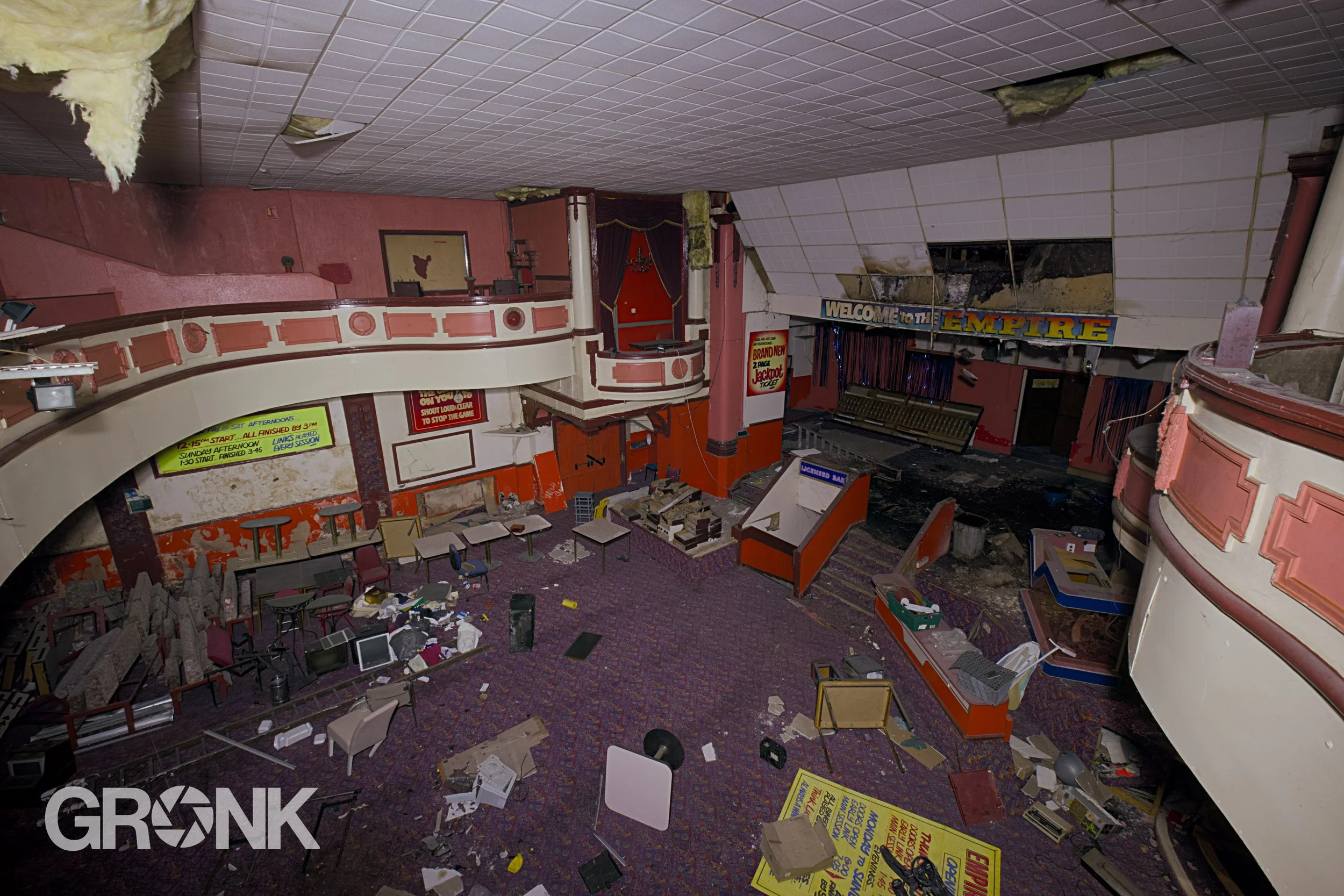
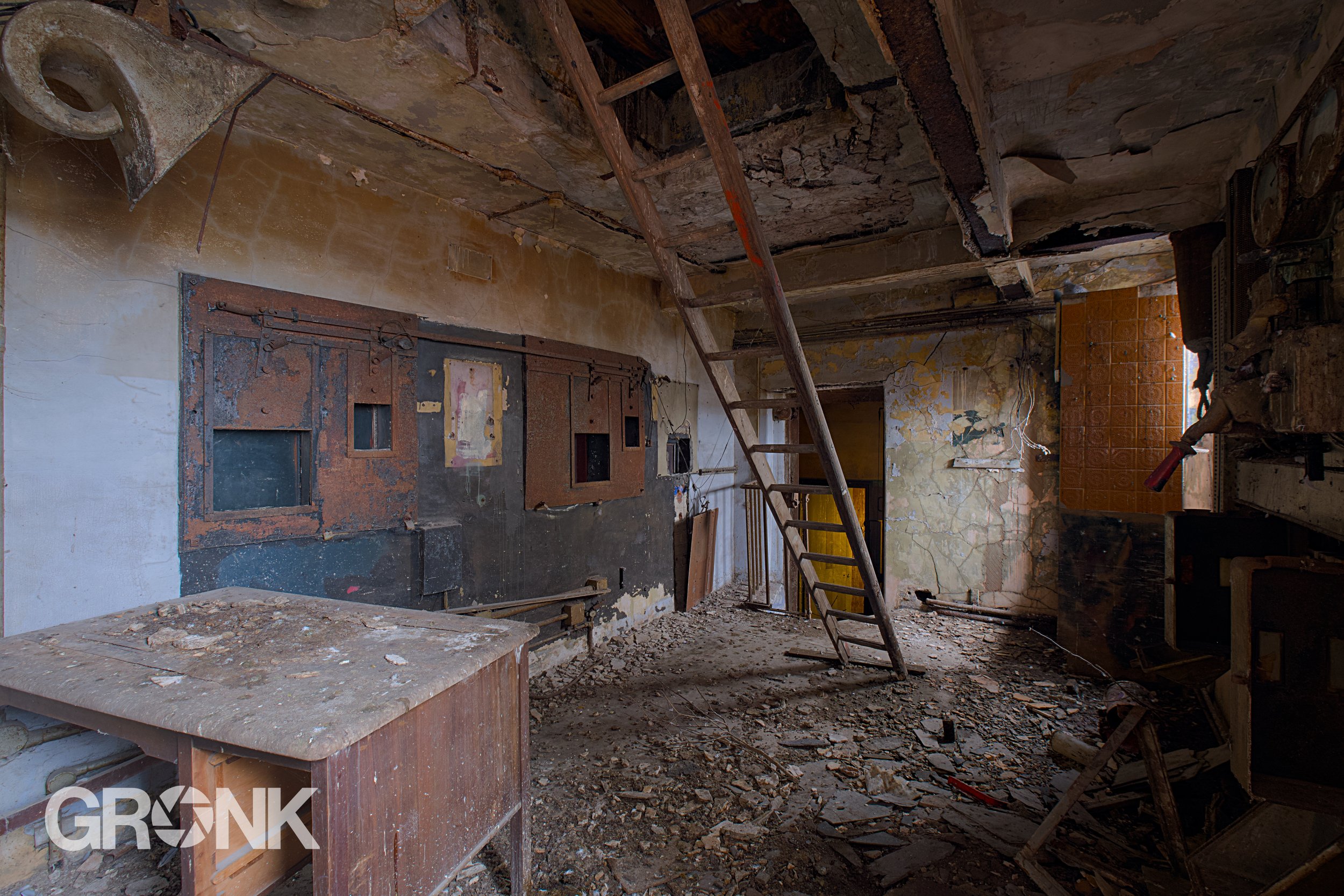
Initially, the venue operated mainly as a theatre and music hall, presenting variety acts typical of the period. It later transitioned fully into a cinema in 1918, reflecting the rapid rise in popularity of film entertainment. The building seated around 1,040 people and featured a stage, orchestra pit, dressing rooms and decorative Edwardian plasterwork. In 1930, it was equipped for sound films, keeping pace with the arrival of “talkies.”
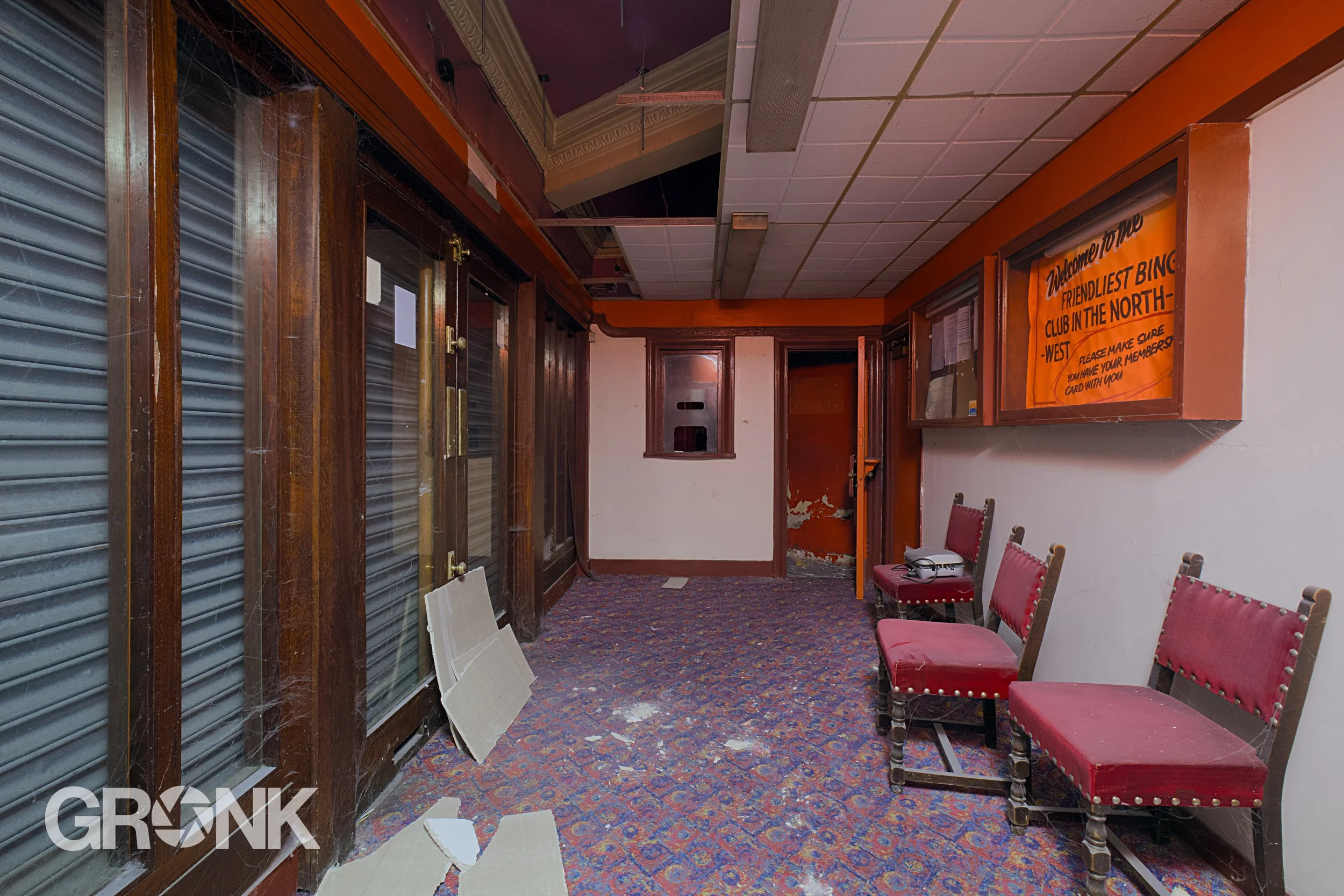
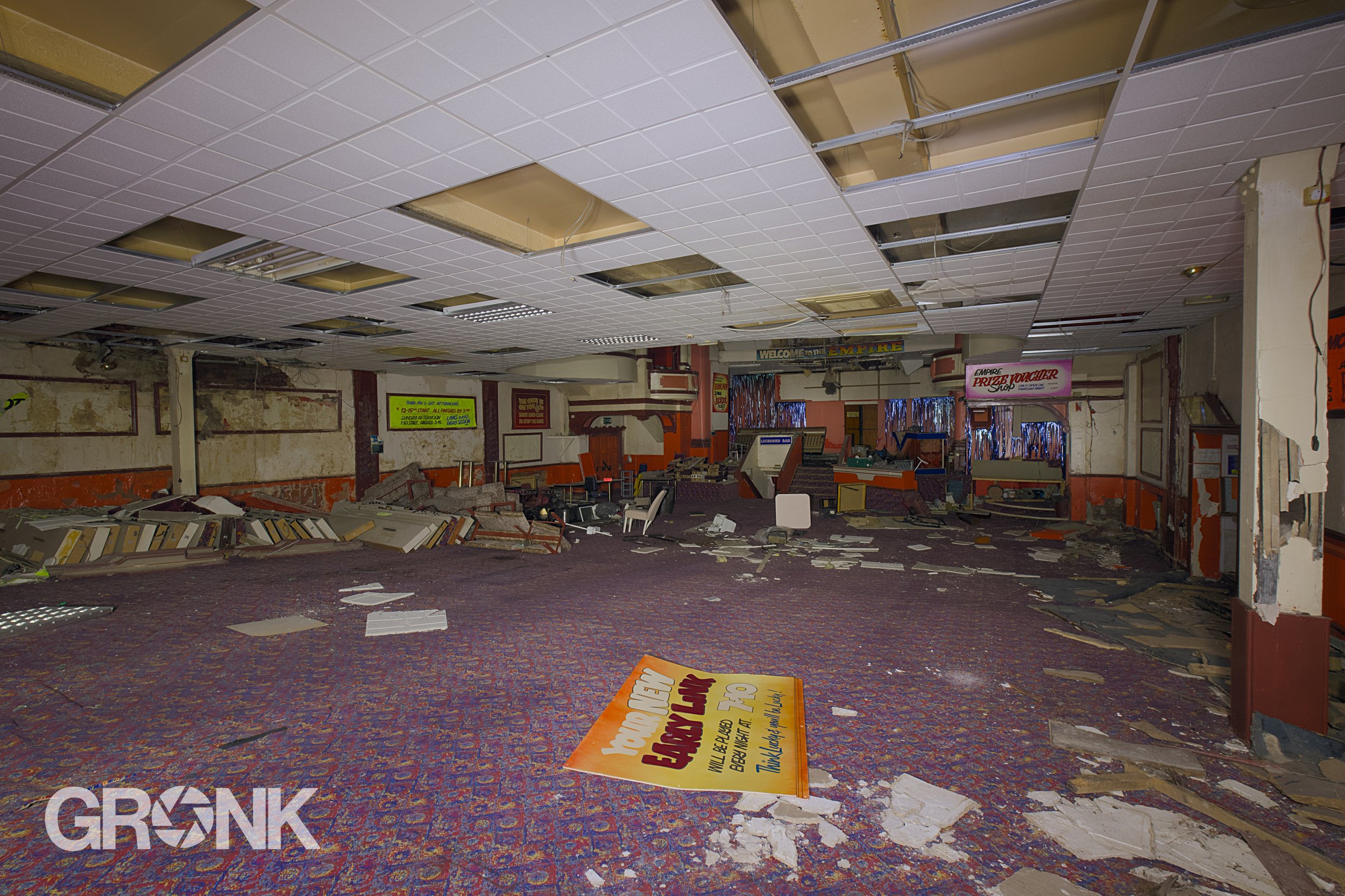
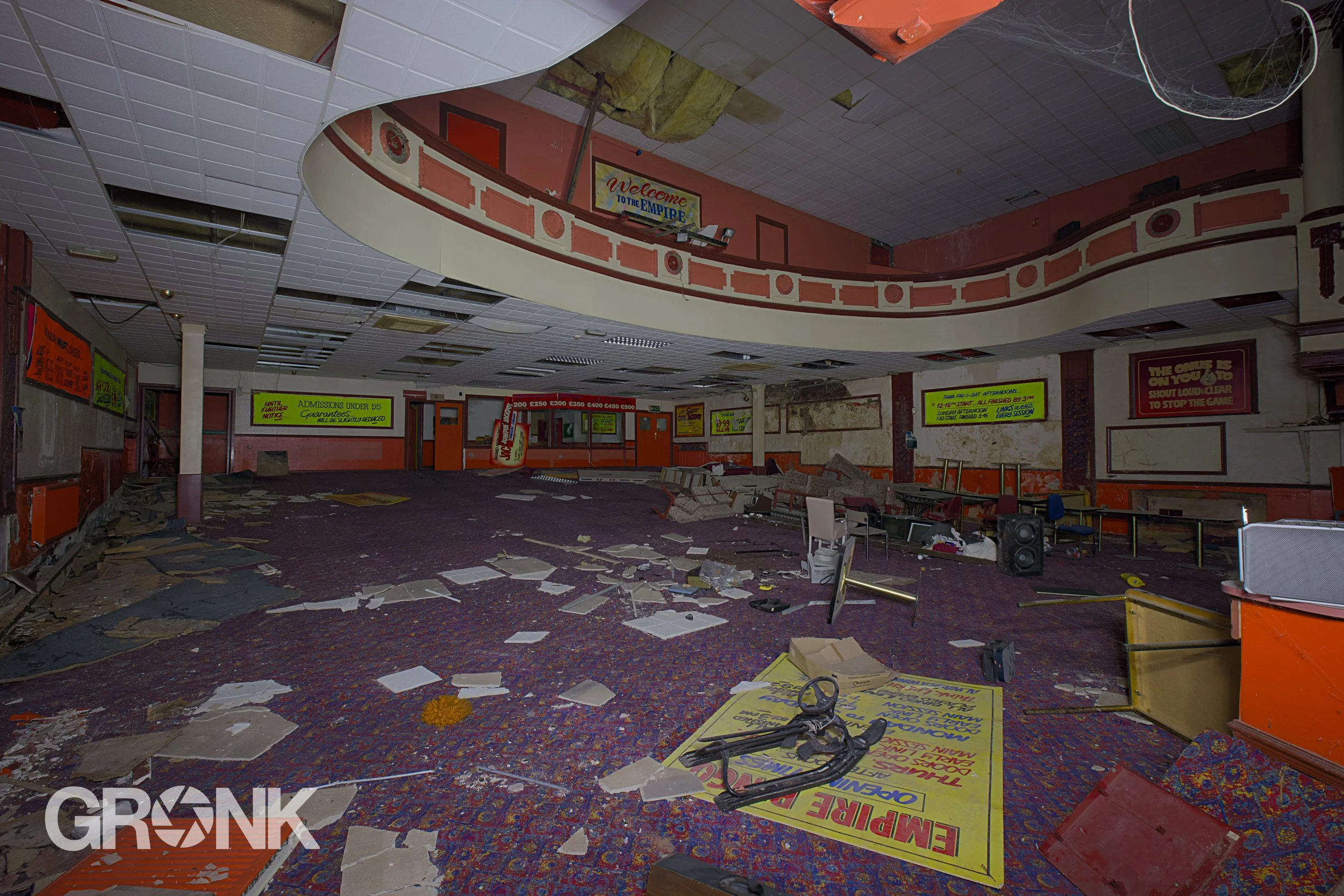
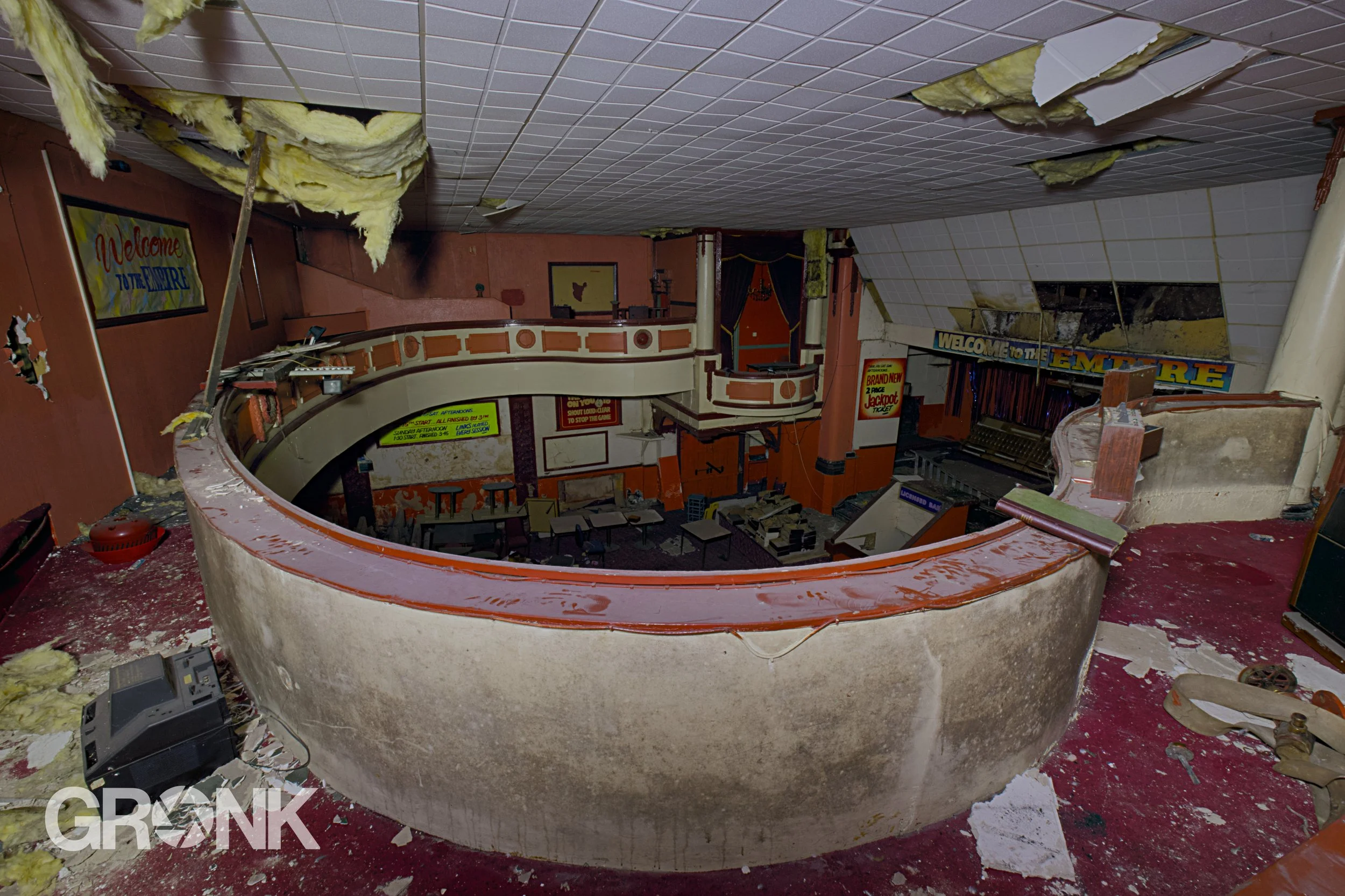
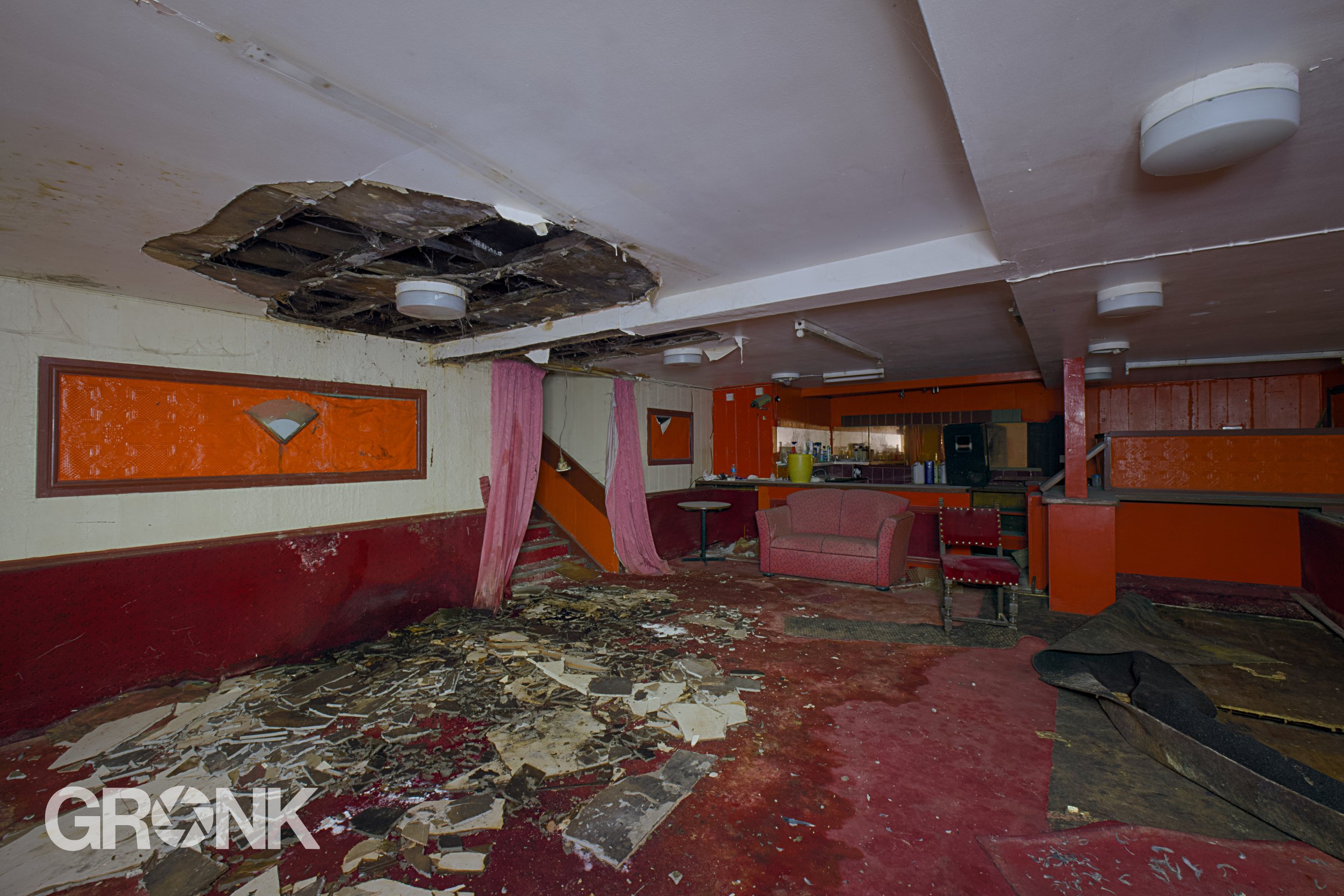
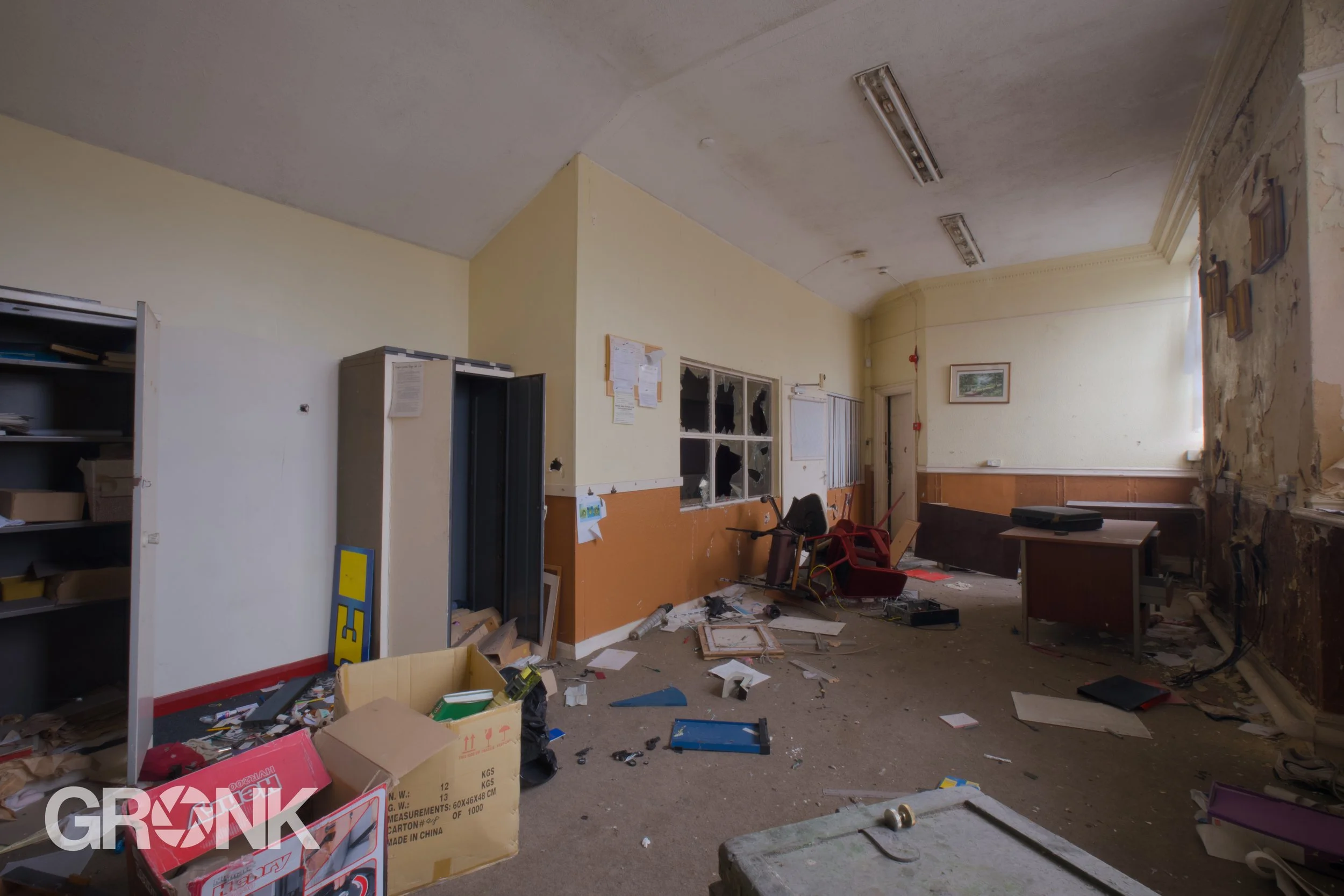
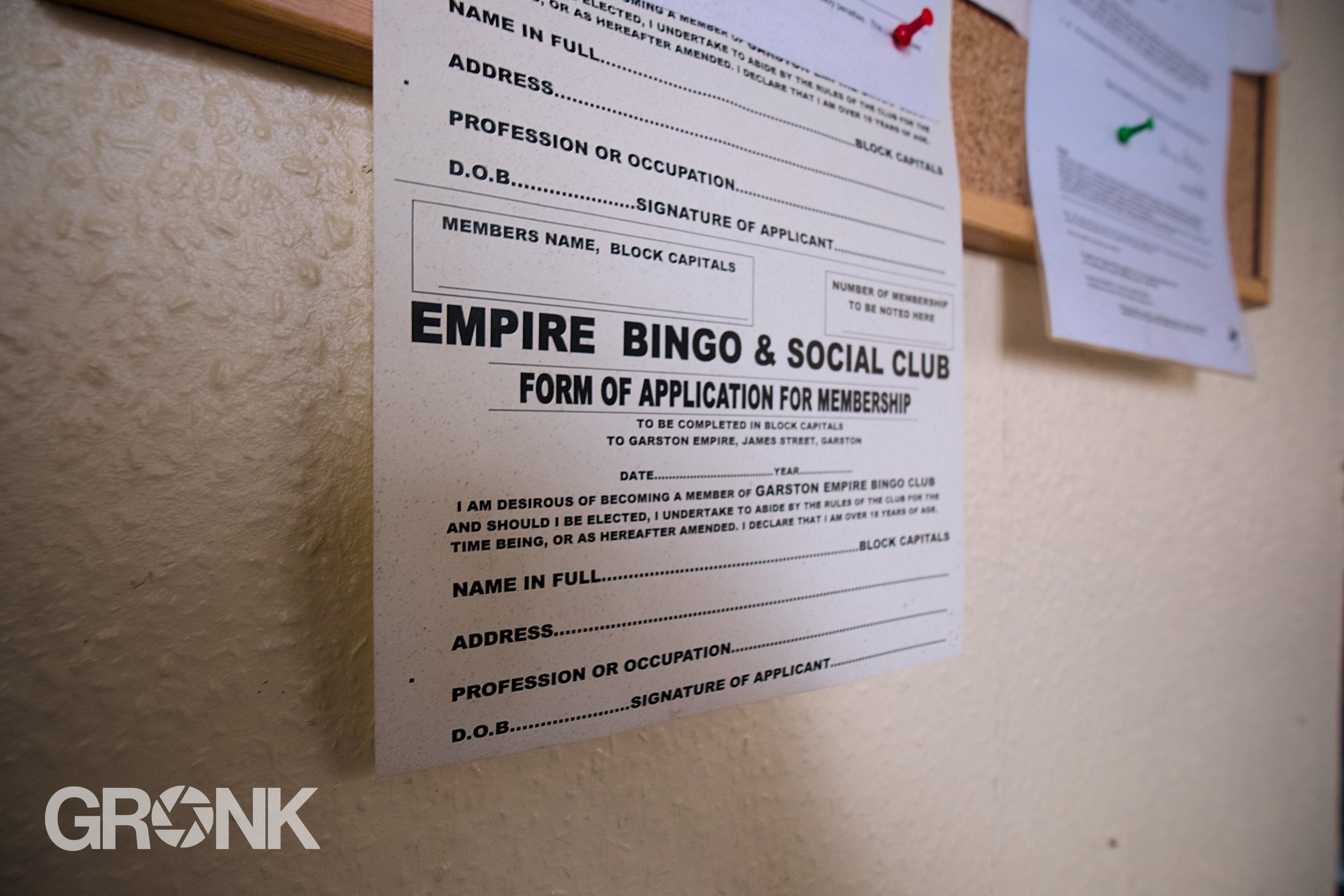
The cinema remained a popular local venue for decades. However, like many suburban picture houses, attendance declined in the mid-20th century. The final films were screened in 1961, after which the building reopened as a bingo hall in 1962. It continued operating in this capacity for nearly fifty years, closing in 2009.
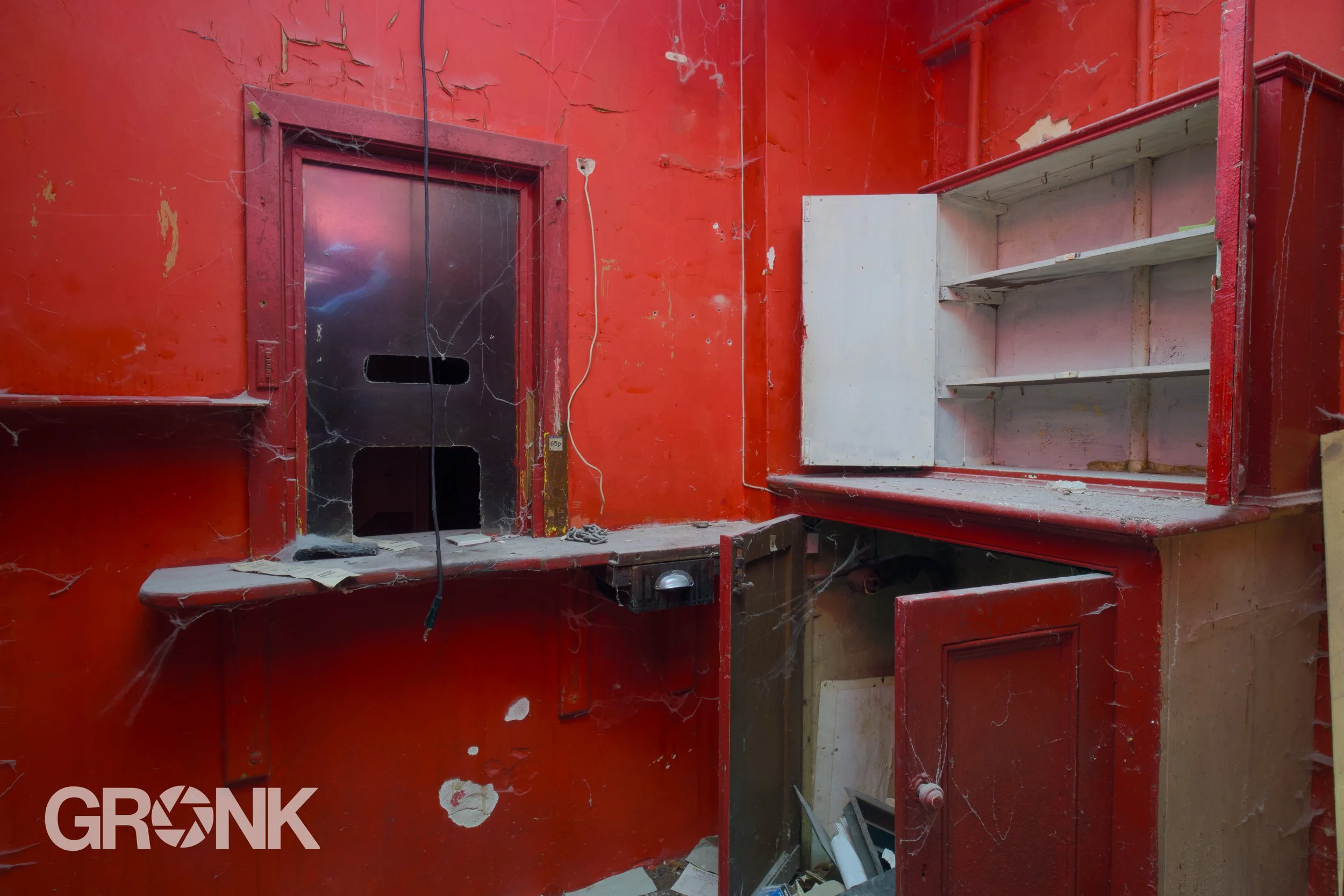
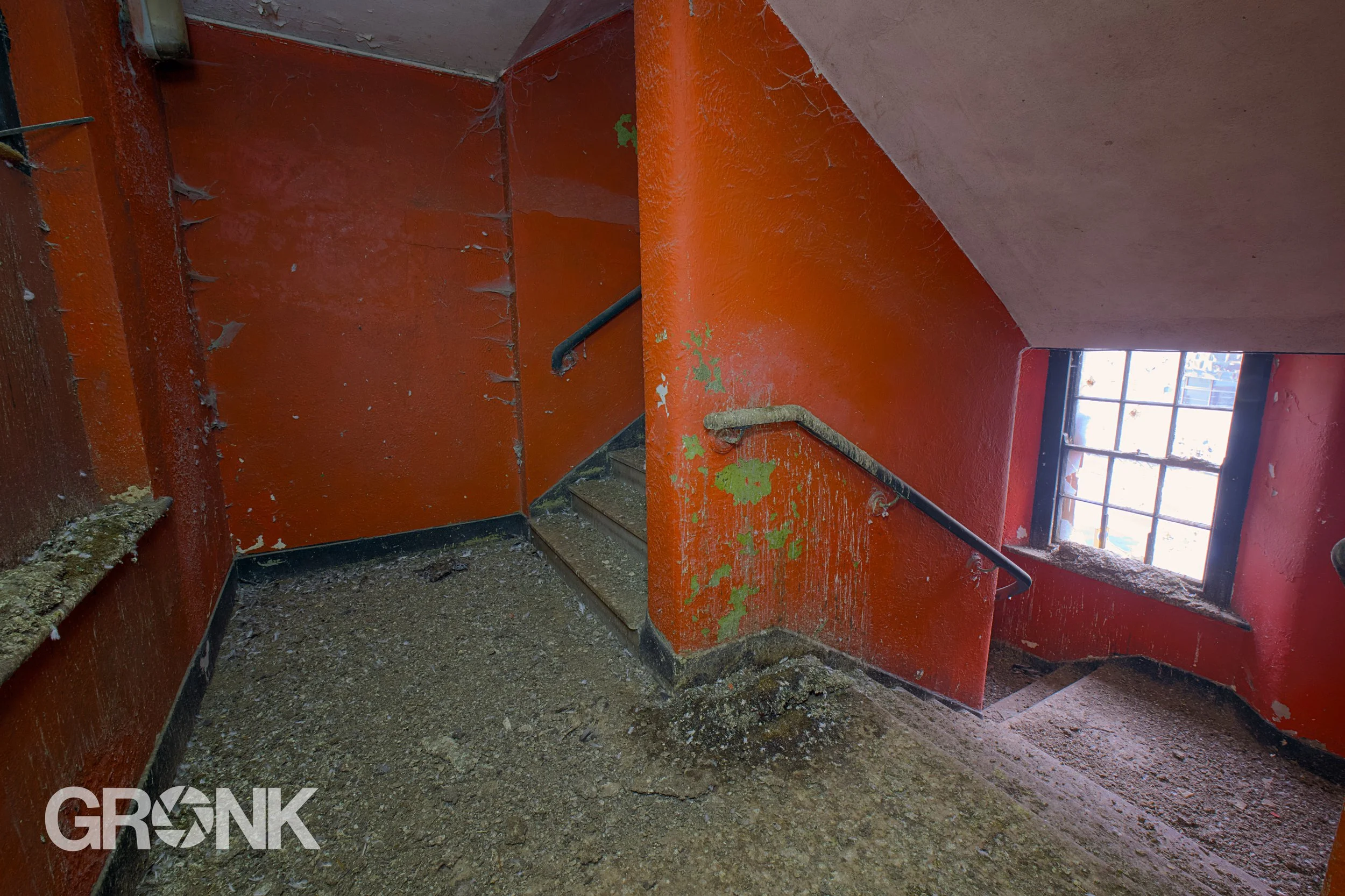
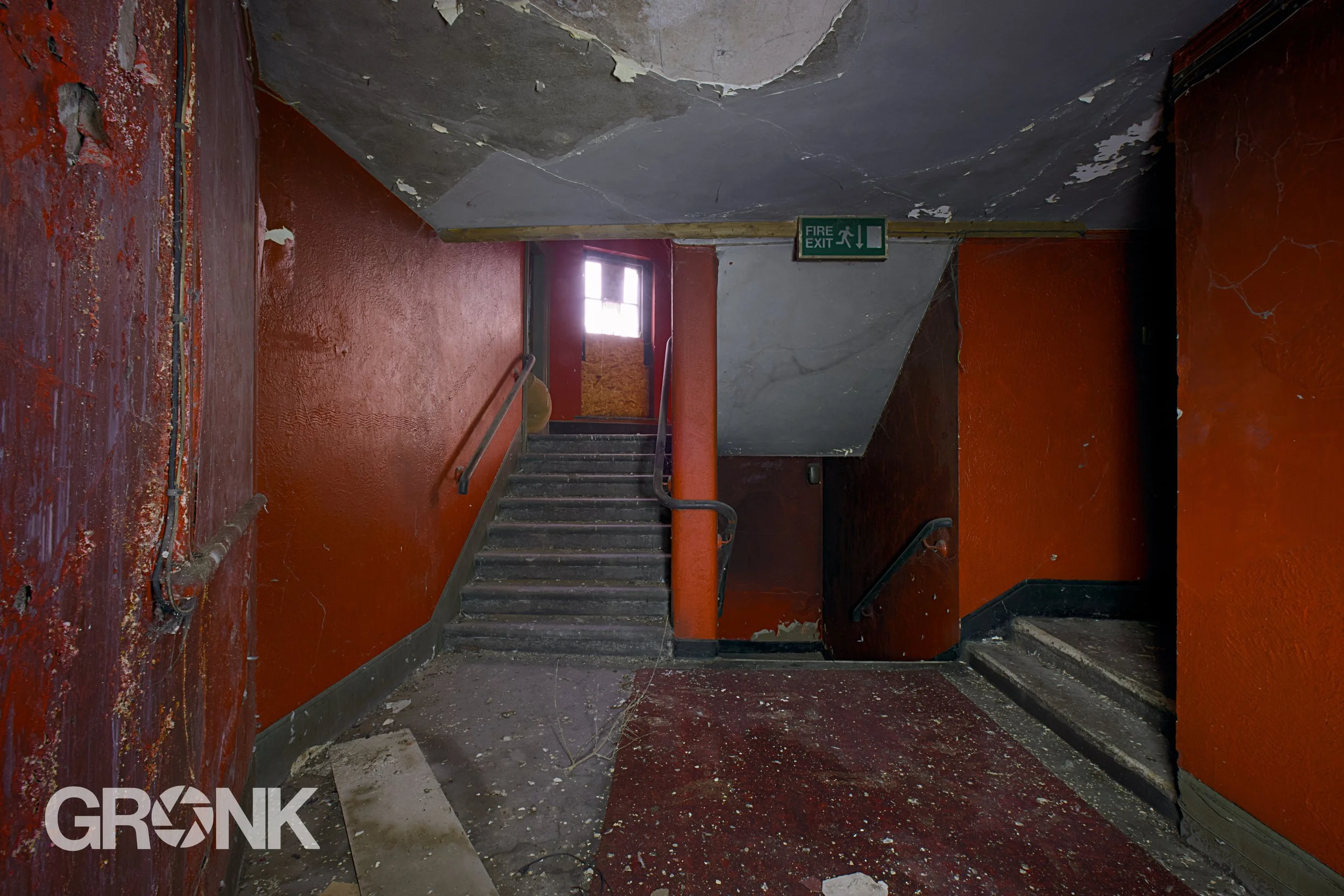
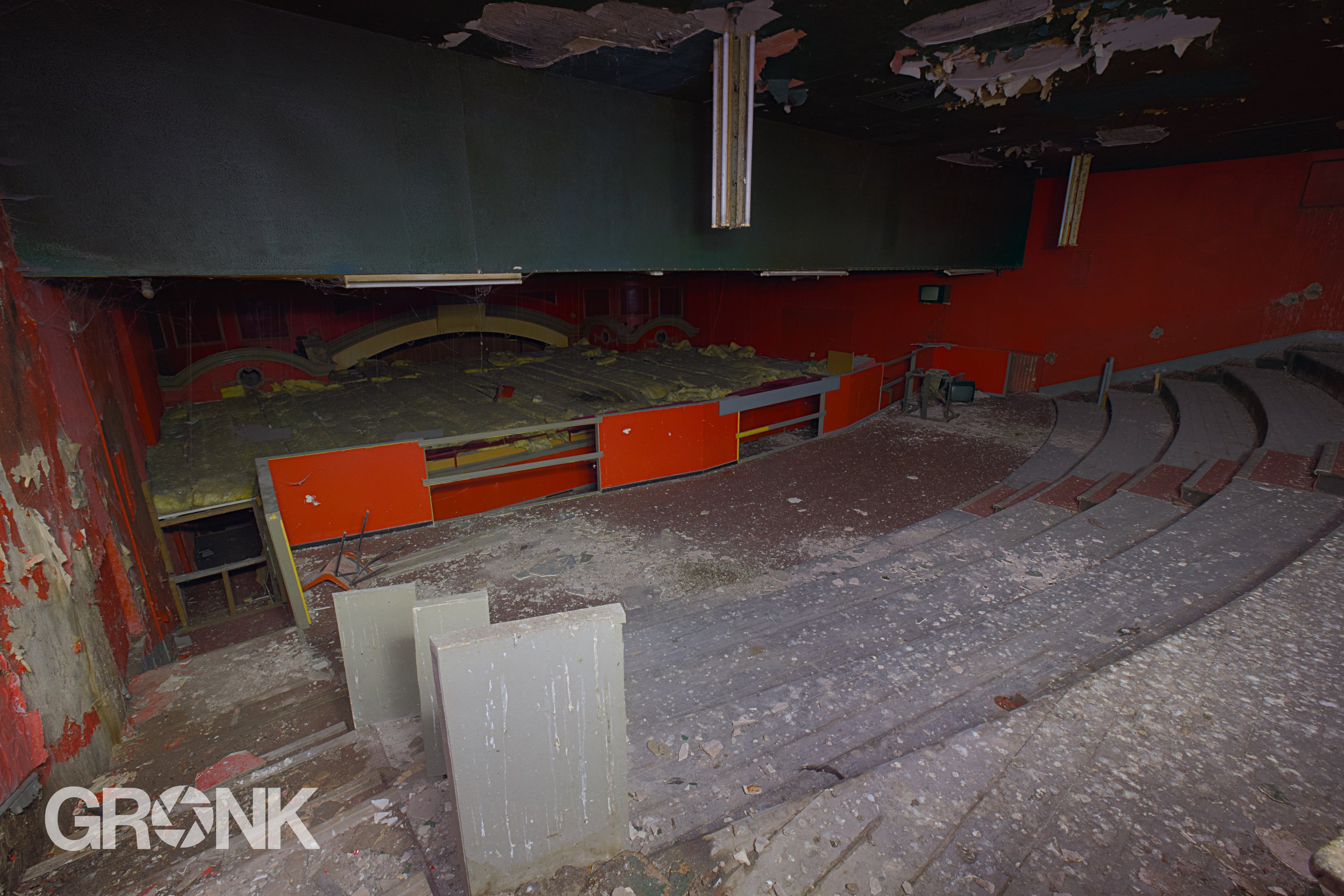
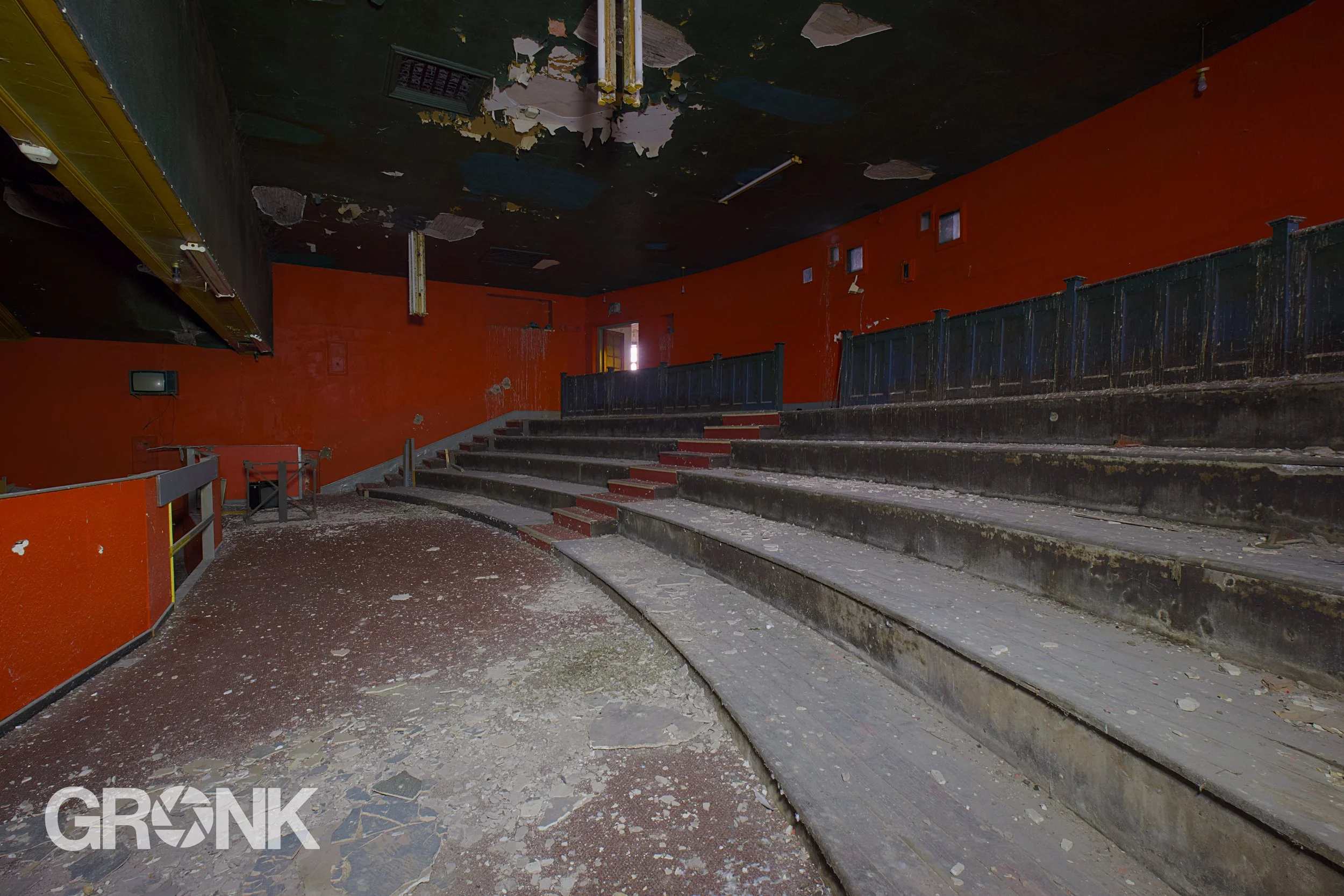
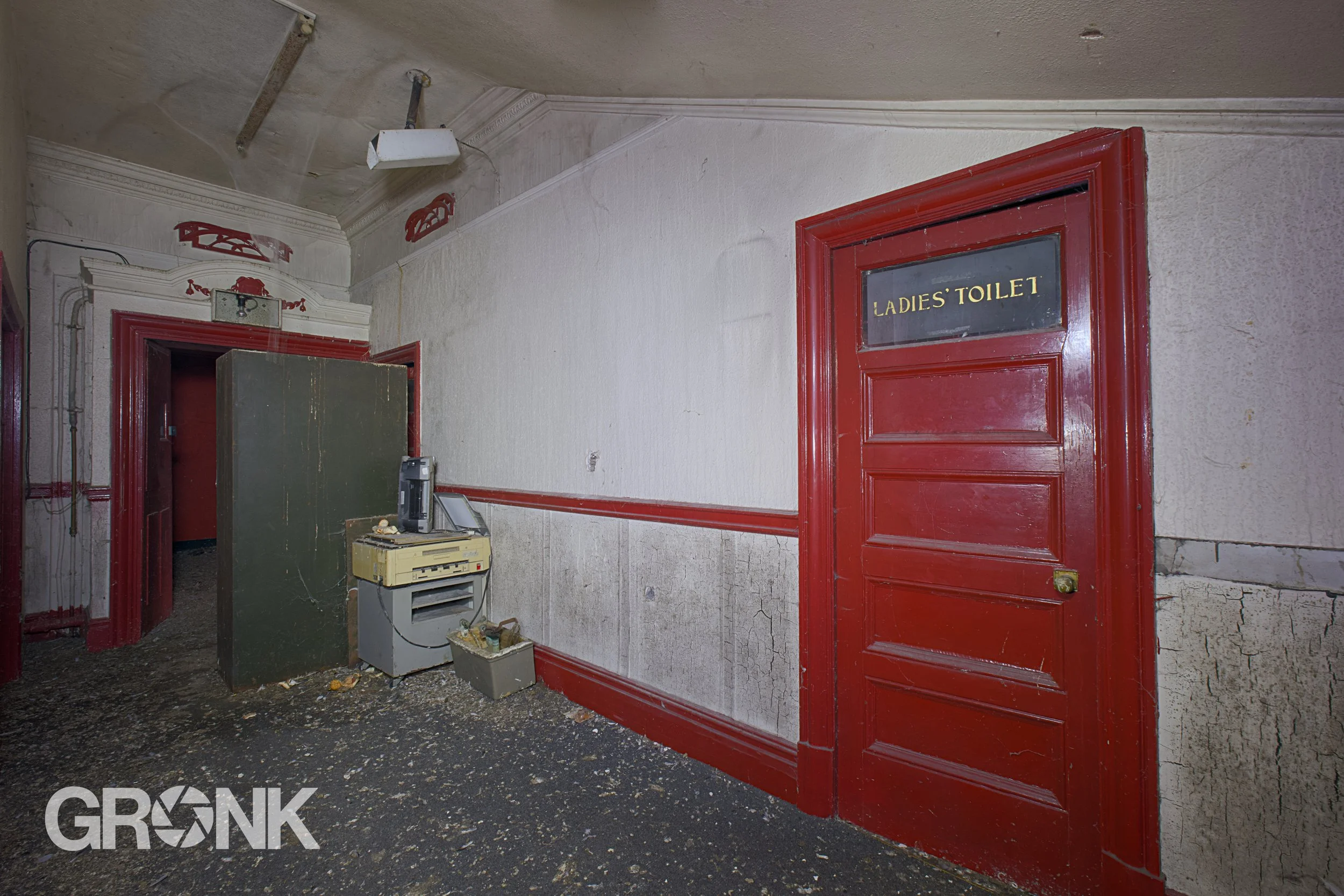
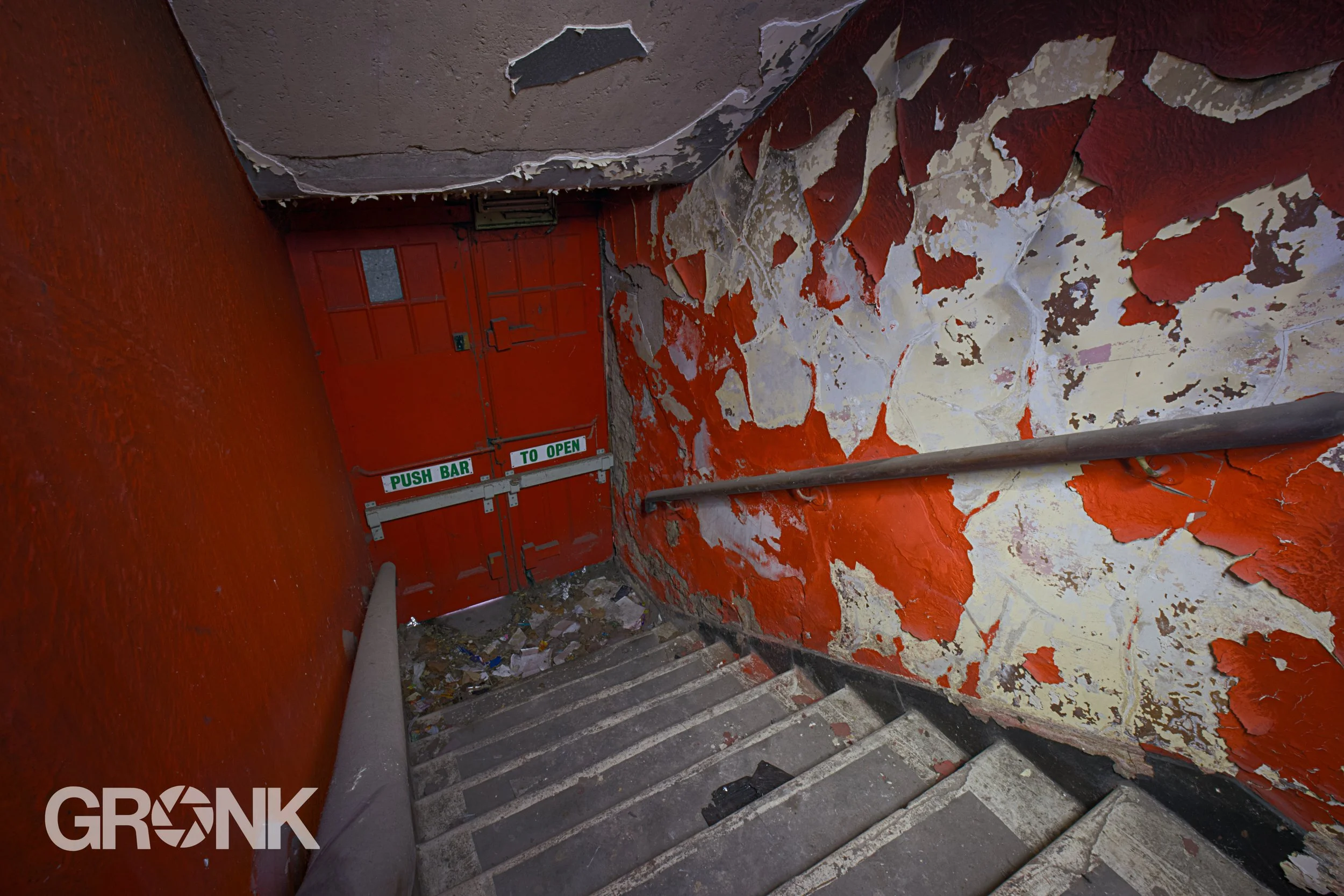
Since then, the Garston Empire has stood vacant and has suffered gradual deterioration. It has been placed on the Theatres Trust’s “Theatres at Risk” register due to its architectural and cultural importance. Community groups, including the Friends of Garston Empire, have campaigned to restore and reopen it as a theatre or arts venue, with redevelopment proposals put forward in recent years.
Today, the Garston Empire remains one of the few surviving examples of an early 20th-century cine-variety theatre, representing an important part of Liverpool’s local entertainment heritage.