Grange Cavern Military Museum, Holywell
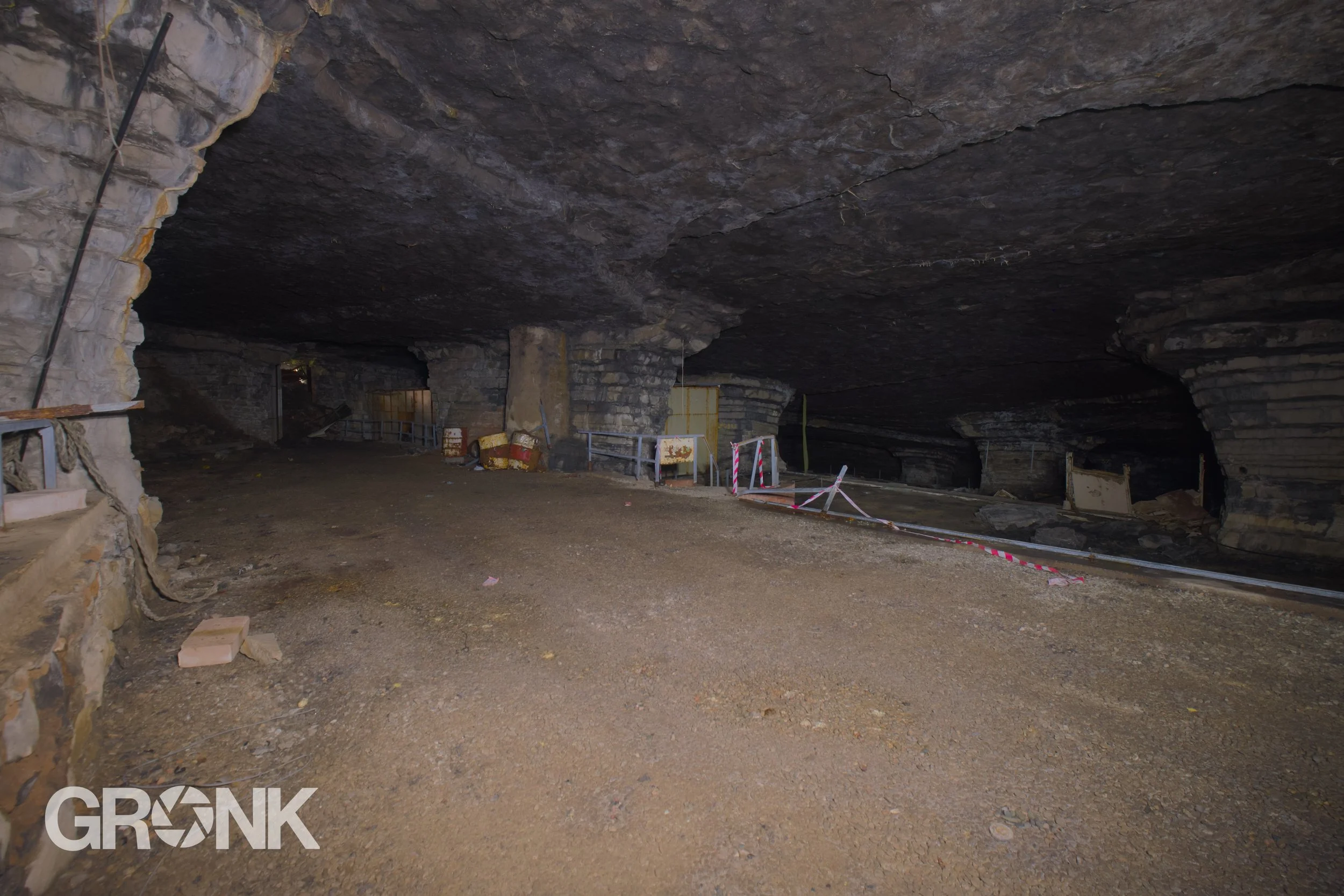
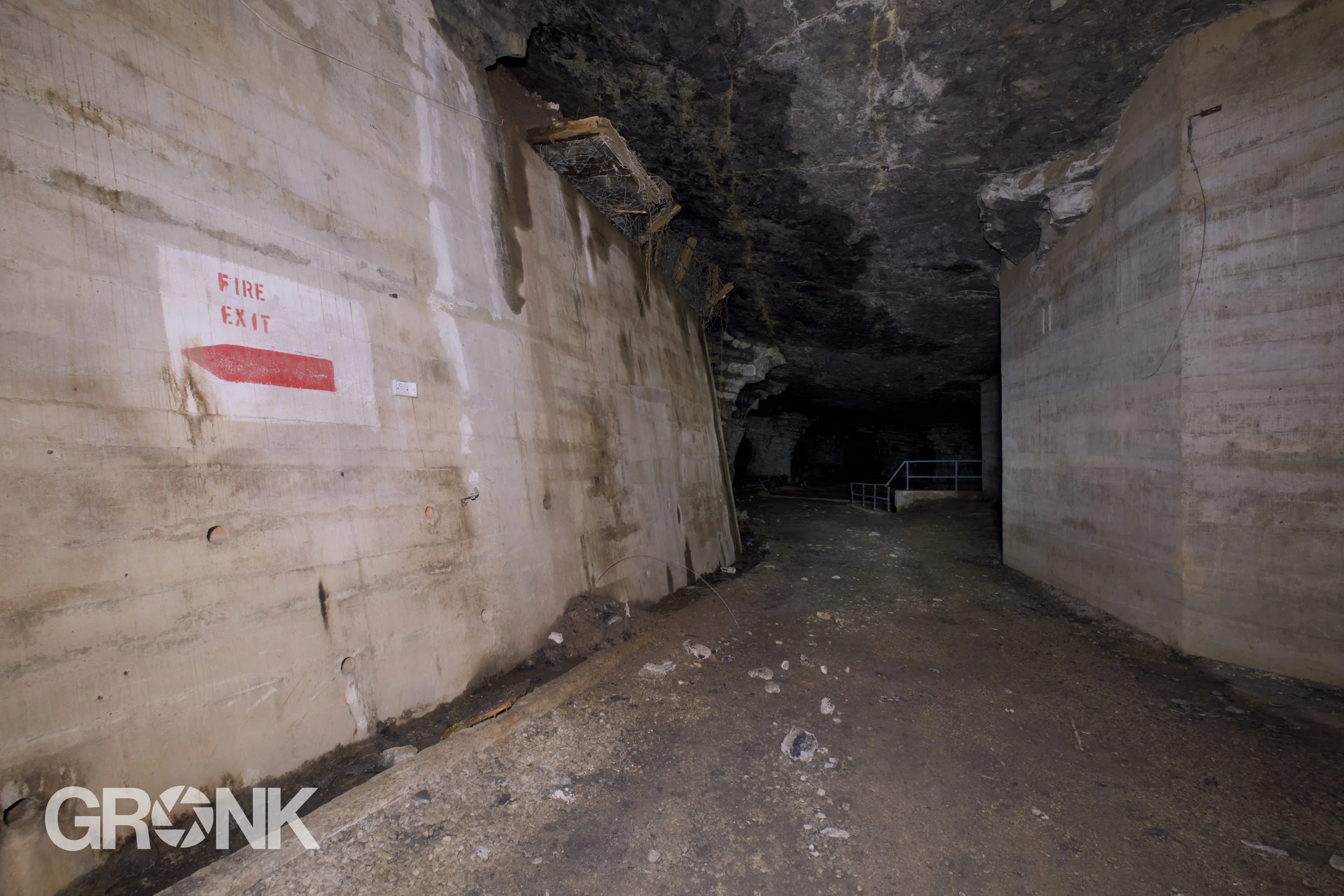
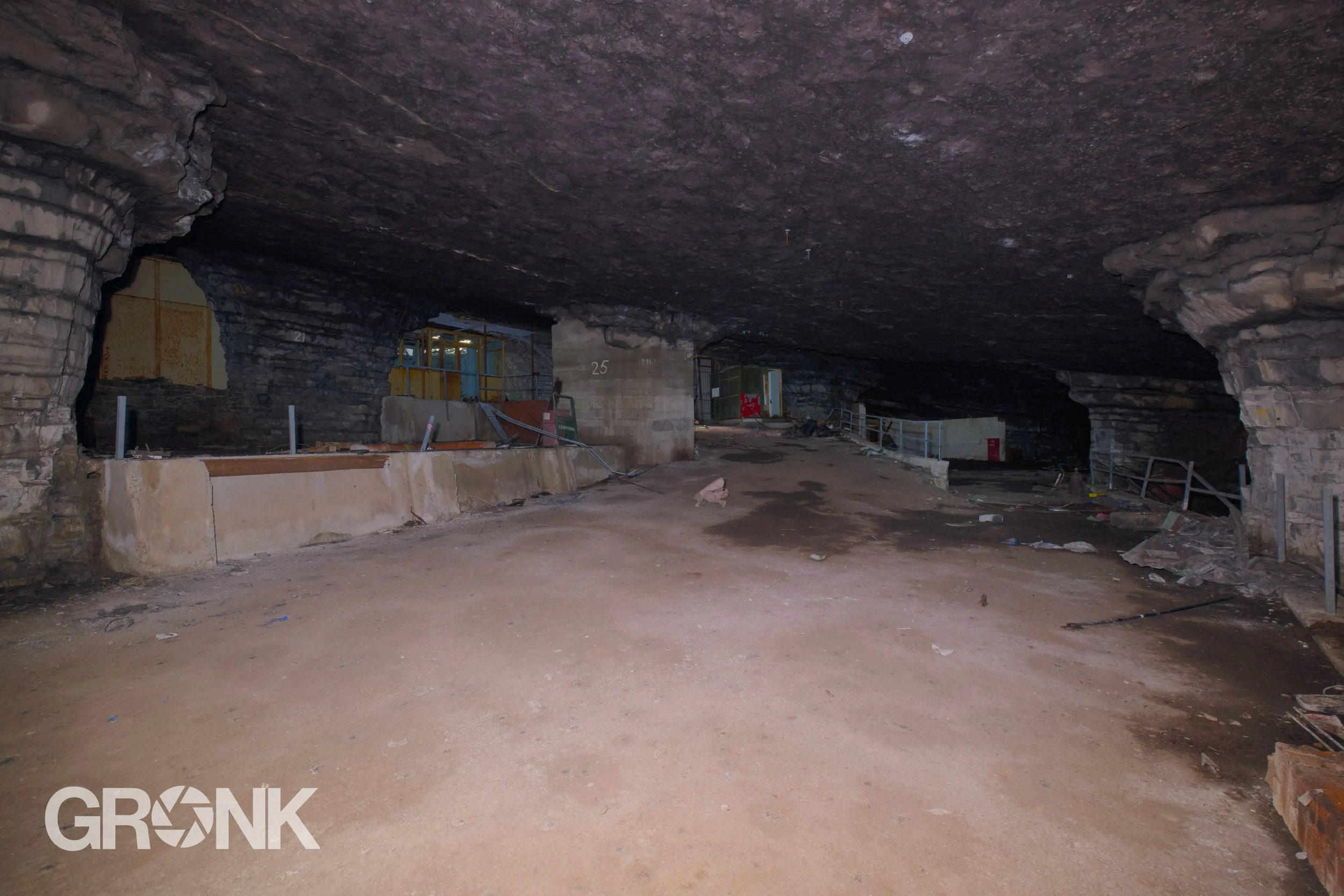
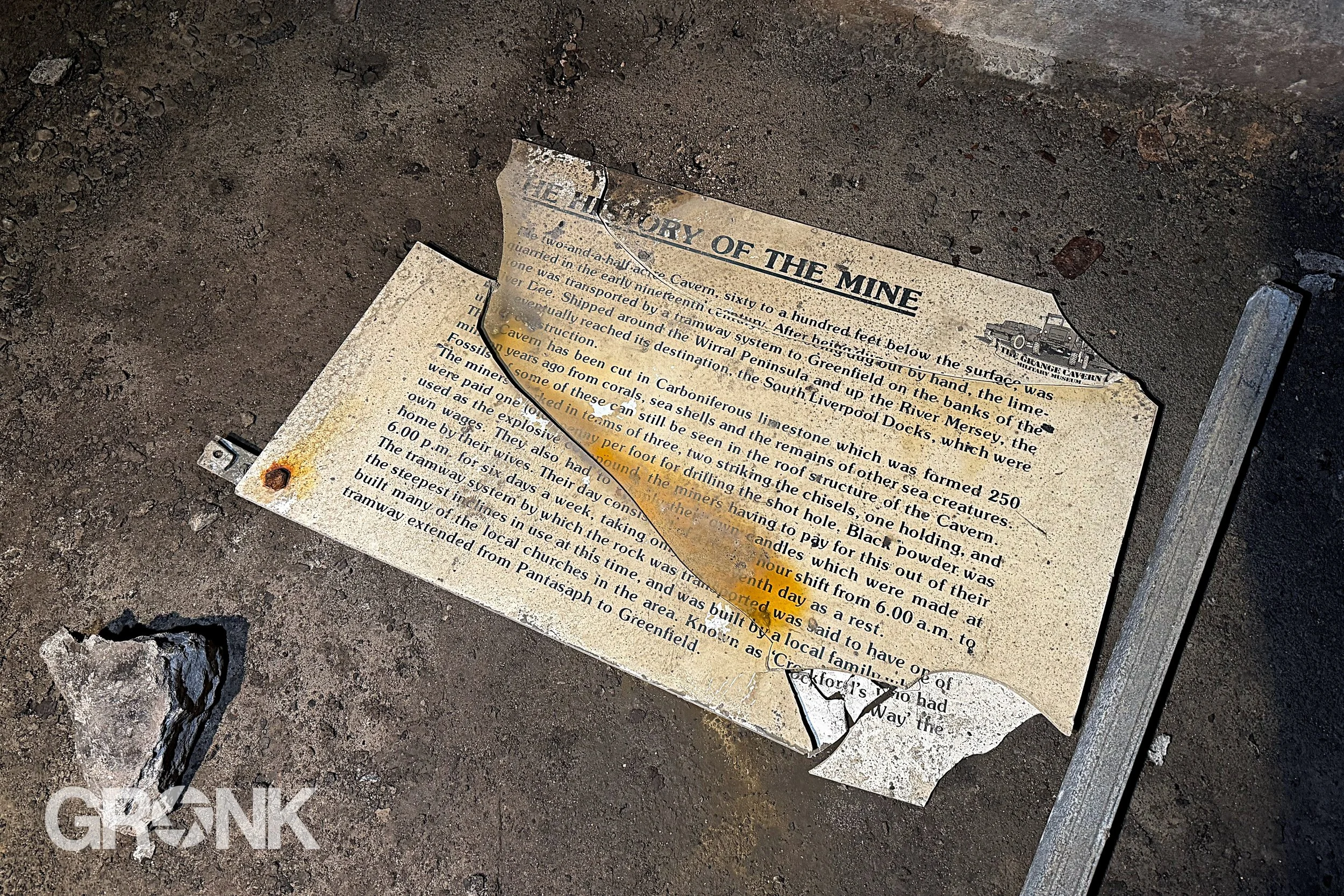
The Grange Cavern Military Museum, located near Holywell in North Wales, occupied an extensive network of underground limestone workings first excavated in the 19th century. These caverns originated as part of a major quarrying operation that supplied limestone for construction projects across Britain. Their depth and stable geological conditions later made them suitable for military use, and during World War II the site was taken over by the armed forces and converted into an RAF bomb store. At its peak, the caverns are reported to have held around 11,000 tonnes of munitions, including—according to local accounts—some of the experimental “bouncing bombs” associated with Barnes Wallis and the 1943 Dambusters raid.
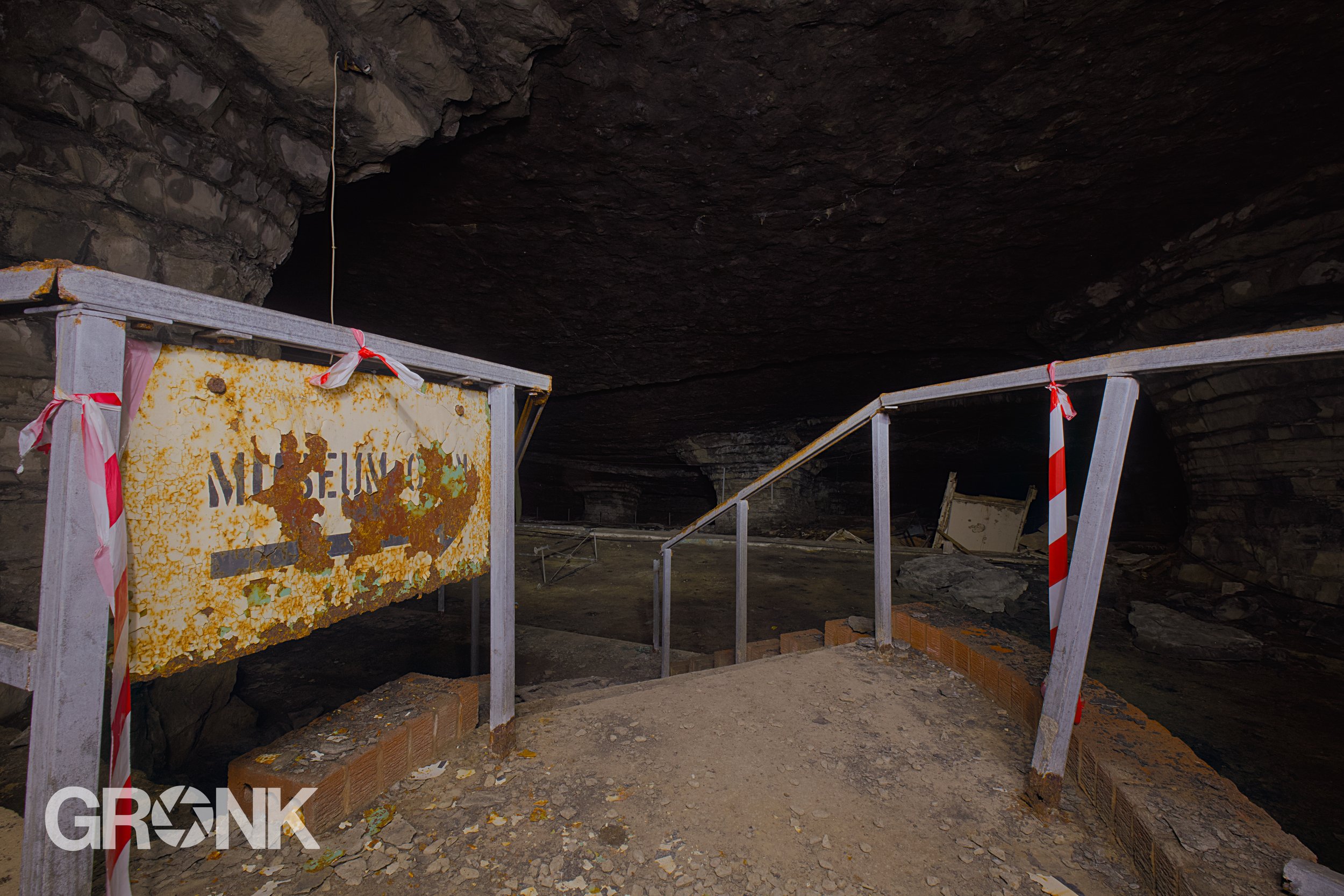
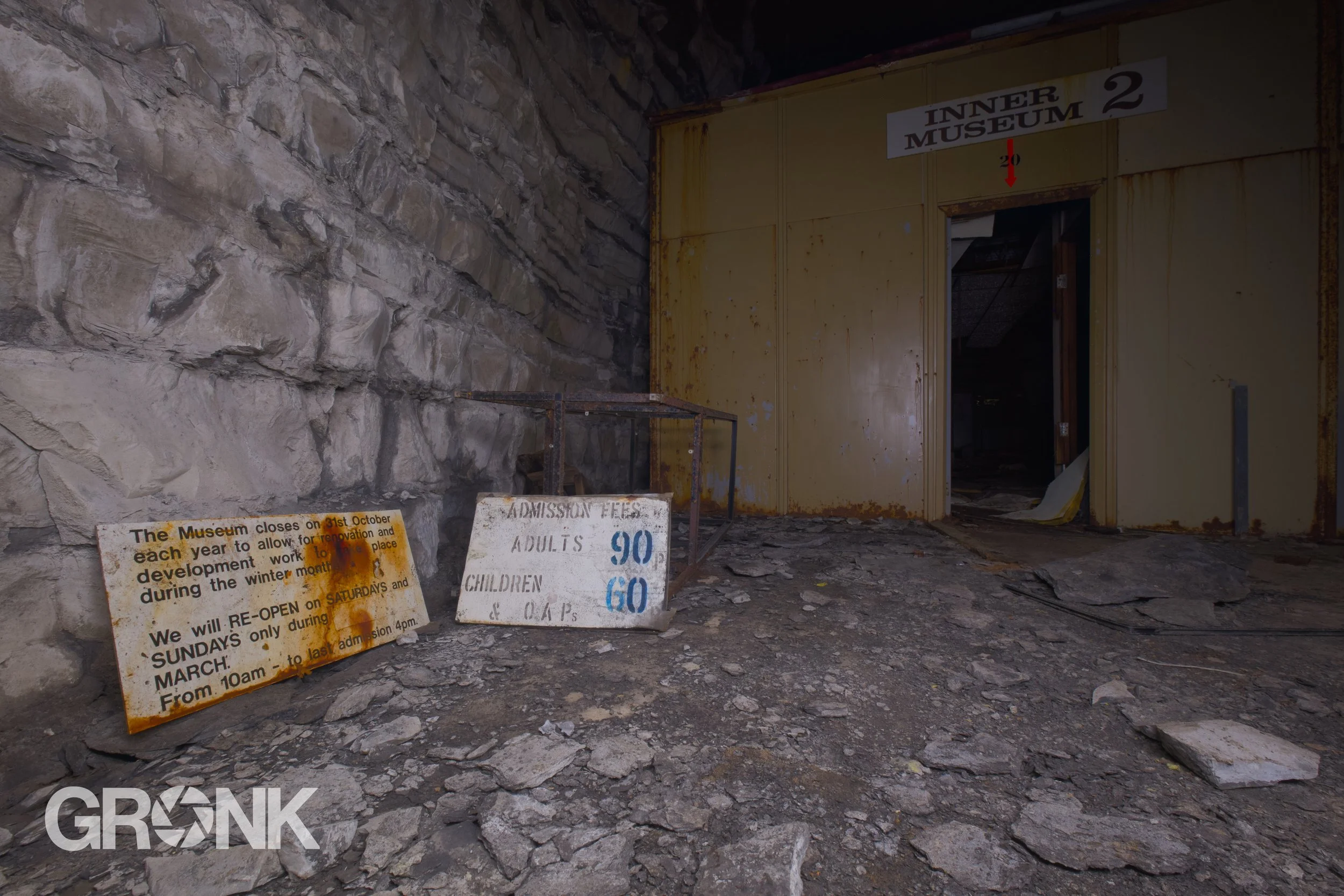
After the war ended, the caverns were eventually abandoned by the military and remained unused for several decades. In the late 1970s, they were reopened as the Grange Cavern Military Museum, which soon became known as one of Britain’s largest underground military museums. Situated roughly 30 metres below ground, the museum housed more than forty military vehicles as well as uniforms, weapons, medals, and other wartime artefacts. The unusual subterranean setting made it a distinctive attraction during the 1980s.
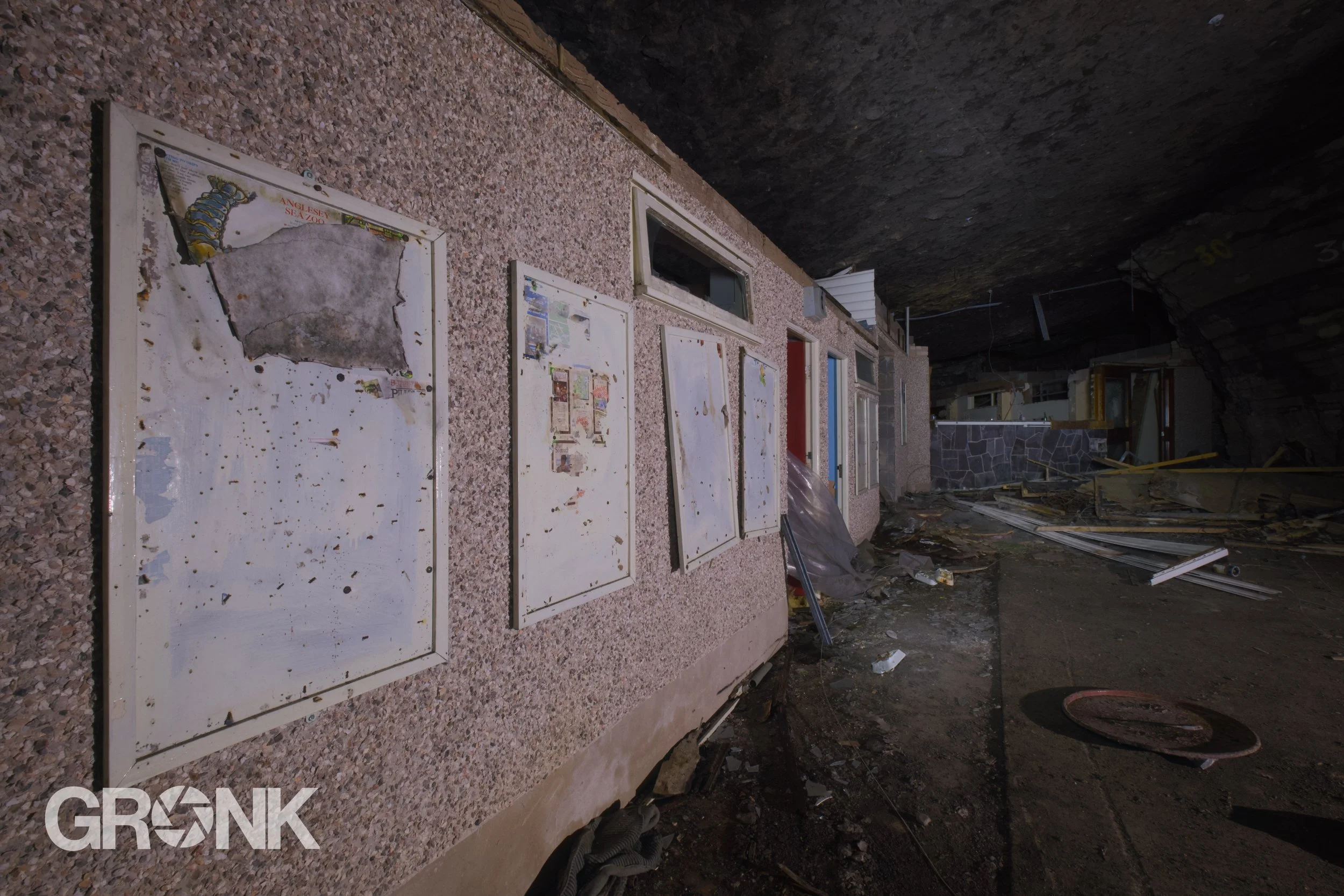
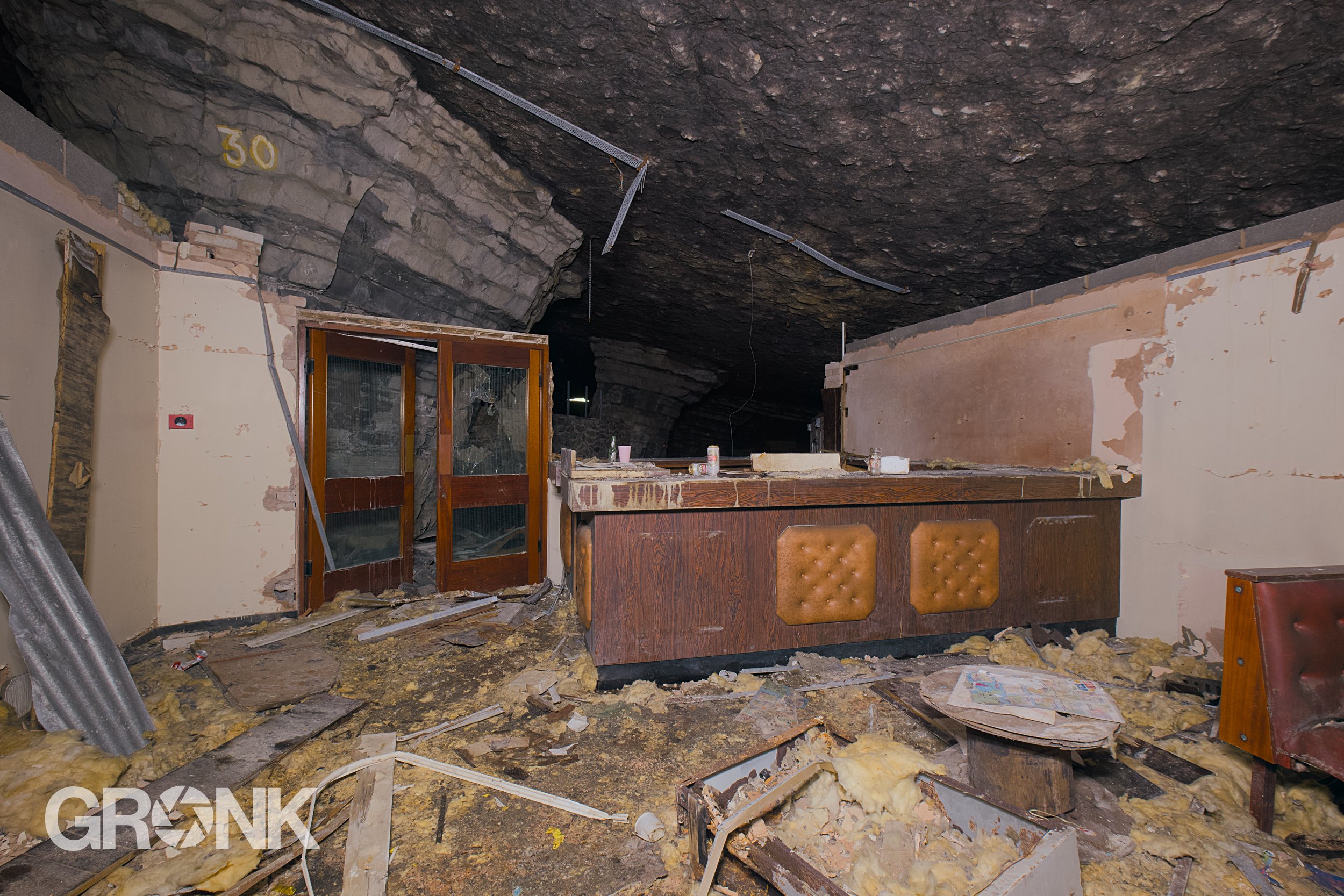
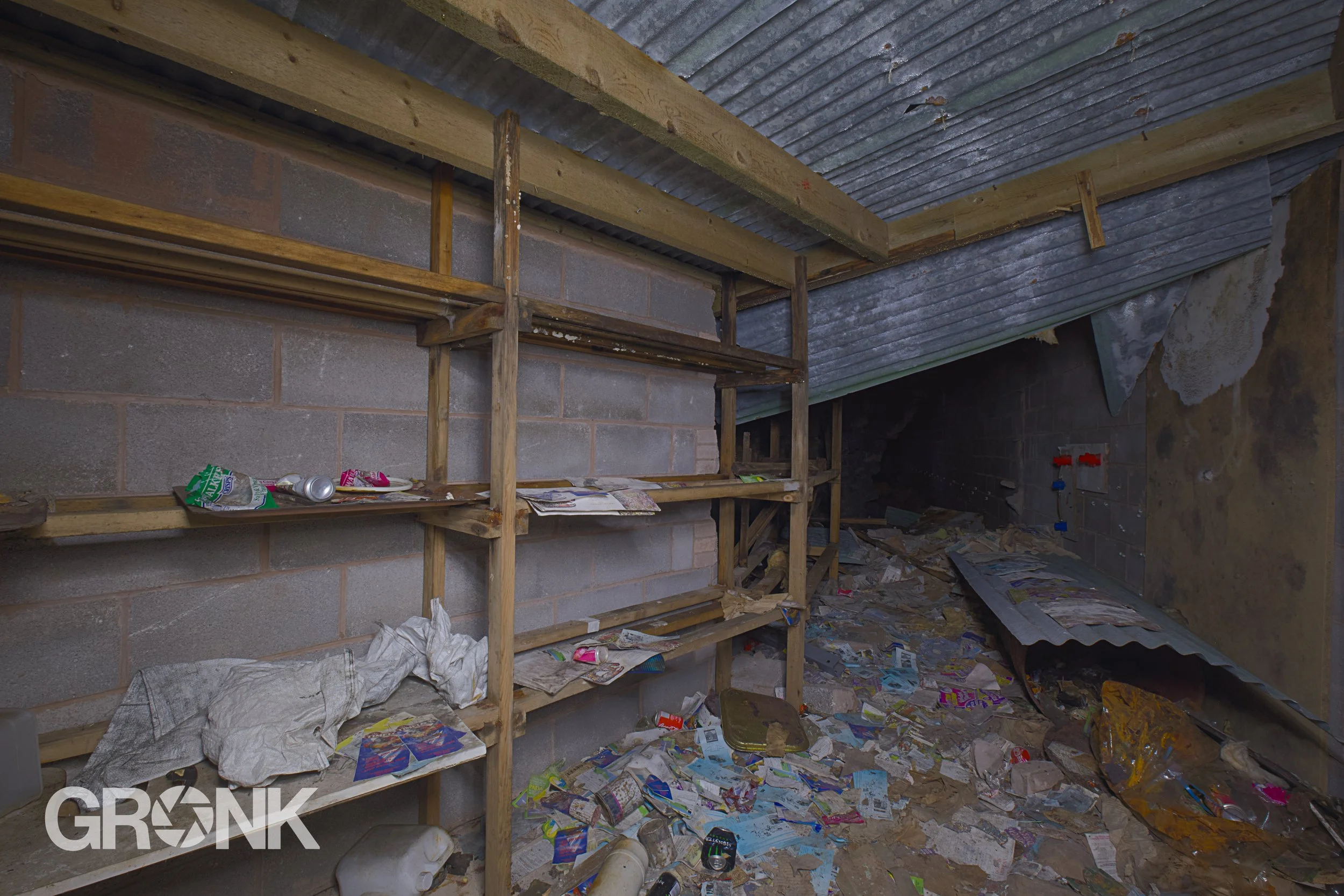
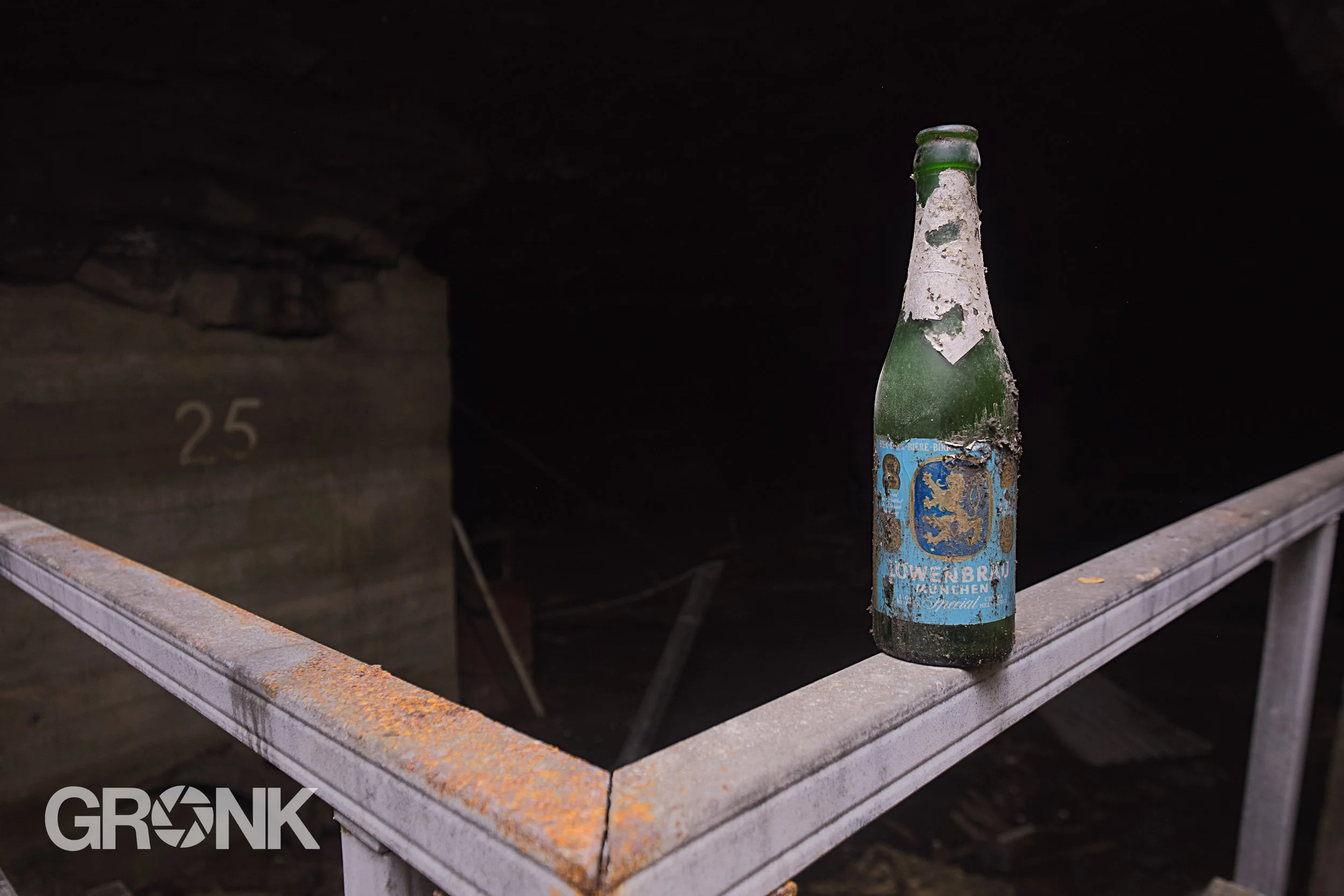
The museum closed around 1989, after which its collections were dispersed. Some objects were returned to their owners, while others were reportedly lost or sold without the knowledge of lenders. Today, the caverns are privately owned, closed to the public, and their current use is uncertain. Although now abandoned, the Grange Cavern Military Museum is still remembered for its unusual combination of industrial heritage, wartime history, and underground atmosphere.