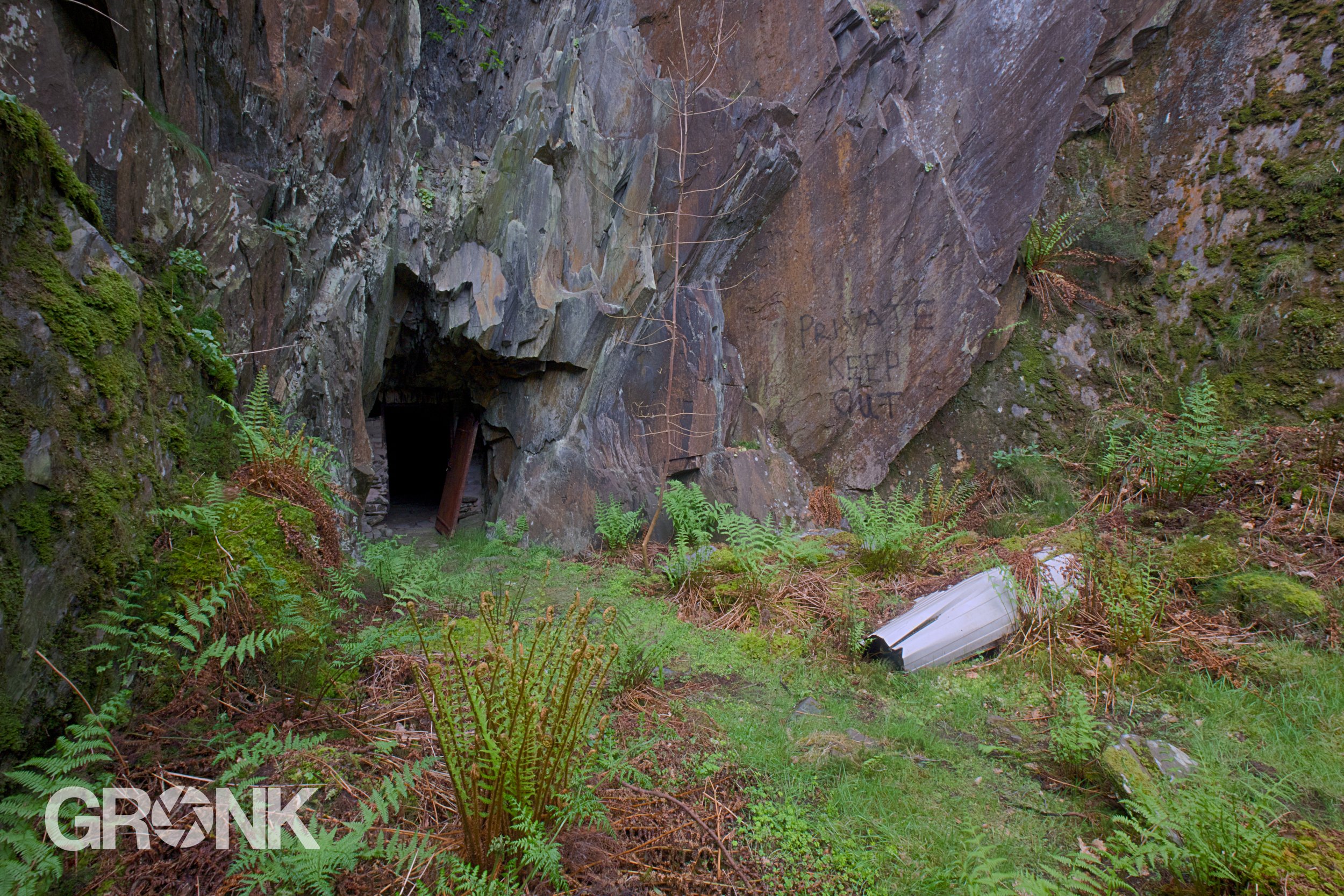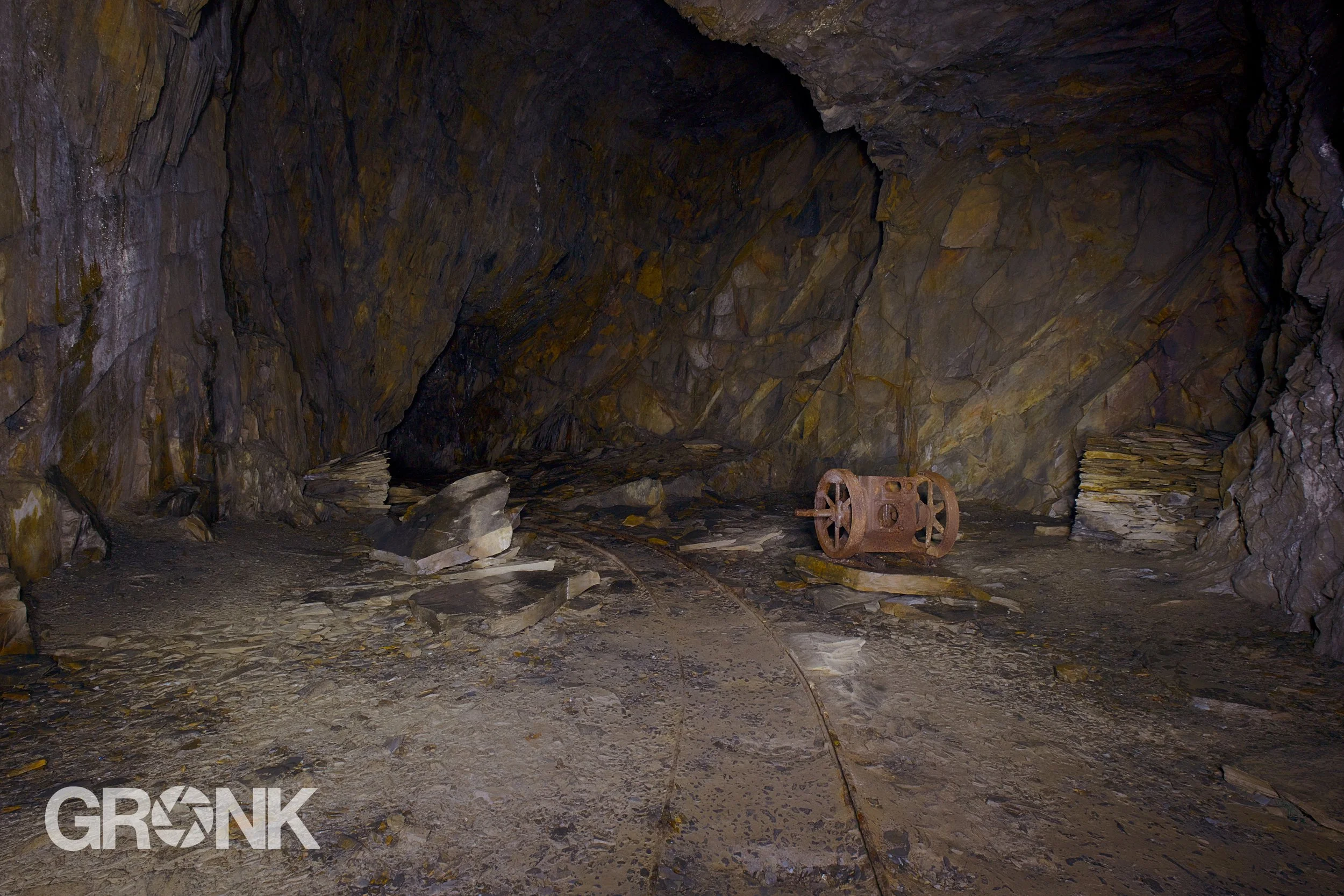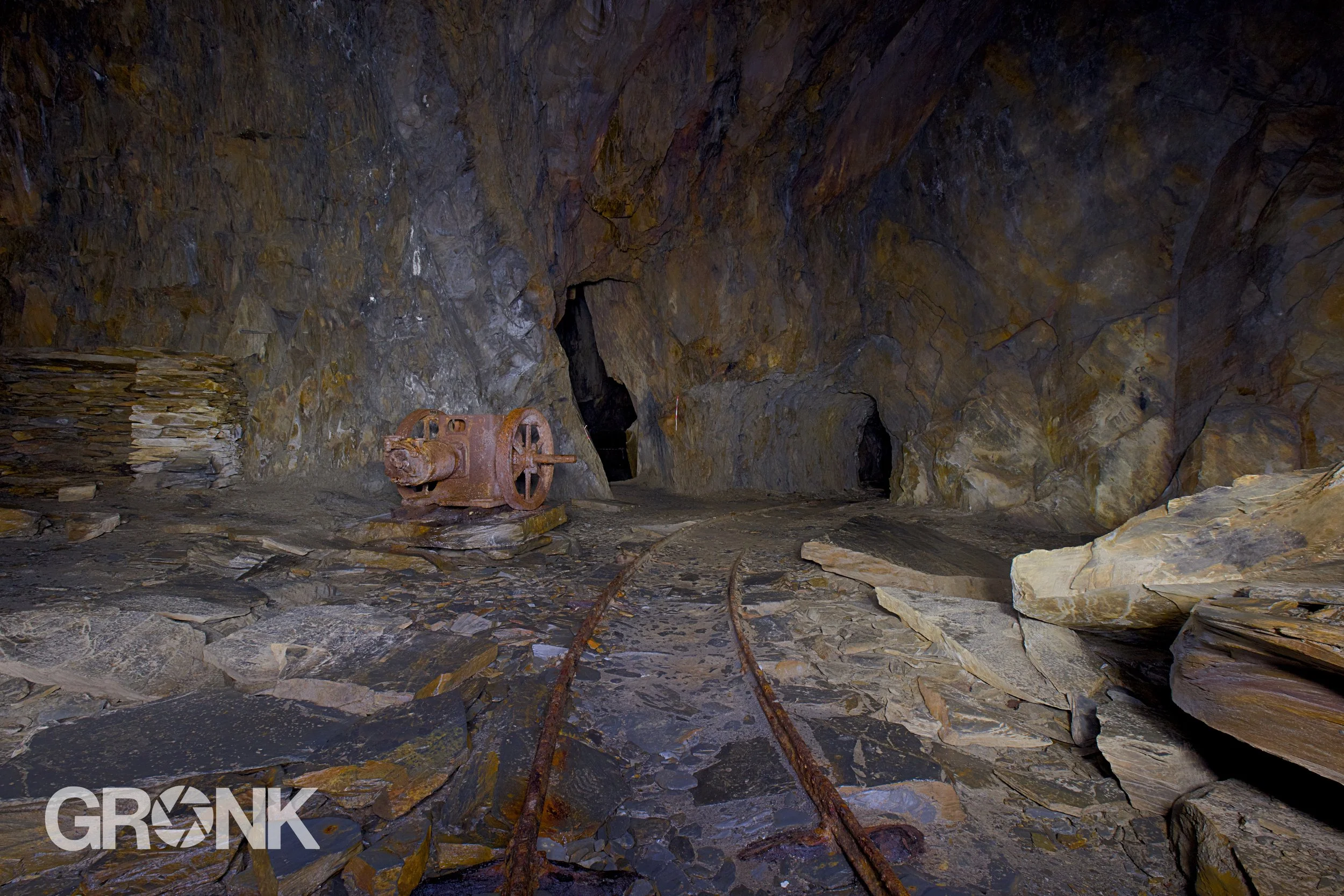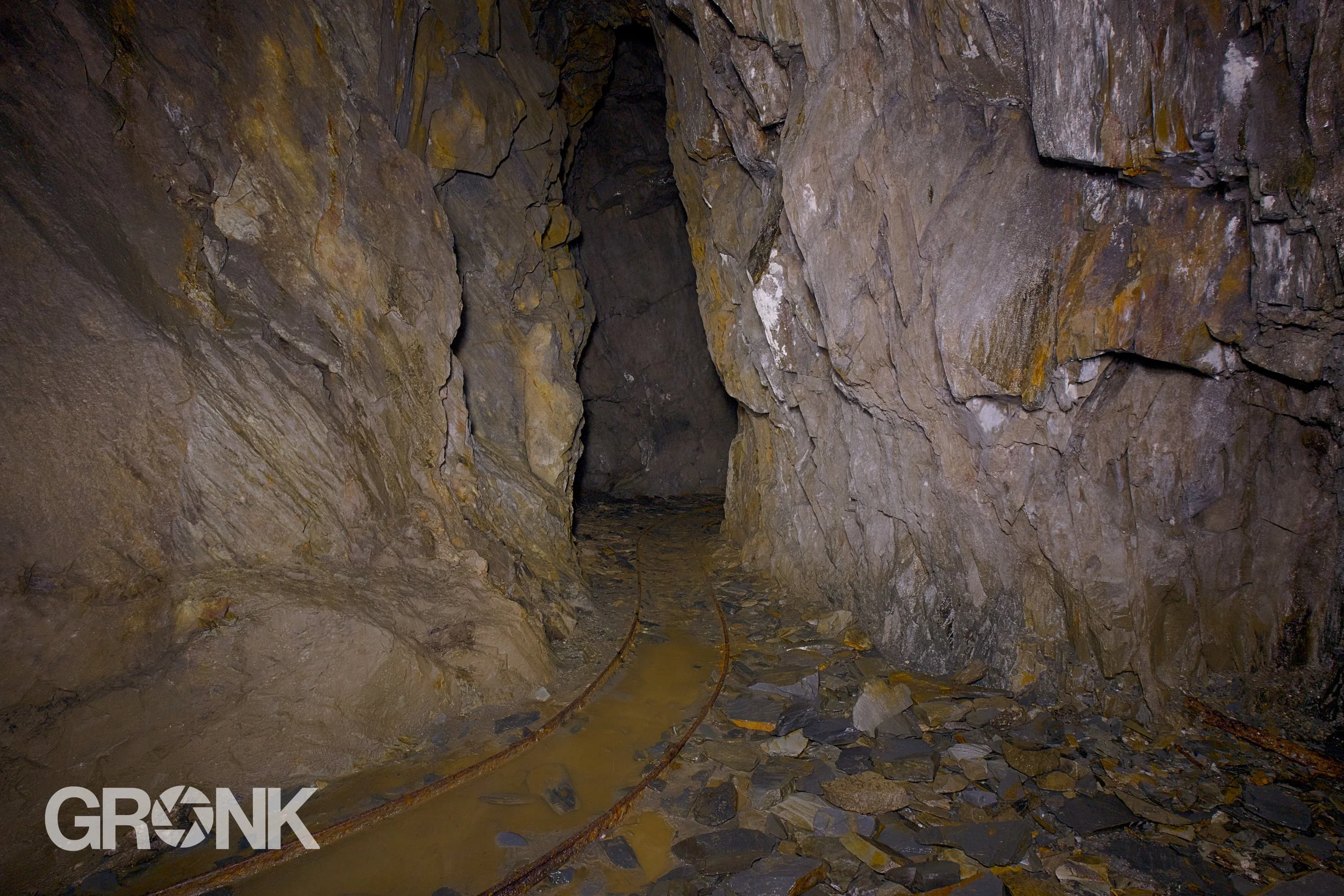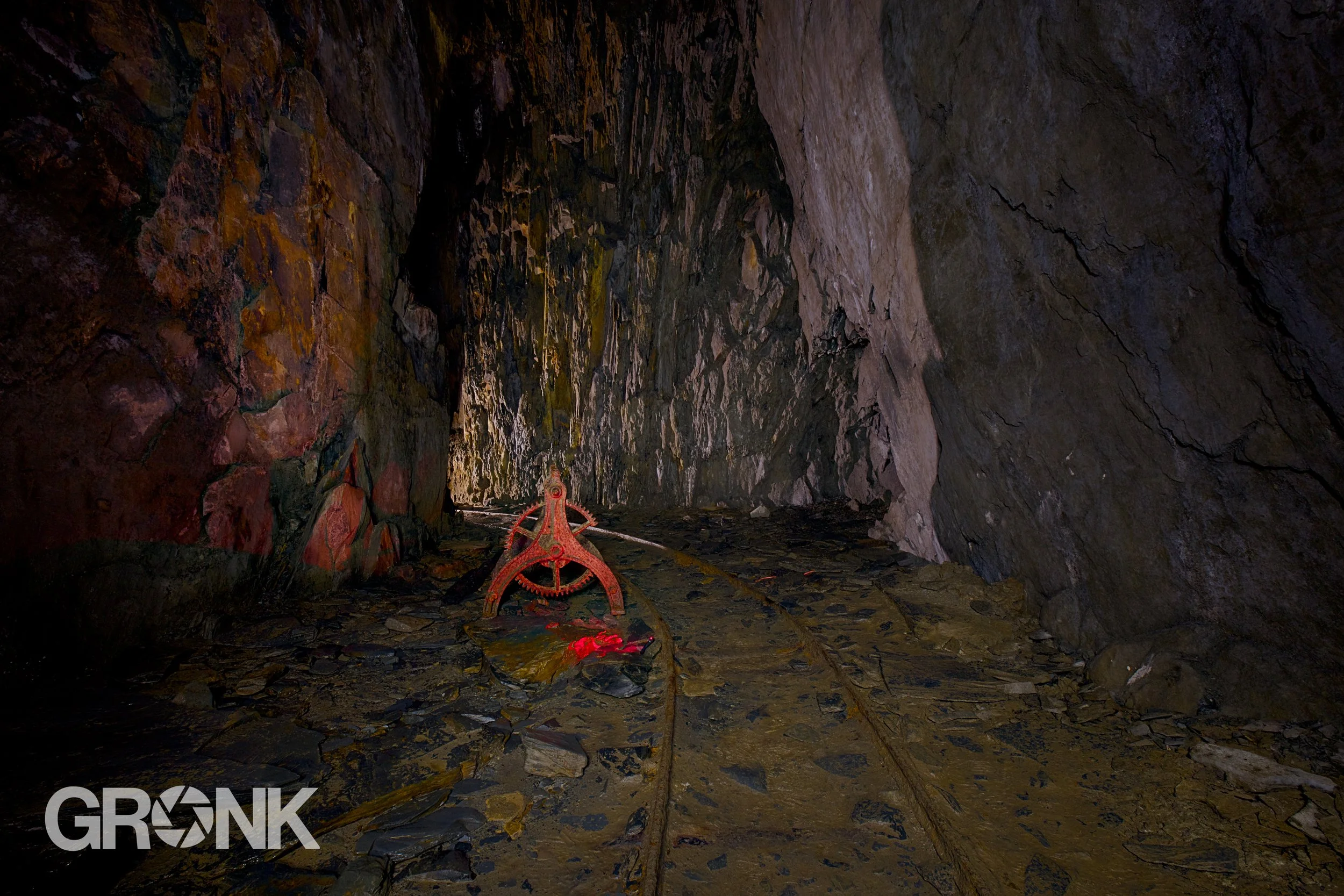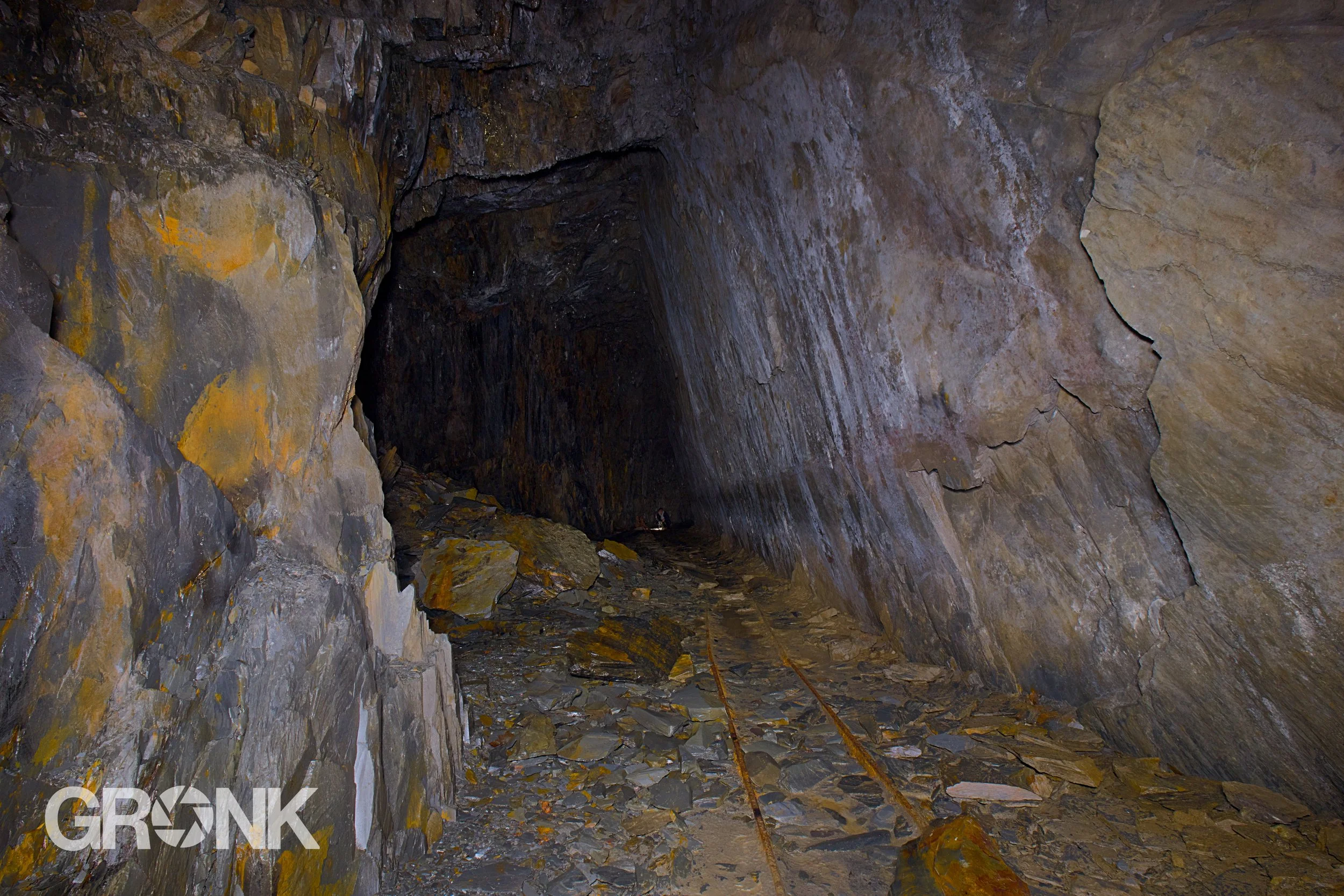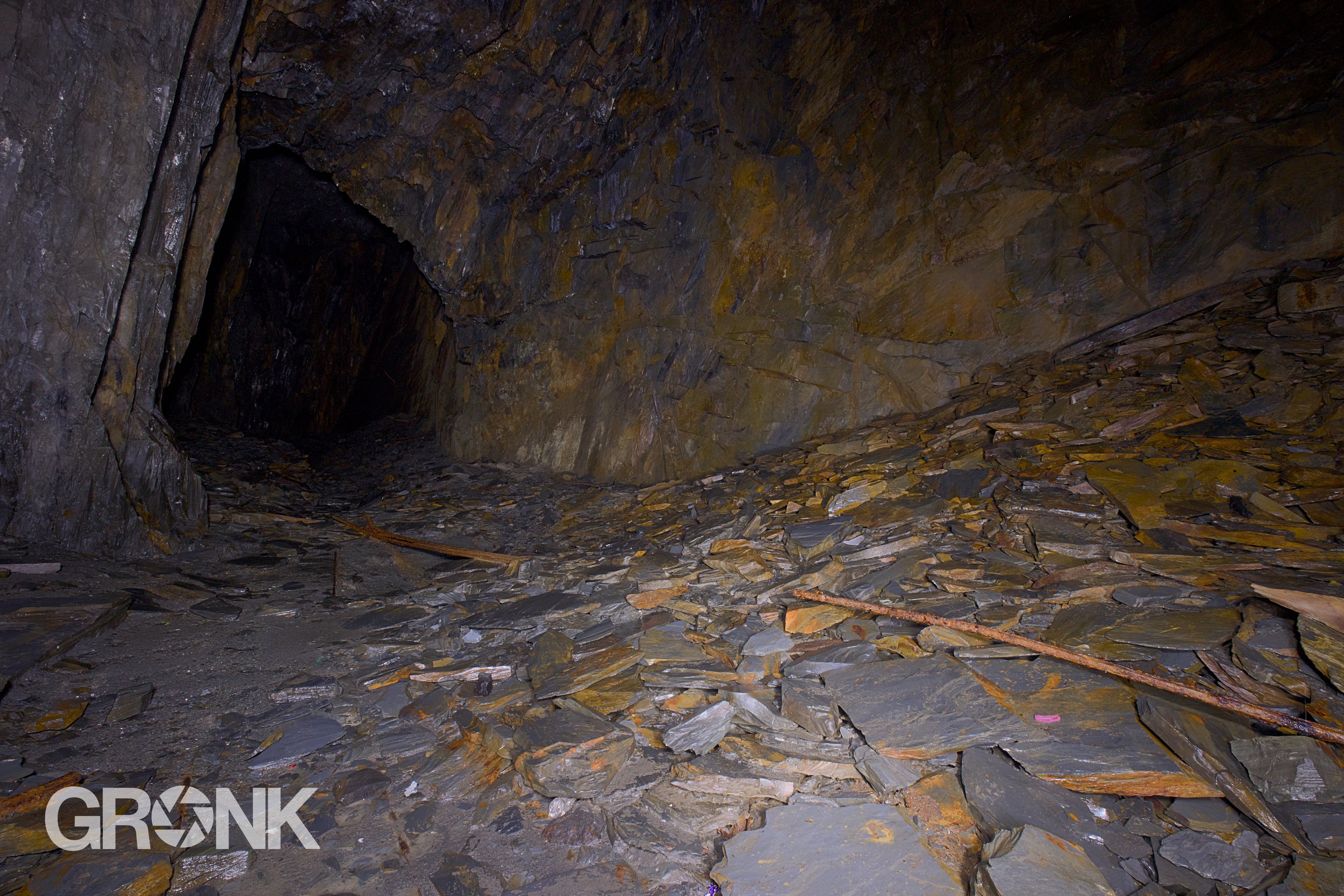
Henddol Slate Mine, Fairbourne
The Henddol Slate Mine, located in the Panteinion Valley above Fairbourne in Gwynedd, was one of several small slate workings developed during the expansion of the Welsh slate industry in the mid-nineteenth century. The quarry was established in the early 1860s and was operating by 1864–65 under the ownership of George Alfred Walker, a retired London surgeon who had settled in the area. The arrival of the railway along the Mawddach estuary helped make slate extraction commercially viable in this previously remote location.
Although never as large as the major North Wales slate quarries, Henddol provided local employment and contributed to the region’s industrial development. One notable event occurred in March 1869, when quarryman John H. Owen was severely injured in a nitroglycerine explosion after attempting to thaw blasting oil near a fire. The blast destroyed the engine house but, remarkably, Owen survived.
The quarry experienced a difficult history, including major rockfalls that repeatedly disrupted operations. Production appears to have ceased around 1871 following a significant collapse. After Walker’s death in 1884, the quarry was eventually revived and worked in conjunction with the neighbouring Goleuwern Quarry. By 1887, the combined operations employed around eighty men. Henddol reopened in the 1890s under Cambrian Estates Ltd., sharing infrastructure and transport facilities with Goleuwern.
A further major rockfall in 1900 blocked the quarry entrance and forced another closure. Although some work may have resumed, Henddol never fully recovered. By the time of the First World War, slate extraction had effectively ended, with final closure occurring sometime between 1915 and 1920.