HMP Shrewsbury
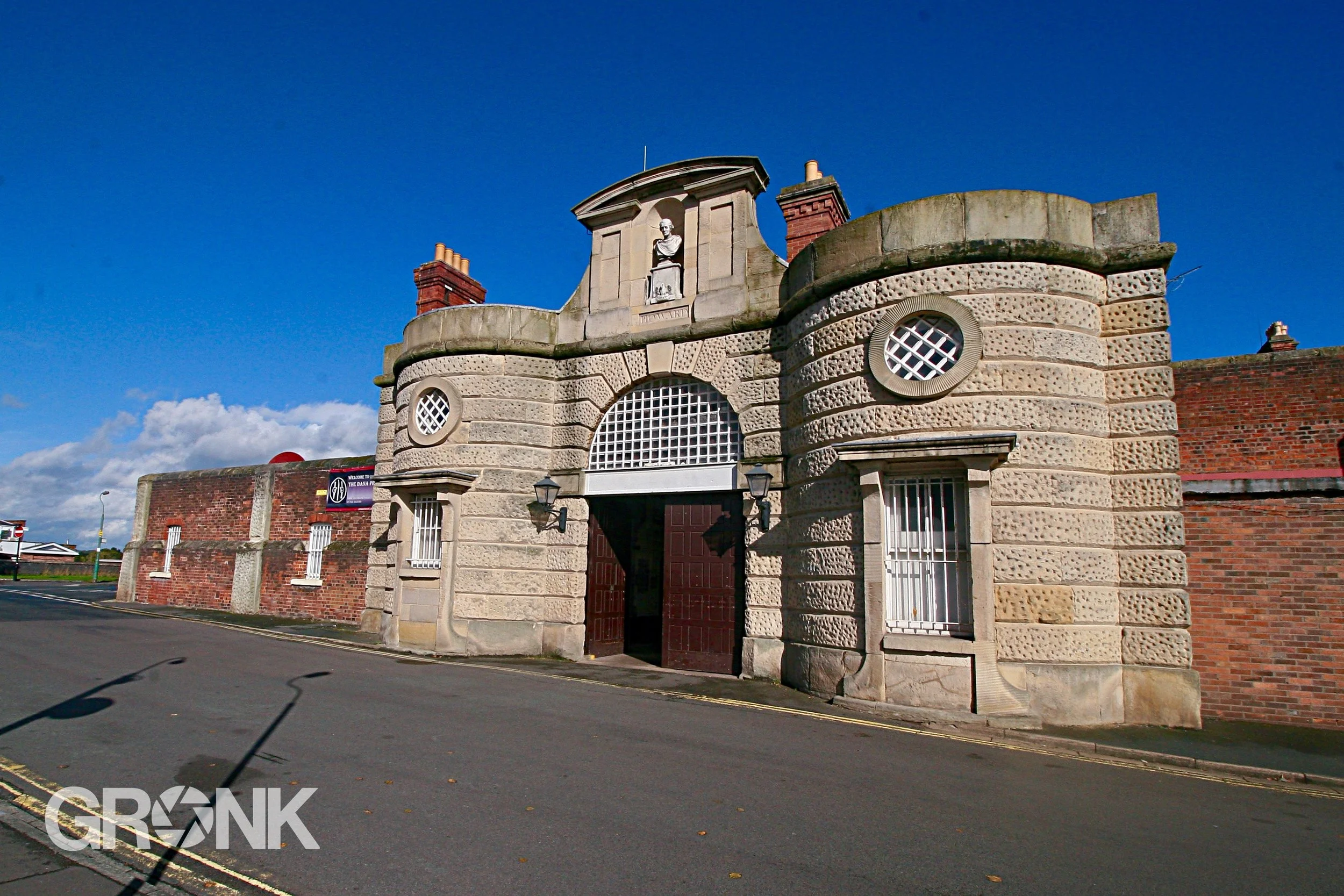
The site of HMP Shrewsbury traces back to the late 18th century. In 1786, a local Act of Parliament initiated the rebuilding of Shropshire’s County Gaol and House of Correction. William Blackburn selected the site and drew up initial plans, but architectural competition led to John Hiram Haycock winning the commission in October 1786. By 1787, he prepared working drawings; Thomas Telford joined later as surveyor. In early 1788, reformer John Howard reviewed and prompted modifications, leading to Telford’s revised plan. The prison was completed in September 1793, featuring a courtyard plan, airing courts, a central octagonal chapel-and-bakehouse, and open arcades for daytime prisoner use.
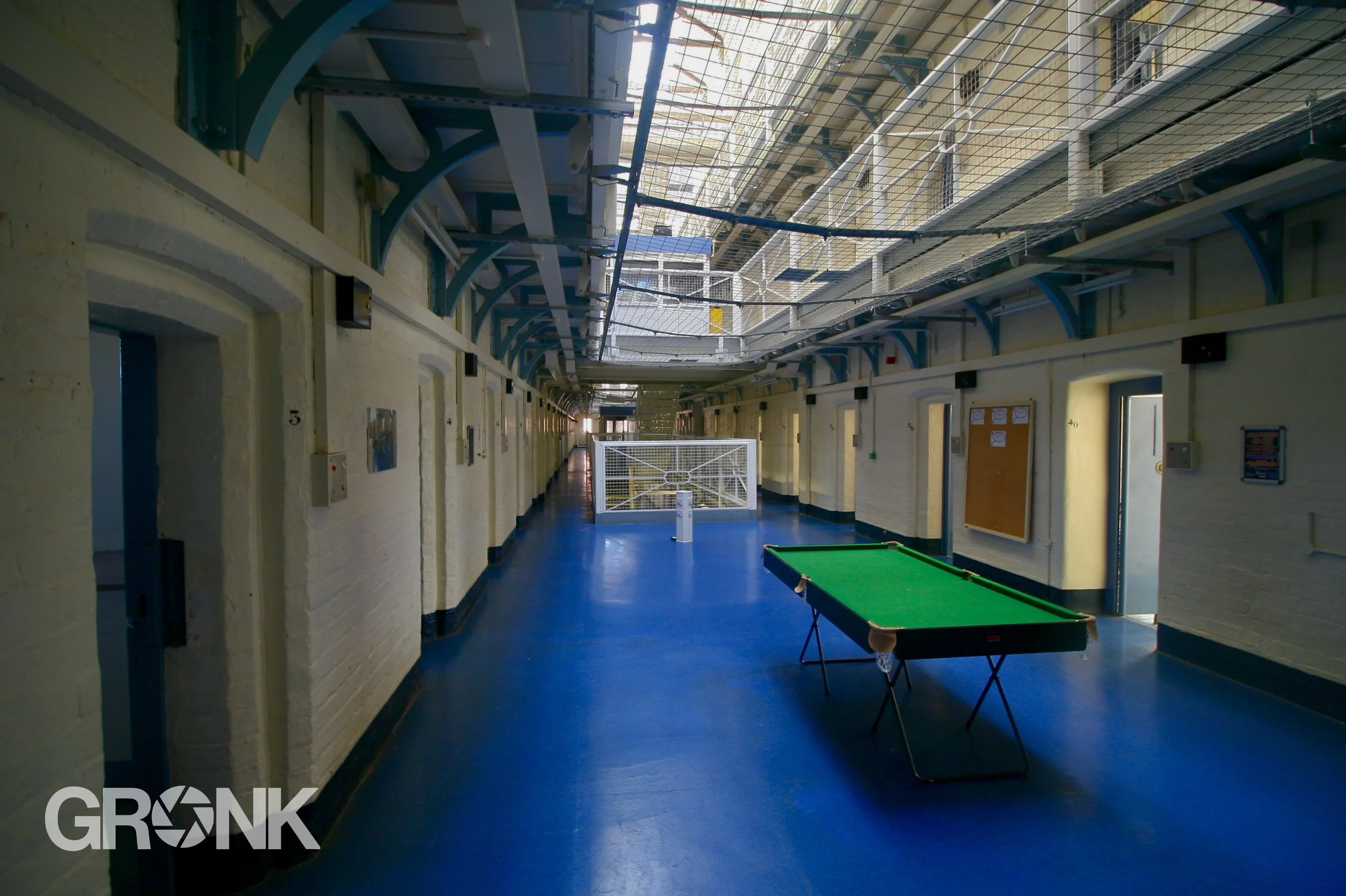
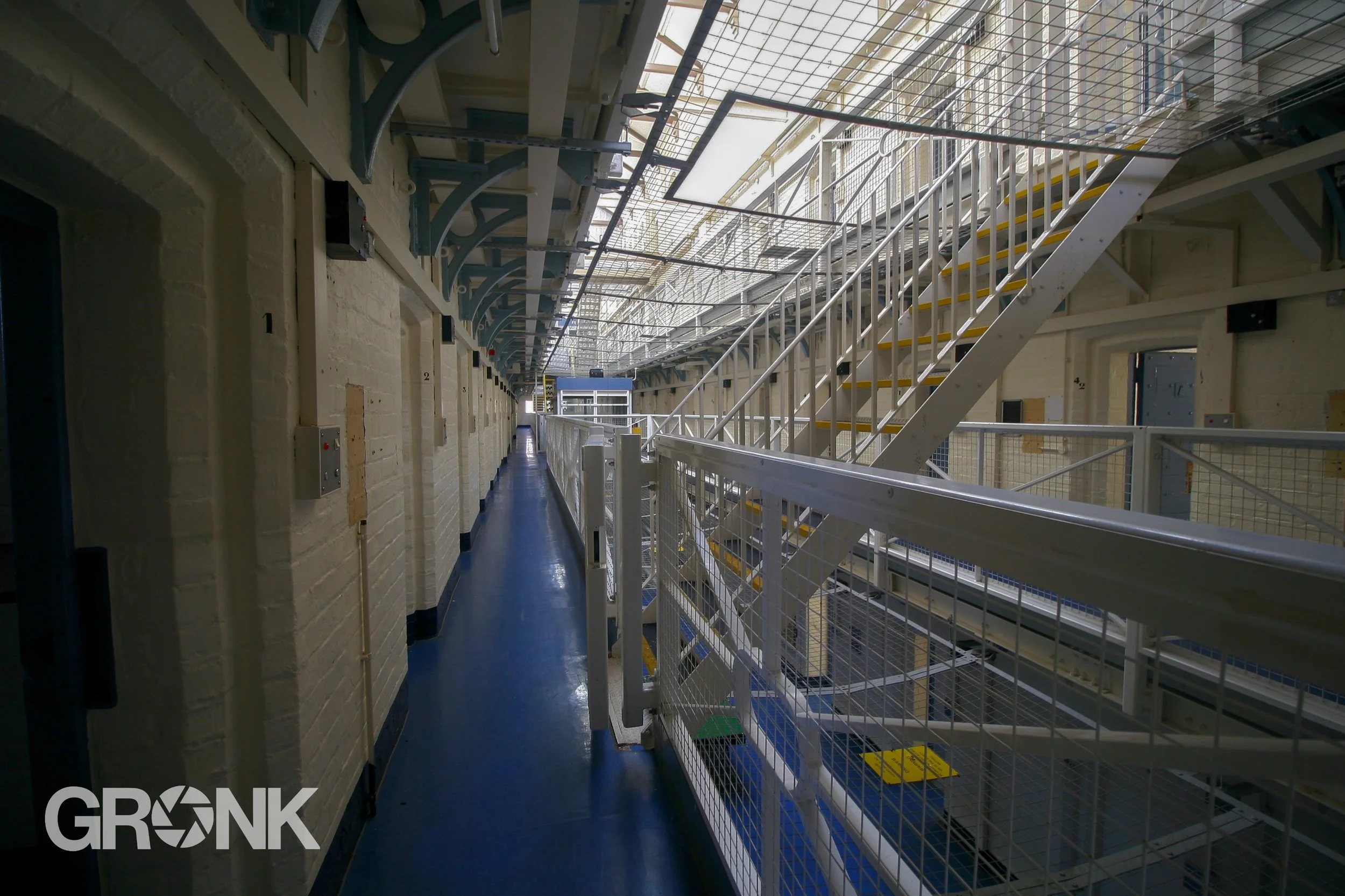
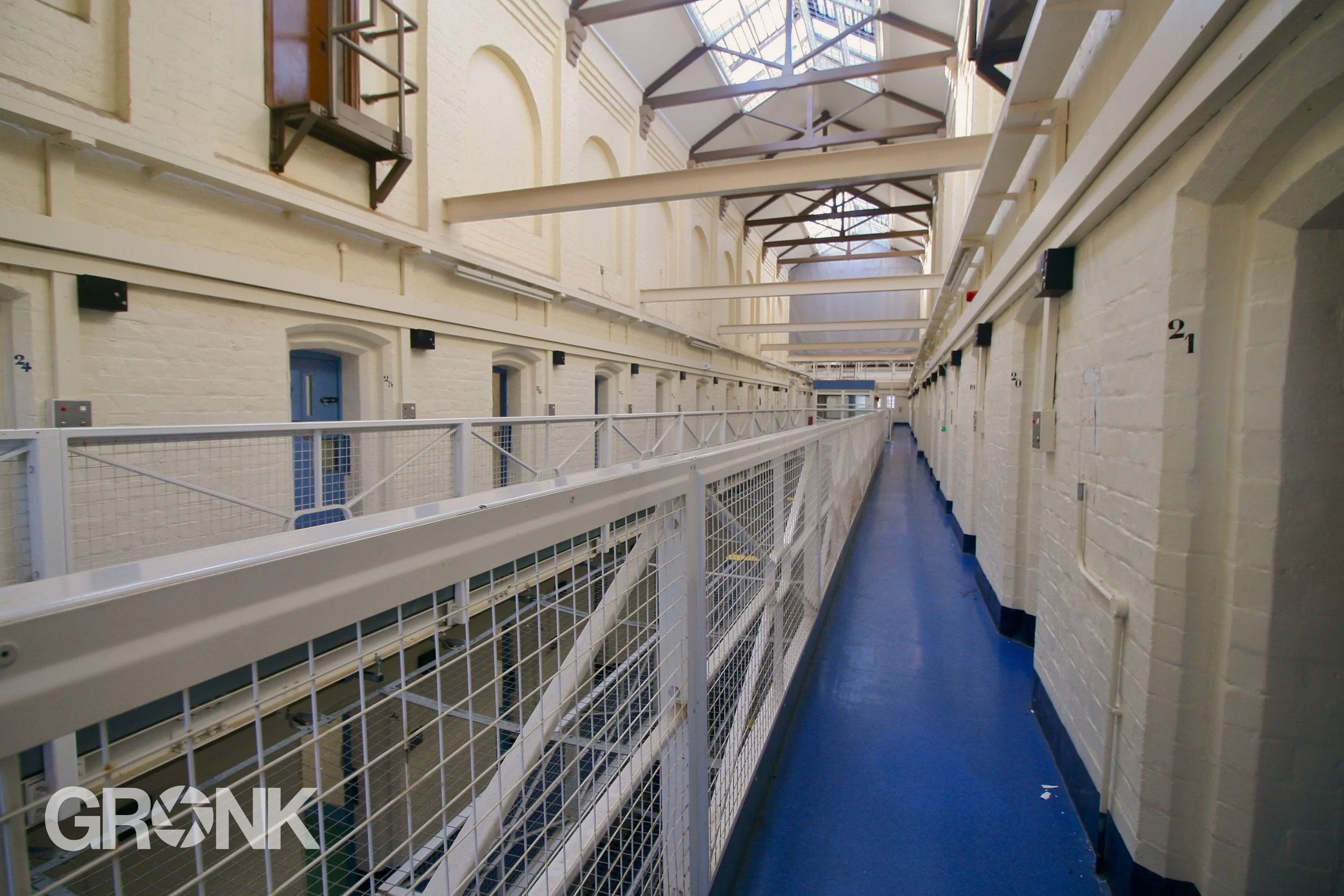
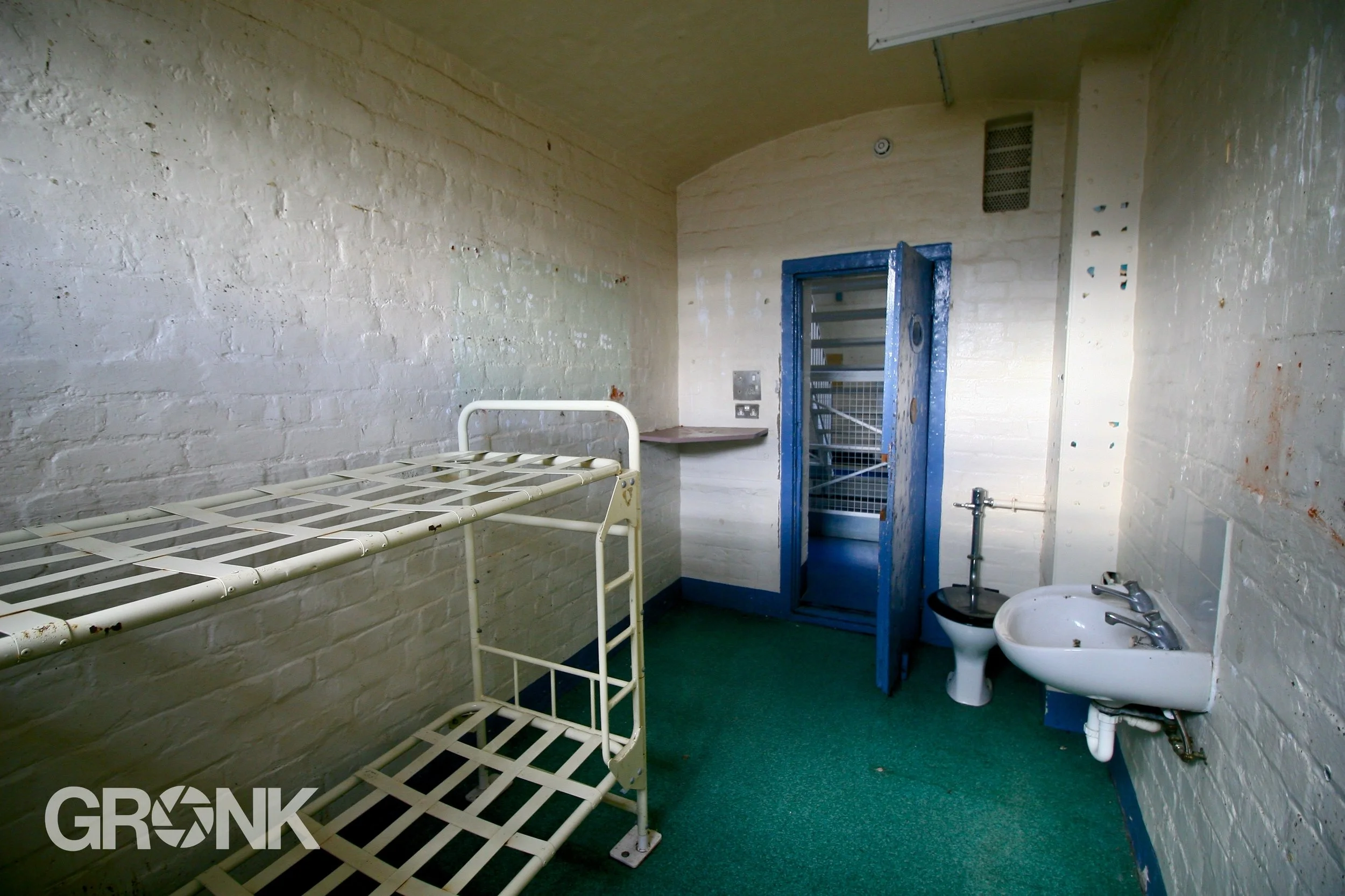
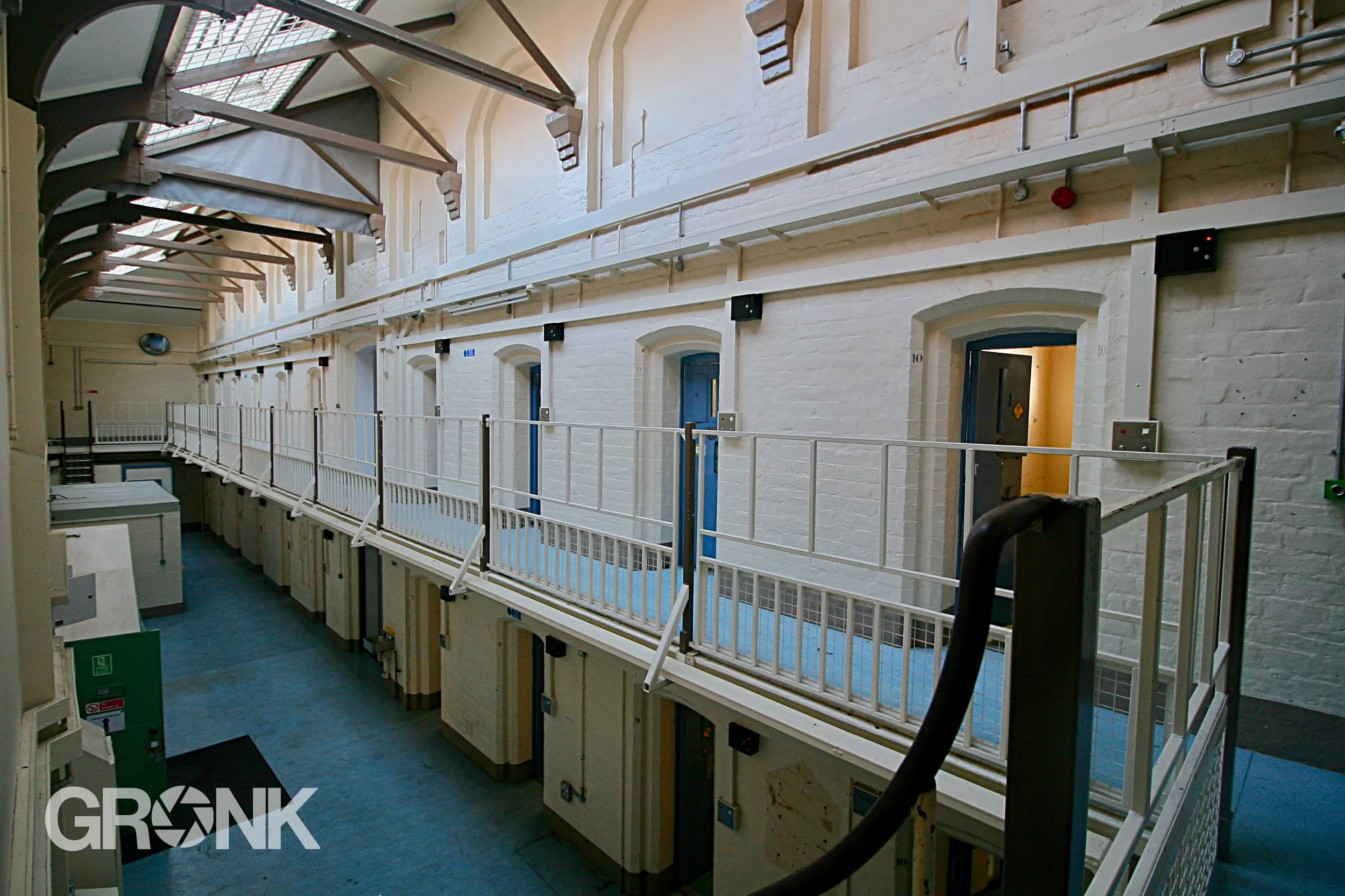
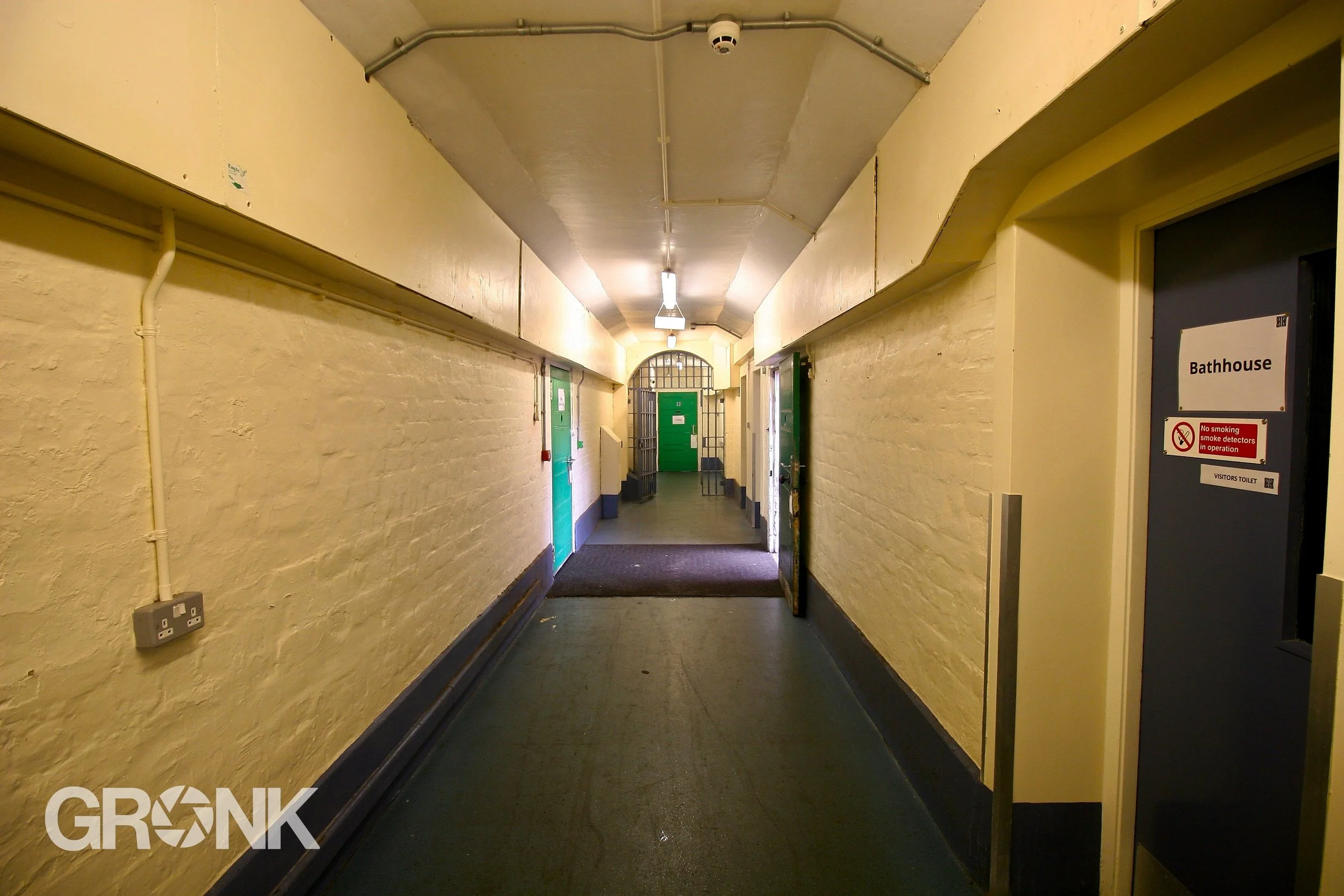
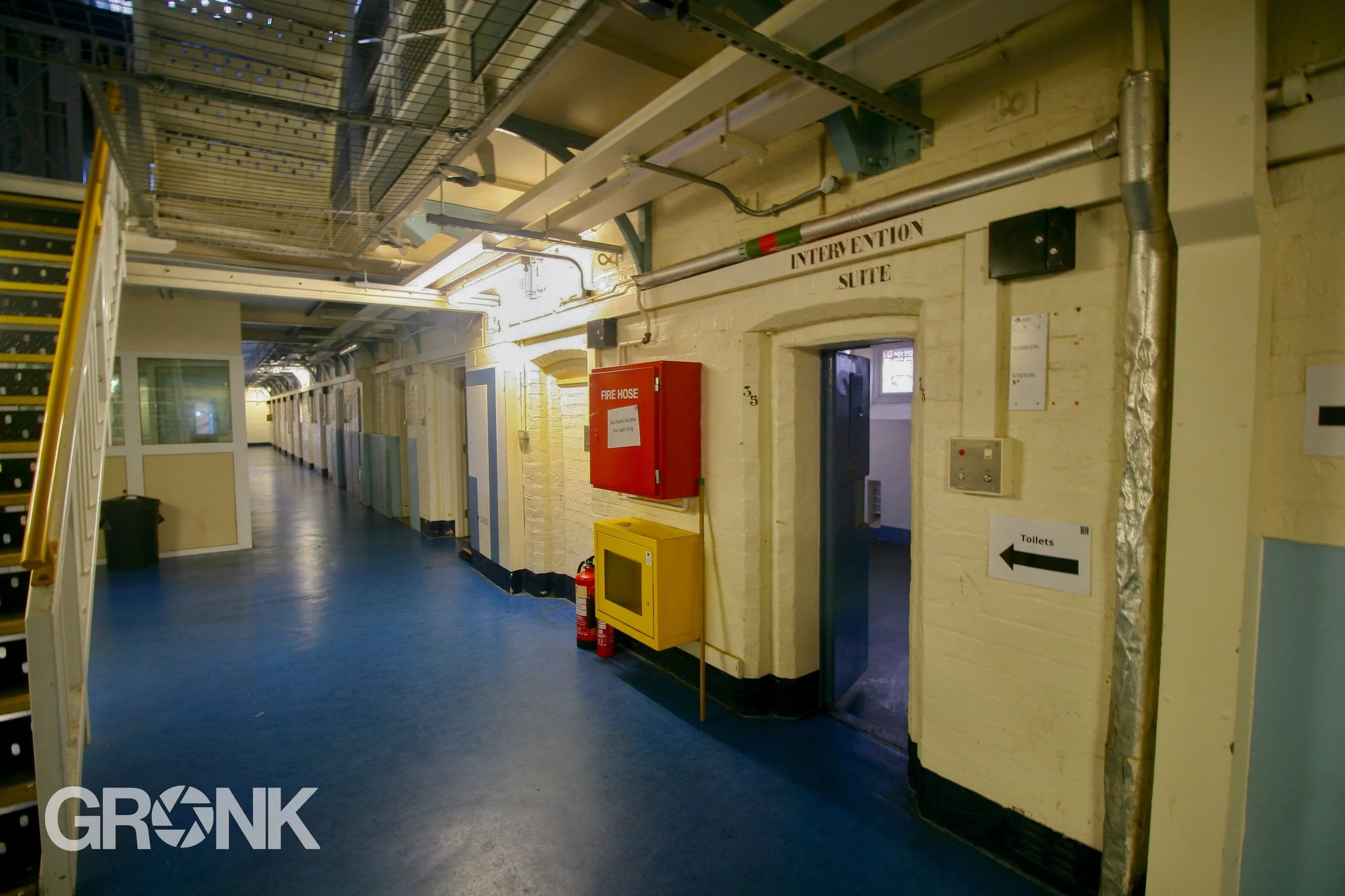
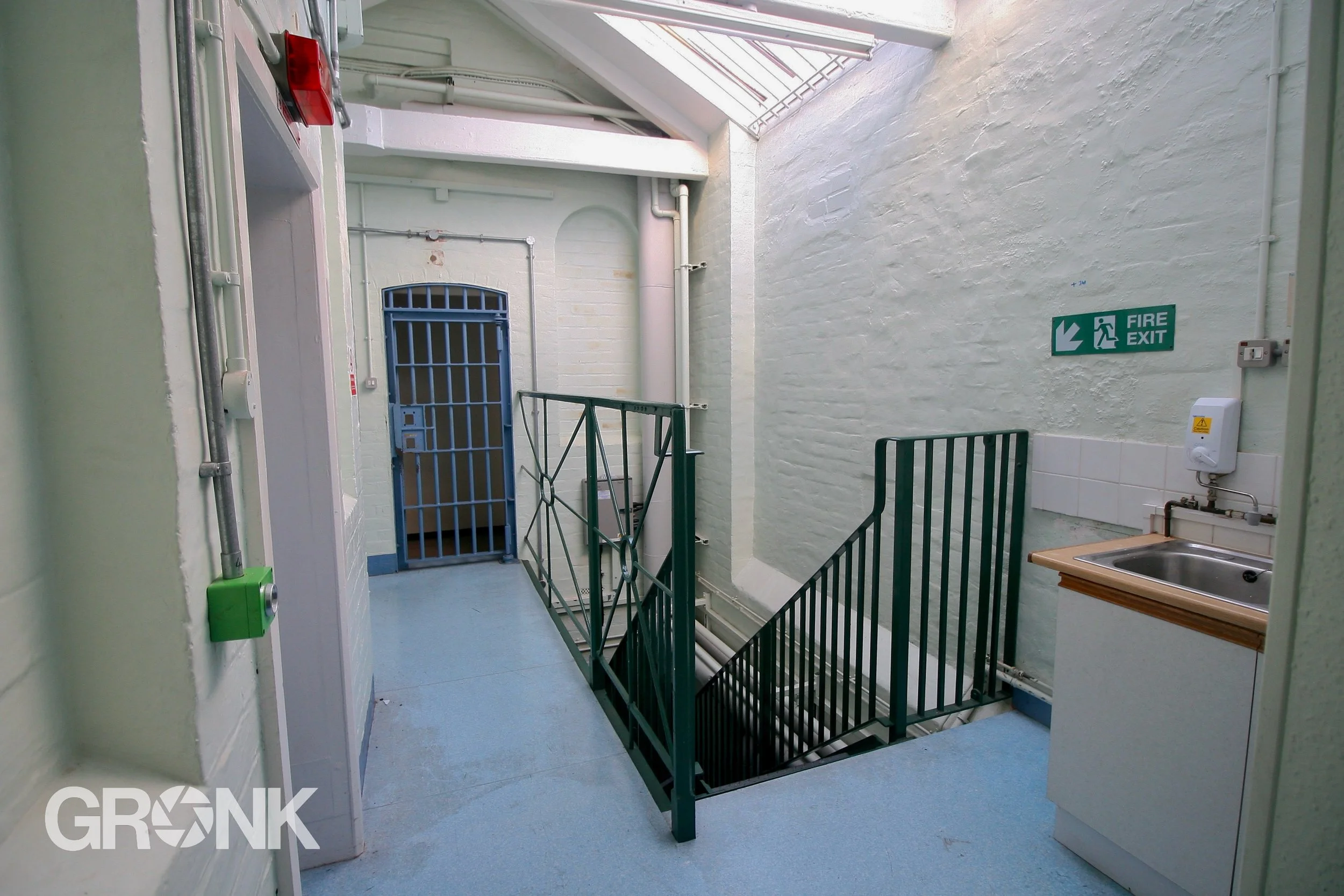
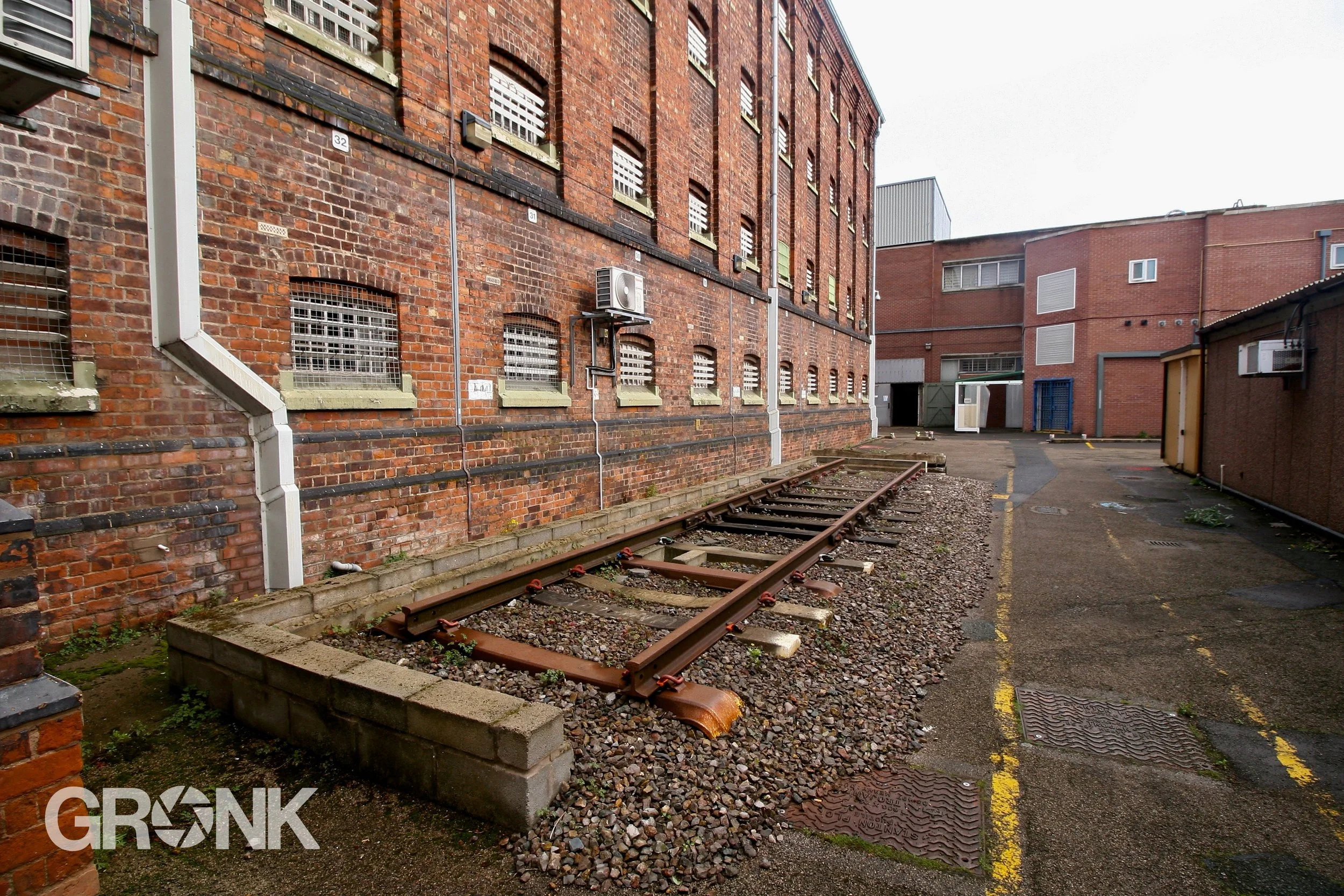
Originally designed to hold inmates in separate male and female wings, the prison saw expansions and modernizations over the years. Between 1837 and 1866, separate cells were introduced in response to evolving penal standards. After nationalisation in 1878, a major rebuilding between 1883 and 1888 demolished most of the original structures—preserving only the gatehouse, part of the southwest range (now known as “B” wing), and the perimeter wall. New “A” and “C” wings (for men and women) were built in a “telegraph-pole” layout, joined by additional facilities such as infirmaries, workshops, an execution suite, and new reception blocks.
From its opening, HMP Shrewsbury was a site of capital punishment. Public hangings occurred until April 1868, including that of John Mapp. Between 1902 and 1961, eight further hangings took place inside the prison, the last being of George Riley, just before capital punishment was abolished in 1969.
In the late 20th century, further upgrades included workshops, a gymnasium, and education blocks, with a chapel added in 1995. The exercise yard and newer facilities were introduced in the early 21st century. However, in March 2013, the Ministry of Justice closed the prison as part of a national cost-saving programme, marking the end of its function as a correctional facility.