Killoch Substation, Cumnock
The Killoch area in East Ayrshire originally grew around coal mining in the mid-20th century. Killoch Colliery, developed by the National Coal Board from the 1950s, began production in 1960 and became one of Scotland’s most productive pits, even exporting coal to Northern Ireland power stations. Geological problems later reduced output, and the mine eventually closed in 1987. After nationalisation there were many collieries across Scotland, with Killoch being among the later ones to cease operations.
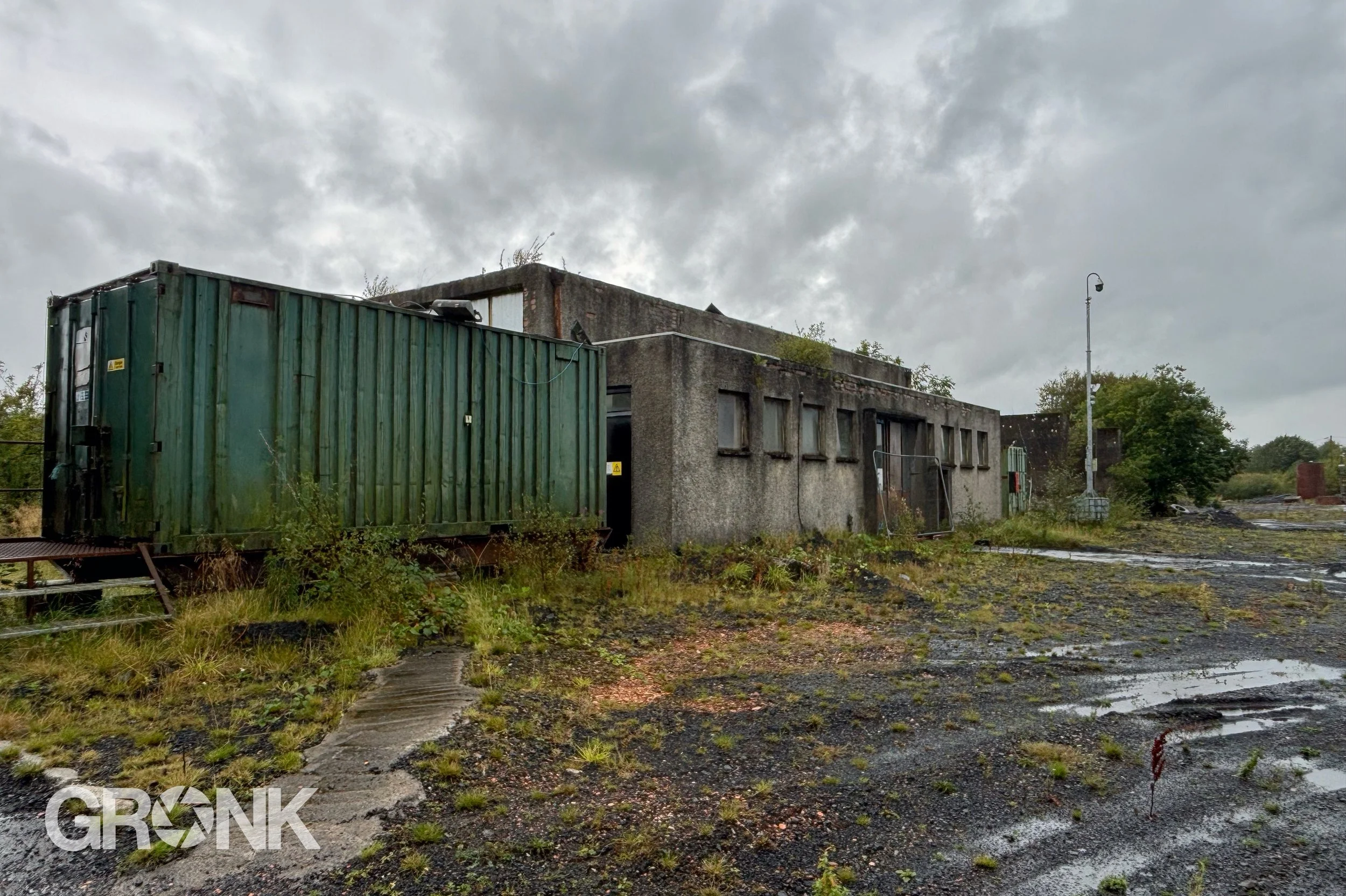
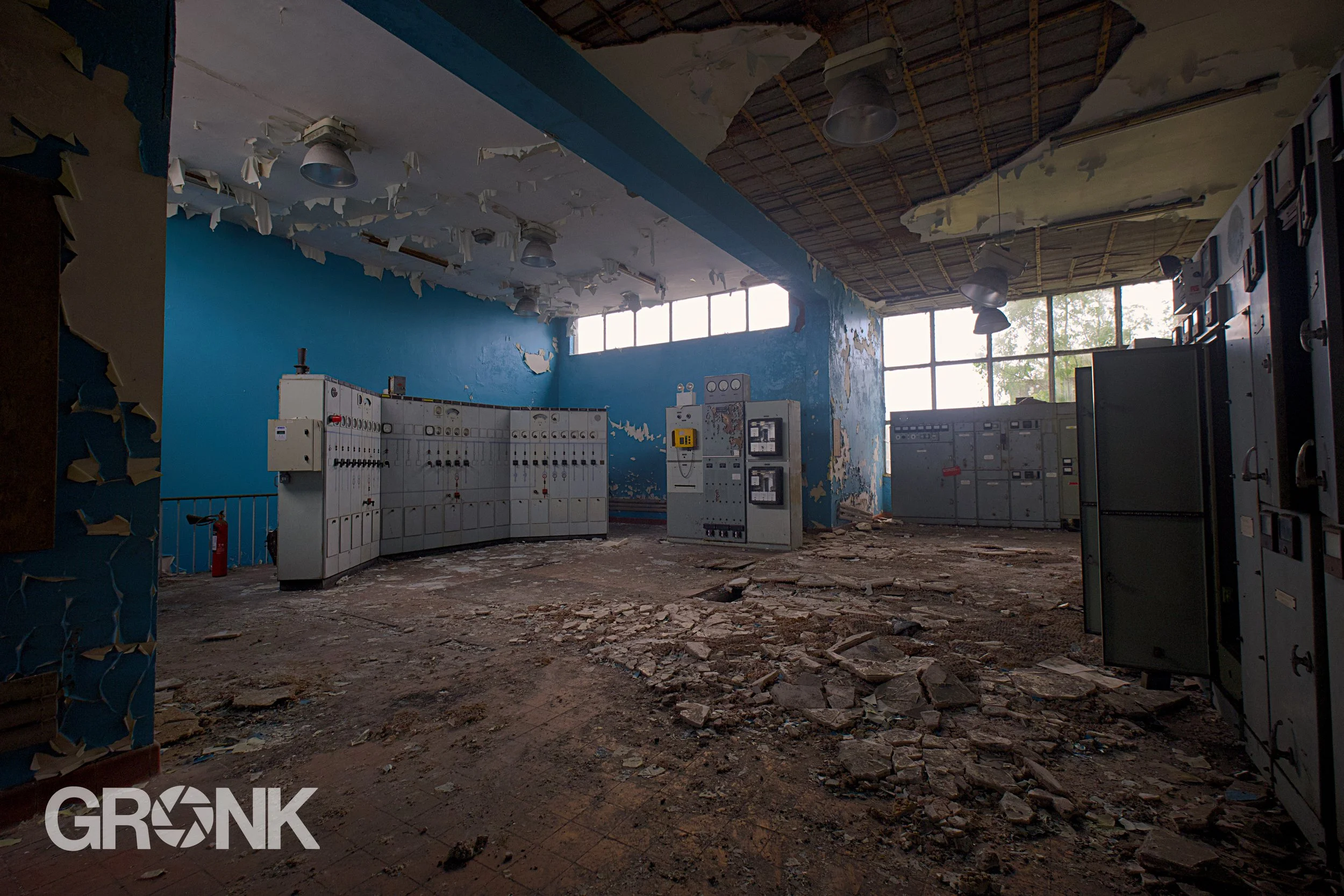
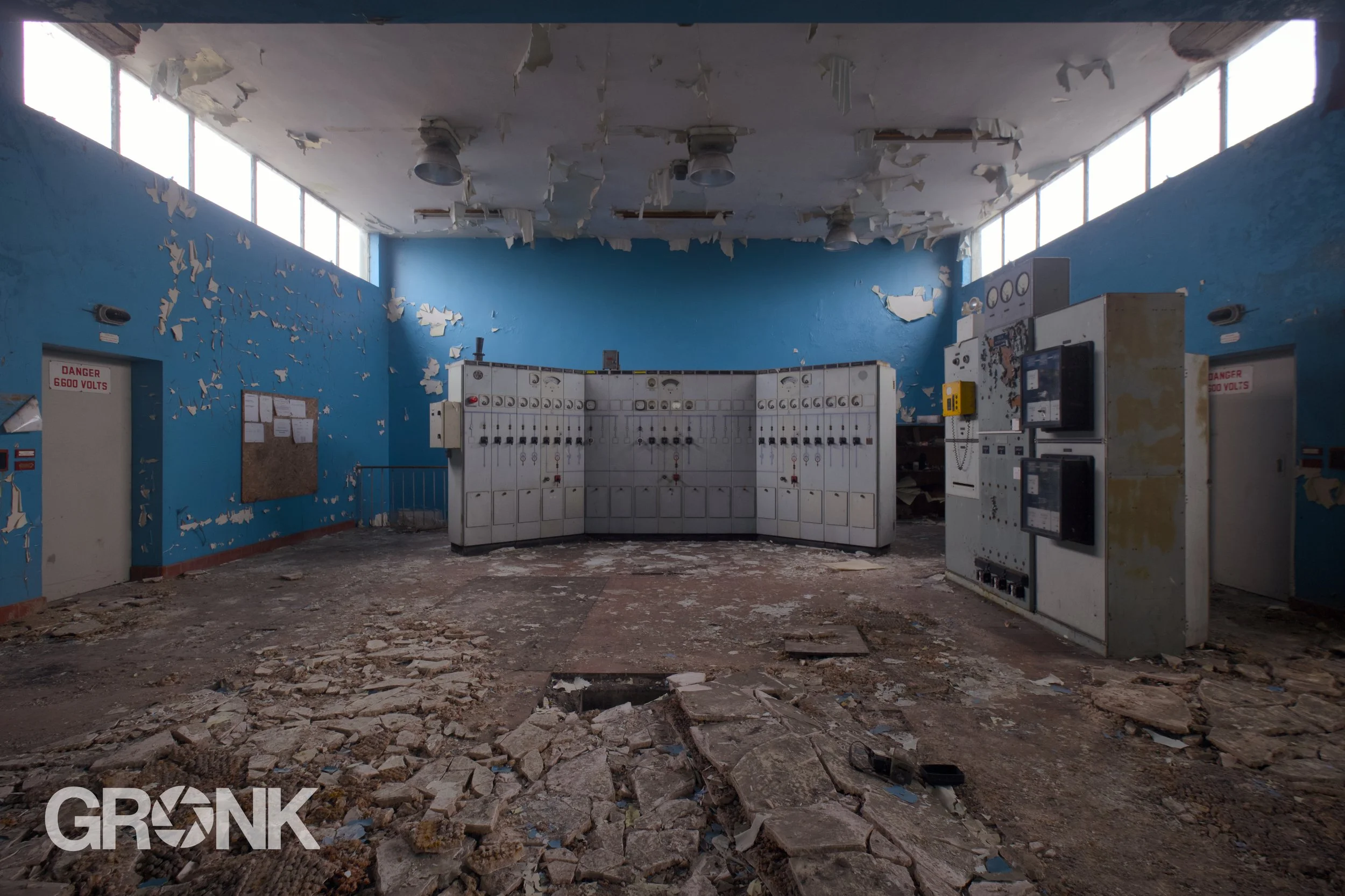
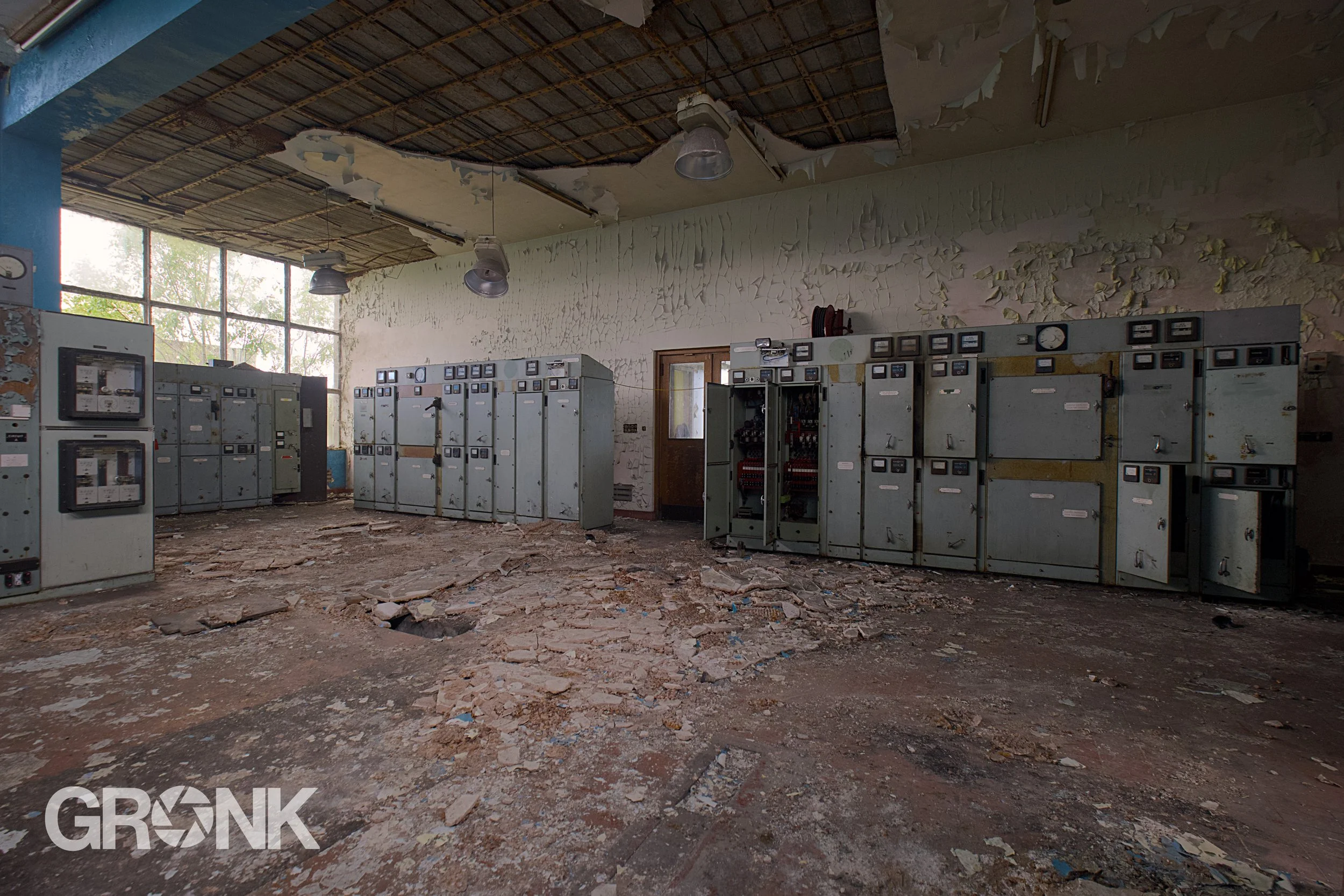
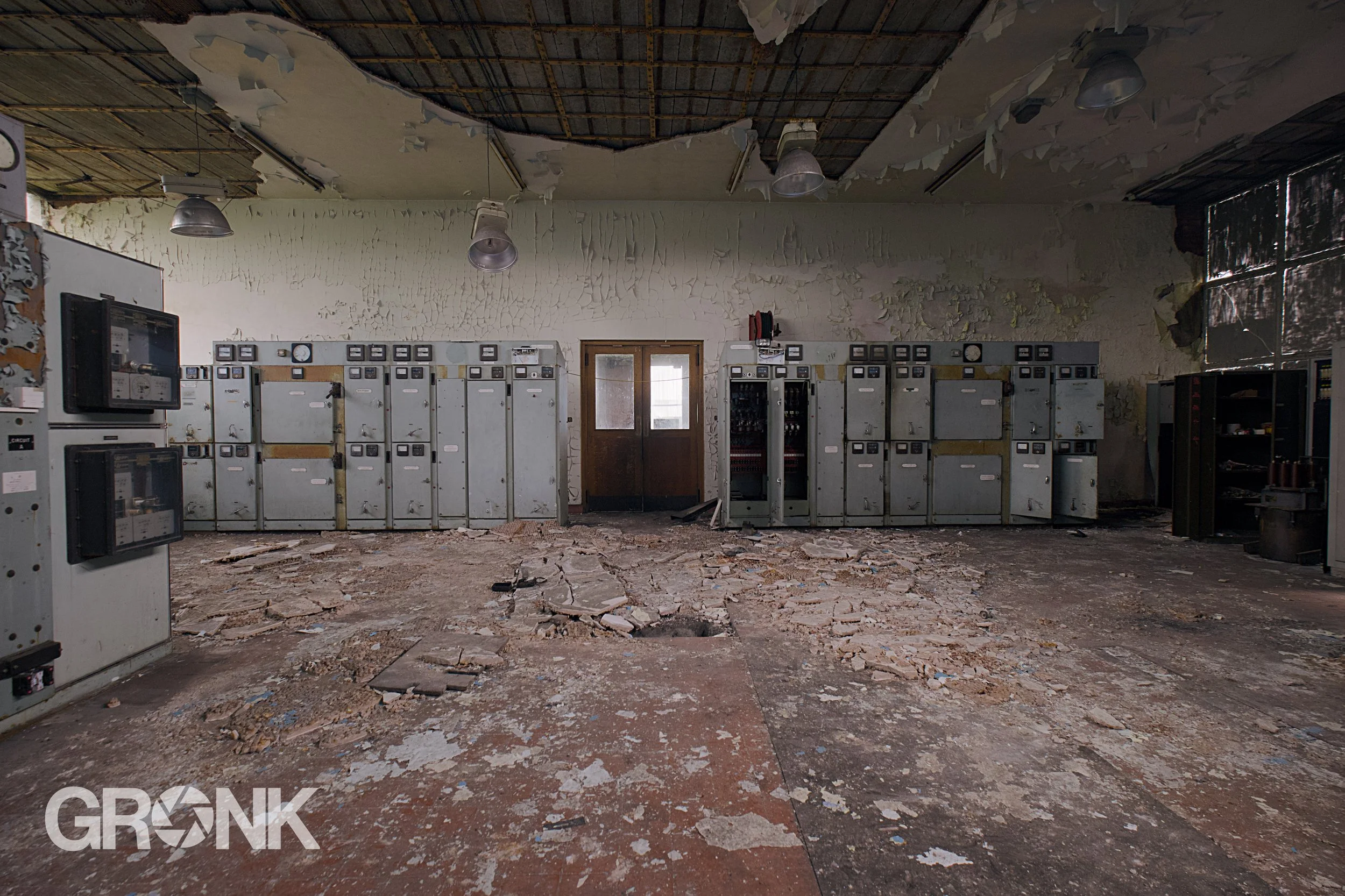
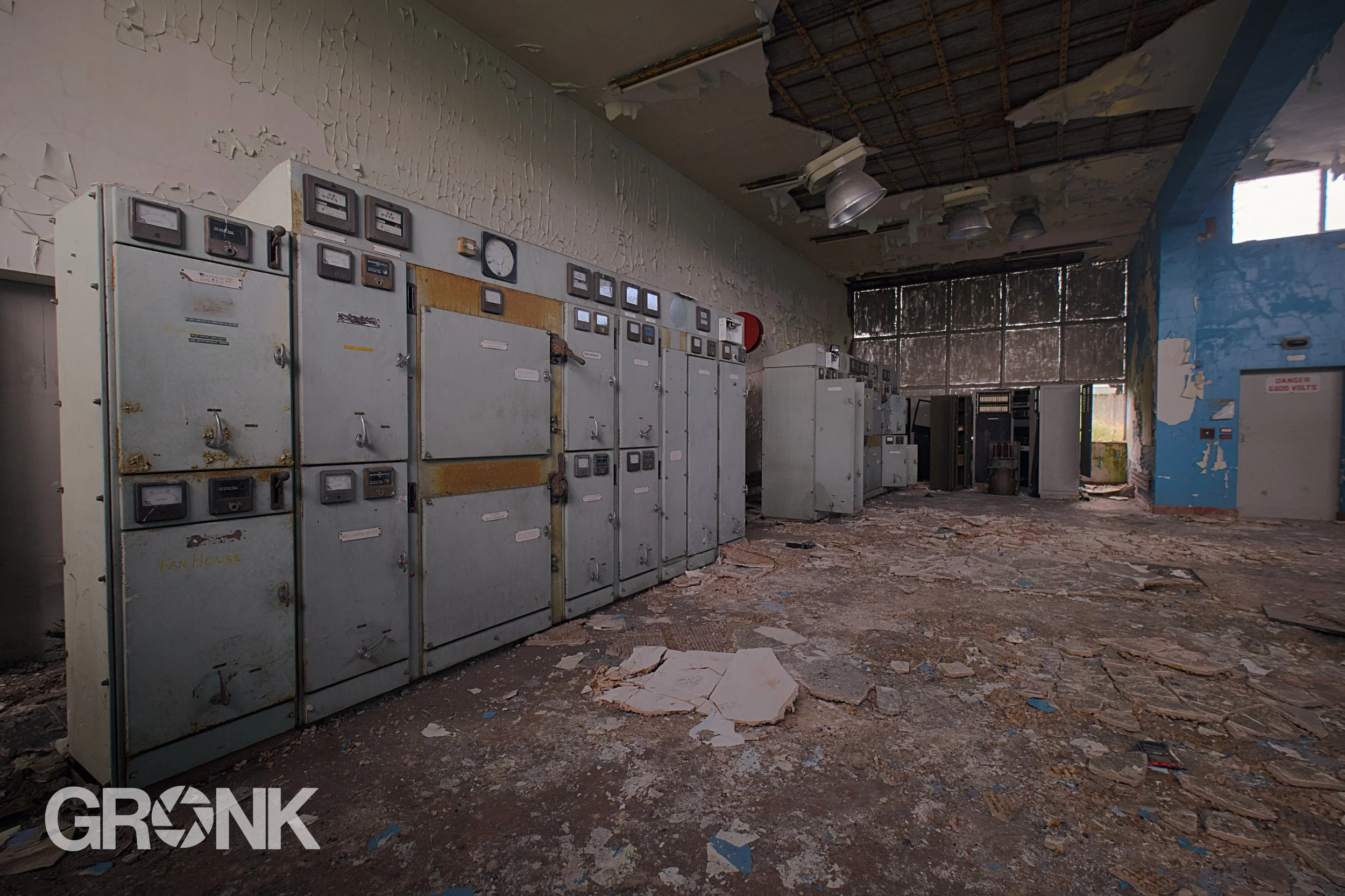
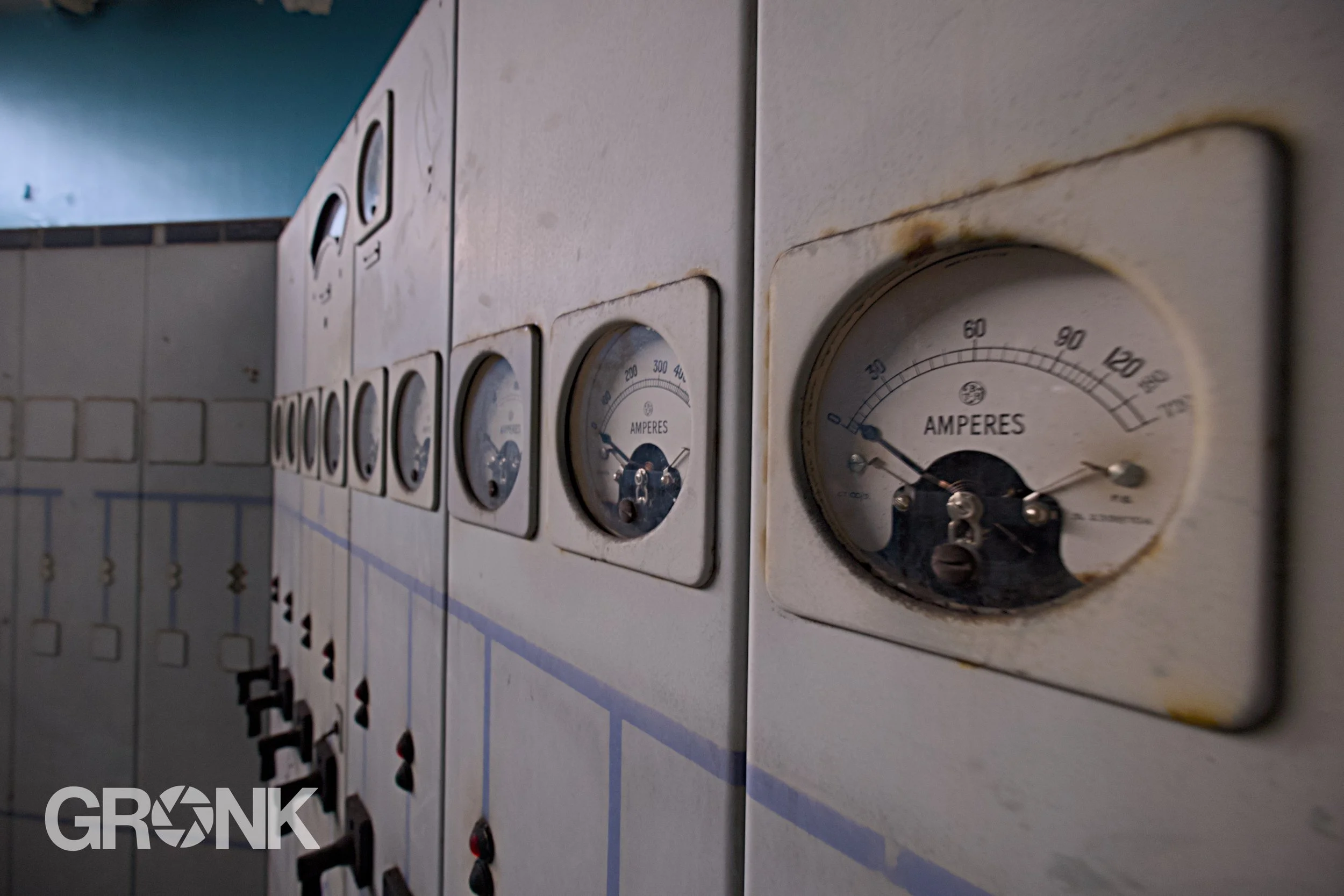
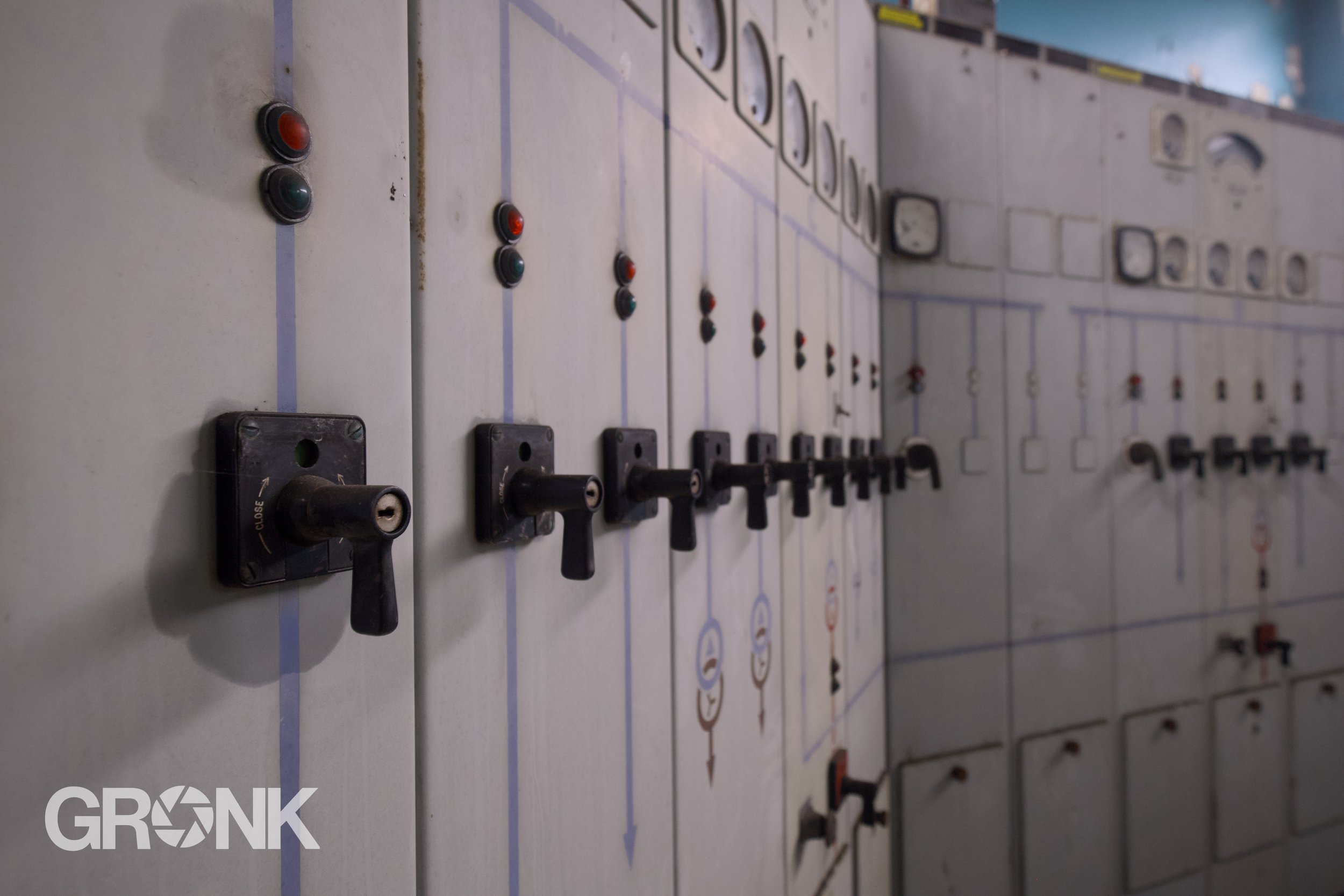
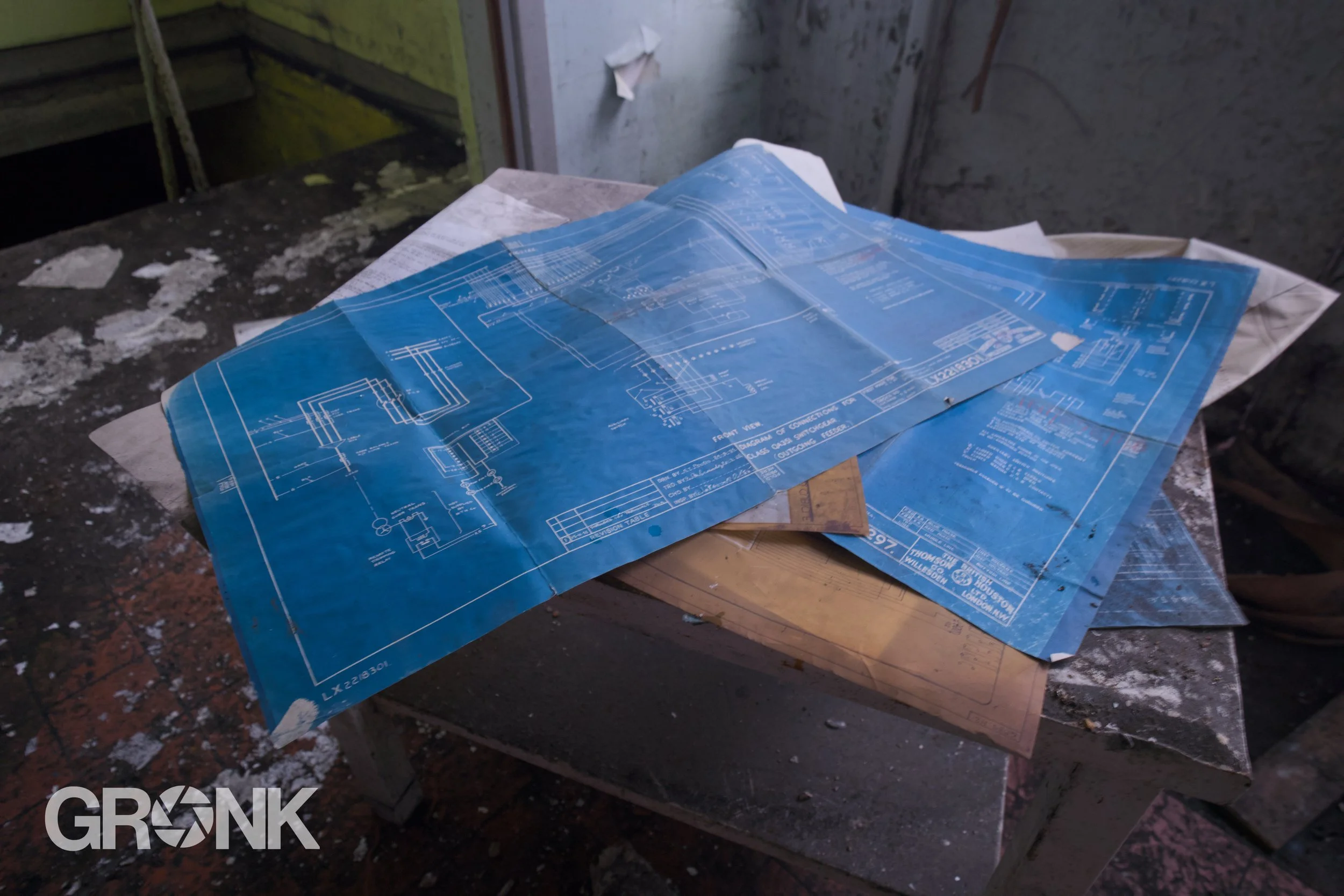
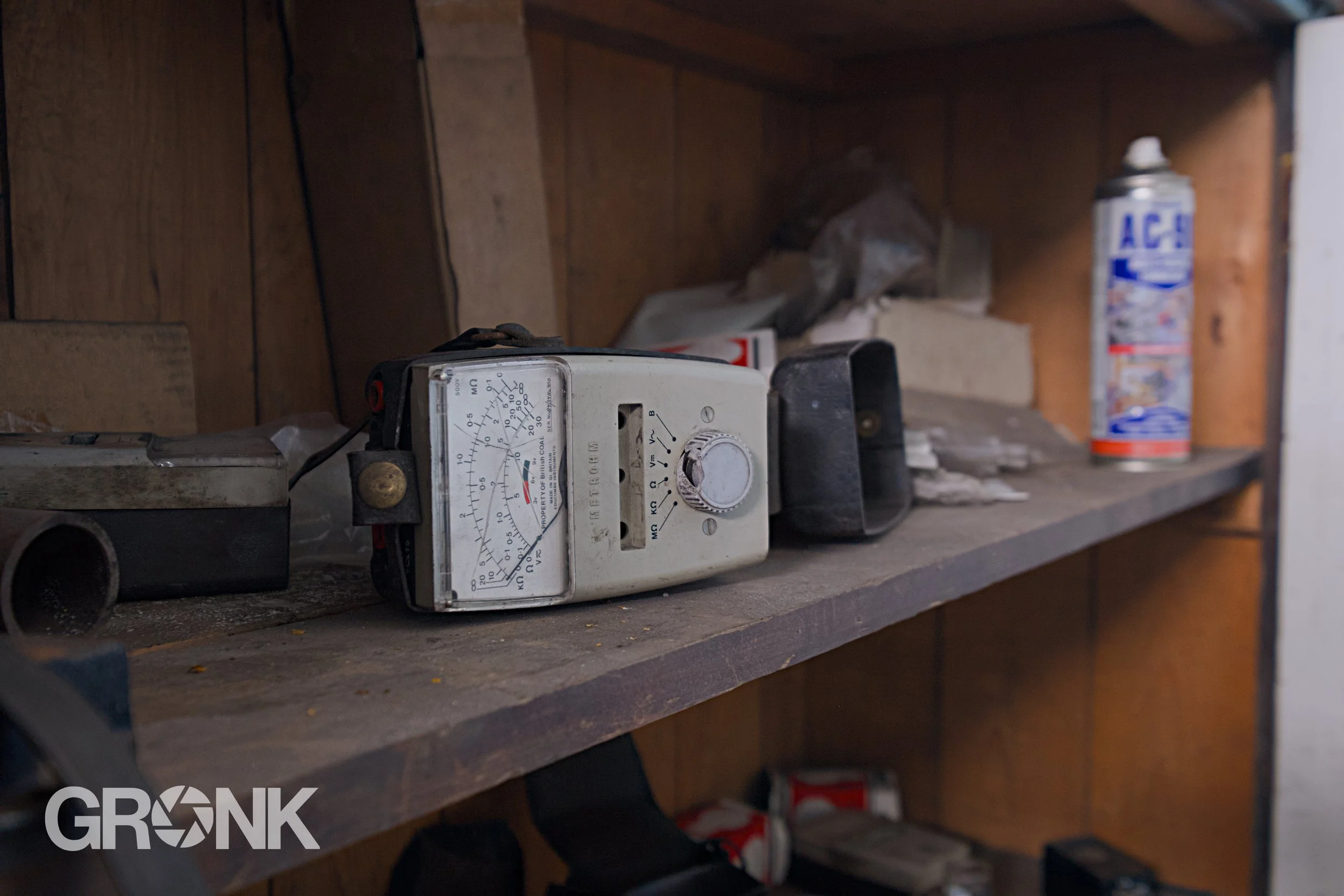
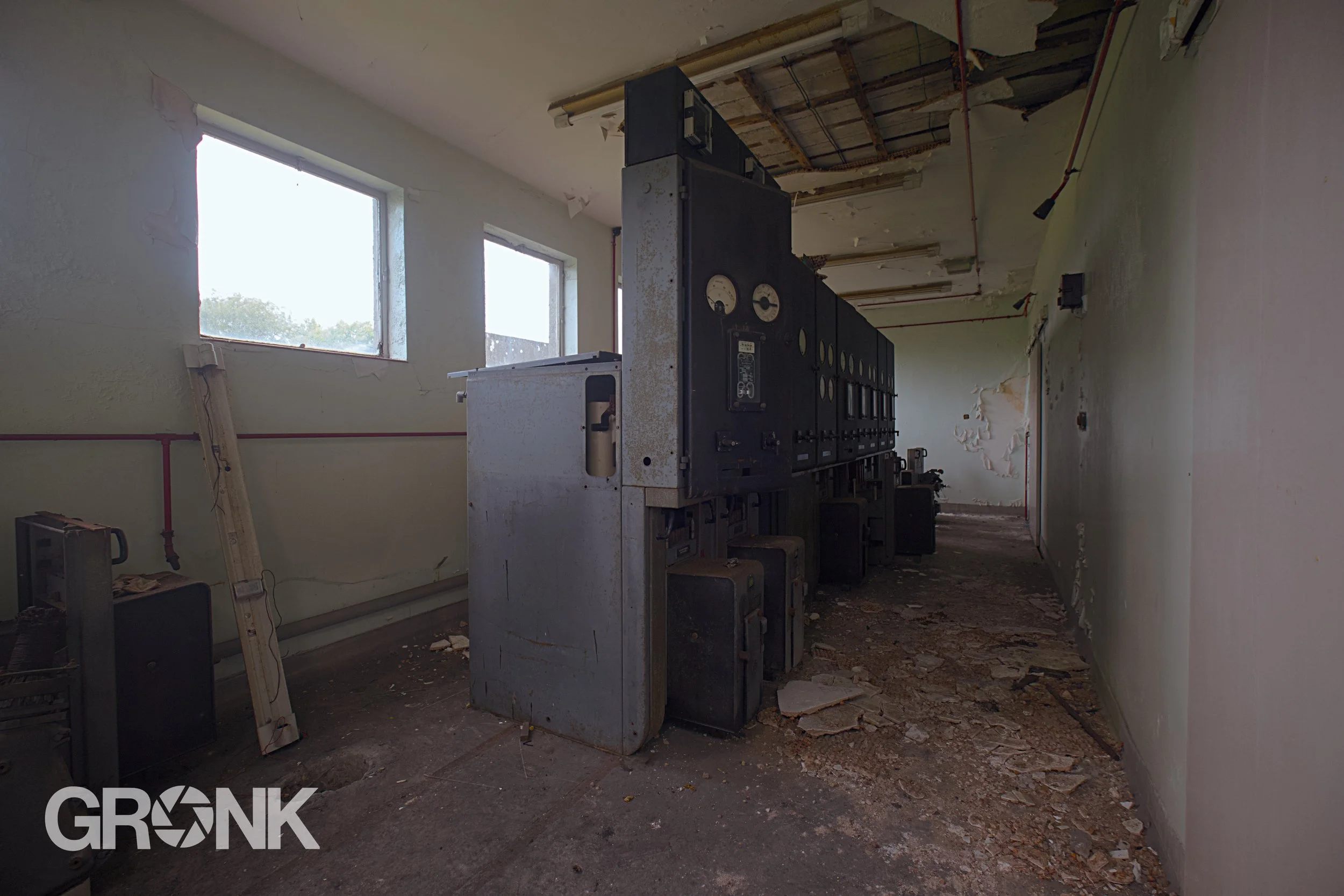
Industrial sites like Killoch and the nearby Barony Colliery power station (which opened a dedicated power station in the early 1950s) would have required substantial electrical infrastructure. Although detailed historical records specifically about the Killoch substation are sparse online, exploration reports identify the substation as a 1960s-era electrical installation, likely built to support the industrial power needs of the coal complex and associated facilities.
After the closure of deep mining, much of the heavy infrastructure in the Killoch area remained. Rail links servicing the washery and preparation plant stayed in use for open-cast coal processing. The presence of high-voltage electrical connections remains a defining feature of the site, and modern developments continue to pivot around grid access.
In the 2020s, energy planners and transmission operators such as SP Energy Networks are proposing upgrades to the network near Killoch. Plans include establishing a new 400 kV substation at Killoch, integrating it into broader reinforcement schemes like the West Coast Network (WCN2) to support renewable generation and increased transfer capability in southwest Scotland.