Redmires Reservoir Plug Hole, Sheffield
The Redmires Reservoirs are a group of three upland reservoirs—Upper, Middle, and Lower Redmires—located at Fulwood on the western edge of Sheffield, close to the Peak District. They were constructed between 1833 and 1854 by the Sheffield Water Works Company in response to rapid industrial growth and serious public-health concerns, particularly the 1832 cholera outbreak, which exposed the dangers of contaminated water supplies.
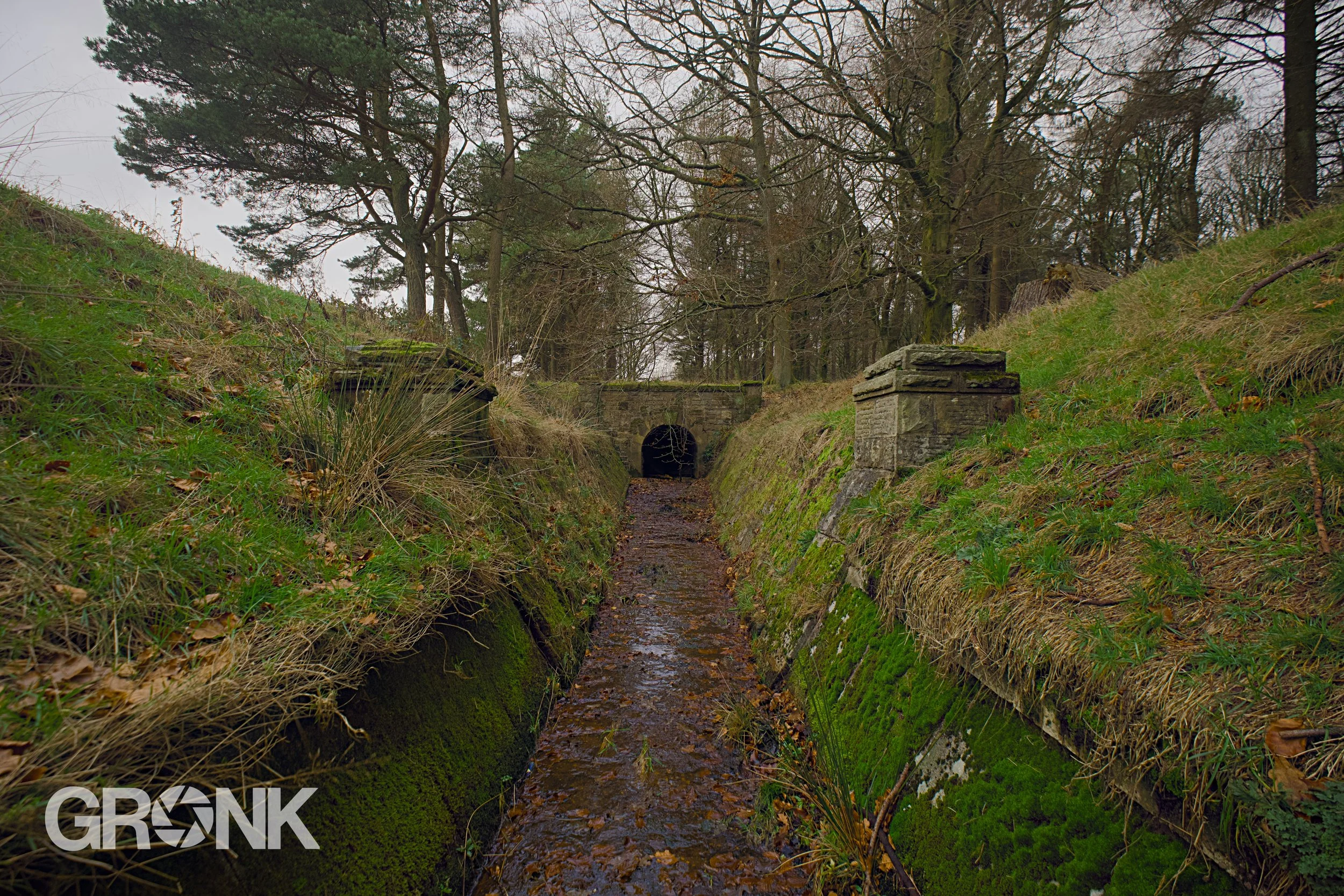
Authorised under the Sheffield Water Act of 1830, the reservoirs collect water from the surrounding moorland streams and upland catchment. Water was originally conveyed to Sheffield via an open conduit approximately 7 kilometres long, supplying Crookes Dam and then central Sheffield. This system was a major improvement on earlier, unreliable sources and helped sustain the city’s growing population and steel industry.
The reservoirs were built using earth embankment dams with stone linings, typical of early Victorian water engineering. Much of this original infrastructure survives, although later upgrades were required to meet modern safety standards and operational needs.
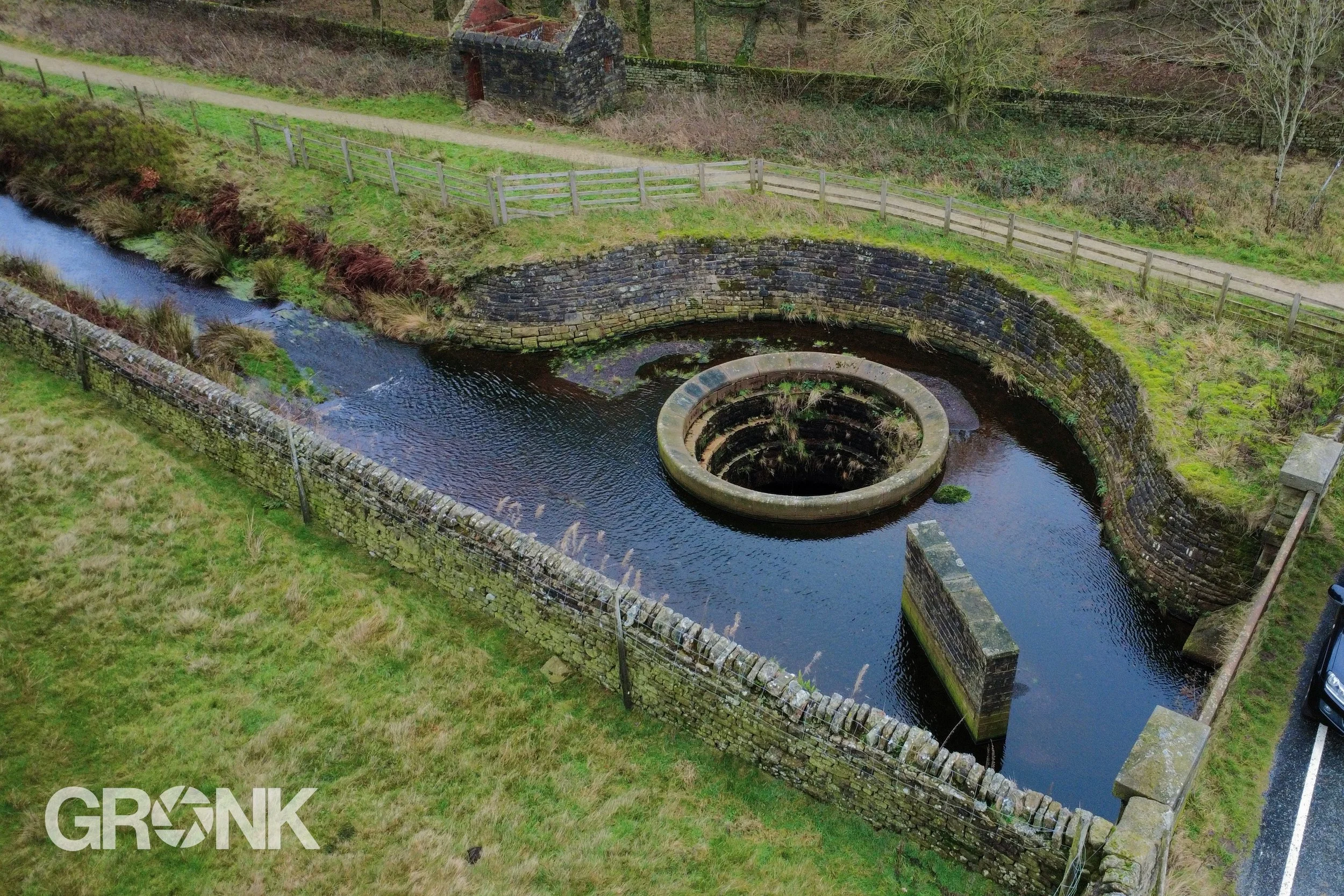
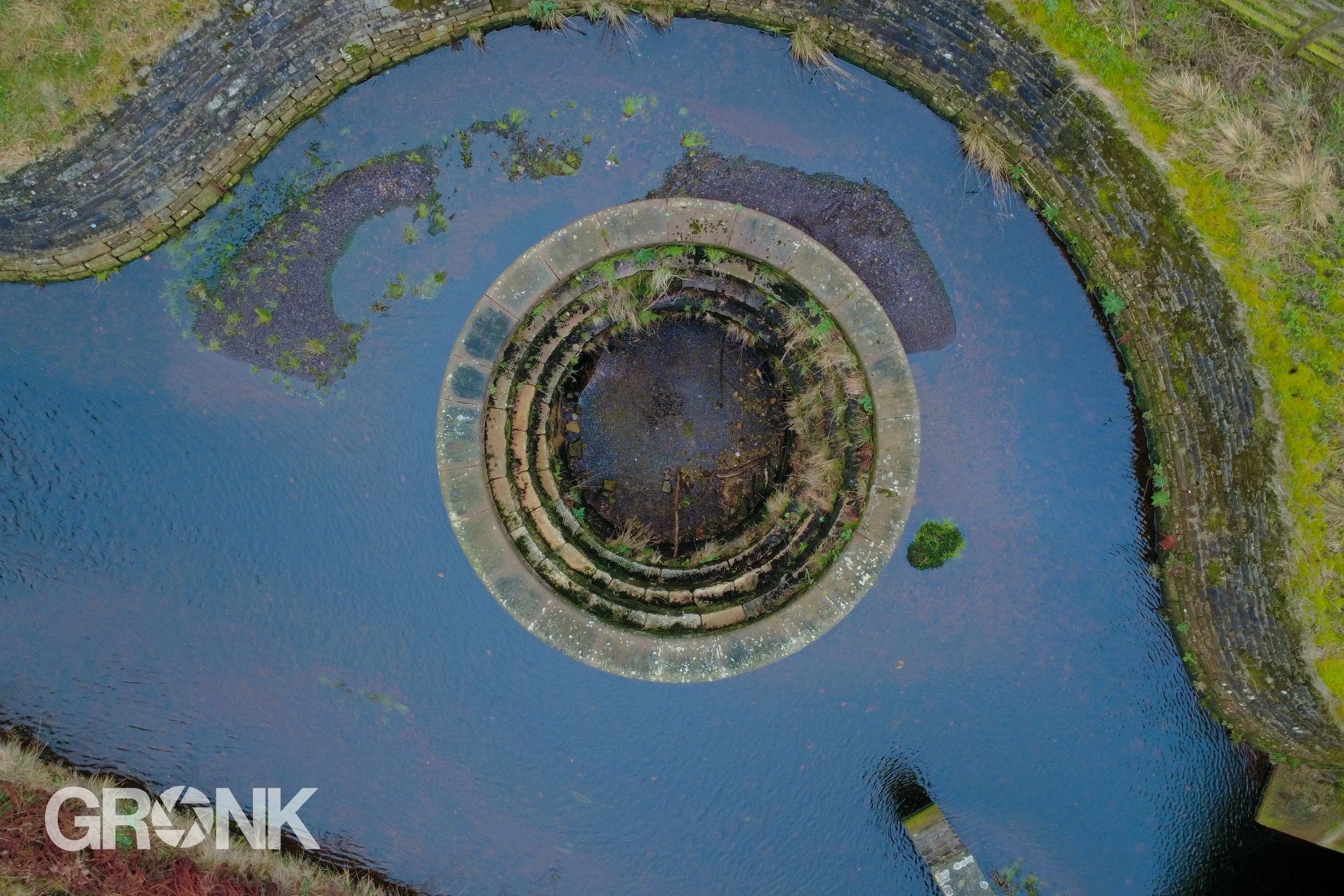
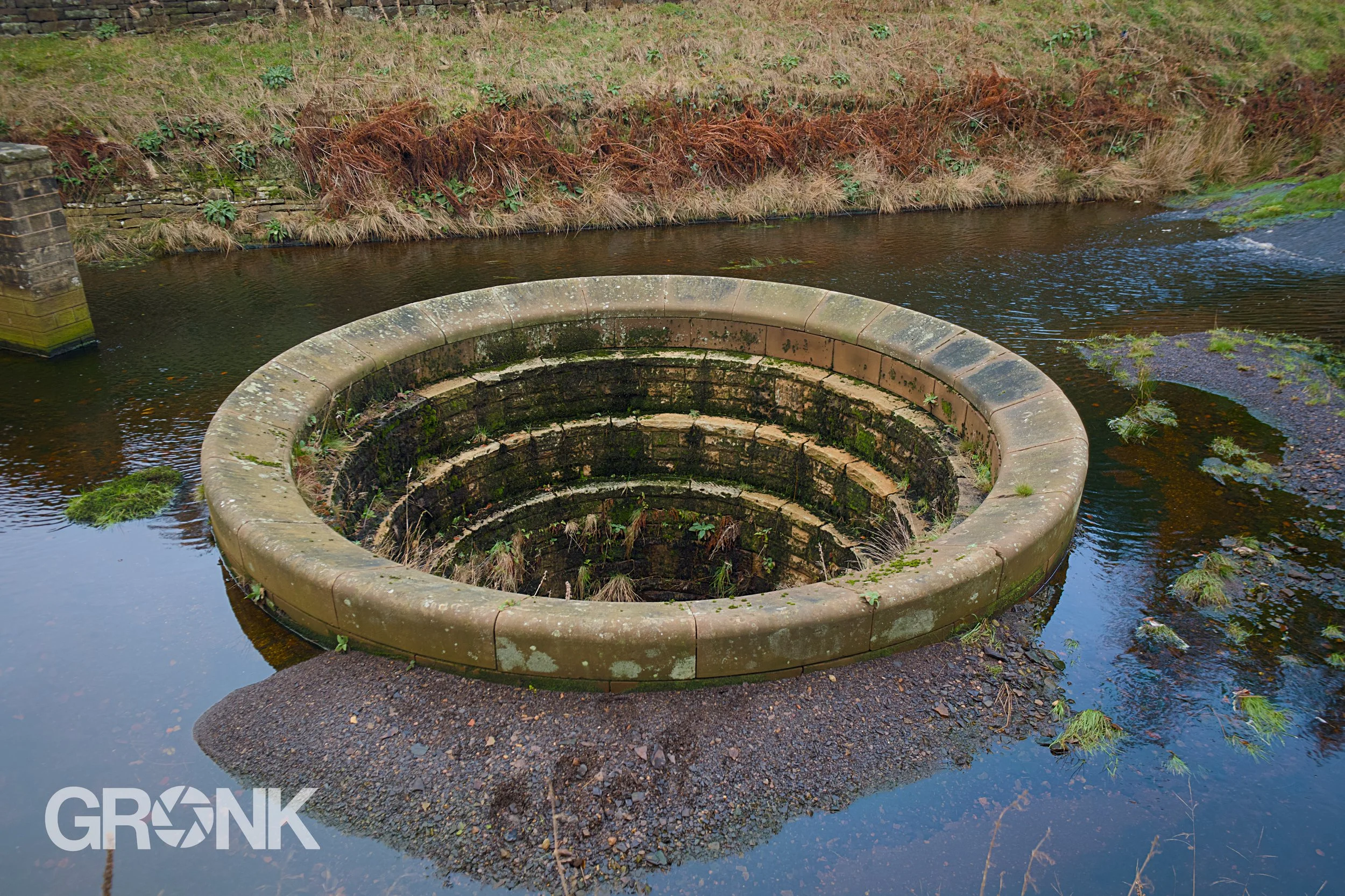
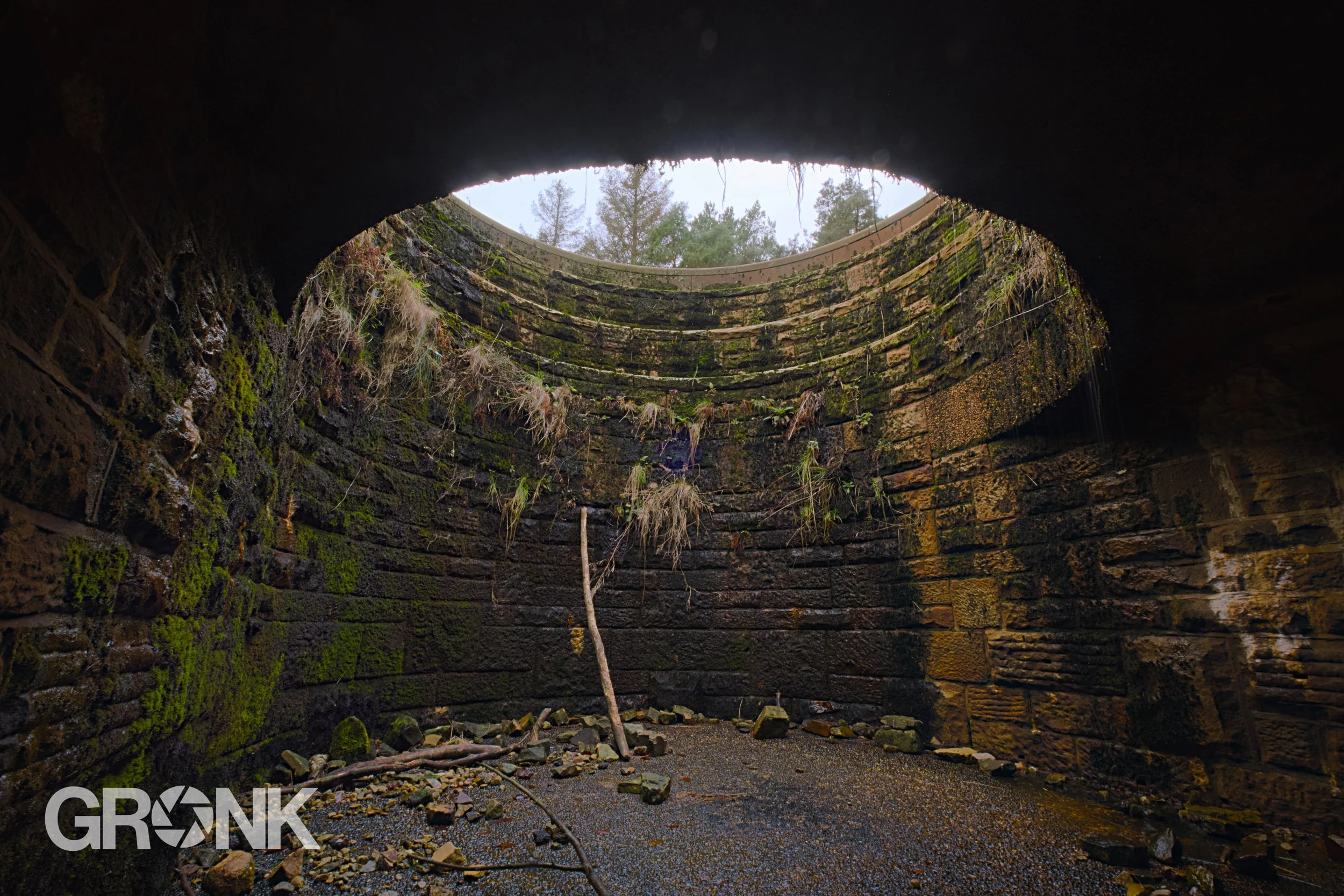
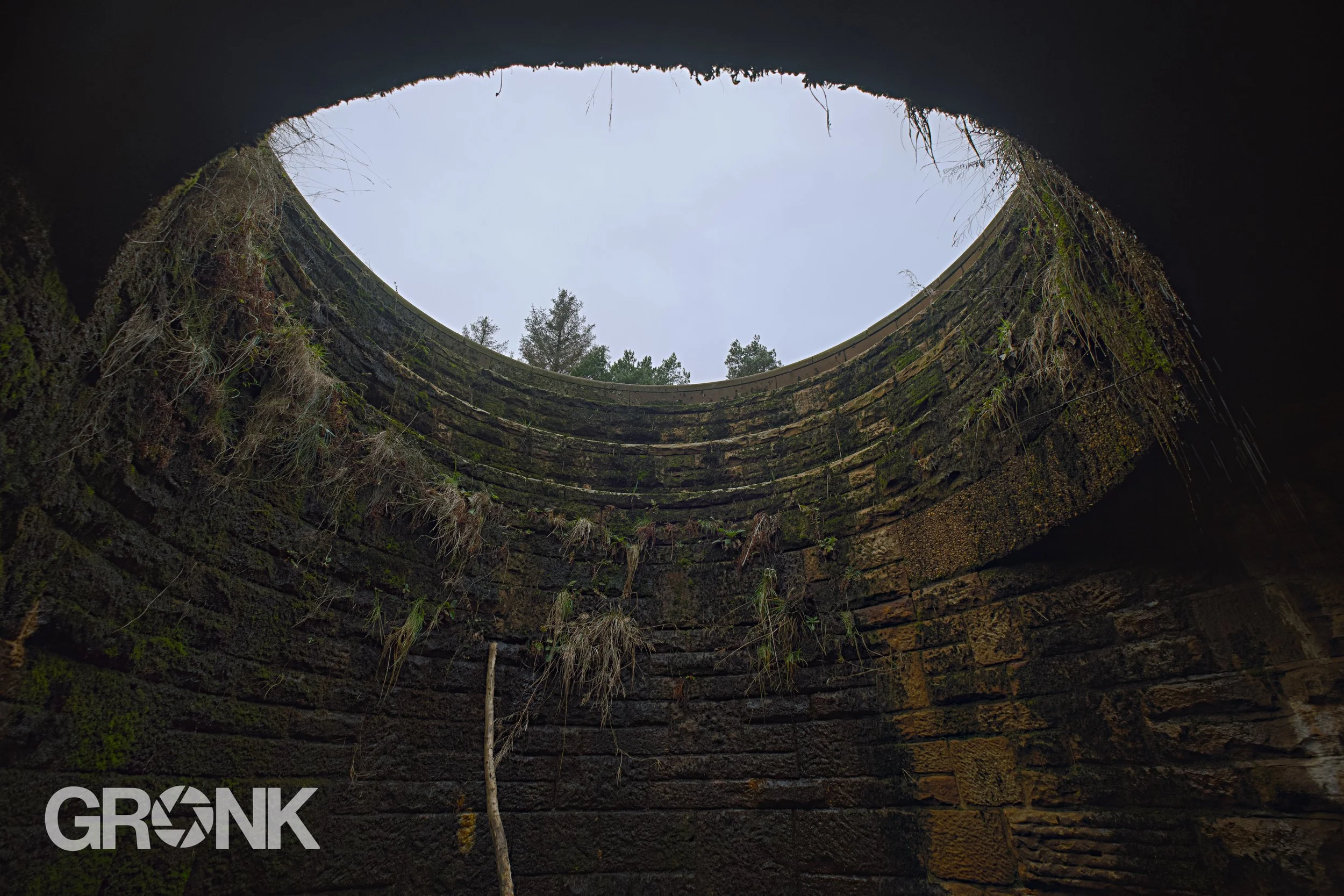
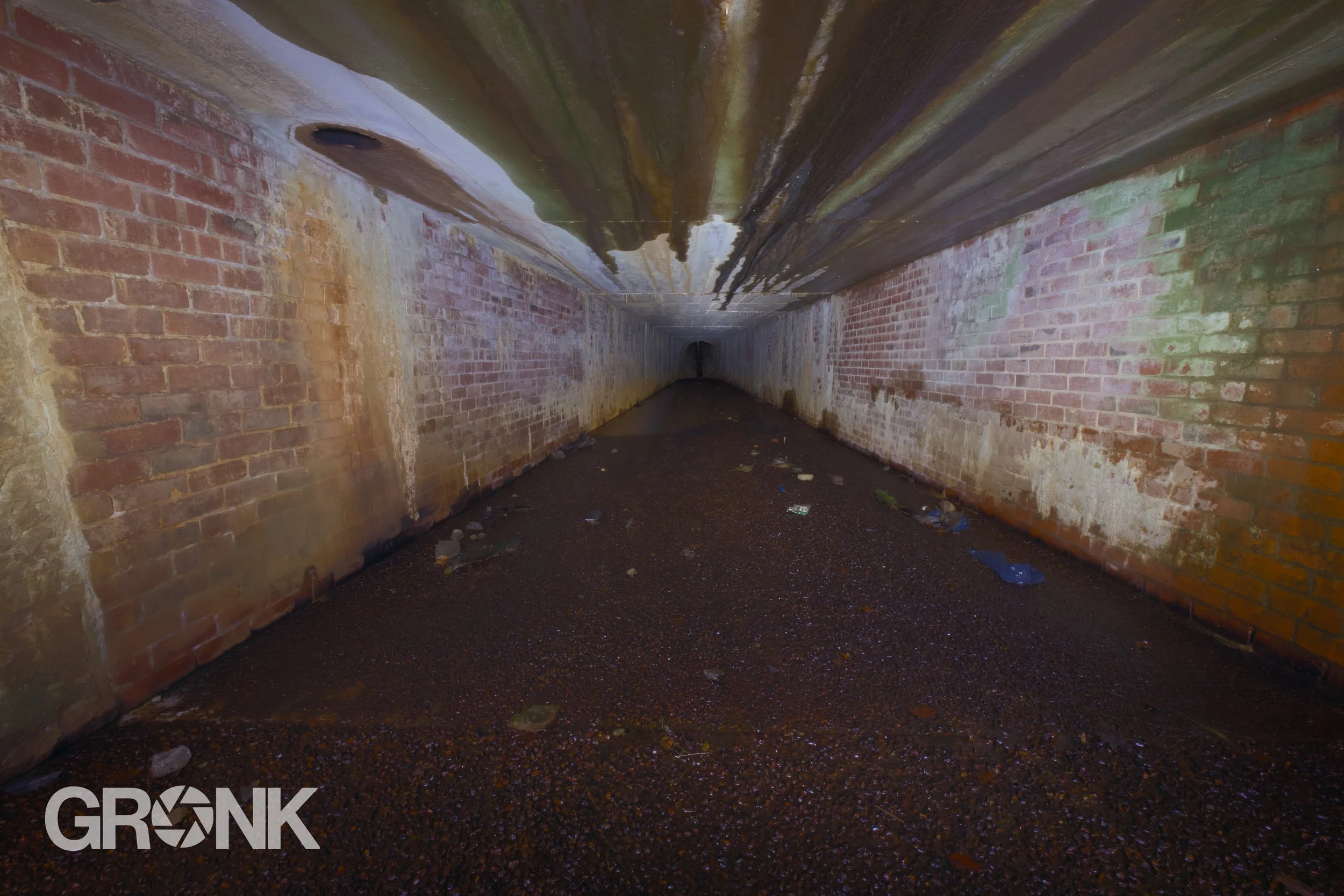
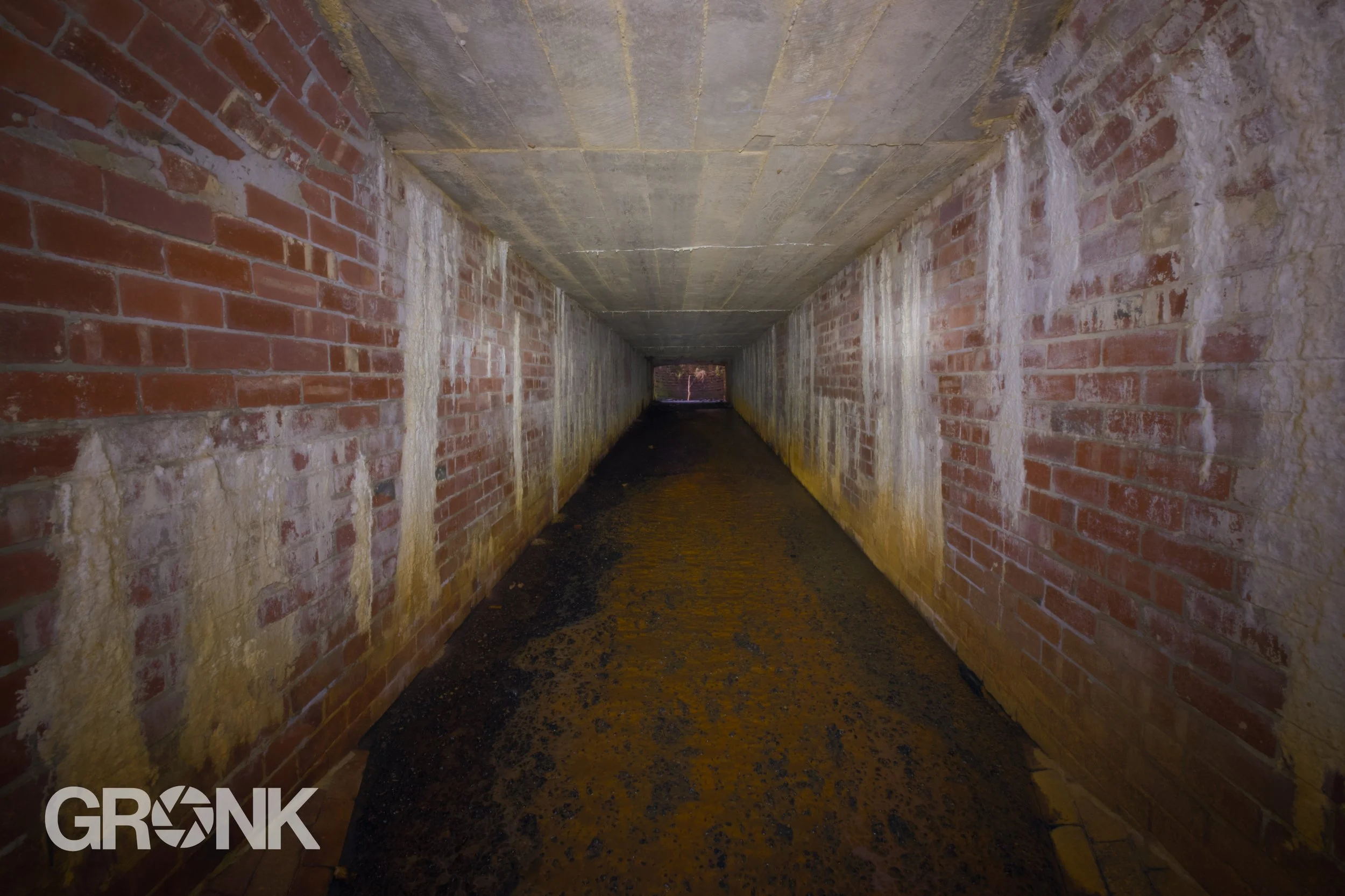
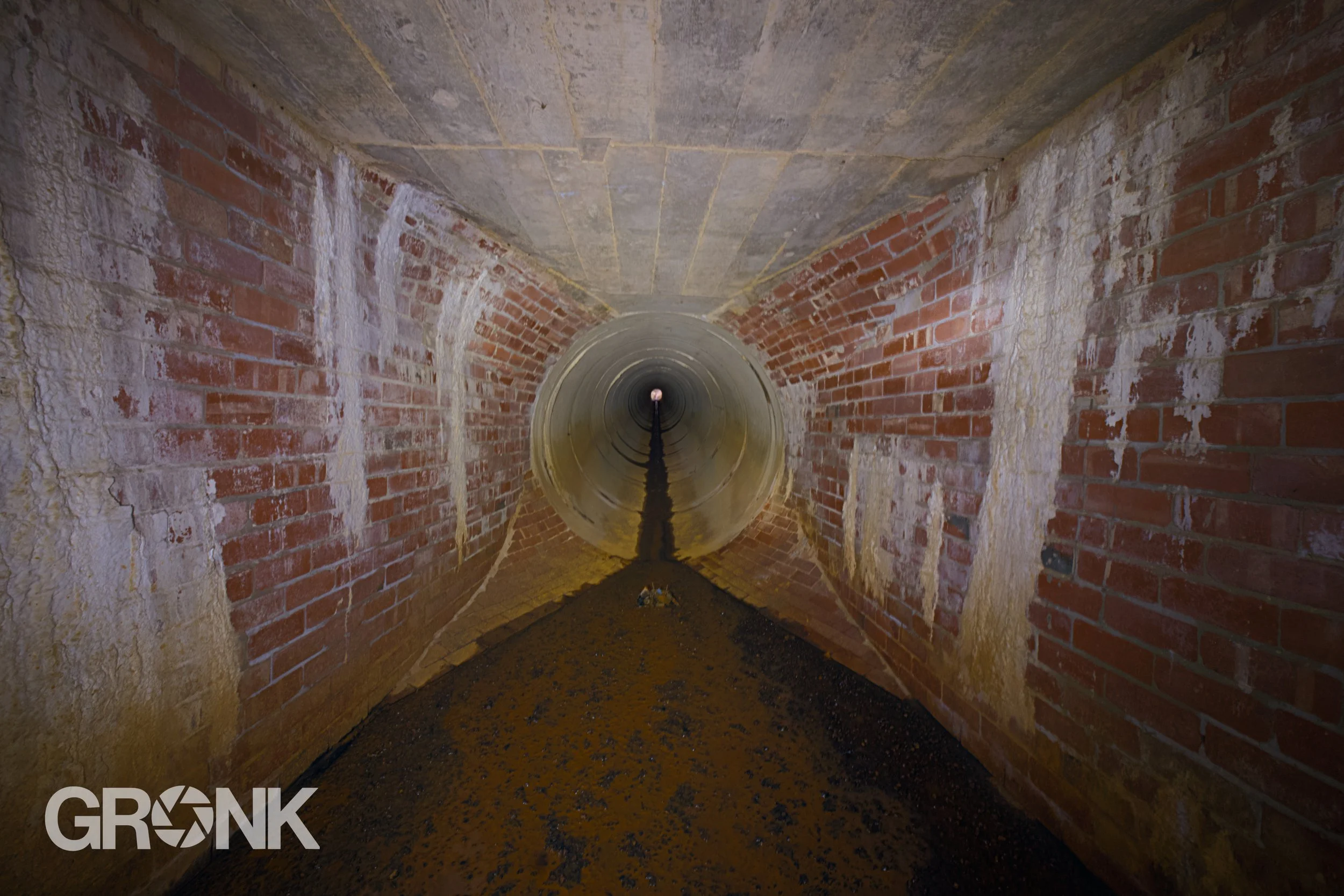
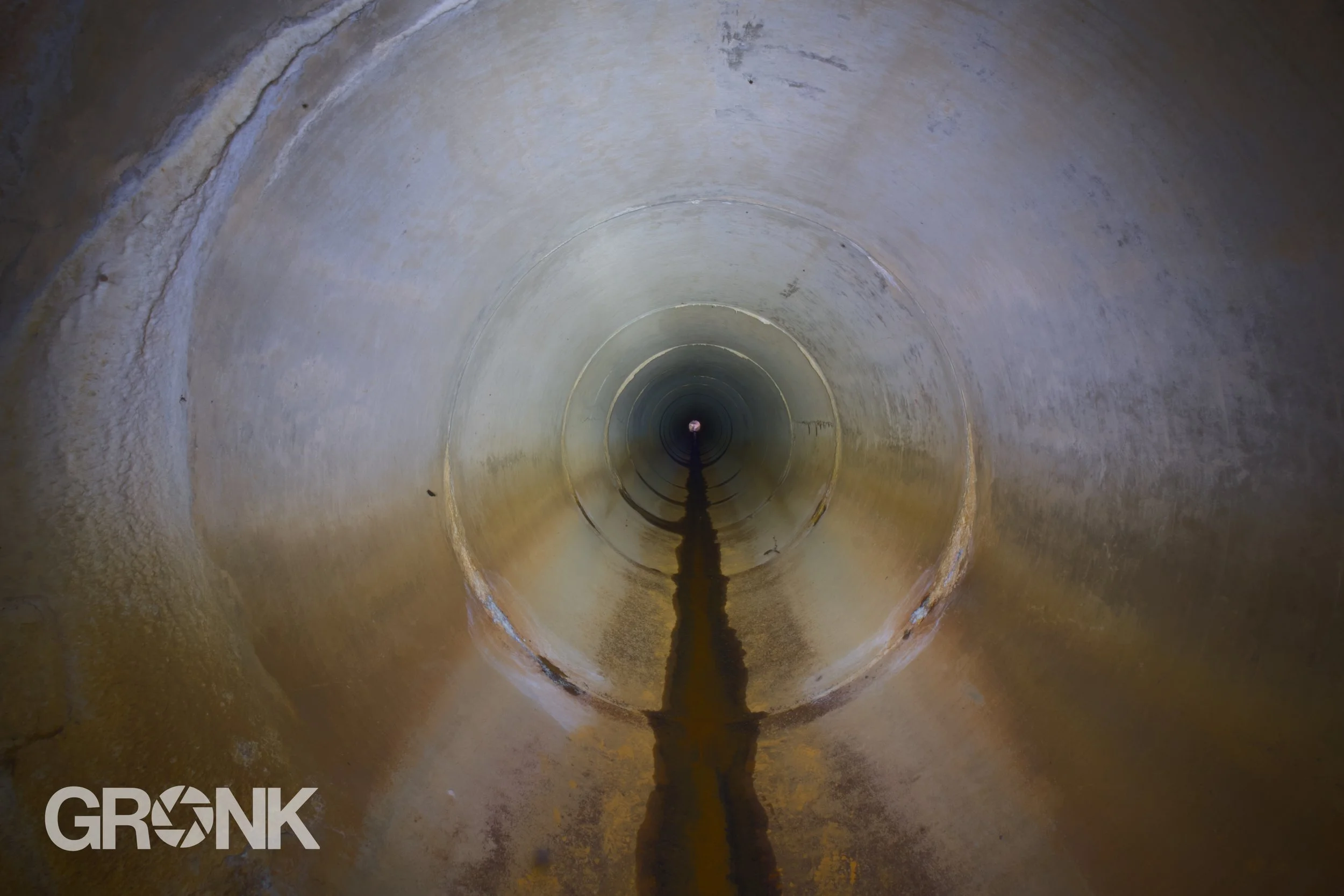
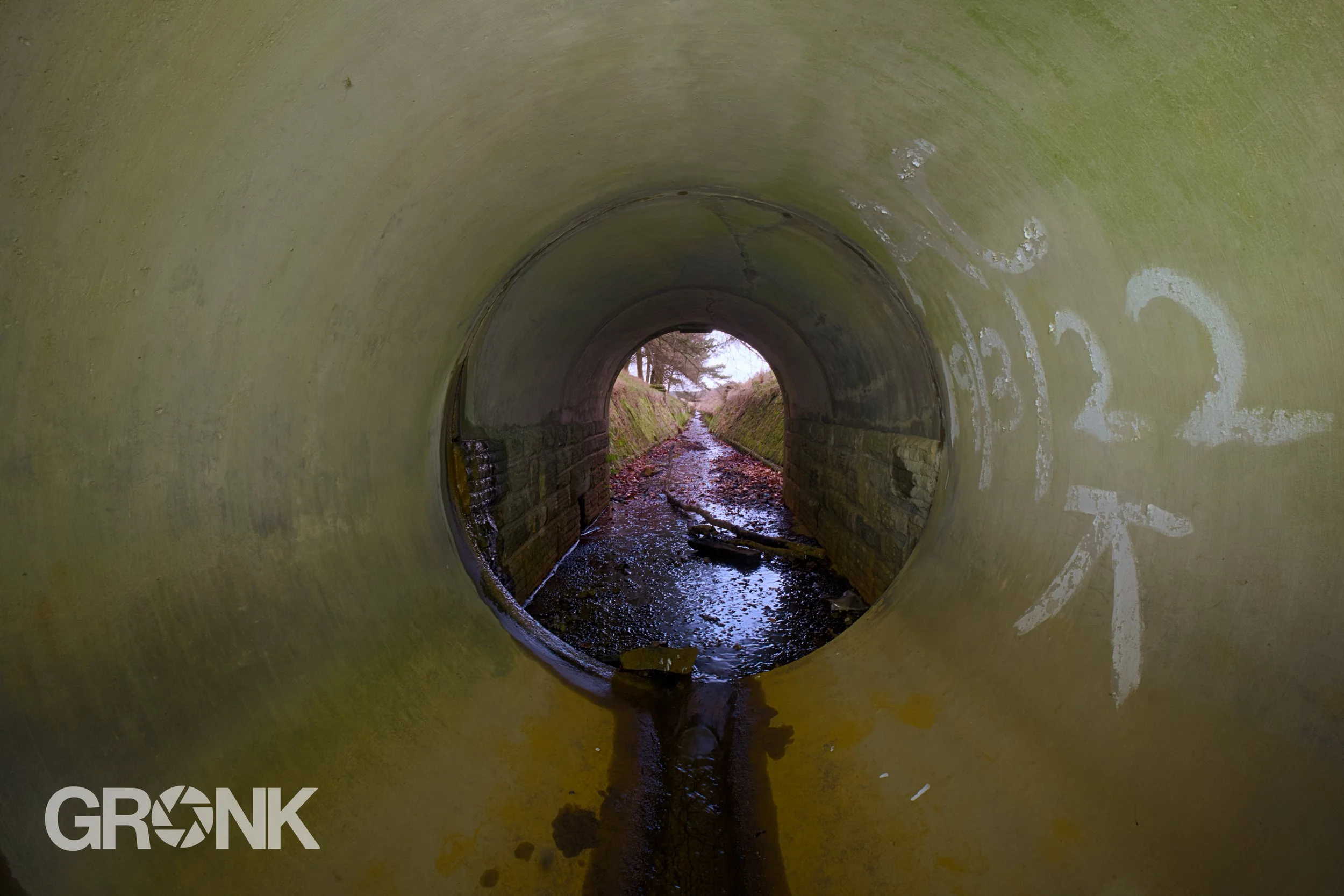
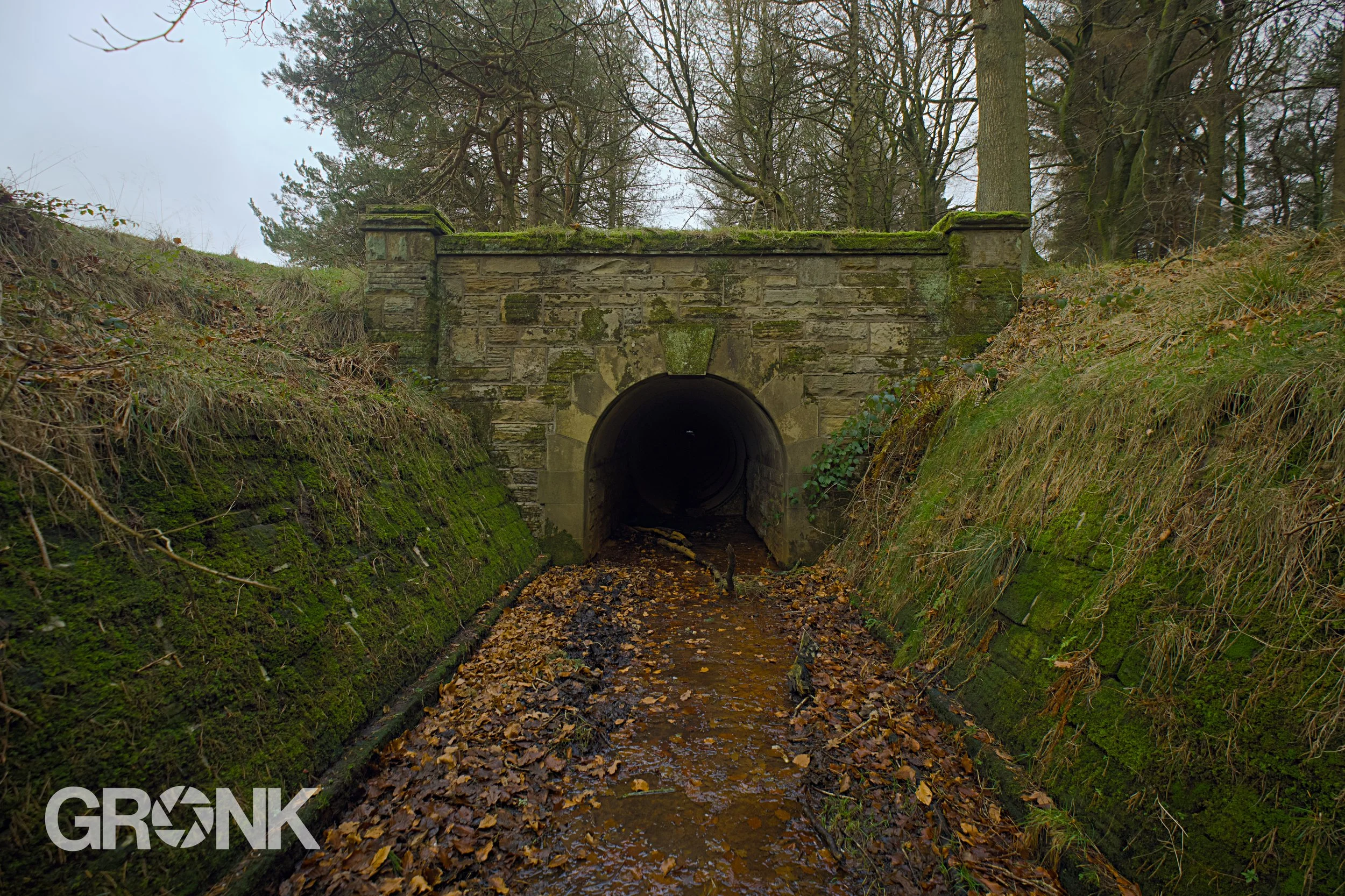
A particularly striking later feature is the structure known locally as the “Plug Hole.” This is a bellmouth spillway, a circular overflow system installed at the Upper Redmires Reservoir. It was added in the mid-20th century, probably during the 1950s or early 1960s, as part of dam safety improvements. The spillway allows excess water to flow safely into a vertical shaft and through underground channels during periods of heavy rainfall, preventing water from overtopping and eroding the dam.
Although often compared to the famous plug holes at Ladybower Reservoir, the Redmires example is smaller and less dramatic. Nevertheless, it has become a well-known local landmark and a point of interest for walkers and historians. Access to the interior of the structure is unsafe and restricted.