Sandonia Cinema, Stafford
The Sandonia Cinema in Stafford is a notable early-20th-century entertainment building with over a century of history. It opened on 20 November 1920 as the Sandonia Kinema & Theatre, designed by local architect Henry T. Sandy. From the outset it was intended as a “cine-variety” venue, combining live theatre with film screenings. Its opening performance was the stage production Chu Chin Chow, followed soon after by film showings.
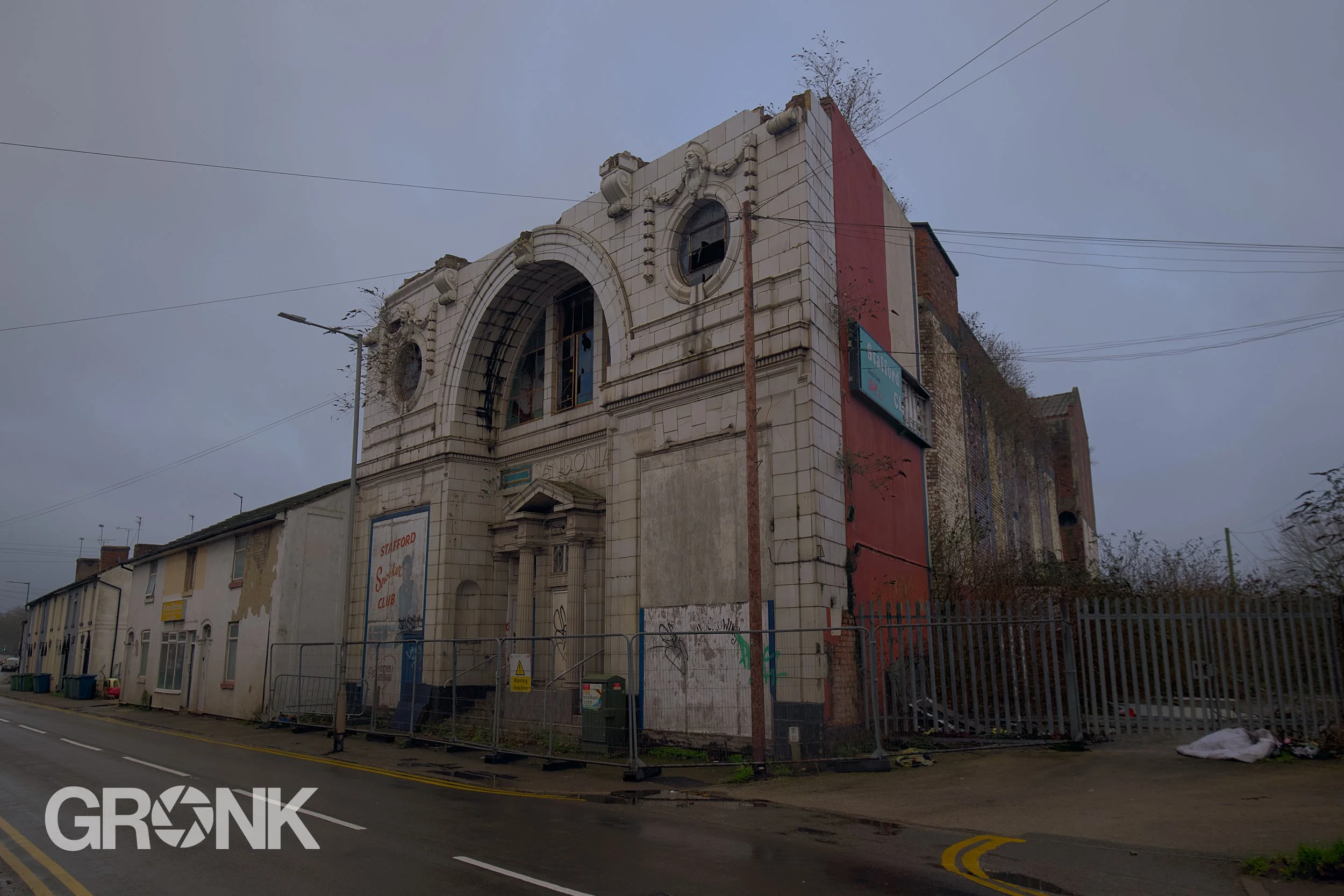
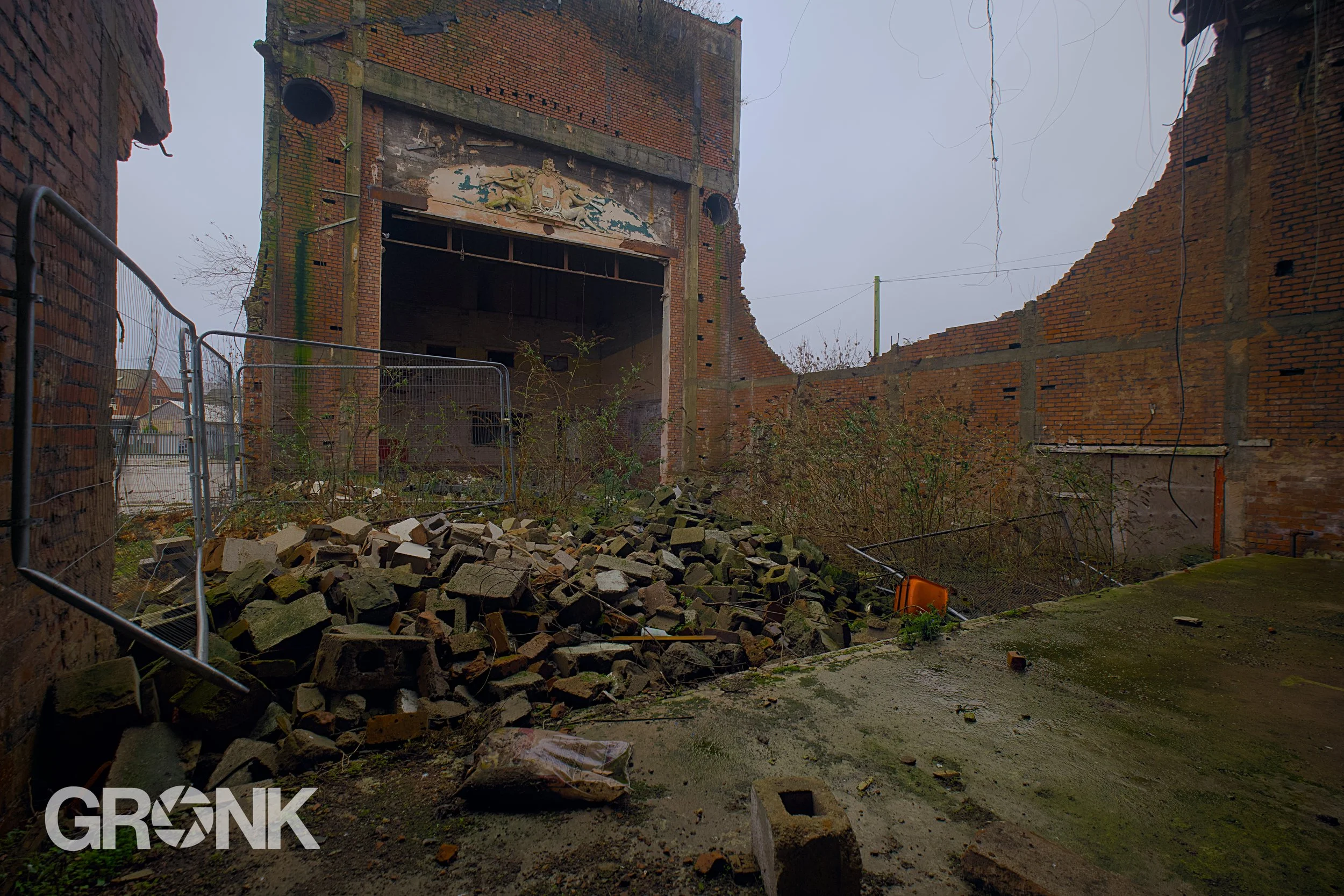
Architecturally, the Sandonia was striking. Its neo-classical white faience façade, featuring a large central arch and ornate decorative details, made it one of Stafford’s most distinctive buildings and an unusually elaborate design for an early cinema.
The theatre struggled financially in its first years and closed briefly, but it reopened in 1923 under new management as a full-time cinema. During the late 1920s and 1930s it adapted to technological change, installing sound equipment in 1930 to screen talking pictures. The Sandonia remained popular with local audiences for several decades, introducing CinemaScope in 1957 as widescreen films became fashionable.
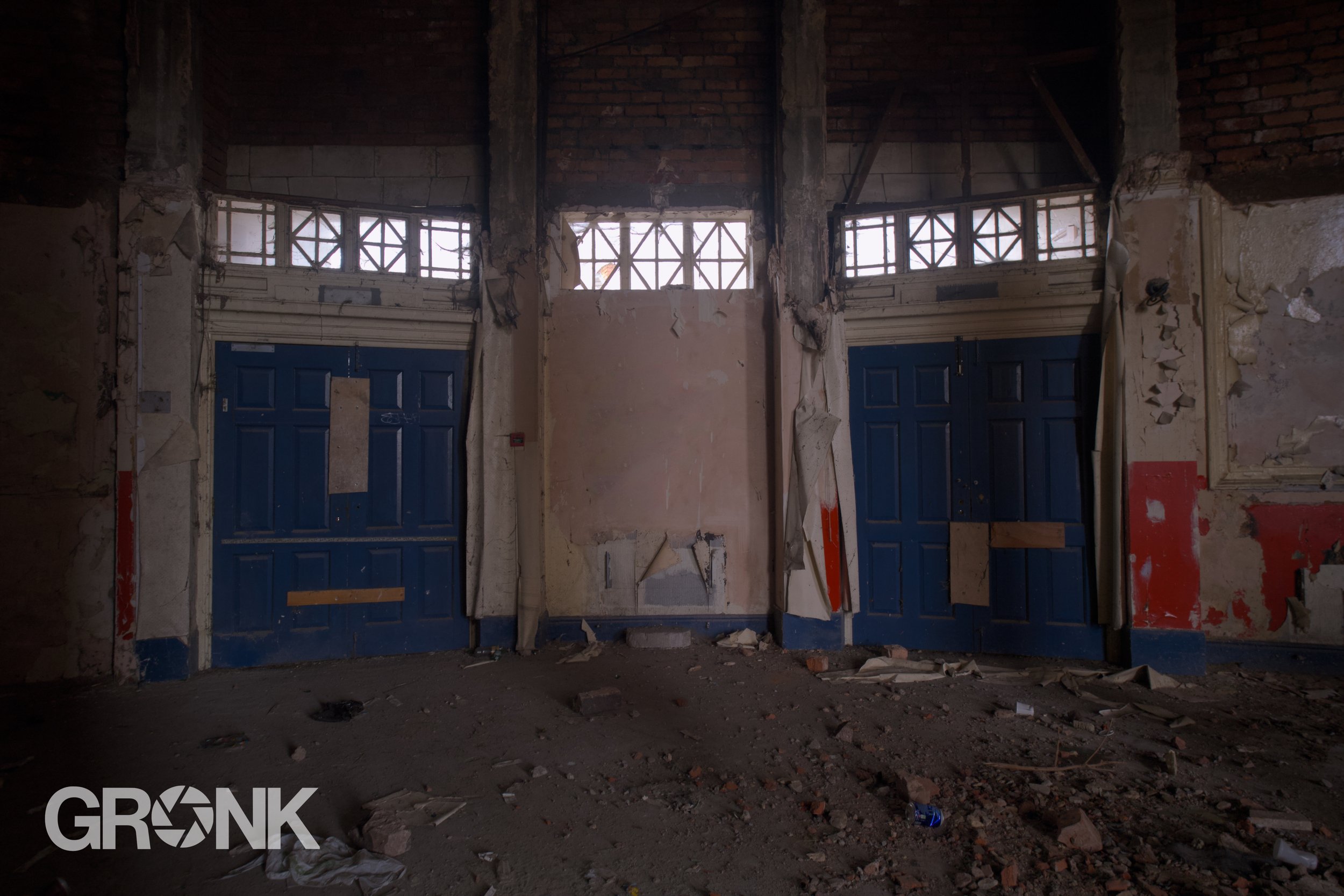
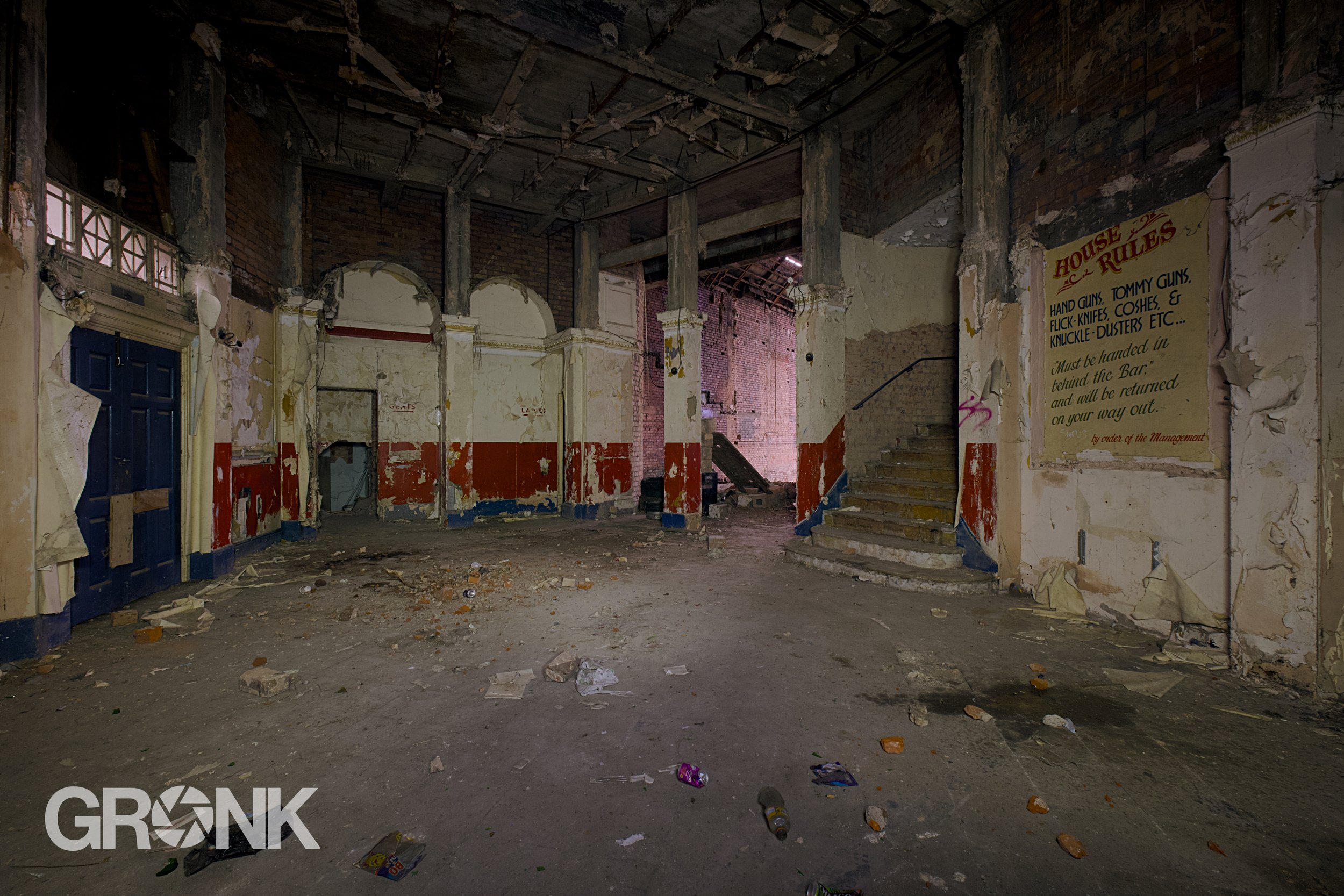
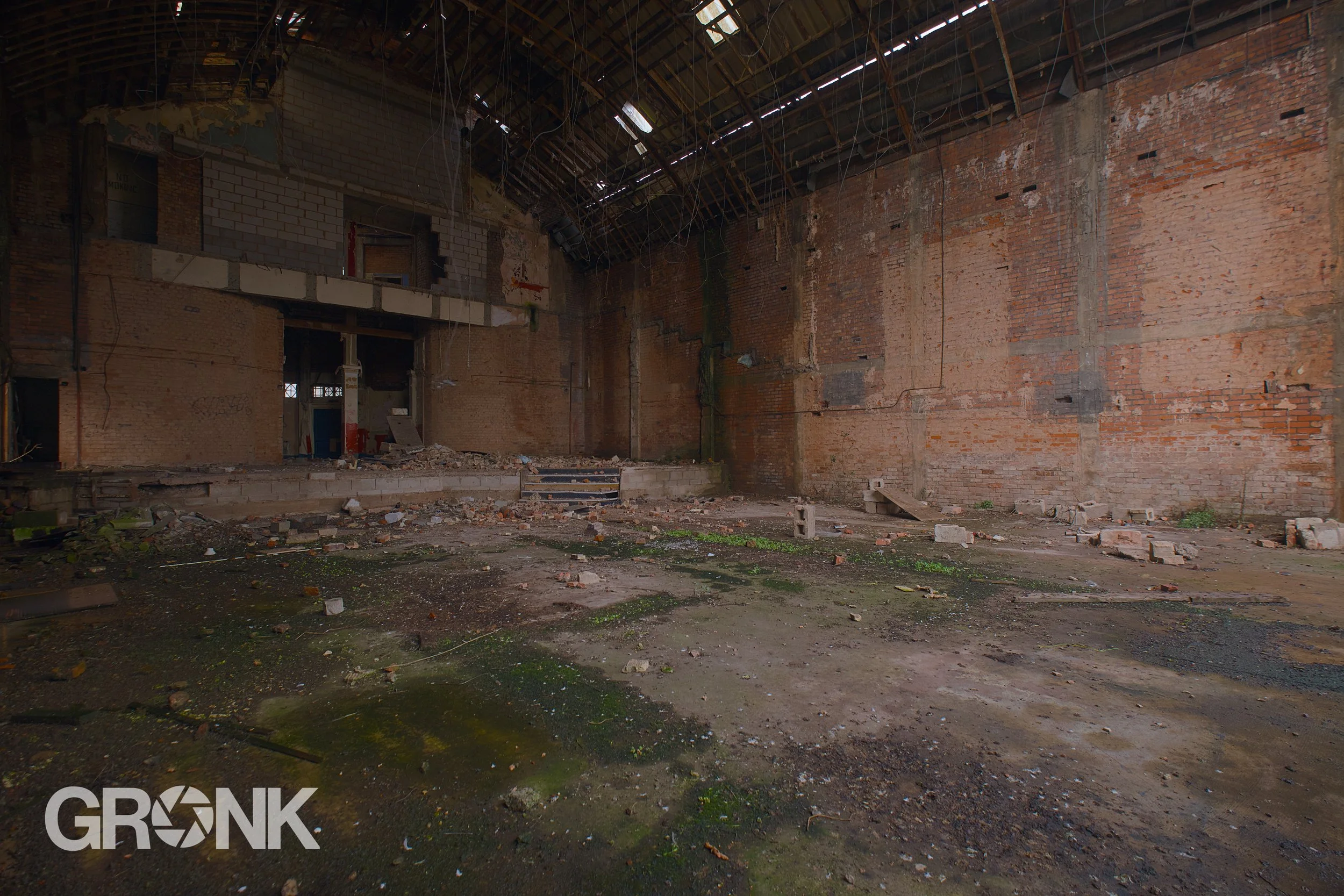
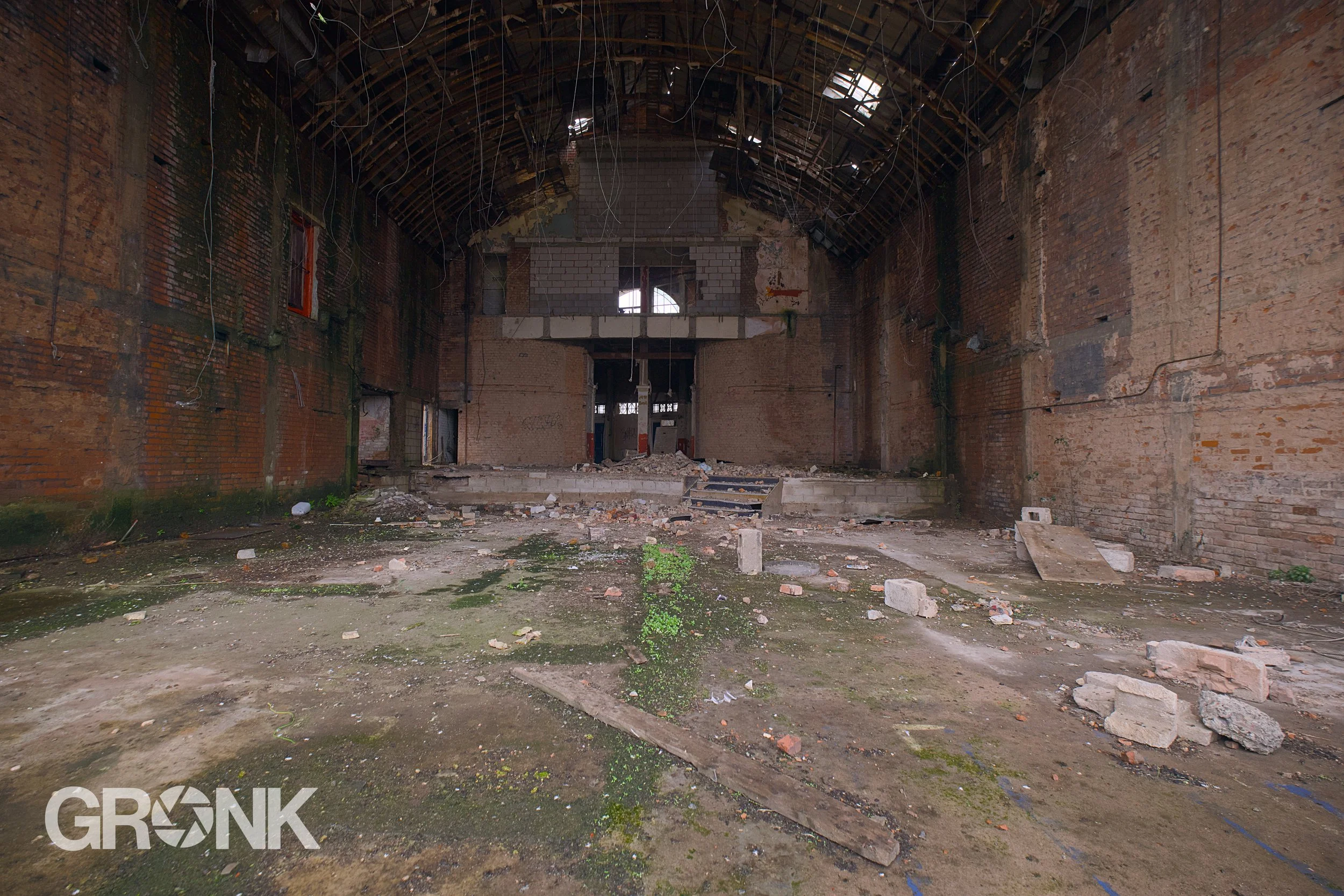
Despite these updates, falling cinema attendance led to its closure as a cinema on 26 September 1963. The building then entered a new phase of use, becoming a bingo hall during the 1960s and later operating as a Coral Bingo club. Around 1990 it was converted into a snooker hall, which involved substantial internal alterations. This use continued into the early 2000s.
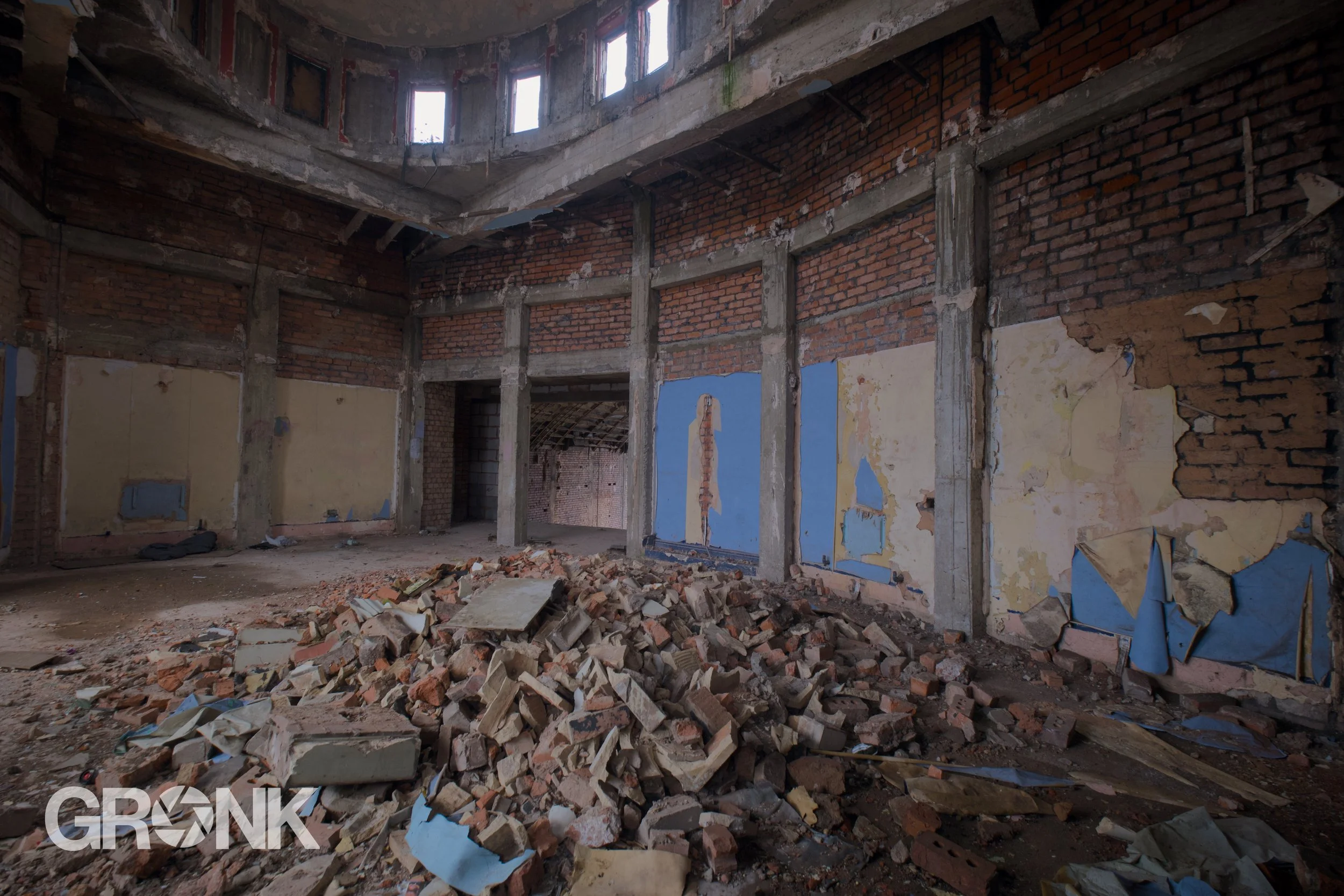
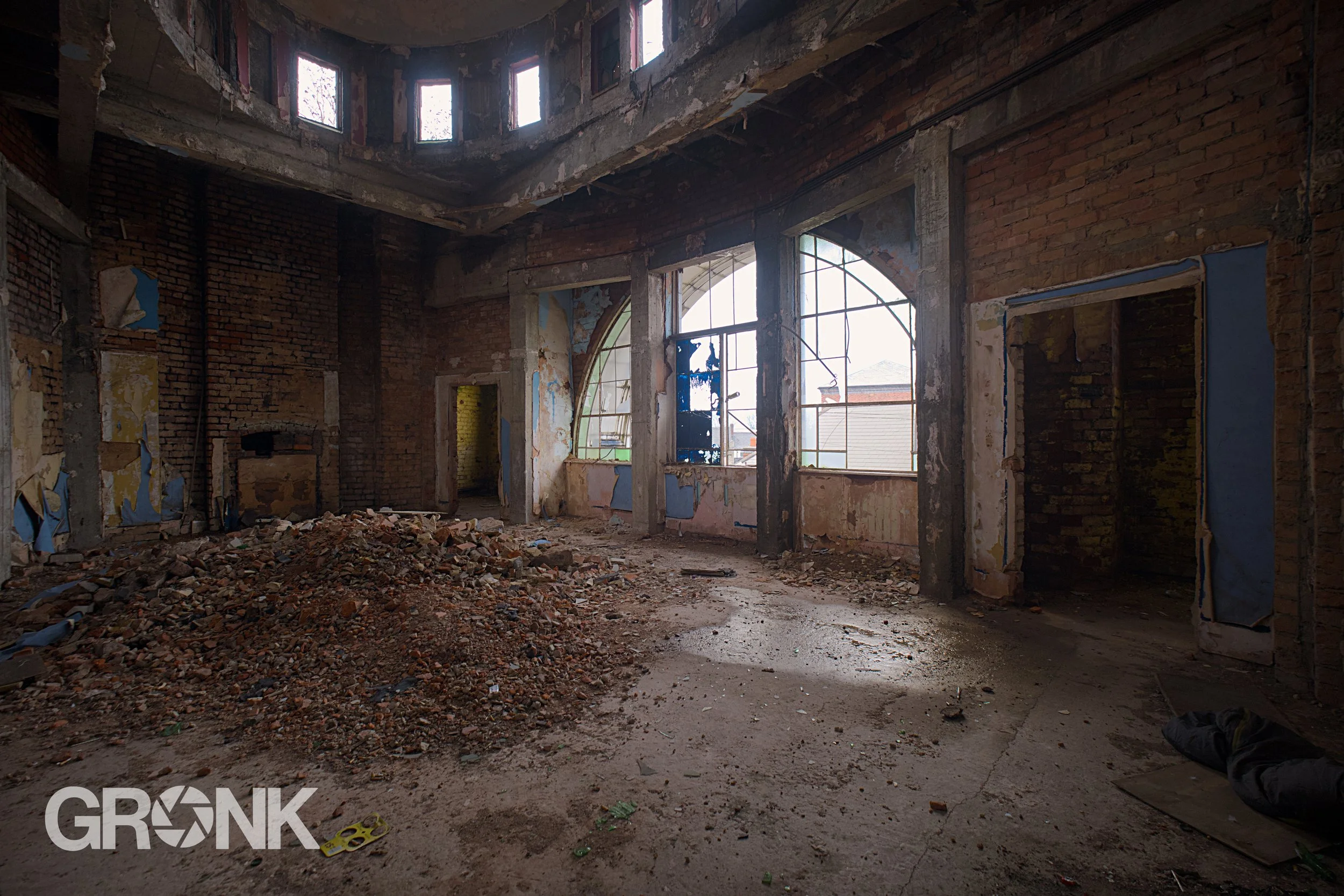
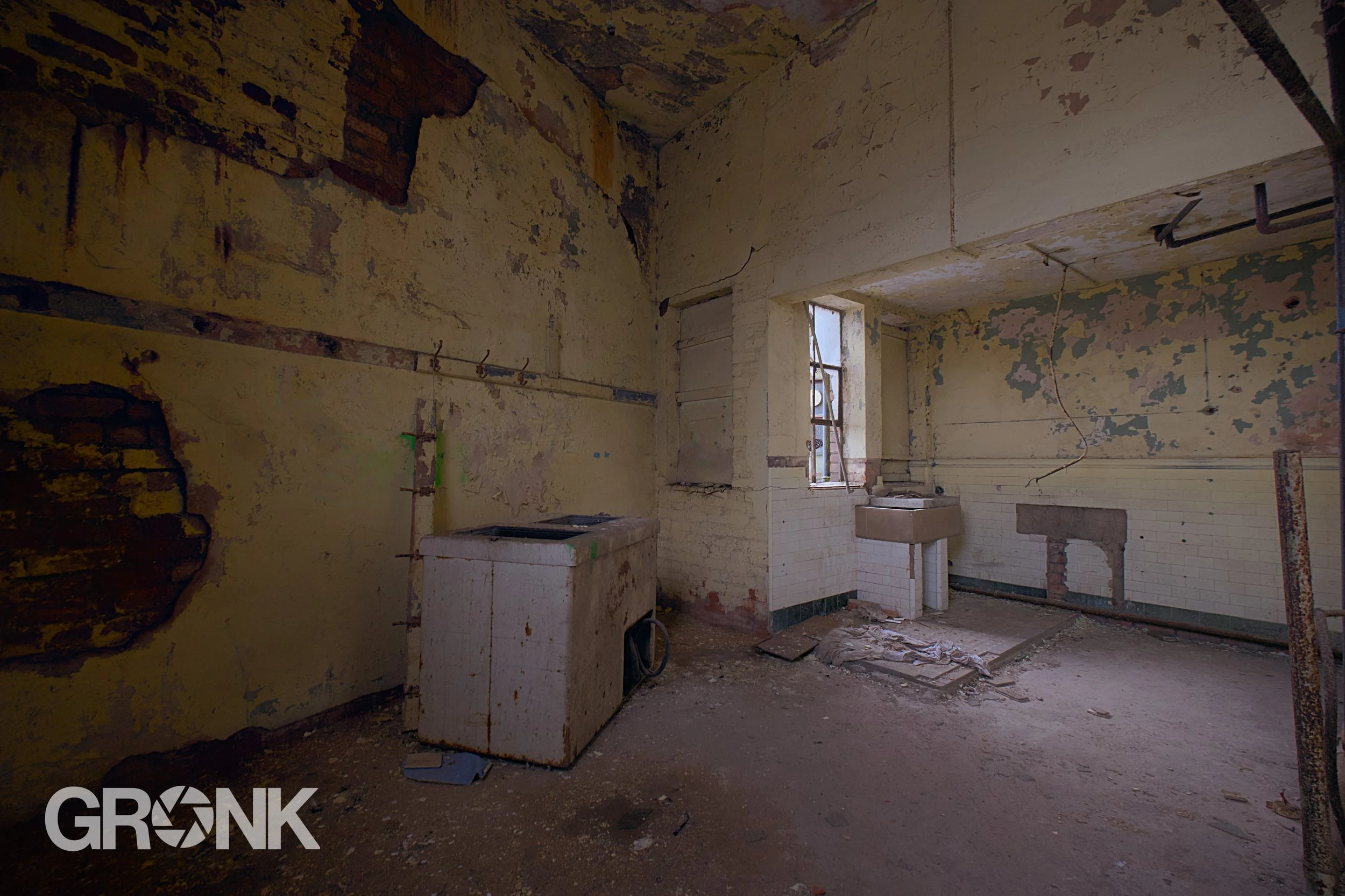
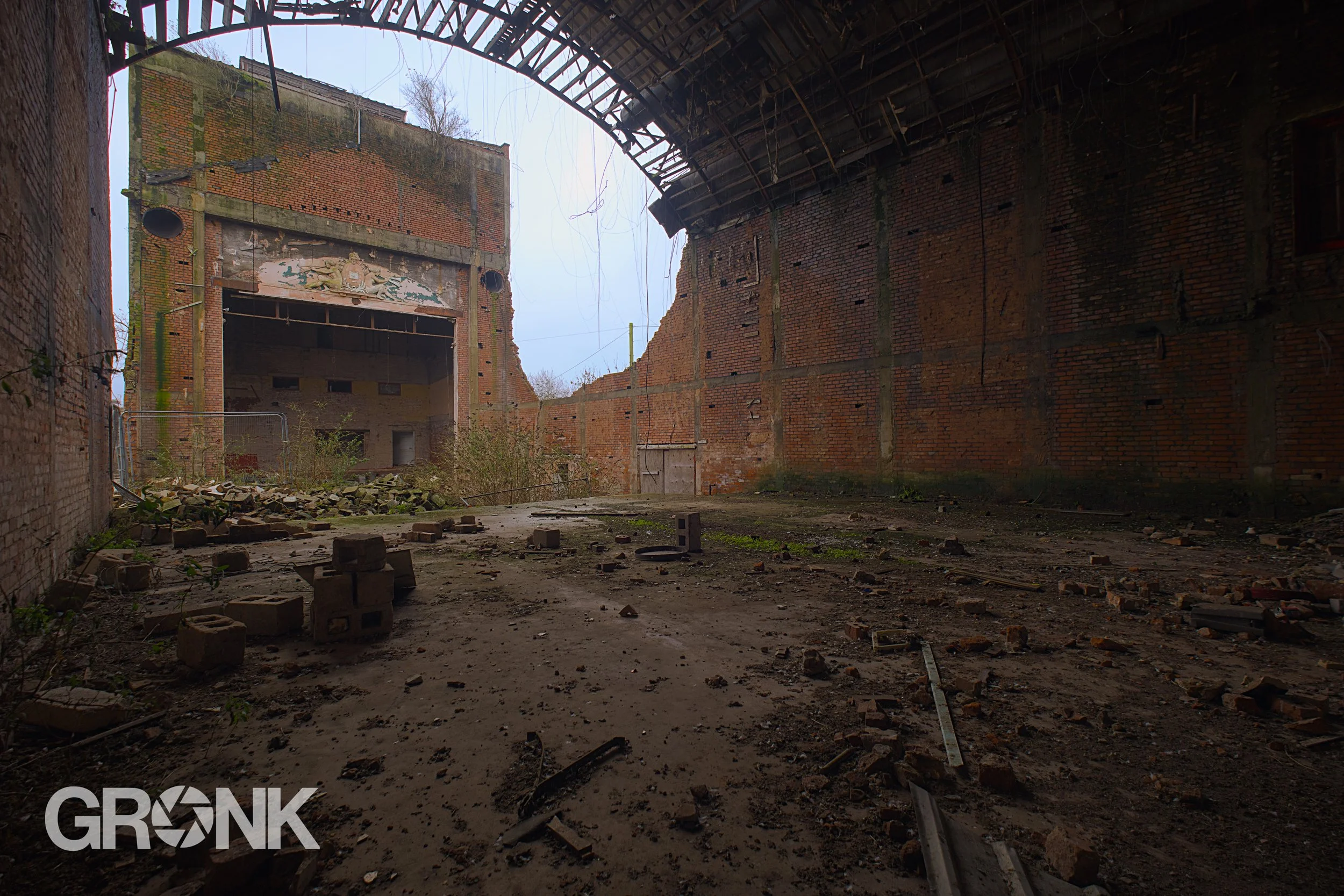
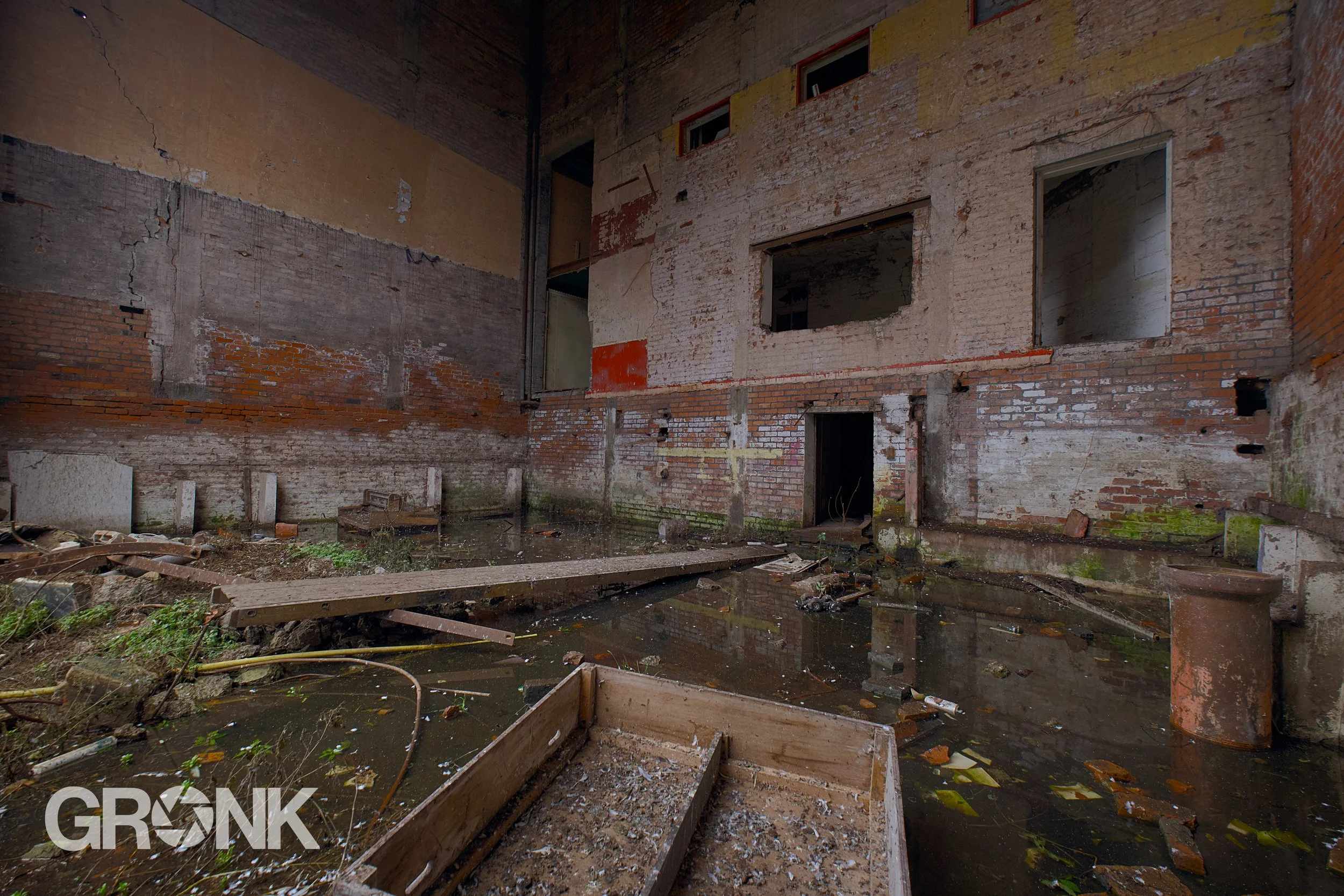
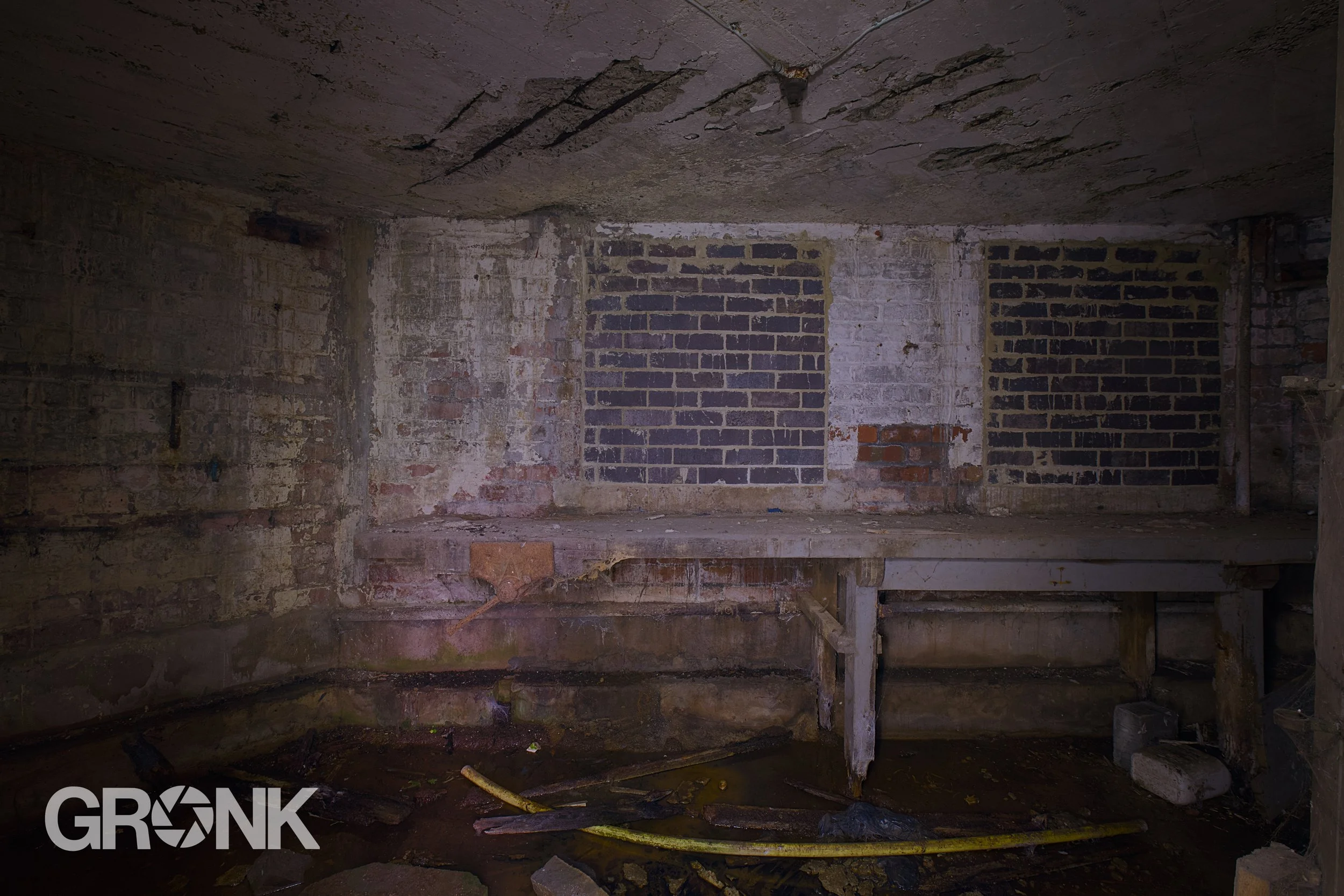
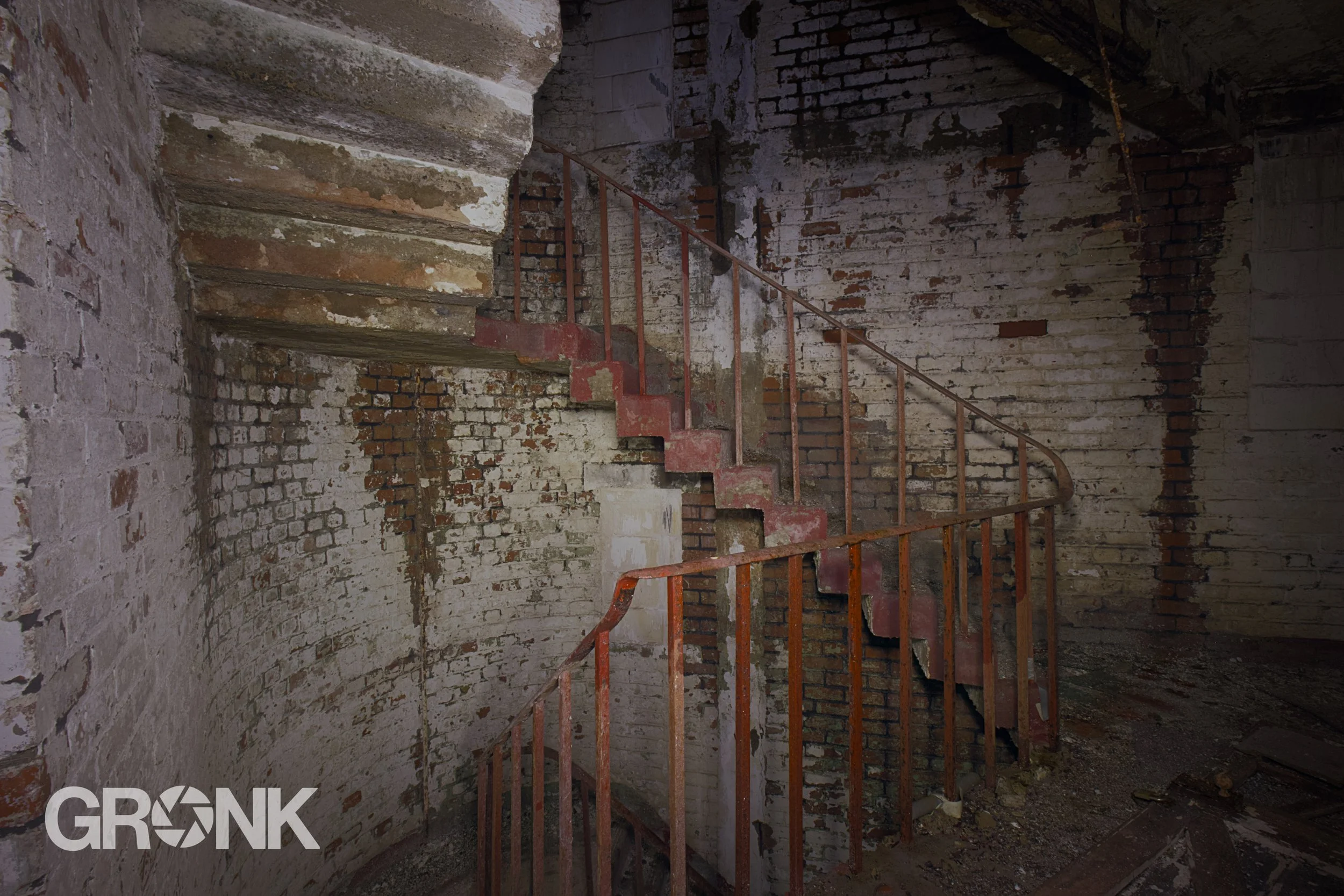
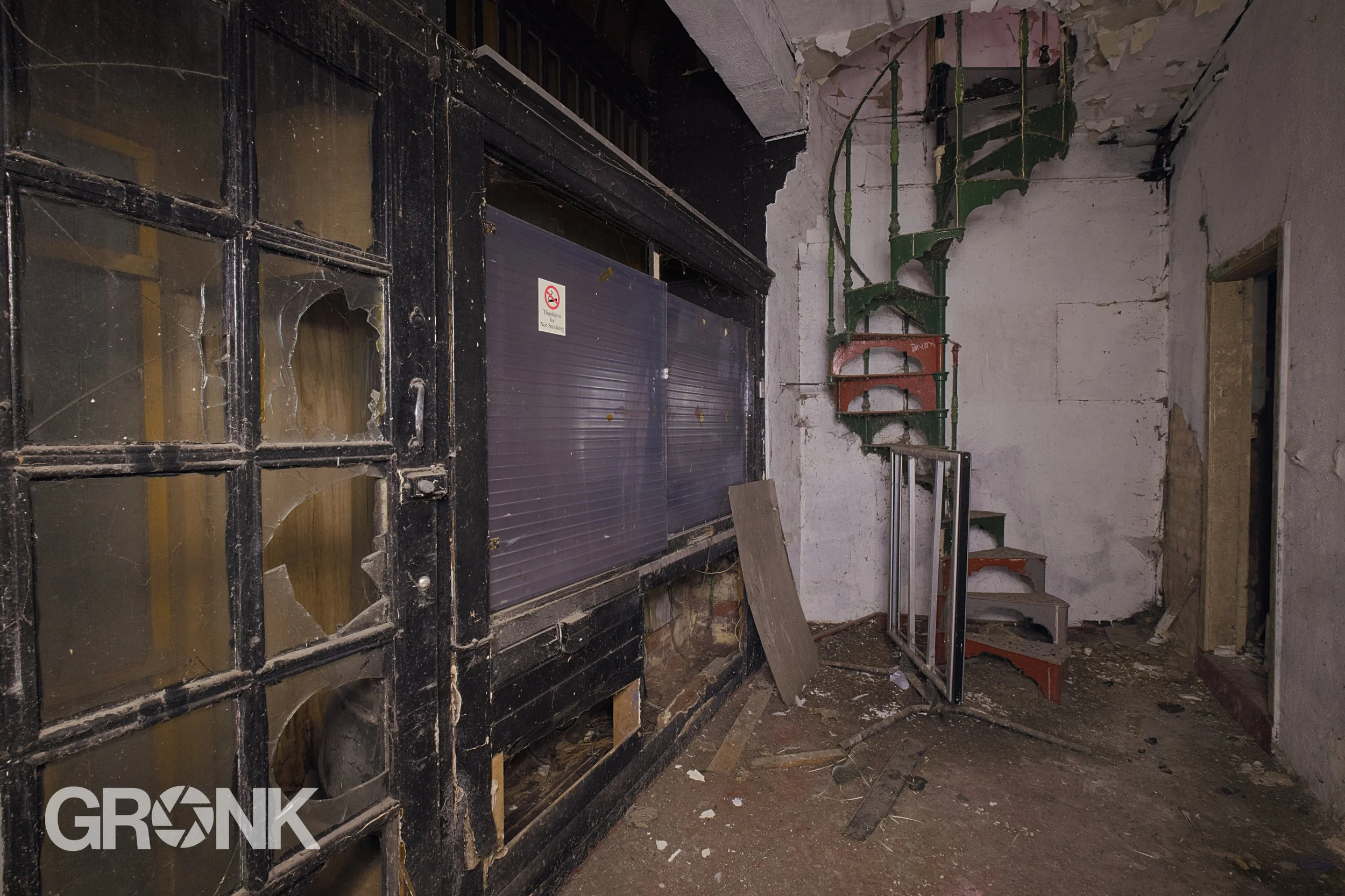
After the snooker club closed, the Sandonia was left vacant and increasingly derelict. In the 2020s, proposed demolition plans prompted objections from heritage groups, who highlighted its architectural and cultural significance. Although not formally listed, it is recognised as a local heritage asset, and campaigns have argued for its preservation or sensitive reuse, particularly of its historic façade and foyer.