Seacroft Hospital, Leeds
Seacroft Hospital has its origins in the late 19th century, when Leeds Corporation needed somewhere away from the densely populated city centre to isolate patients suffering from infectious diseases. In 1893, a temporary smallpox hospital was established in the grounds of the former Manston Hall. The site was expanded in 1898 to accommodate patients with scarlet fever, before plans were made for a much larger permanent hospital.
The present hospital was constructed between 1902 and 1904 under the direction of architect Edwin Thomas Hall. Built on the pavilion system, the complex consisted of numerous separate buildings, deliberately spaced apart to reduce the risk of infection spreading between wards. When completed, it could accommodate around 480 patients suffering from conditions including scarlet fever, diphtheria and enteric fever.
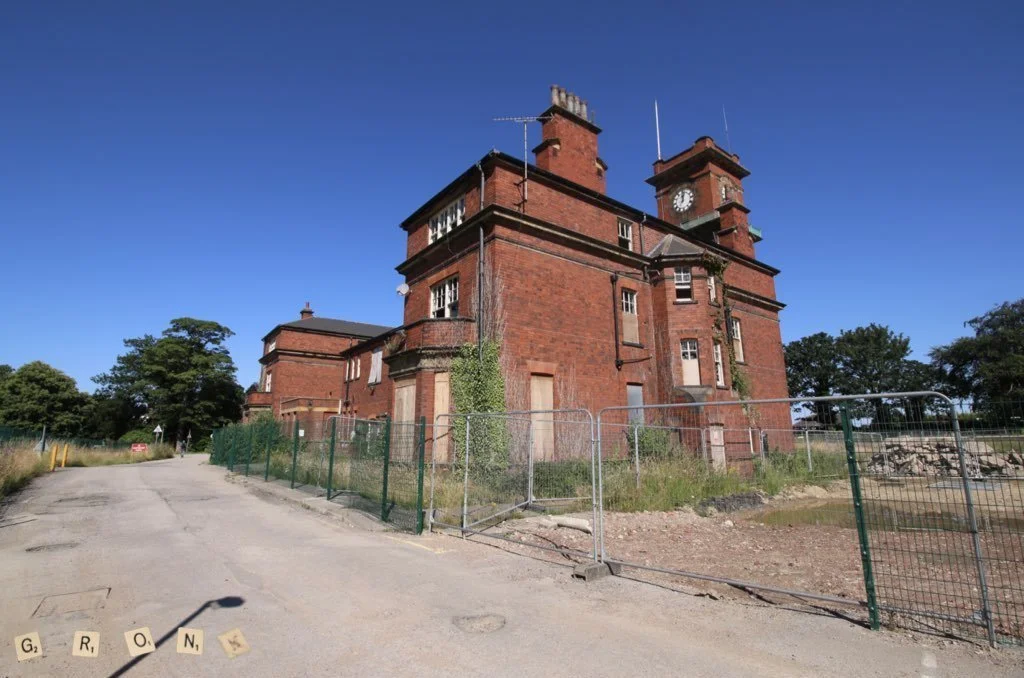
One of the site's most distinctive features was the impressive red-brick clock tower, which also served as a water tower. Designed by Hall in an Arts and Crafts-influenced style, it originally held tens of thousands of gallons of water for Seacroft and the neighbouring Killingbeck Hospital. The tower was Grade II listed in 1976.
Following improvements in medicine after the Second World War, the need for large isolation hospitals declined and Seacroft gradually took on new roles. By the 1970s it had become an important centre for paediatric medicine, alongside a range of other specialist services.
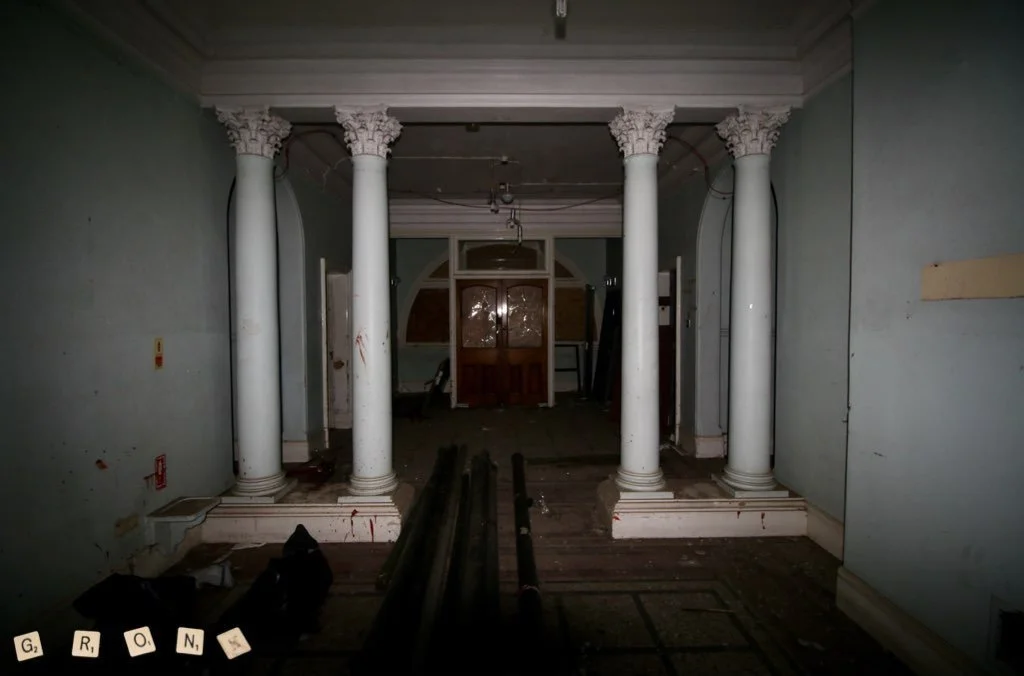
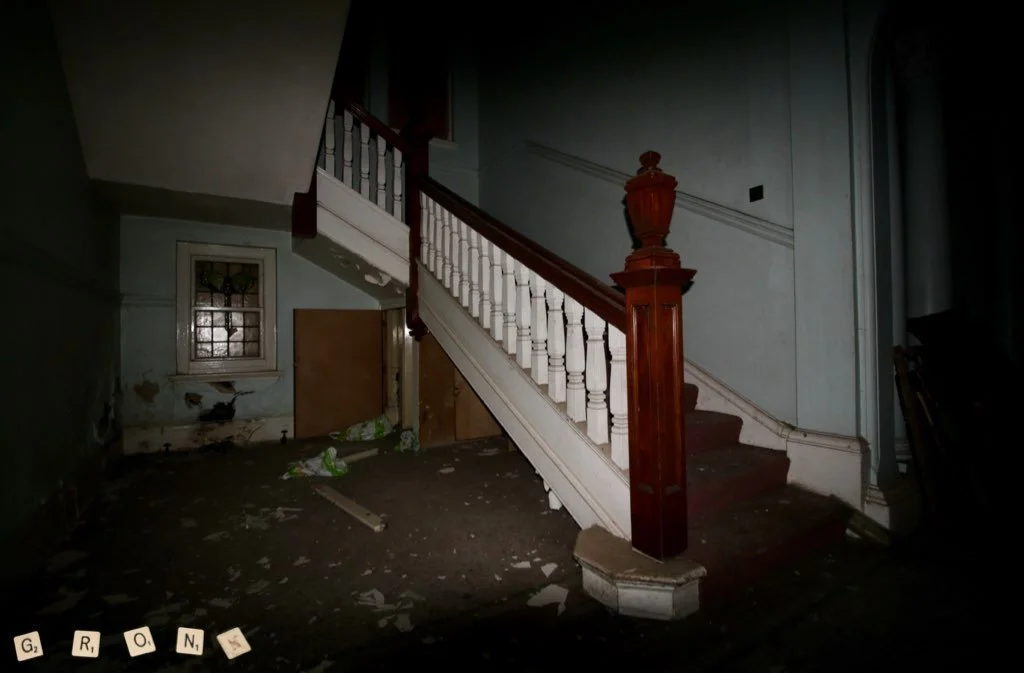
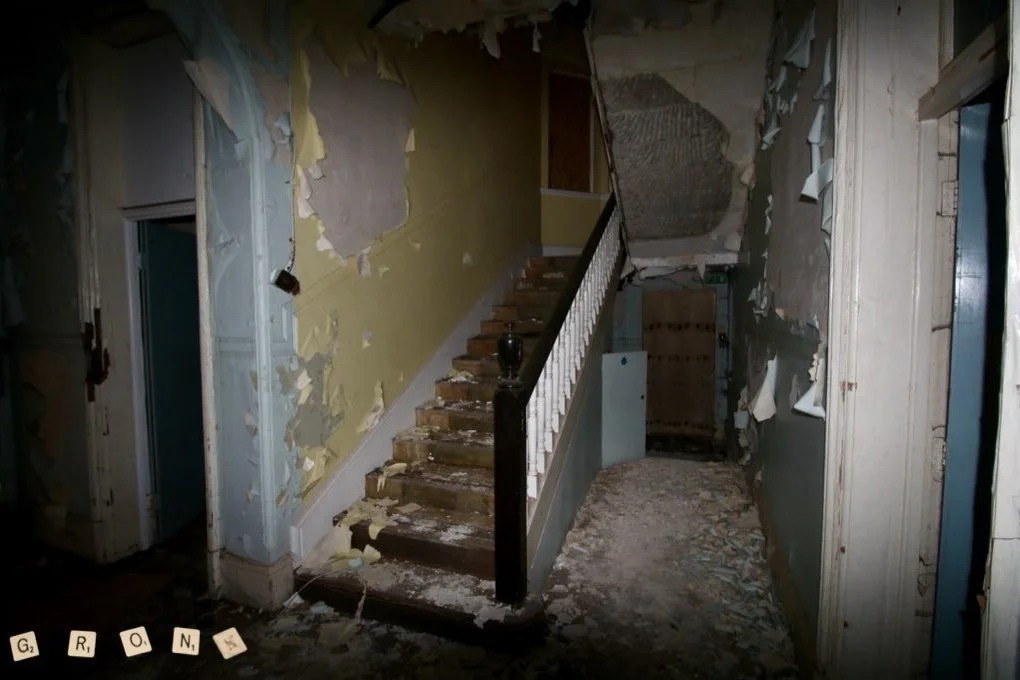
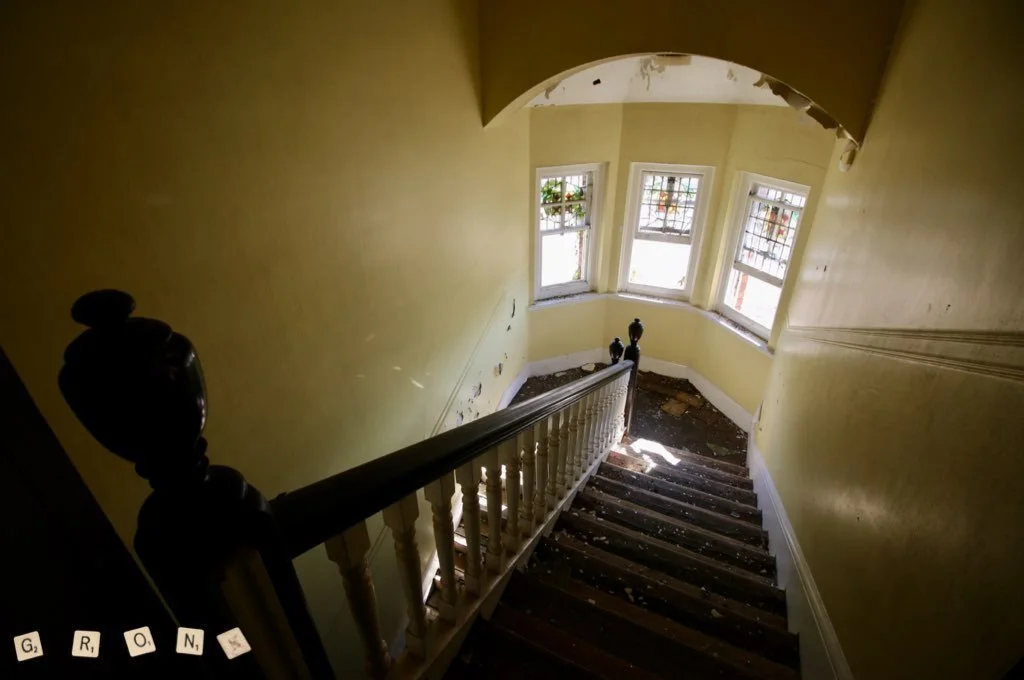
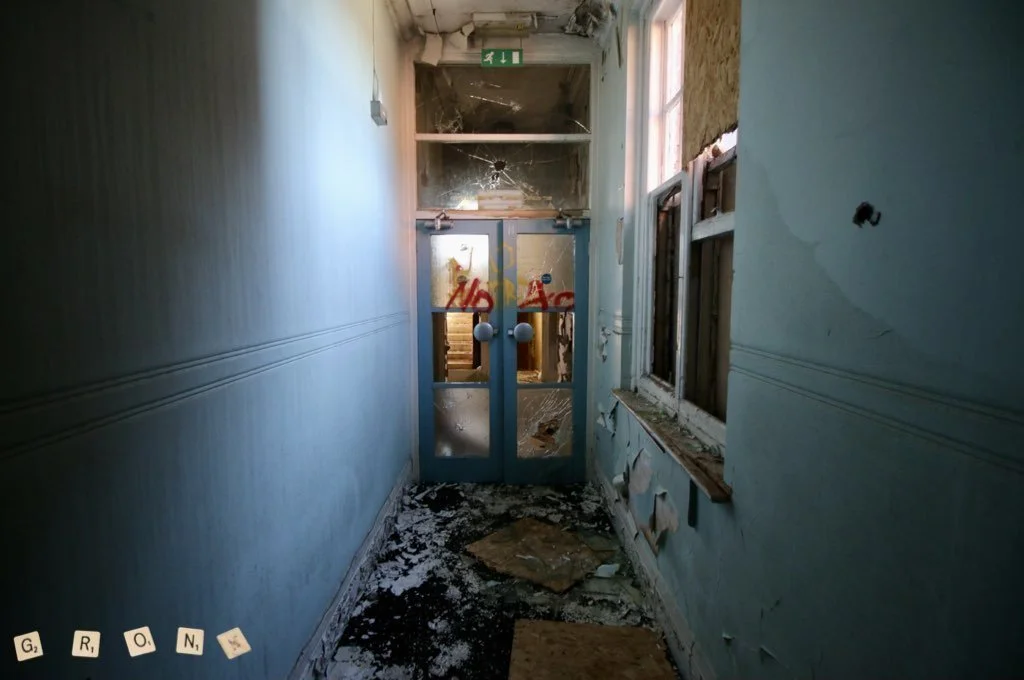
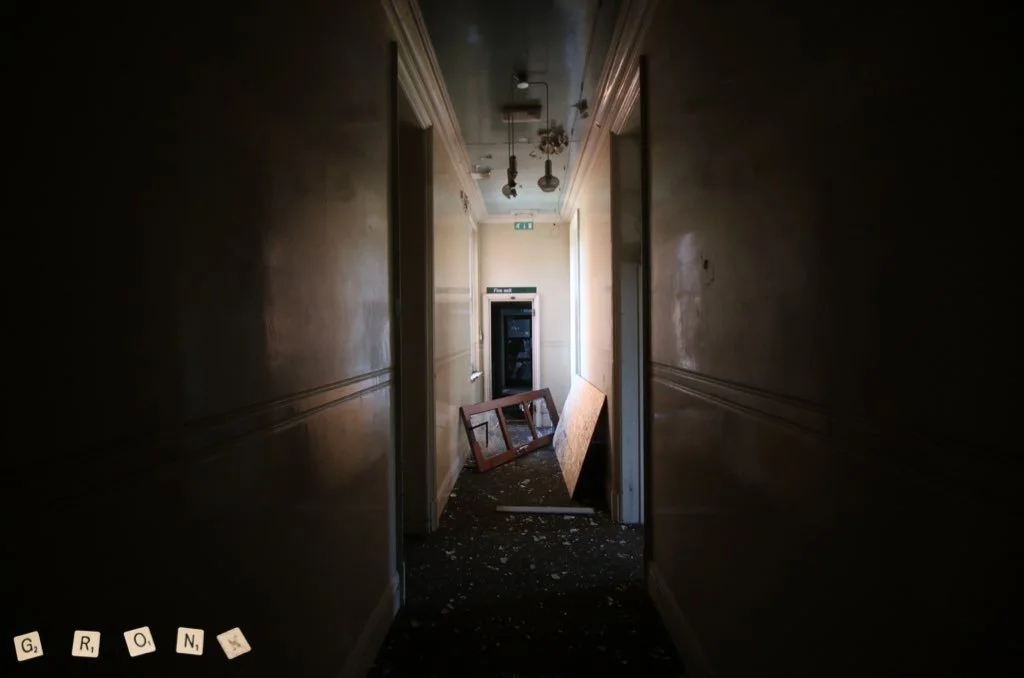
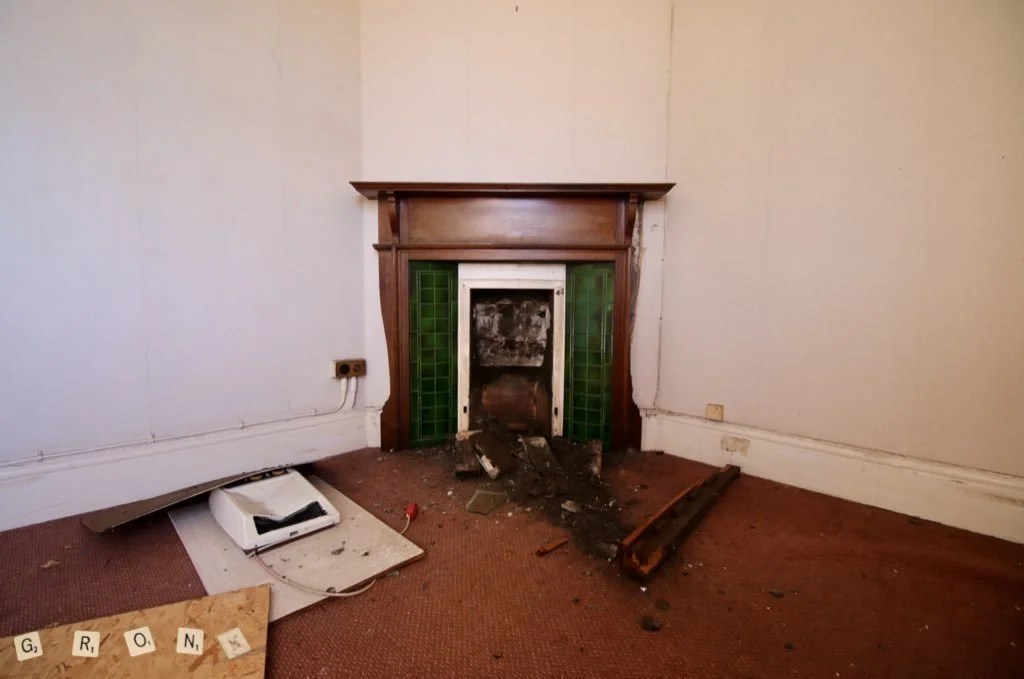
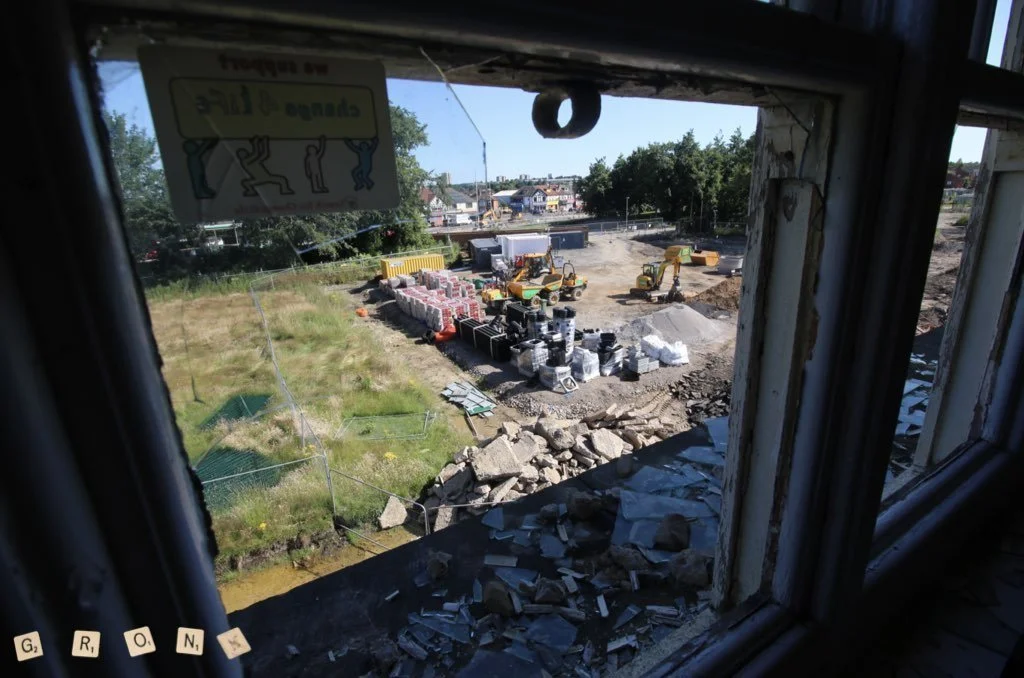
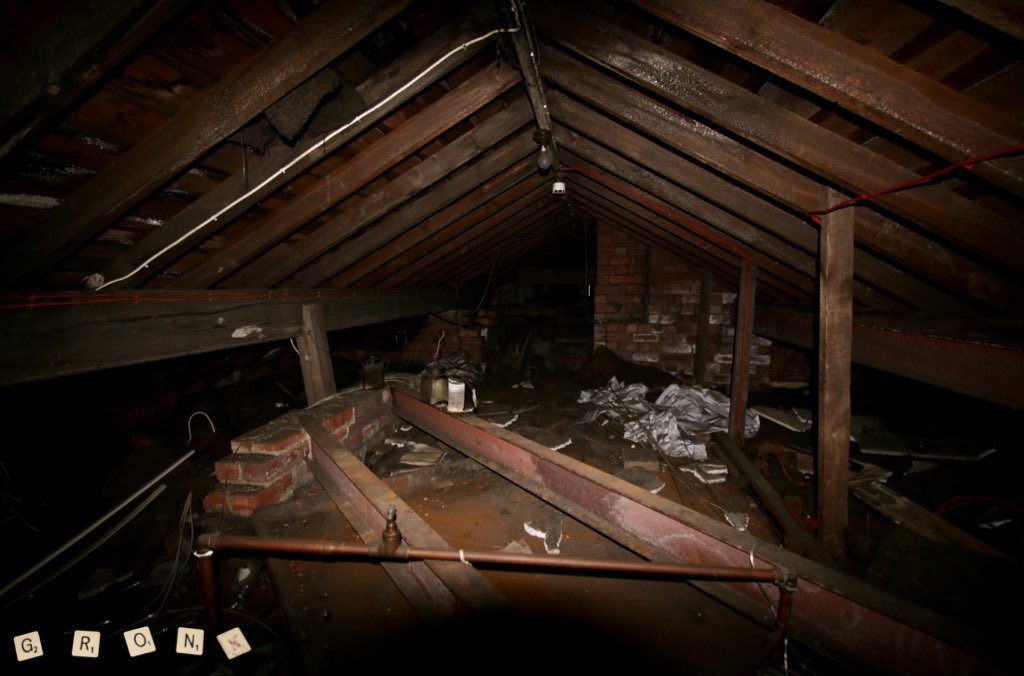
As services were subsequently concentrated elsewhere in Leeds, many of the older buildings became redundant. Parts of the historic site were eventually sold for redevelopment, leaving several Edwardian structures abandoned and increasingly overgrown. A 2015 building appraisal identified the clock tower, administration building and a former villa as surviving historic buildings, while archaeological investigations also uncovered foundations and other remains of demolished hospital structures.