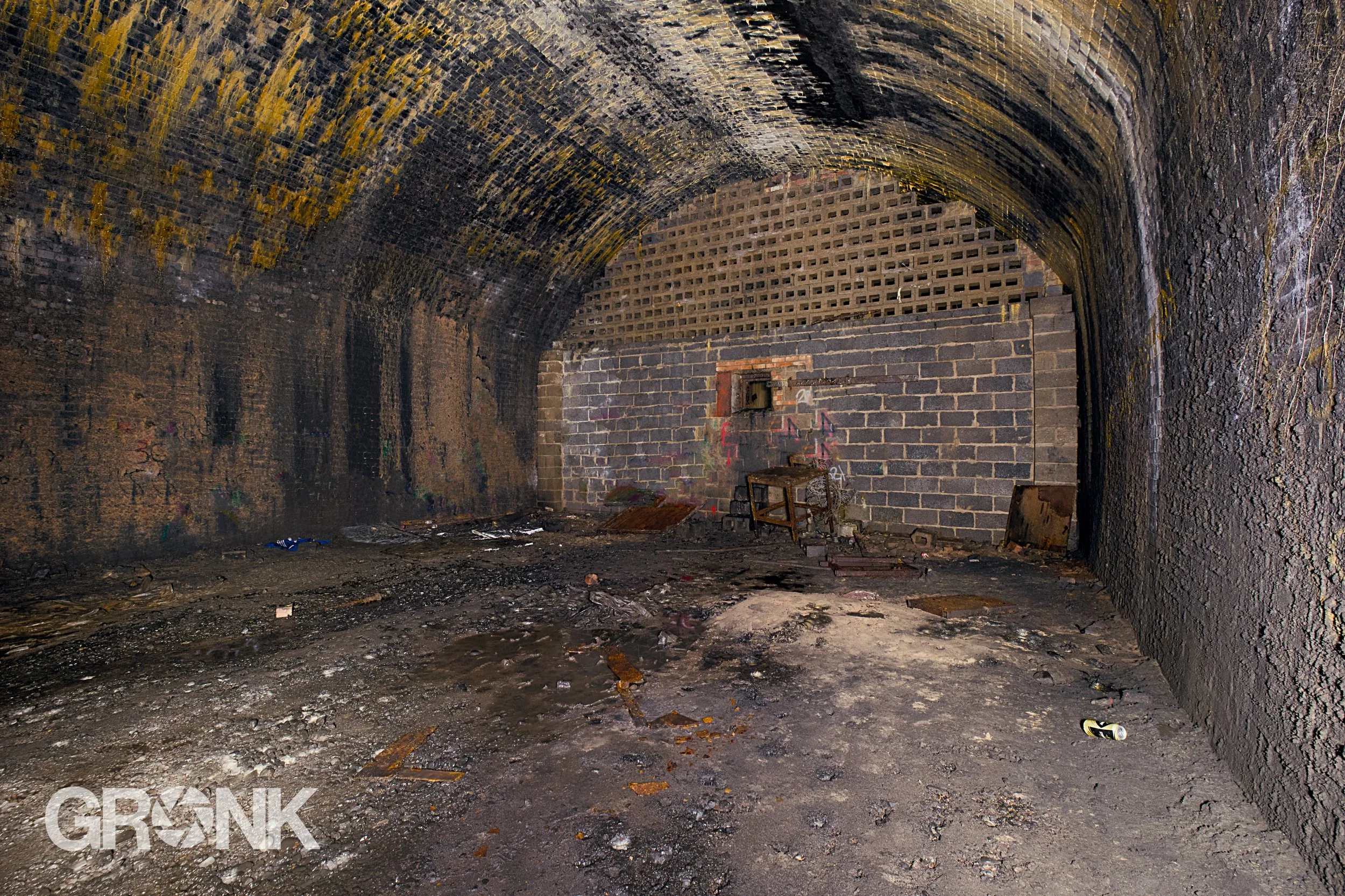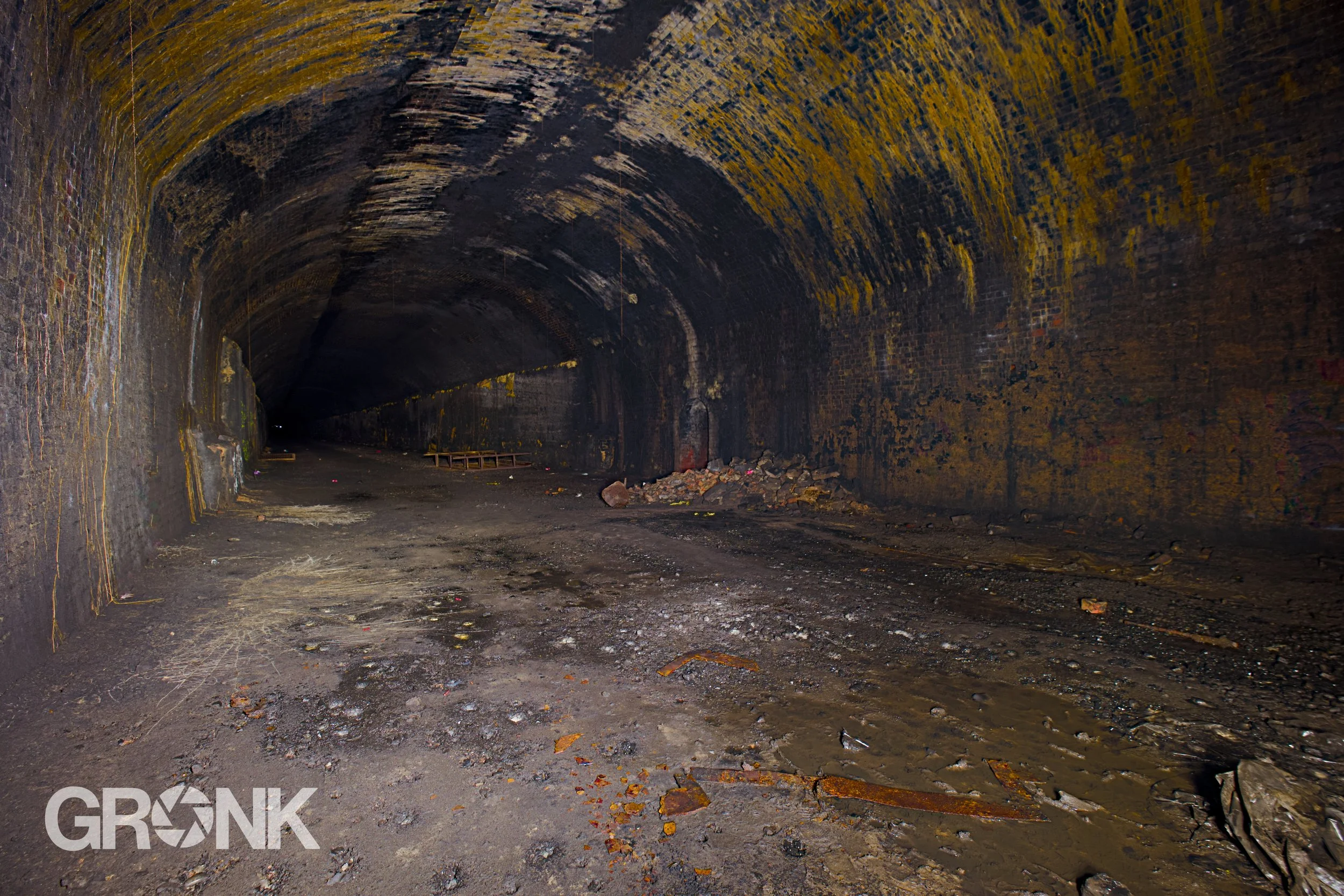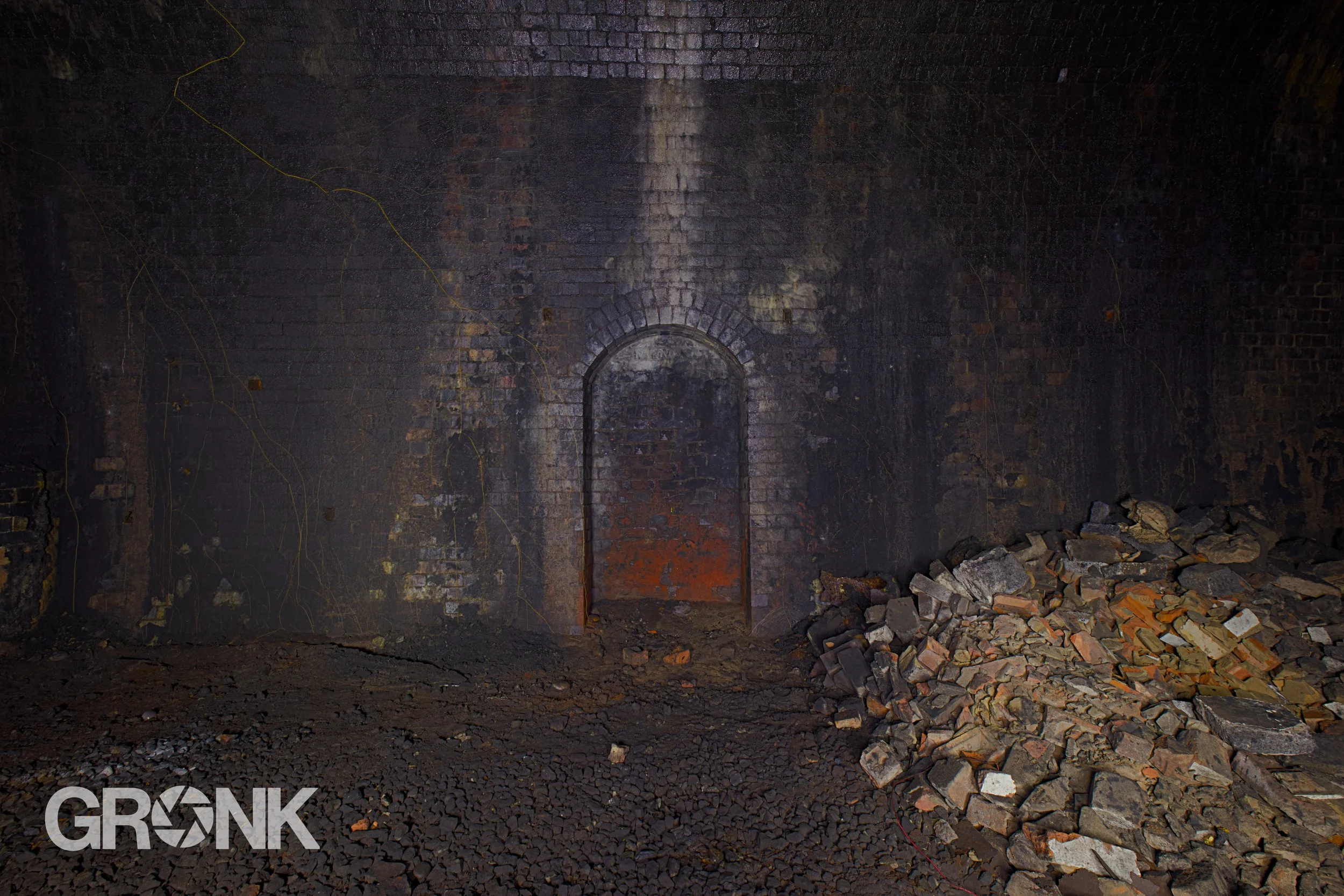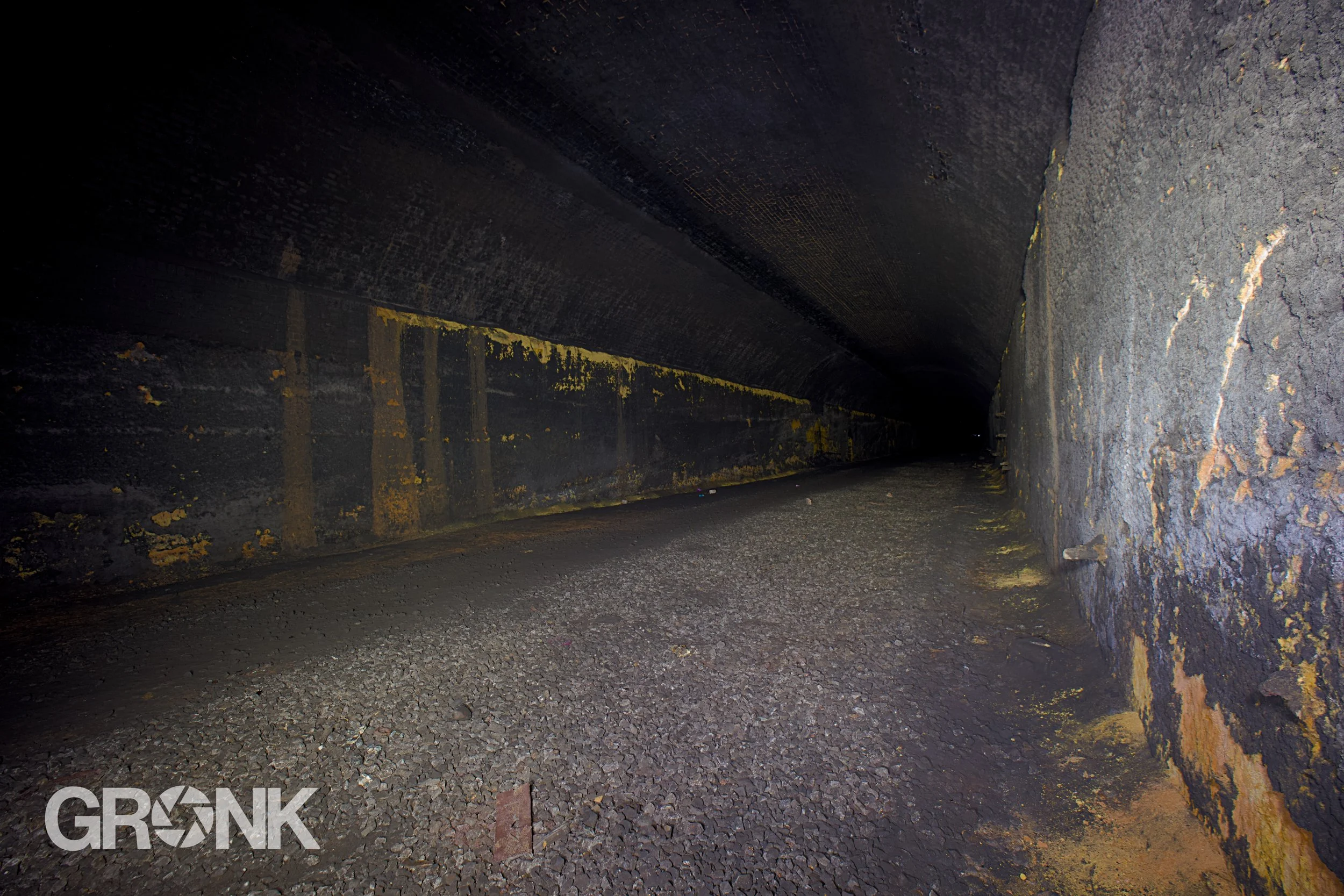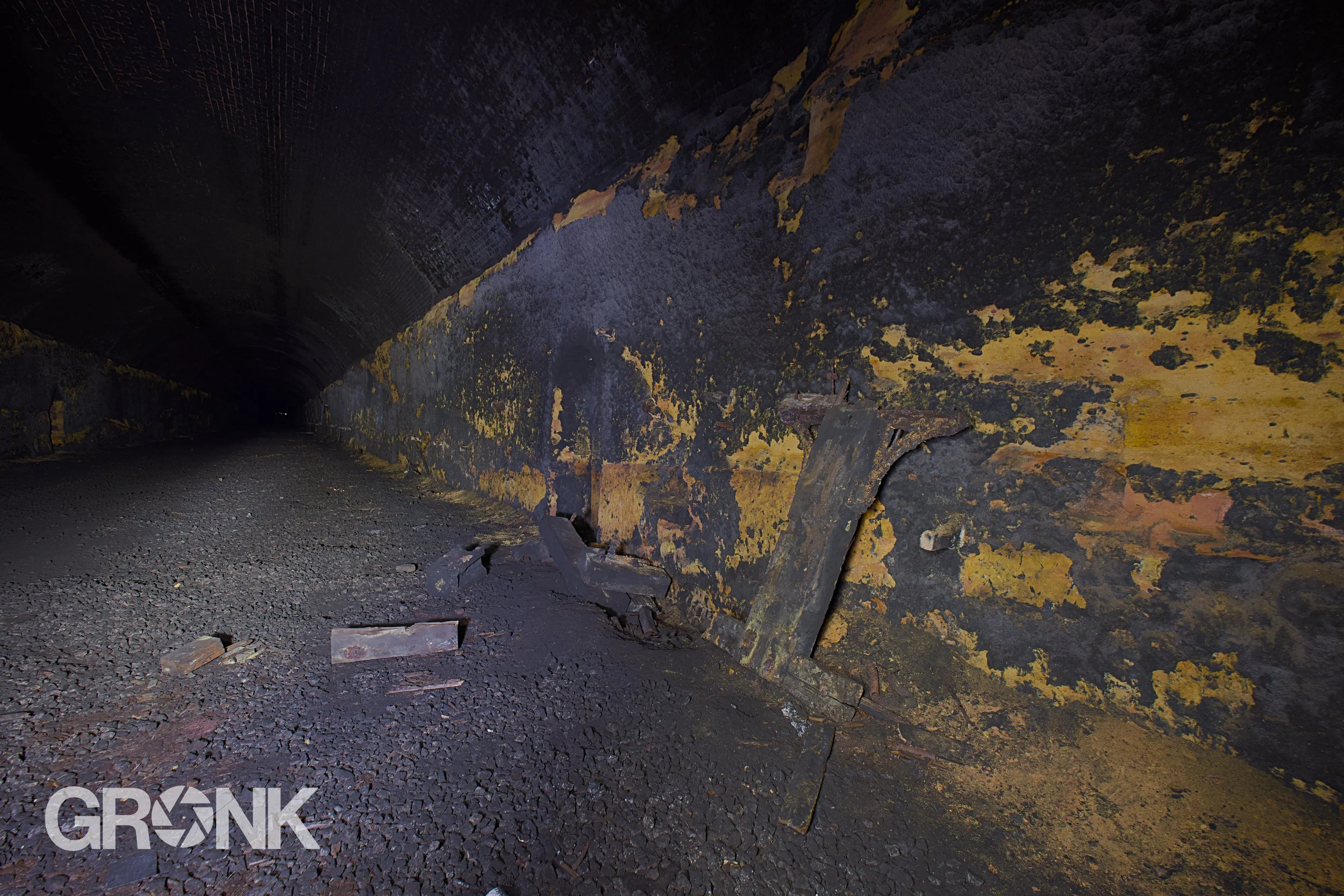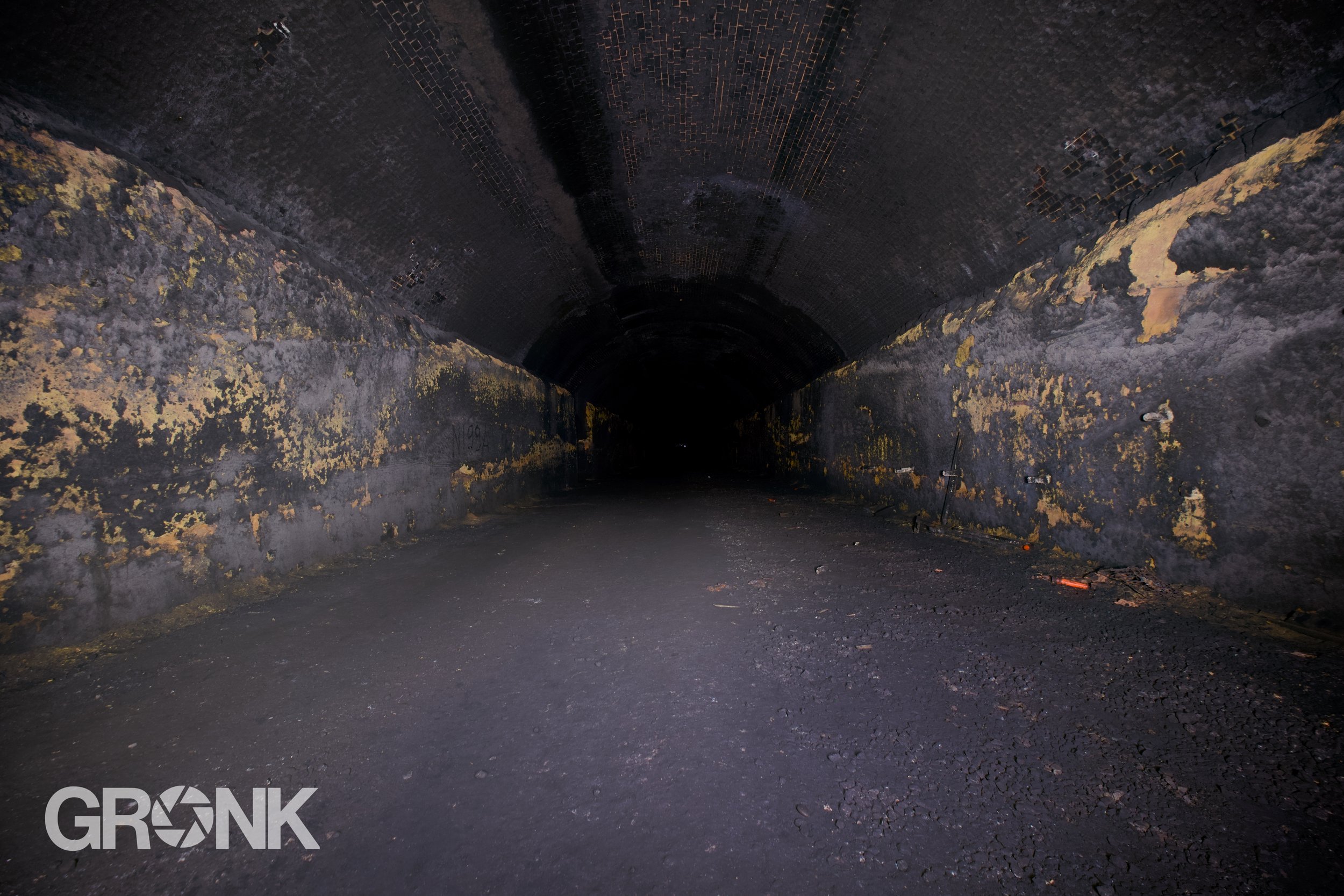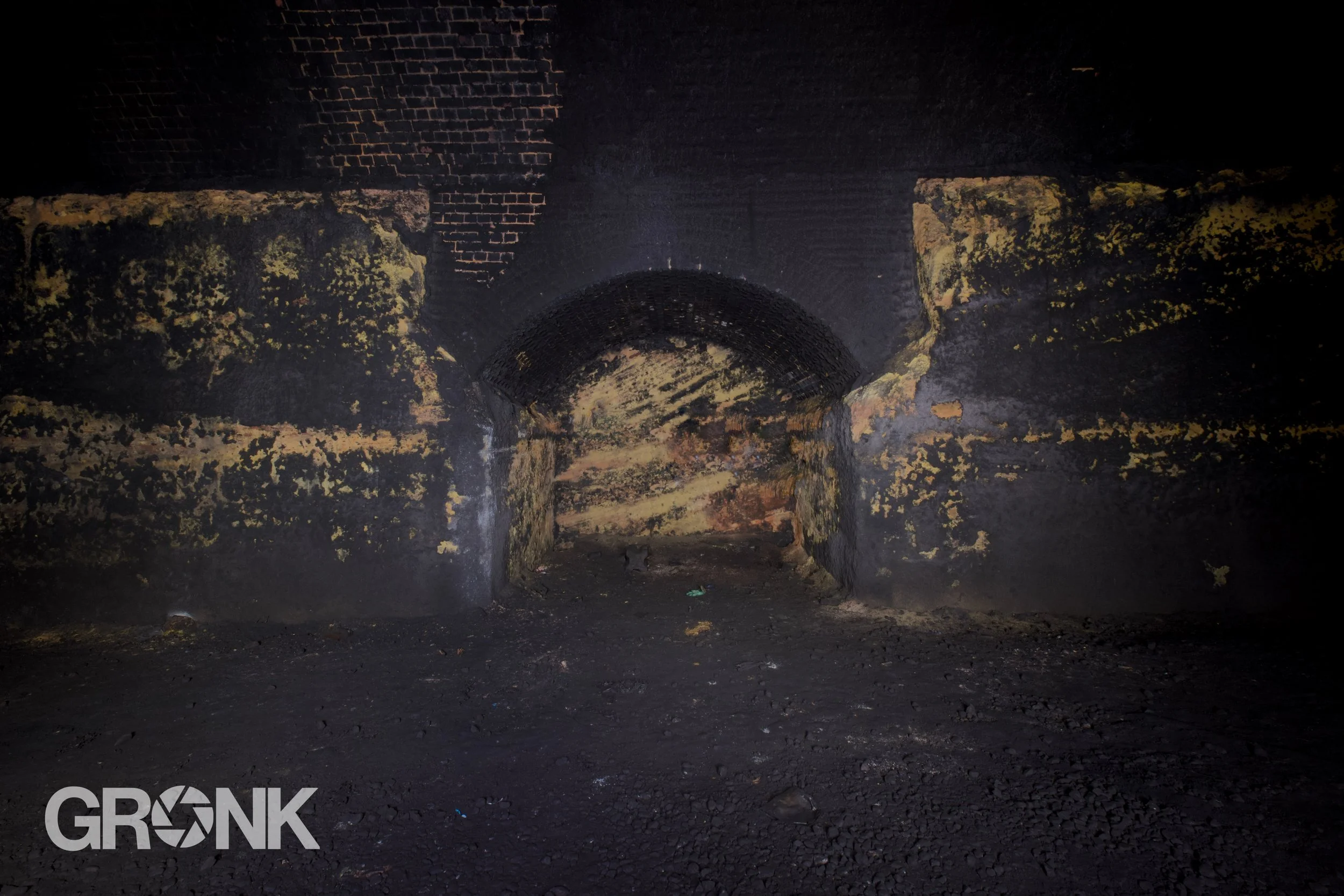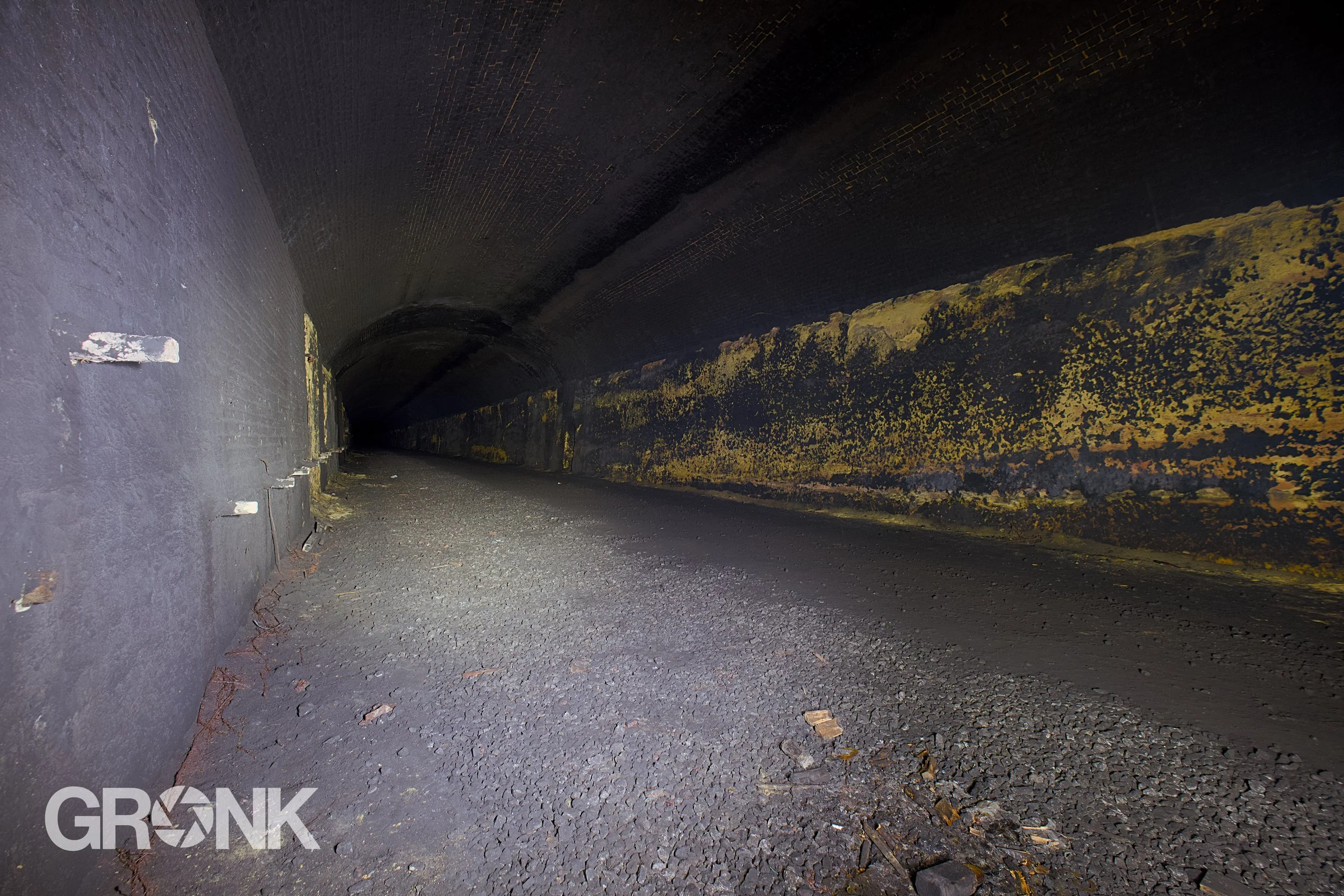
Sherwood Rise Tunnel, Nottingham
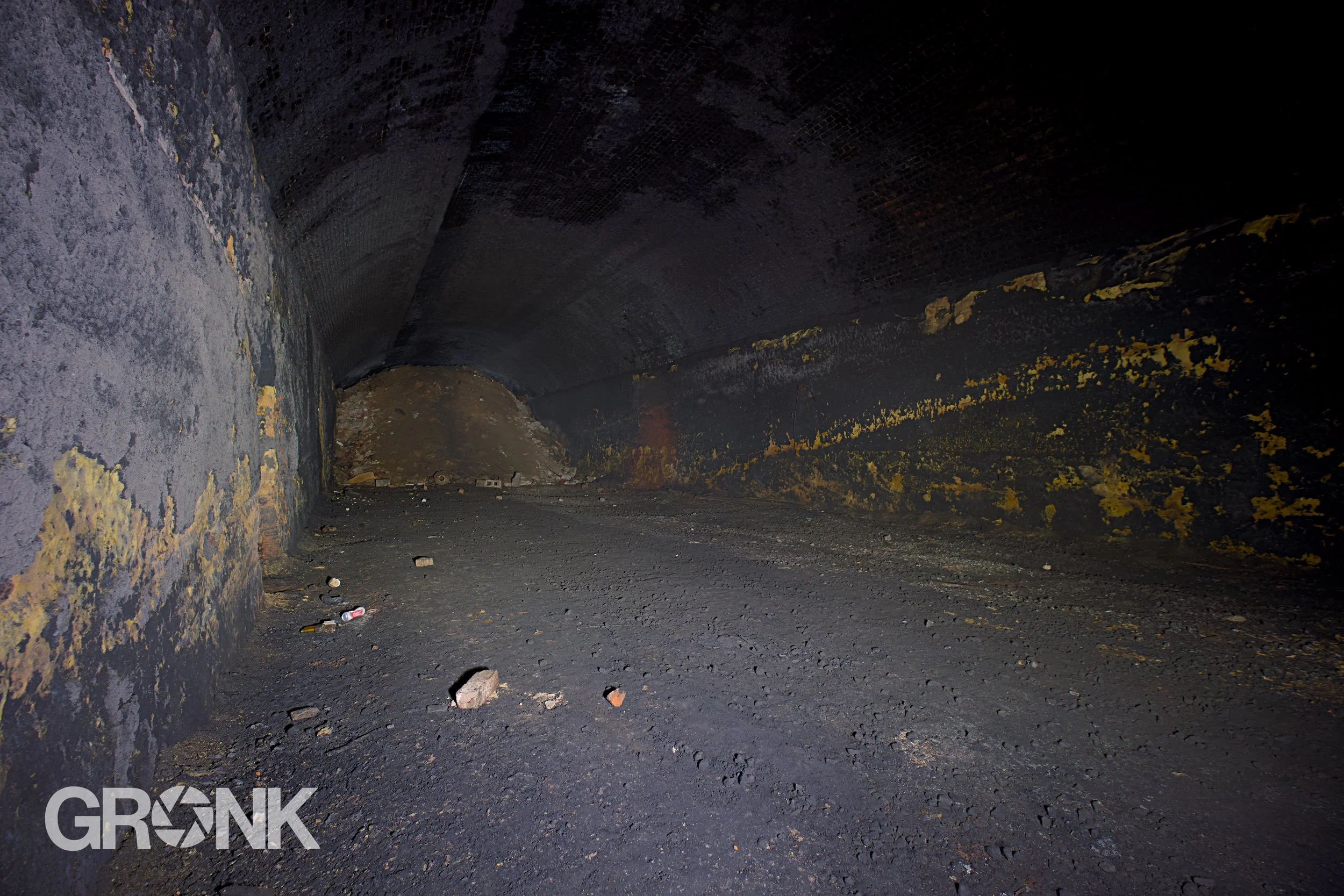
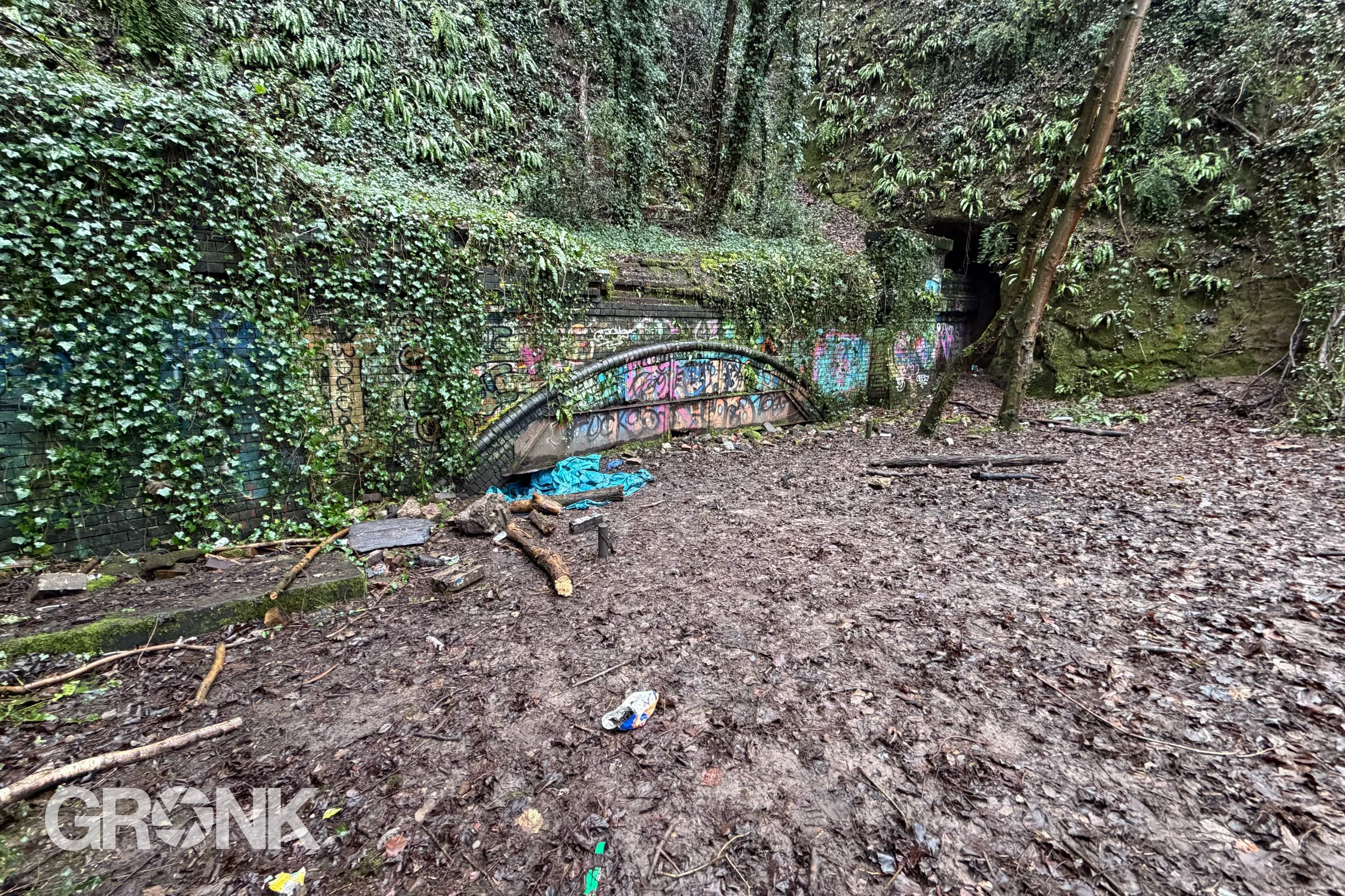
Sherwood Rise Tunnel is a disused railway tunnel in north Nottingham, built in the late 1890s for the Great Central Railway (GCR) London Extension. This ambitious Victorian project created a new main line linking London Marylebone with Sheffield, passing directly through Nottingham.
The tunnel lies on the section of line running north from Nottingham Victoria Station. After leaving the city centre, trains passed through Carrington Station and then entered Sherwood Rise Tunnel, emerging near what is now Herbert Road. The tunnel is approximately 600 metres long and was driven through Nottingham’s distinctive sandstone geology.
The Great Central line through Nottingham officially opened in 1899, although construction had begun several years earlier. At the time, it was one of the most modern railway routes in Britain, built to generous dimensions in anticipation of future European freight traffic.
Passenger services ran through Sherwood Rise Tunnel for over sixty years. However, competition from trams and buses led to the early closure of Carrington Station in 1928. New Basford Station, north of the tunnel, remained open until 1964.
As part of the national railway cuts of the 1960s, the line north of Nottingham Victoria closed in 1966, and Victoria Station itself closed in 1967 before being demolished. The track through Sherwood Rise Tunnel was lifted soon afterwards.