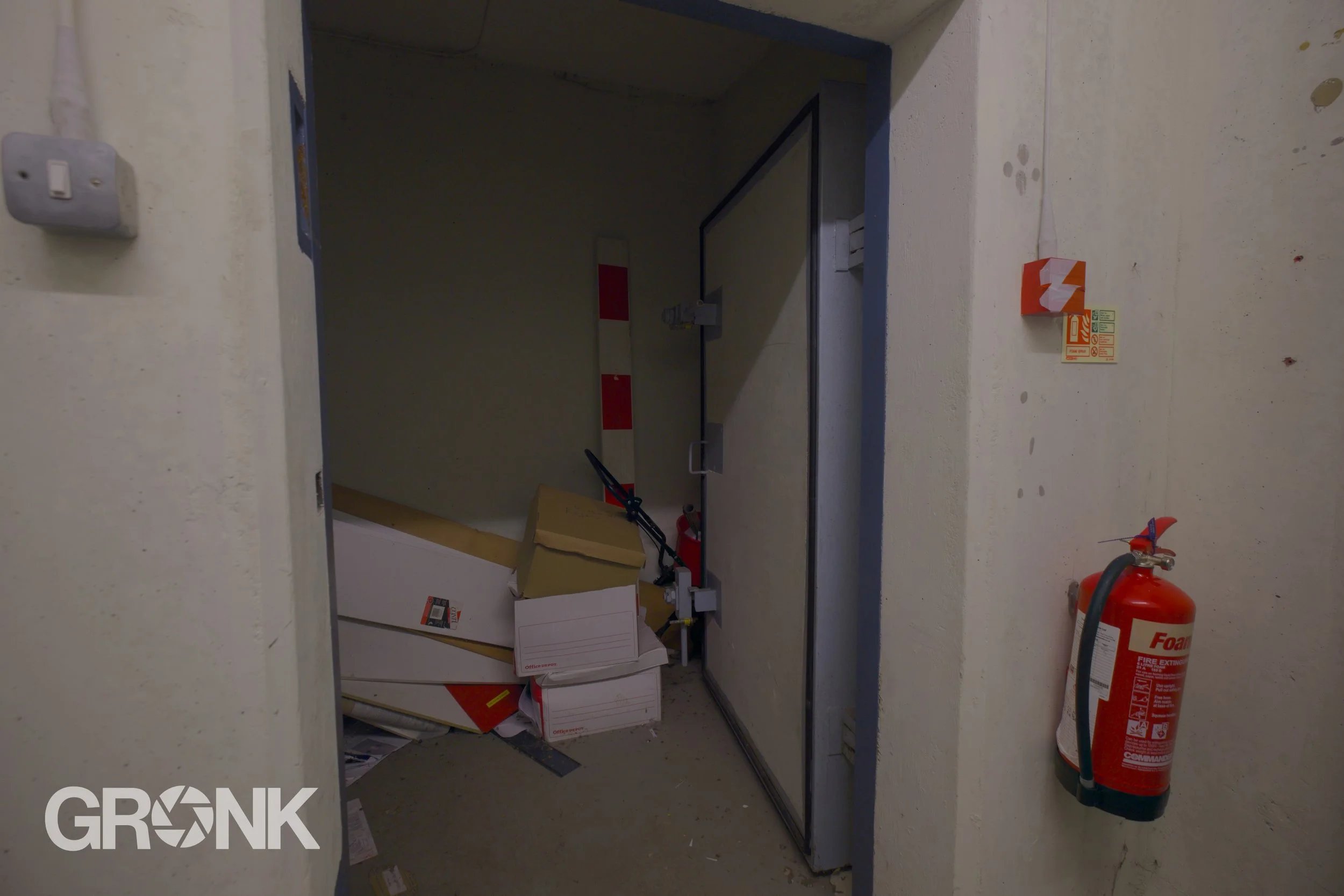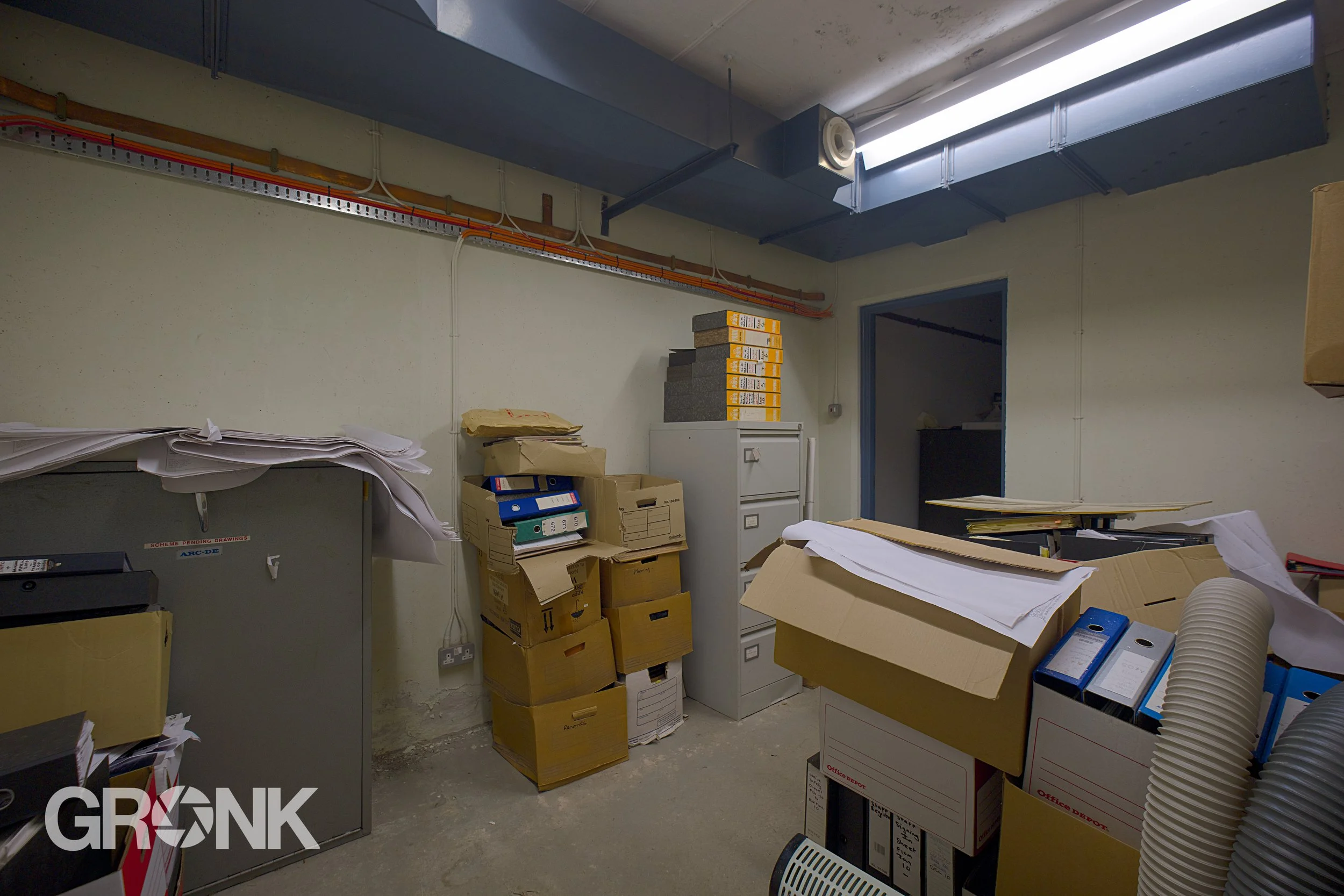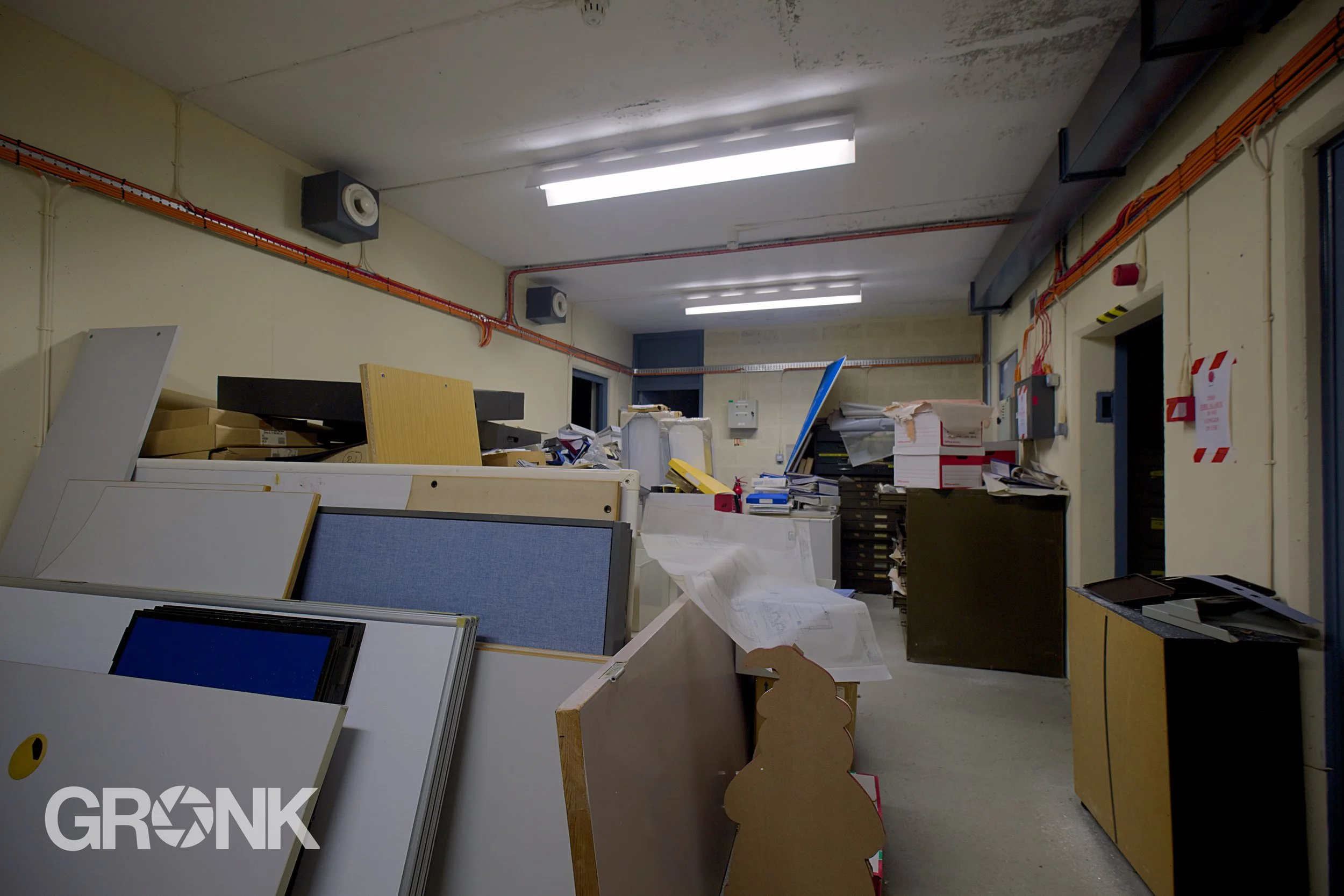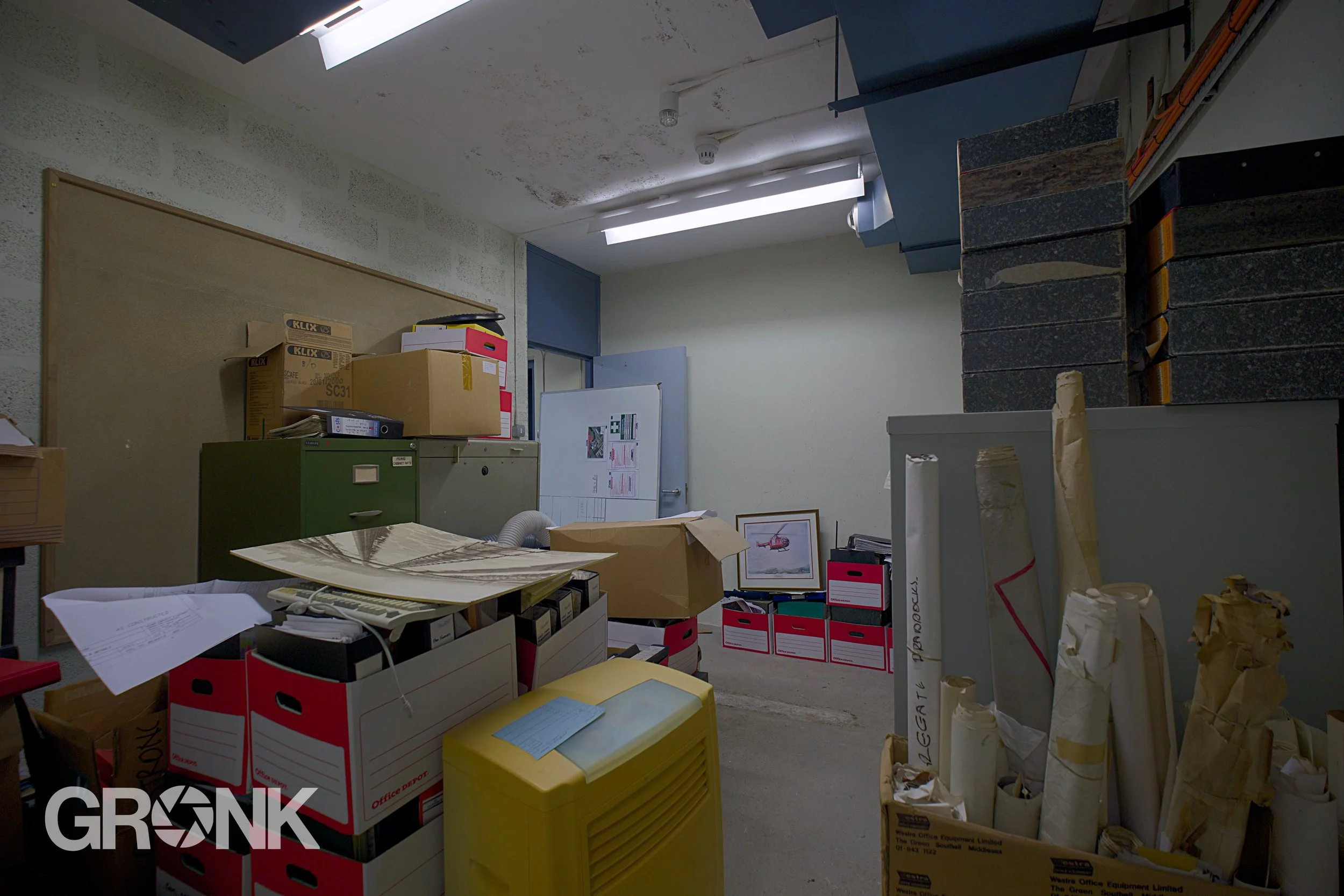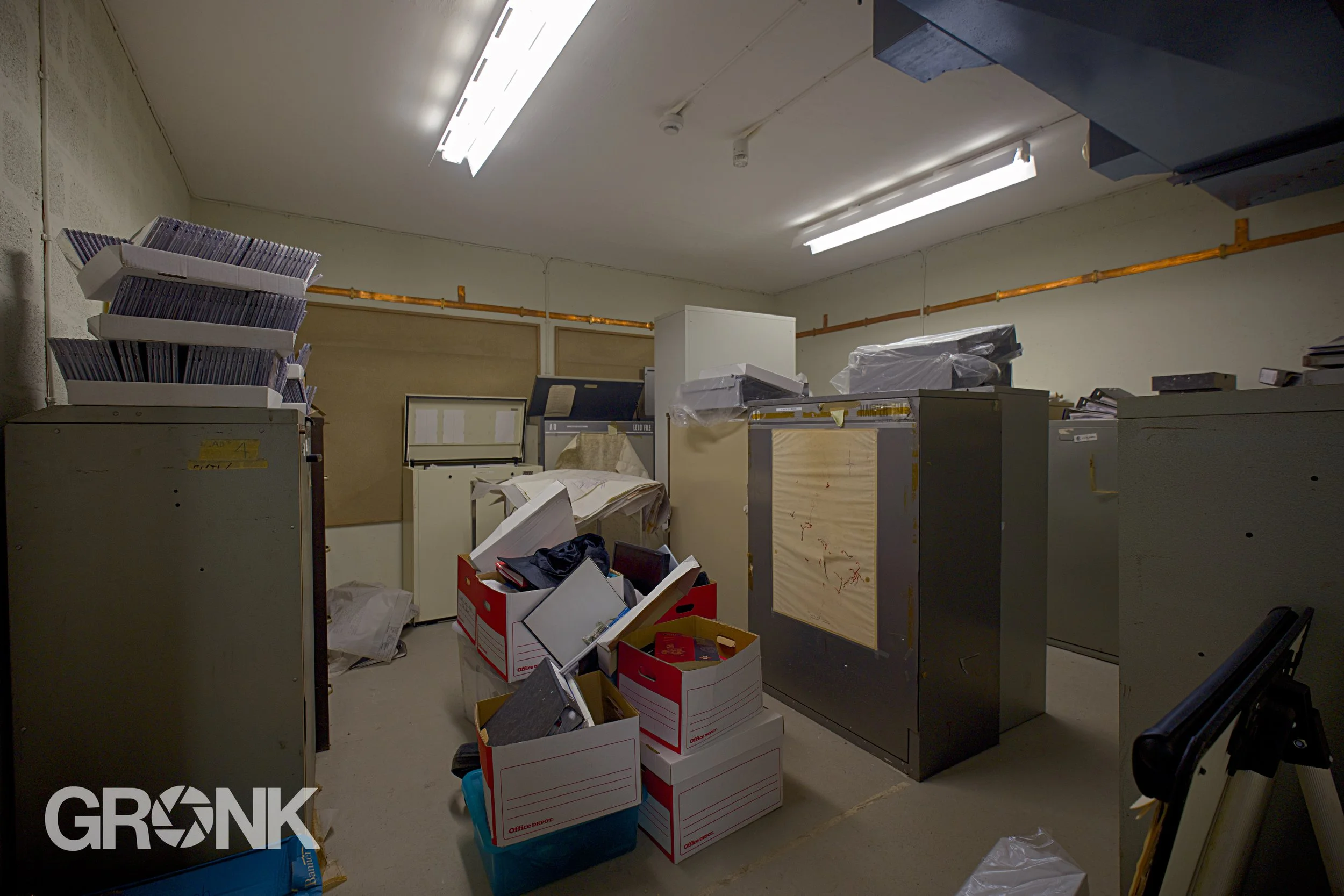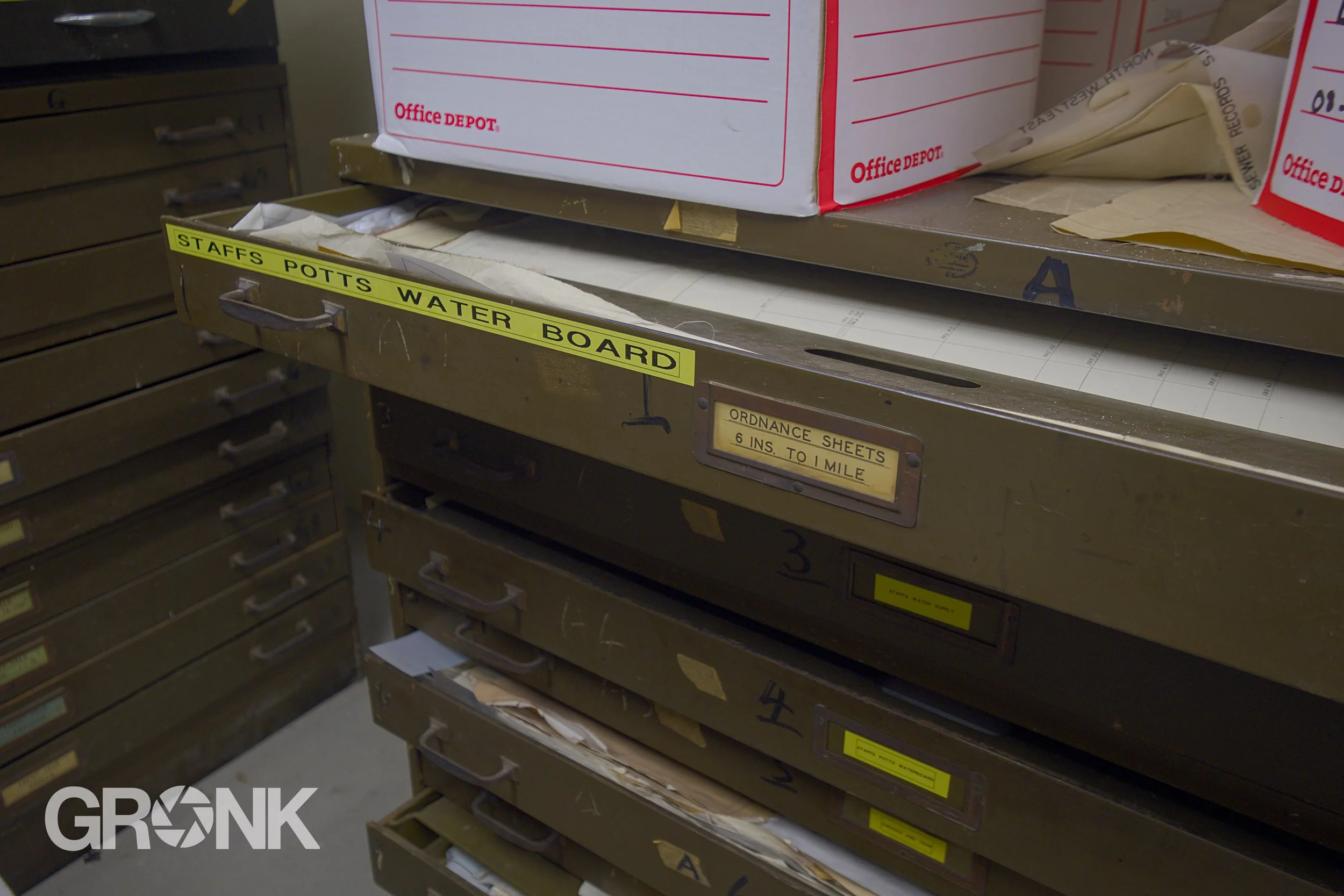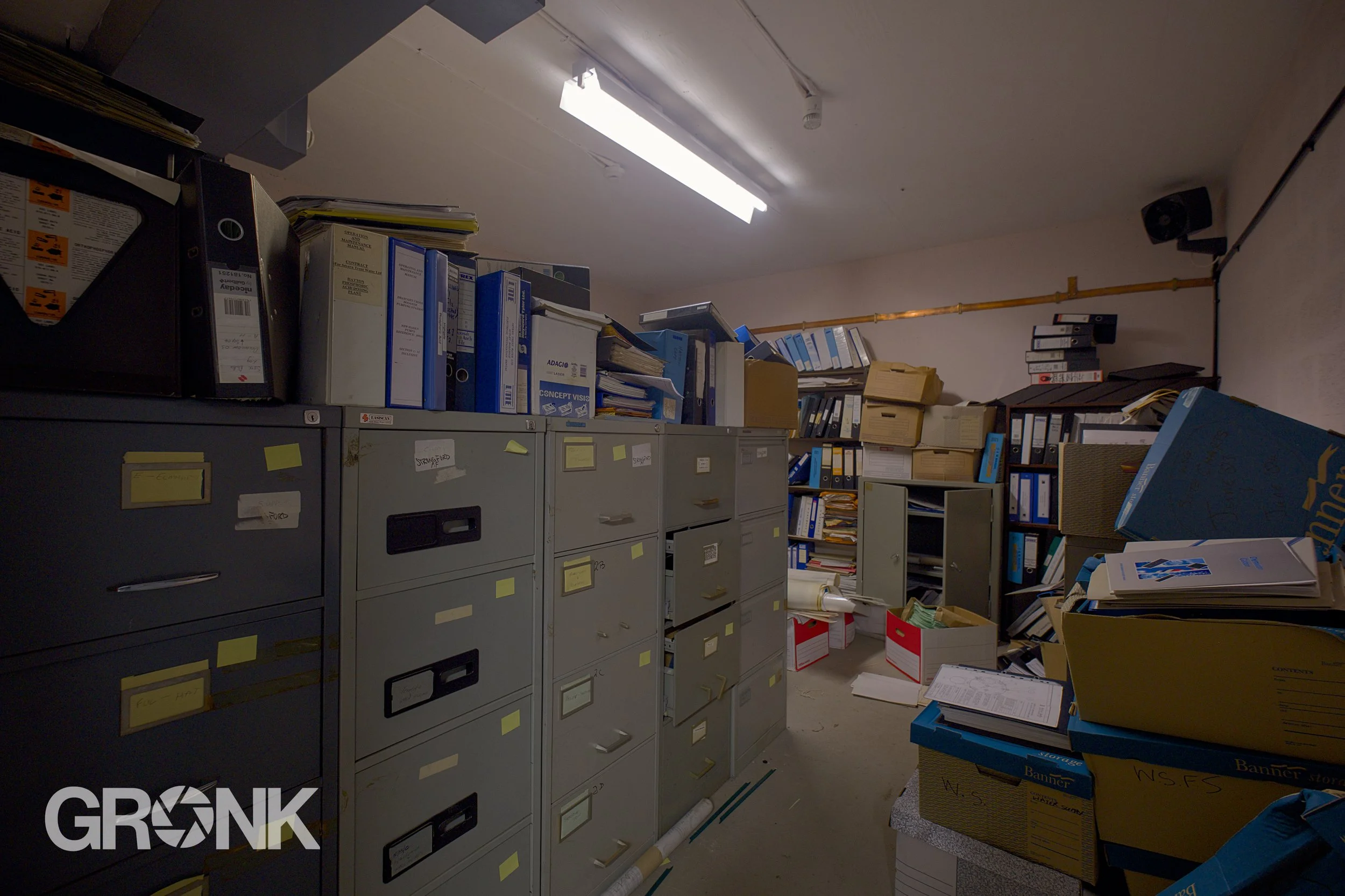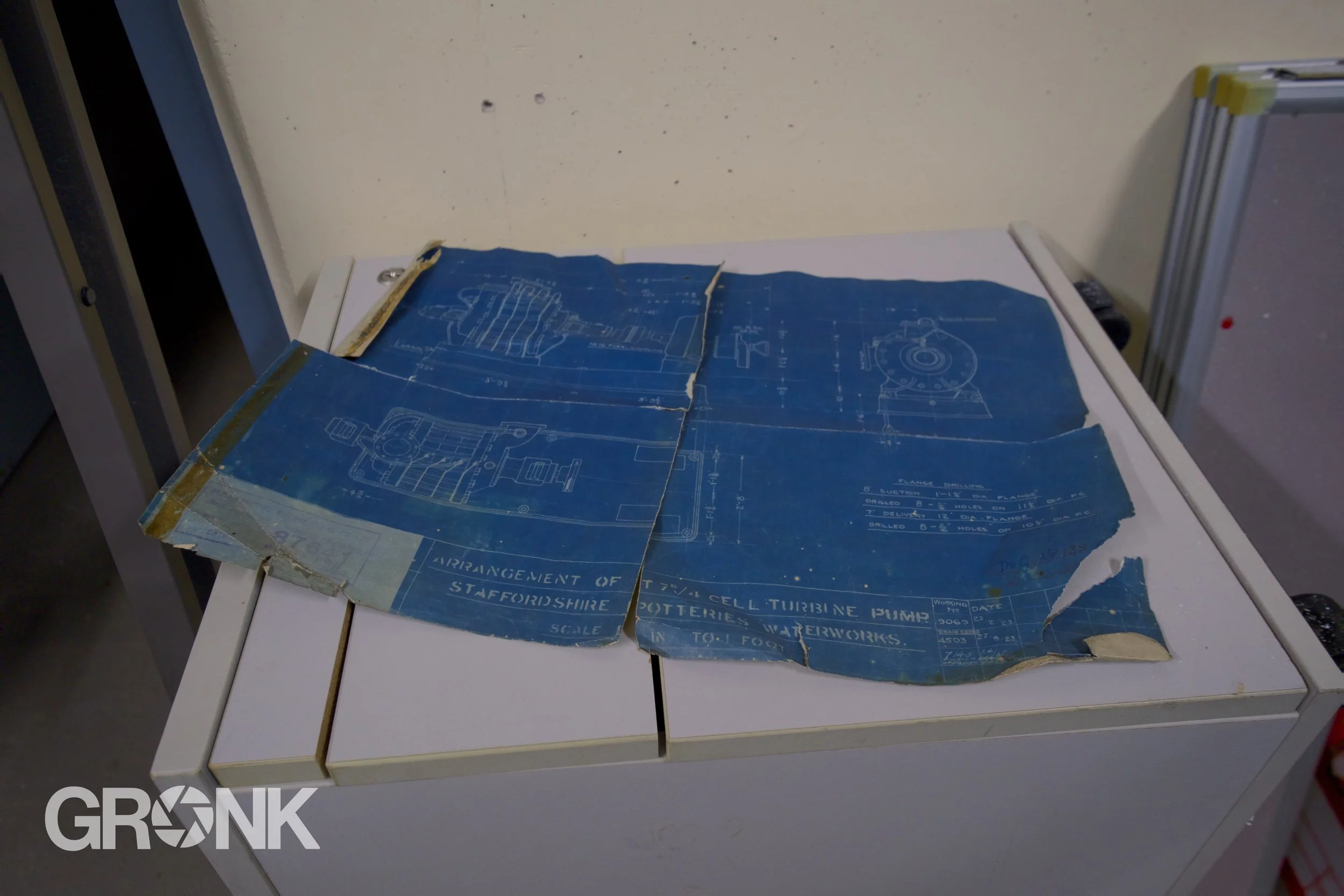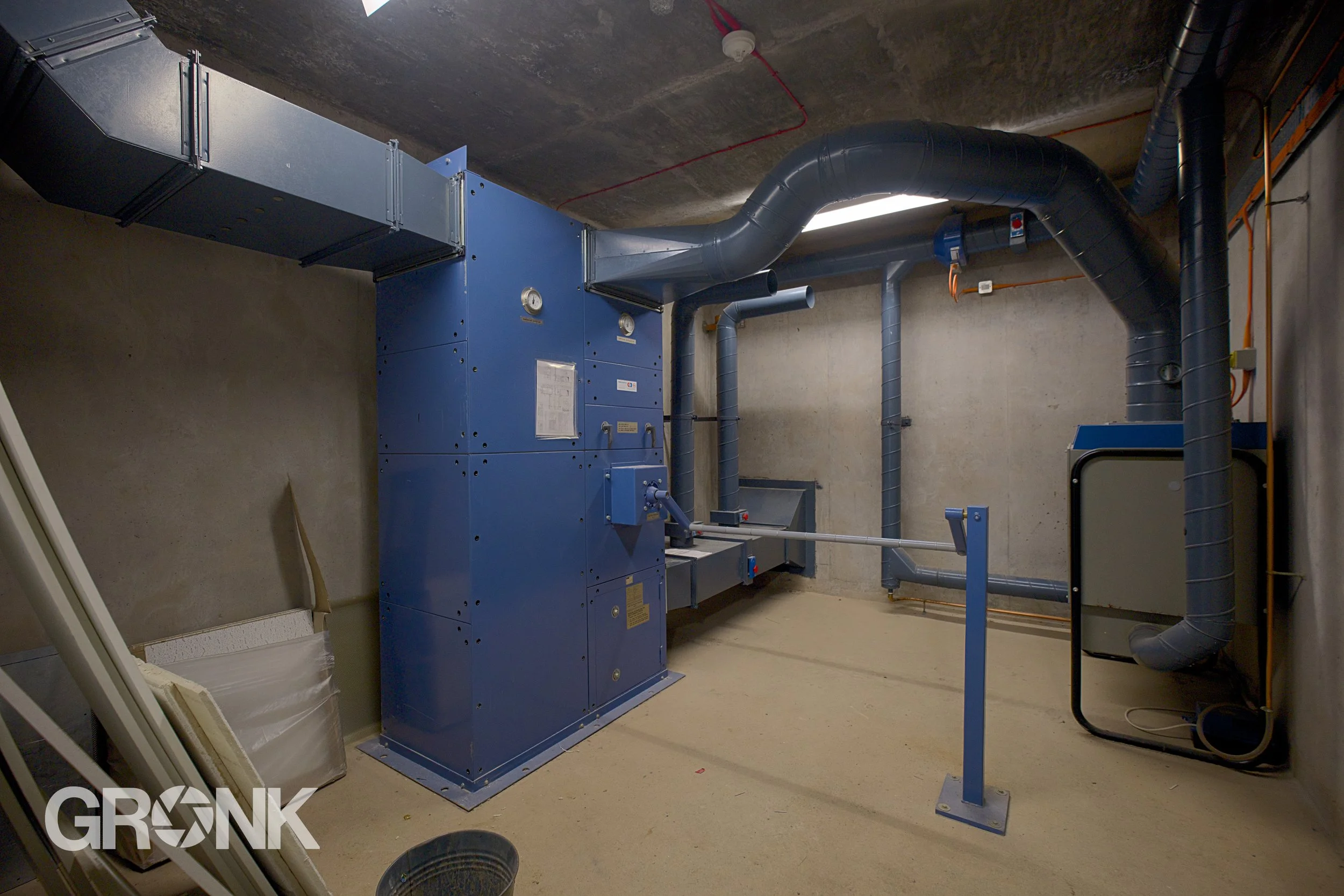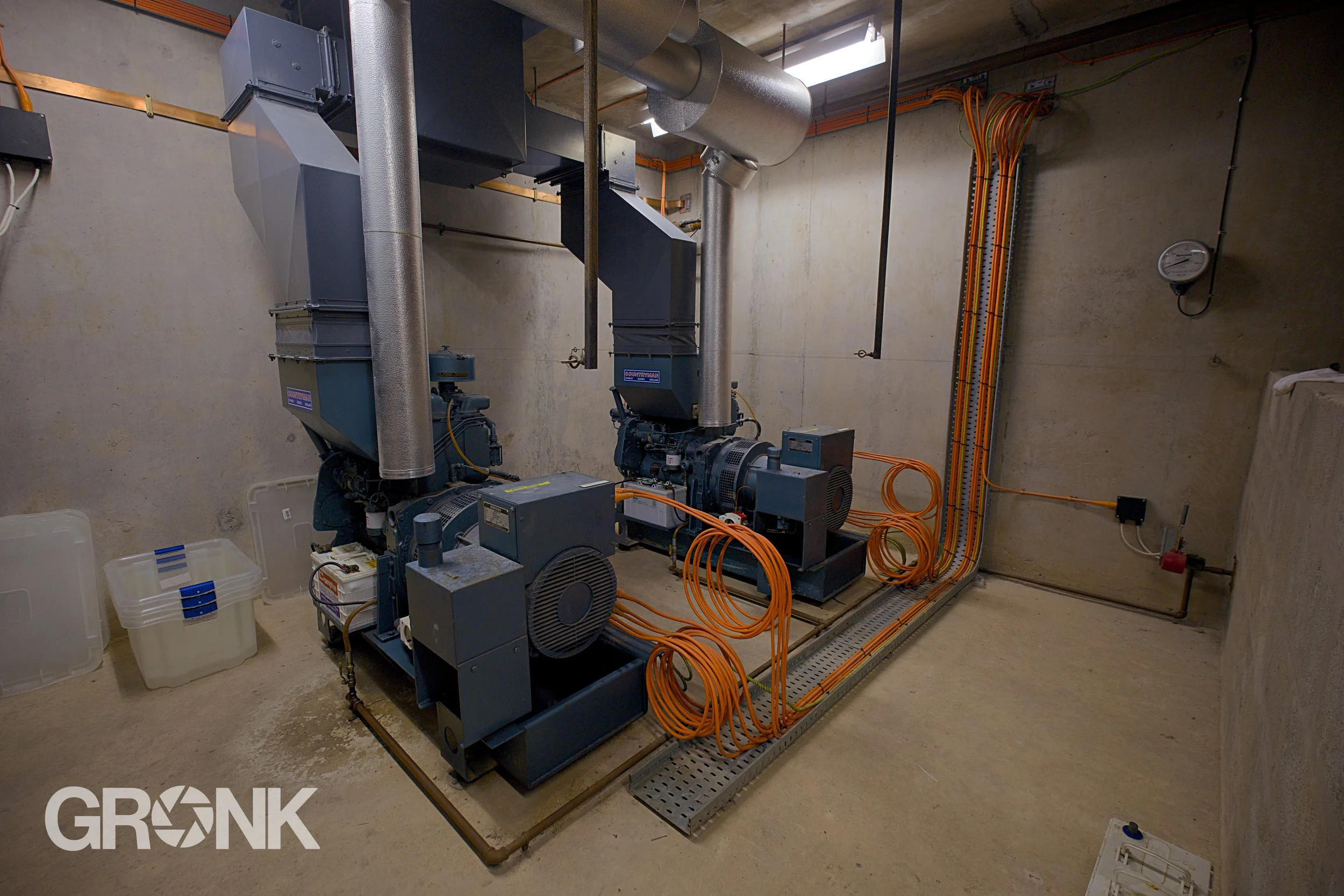
The Strongford Severn Trent Water Control Bunker, situated near Barlaston, south of Stoke-on-Trent, is part of an interesting chapter in Britain's Cold War history. The wider Strongford site has a much longer industrial history, dating back to the early development of sewage treatment in the Potteries. By 1924, sewage filter beds had been established on the site of the former Strongford Mill, beside the River Trent. As the population of Stoke-on-Trent and surrounding communities increased, the works expanded considerably, eventually becoming a major wastewater treatment facility serving hundreds of thousands of people.
The bunker itself is believed to have been constructed in the late 1980s as part of Severn Trent Water's Cold War emergency planning programme. During this period, the company constructed eight Emergency Control Centres across its region, including installations at Birmingham, Derby, Leicester, Nottingham, Shrewsbury, Warwick, Gloucester and Stoke-on-Trent.
These facilities were intended to provide secure locations from which essential water and sewage services could be coordinated in the event of a national emergency, including a nuclear attack. Similar installations were designed with reinforced structures, emergency power supplies, ventilation systems, communications facilities and accommodation for essential personnel.
However, following the end of the Cold War, the emergency control centres were reportedly never fully equipped and commissioned for their intended purpose. The Strongford bunker therefore represents an interesting but relatively little-documented part of Staffordshire's Cold War heritage. While the wider sewage works has a well-recorded industrial history, much less is publicly known about the bunker's original construction, internal layout and subsequent use.