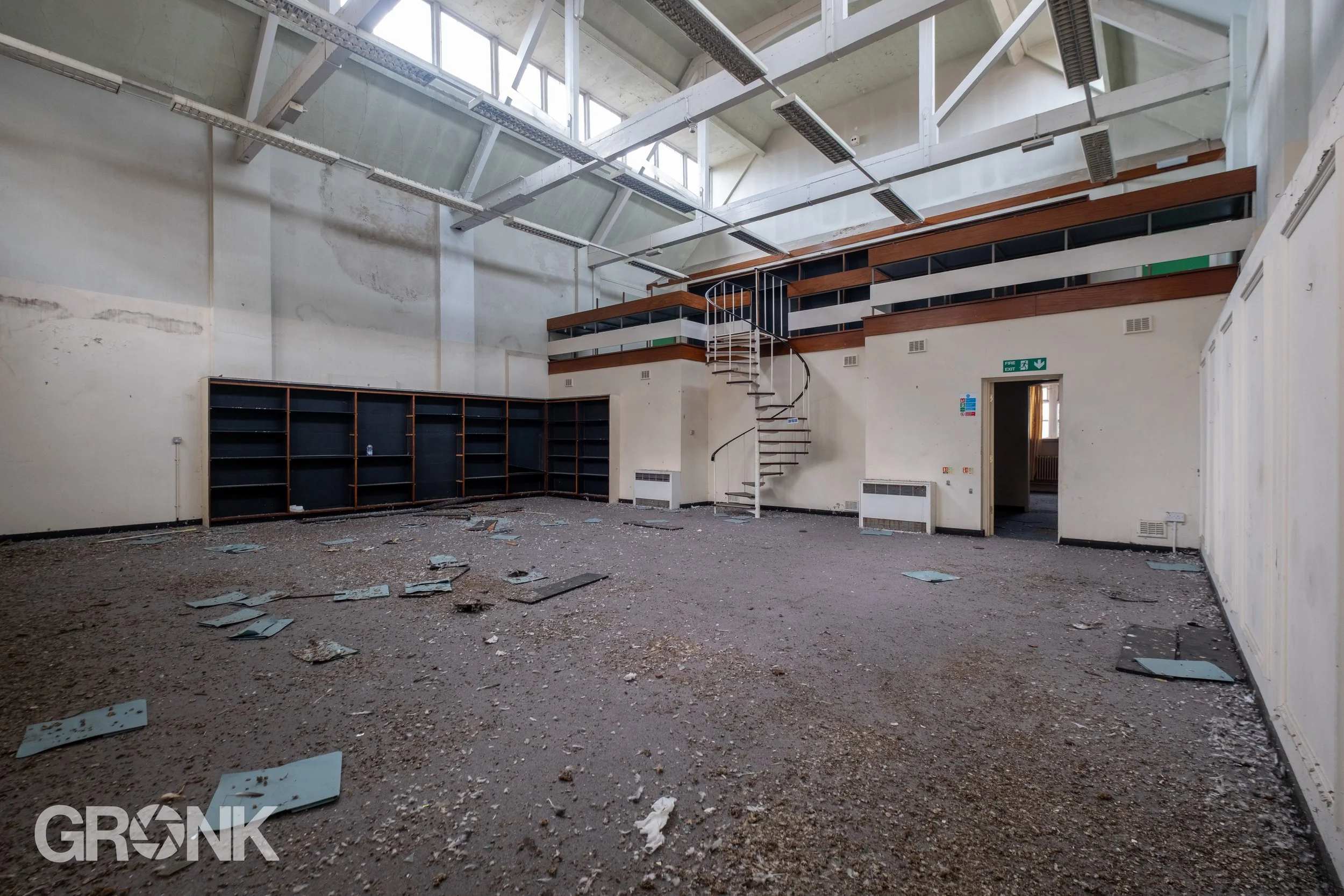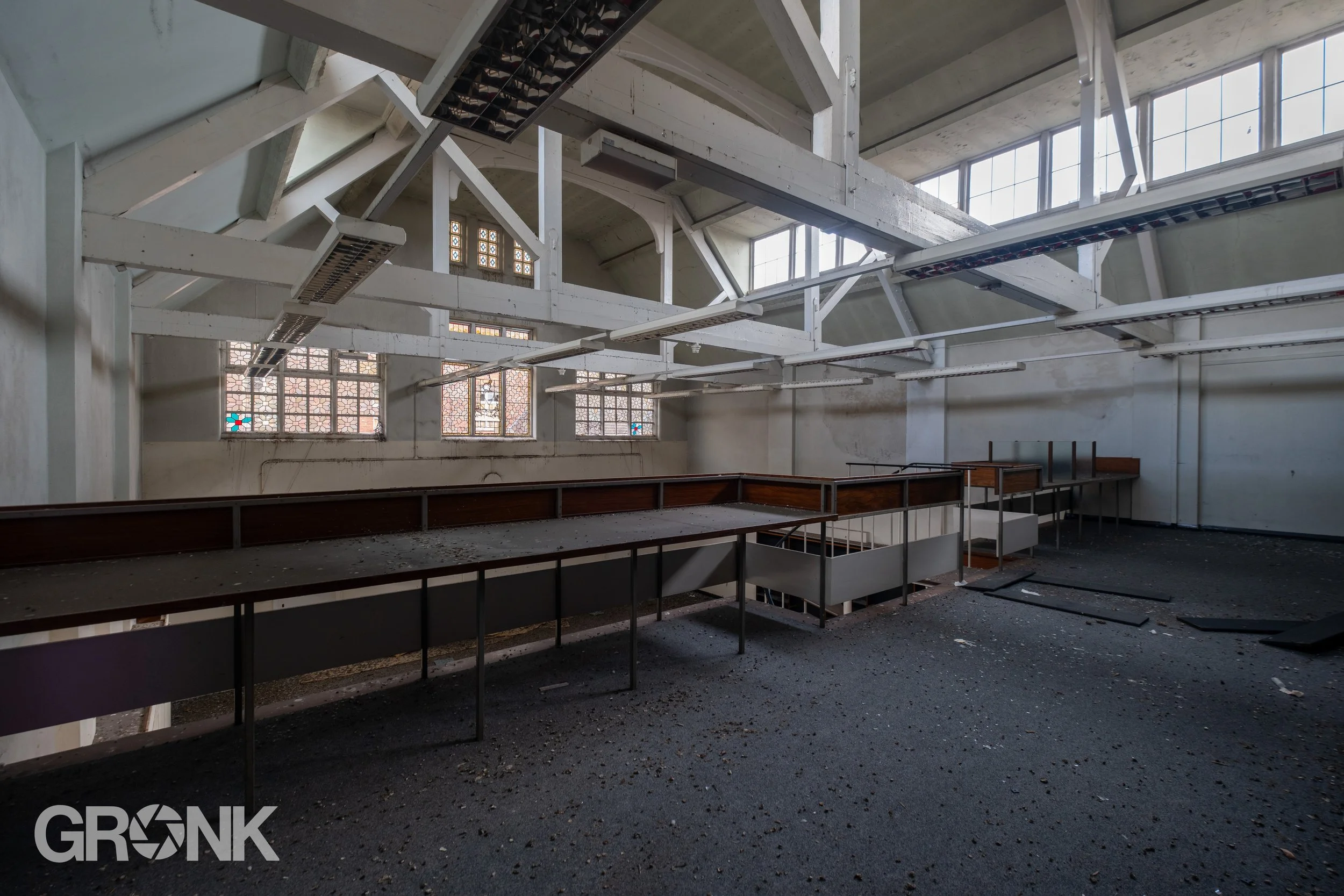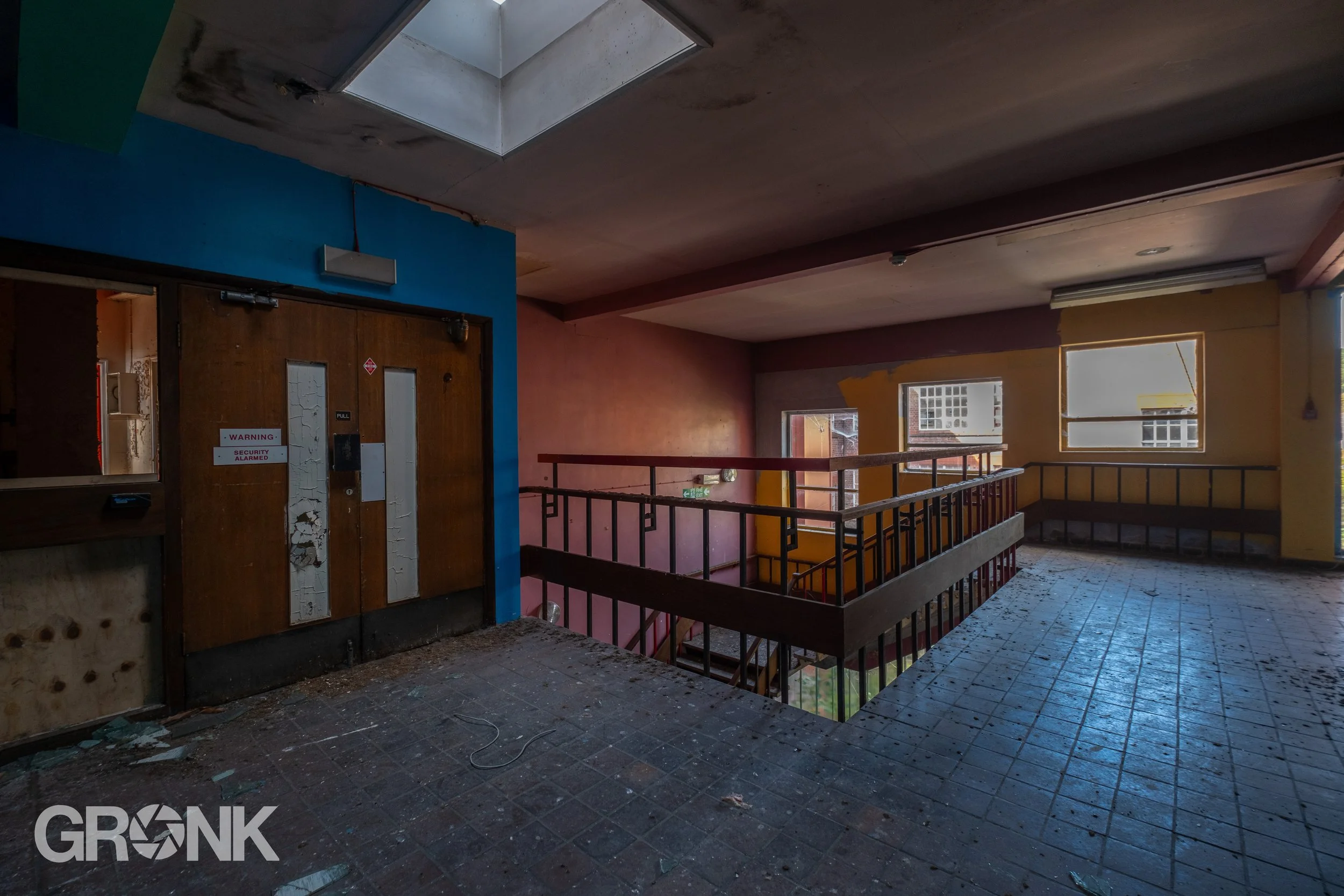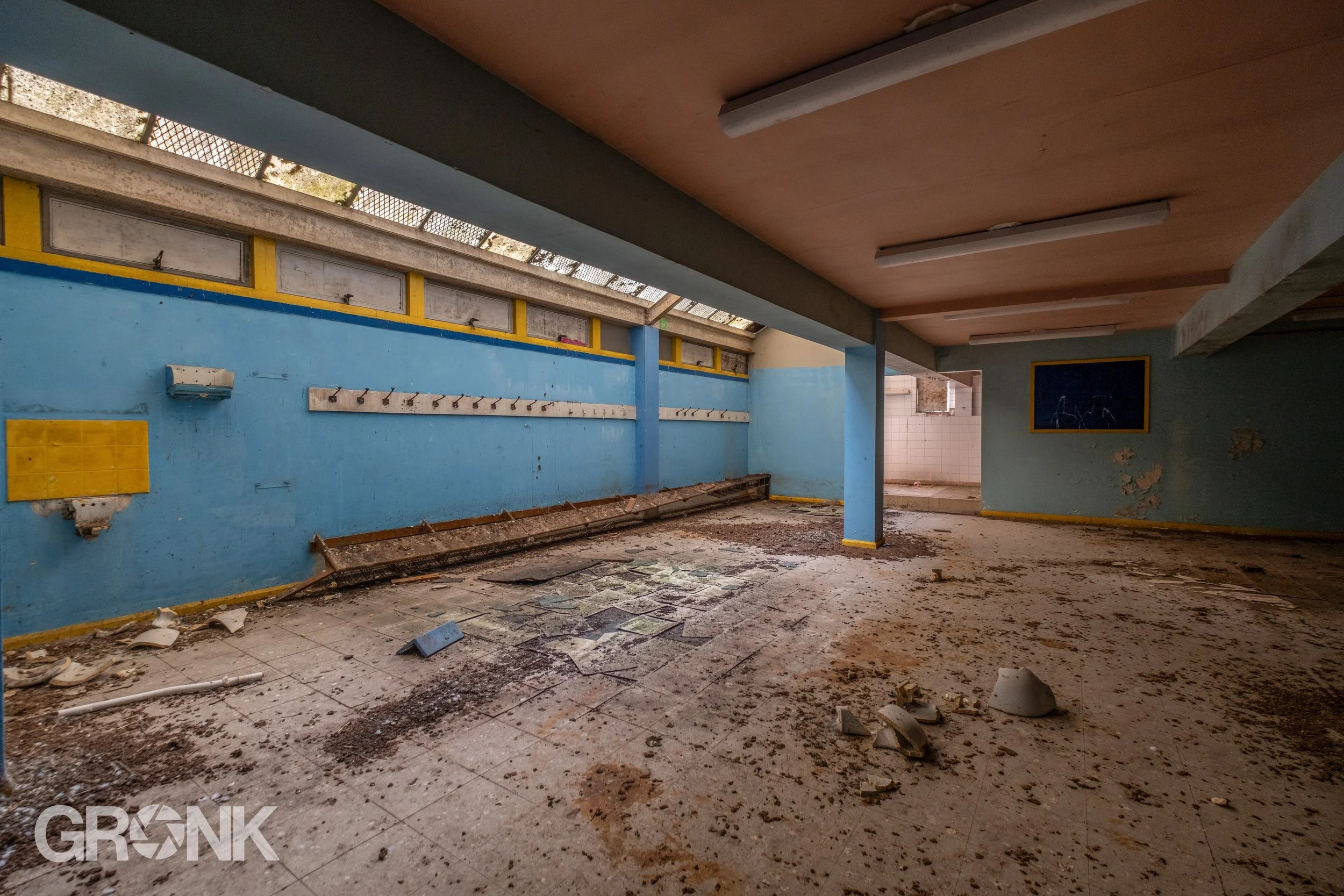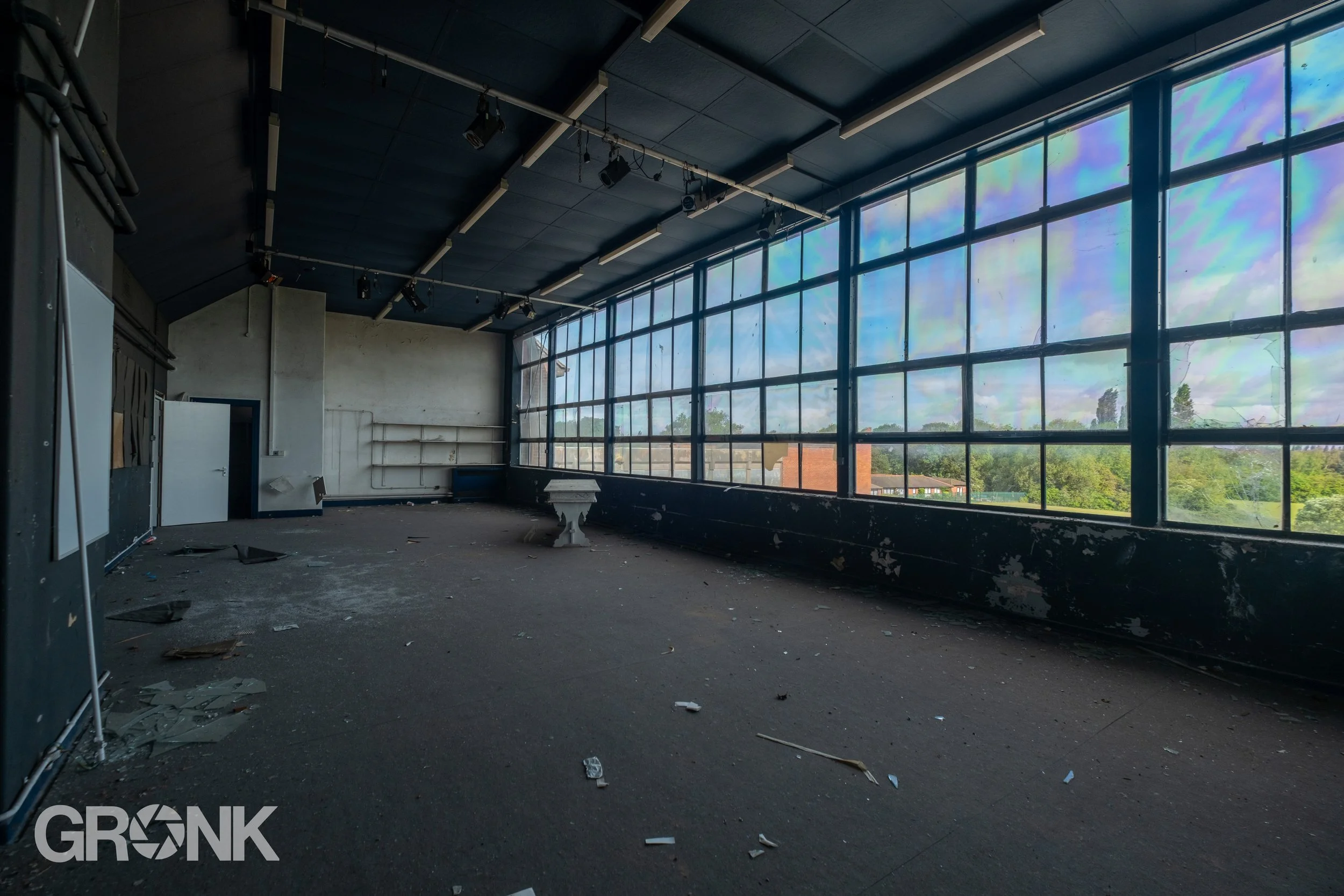
Verdin County Grammar School, Winsford
In the 1890s, there was a growing demand for technical education in Winsford. William Henry Verdin, a member of the prominent Verdin family, initially attempted to convert Darnhall School into a science and technical institution in 1893, but his proposal was rejected. Subsequently, Sir Joseph Verdin, along with his brothers Robert and William—who operated Joseph Verdin & Sons, the largest salt manufacturer in the UK by 1881—decided to use their wealth to benefit the local community. In 1889, they established the Verdin Trust to compensate individuals for property subsidence caused by brine pumping.
However, with the introduction of the Brine Pumping (Compensation for Subsidence) Act of 1891, which provided compensation to property owners, the trust became redundant. Consequently, Sir Joseph Verdin redirected the funds towards the construction of technical schools in Winsford and Northwich.
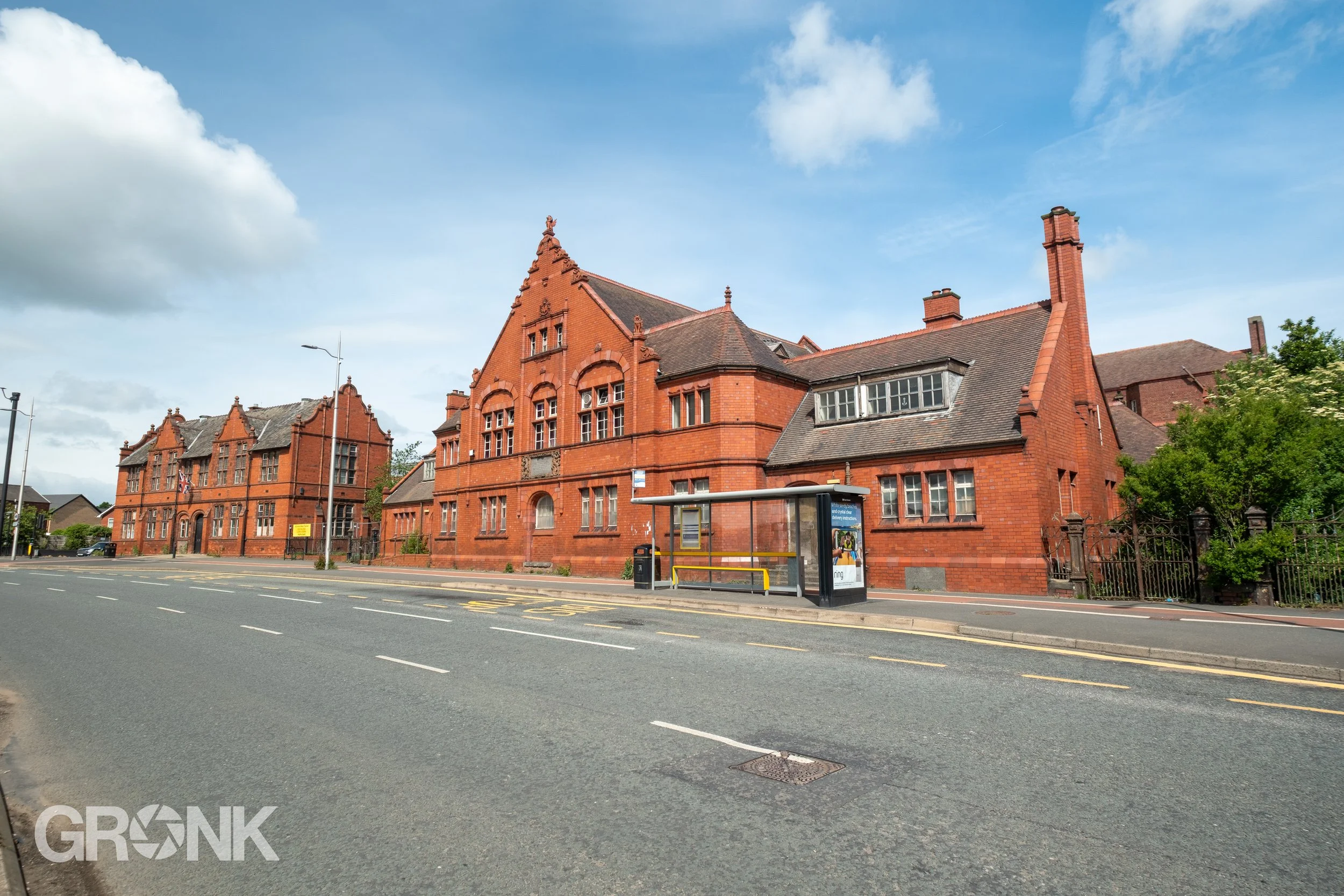
The Verdin Technical School in Winsford was built in 1895. It was designed by the Manchester-based architectural firm Woodhouse and Willoughby and constructed by the local builder James Fowles & Sons. The foundation stone was laid on 4 August 1894 by William Henry Verdin, and the school was officially opened on 8 August 1895 by the Duke and Duchess of Westminster.
The Verdin Building is a notable example of Netherlandish Renaissance architecture. Constructed with red Flemish bond brick, ashlar dressings, and a plain tile roof, it features distinctive elements such as shaped gables, winged lion finials, and terracotta detailing. The central entrance is flanked by projecting bays, and the building includes a coat of arms above the attic window. Due to its architectural and historical importance, the building was designated a Grade II listed structure on 12 March 1986.
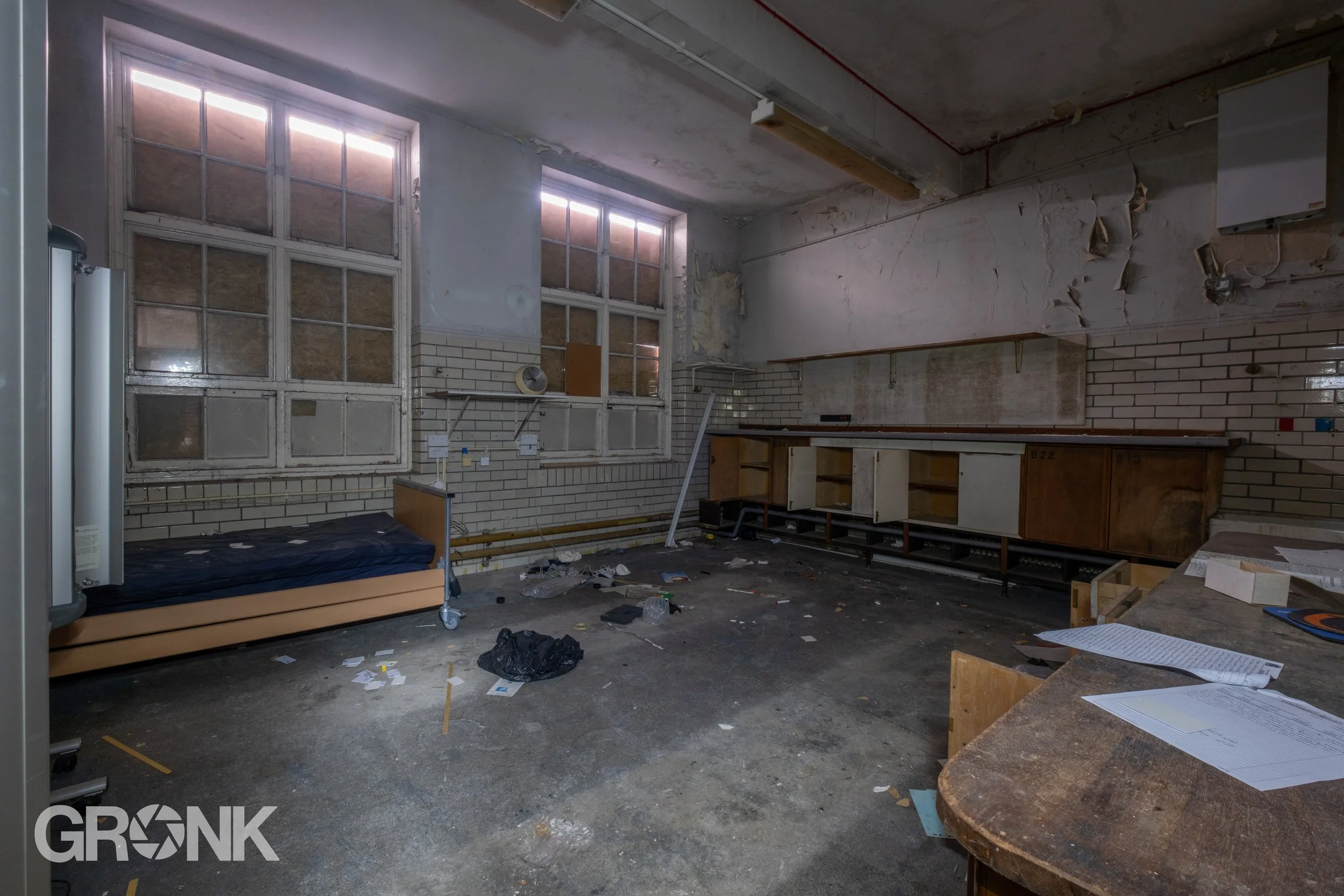
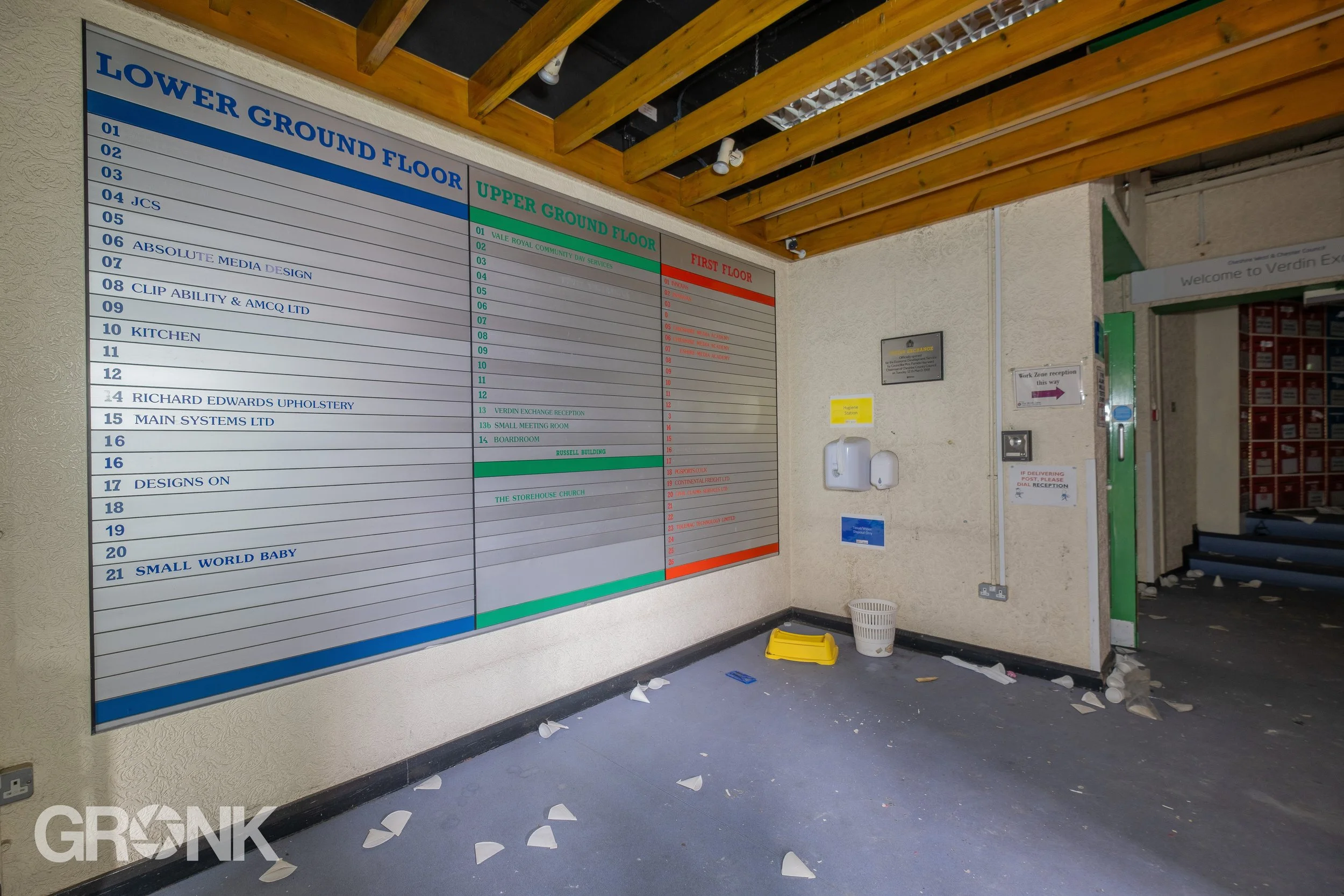
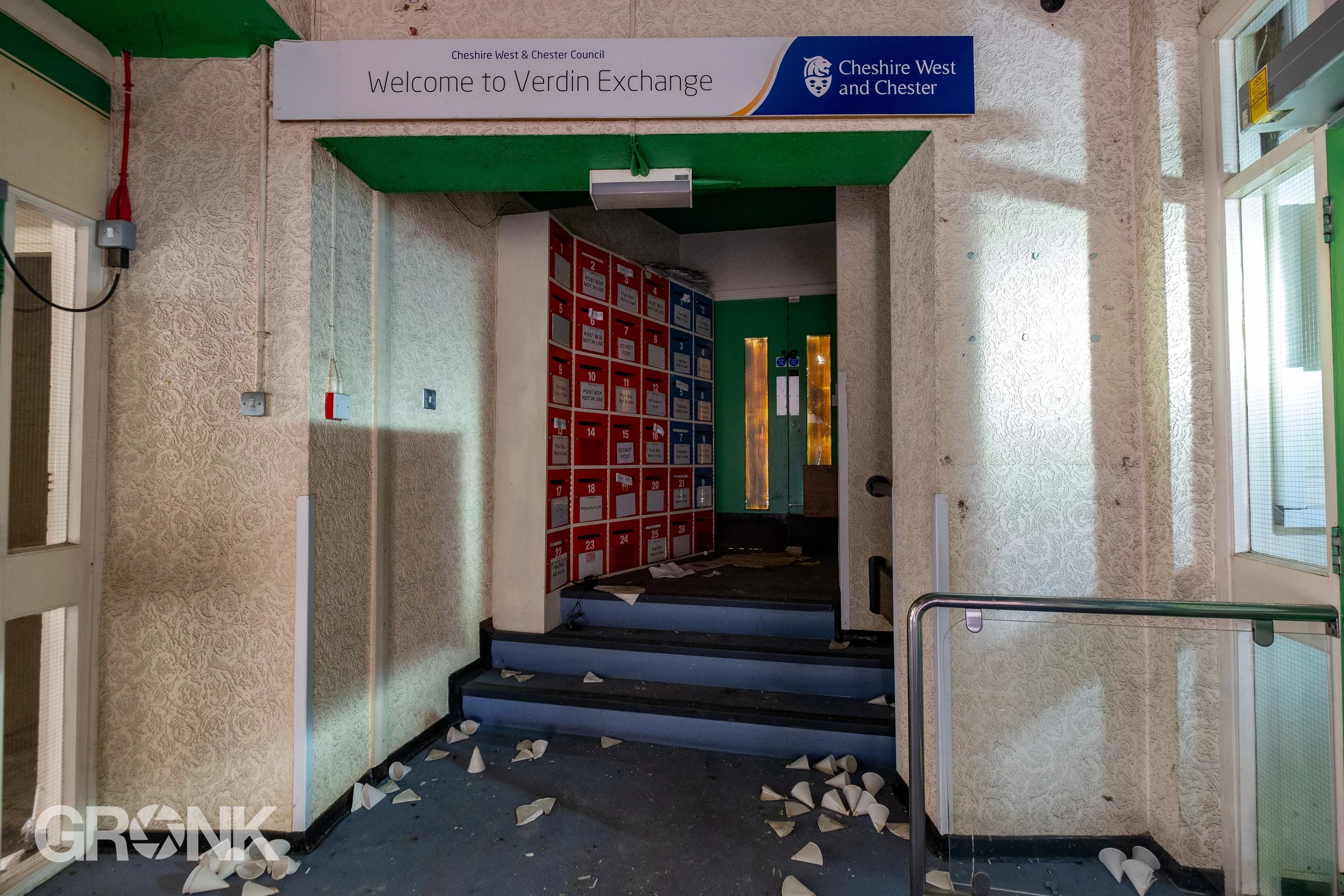
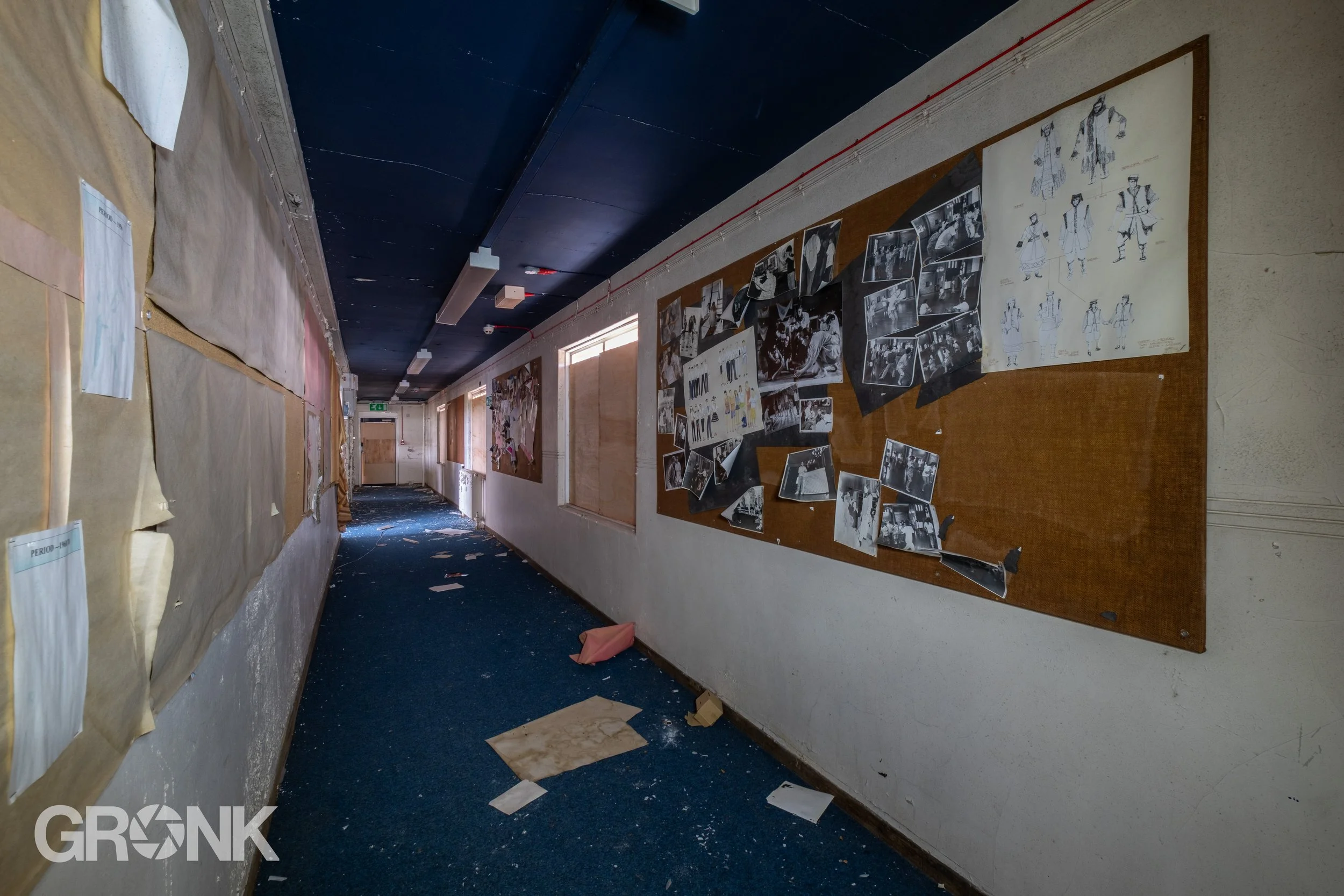
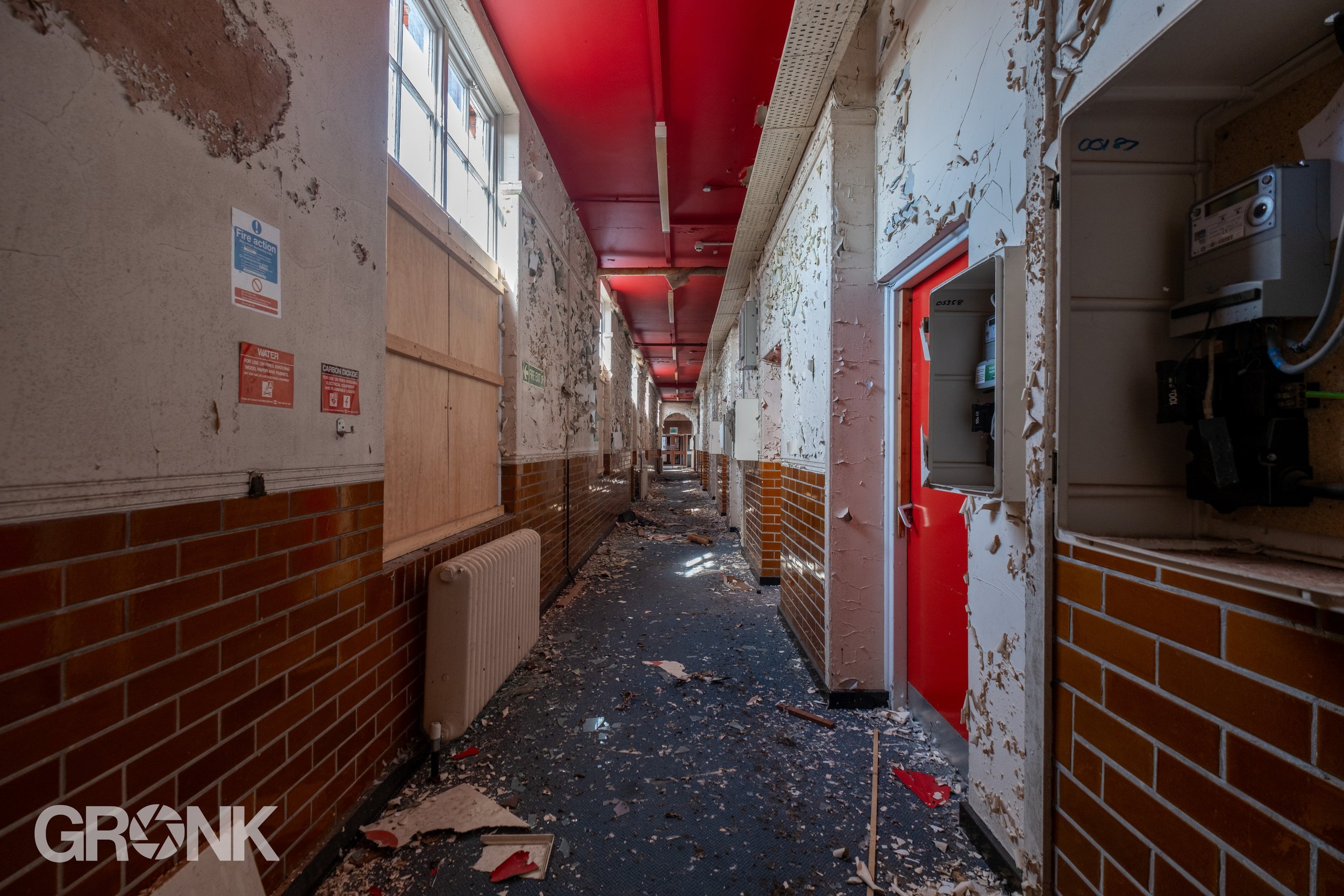
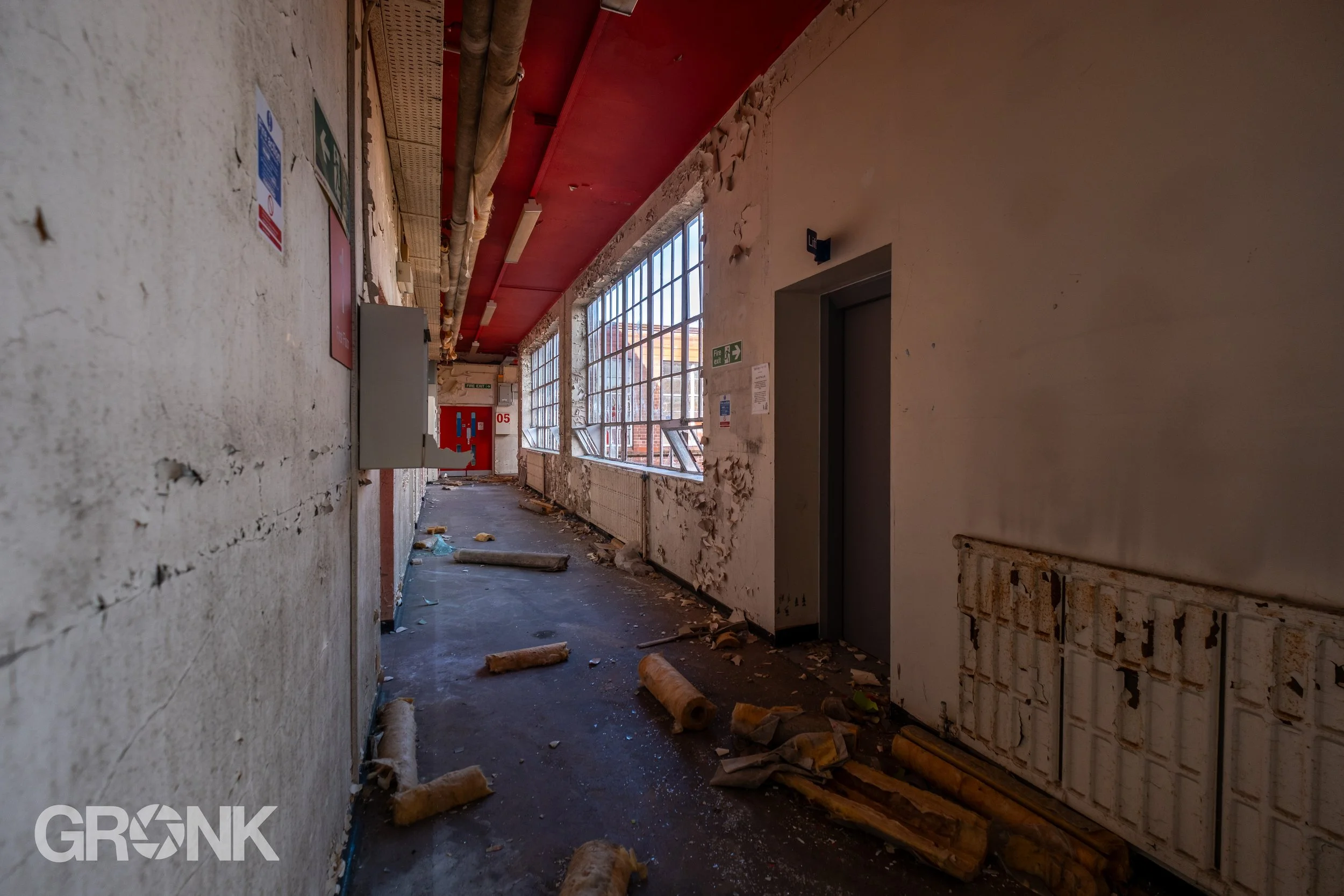
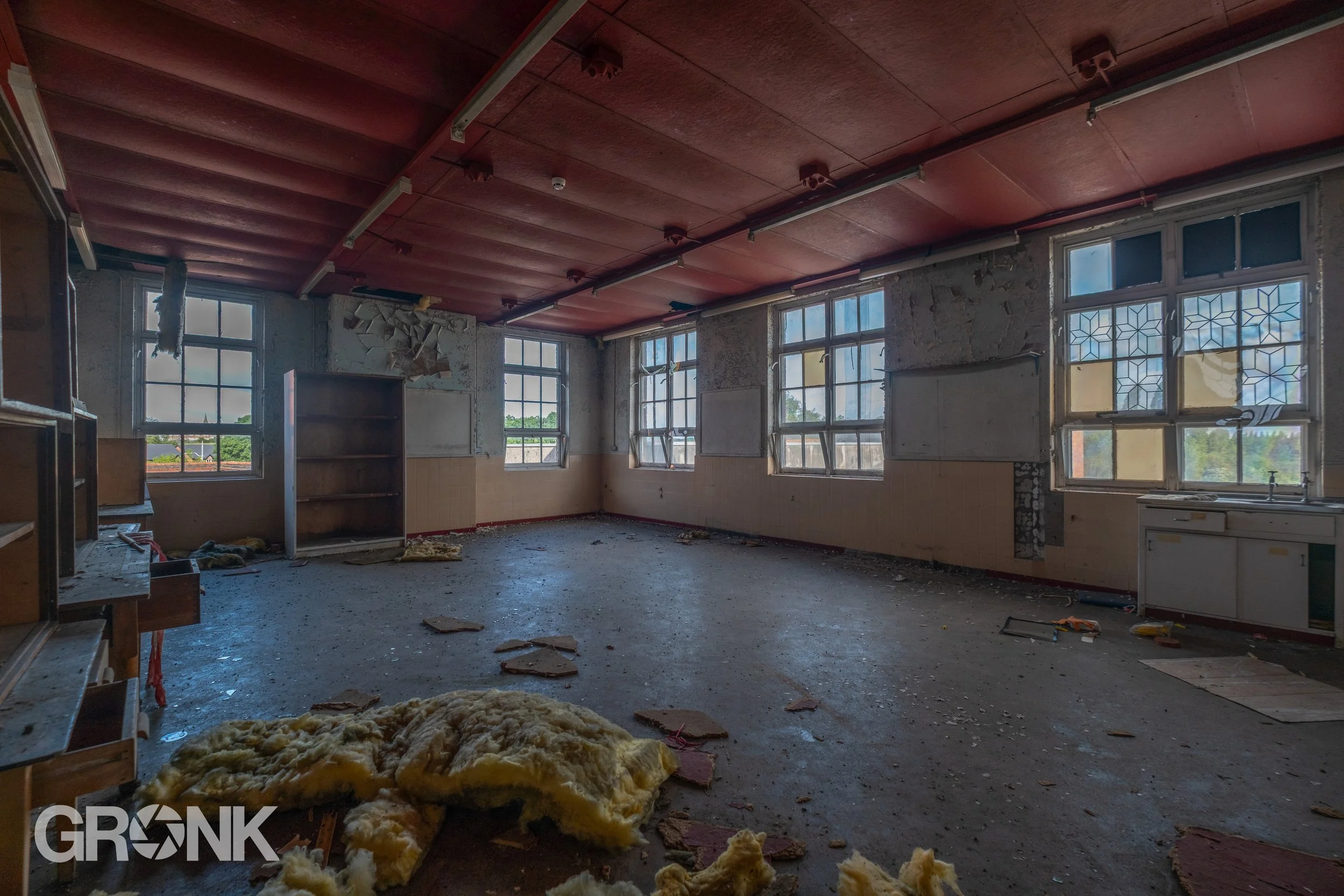
Following its closure as a grammar school, the building was repurposed as the 'Verdin Exchange,' a small-business start-up centre, which opened in 1991. However, the exchange eventually relocated during the COVID-19 pandemic, and the building has remained unoccupied since.