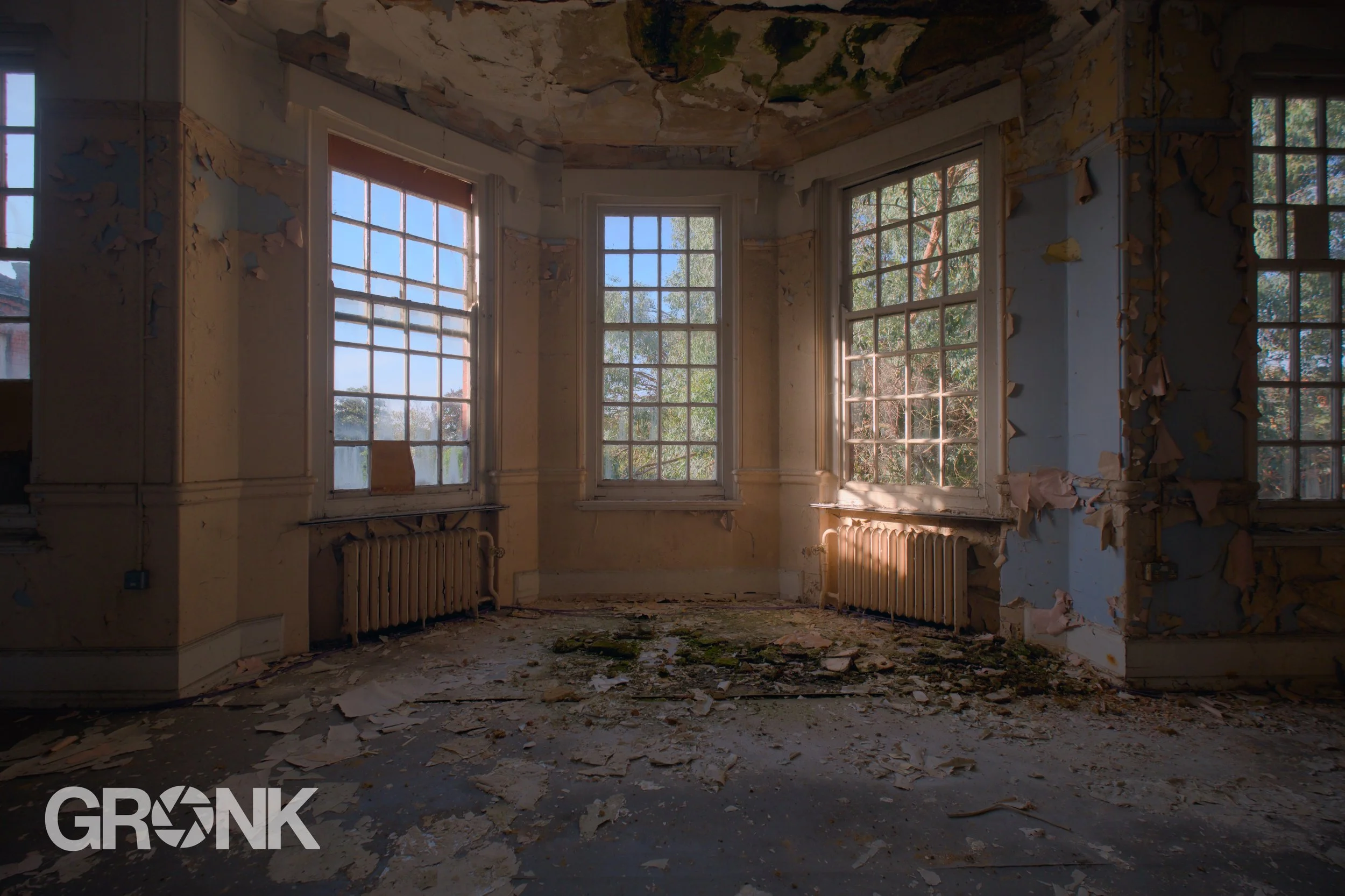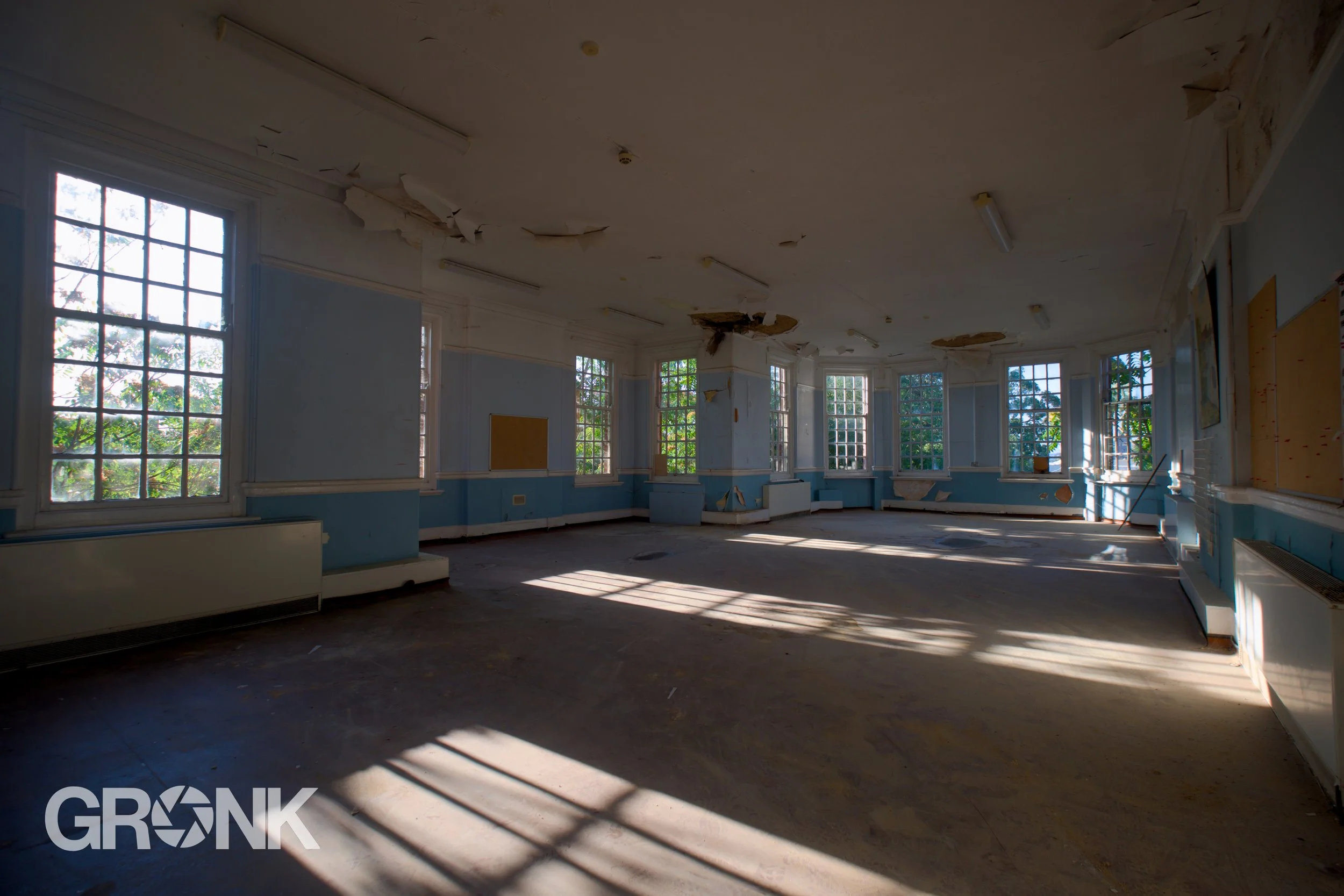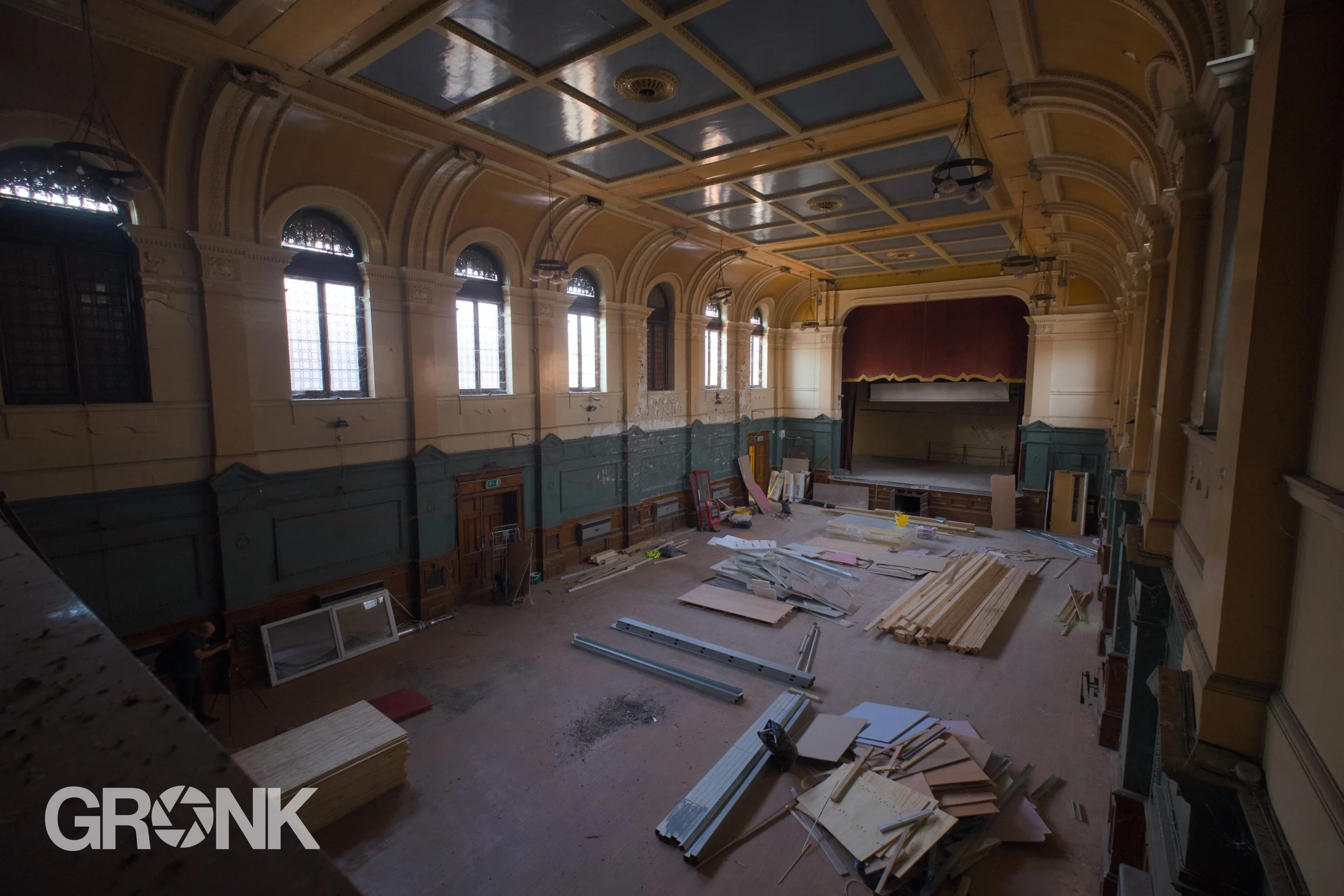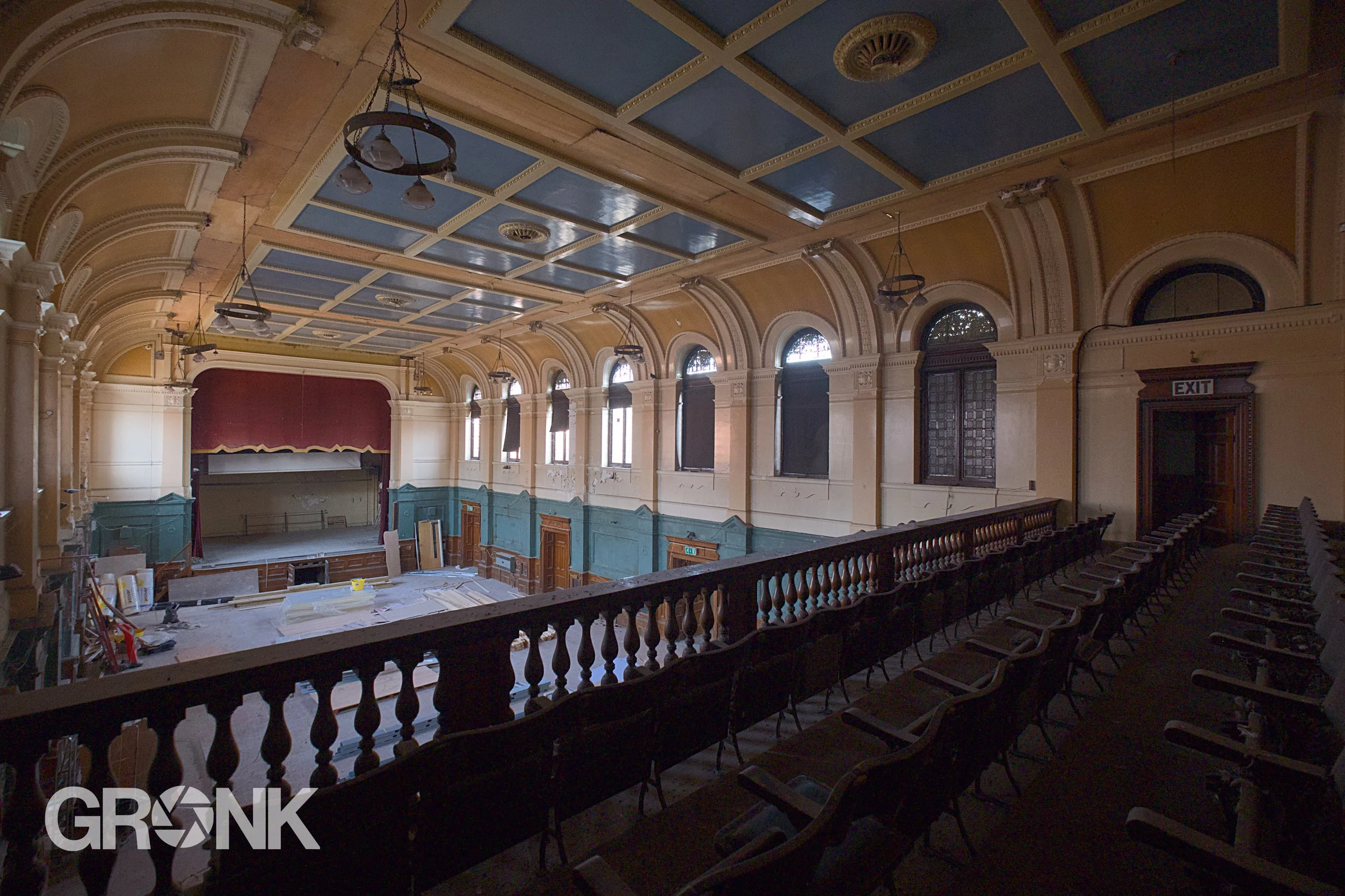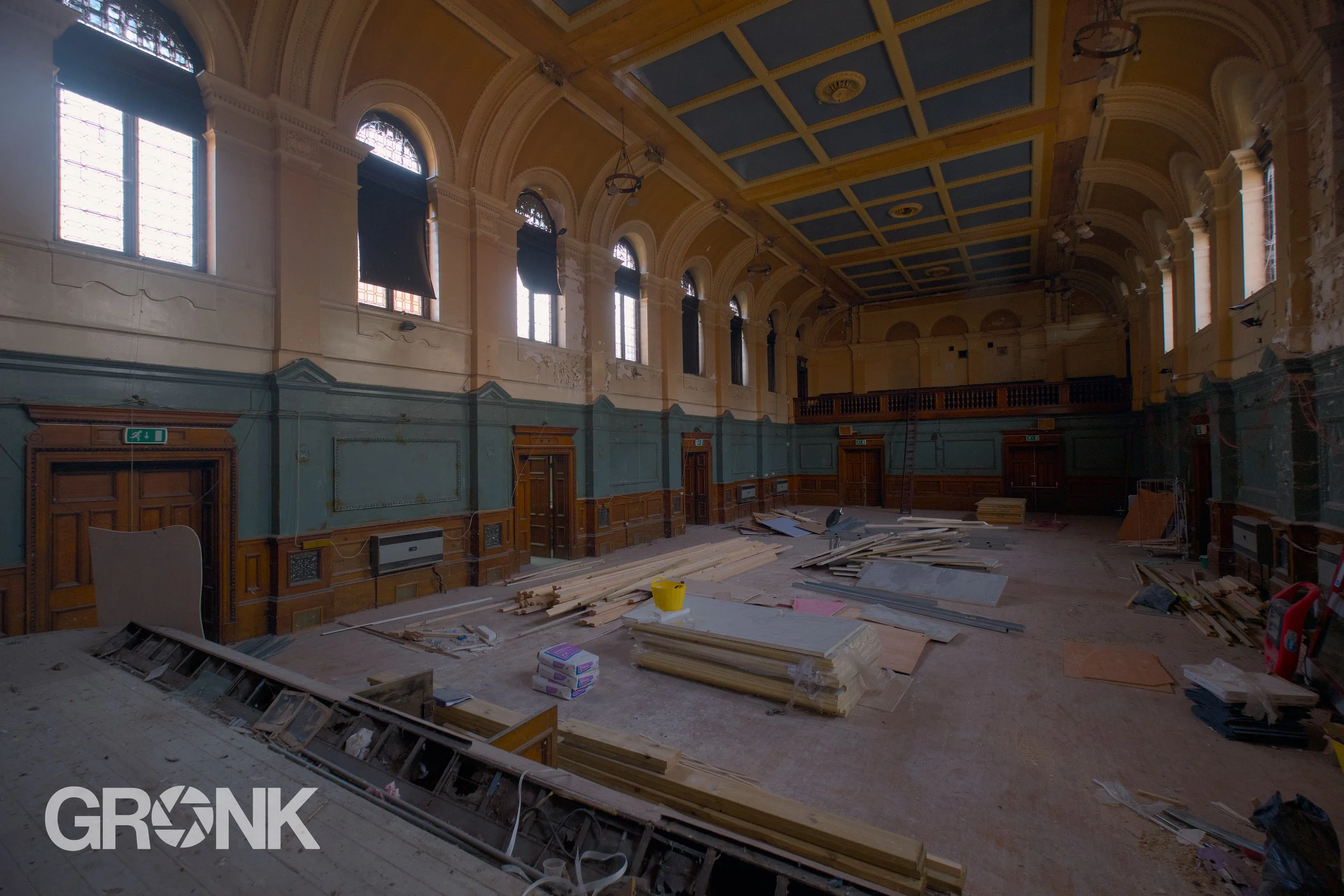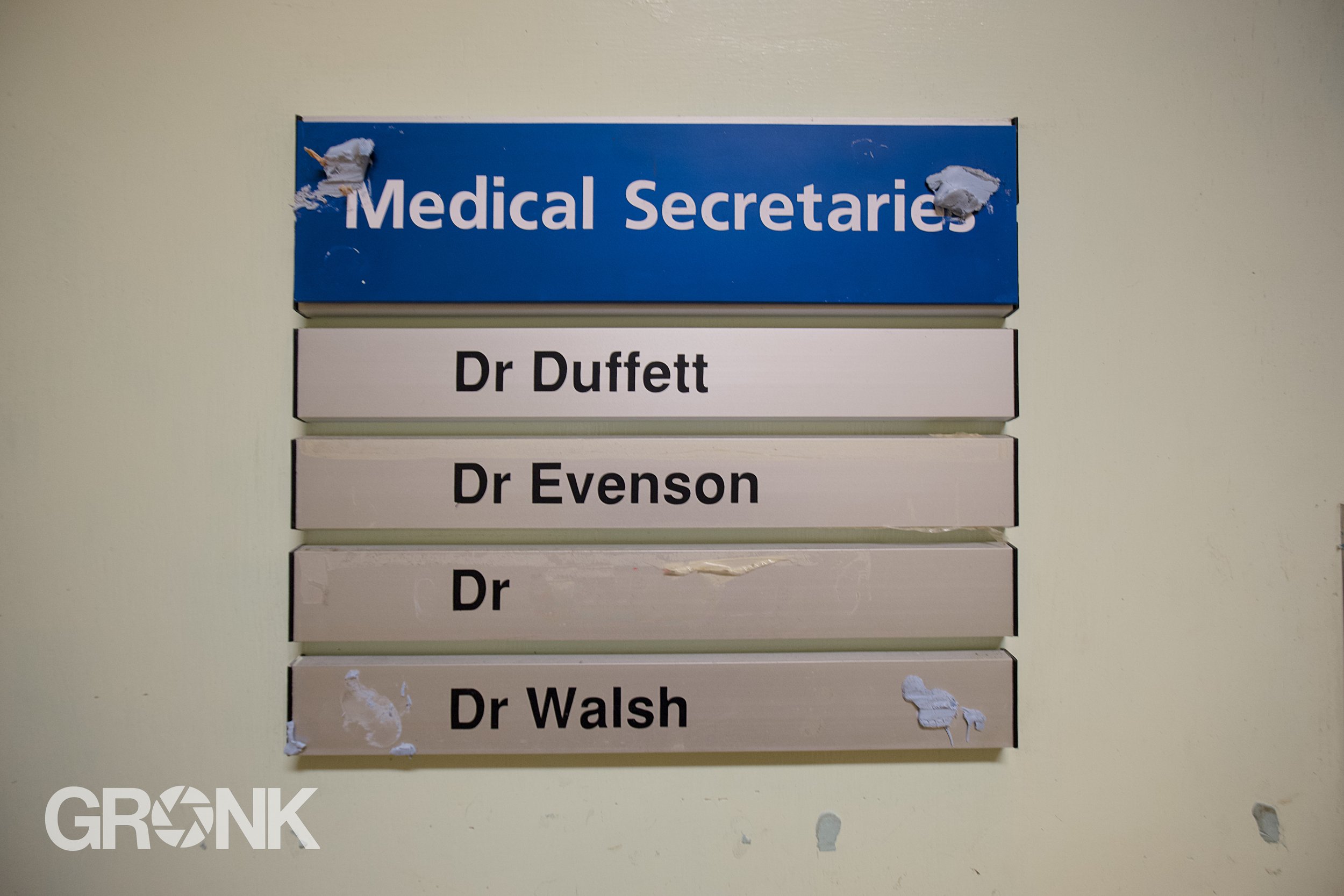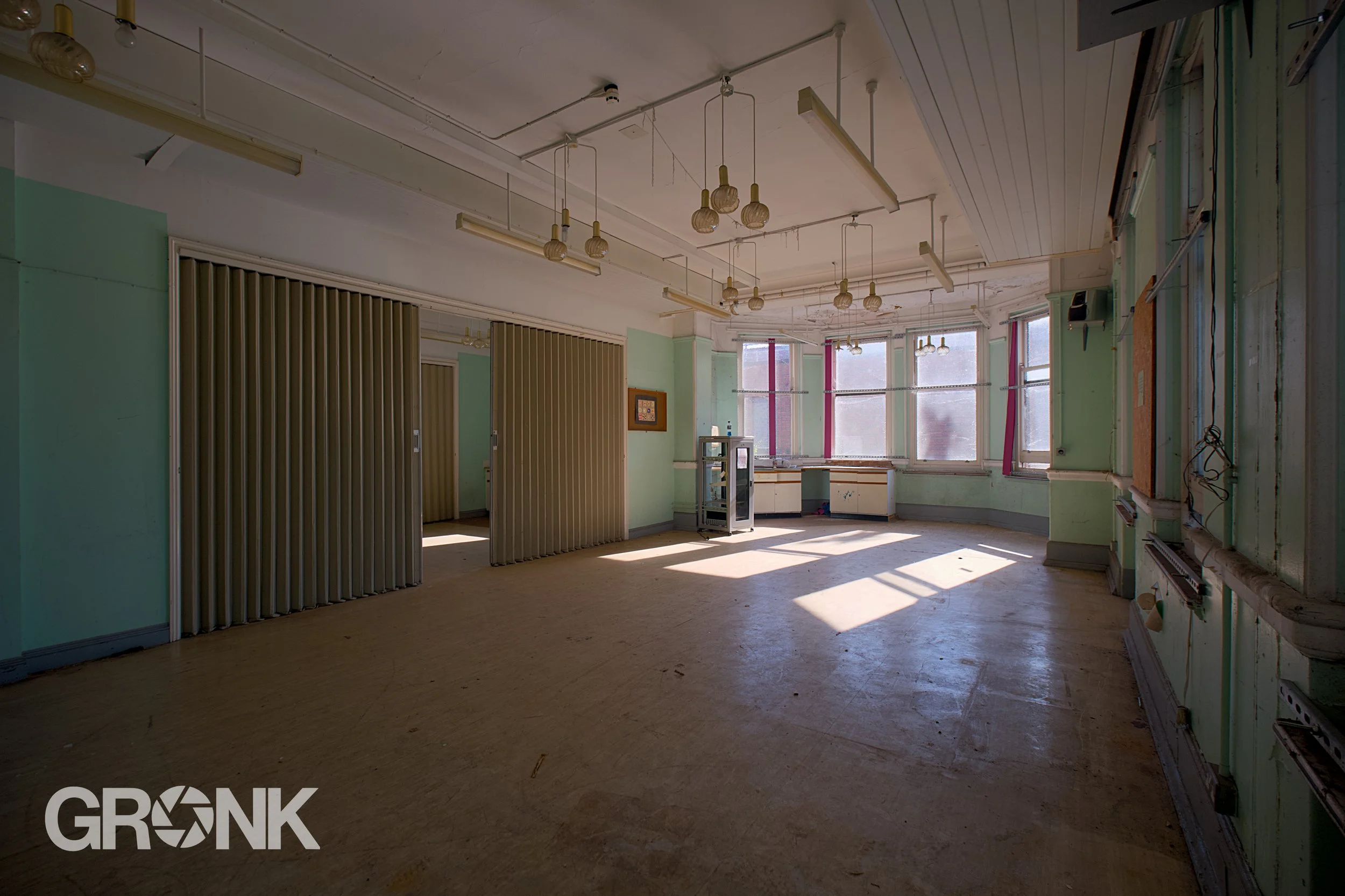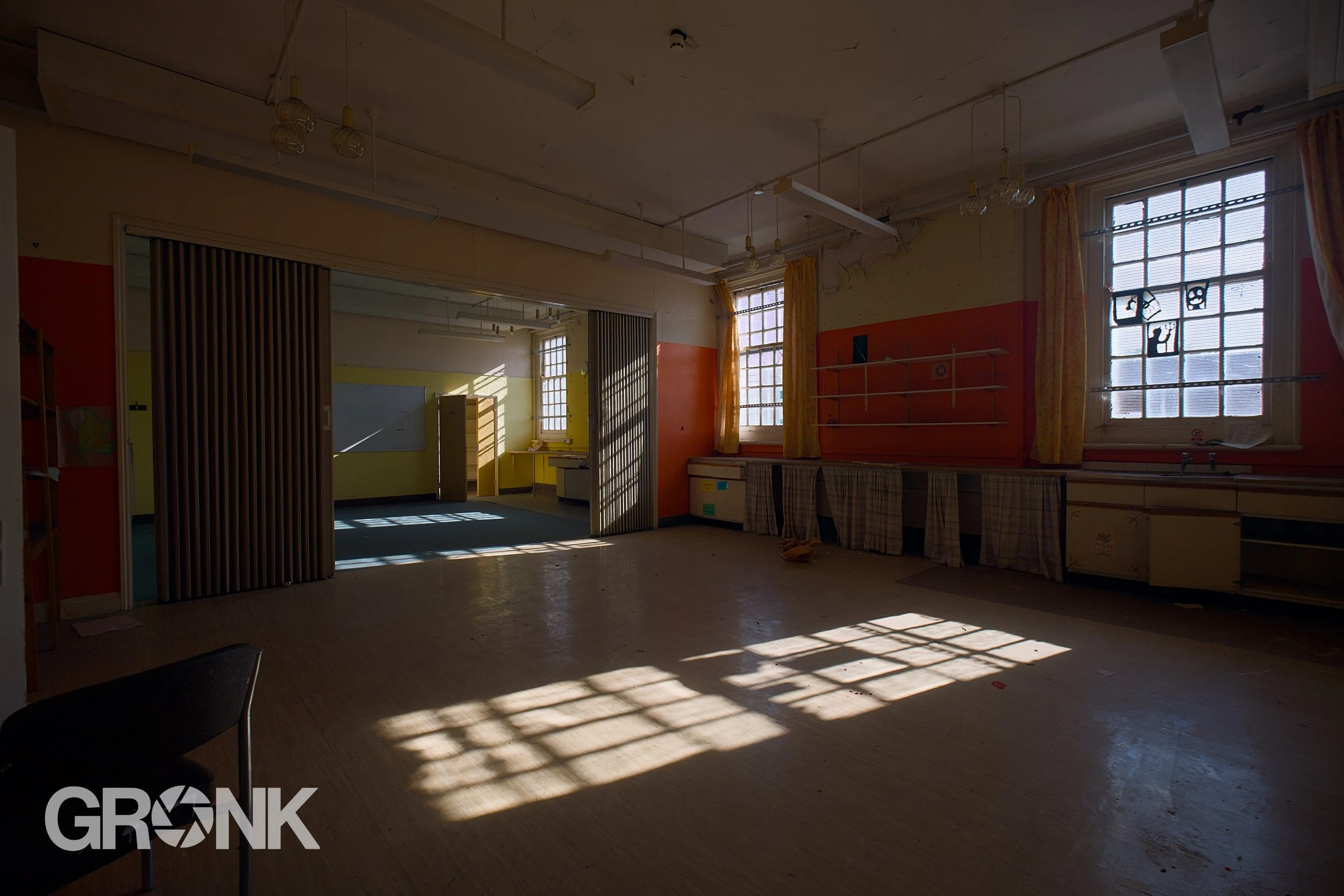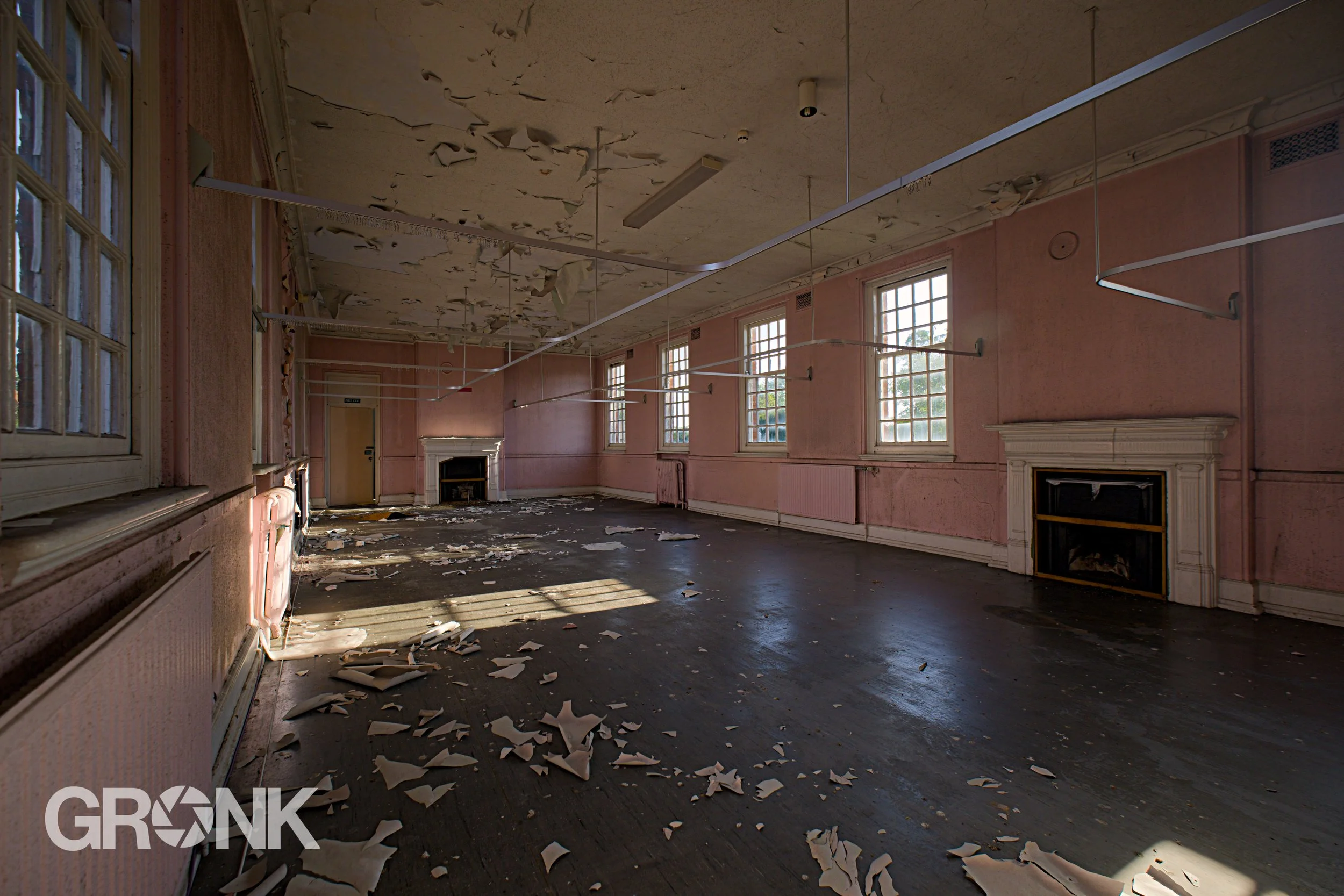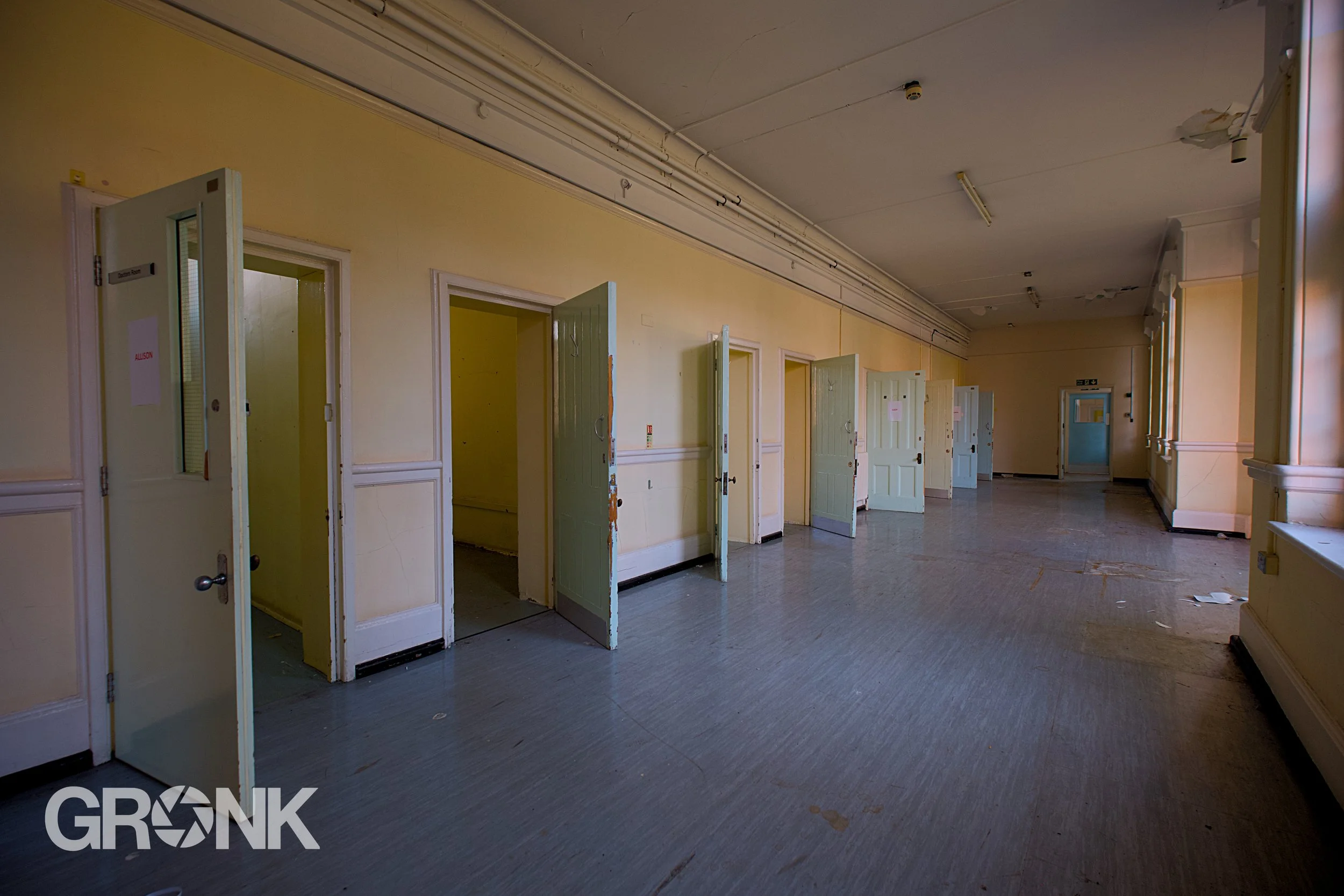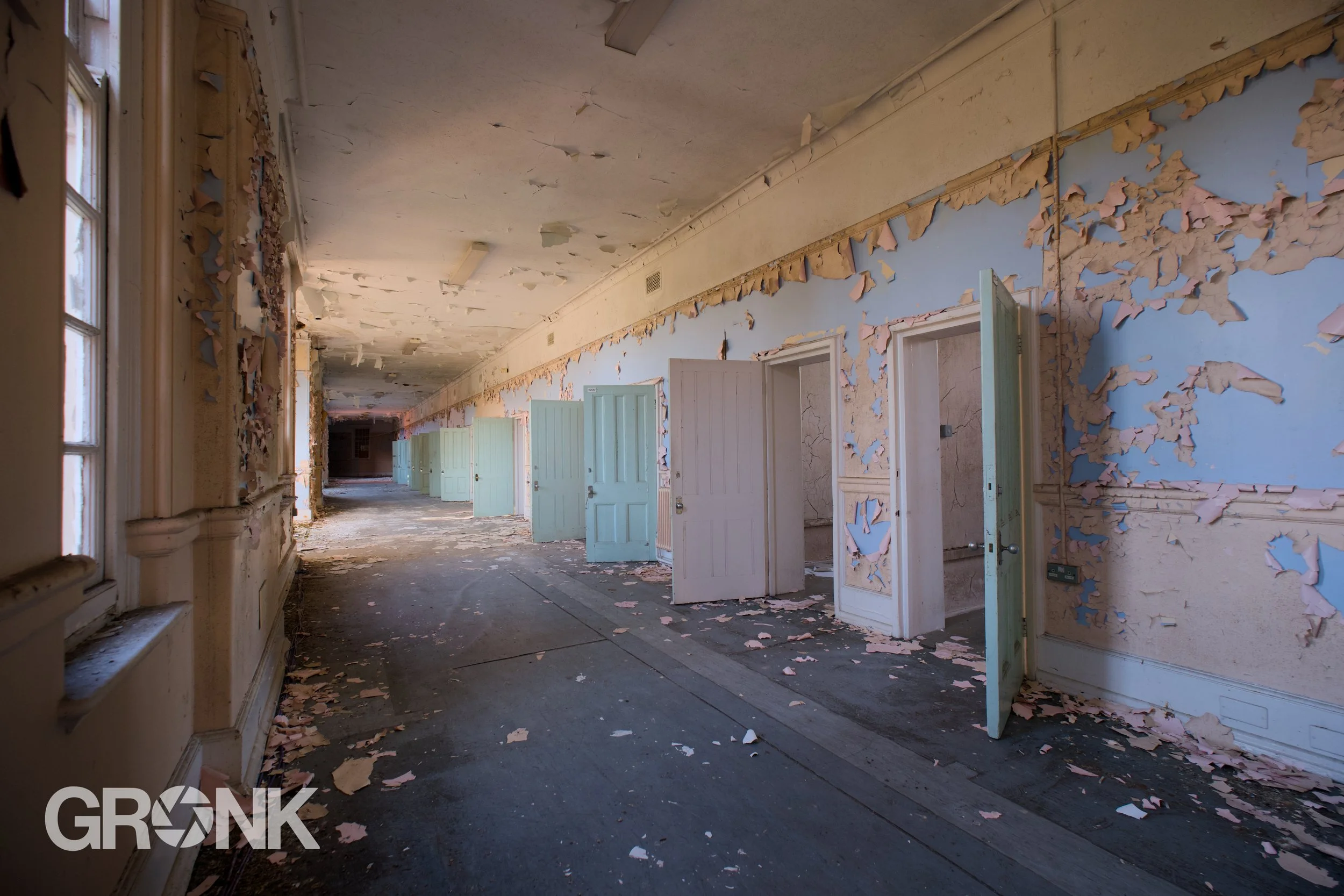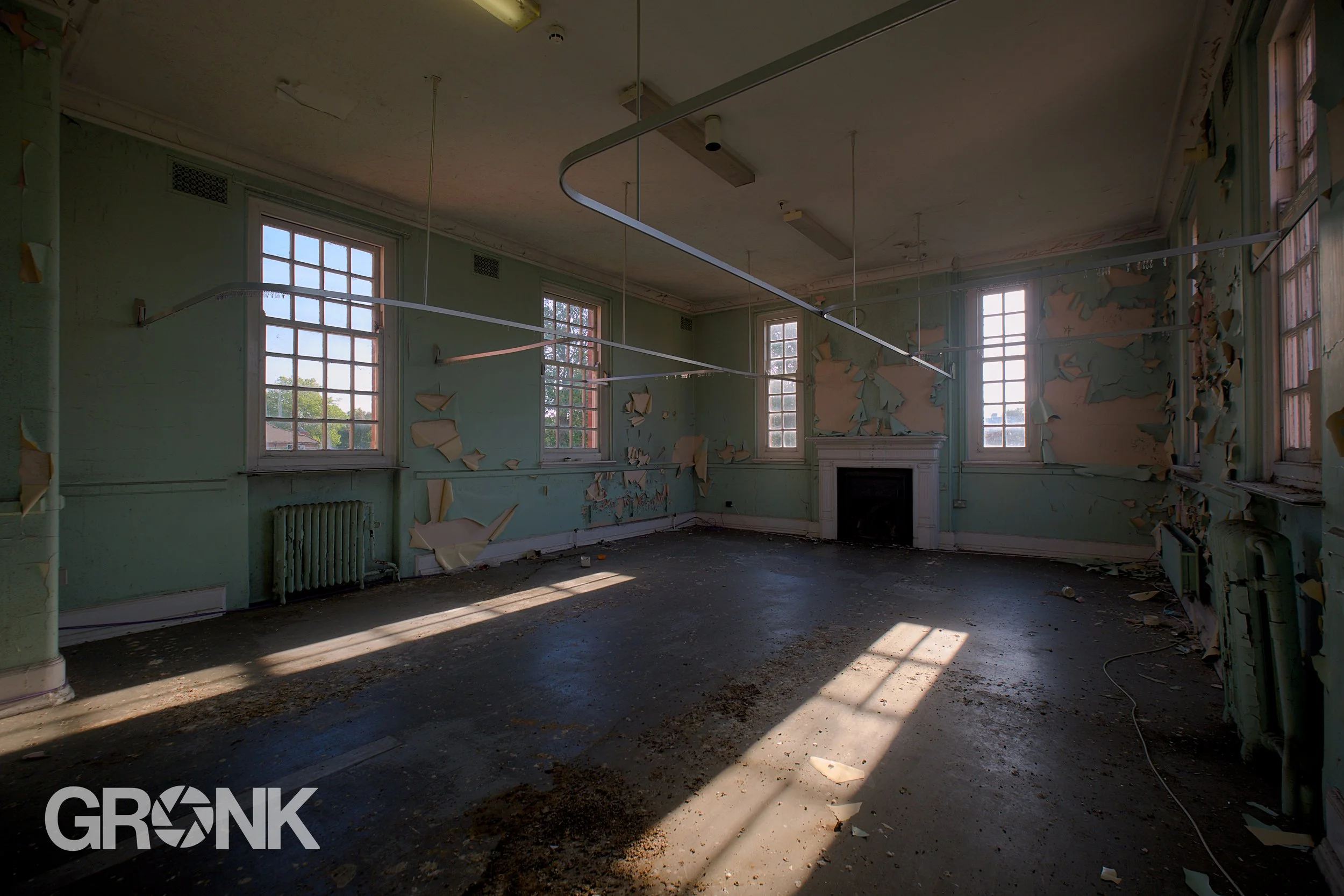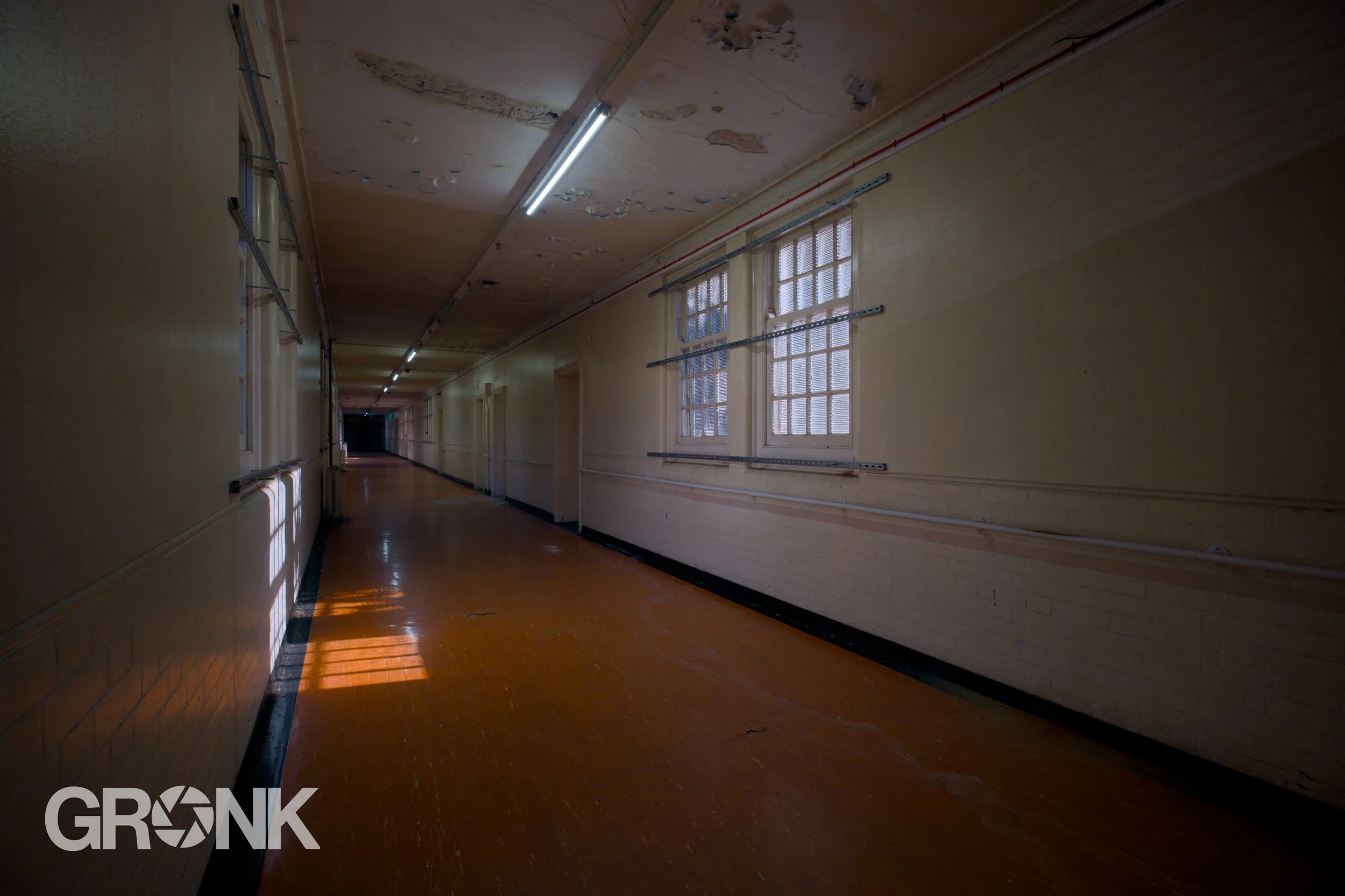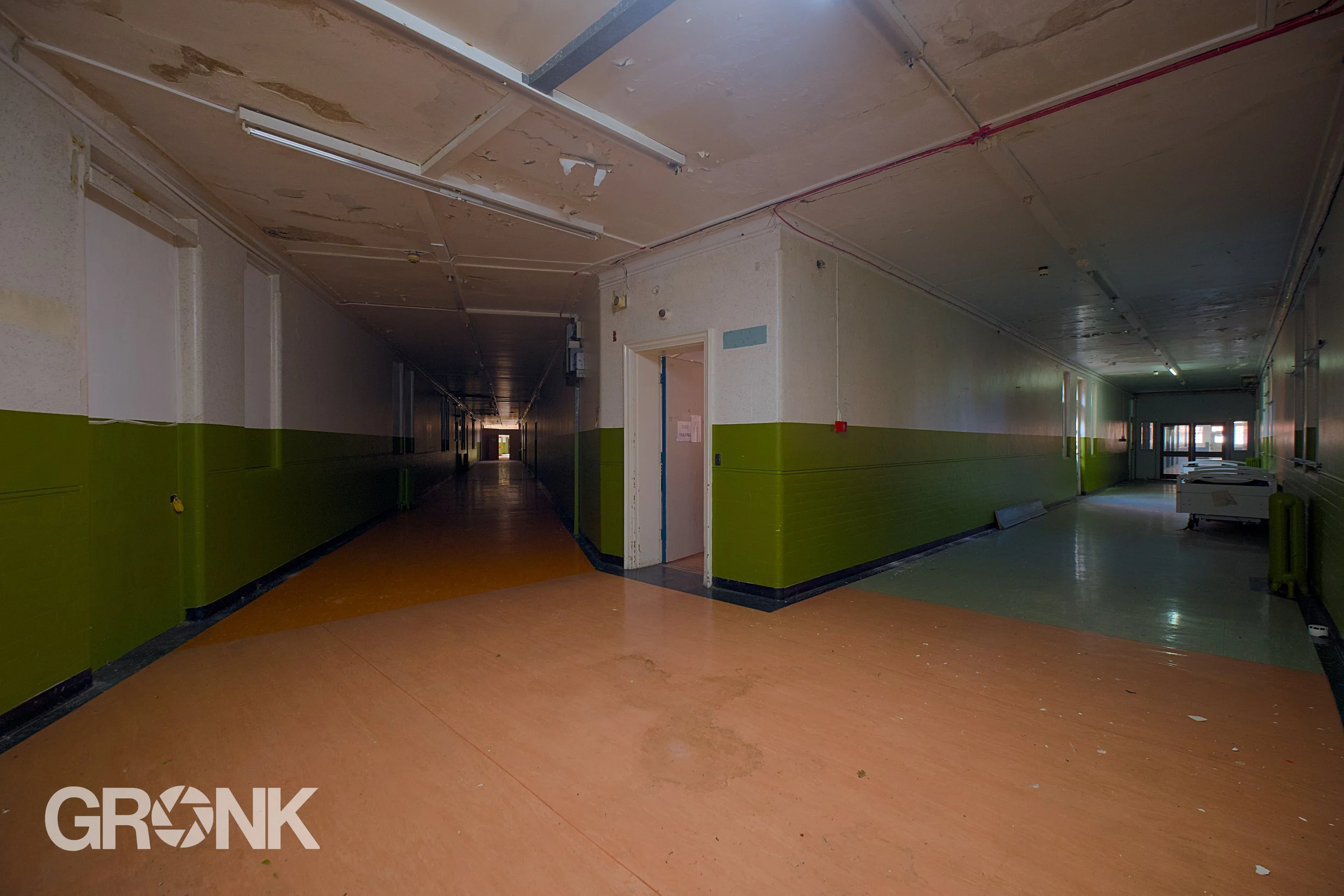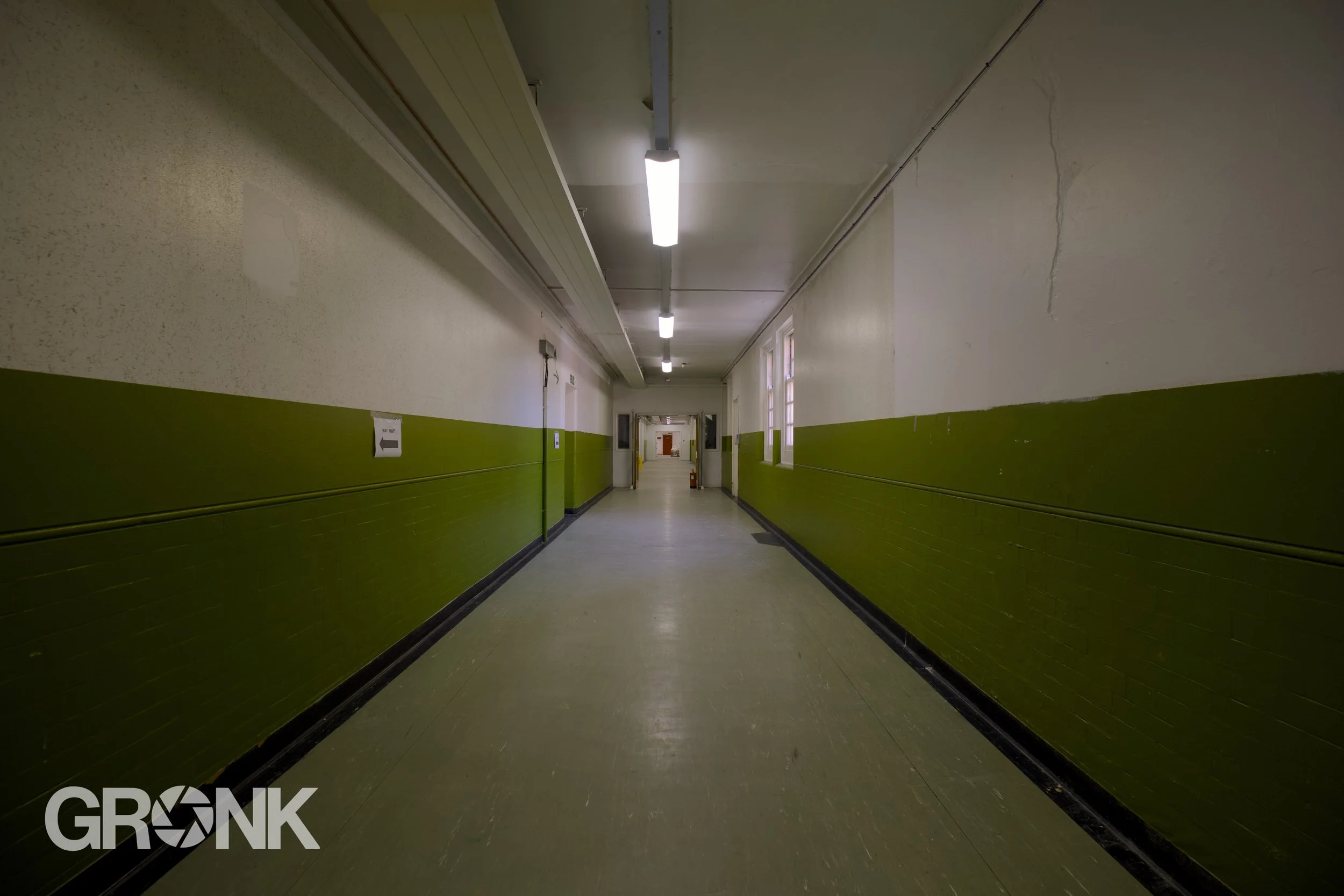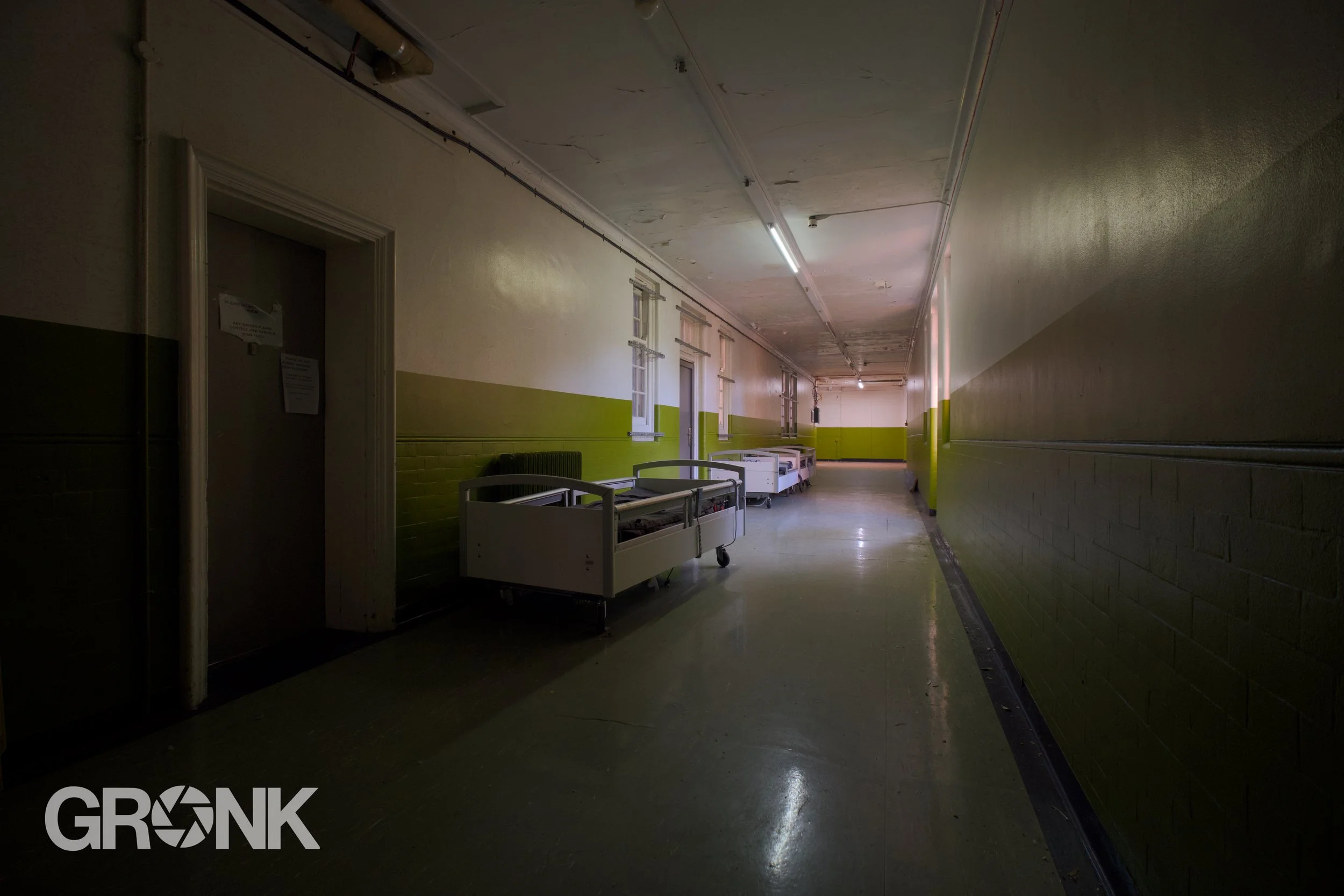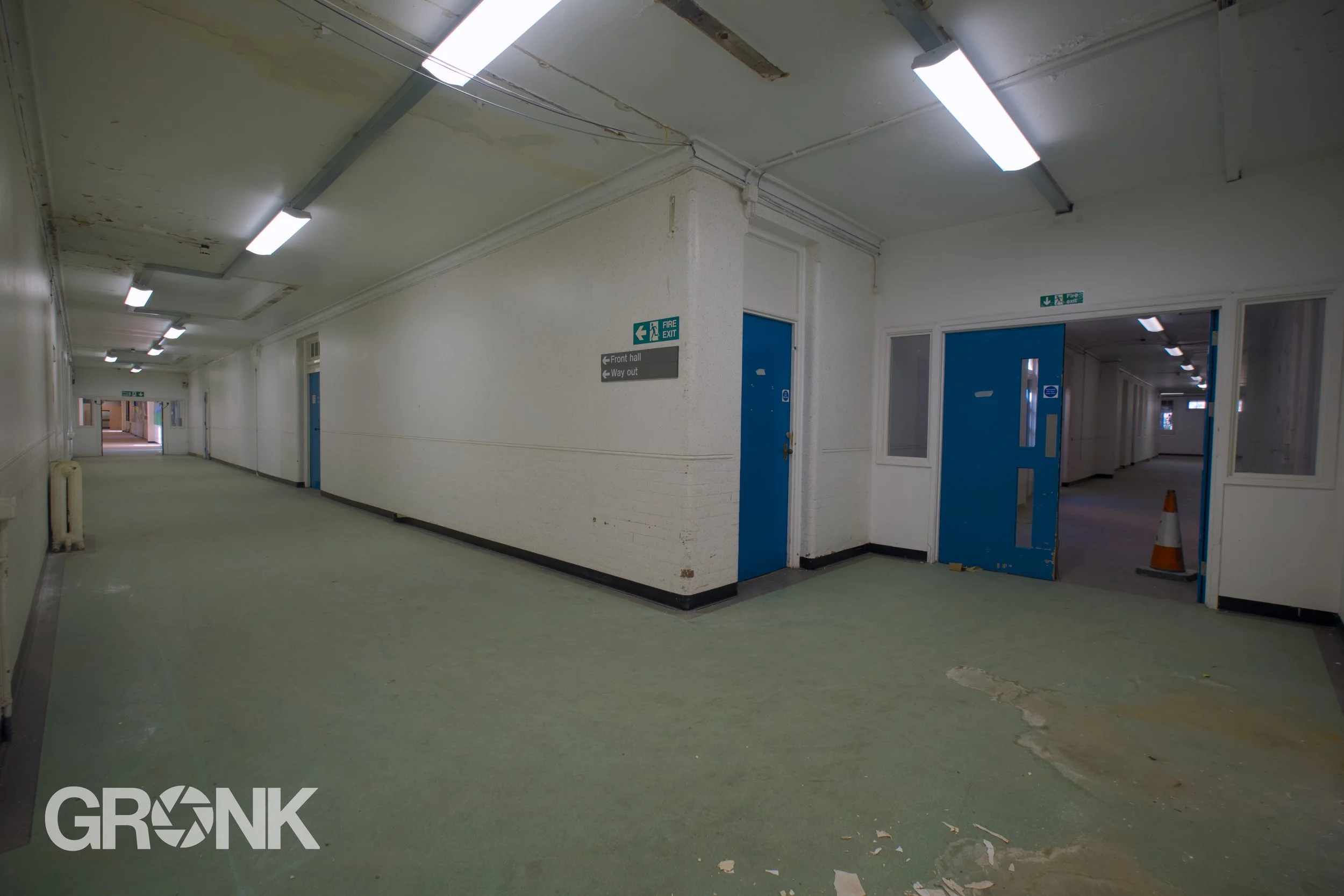
West Ham Borough Asylum, Ilford
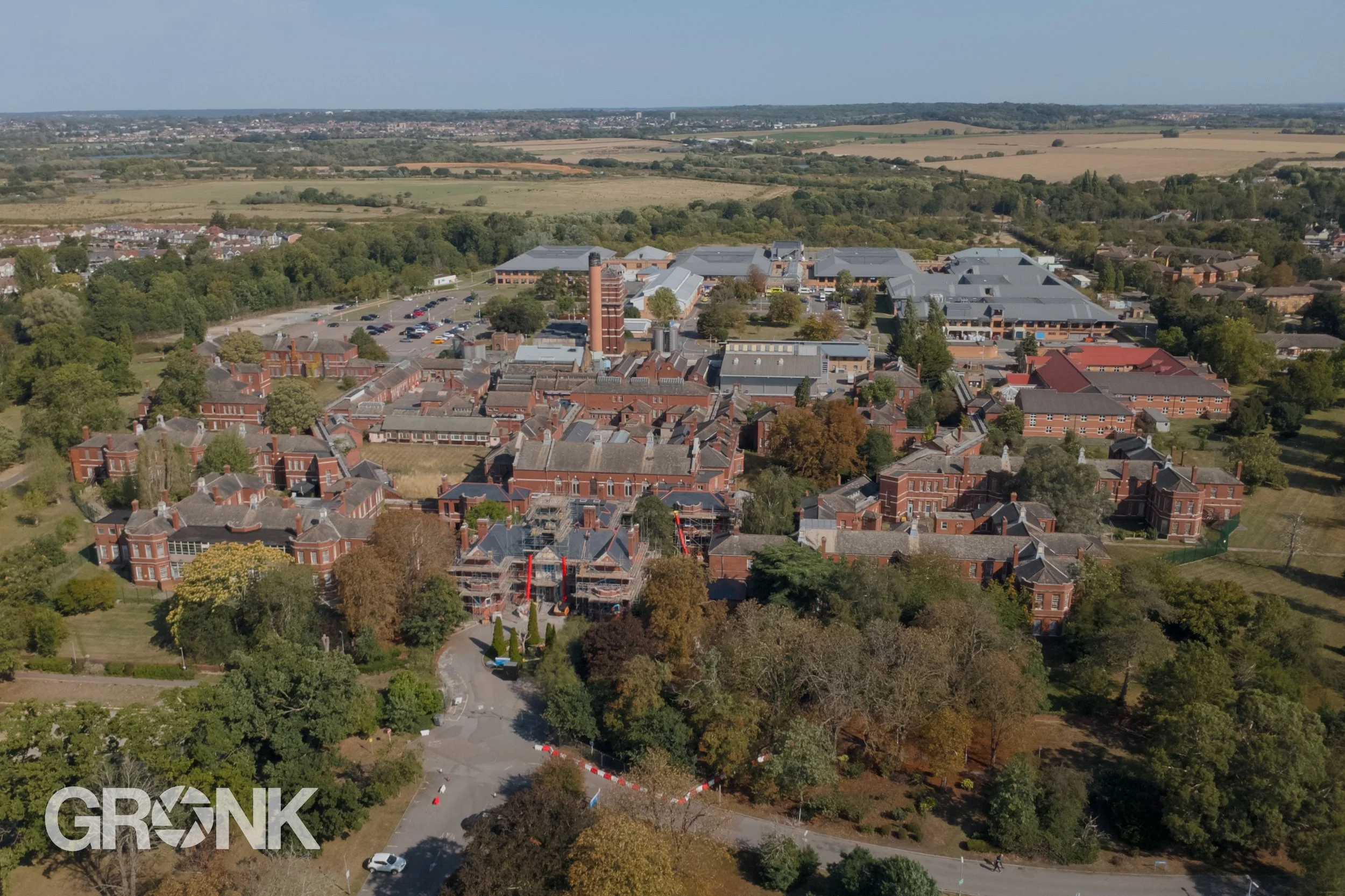
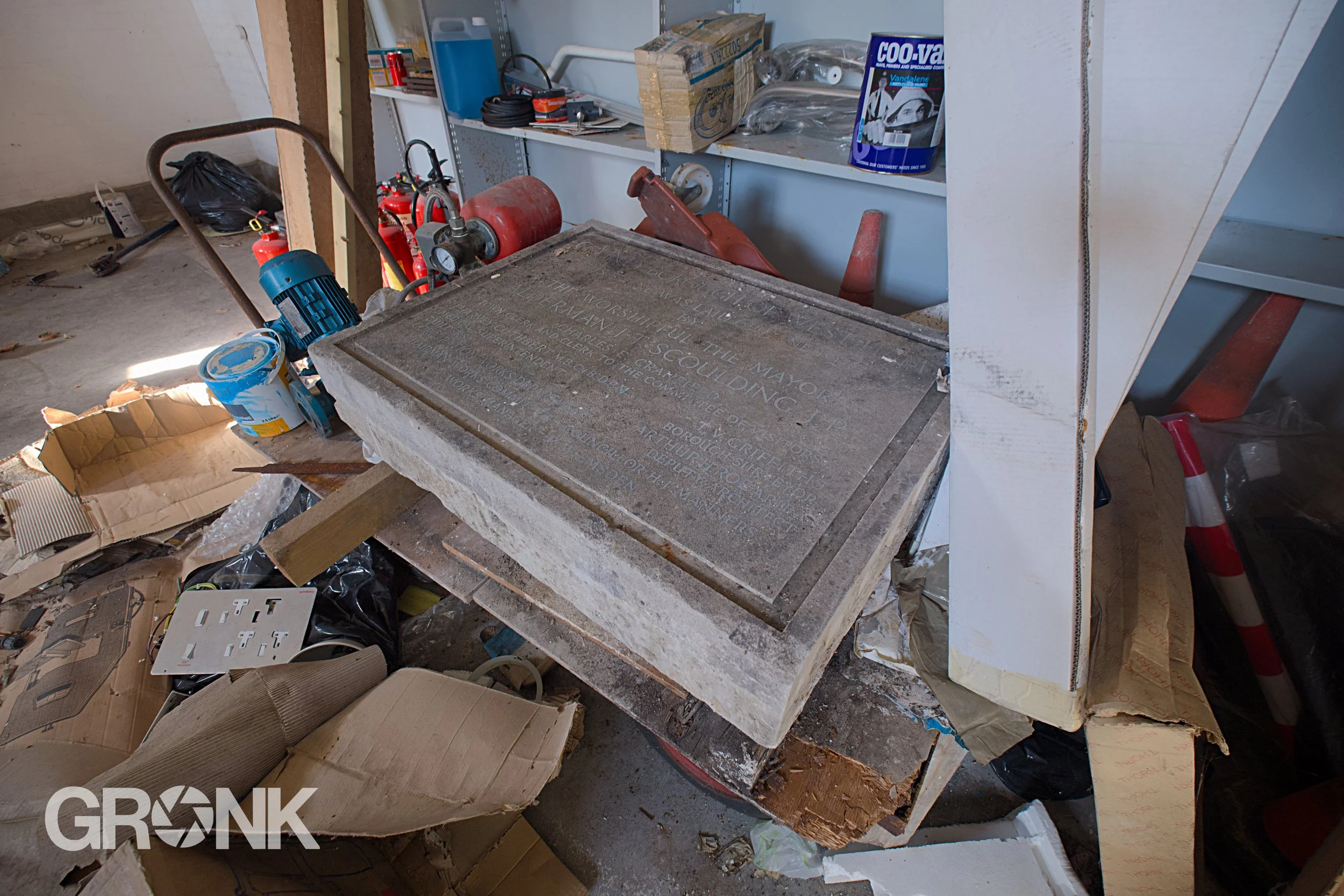
West Ham Borough Asylum, later known as Goodmayes Hospital, was established to provide local psychiatric care for West Ham residents who had previously been sent to the Essex County Asylum in Brentwood. Following the creation of the borough in 1888, land at Blue House Farm in Ilford was purchased in 1895, and the foundation stone was laid in 1898. Designed by borough architect Lewis Angell in a pavilion layout to maximize light and ventilation, the asylum opened on 1 August 1901 with 17 wards accommodating around 800 patients, alongside workshops, a laundry, and its own railway for construction materials. A chapel seating 600 was added in 1902.
In 1918, the asylum was renamed West Ham Mental Hospital, reflecting evolving attitudes toward mental health. During the 1920s and 1930s, the hospital expanded with additional villas and wards, modernised utilities, and introduced treatments such as insulin coma therapy and electroconvulsive therapy. During World War II, the hospital sustained bomb damage, and some wards were temporarily repurposed under the Emergency Medical Scheme.
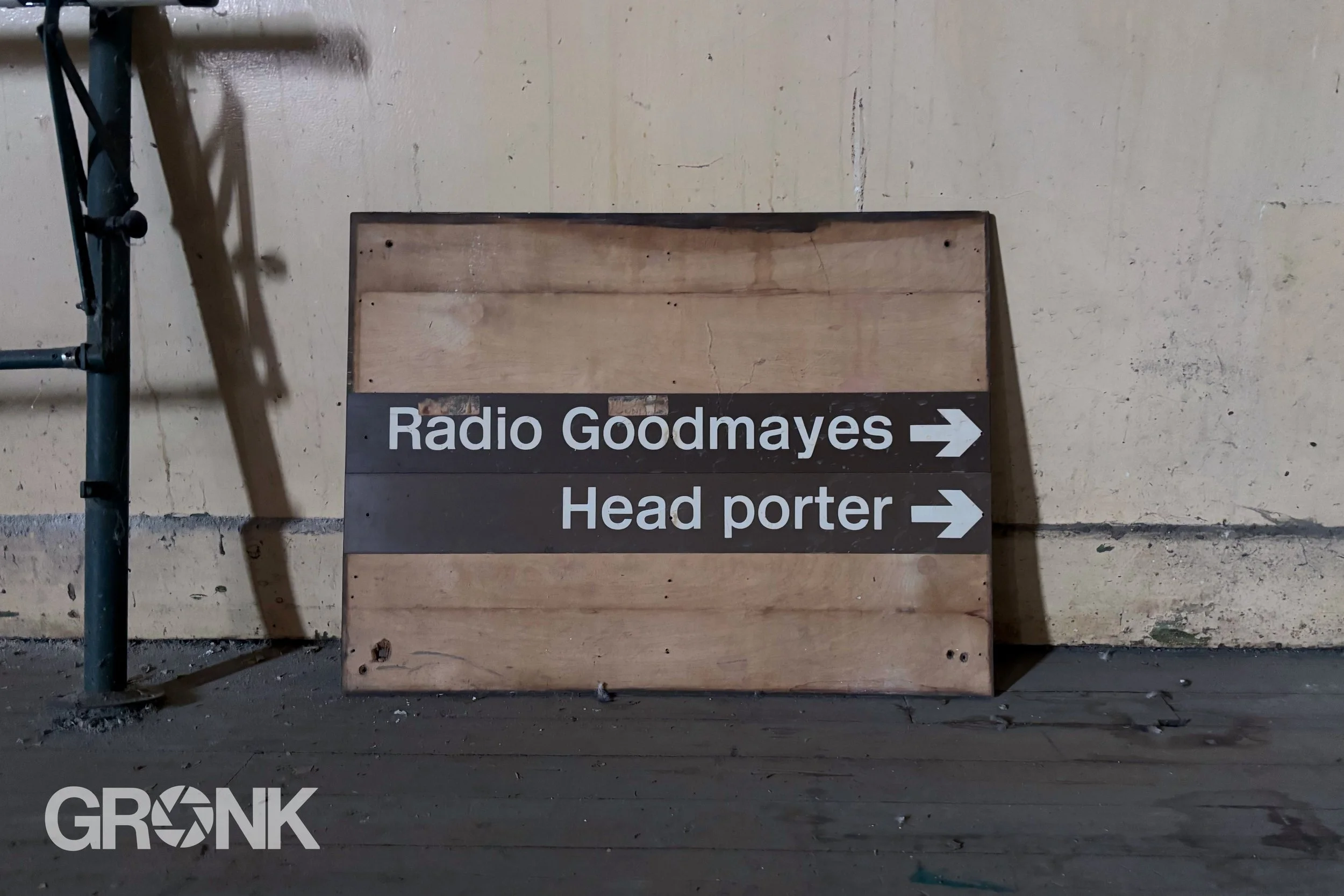
With the creation of the NHS in 1948, the facility became Goodmayes Hospital. From the 1950s, it embraced more progressive care policies, including open wards and industrial therapy programs aimed at rehabilitation. Patient numbers peaked in the mid-20th century but declined with the move toward deinstitutionalisation, dropping from over 1,300 beds to around 450 by the early 1990s.
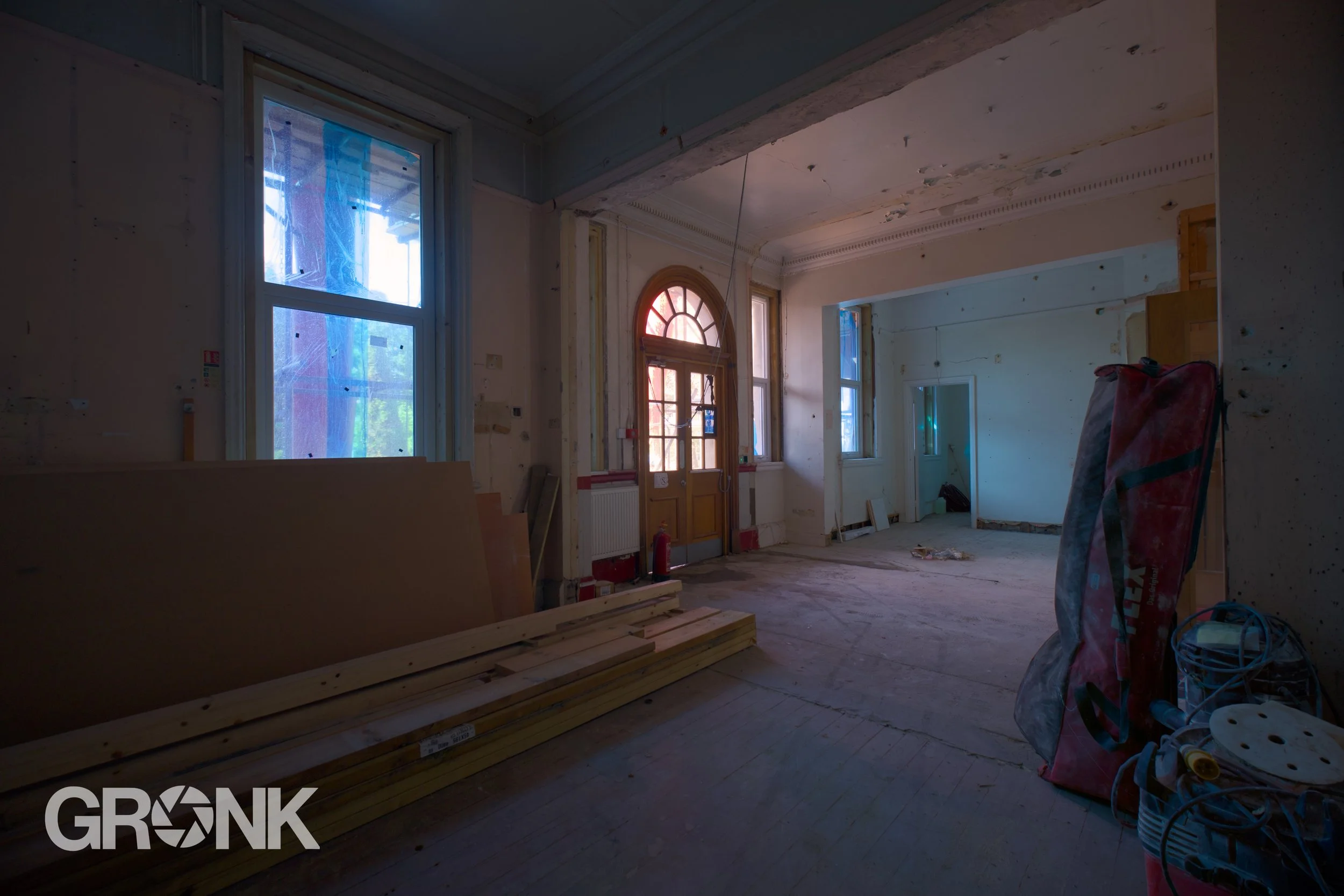
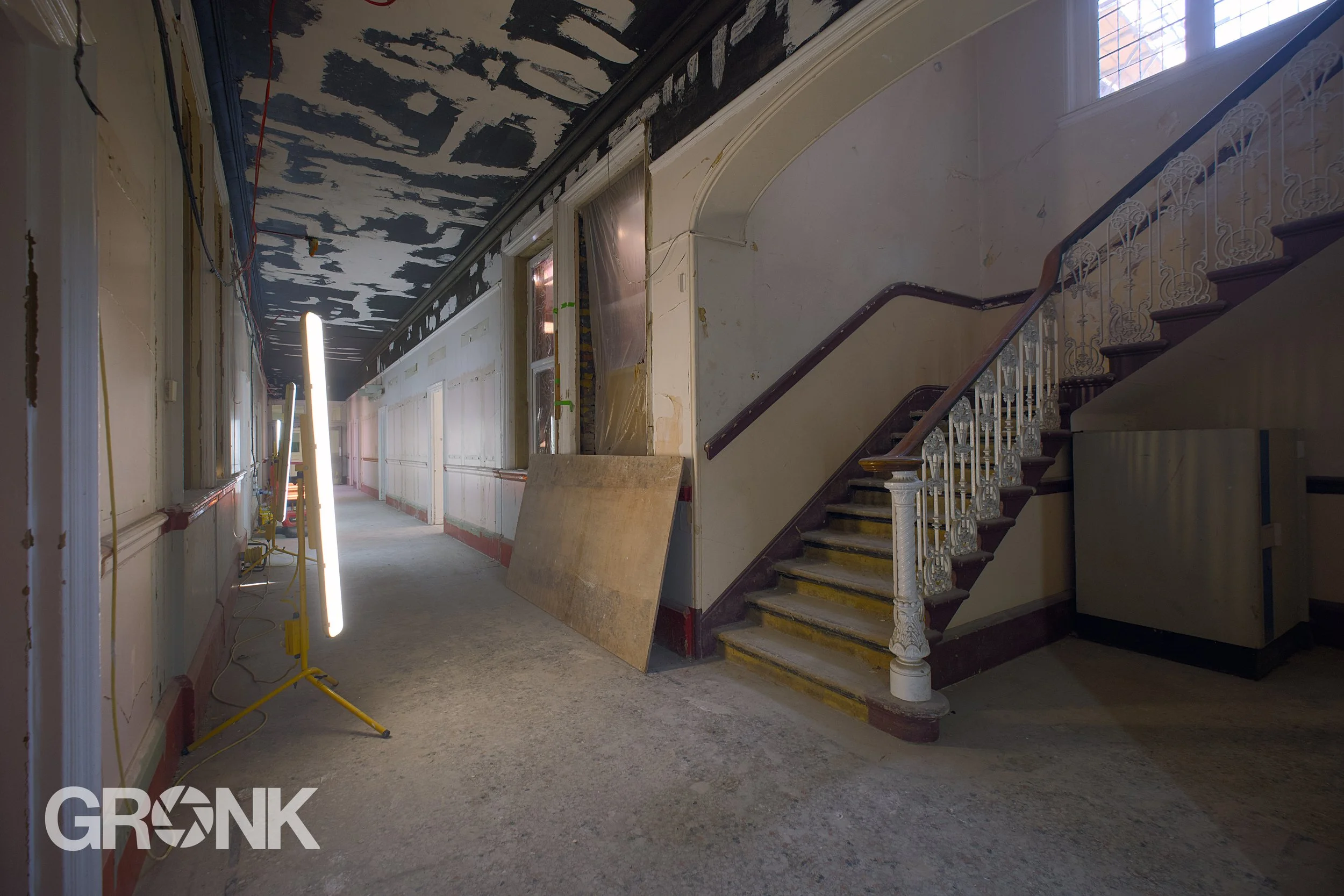
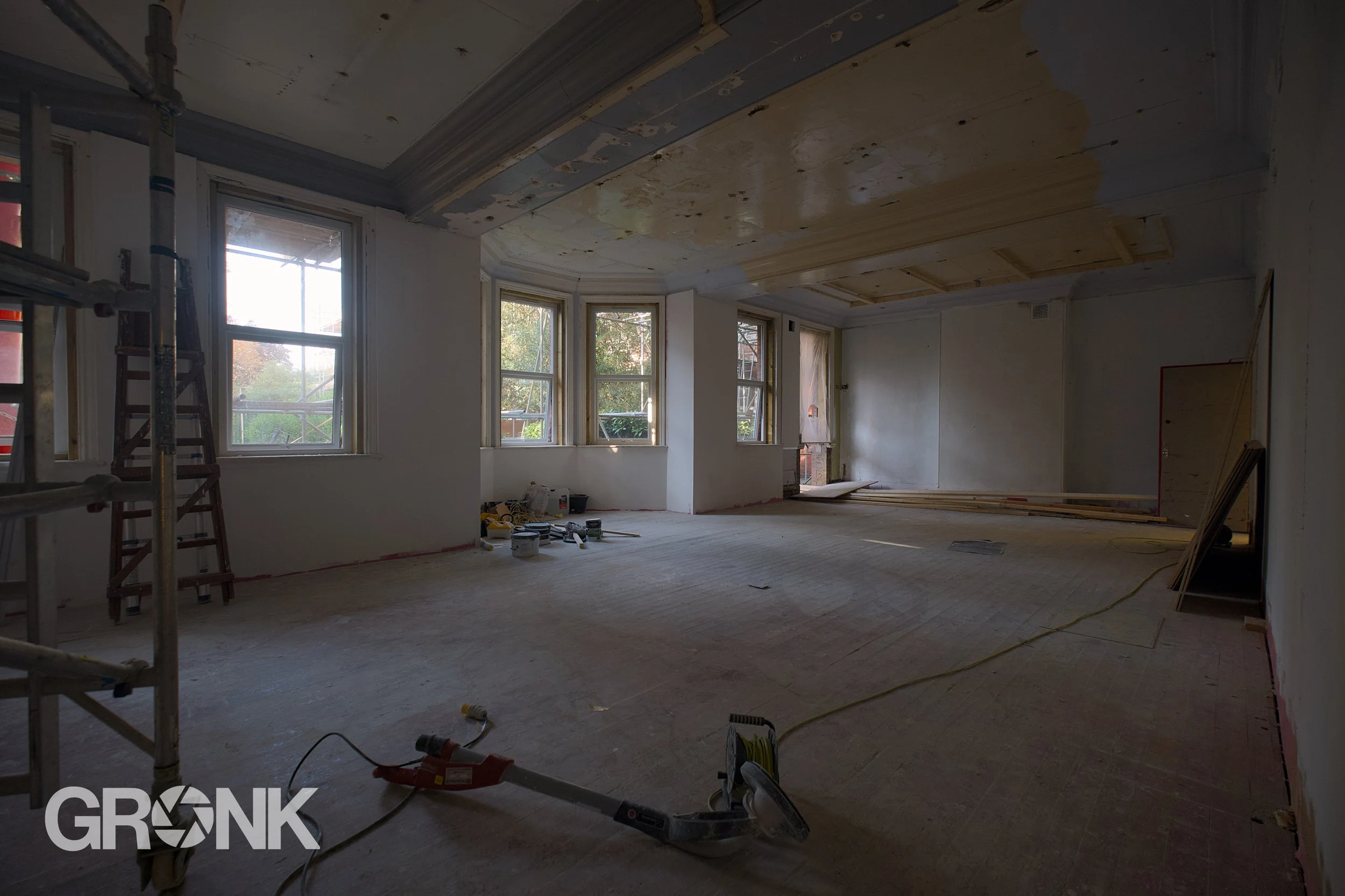
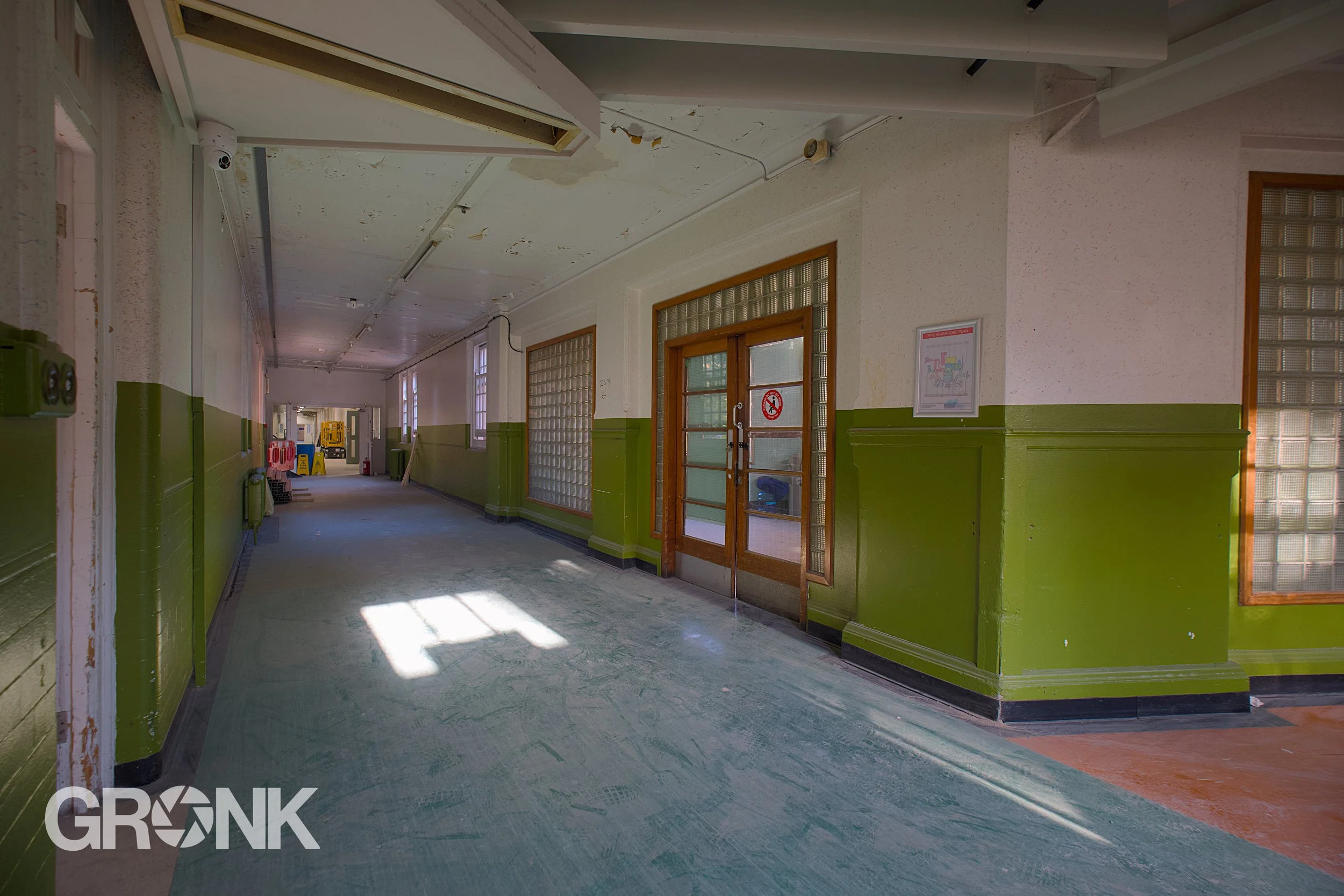
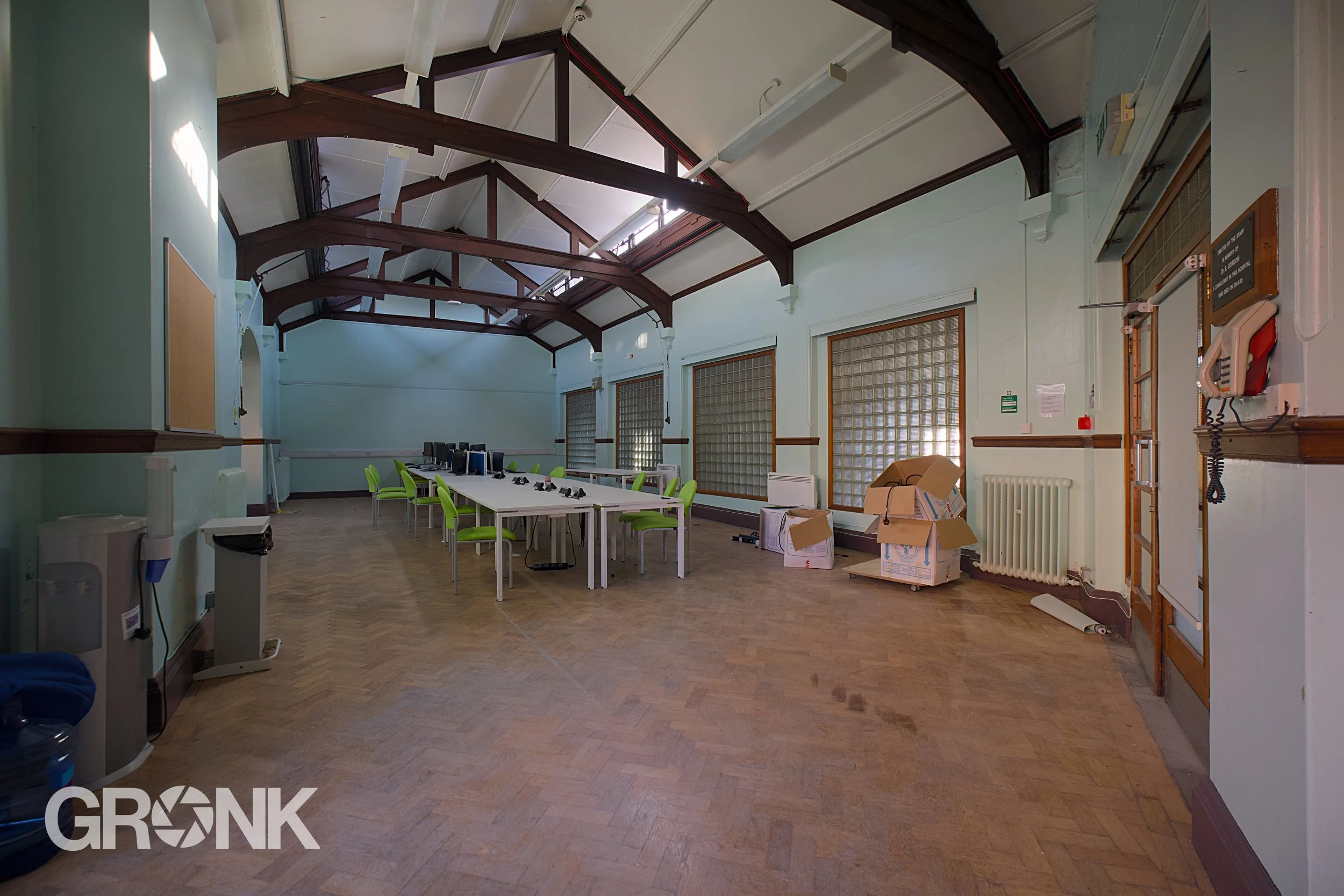
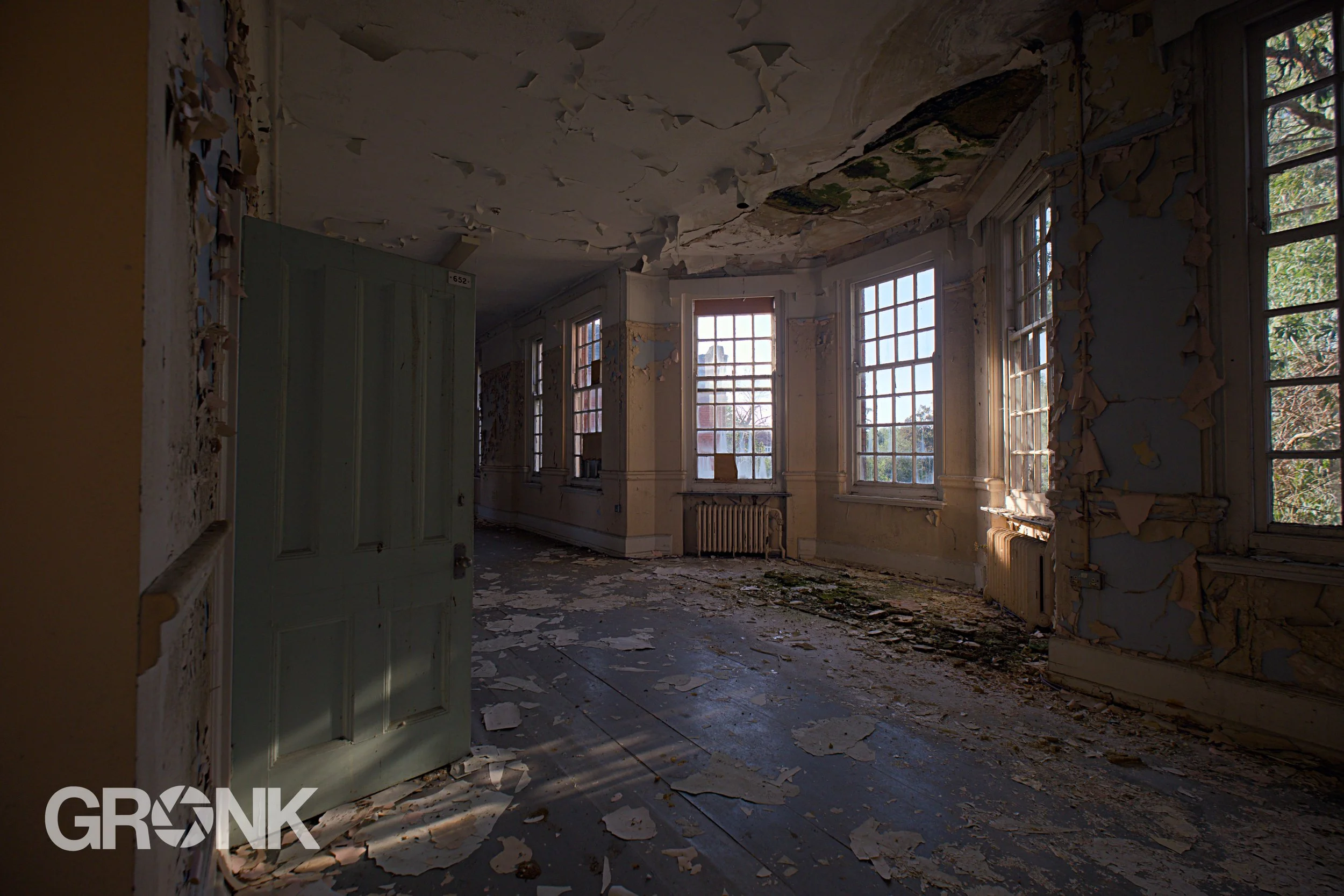
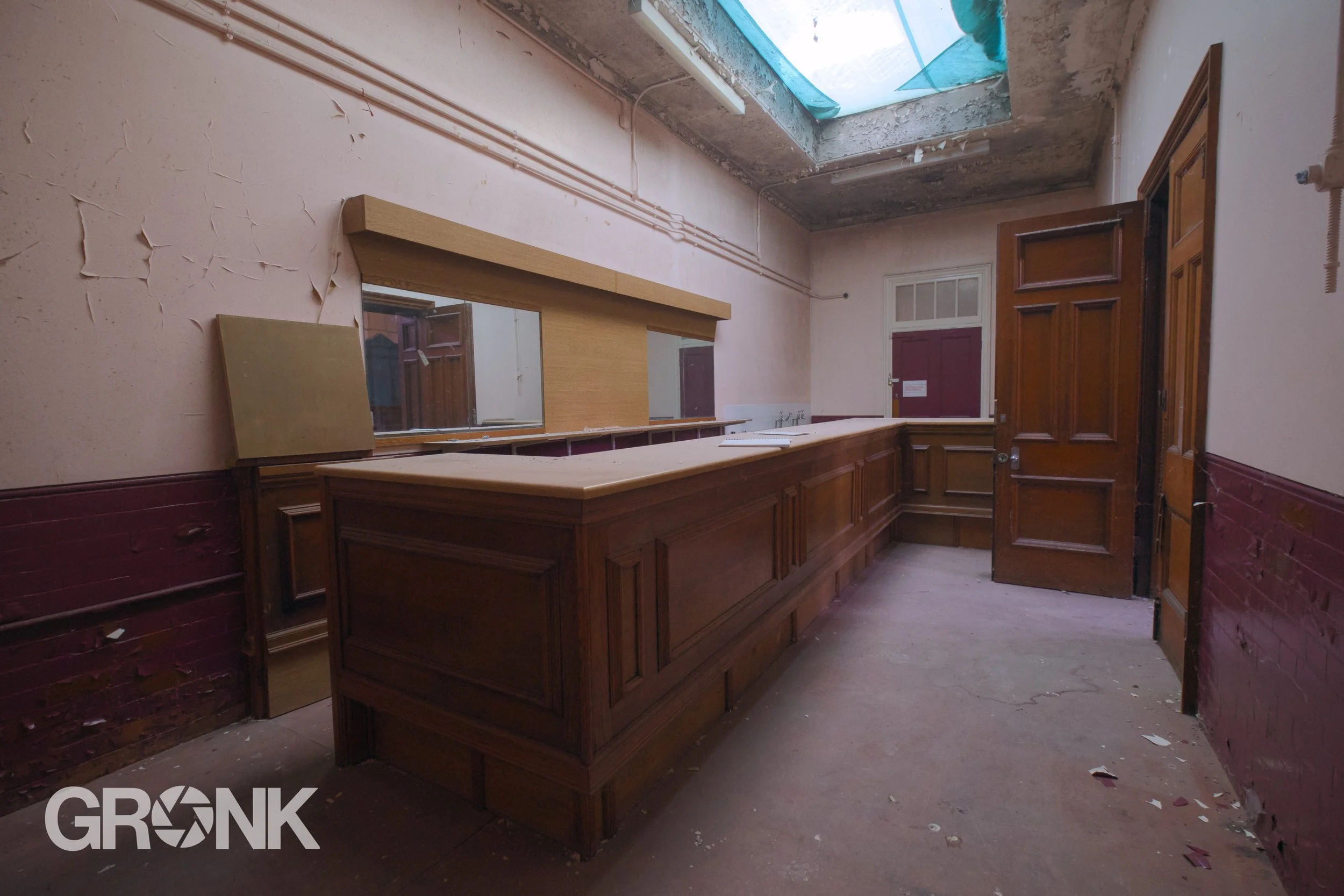
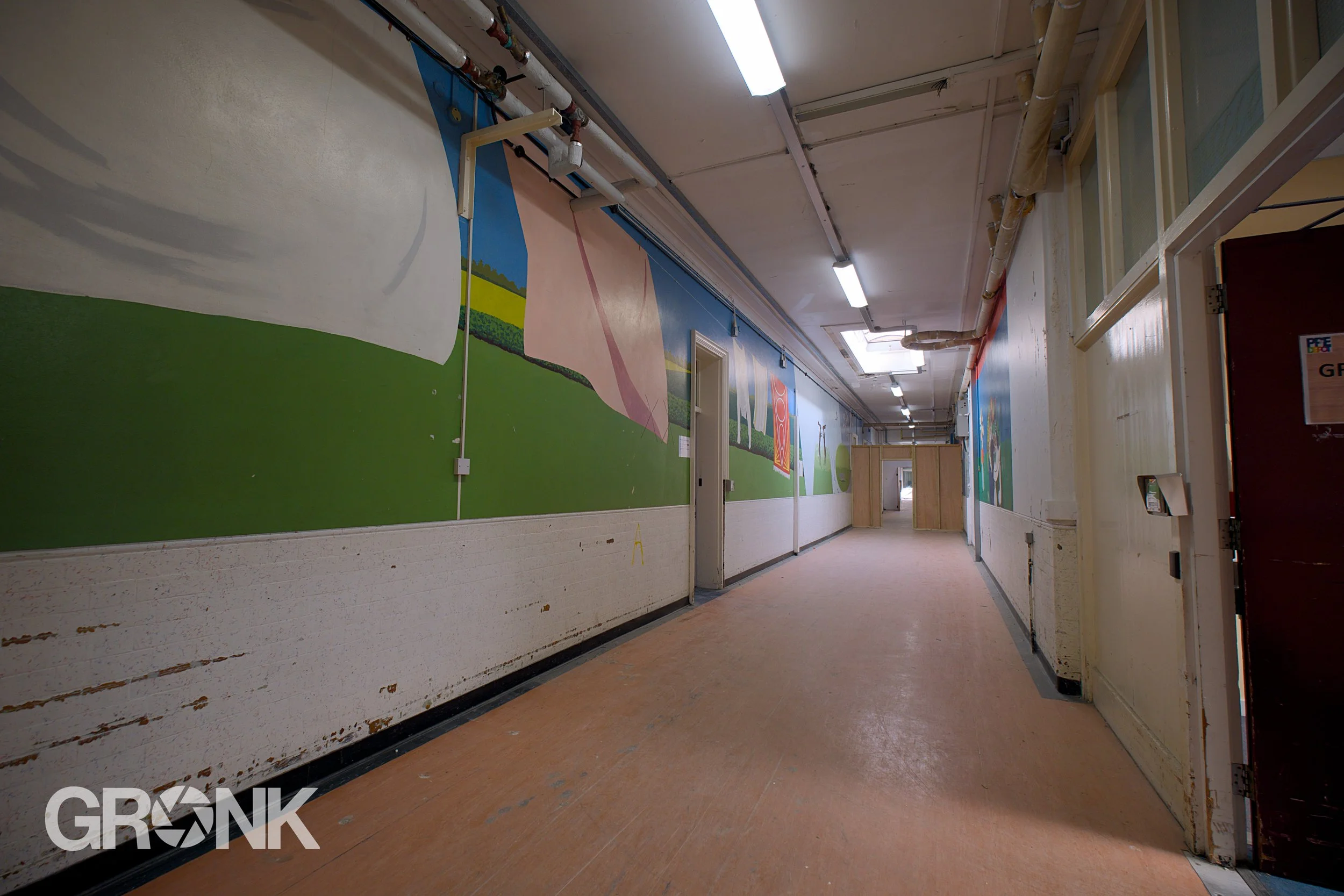
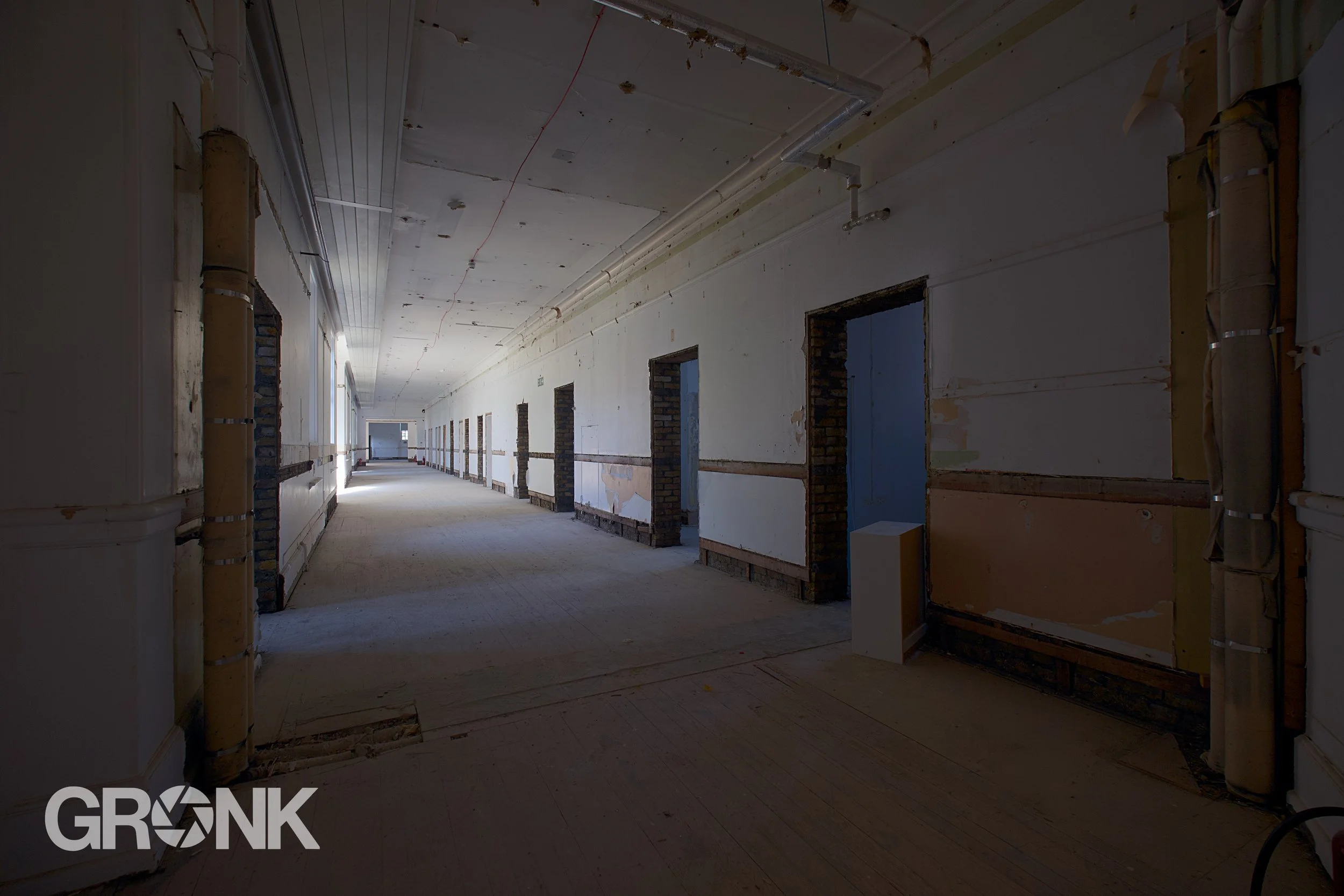
Part of the hospital site was later redeveloped for King George Hospital, though several historic buildings remain as reminders of its early 20th-century architecture. Archives, including patient registers and operational records, are preserved at the Redbridge Heritage Centre. Today, Goodmayes Hospital continues to provide NHS mental health services, blending modern care with its historic legacy. At the time of my visit, work was underway to bring a large section of disused buildings back into use by the NHS Trust.