West Precinct Goods Yard, Stoke on Trent
The old East–West Precinct in Hanley was one of the most ambitious post-war redevelopment schemes in Stoke-on-Trent. Built during the 1960s, it reflected the era when British town planners attempted to modernise traditional town centres with raised pedestrian shopping decks, hidden service roads, undercrofts and integrated parking structures. Covering a large section of central Hanley around Old Hall Street and Charles Street, the development replaced older Victorian streets, workshops and pottery-related buildings with what was then seen as a futuristic retail complex. Excavation work began in 1963, involving enormous earthworks cut deep into the hillside beneath the future shopping decks. Archive photographs from the time show the sheer scale of the construction effort. Crucially, these excavations were not simply for the shops above ground — they also created an extensive underground servicing and parking structure beneath the West Precinct.
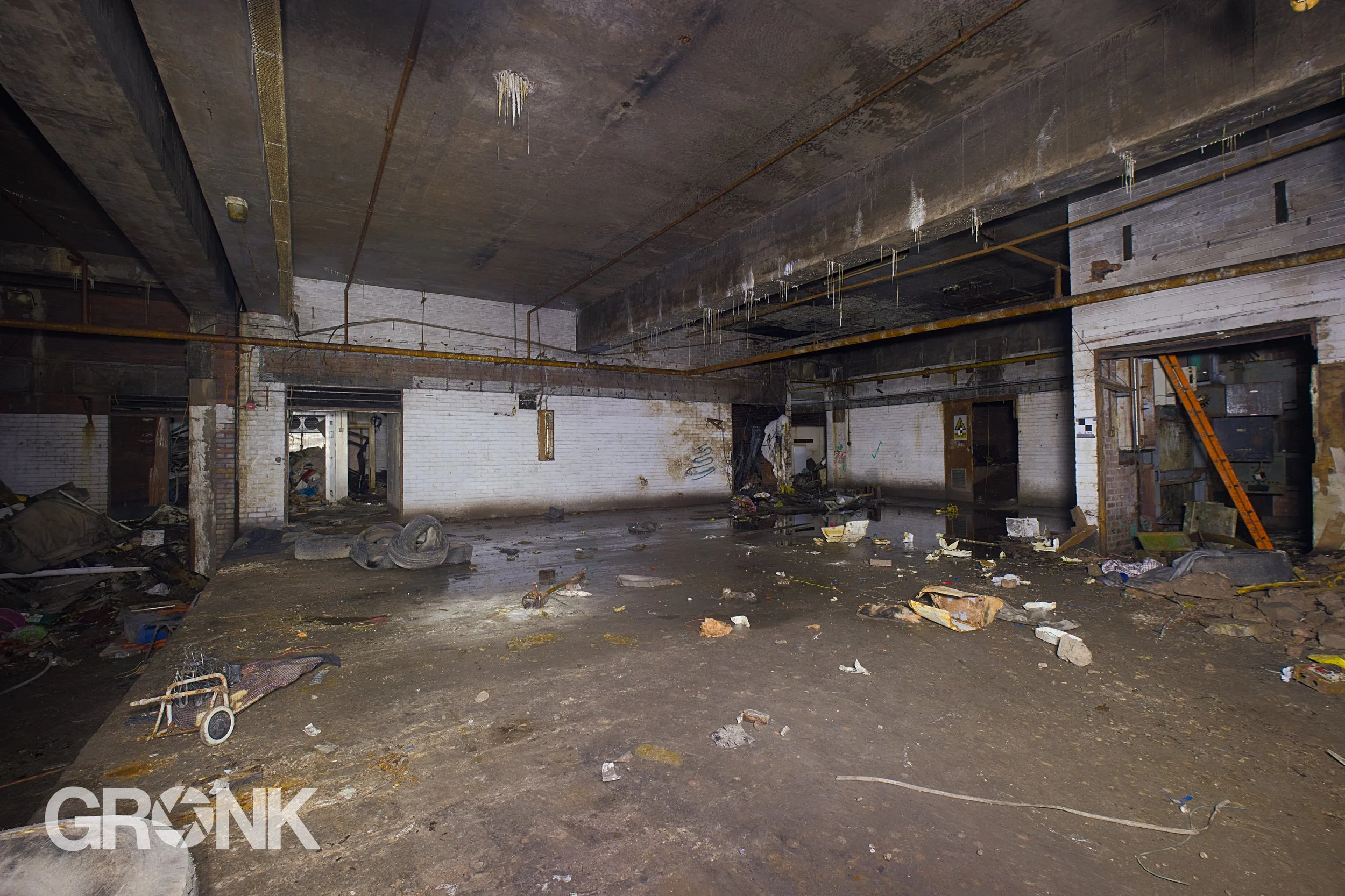
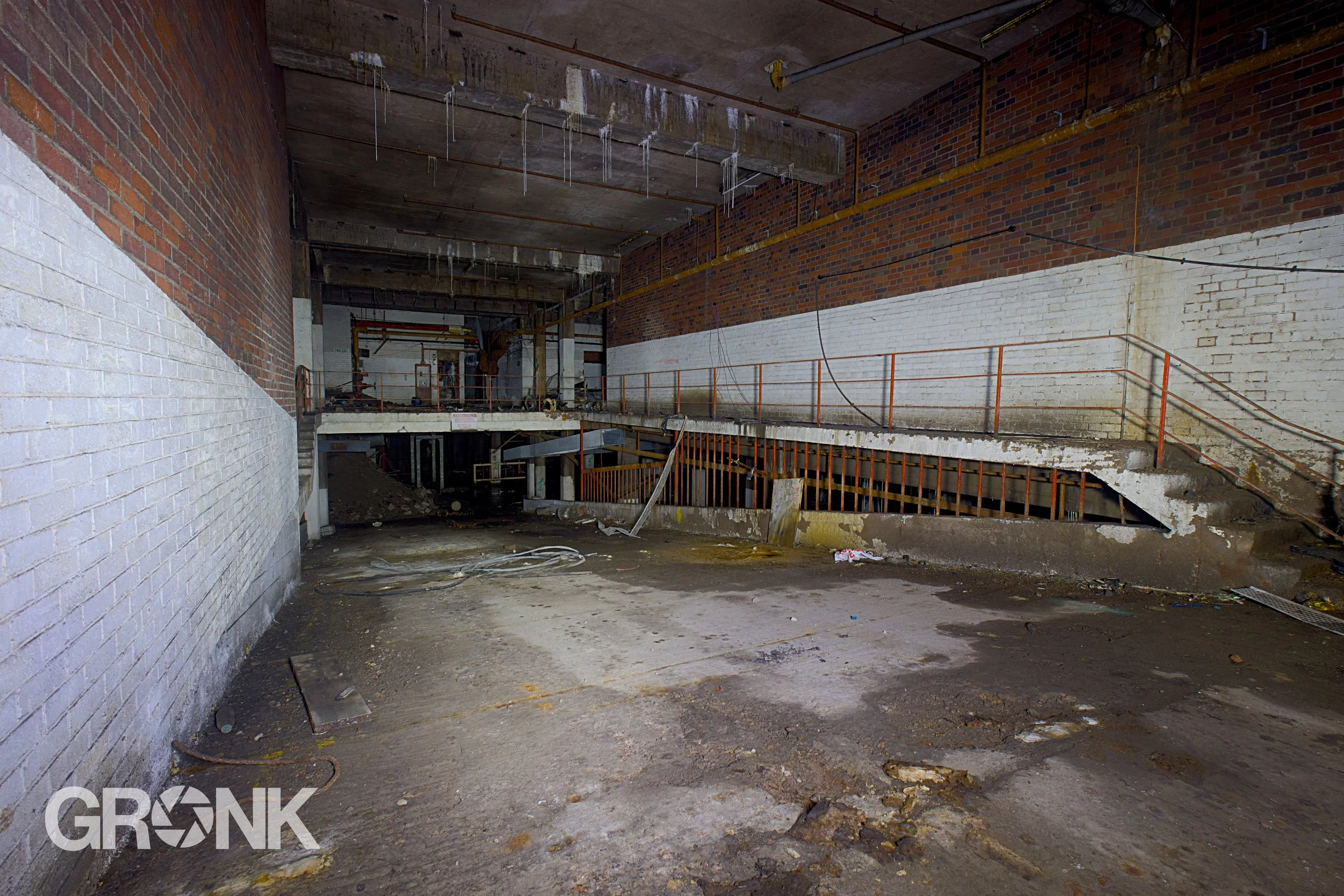
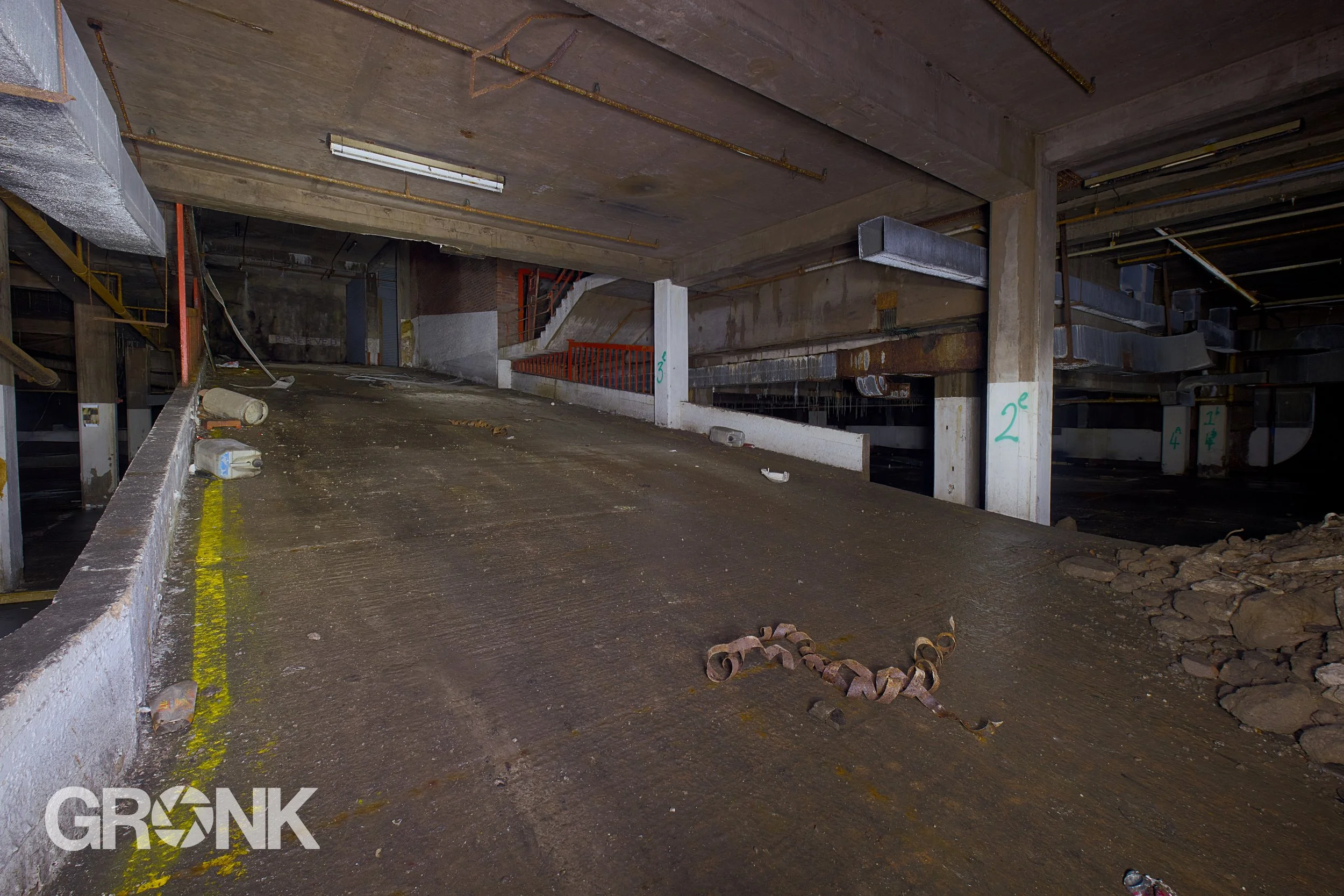
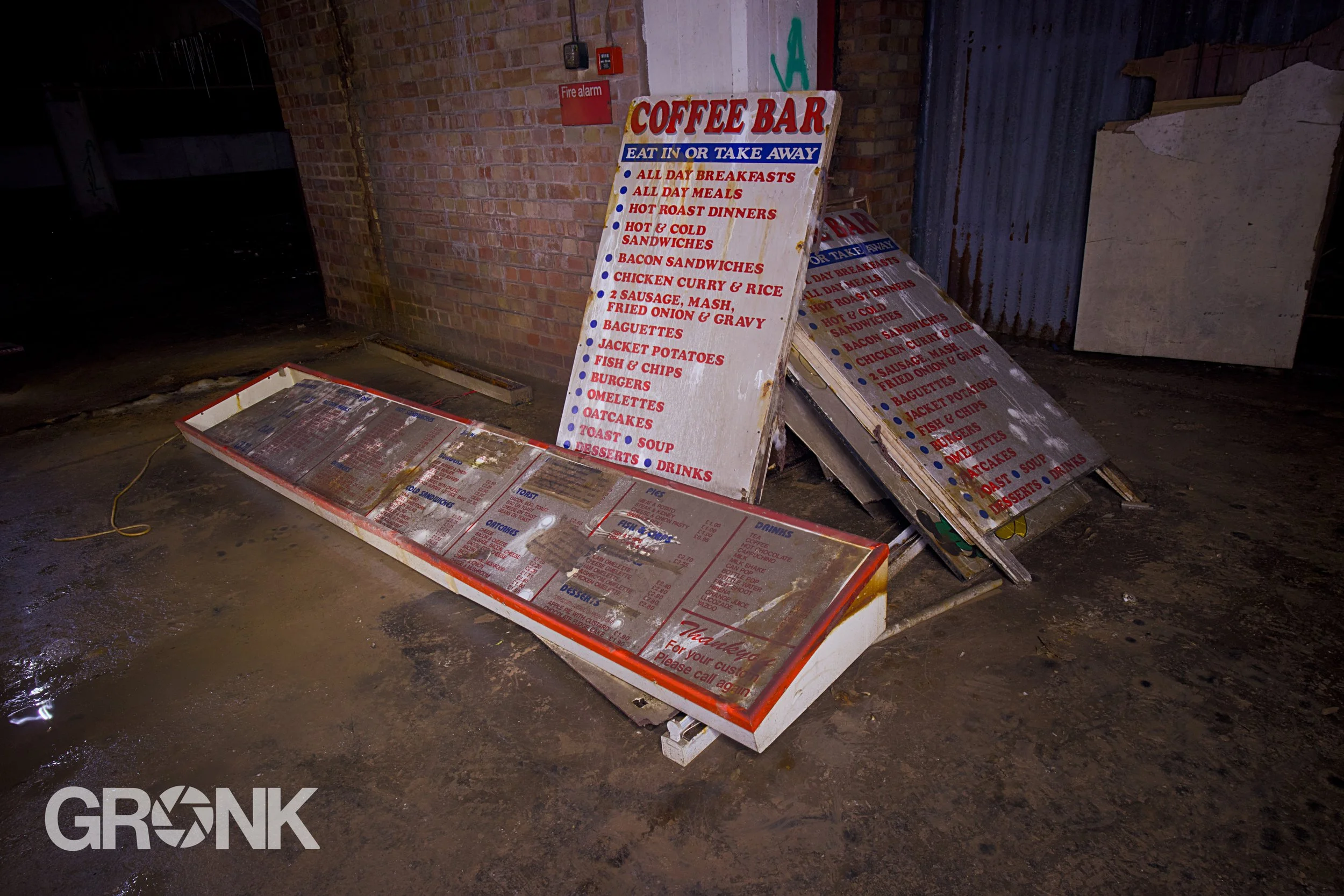
The precinct itself was divided into East and West sections connected by pedestrian walkways and elevated shopping areas. In keeping with modernist planning principles of the time, traffic and deliveries were separated from the public realm. Shoppers remained above ground while deliveries, storage, vehicle access and staff parking operated below, hidden from view. Beneath the West Precinct existed a substantial subterranean complex made up of service corridors, loading bays, access ramps and staff parking areas. Although often described locally as an “underground car park”, the lower levels functioned more like a concealed logistics yard supporting the entire shopping centre above. For years, rumours persisted that parts of this underground complex had survived demolition. The photographs contained within this report confirm those rumours to be true.
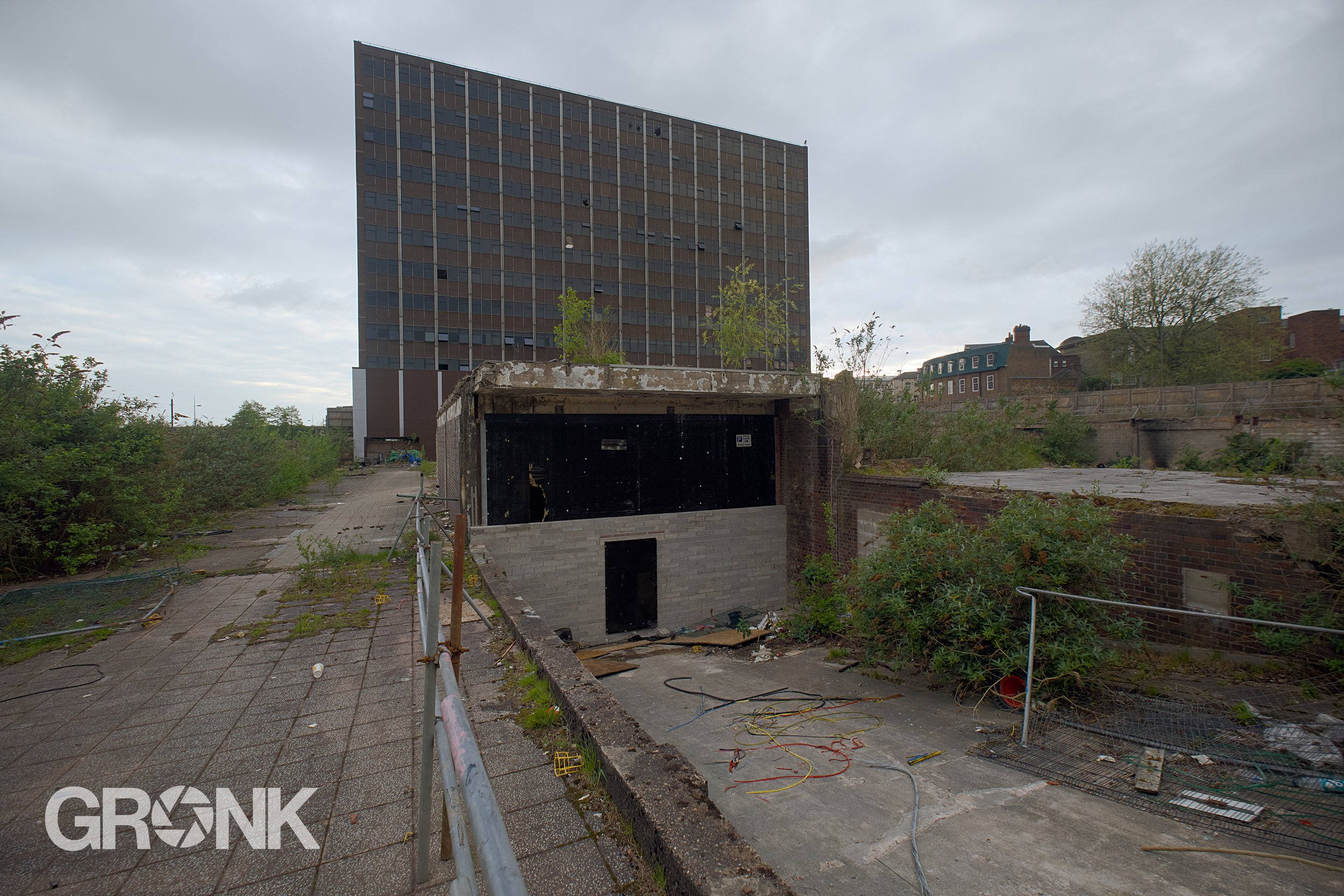
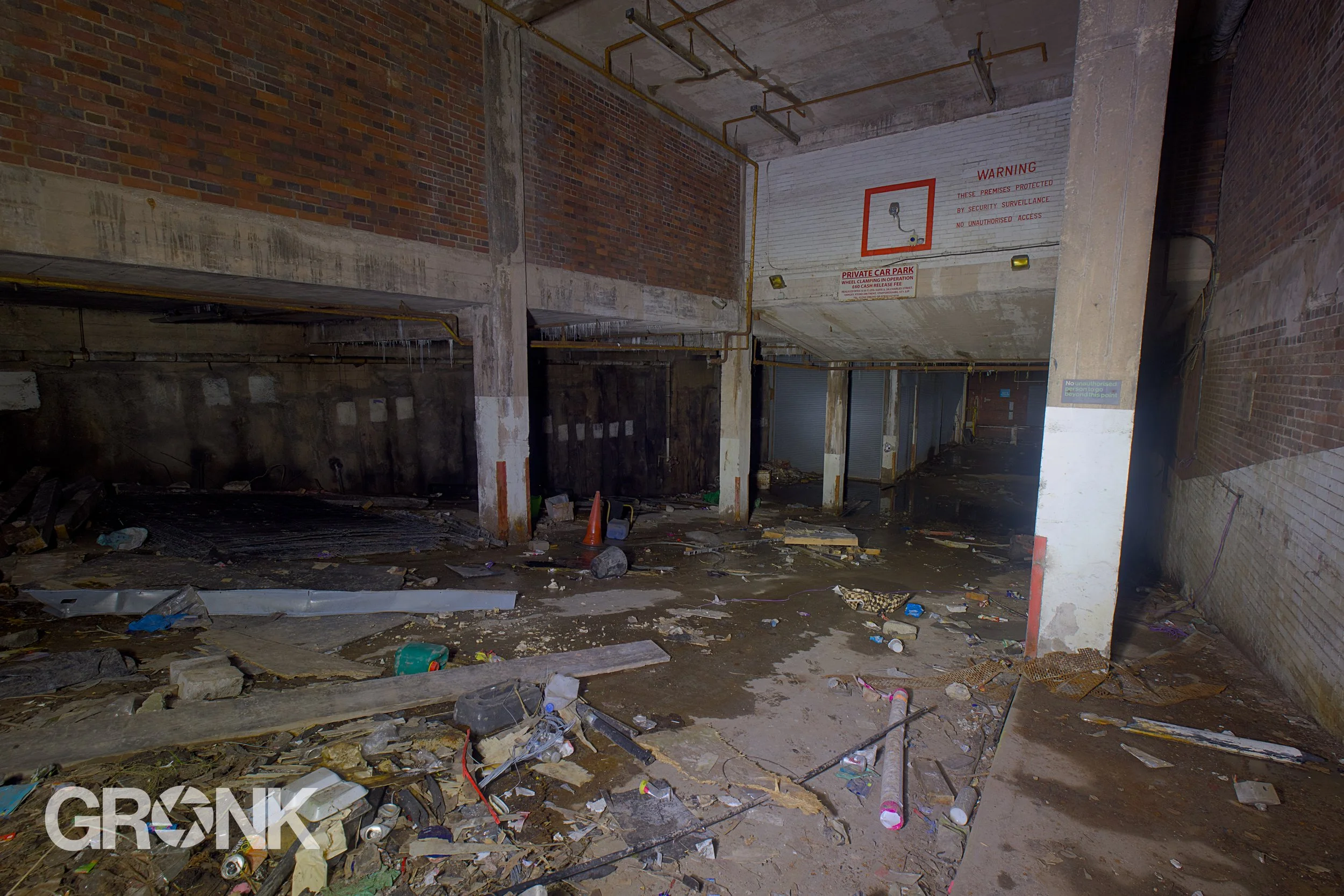
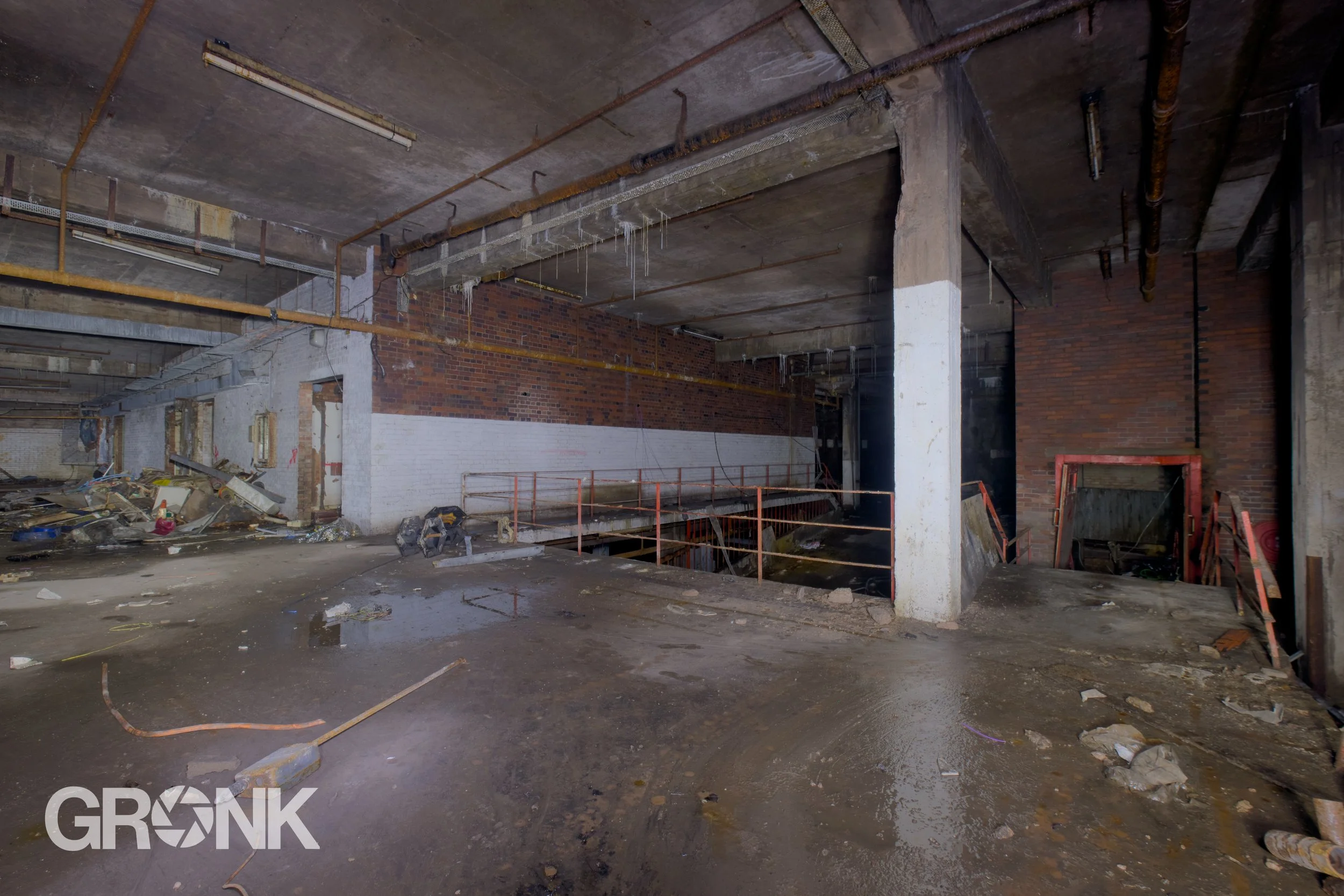
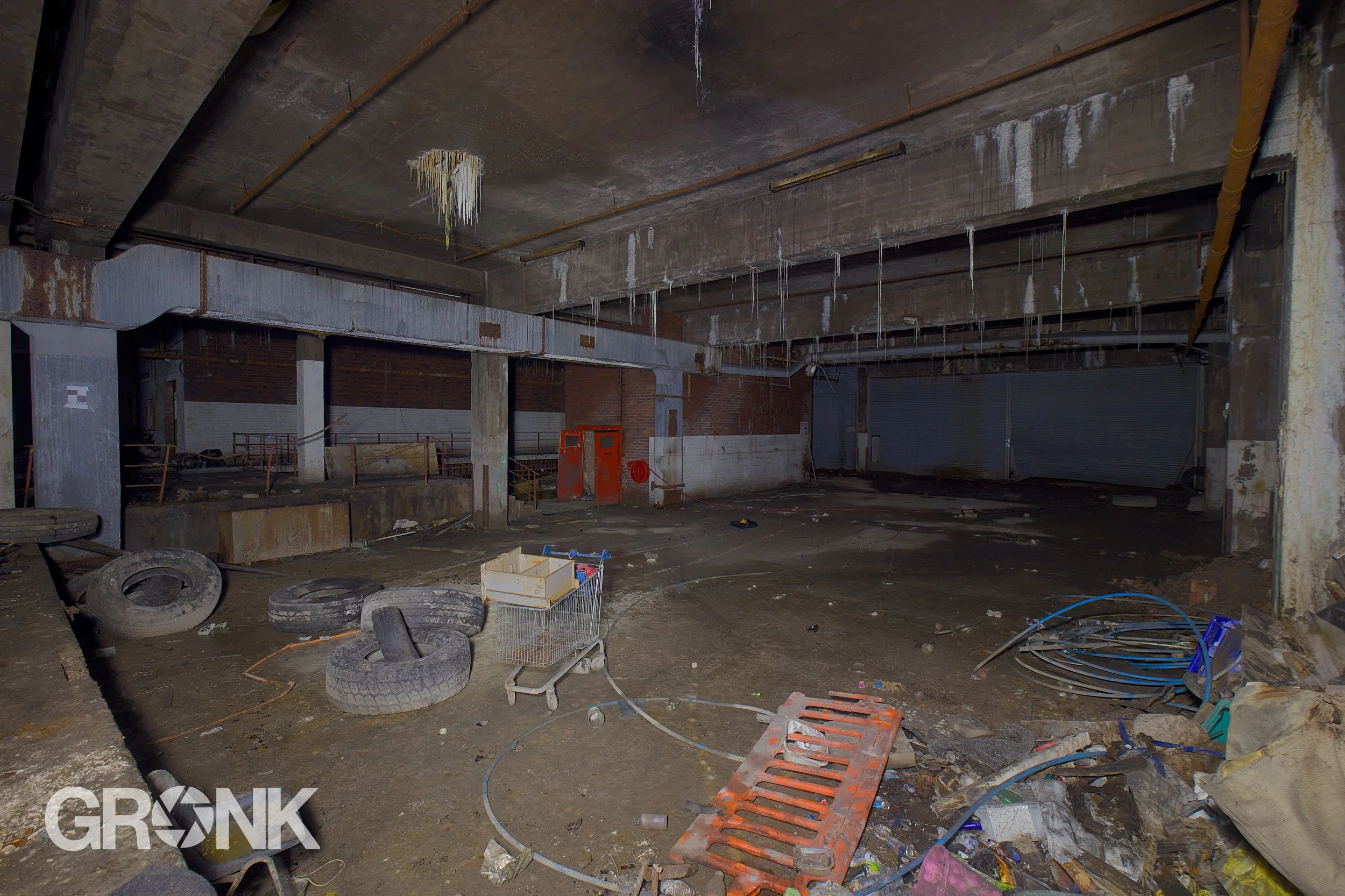
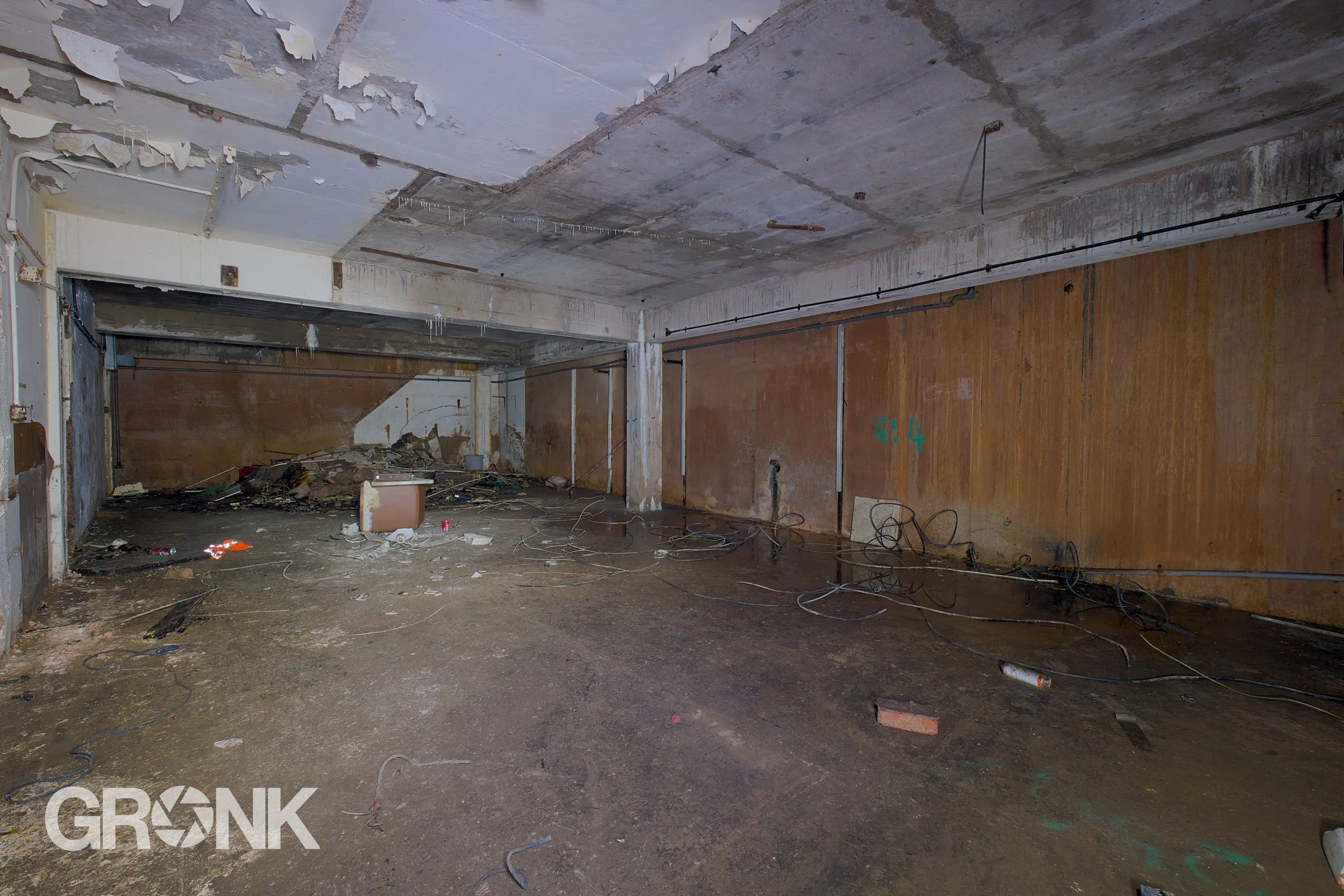
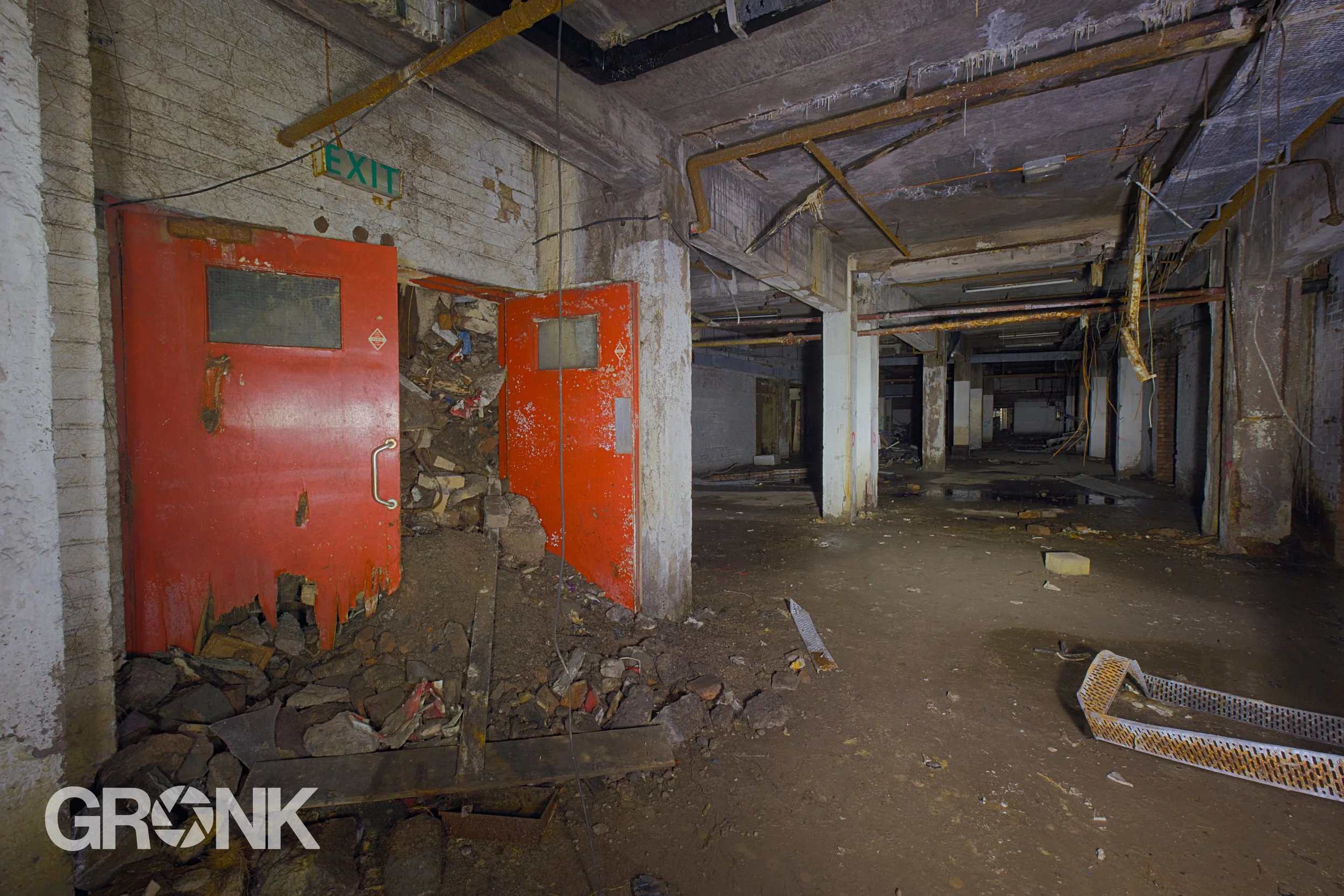
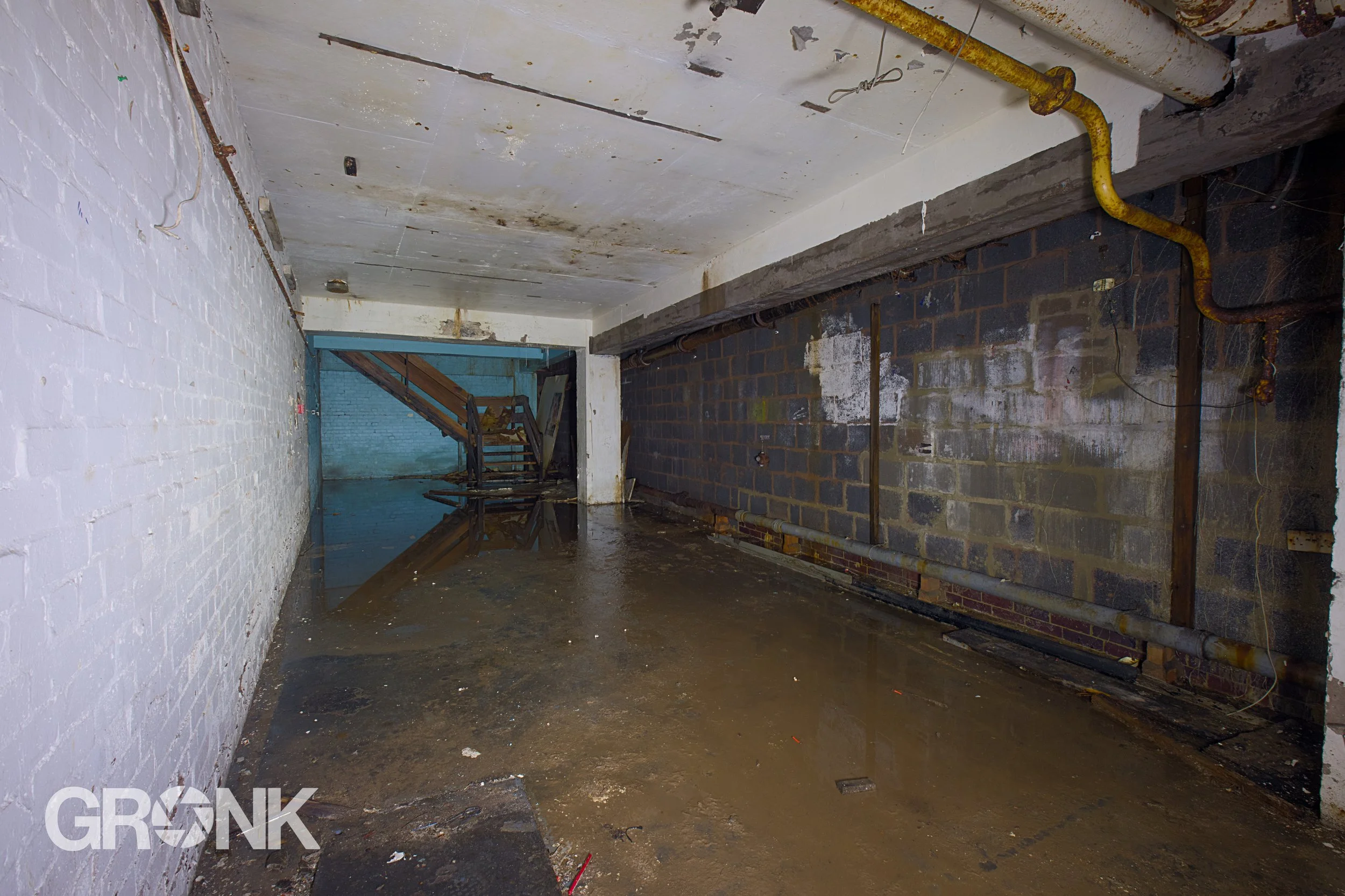
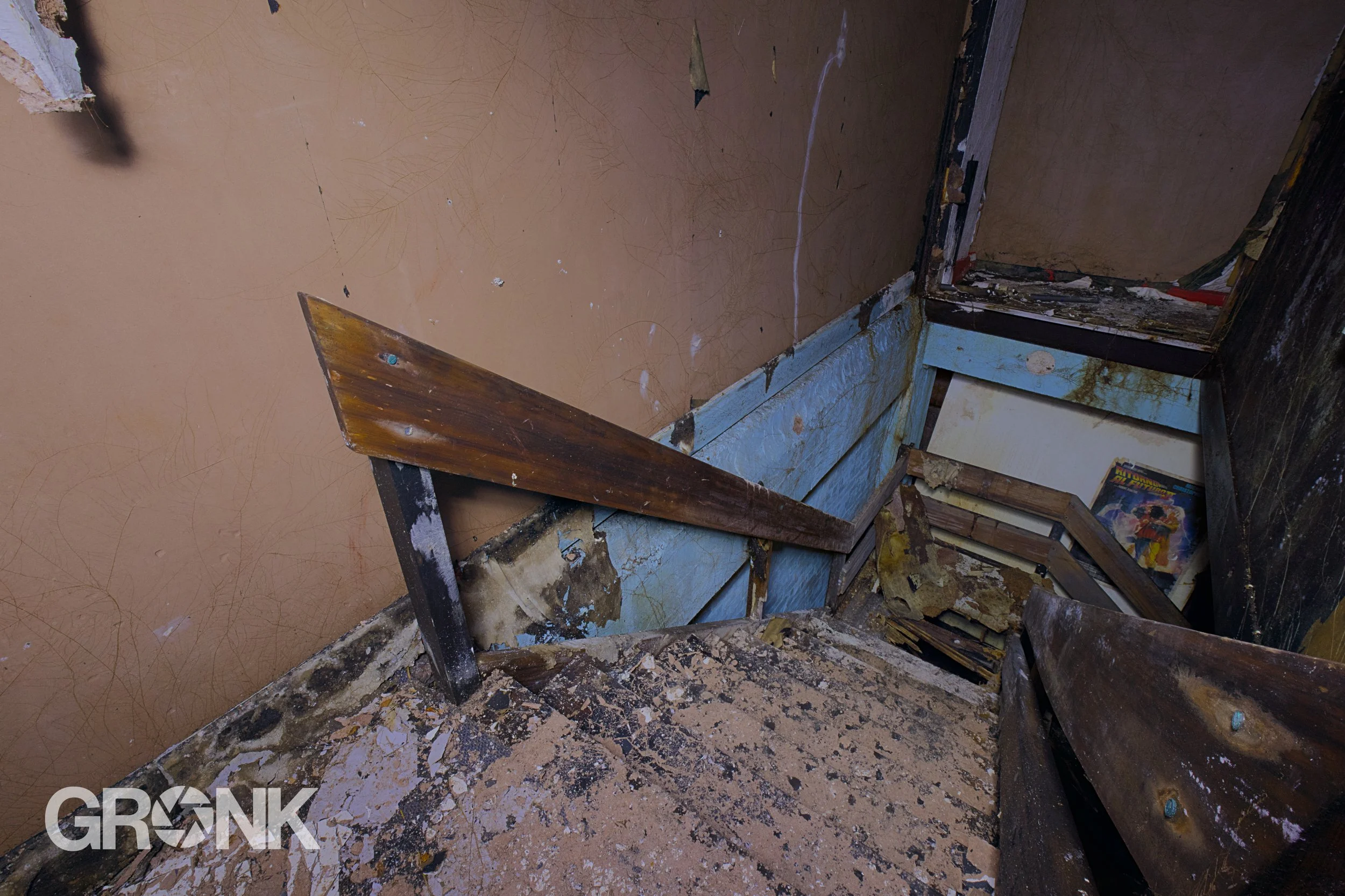
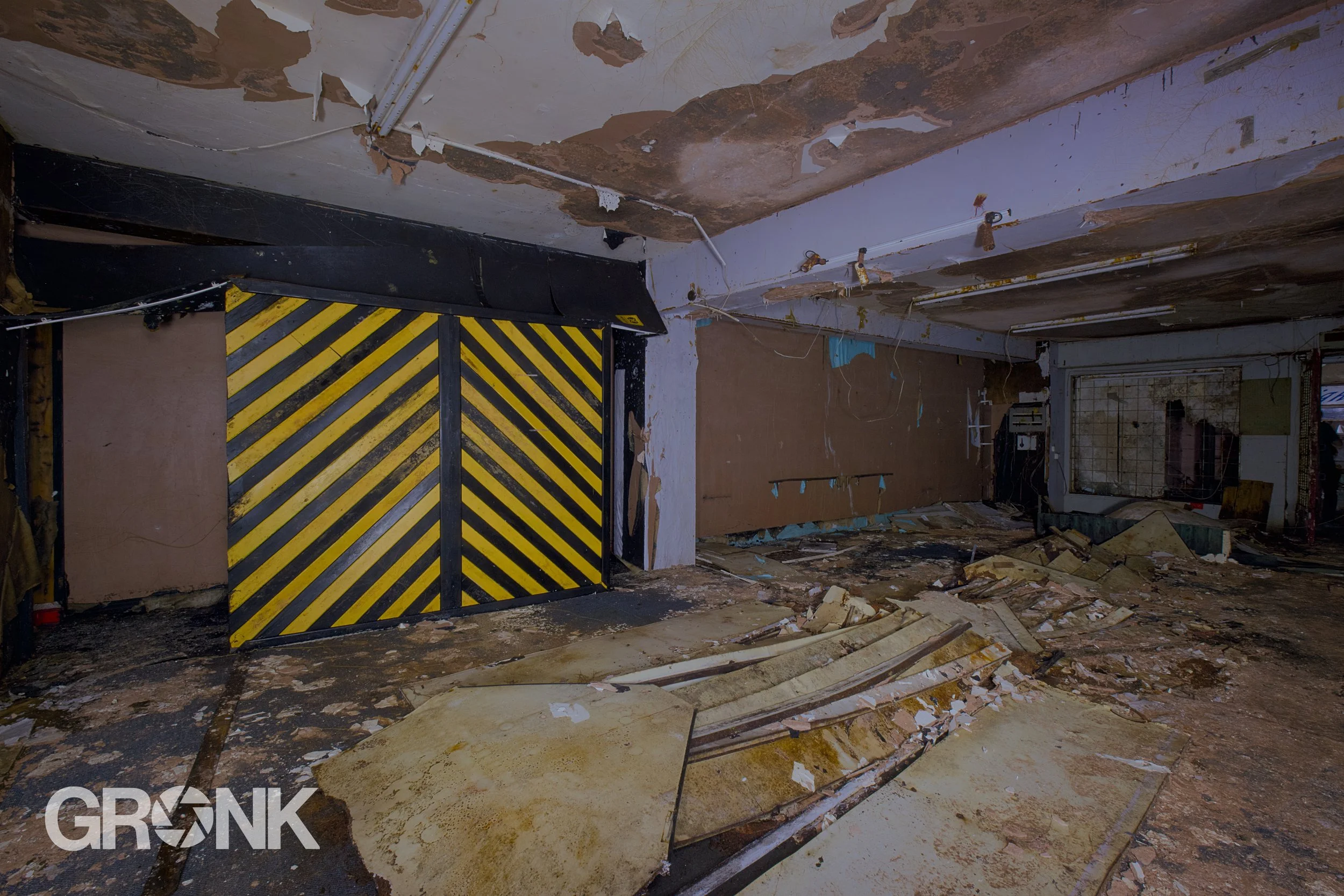
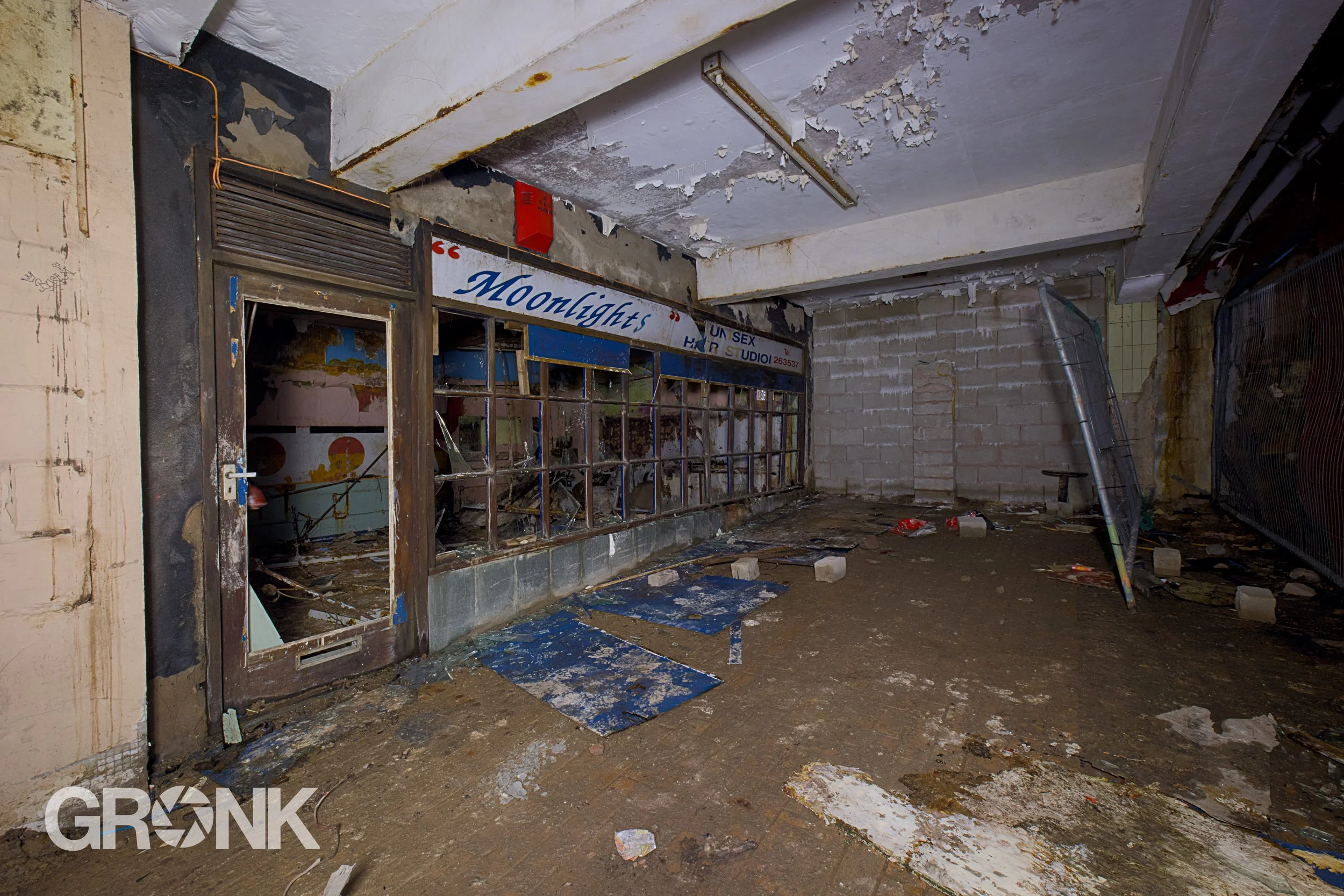
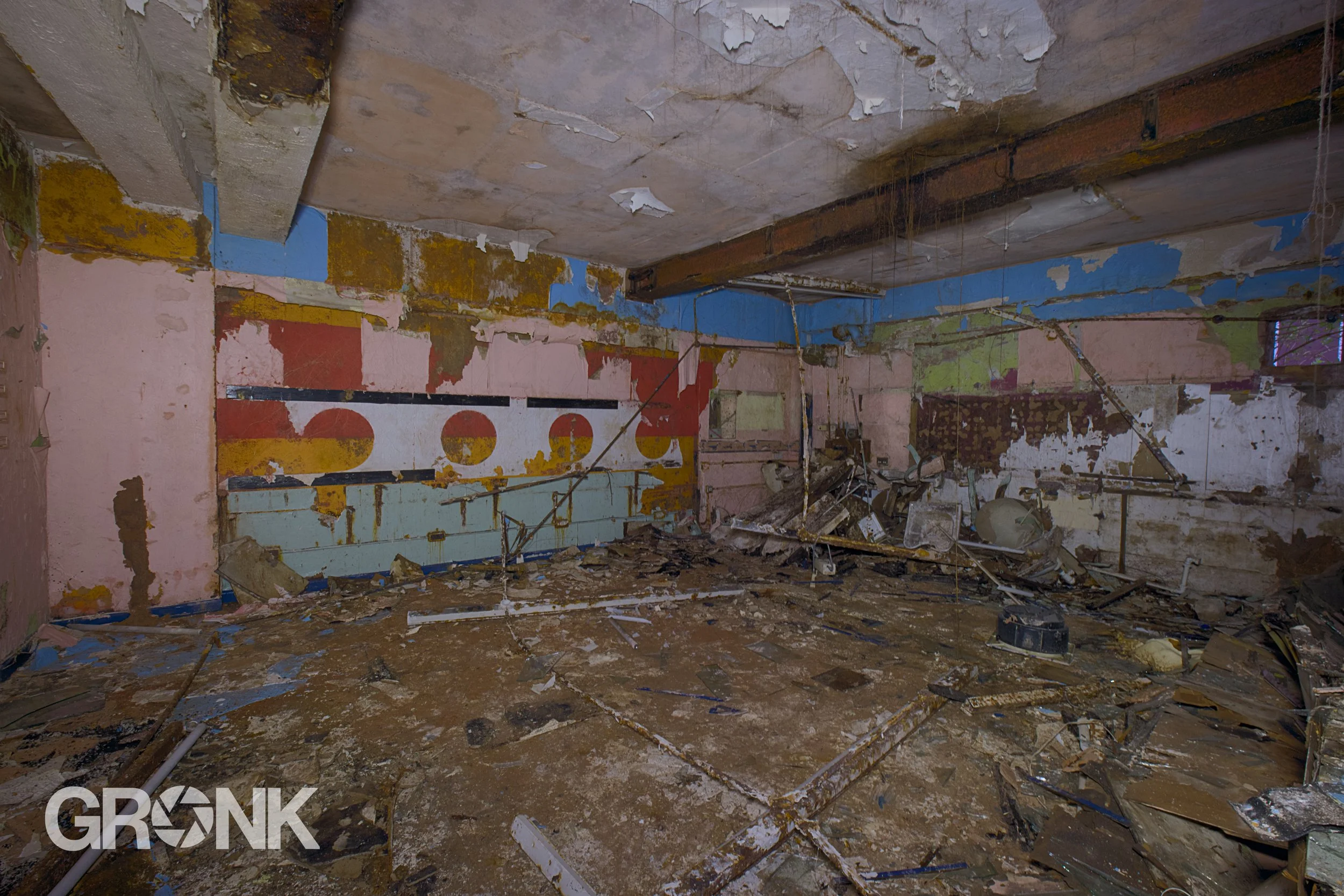
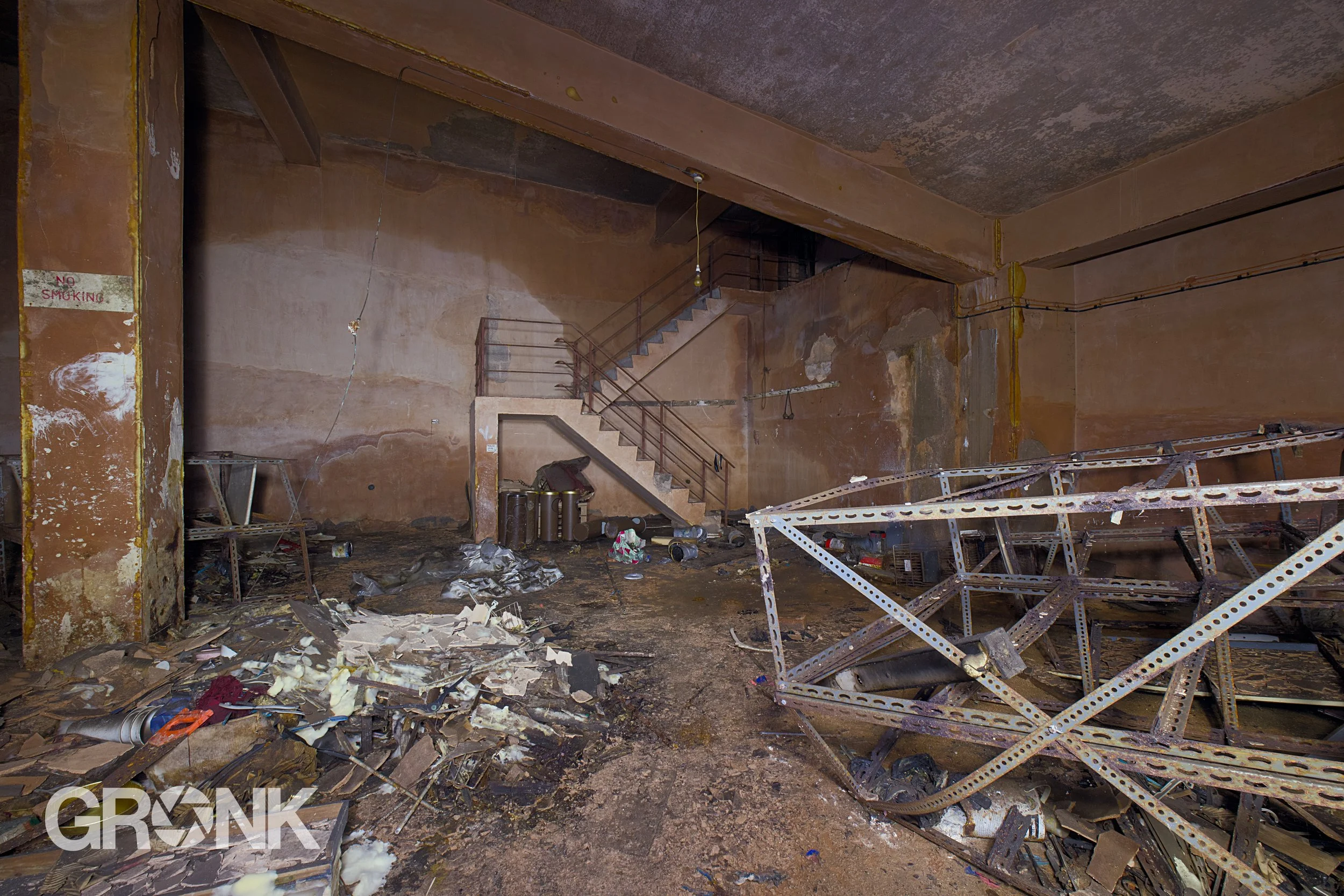
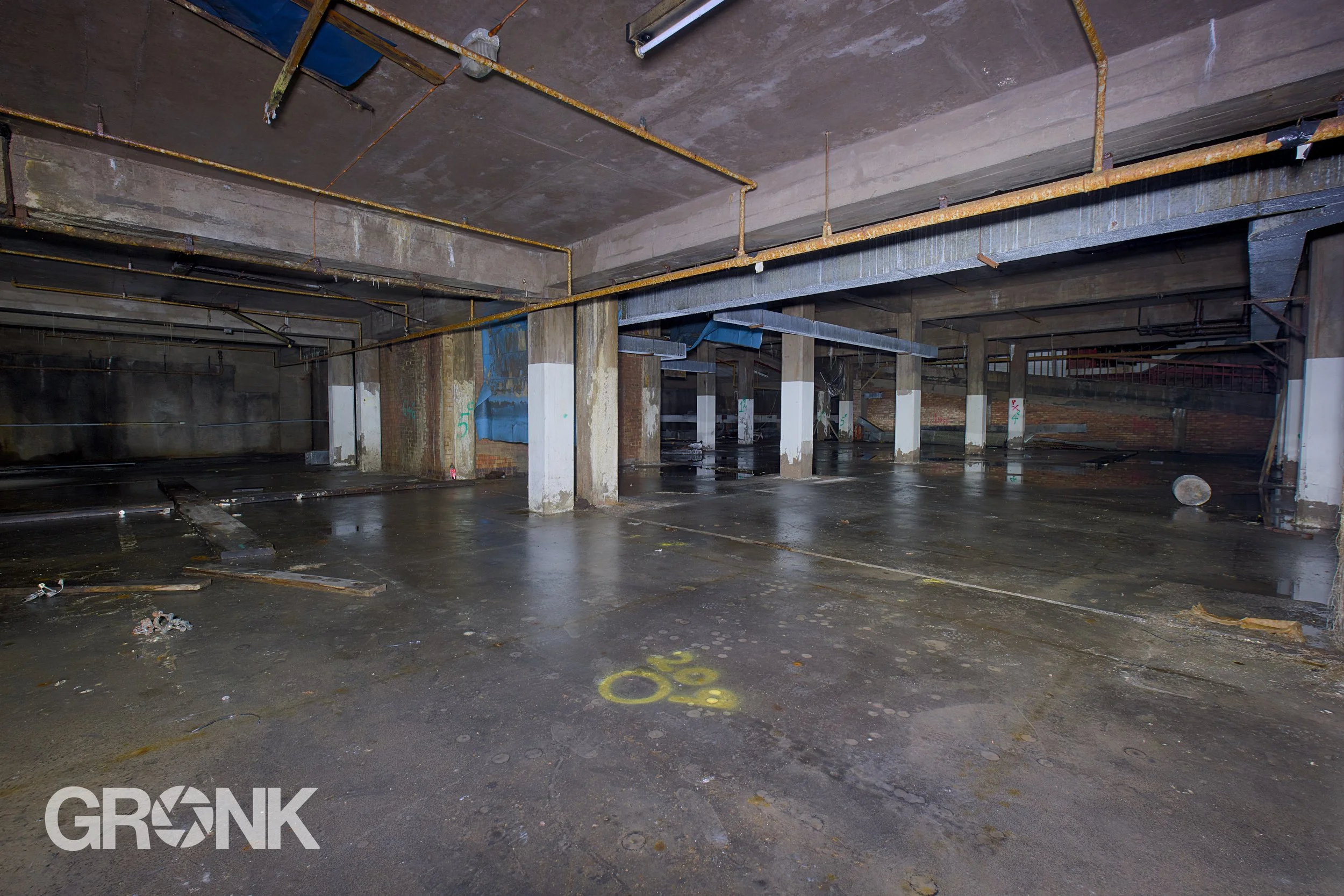
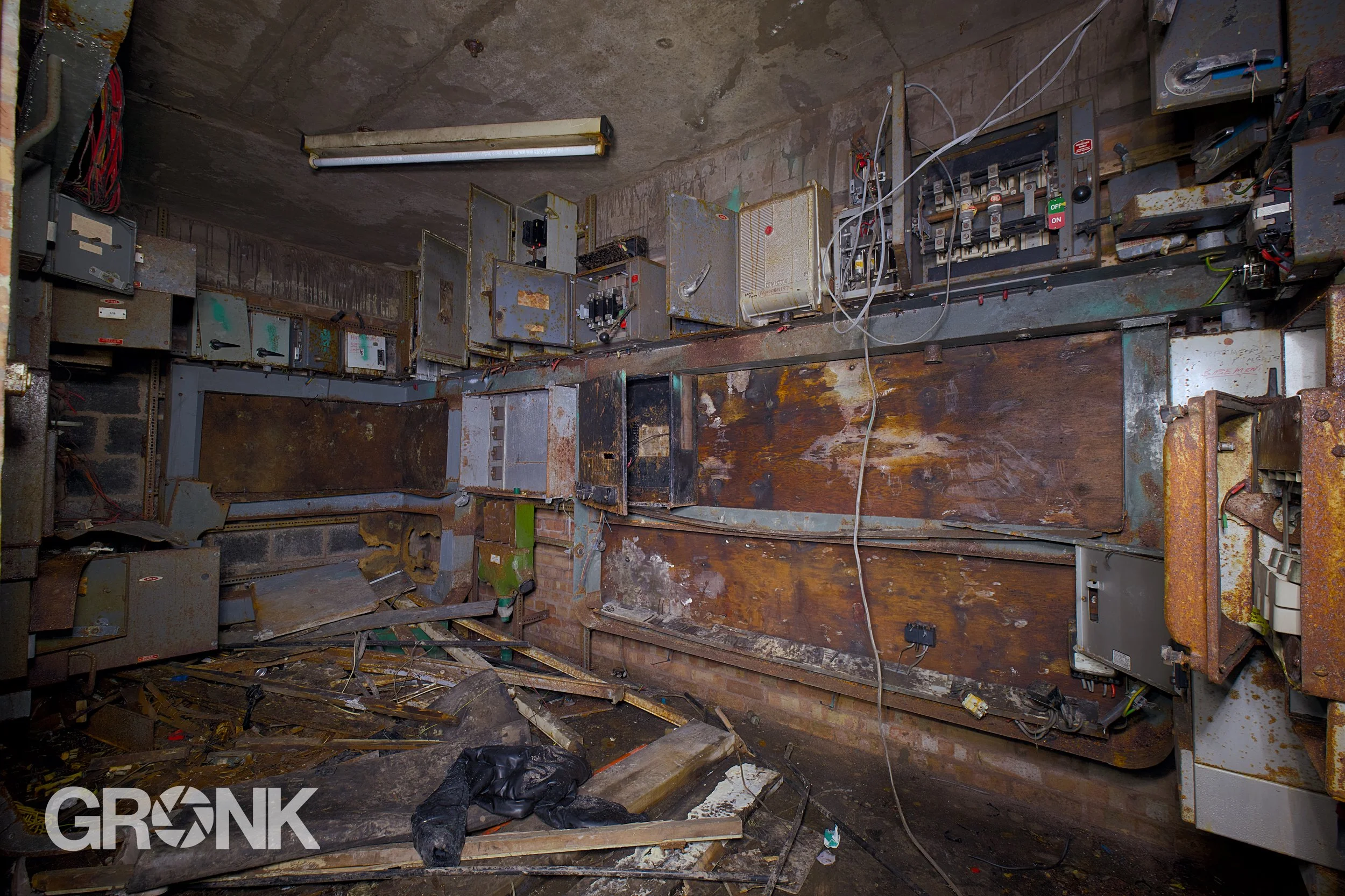
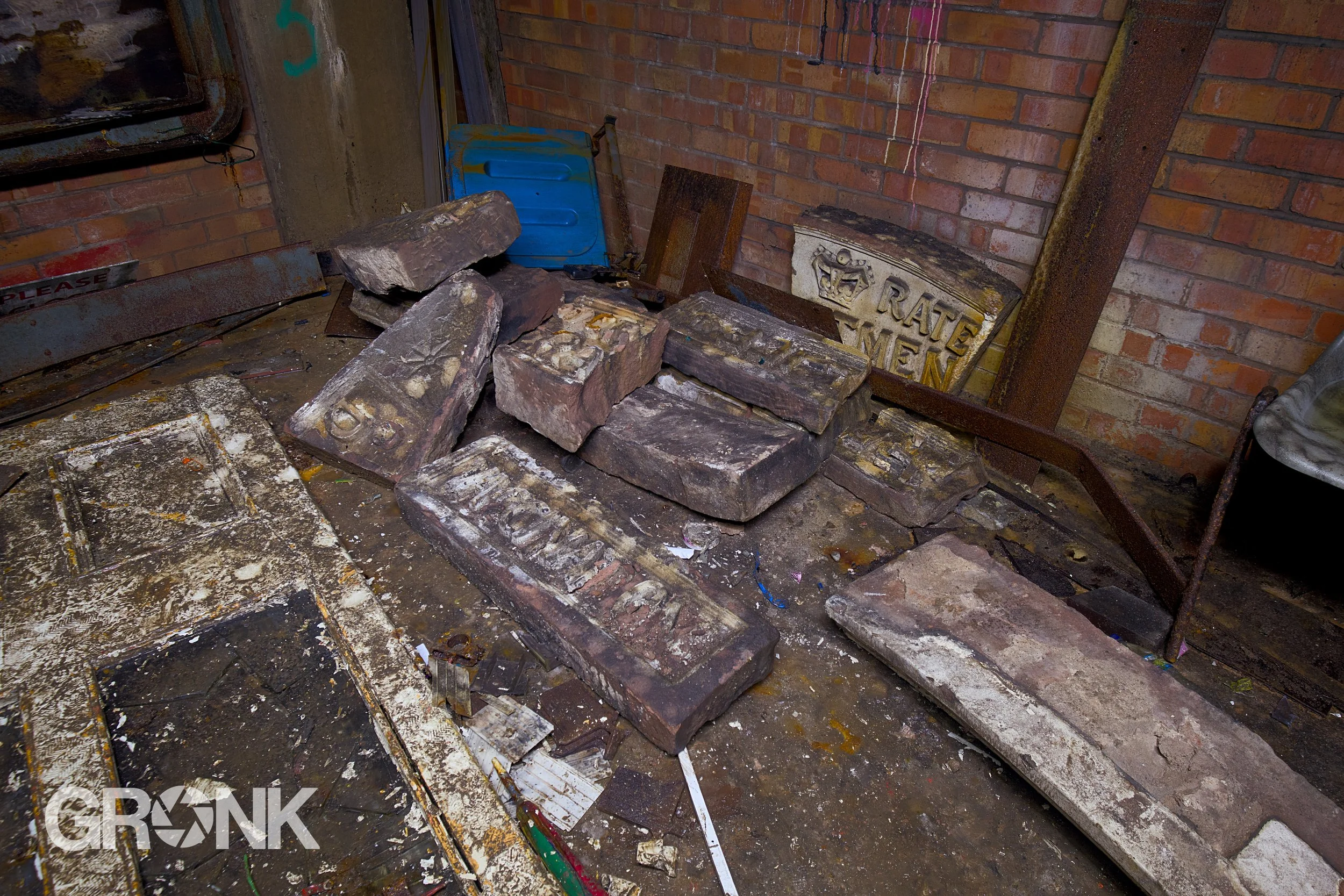
Accessing the site today reveals that substantial sections of the underground structure beneath the former West Precinct still remain intact below ground level. While the shopping decks and retail buildings above were demolished as part of the wider regeneration of the area, the hidden infrastructure underneath was never fully removed. The surviving spaces include long concrete service tunnels, vehicle turning areas, former loading zones and rows of staff parking bays still visible beneath the cleared redevelopment site.
Inside, the remains are strikingly well preserved. Painted lane markings can still be seen on the concrete floors, along with ventilation systems, shutter openings and the heavy structural supports that once carried the precinct above. The scale of the engineering is immediately apparent underground. Deep retaining walls and reinforced concrete ceilings demonstrate that these lower levels were never secondary additions but a fundamental part of the original 1960s design.
Exploration of the surviving underground areas also highlights how advanced the East–West Precinct once was for its time. Deliveries could be handled entirely beneath the shopping centre, allowing goods to move between service areas and retail units without disrupting the pedestrian environment above. The underground network effectively operated as the hidden industrial backbone of the precinct.
There is evidence too that the underground structure intersects with much older layers of Hanley’s industrial past. The surrounding area historically contained pottery works, service yards and railway-related land, and archaeological investigations undertaken during later redevelopment phases identified surviving industrial remains beneath parts of the precinct footprint, including structures linked to 18th- and 19th-century pottery production.
By the late 20th century, however, the East–West Precinct had entered a steady decline. Changes in retail habits, competition from newer shopping developments and the ageing raised-deck layout gradually rendered much of the complex outdated. Large sections became increasingly underused and difficult to maintain, eventually leading to demolition and redevelopment under the Etruscan Square scheme.