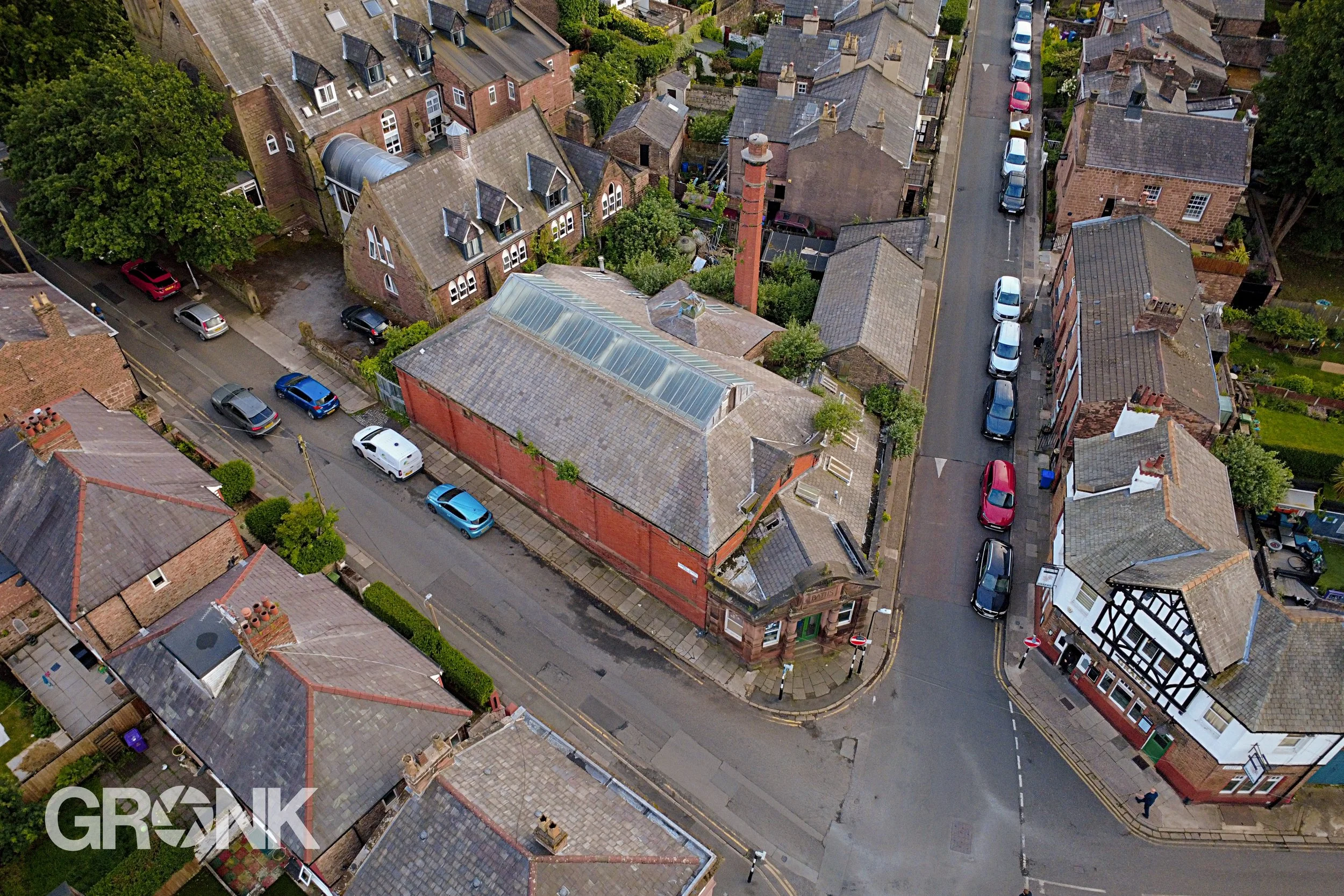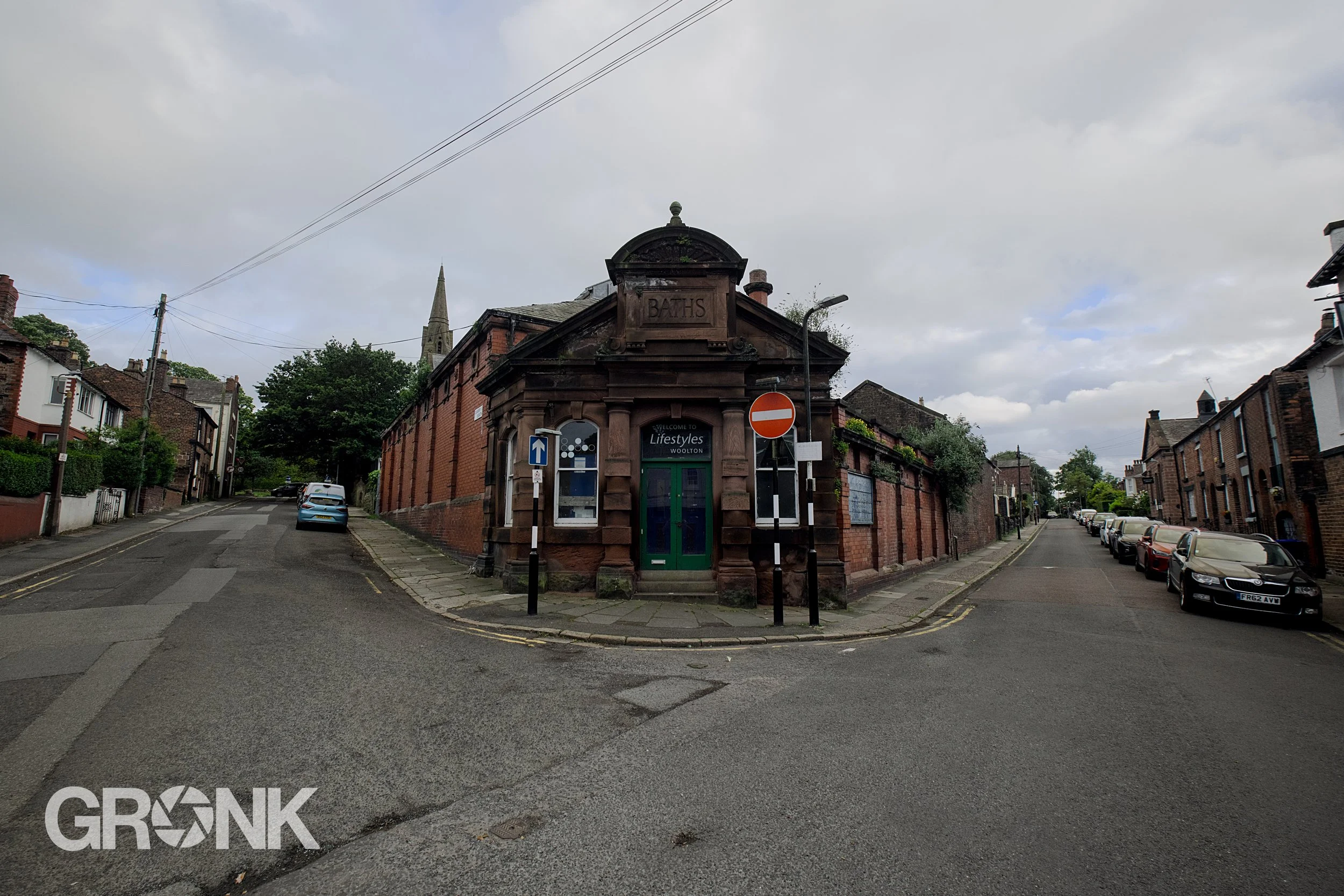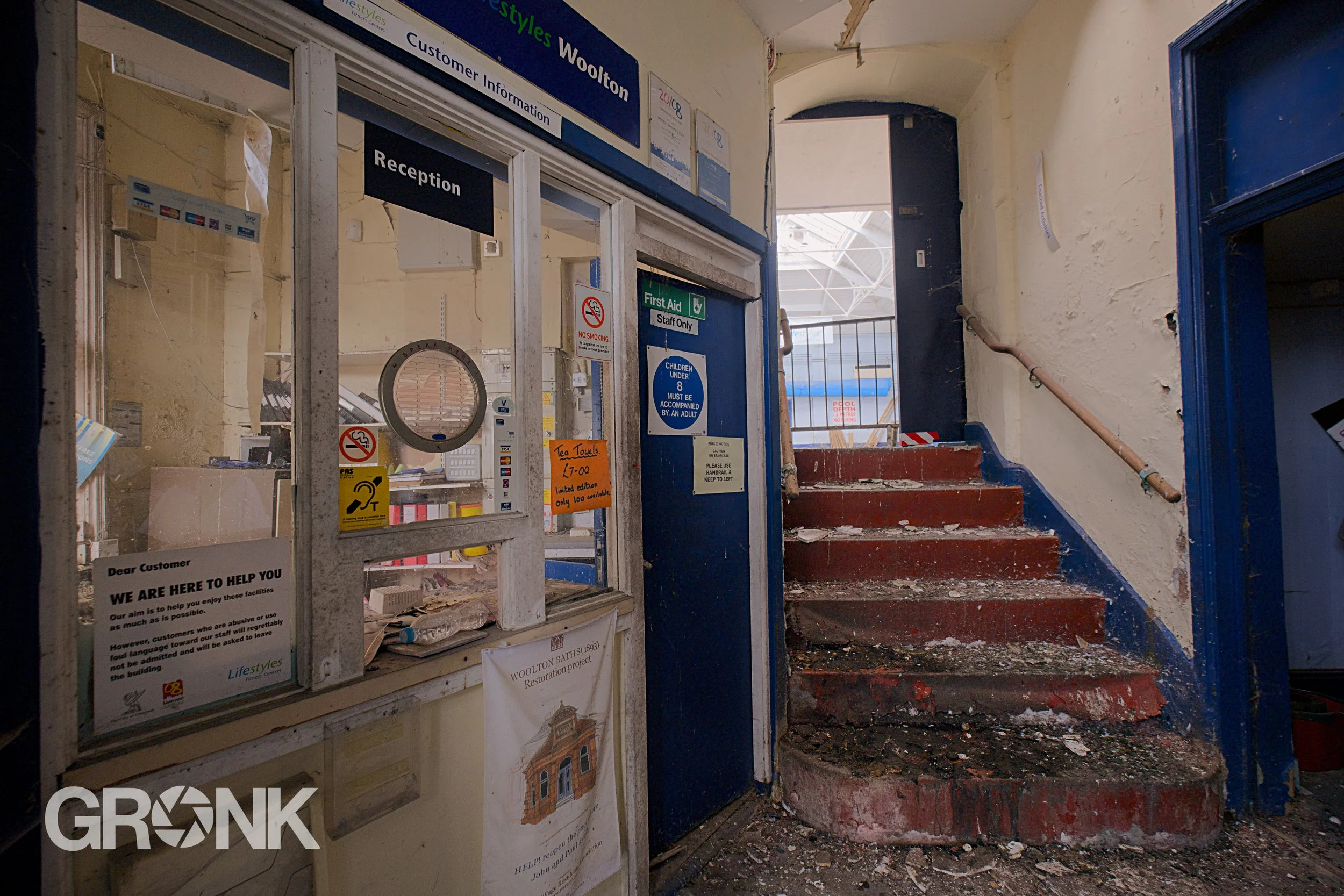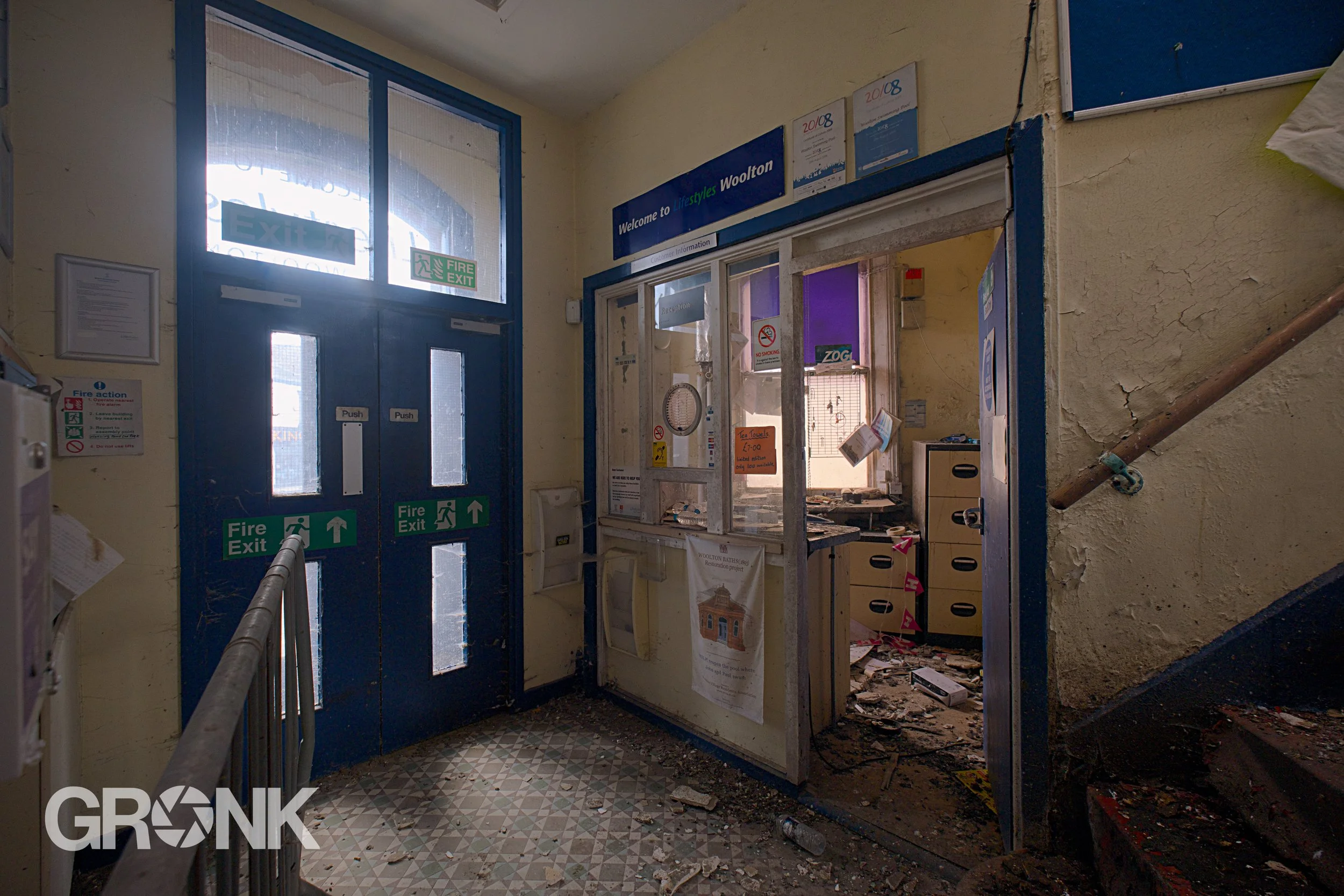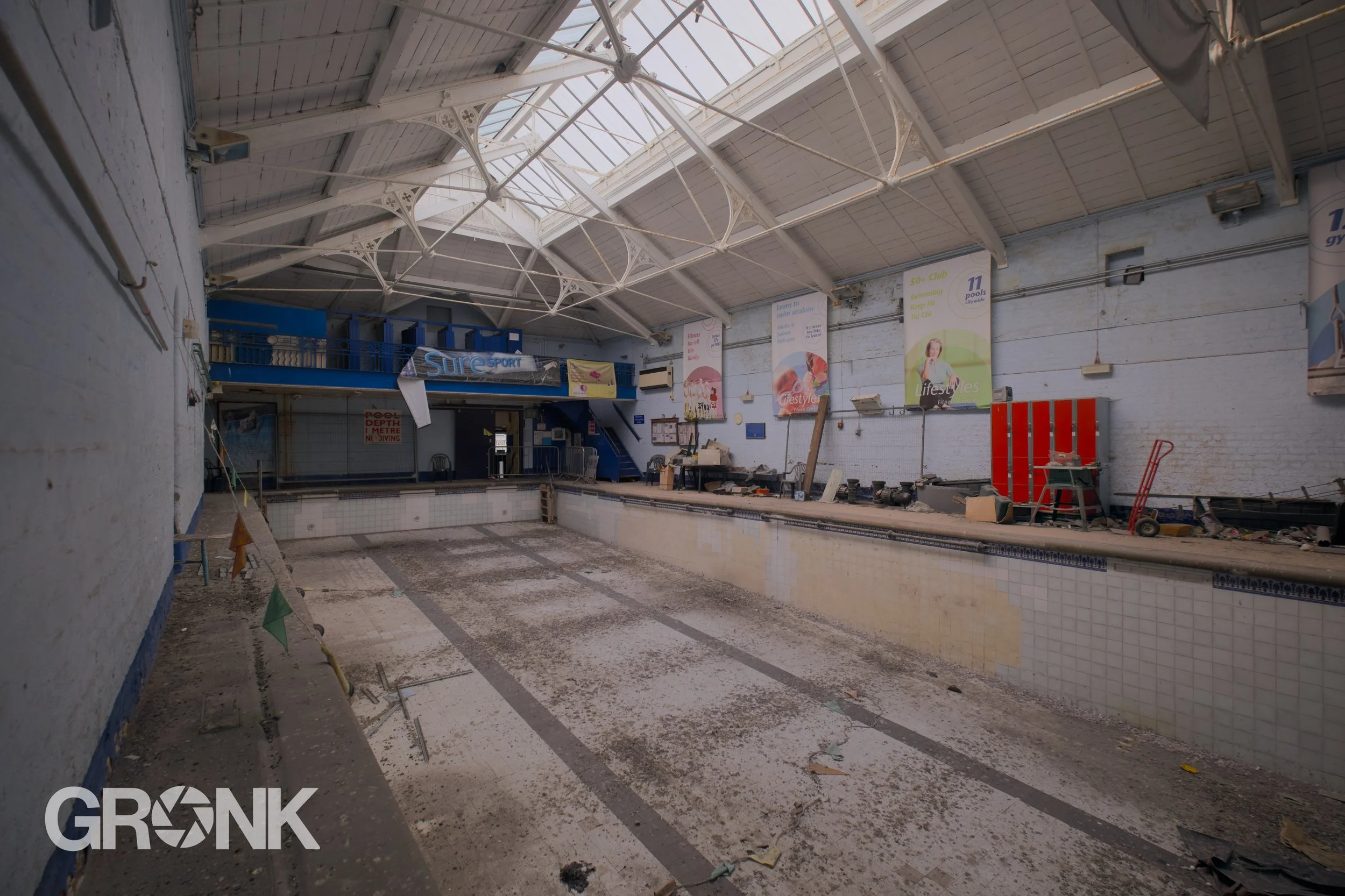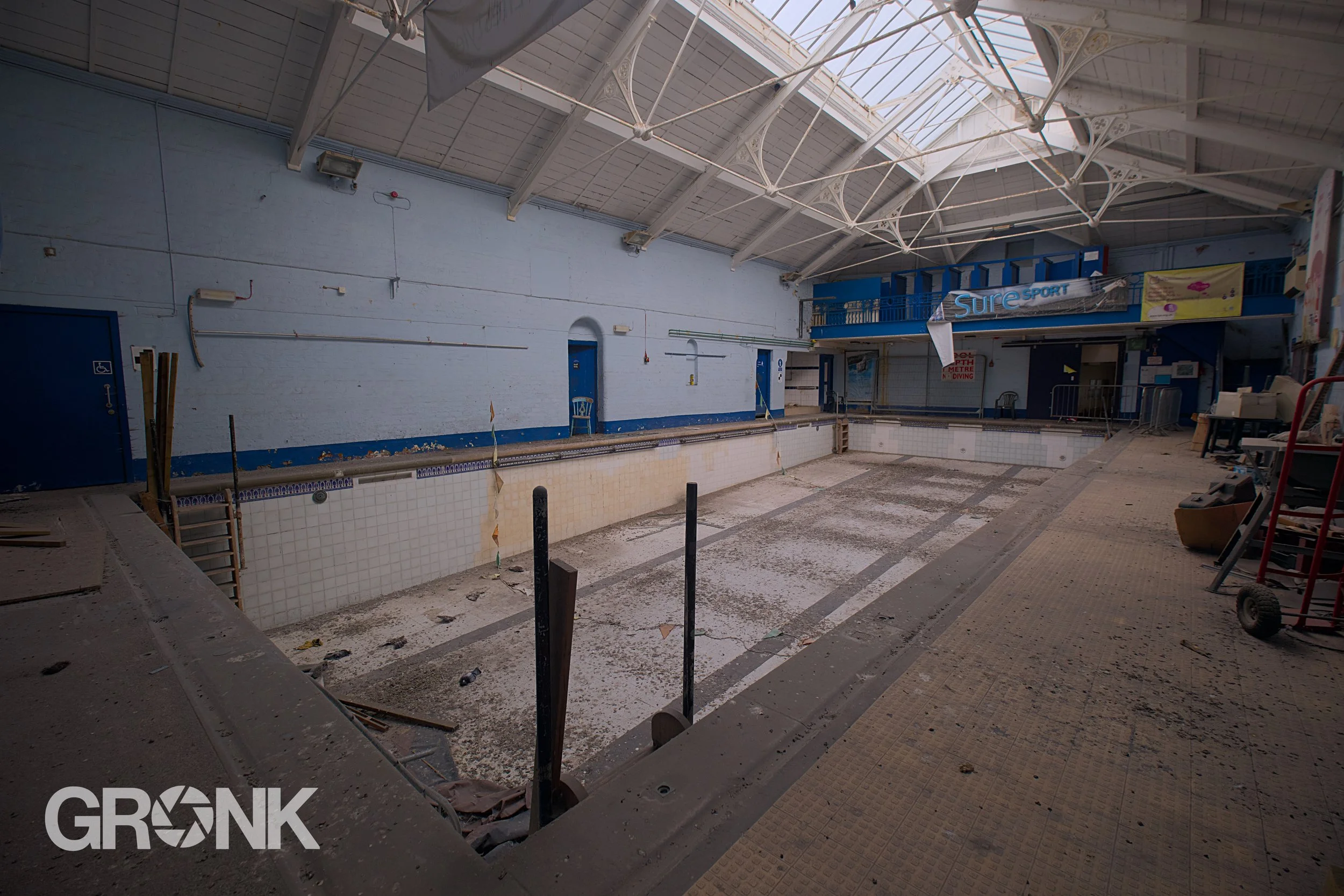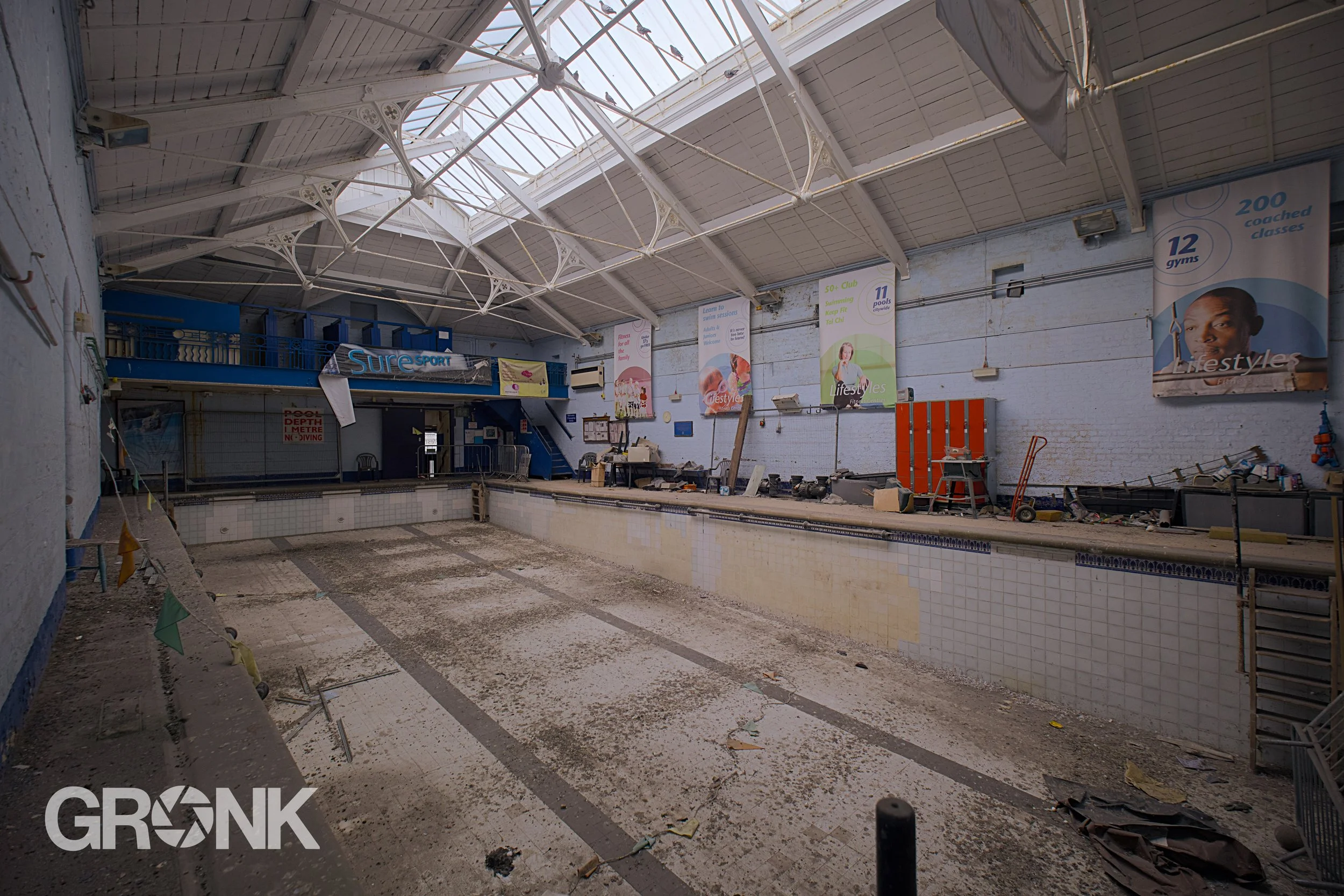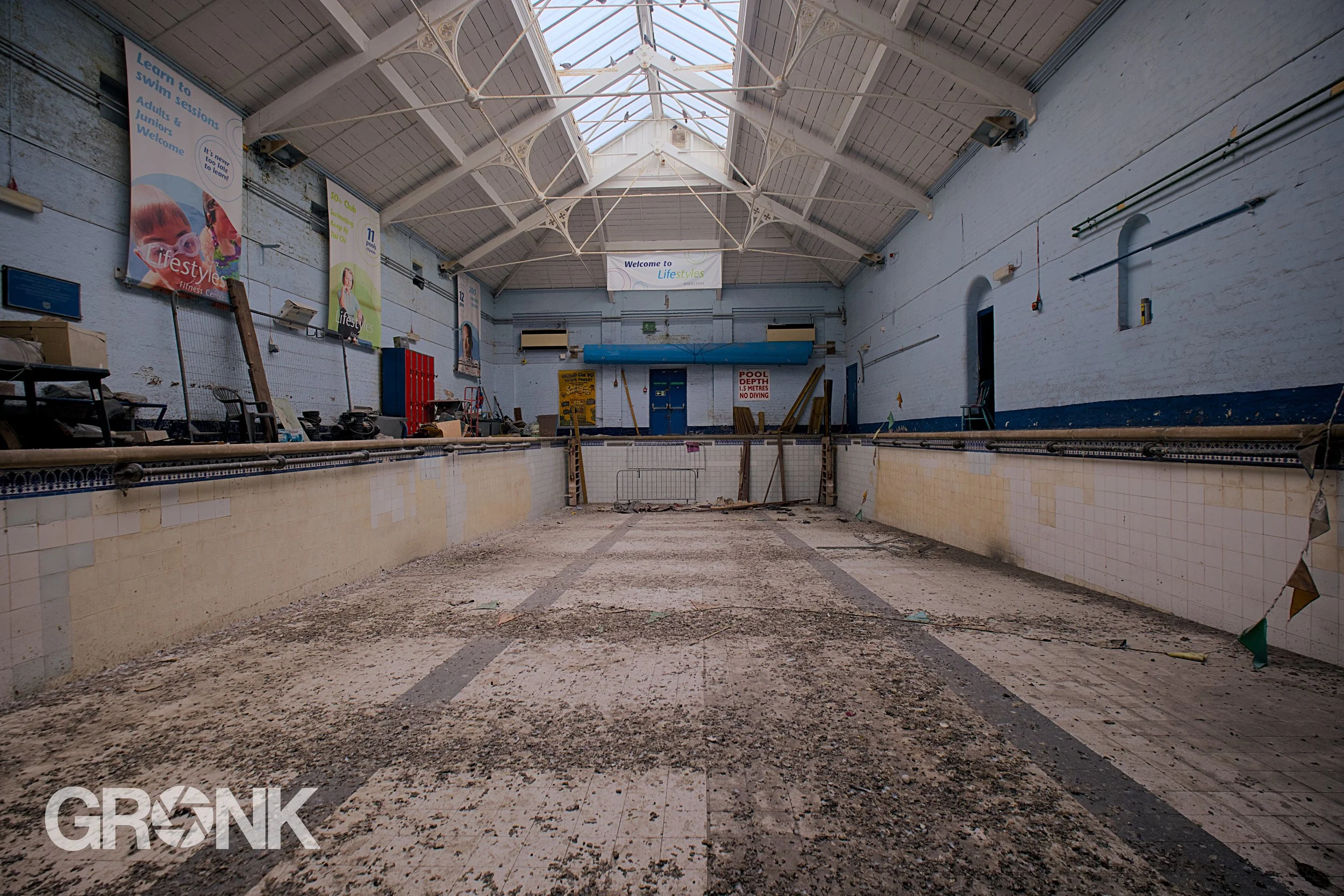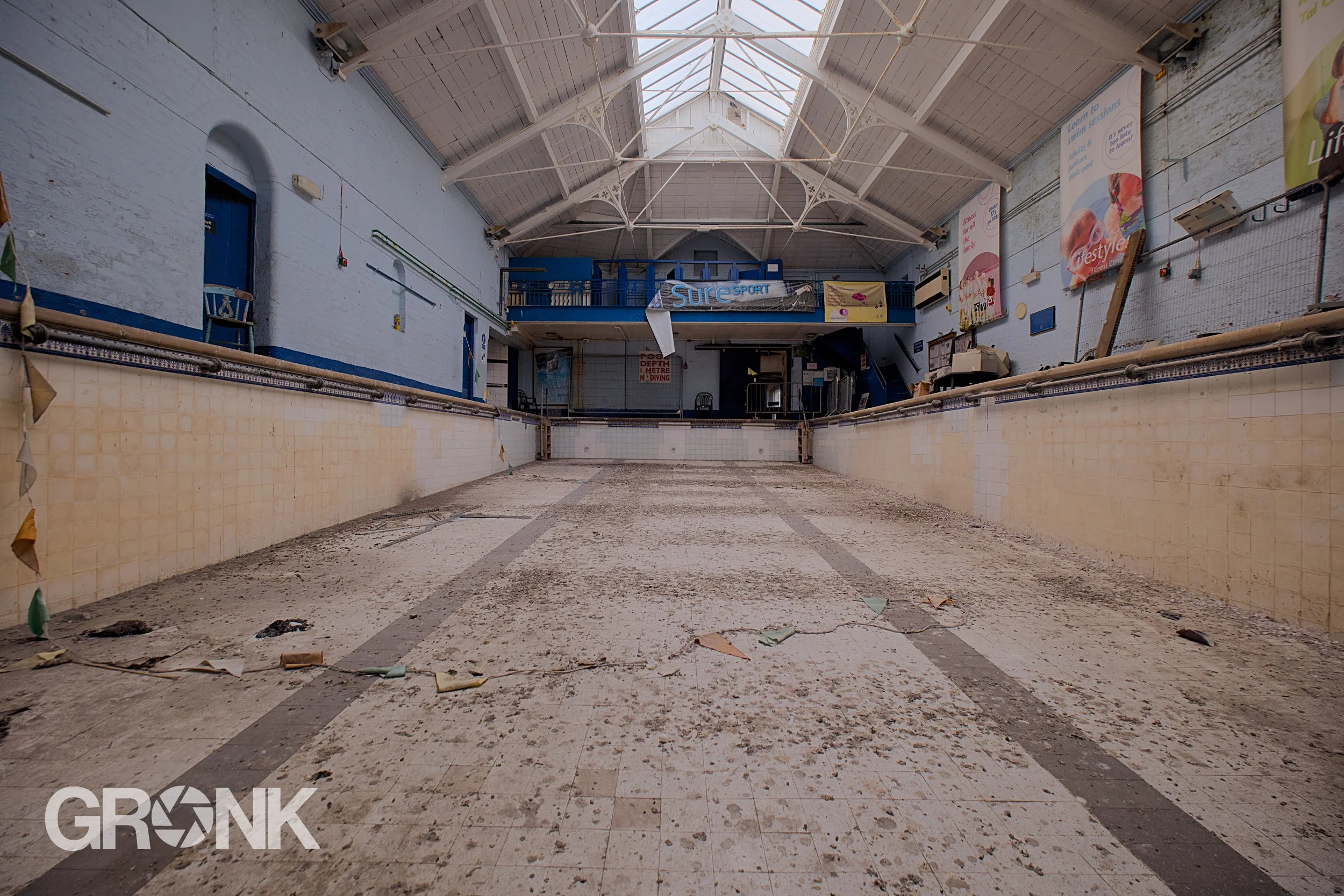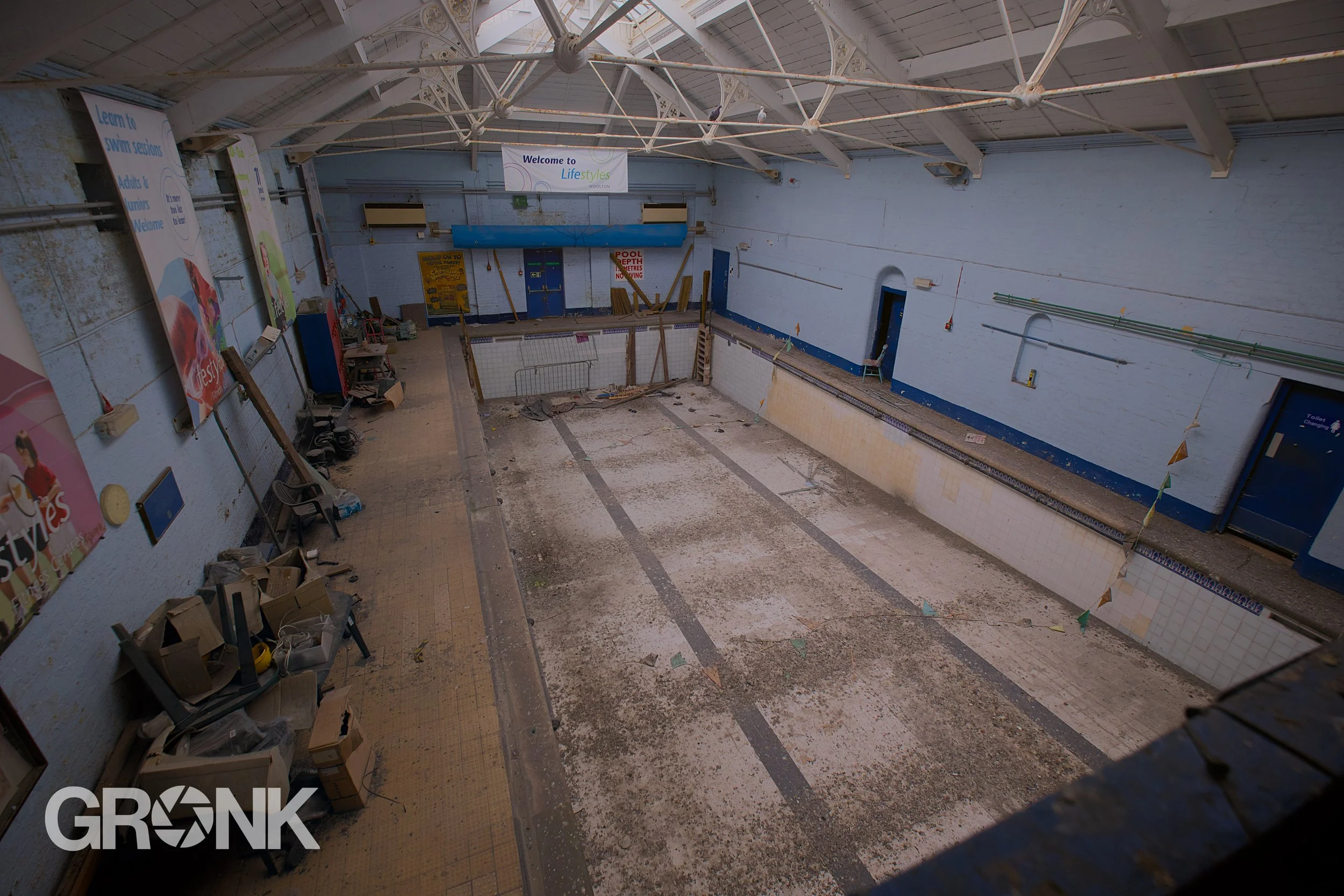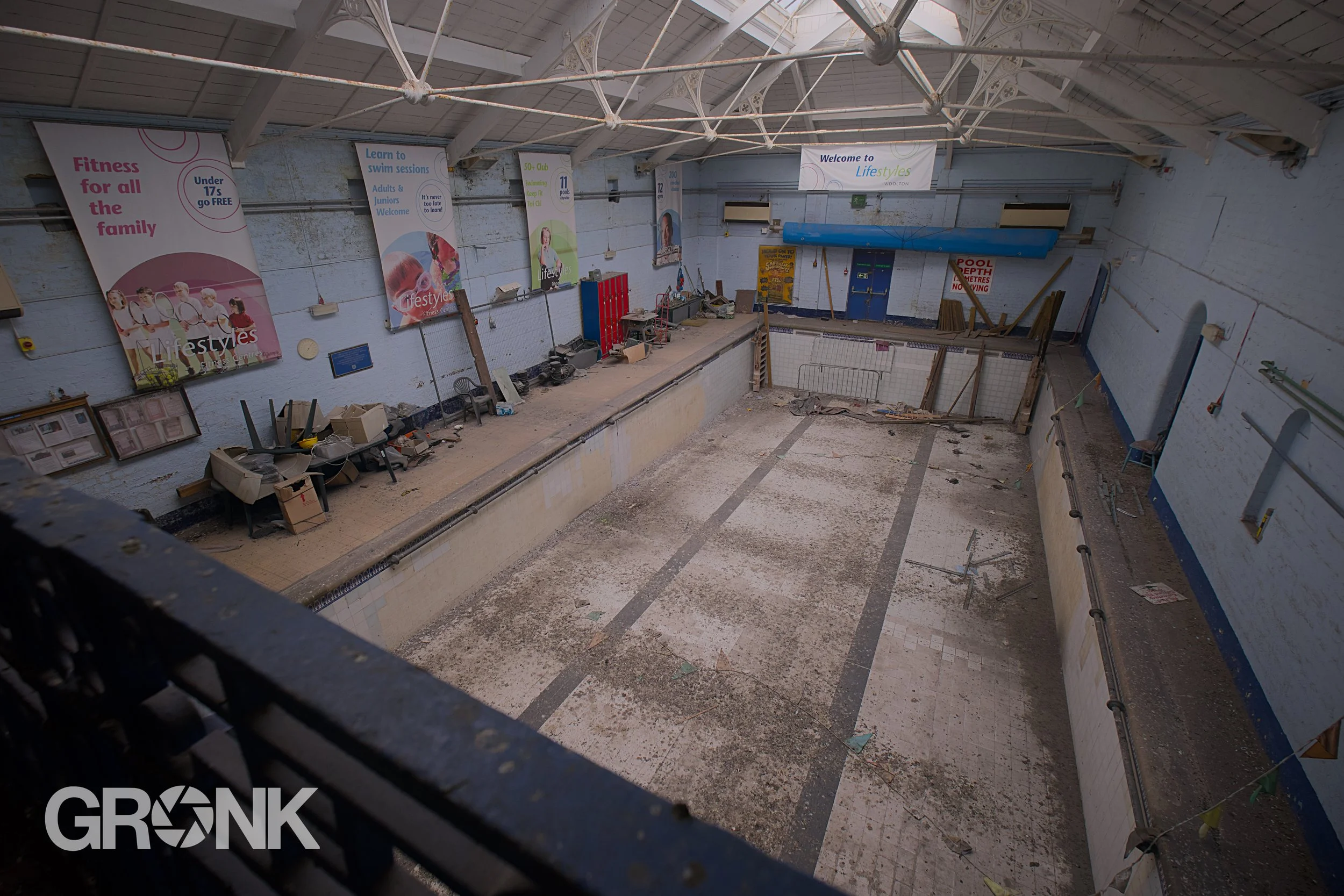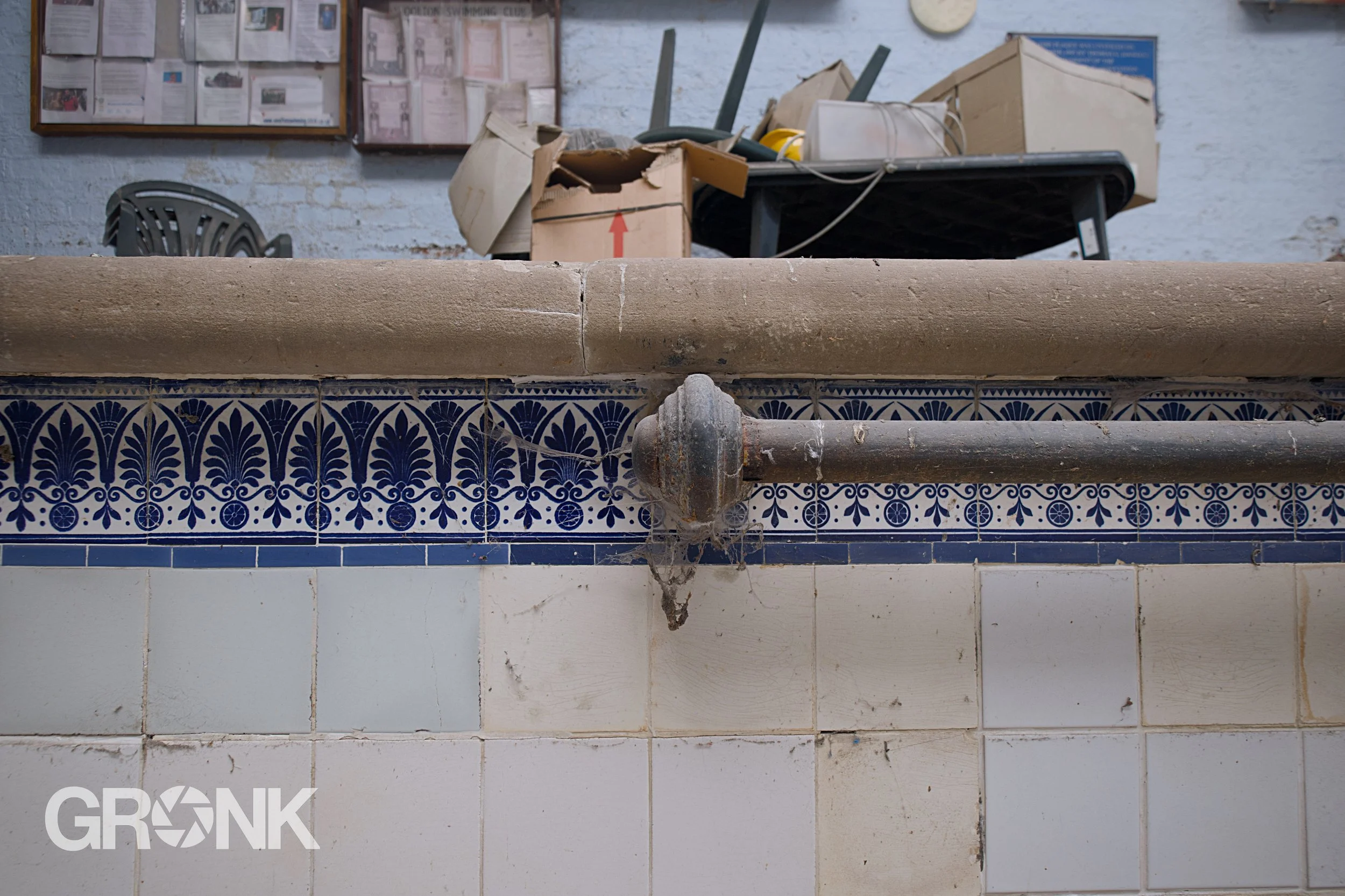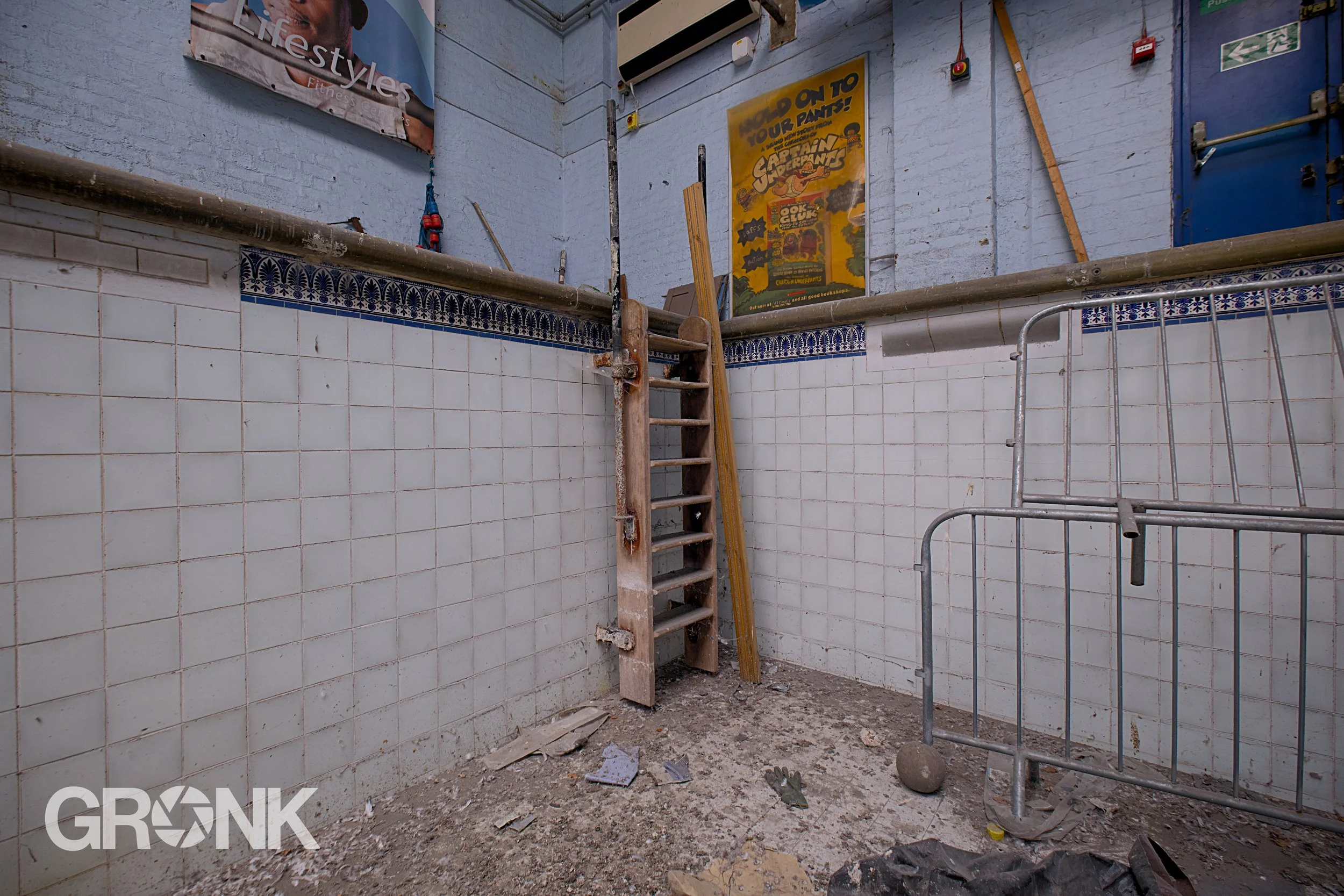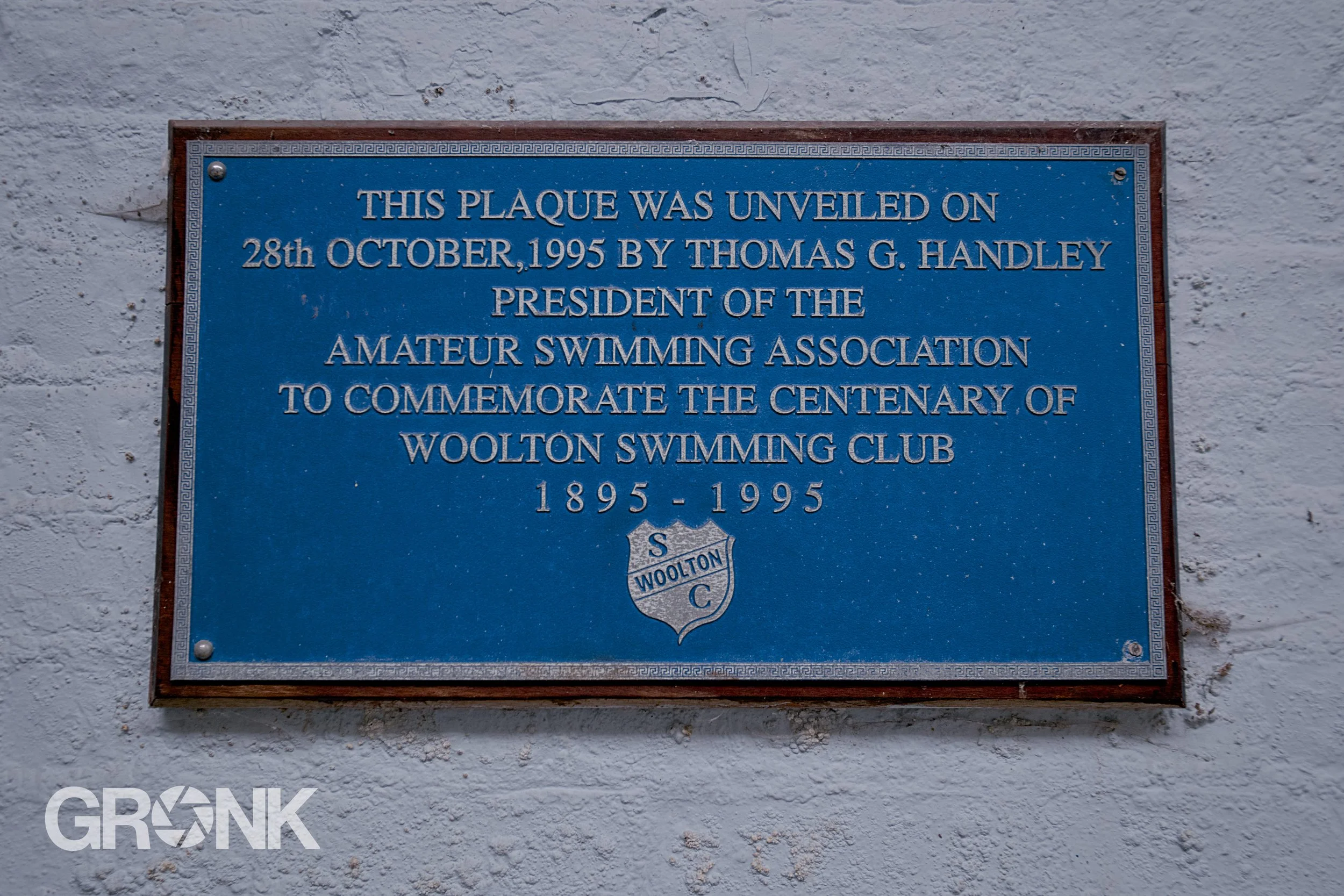
Woolton Swimming Baths is a landmark Victorian public baths building that has served the community of Woolton, Liverpool, for more than a century. The baths were established through the generosity of local industrialist and philanthropist Holbrook Gaskell JP, who funded their construction to provide affordable swimming, bathing and hygiene facilities for local residents. Designed by architects Horton & Bridgford, the building was completed and officially opened in June 1893.
The original facility reflected the social and public health priorities of the Victorian era. Alongside the main swimming pool, the baths included private bathing cubicles, a plunge pool, footbath and laundry facilities, providing essential services at a time when many homes lacked modern sanitation. Water was supplied from nearby Woolton Reservoir, and the baths quickly became an important centre for recreation, exercise and community life.
Initially operating during the summer months, the baths expanded their role in 1899 by opening throughout the year. In 1910, a removable floor was installed over the pool during winter, transforming the building into a versatile venue for dances, concerts, meetings and social events. This adaptability helped establish the baths as a focal point for village activities and celebrations.
When Woolton was incorporated into the City of Liverpool in 1913, ownership and management of the baths transferred to Liverpool Corporation. The building continued to serve generations of residents throughout the twentieth century, although it temporarily closed during both World Wars. In 1935, alterations were carried out to modernise the pool and improve swimming facilities.
Over the decades, Woolton Swimming Baths became closely associated with local heritage and community identity. It is remembered as a swimming venue used by generations of Liverpool residents, including future Olympic swimmer Steve Parry, and is often linked to the childhood years of John Lennon and Paul McCartney. The facility closed in 2010 following increased financial pressure on council owned facilities.