ROC Posts
The Royal Observer Corps (ROC) originated in 1925 as a volunteer organisation supporting the Royal Air Force by visually identifying and tracking aircraft. During the Second World War, its observers played a crucial role in the air defence network, reporting aircraft movements and helping coordinate fighter responses during the Battle of Britain. After the war, however, the ROC’s traditional role declined as radar technology advanced.
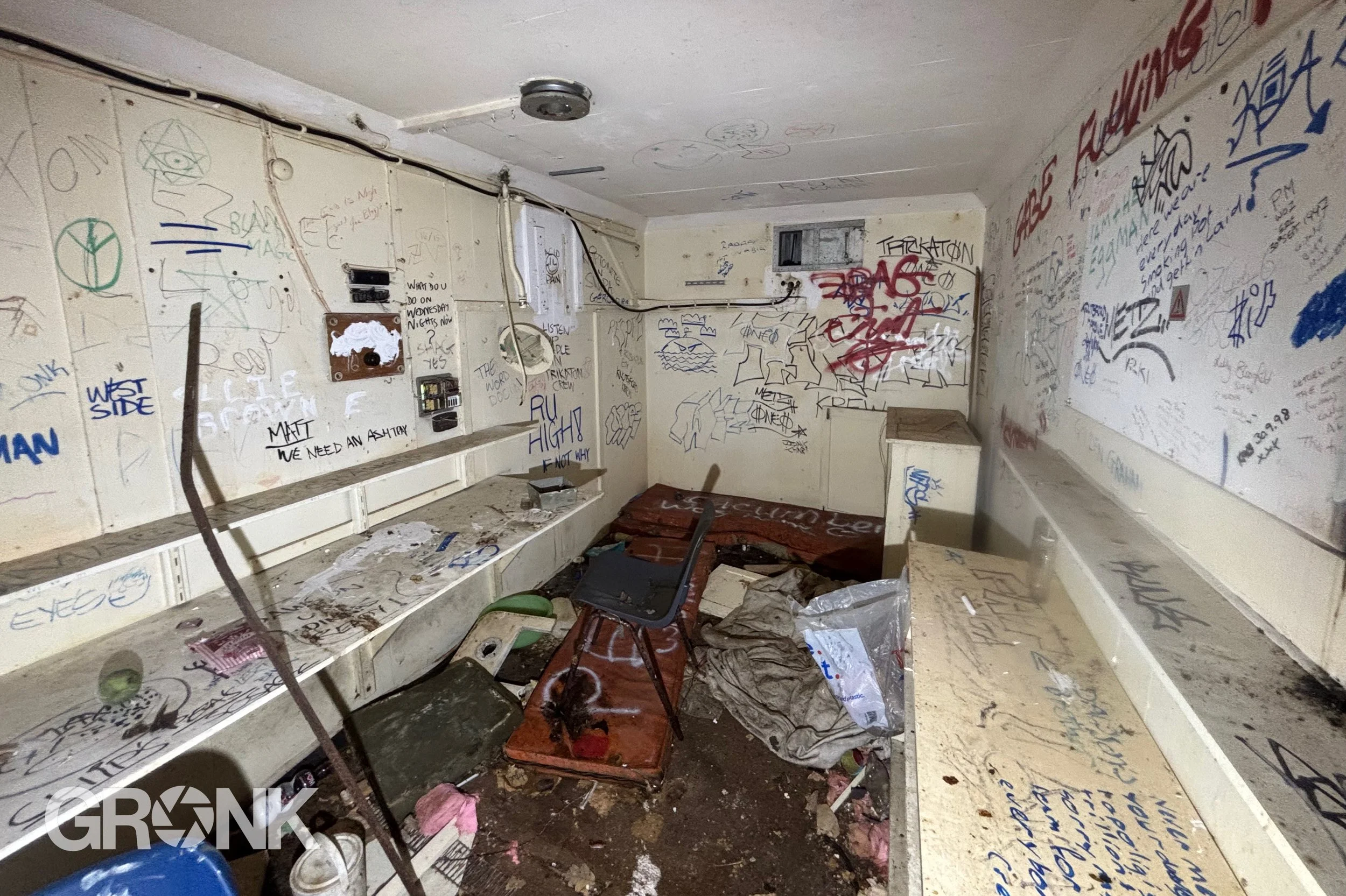
With the emergence of the Cold War and the threat of nuclear attack, the ROC was given a new purpose. From the mid-1950s, it became the backbone of Britain’s civilian nuclear-monitoring system. Between 1956 and 1965, around 1,563 ROC monitoring posts were constructed across the UK. These small, underground concrete bunkers—typically located in rural or elevated positions—were designed to house three trained volunteers. Each post was equipped with instruments such as the Bomb Power Indicator, the Ground Zero Indicator, and radiation dosimeters. These tools allowed crews to measure blast pressure, detect nuclear detonations, and monitor fallout levels following a potential attack. Information gathered in the posts would be transmitted to ROC group controls and then to higher authorities, forming a nationwide picture of nuclear effects.
The posts were intended to be occupied for days or weeks during a crisis, with basic supplies, bunks, an air-pump system, and communication equipment sustaining the crew. Throughout the Cold War, they were regularly tested during large civil-defence exercises.
By the late 1980s, the political climate had shifted, and the threat of nuclear conflict diminished. In 1991, after the collapse of the Soviet Union, the UK government stood down the ROC’s nuclear monitoring role, and the posts were abandoned soon after. Today, many remain scattered across the country—some derelict, others restored by enthusiasts—serving as tangible reminders of Britain’s Cold War civil-defence preparations.