Aberllefenni Slate Quarry, Machynlleth
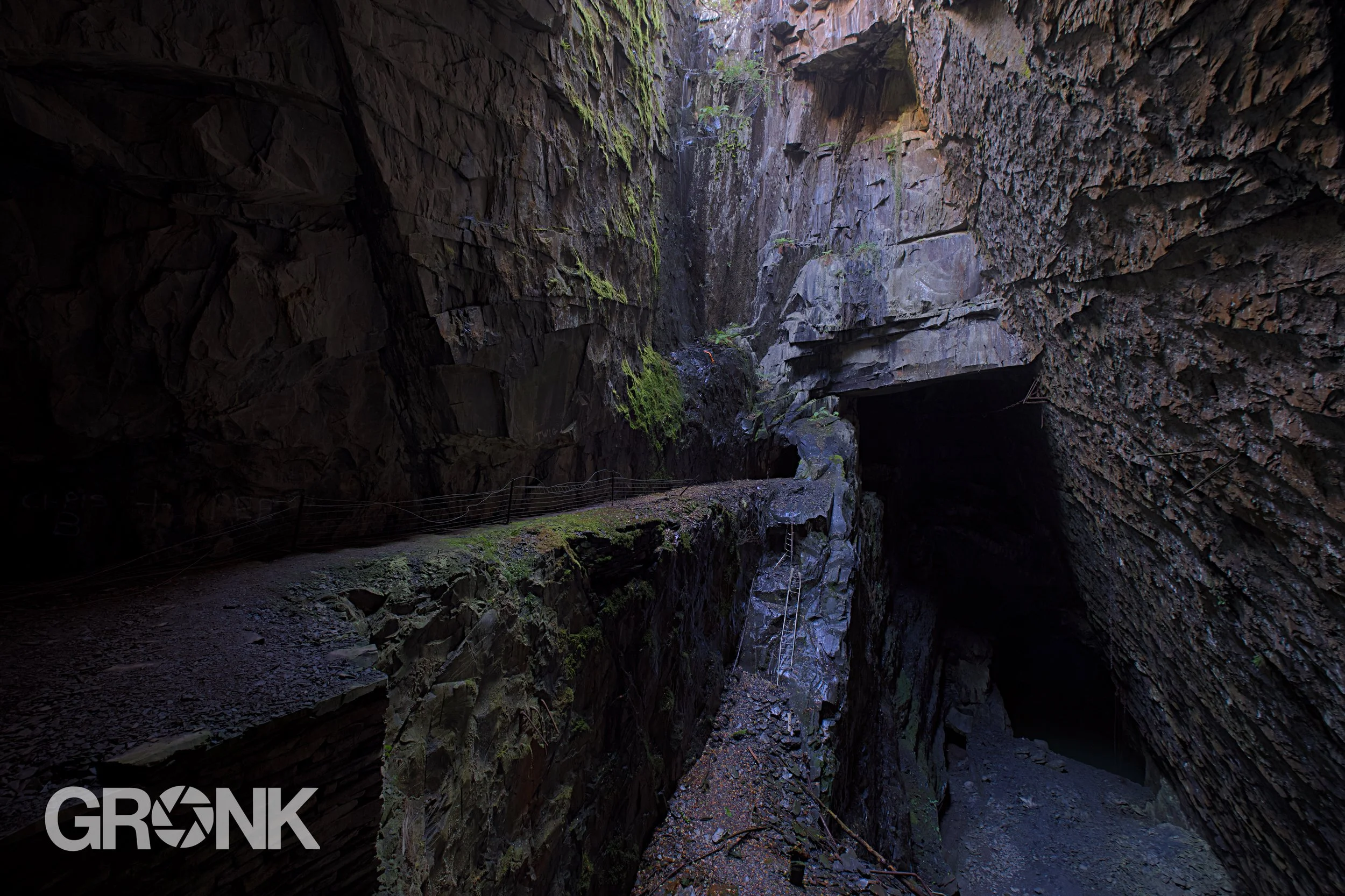
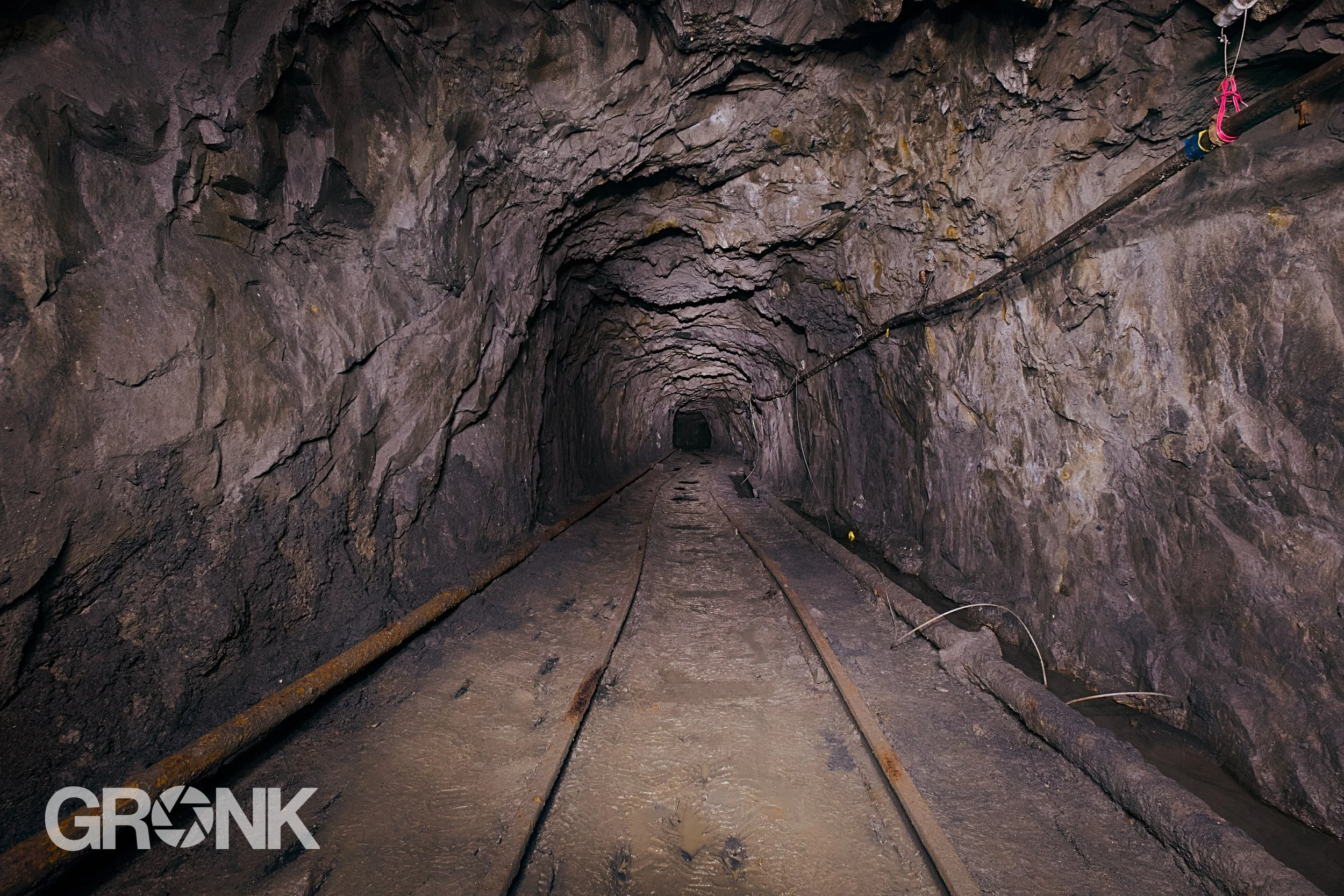
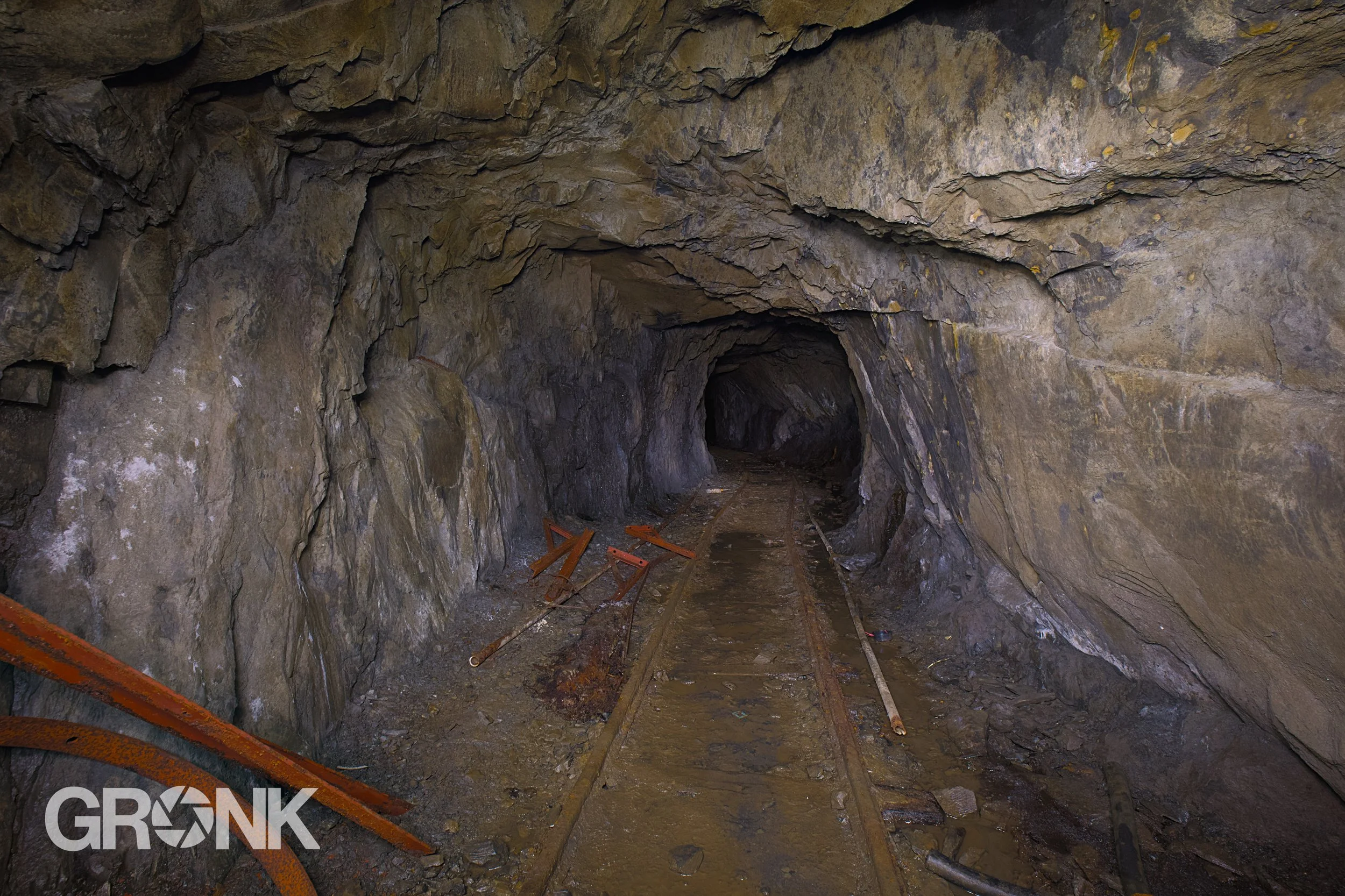
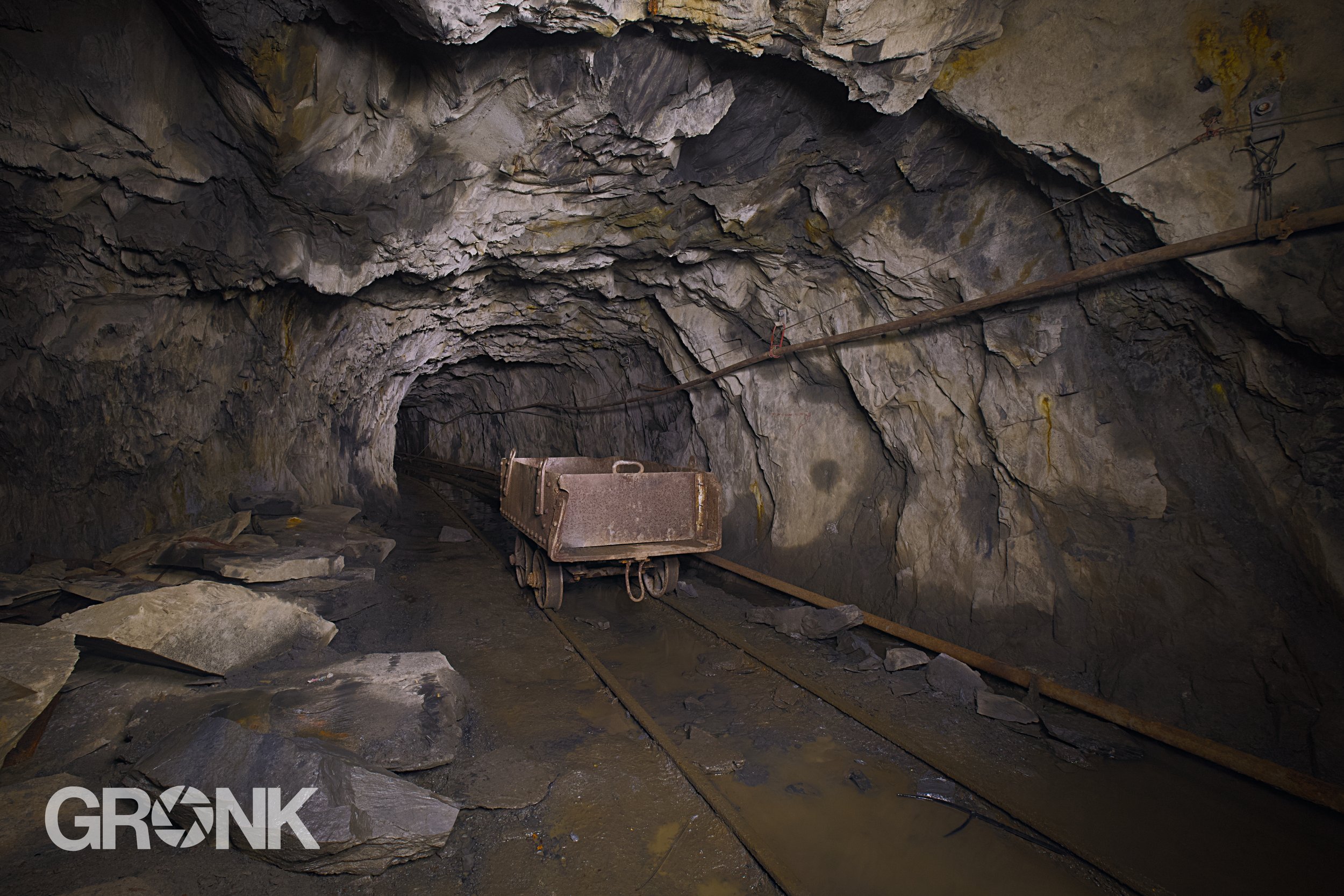
Aberllefenni Slate Quarry, located in the Cwm Hengae valley near Machynlleth, is one of the oldest and longest-operating slate quarries in Wales, with evidence of working as early as the 14th century. By 1500, slate from the site was used on the nearby Plas Aberllefenni. Large-scale commercial quarrying began around 1810, with the quarry operating under various owners throughout the 19th and 20th centuries.
The quarry exploited the high-quality Narrow Vein slate, prized for its hardness and durability. It eventually grew to include three major workings: Foel Grochan, Hen Gloddfa, and Ceunant Ddu, though they were managed as a single operation.
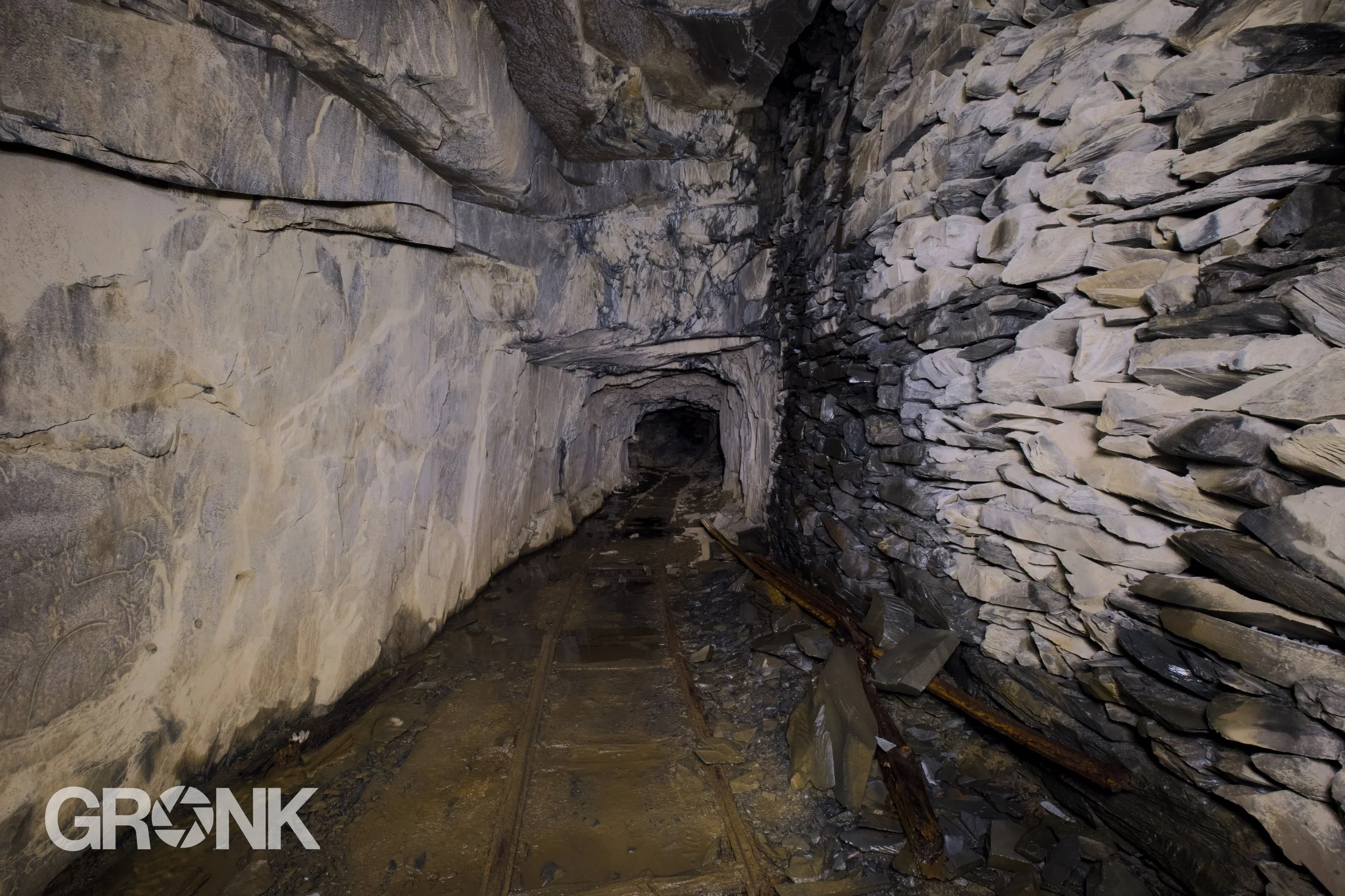
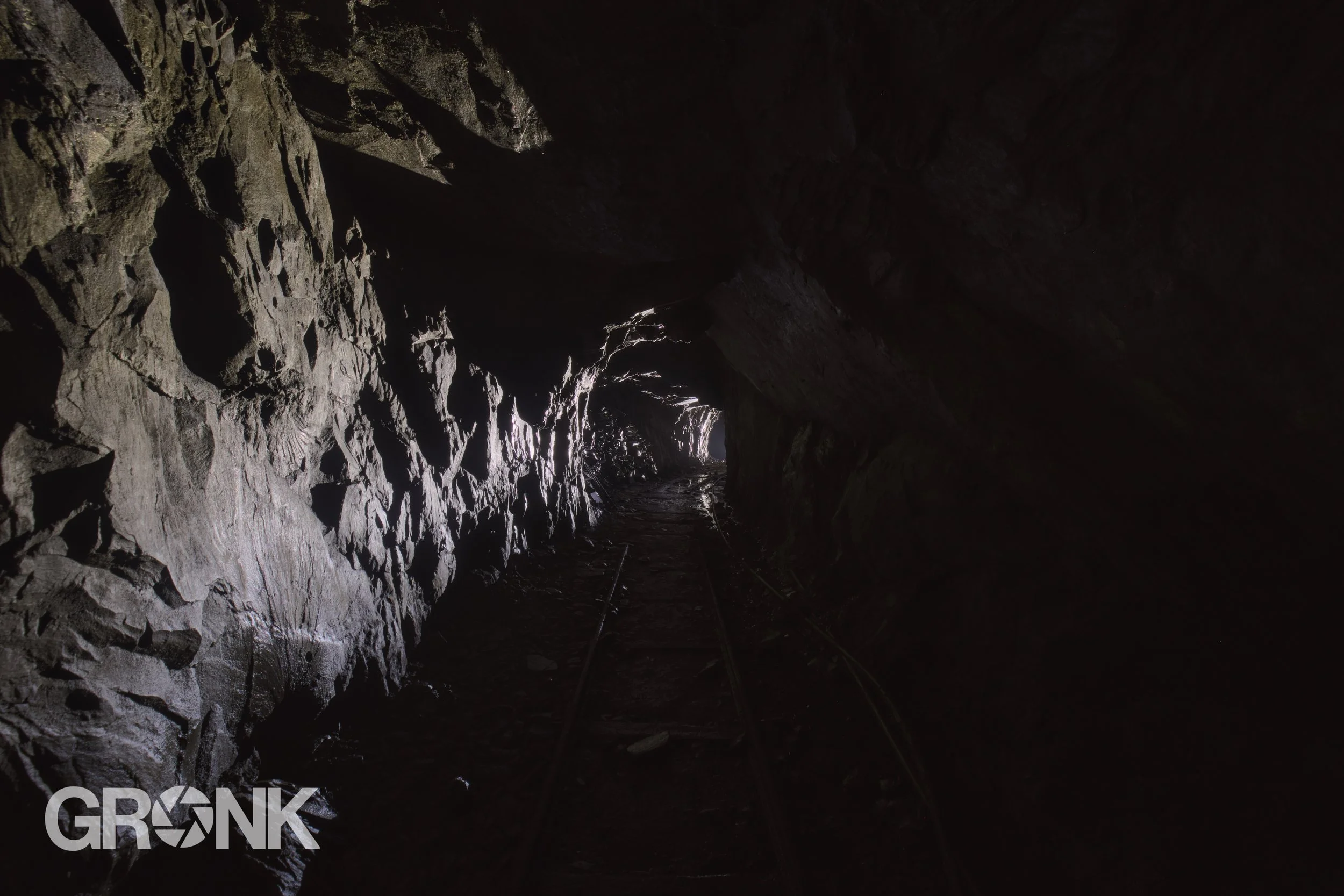
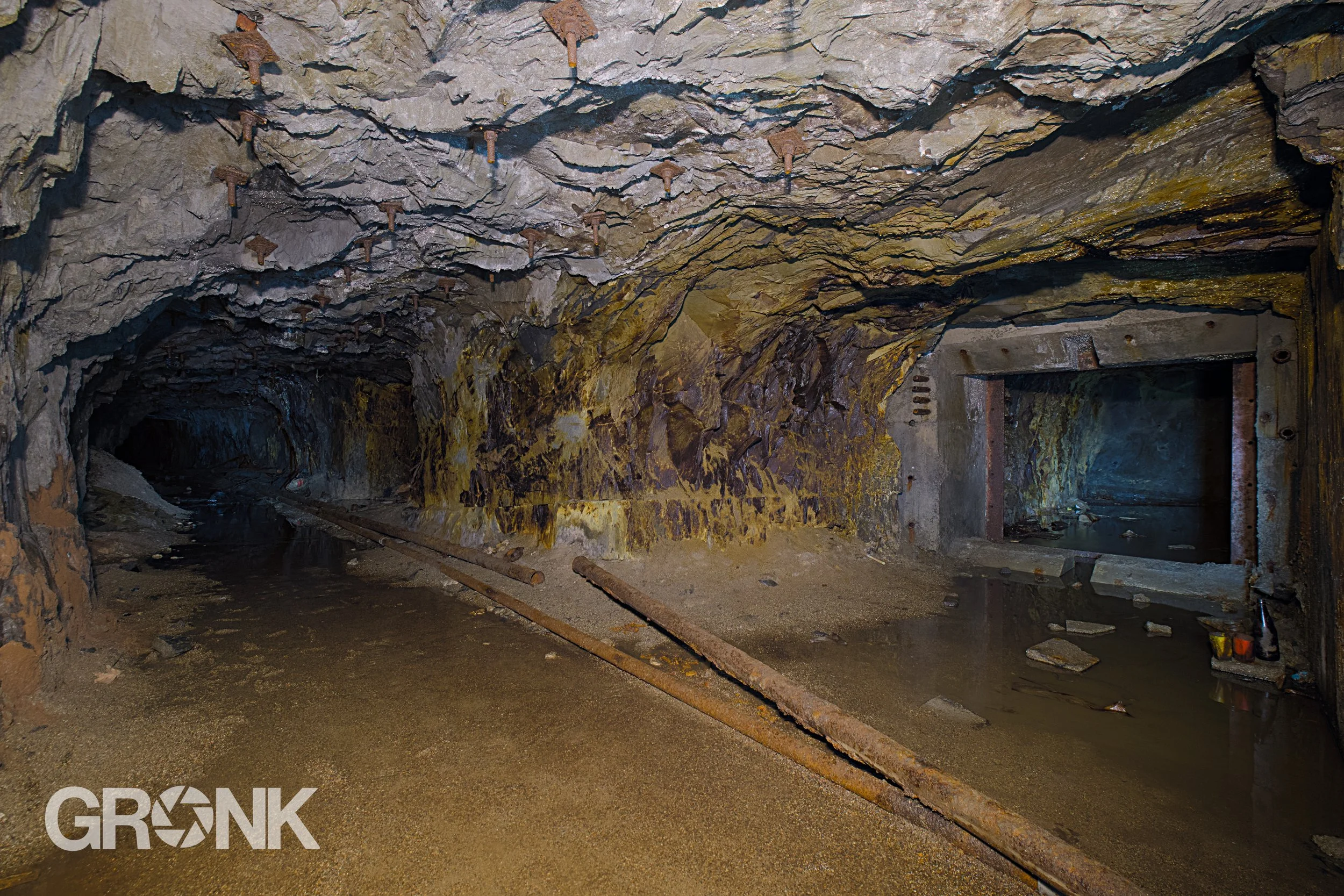
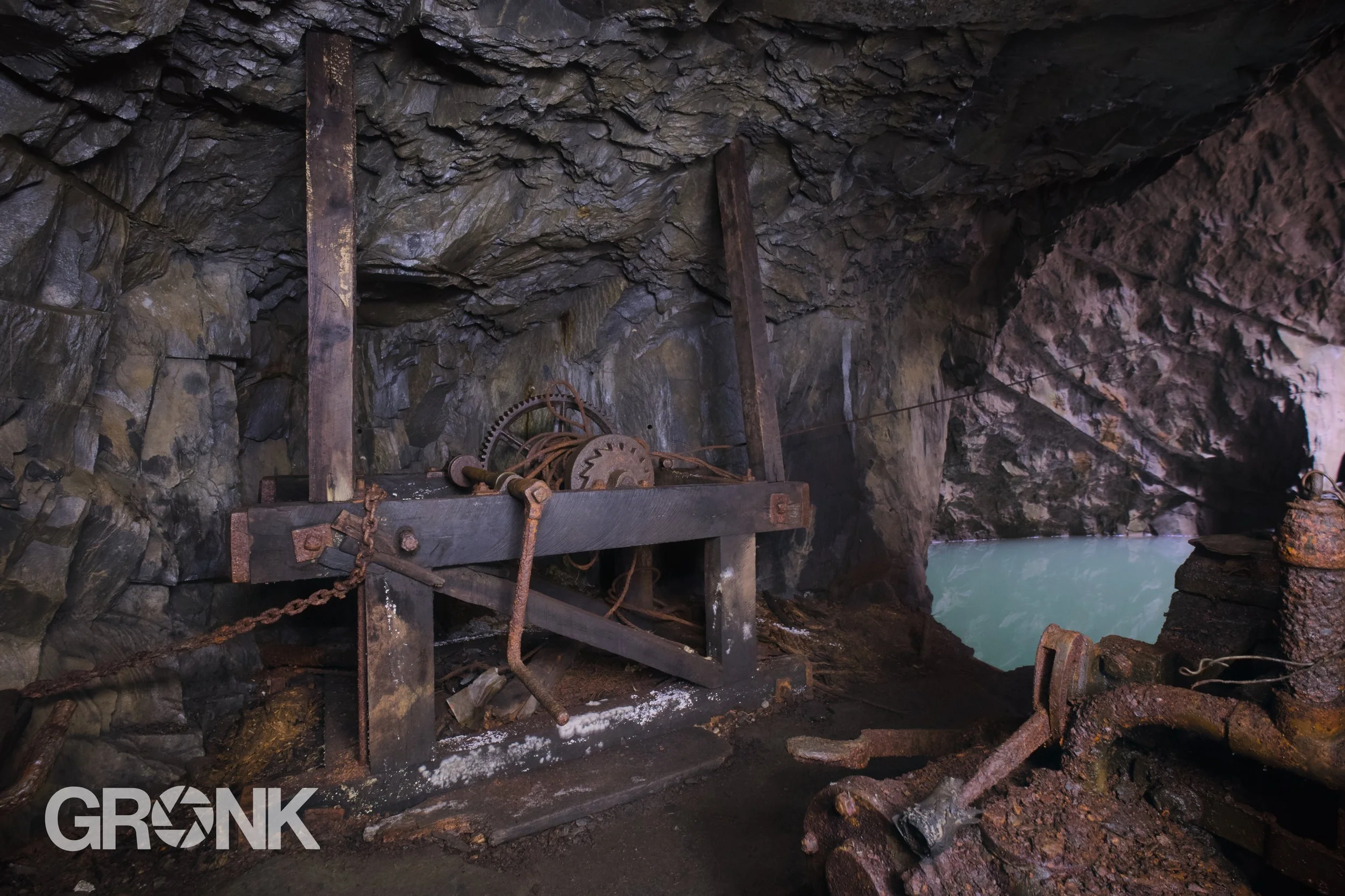
The opening of the Corris Railway in 1859 allowed slate to be transported efficiently to Machynlleth and beyond, helping the quarry reach its peak in the late 19th century, employing nearly 190 men by 1890. Modernisation included powered mills, water-driven inclines, and extensive underground chambers.
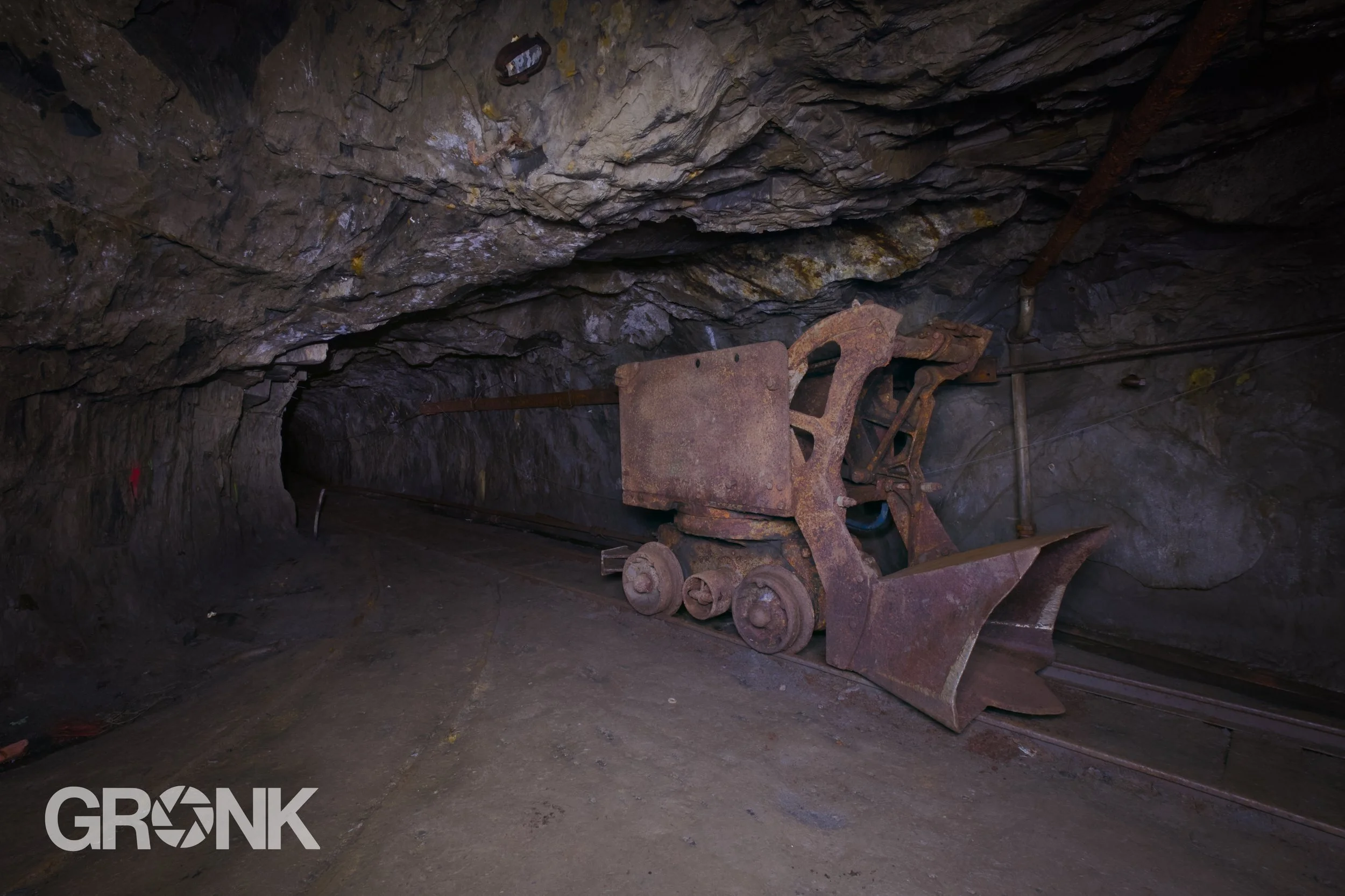
However, the 20th century brought steady decline. Falling demand, war, and economic hardship reduced the workforce and output. The quarry was leased by industrialist Sir Henry Haydn Jones in the 1930s and later run by the Lloyd family under Wincilate Ltd from 1956, introducing mechanisation to keep operations viable.
Remarkably, Aberllefenni remained active until 2002, making it one of the longest continually operated slate mines in the world. Today, while extraction has ceased, the quarry site remains an important part of Wales' industrial heritage, with remnants of tramways, inclines, and mills still visible.