Trubshaw’s Tunnel, Cotton
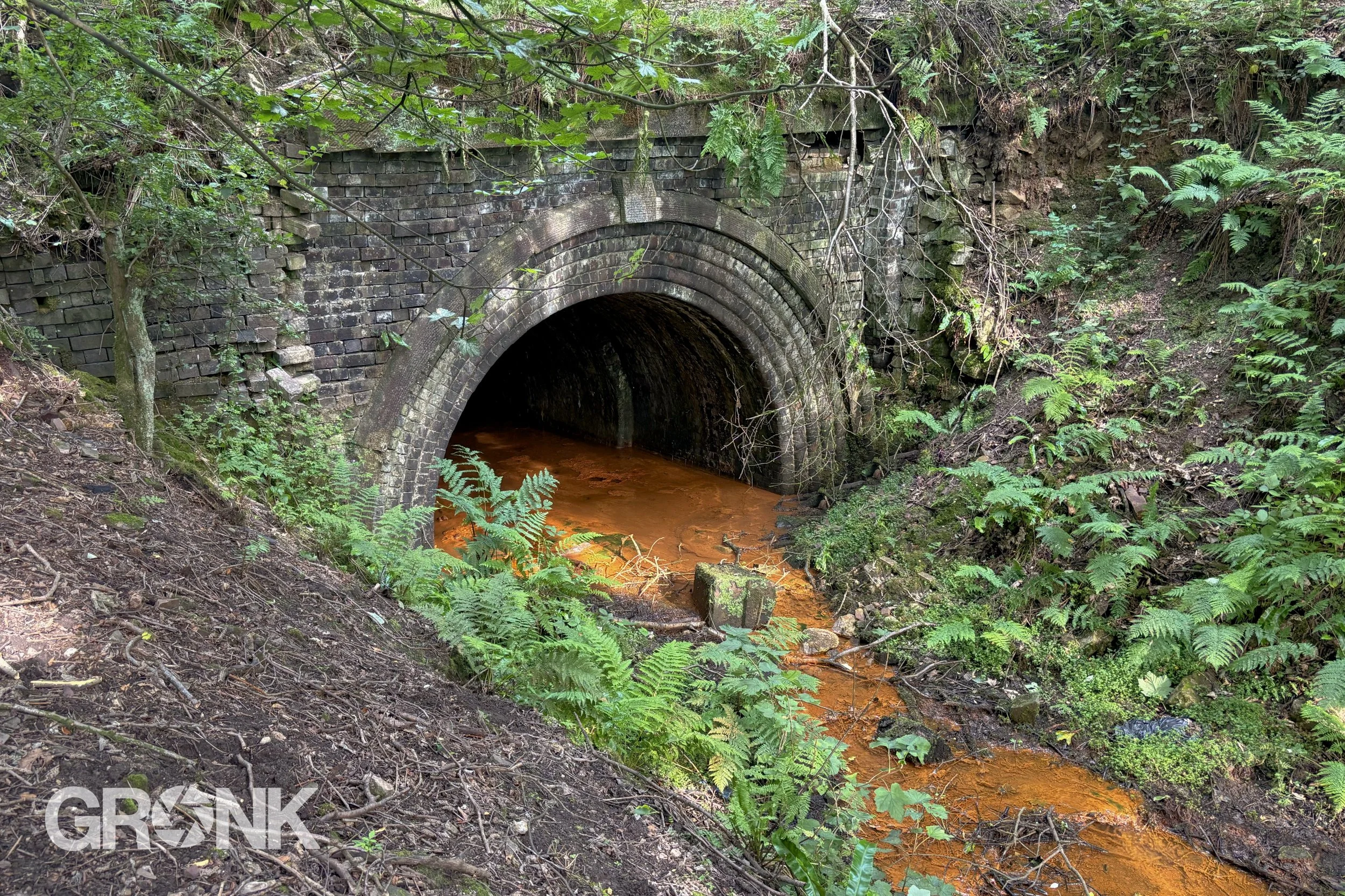
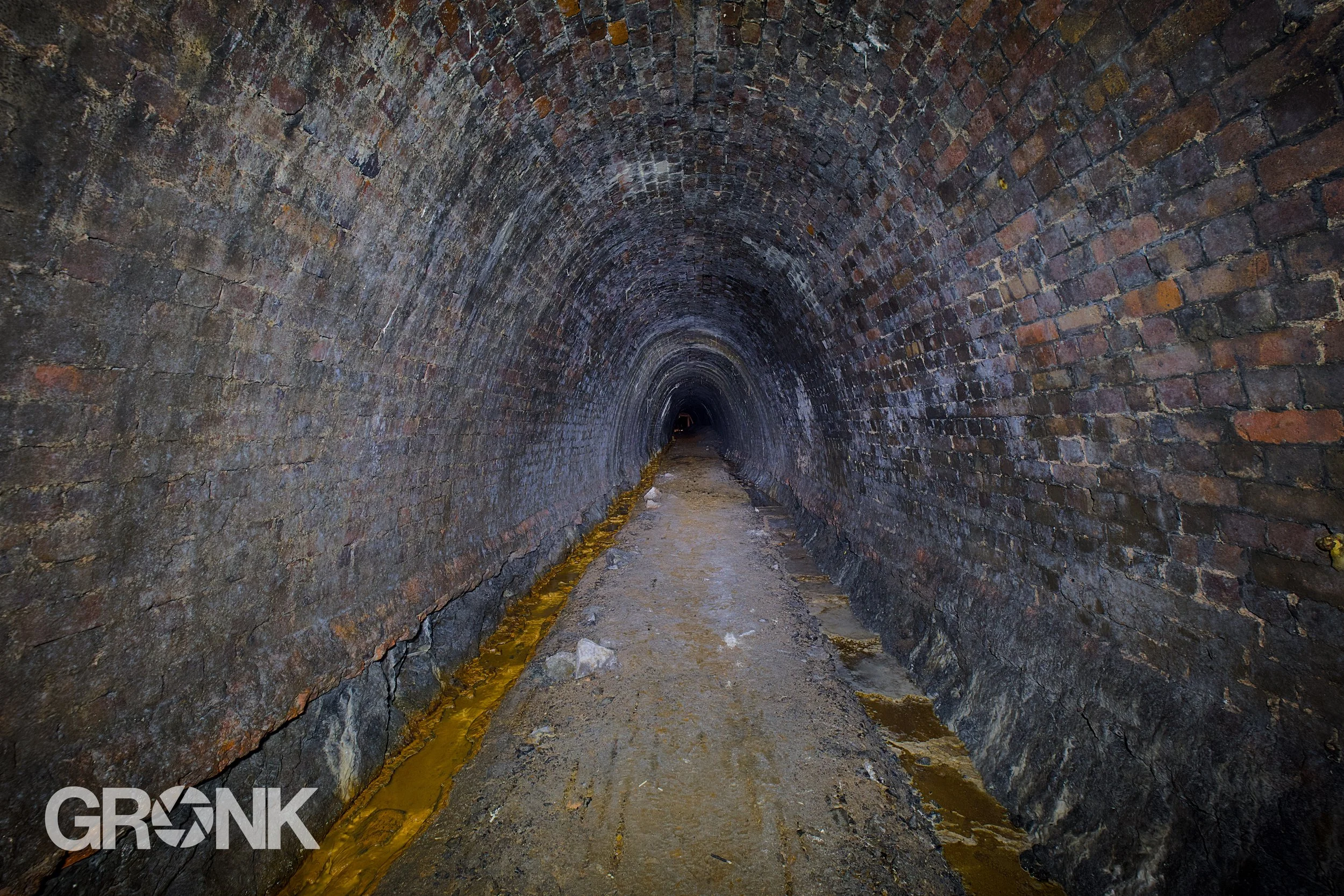
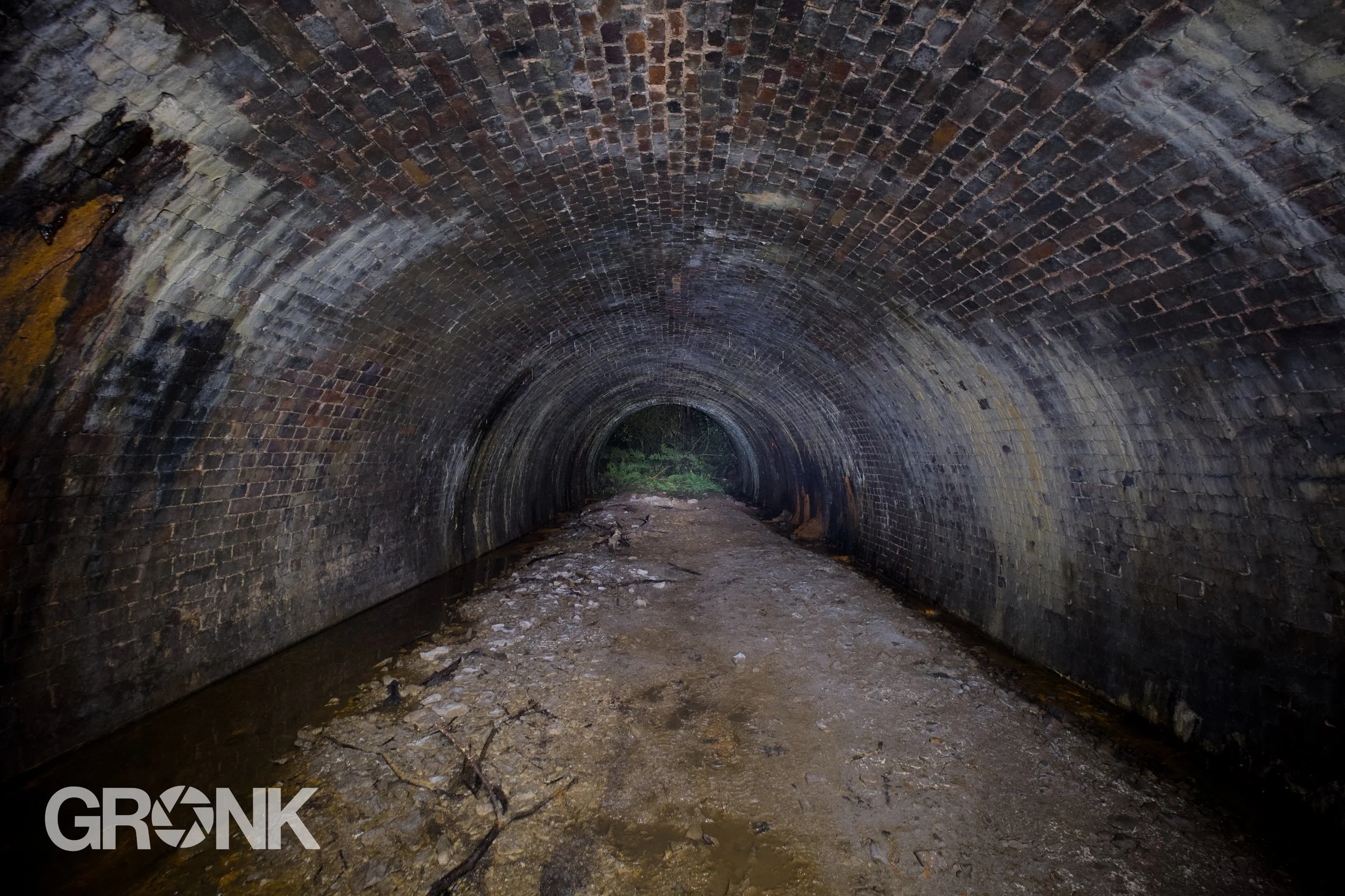
Trubshaw’s Tunnel, often known as Caldon Tunnel, is a disused industrial tramway tunnel near Cotton, Staffordshire. It formed part of the fourth and final Cauldon Low Tramroad, constructed in the mid-19th century to transport limestone from Cauldon Low Quarries down to the Froghall Wharf on the Caldon Canal.
Construction began on 17 April 1844, and the line—including the tunnel—was completed by July 1847. It was engineered by James Trubshaw, a prominent Staffordshire engineer. The tramway was built to a 1 metre gauge and featured a unique three-rail system, using self-acting inclines to allow gravity to assist the descent of loaded wagons and haul up empty ones. This allowed the system to transport up to 900kg of limestone per day.
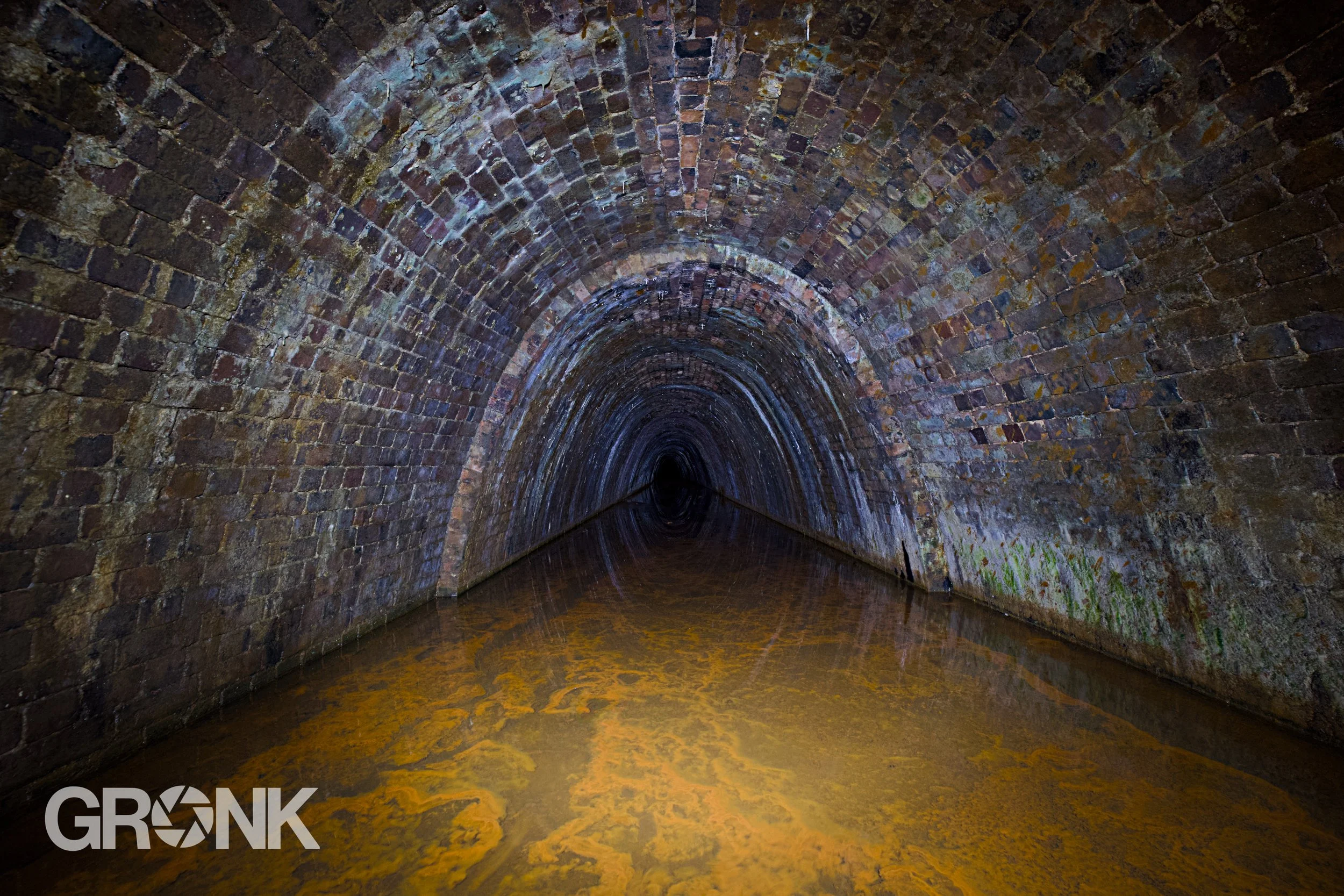
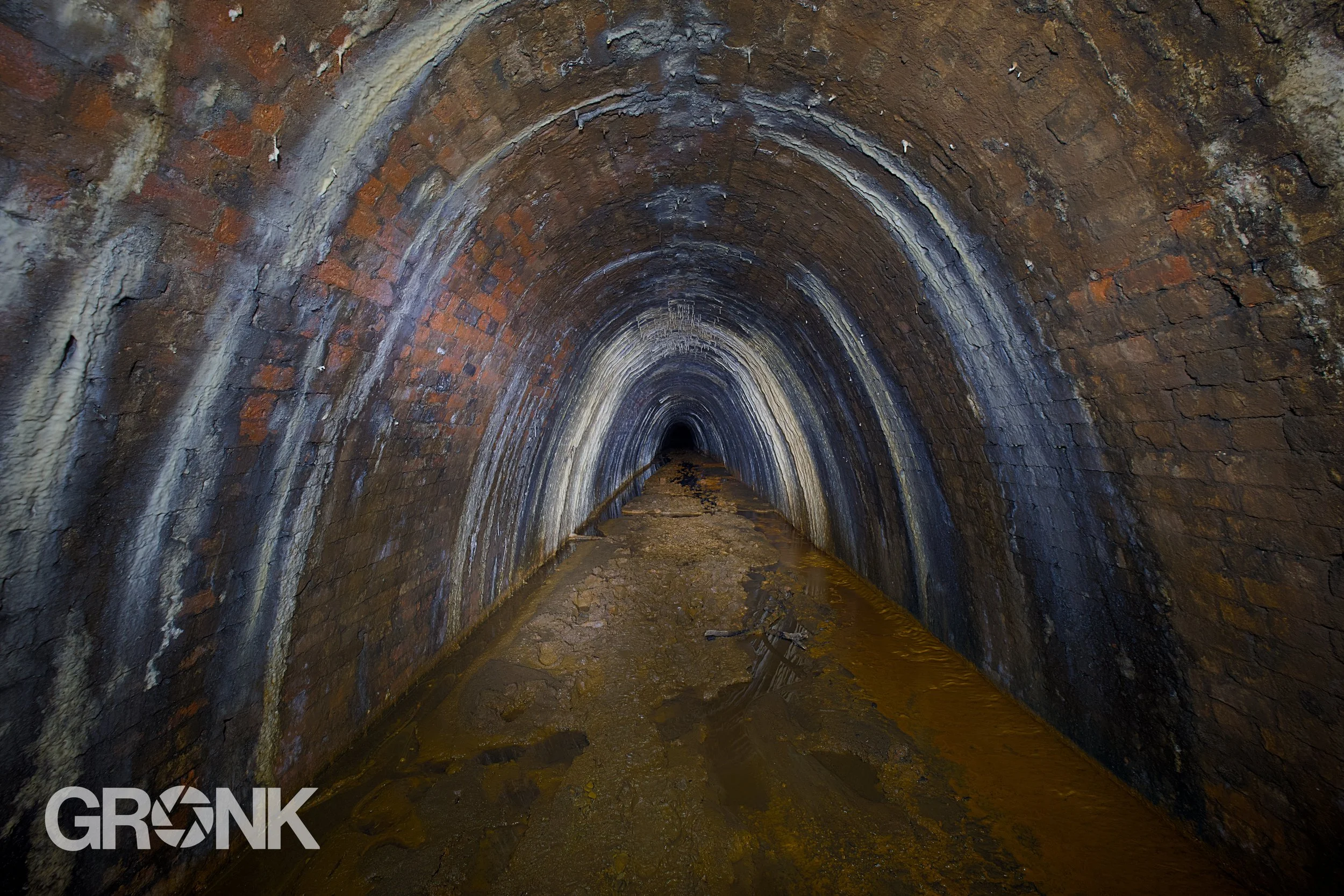
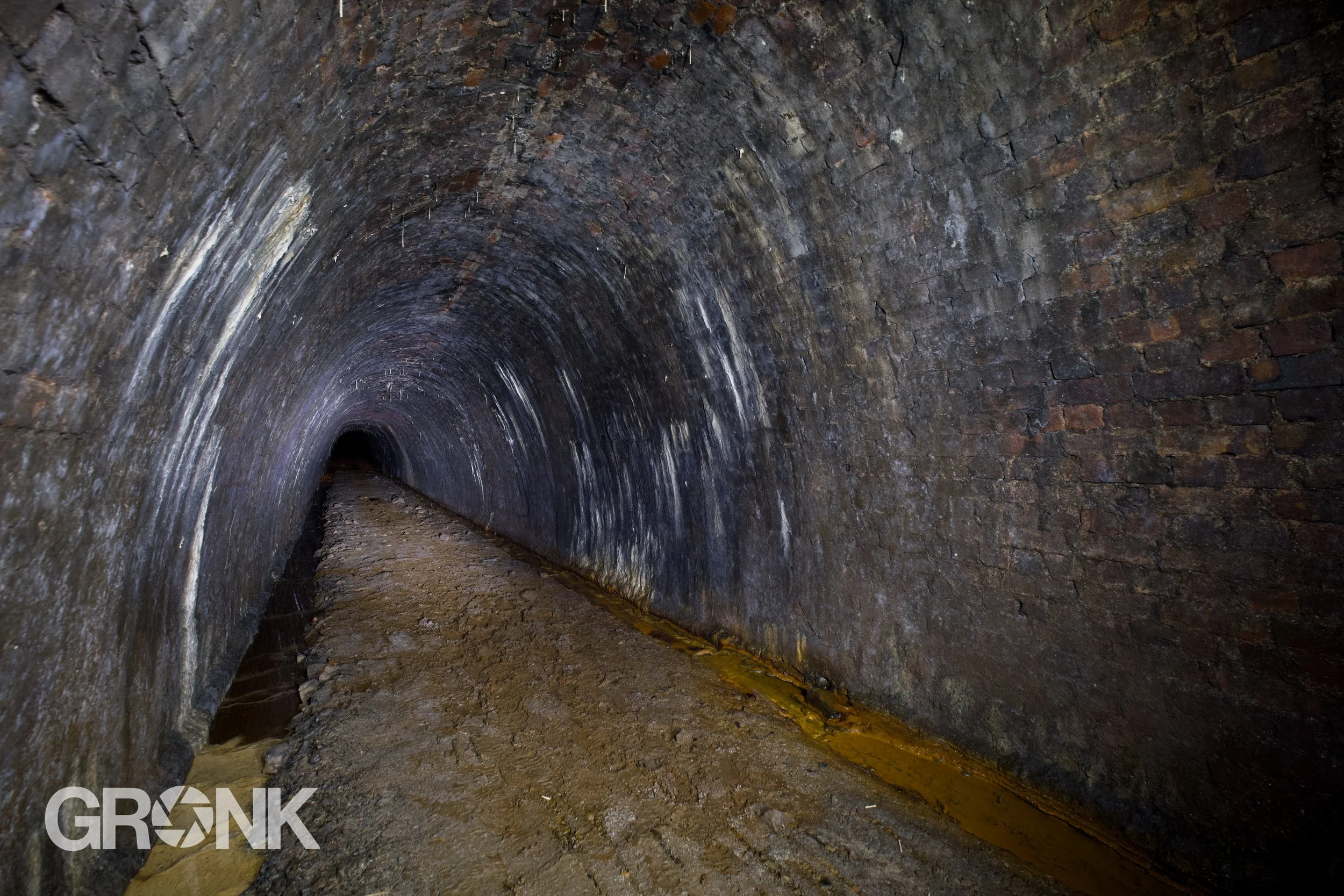
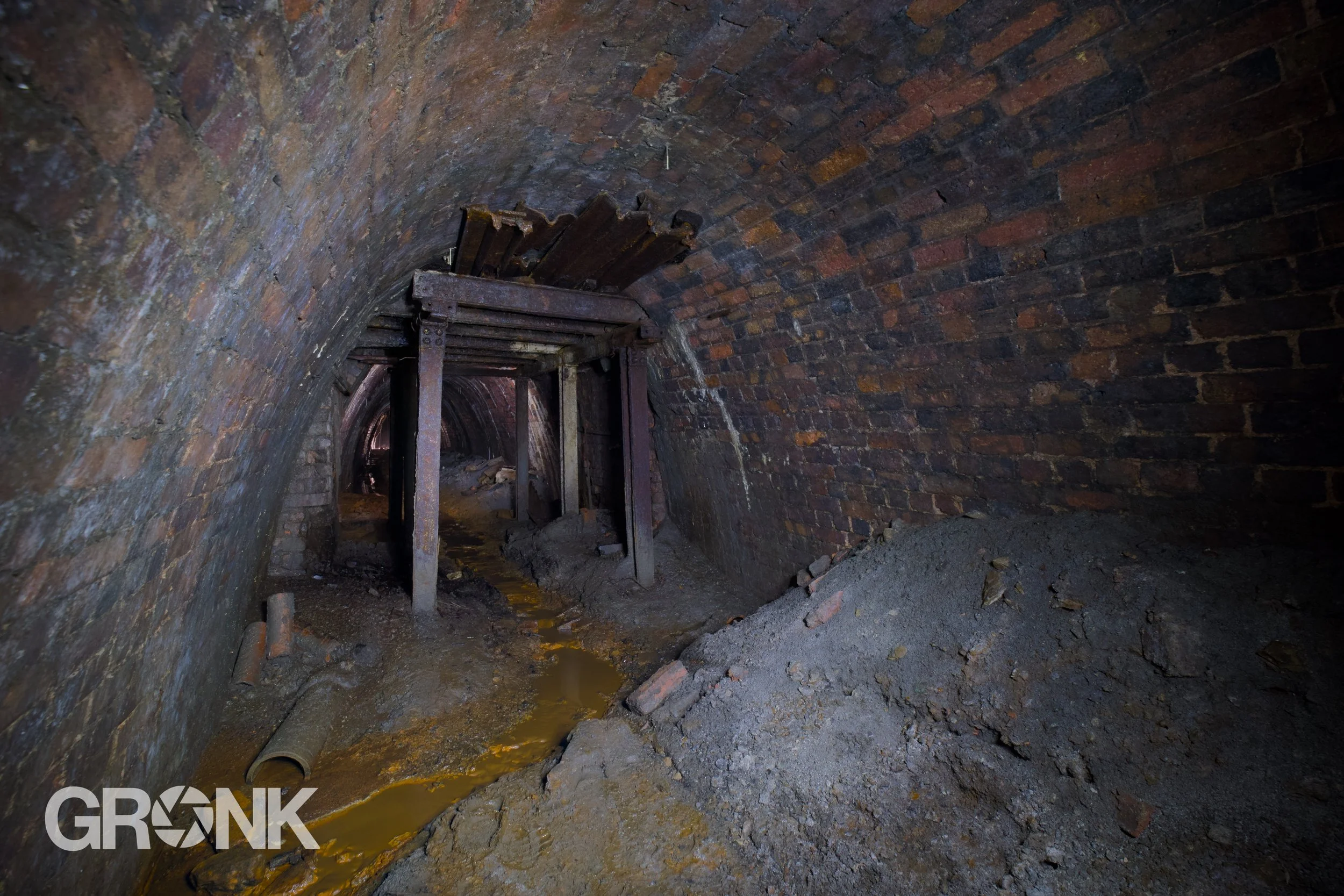
The tunnel itself is around 300 metres long and was built with brick lining and stone-faced portals. The interior varies in width—wide enough for passing loops at each end but narrowing to a single bore in the middle. Originally, wagons were horse-drawn or gravity-operated, with braking systems at key points.
This final tramway route replaced earlier, less efficient lines (from 1778, 1783, and 1802) as demand for limestone increased. It remained in use until March 1920, when it was closed due to the rise of road and rail transport.
After closure, the tunnel fell into disuse. It is now largely overgrown and prone to flooding and thick mud. While parts of the tunnel structure remain intact—including refuges, drainage features, and timber walkways—access is hazardous and often obstructed. The tunnel is occasionally referred to as Cottonplain Tunnel, due to its proximity to Cotton Parish, though this name is less common in historical records.