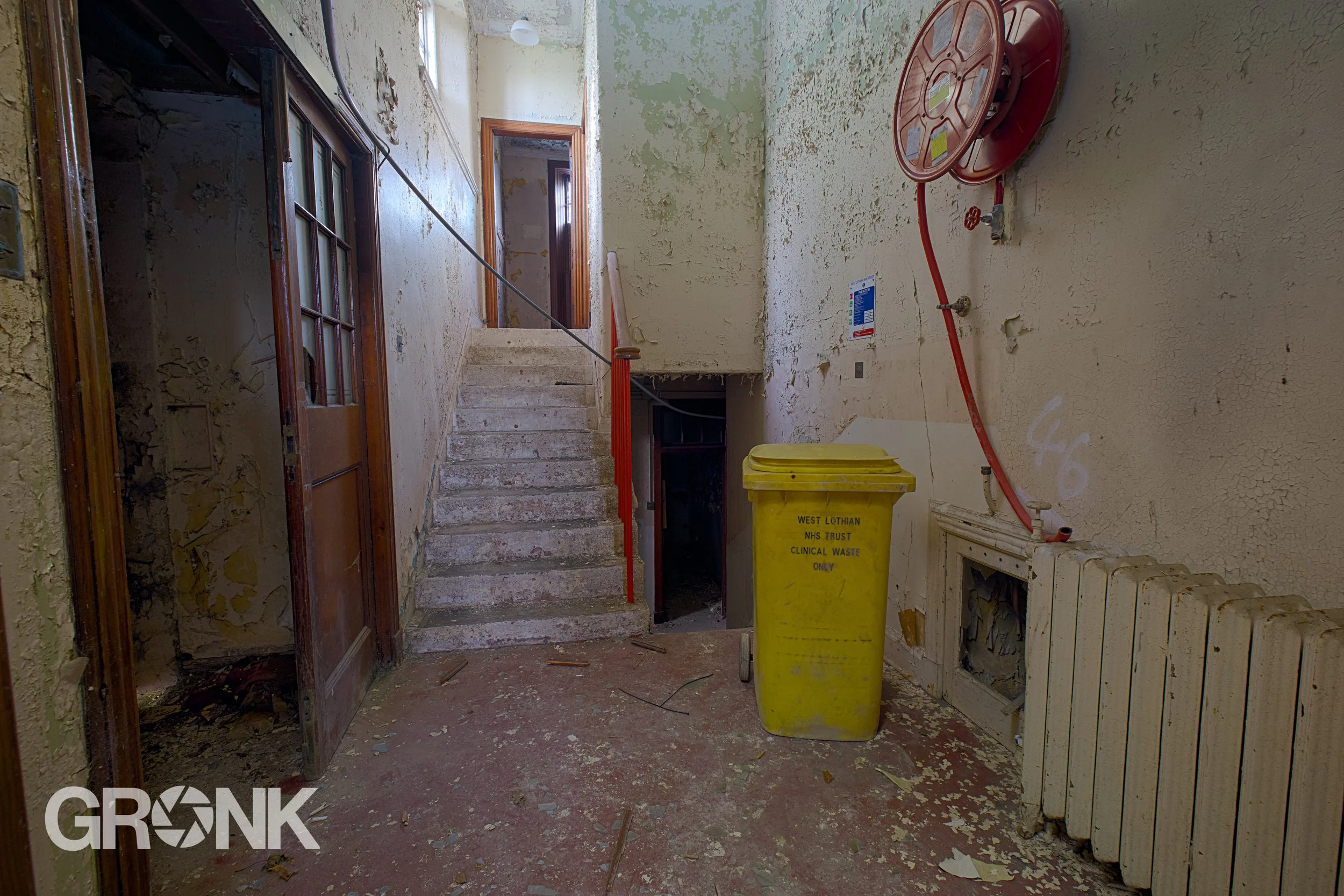
Bangour Village Hospital, located near Dechmont in West Lothian, Scotland, was established in the early 20th century as an innovative psychiatric institution. Designed by architect Hippolyte Blanc, the hospital adopted a village-style layout intended to provide a more community-oriented environment for patients. Its first patients arrived in 1904, and it officially opened on 3 October 1906.
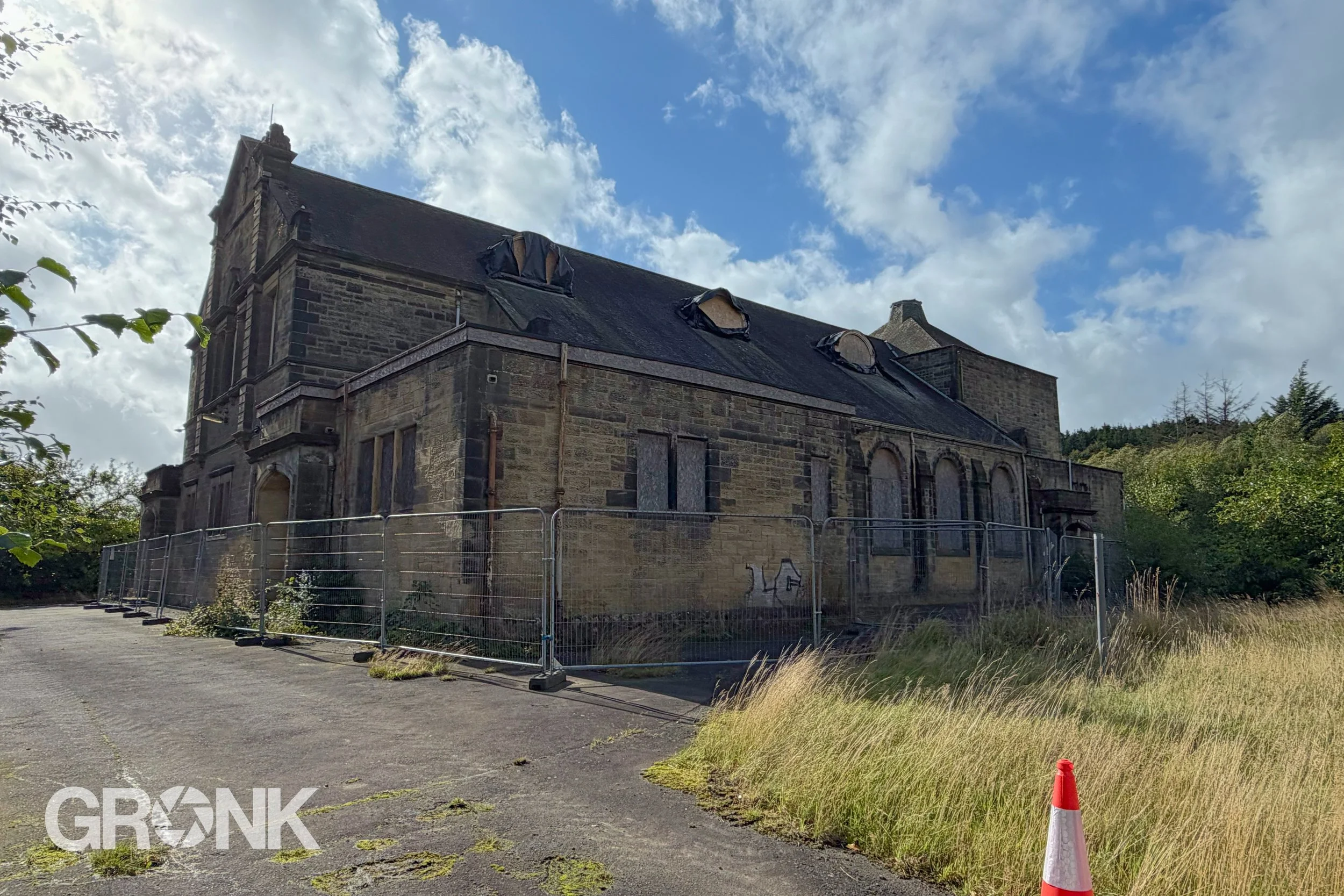
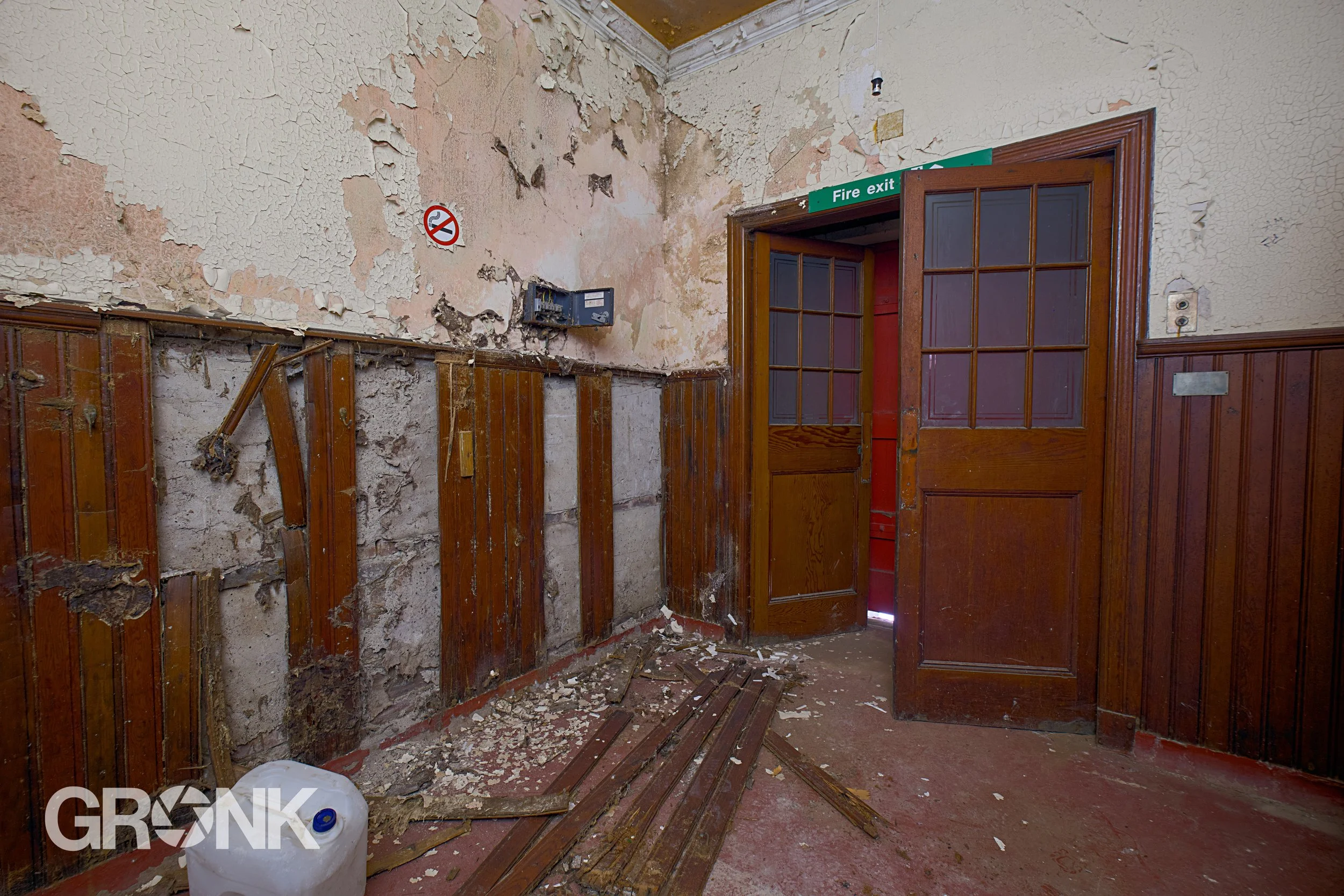
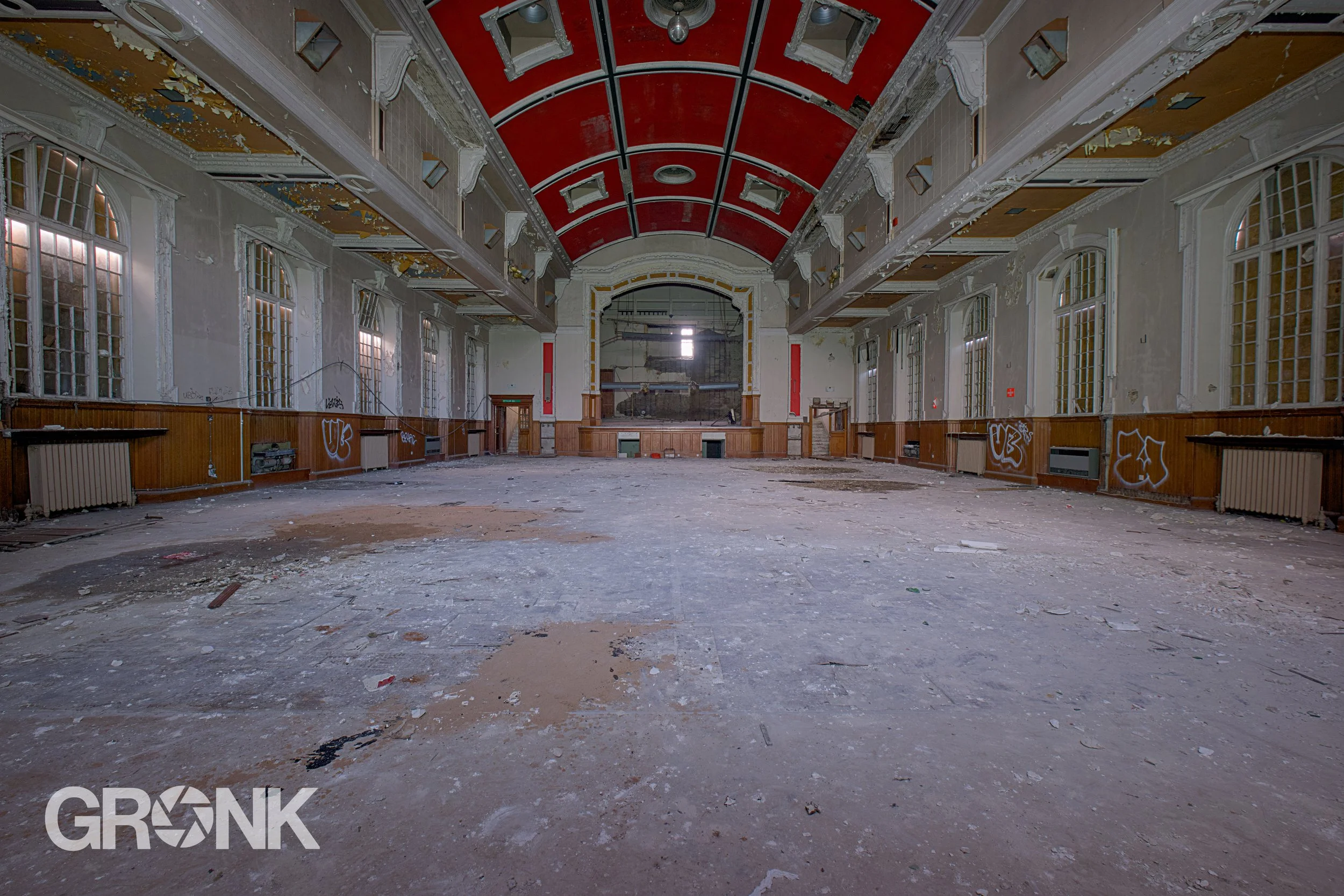
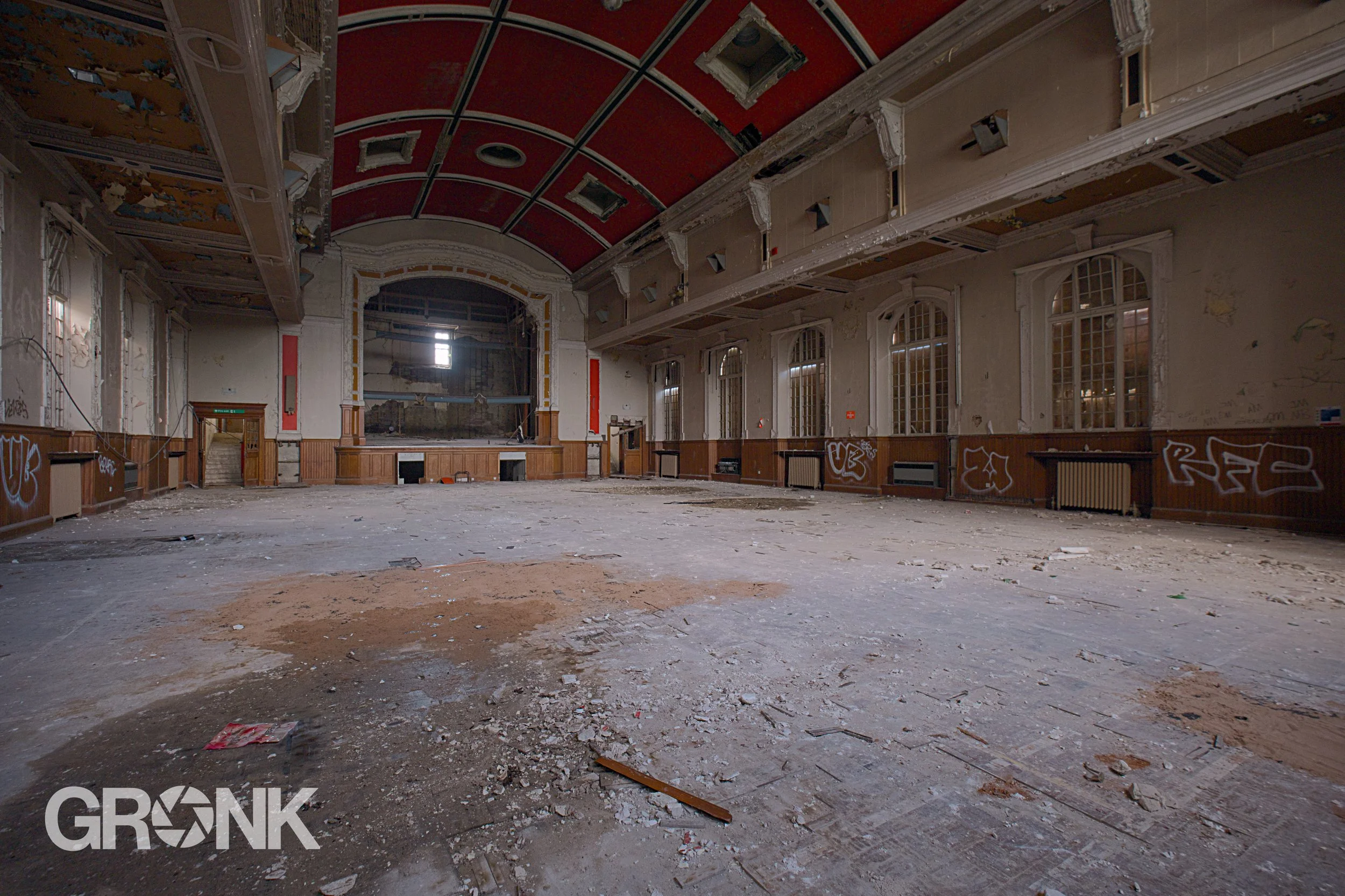
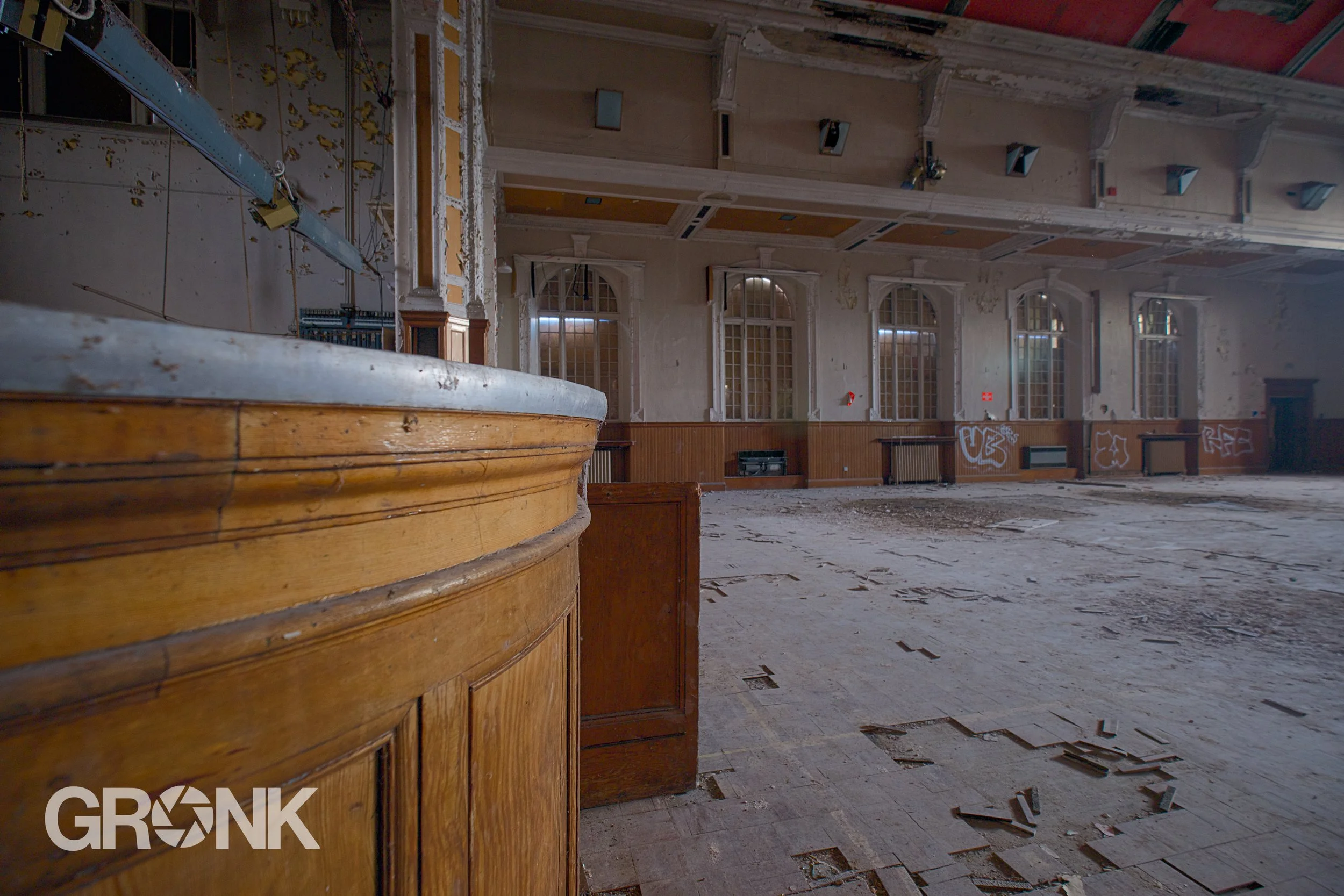
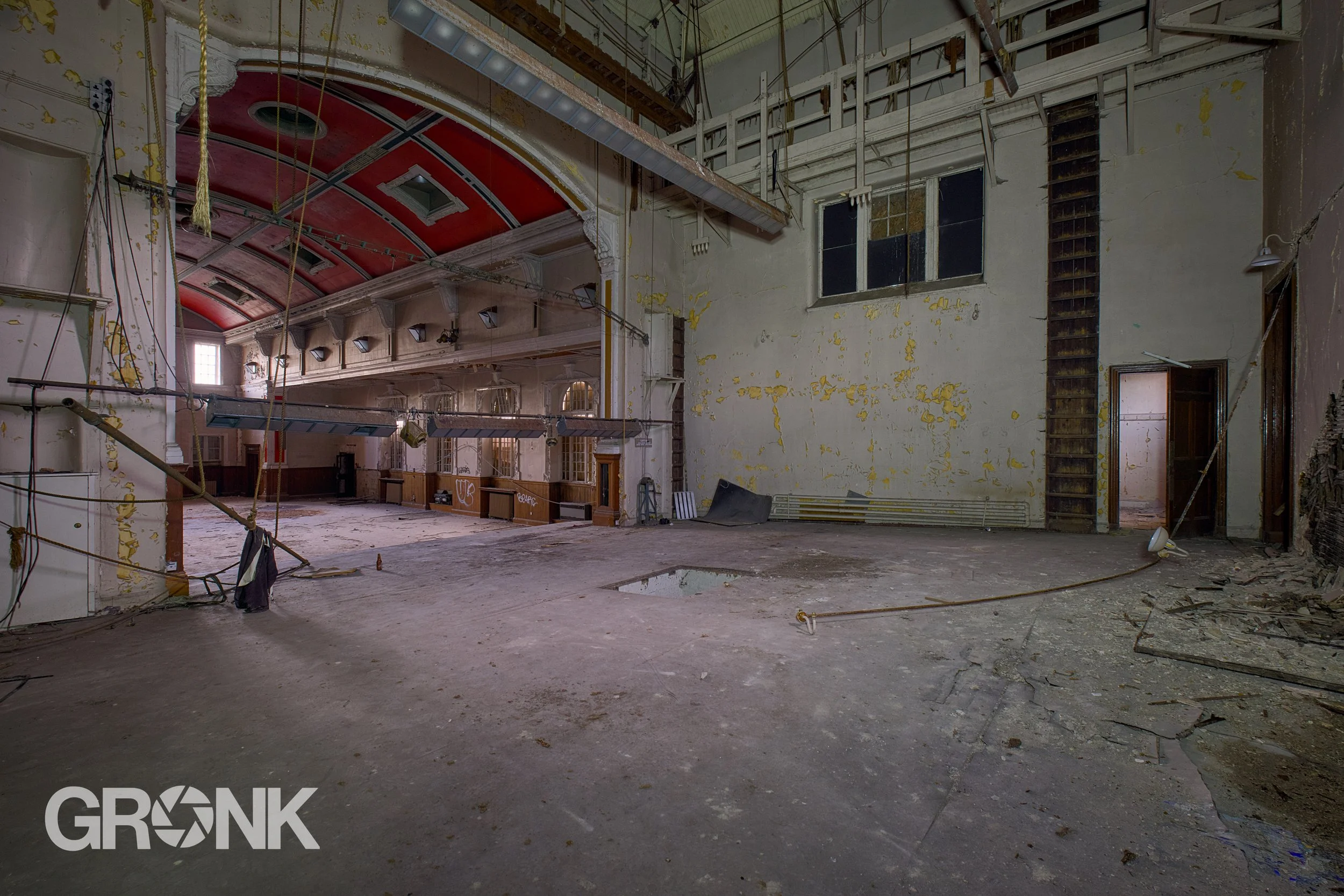
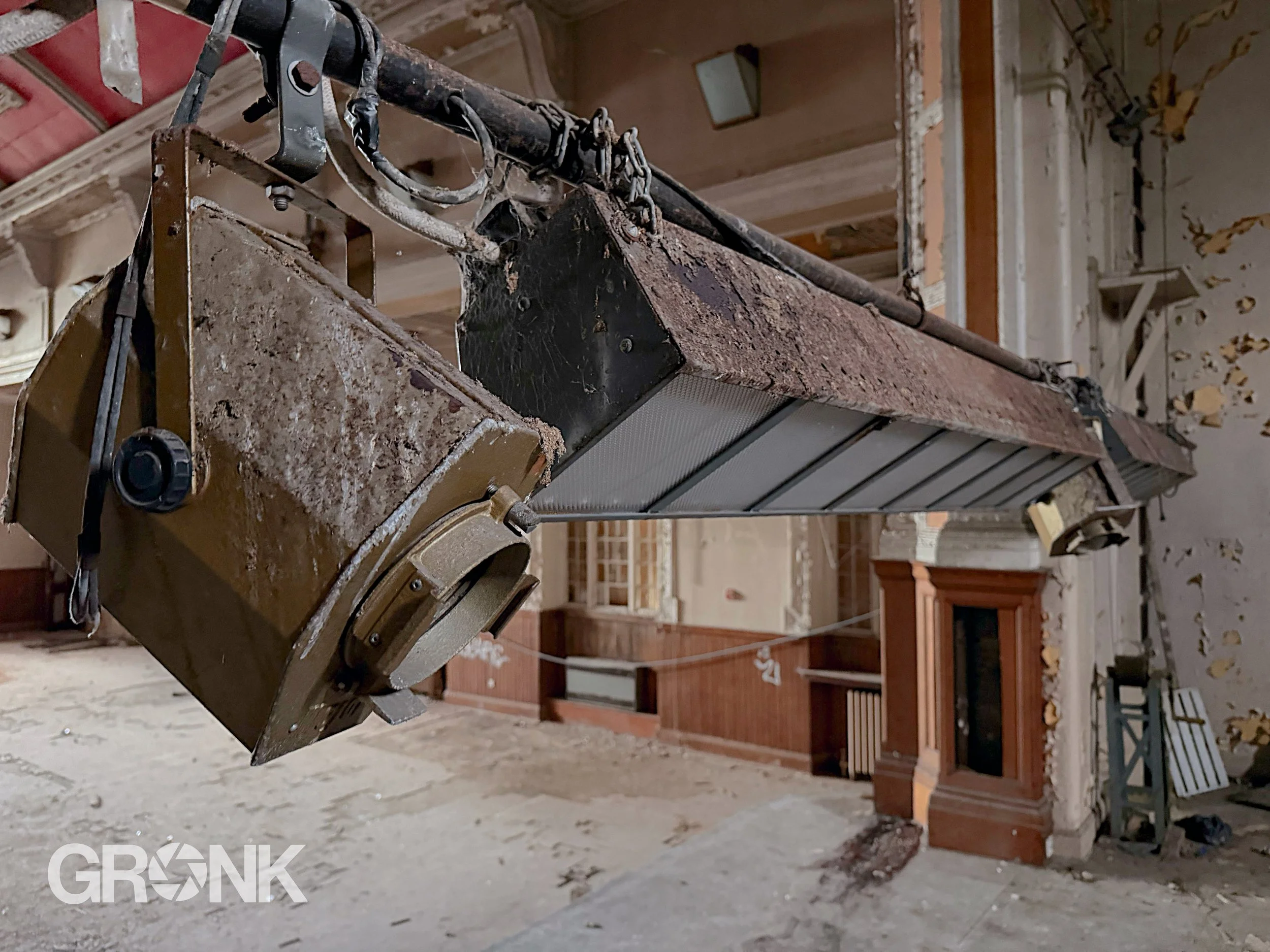
One of the site's most distinctive buildings was the Recreation Hall, completed in 1907. Designed in an Edwardian Baroque style, it differed from the predominantly Scots Renaissance architecture of the surrounding hospital buildings. Its notable features included decorative timber panelling, a panelled roof, a stage, dressing rooms and an orchestra pit. The spacious interior was designed to accommodate large gatherings and recreational activities.
The hall played an important role in the hospital's social life. It hosted dances, performances and religious gatherings, providing patients and staff with opportunities to come together outside their everyday routines. Before the hospital's memorial church opened in 1930, the hall also served religious purposes. Its design demonstrates that recreation and communal activities were considered important aspects of the hospital environment.
During the First World War, Bangour was converted into a military hospital, treating wounded servicemen from 1915 until 1922, when it returned to psychiatric use. The site was used again for wartime medical services during the Second World War. However, further archival research is needed to establish precisely how the hall itself was used during these periods.
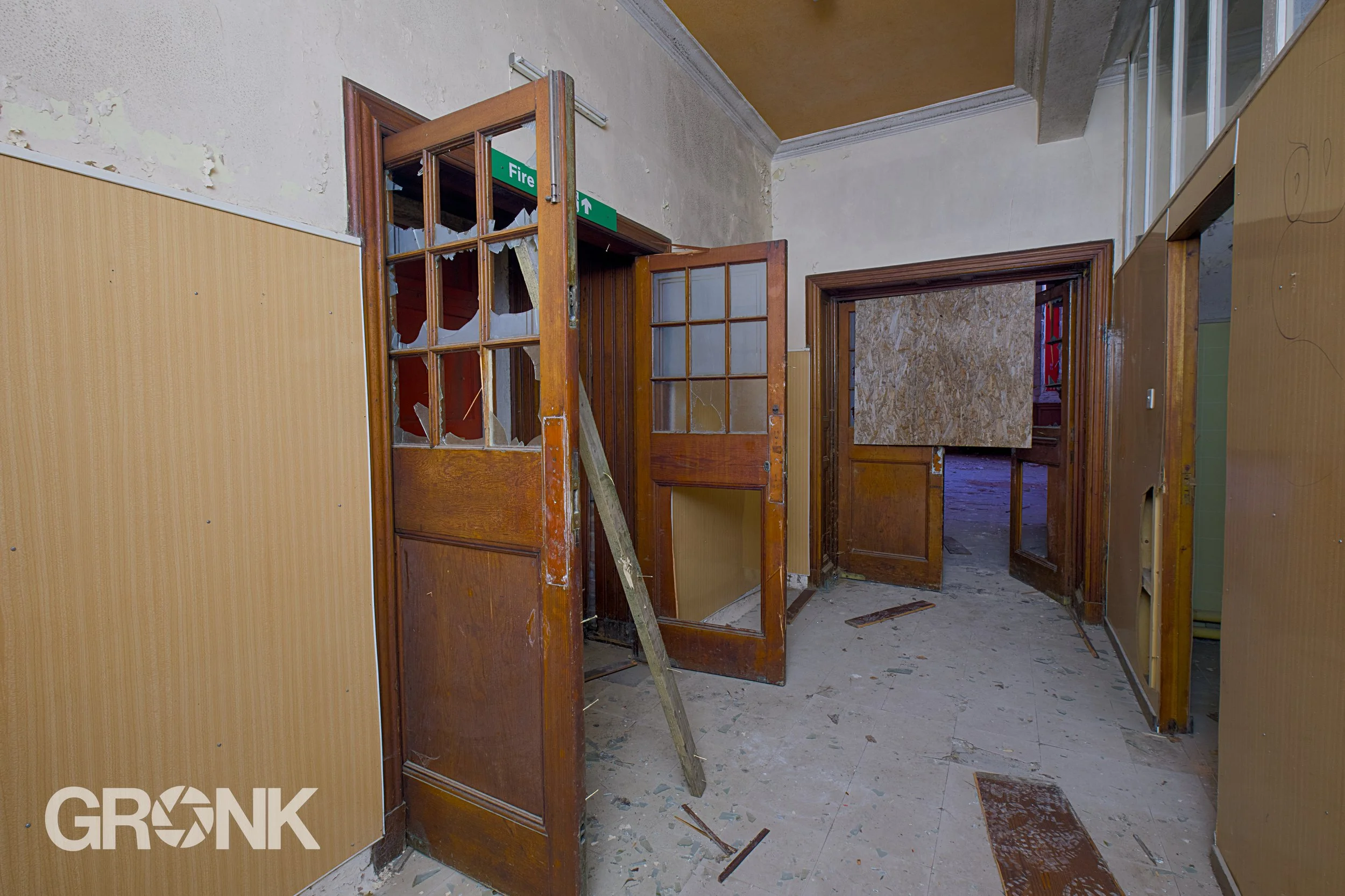
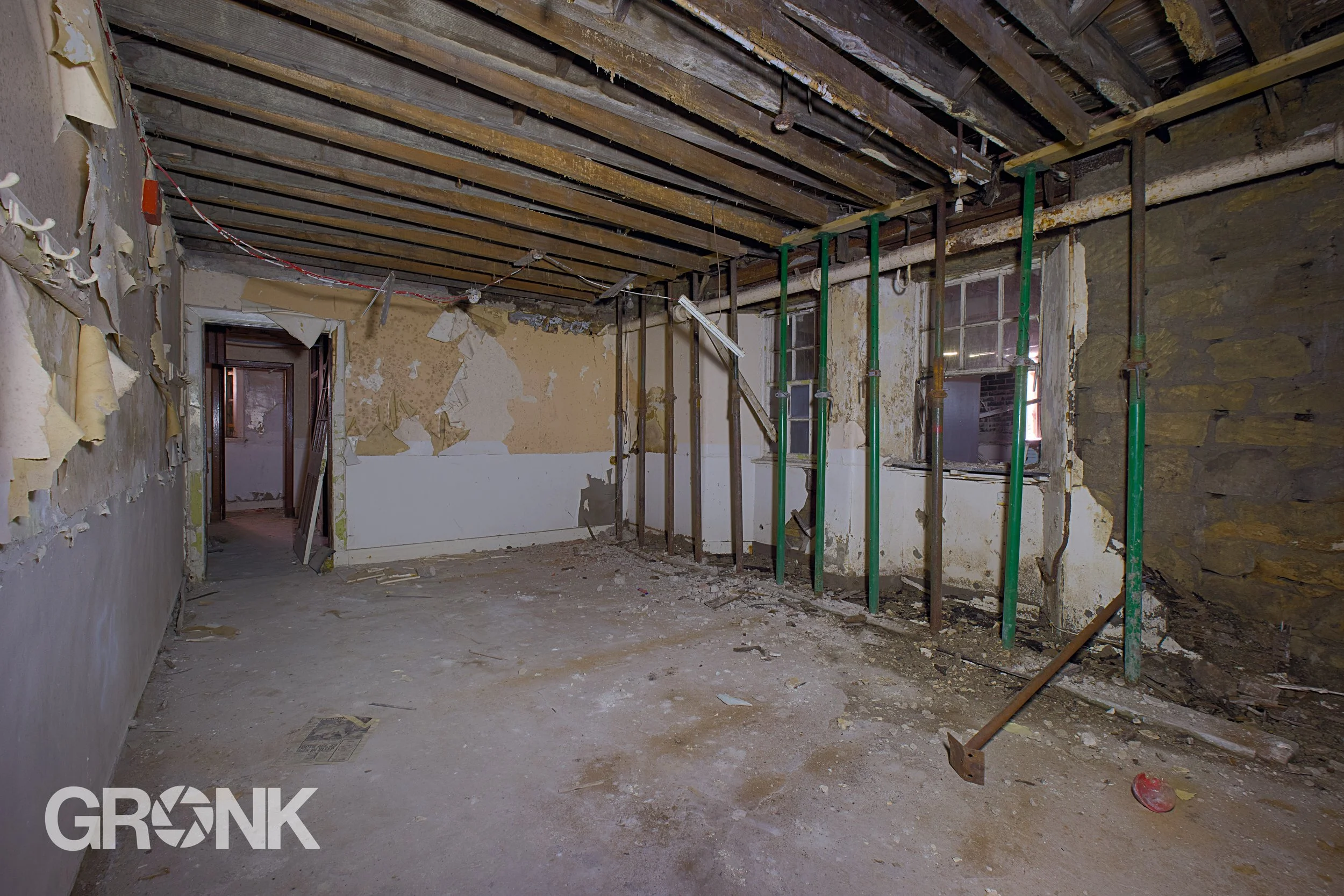
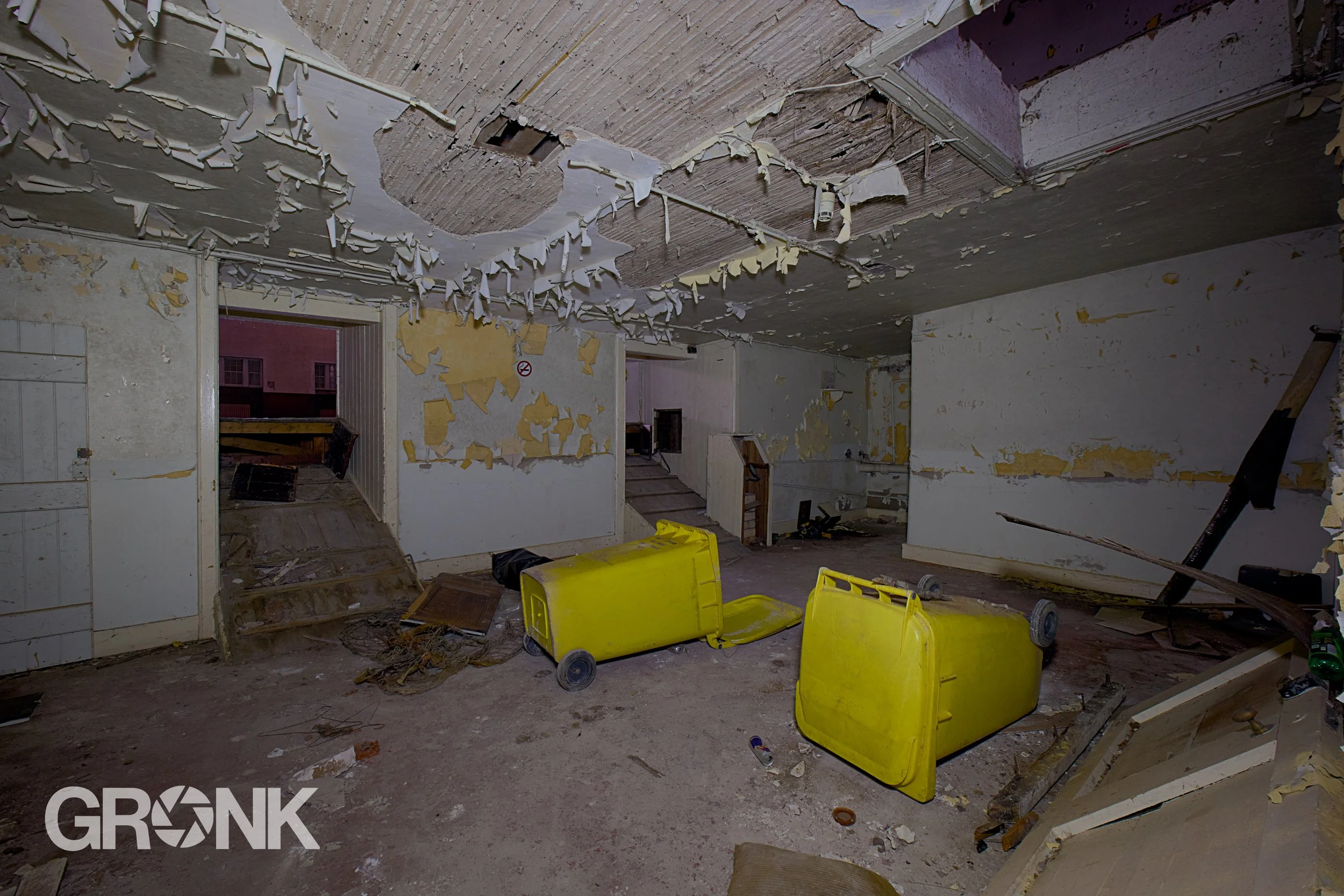
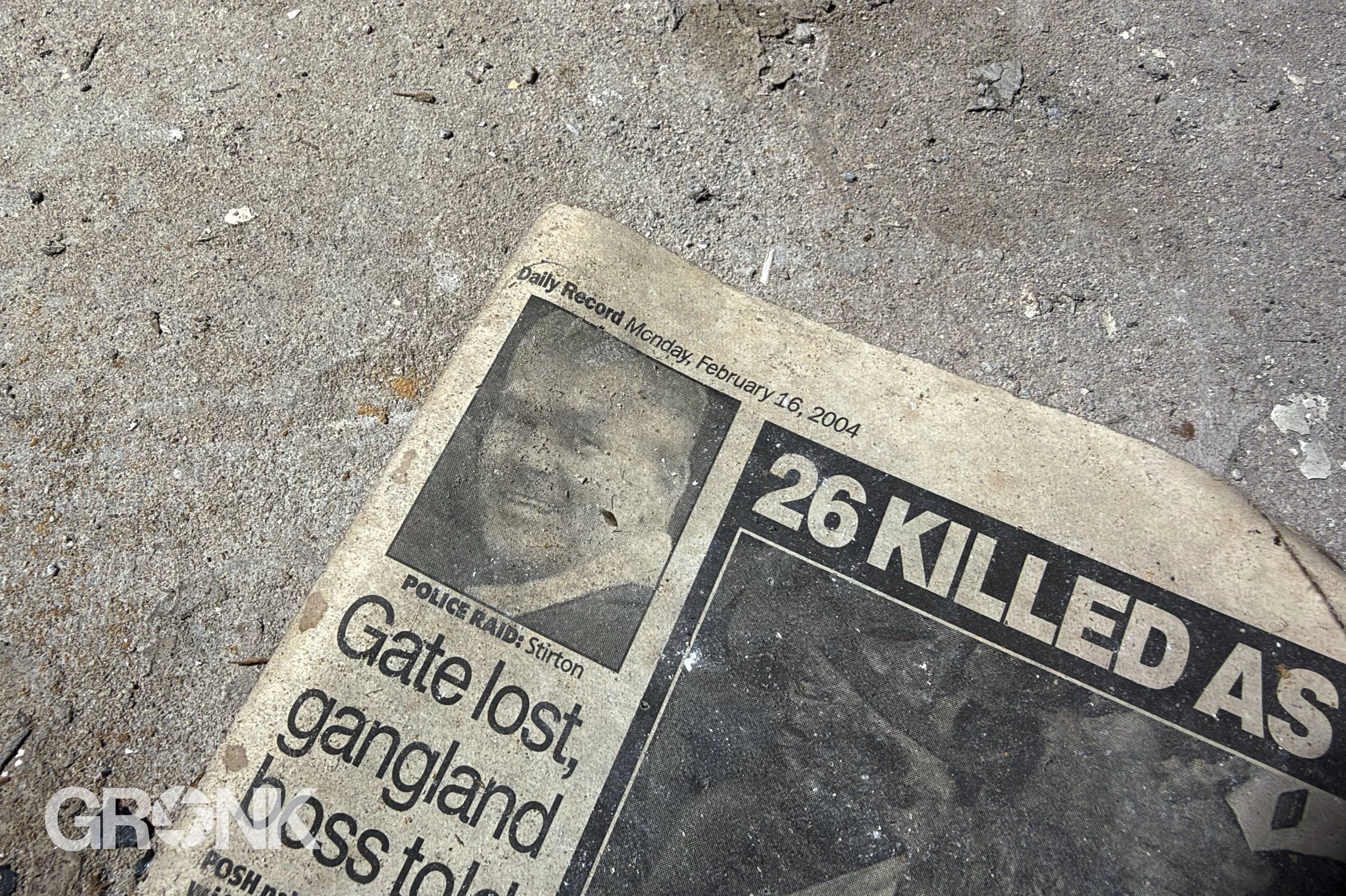
Bangour Village Hospital continued operating for decades before closing in 2004. Today, the former Recreation Hall remains an important part of the site's architectural heritage and is protected as a Category A listed building. The hall represents more than an architectural landmark; it offers a glimpse into the social history of psychiatric care in Scotland, preserving evidence of the recreational activities and communal experiences that formed part of life at Bangour.