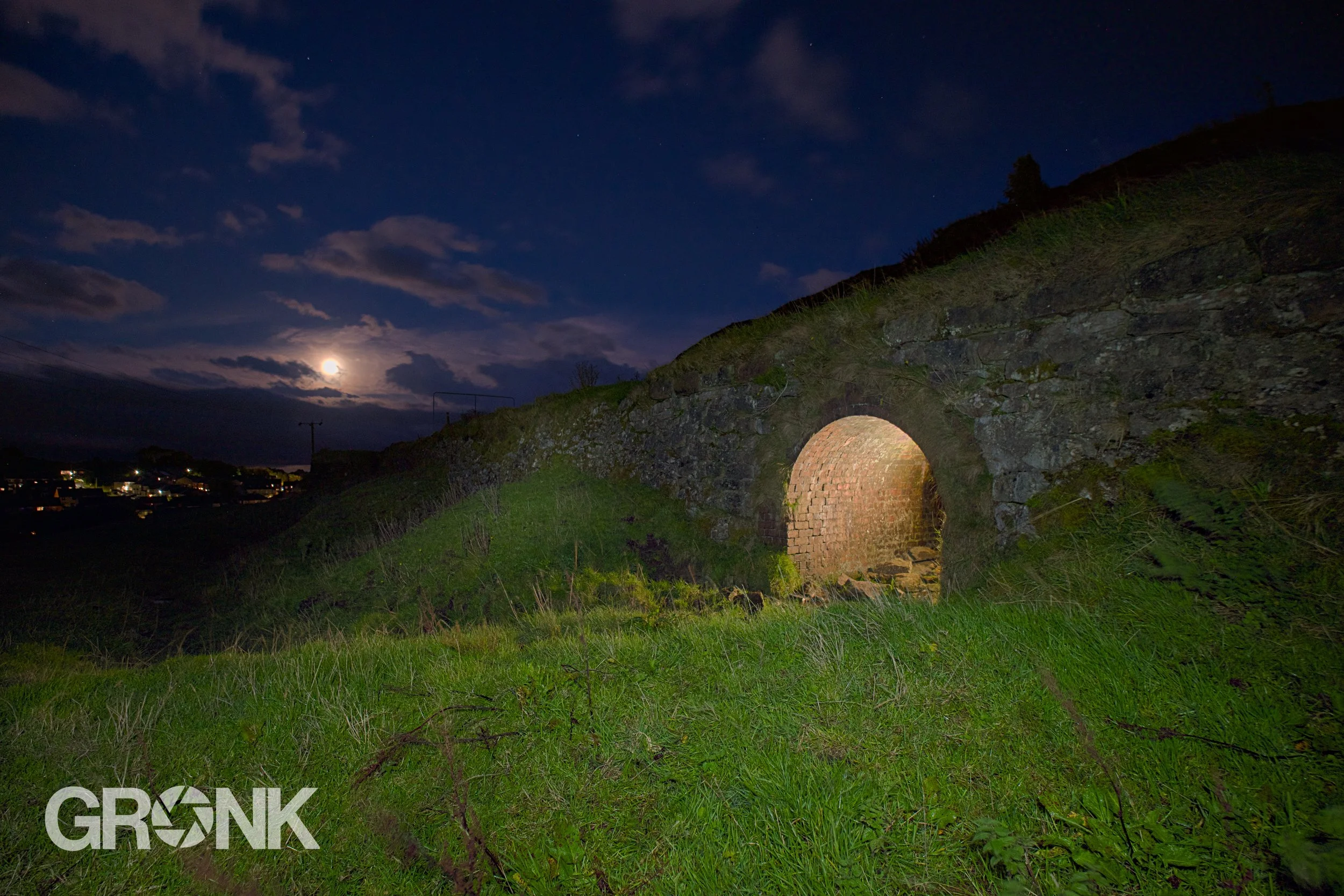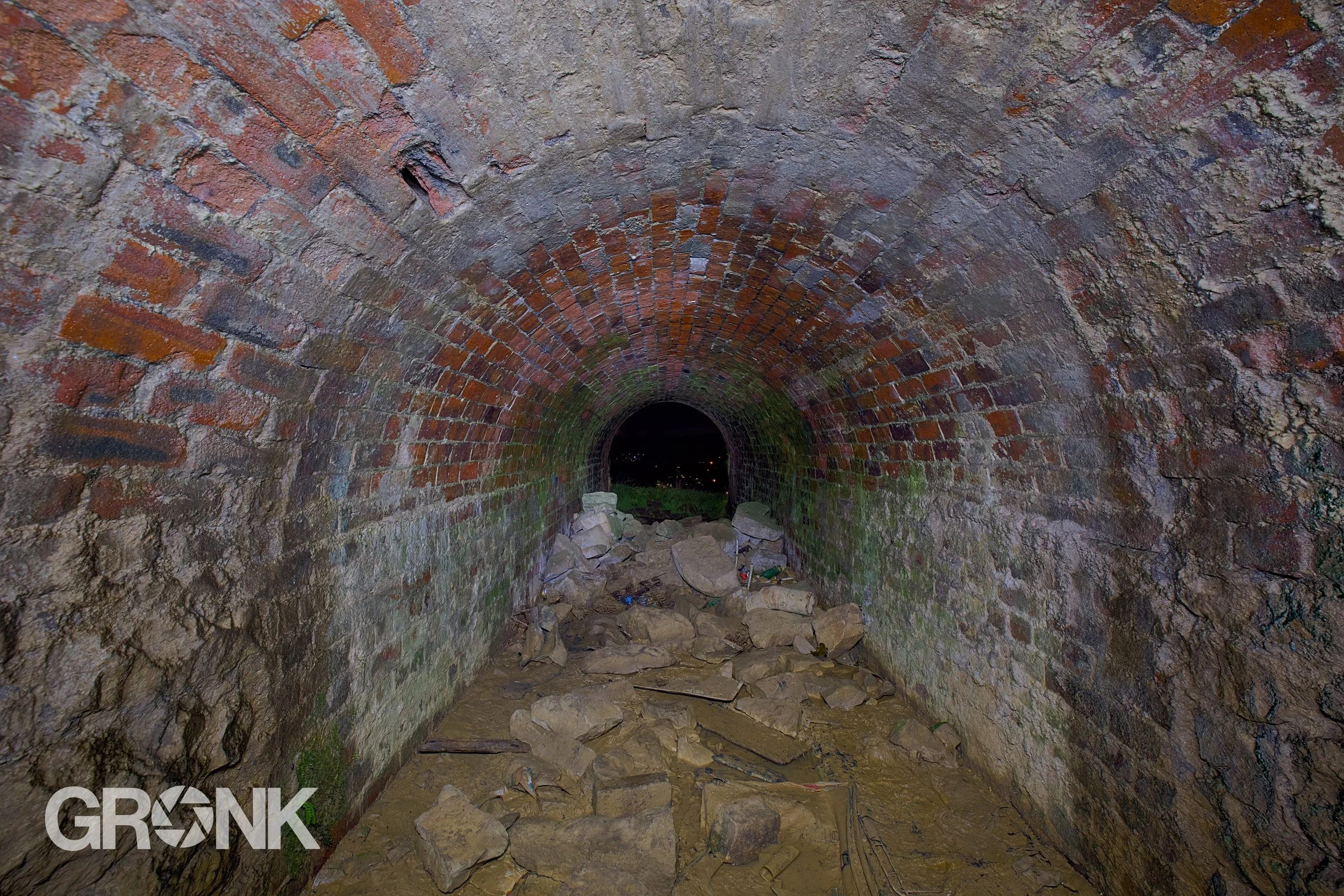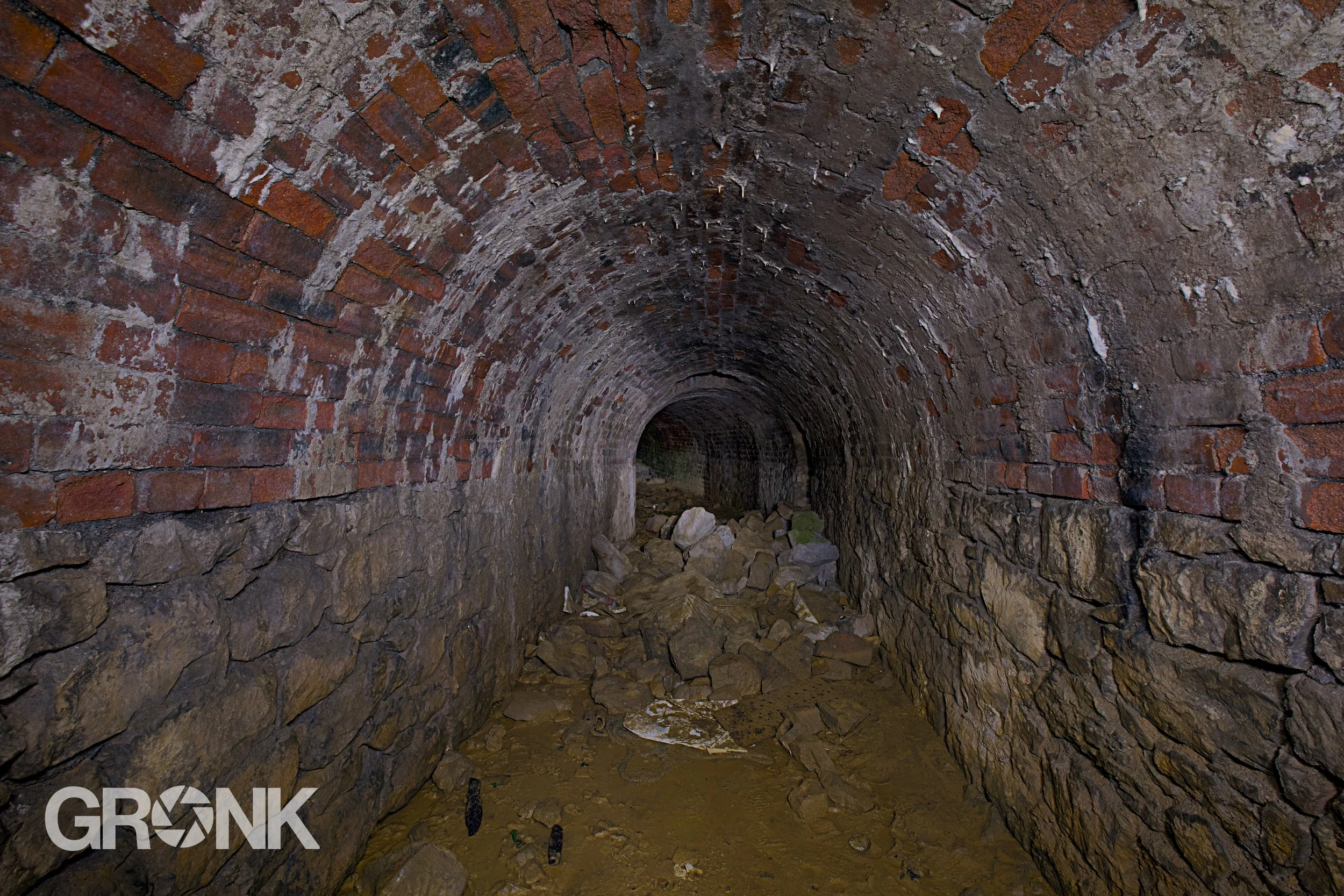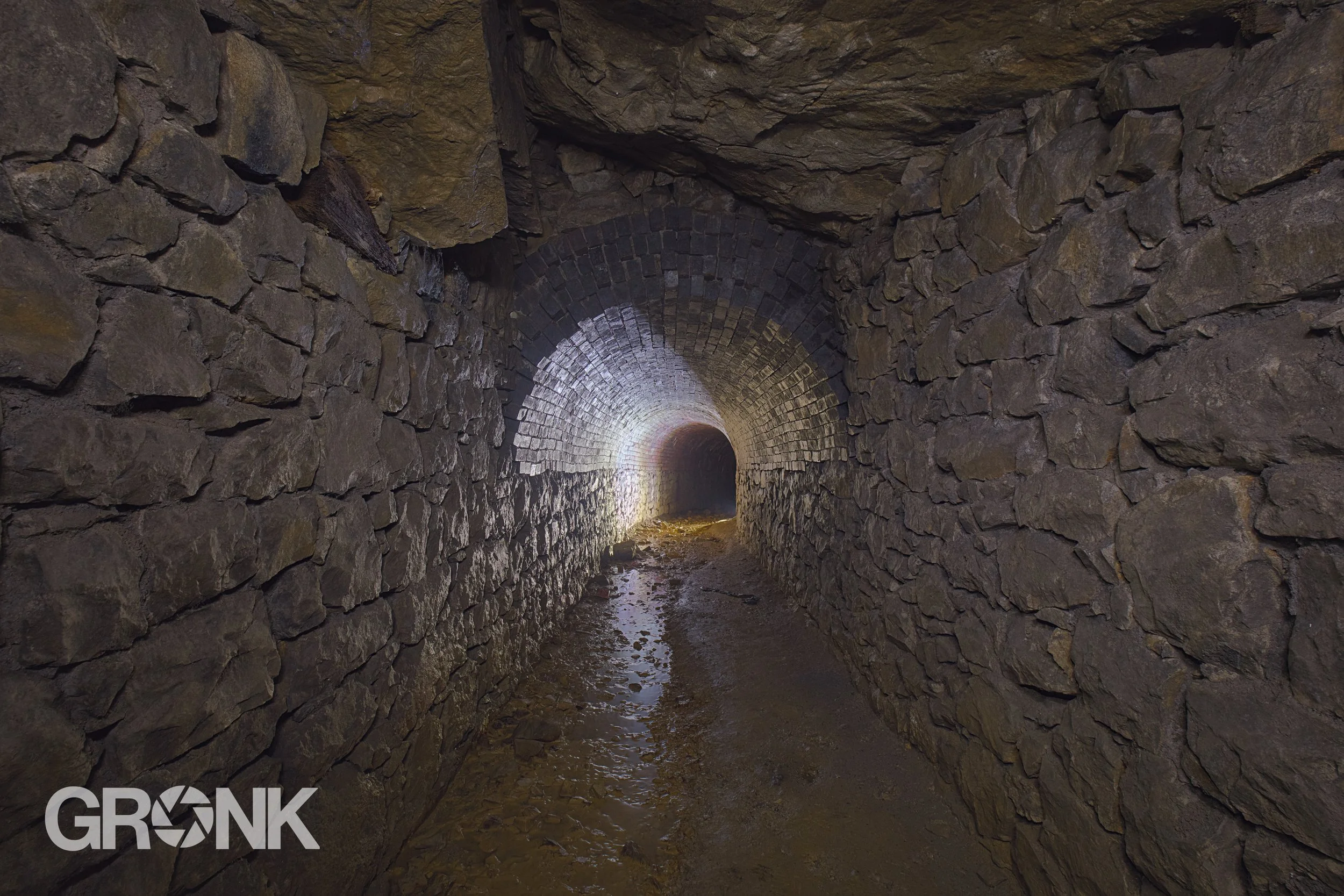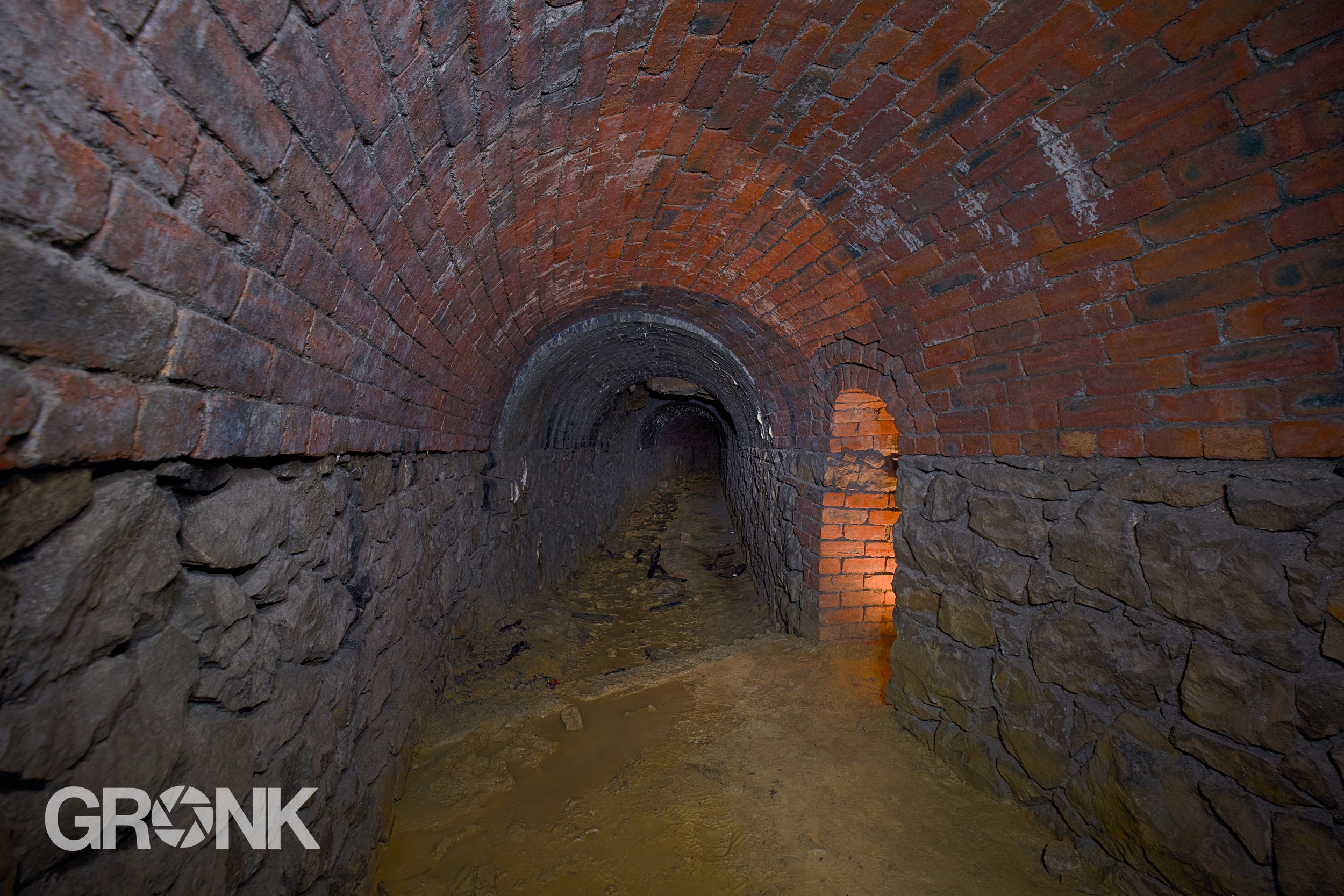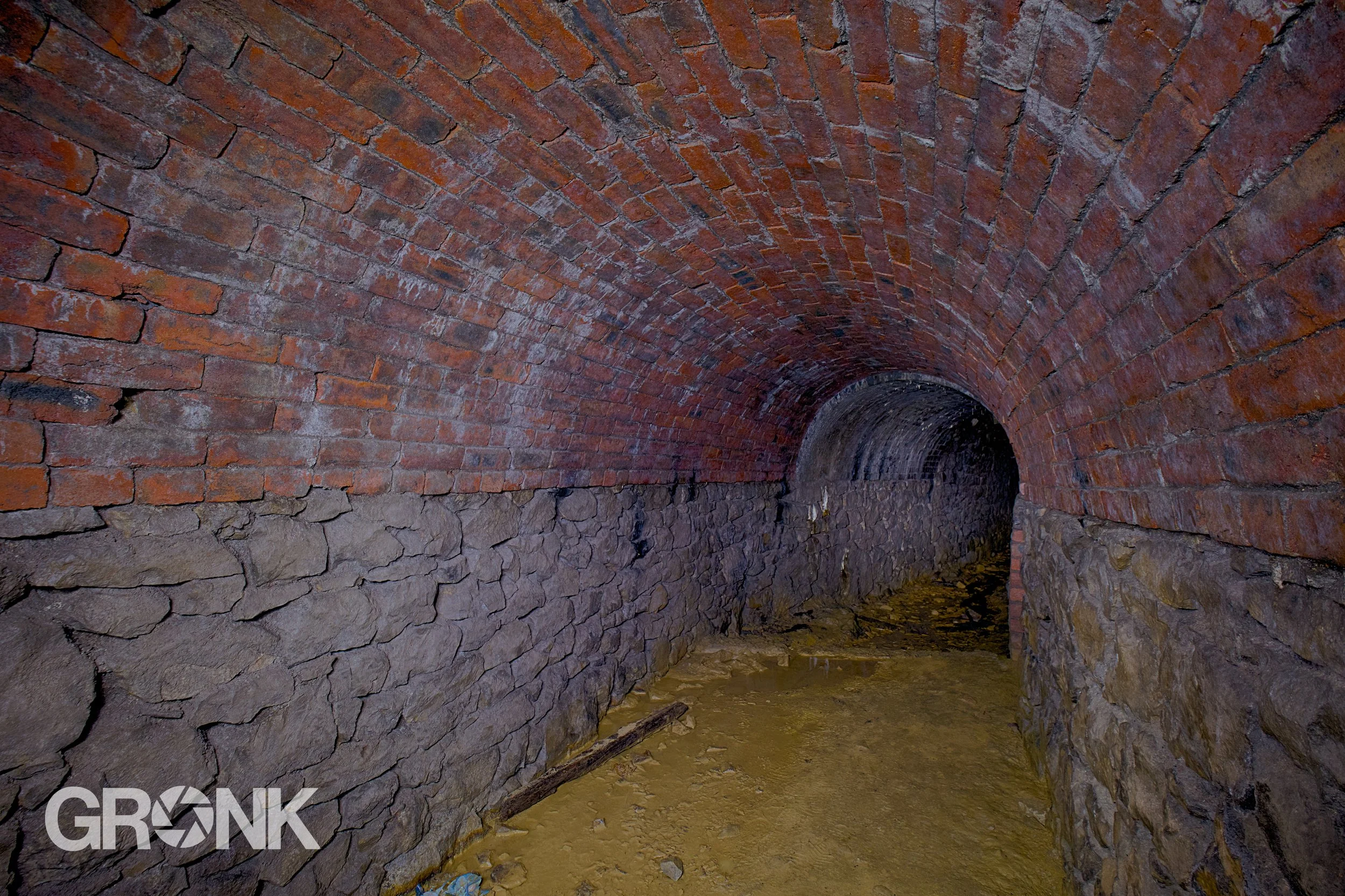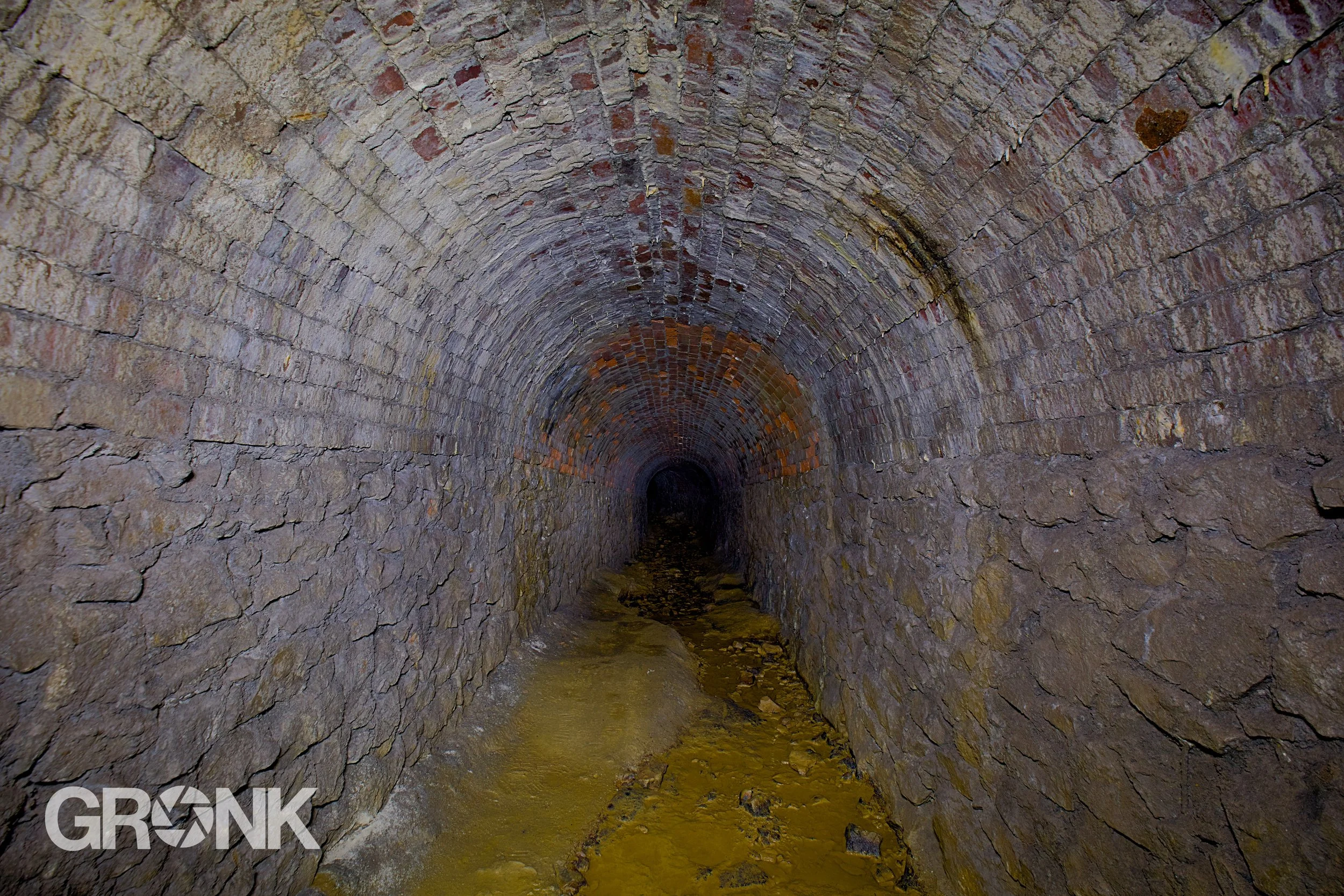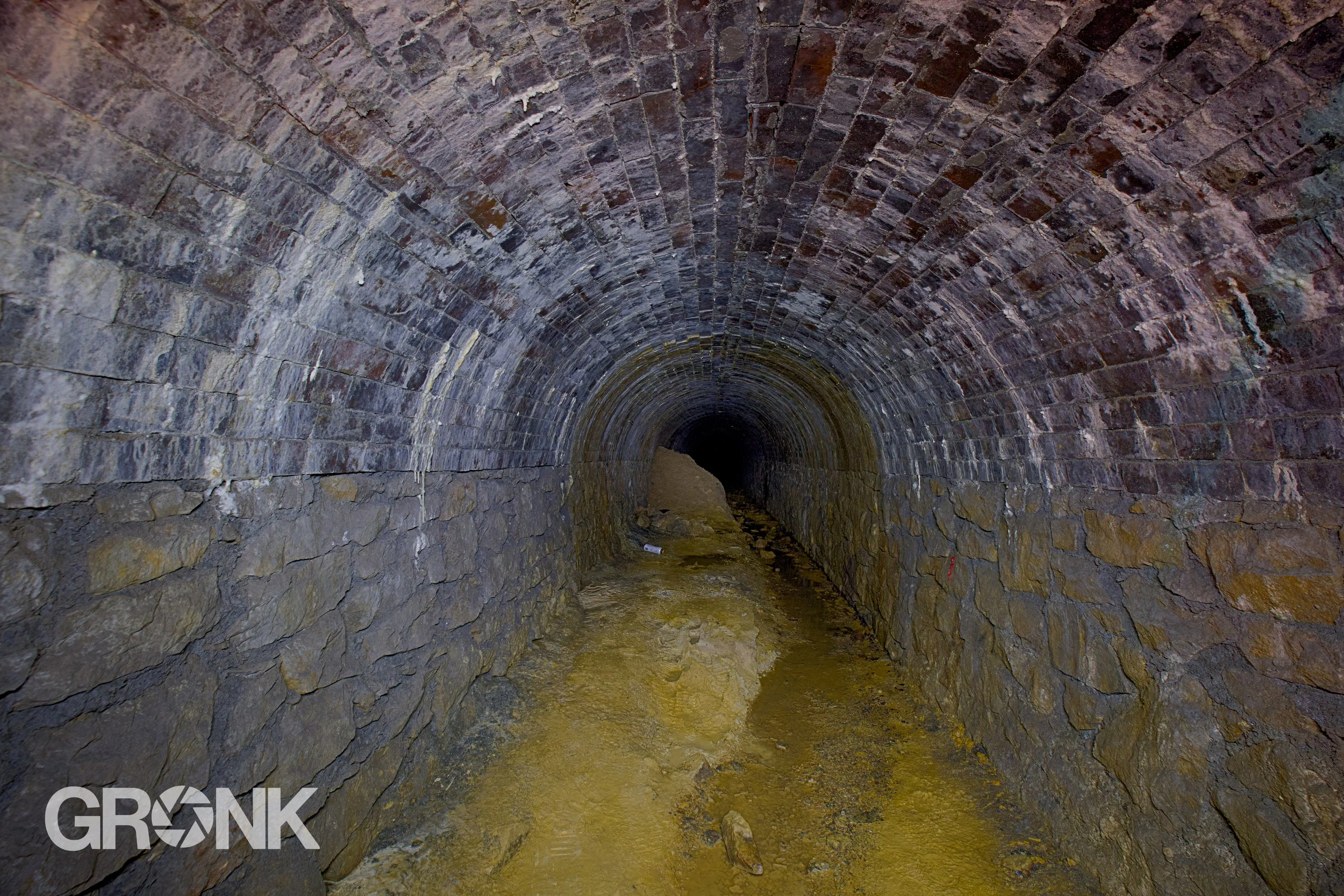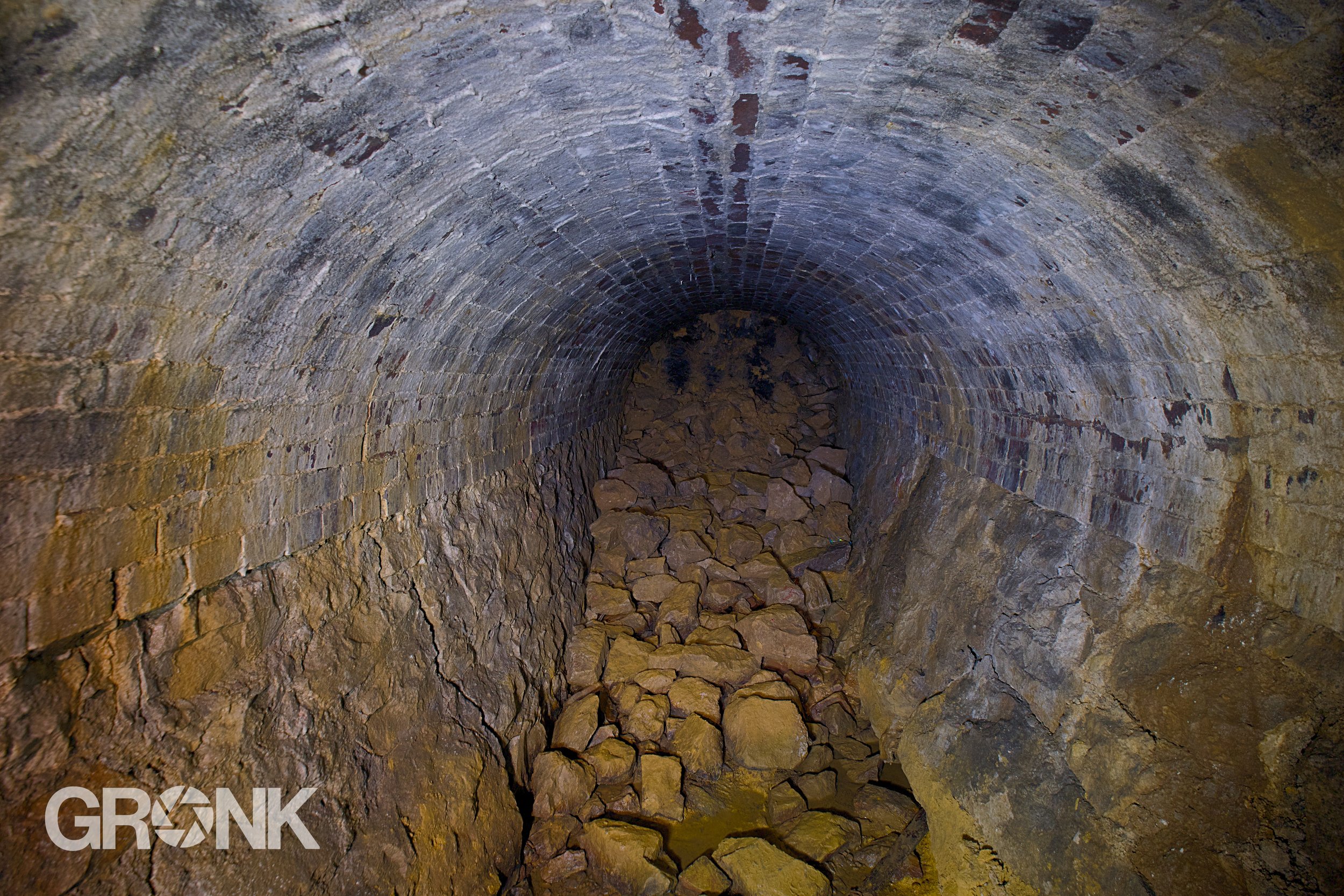
The Harpur Hill Tramway Tunnel, near Buxton in Derbyshire, is an intriguing remnant of the area’s industrial past. Although its exact purpose remains uncertain, it is closely associated with the former limestone quarries, lime works and railway network that shaped Harpur Hill.
During the nineteenth and early twentieth centuries, Harpur Hill became an important centre for limestone quarrying and lime production. Limestone was extracted and heated in kilns to produce quicklime, which was used in various industrial processes. Transporting these heavy materials required an efficient network of railways and tramways.
The nearby Cromford and High Peak Railway, opened in 1830, played an important role in transporting goods across the Peak District. Its steep gradients and unusual engineering made it a distinctive feature of the region’s industrial history. The tunnel may have been constructed to allow quarry materials to pass beneath a railway embankment, avoiding the need for a level crossing. However, there is no conclusive evidence that tramway rails were ever installed inside it.
Other theories suggest that the tunnel may have served as a drainage passage or provided access to the quarry. Its original function, and whether it was ever completed, remain subjects of investigation.
Harpur Hill’s industrial landscape changed considerably during the twentieth century. The lime works eventually closed, and many associated structures disappeared. The area later became home to RAF Harpur Hill, a major underground ammunition storage facility developed during the Second World War. Its extensive underground tunnels were separate from the smaller quarry tunnel.
Today, the Harpur Hill Tramway Tunnel remains an interesting feature of local industrial archaeology. Research by the Peak District Mines Historical Society and investigations of historical maps and surviving structures have helped explore its possible origins. Although its precise history has yet to be established, the tunnel provides a valuable link to Buxton’s industrial heritage and raises fascinating questions about the transportation of limestone and the development of the local railway network.