Bonny Street Police Station, Blackpool
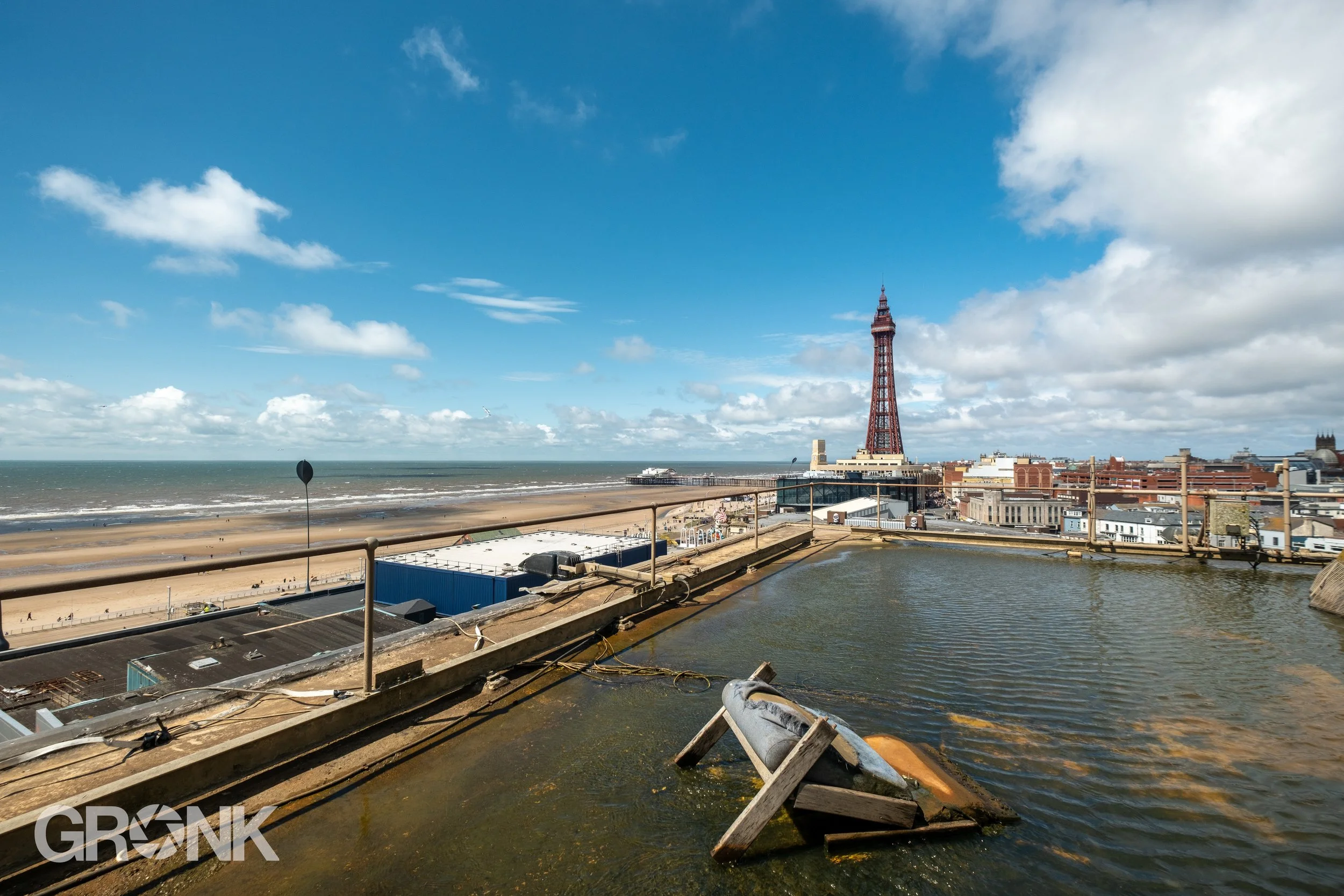
Bonny Street Police Station was one of Blackpool’s most iconic public buildings, known for its brutalist design and role in law enforcement for over four decades. Built in the late 1960s, the station was part of a larger development that included a magistrates’ court. The building was designed by Lancashire County Architects in a modular “GRID” style and officially opened on 19 February 1971, though its ceremonial opening took place in April 1976 by the Duke of Gloucester. The site was developed on former residential streets, including Oddfellow, East, and Cragg Streets.
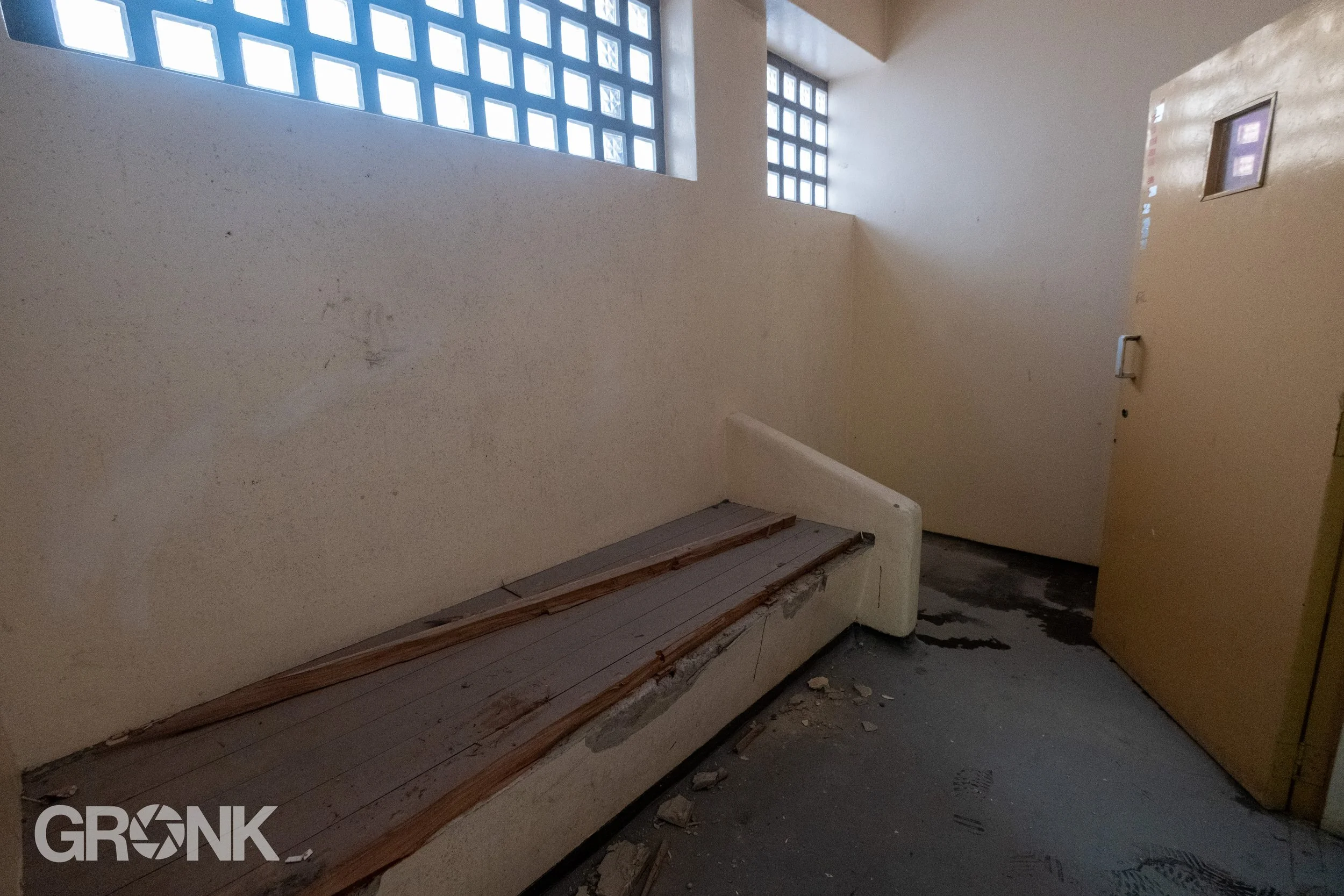
The structure consisted of an eight-storey tower housing custody suites, investigation rooms, and a charge desk. It also featured the town’s magistrates’ court, which relocated from the 19th-century Sessions House on Abingdon Street. The court was notable for dealing with thousands of cases annually and included several holding cells and secure areas. The station was a central part of the Blackpool policing network, playing host to everything from everyday policing operations to major incident responses. A First World War memorial was relocated to the site during its construction in the 1960s.
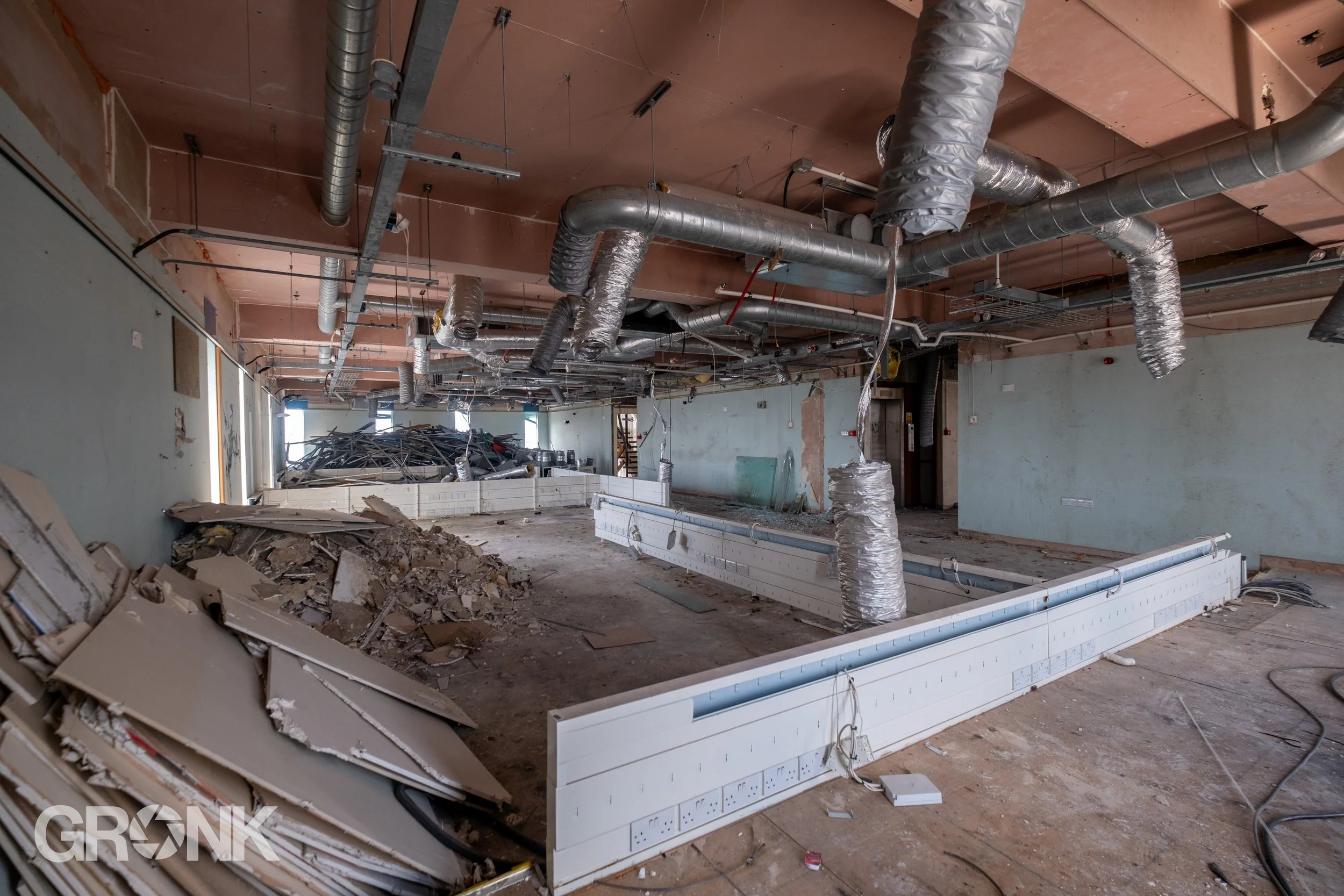
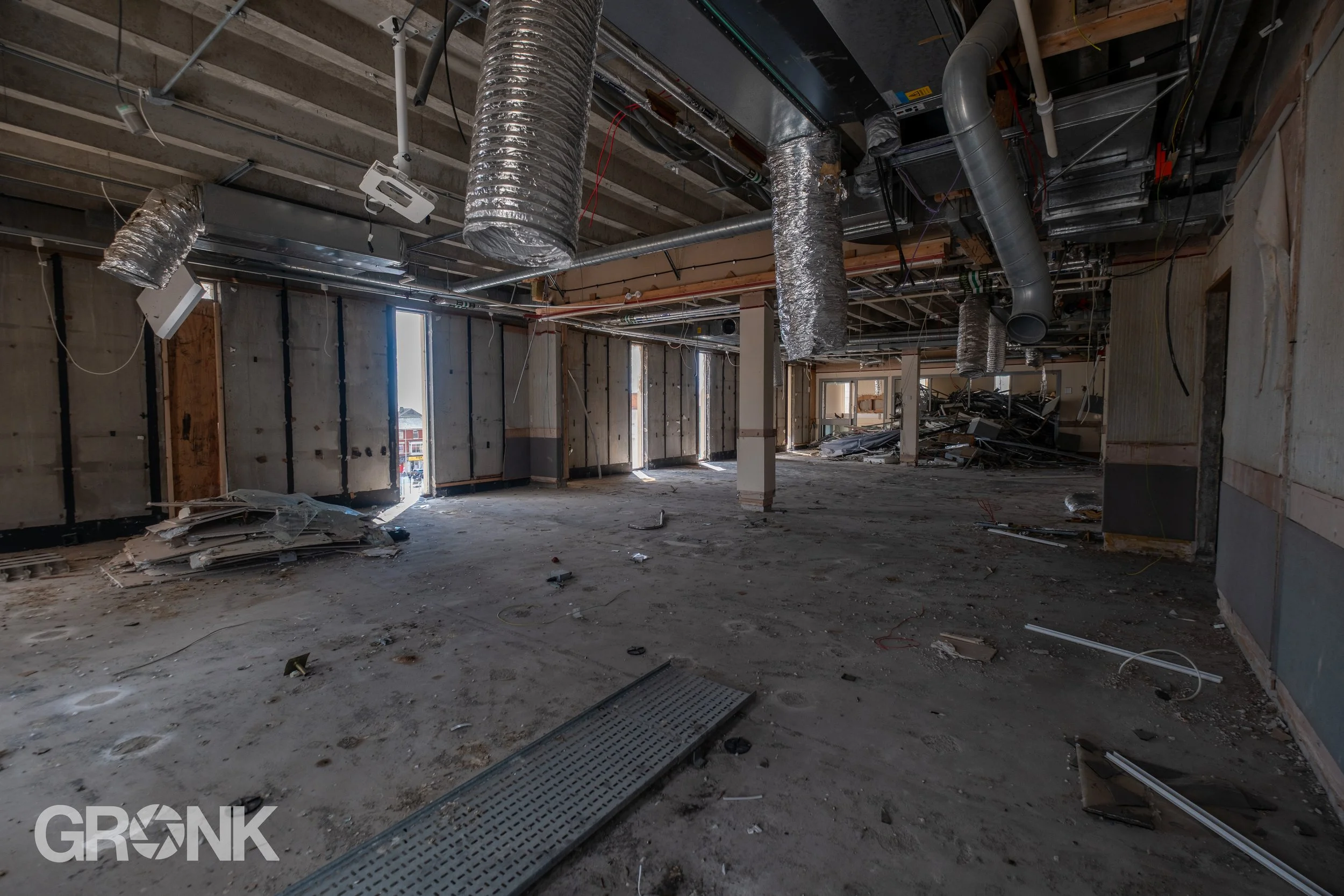
Bonny Street’s distinctive brutalist architecture made it a talking point—polarising opinion between those who saw it as an eyesore and others who viewed it as a valuable example of post-war design. In later years, it became a popular filming location due to its unchanged interior and vintage police facilities. By 2014, a structural survey revealed that the station was outdated and did not meet modern policing or custody standards. The cost of refurbishment was deemed too high. Plans were set in motion to replace it with a modern headquarters, and by July 2018, operations had moved to a new police facility in Marton on Clifton Road, which offered 42 upgraded custody cells, sustainable features, and modern equipment. Bonny Street closed to the public in October 2018.
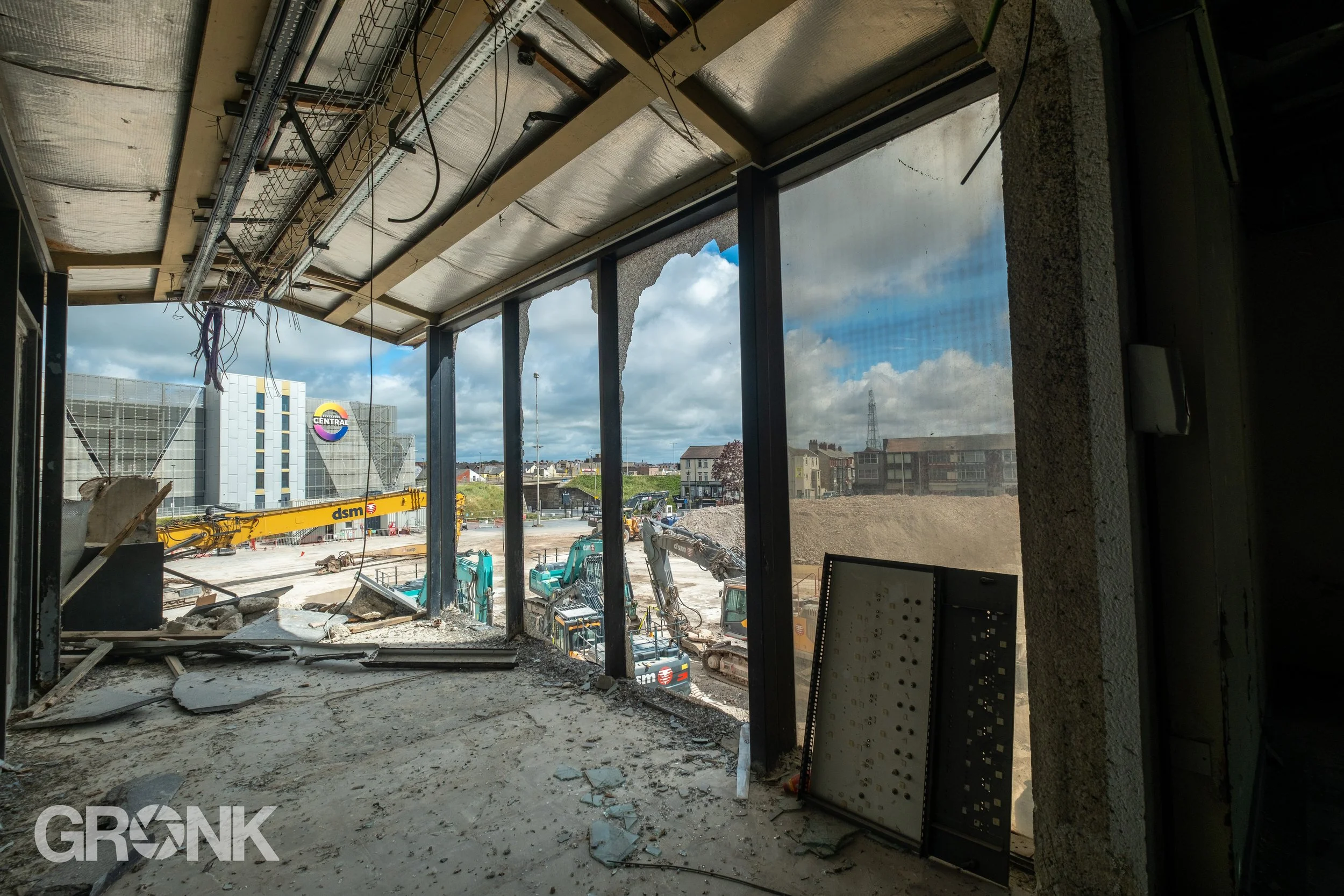
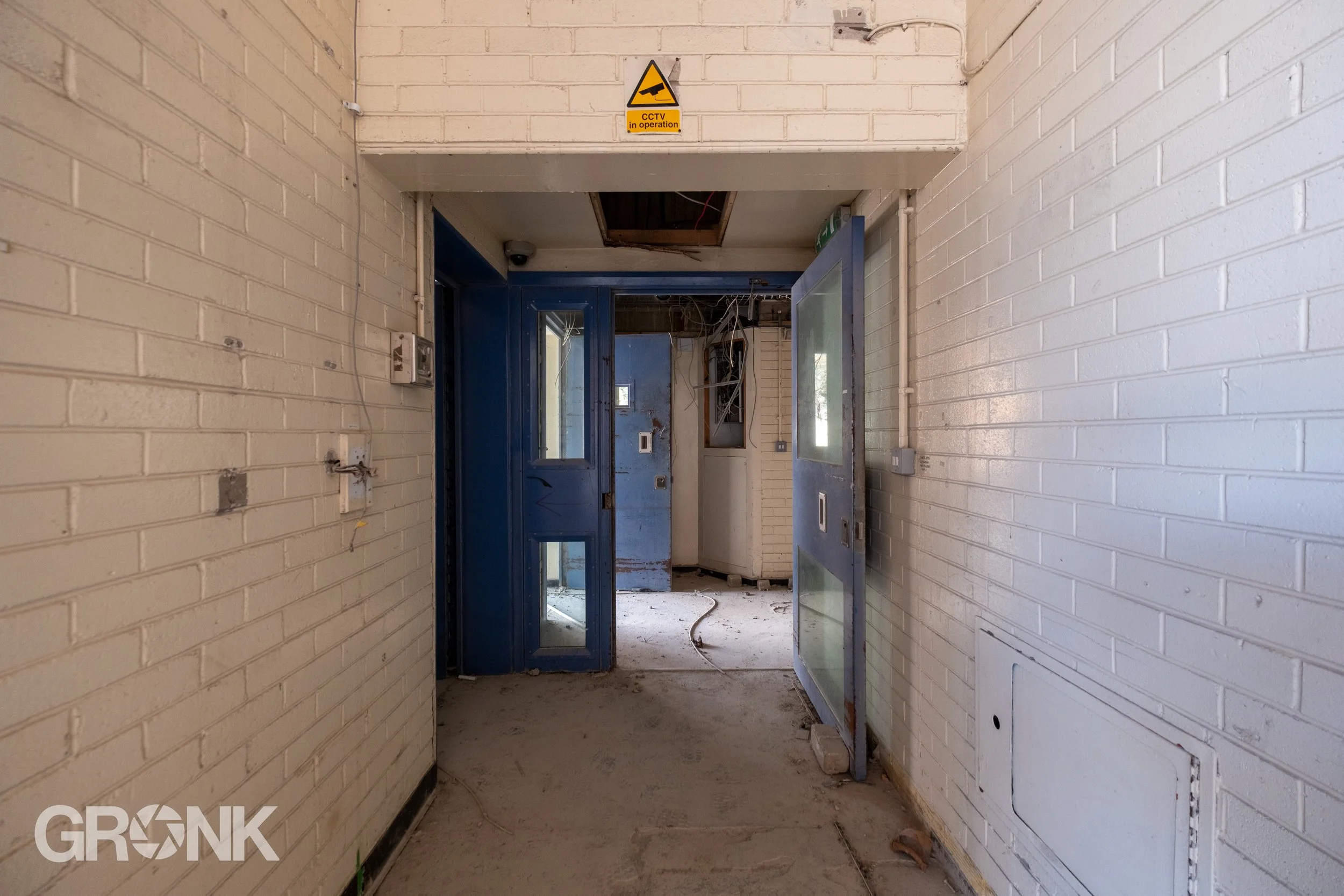
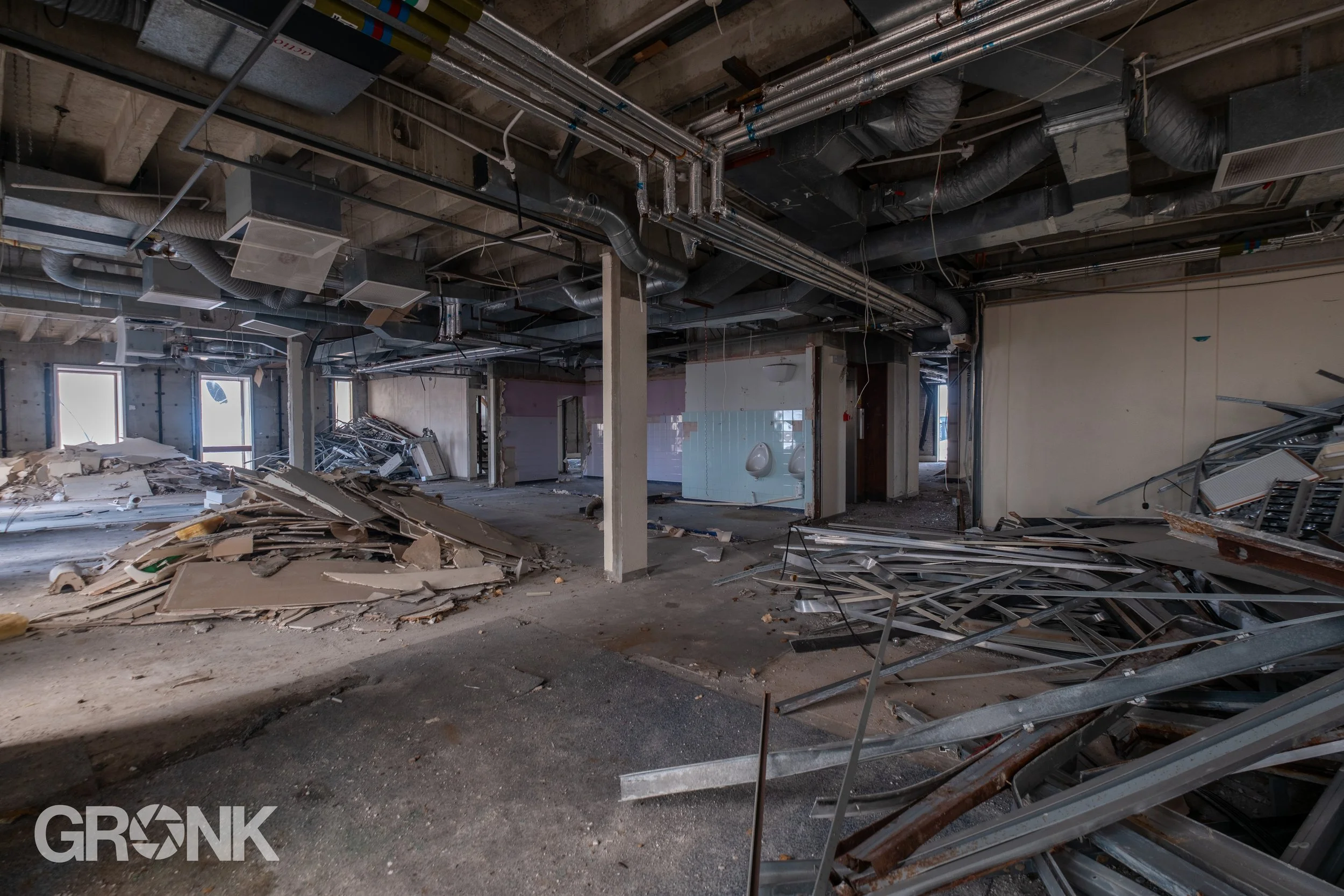
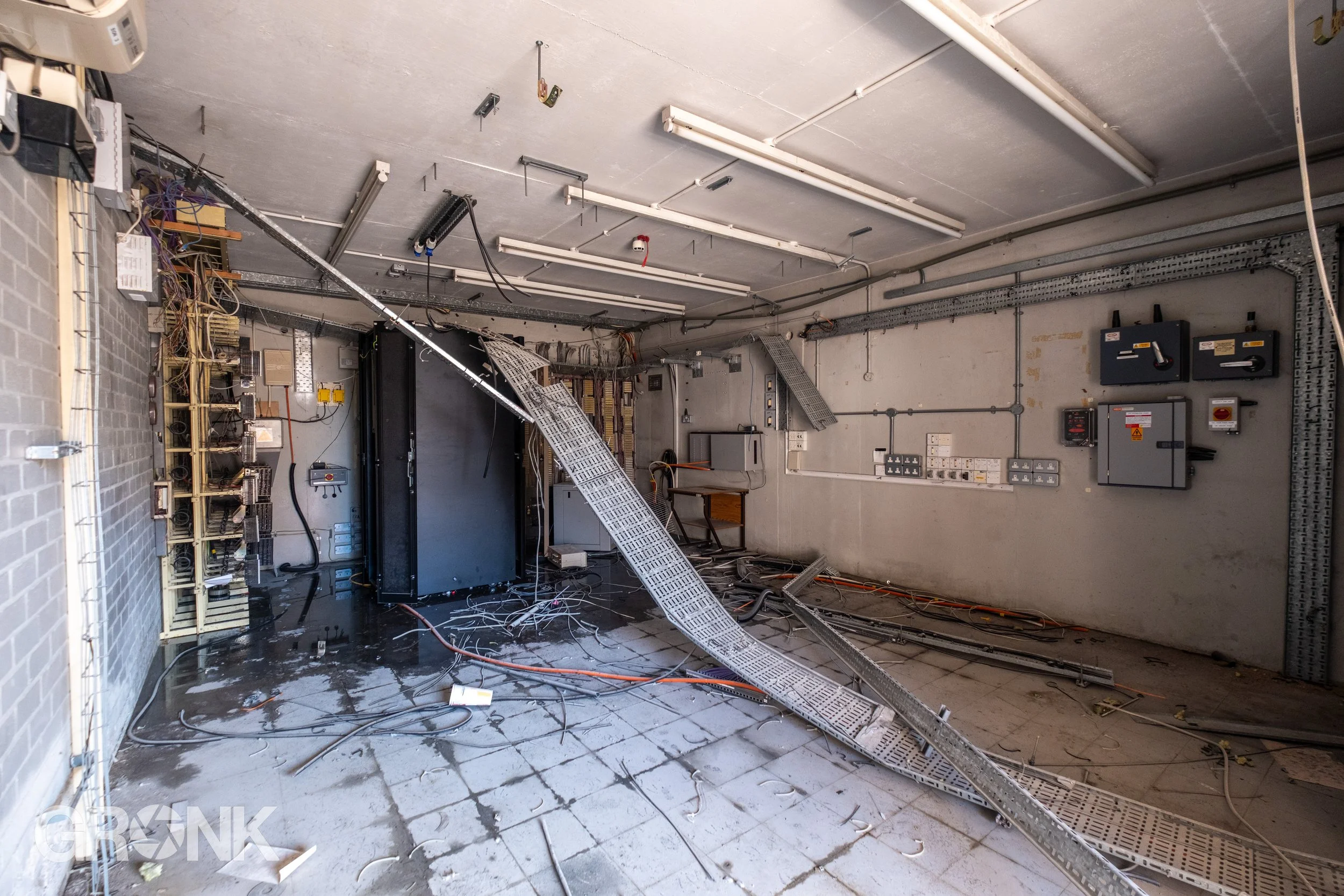
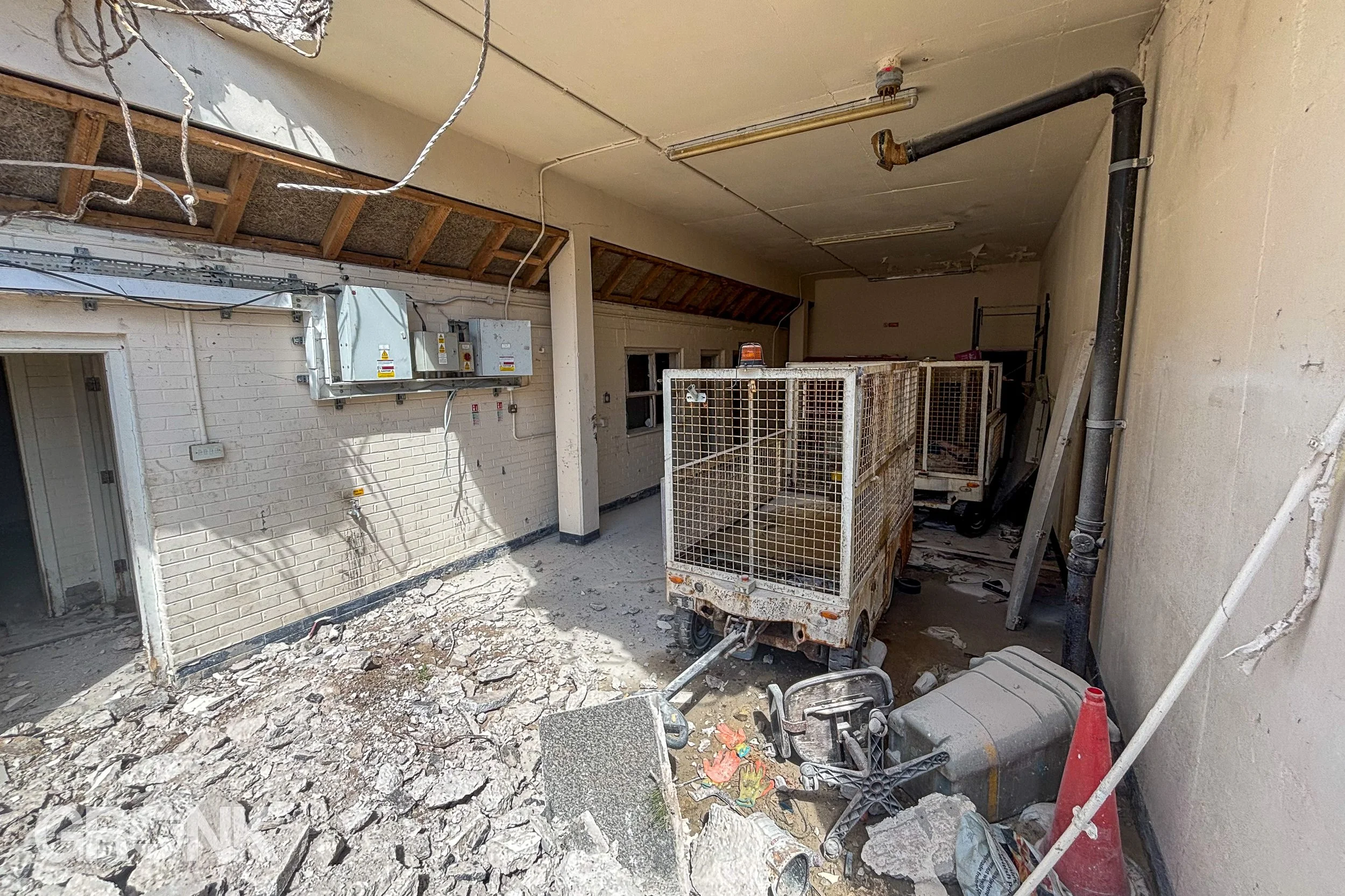
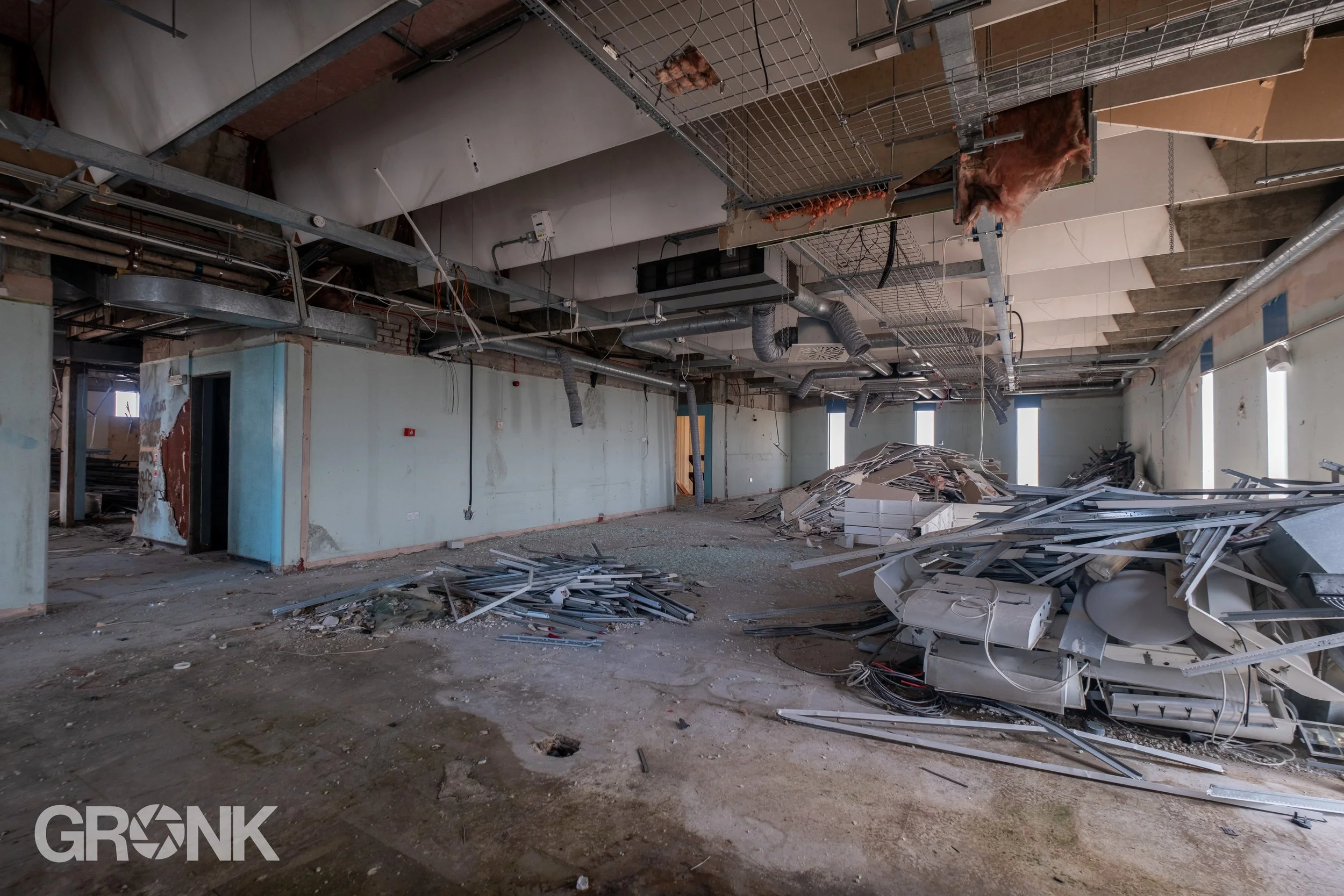
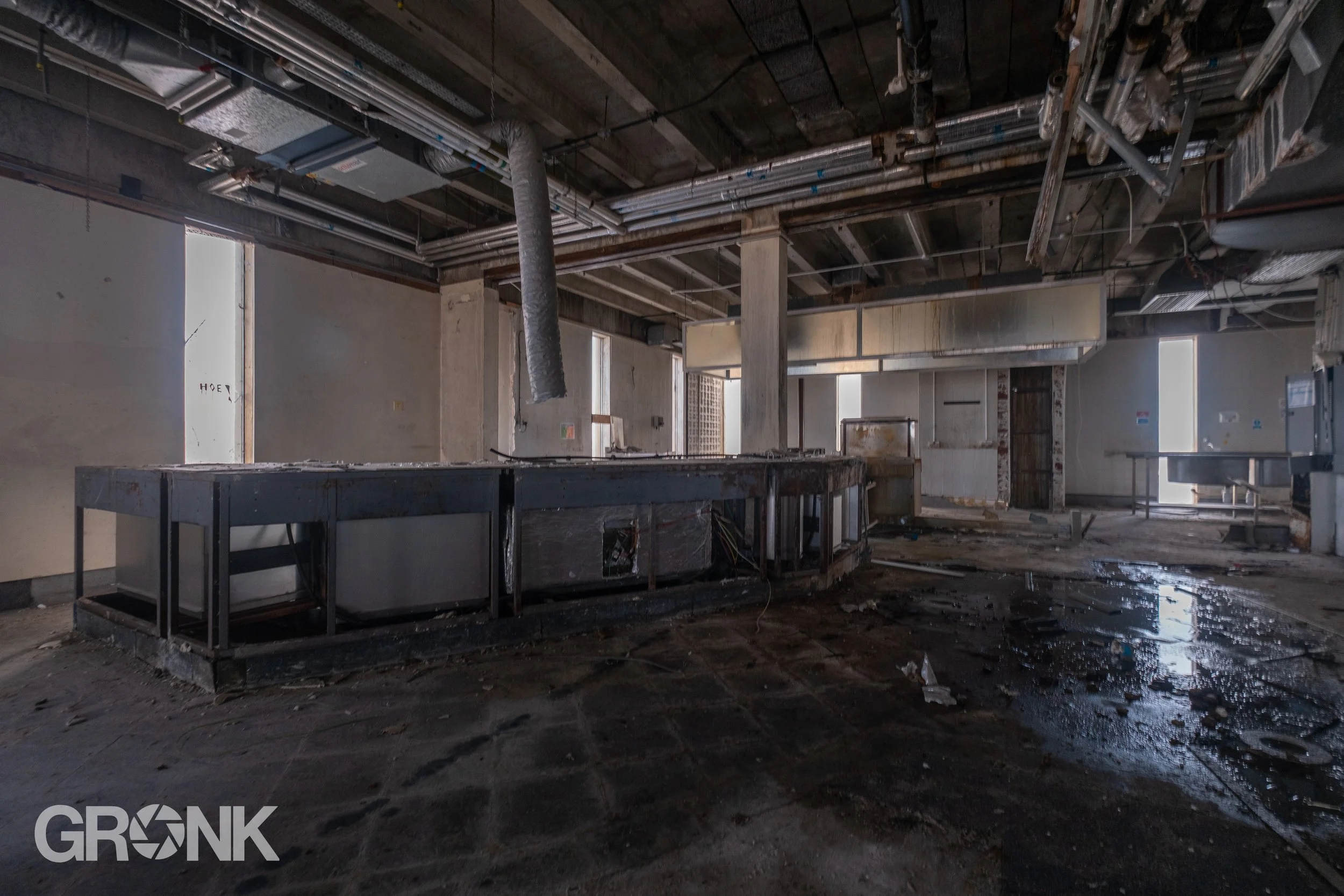
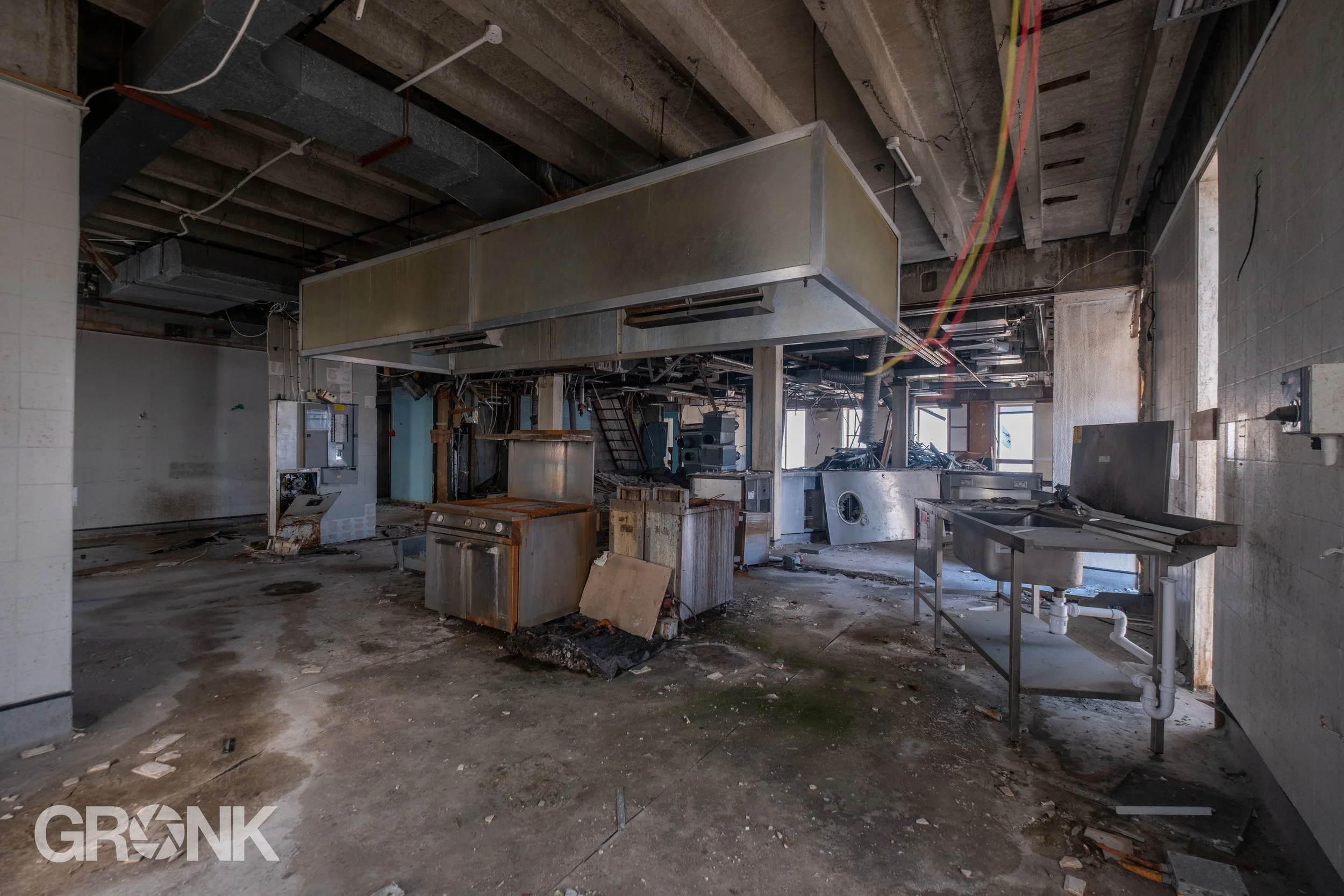
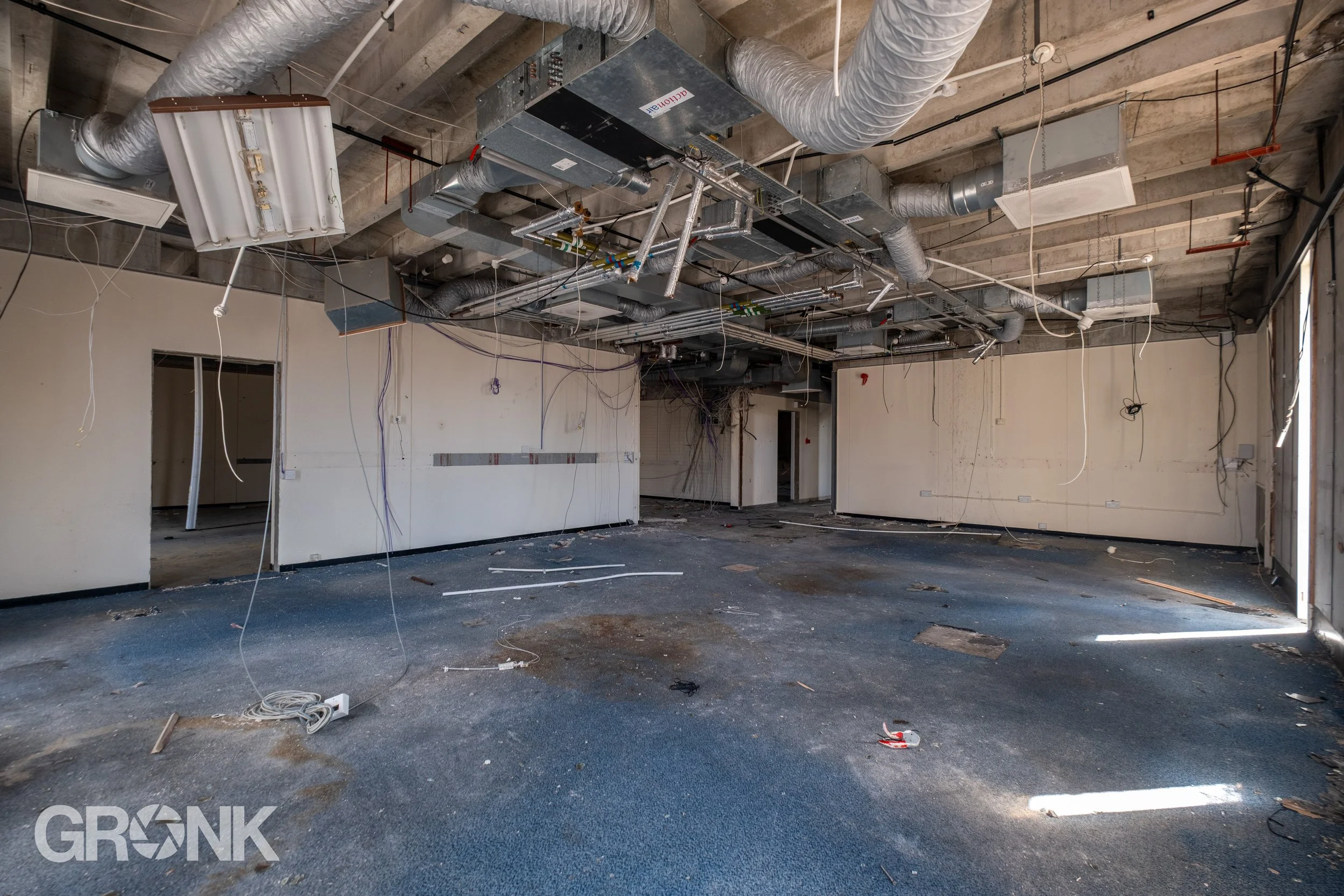
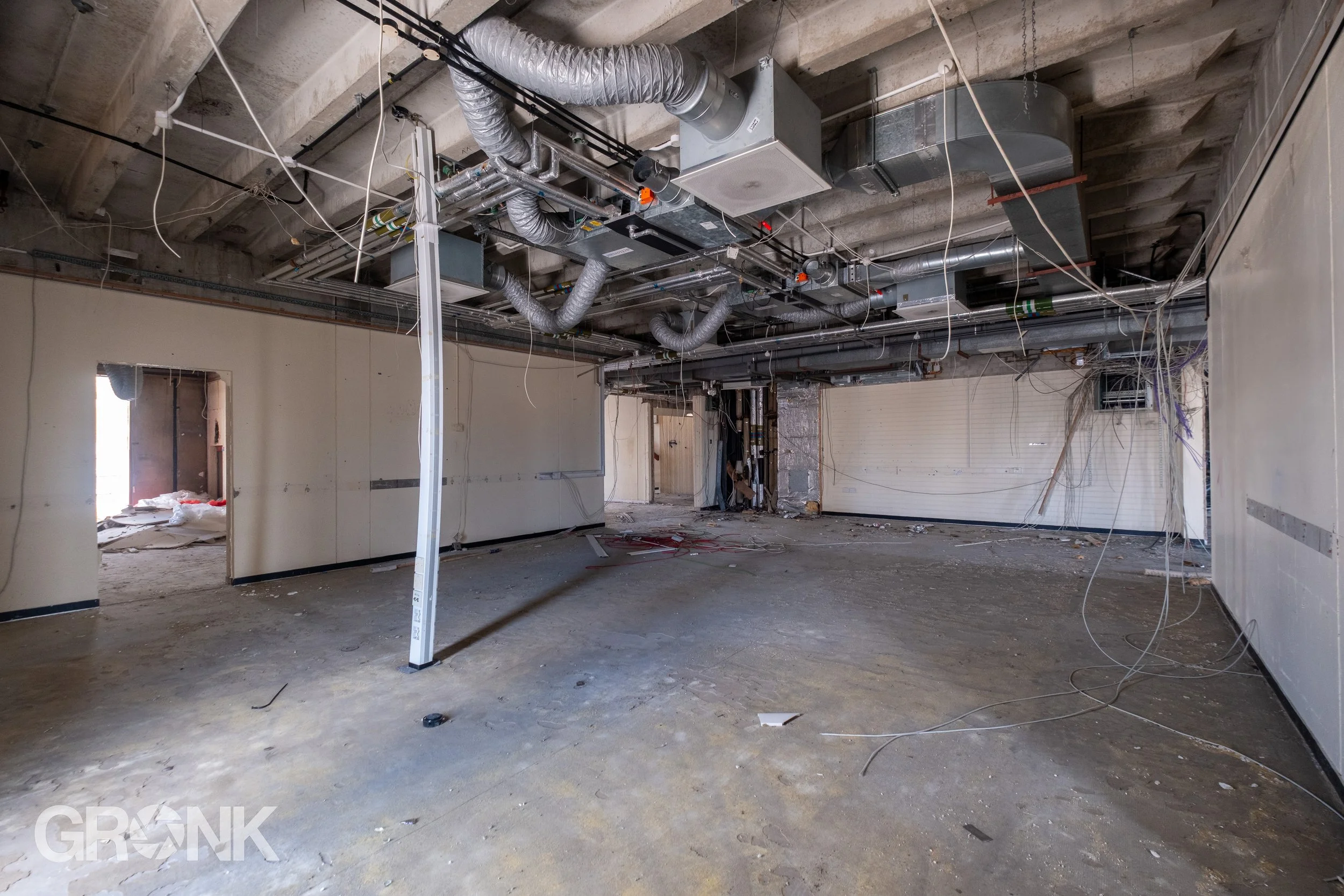
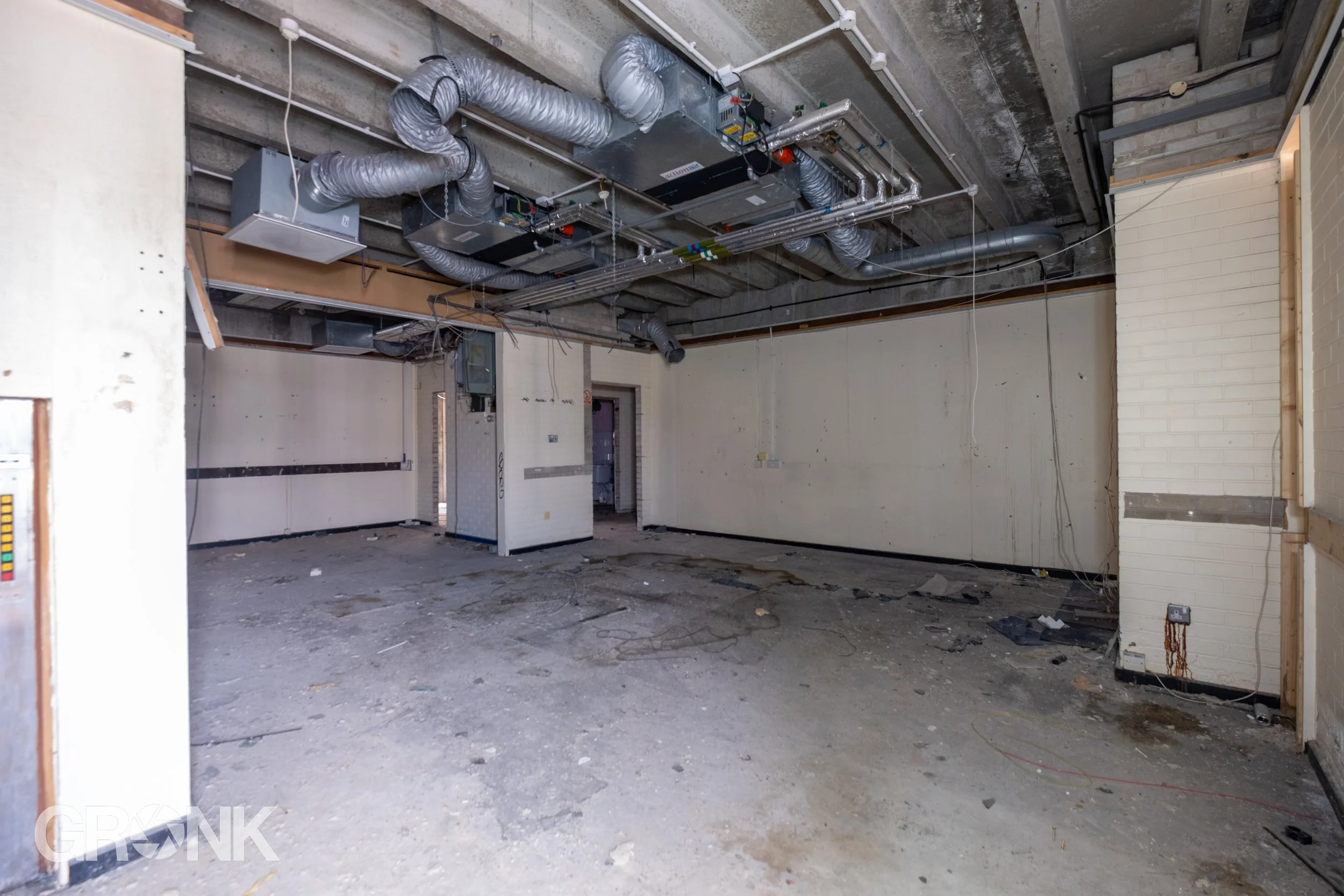
The adjacent court remained operational for a few more years but was forced to shut down in November 2023 after reinforced autoclaved aerated concrete (RAAC) was found in its structure—deeming the building unsafe. Since closure, Bonny Street became derelict, attracting urban explorers, vandals, and photographers drawn to its decaying yet distinctive features. Multiple demolition delays pushed back redevelopment timelines, but work finally began in early 2025, with full demolition expected by July 2025.
The site is central to the broader Blackpool Central regeneration plan, intended to host a major leisure and tourism development including hotels, an indoor theme park, and entertainment complexes. While early plans were thrown into uncertainty after the collapse of the initial developer, the demolition of the Bonny Street station marks a significant step forward for the town’s ambitious transformation.