Holme Spring Mill, Haslingden
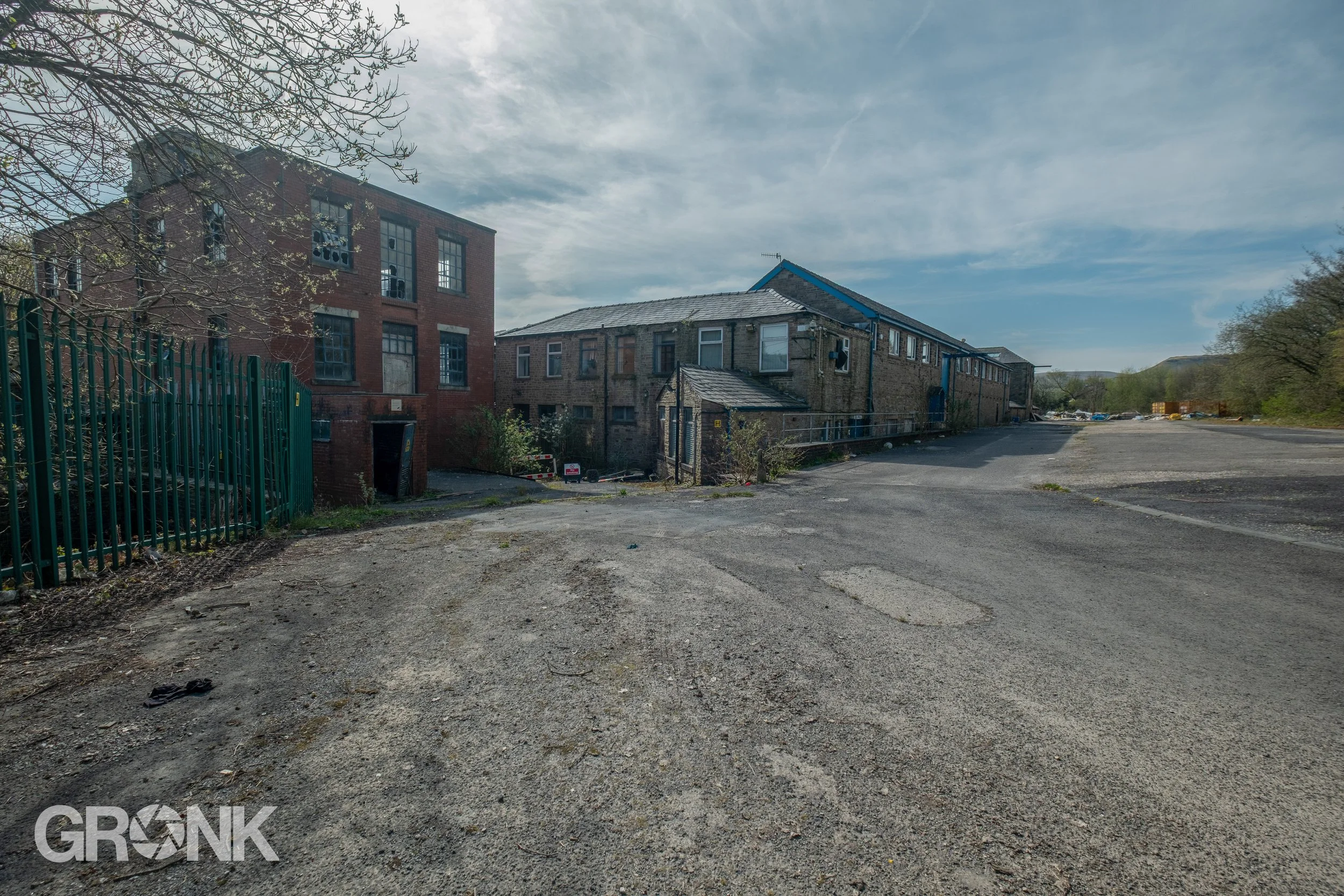
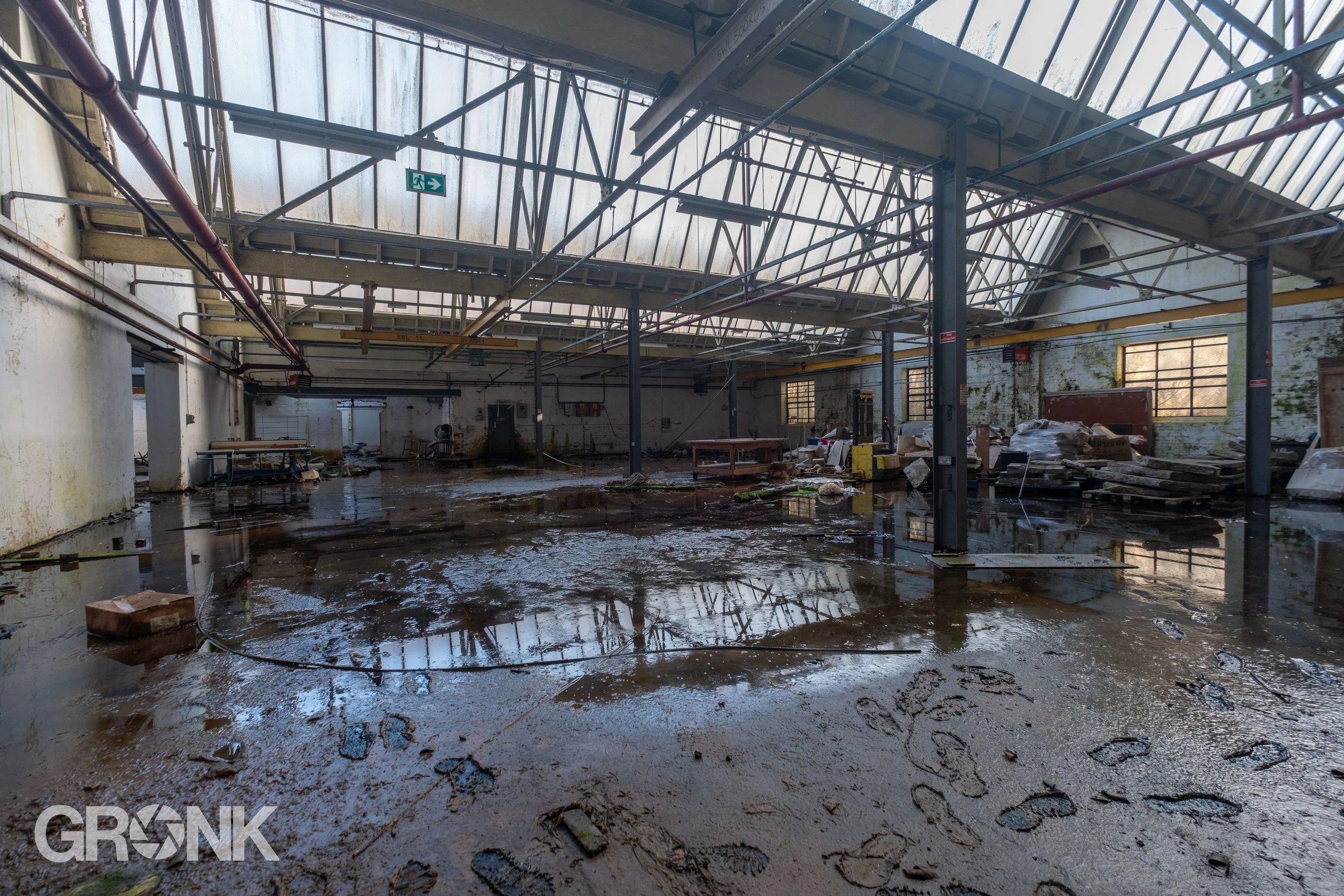
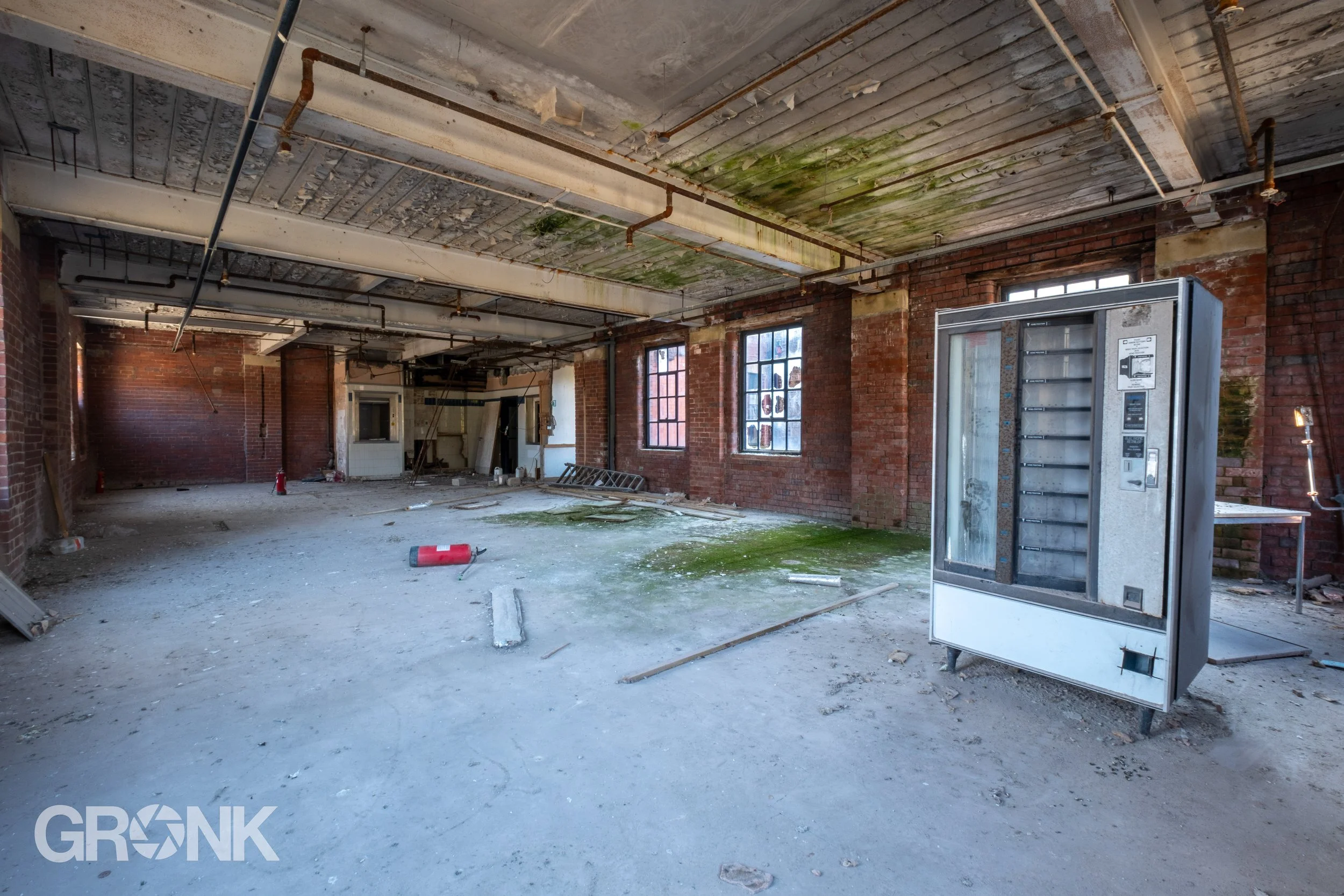
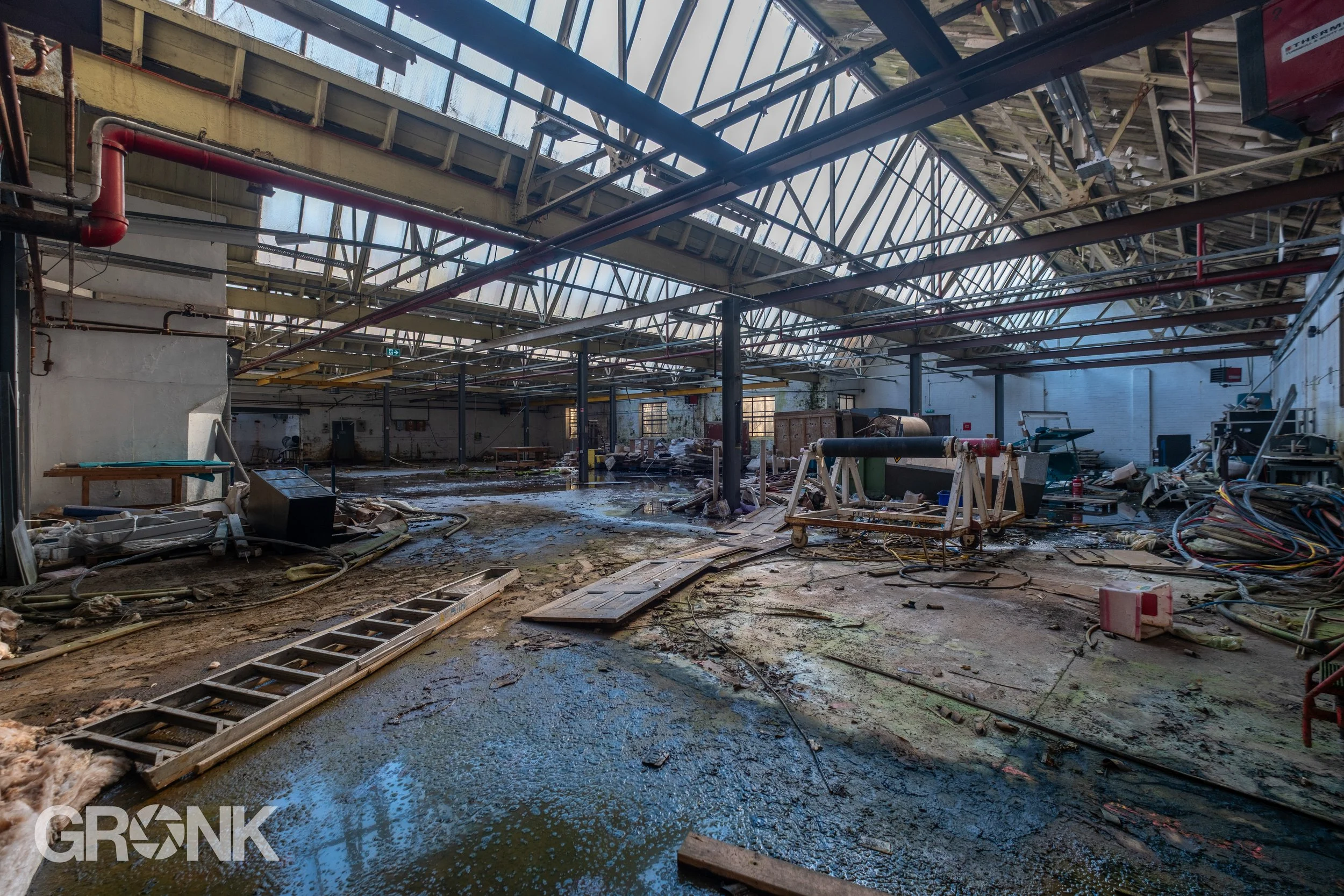
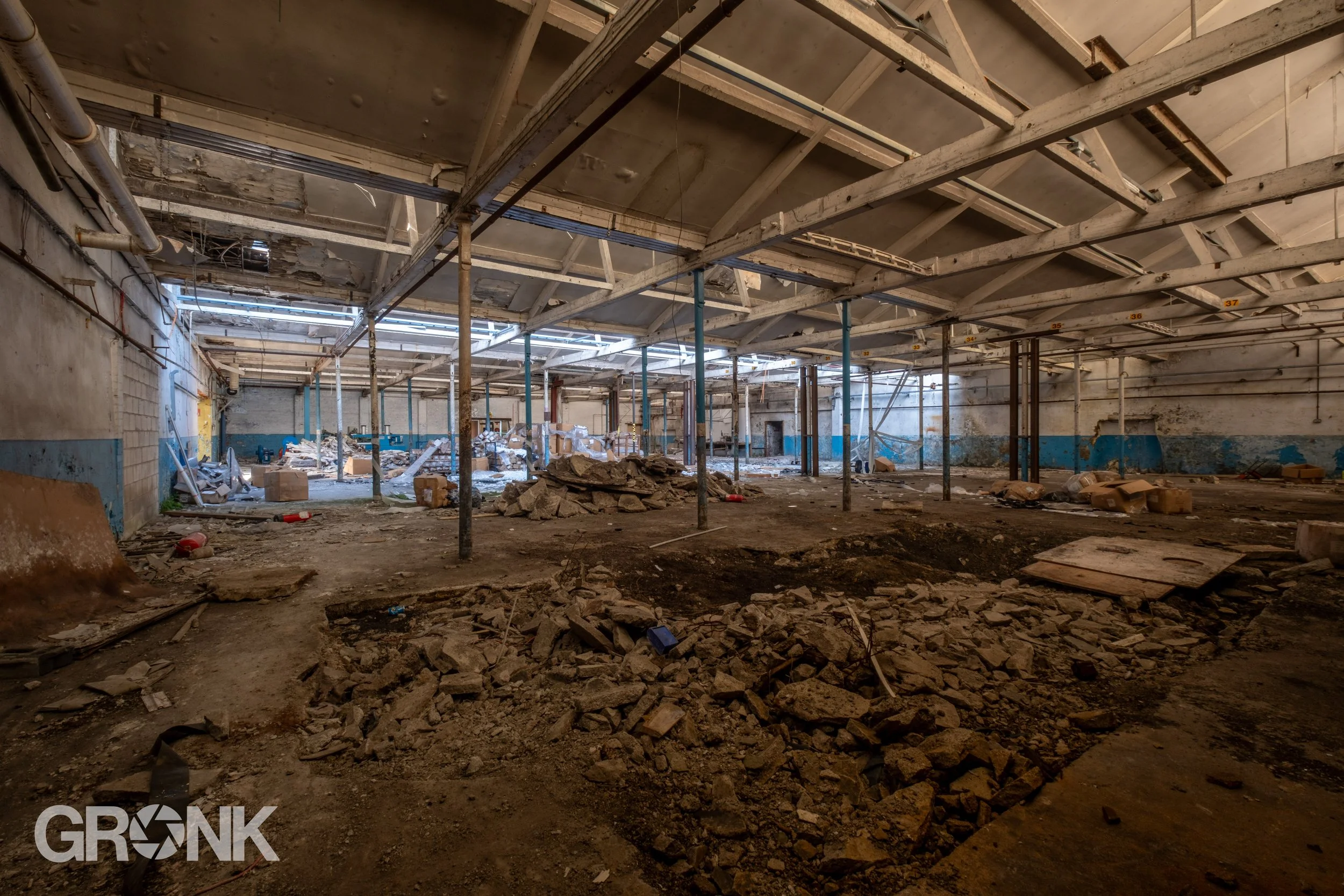
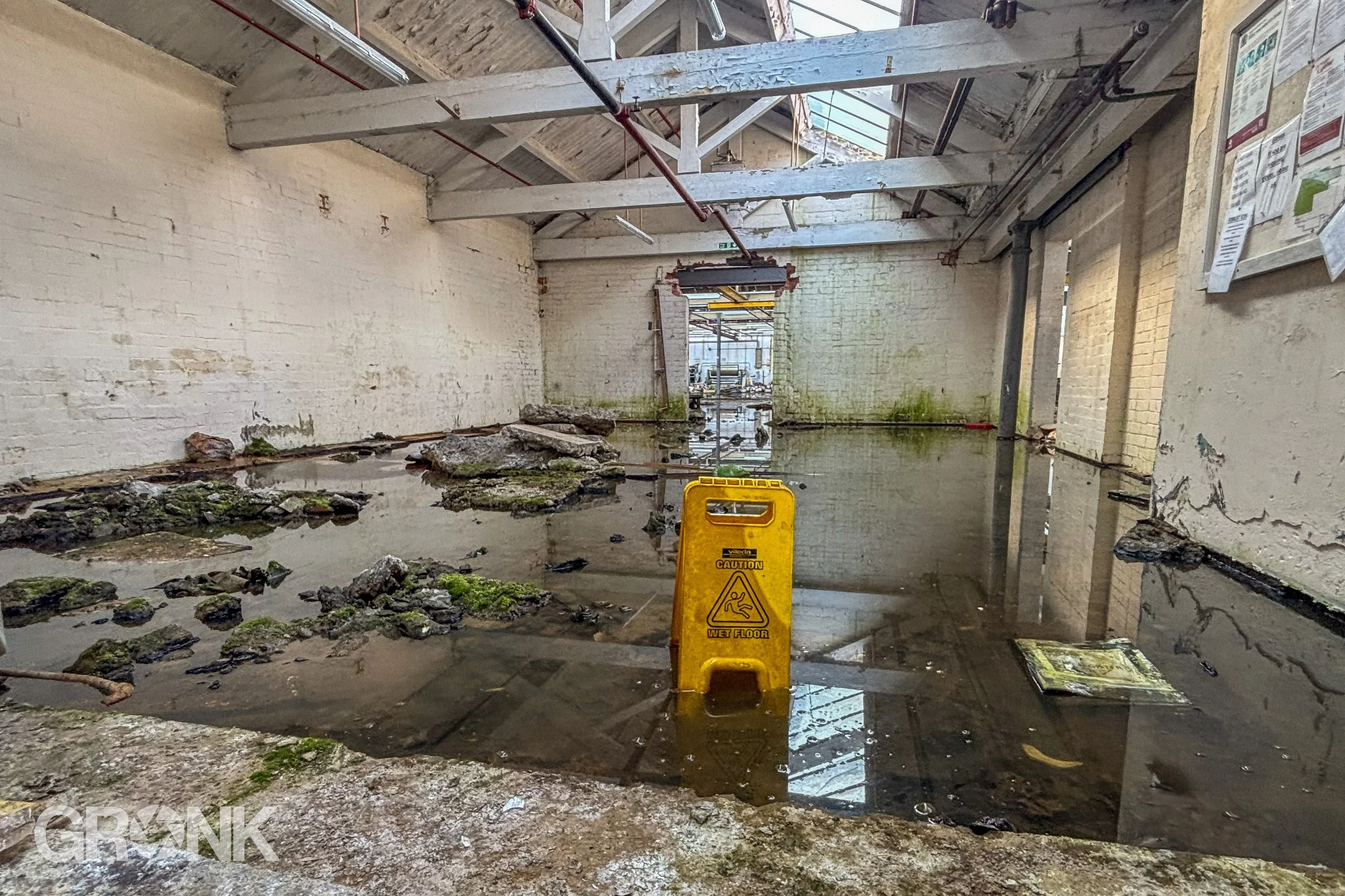
Holme Spring Mill was established around 1856 by Henry Walton as a small weaving shed in Haslingden, Lancashire. It likely functioned in connection with the nearby Grane Road Mill. Over the decades, the site expanded significantly: by 1860, the original structures had grown, and in 1912, the complex was further extended. A substantial weaving shed was later added in the 1950s, constructed across the Swinnel Brook, reflecting the post-war growth of textile production in the area.
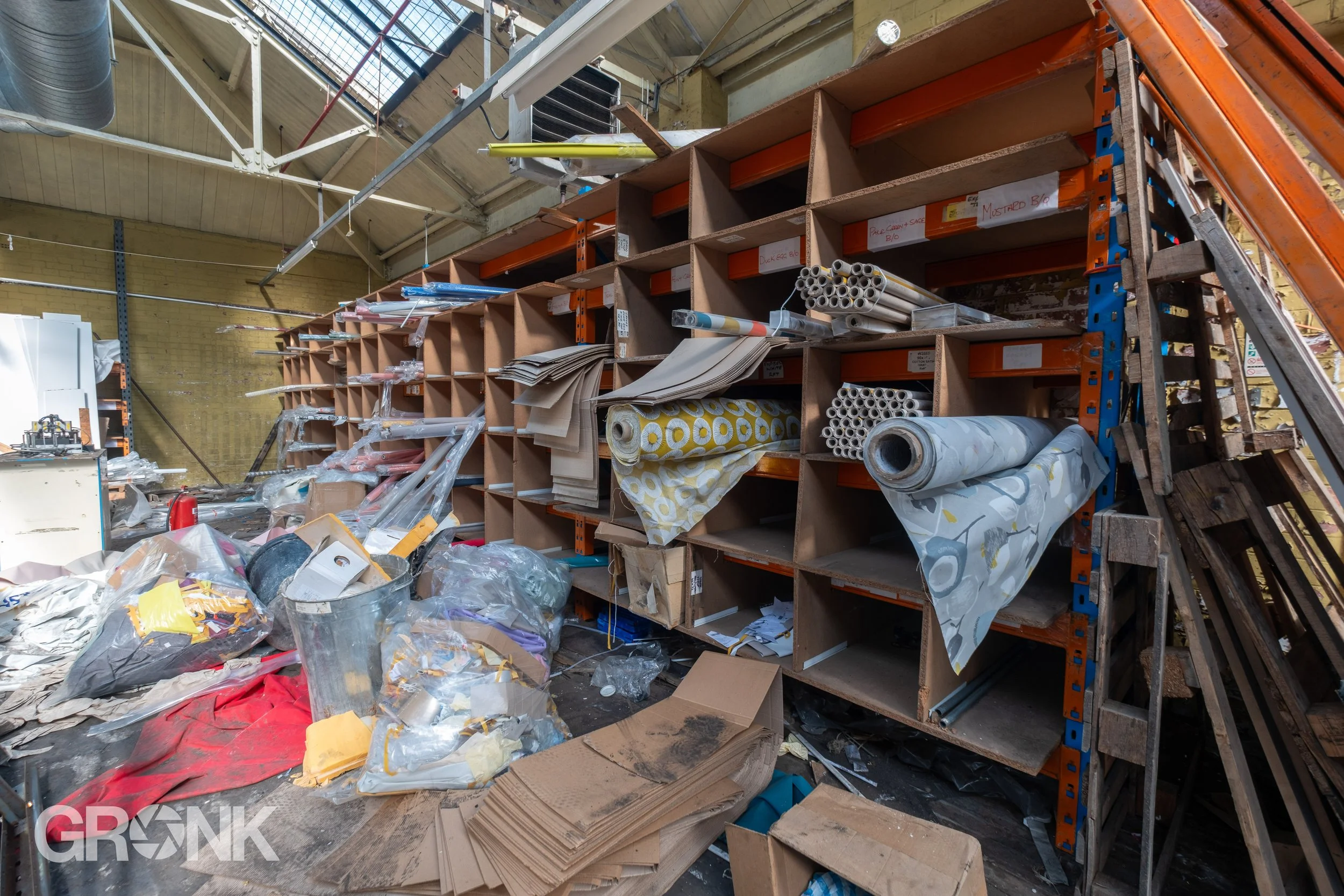
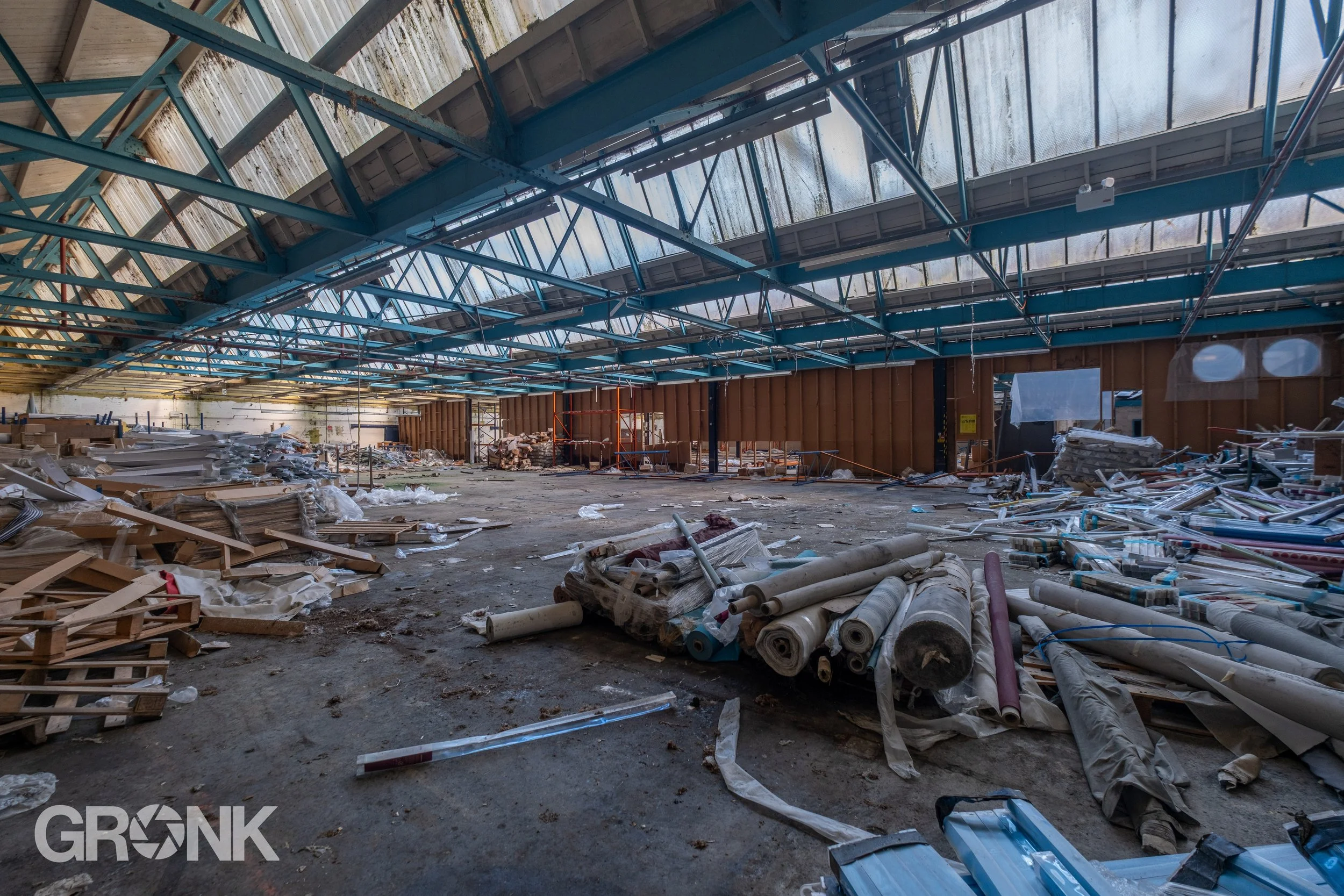
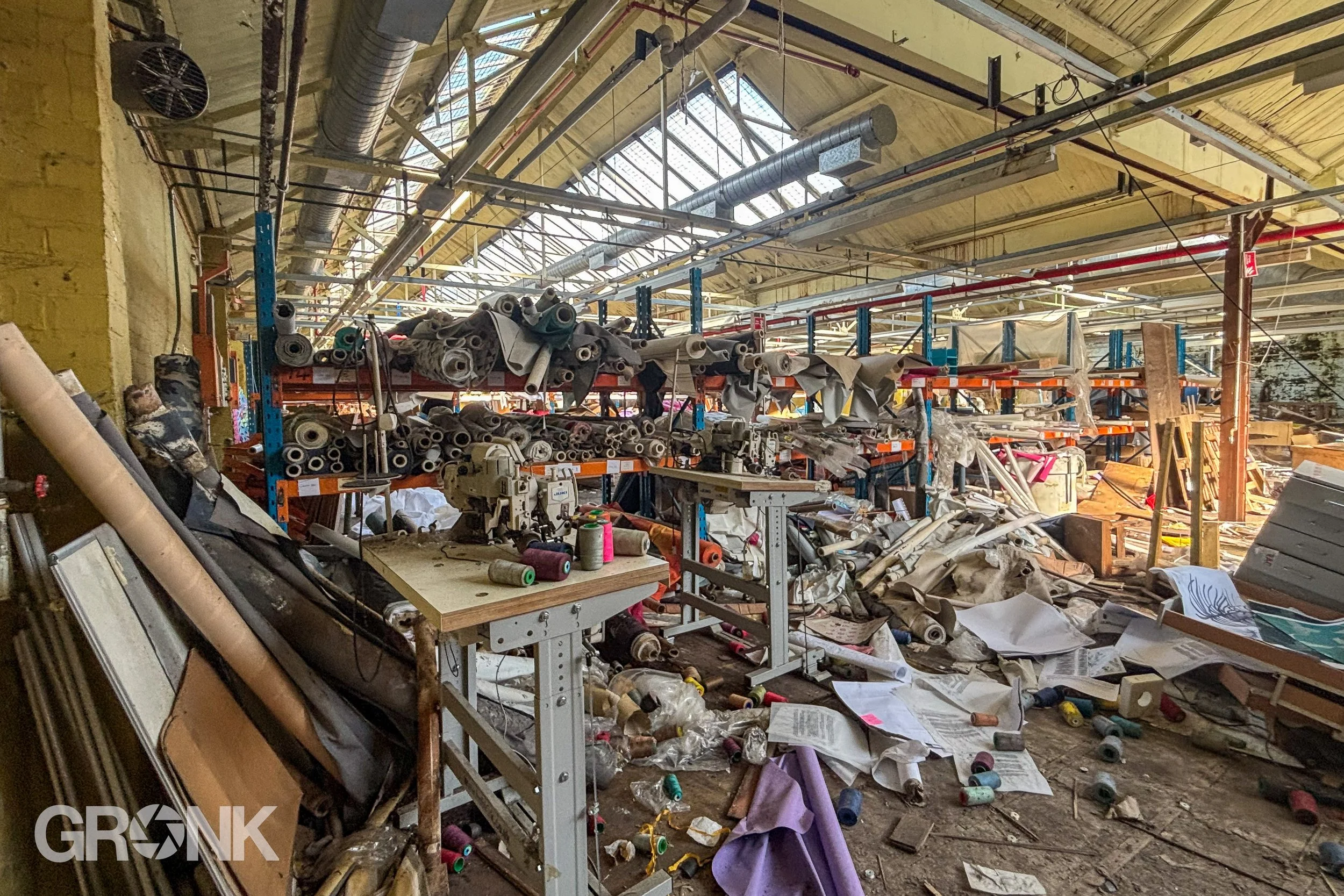
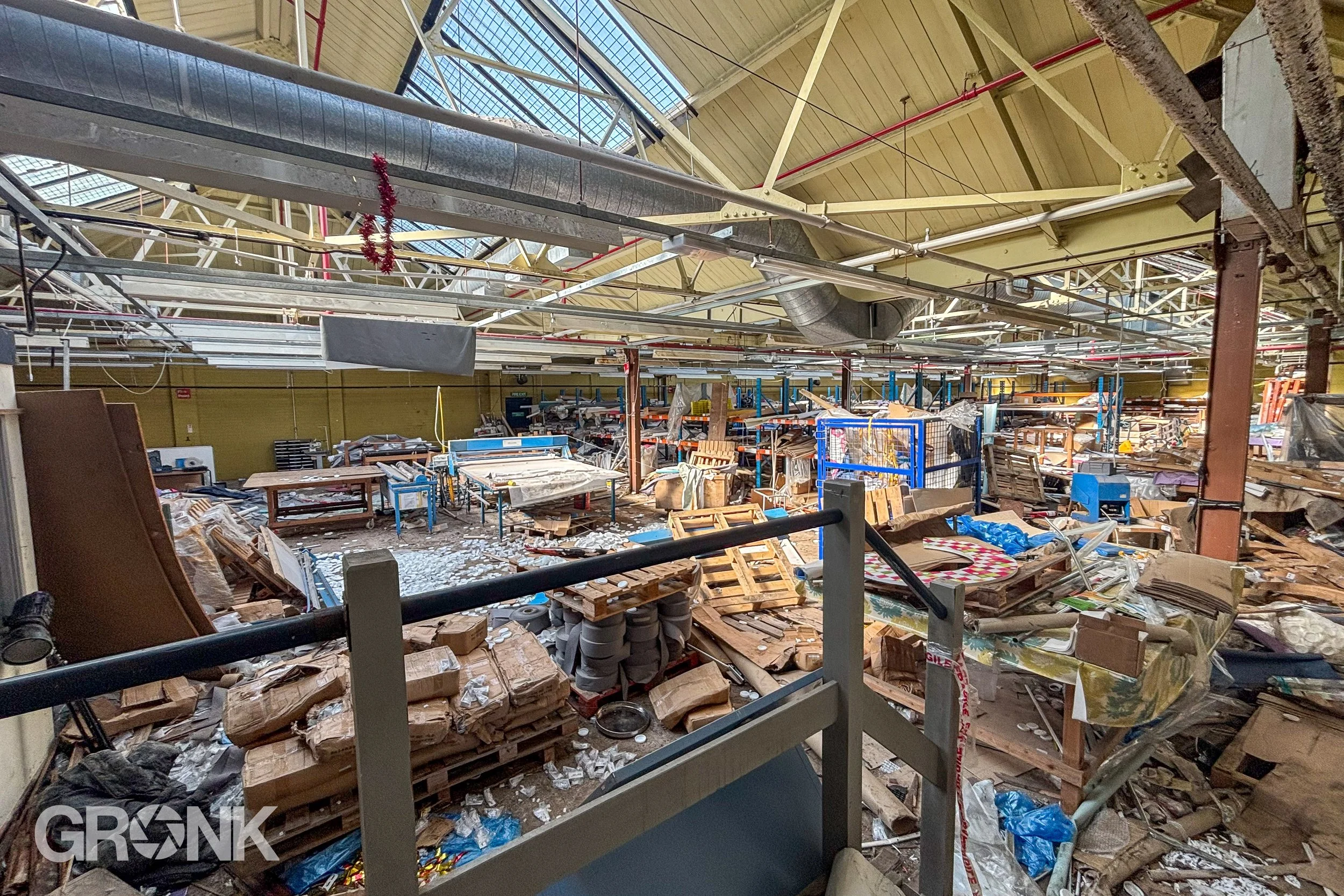
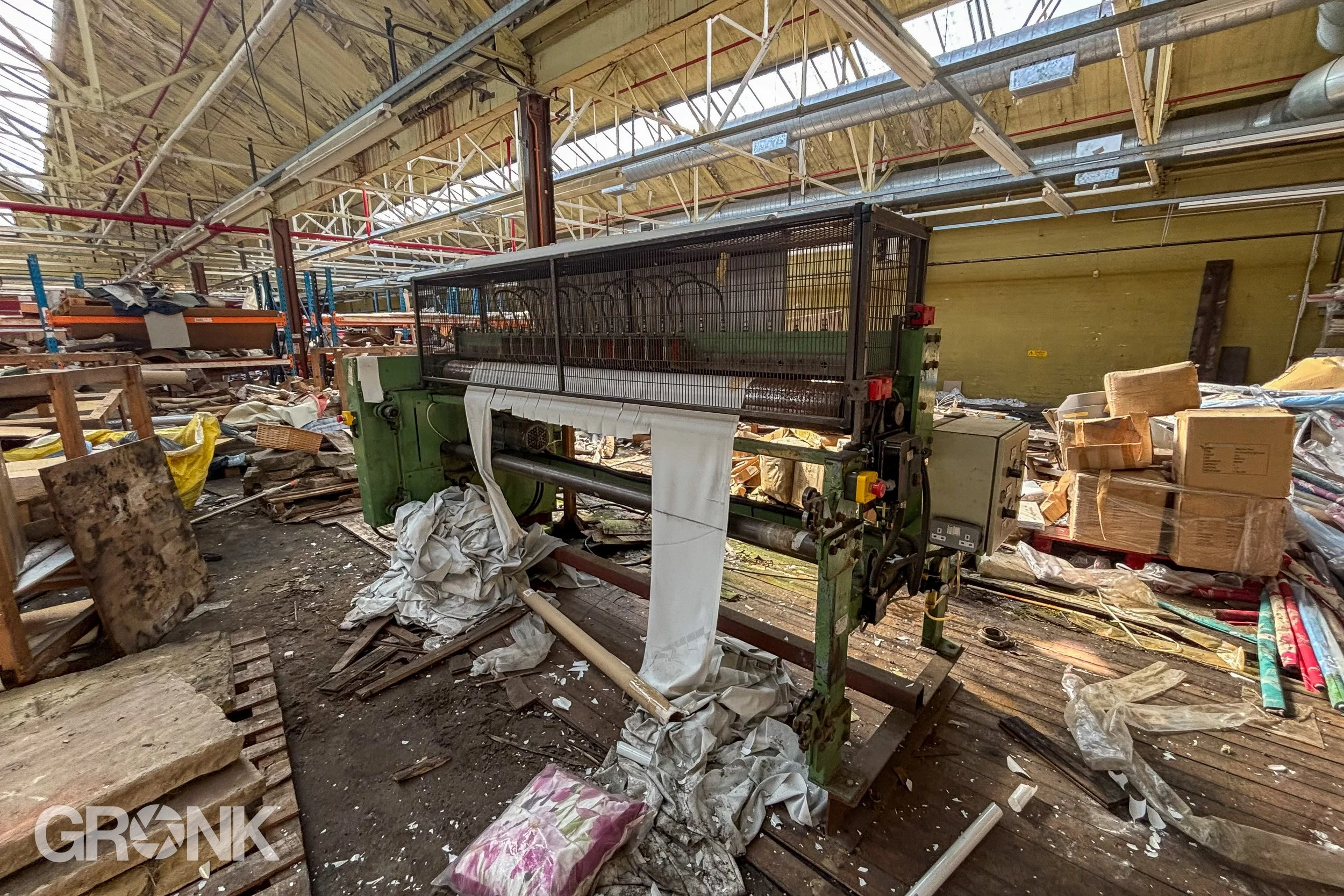
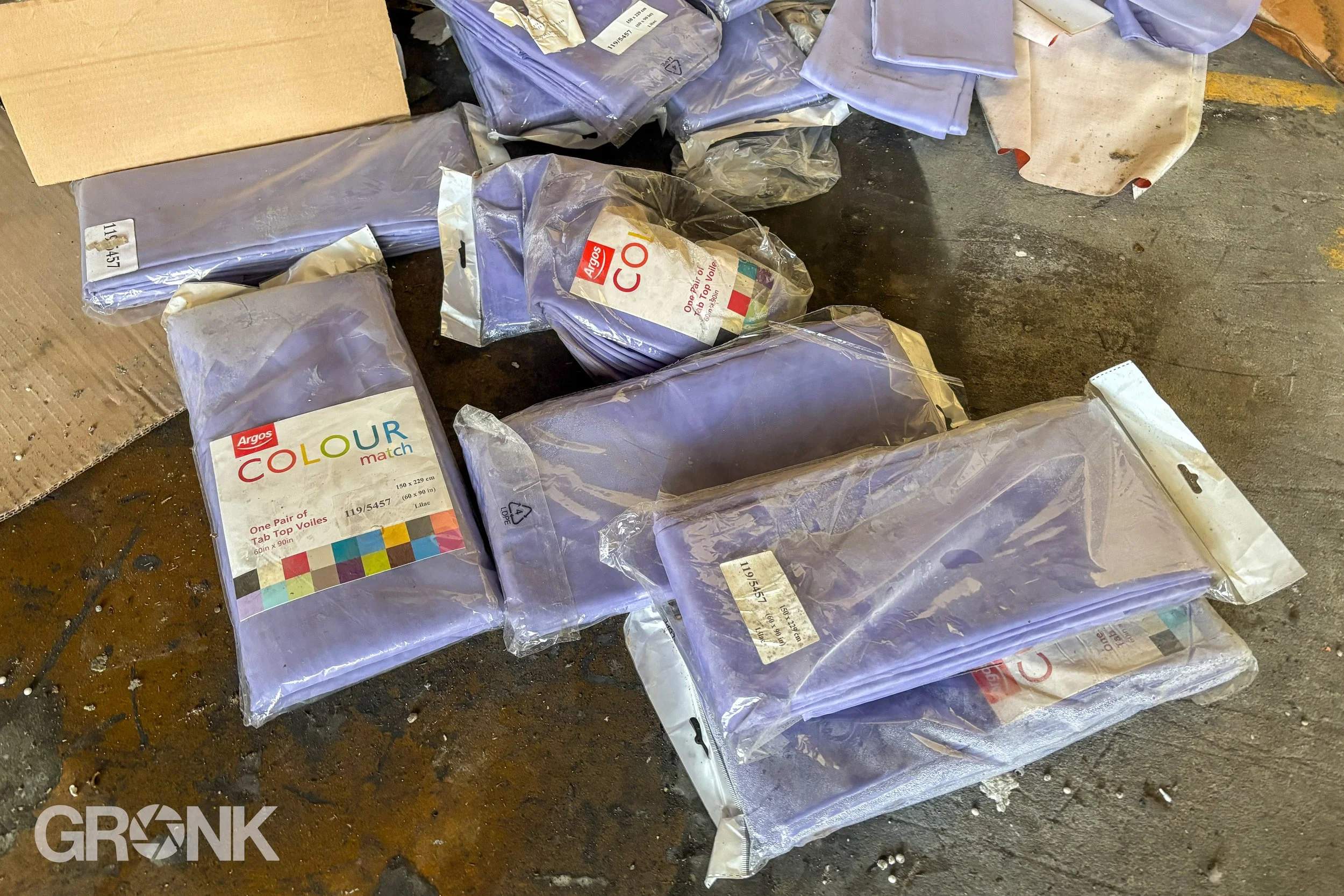
In the late 1980s, textile firm J.H. Birtwistle, operating under the John Lewis Partnership, took over Holme Spring Mill. Under their management, the mill produced a wide range of home furnishings, including chenille fabrics, curtains, cushions, and beanbags. This marked one of the last active industrial phases for the site. The mill continued operating into the late 20th century before ultimately ceasing production, aligning with the broader decline of the textile industry in Lancashire.
In recent years, the Holme Spring Mill site has drawn attention for redevelopment. While its neighbour, Grane Road Mill, was damaged by theft and fire and subsequently demolished around 2020, Holme Spring Mill remains structurally intact. Developer Blackmores D Ltd has submitted proposals to build 104 new homes on the combined mill sites. Plans also include “daylighting” the culverted Swinnel Brook to restore its original watercourse, an ecological and heritage-oriented move.
Despite not being a listed building, Holme Spring Mill is registered as a non-designated heritage asset in Rossendale’s Local Plan, acknowledging its historical and architectural significance. It stands as one of the few surviving remnants of Haslingden’s once-thriving textile sector, which included other notable mills such as Spring Vale, Flash, Plantation, and the now-demolished Grane Road Mill.