Butterhouse Tunnel, Oldham
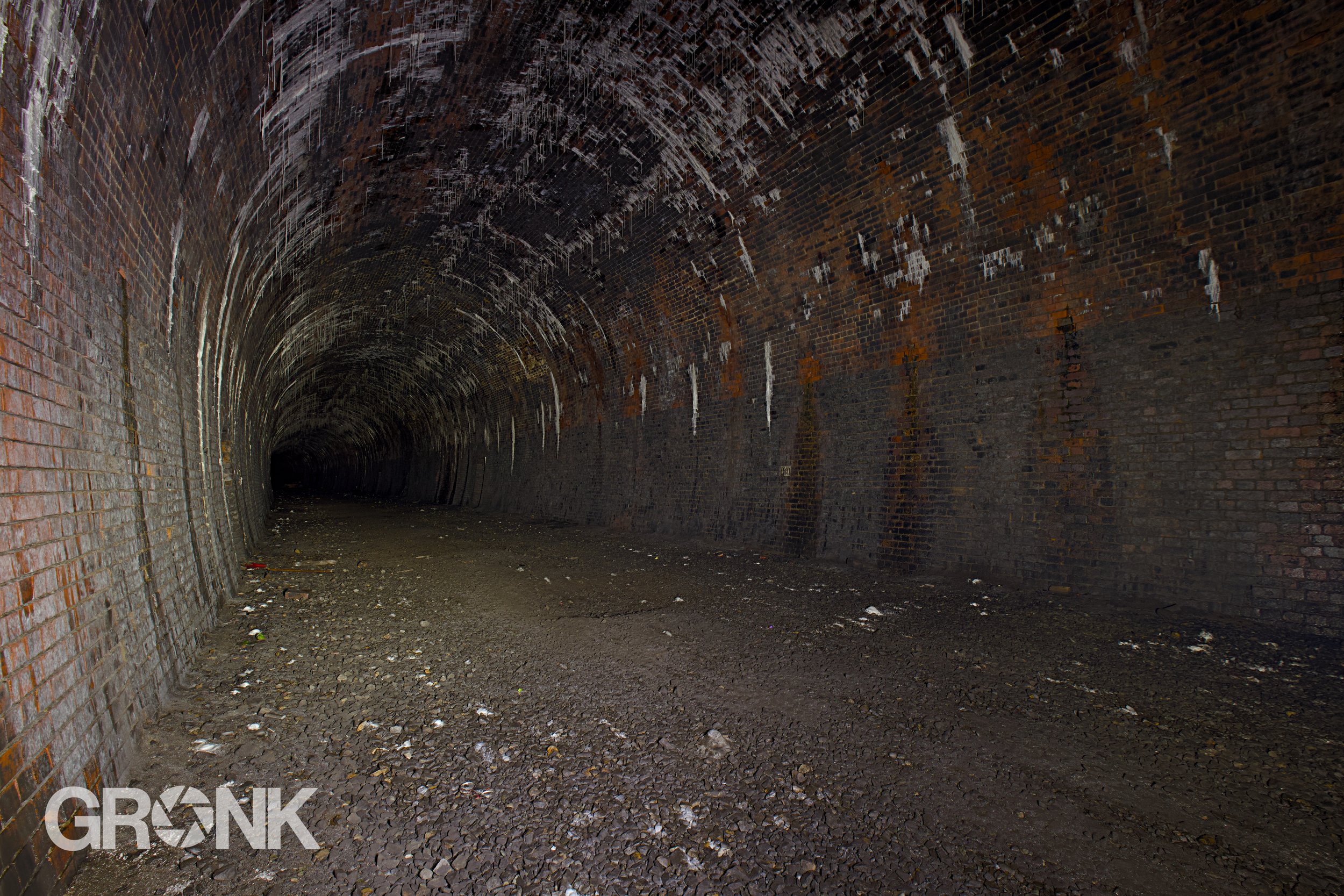
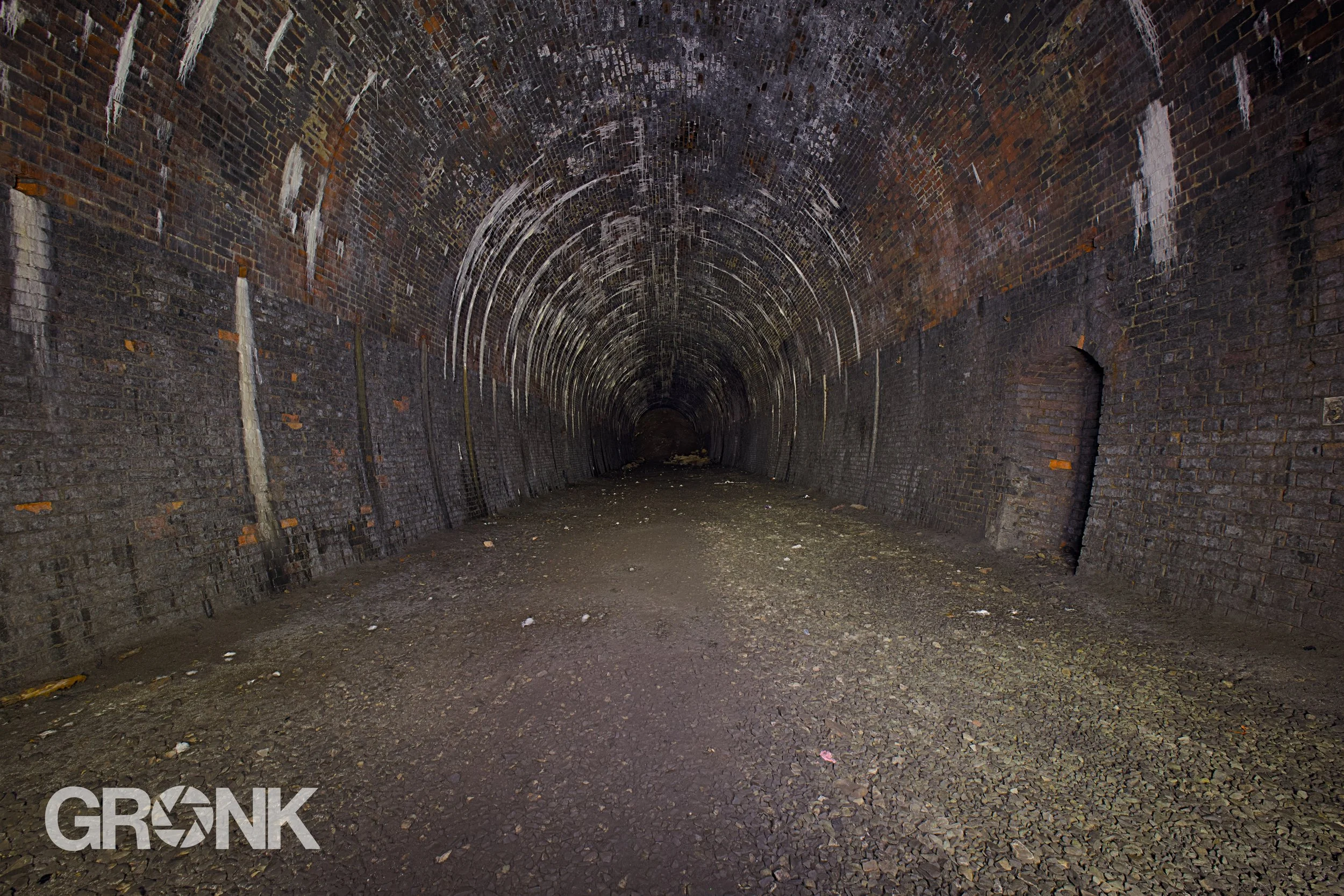
Butterhouse Tunnel is a disused railway tunnel near Diggle in the Saddleworth area of Oldham. It formed part of the Micklehurst Loop, a railway line built by the London and North Western Railway (LNWR) in the late 19th century to relieve congestion on the busy Manchester–Huddersfield trans-Pennine route.
Construction of the Micklehurst Loop began in the early 1880s, and the line officially opened on 1 July 1886. Butterhouse Tunnel was named after a nearby local landmark known as Butter House. The tunnel is approximately 300 metres long and was the first tunnel encountered by westbound trains travelling from Diggle towards Stalybridge.
The loop was built because widening the original mainline through the narrow and steep Pennine terrain was impractical. Instead, engineers created a separate parallel route primarily intended for freight traffic, allowing slower goods trains to bypass passenger services on the main line. This significantly improved efficiency on one of the country’s most important railway corridors.
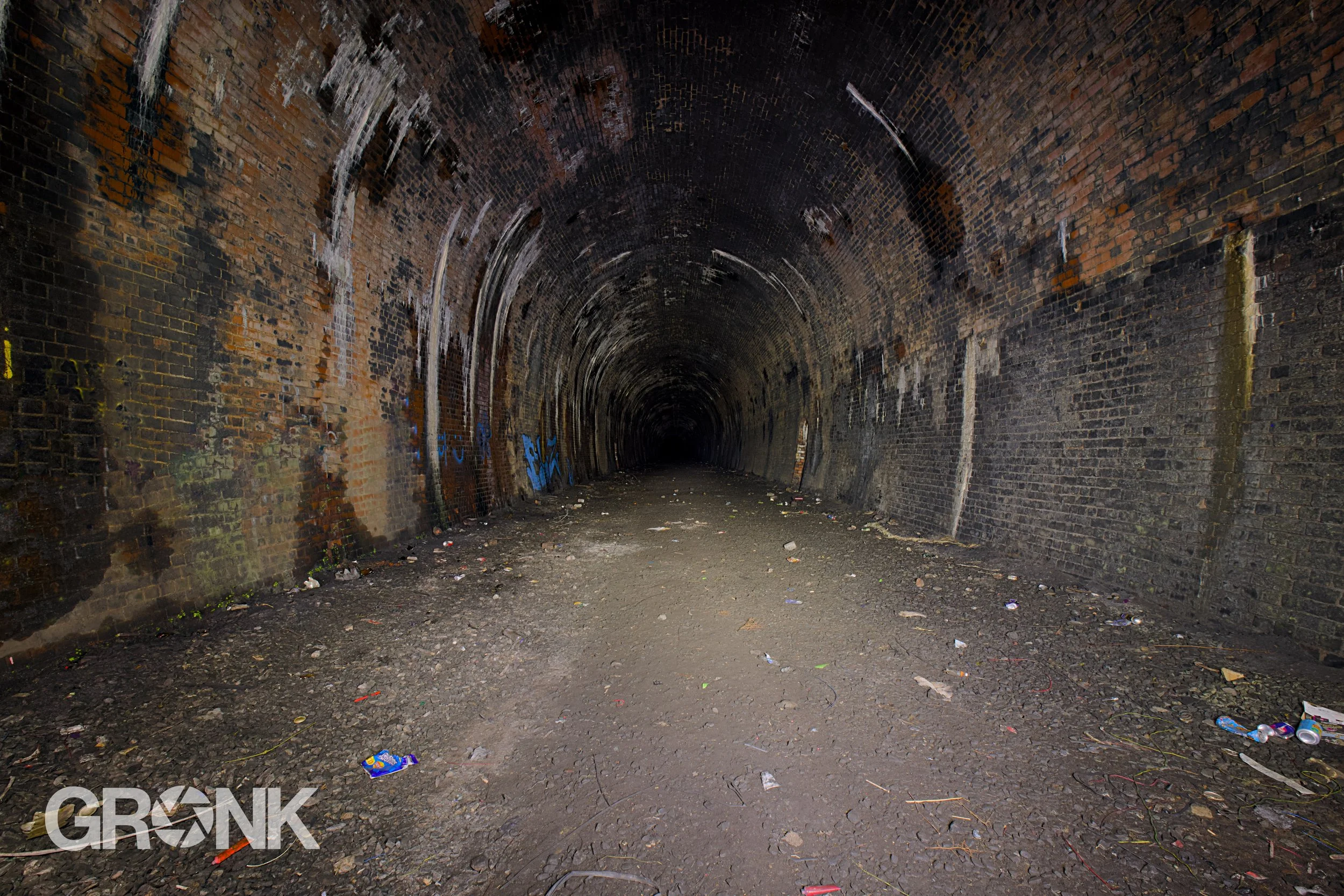
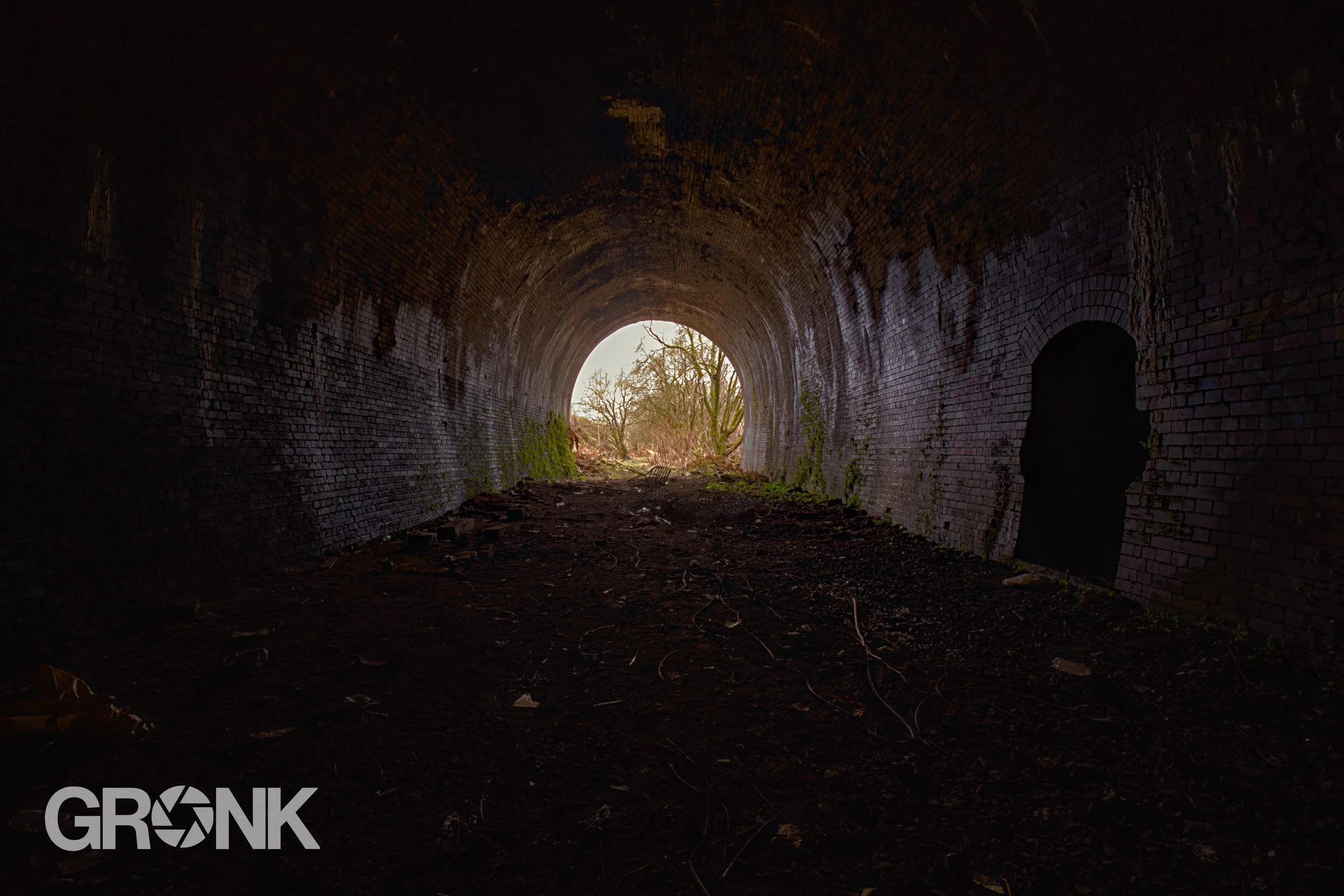
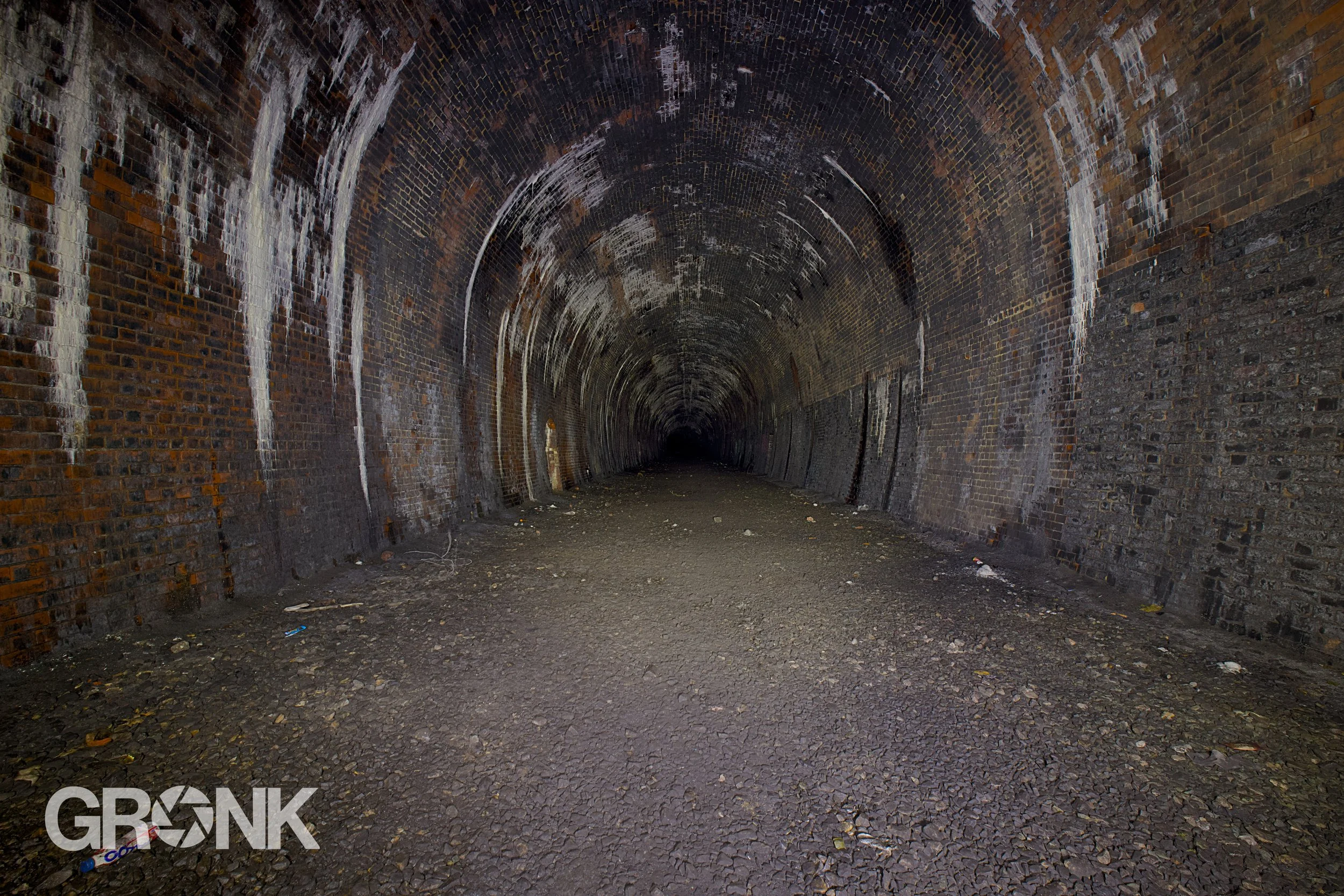
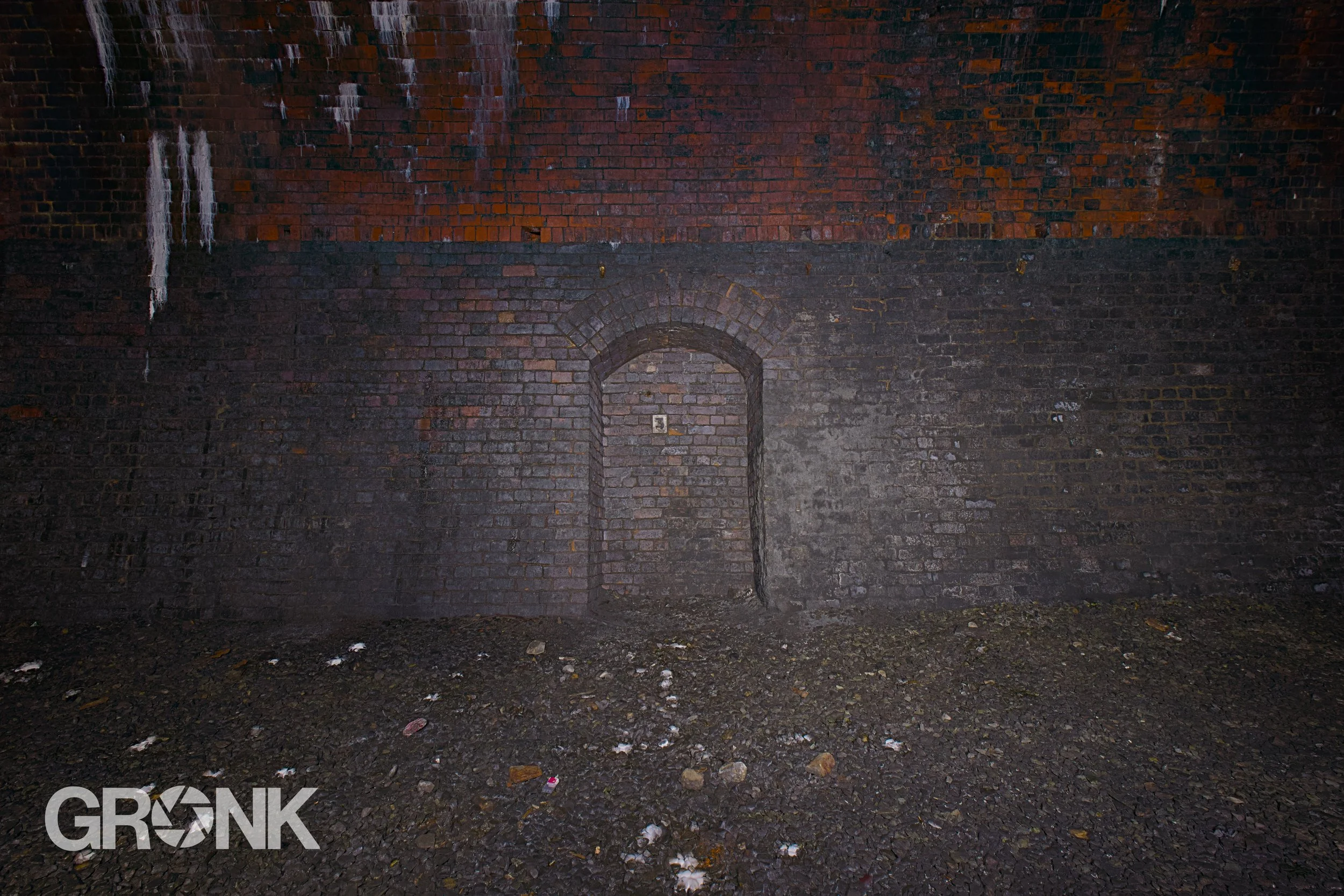
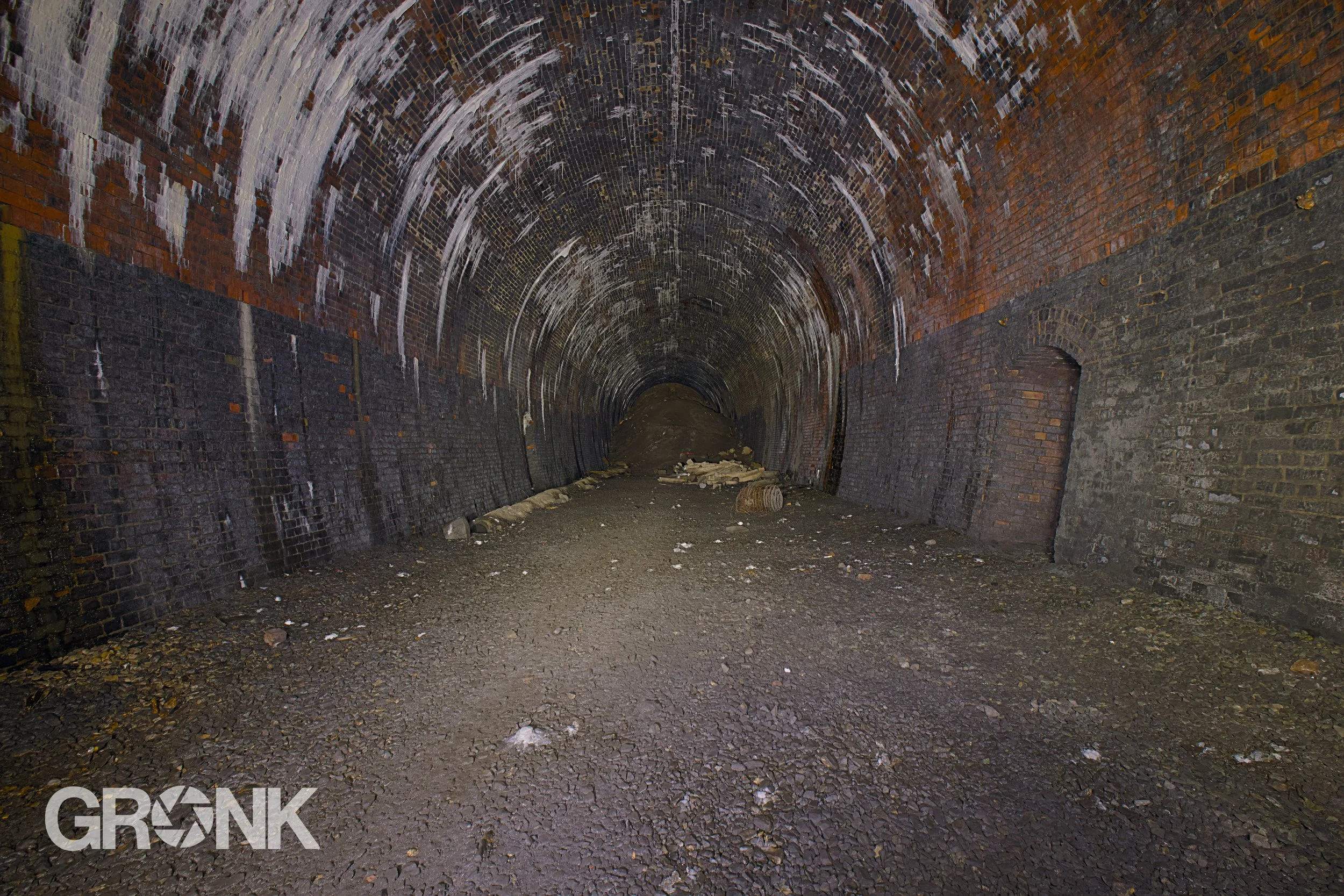
Butterhouse Tunnel was constructed using engineering brick, with multiple courses at the crown and additional reinforcement at the eastern end. Like many Victorian railway tunnels, it included refuge niches for track workers and followed a slightly curved alignment.
By the mid-20th century, changes in transport patterns and declining freight traffic led to the line’s gradual redundancy. The Micklehurst Loop, including Butterhouse Tunnel, closed to regular traffic in October 1966. A short section of the line remained in occasional use until the early 1970s, serving industrial traffic to Hartshead Power Station.
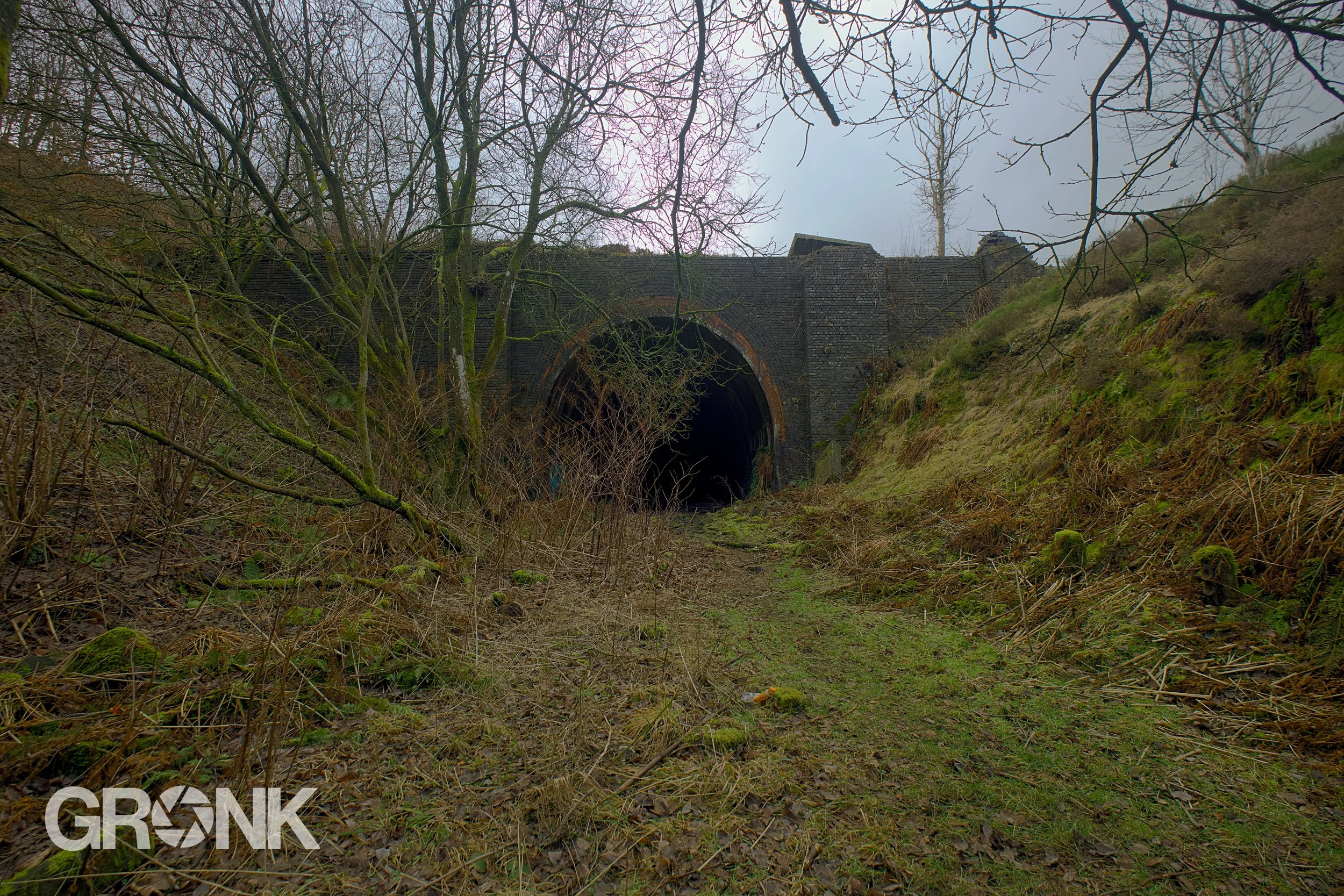
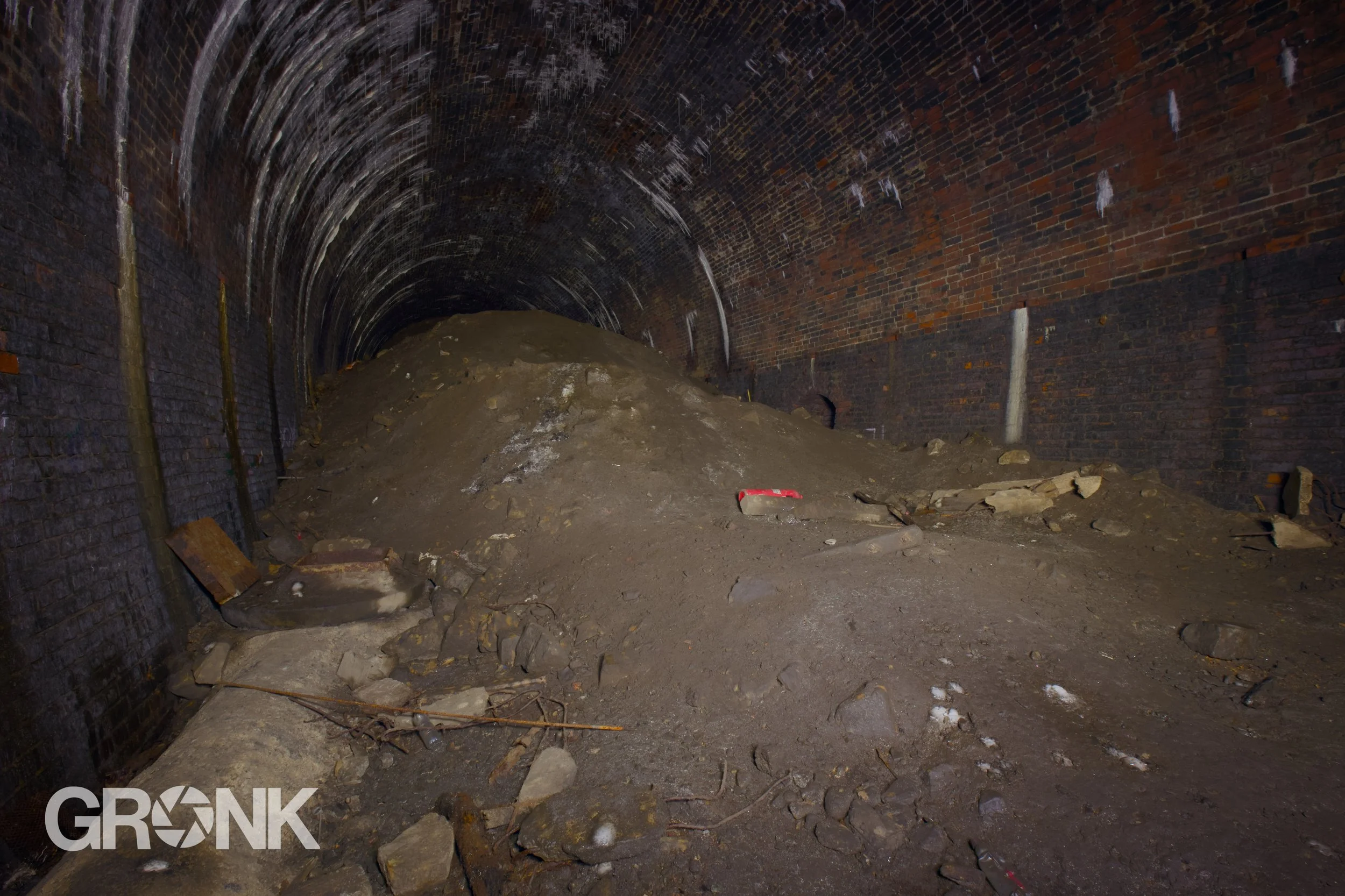
Today, Butterhouse Tunnel is abandoned. The western portal has been buried and landscaped, while the eastern portal remains visible, though neglected. Much of the former Micklehurst Loop has since been repurposed into walking and cycling routes, making Butterhouse Tunnel a quiet but intriguing reminder of Saddleworth’s industrial railway heritage.