Cambrian Slate Mine, Llangollen
The Cambrian Slate Mine, located near Glyn Ceiriog in North Wales close to Llangollen, played a key role in the region’s industrial slate heritage. Slate extraction in the Ceiriog Valley dates back to at least the 17th century, with Chwarel Isaf (Lower Quarry) operating by the late 1700s. Records mention slate worker David Davies active from 1772 to 1792, and a fatal rockfall in 1770 points to an established industry even then.
In 1818, ironmaster William Hazeldine acquired the workings and, alongside William Edwards, began expanding the quarry’s output. The Cambrian Slate Company Ltd was officially formed in 1857 to industrialise operations. They invested heavily—over £22,000—on mills, tramways, water engines, and infrastructure, with a goal to produce up to 4,000 tonnes of slate annually.
The expansion included the opening of Chwarel Uchaf (Upper Quarry, also known as Martin’s Quarry) in the 1860s. To improve transport, a gravity-worked incline was constructed, linking the quarry to the Glyn Valley Tramway, which connected to the broader rail network. Initially horse-powered, the tramway eventually introduced mechanised systems for slate haulage.
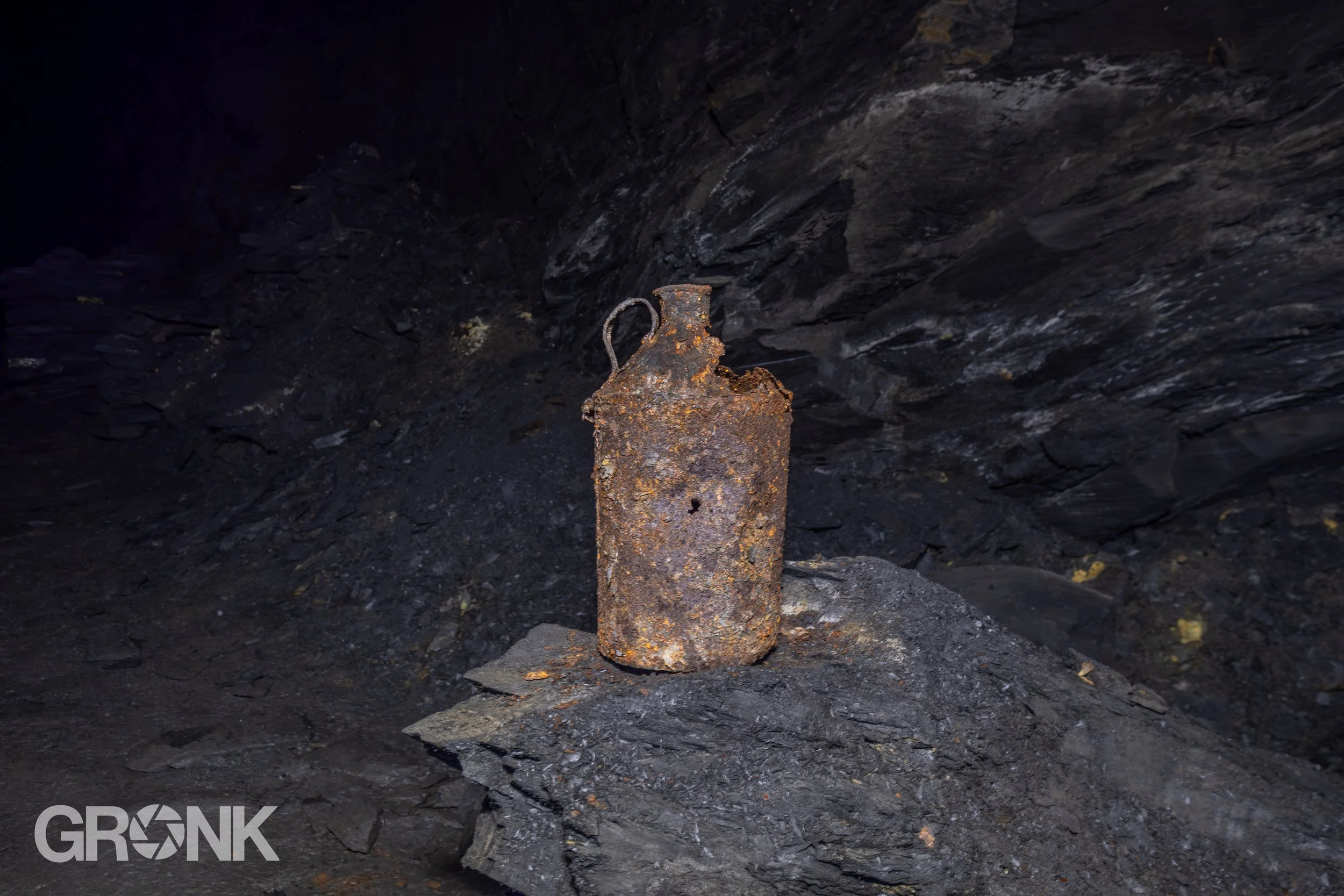
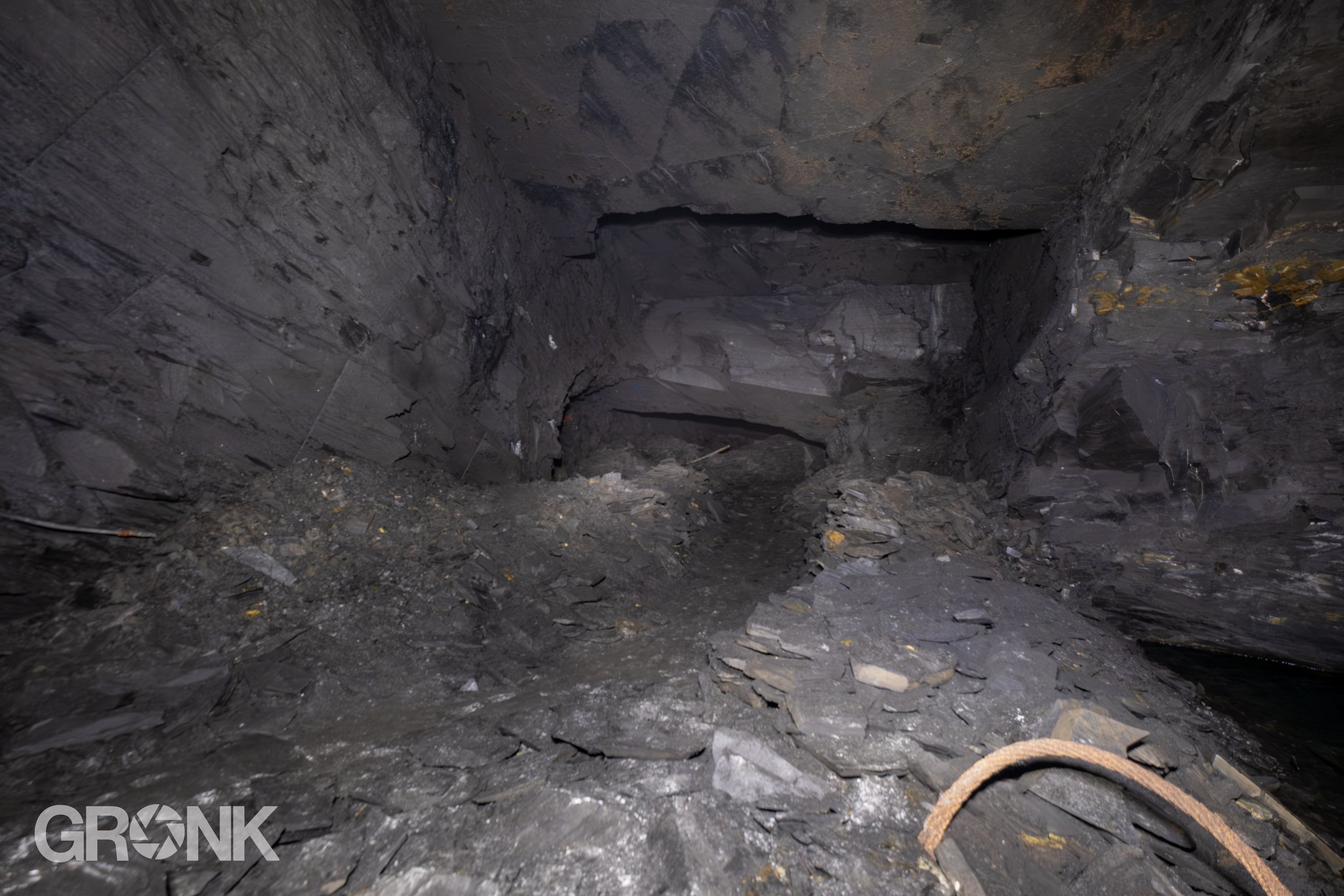
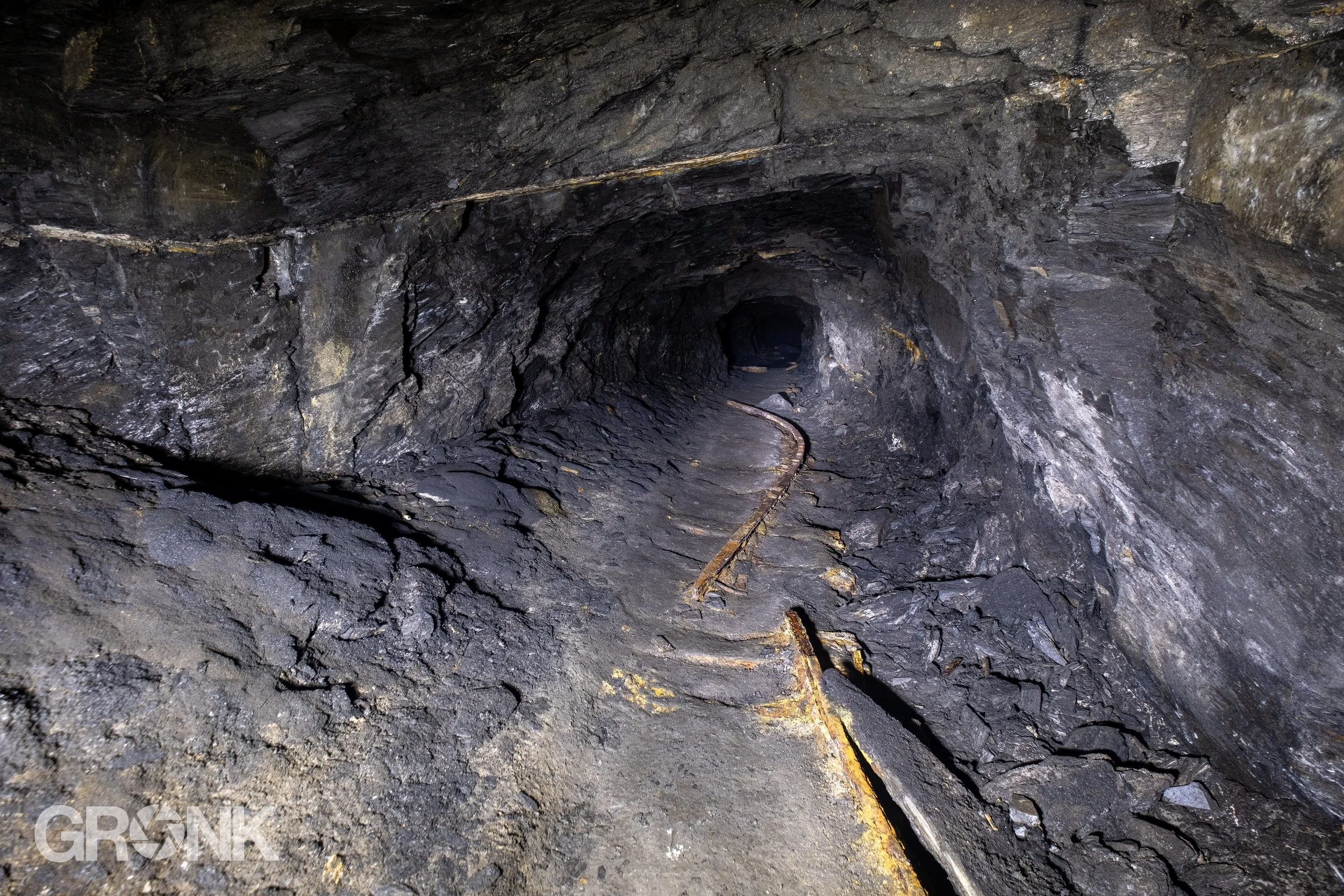
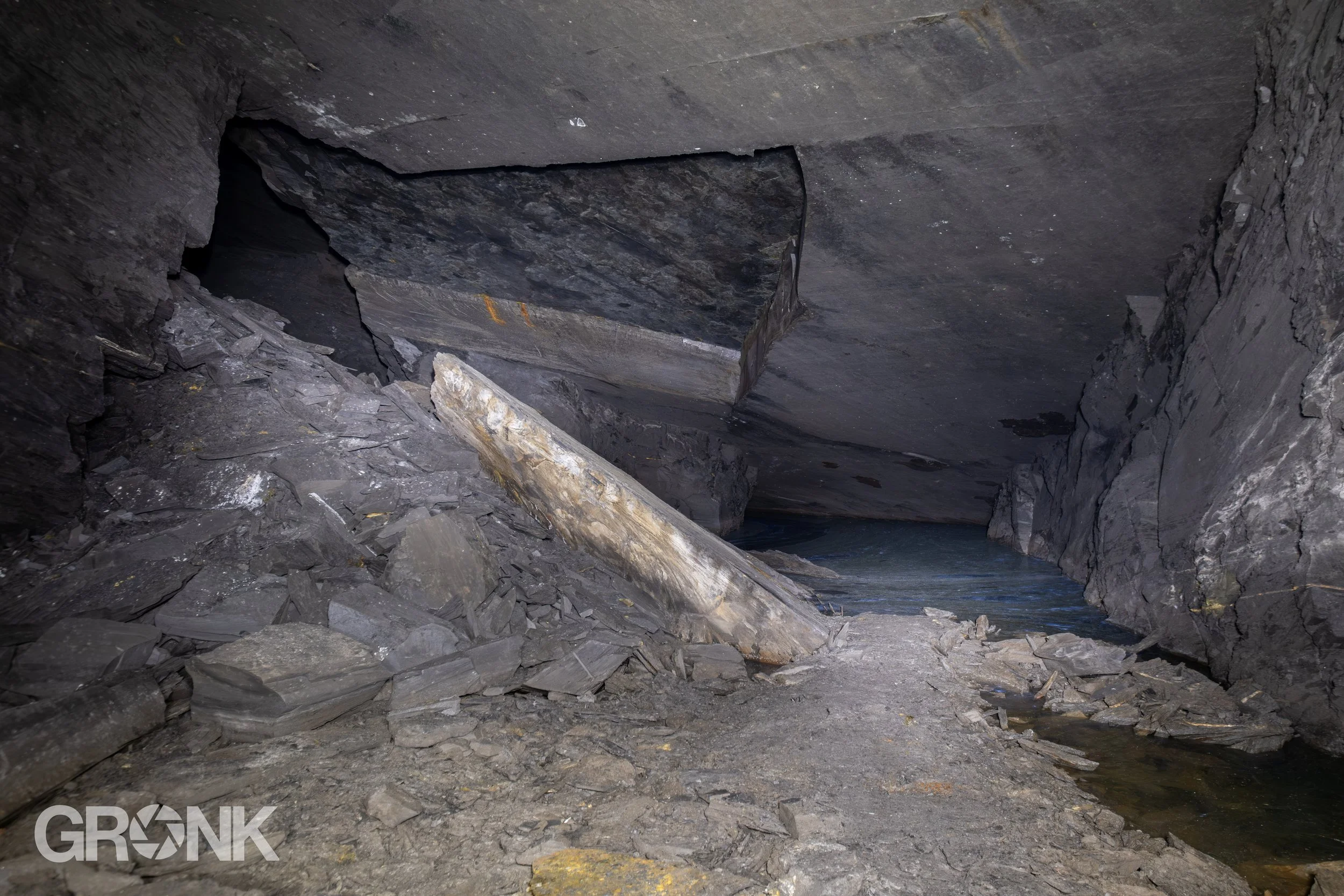
A major engineering achievement was the construction of a 600-yard underground tunnel that linked various pits (including Townsend’s and Dennis’s), allowing for improved drainage and more efficient transport of slate underground. These tunnels expanded into a complex multi-level underground operation by the late 19th century.
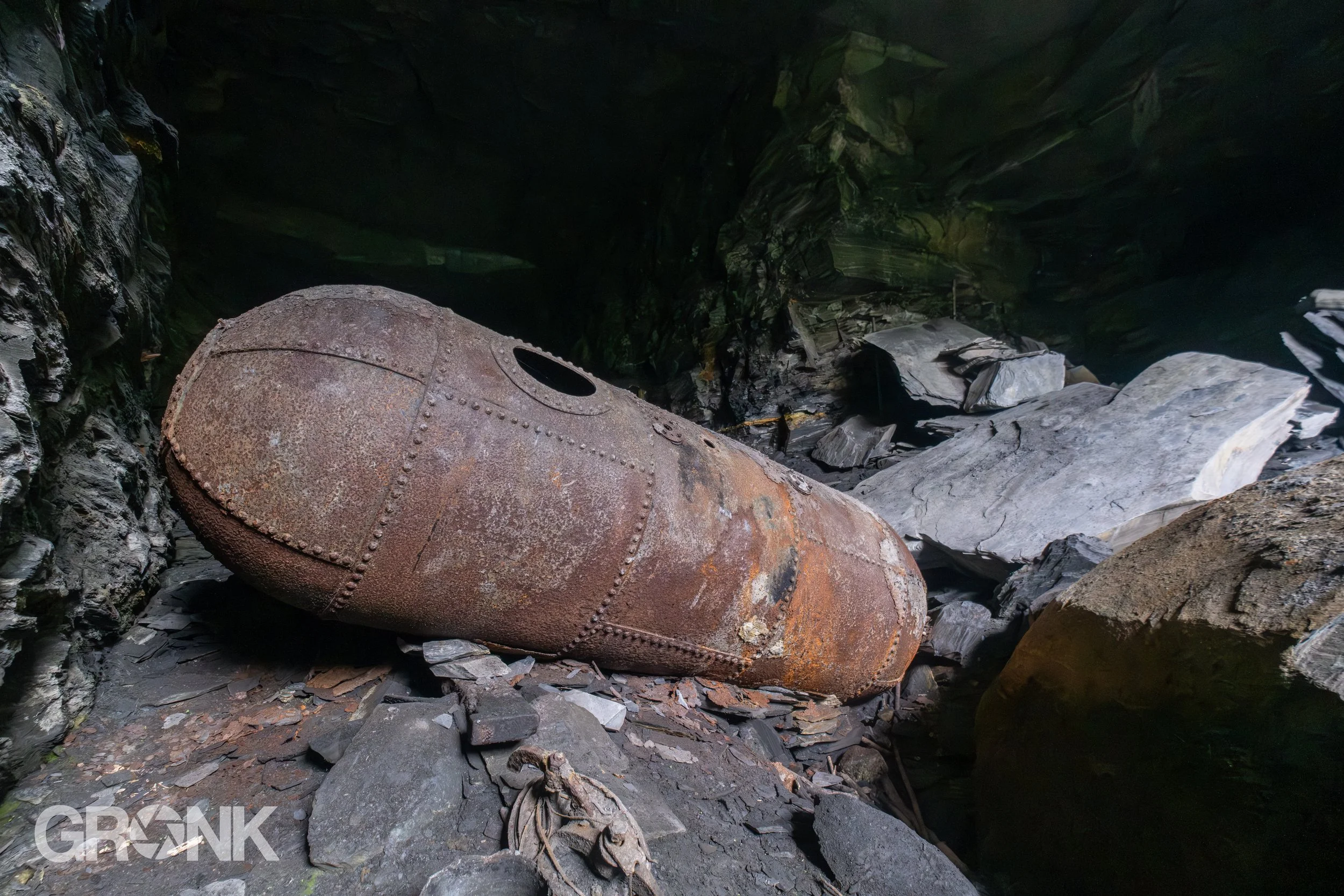
Mechanisation progressed further in 1896 with the introduction of a compact steam locomotive, followed by petrol locomotives in the 1920s, although horses remained in limited use until around 1910. Production peaked in the late 19th century with around 90 workers producing over 2,000 tonnes of roofing slate annually.
However, the quarry suffered from economic challenges, particularly after the 1870s. The decline of the Glyn Valley Tramway, which ceased passenger services in 1933 and goods in 1935, further strained operations. Though the Cambrian Company acquired the tramway’s incline and wagons to sustain transport, it couldn’t reverse the downturn.
By the mid-1940s, rising wages, government price controls, and the severe winter of 1946 proved devastating. Operations ceased in March 1947, following a worker strike. A final auction in 1948 closed the company, with substantial losses borne personally by chairman Alan Taylor.
In later years, the quarry pool became a stocked fishing site, but a landslide in 1975 blocked key tunnels. The pool was drained in 1978 due to safety concerns, despite objections from fishing rights holders.
Today, ruins of the quarry’s infrastructure—tramways, tunnels, and incline—remain visible, standing as a testament to the area’s rich industrial past. While most nearby quarries have closed, some like Berwyn (Clogau) Quarry still operate on a smaller scale.