Worsley AAOR, Salford
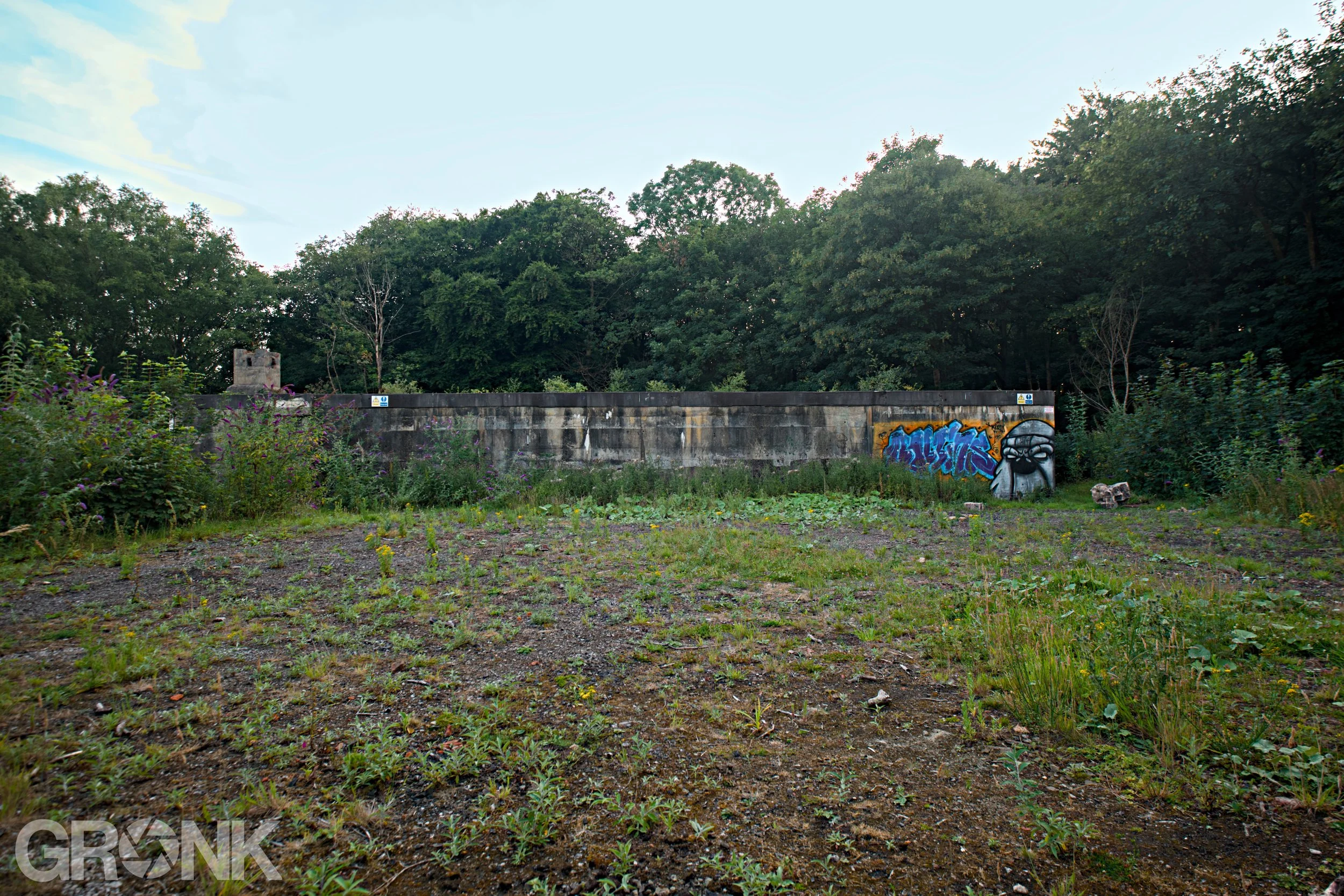
The Worsley Anti-Aircraft Operations Room (AAOR) was constructed in 1952 in Middle Wood, near the former site of Worsley New Hall in Greater Manchester. Designed during the early Cold War, it was one of several AAORs built across the UK to coordinate anti-aircraft gun defences against potential Soviet air attacks. Its purpose was to act as the command centre for the Manchester Gun Defended Area (GDA), directing radar, plotting, and communications between gun sites, searchlights, and higher command.
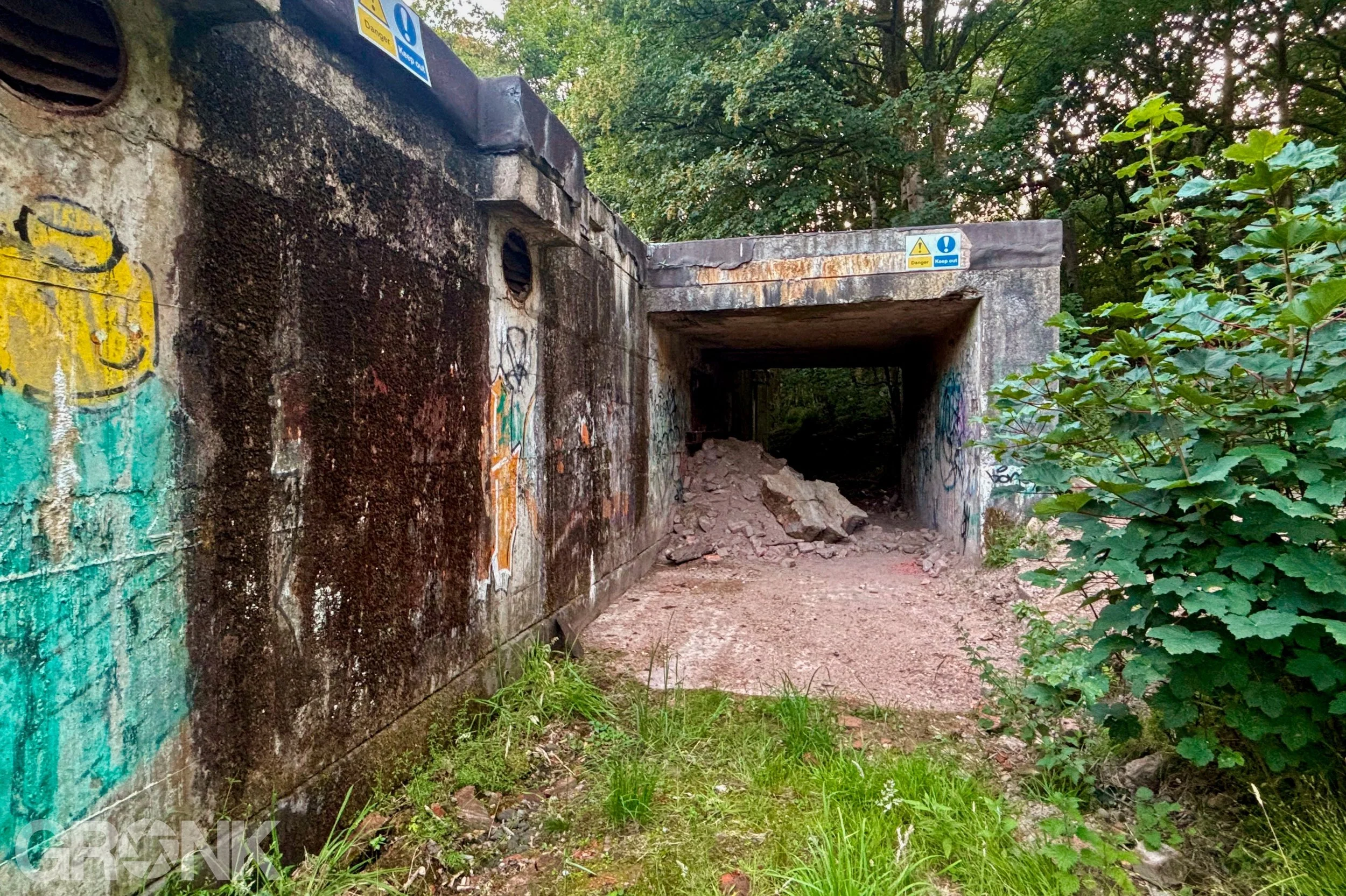
Architecturally, it followed the standard two-level semi-subterranean design but with an unusual feature—entrances on both the upper and lower levels. This distinctive configuration was only shared by one other AAOR, located in Frodsham.
The AAOR quickly became redundant due to rapid changes in military technology. By 1956, Anti-Aircraft Commandwas disbanded, and by 1958 the Worsley AAOR had ceased its original function. As guided missile systems took precedence over gun defences, many AAORs were decommissioned or repurposed.
From 1958, the building was used by the Royal Navy as a food stores depot for nearby RNAS Risely. Then in 1961, it was acquired by Salford Corporation and jointly operated with Lancashire County Council as a Joint Area Control Centre for civil defence. In 1966, it was redesignated a Sub-County Control Centre, responsible for the Stretford and Turton areas, under the main control hub in Preston.
After the Civil Defence Corps was disbanded in 1968, the site was placed in a state of "care and maintenance." In 1974, it was taken over by the newly formed Greater Manchester County Fire Service, although little evidence remains of this use.
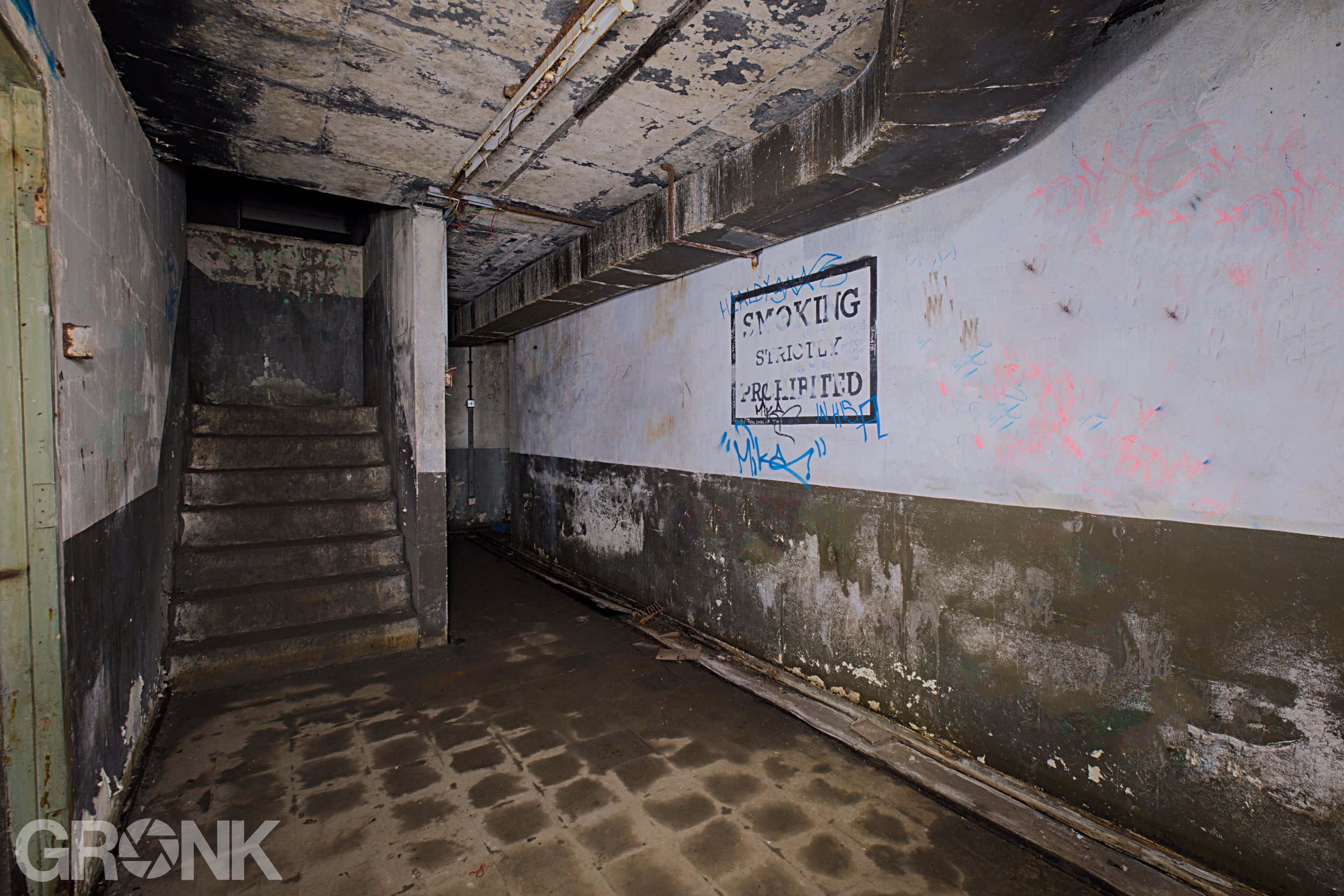
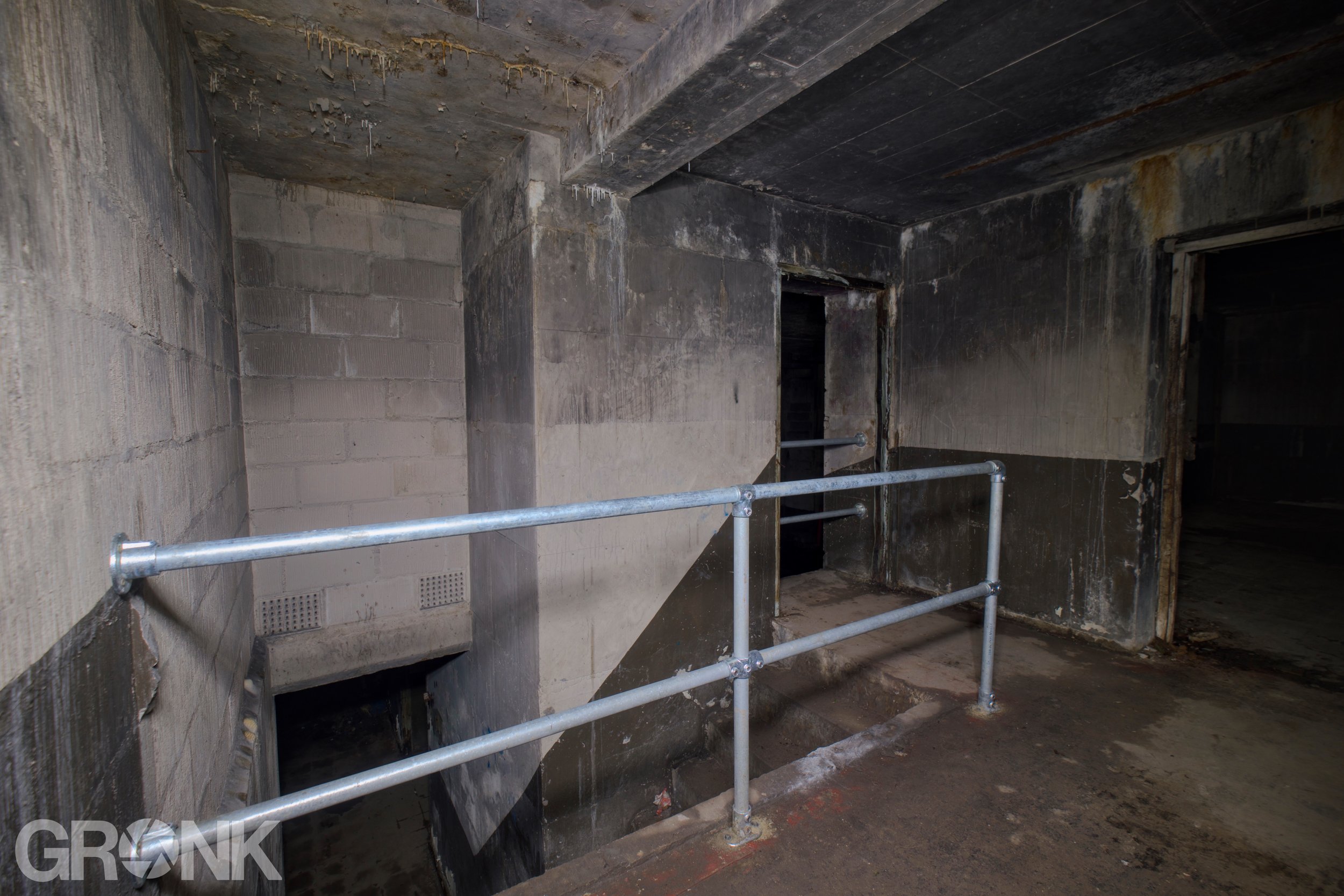
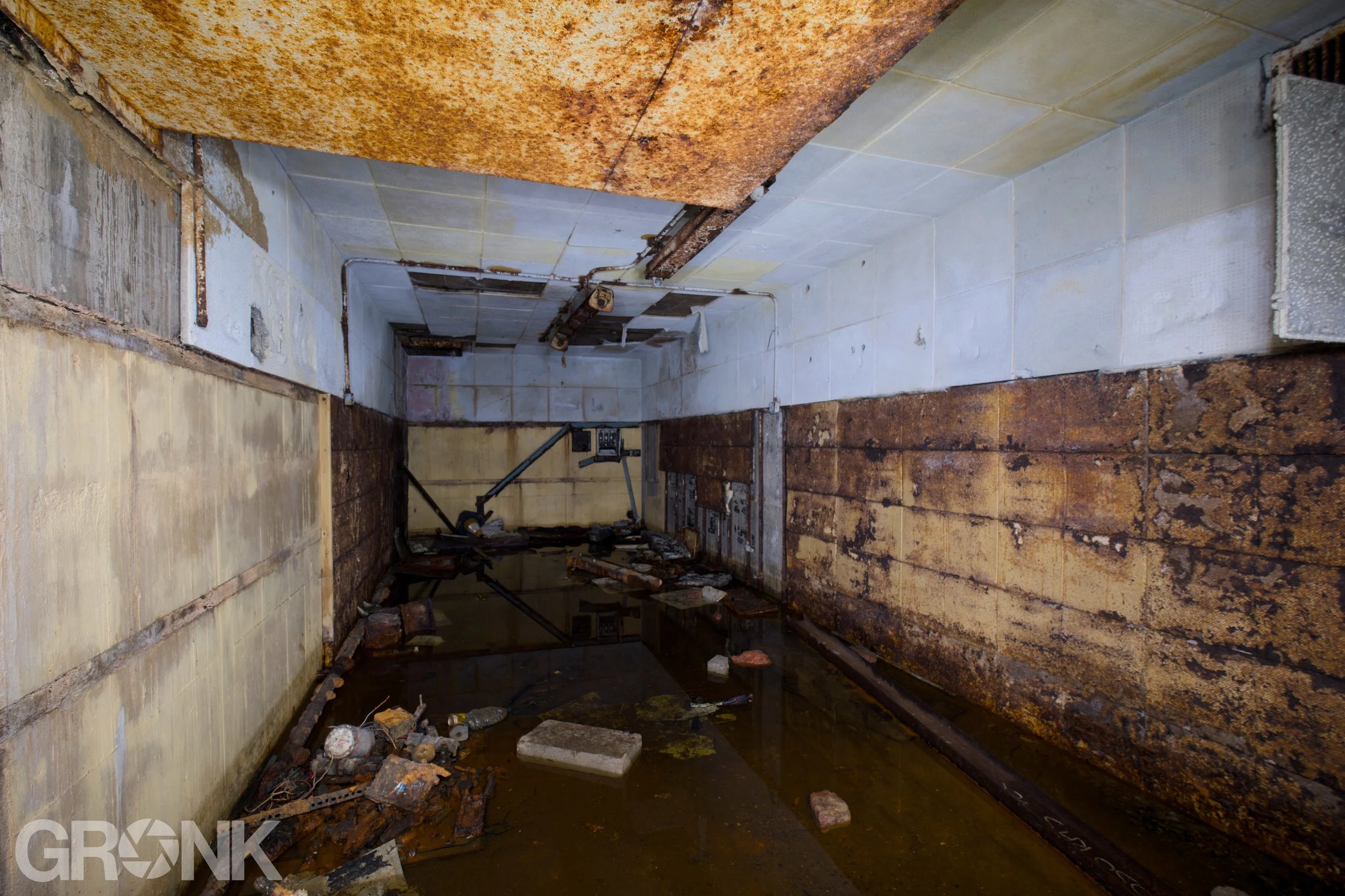
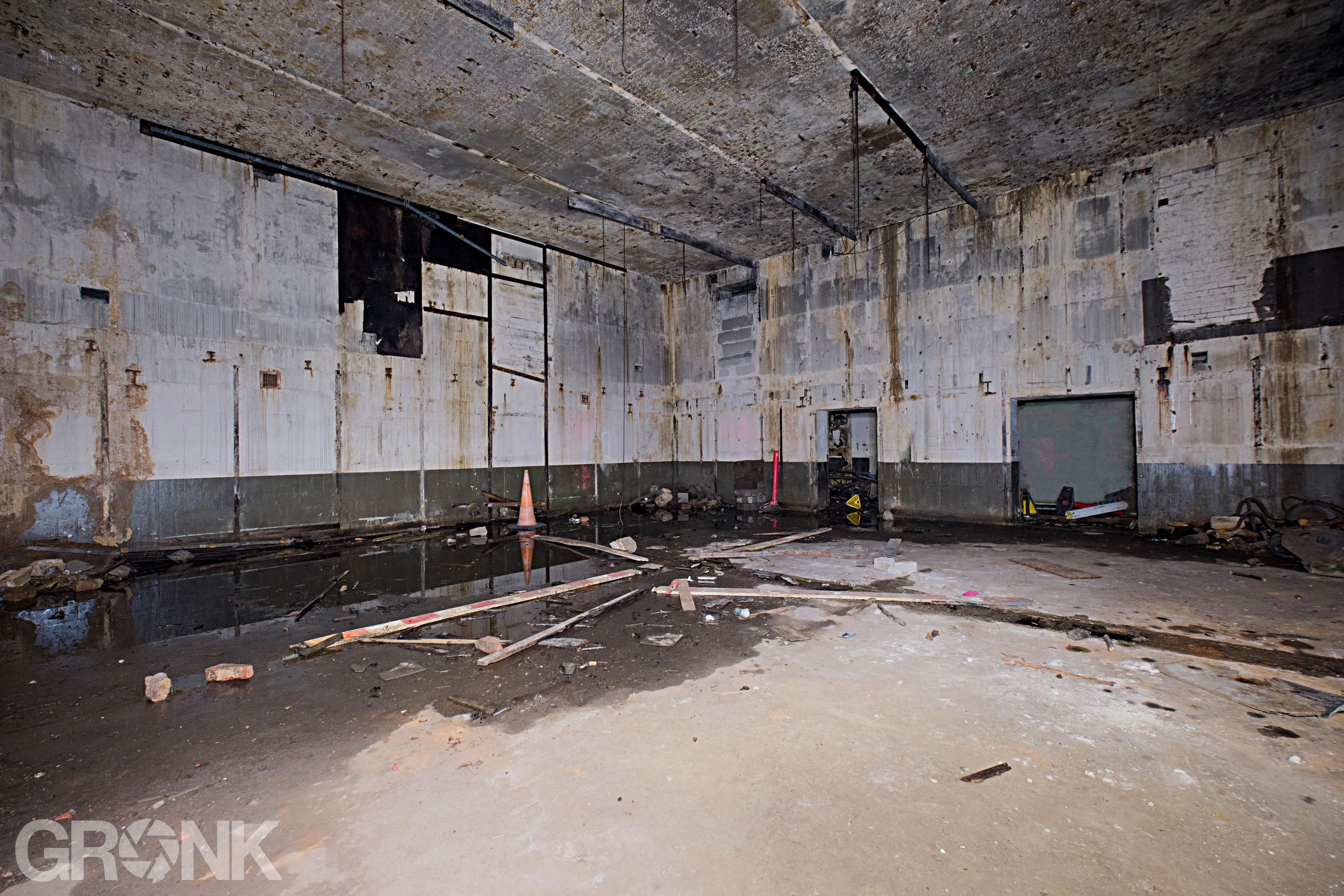
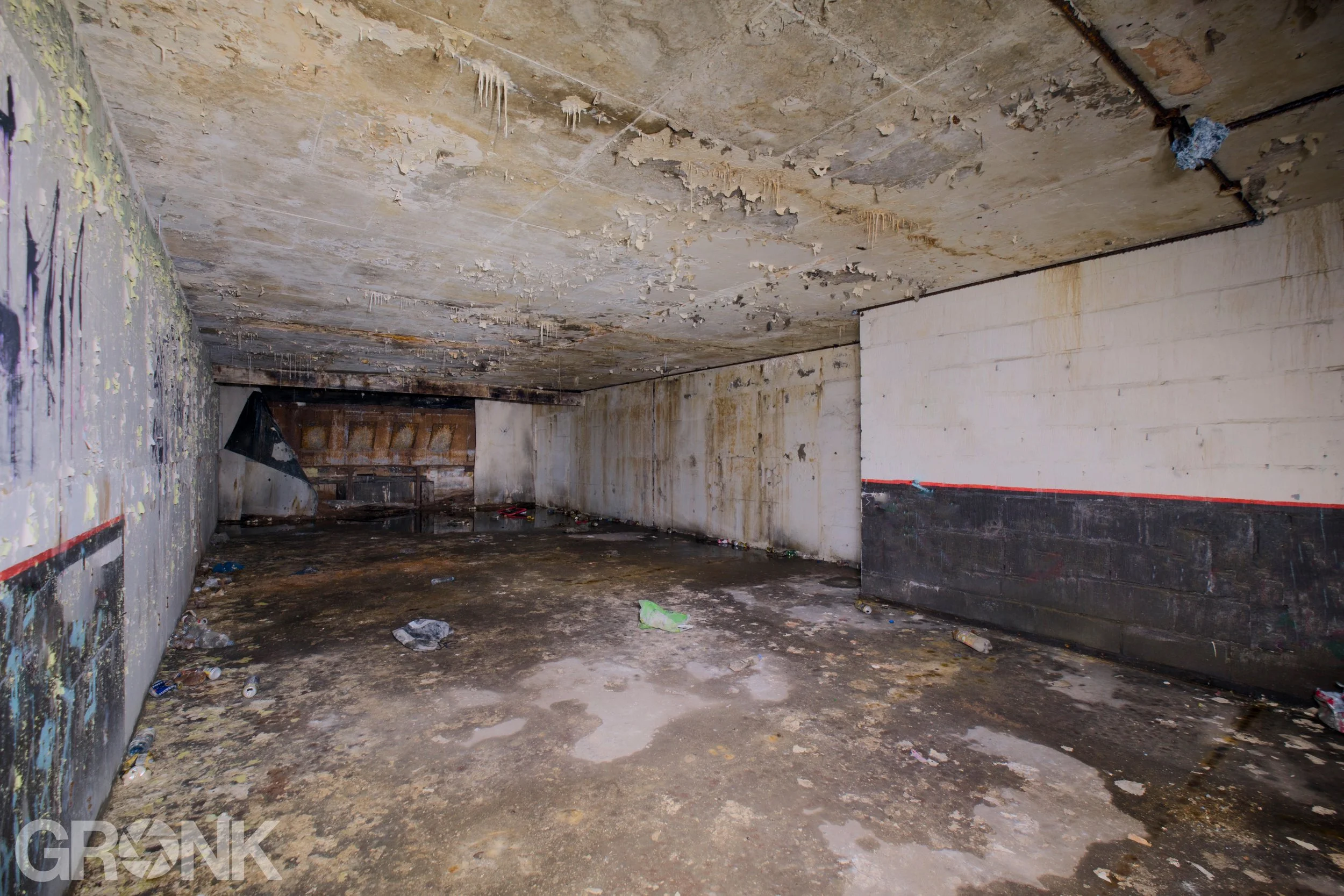
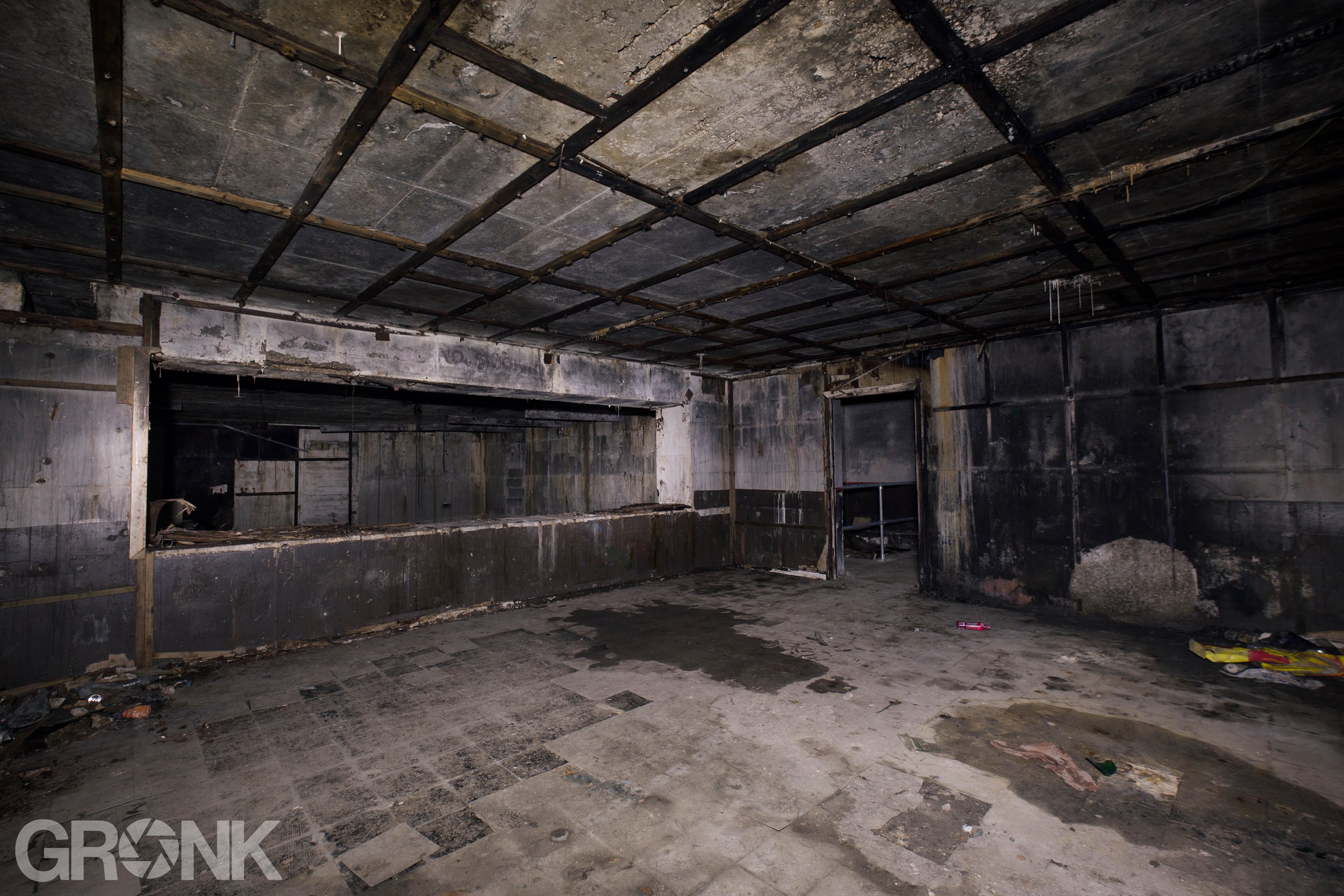
In the early 1990s, the bunker was sold to a local gun club, which informally converted parts of the interior into a shooting range—although this was not an official or structural change. By 1998, the site came under the ownership of Peel Holdings, a property development firm. They proposed building a golf course in the surrounding area, with plans to retain and possibly restore the AAOR as part of the development. However, the structure has since fallen into dereliction, suffering from vandalism and unauthorised access.
One of the most remarkable surviving features inside is a large two-storey-high plotting room map that depicts UK radar and command sites from the 1950s ROTOR air defence programme, a relic of its original military function.