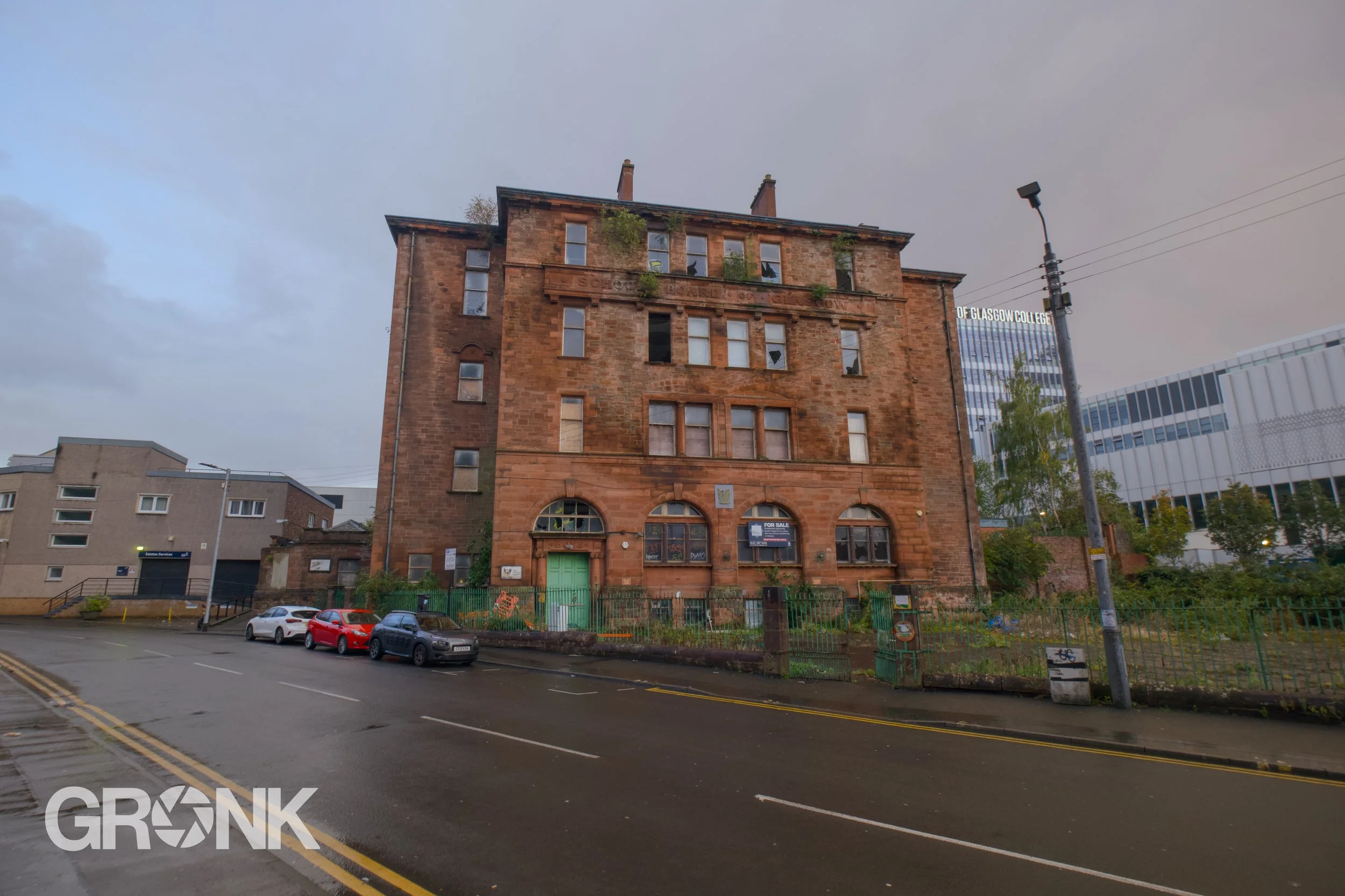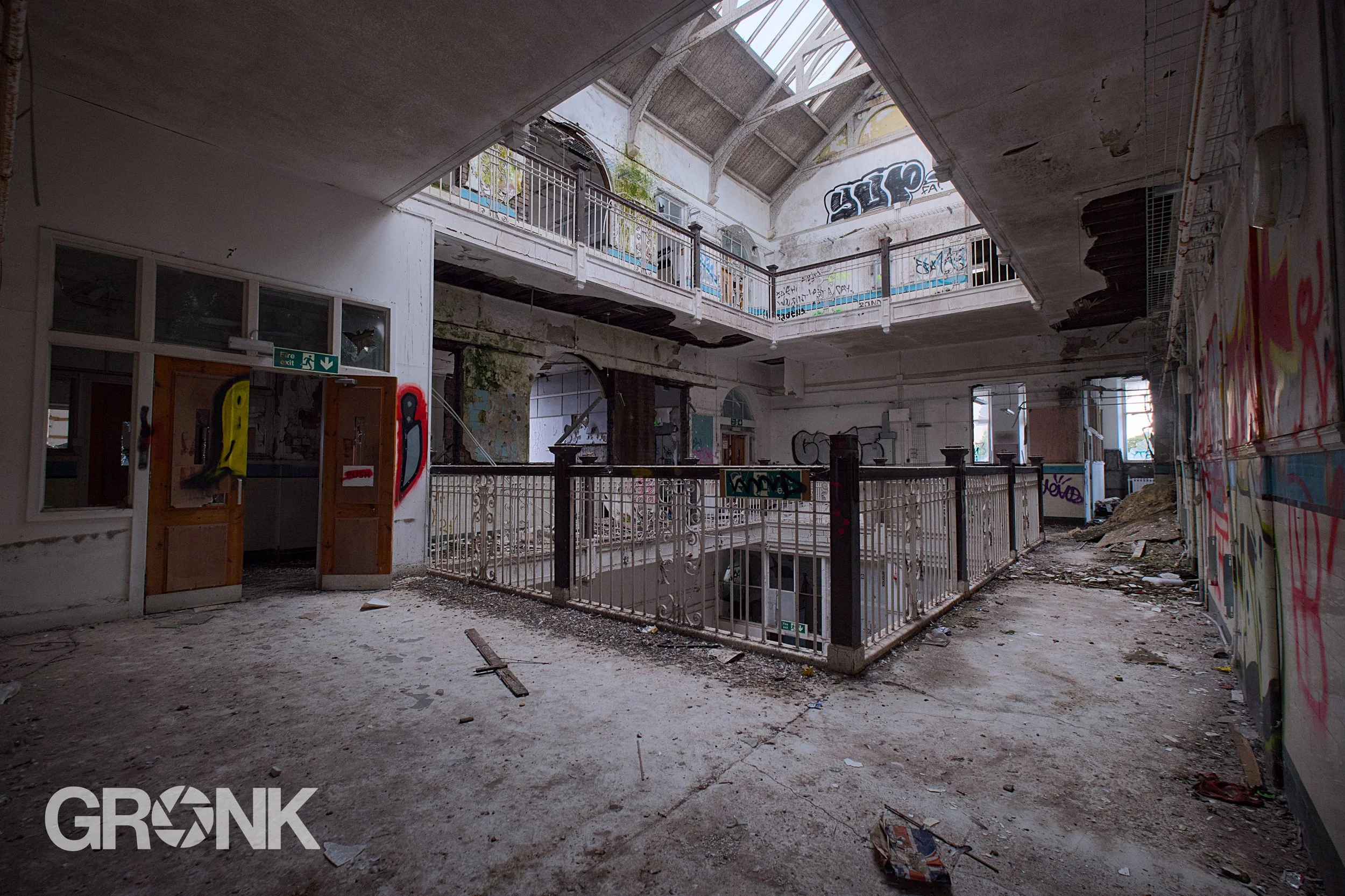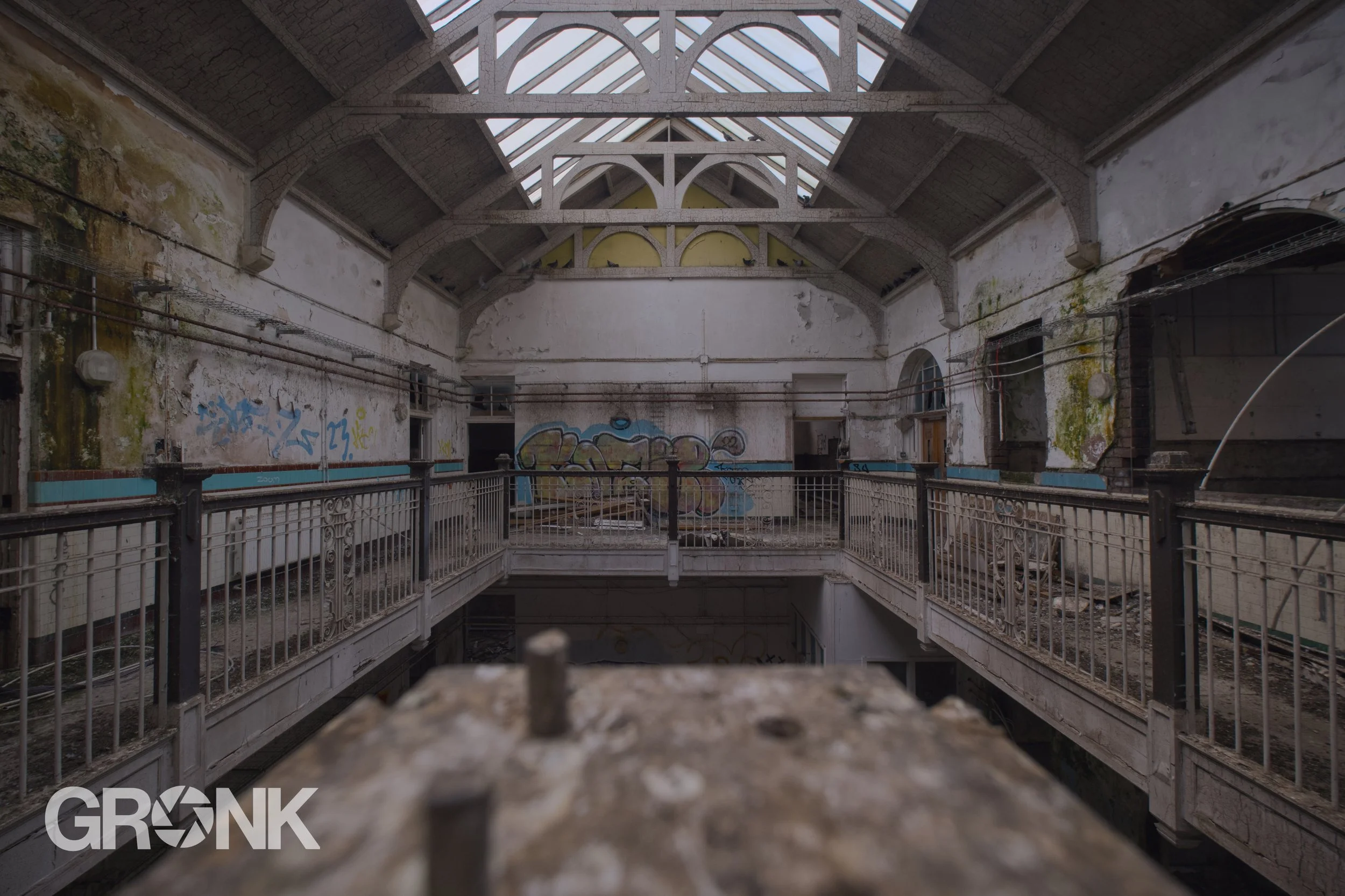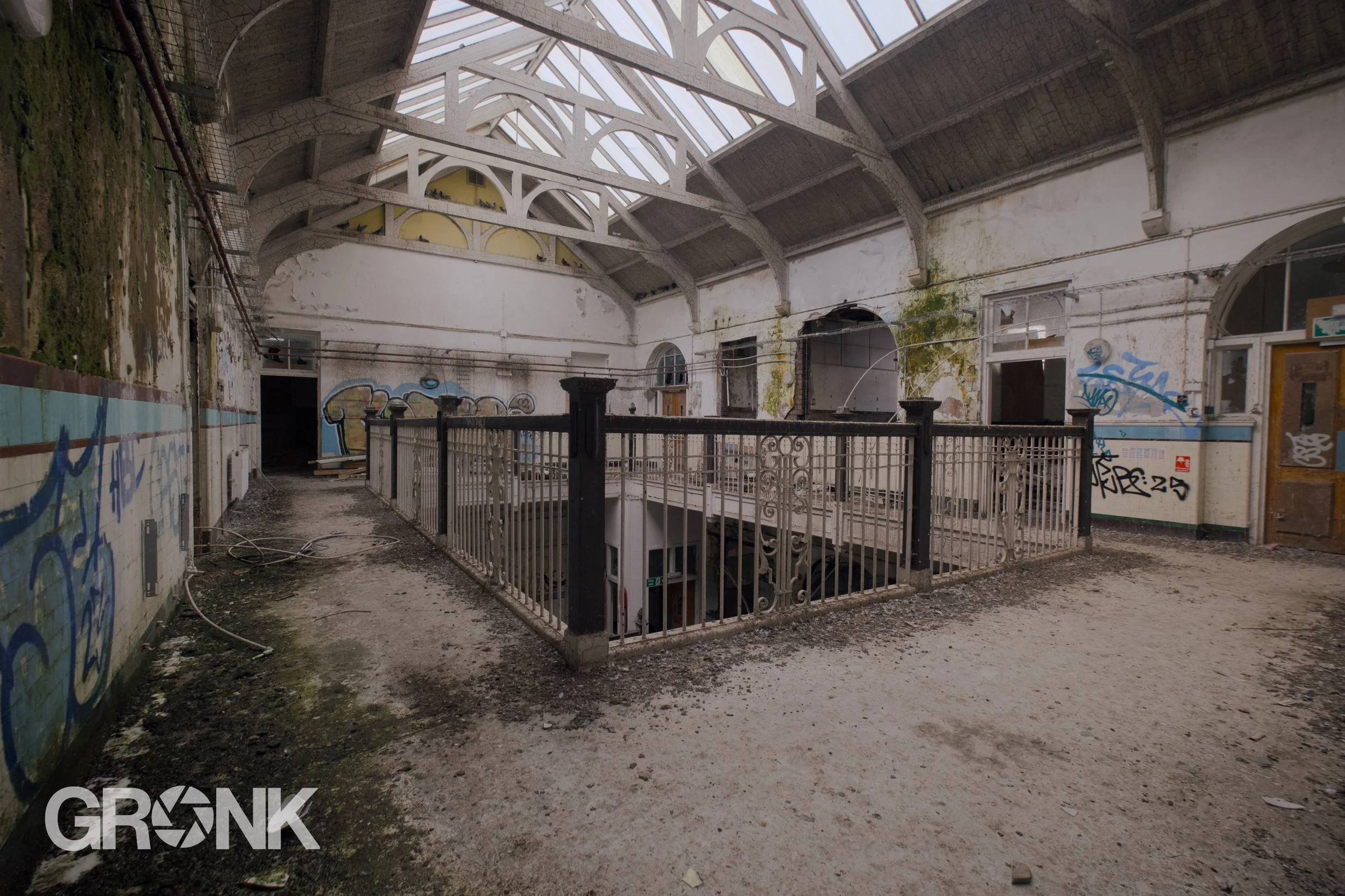
Canning Place Public School was built in 1906 by the Glasgow School Board to serve the growing population of Townhead and the east end. Designed in red sandstone, the school reflected the Edwardian commitment to spacious, well-lit classrooms and modern facilities. Costing around £17,500, it was constructed to accommodate over 1,000 pupils and included a separate janitor’s house. The building is a strong example of early 20th-century civic architecture and is now category C-listed.
Photographs from 1916 held by Glasgow City Archives show both exterior views and classroom scenes, such as domestic science lessons, confirming its active use at that time. For decades it functioned as a large primary school, serving local children during a period when Glasgow was still a heavily industrial city with a dense inner-city population.
As educational provision changed in the later 20th century, the building was adapted for new roles. At one stage it acted as an annexe to Allan Glen’s Secondary School, one of Glasgow’s leading technical schools. More recently, it was used by community organisations, including the Phoenix Centre, before falling into disuse.
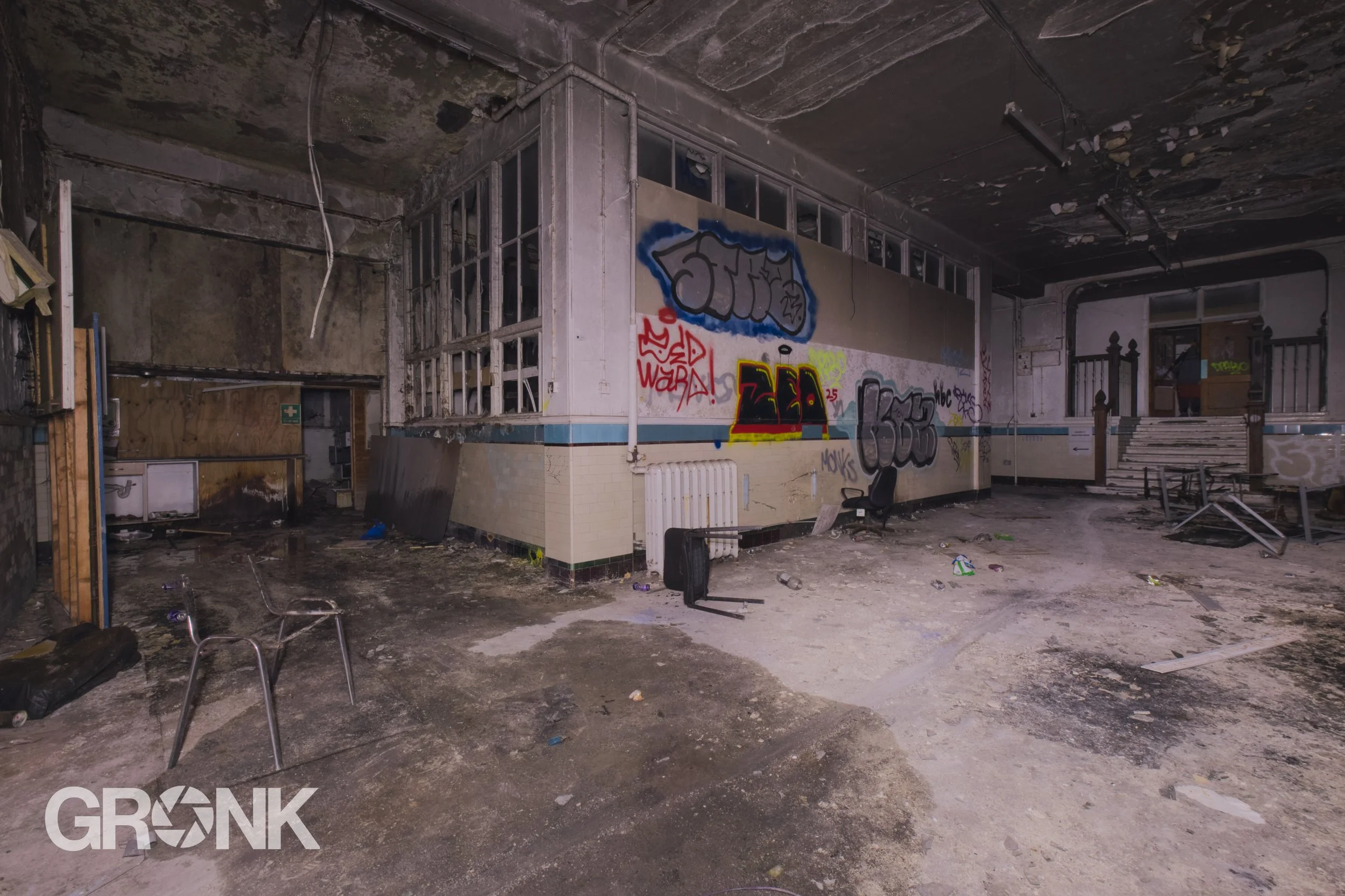
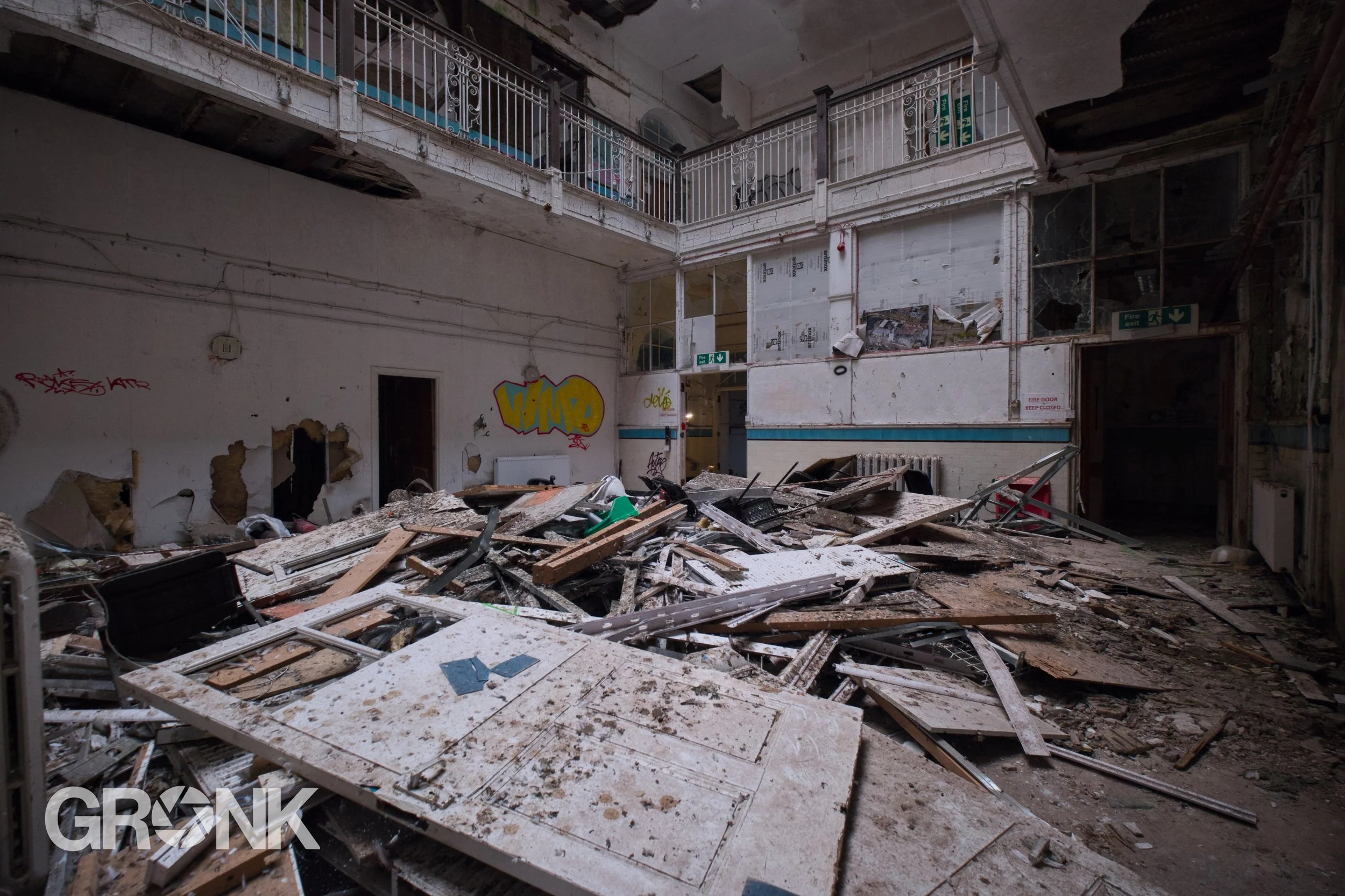
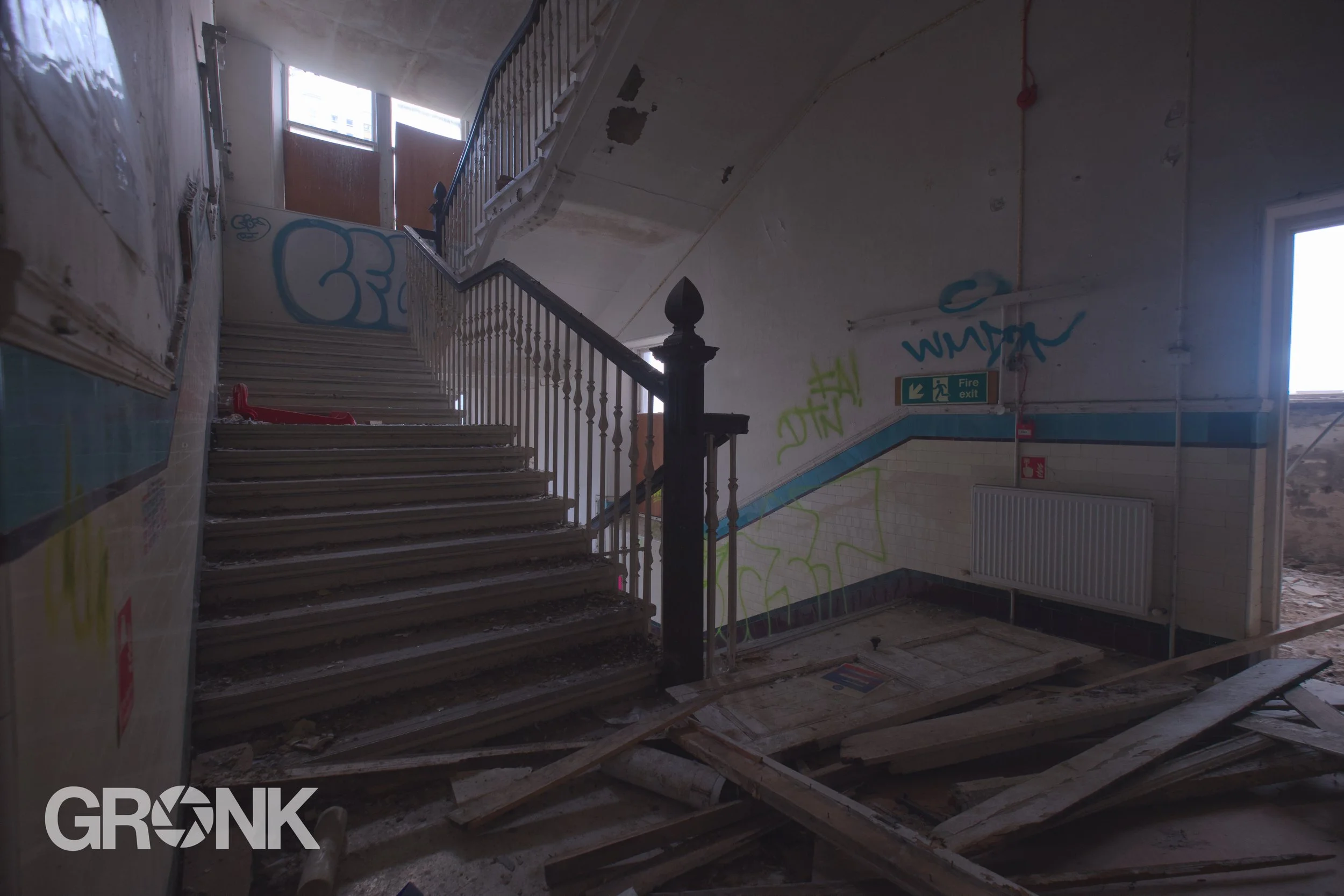
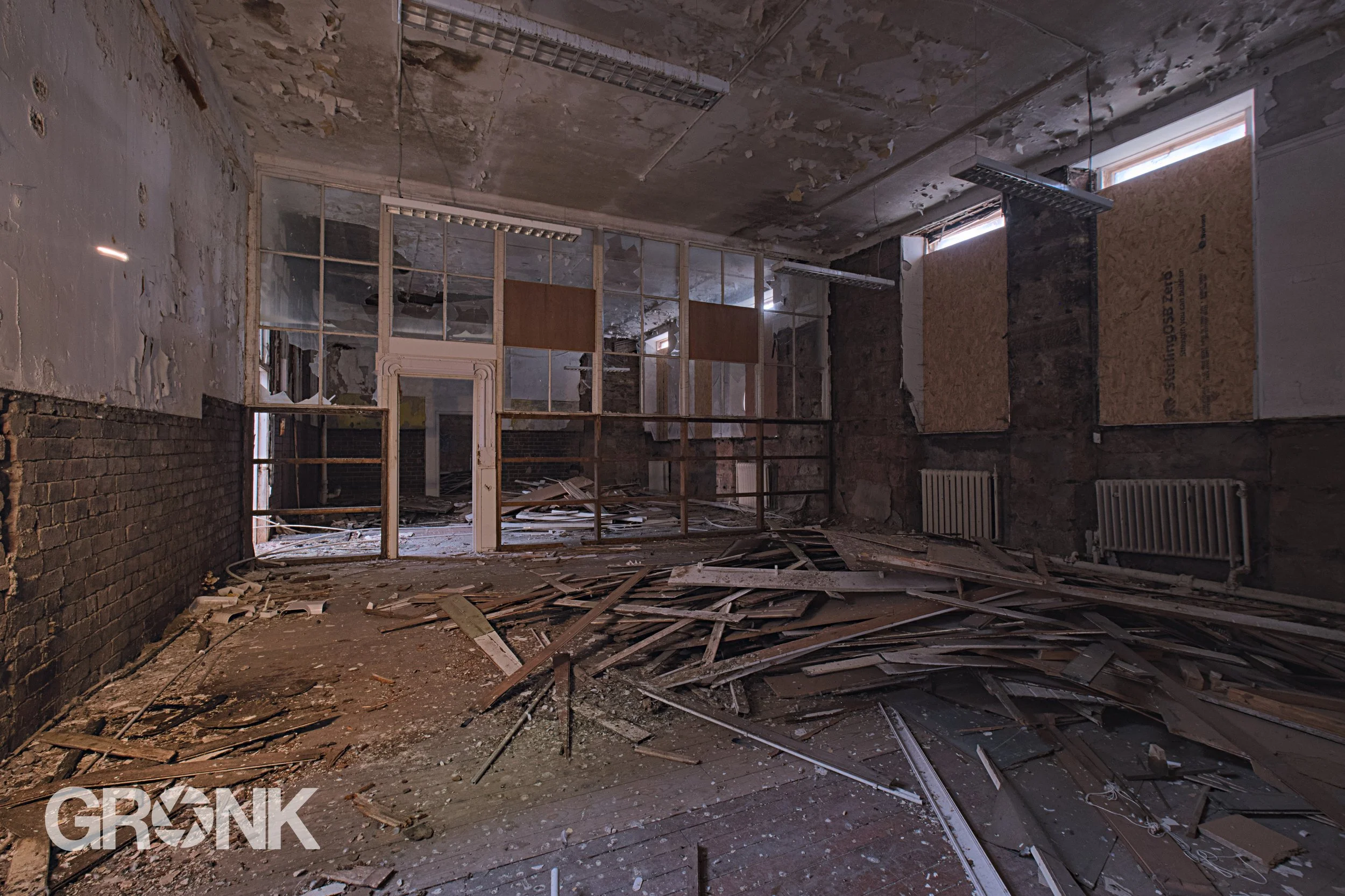
By the 2010s the school stood derelict, a familiar but neglected landmark in Townhead. Despite its condition, its architectural and historical value was recognised, and it survived while many other local pre-First World War schools were demolished. Today it is the only surviving school of its era in the area.