Pitchford Hall Culvert, Shrewsbury
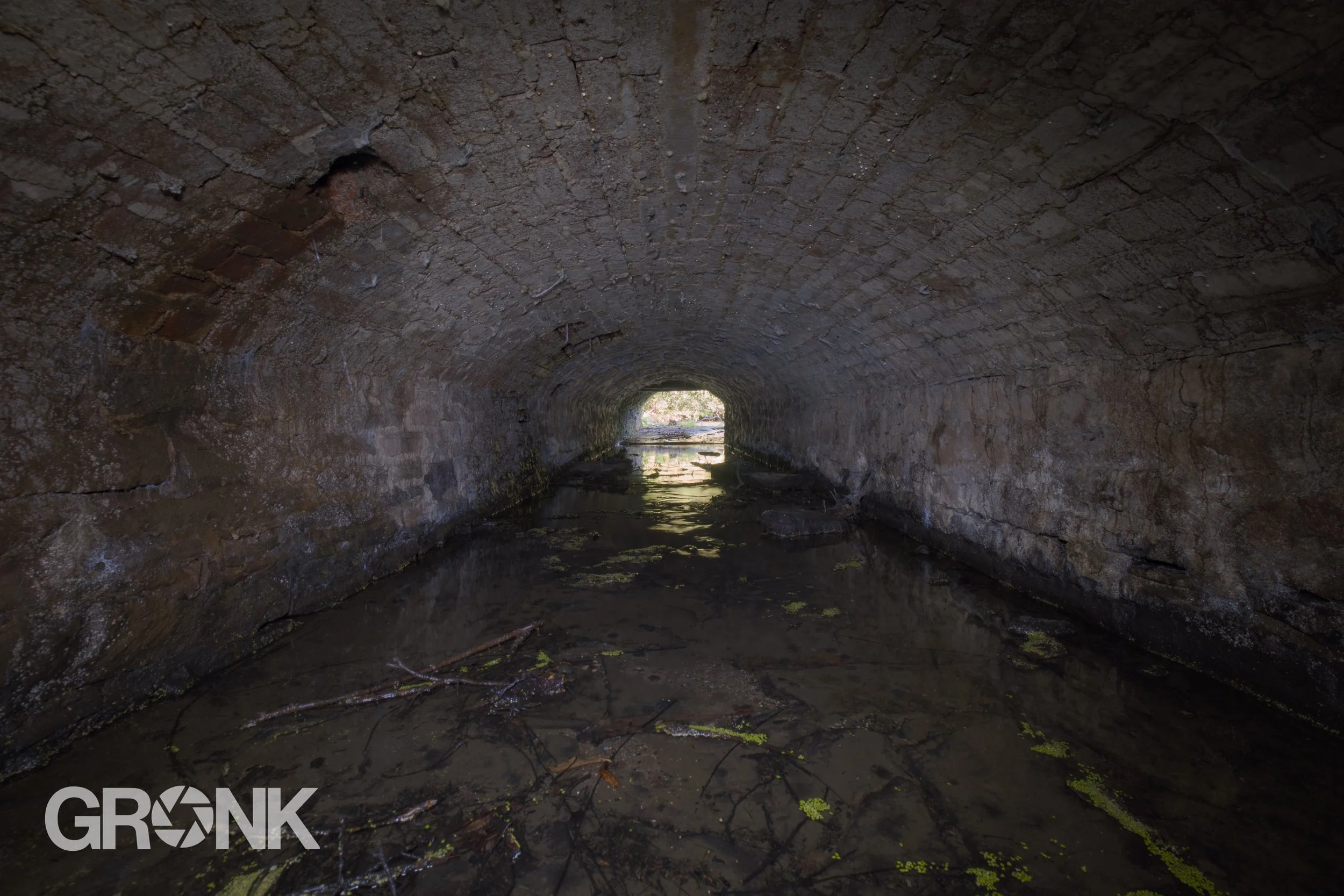
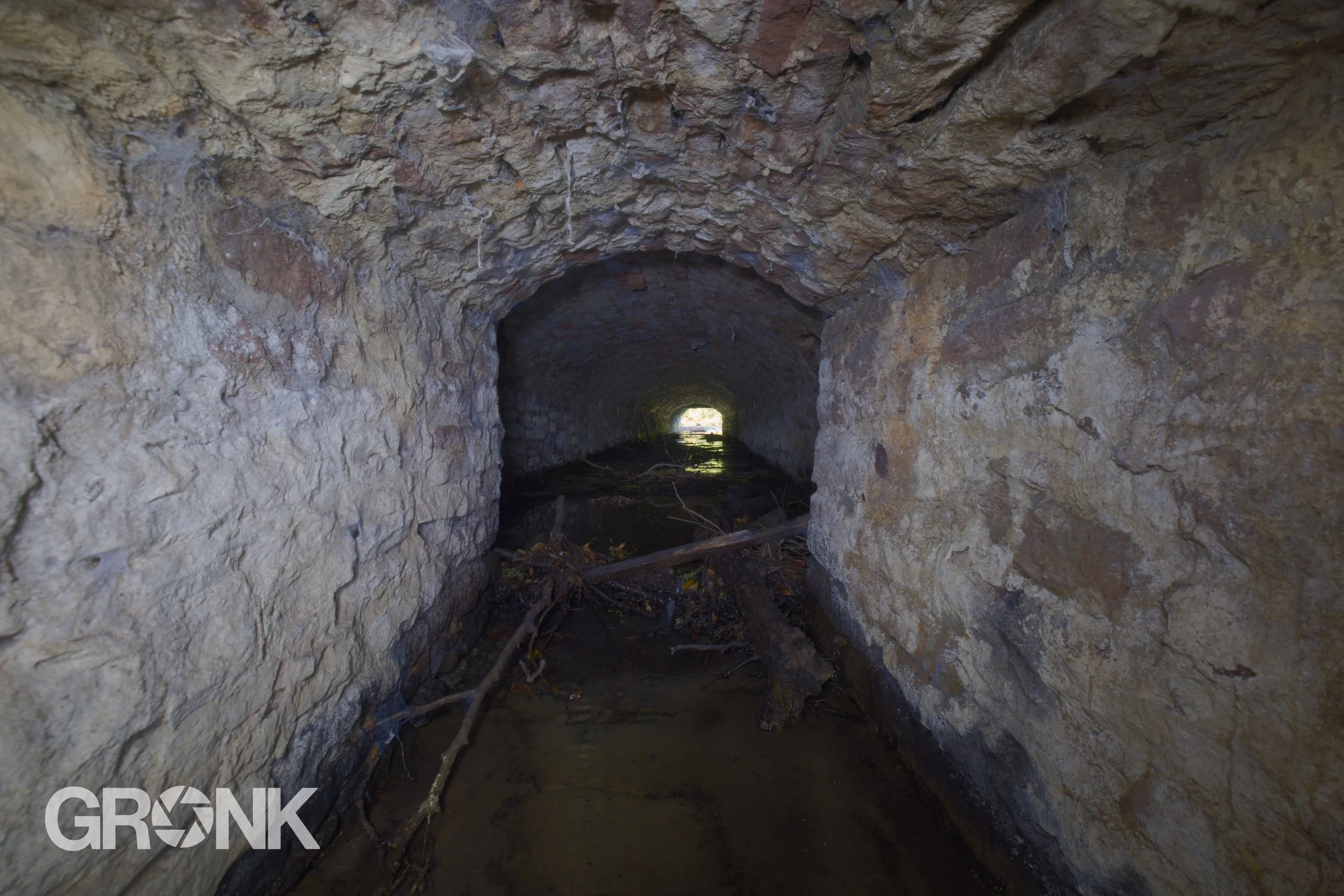
While wandering the grounds of the Pitchford Estate, I noticed a small hole in the wall of what looked like an old bridge. Being as curious as ever, I peered inside and discovered a three-metre drop into what appeared to be a culvert running beneath the gardens of the hall. A metal ladder leaned against one side of the chamber, tempting further exploration. Estate staff were working nearby, so I decided to bide my time and return for a proper look.
A couple of days later, I was back. I quickly descended the ladder into the darkness and began making my way upstream, practically crawling in places. After about five minutes of stooping and scrambling, I emerged at the side of the lake to the west of Pitchford Hall. From what I could tell, I had passed beneath the gardens and the stable block. The culvert serves as the outflow for the lake, carrying water onward to join Row Brook, which runs east of the hall. It’s not the longest or most spectacular culvert in the world, but since it hasn’t been shared before, I thought it was worth posting.
History of Pitchford Hall
Pitchford Hall is an Elizabethan timber-framed mansion located in Pitchford, Shropshire, about six miles south-east of Shrewsbury. The estate can trace its history back to the Domesday Book of 1086 and there was a medieval manor house on the site from at least 1284 to 1431. The current Hall was built around 1560-1570 for Adam Ottley. It’s constructed in the traditional Tudor style: timber framing, rendered panels, a stone roof and decorative brick chimneys. The layout is roughly E-plan, with a courtyard on the south side together with a service wing to the west. Over the centuries the house and grounds have seen modifications — major restoration in the 1870s-1880s under George Devey, adjustments to gardens, orangeries, and the landscaping of the park.
The estate also has interesting features: a bitumen or pitch well (near a ford across the Row Brook) which gave the place its name, Roman road Watling Street crossing the grounds, ancient treehouse in a large lime tree, a walled garden and orangery. In the 20th century the Hall narrowly avoided further decline. During WWII it was earmarked as a possible refuge for the Royal Family should London be threatened. In 1992 financial difficulties led its contents to be sold and the Hall passed out of the family, becoming vacant and falling into disrepair. Finally, in 2016 Rowena Colthurst and her husband James Nason (descendants of the original family), repurchased Pitchford Hall and began major restoration efforts to return it to its former glory.