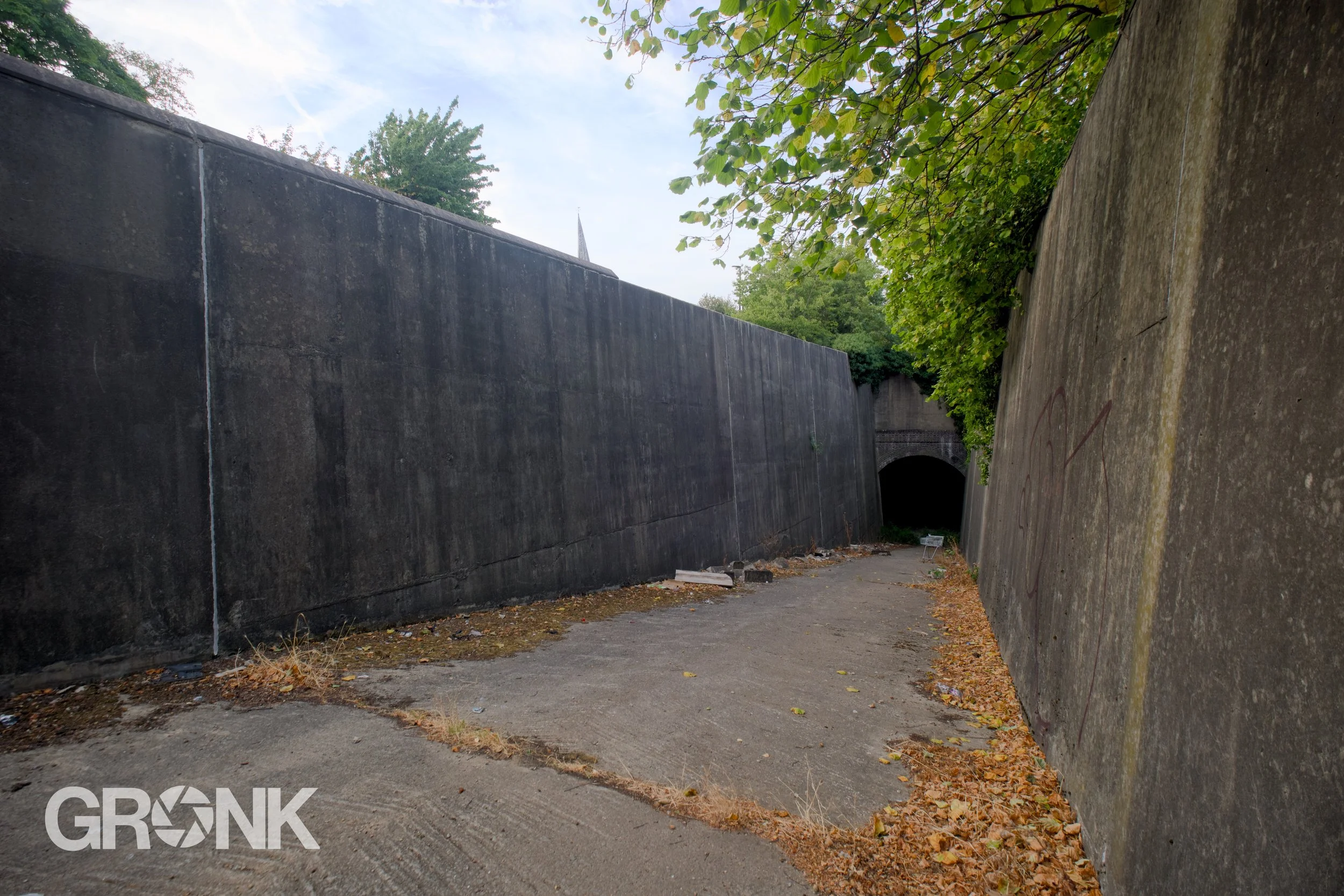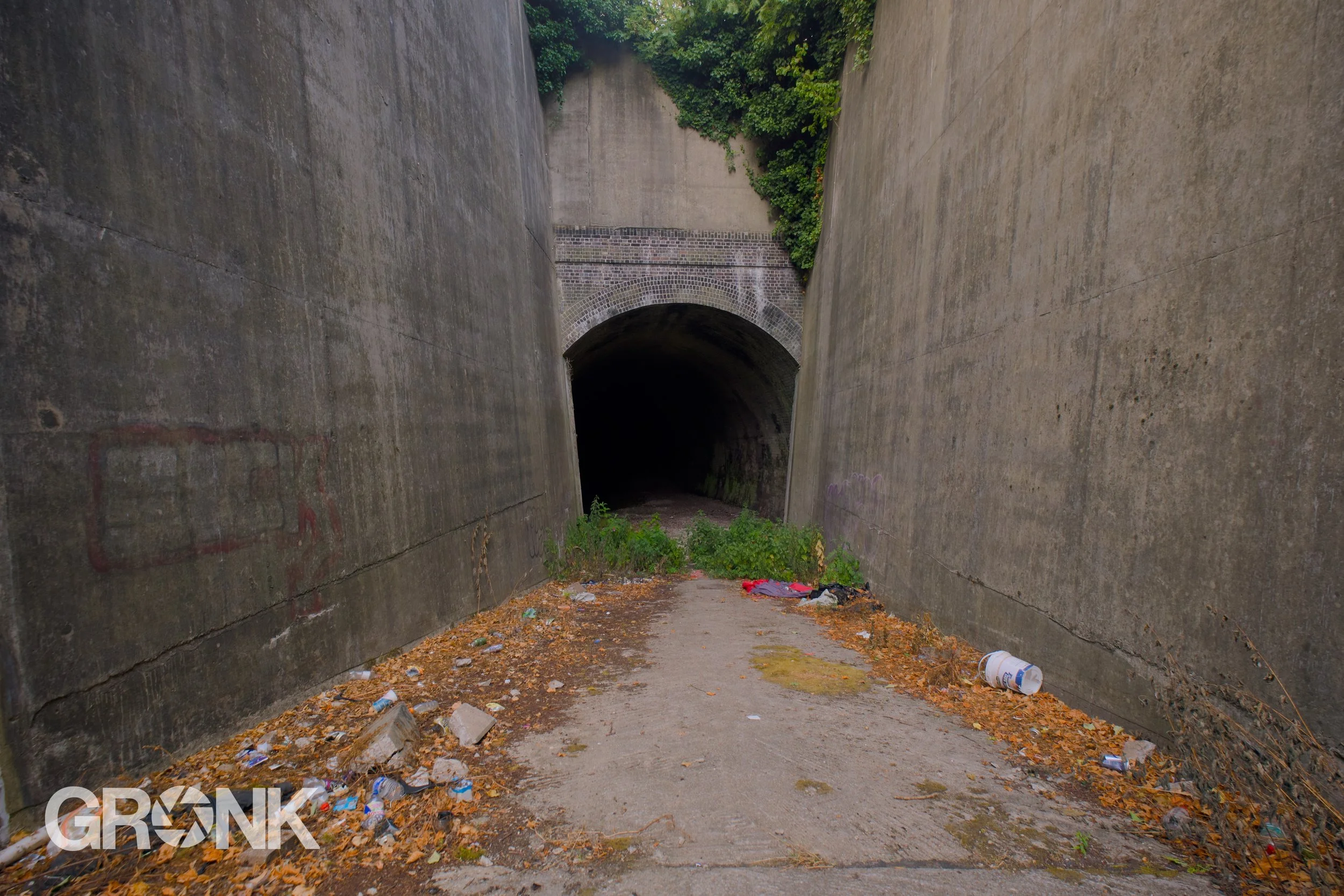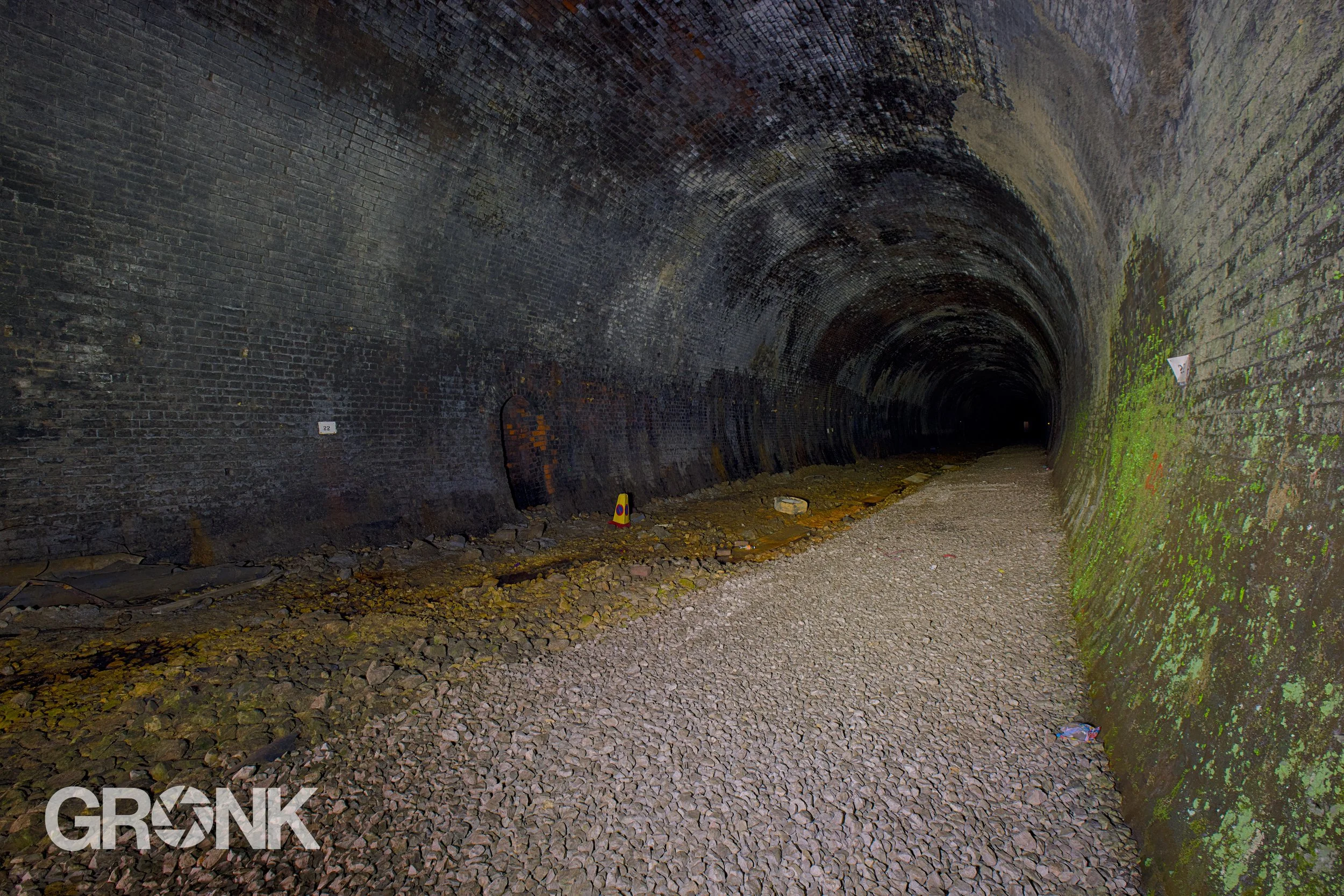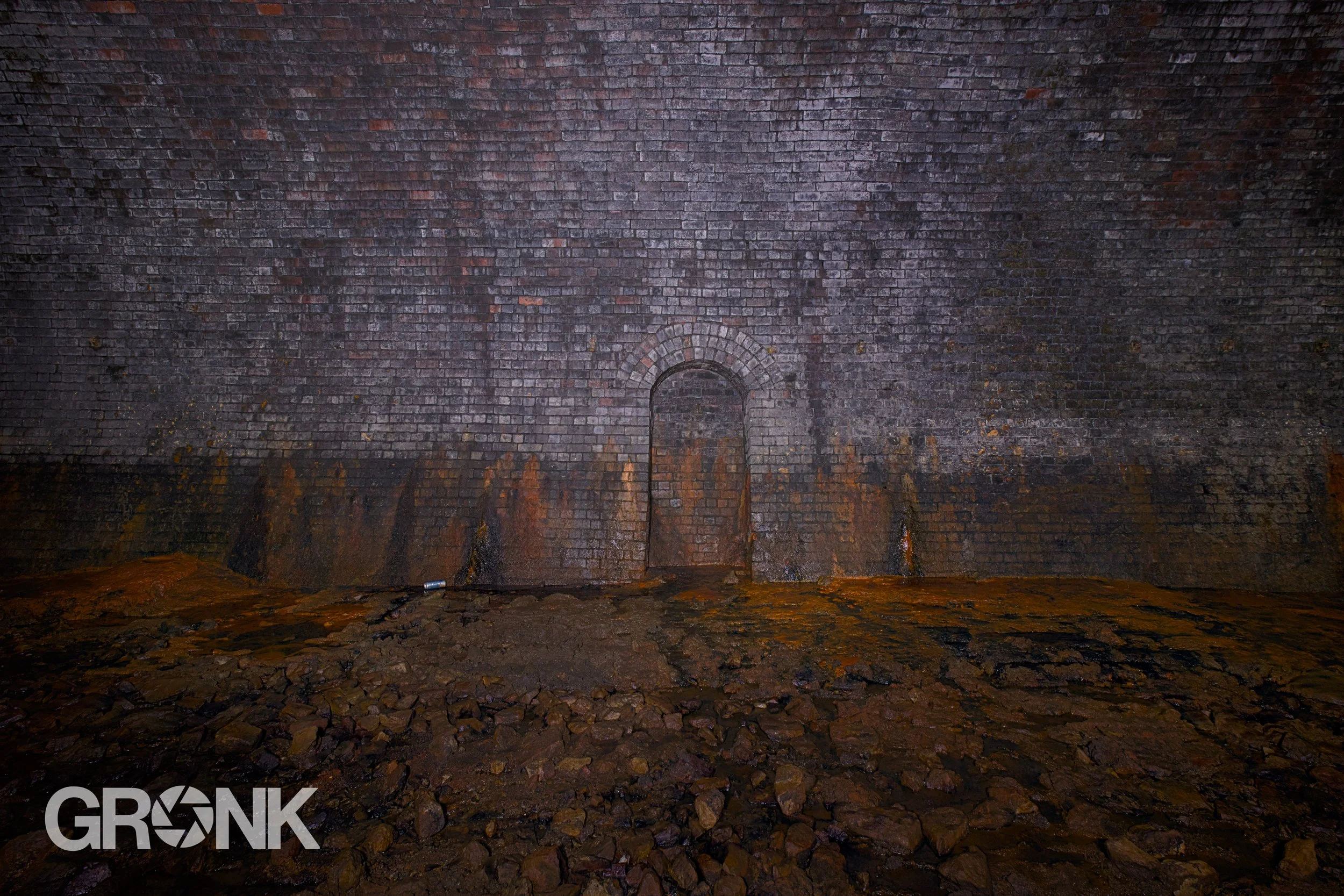
Chesterfield Railway Tunnel
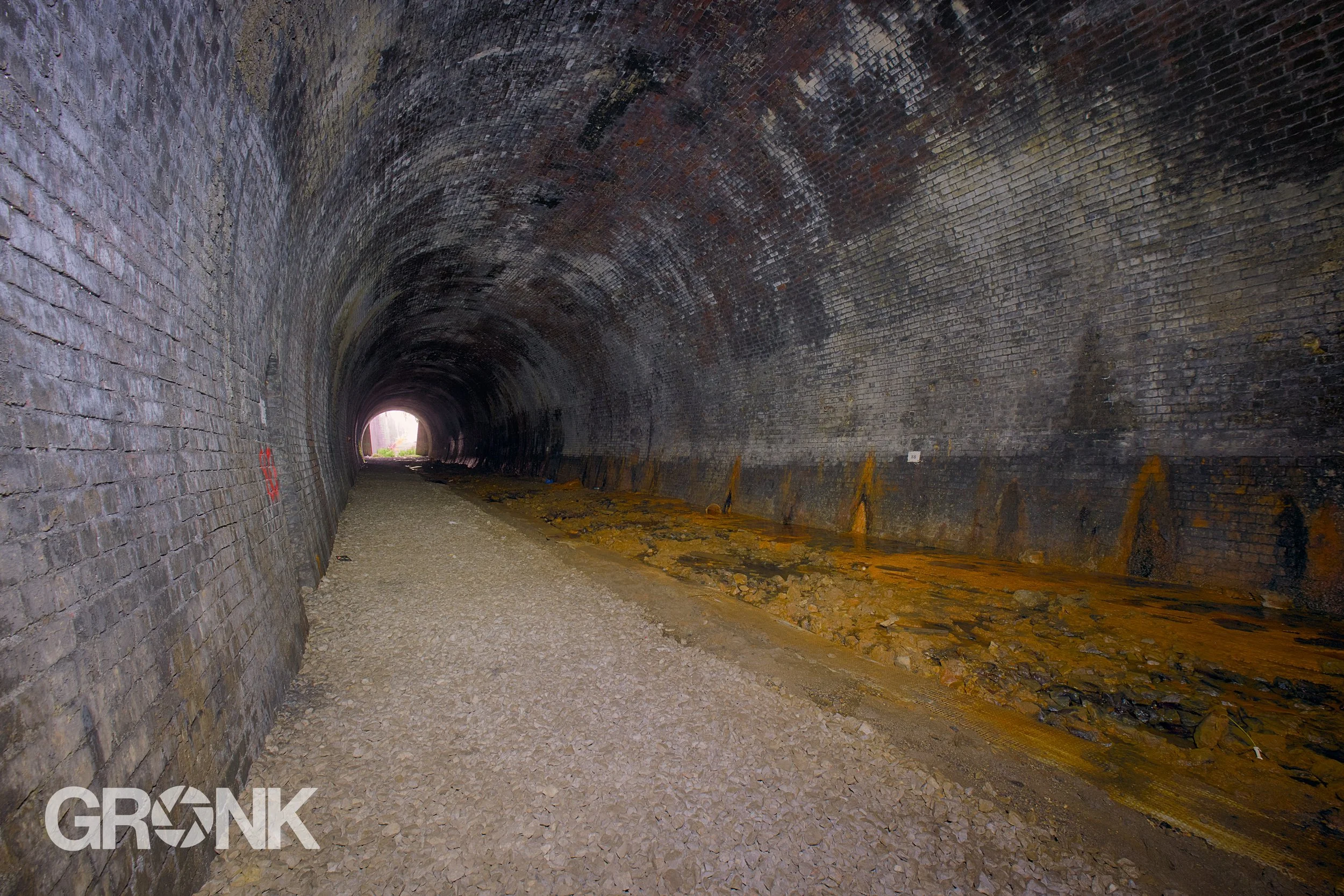
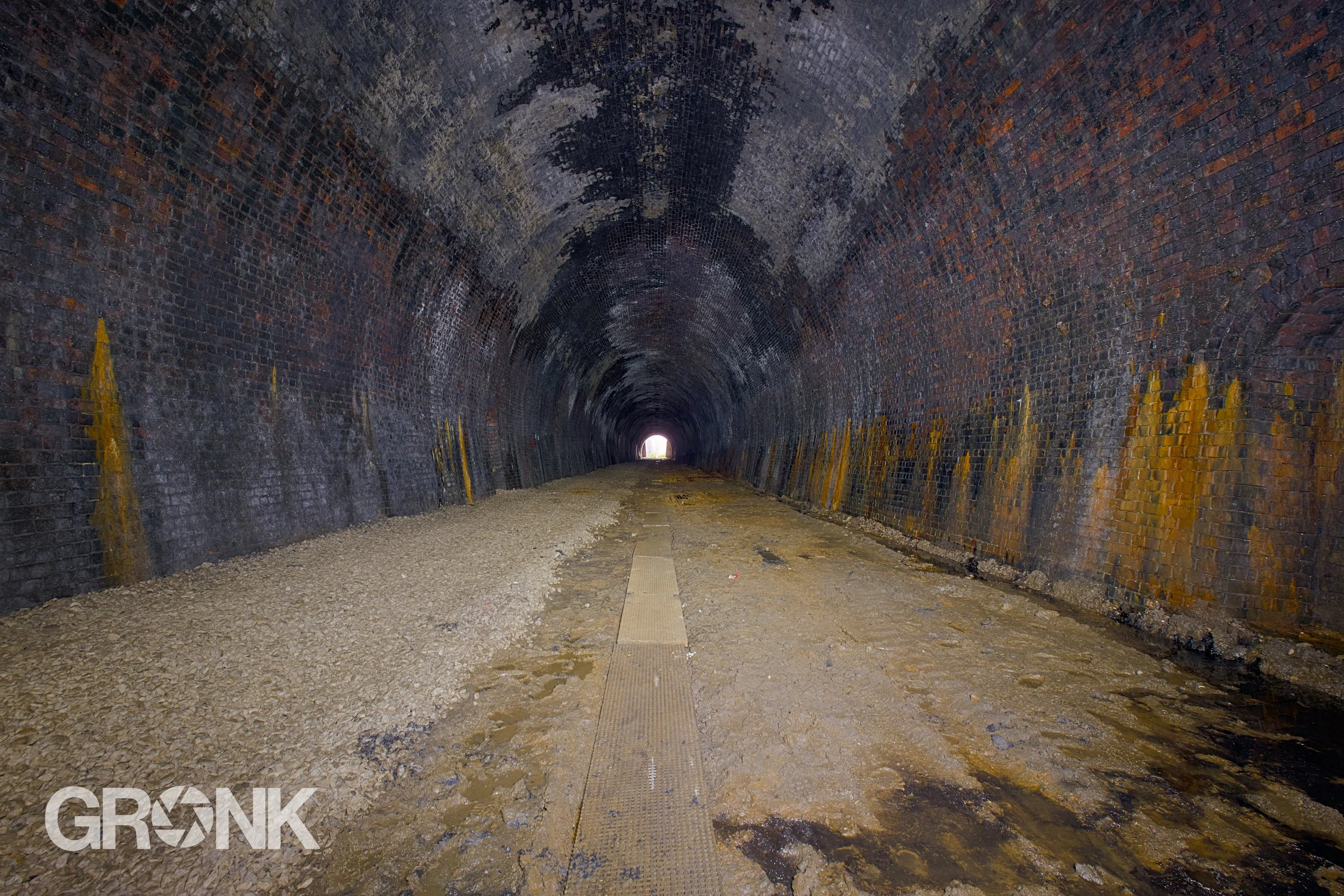
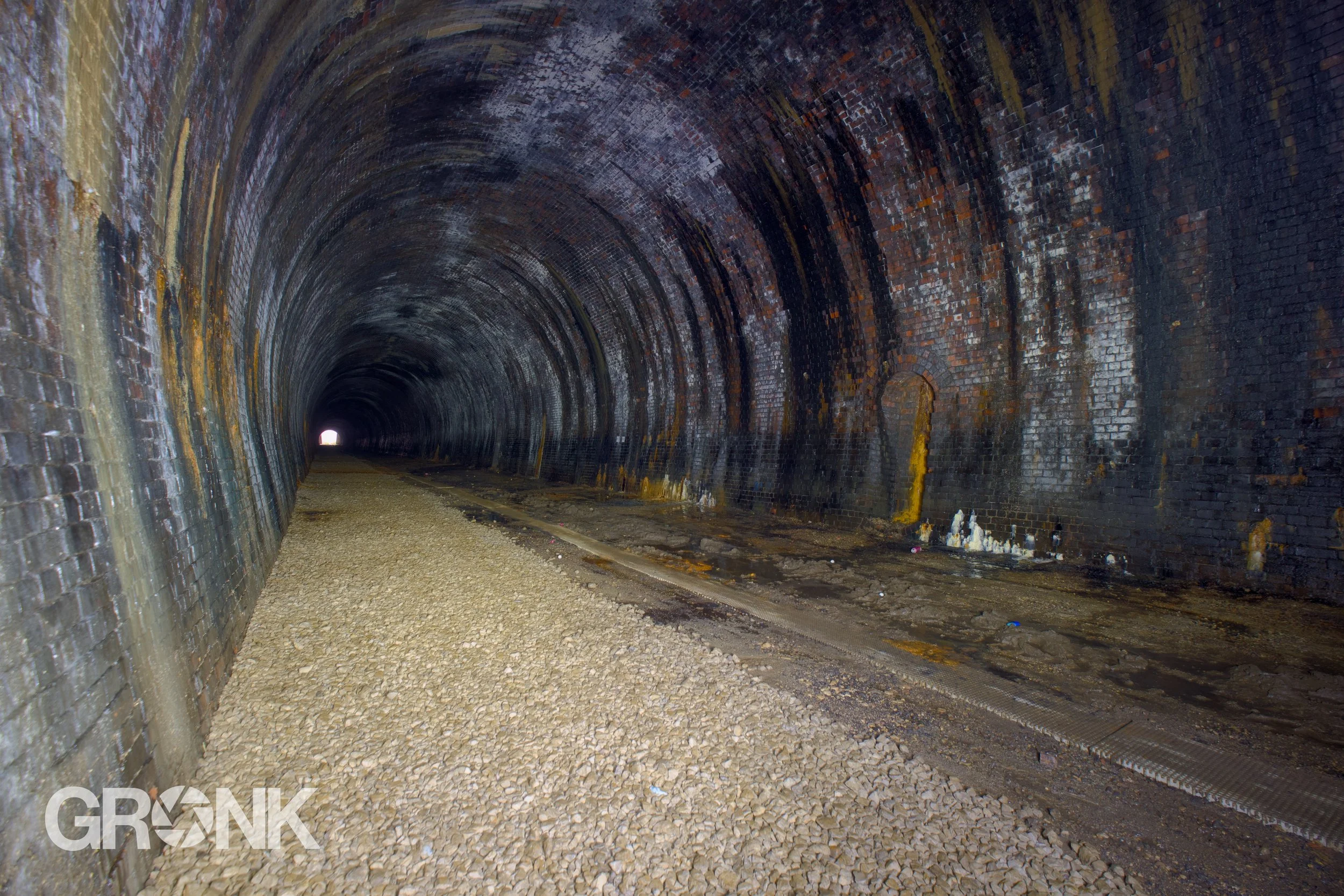
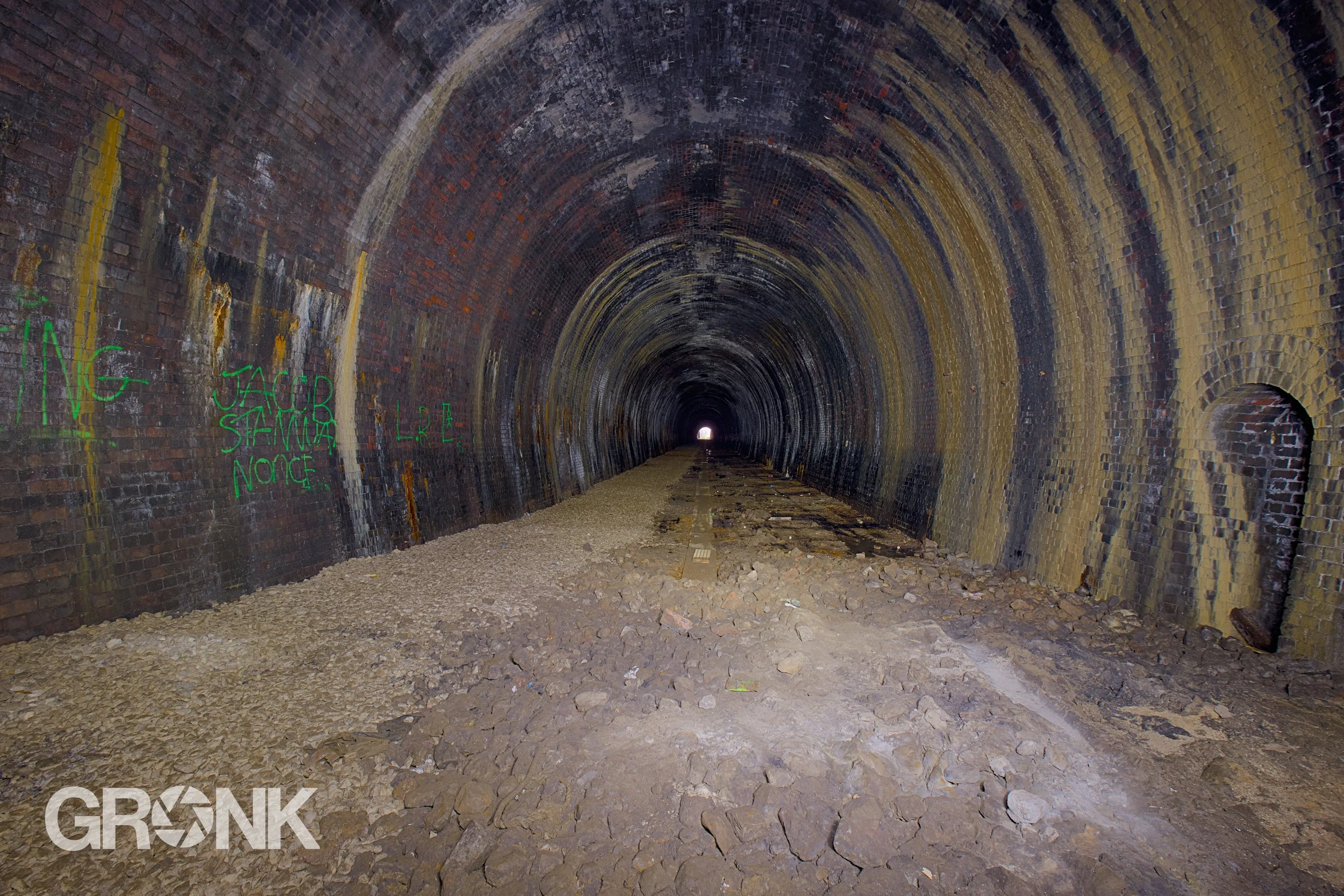
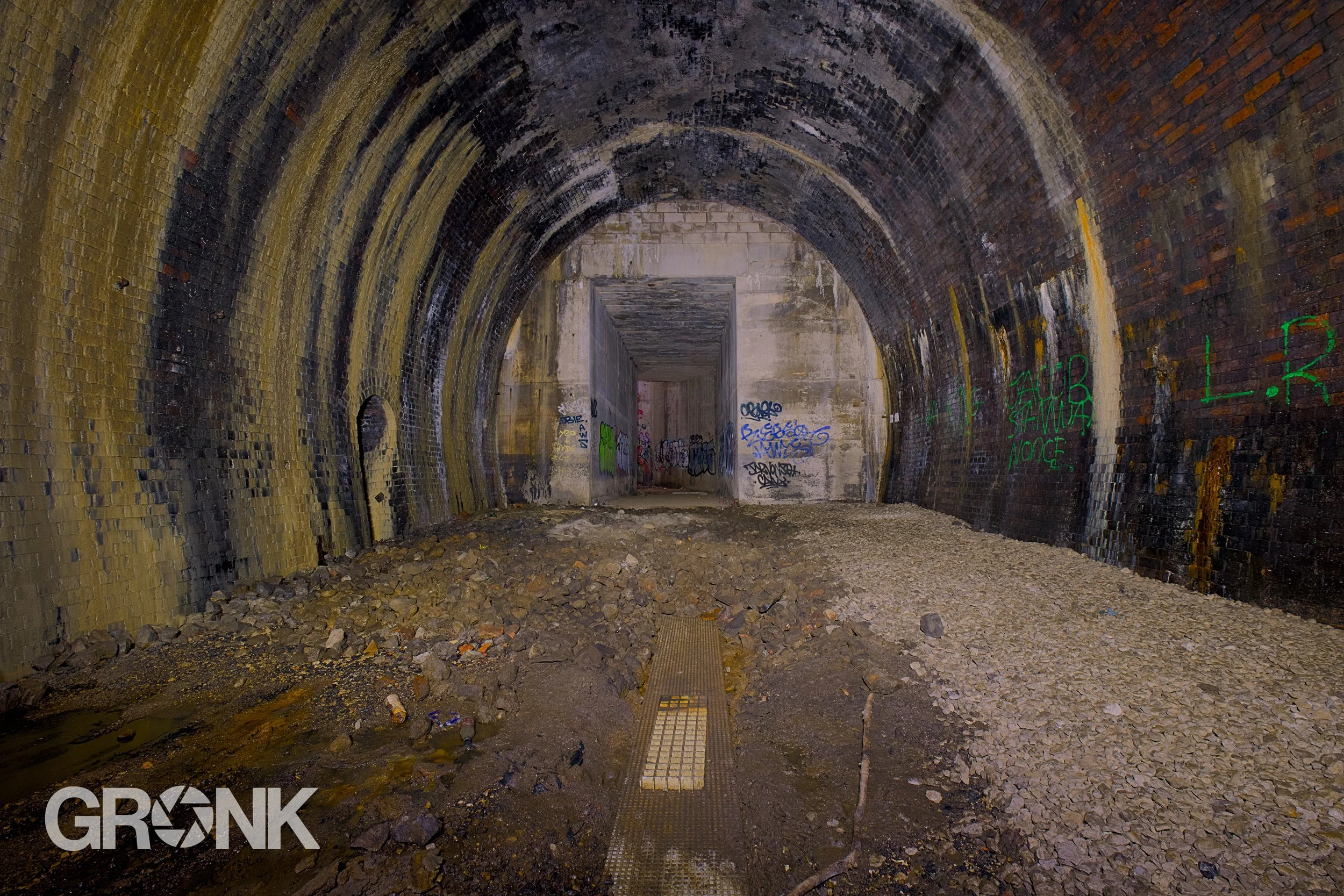
Chesterfield Railway Tunnel was built in the late 19th century as part of the railway network developed by the Manchester, Sheffield & Lincolnshire Railway (MS&LR). Construction began in 1891, and the railway opened in 1892. The MS&LR later became the Great Central Railway (GCR) in 1897. The tunnel was approximately 375 metres long and ran beneath Chesterfield town centre. It carried trains to Chesterfield Central railway station, which was situated on Infirmary Road. The station formed part of the Great Central Railway's route through Derbyshire and connected Chesterfield with places including Sheffield and Nottingham. Later, the Great Central's ambitions saw the route become part of the railway network connecting northern England with London Marylebone.
Chesterfield had several competing railway companies during this period. The Midland Railway had already established an important station in the town, while the Great Central and the Lancashire, Derbyshire & East Coast Railway developed their own routes. This resulted in a complicated network of railway lines, bridges and tunnels around Chesterfield. By the middle of the 20th century, however, Chesterfield Central was declining in importance. Passenger services ended in March 1963, during the period of widespread railway closures associated with the Beeching reforms. The station was subsequently demolished, and much of the former railway route was eventually converted into roads, including the Great Central Way.
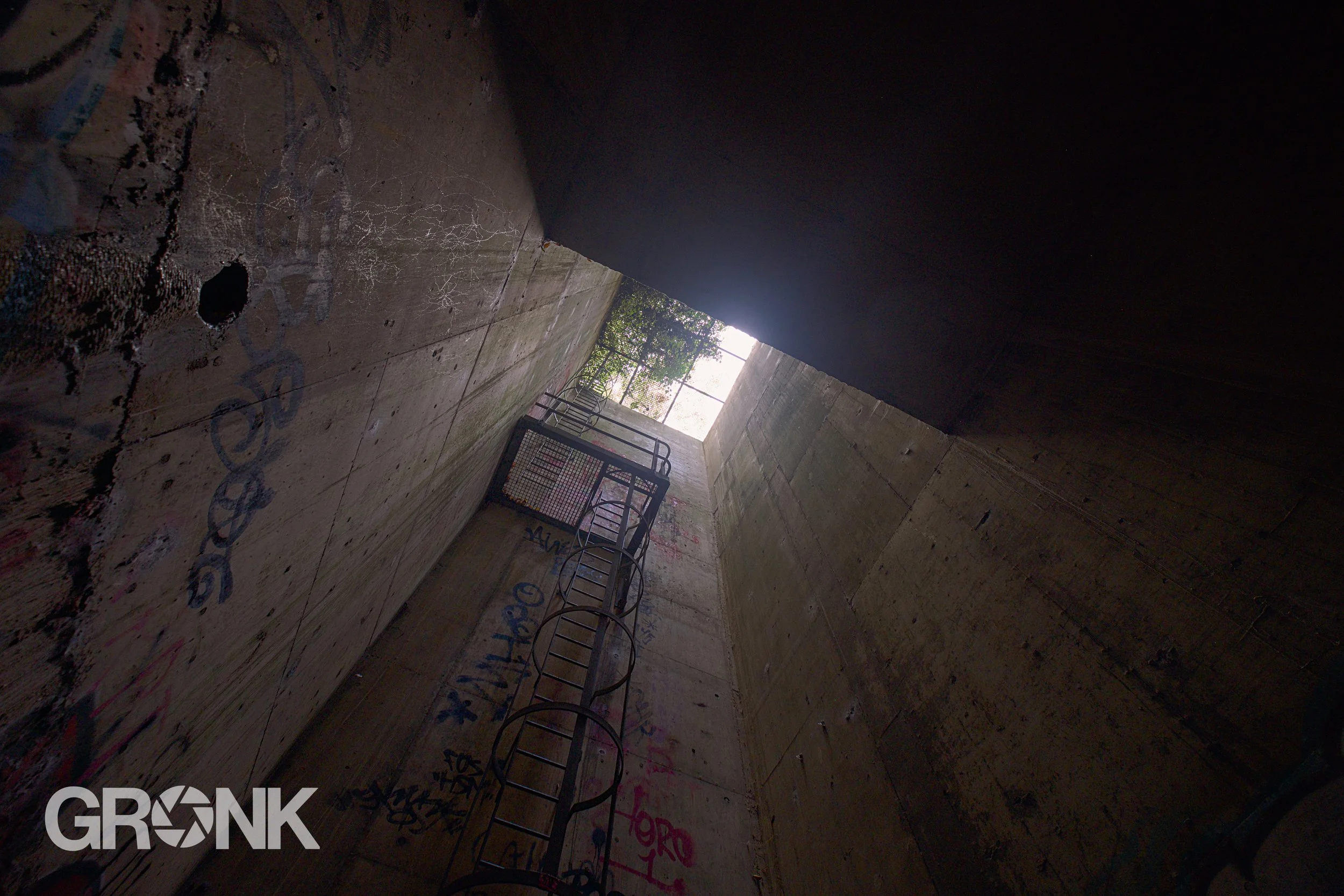
Although the railway disappeared, parts of the tunnel and other structures survived beneath the town. They provide a physical reminder of Chesterfield's important railway past. It is also important not to confuse this tunnel with the much larger Clay Cross Tunnel, south of Chesterfield. Clay Cross was built between 1837 and 1839 for the North Midland Railway under the direction of George and Robert Stephenson.