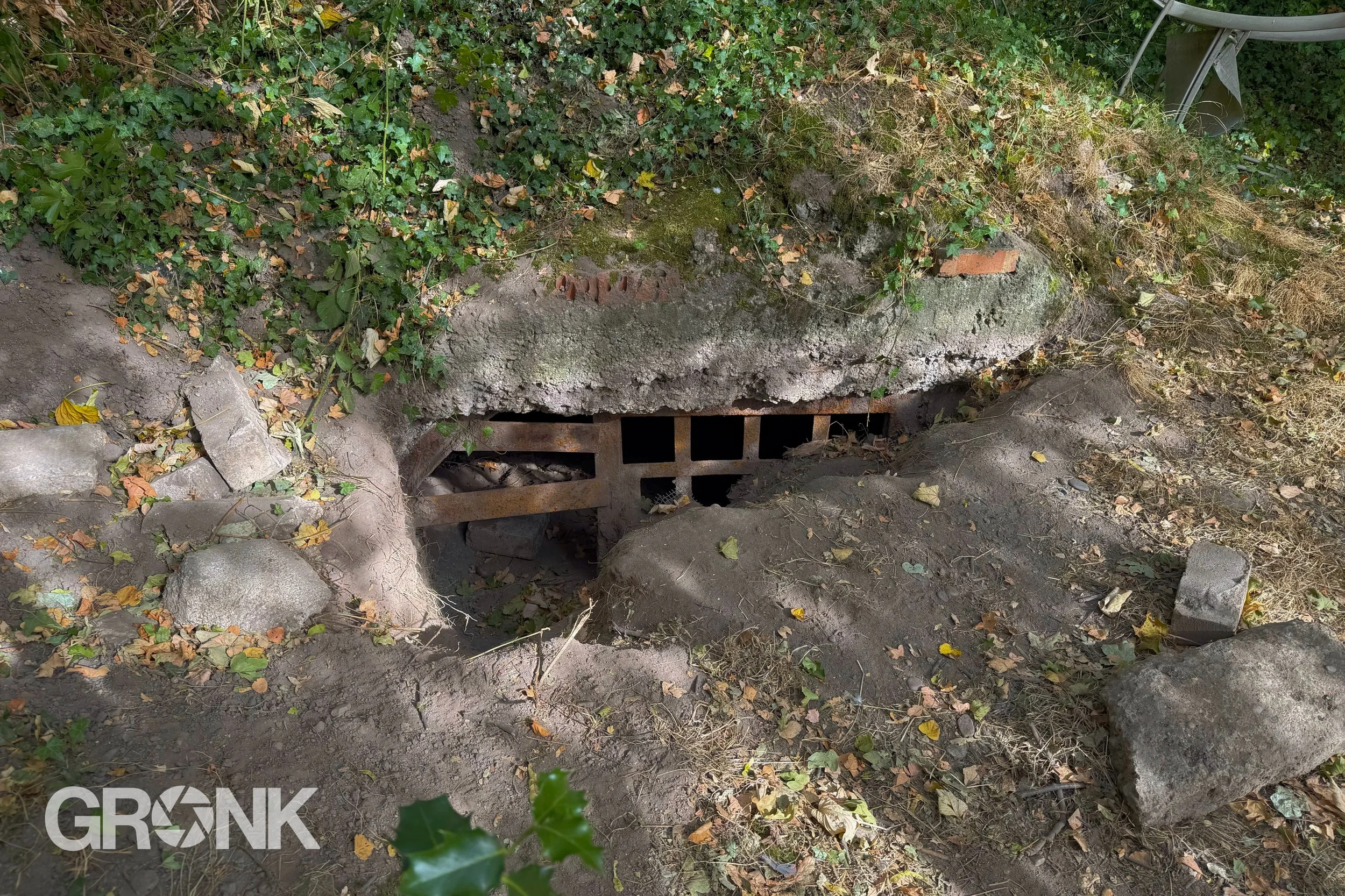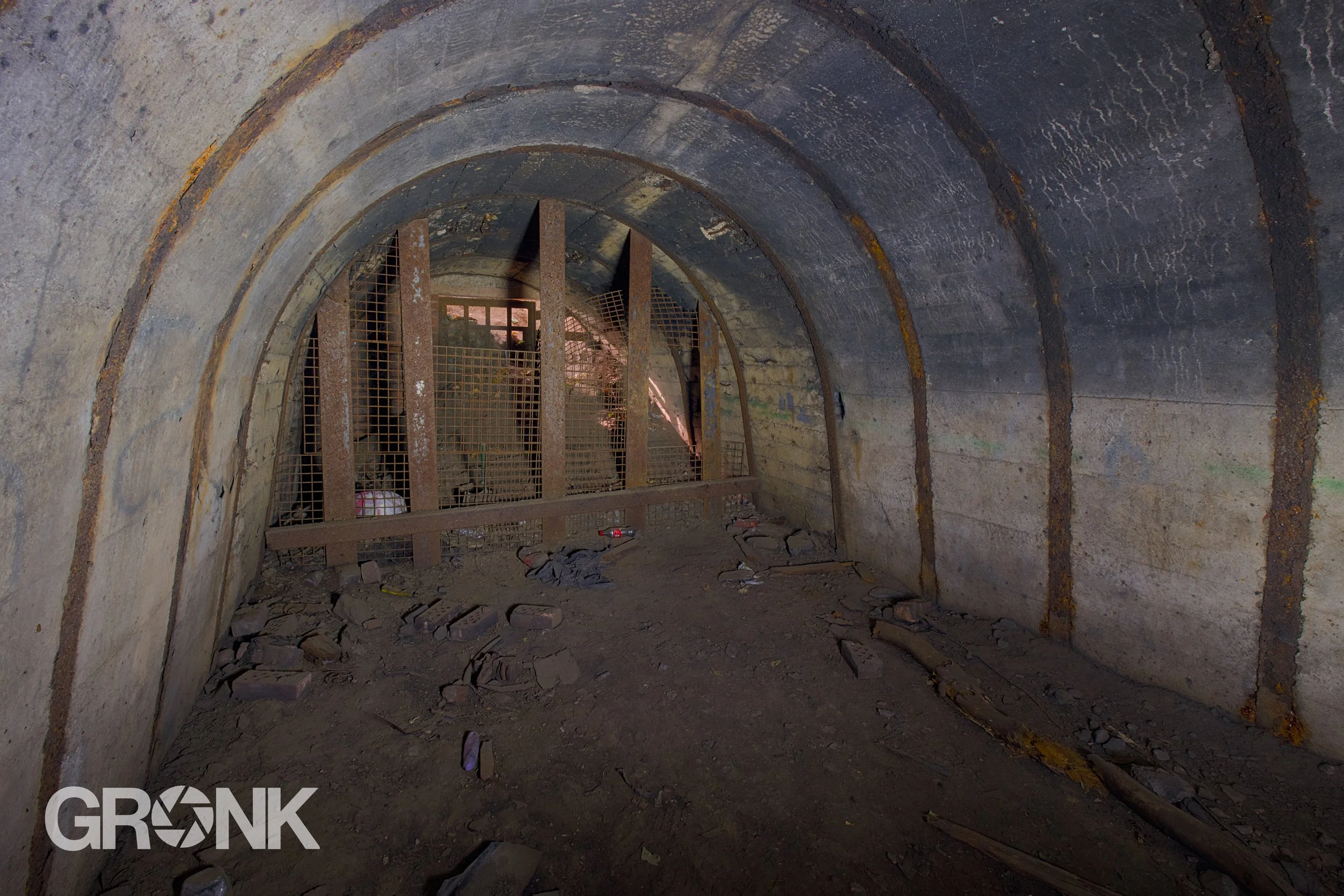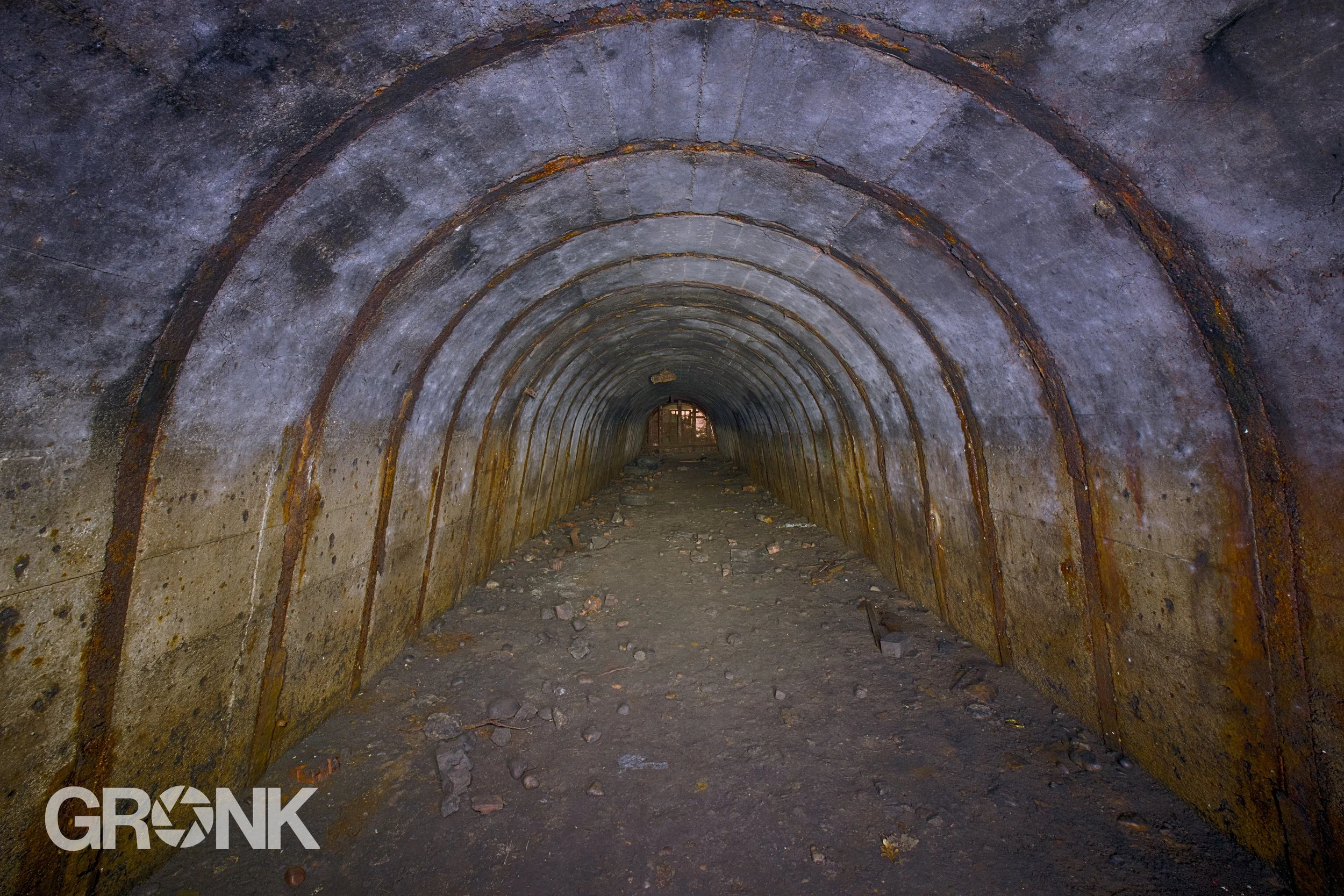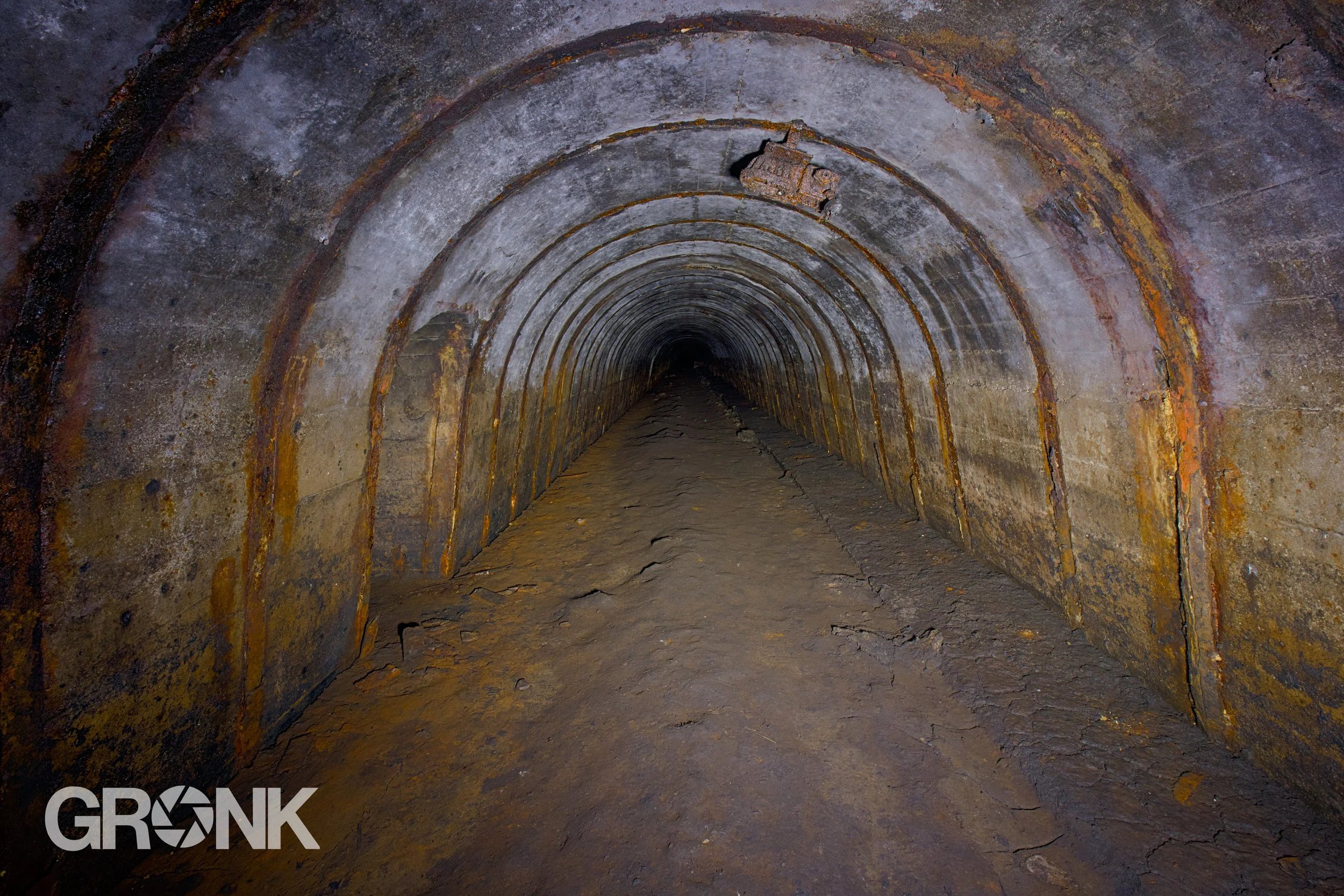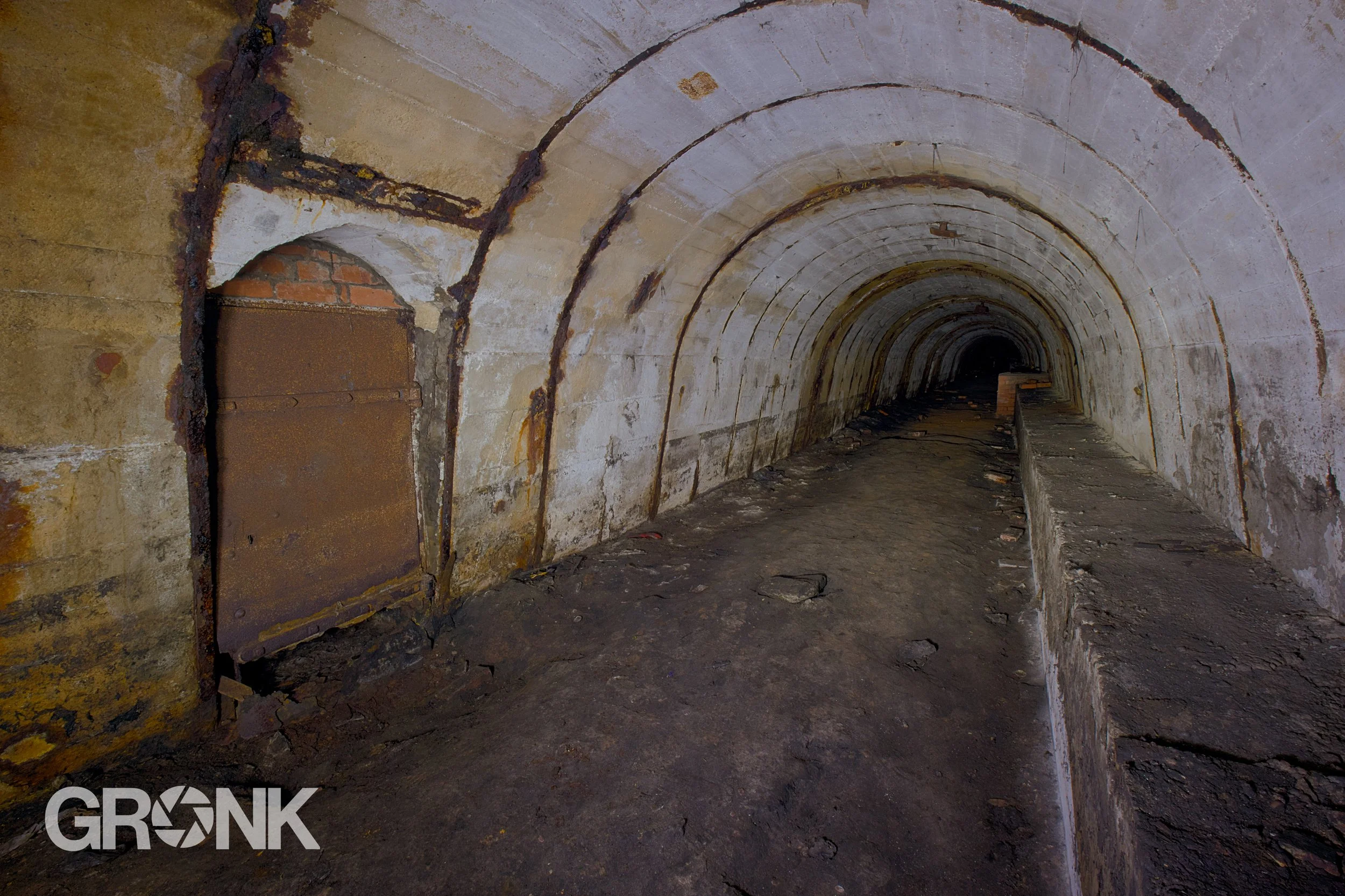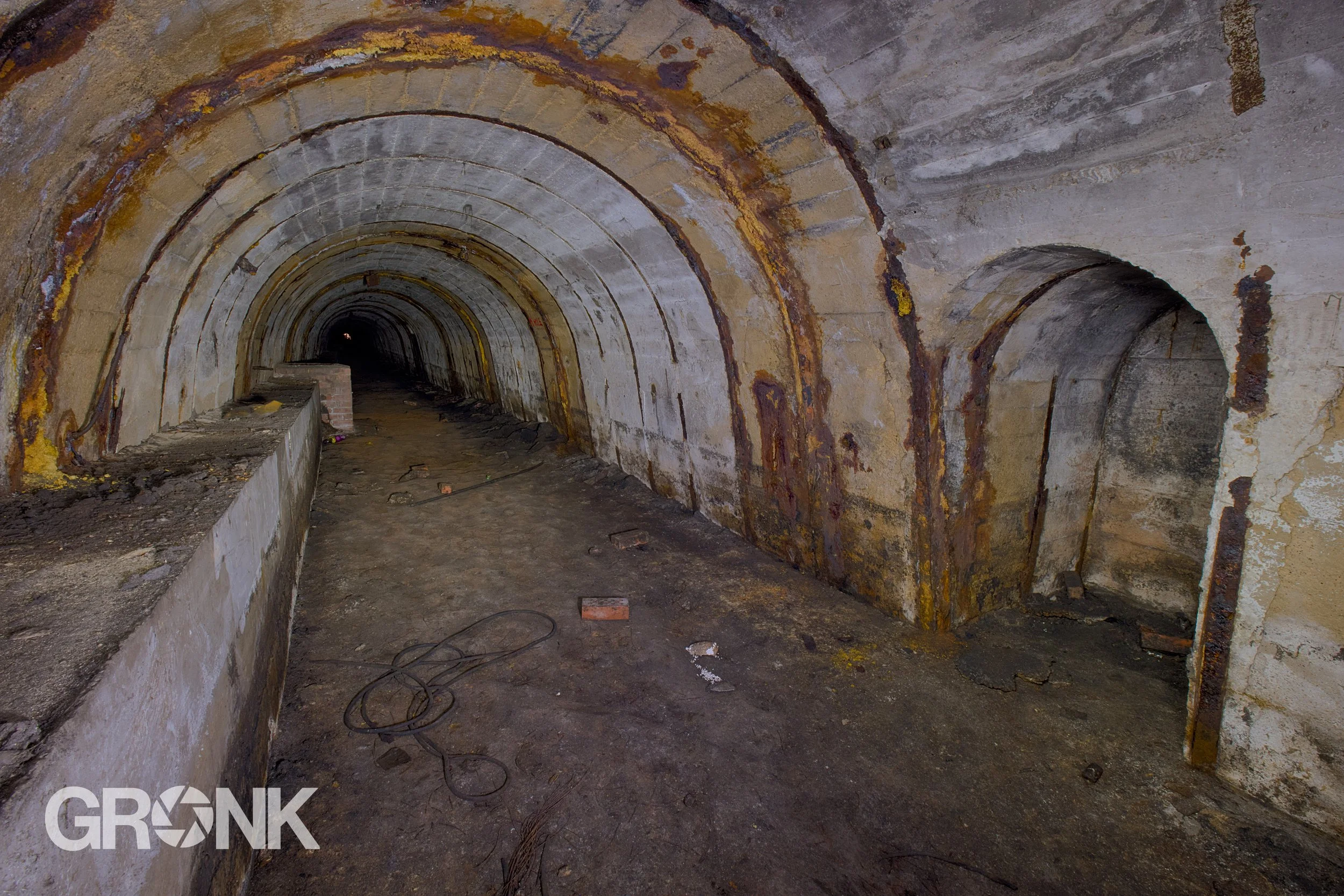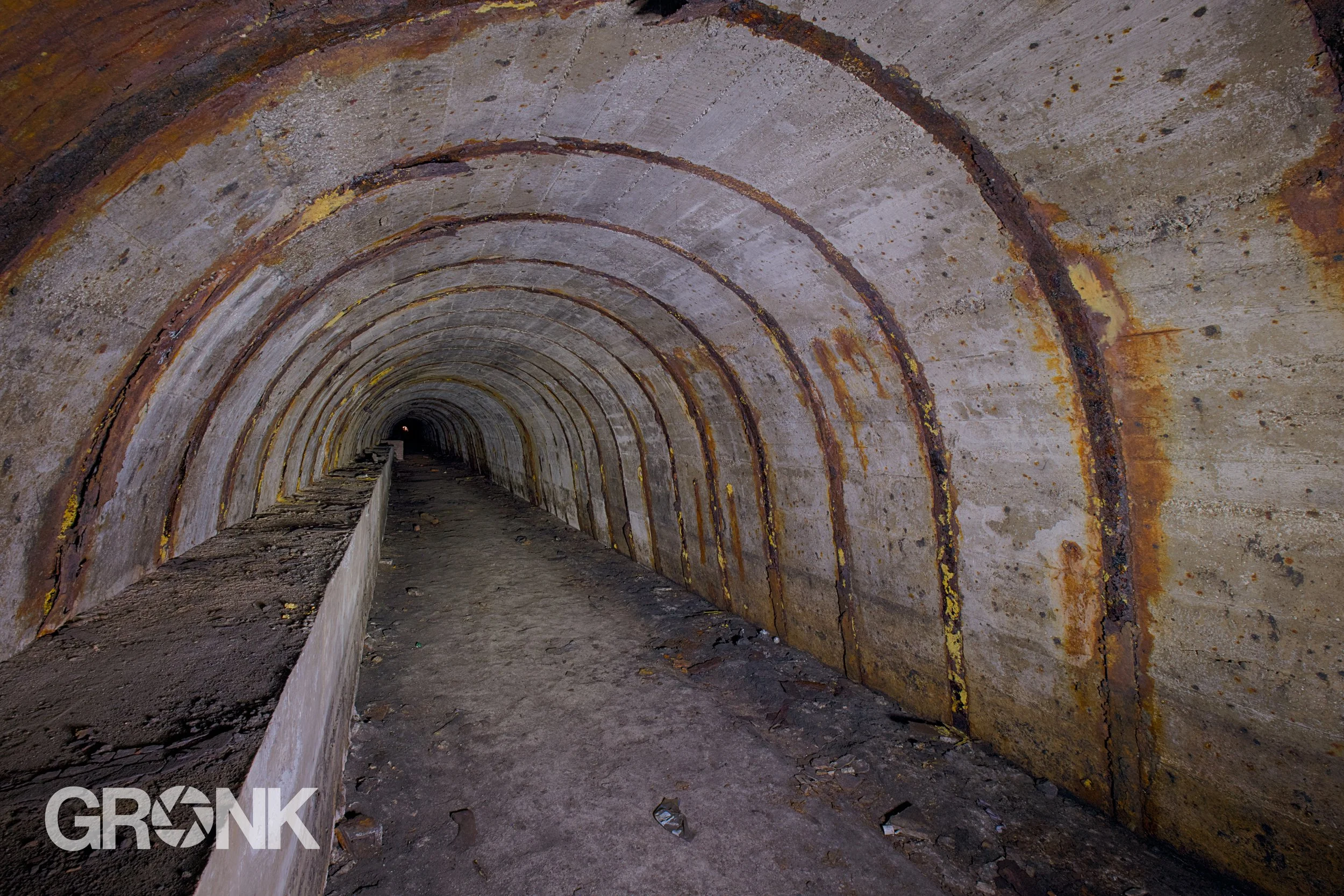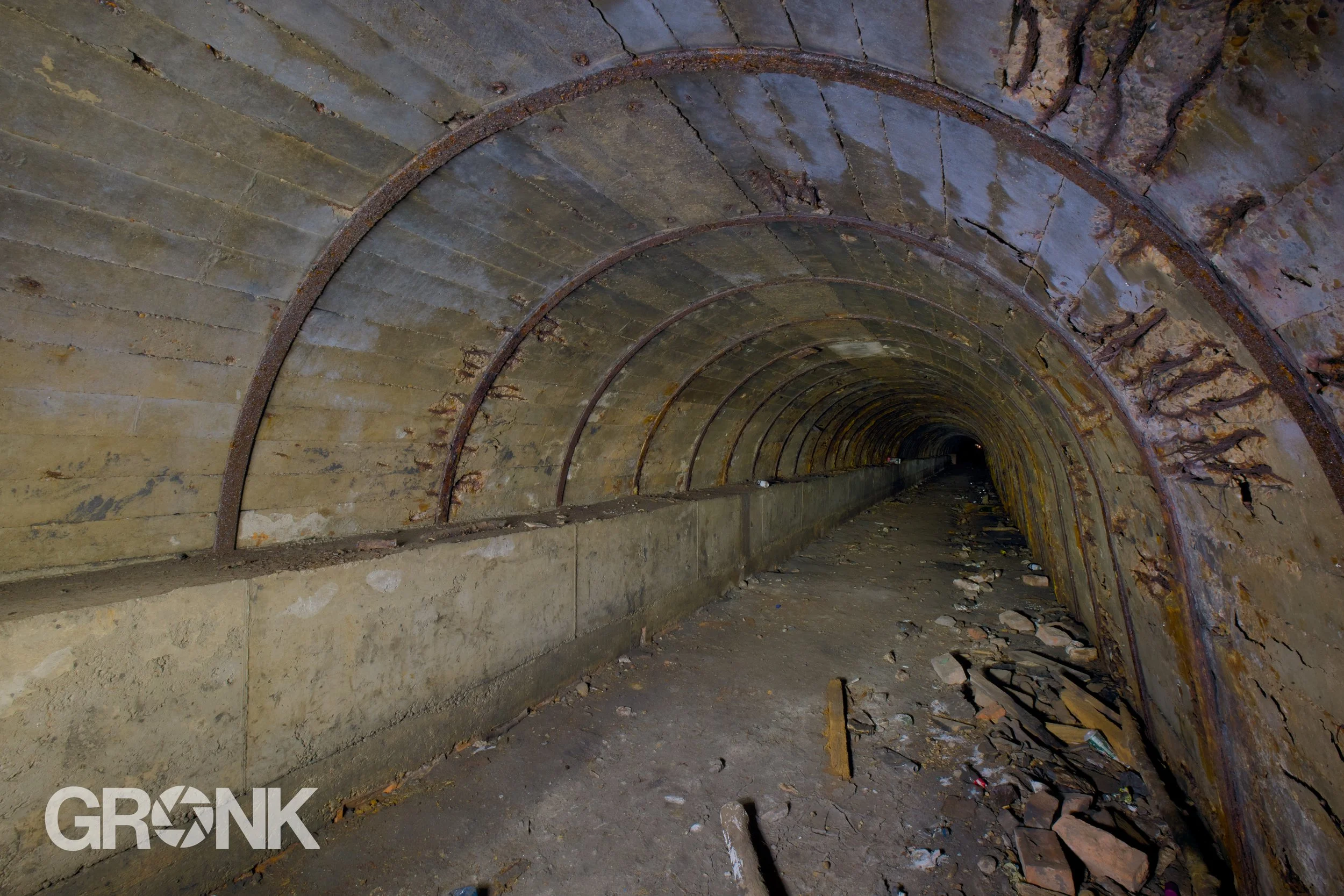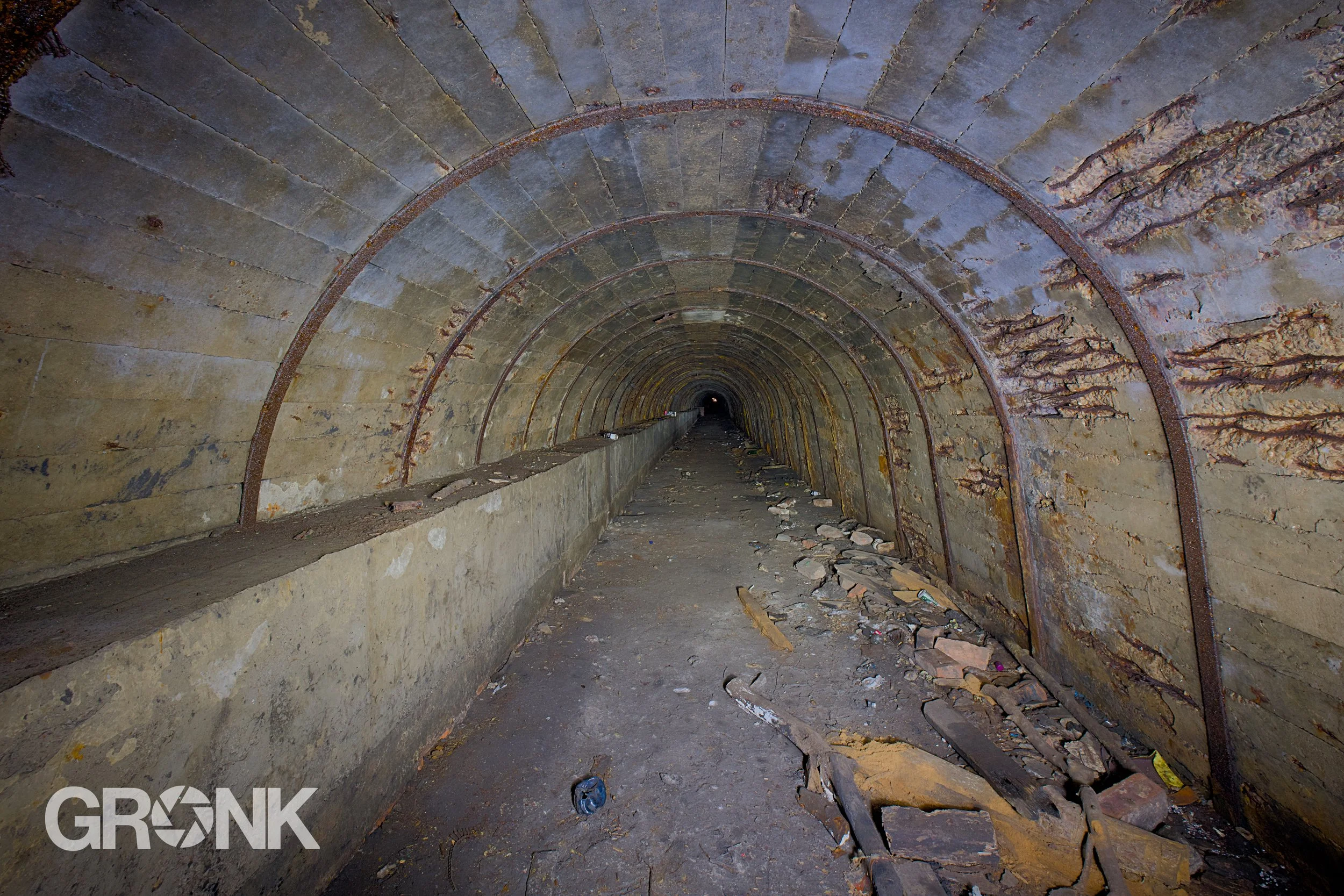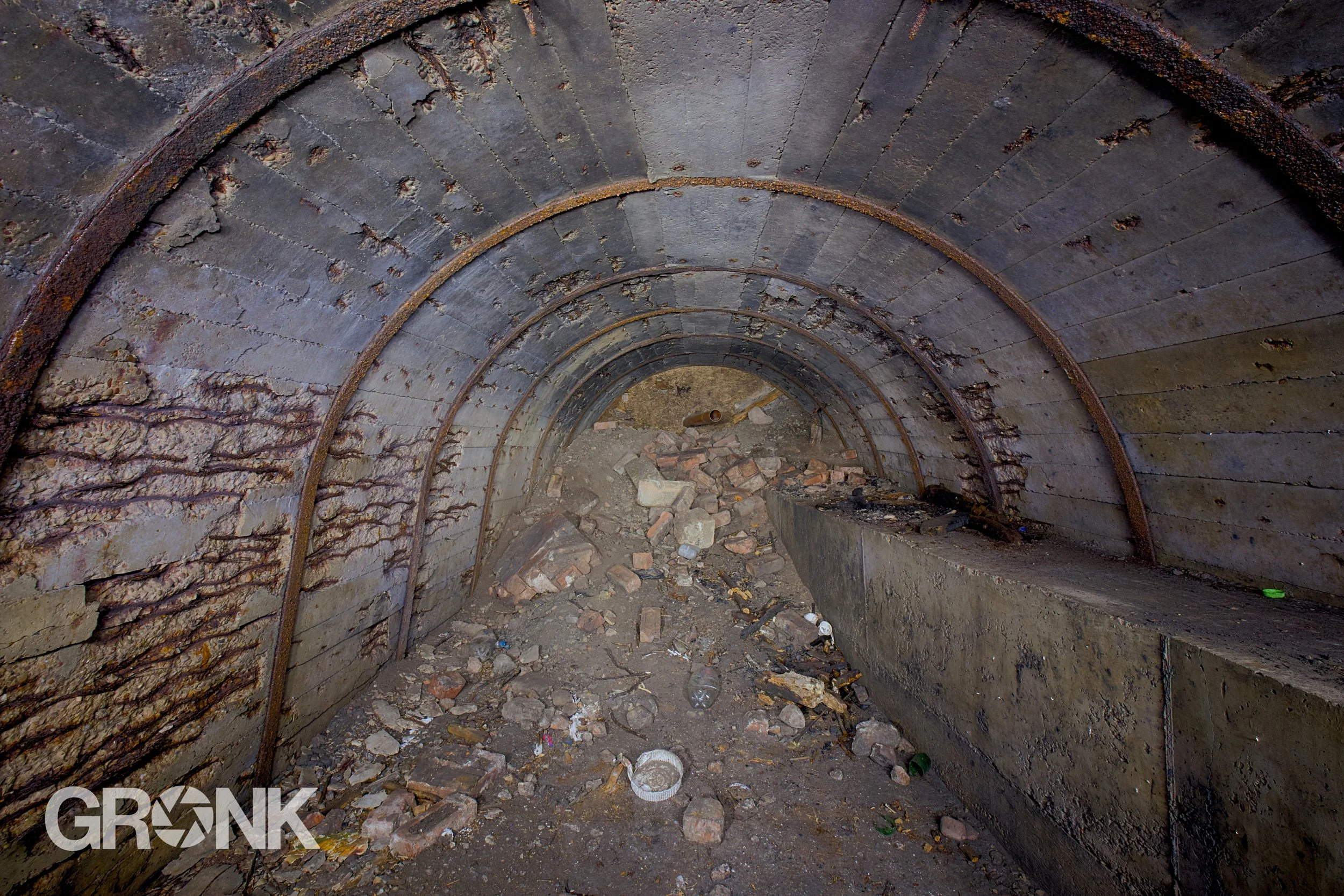
Manton Colliery Tunnel, Worksop
Manton Colliery was established by the Wigan Coal & Iron Company in 1897, on the south-eastern side of Worksop. Coal production began in 1905, with the main workings reaching the Top Hard (Barnsley Main) seam at around 718 yards (656 metres) underground. Over the following decades, Manton became one of the largest collieries in the area, employing thousands of local men and their families.
As the mine developed, further shafts and deeper workings were constructed. By the post-war period, No.4 shaft reached depths of around 900–950 yards, giving access to deeper seams including Parkgate and Flockton. Beneath Manton was therefore an enormous network of underground roadways, workings, ventilation passages and drainage systems.
However, the tunnels associated with the present-day spoil heap are particularly intriguing. Manton was a major water-producing mine, with millions of gallons of water being pumped from underground every day. The colliery had extensive pumping and drainage infrastructure, including underground reservoirs and channels. Water was even supplied to Worksop's waterworks from the colliery from 1909.
Some of the tunnels and passages remembered locally may therefore have been drainage channels, culverts, ventilation structures or other surface infrastructure rather than conventional coal workings. As the spoil heaps grew, earlier industrial features could also have been buried beneath them.
Manton Colliery finally closed in February 1994. The spoil heaps were subsequently restored, and in 1997 the area became what is now known as Manton Pit Wood.
Although much of the original colliery has disappeared, historical maps, abandonment plans, aerial photographs and miners' oral histories could potentially reveal exactly what lies beneath the modern woodland. In particular, the records of Manton's extensive drainage and water-management system may explain some of the mysterious tunnels associated with the old spoil heap.
The history of Manton is therefore not simply the story of a deep coal mine: beneath today's woodland lies a hidden industrial landscape of shafts, workings, drains, tunnels and buried structures.