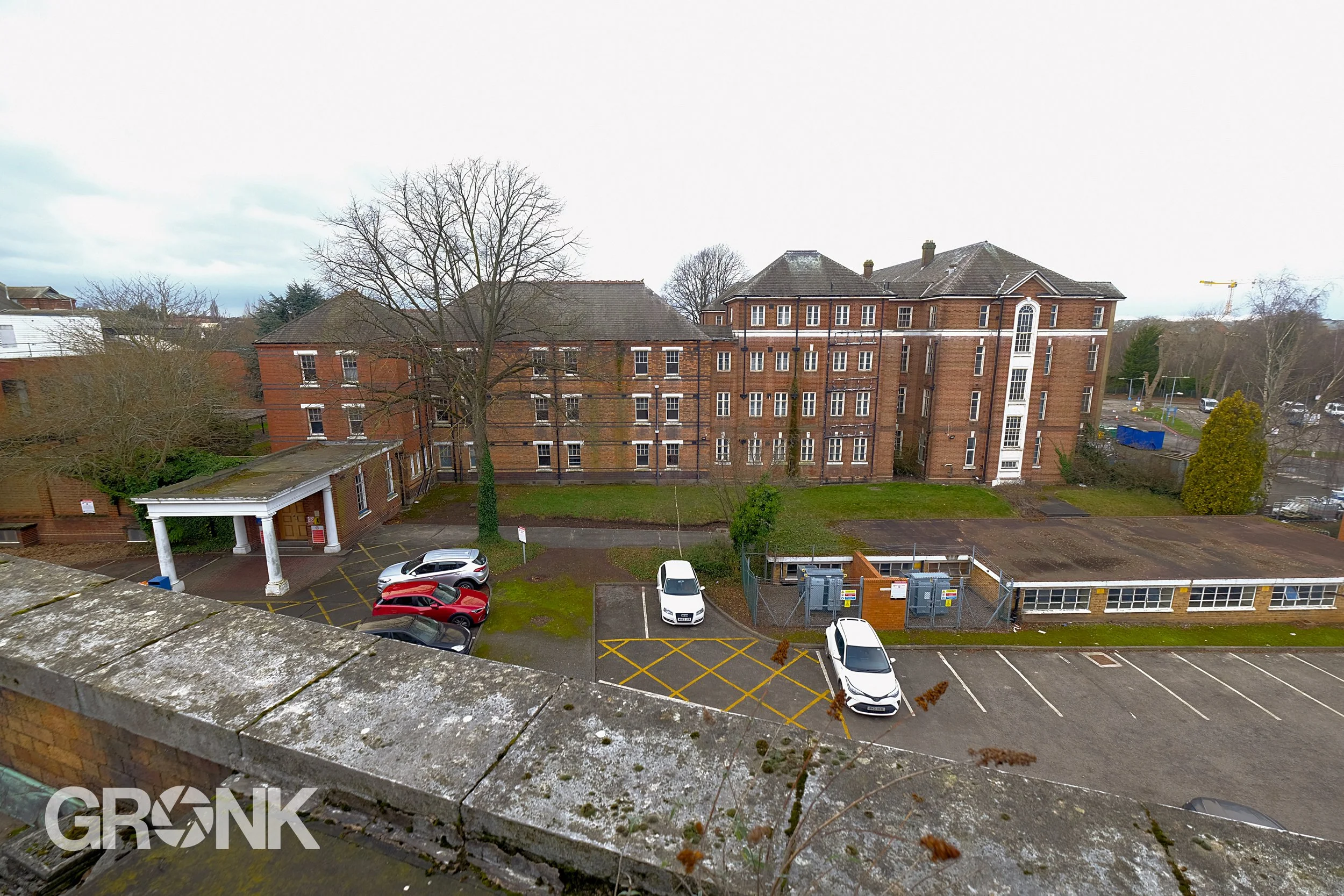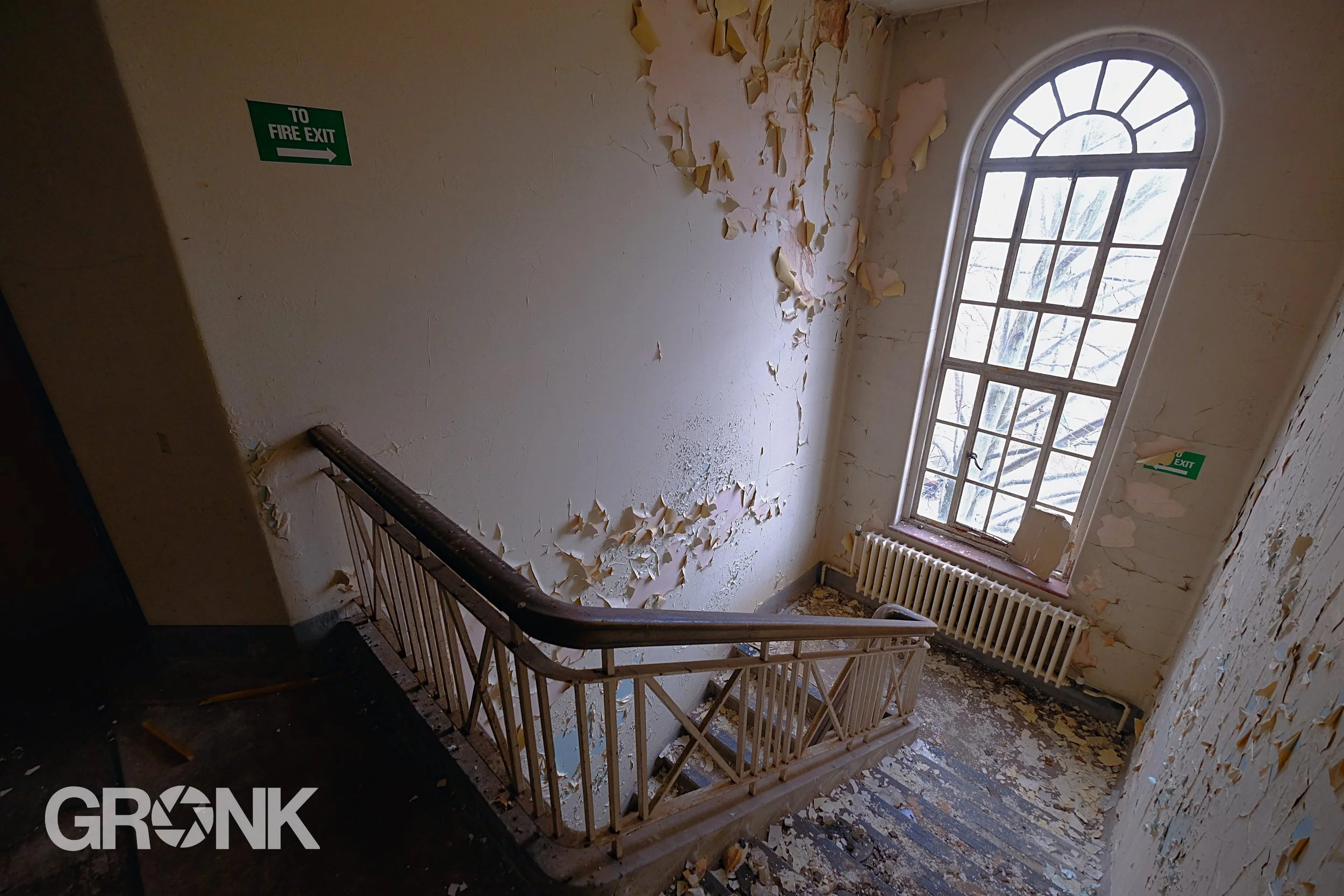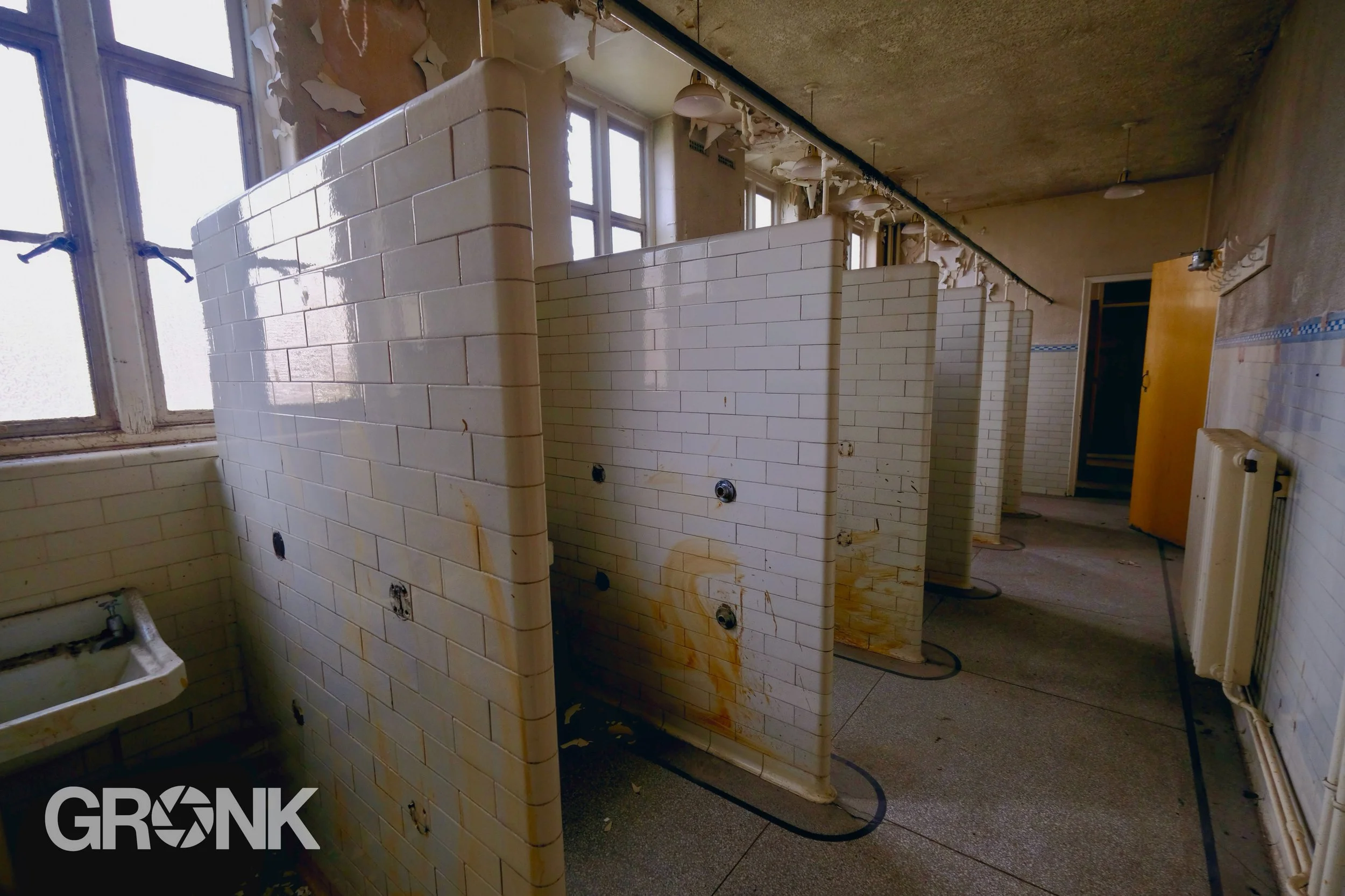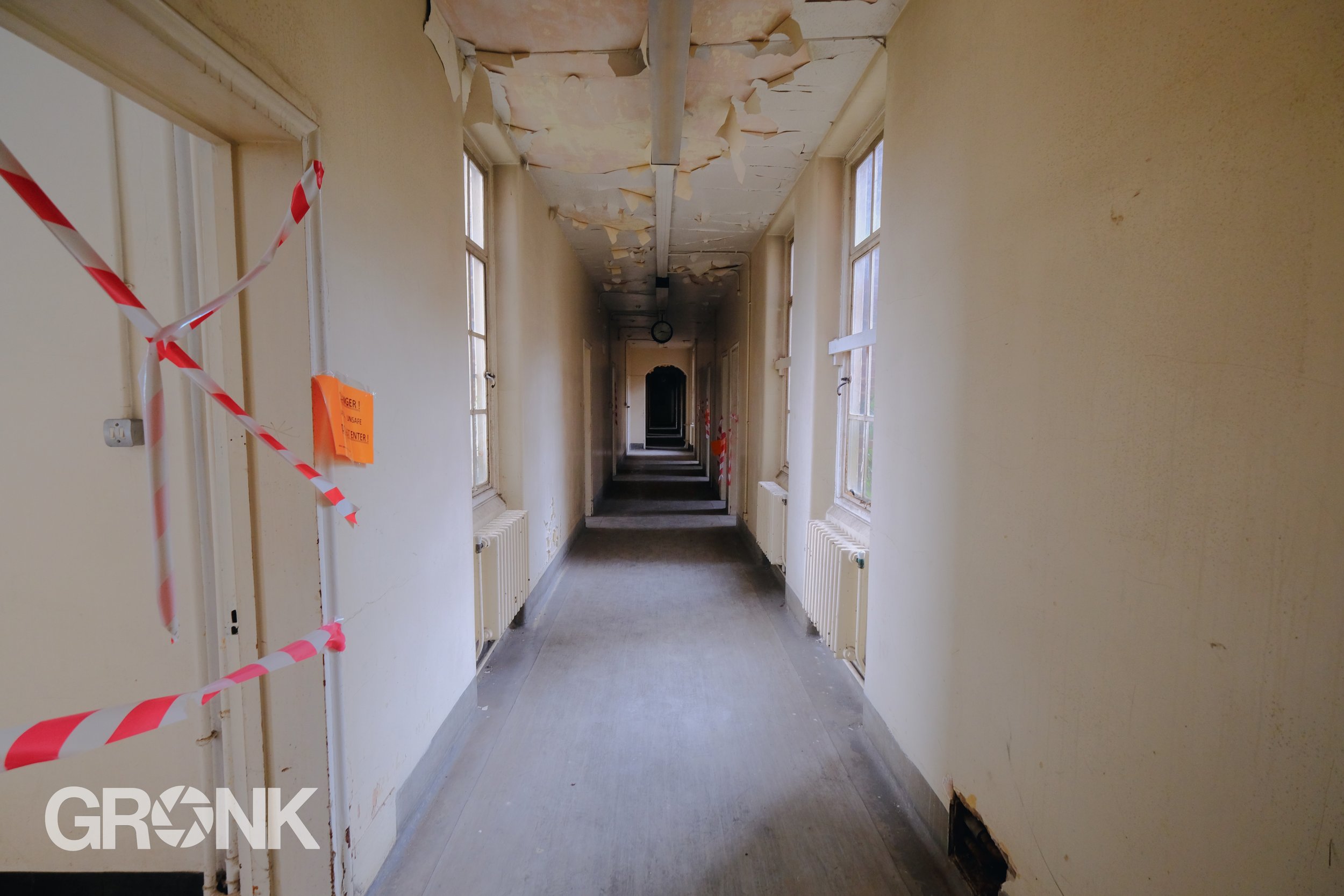
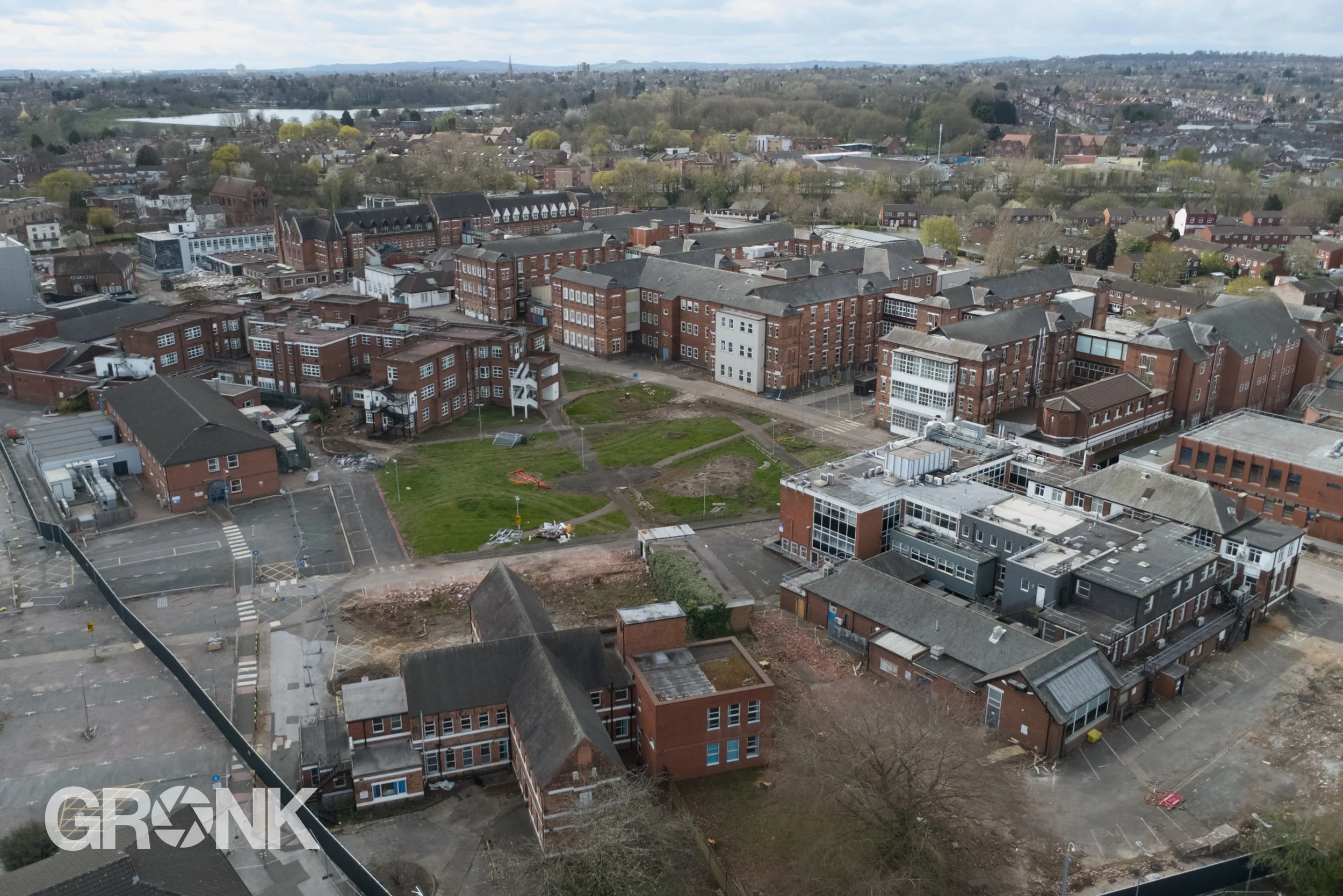
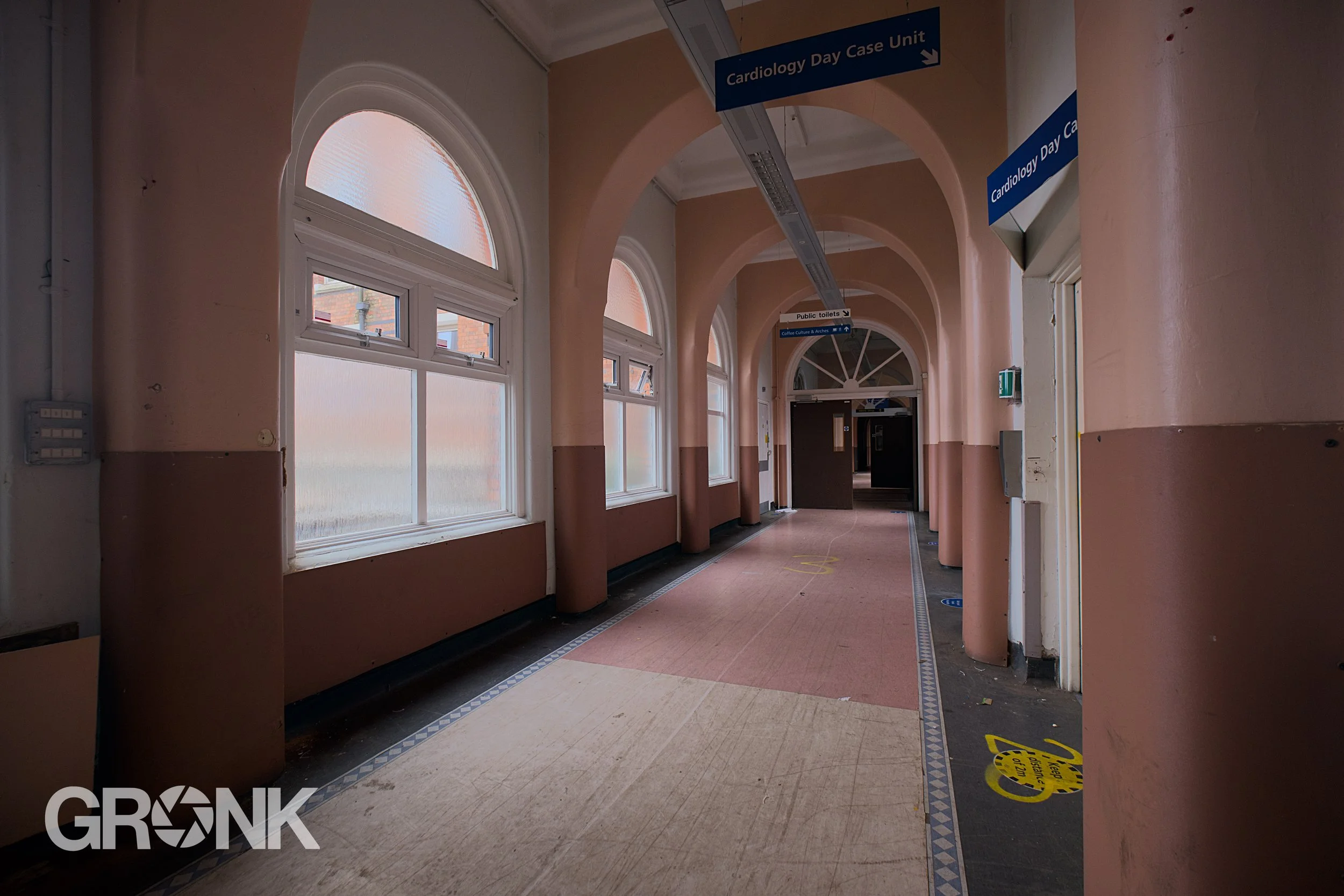
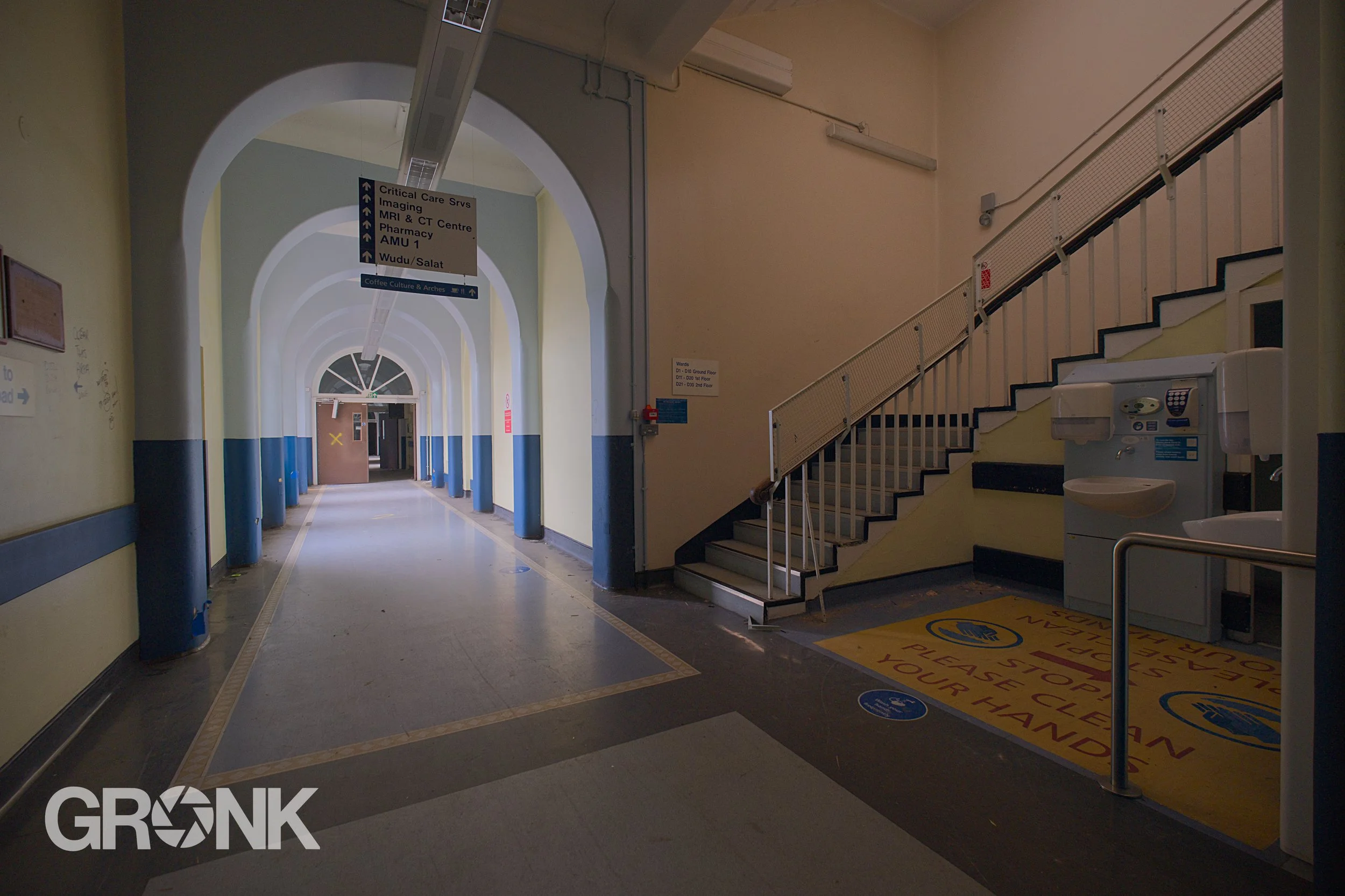
City Hospital Birmingham has a history spanning more than 130 years, reflecting the evolution of healthcare in the city. It opened in 1889 as the Birmingham Union Infirmary, part of a workhouse system designed to provide medical care for the poor. Its layout followed ideas promoted by Florence Nightingale, featuring long corridors and well-ventilated wards to improve hygiene and recovery.
In the early 20th century, the hospital was renamed Dudley Road Infirmary and later Dudley Road Hospital. During this period, it became known for improving nursing standards under its first matron, Anne Campbell Gibson, and for the work of surgeon Hamilton Bailey, whose textbooks used clinical photographs taken there.
With the creation of the NHS in 1948, the hospital became a key part of Birmingham’s public healthcare system. It expanded significantly, developing specialist services and growing into a major teaching hospital serving a large and diverse population. Over the following decades, new facilities were added, including modern wards and treatment centres, helping it remain an important medical hub.
A major development came in 2005 with the opening of a new treatment centre, improving outpatient and surgical services. Despite these upgrades, much of the original Victorian infrastructure remained in use into the 21st century.
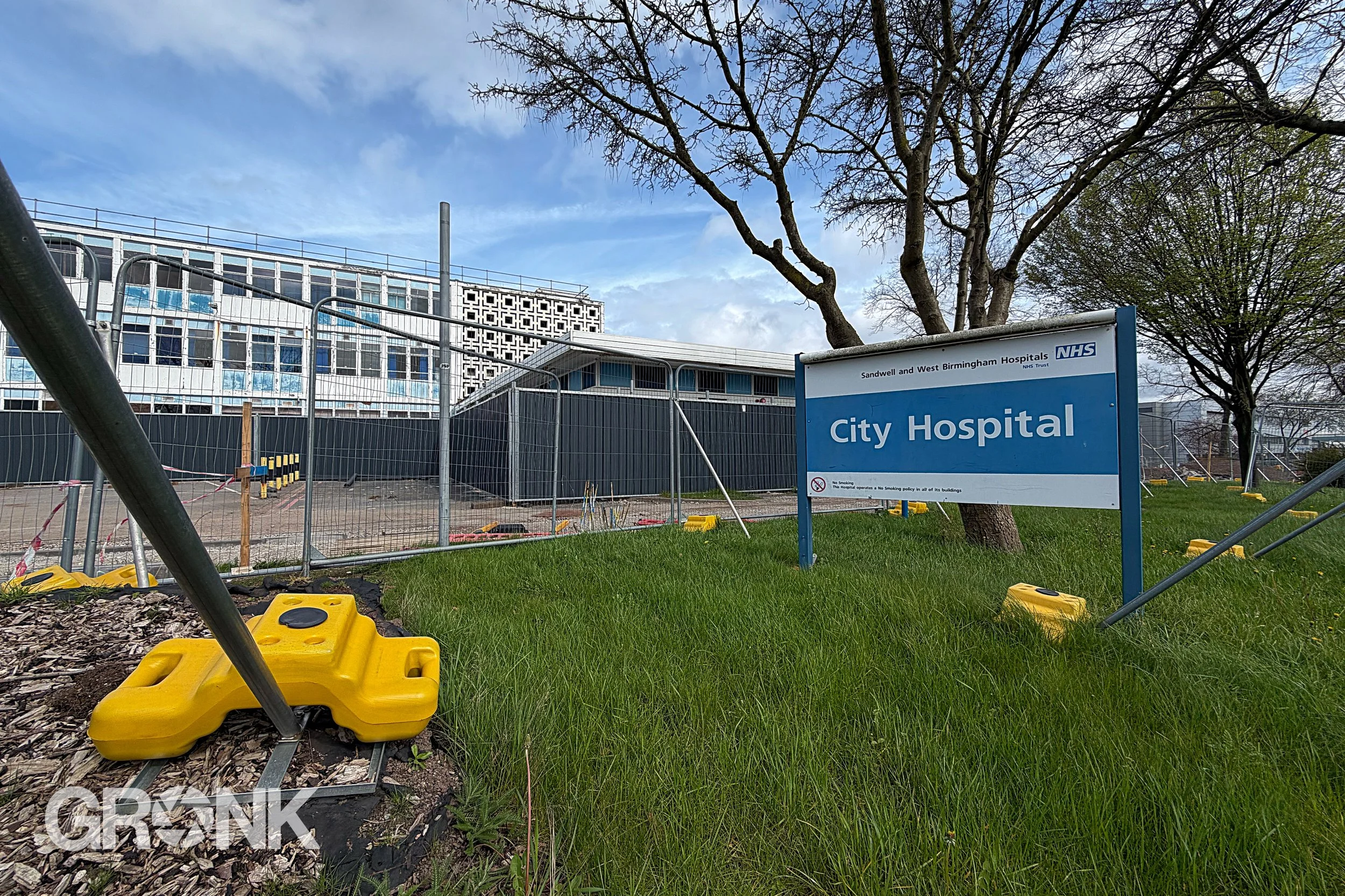
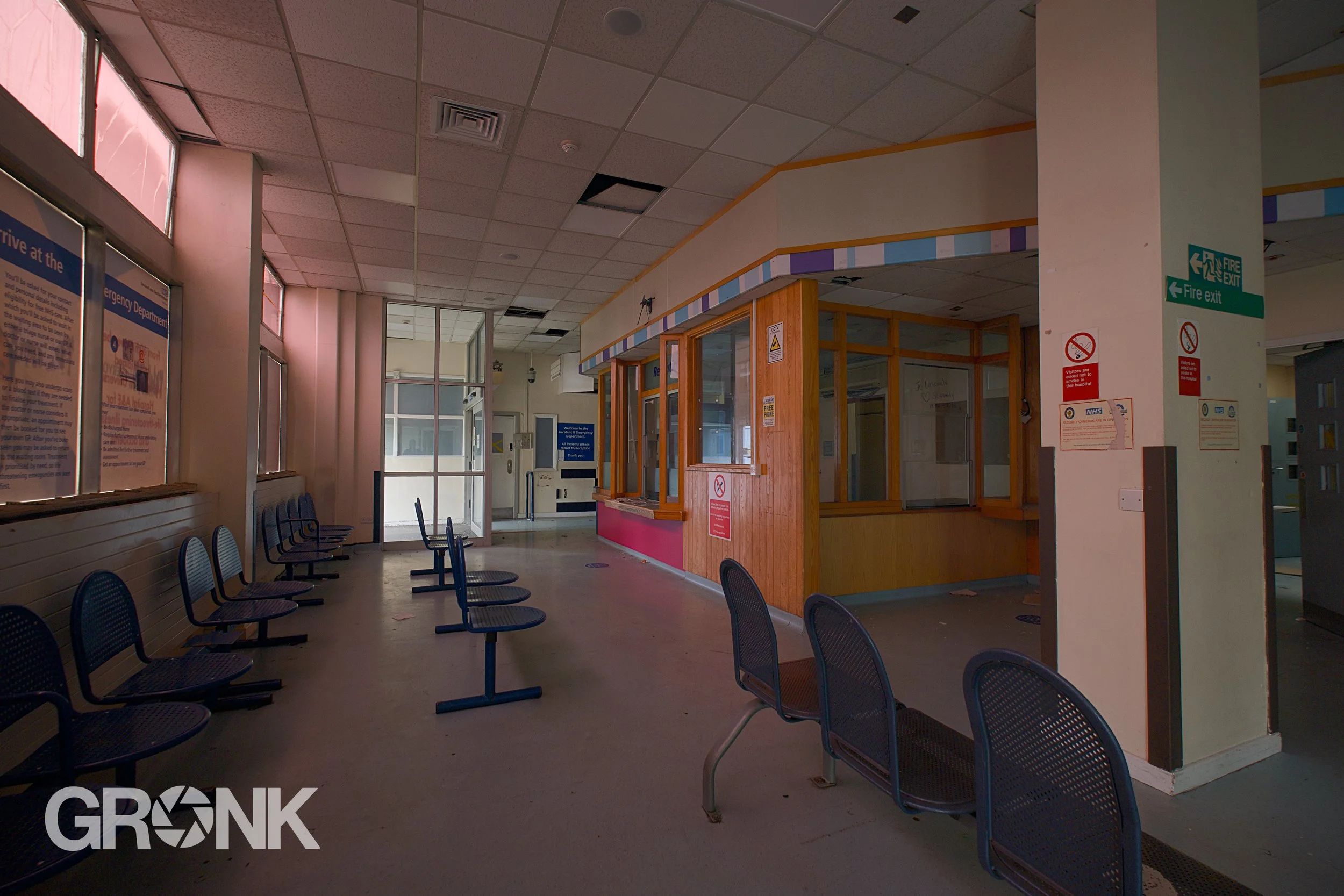
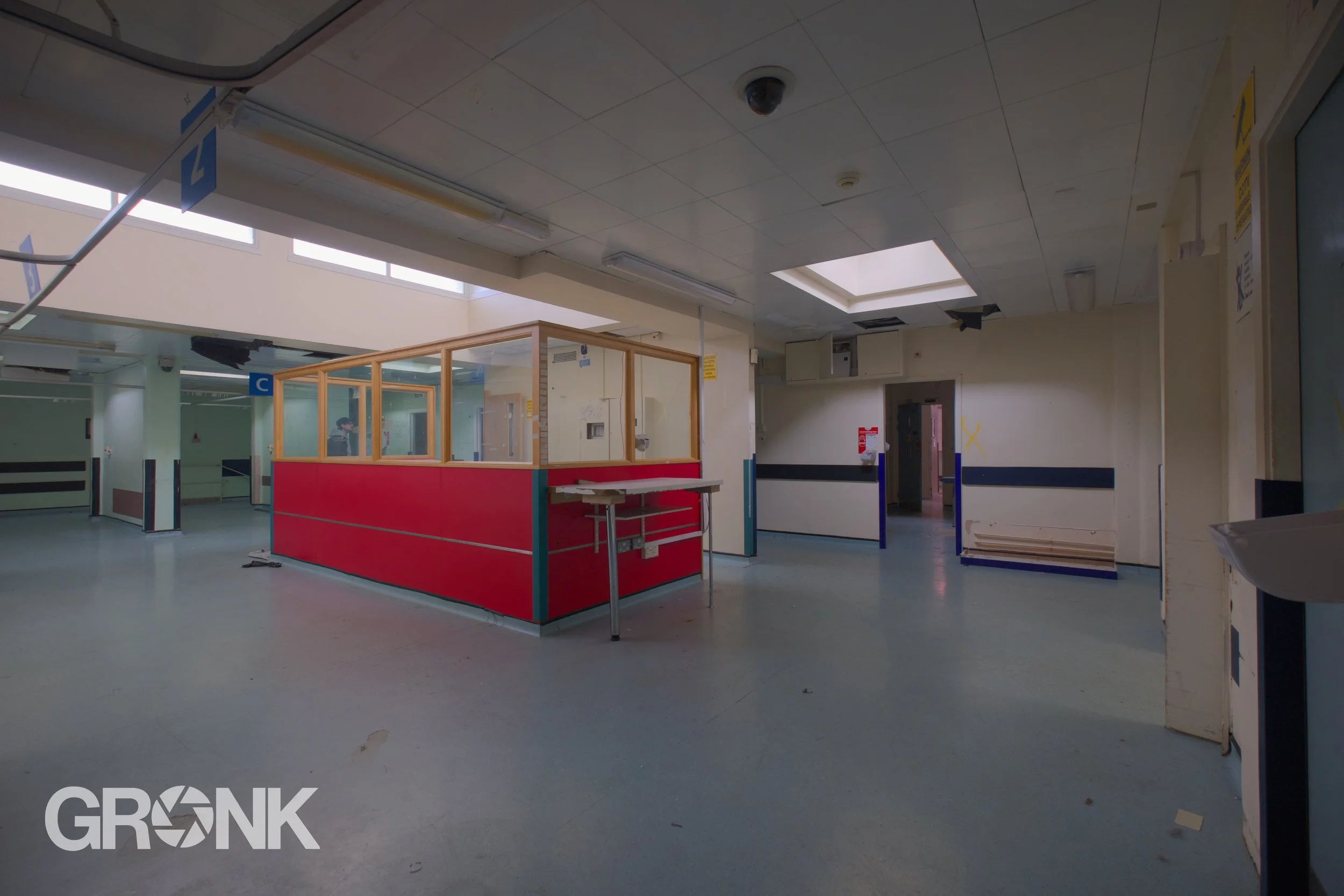
In November 2024, inpatient and emergency services at City Hospital closed, with operations transferred to the new Midland Metropolitan University Hospital. This marked the end of its role as a full-service hospital. Today, parts of the site continue as a health campus offering outpatient care, while many historic buildings are being preserved and redeveloped, ensuring the hospital’s legacy continues in a new form.
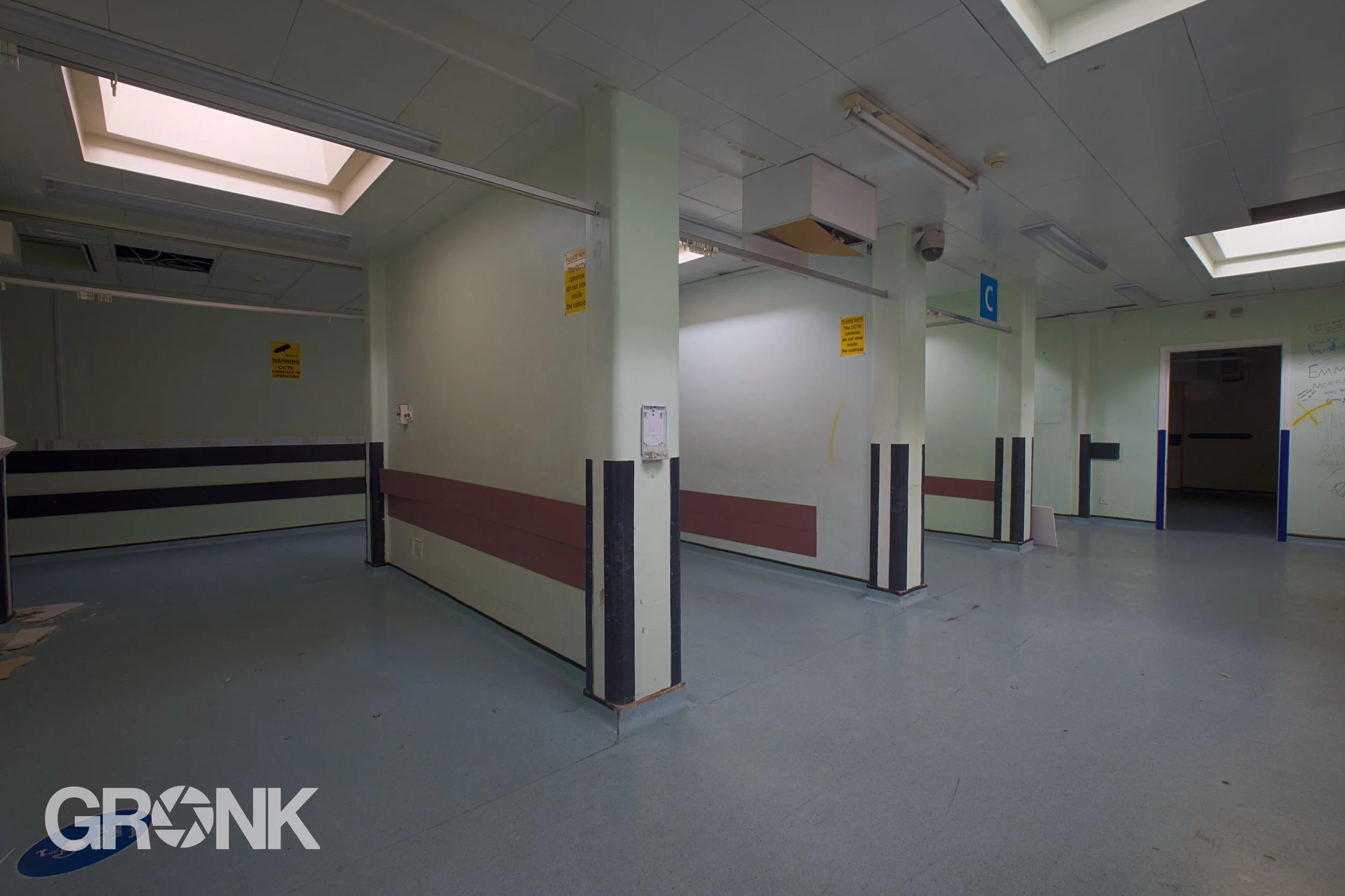
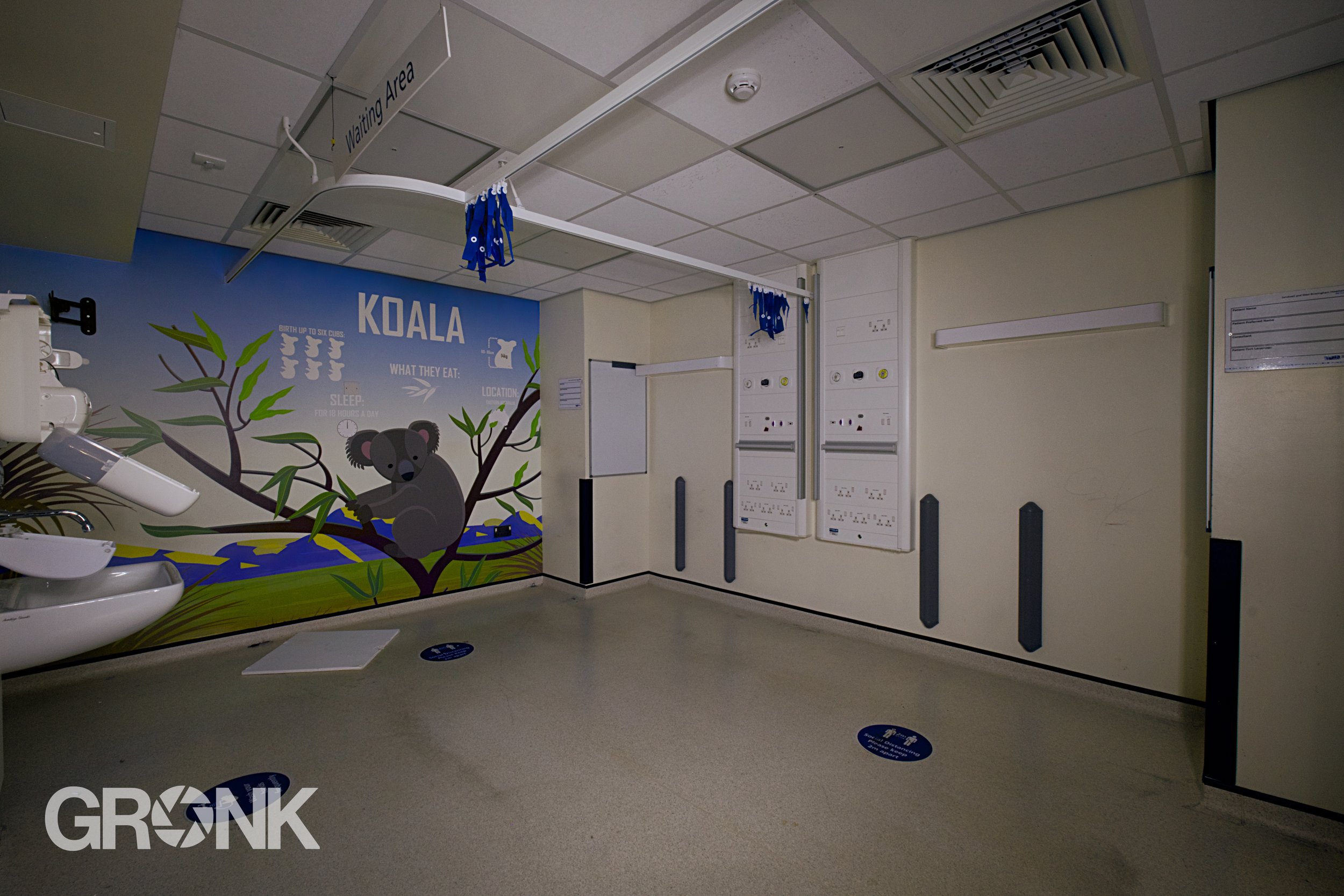
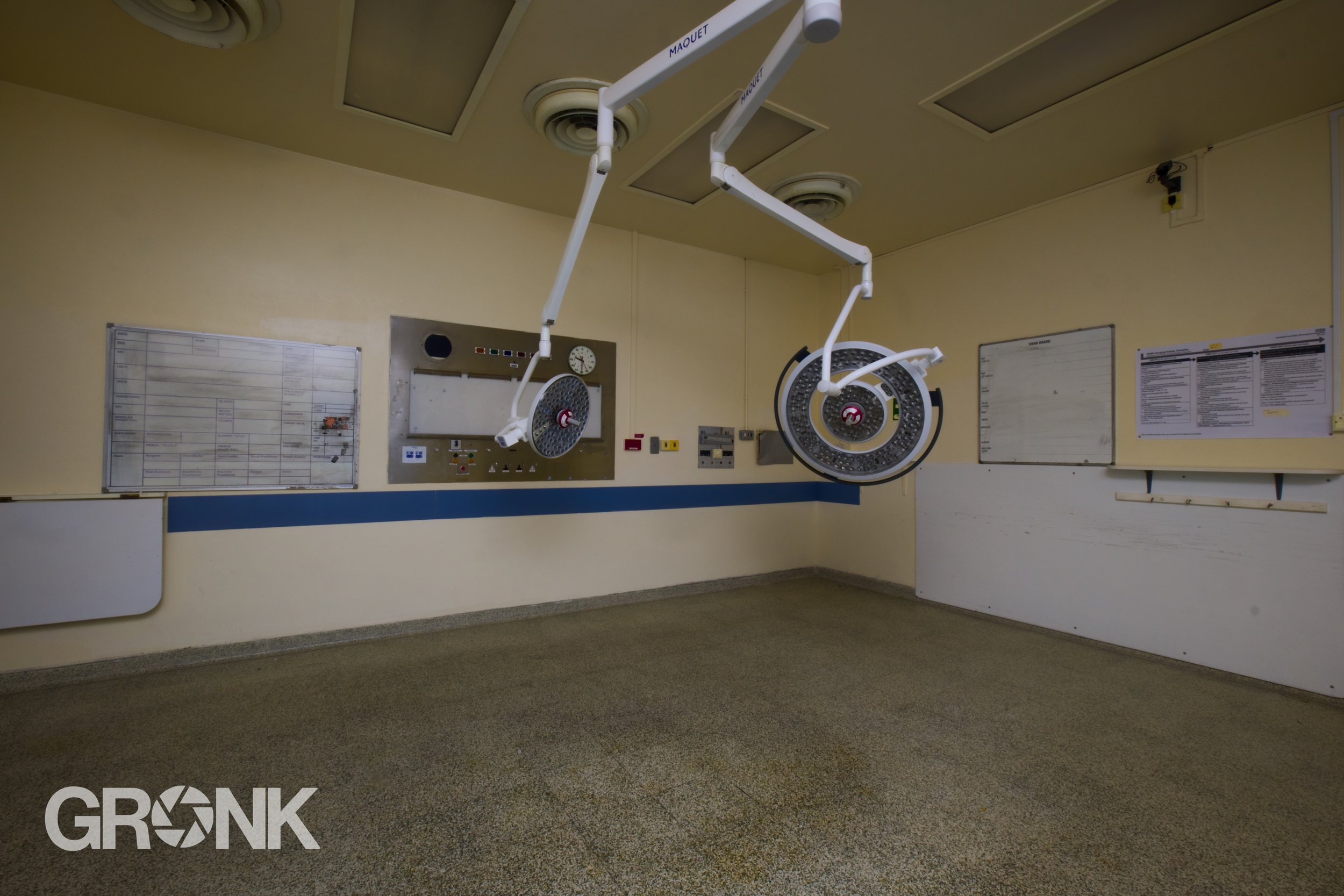
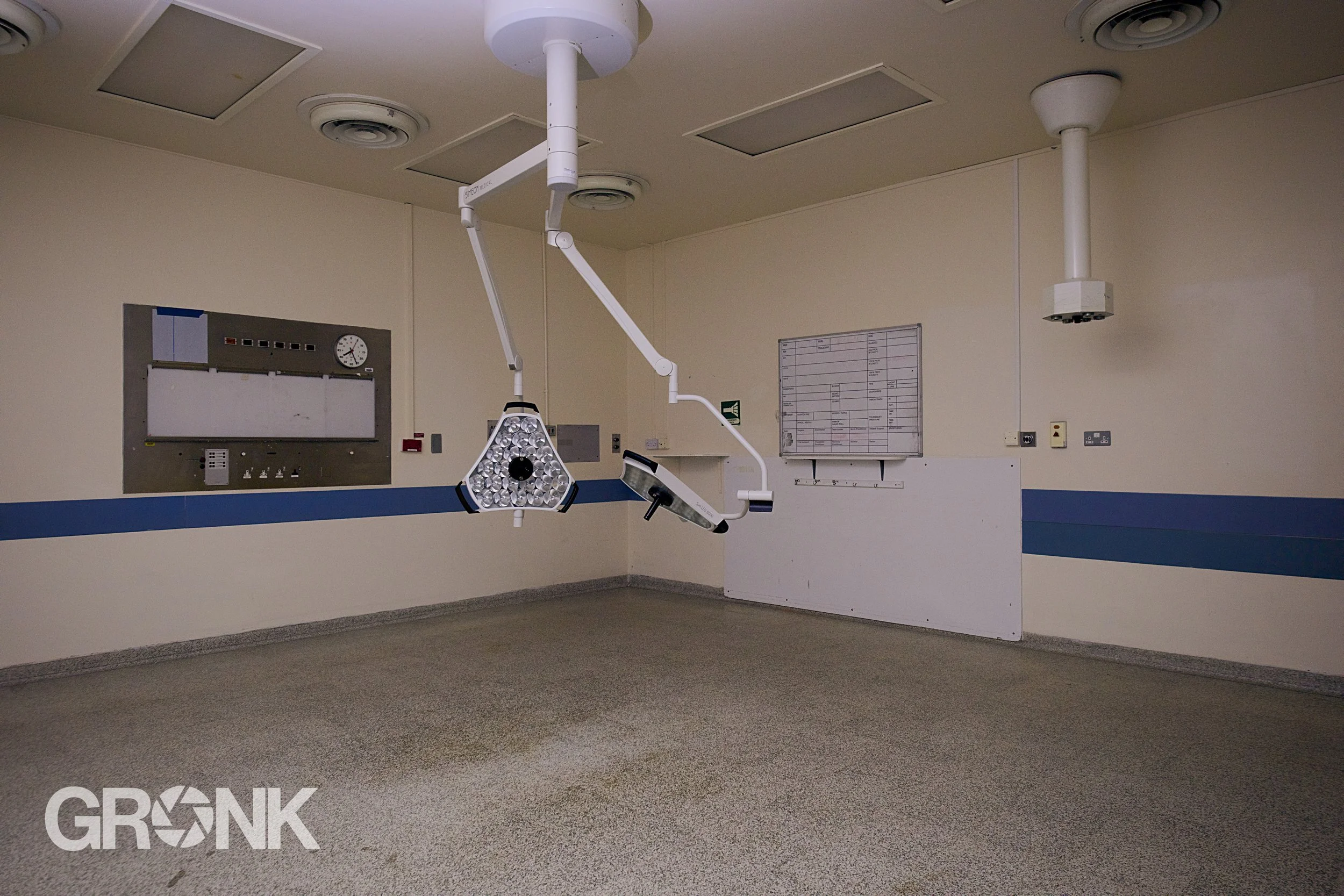
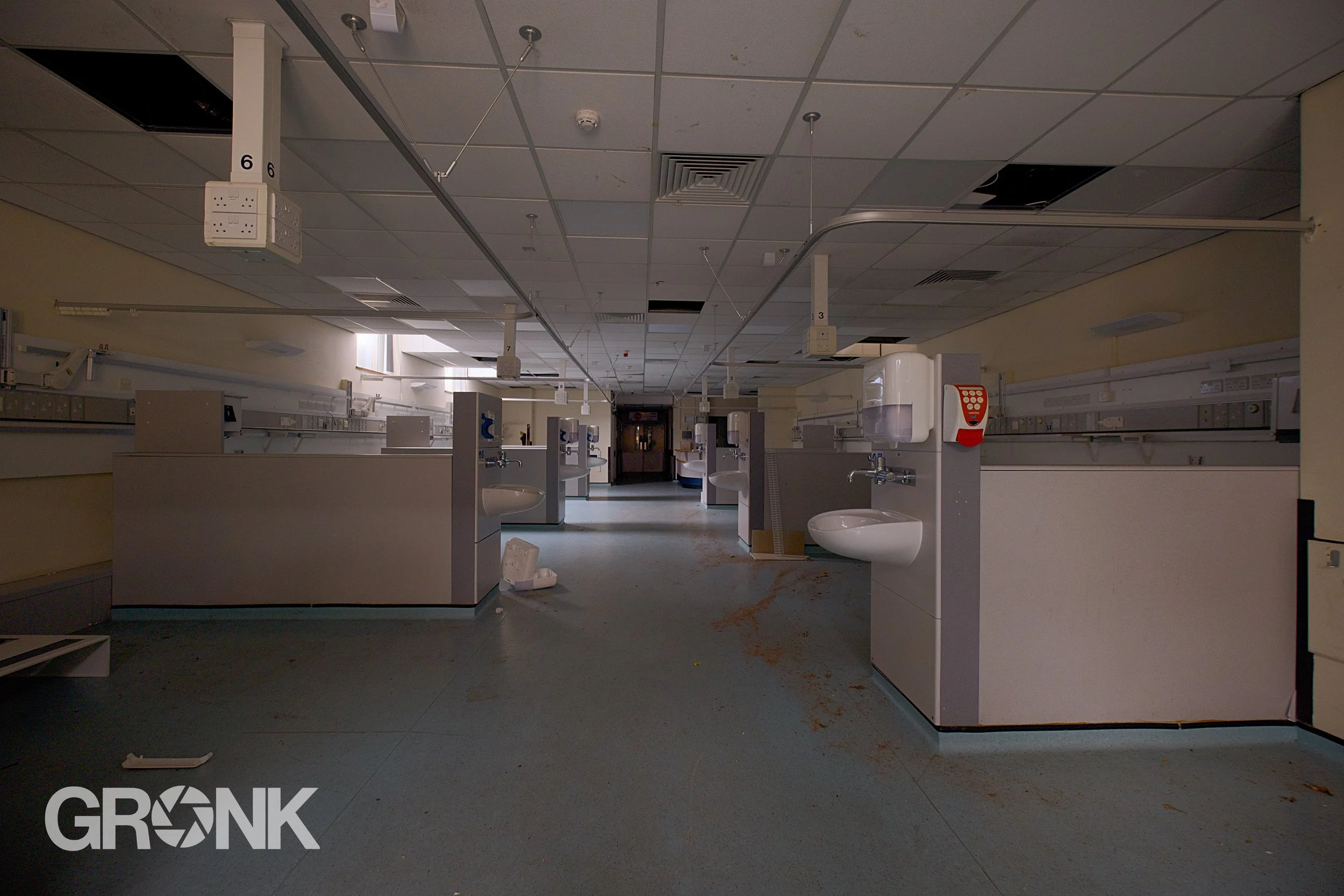
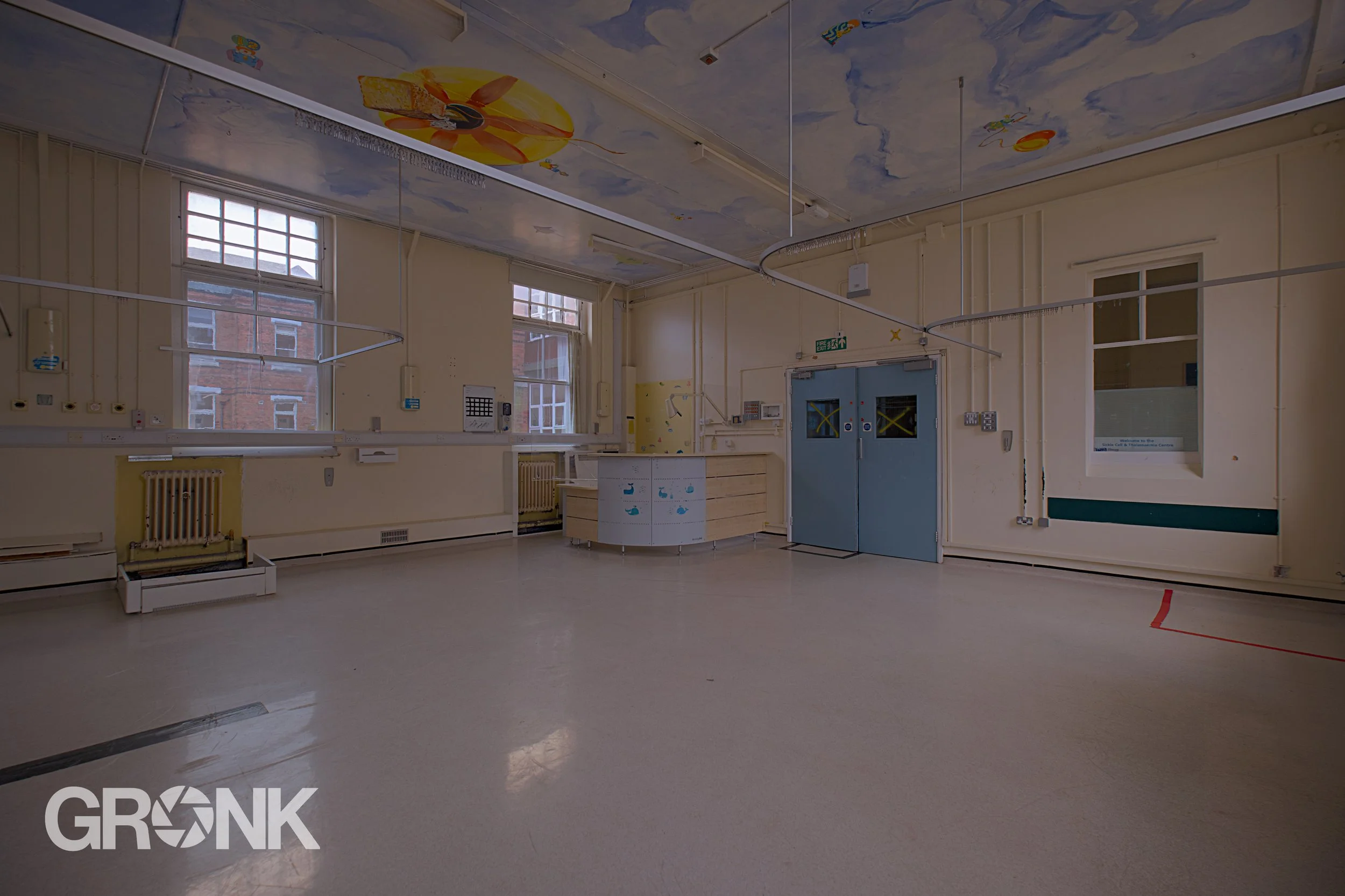
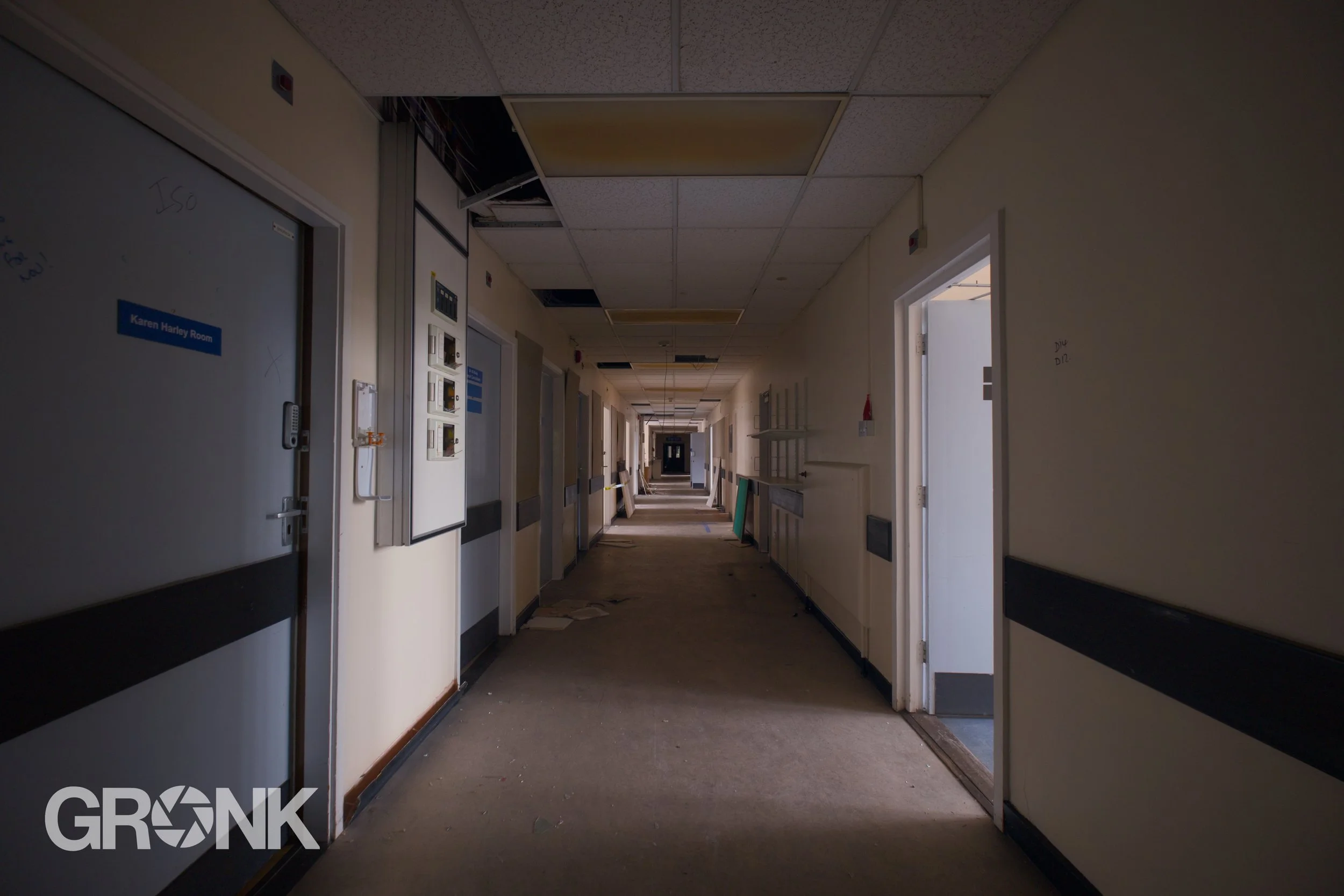
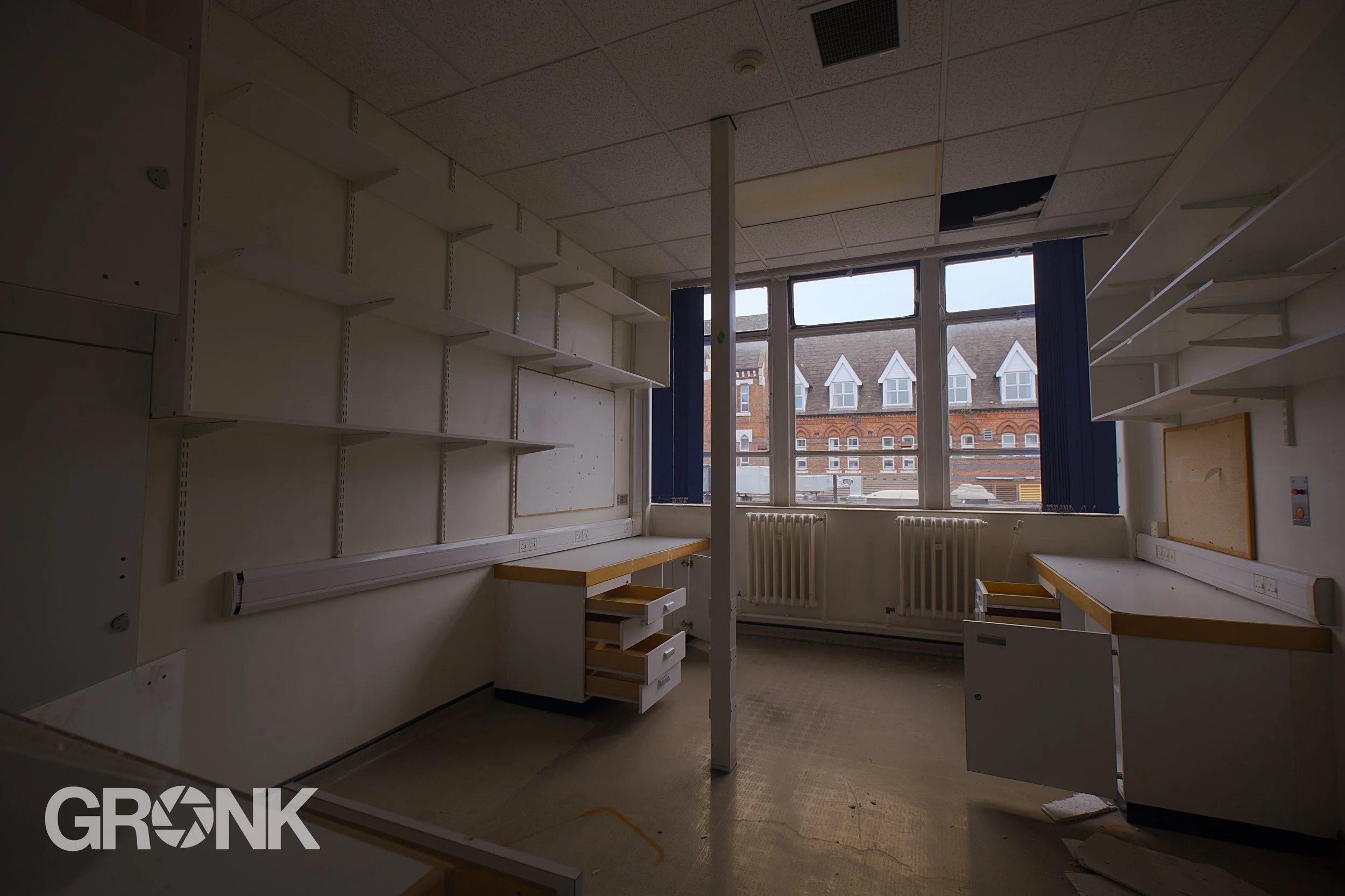
Main Hospital Building (2026)










Sisters Accommodation (2024)
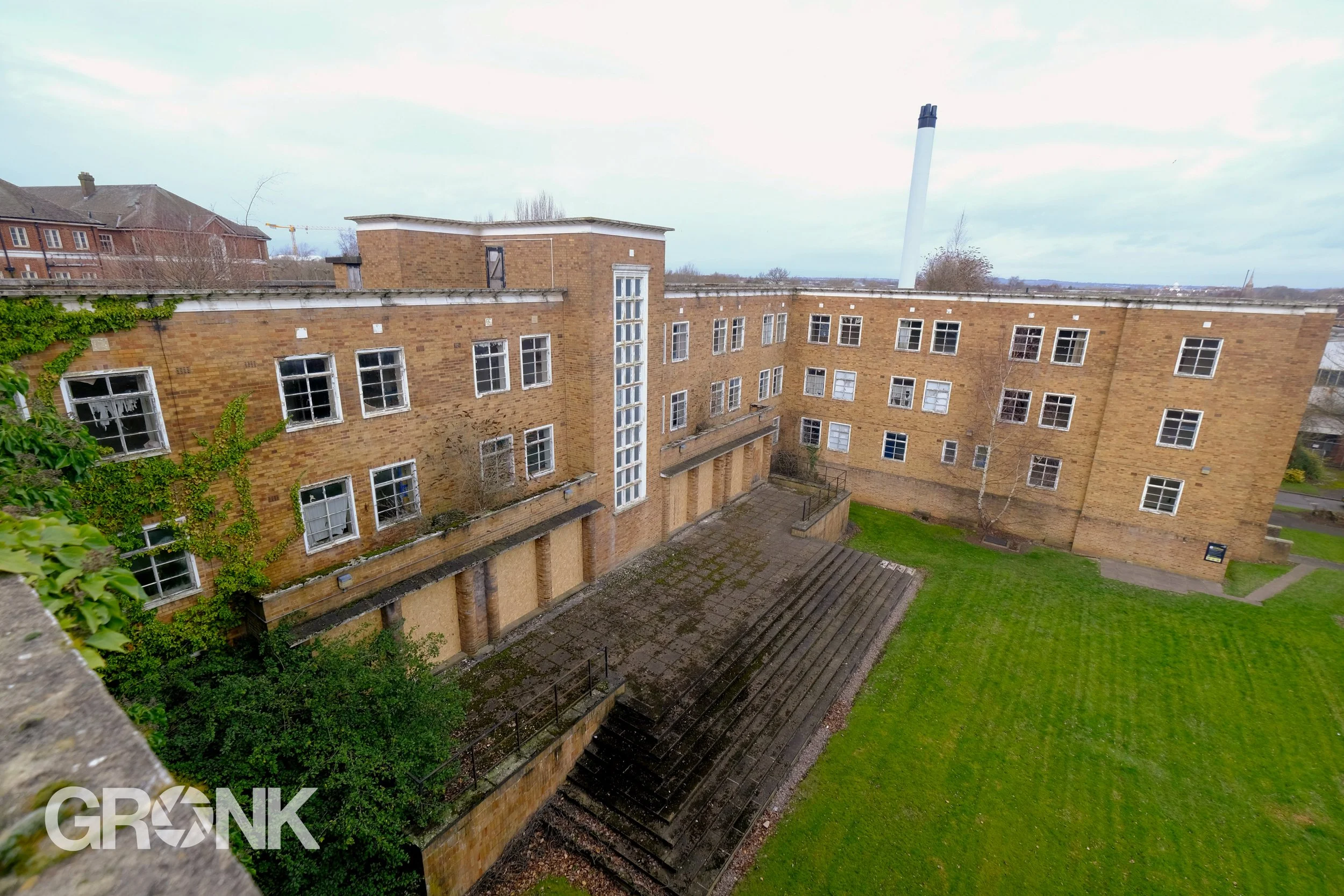





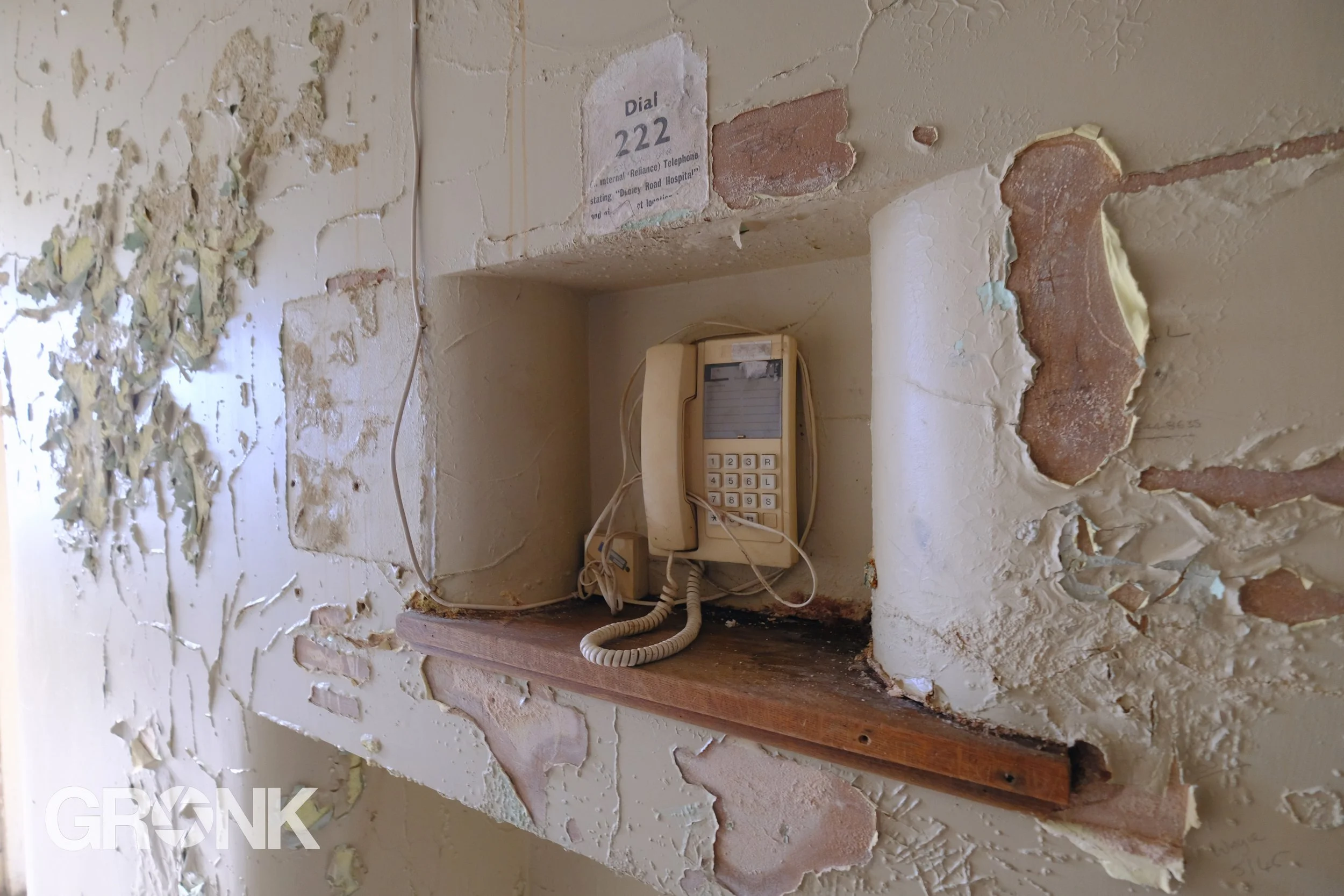

Nurses Accommodation (2024)