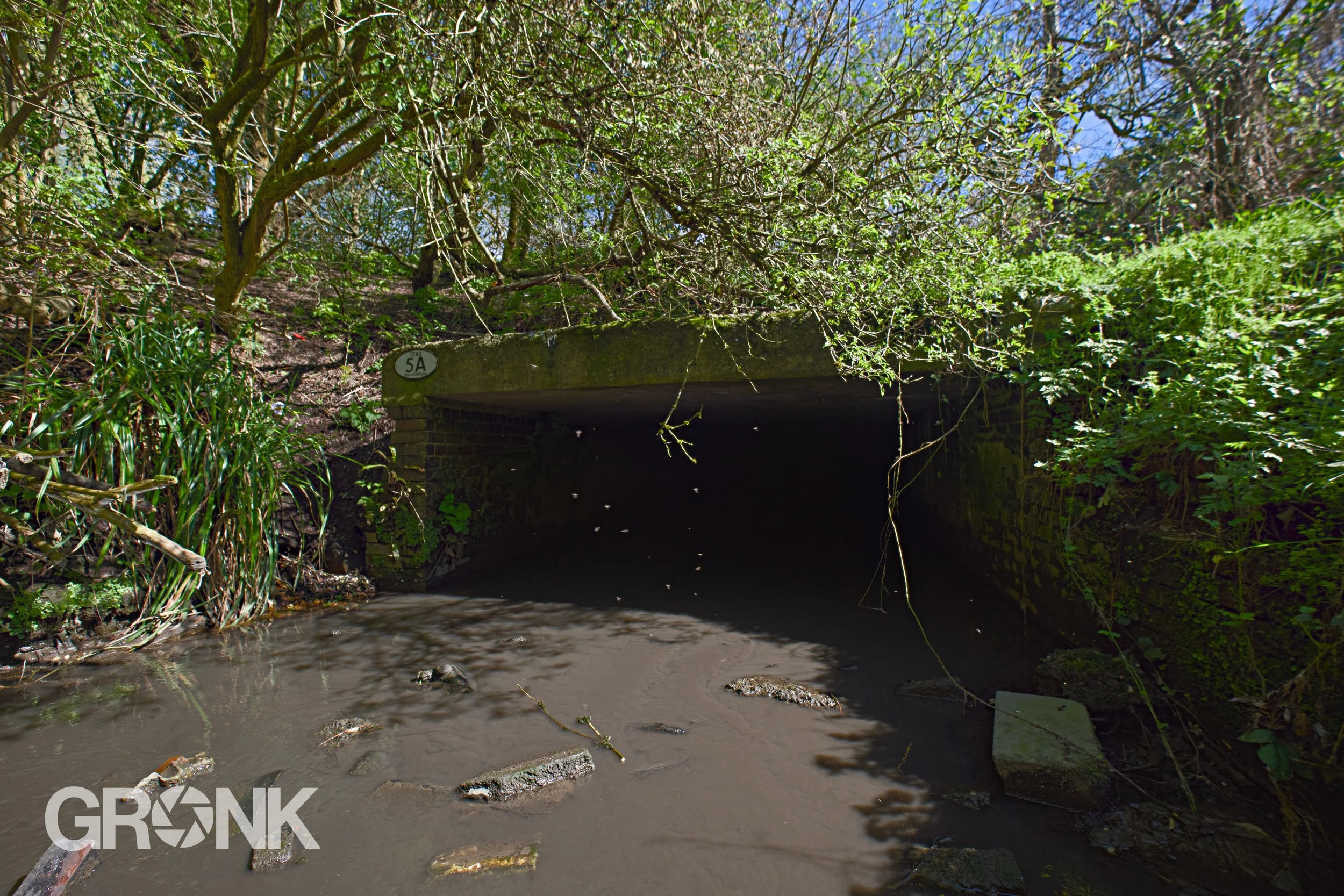
Sidedraft, Manchester
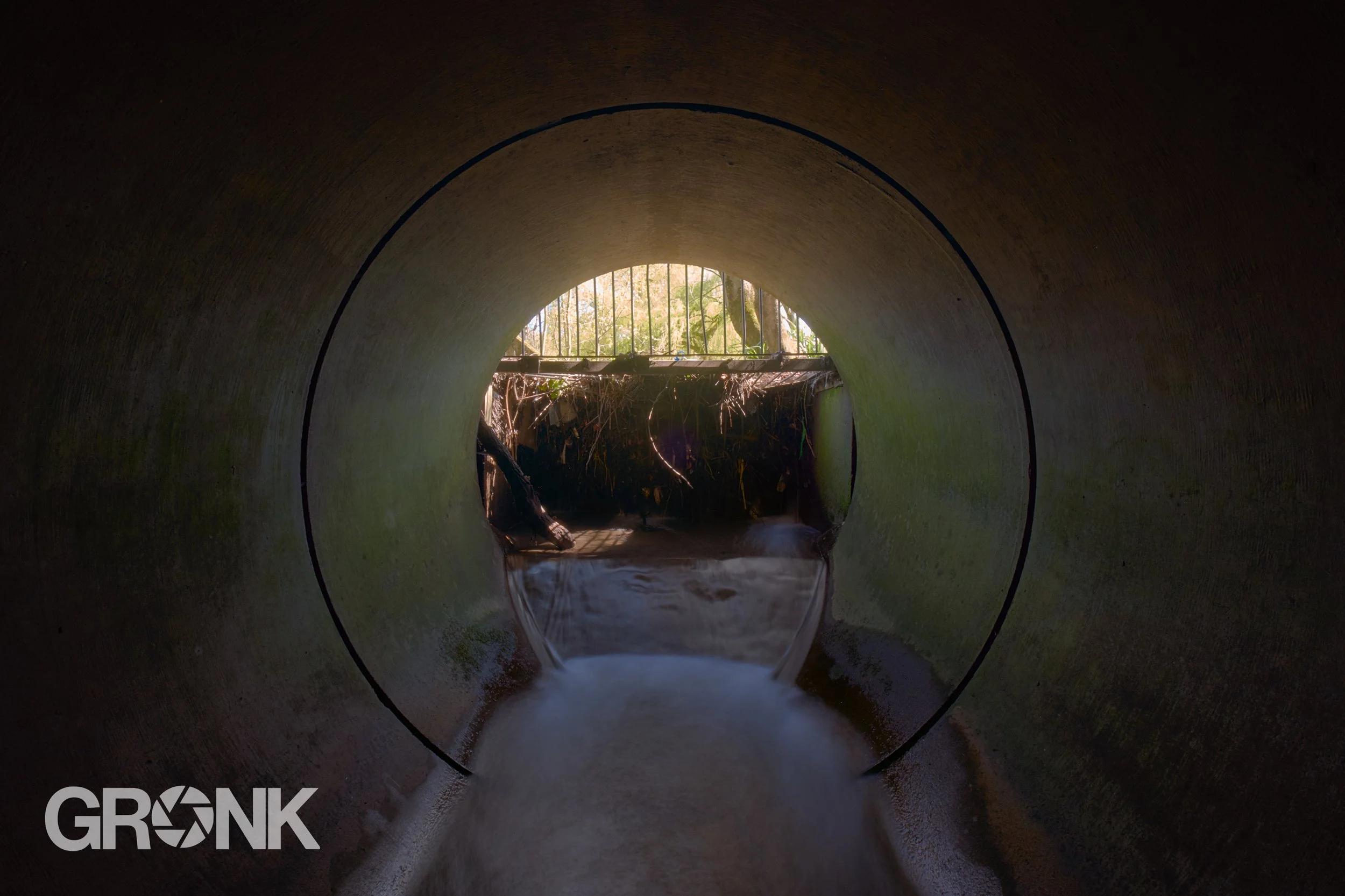
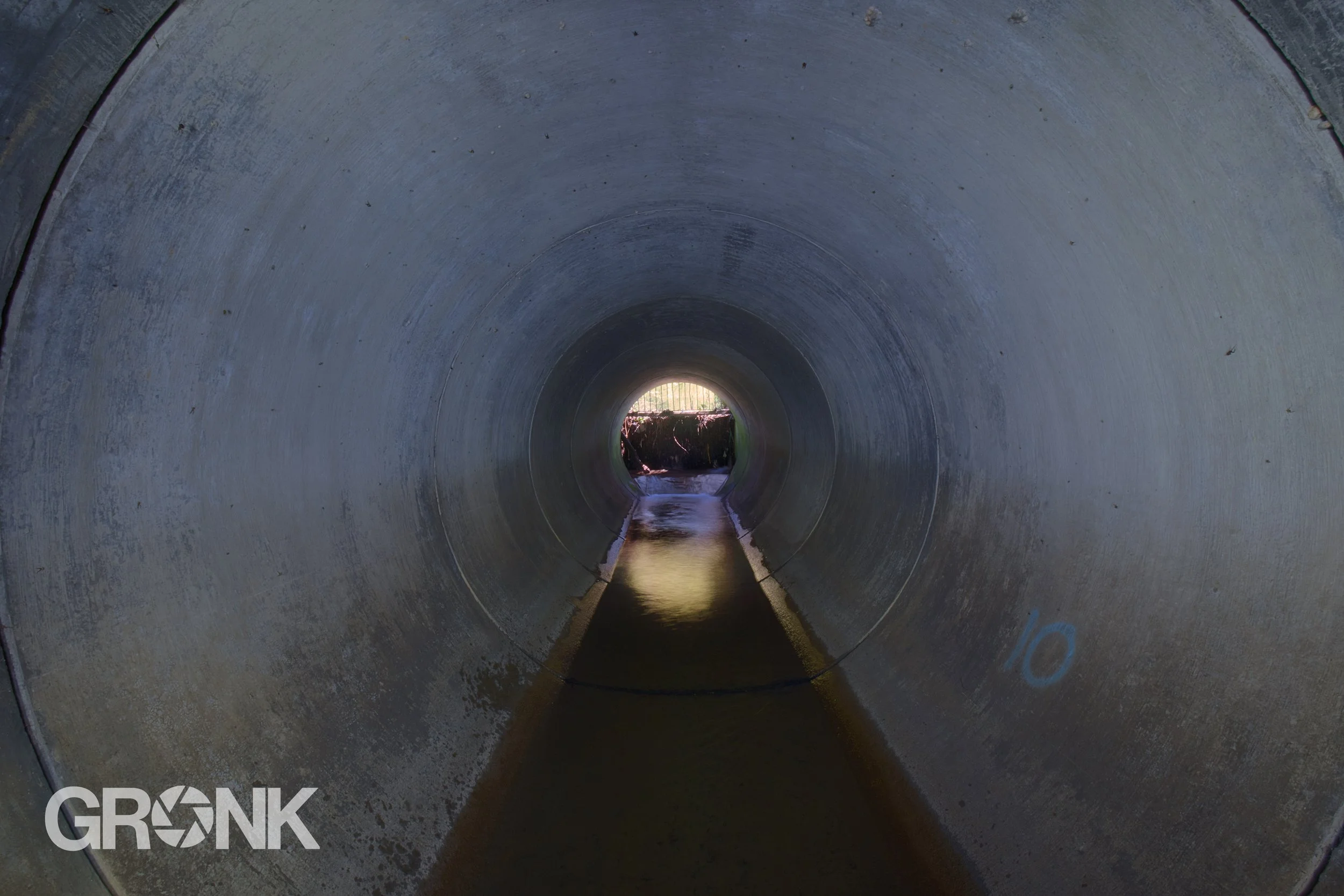
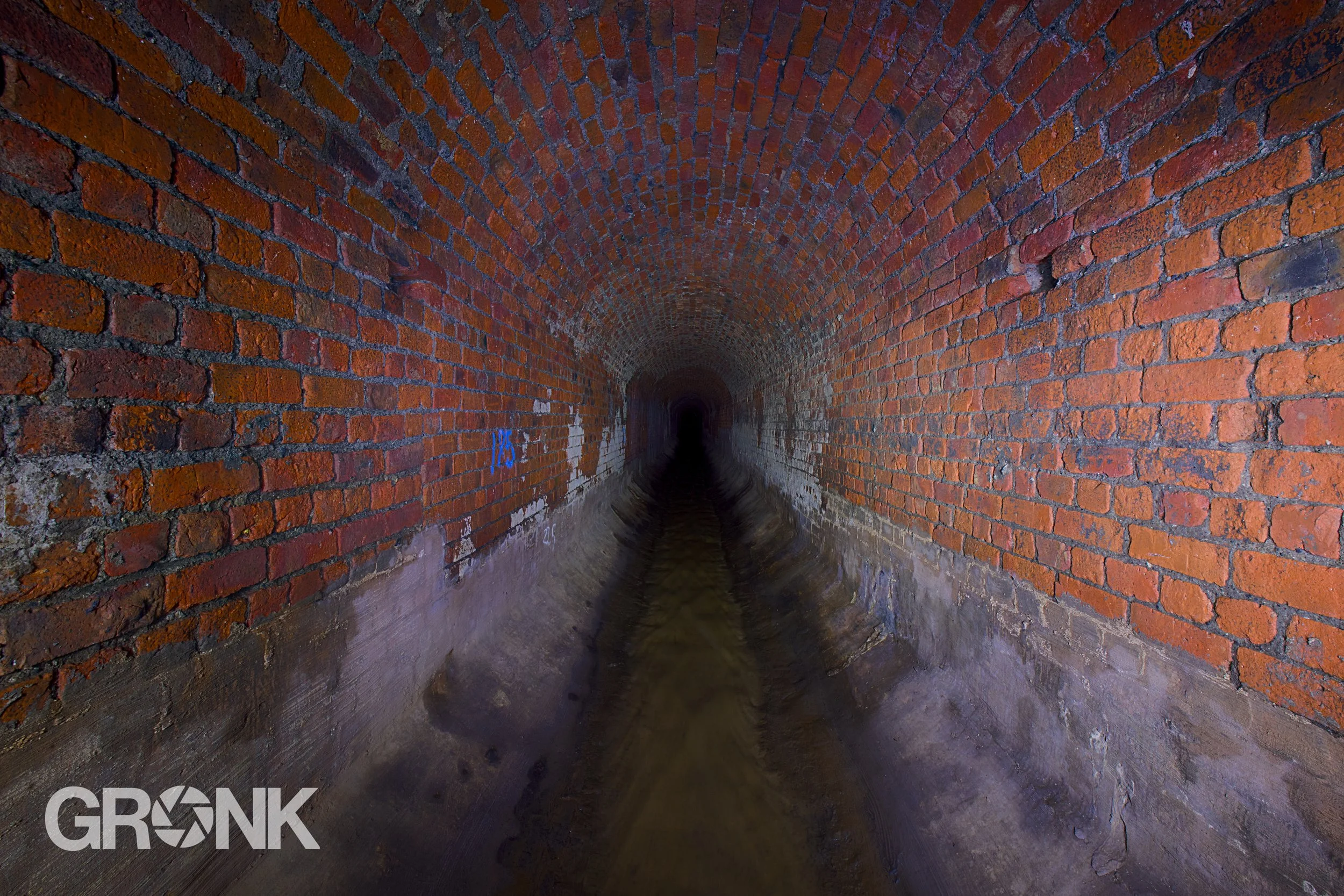
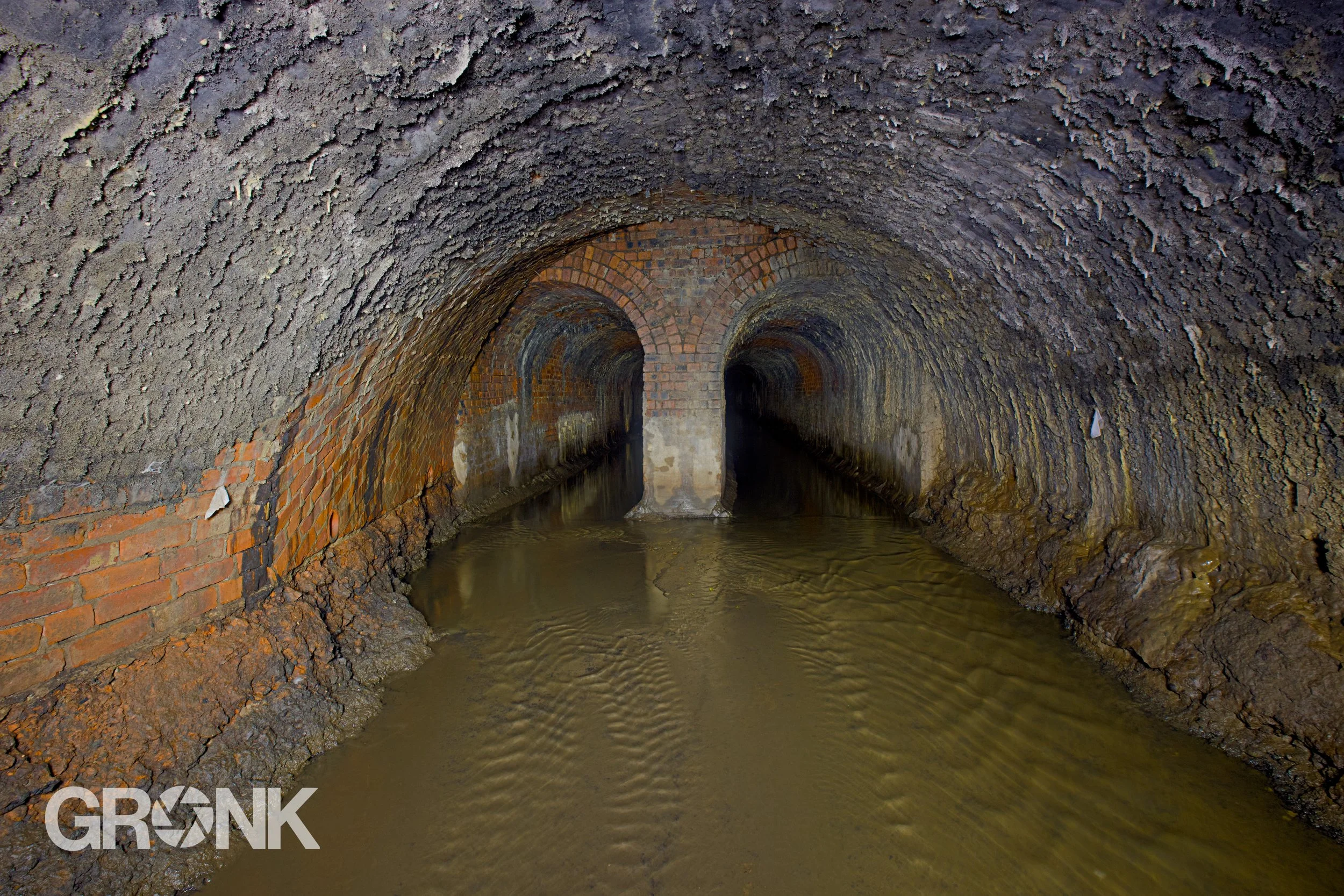
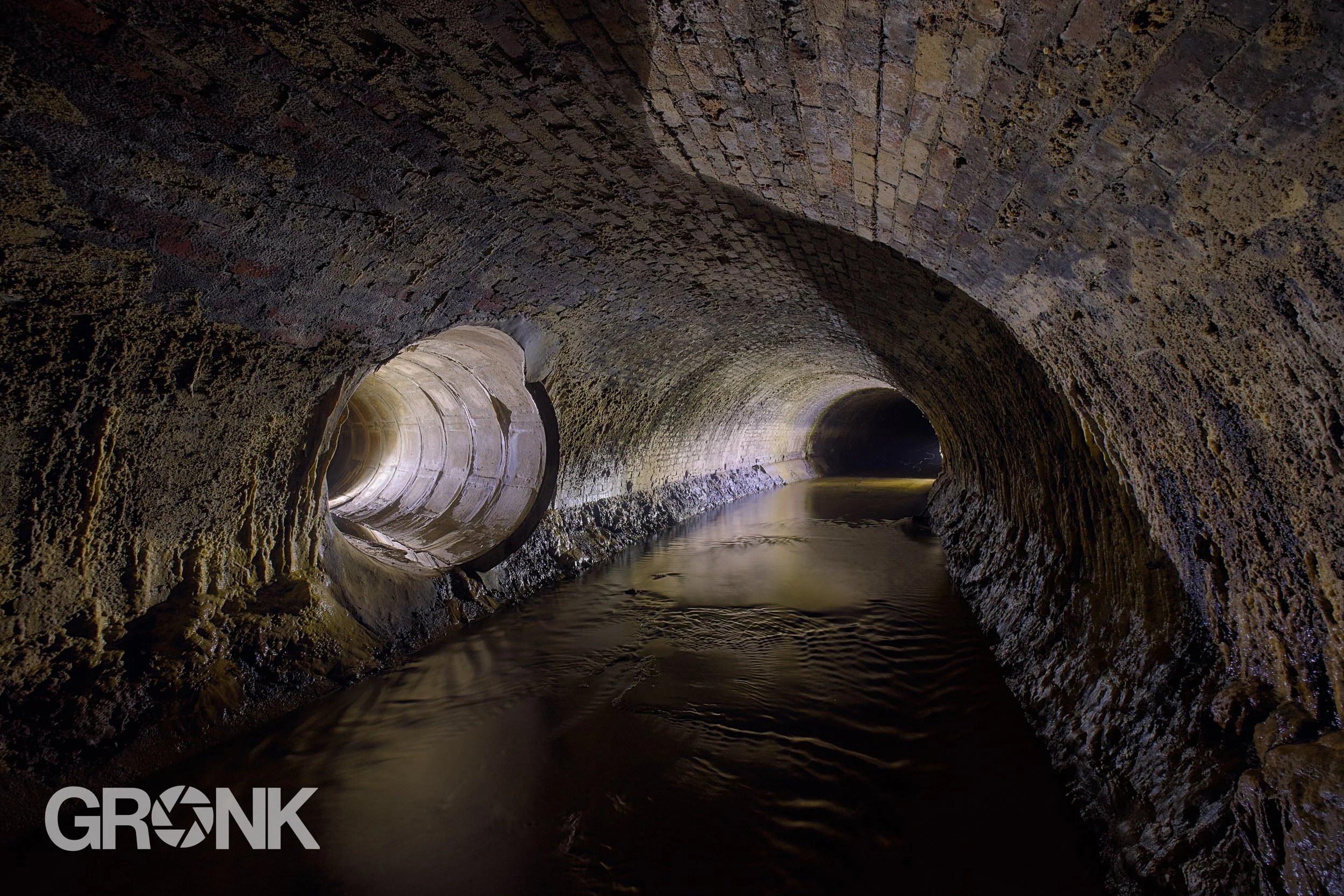
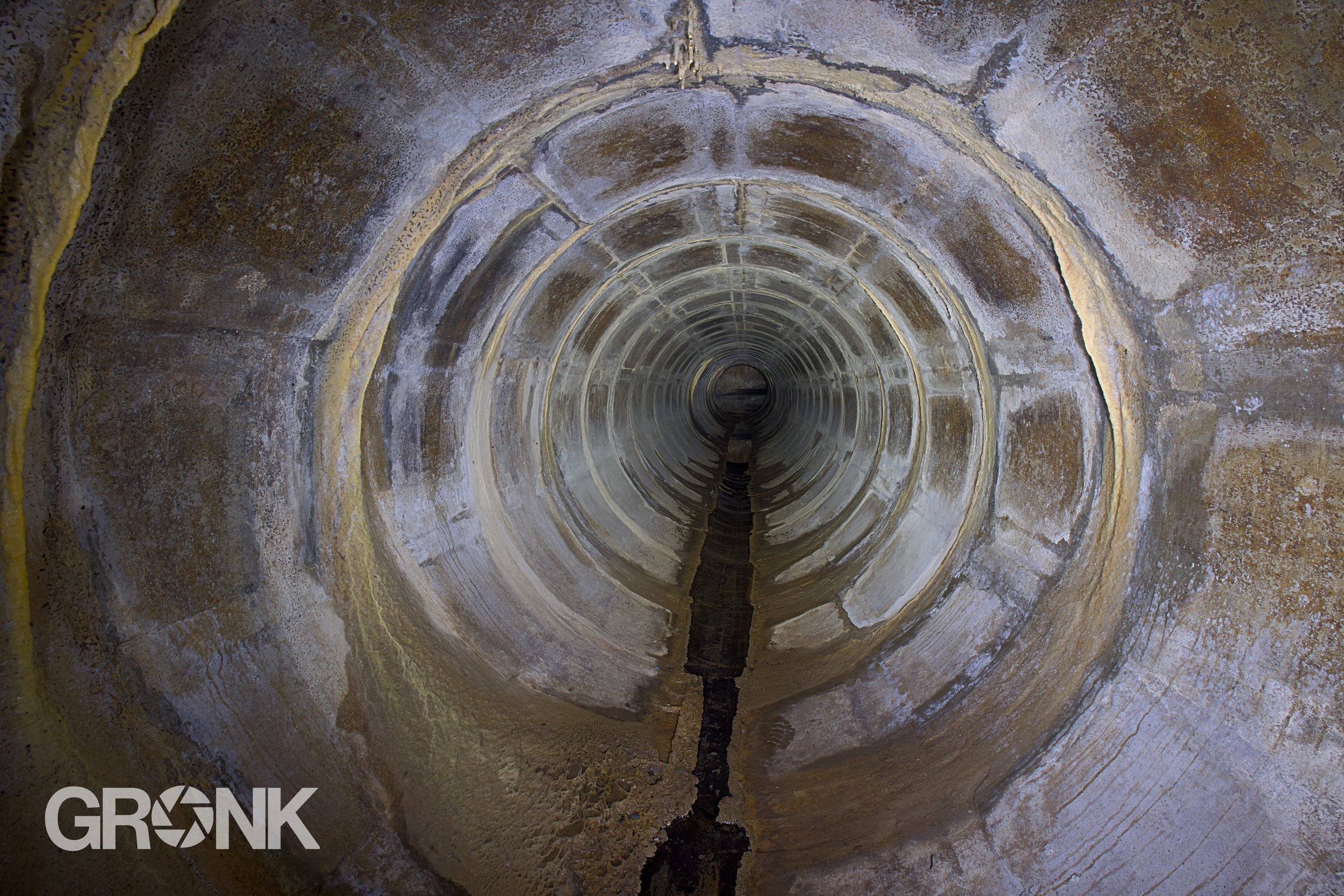
The Sidedraft culvert is one of several underground channels carrying the Gore Brook beneath Manchester, reflecting the city’s long history of managing natural waterways through urban development. The Gore Brook itself flows westward from areas around Gorton, eventually feeding into the Platt Brook and later the River Mersey. As Manchester expanded during the 19th and early 20th centuries, much of the brook was culverted to make way for housing, industry, and transport infrastructure, and the Sidedraft is a typical example of this process.
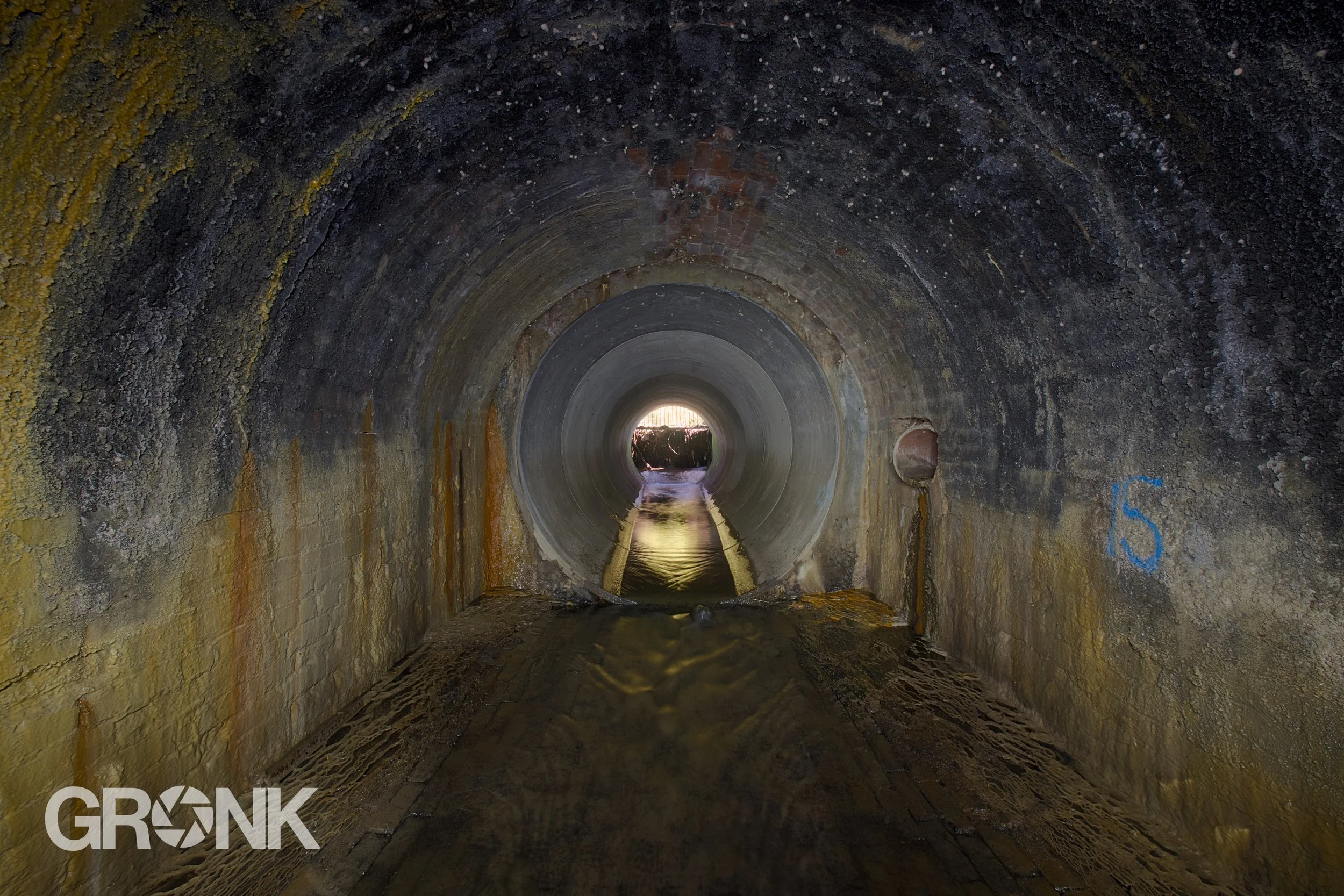
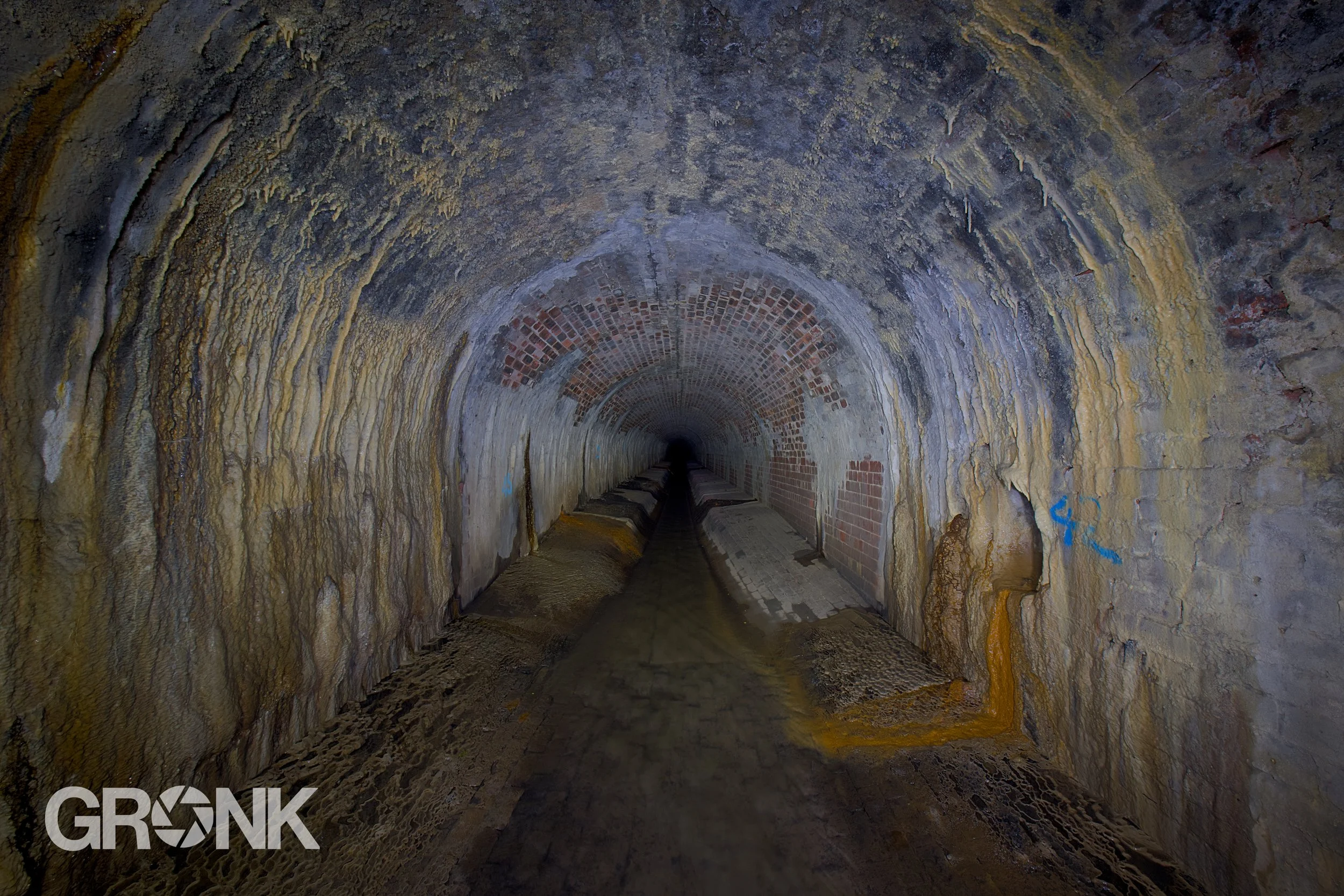
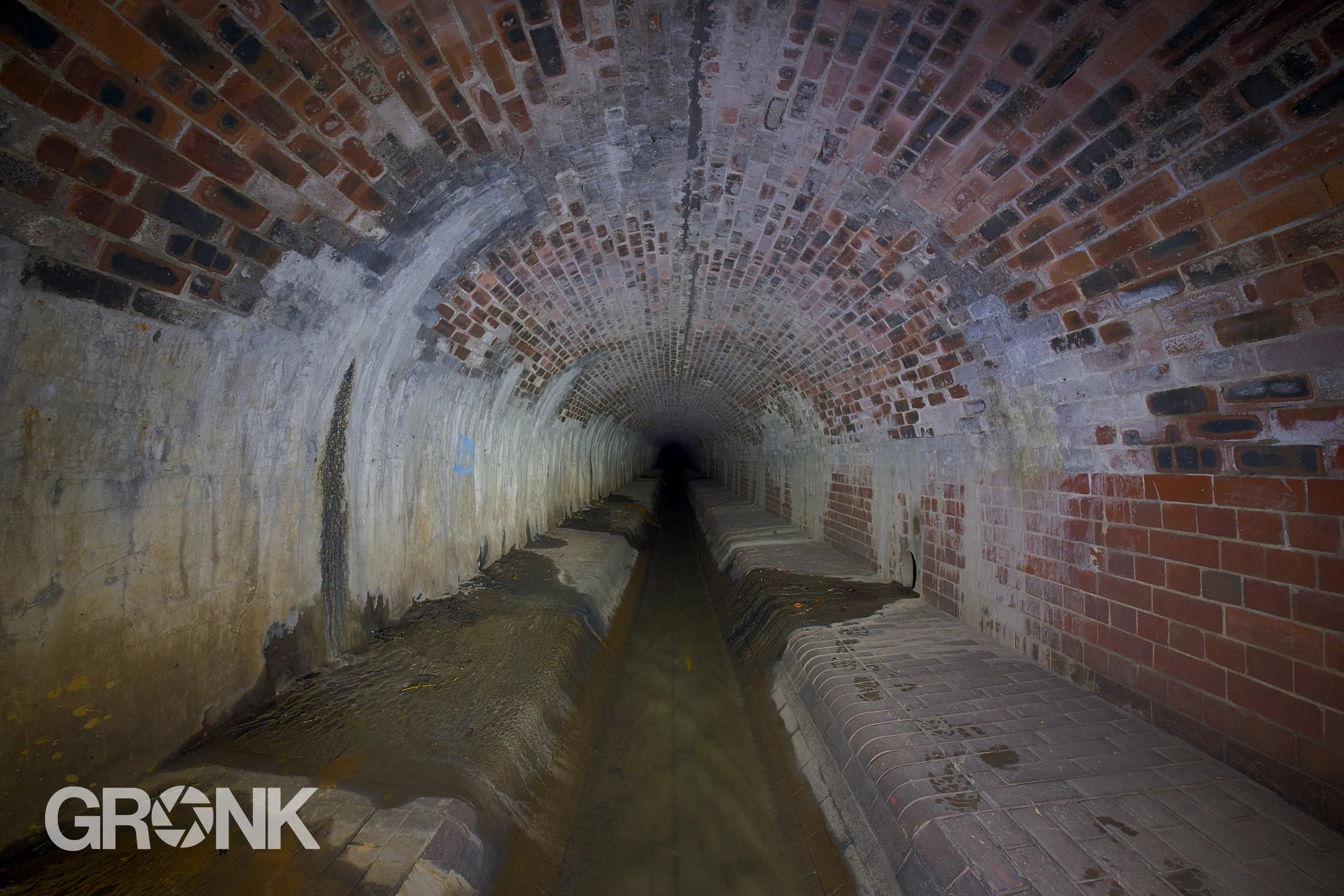
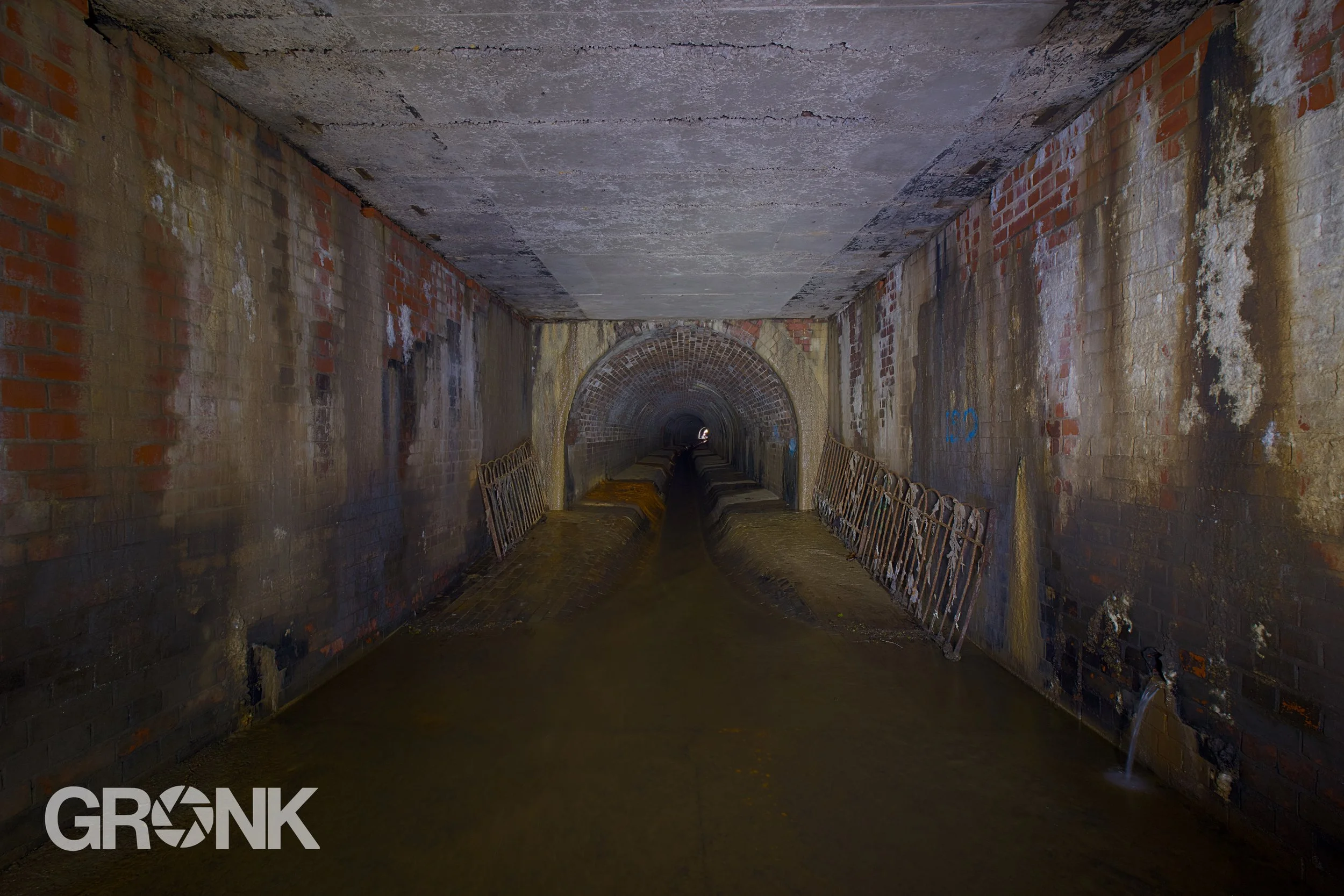
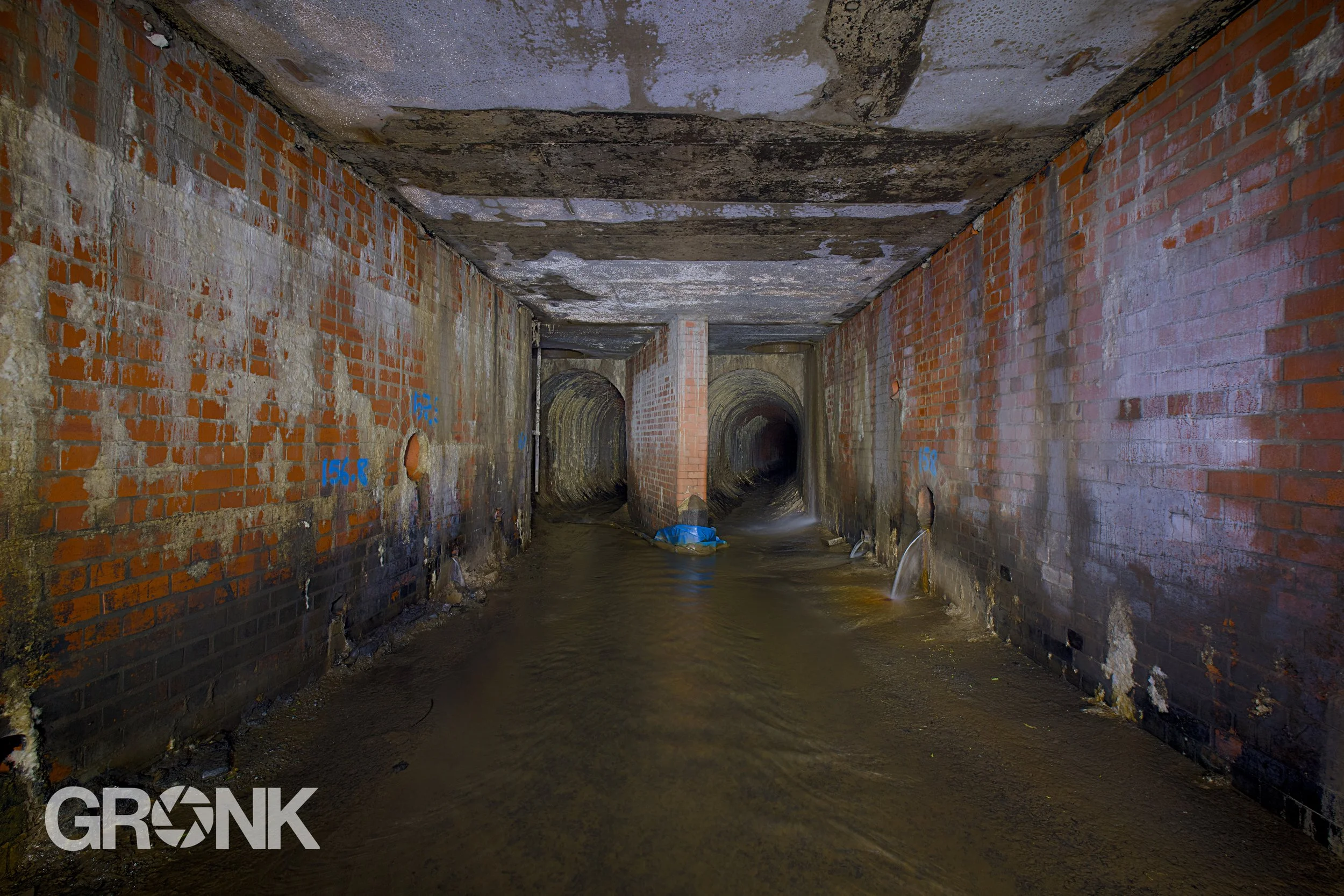
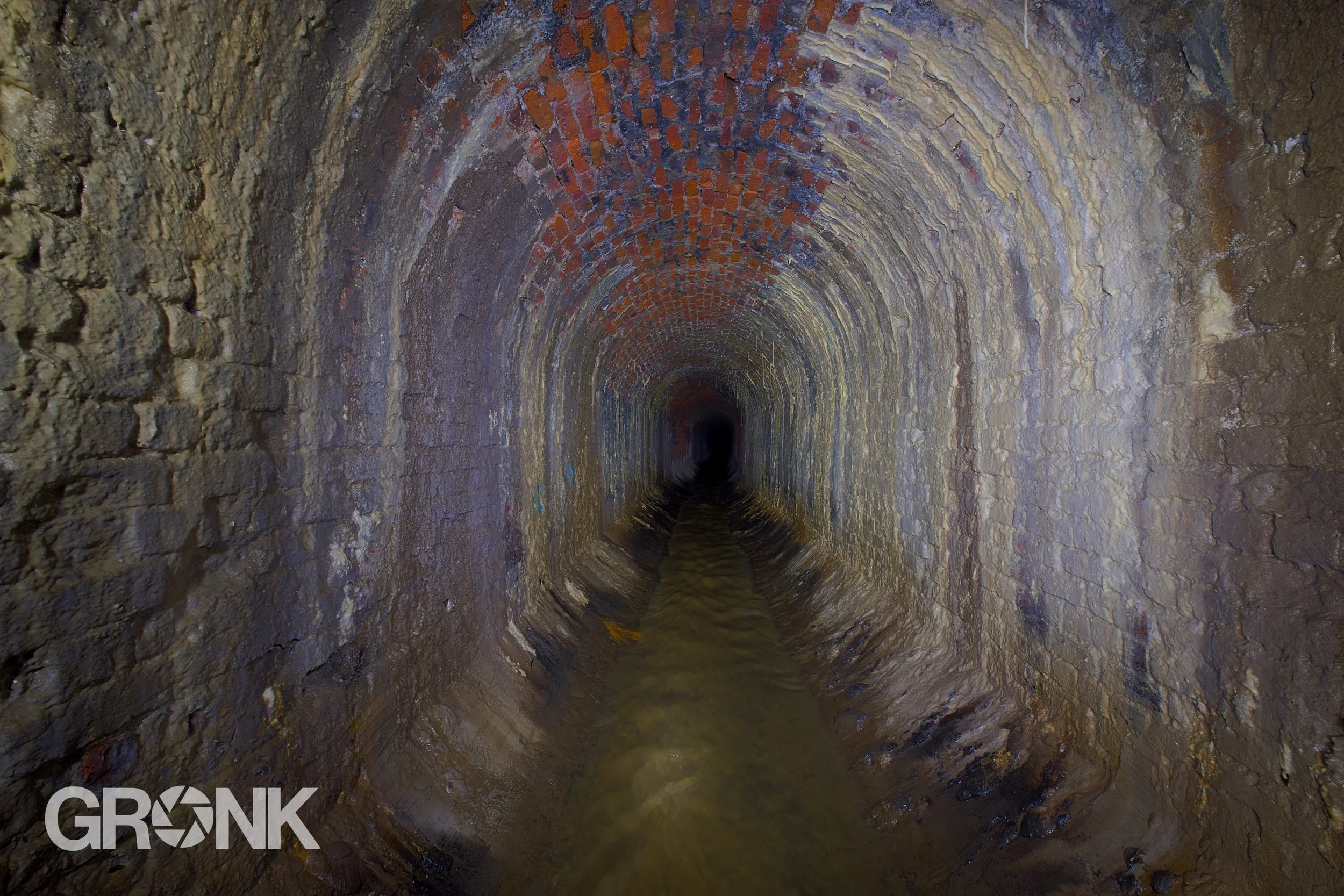
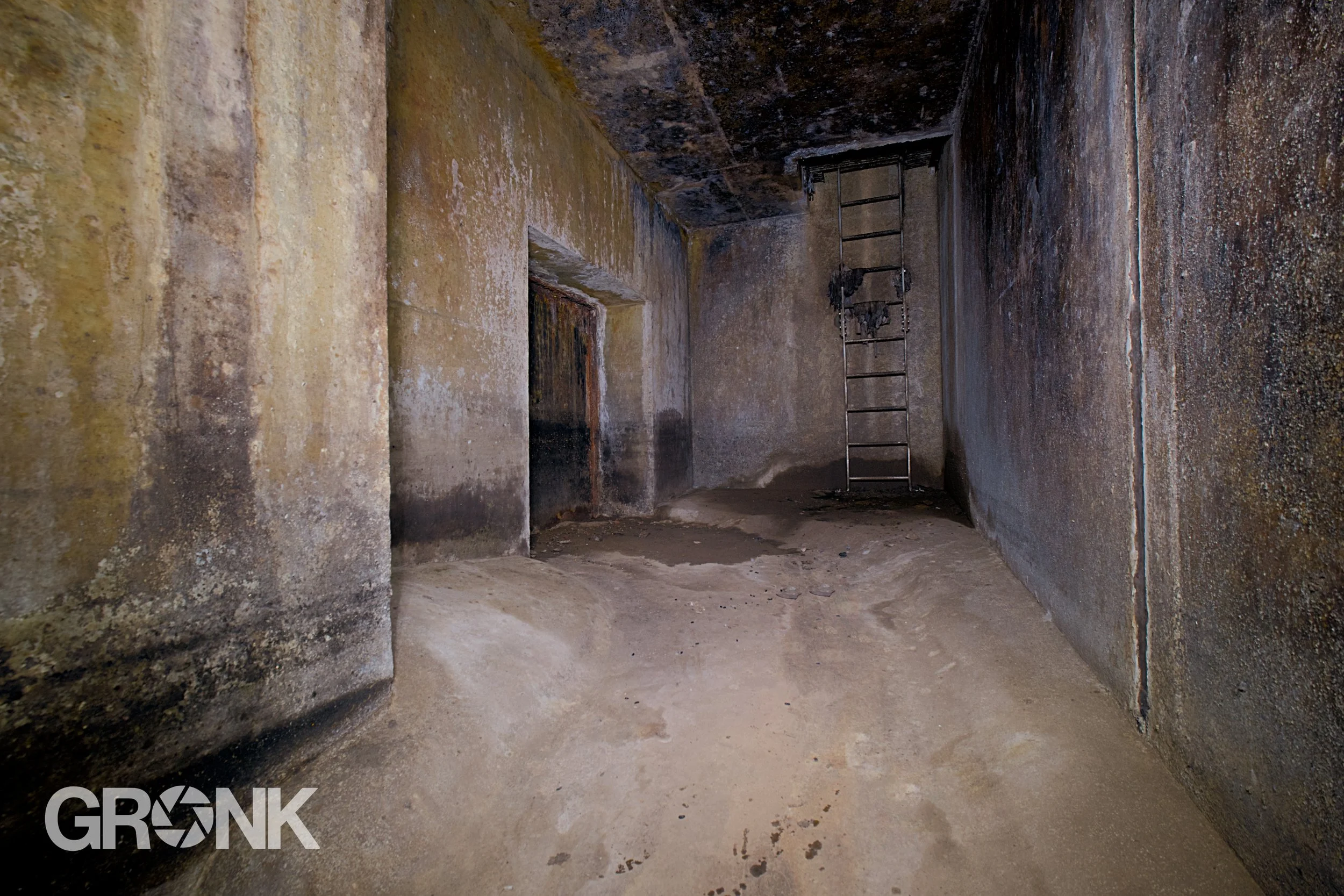
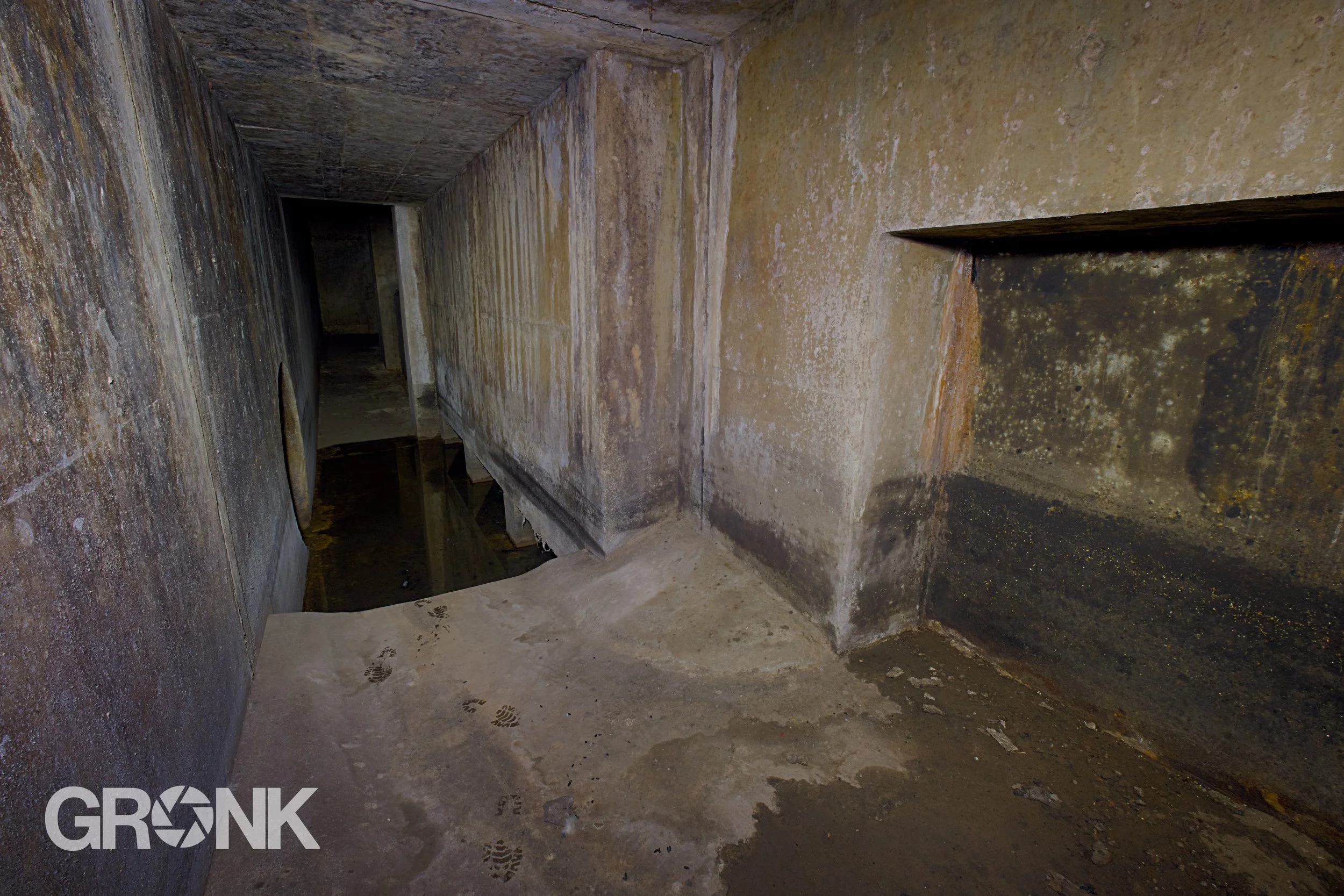
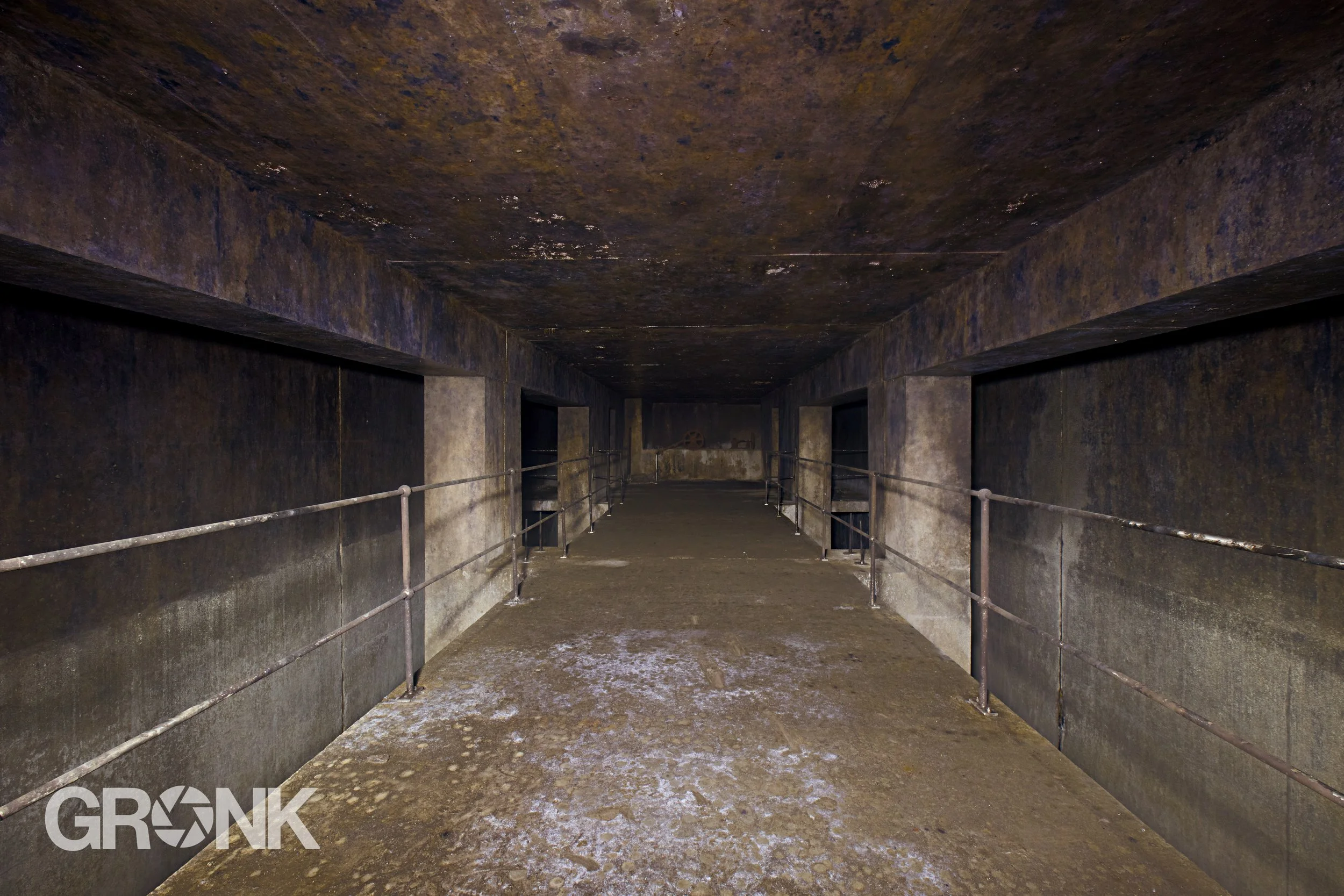
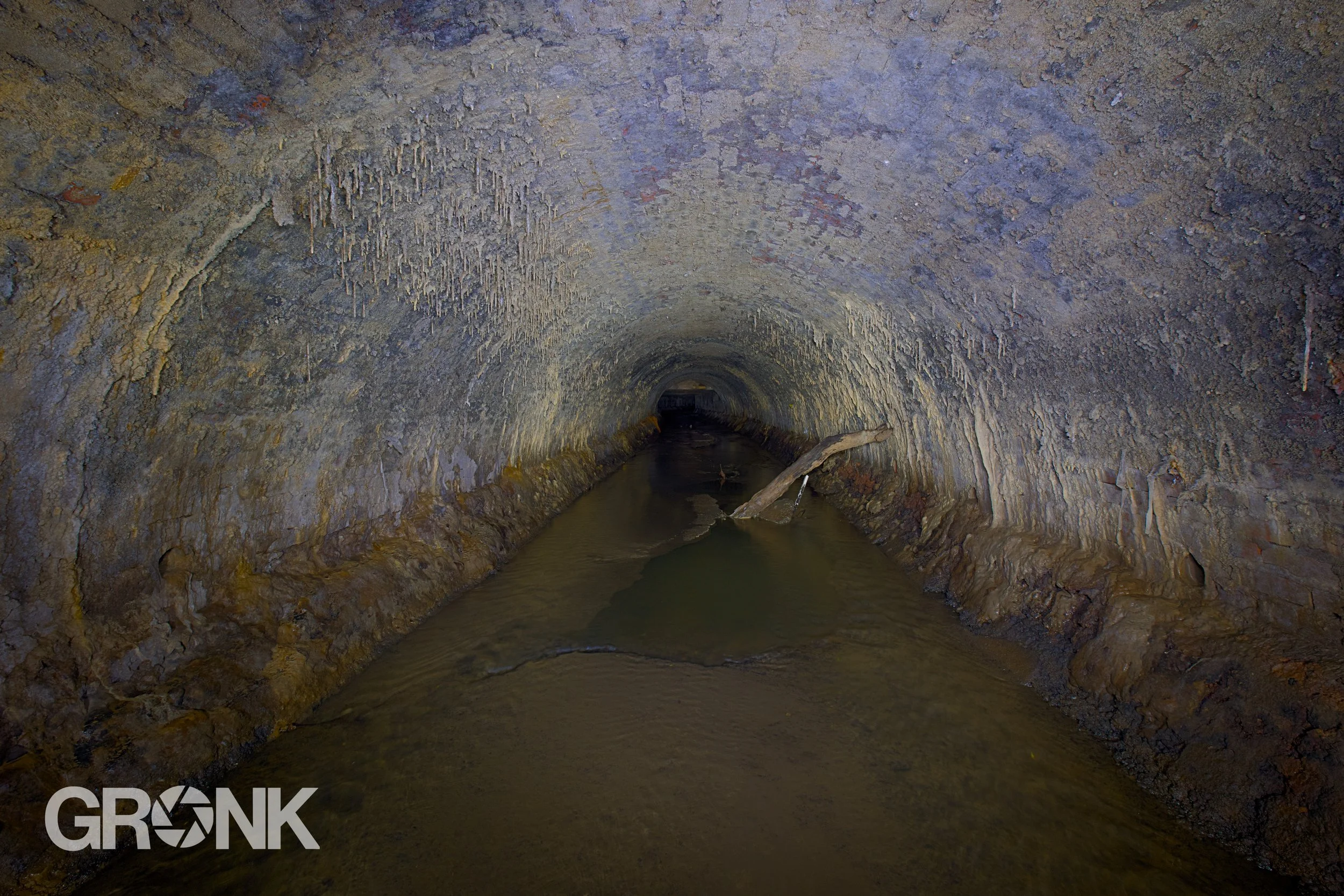
It is generally described as a brick-lined tunnel with arched sections, later reinforced in places with concrete, forming part of a wider drainage network. Reports suggest it extends for several hundred metres and includes features such as side passages, infalls, and changes in tunnel size, indicating phases of construction and adaptation over time. Although not formally named in official records, the culvert is known within urban exploration communities, where it is valued for its scale and preserved Victorian engineering details. Like similar culverts, its primary functions are flood management and drainage, carrying water safely beneath built-up areas. Despite its hidden nature, the Sidedraft represents an important piece of Manchester’s industrial-era infrastructure.