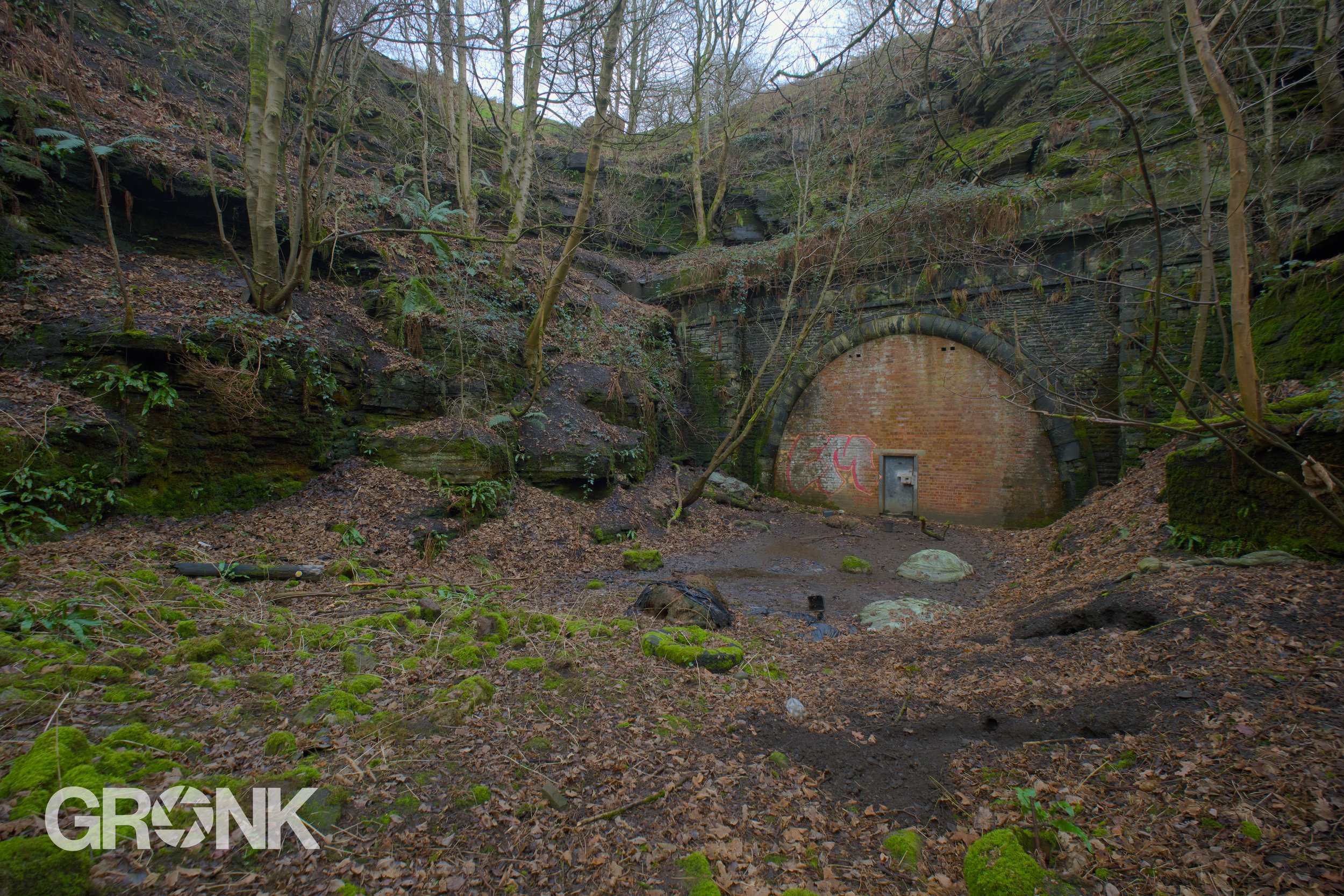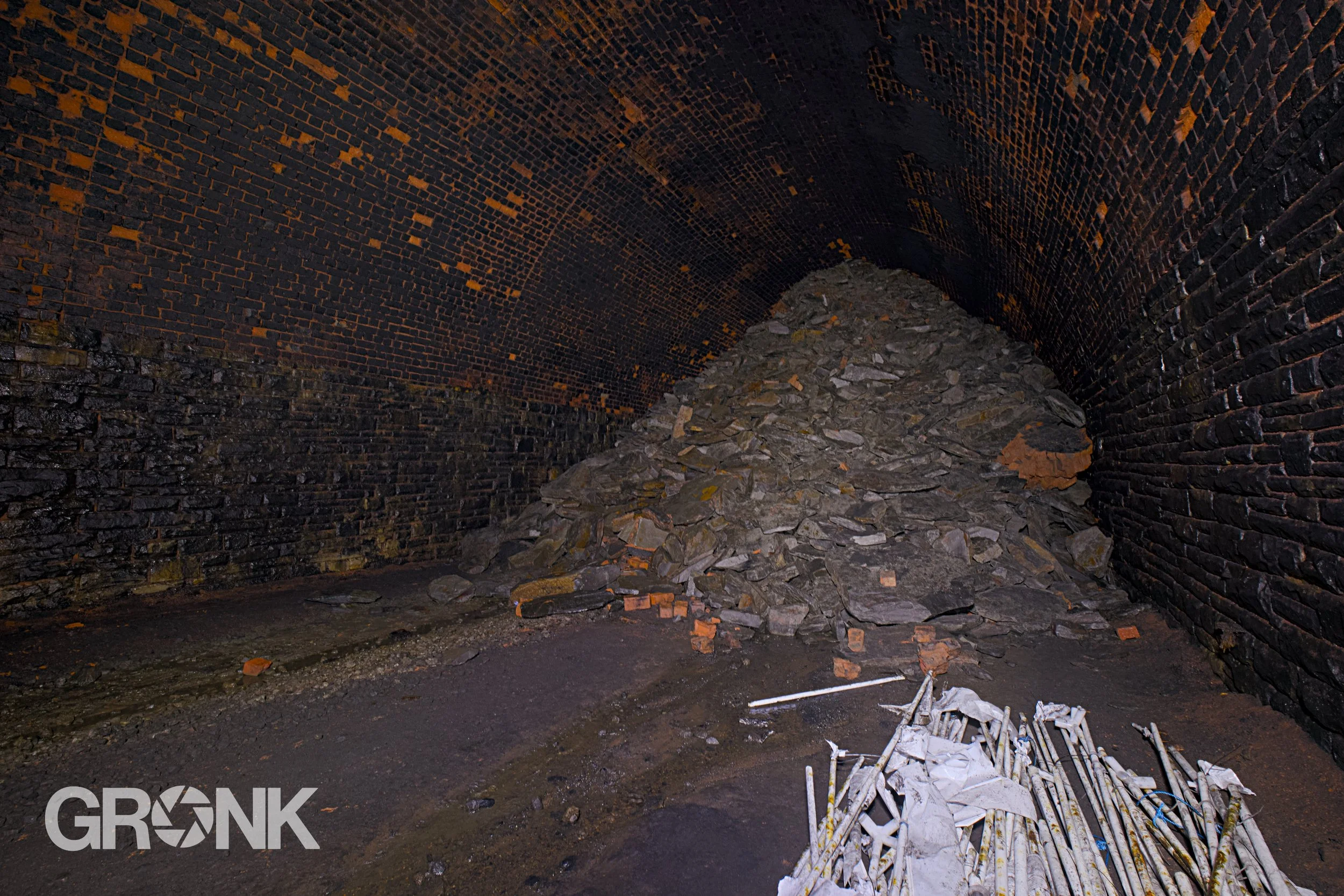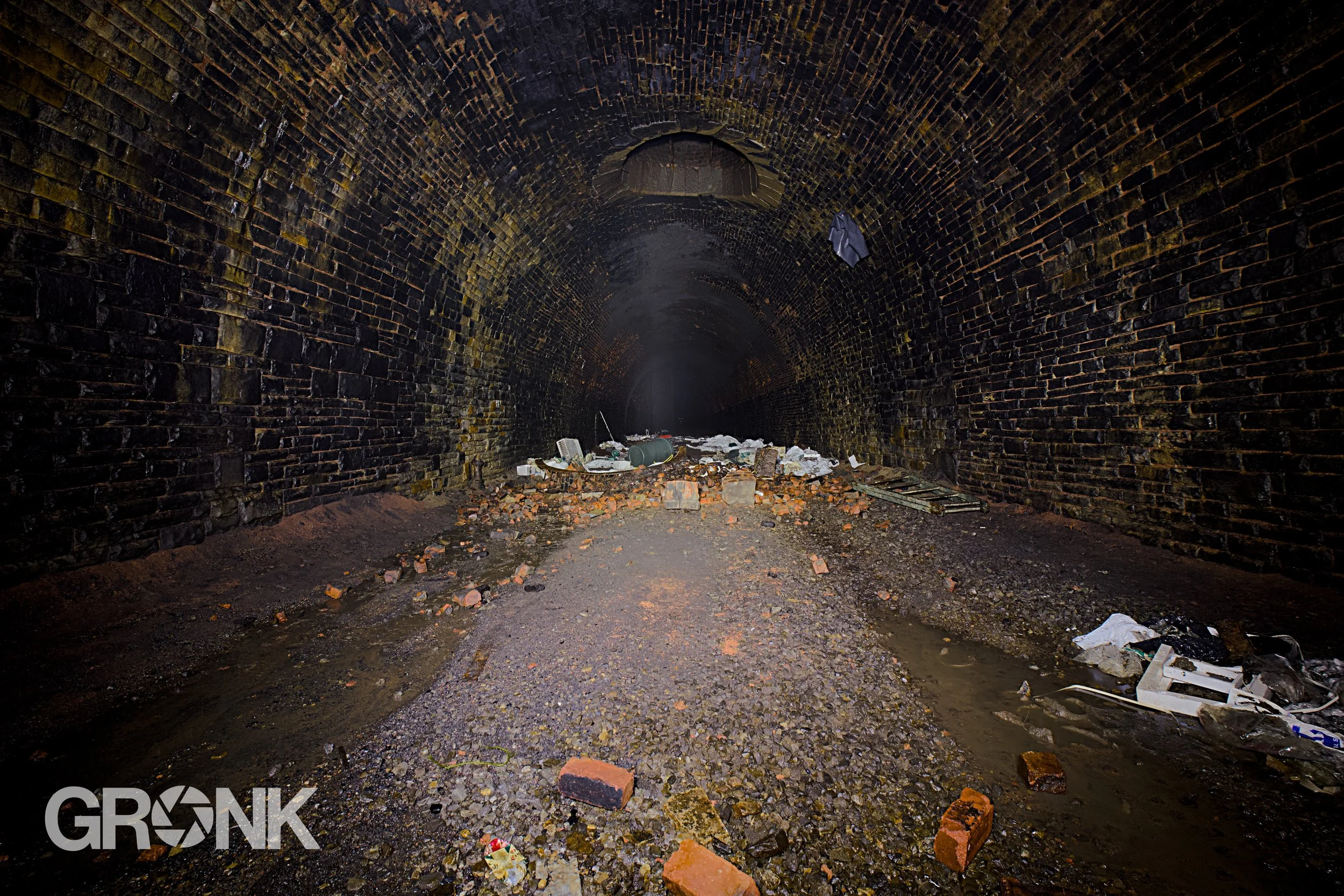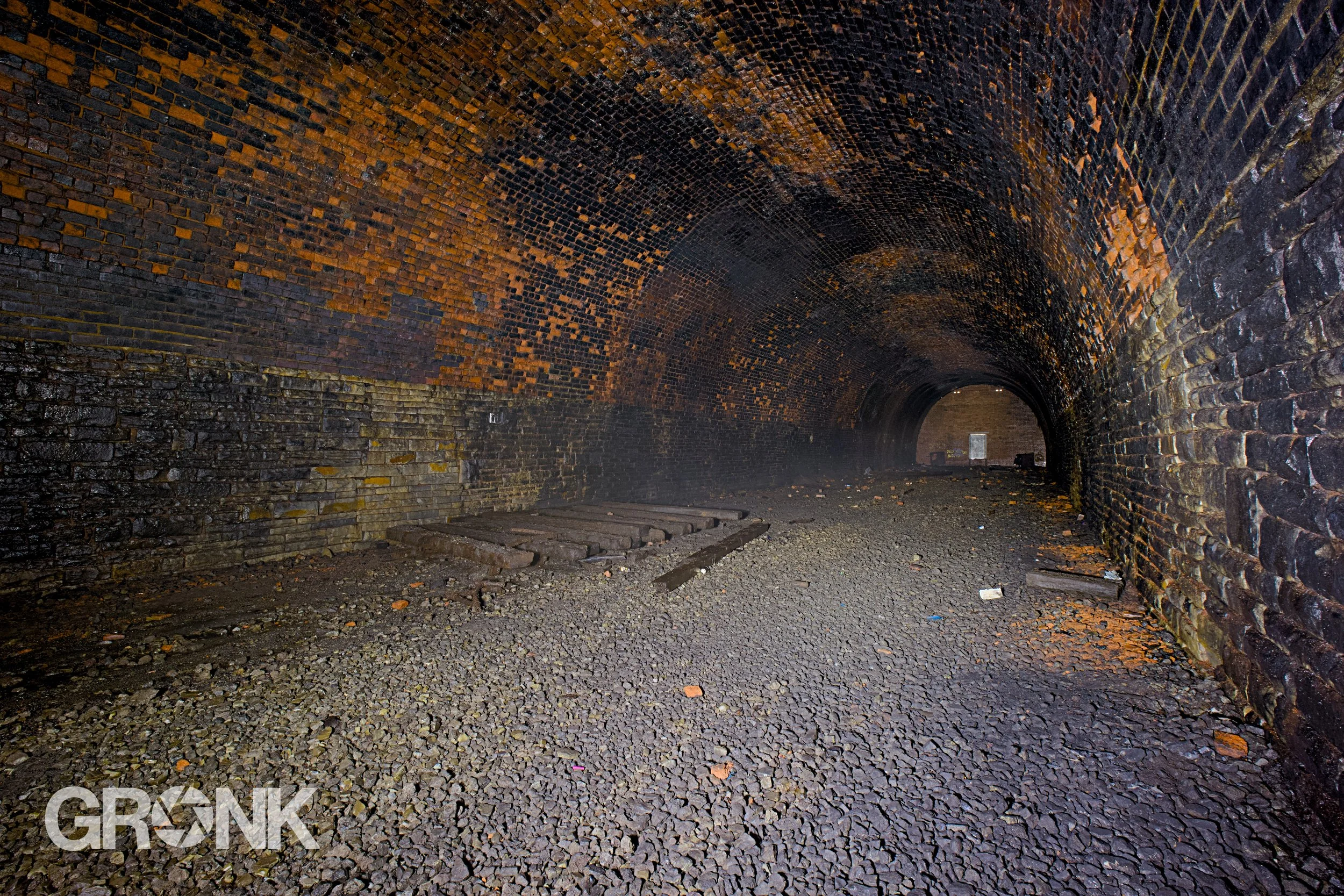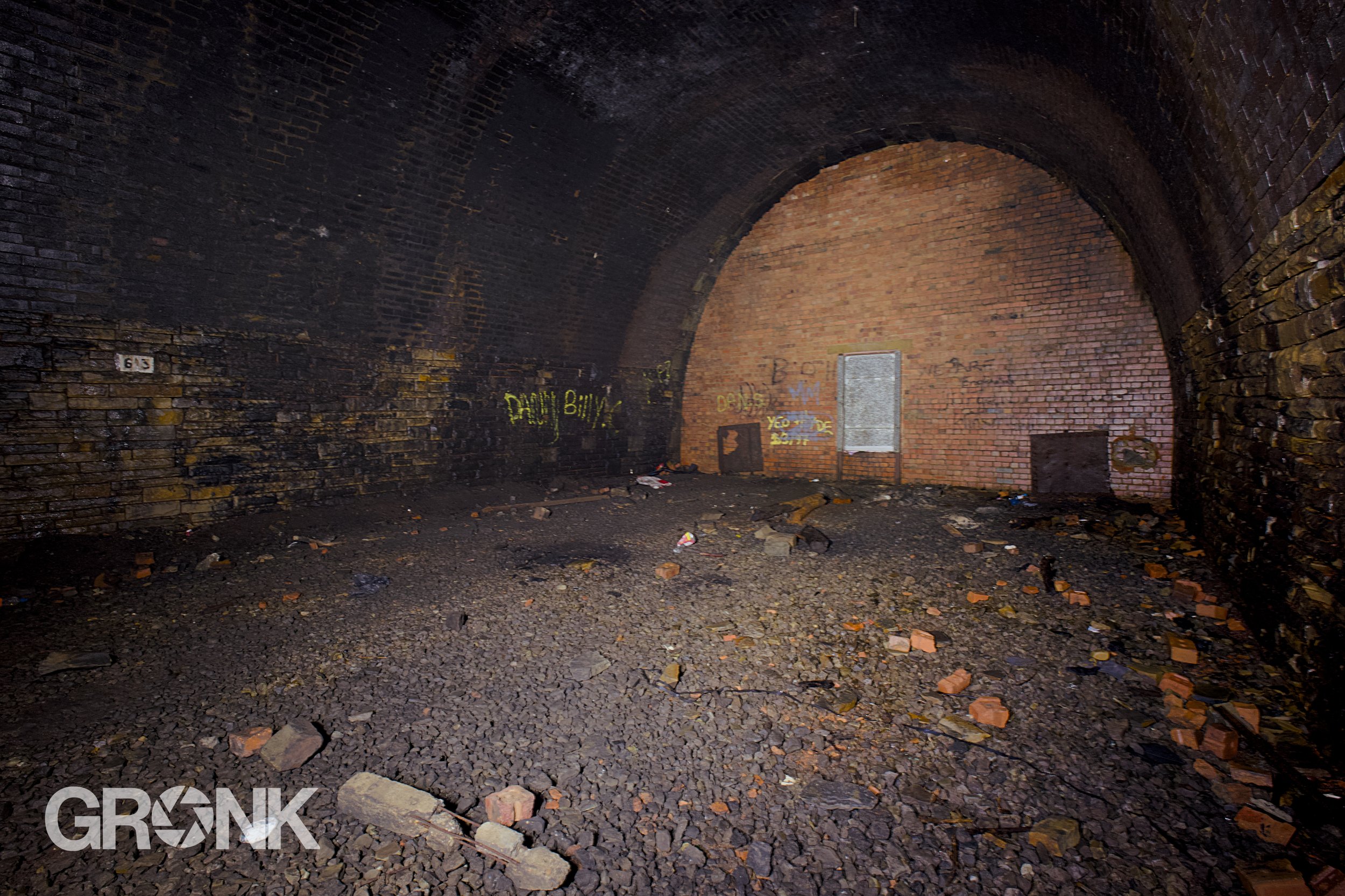
Clayton Tunnel, Bradford
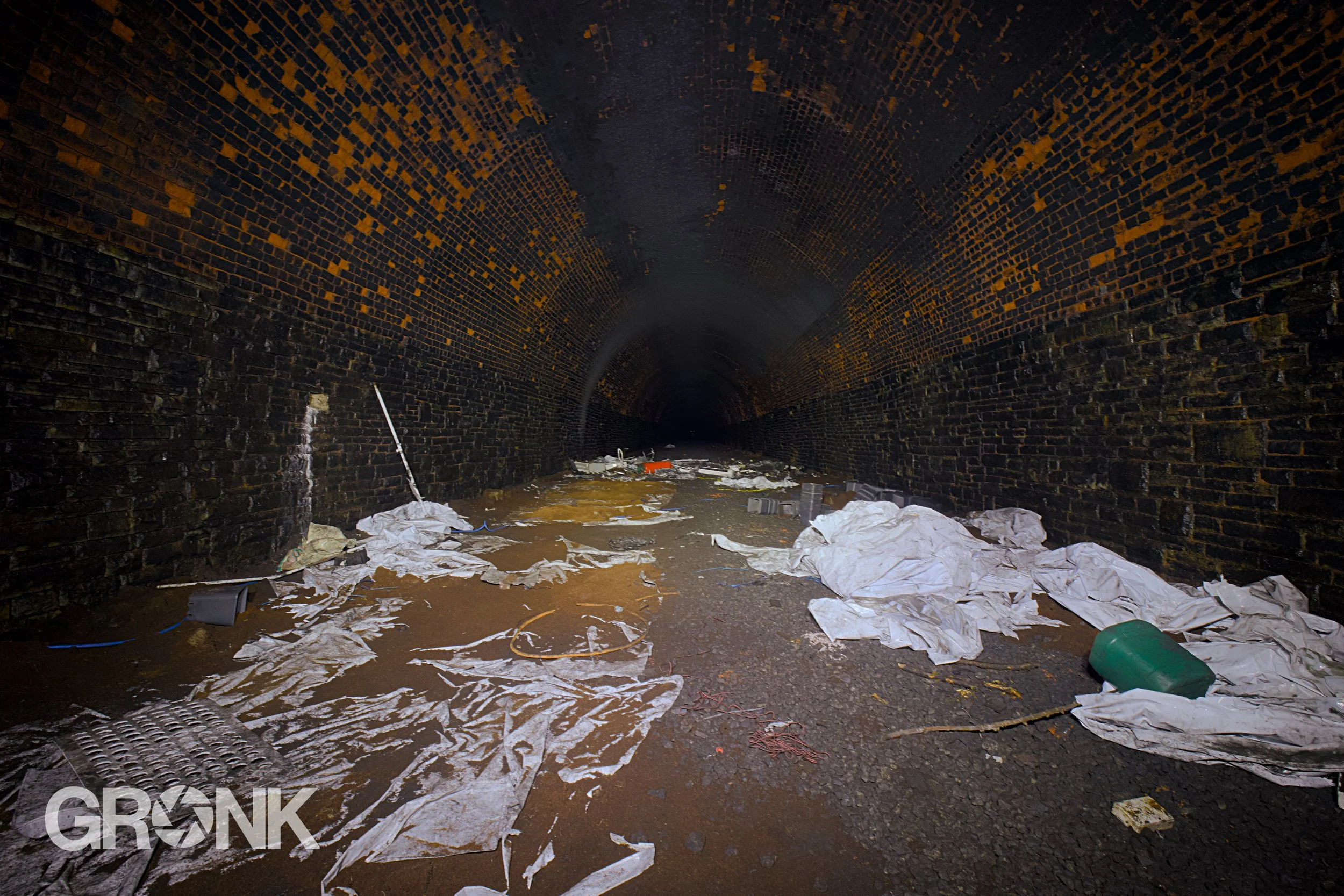
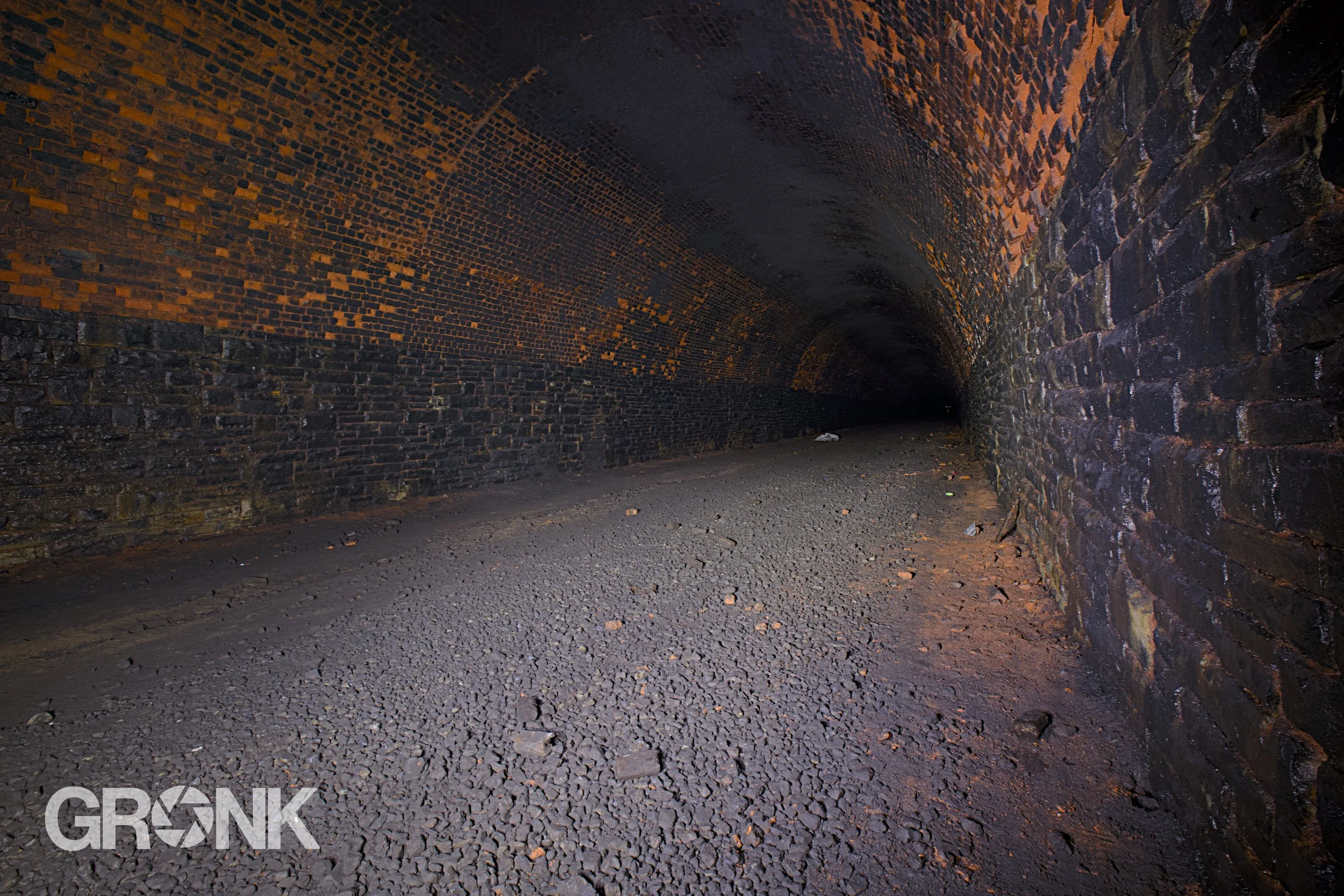
Clayton Tunnel is a disused railway tunnel in Bradford, West Yorkshire, constructed as part of the Great Northern Railway’s Queensbury Lines. This railway network was built to connect Bradford with surrounding hilltop villages, but the steep terrain made construction extremely challenging. Because of its sharp gradients, deep cuttings, and extensive tunnelling, the route became known locally as the “Alpine Route.”
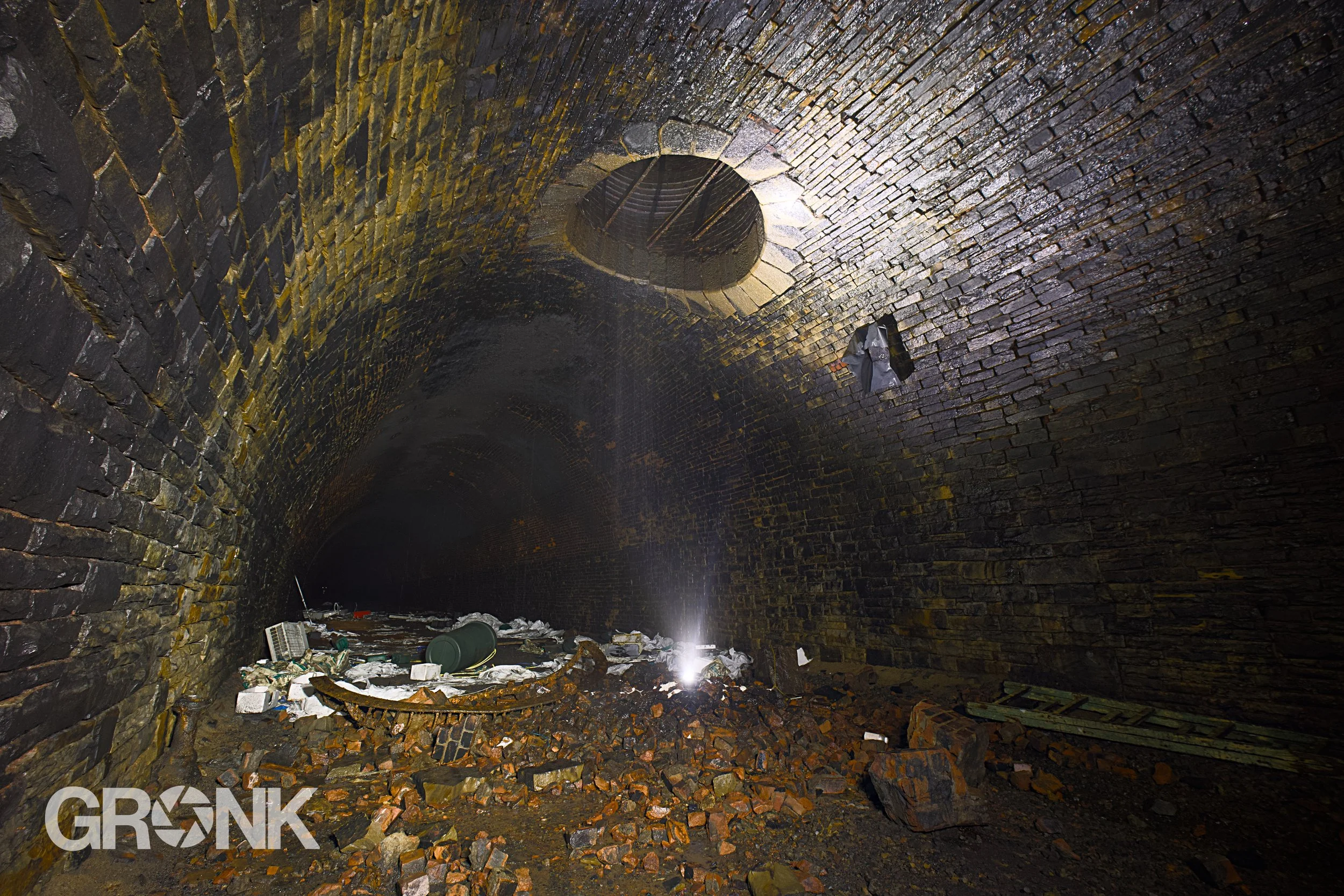
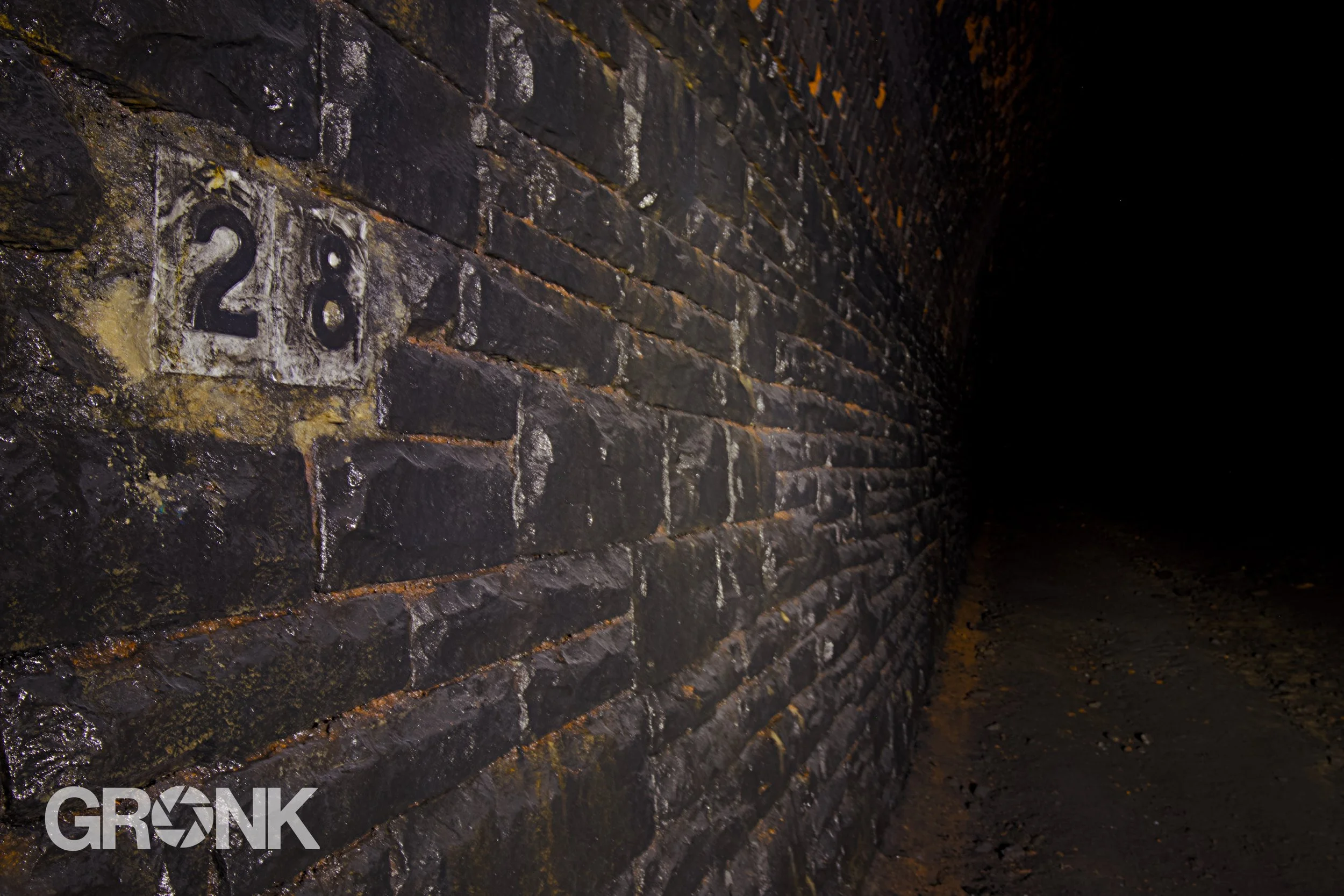
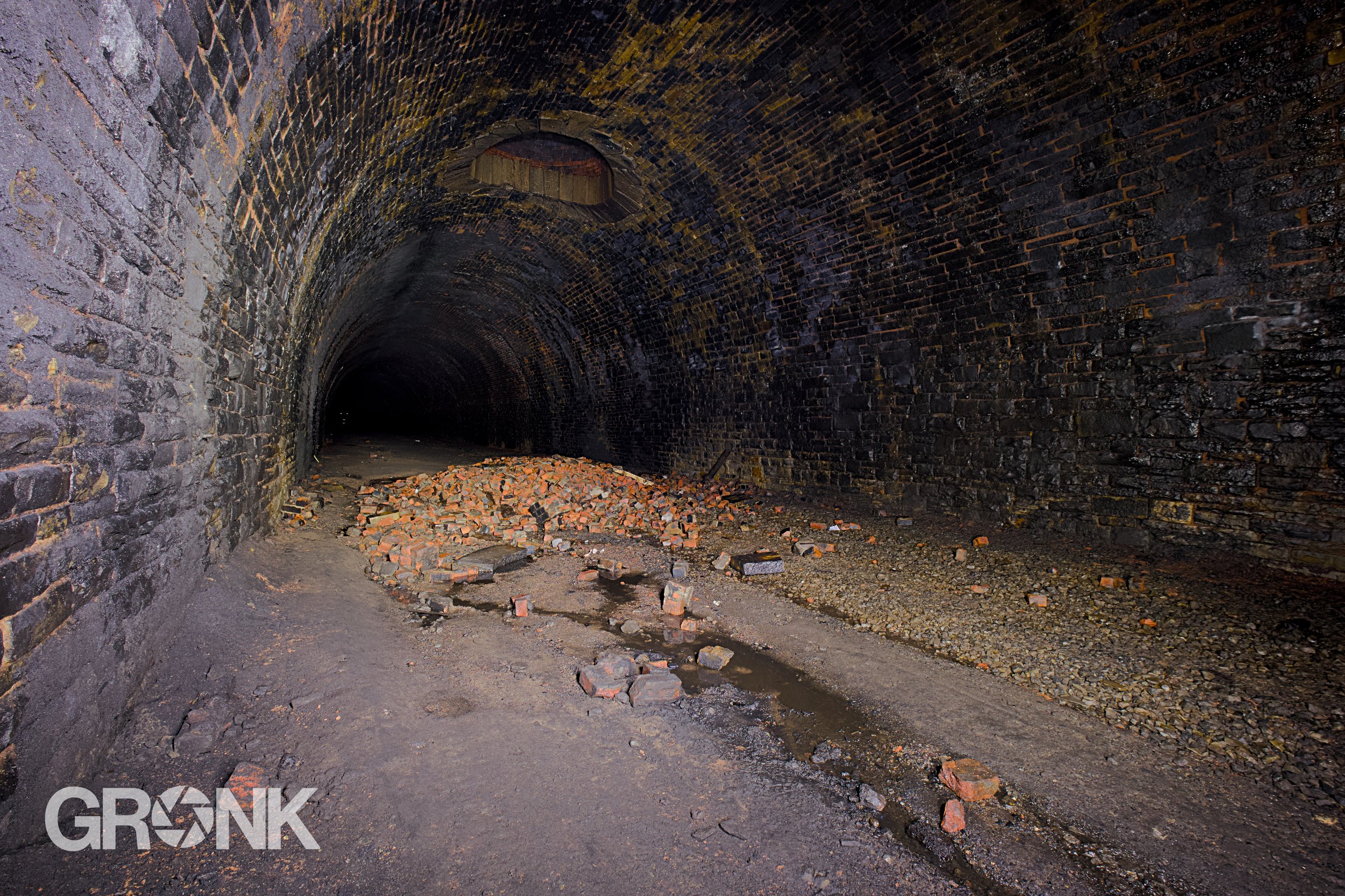
Construction of Clayton Tunnel began in 1874 and was completed around 1878. The tunnel is approximately 966 metres long and passes beneath high ground near the village of Clayton, forming a key link between Bradford, Queensbury, and Thornton. Several vertical construction shafts were sunk along the tunnel’s length, allowing work to proceed from multiple points and reducing overall construction time.
A serious accident occurred during construction on 5 November 1874, when a lifting cage fell down one of the shafts, killing two workers. An inquest later found that the winding engine operator was under the influence of alcohol at the time. The tragedy caused significant local concern, and the men are commemorated by a memorial at St John’s Church in Clayton.
When the tunnel opened, it carried both passenger and goods traffic, supporting local industry and providing rural communities with access to Bradford. However, traffic levels were relatively low and maintenance costs were high. Passenger services were withdrawn in 1955, and goods traffic ended around 1961, leading to the closure of the line and removal of the track soon afterwards.