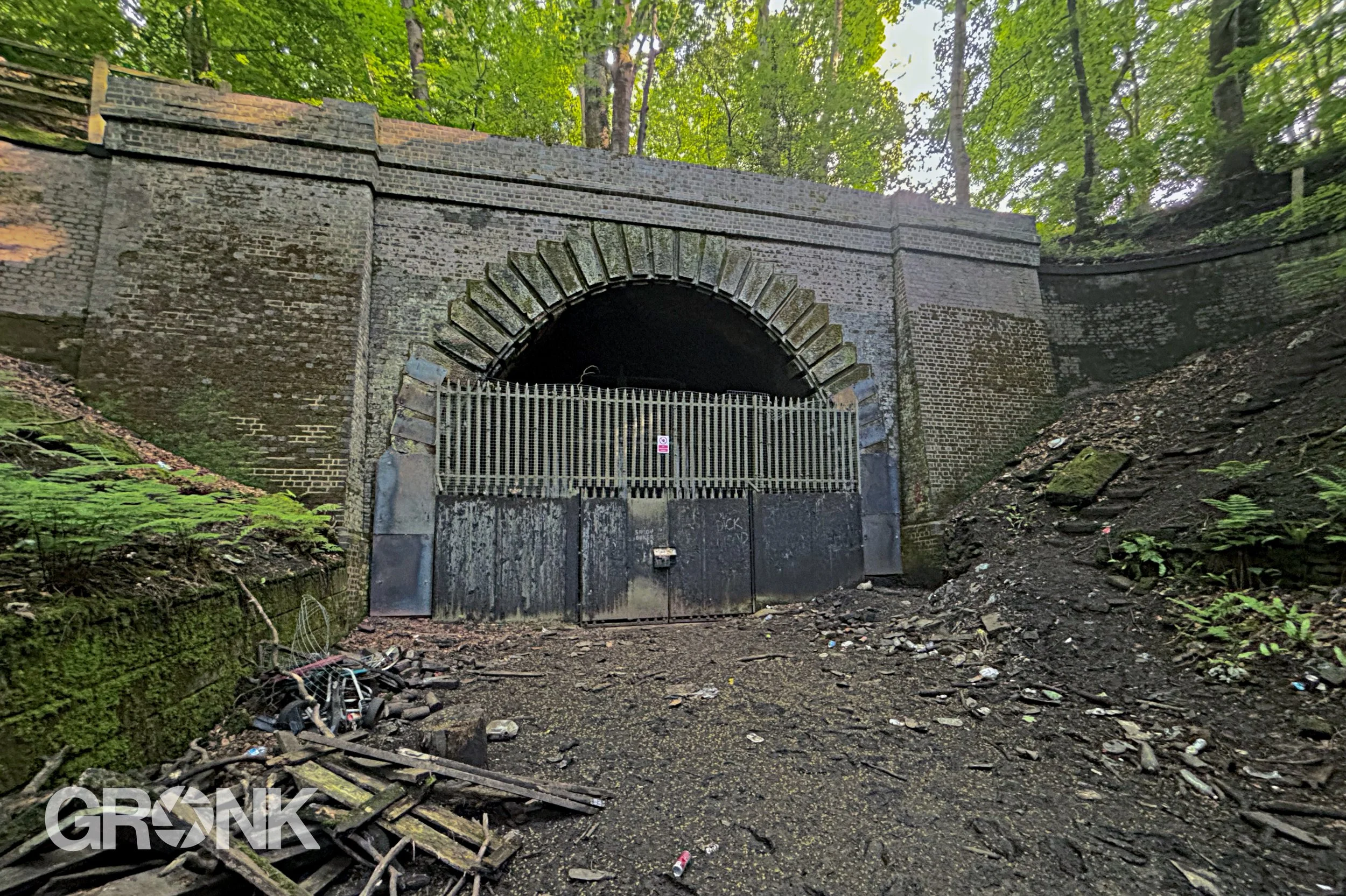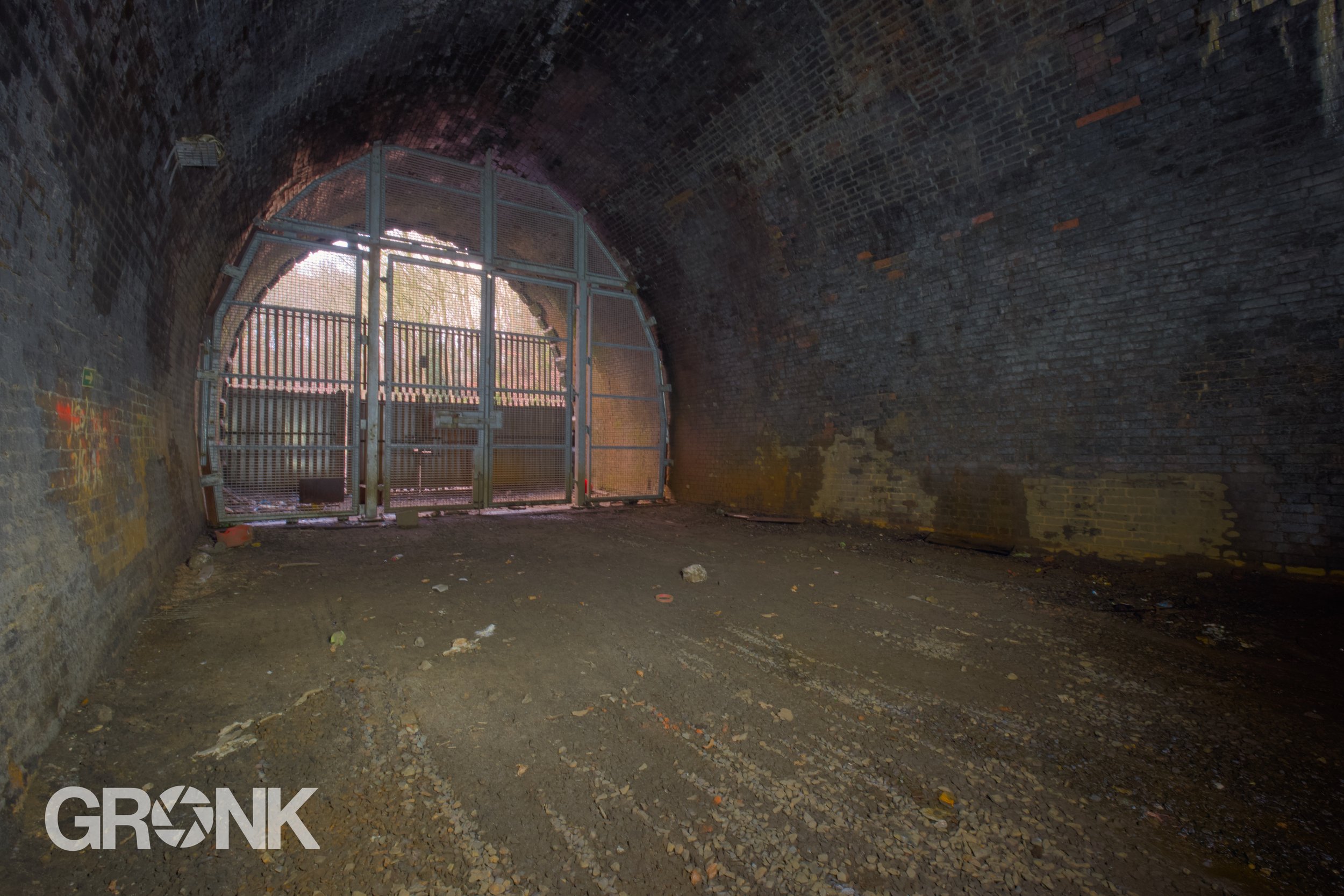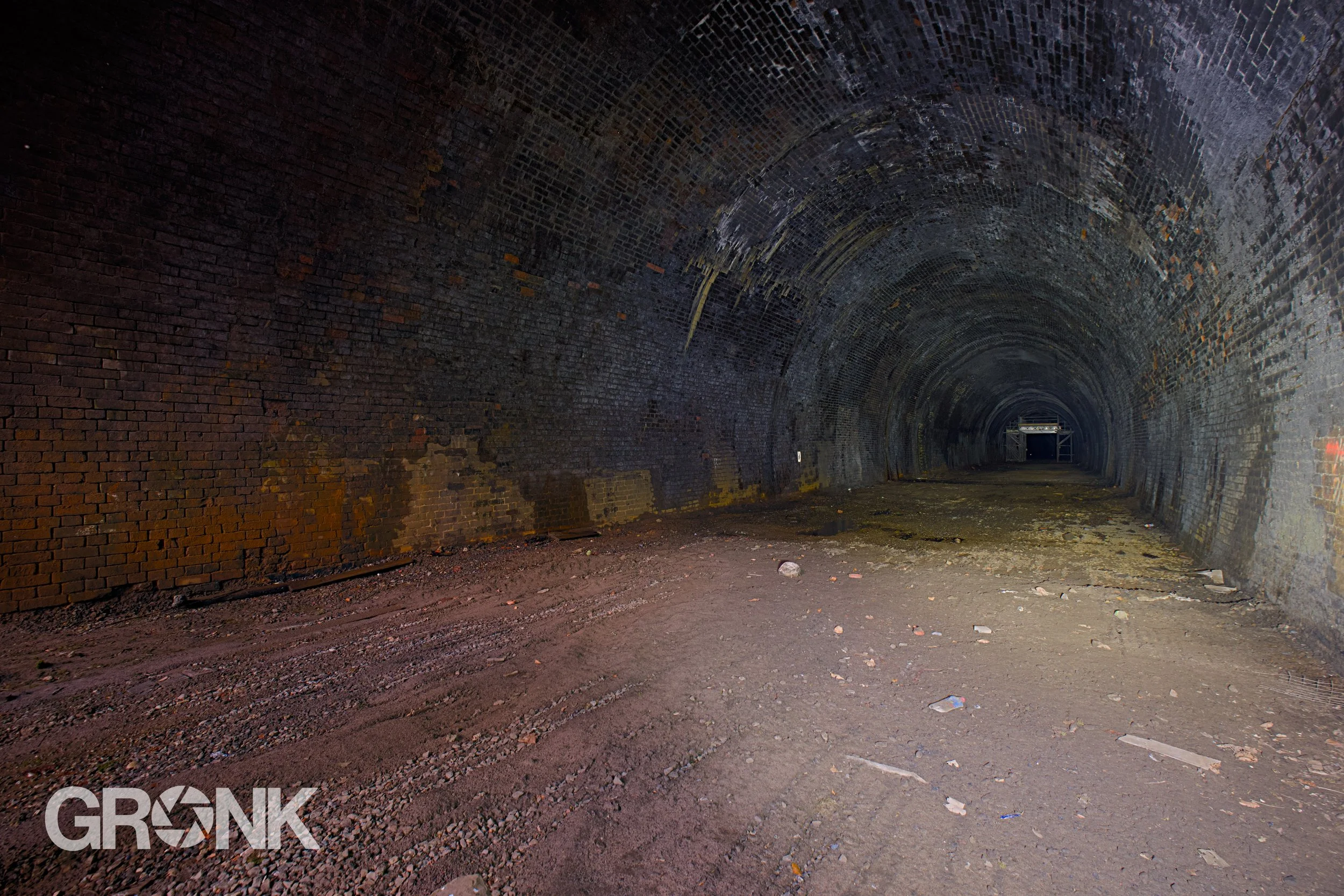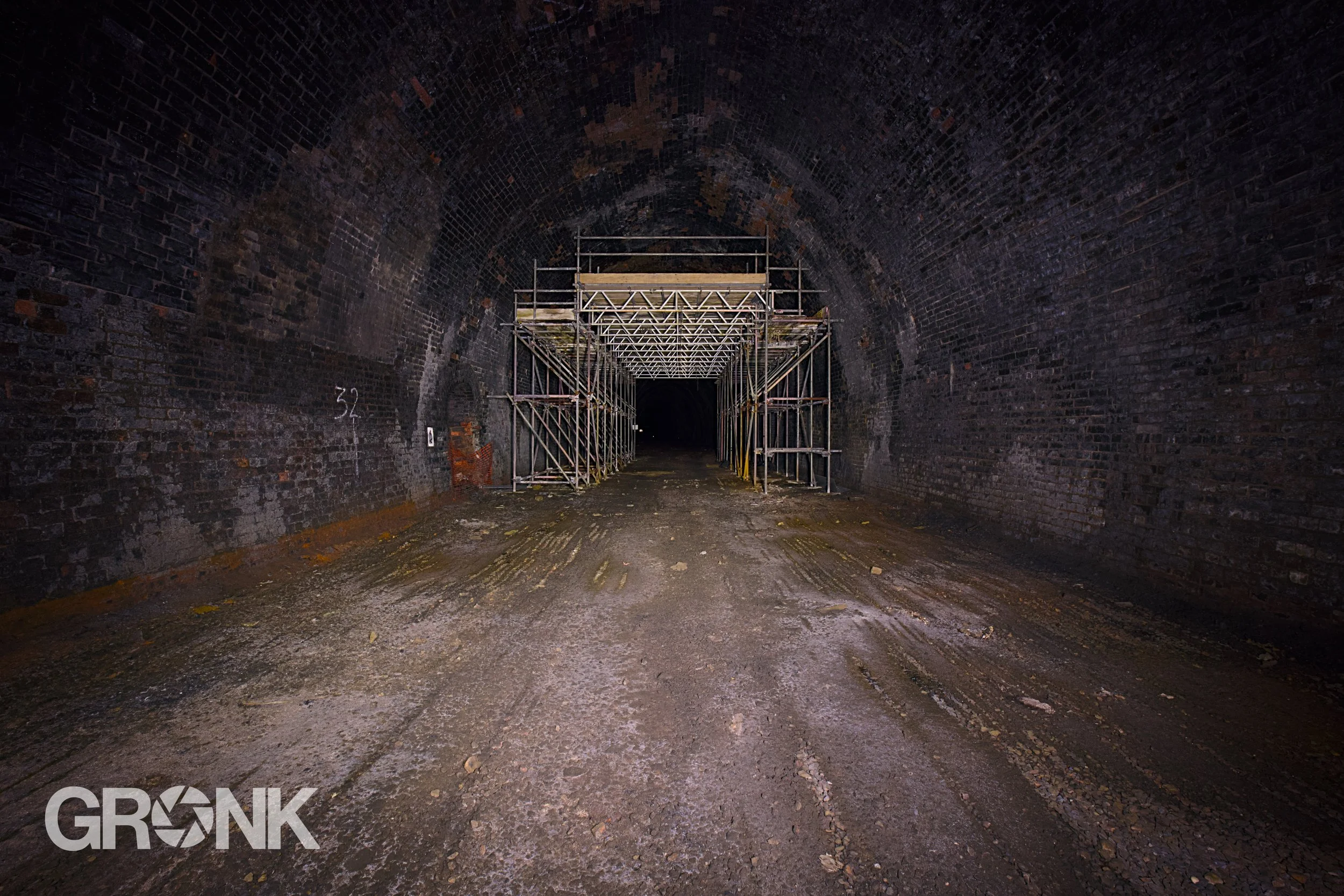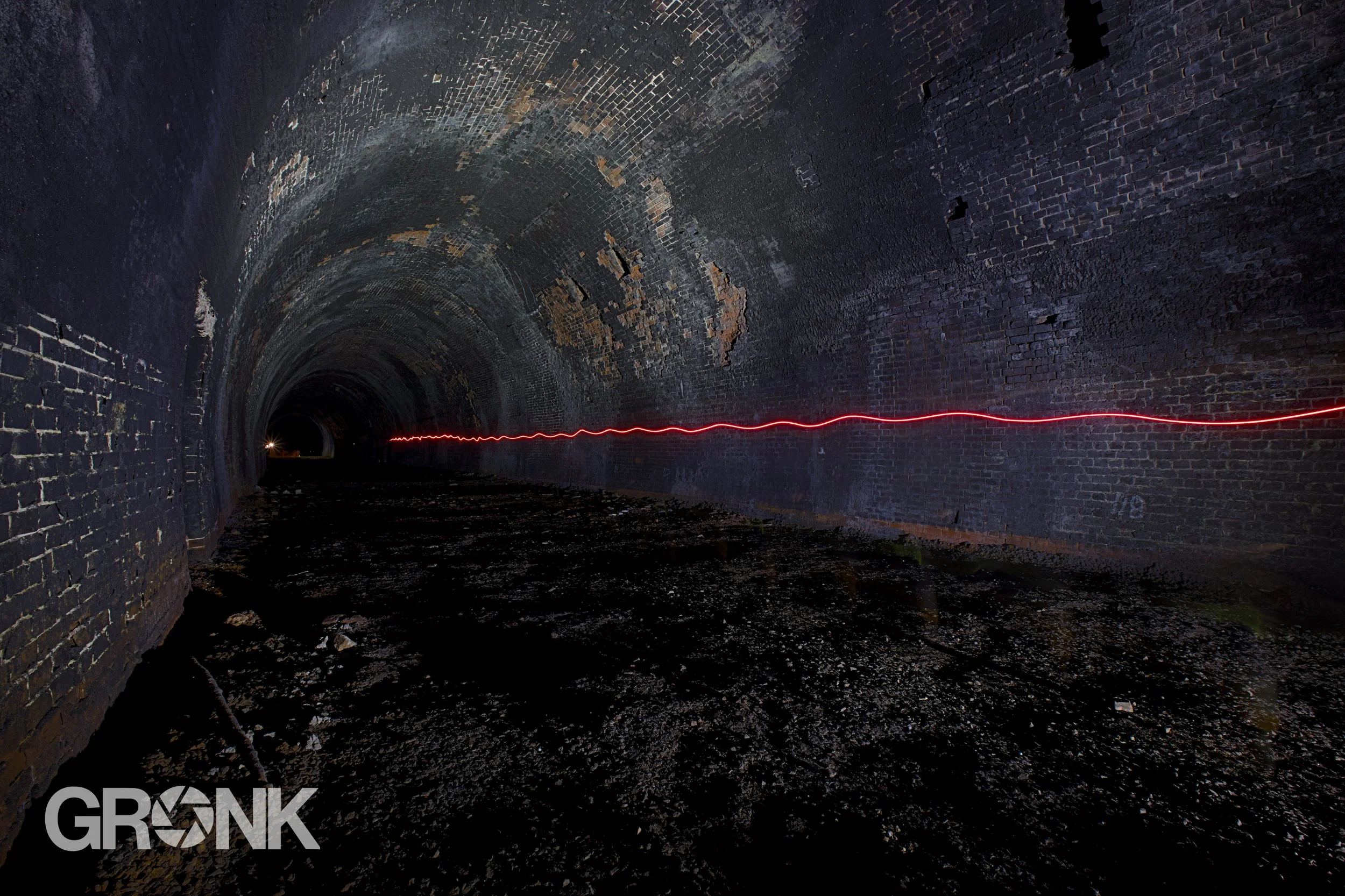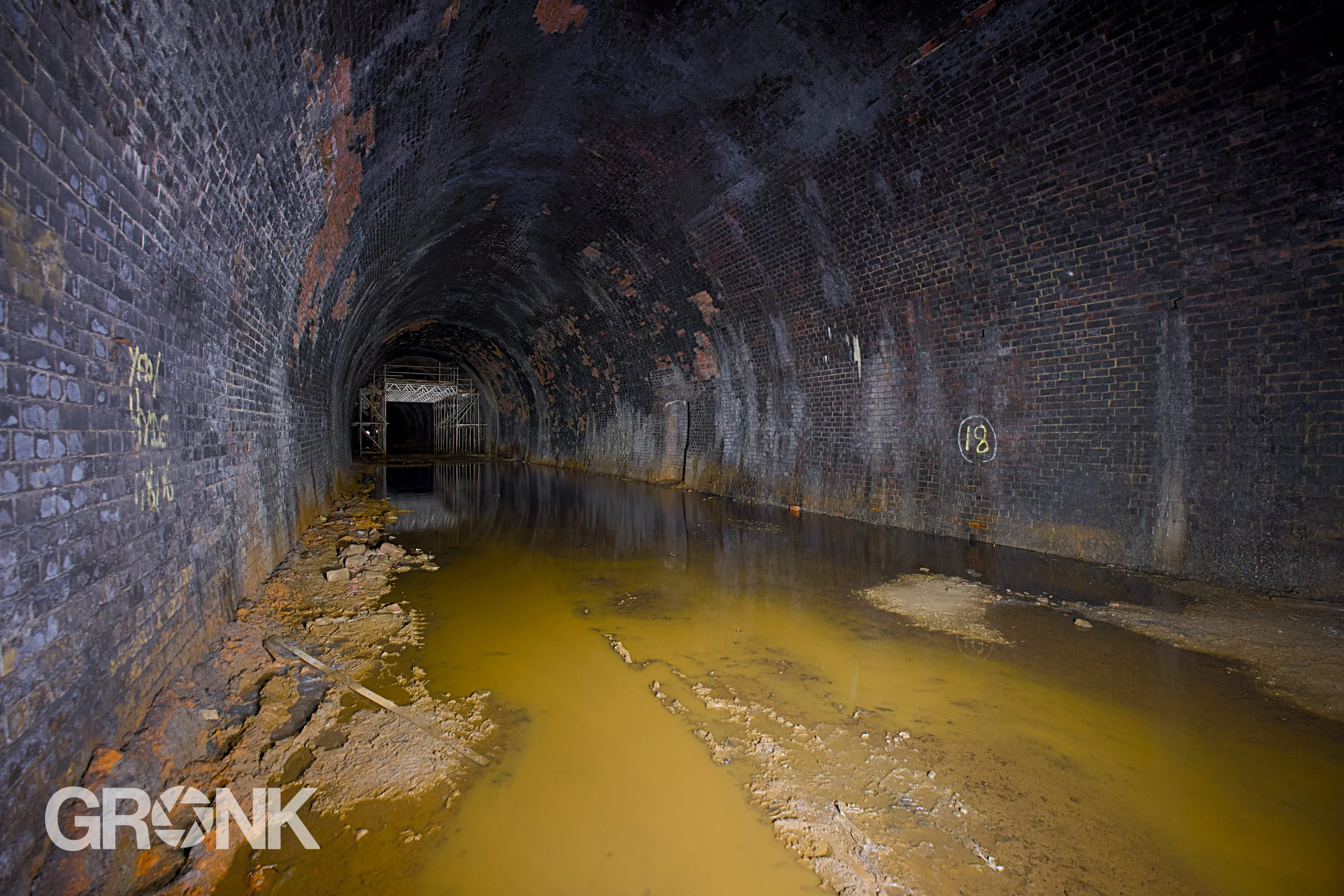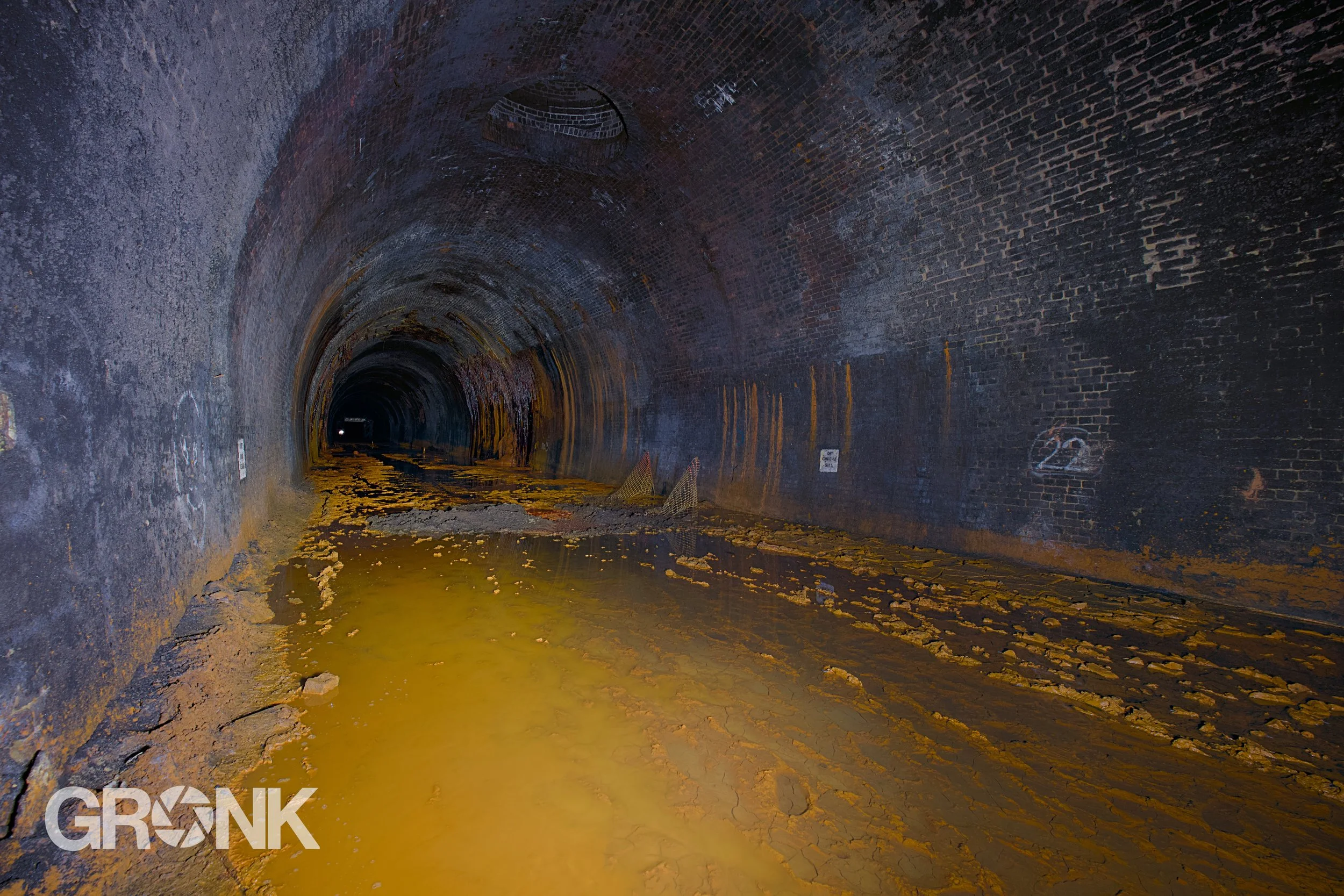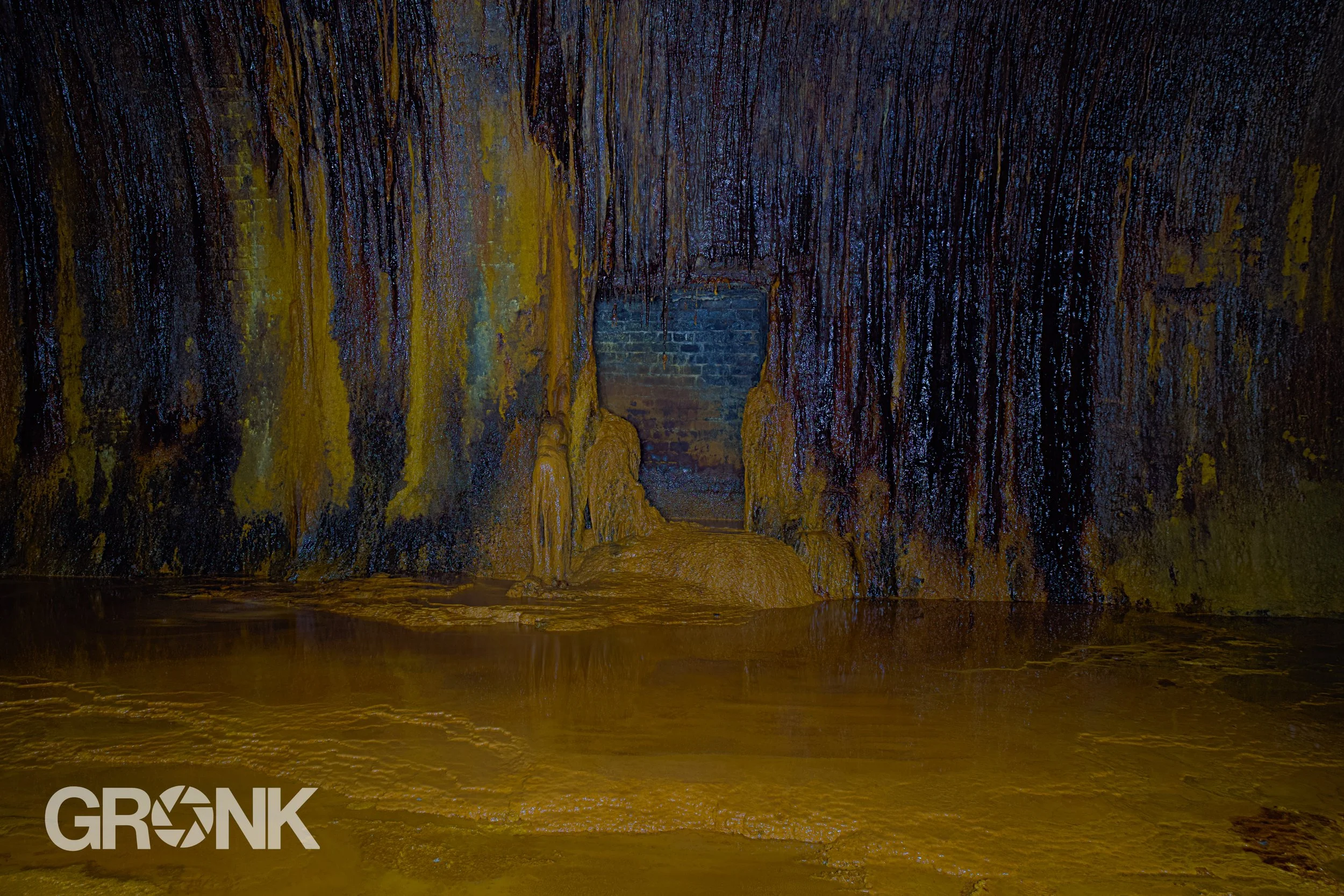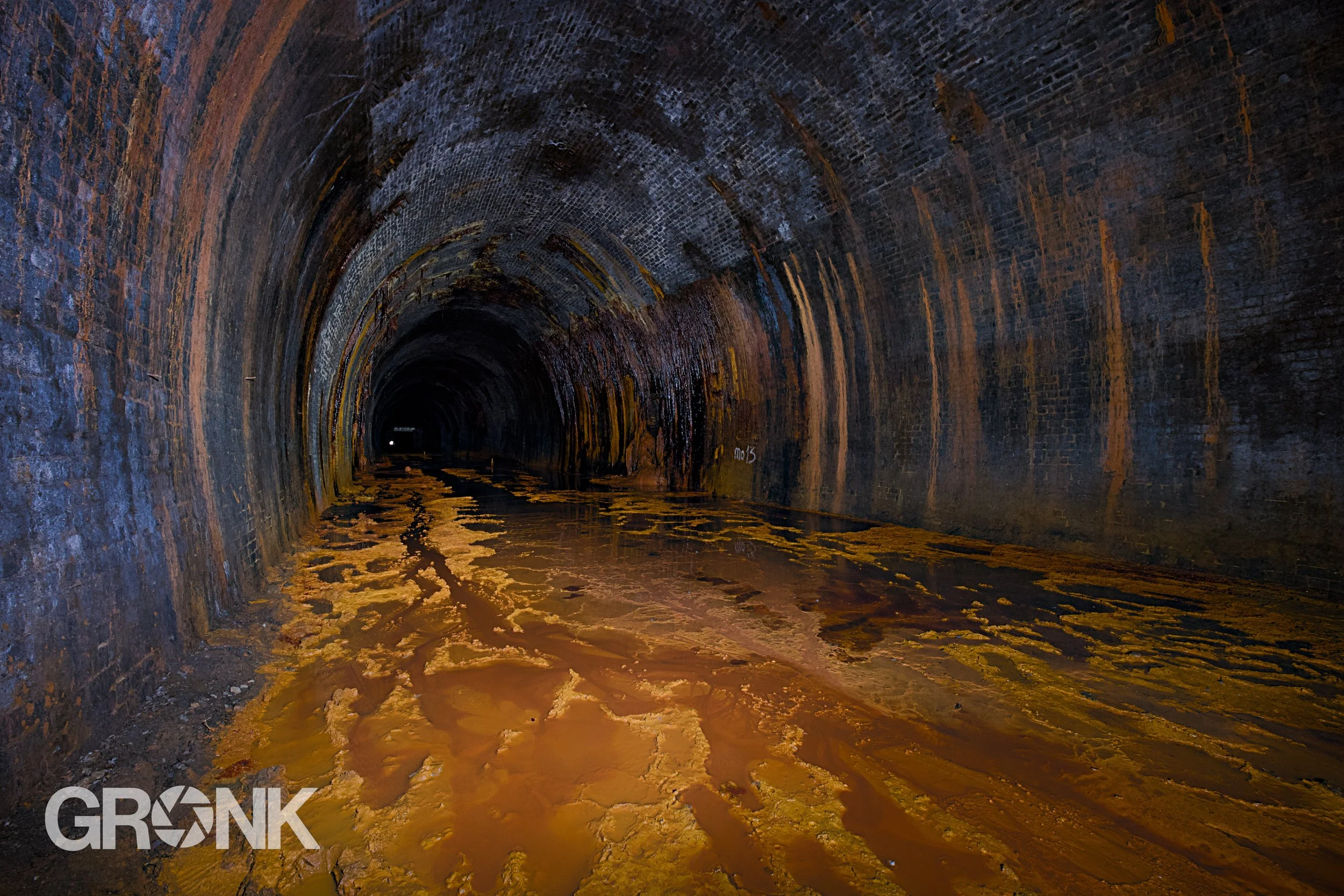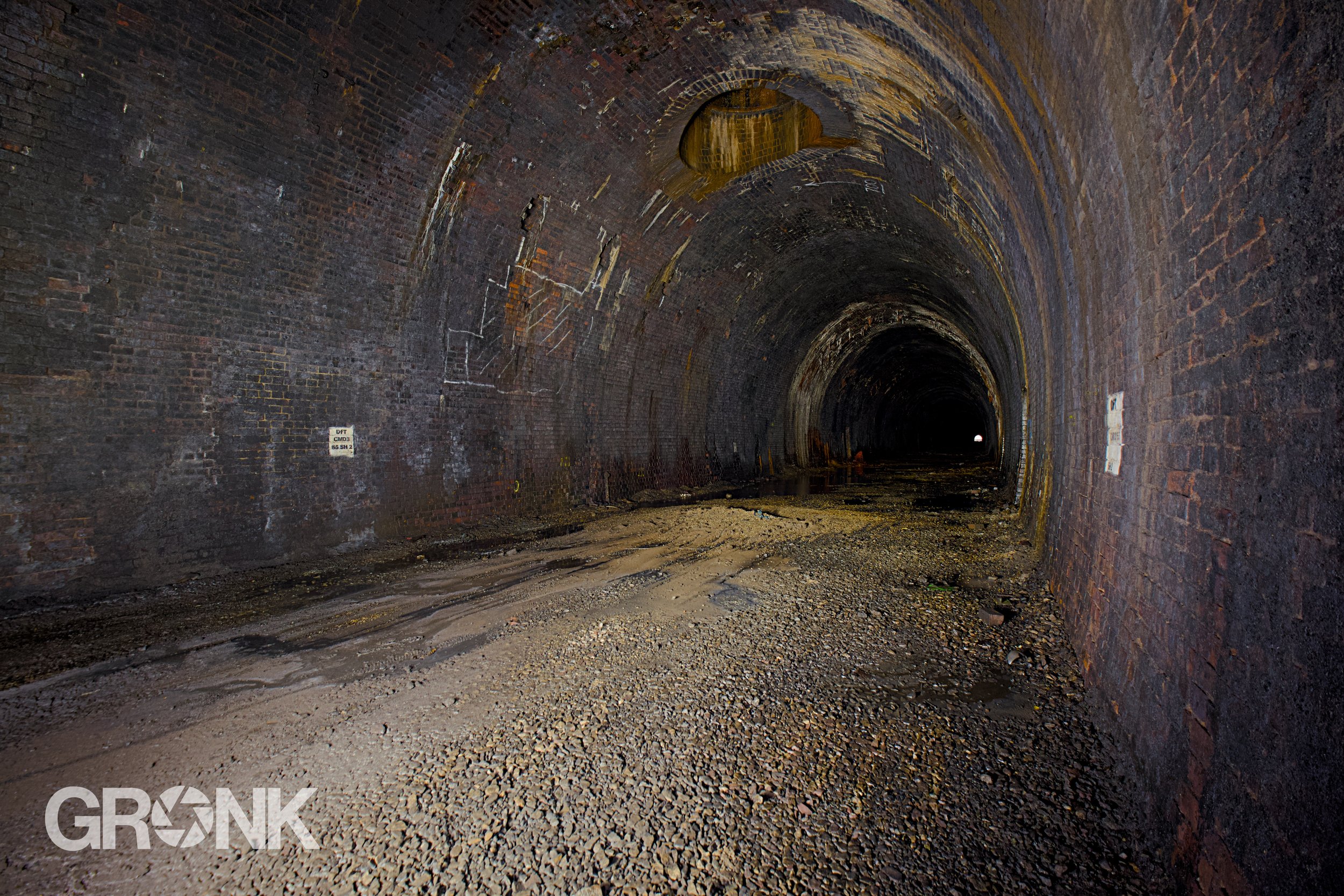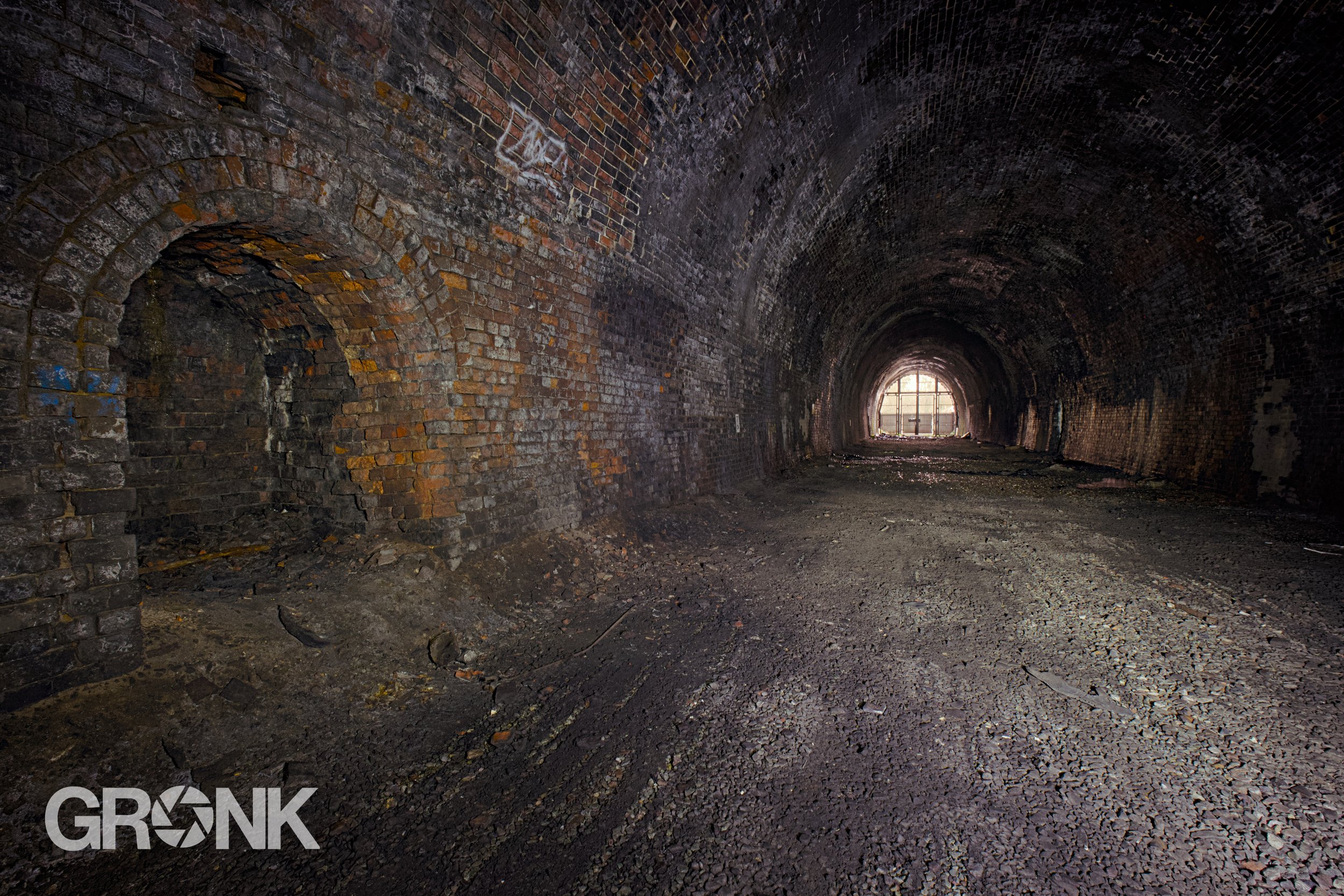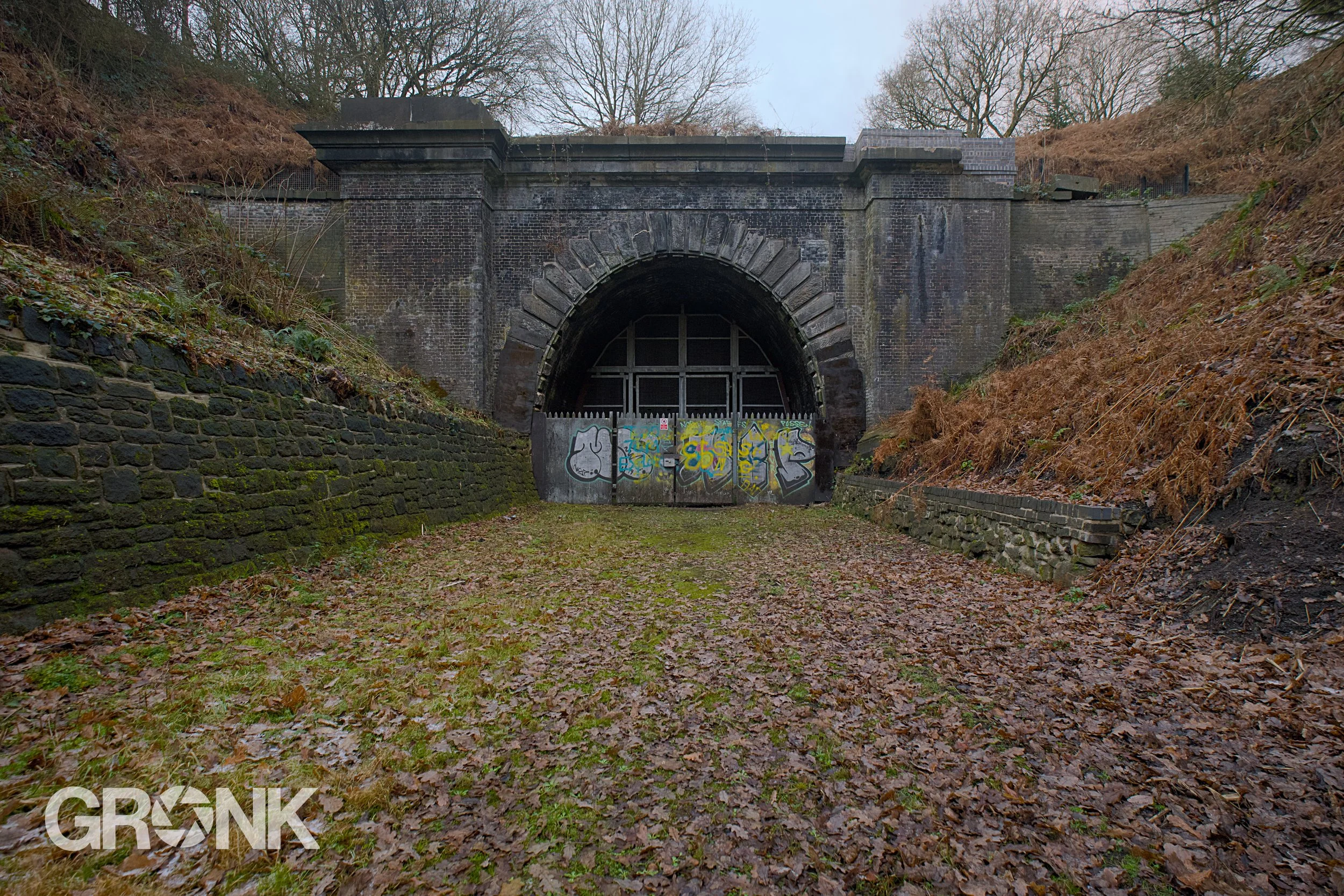
The Harecastle Railway Tunnels are a group of Victorian railway tunnels located at Kidsgrove, Staffordshire, carrying the former North Staffordshire Railway (NSR) beneath Harecastle Hill. They were constructed during the rapid expansion of Britain’s rail network in the mid-19th century and played a key role in linking the industrial centres of Stoke-on-Trent with Crewe, Manchester, and the wider North West. Together with the adjacent canal tunnels, they form one of the most significant transport corridors of the Industrial Revolution in North Staffordshire.
Authorised by an Act of Parliament in 1846, construction began soon afterwards under the direction of engineers working for the North Staffordshire Railway. The project was completed in 1848, remarkably quickly given the scale and complexity of the works. Engineers were able to draw on valuable experience gained during the earlier construction of the Harecastle canal tunnels, particularly Thomas Telford’s later canal tunnel, completed in 1827. Knowledge of the local geology—dominated by sandstone, marl, and coal measures—helped inform tunnelling methods, while several existing ventilation and construction shafts from the canal era were reused or adapted for railway purposes.
The railway tunnels were driven parallel to the Trent and Mersey Canal tunnels, placing rail and water transport infrastructure side by side beneath Harecastle Hill. This close proximity vividly illustrates the transition from canal-based transport to railways during the 19th century, as new technologies were layered directly alongside older ones rather than replacing them outright.
The original railway route consisted of three tunnels in succession. The North Tunnel, approximately 120 metres long, was constructed using the cut-and-cover method, reflecting the shallower depth of the hill at that point. The Middle Tunnel extended for around 165 metres, while the South Tunnel was by far the longest and most ambitious, measuring approximately 1,615 metres (just over one mile). All three tunnels were built to accommodate double railway tracks, an indication of the heavy traffic levels anticipated by the NSR and the importance of the route within the regional rail network.
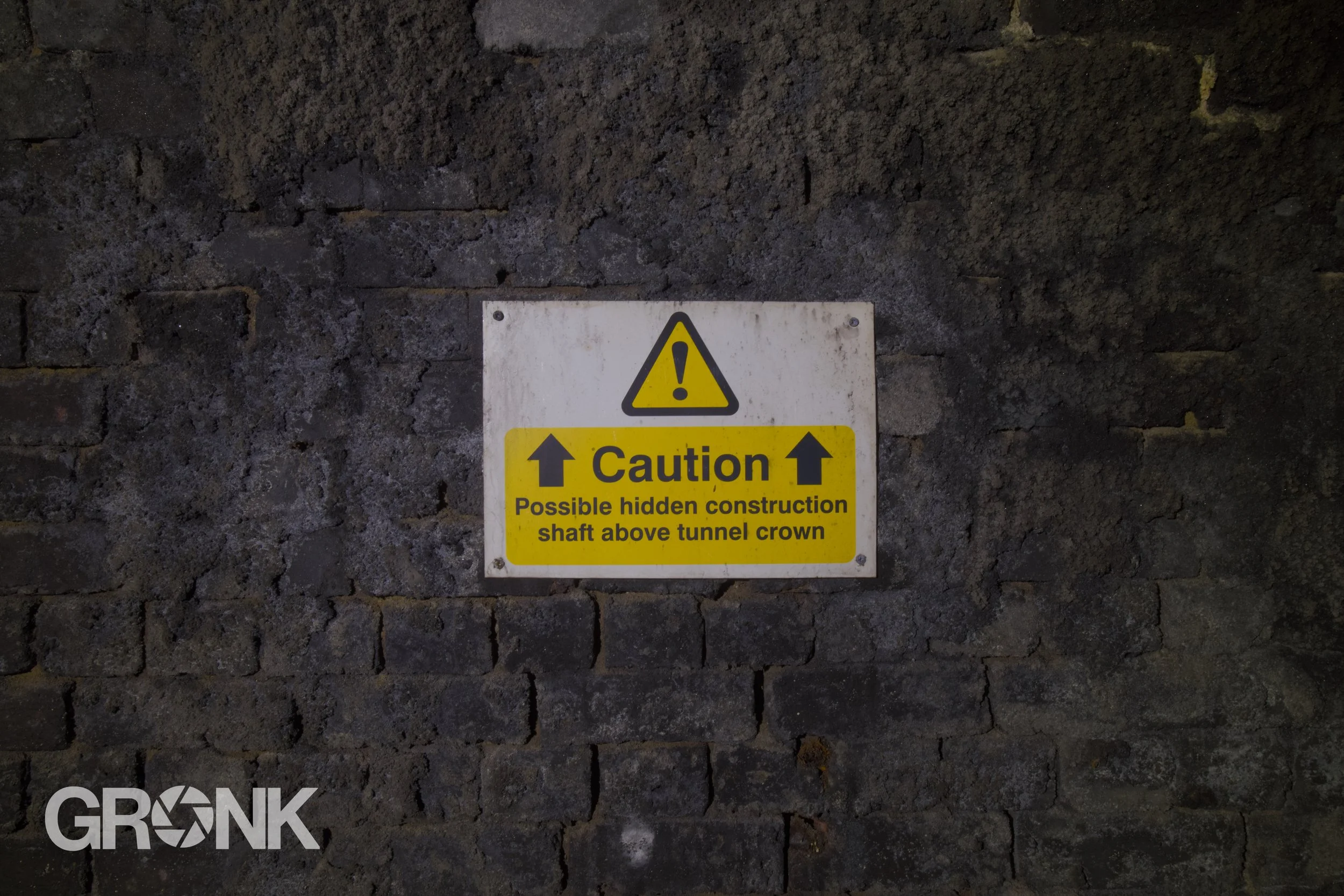
Construction was not without difficulty. Ventilation, water ingress, and unstable ground posed ongoing challenges, particularly in the longer South Tunnel. Vertical shafts were sunk at intervals to remove spoil, admit fresh air, and later serve as ventilation shafts once the tunnels were in operation. Despite these challenges, the tunnels were completed to a high standard and proved robust enough to remain in use for well over a century.
For more than 100 years, the Harecastle Railway Tunnels carried both passenger and freight services. They were vital to the movement of coal, pottery, iron, and manufactured goods from the Potteries, as well as providing passenger links that supported the growth of towns such as Kidsgrove and Talke. The tunnels became an everyday but largely unseen part of life in North Staffordshire, quietly supporting the region’s industrial economy.
By the mid-20th century, however, changing railway standards and technology began to expose the limitations of Victorian infrastructure. During the 1960s, British Rail’s plans to electrify the West Coast Main Line highlighted a major problem: the Harecastle tunnels were too narrow and low to safely accommodate overhead electrification equipment. Modifying or enlarging the tunnels would have been extremely complex, costly, and disruptive, particularly given their length and geology.
Instead, British Rail opted to construct a new alignment to the west of the original route. This included the modern Kidsgrove Tunnel, which opened in the mid-1960s and was designed specifically to modern standards, including clearance for electrified lines. With the opening of the new tunnel, the original Middle and South Harecastle railway tunnels were closed to regular traffic, bringing an end to more than a century of continuous use.