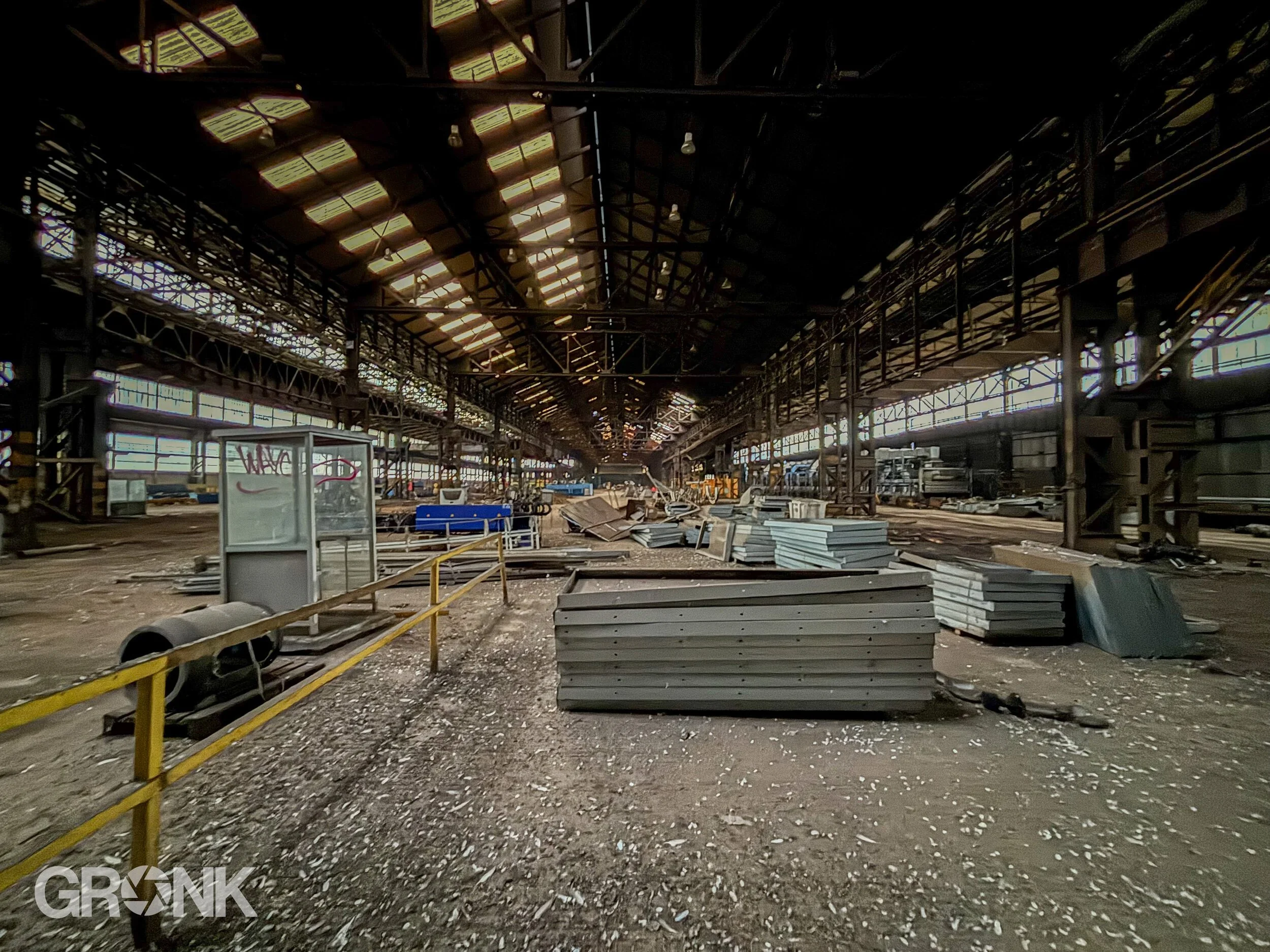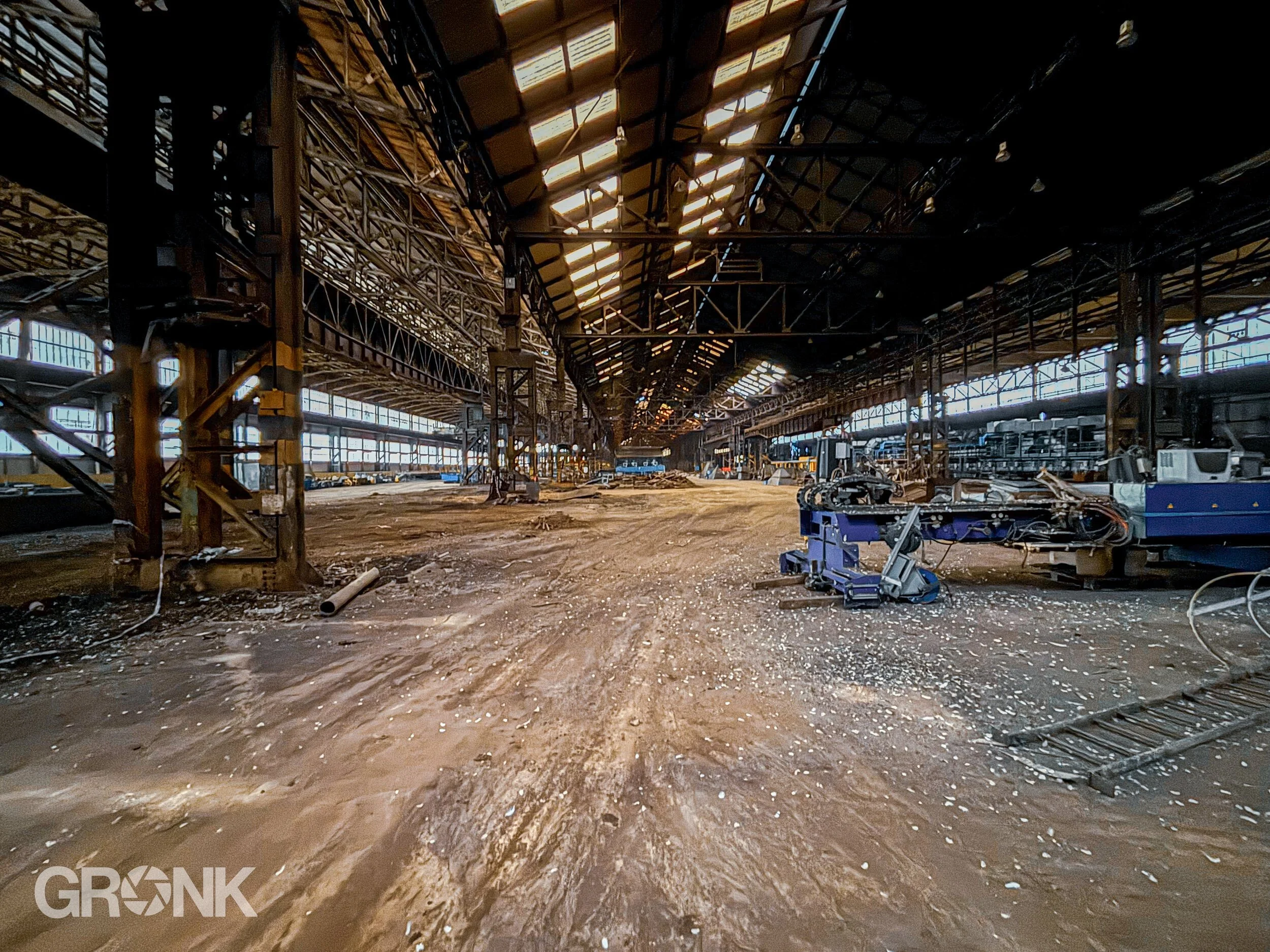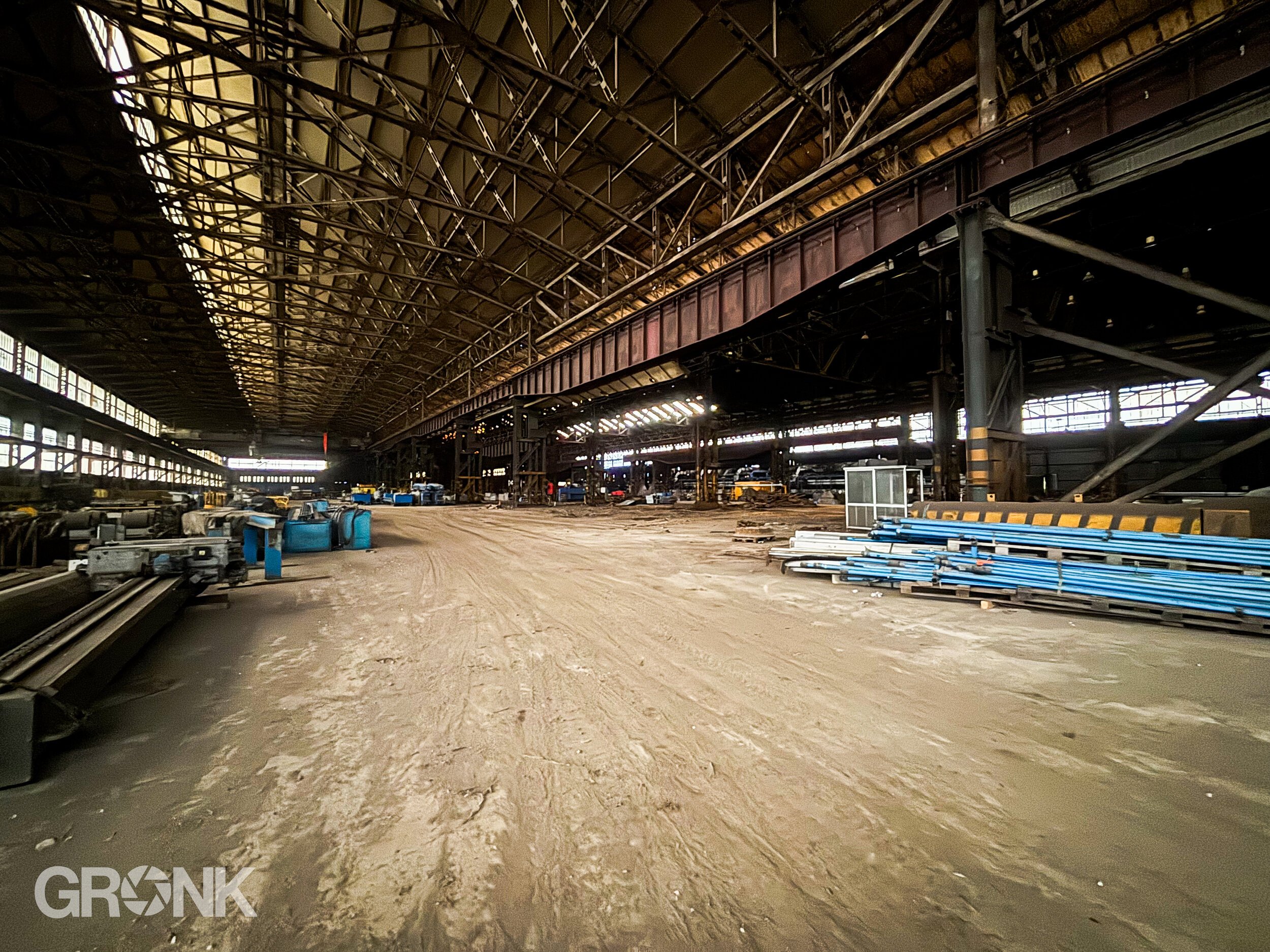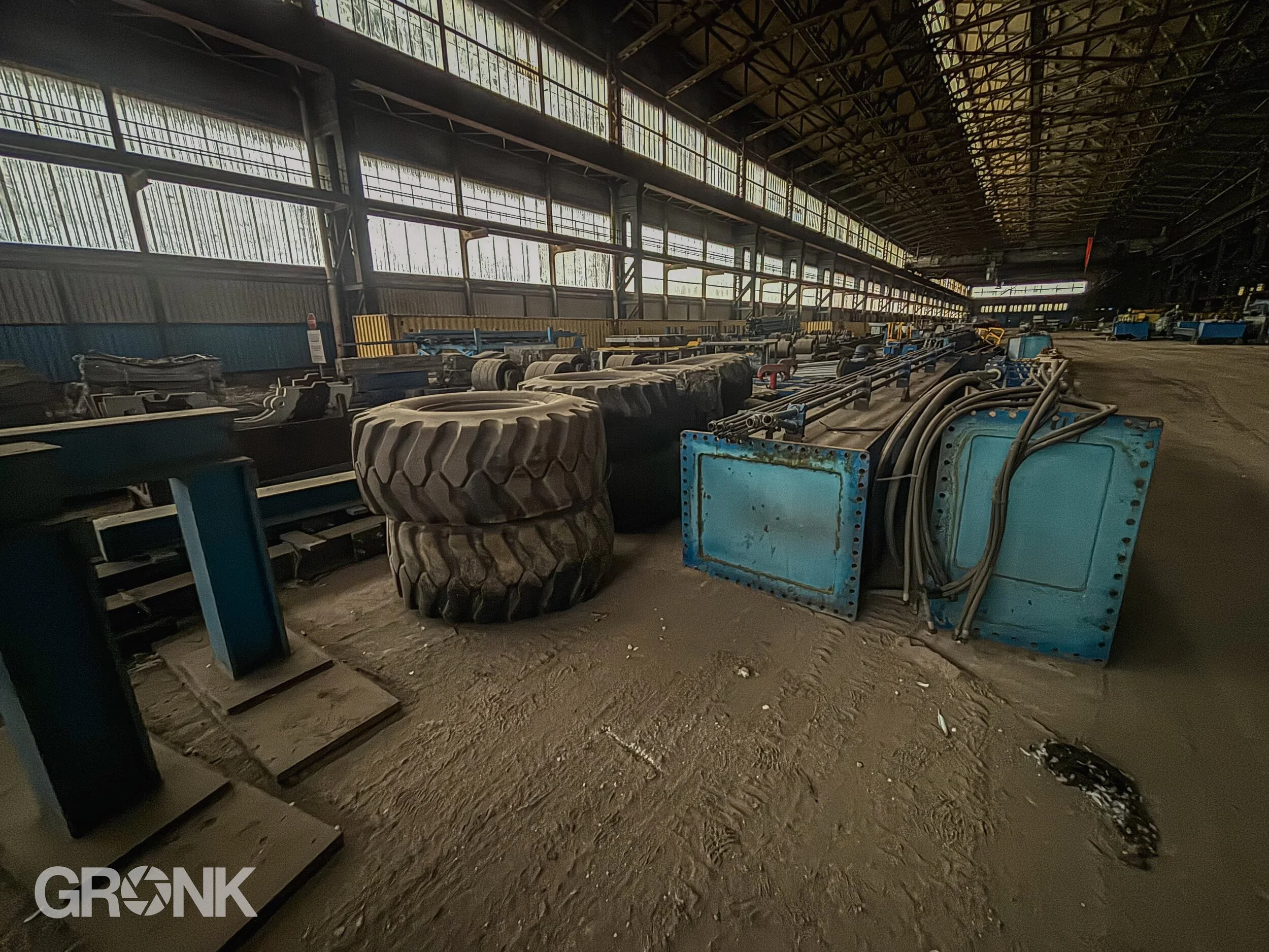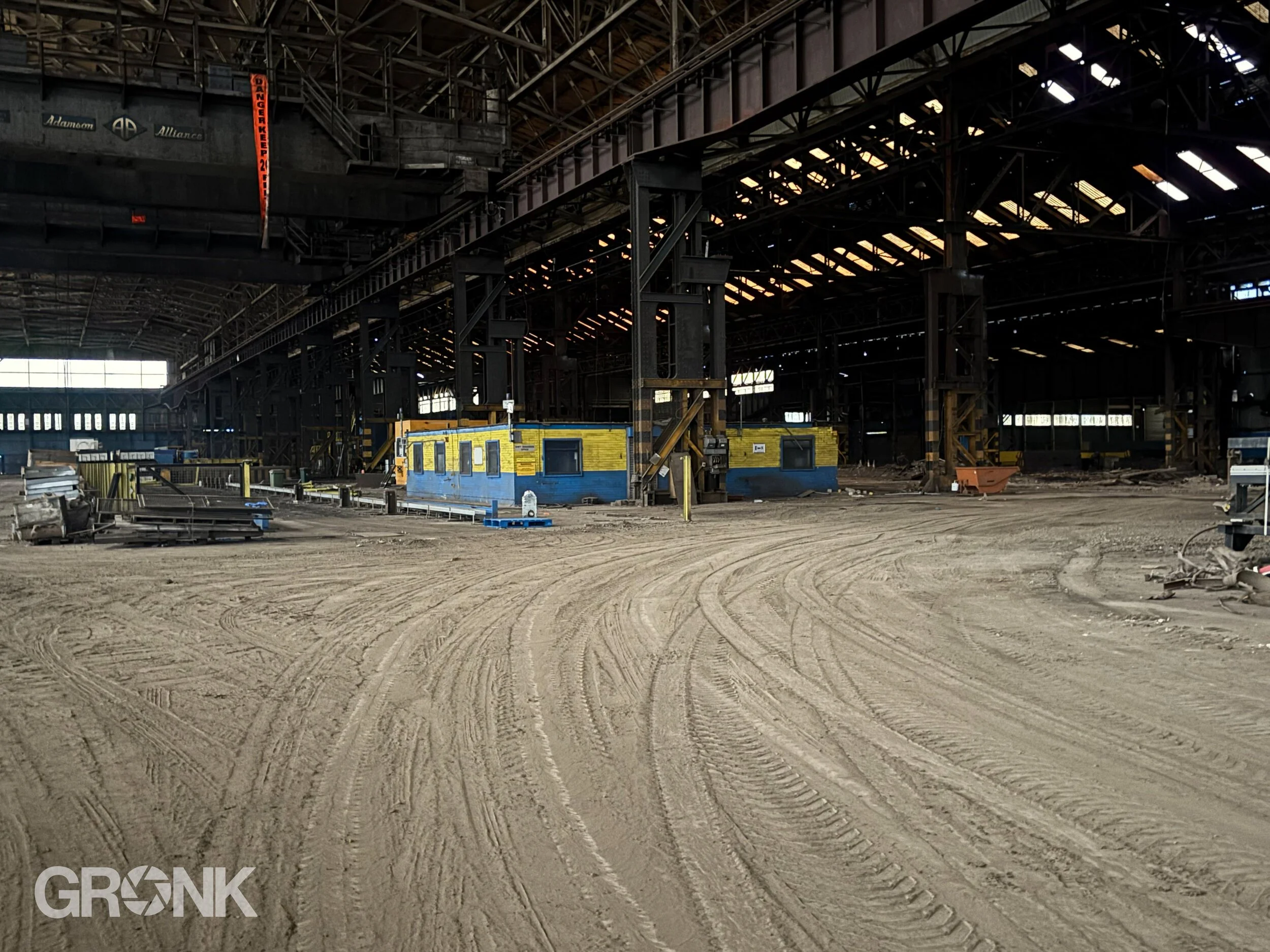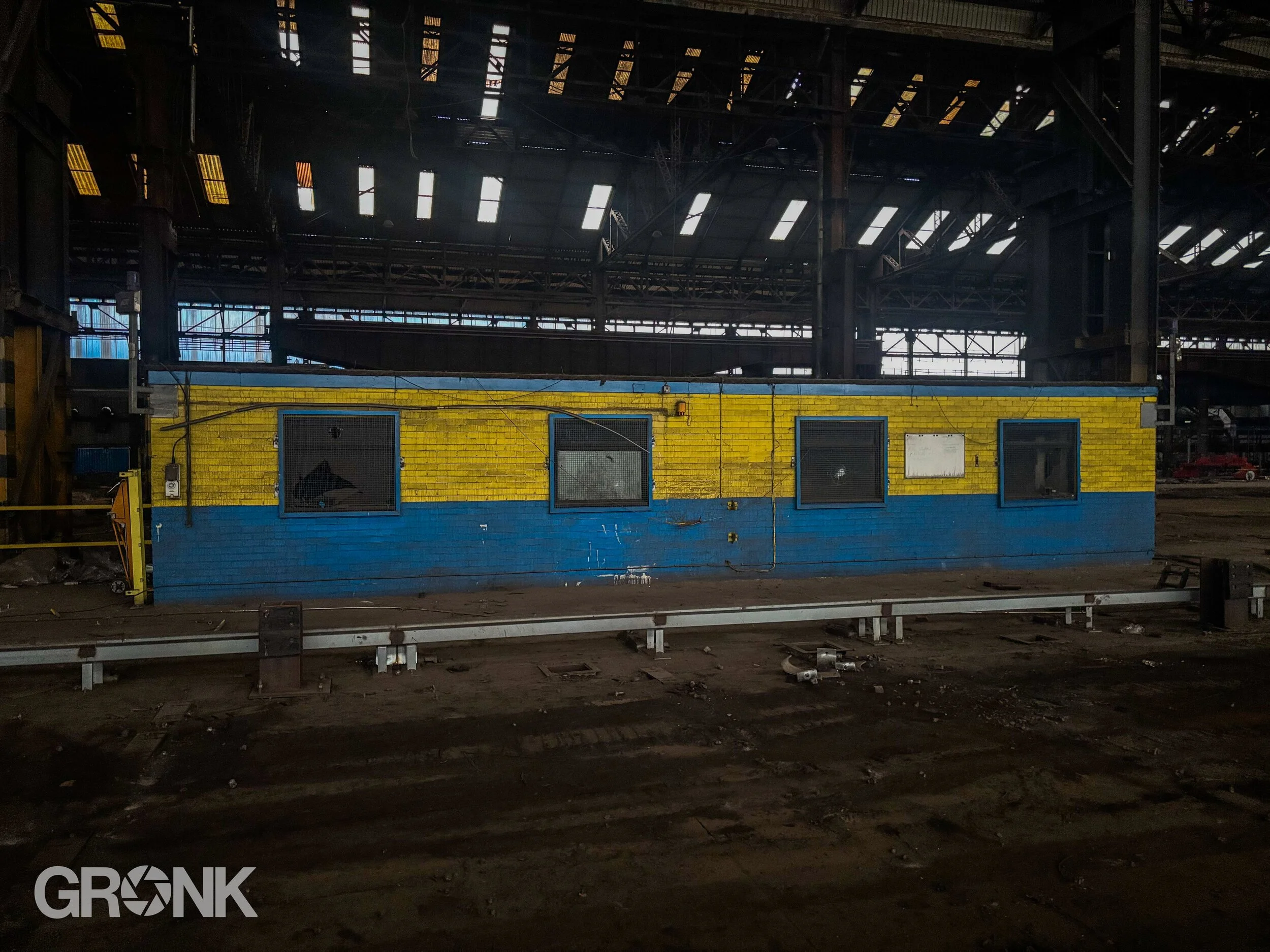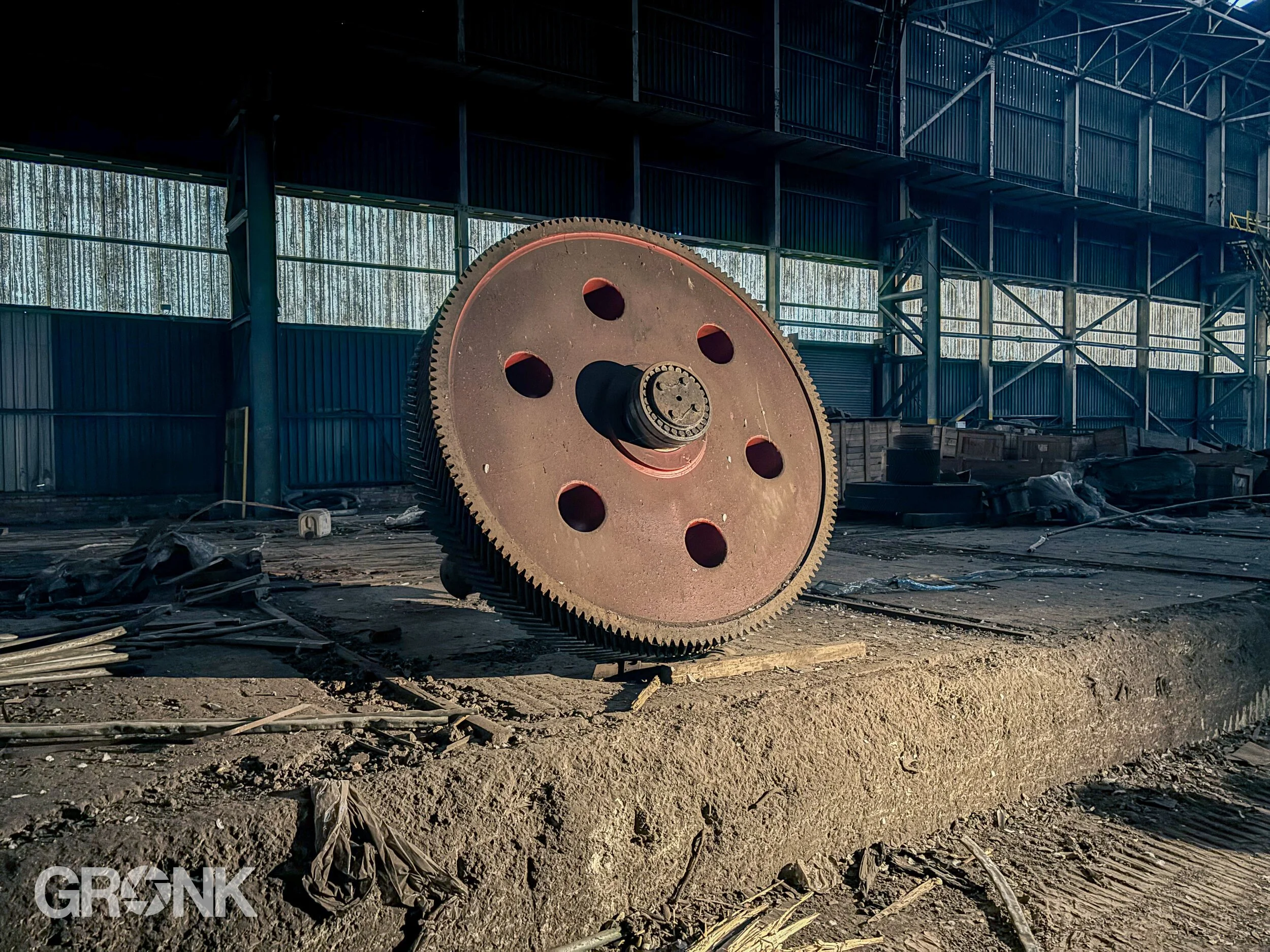
Clydebridge Steel Works, Glasgow
The History of the Clydebridge Works, on the south bank of the River Clyde near Rutherglen and Cambuslang, was established in 1877 and became an important part of Scotland's steelmaking and shipbuilding heritage. Its principal role was the manufacture of steel plate for shipbuilding, engineering and construction, linking the works closely with the huge industrial economy of the River Clyde.
The works expanded considerably during the late nineteenth and early twentieth centuries, developing furnaces, plate mills and associated railway infrastructure. In 1915, Clydebridge was taken over by Colvilles, one of Scotland's leading steel companies. Further investment followed, including a new plate mill in 1923. During its most successful period, the works supplied steel for many famous vessels, including the Cunard liners Queen Mary, Queen Elizabeth and QE2, as well as other notable ships such as Lusitania and Mauretania. Clydebridge therefore became part of the story of the great ocean liners and the worldwide reputation of Clyde shipbuilding.
The works was nationalised in 1951, returned to Colvilles in 1955, and nationalised again in 1967 when it became part of the British Steel Corporation. The post-war period saw further modernisation, including a new four-high plate mill and heat-treatment facilities. At its peak during the mid-1970s, around 3,500 people were employed at Clydebridge, making it a major local employer and an important part of the surrounding communities.
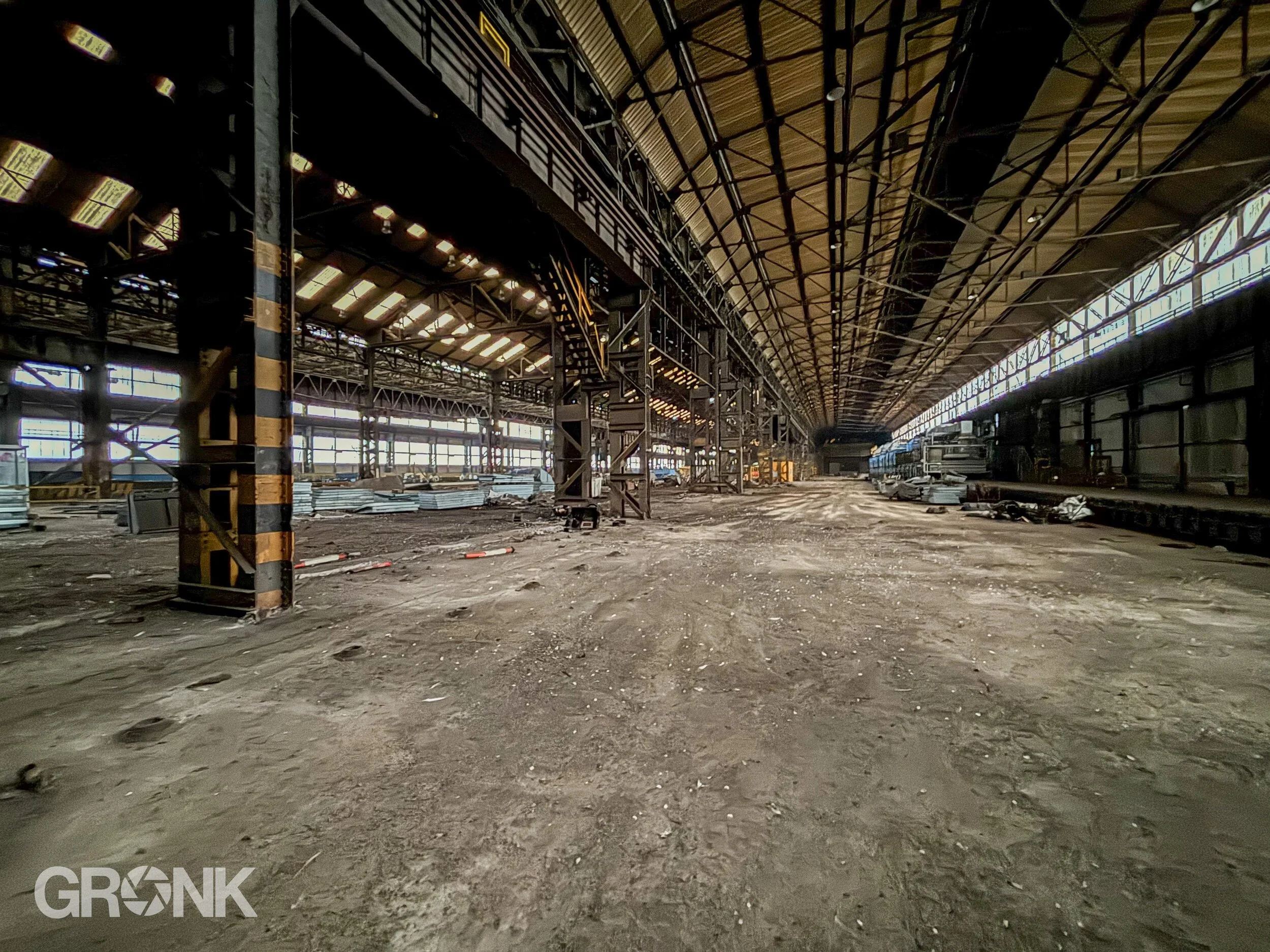
However, the decline of traditional steelmaking and the contraction of British shipbuilding placed the works under increasing pressure. British Steel sought to replace older open-hearth steelmaking with newer and more efficient processes. Steel production at Clydebridge ended in 1978, although the site continued to process steel brought in from elsewhere. The plate mill finally produced its last plate on 12 November 1982. Some specialist operations, particularly heat treatment, survived after the main works had closed.
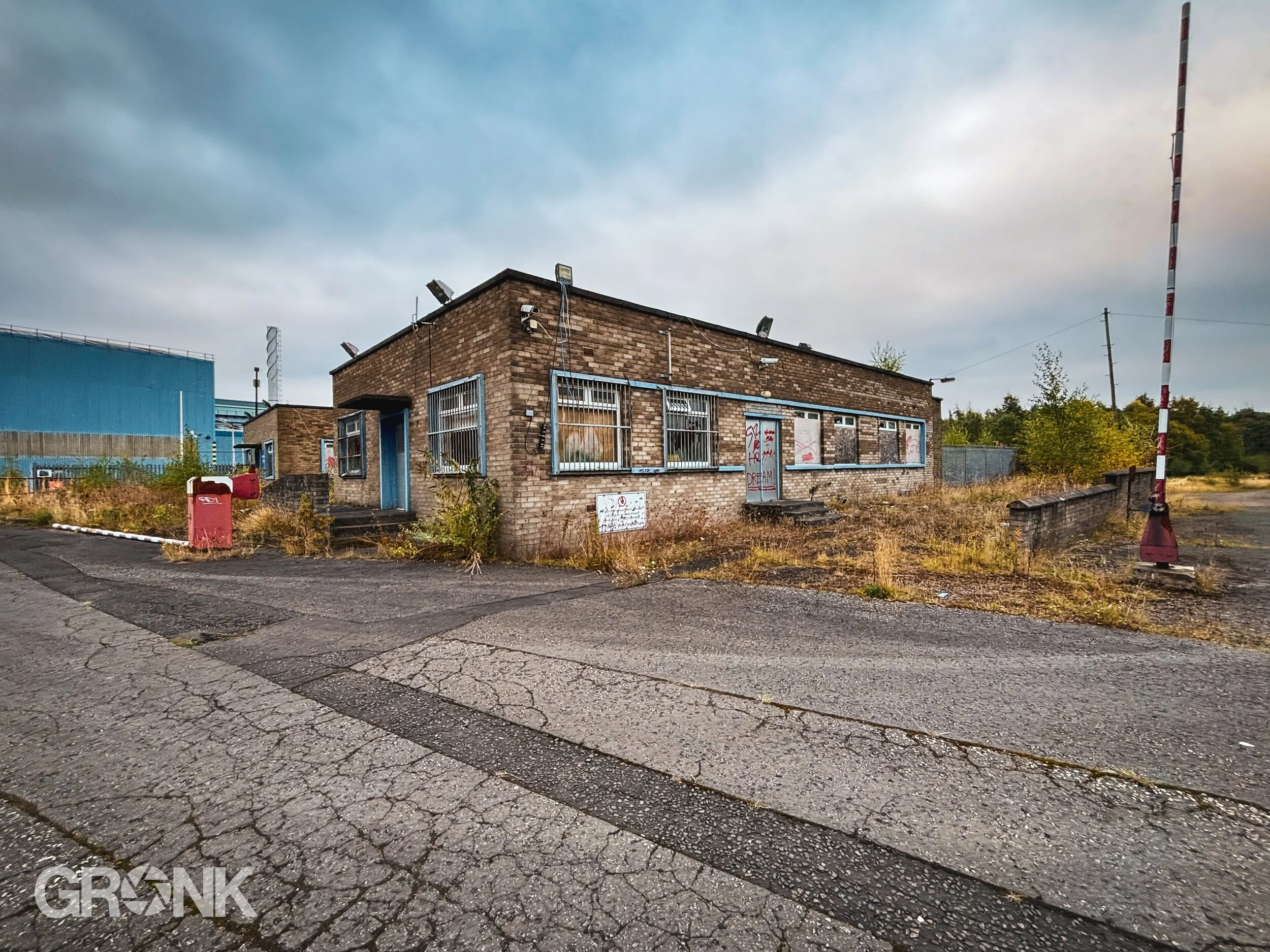
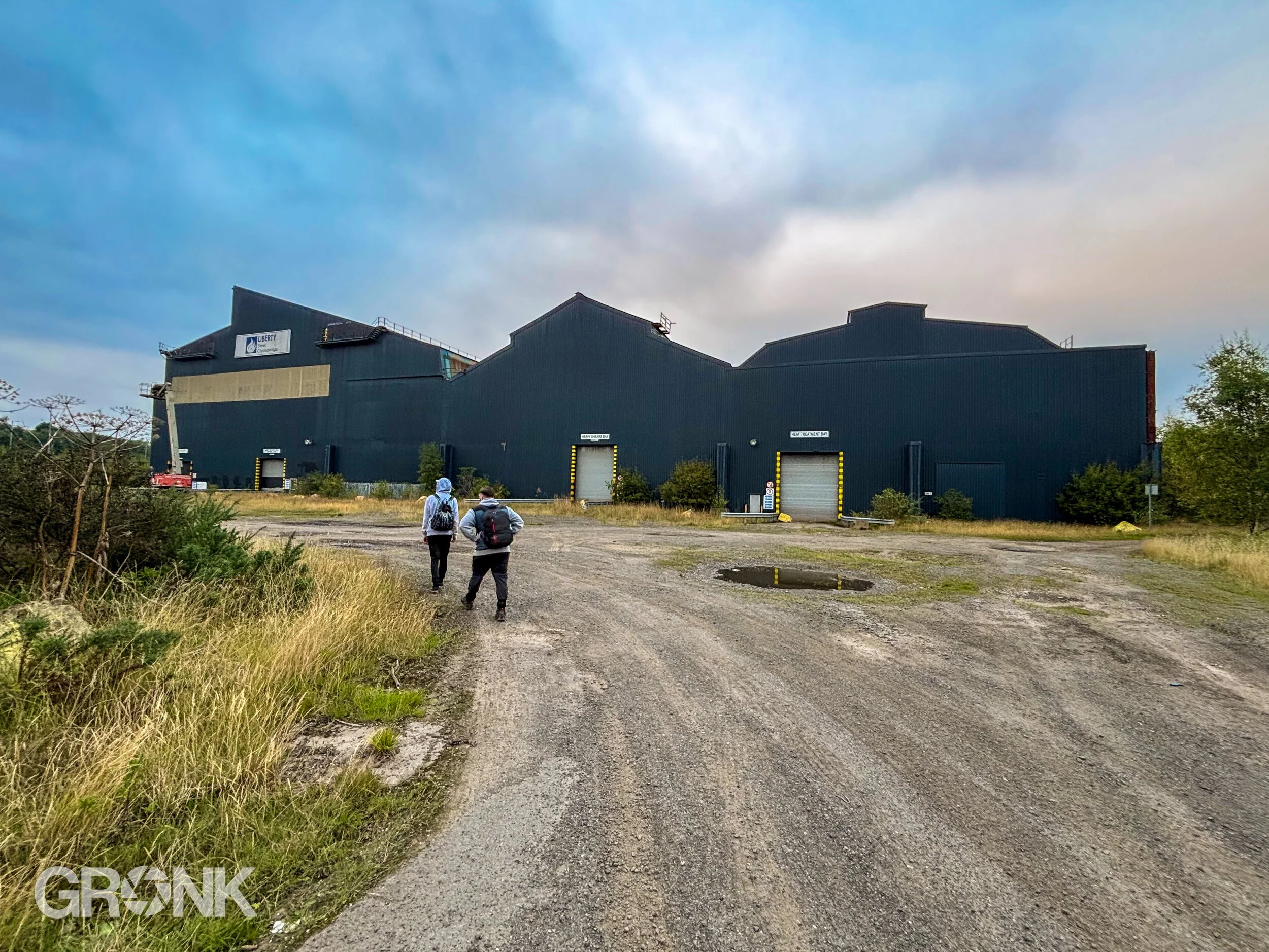
The site was subsequently reduced and fragmented, with the construction of the M74 motorway through part of the former industrial complex. By the 2010s, only a much smaller operation remained.
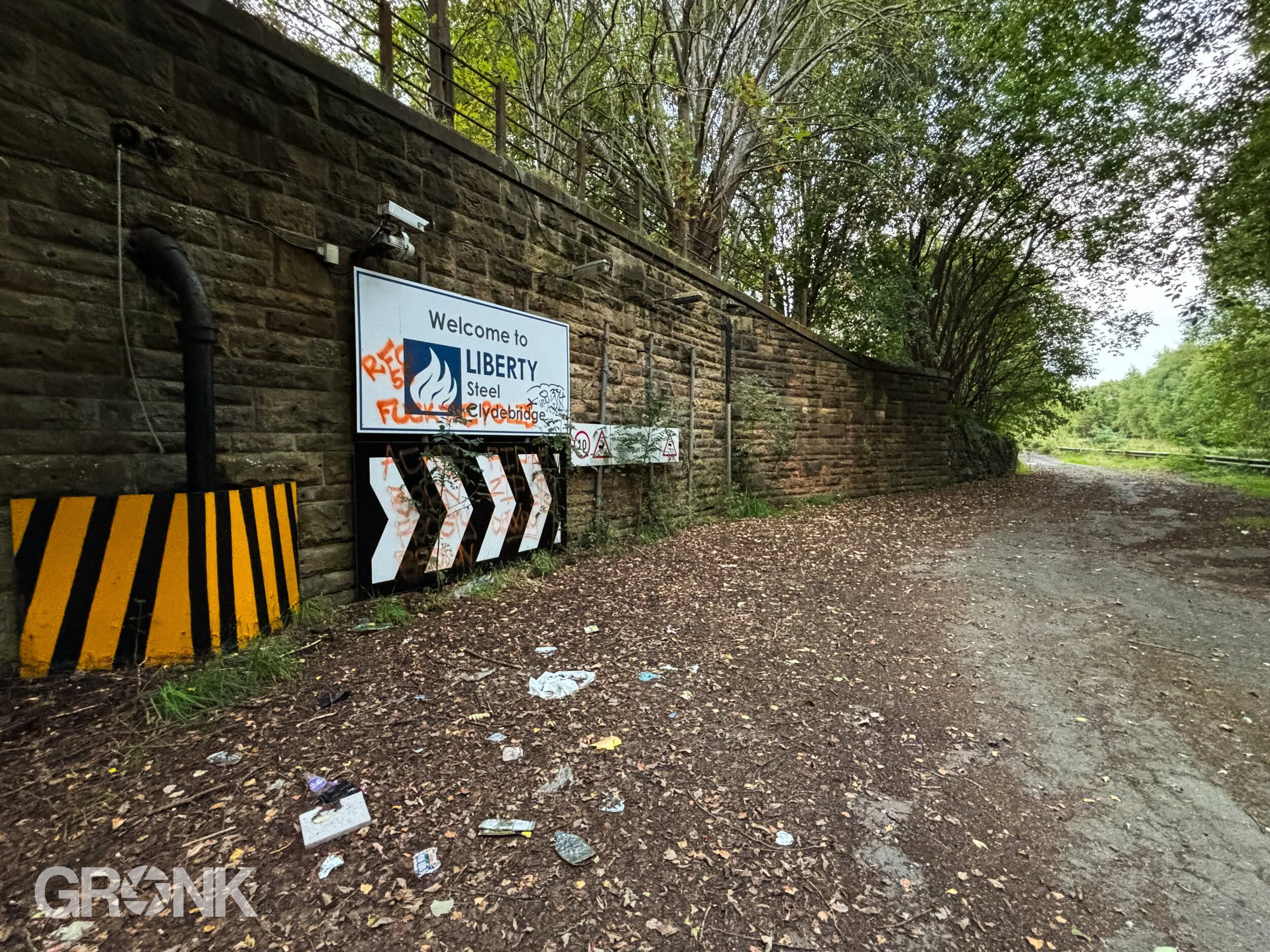
In 2016, Liberty House Group acquired Clydebridge from Tata Steel as part of a rescue of Scotland's remaining steel facilities. The takeover initially offered hope for investment and the preservation of skilled jobs. Liberty owner Sanjeev Gupta subsequently promoted a £1 billion Scottish investment programme under his Greensteel strategy, although Clydebridge's long-term future remained uncertain.
In 2020, plans were announced for a 100-bedroom hotel on part of the redundant Clydebridge land, alongside possible further redevelopment. These proposals were ultimately undermined by the financial crisis affecting GFG Alliance and Liberty Steel, particularly following the collapse of Greensill Capital in 2021.
Clydebridge's history therefore reflects the rise and decline of Scottish heavy industry. From producing steel for some of the world's most famous ships to becoming a much-reduced industrial site, the works remains an important reminder of the skilled workforce, engineering expertise and industrial communities that once defined the Clyde.