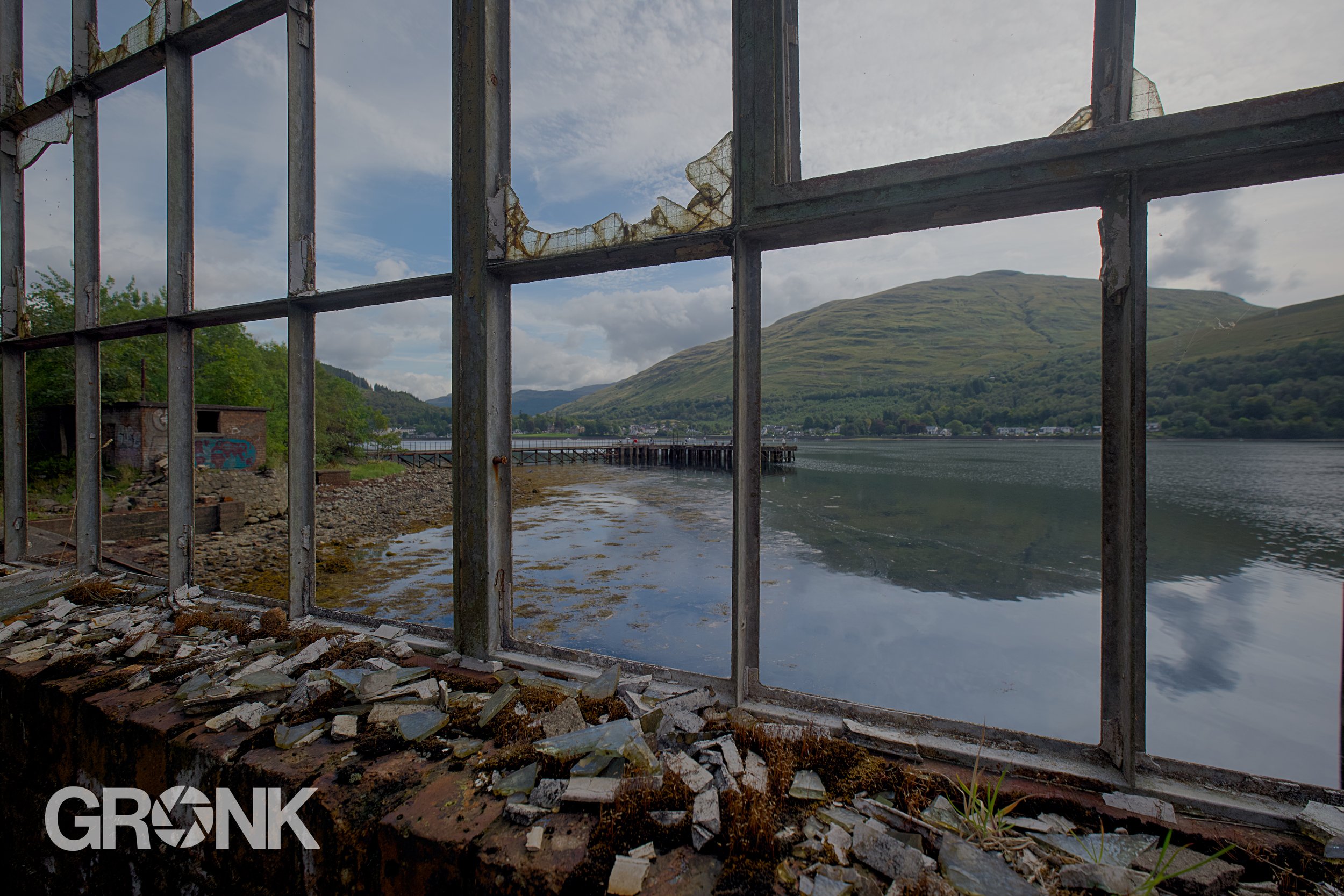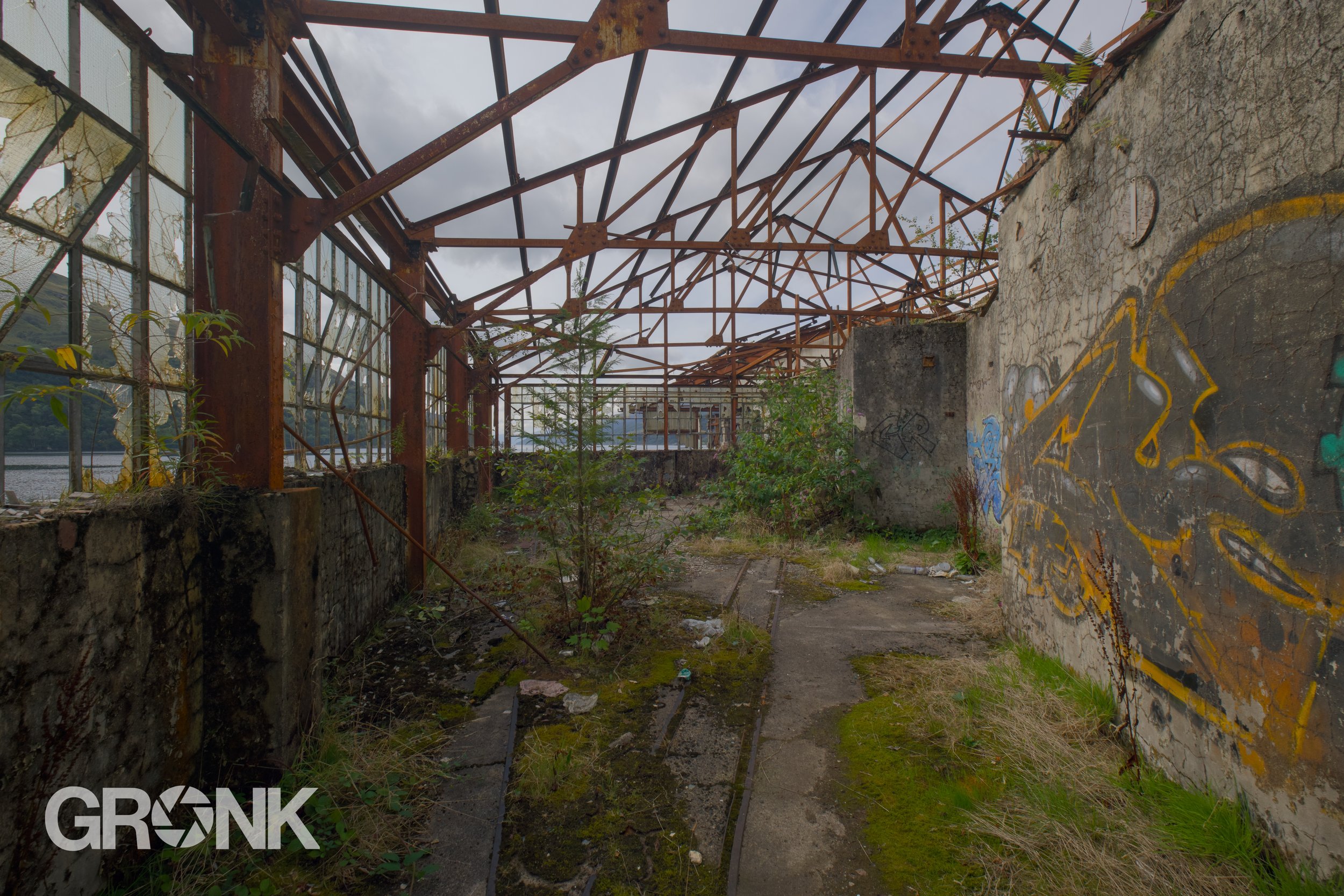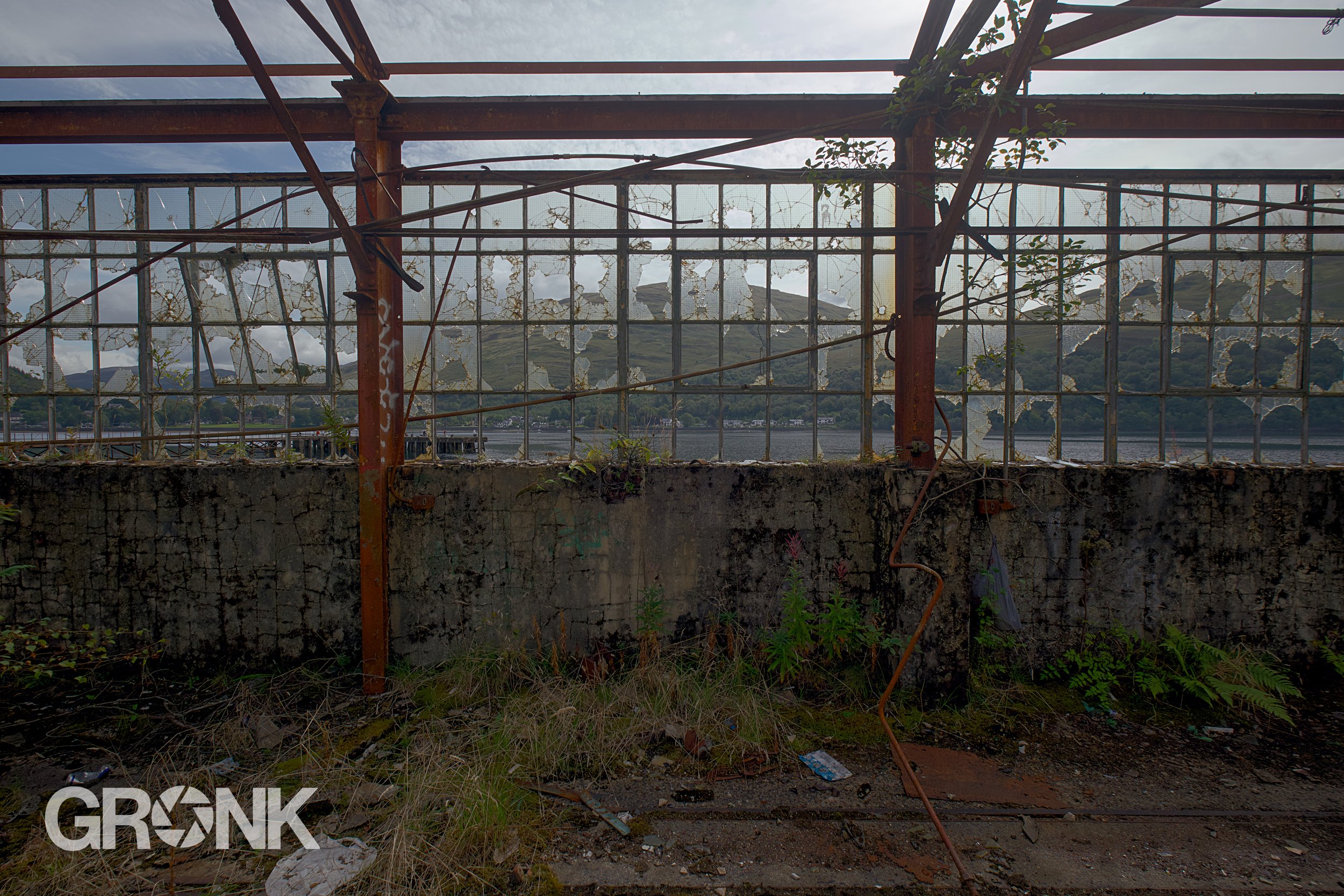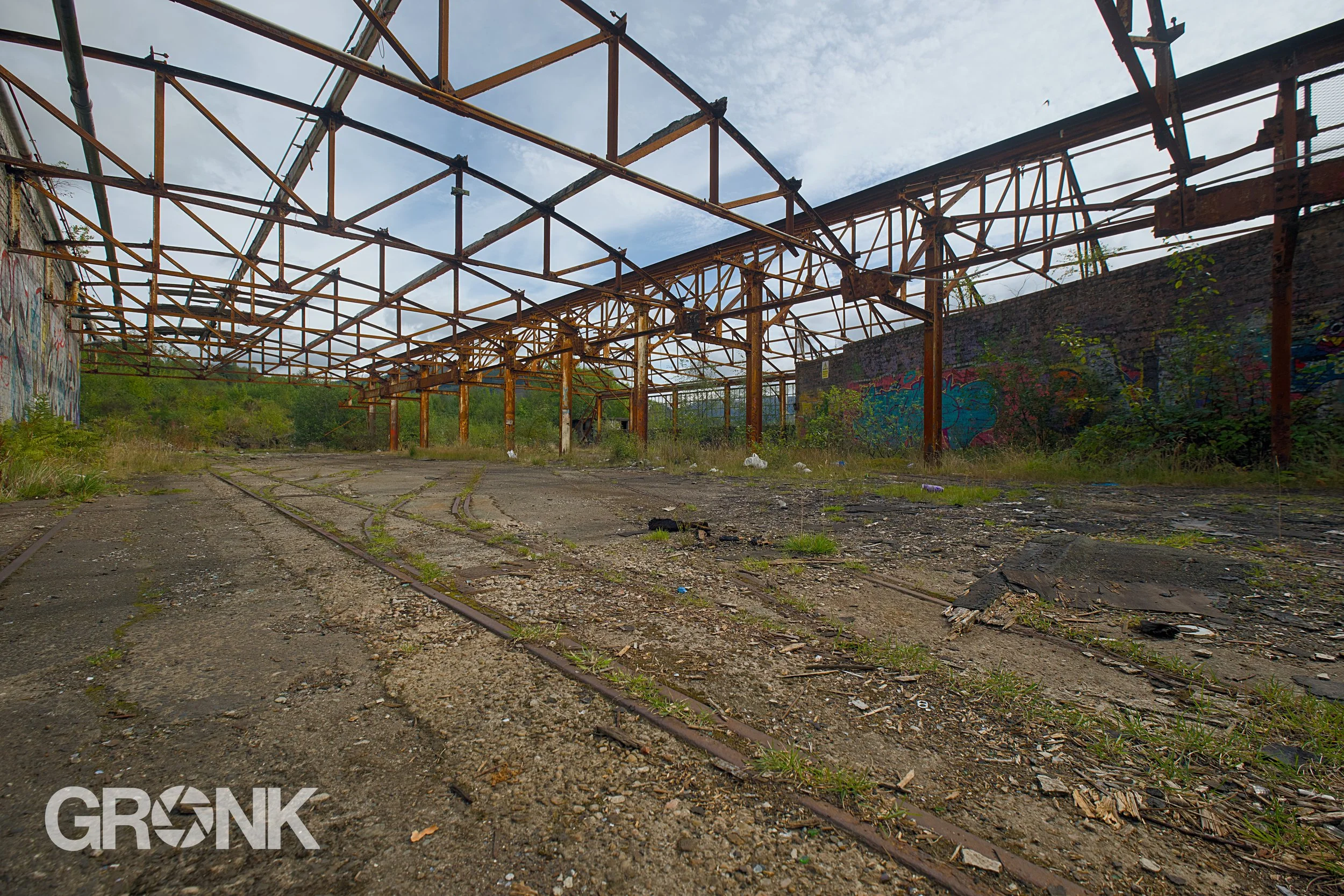
Loch Long Torpedo Range, Arrochar
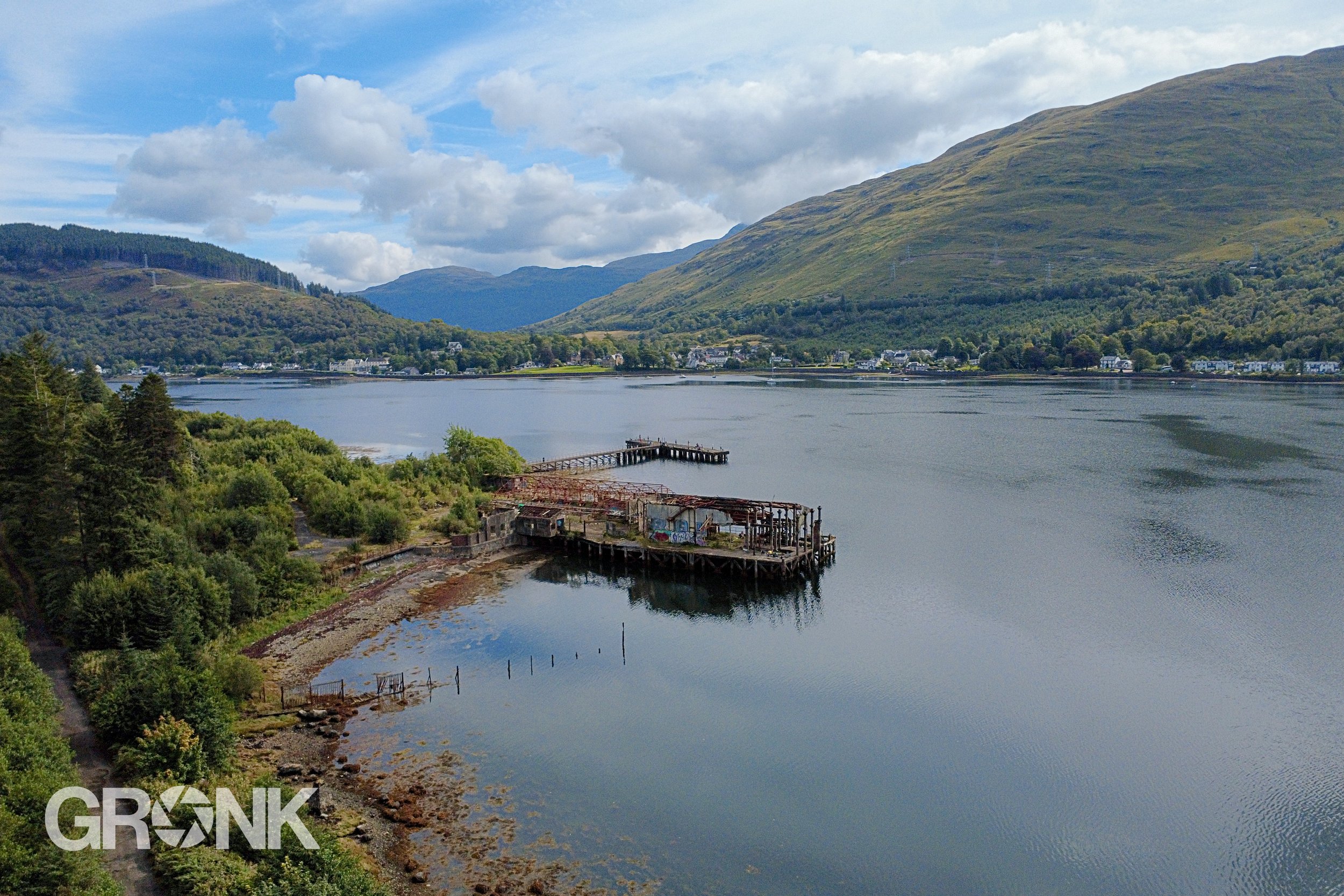
The Loch Long Torpedo Range, near Arrochar in Argyll, was established by the Royal Navy to test and develop torpedoes. Plans for the range were made in the early 1900s, as torpedoes were becoming faster and capable of travelling much greater distances. Construction began in 1908, and the range officially opened in 1912.
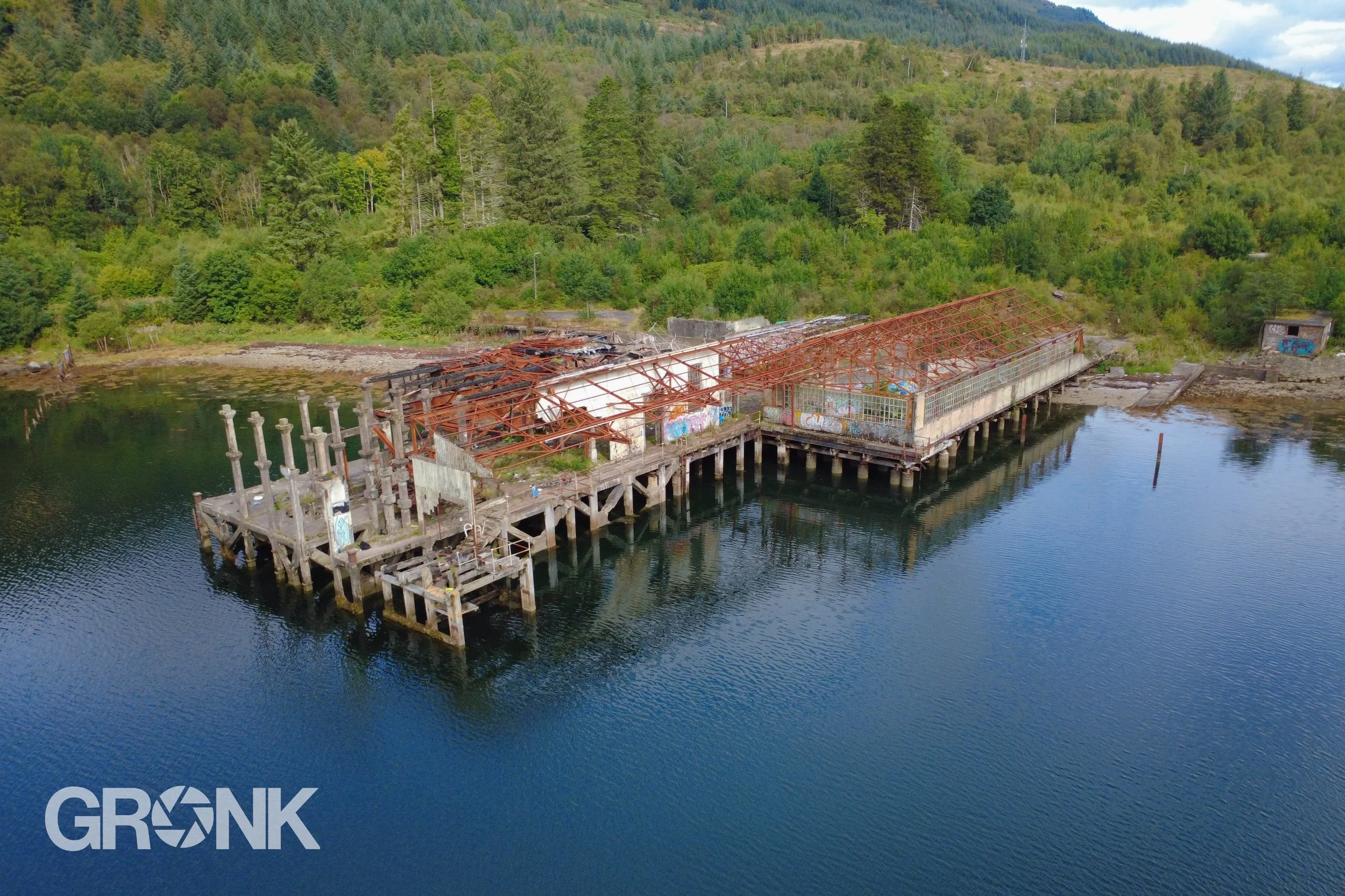
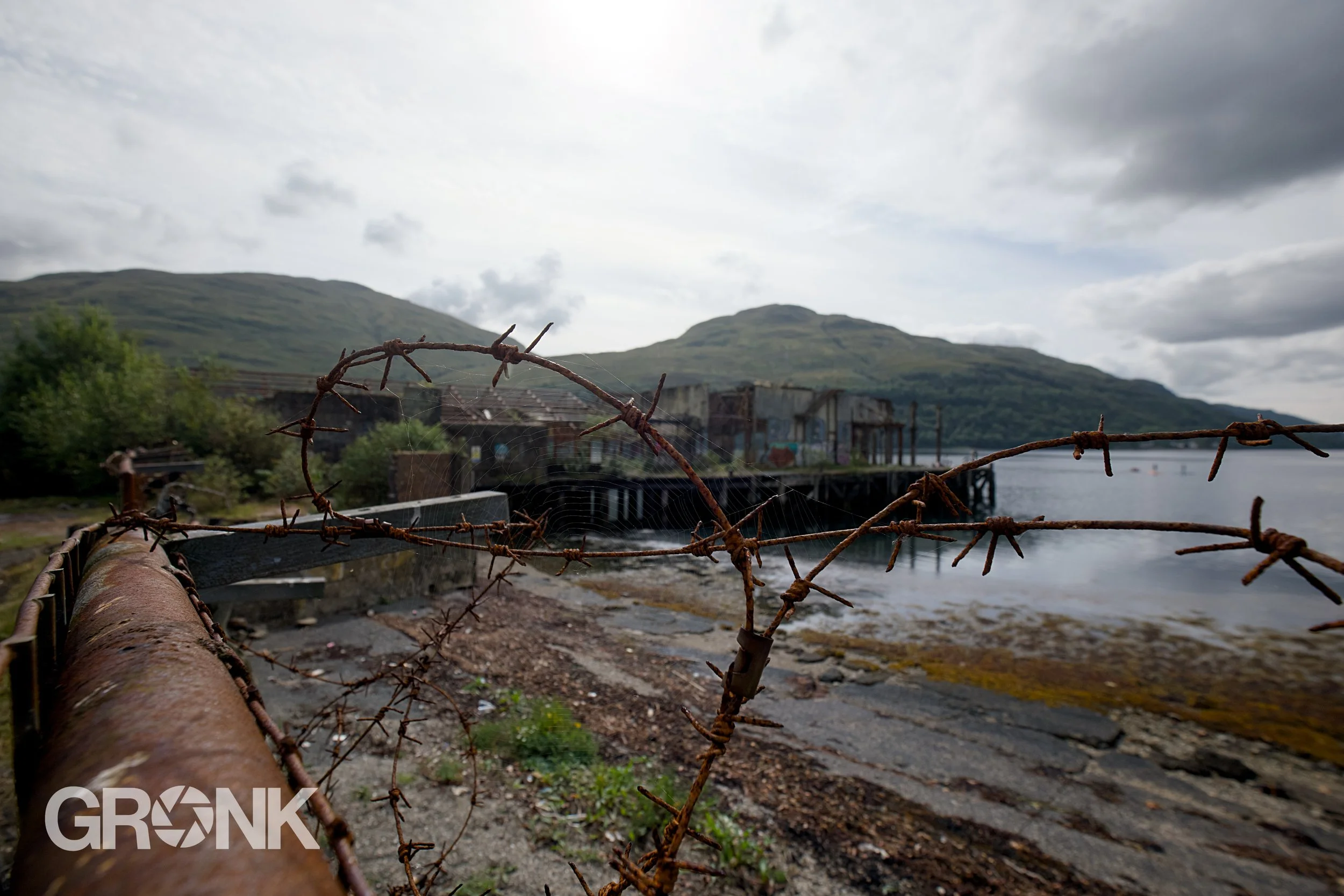
Loch Long was an ideal location because it provided a long, sheltered stretch of water where torpedoes could be fired, observed and recovered safely. The facility included a firing pier, workshops, storage buildings, observation facilities and recovery boats. Torpedoes were normally fitted with practice warheads rather than explosives, allowing them to be recovered and examined after firing.
The range was active during both World Wars. During the First World War it was considered strategically important, and security around the site was increased. In 1915, a German spy, Augusto Alfredo Roggen, was convicted of espionage connected with the range and was subsequently executed.
The busiest period came during the Second World War. In 1944 alone, 12,565 torpedoes were fired, with the range employing many local people. Torpedoes manufactured on the Clyde, including at Greenock and later Alexandria, were brought to Arrochar for testing and evaluation.
After the war, the range continued to test increasingly advanced torpedoes, including new 21-inch weapons. However, improvements in torpedo technology, particularly electronic guidance and homing systems, eventually made Loch Long less suitable for modern testing.
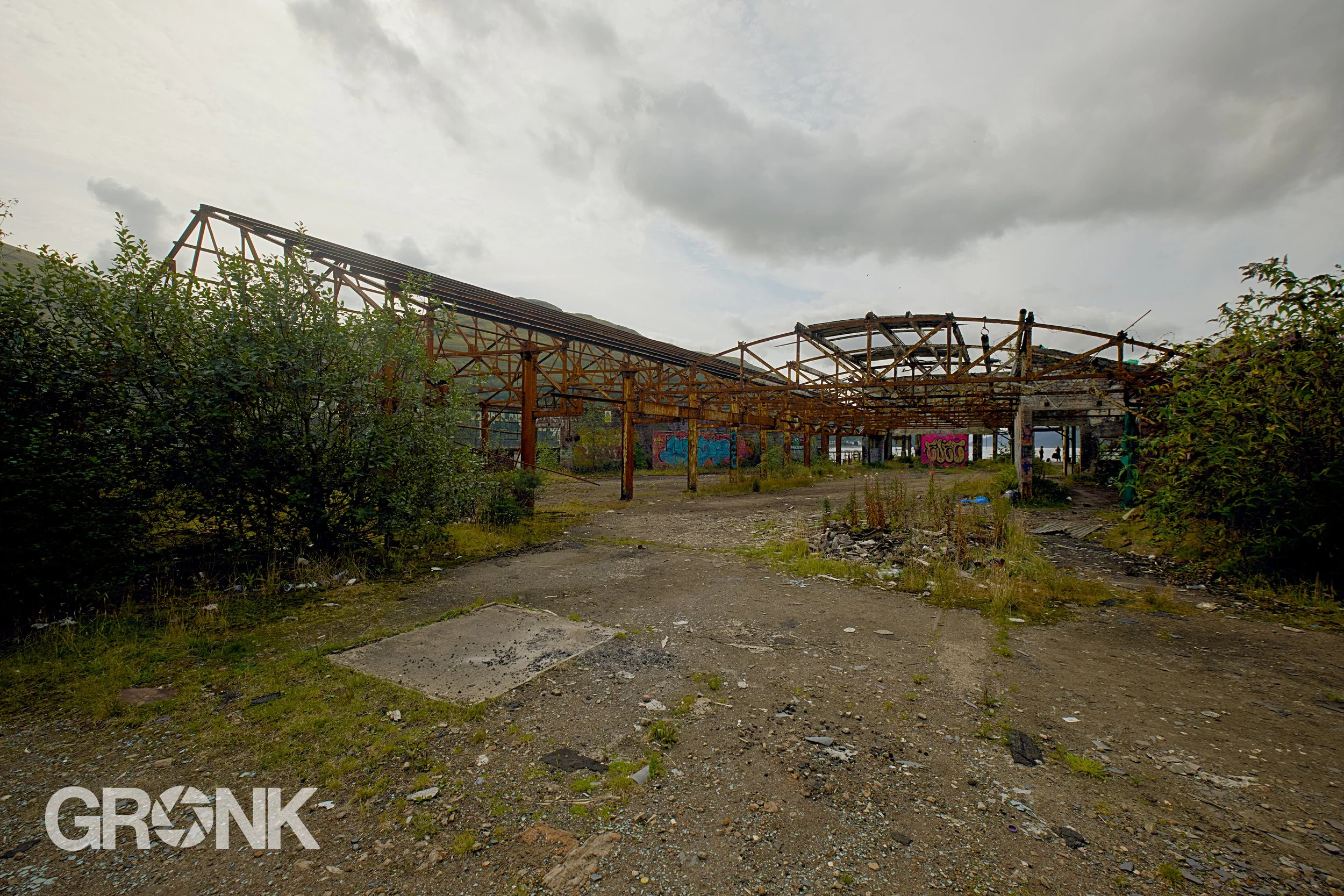
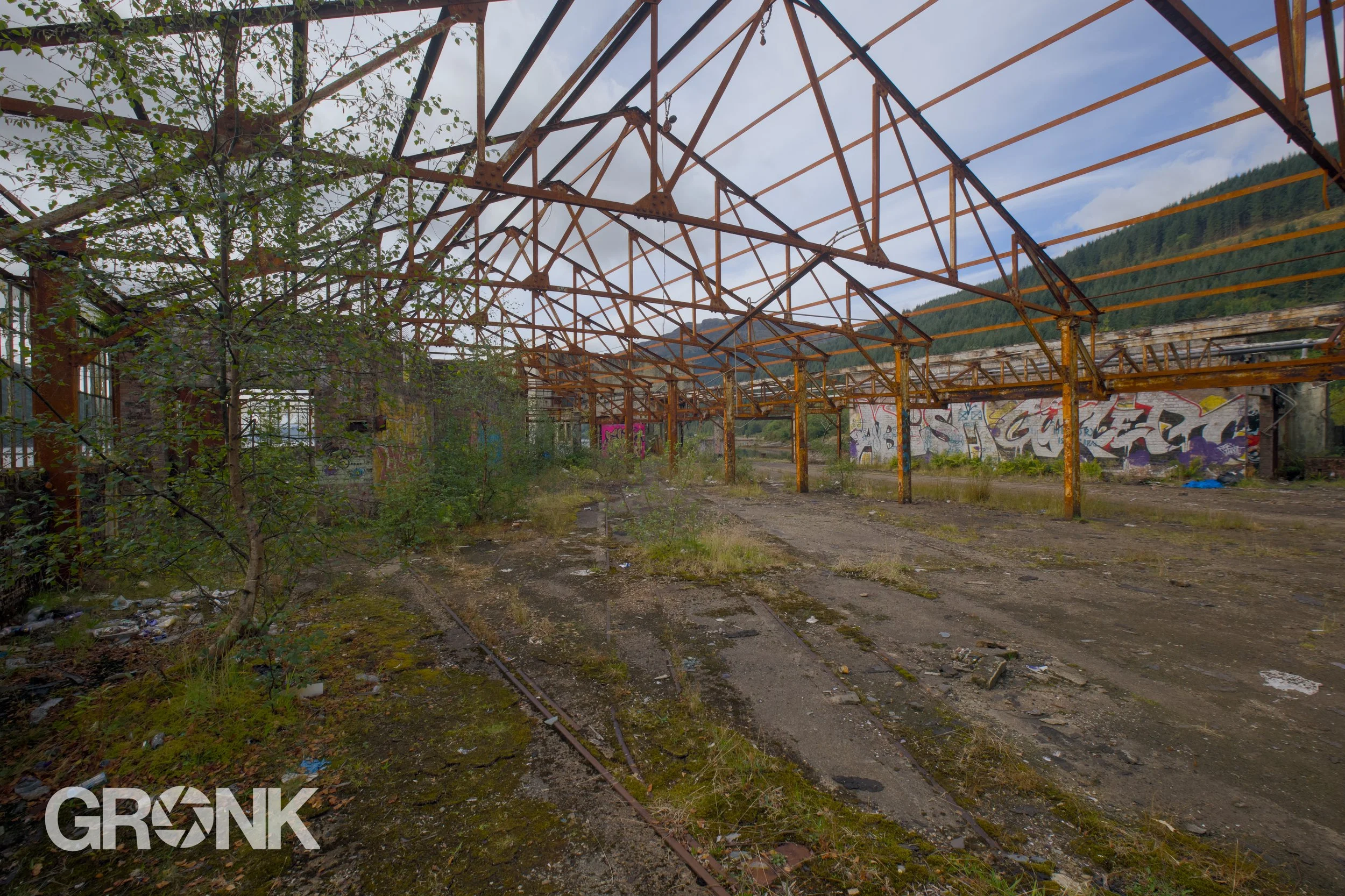
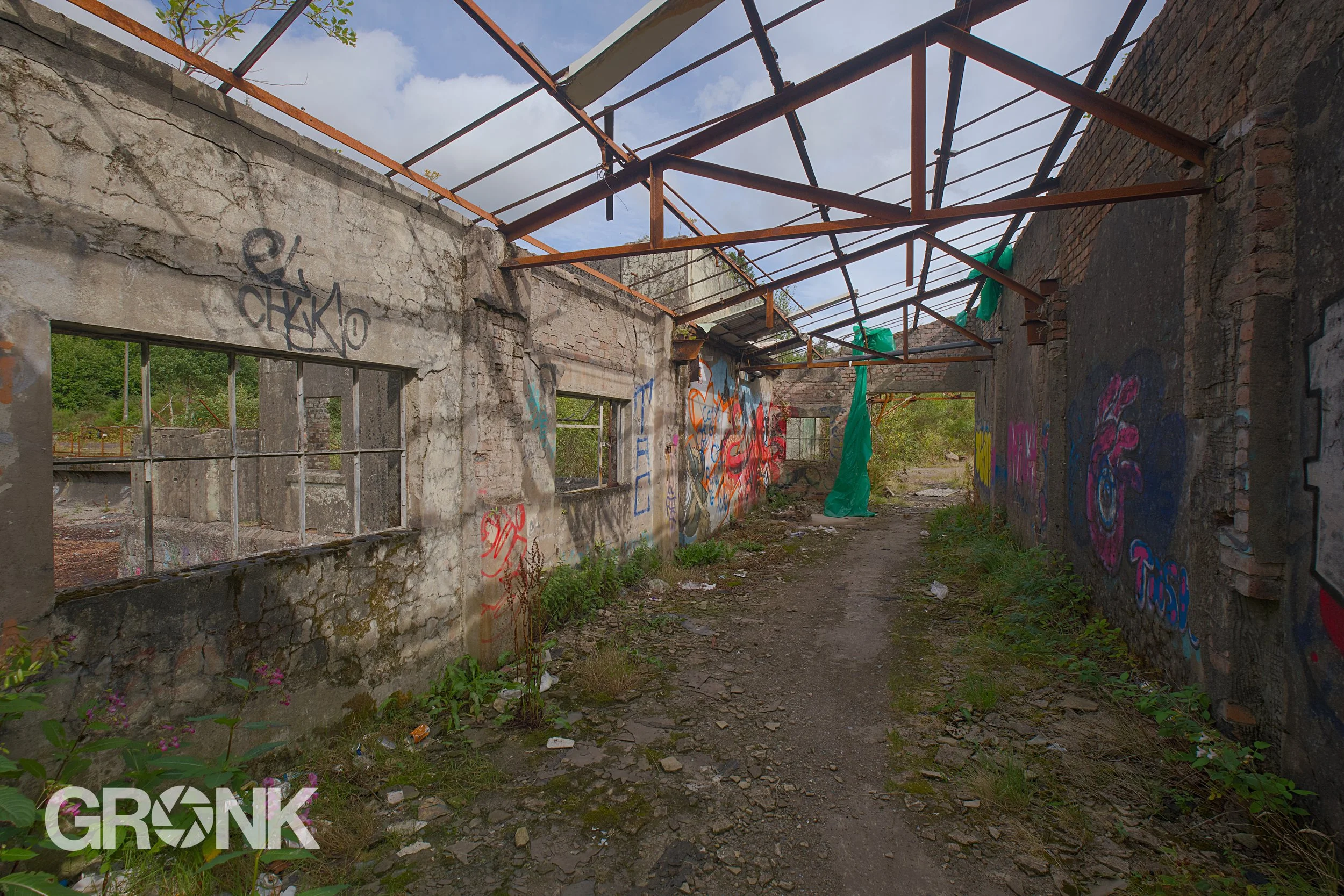
The final torpedo was fired on 19 March 1986, and the range officially closed on 19 December 1986, ending more than 70 years of naval activity. The site subsequently became derelict. A major fire in 2007 caused further damage, although significant concrete structures and parts of the former pier remain.