Cross Keys House, Liverpool
Cross Keys House was a mid-20th-century commercial building located on Moorfields in Liverpool city centre, close to Moorfields railway station and the city’s historic financial district. Constructed during the post-war redevelopment period, most likely in the 1950s, it reflected Liverpool’s effort to modernise its commercial infrastructure following wartime damage and economic change. Designed in a straightforward Modernist style, the building primarily accommodated offices linked to Liverpool’s shipping, finance, and business sectors.
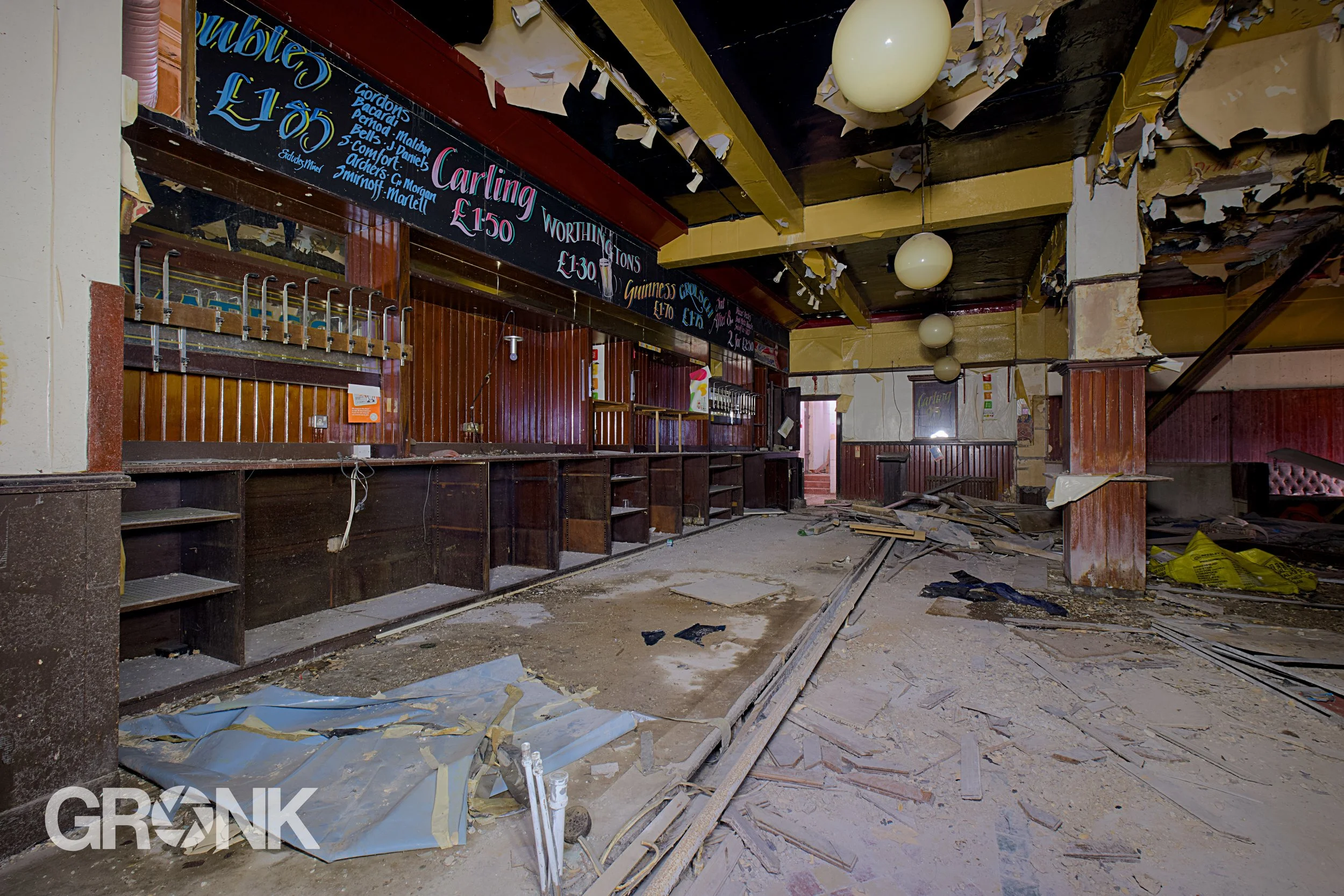
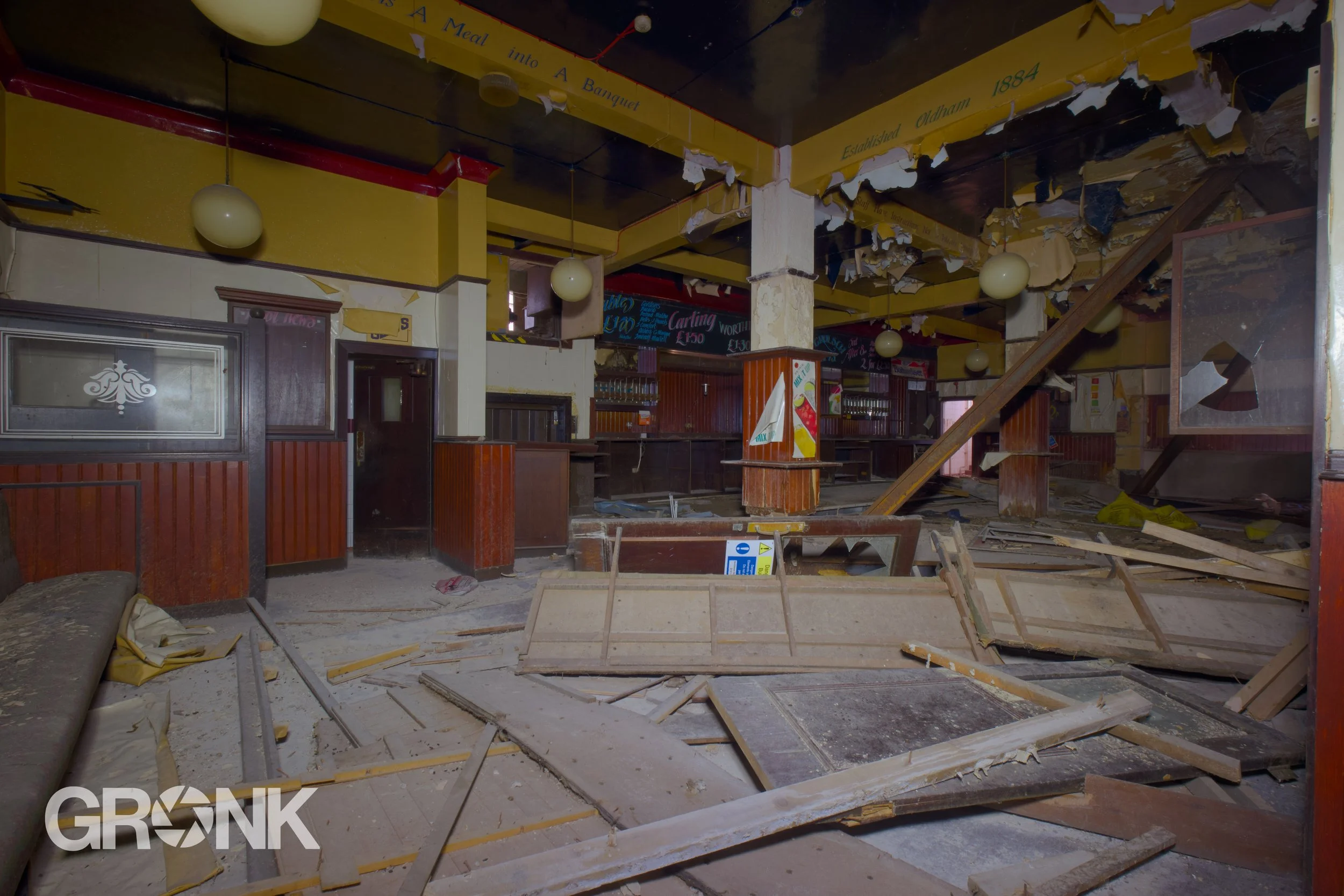
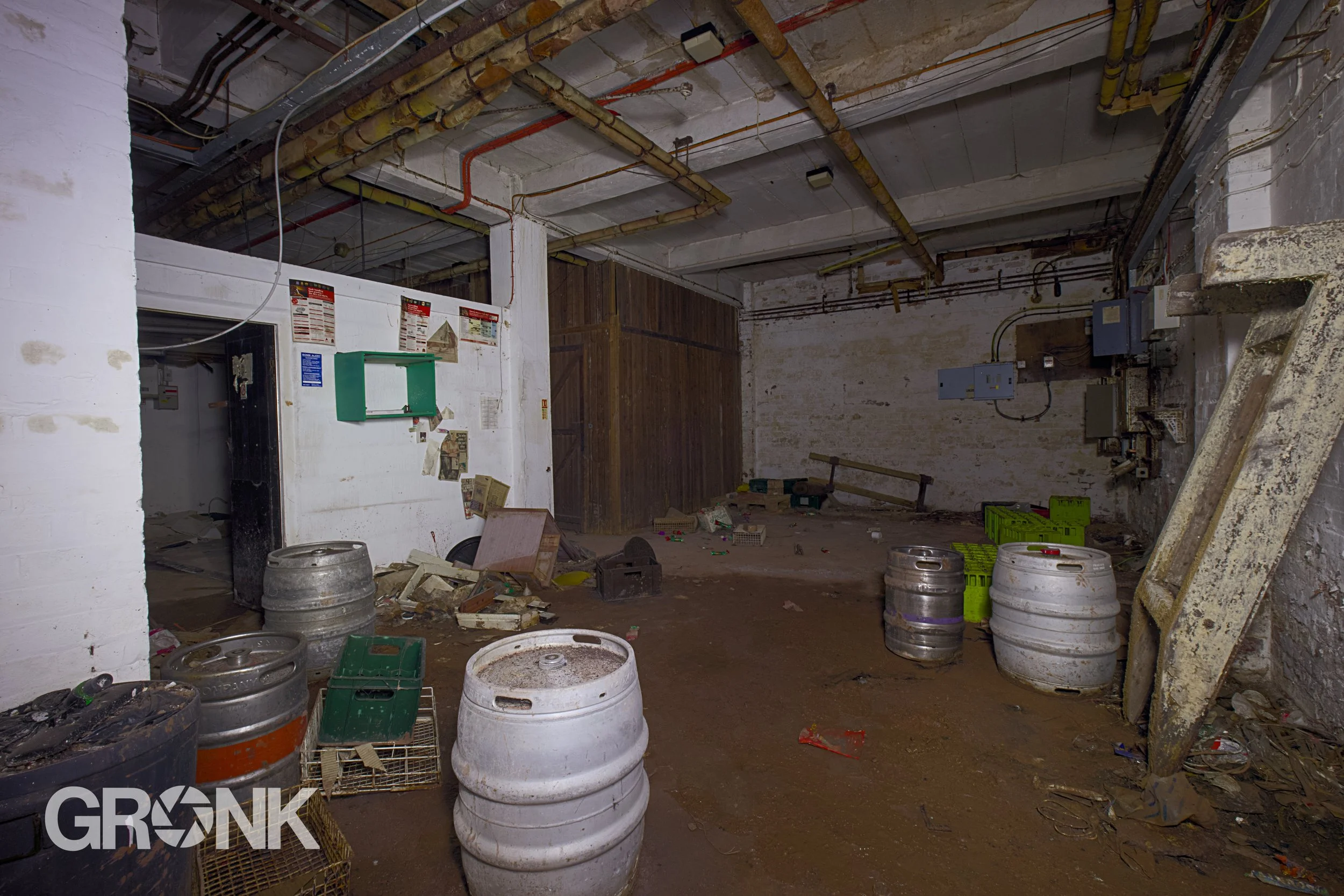
At street level, Cross Keys House became widely known for housing a branch of Yates’s Wine Lodge, a popular national pub chain that served office workers, commuters, and shoppers in the surrounding business district. For several decades, the venue formed part of the everyday social life of Moorfields, particularly during lunchtime and after-work hours.
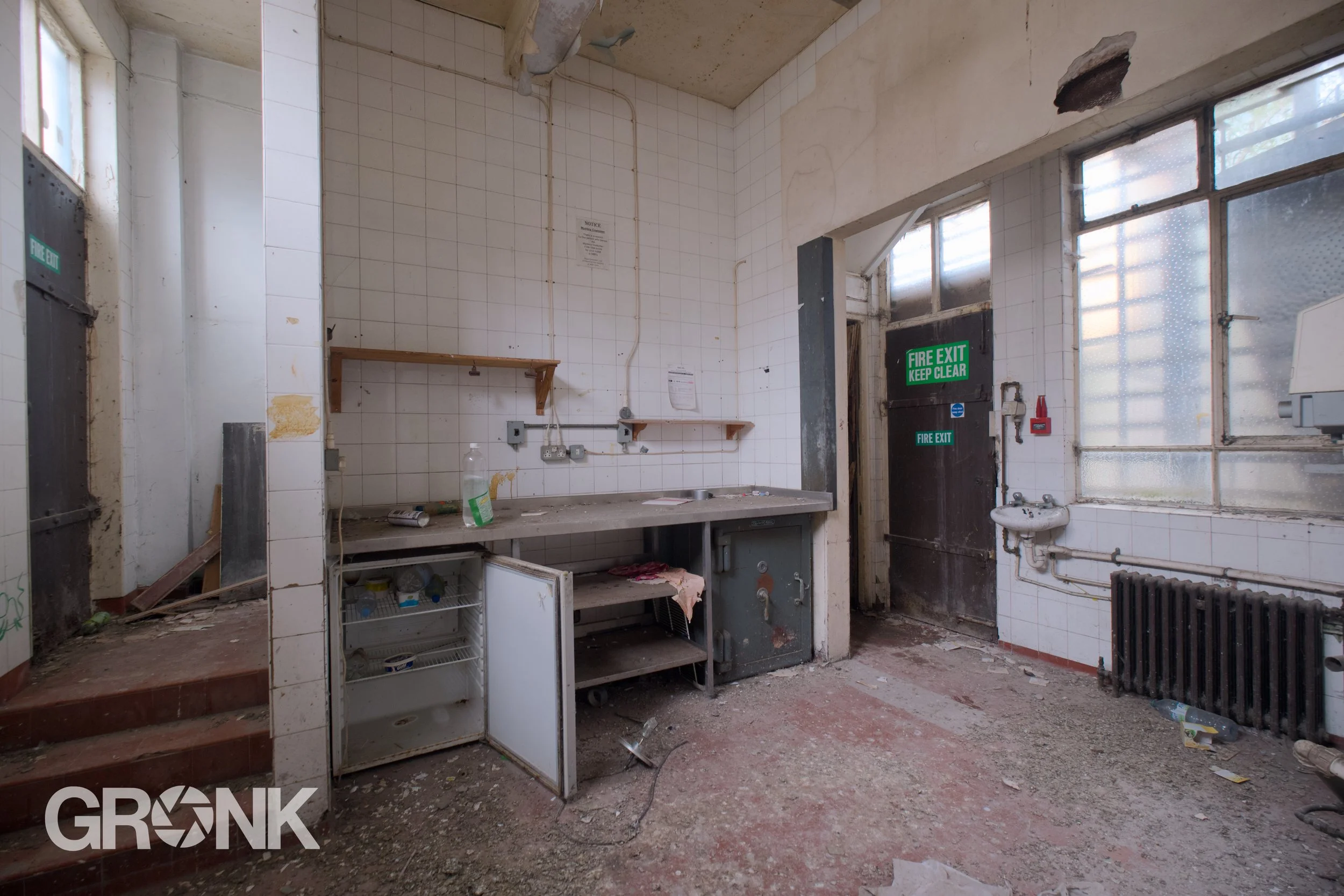
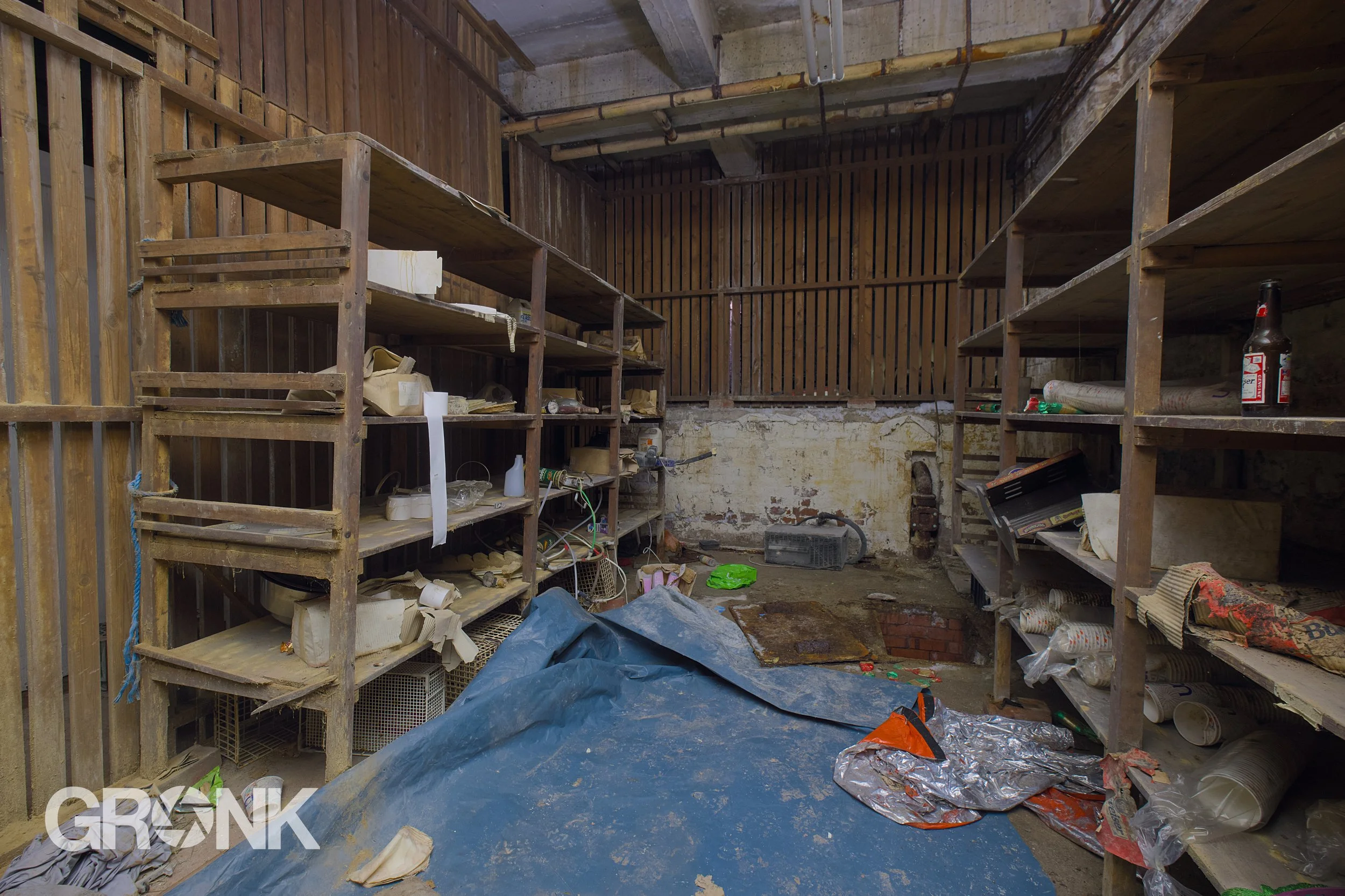
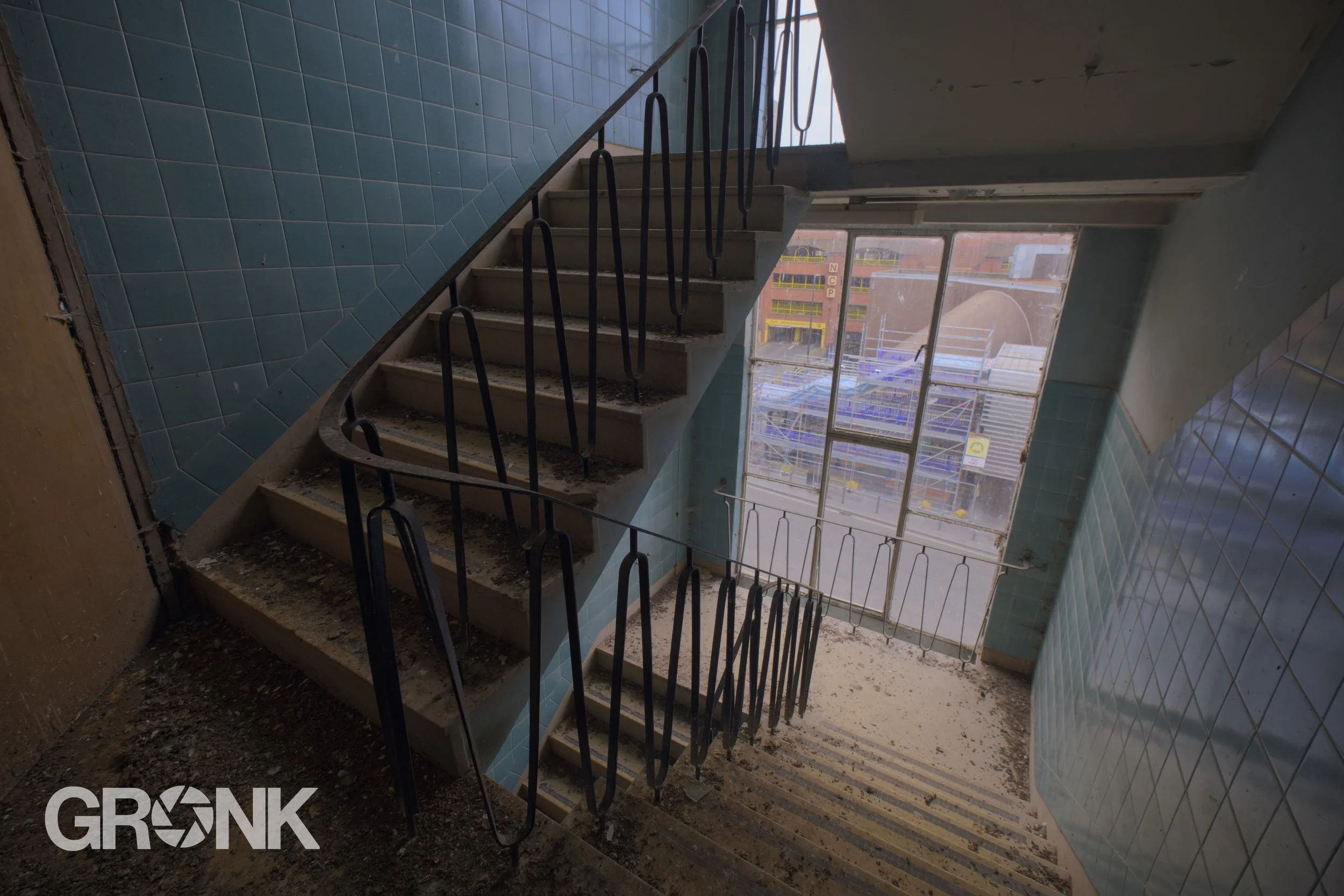
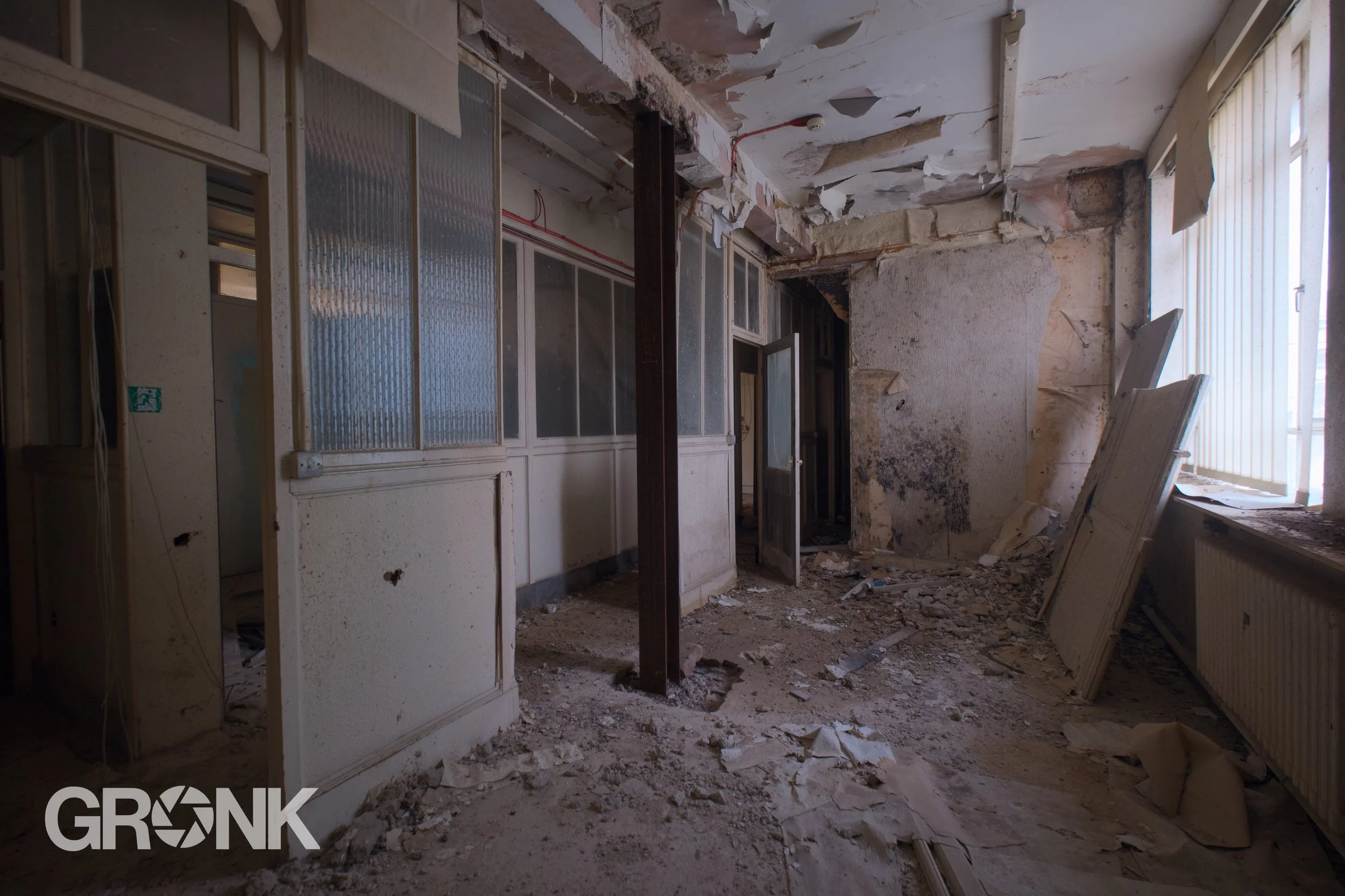
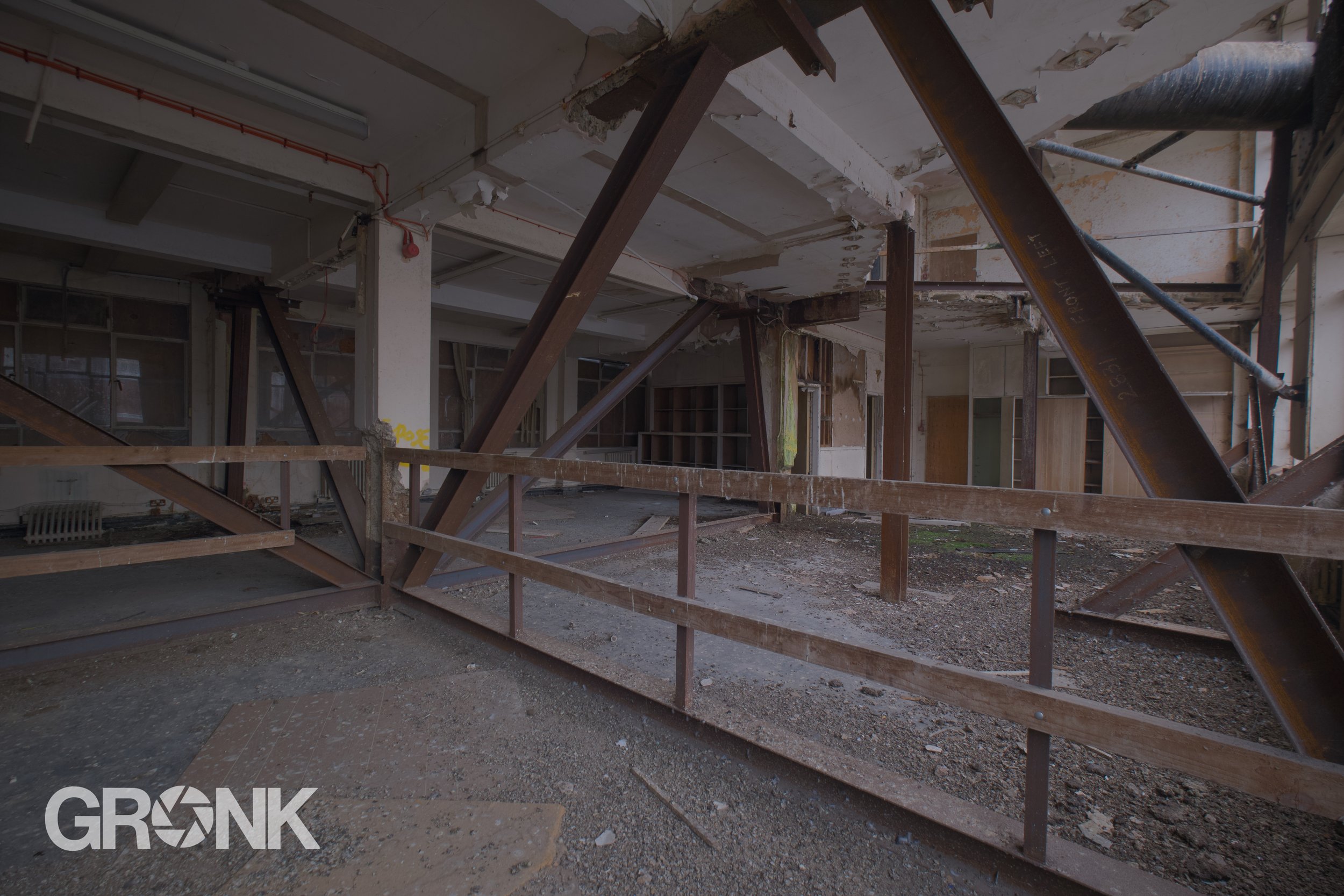
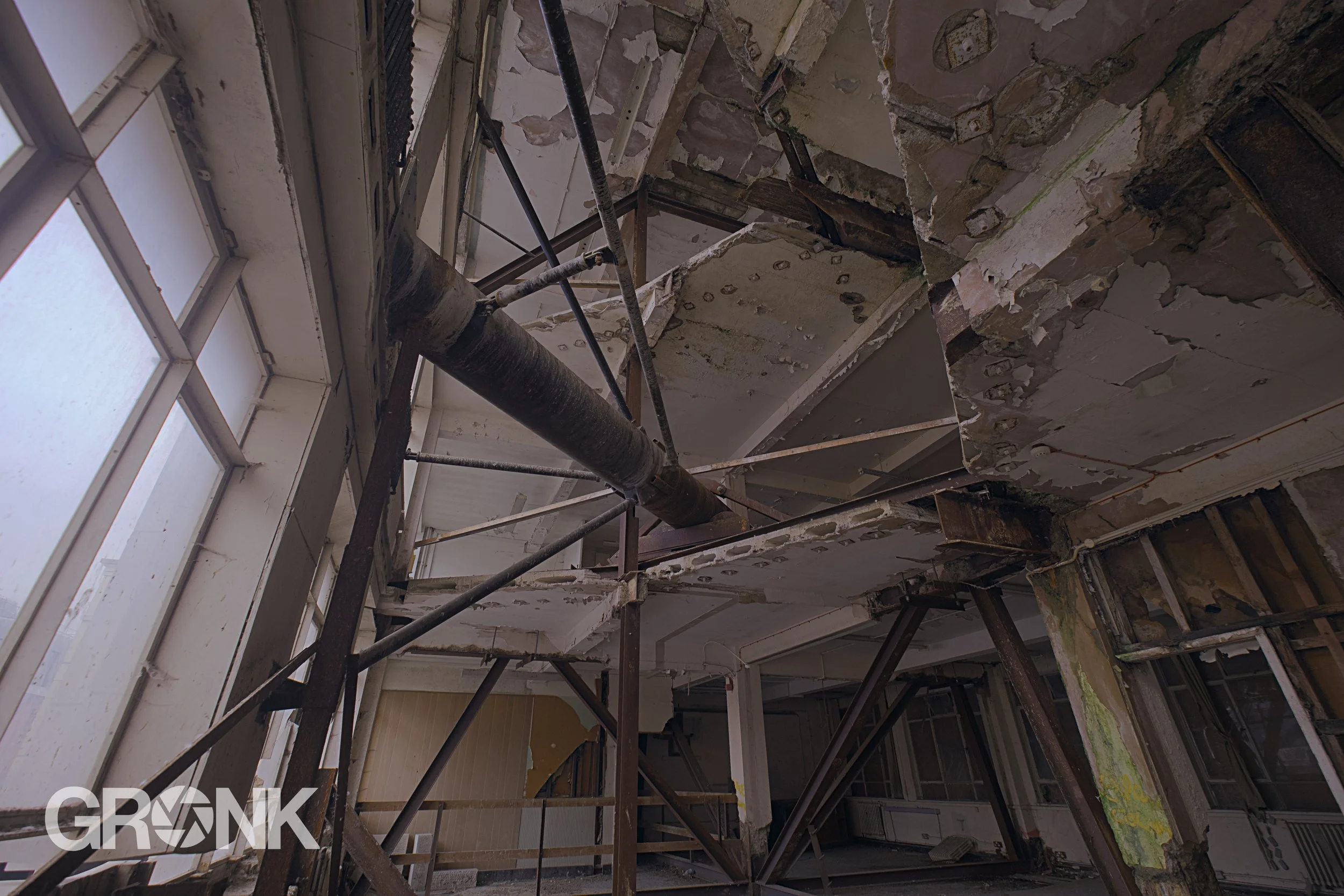
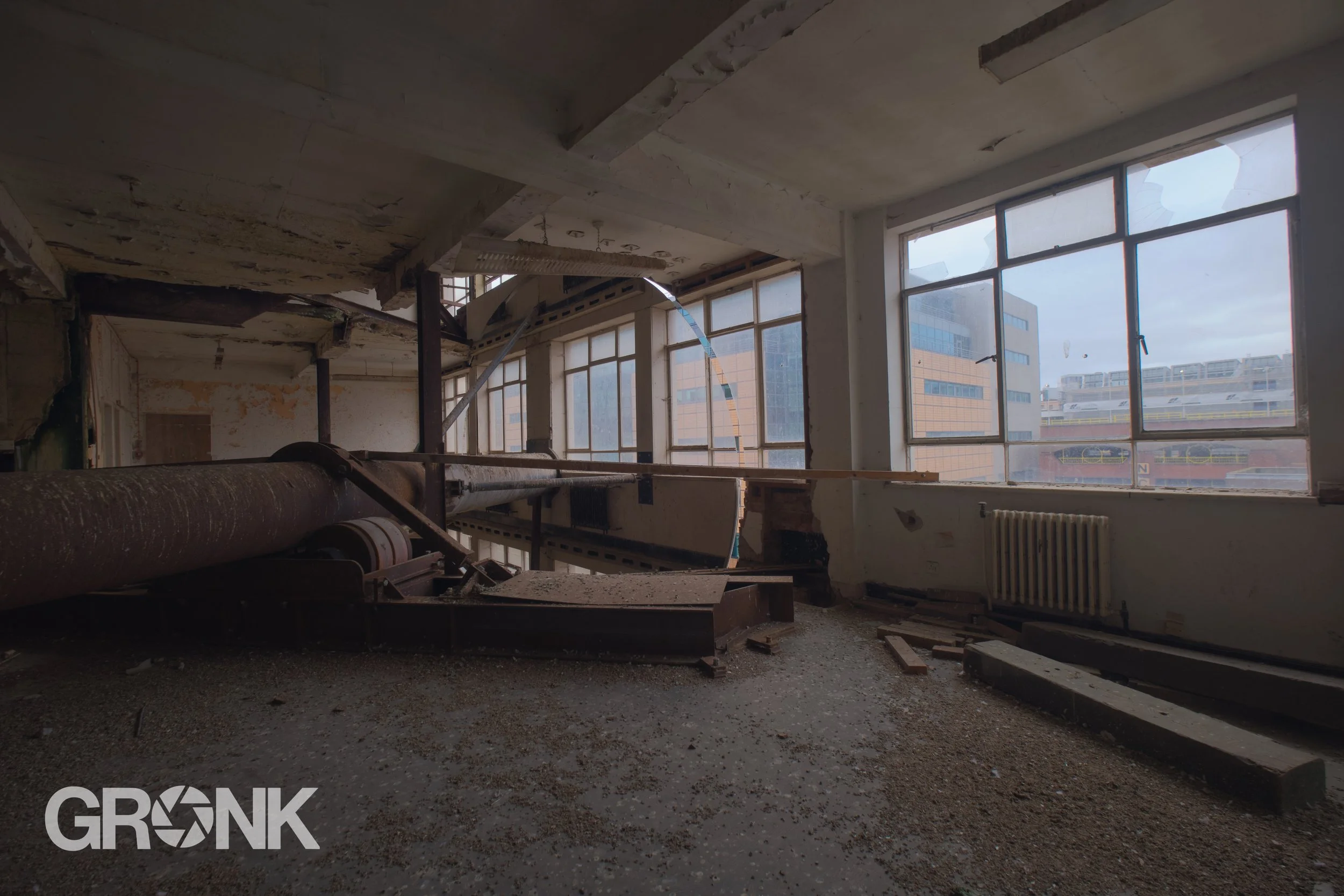
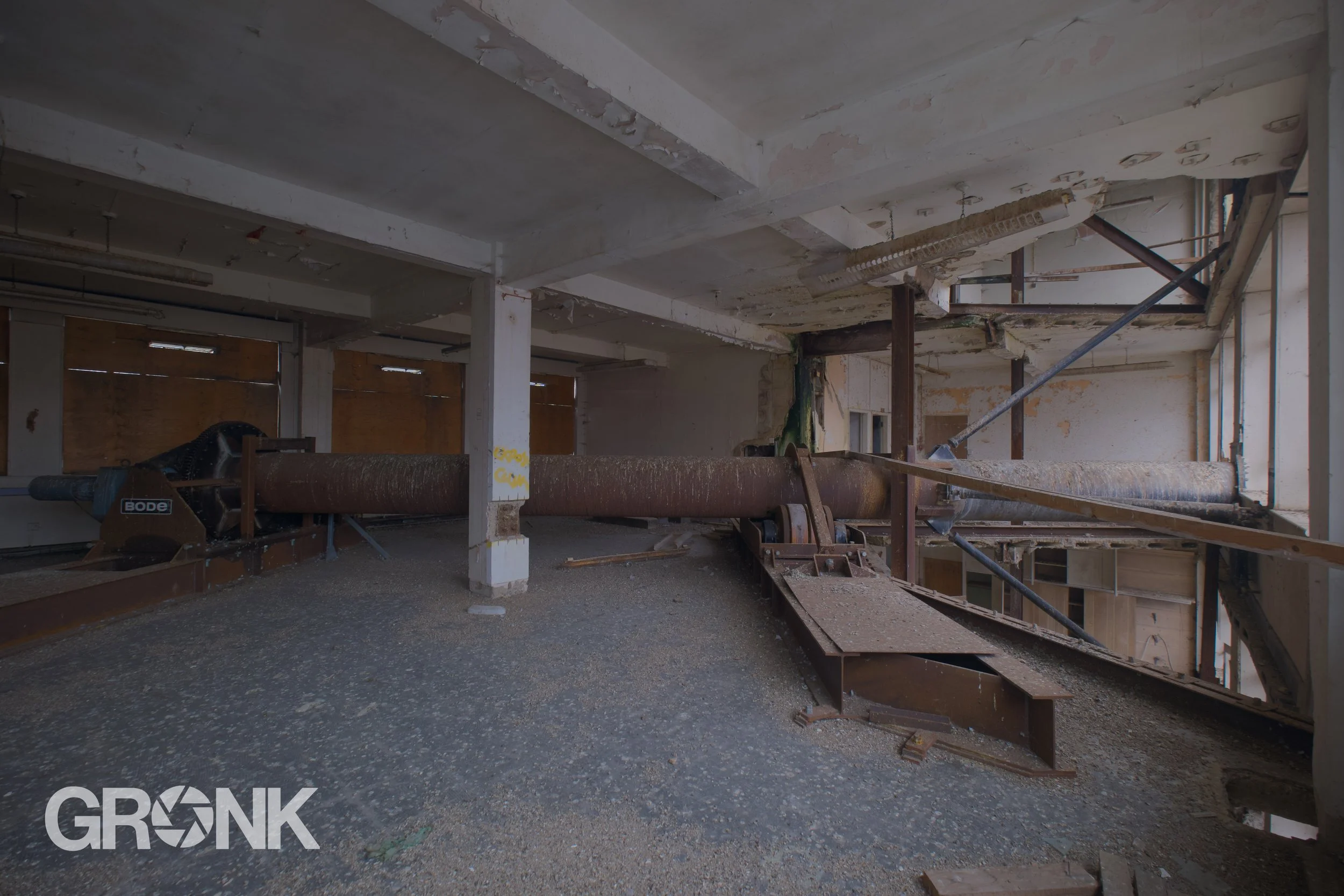
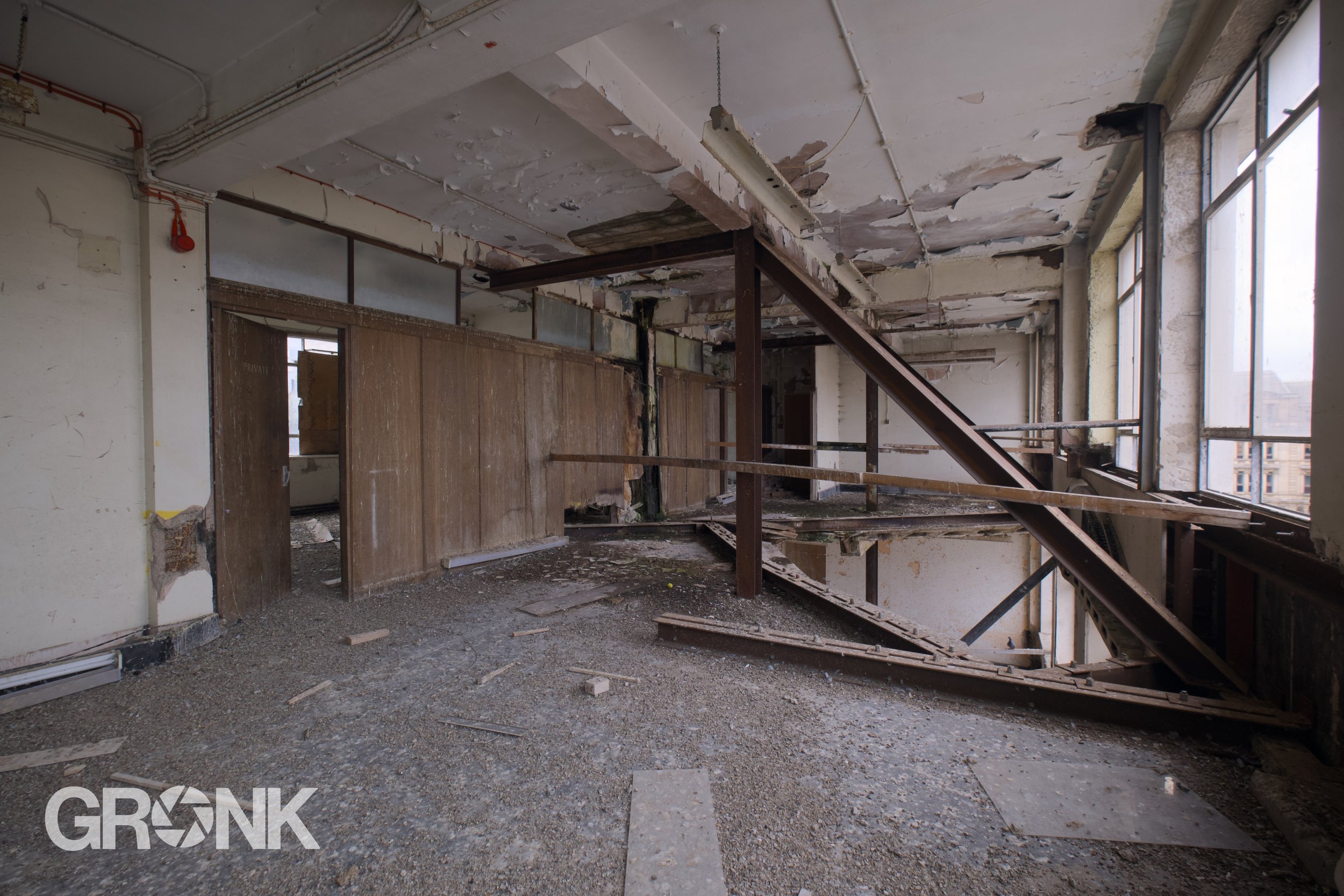
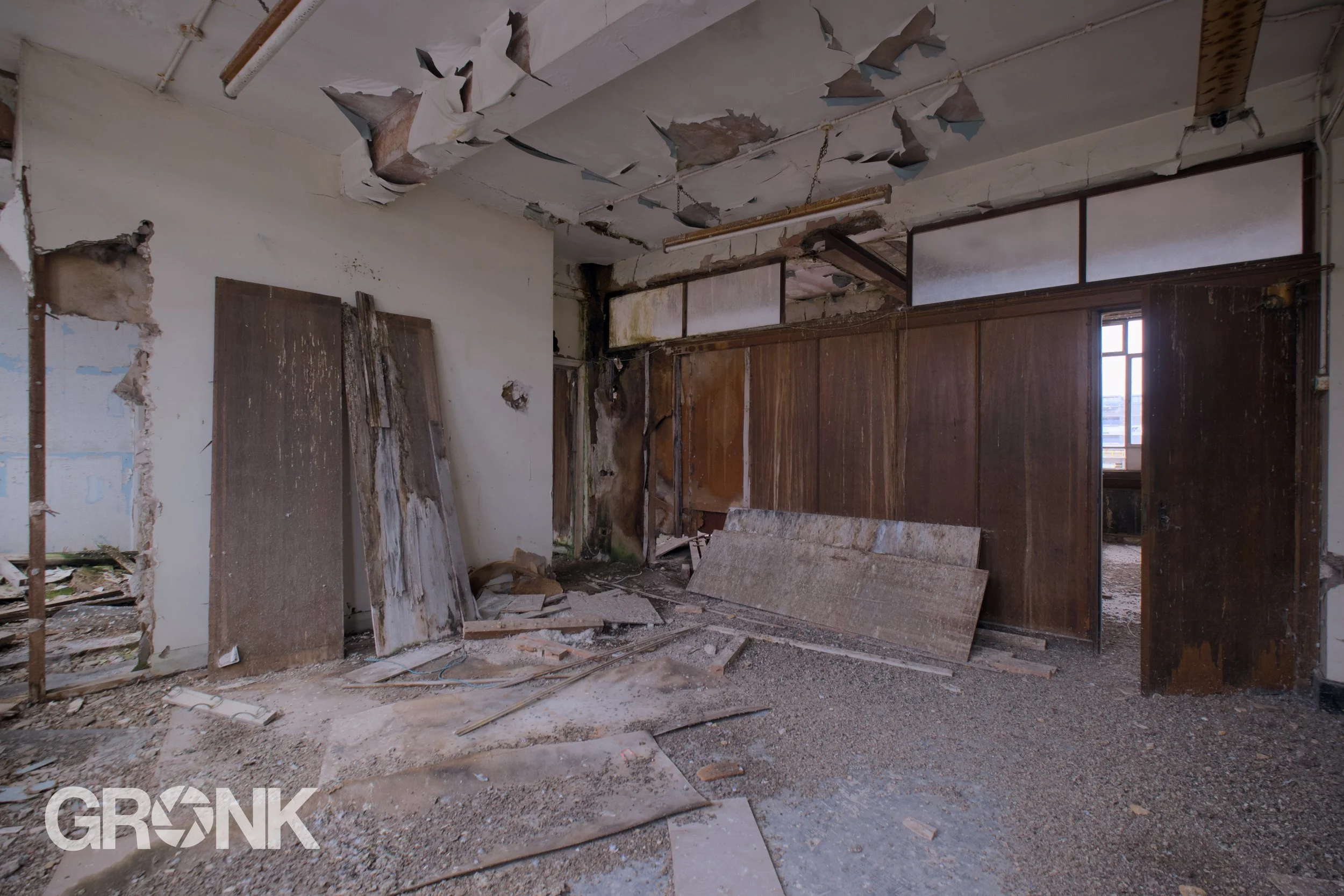
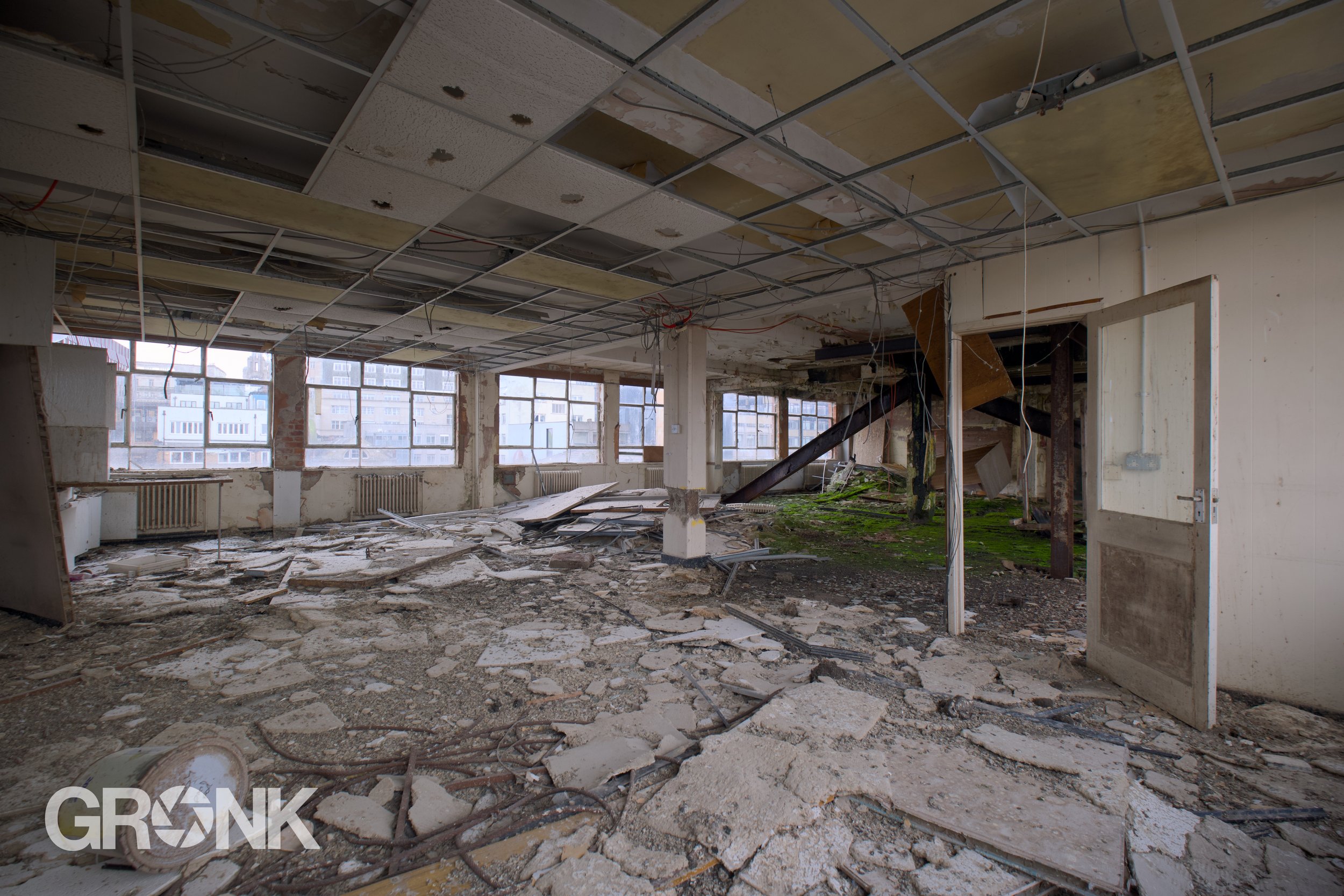
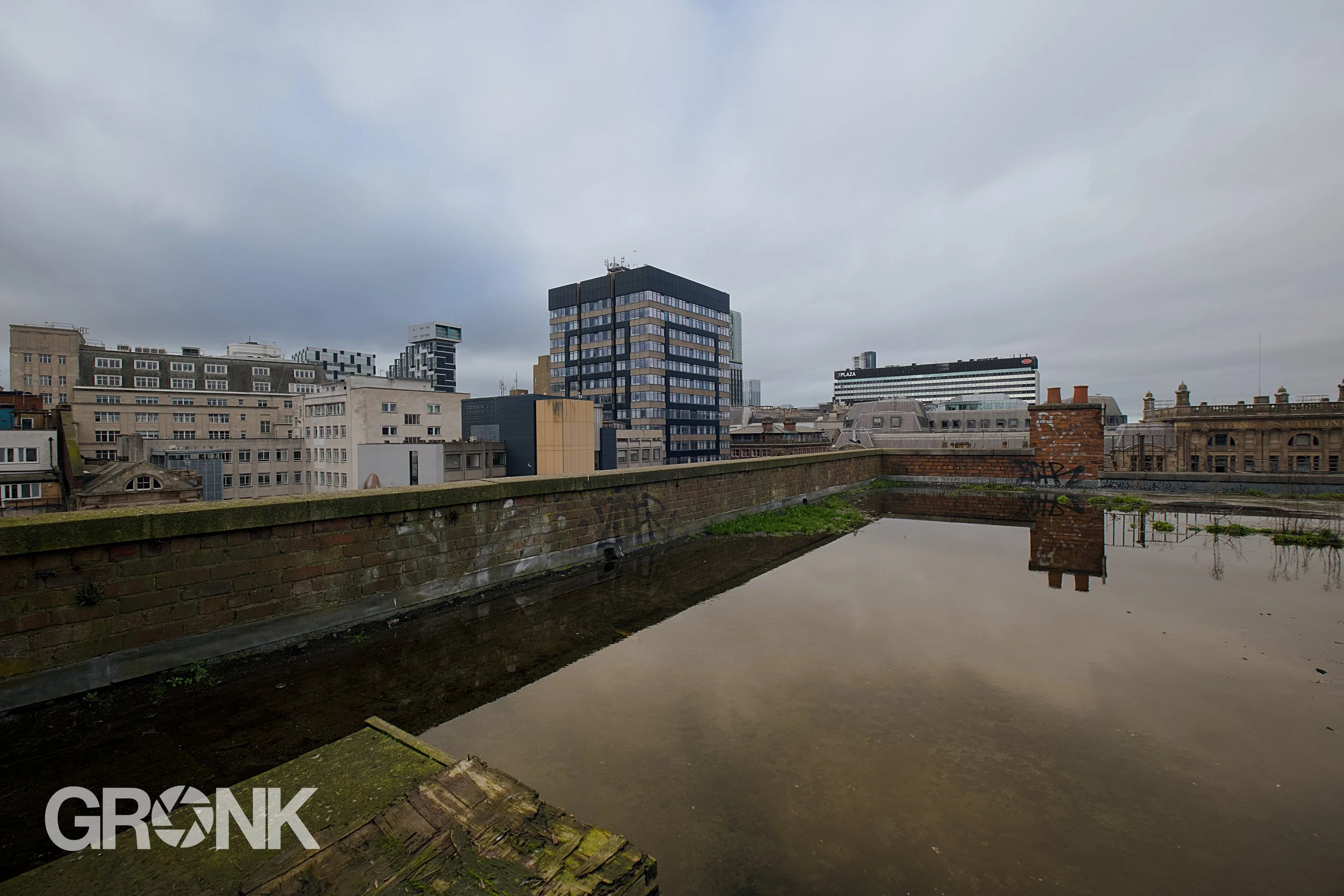
By the early 2000s, however, changing commercial demands and the relocation of businesses to newer developments led to the building becoming vacant and increasingly derelict. As Liverpool prepared for major regeneration connected with its designation as European Capital of Culture in 2008, Cross Keys House was earmarked for eventual demolition and redevelopment.
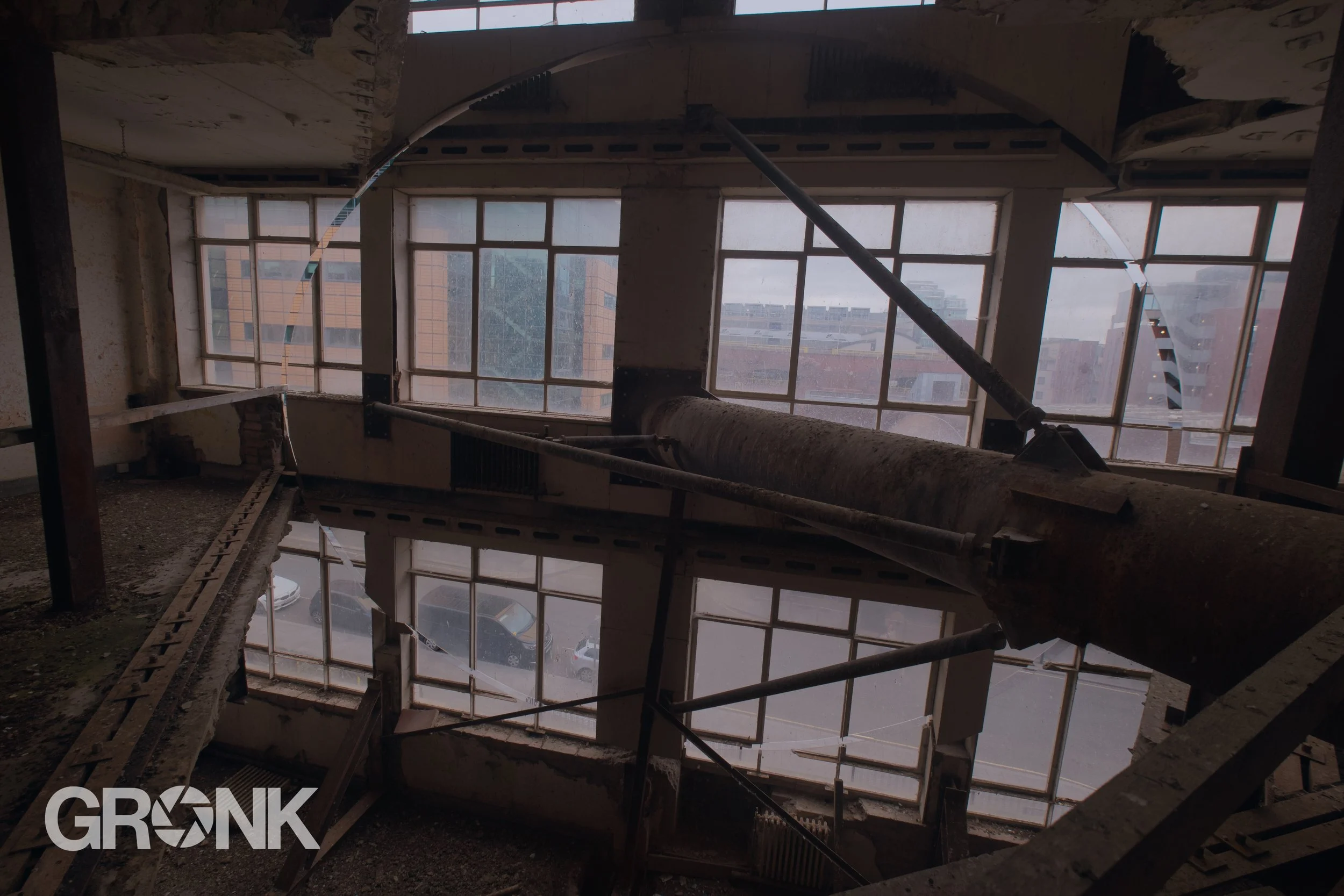
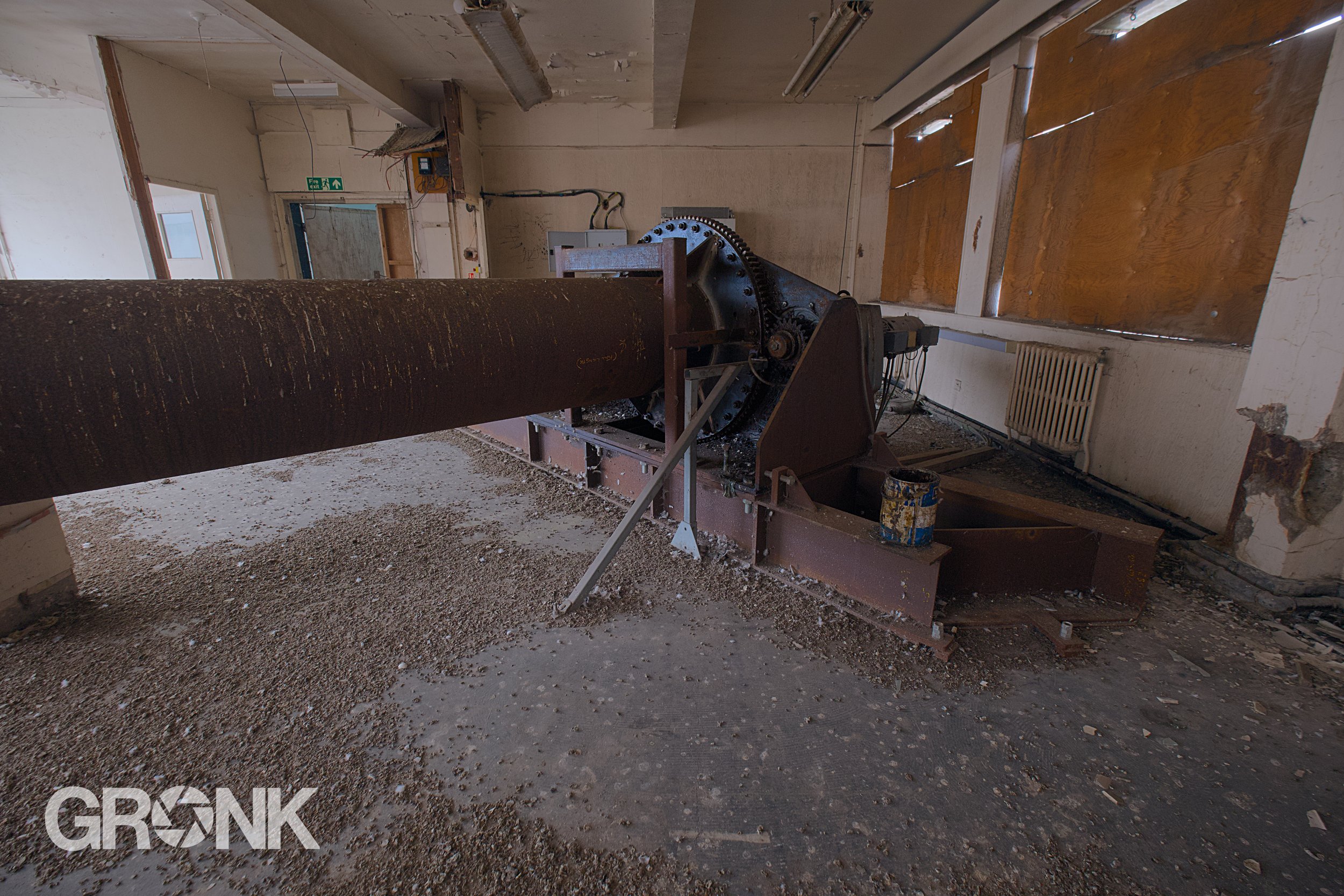
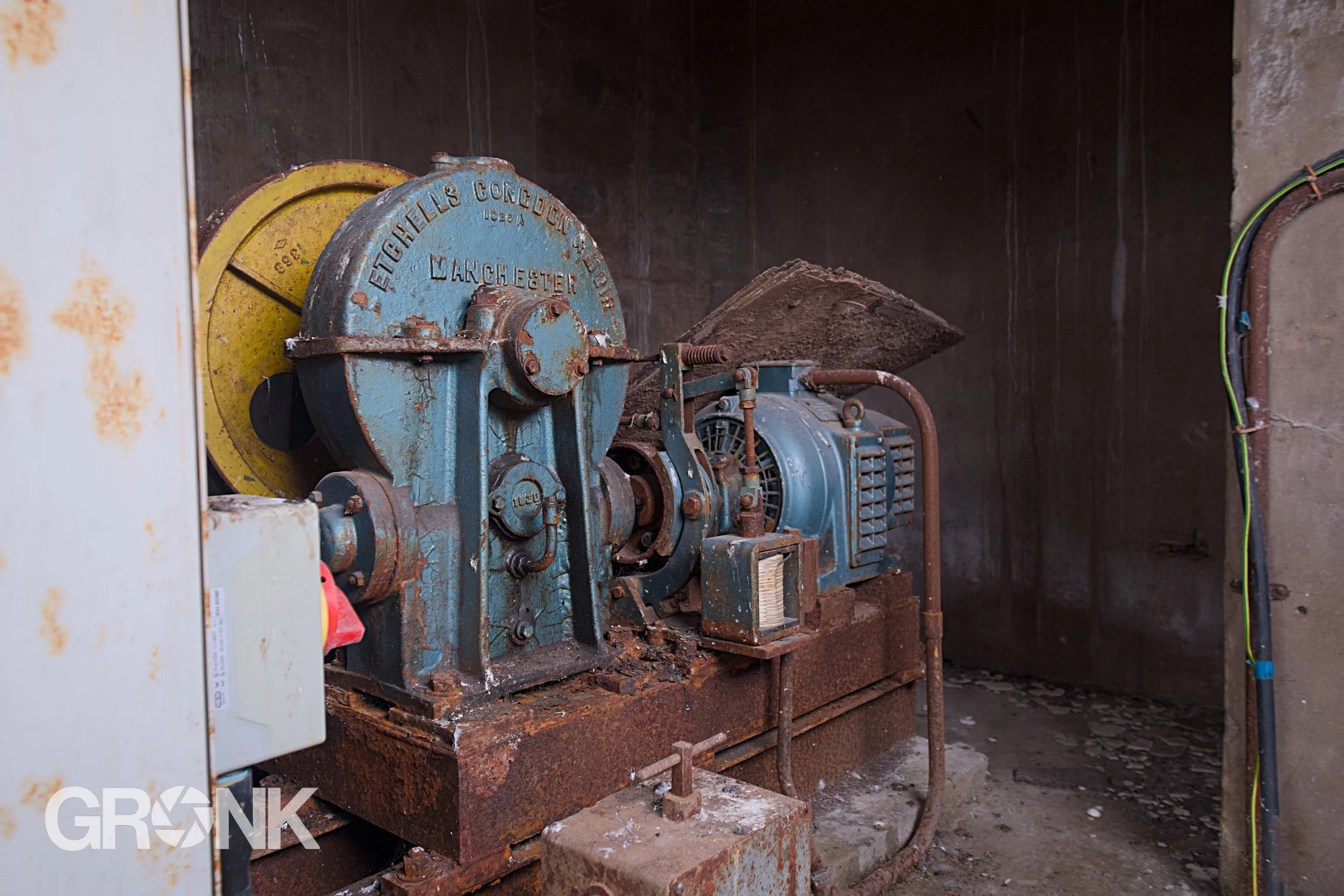
The empty building gained international attention through the public artwork ‘Turning the Place Over’ by British artist Richard Wilson. Installed in 2007, the project involved cutting a large oval section from the building’s façade and mounting it on a rotating mechanism. The moving section continuously turned, revealing both the exterior and interior structure of the building. Originally planned as a temporary installation lasting one year, the artwork proved highly popular and remained in operation until January 2011. The building has stood unused ever since.