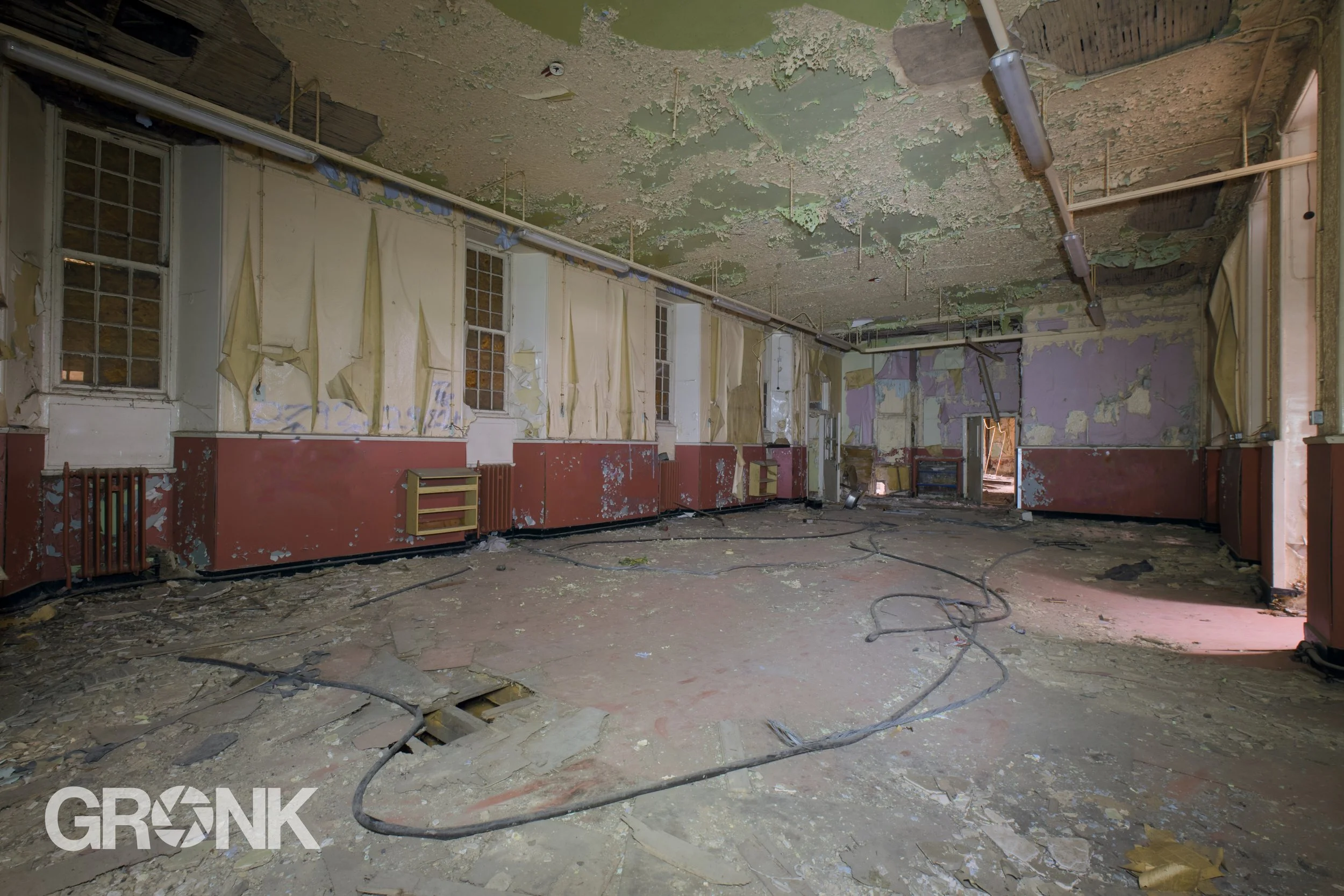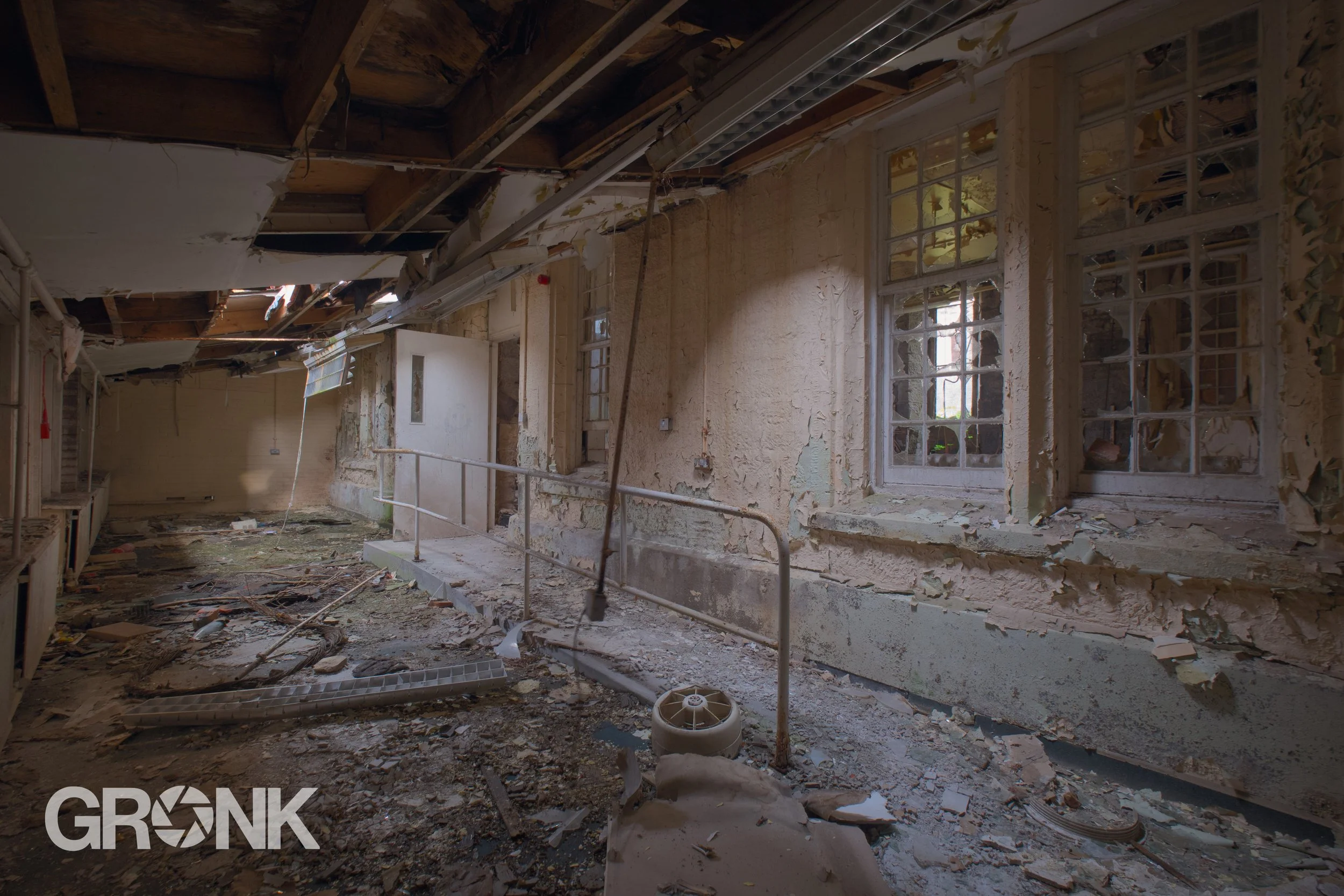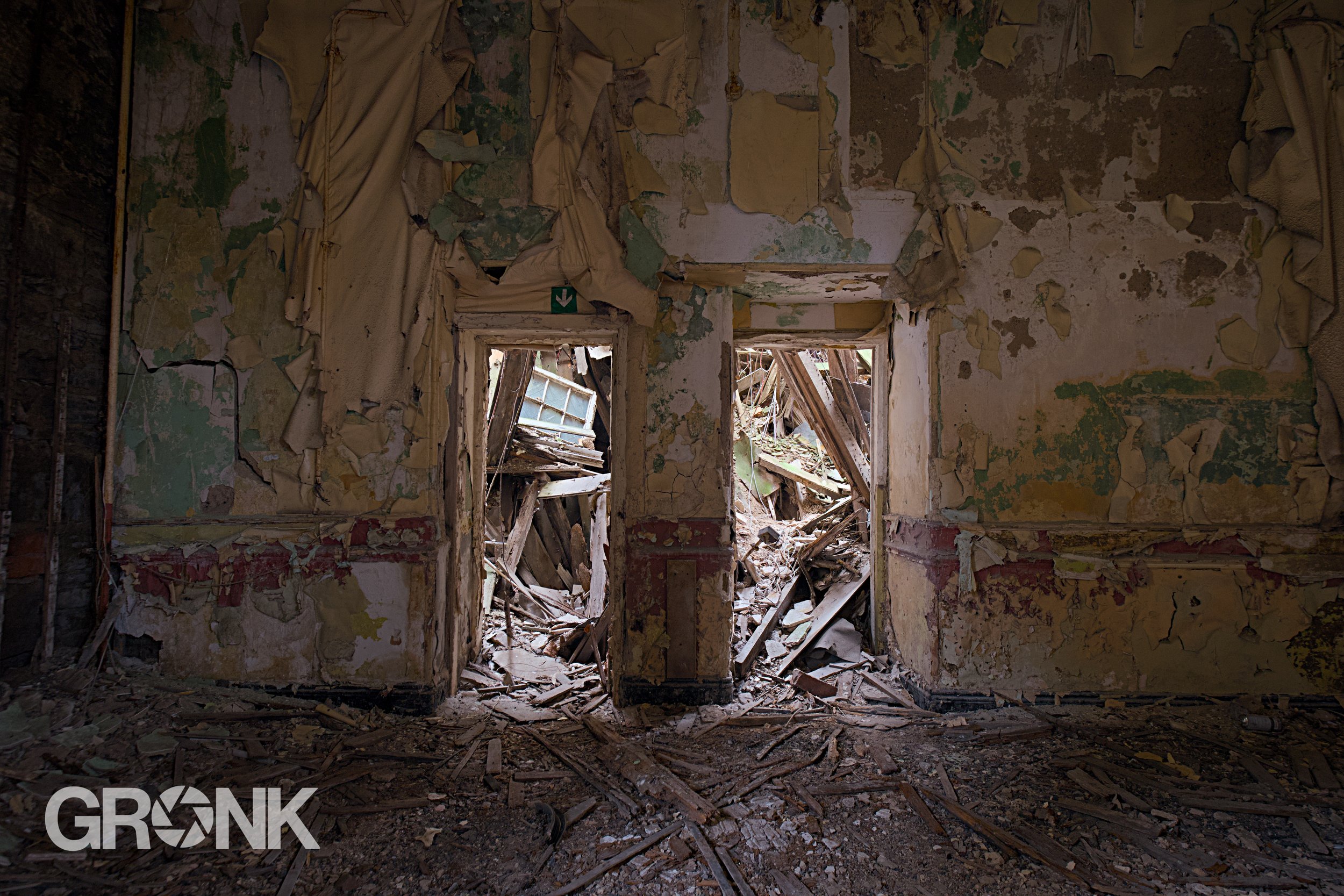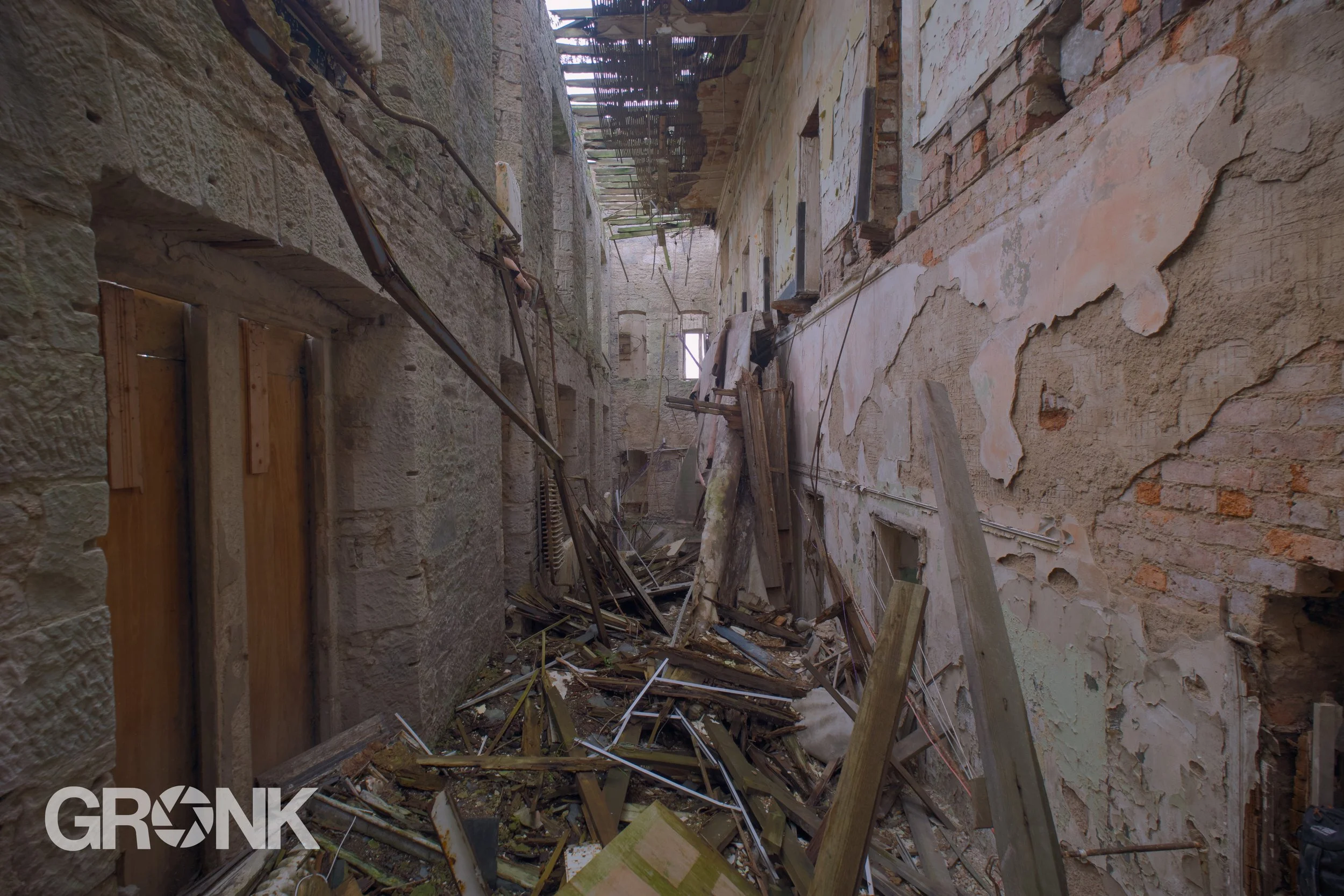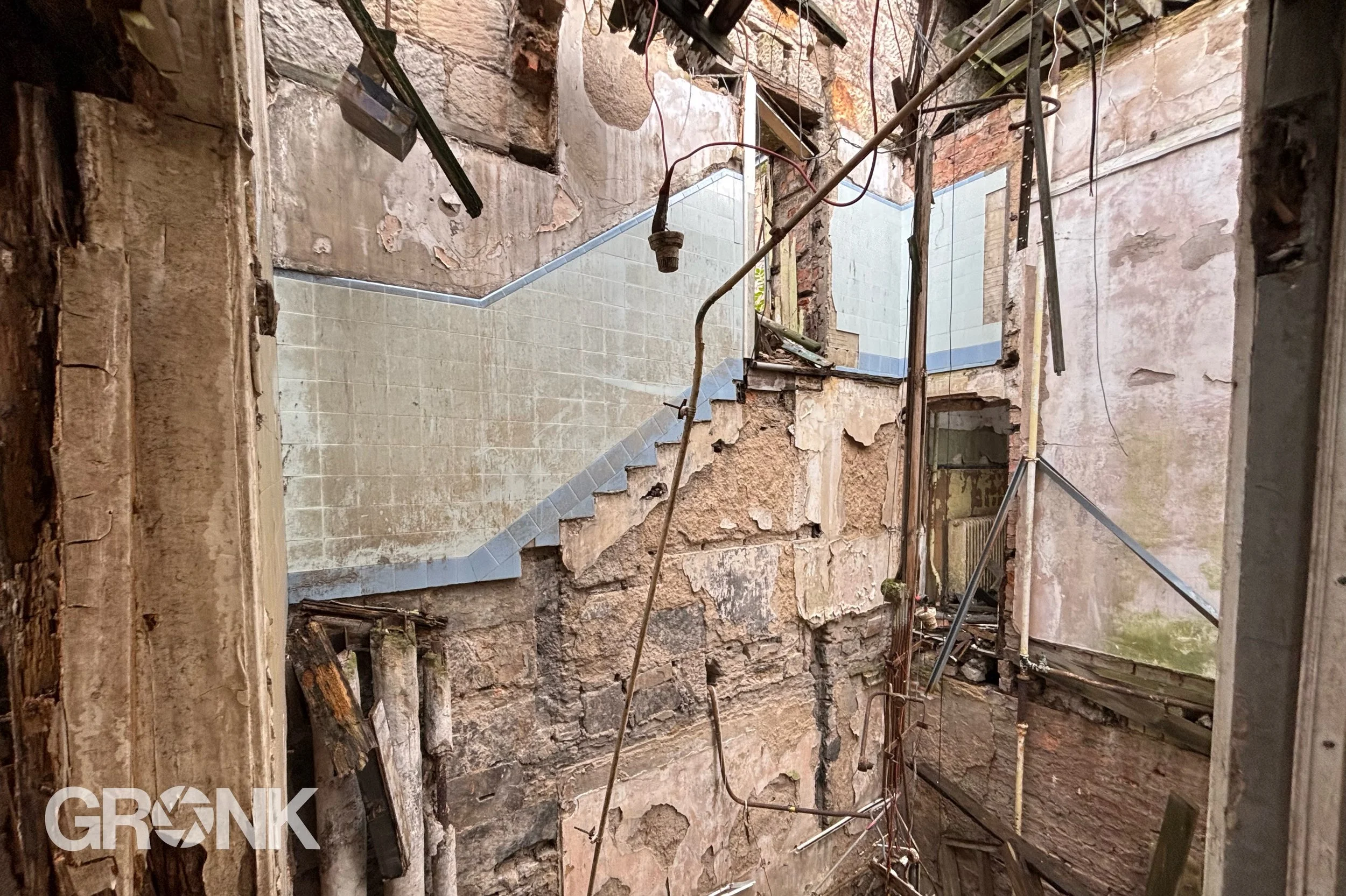
Gartnavel Hospital, Glasgow
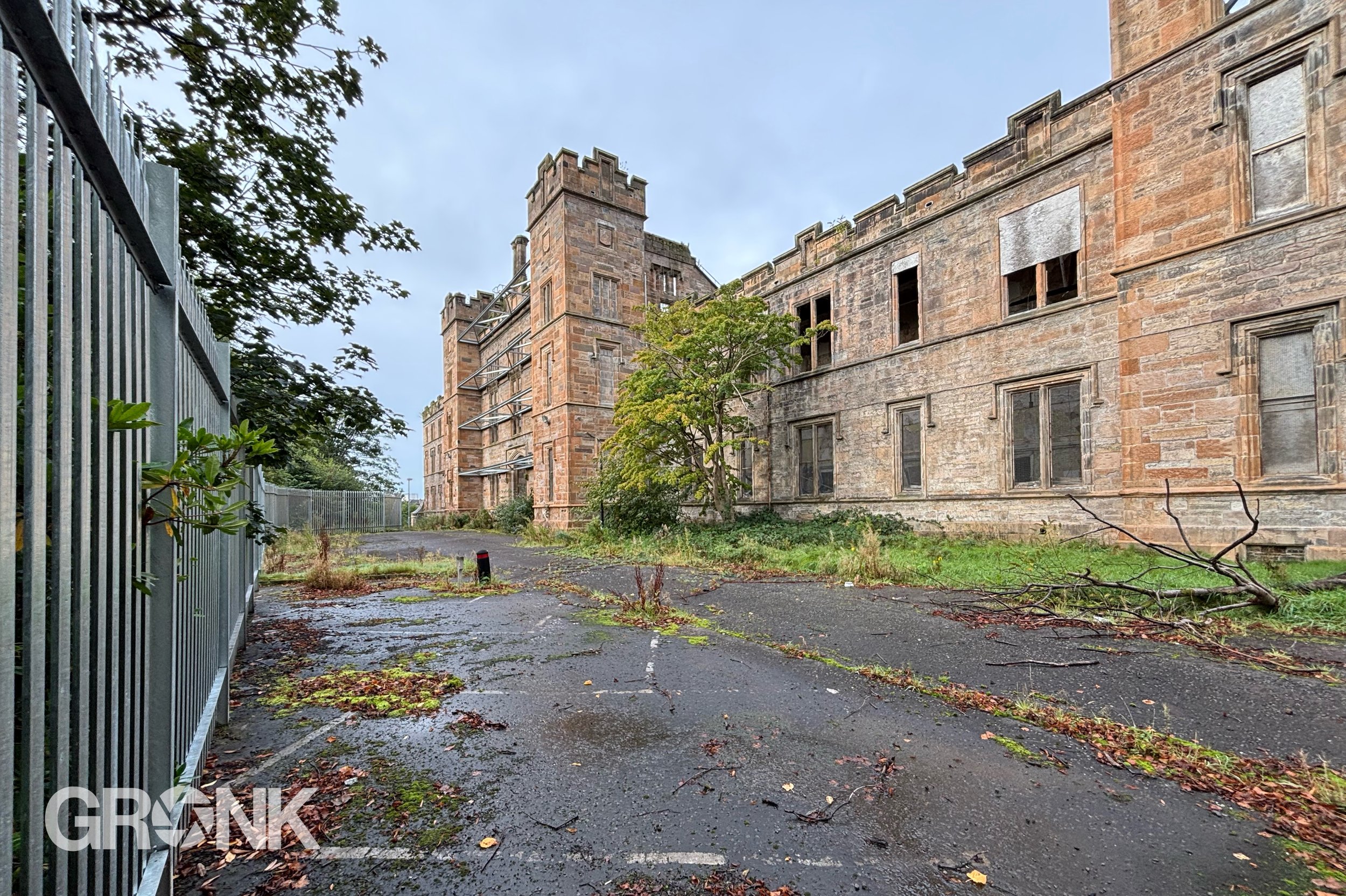
The institution commonly referred to as the “pauper house” at Gartnavel Hospital forms part of the history of the Gartnavel Royal Hospital, originally opened in 1843 as the Glasgow Royal Lunatic Asylum. Although Gartnavel was not officially a municipal poorhouse, part of the hospital functioned in a similar way by accommodating mentally ill patients supported through poor relief.
Before Gartnavel was built, Glasgow’s destitute population — including those with mental illness — were housed in the city’s Town’s Hospital and Poorhouse, established in 1733 near Glasgow Green. Rapid industrial growth during the late 18th and early 19th centuries caused severe overcrowding, prompting the construction of a new purpose-built asylum on rural land at Gartnavel, west of the city.
When the asylum opened in 1843, it was designed according to strict Victorian social divisions. The complex consisted of separate accommodation for paying patients and for “pauper lunatics,” whose care was funded by local parish authorities under the Scottish Poor Law system. The section known as the East House accommodated these poorer patients and is the part most often remembered locally as the “poorhouse.” Conditions were more basic than in the private wards, reflecting contemporary beliefs that social class influenced treatment standards.
Following the Poor Law (Scotland) Act of 1845, responsibility for impoverished mentally ill people increasingly fell to local authorities, and Gartnavel became overcrowded. Additional district asylums were later built around Glasgow to house growing numbers of pauper patients.
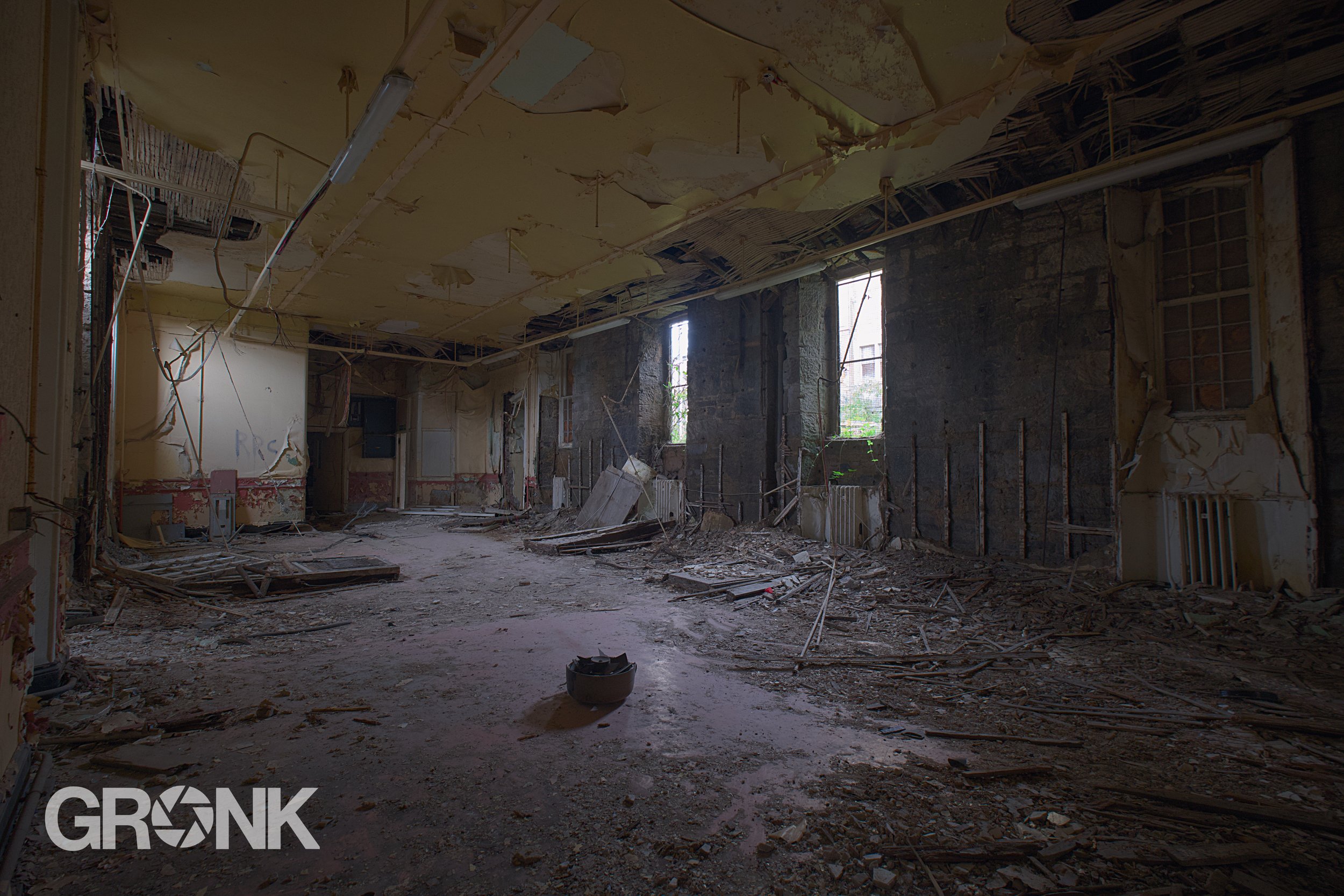
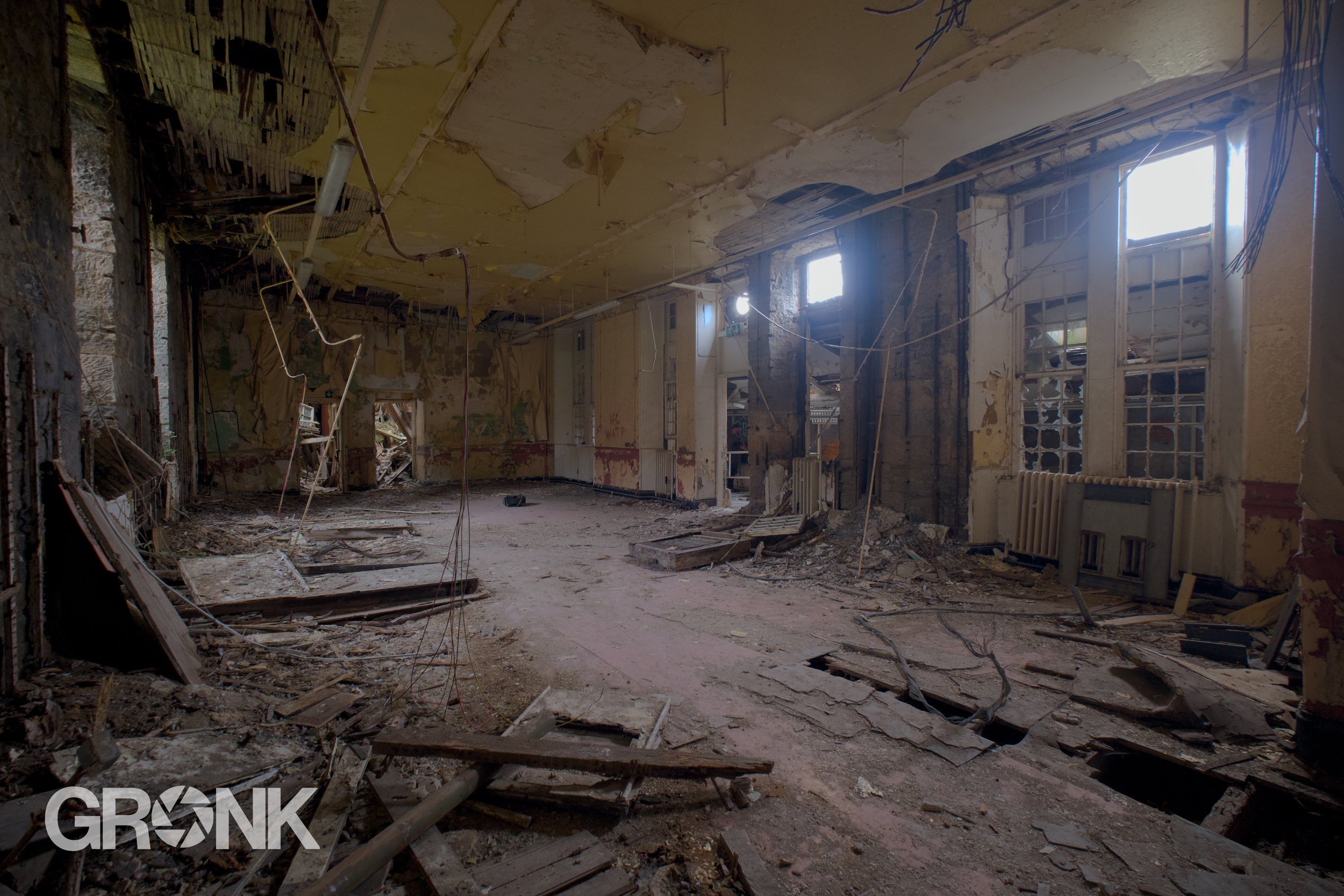
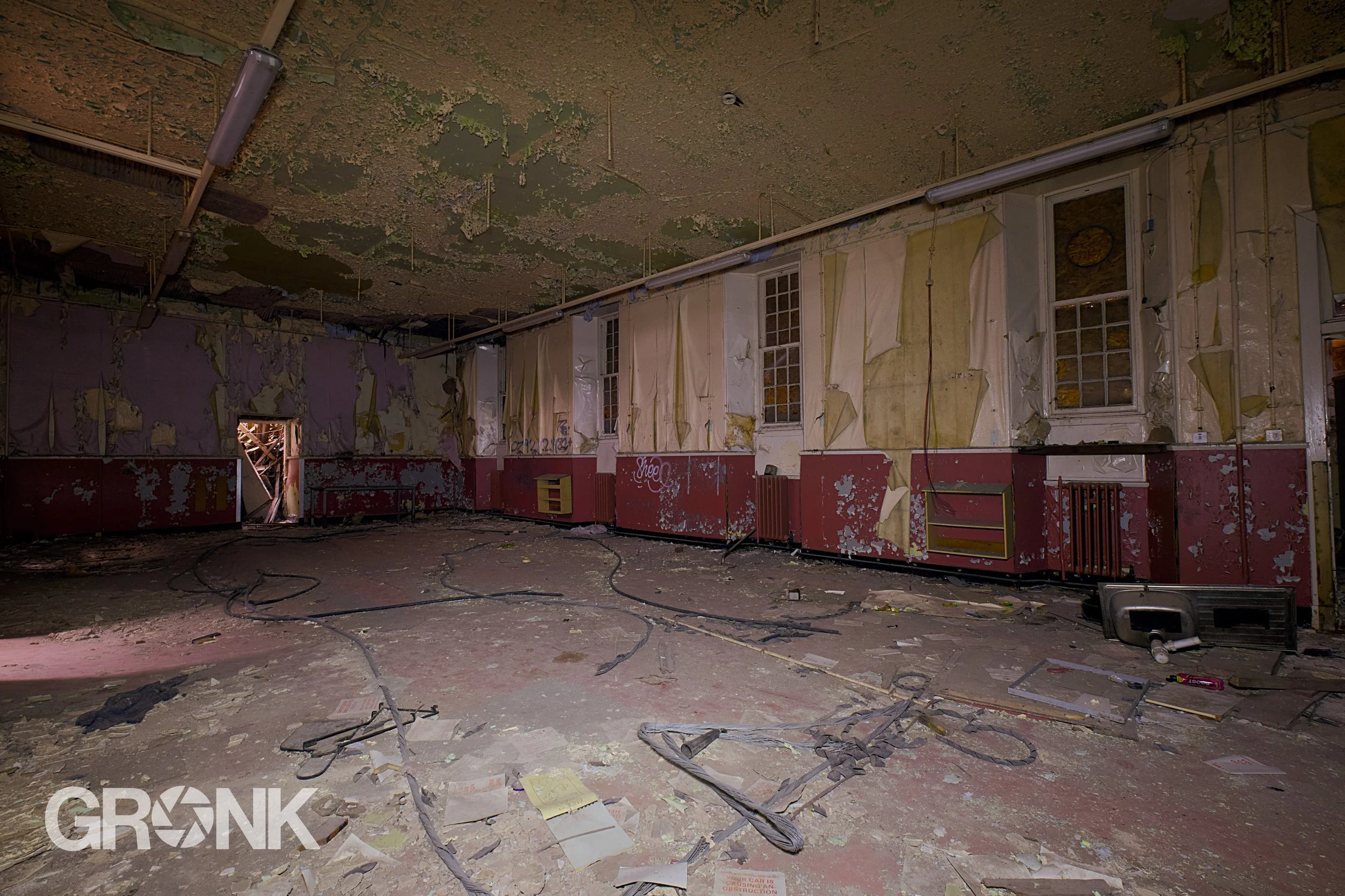
During the 20th century the institution evolved alongside changing attitudes to mental health care. It was renamed Glasgow Royal Mental Hospital in 1931 and became part of the National Health Service in 1948, later adopting the name Gartnavel Royal Hospital in 1963. Large institutional wards gradually declined as community-based psychiatric care replaced asylum systems, leaving the former pauper wings obsolete.