Pripyat Amusement Park
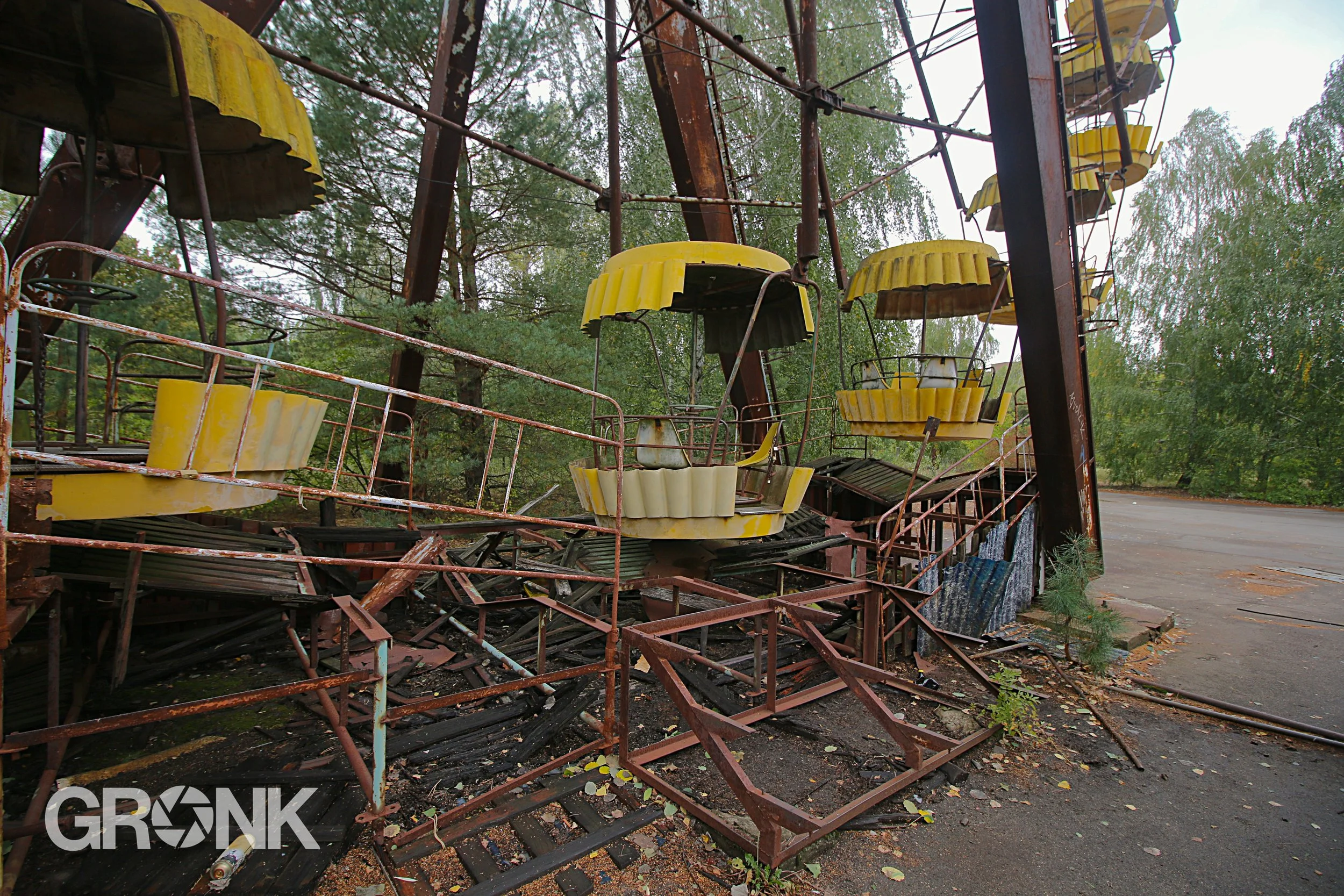
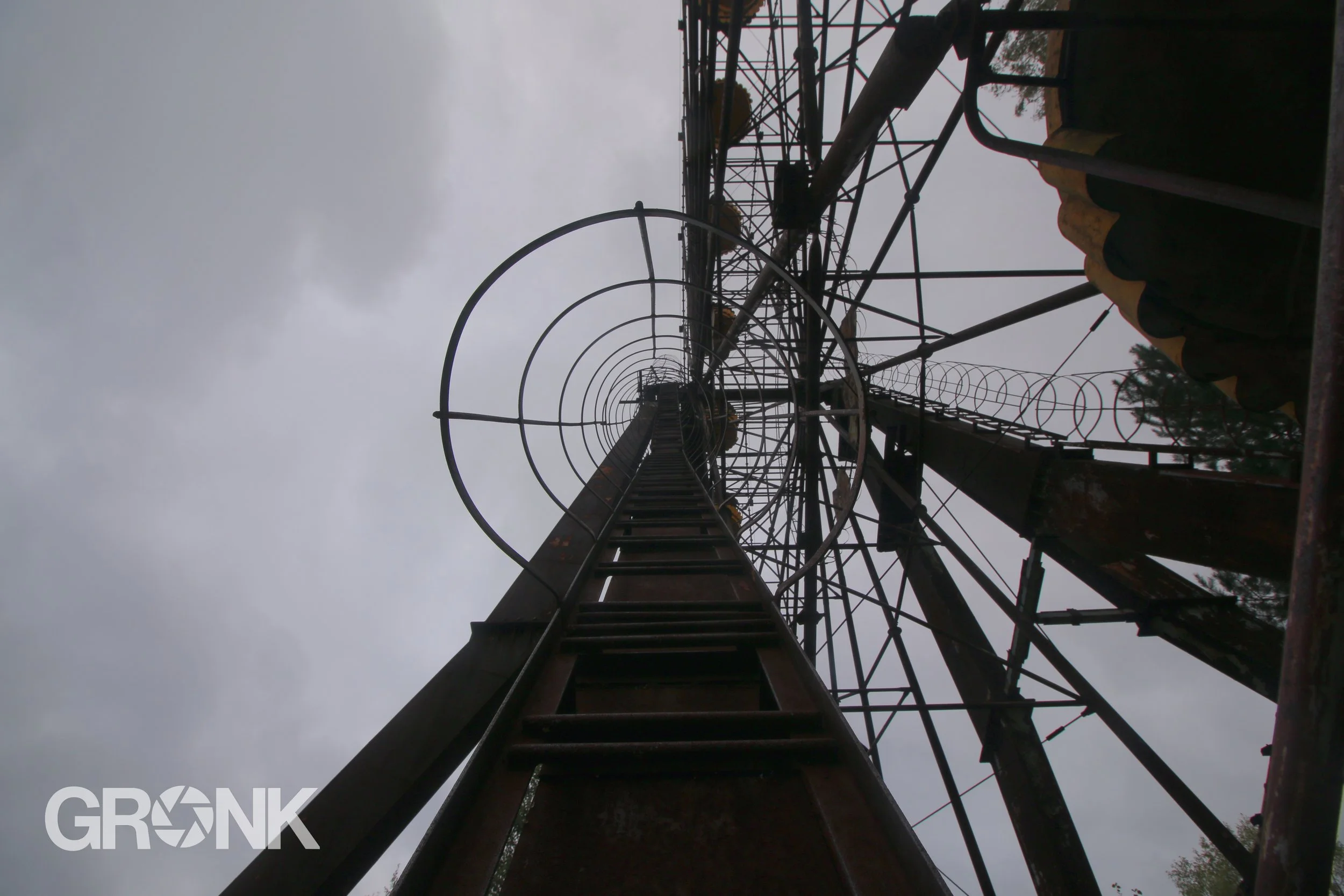
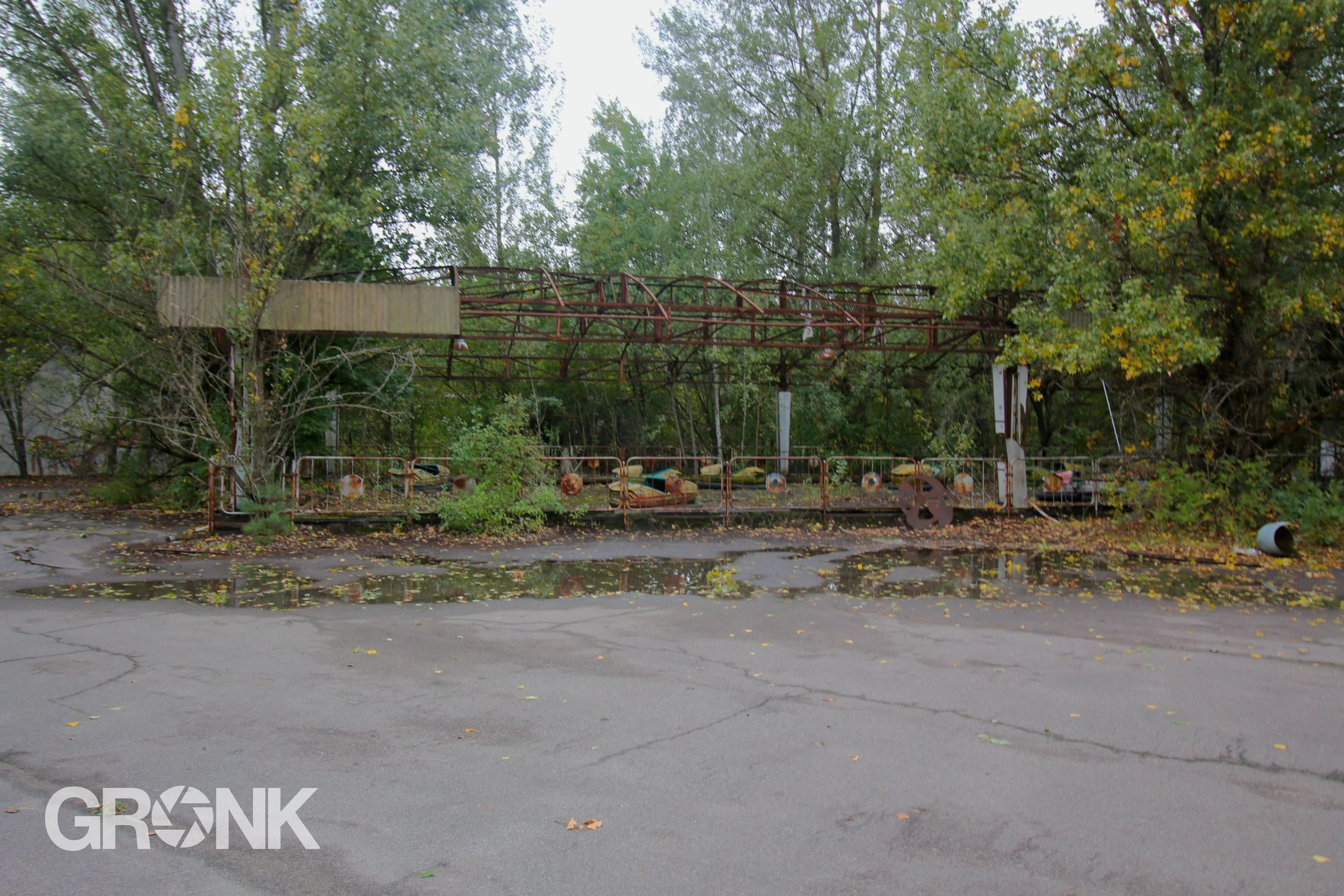
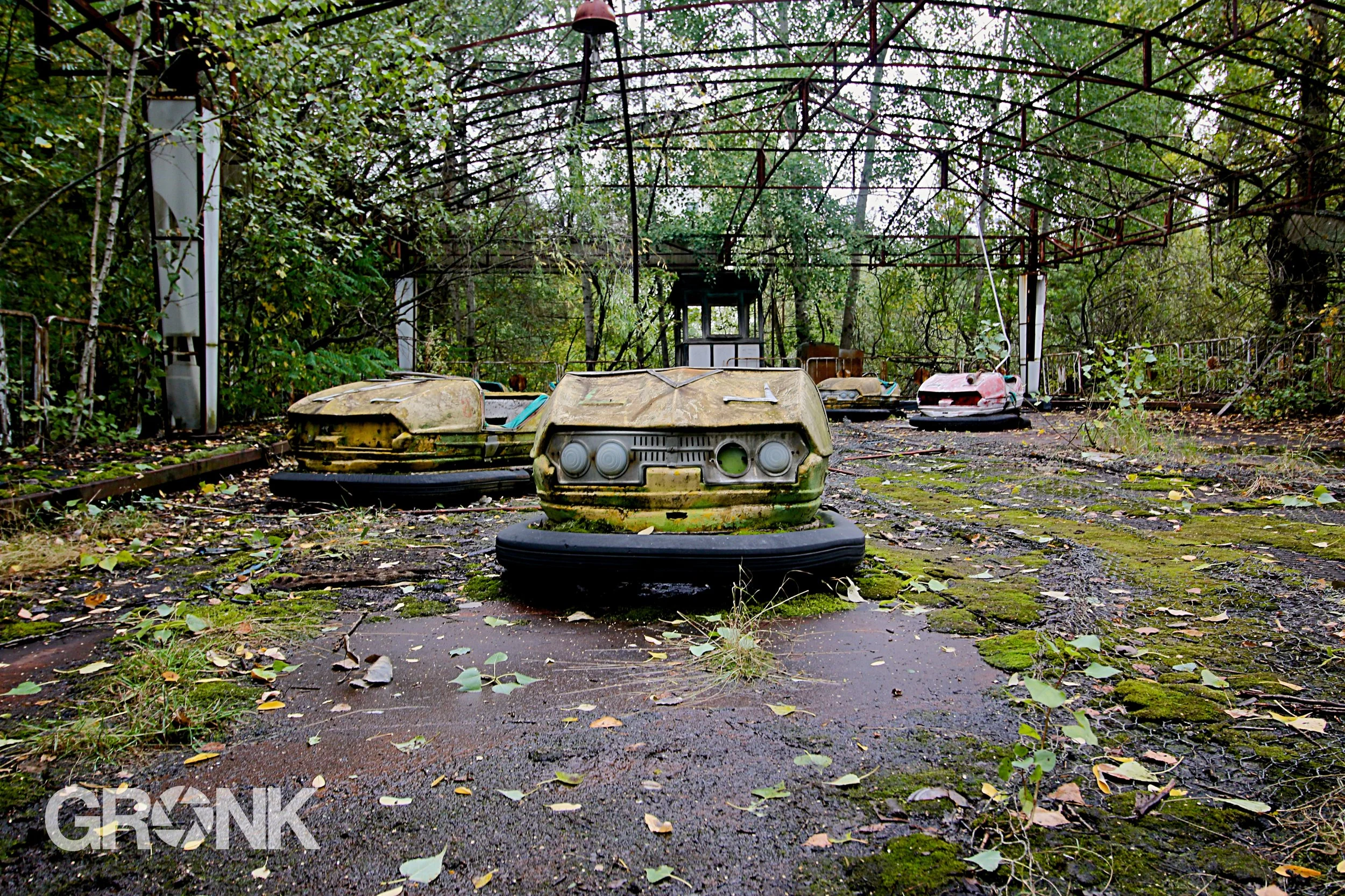
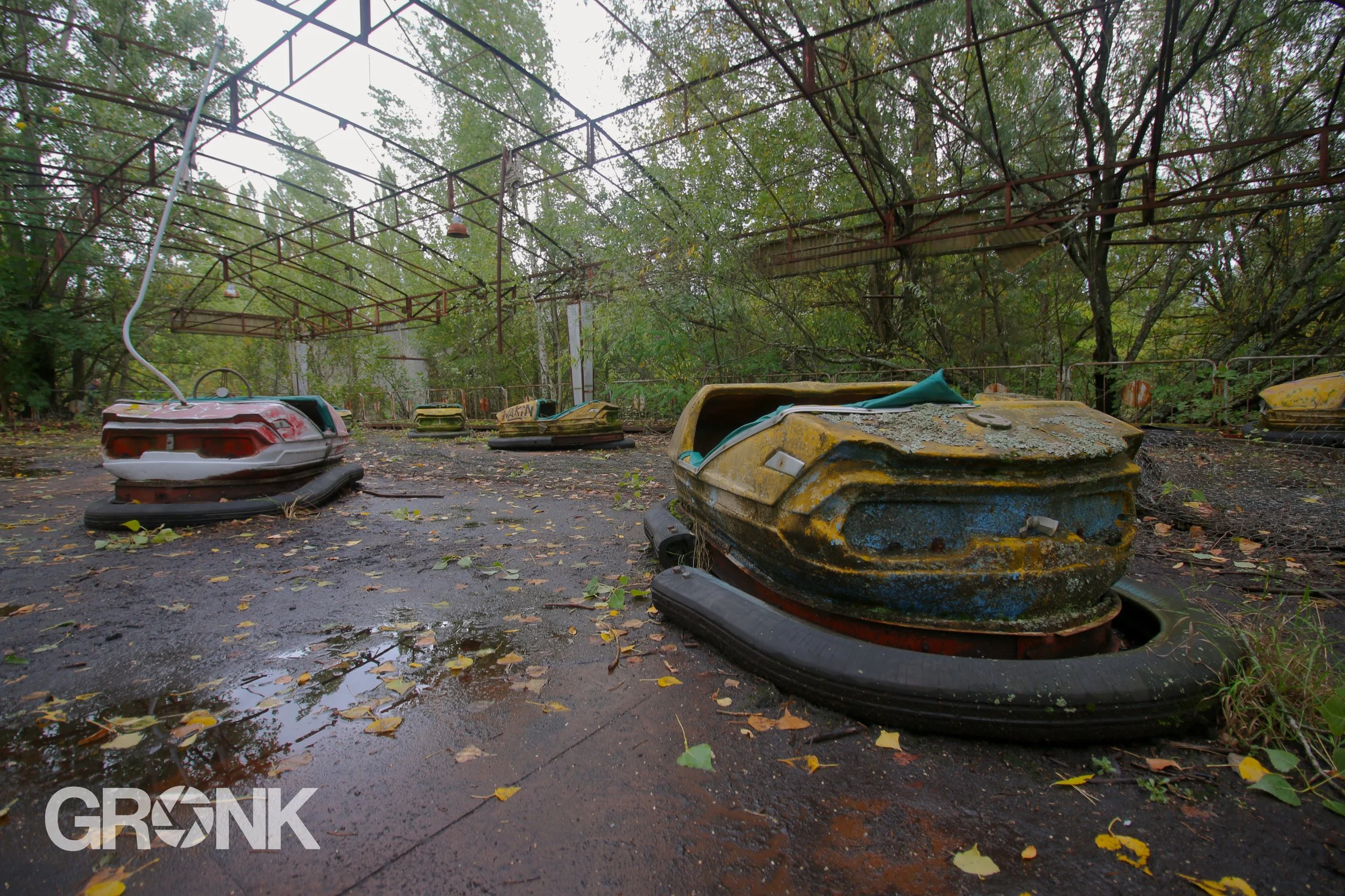
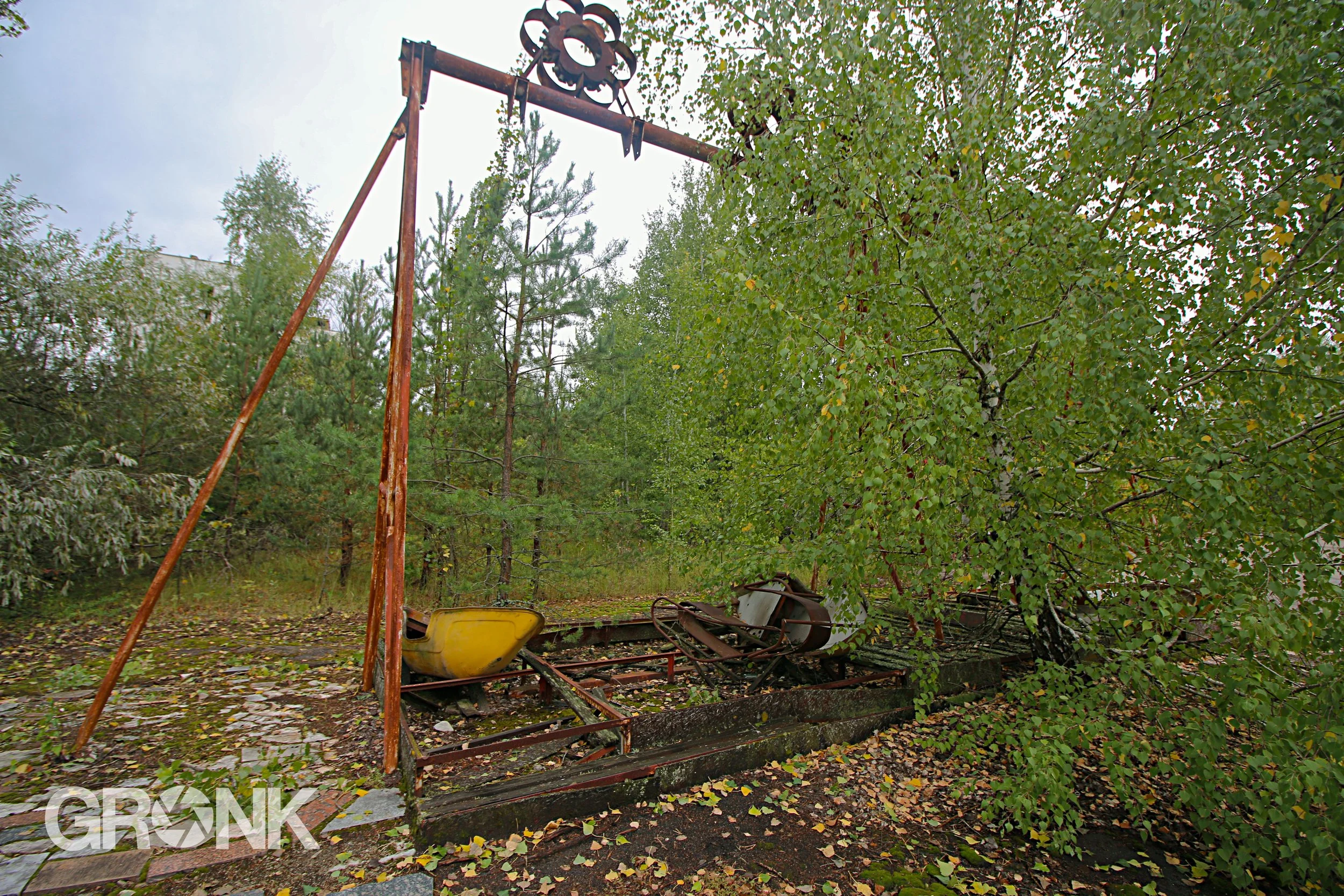
The Pripyat Amusement Park was built in the mid‑1980s in the Soviet city of Pripyat, designed to serve the nearby Chernobyl Nuclear Power Plant. It was planned as a classic Soviet “Park of Culture and Rest,” a communal leisure space with rides and entertainment for families. The park’s main attractions were to include a 26‑meter ferris wheel, bumper cars, swing rides, a paratrooper ride, and a shooting gallery. Its grand opening was scheduled for 1 May 1986, coinciding with Soviet May Day celebrations.
Tragically, the opening was disrupted by the Chernobyl disaster on 26 April 1986, just one day before the planned event. Evacuation of Pripyat made it impossible for the park to operate. Some accounts suggest it may have briefly opened on 27 April, but evidence is scarce and memories of residents are unclear. As a result, the park never served its intended purpose.
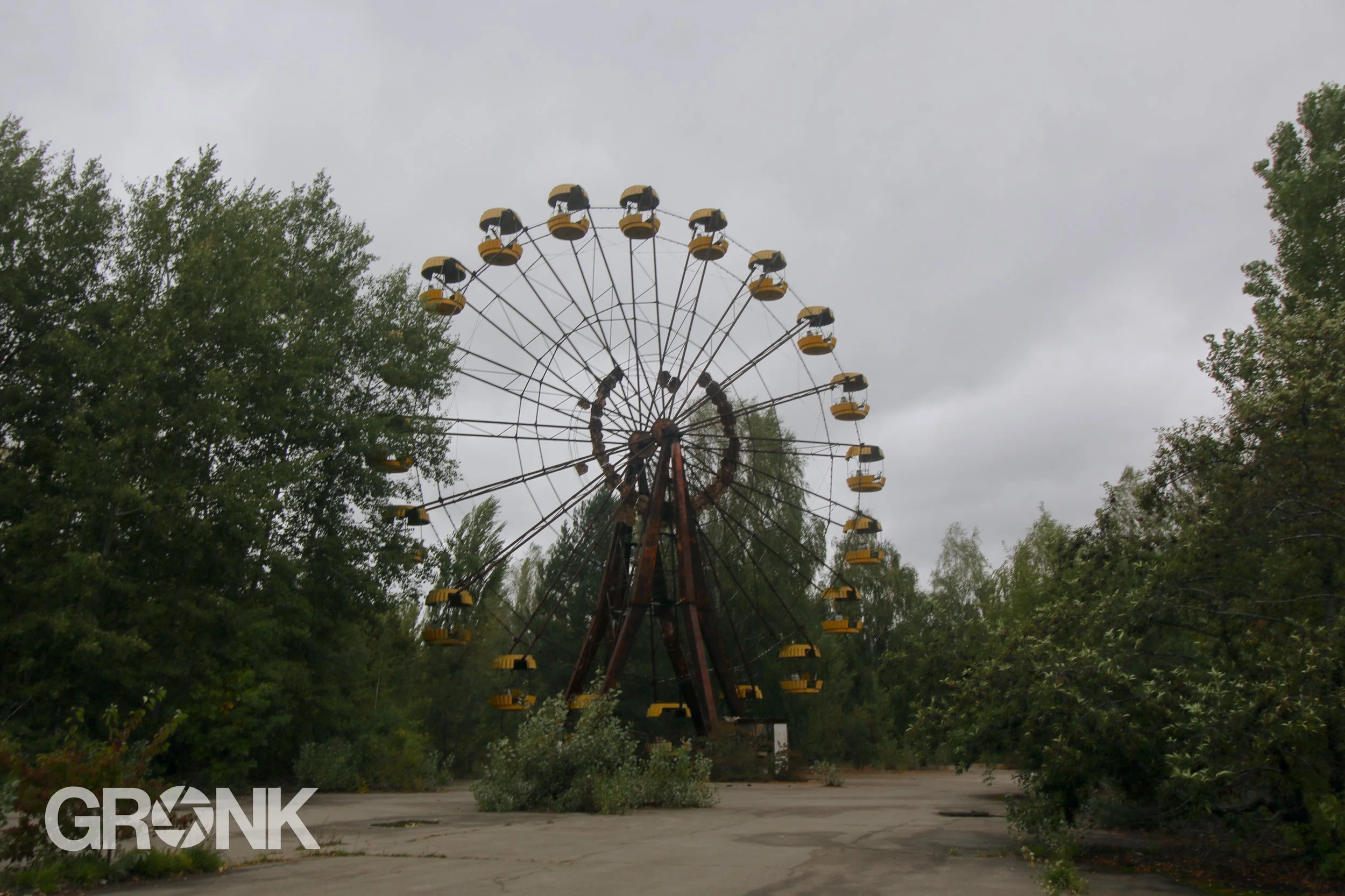
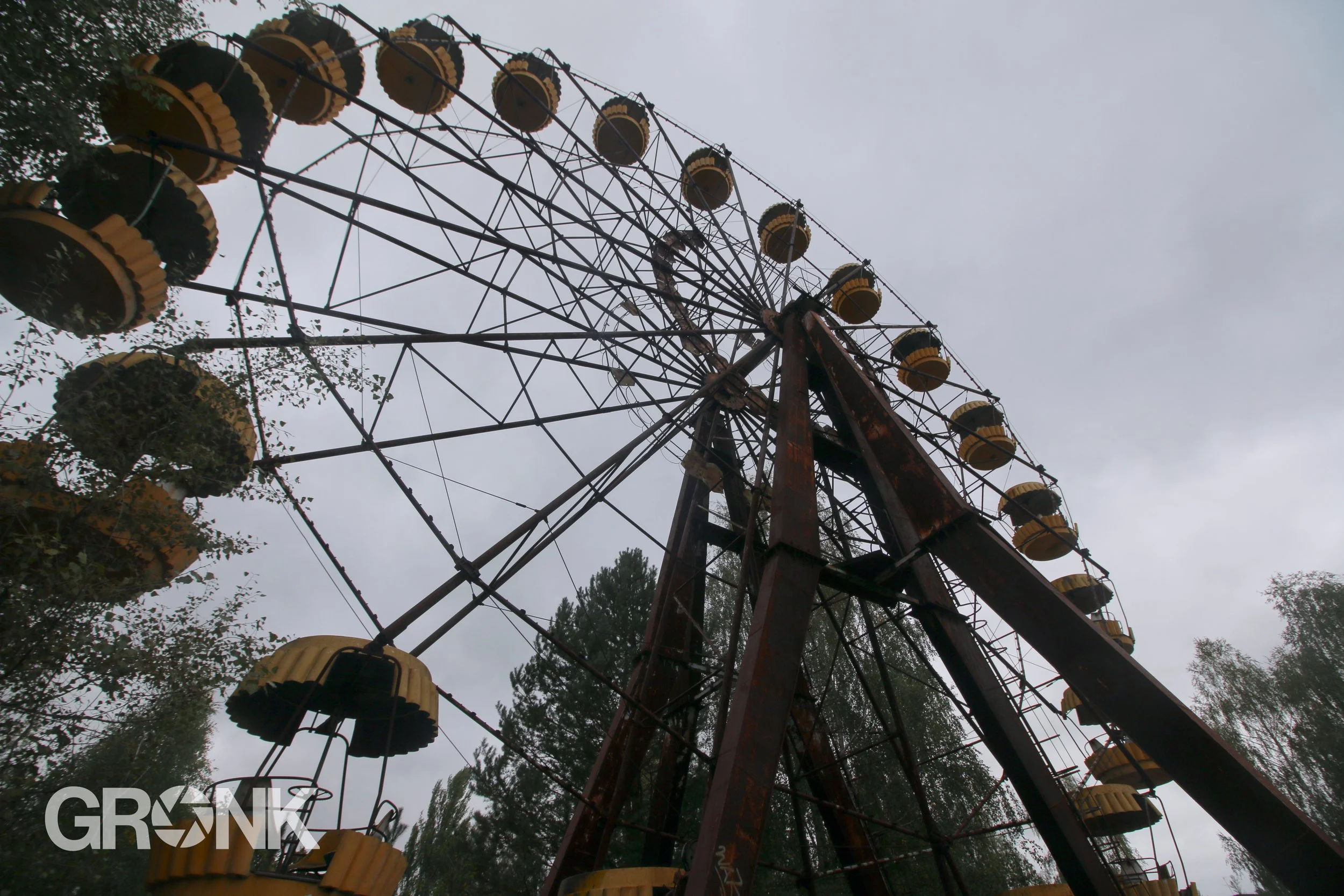
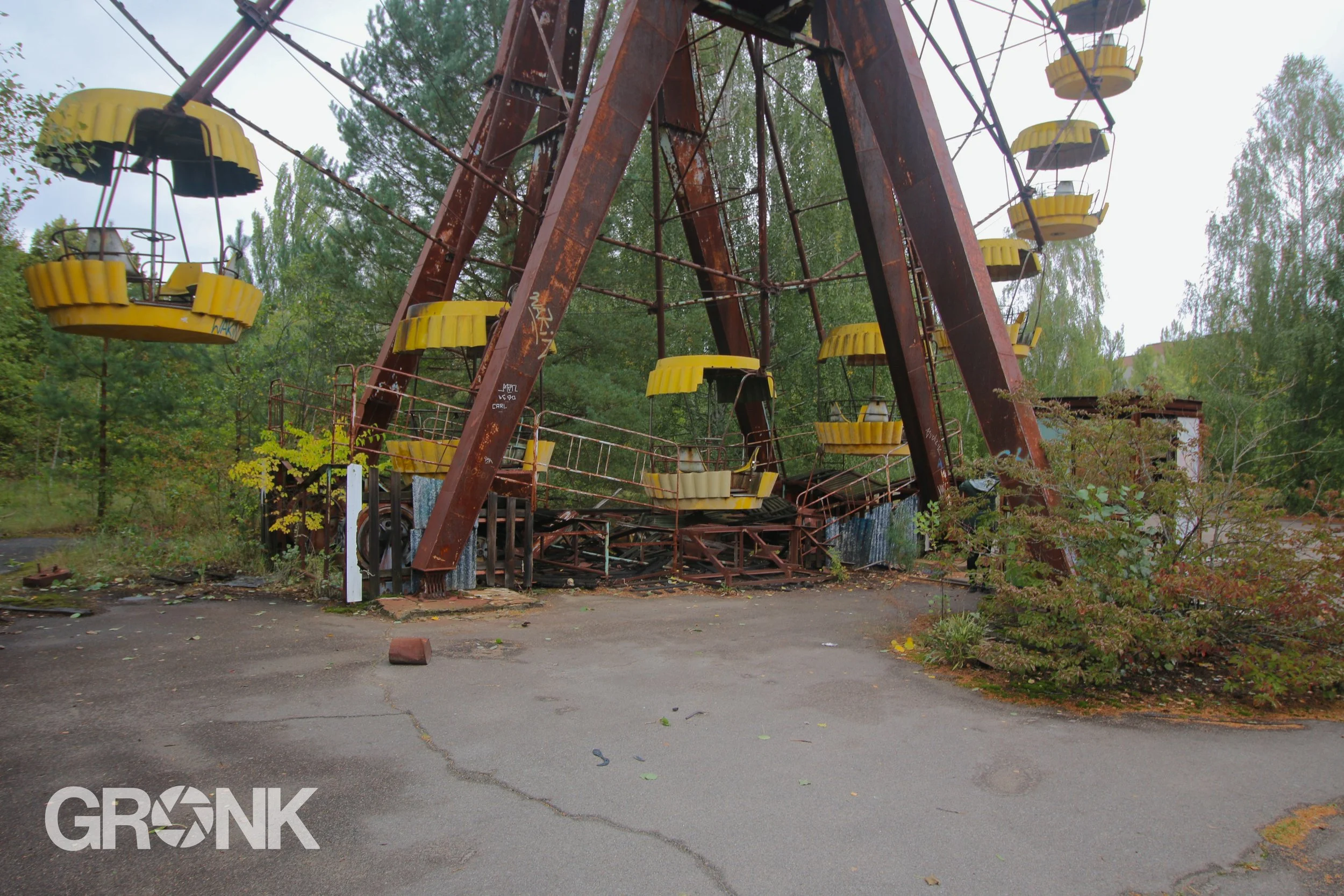
After the evacuation, the park was abandoned. Its rides, booths, and structures were left untouched, slowly succumbing to decay and overgrowth. Rust, weathering, and vegetation overtook the site, creating the haunting, frozen-in-time atmosphere seen today. Parts of the park remain radioactive, restricting access to certain areas even decades later.
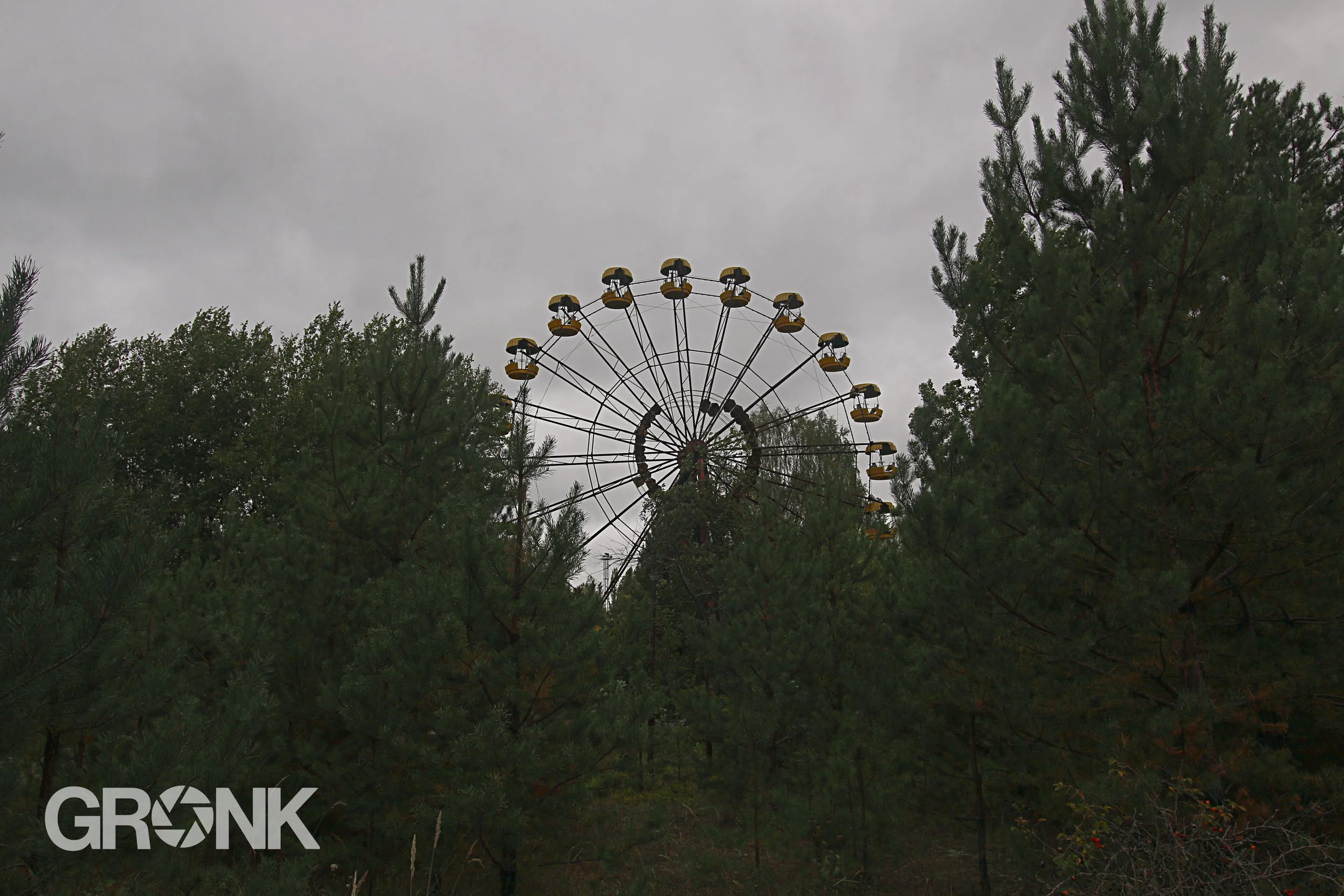
The ferris wheel, in particular, has become an iconic symbol of the disaster, featured in documentaries, photography, and popular culture. Its skeletal frame rising above the abandoned city embodies both the sudden halt of daily life and the eerie permanence of Pripyat’s evacuation. While some details about the park’s completion and possible brief opening remain uncertain, its legacy is clear: a poignant reminder of human ambition interrupted by catastrophe.