Palace of Culture Energetik, Pripyat
The Palace of Culture Energetik in Pripyat, Ukraine, was built in the early 1970s as a cultural and social hub for workers of the nearby Chernobyl Nuclear Power Plant. Its name, “Energetik,” reflects both energy and the city’s connection to the nuclear industry. Like other Soviet “palaces of culture,” it was designed to provide entertainment, education, and community services under one roof.
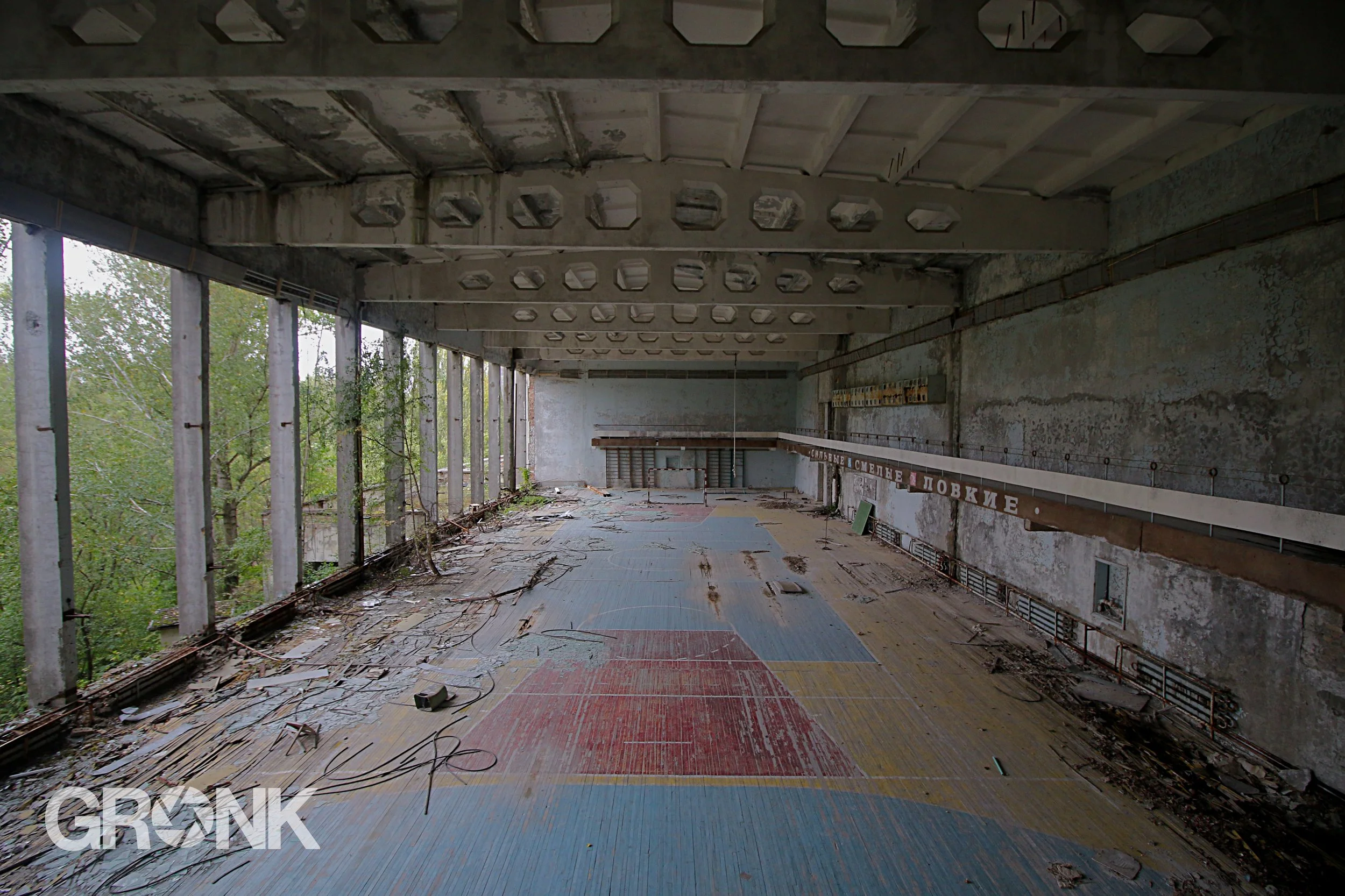
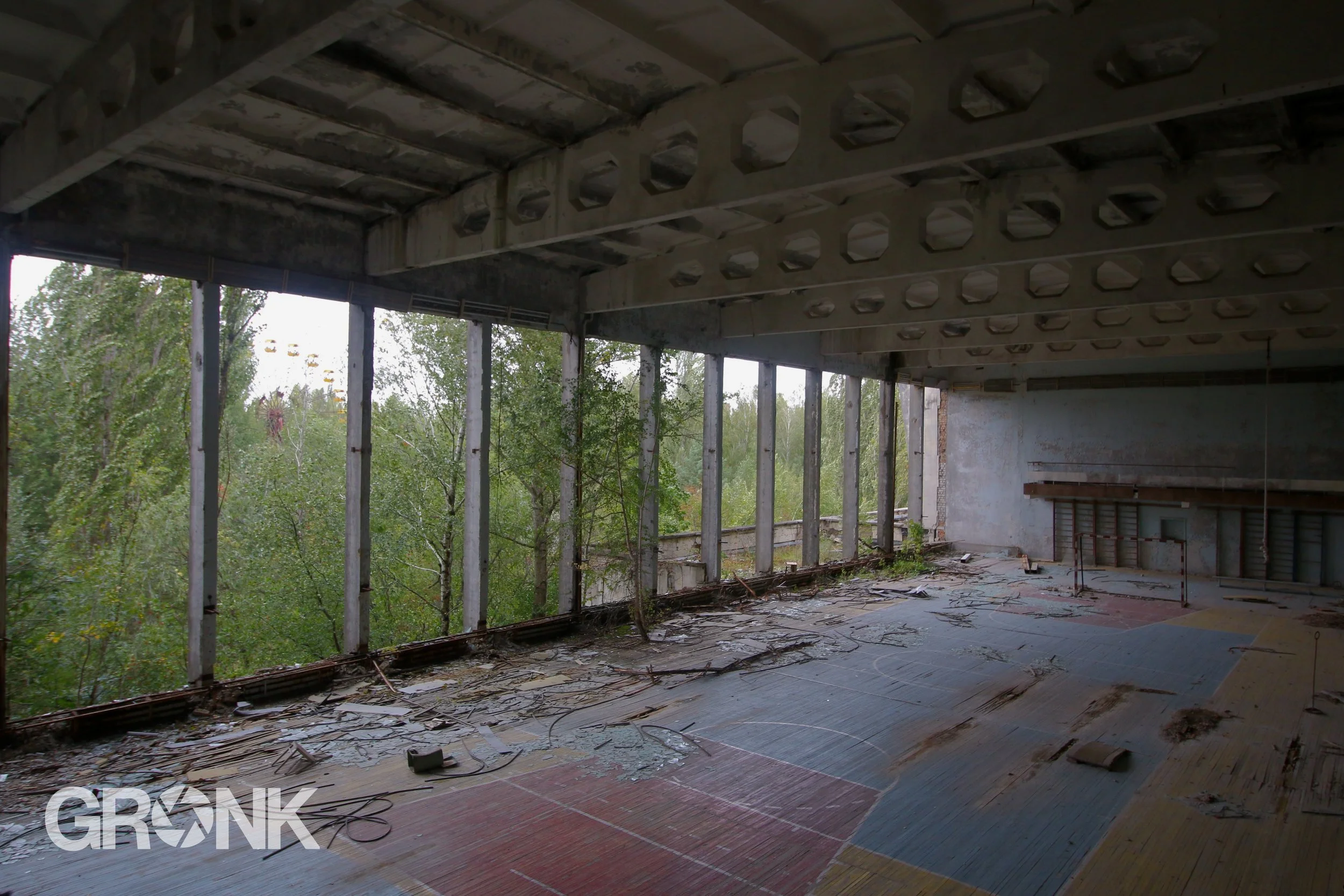
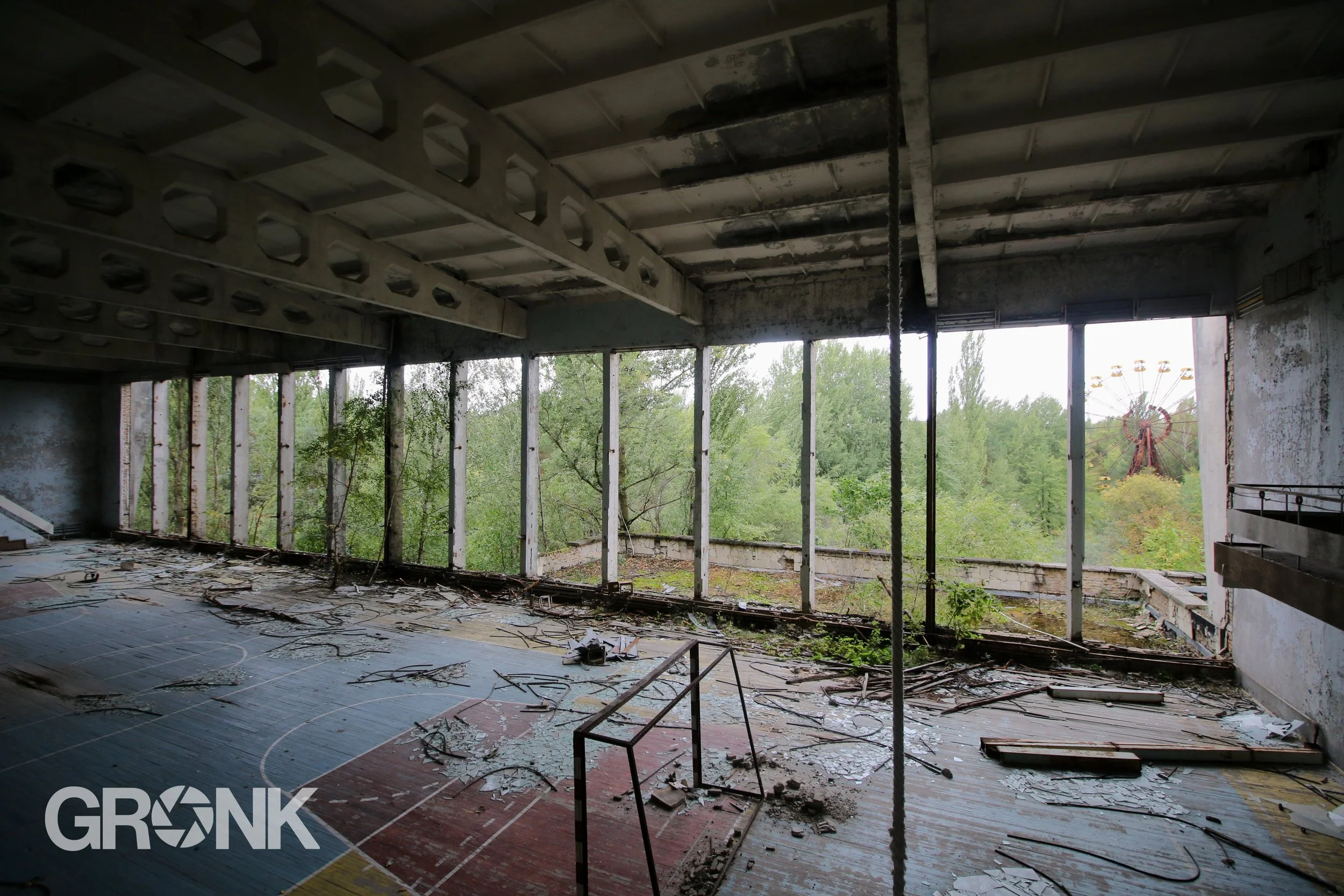
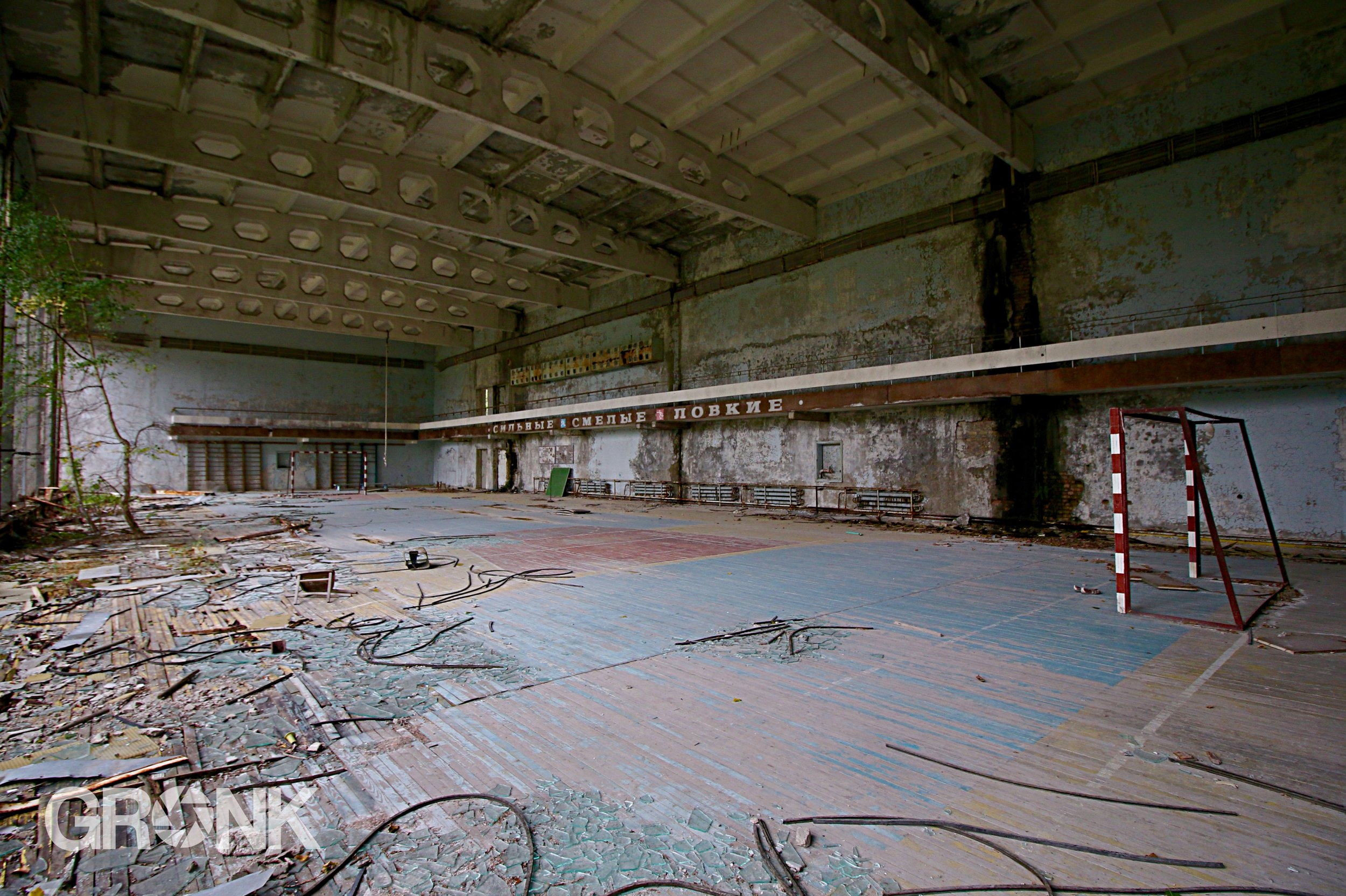
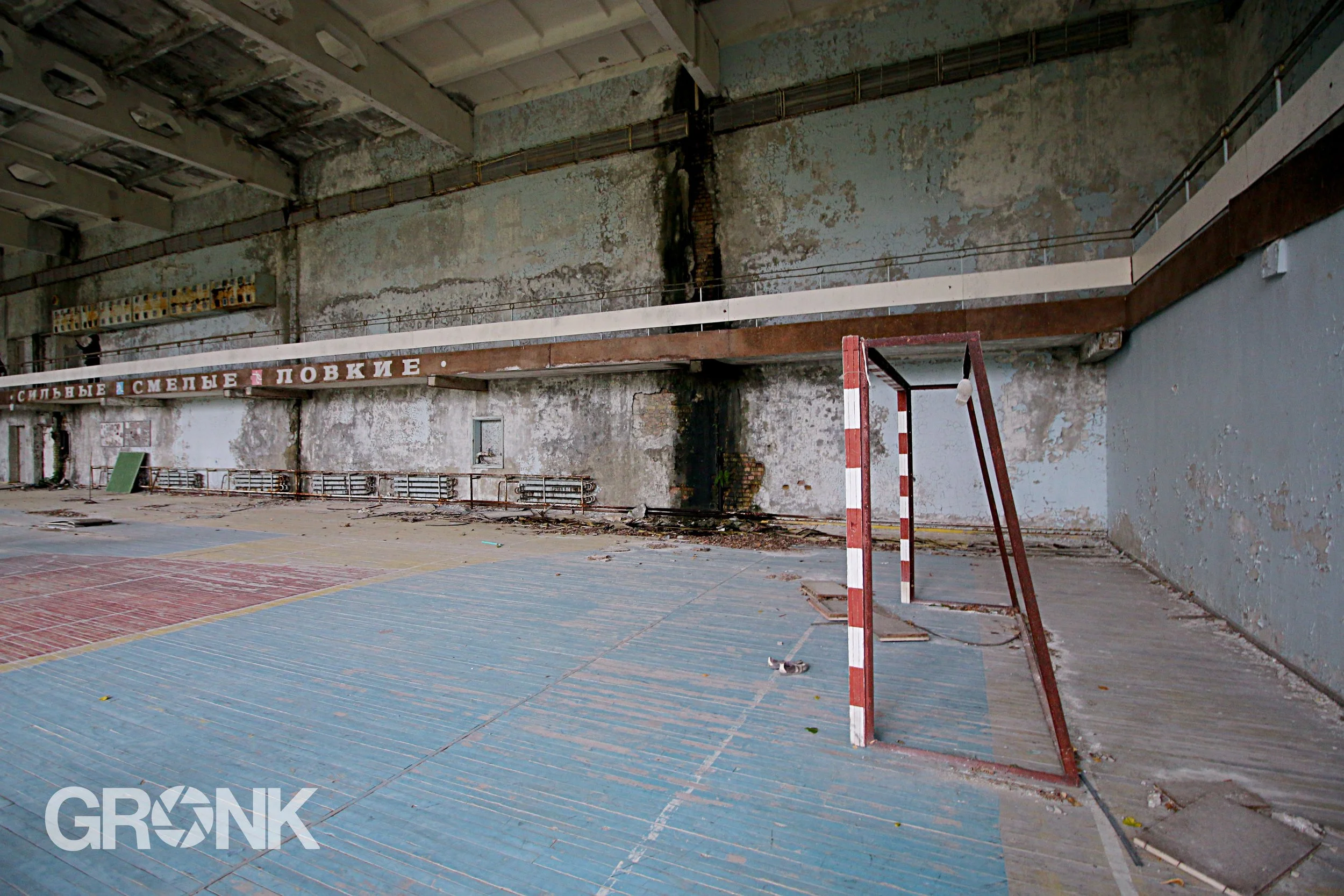
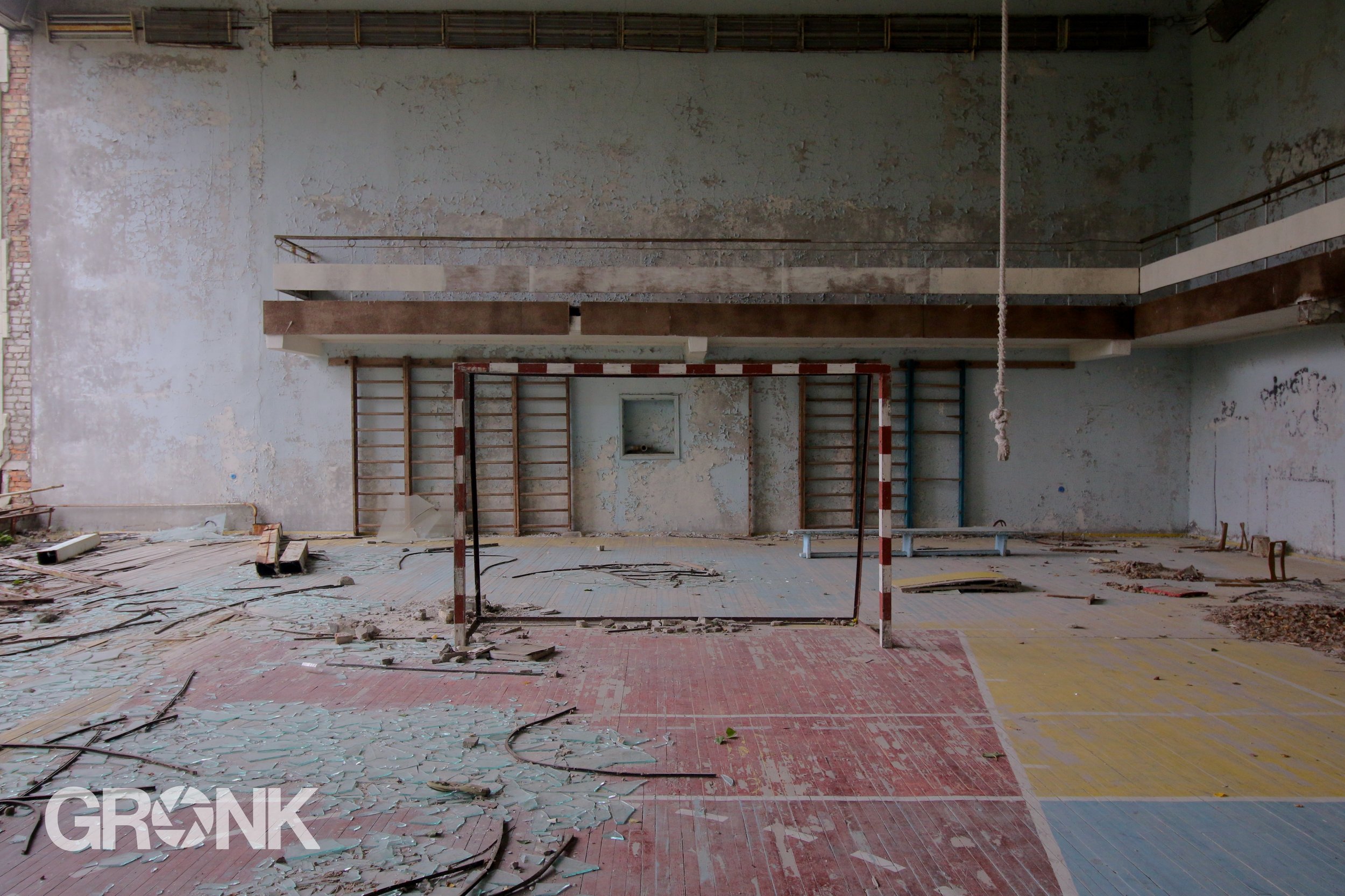
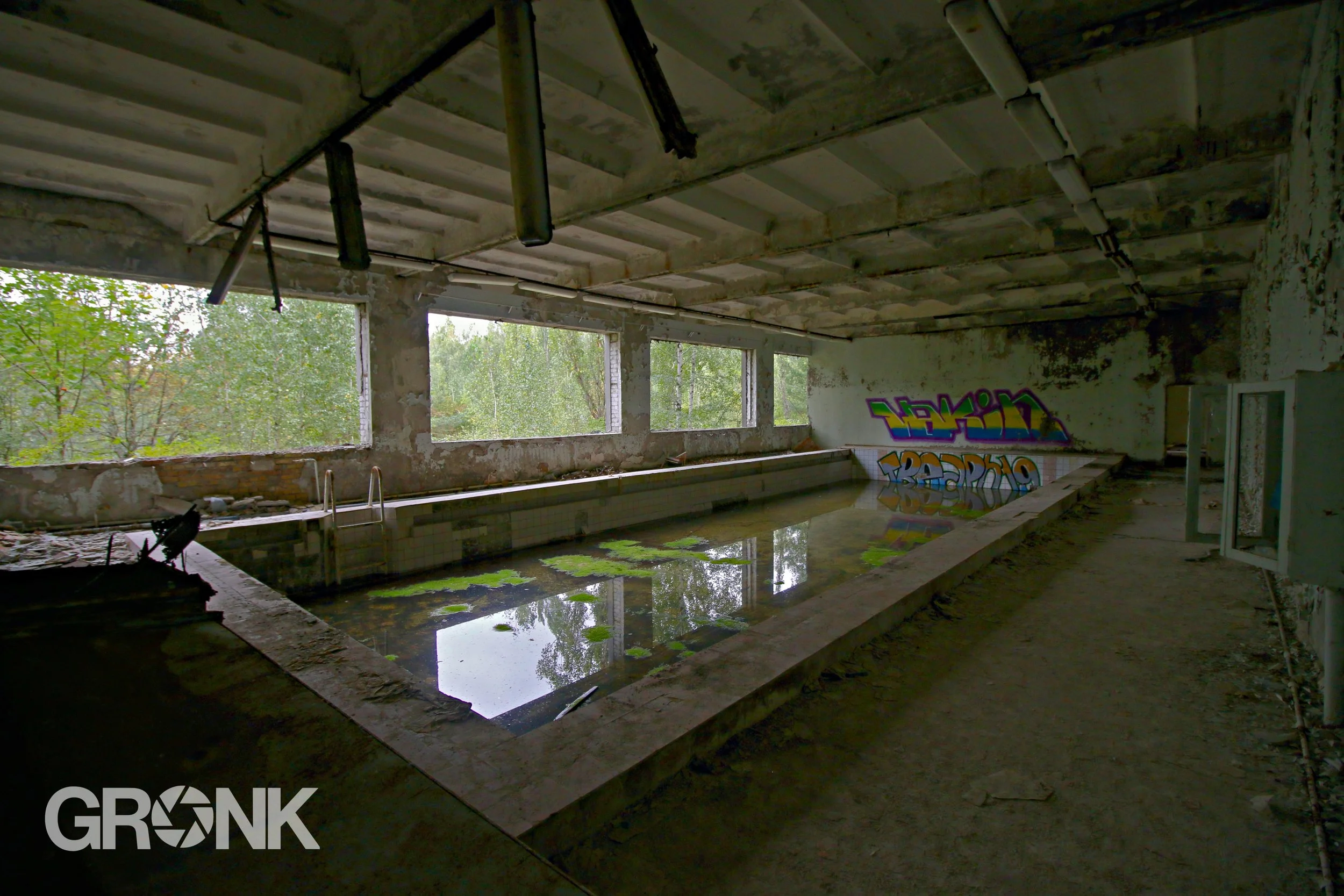
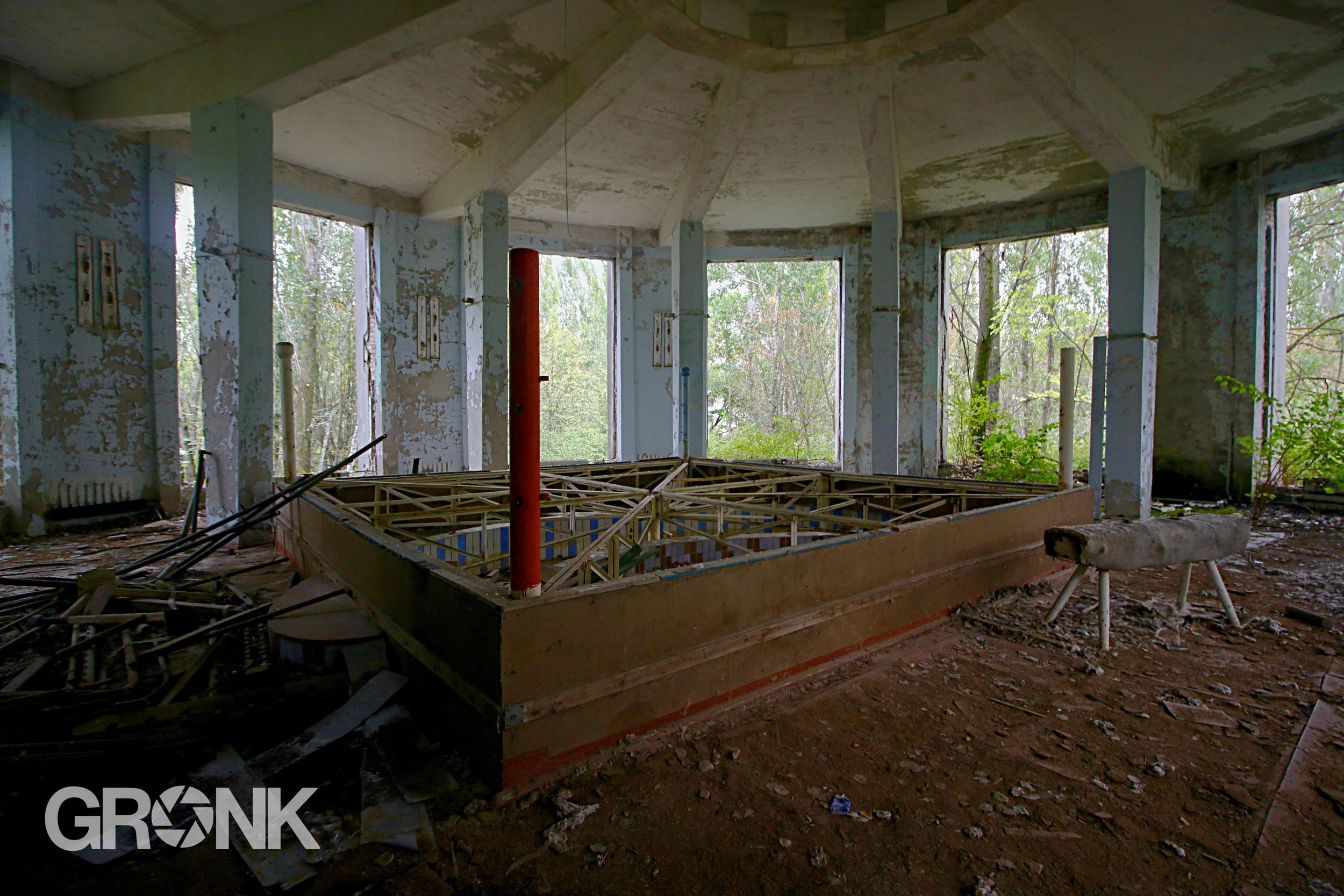
The building featured a cinema and theatre hall, library, reading rooms, study spaces, sports halls, gymnasium, swimming pool, boxing and wrestling rings, and spaces for dancing and social clubs. Its interior boasted marble façades, stained glass, tufa stone, and carpeted floors, while an illuminated sign atop the roof declared its presence on Lenin Square, the city’s central square. It hosted concerts, performances, cultural events, sporting activities, and even possibly a shooting range in the basement. Energetik was the heart of Pripyat’s civic and social life, providing a venue for education, leisure, and community gatherings.
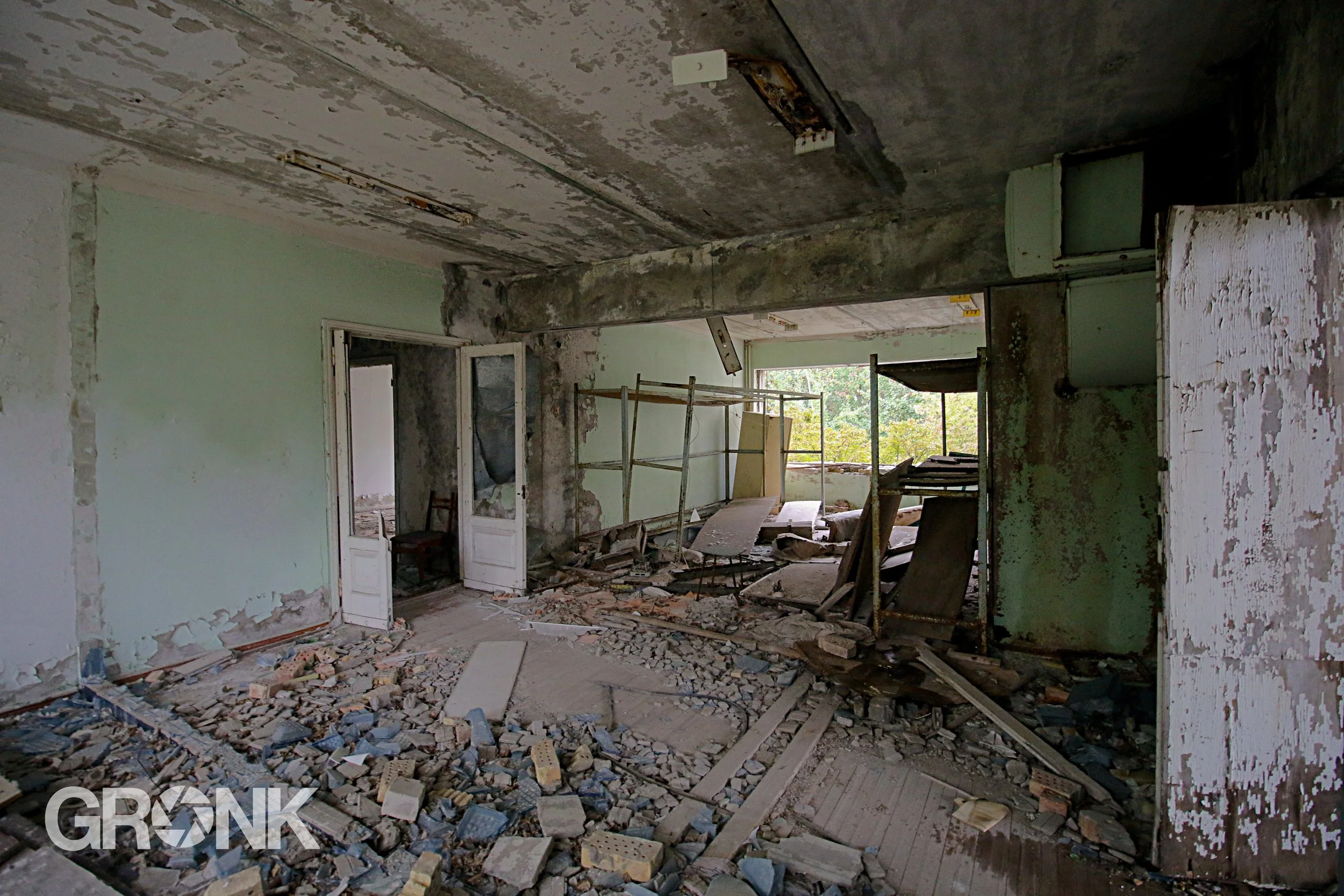
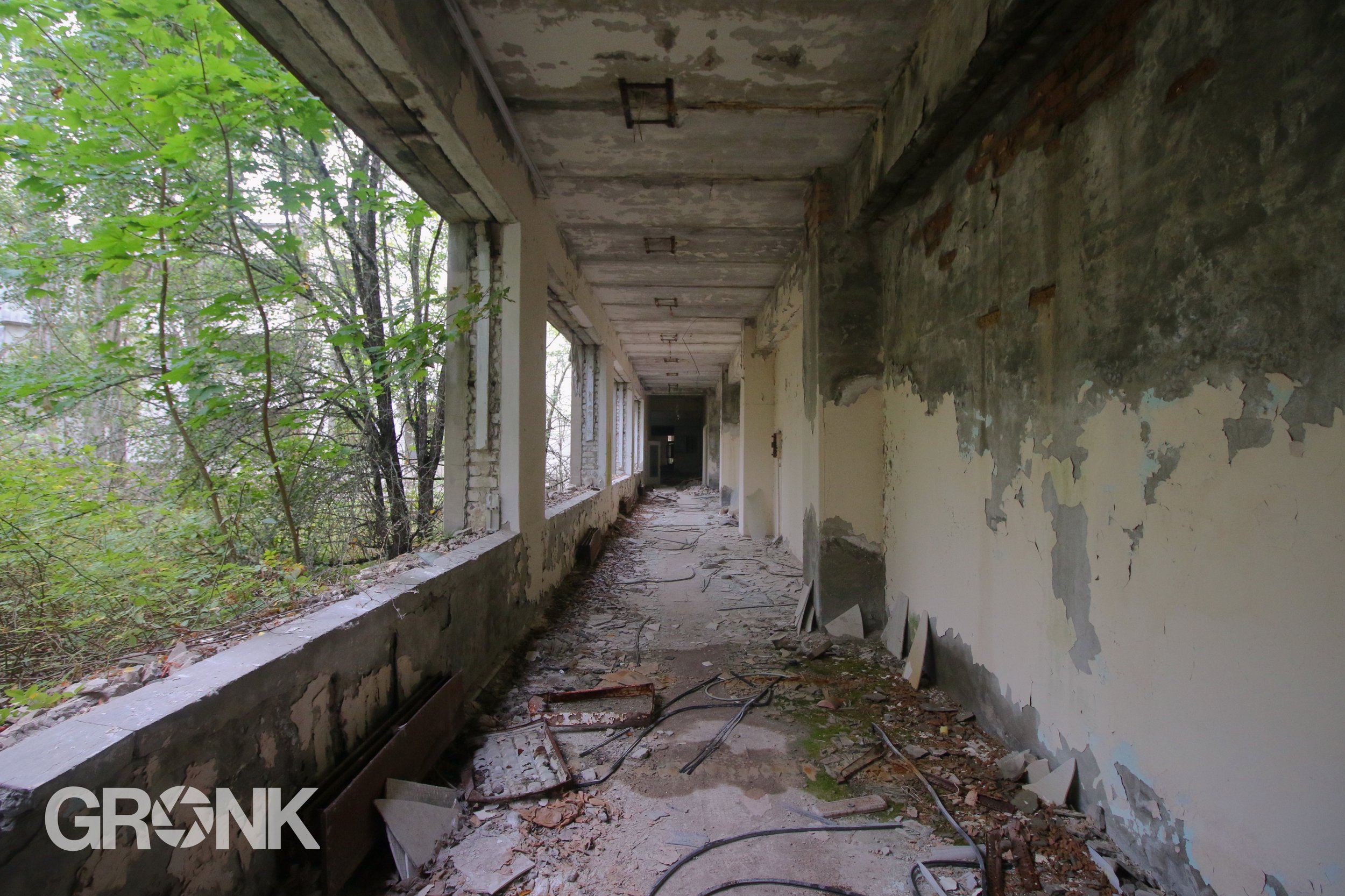
The Chernobyl disaster on April 26, 1986, led to the evacuation of Pripyat, leaving the palace abandoned. In 1987, it briefly served as a courtroom during the trial of individuals responsible for the disaster. Over time, looting, vandalism, and exposure to the elements caused the building to deteriorate: windows shattered, interior décor was stripped, floors decayed, and vegetation grew inside.
Today, the Palace of Culture Energetik stands as one of Pripyat’s most iconic landmarks. Its empty halls, broken windows, ruined gym, and theatre reflect both the vibrancy of Soviet communal life and the sudden abandonment after the nuclear catastrophe. As part of the Chernobyl Exclusion Zone, it attracts visitors and photographers, serving as a poignant symbol of the city’s history and the human cost of the disaster.