Engedi Methodist Church, Wrexham
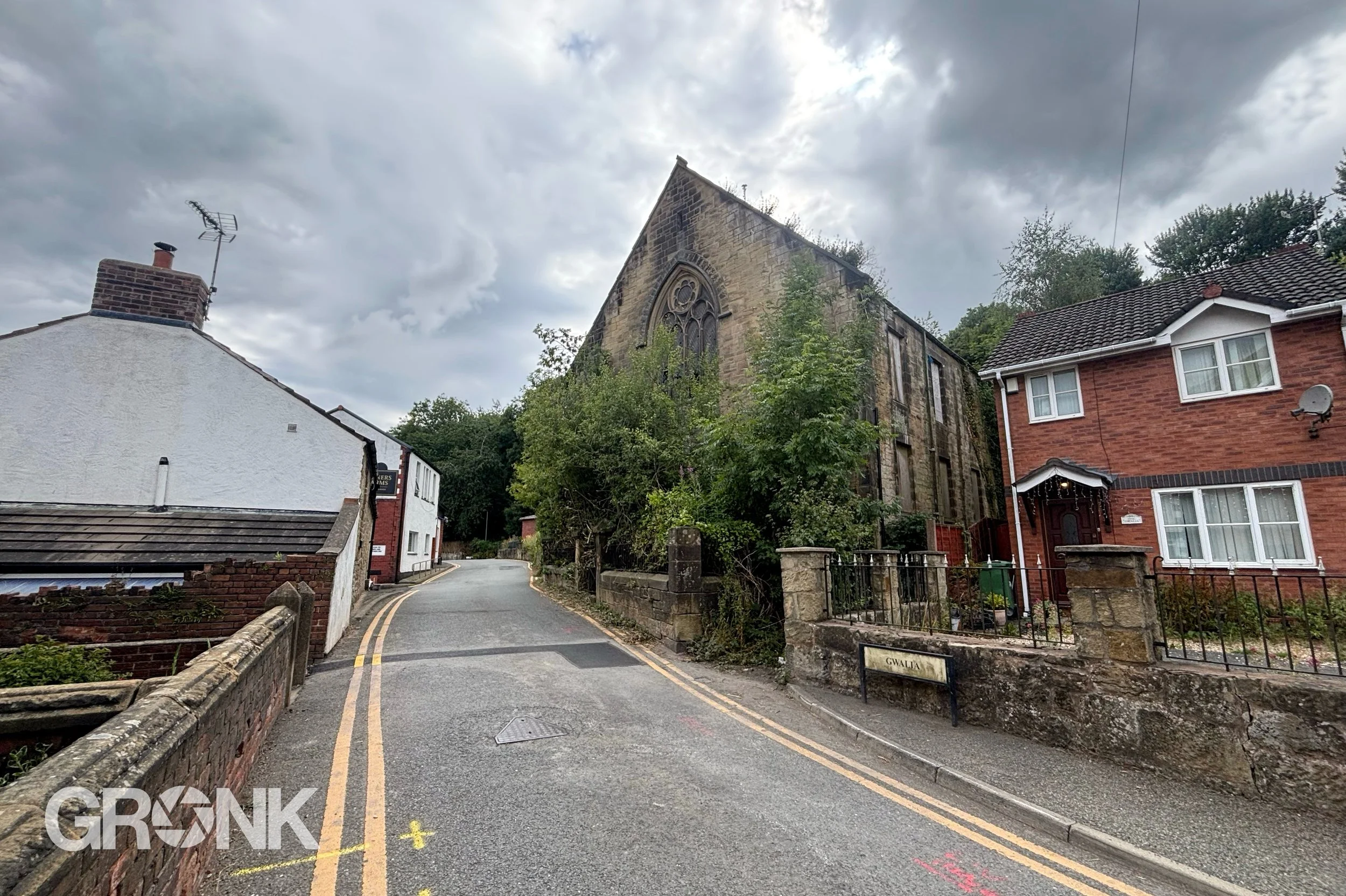
Engedi Chapel was originally built in 1820 as part of the growth of the Calvinistic Methodist movement in North Wales, later known as the Presbyterian Church of Wales. It served a Welsh-speaking congregation and was one of several prominent nonconformist chapels in the industrial village of Brymbo, which grew rapidly during the 19th century due to coal and steel industries. The chapel underwent significant rebuilds in 1840 and 1861, with the final version constructed around 1895. This last iteration was built in a Simple Gothic style with a gable-fronted façade, and it became a familiar landmark in the community. Like many chapels of the time, Engedi played a central role in local spiritual and social life, hosting services and community gatherings.
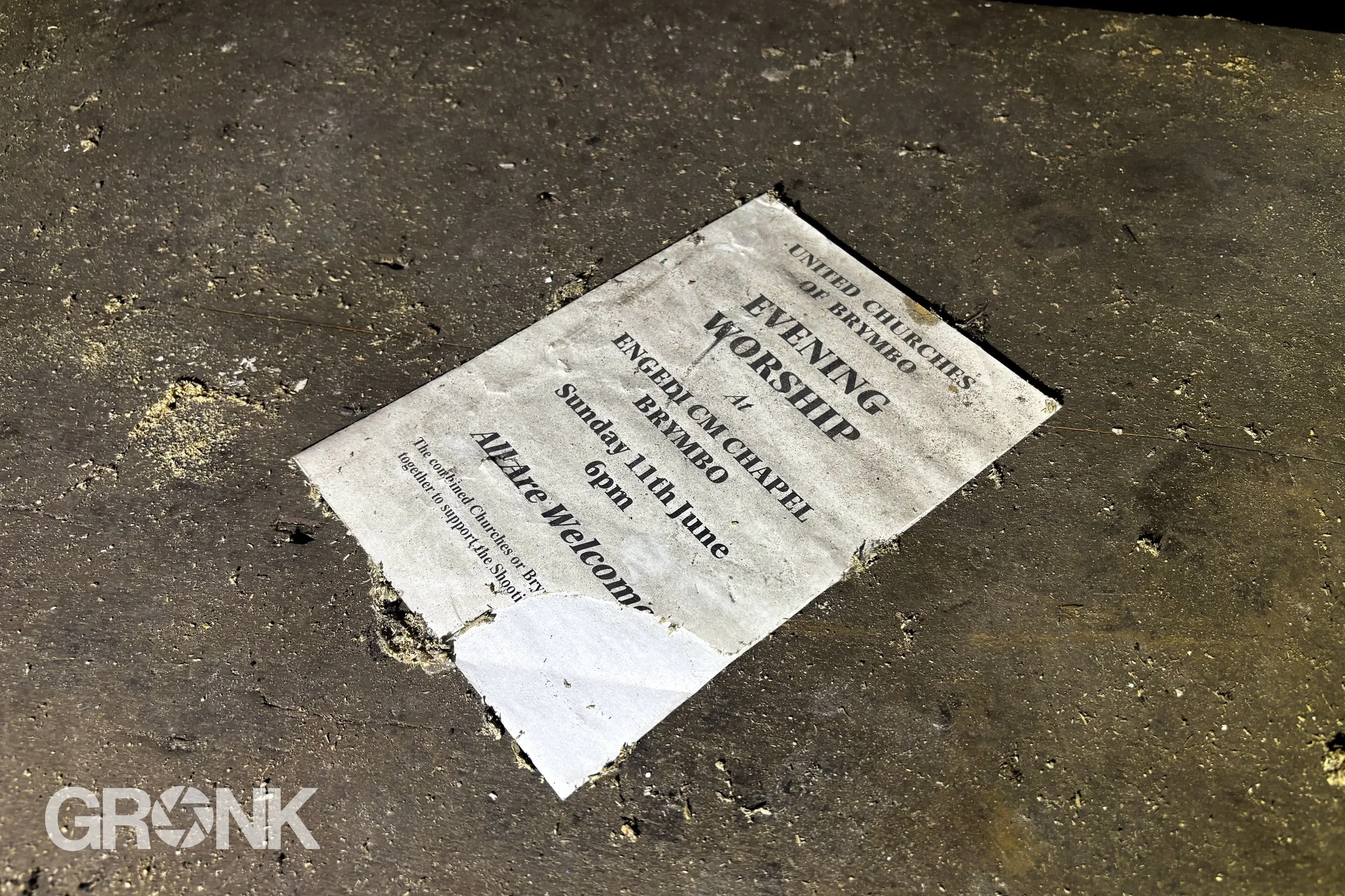
As industrial activity declined in the late 20th century, so did chapel attendance. The congregation gradually diminished, and Engedi Chapel eventually closed its doors in 2003 after more than 180 years of service. Following its closure, the building fell into disrepair. It became overgrown and structurally unsafe due to water damage and neglect. In 2017, Wrexham Council approved plans to convert the site into nine residential apartments. However, the chapel remained undeveloped and derelict.
By 2025, a new proposal was submitted to demolish the disused Engedi Chapel and the nearby Brymbo Methodist Church, replacing both with a 16-unit affordable housing development. The scheme includes one-bedroom apartments for social rent, with features such as solar panels, undercroft parking, and brick/render finishes designed to blend into the local landscape. Engedi's story reflects the broader decline of chapel life in Wales, where once-thriving religious communities have given way to changing social patterns and pressing housing needs. Though its physical structure may soon disappear, the chapel remains a significant part of Brymbo’s religious and cultural heritage.