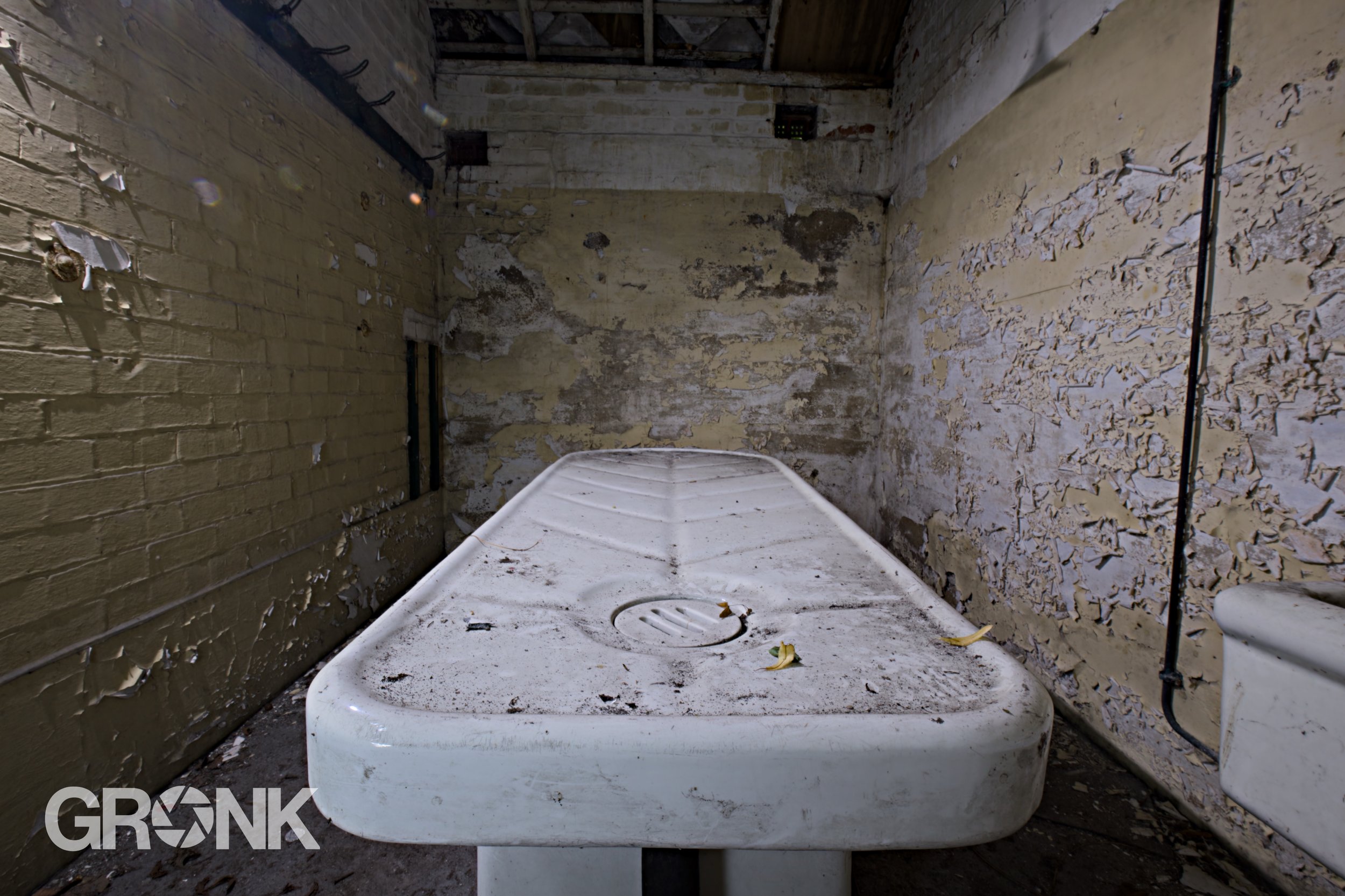
Overflow Mortuary, Wrexham
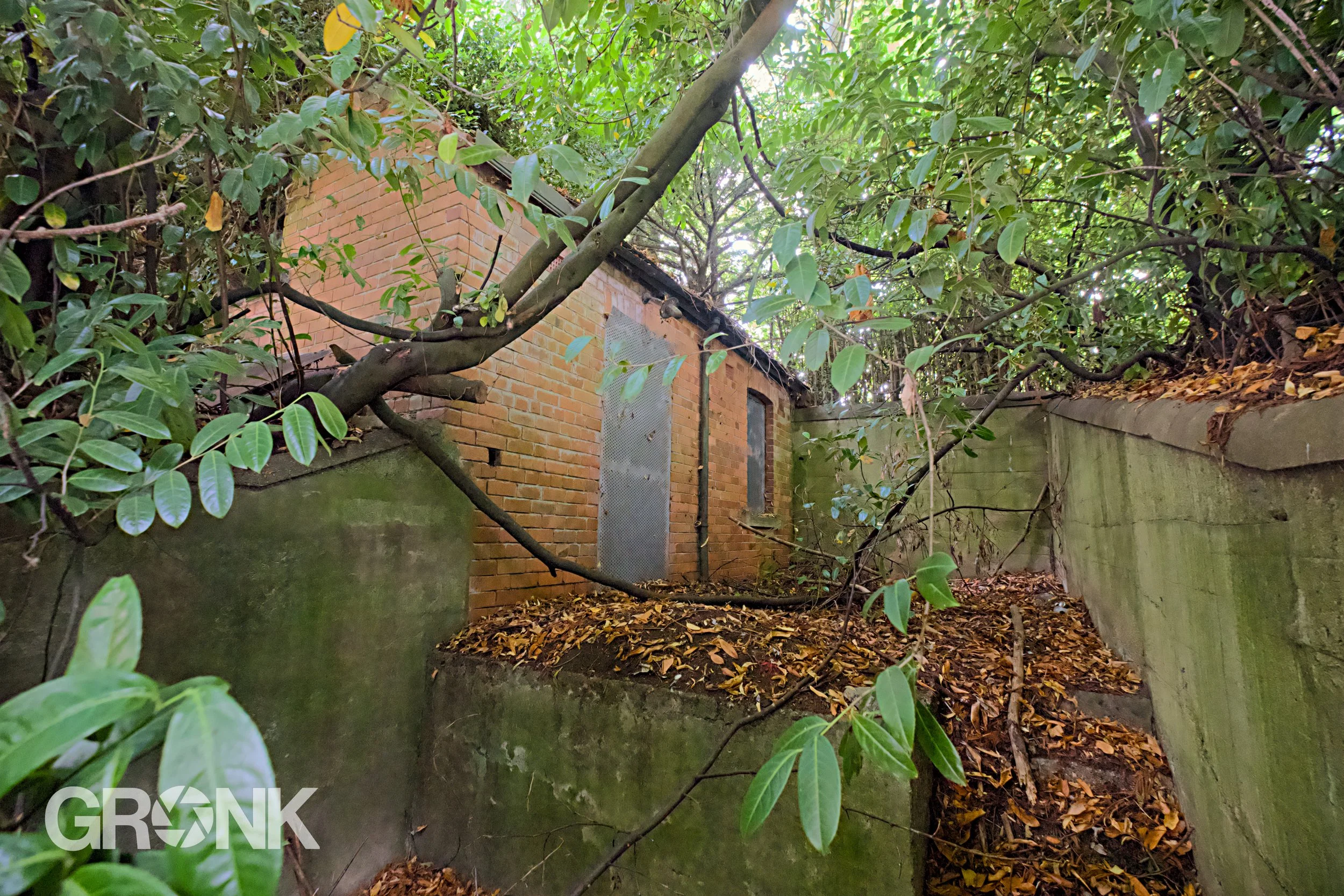
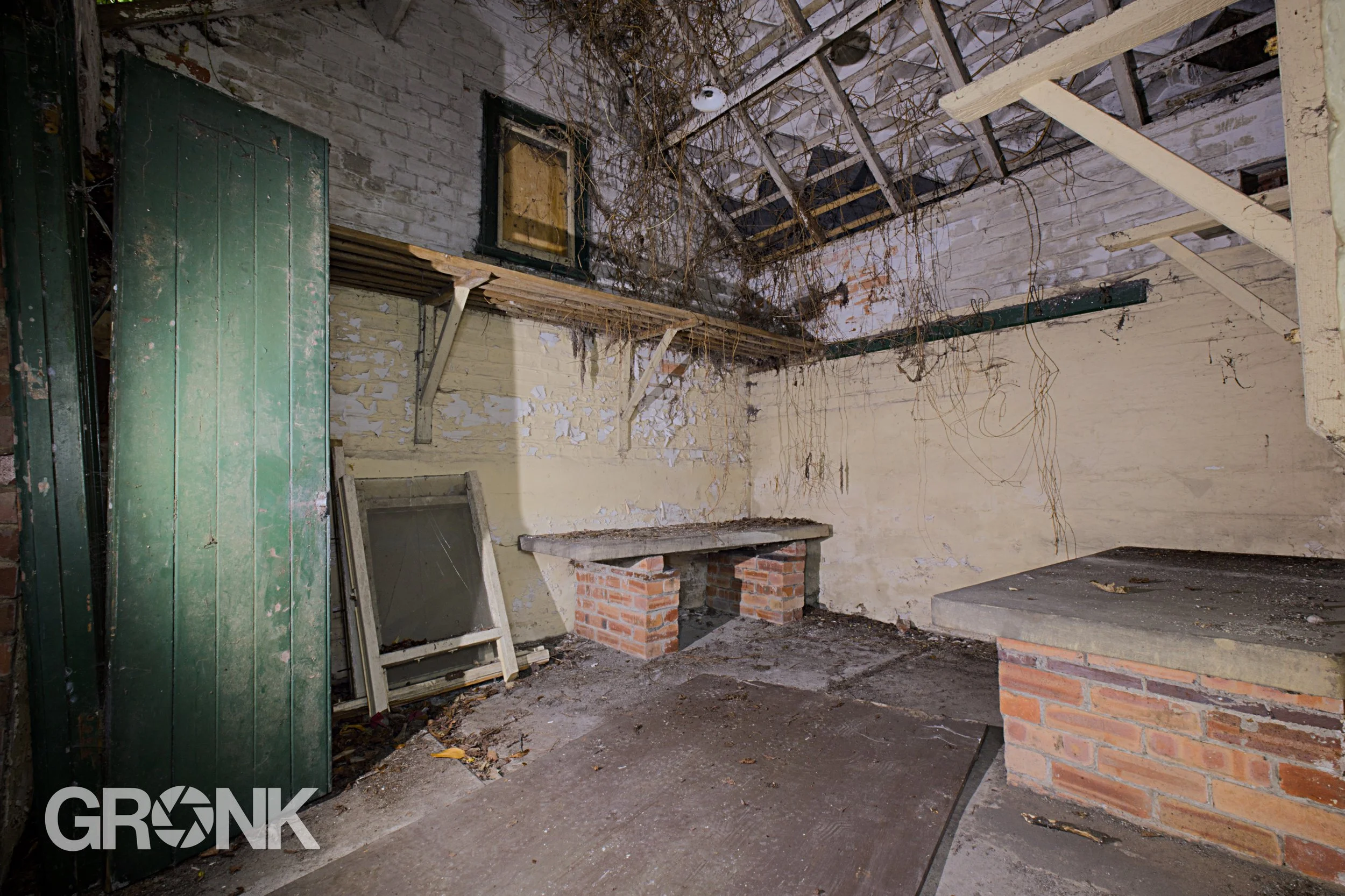
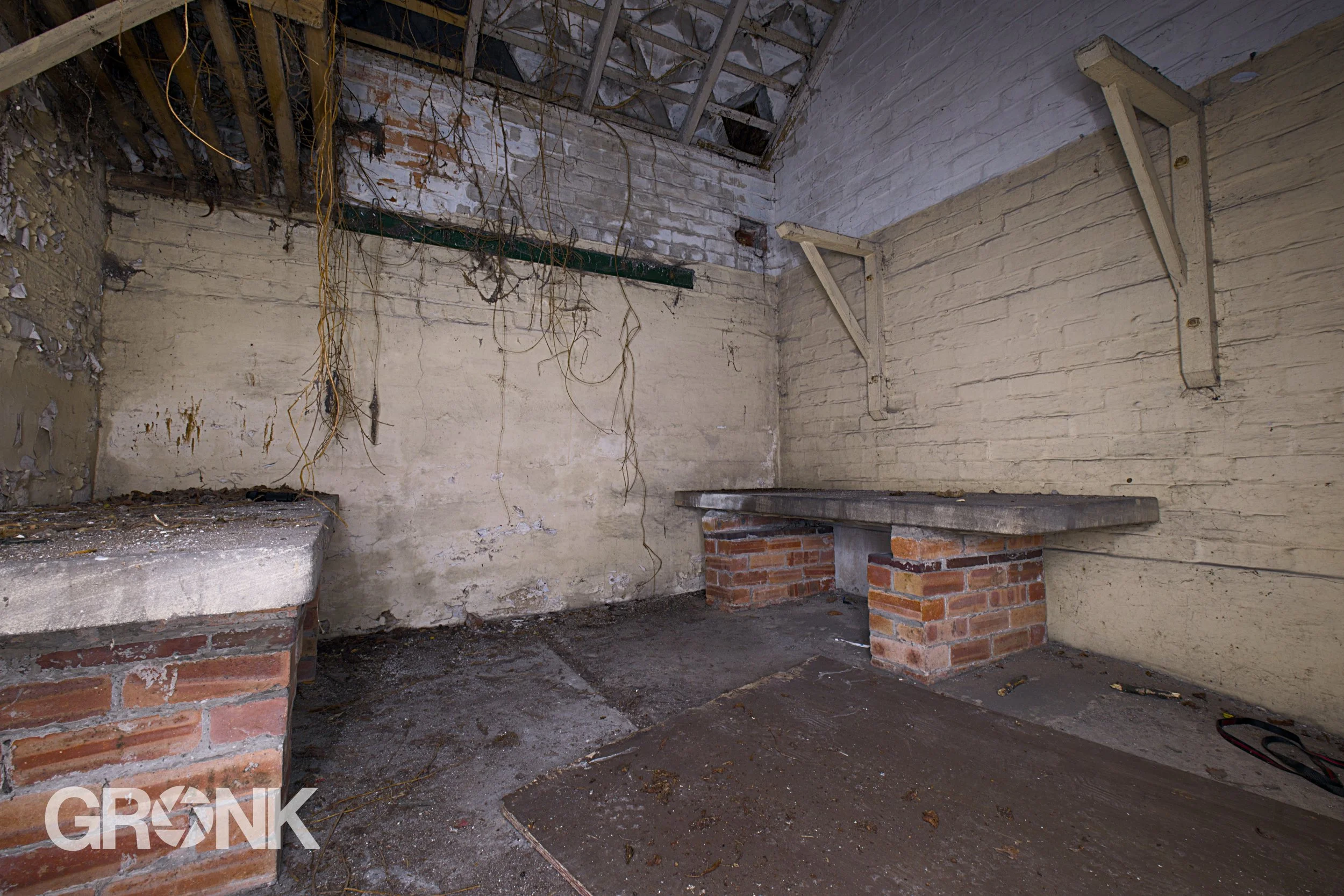
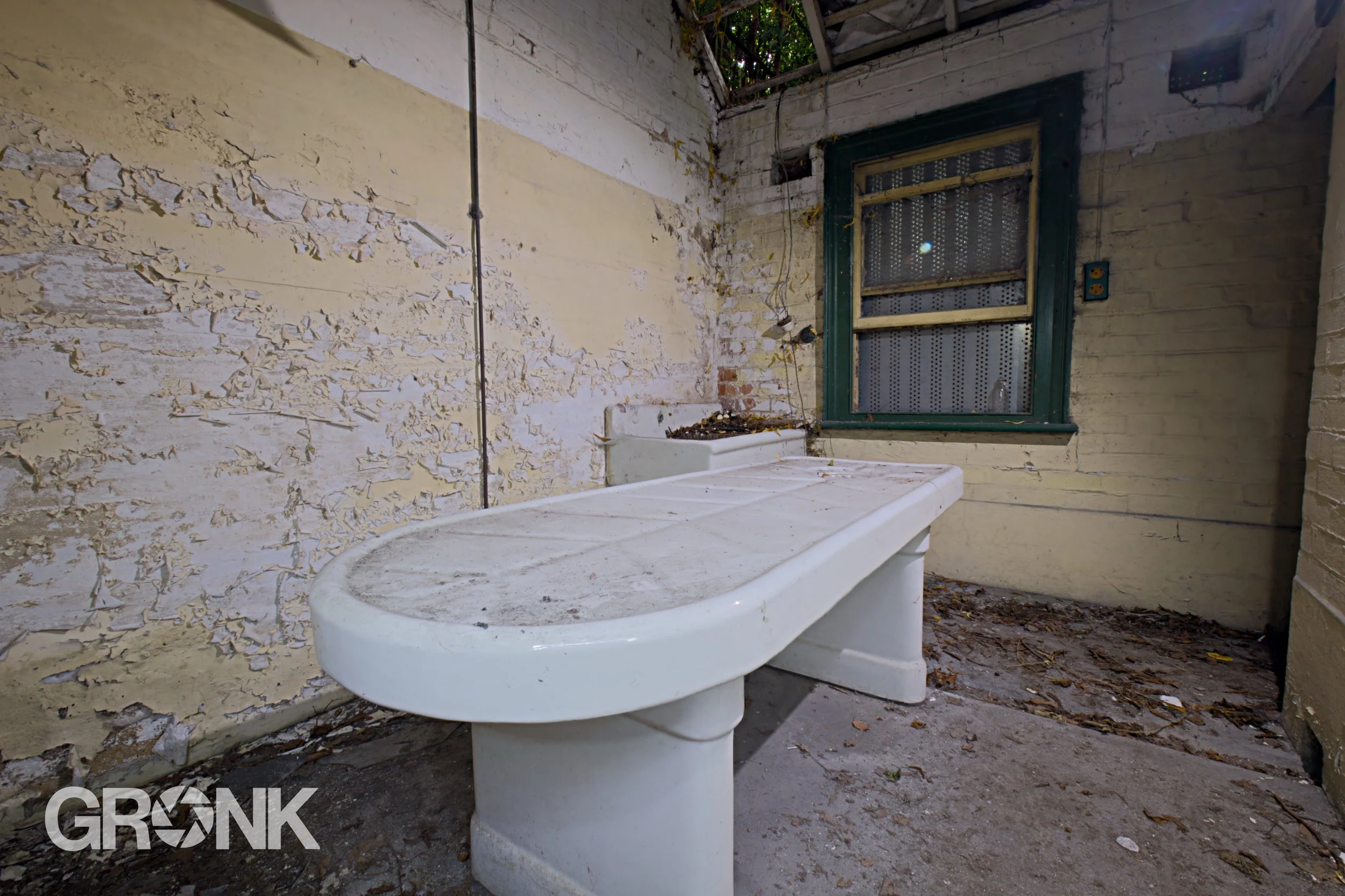
The disused mortuary at Wrexham Cemetery in North Wales has a rich history tied to 19th and 20th-century public health practices. Established in 1859 to alleviate overcrowding at St. Giles Churchyard, Wrexham Cemetery was part of a broader effort to create more sanitary burial grounds. Alongside the cemetery, a mortuary was constructed to ease the pressure on the nearby Wrexham War Memorial Hospital's own mortuary. This facility was used to temporarily house bodies awaiting identification, post-mortem examinations, or inquests, particularly in cases of unclaimed or suspicious deaths, often involving the poor or destitute.
During the Victorian and Edwardian periods, the mortuary served as a key site for handling bodies that required further investigation, including those from accidents or infectious diseases. The building became an essential part of the local public health infrastructure, reflecting the era's increasing focus on sanitation and forensic science. As forensic methods advanced and hospital morgues grew in capacity, the need for a separate cemetery-based mortuary gradually diminished.
By the 1960s or 1970s, as modern mortuary practices took over, the Wrexham Cemetery mortuary fell into disuse. It was no longer required to support the nearby hospital’s mortuary, and the building began to deteriorate. Today, it stands as a historic relic, offering a glimpse into the past. While no longer in use, the mortuary remains an important part of Wrexham’s heritage, a reminder of the city’s Victorian-era approach to public health and death care. Its abandoned state continues to intrigue local historians and enthusiasts, preserving its place in the local historical narrative.