Gaumont Cinema, Chester
Chester’s first “super cinema,” the Gaumont Palace on Brook Street, opened on 2 March 1931 with On Approval, starring Tom Walls. Originally planned as the Regent Theatre, the building was designed by William T. Benslyn for Provincial Cinematograph Theatres (PCT). The opening ceremony was led by the mayor, John Morris, with notable attendees including the architect and Chester’s sheriff, Robert Mathewson—who would later open the city’s final super cinema, the ABC Regal.
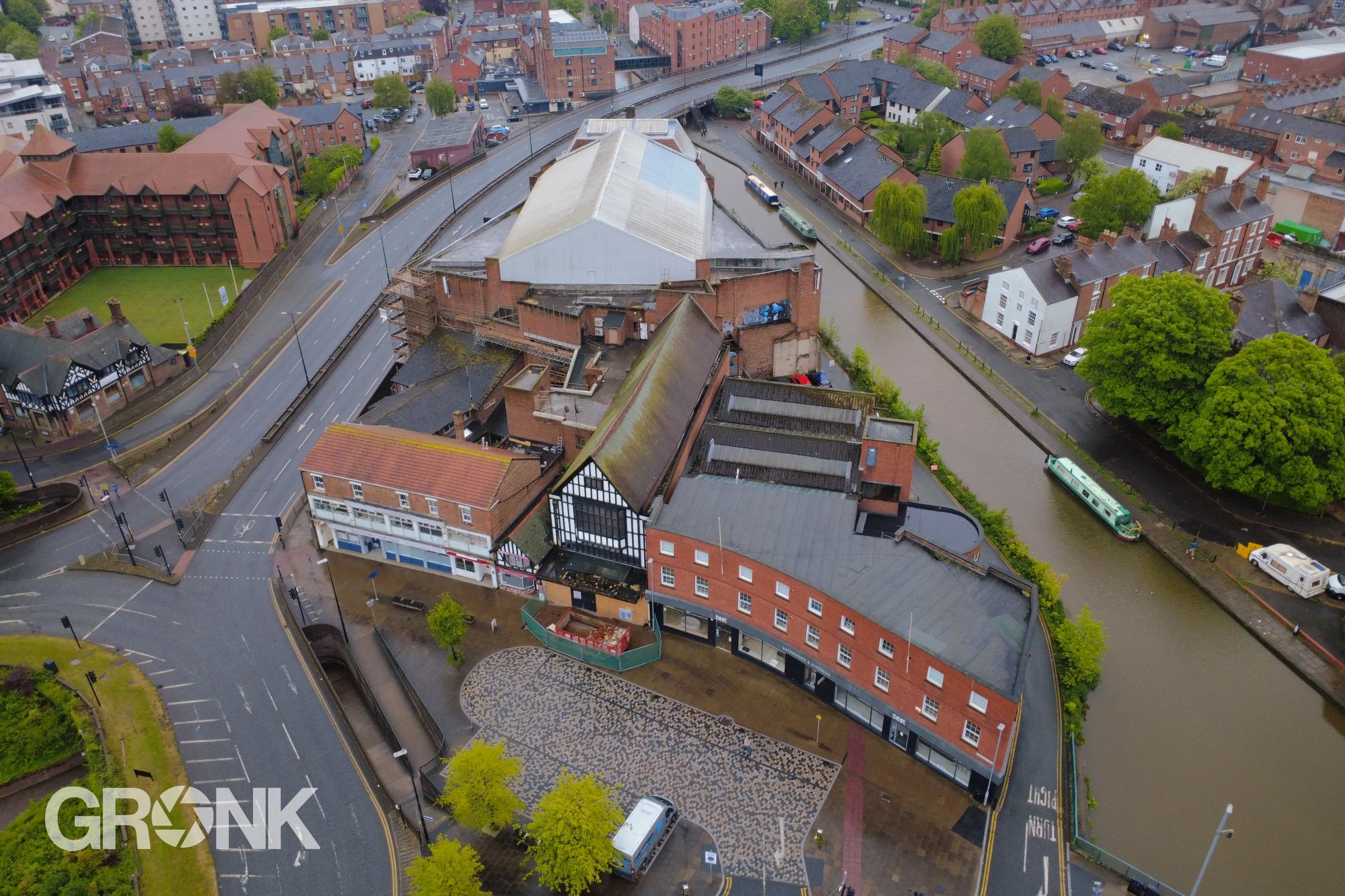
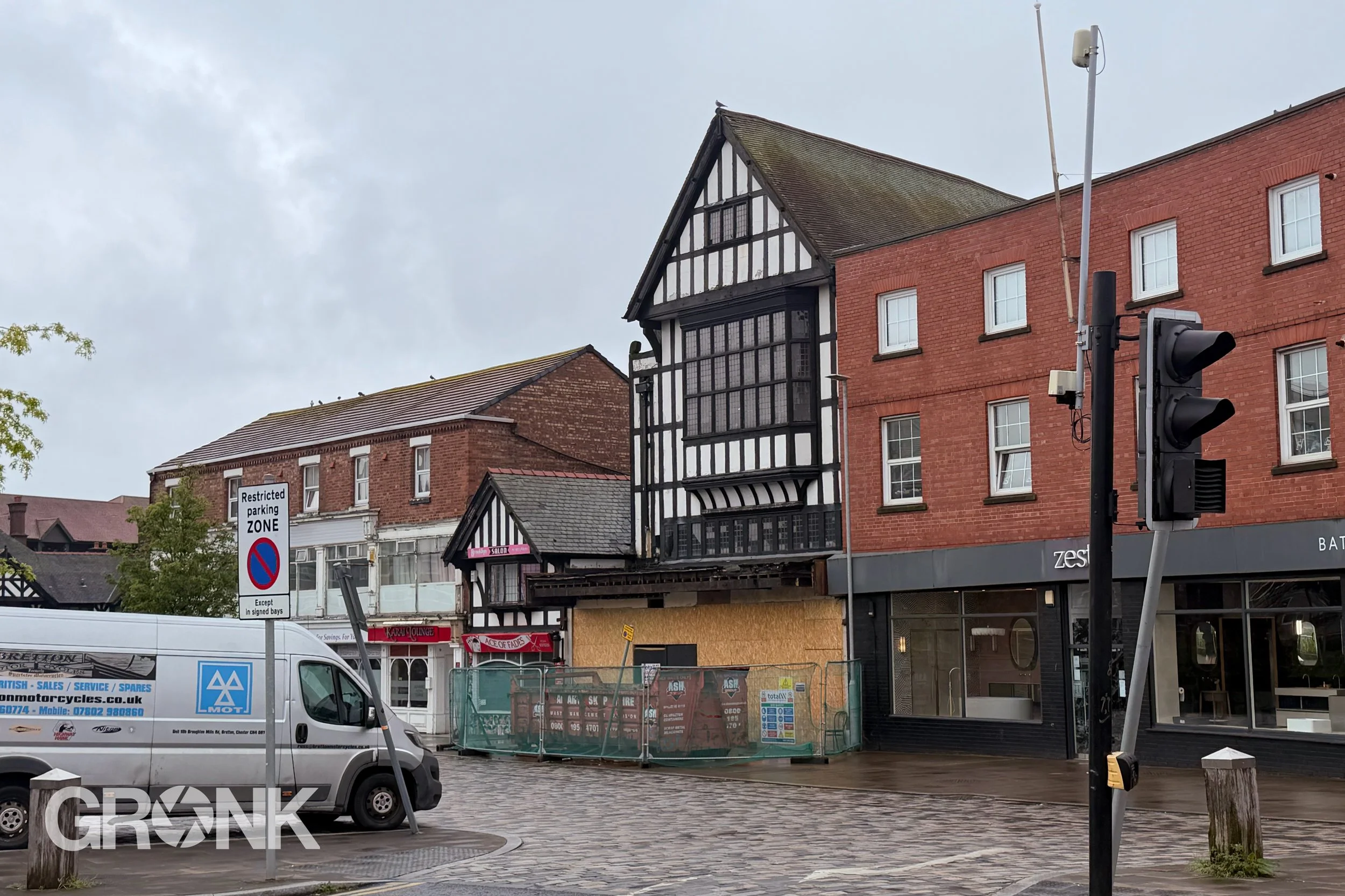
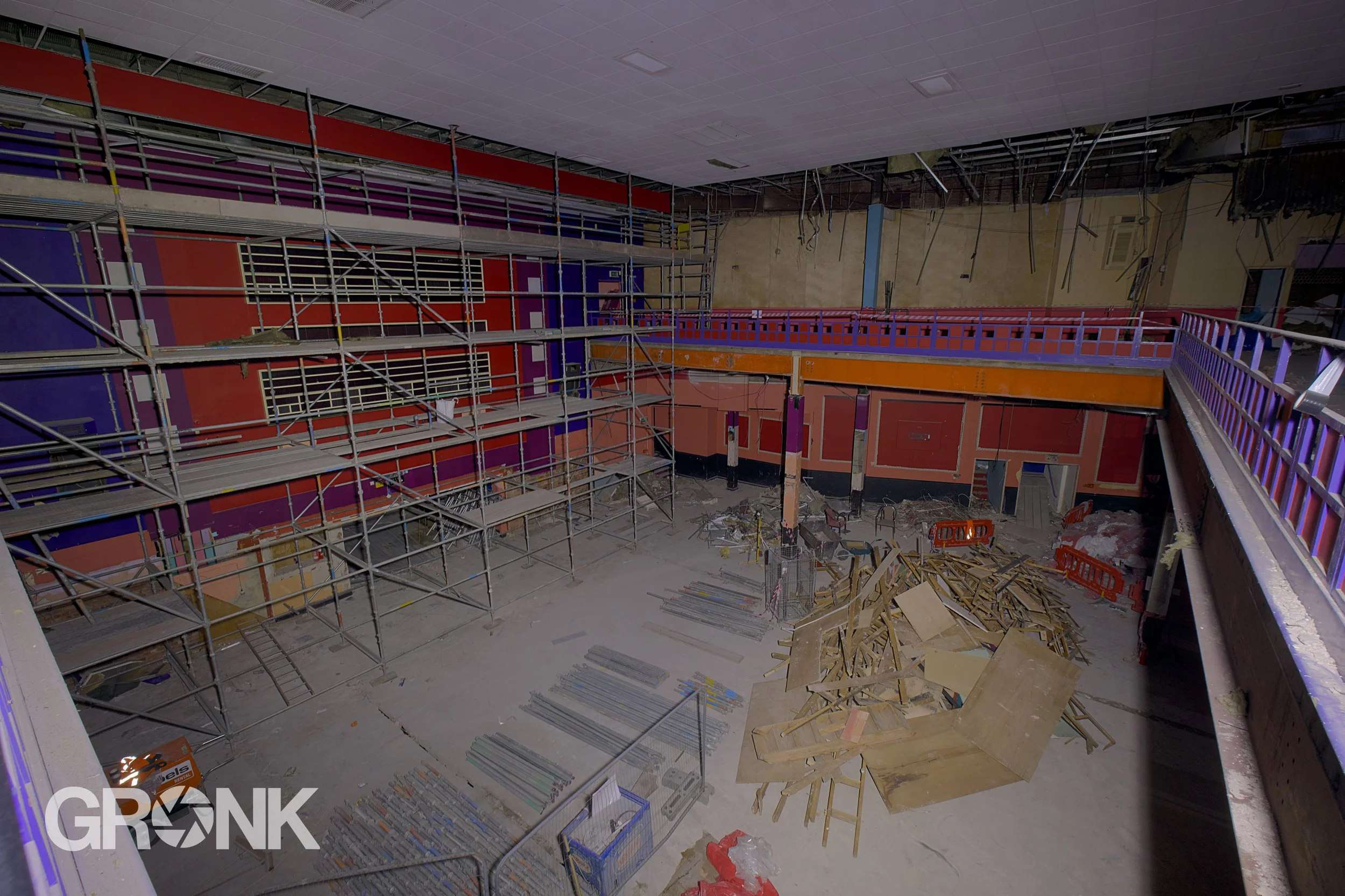
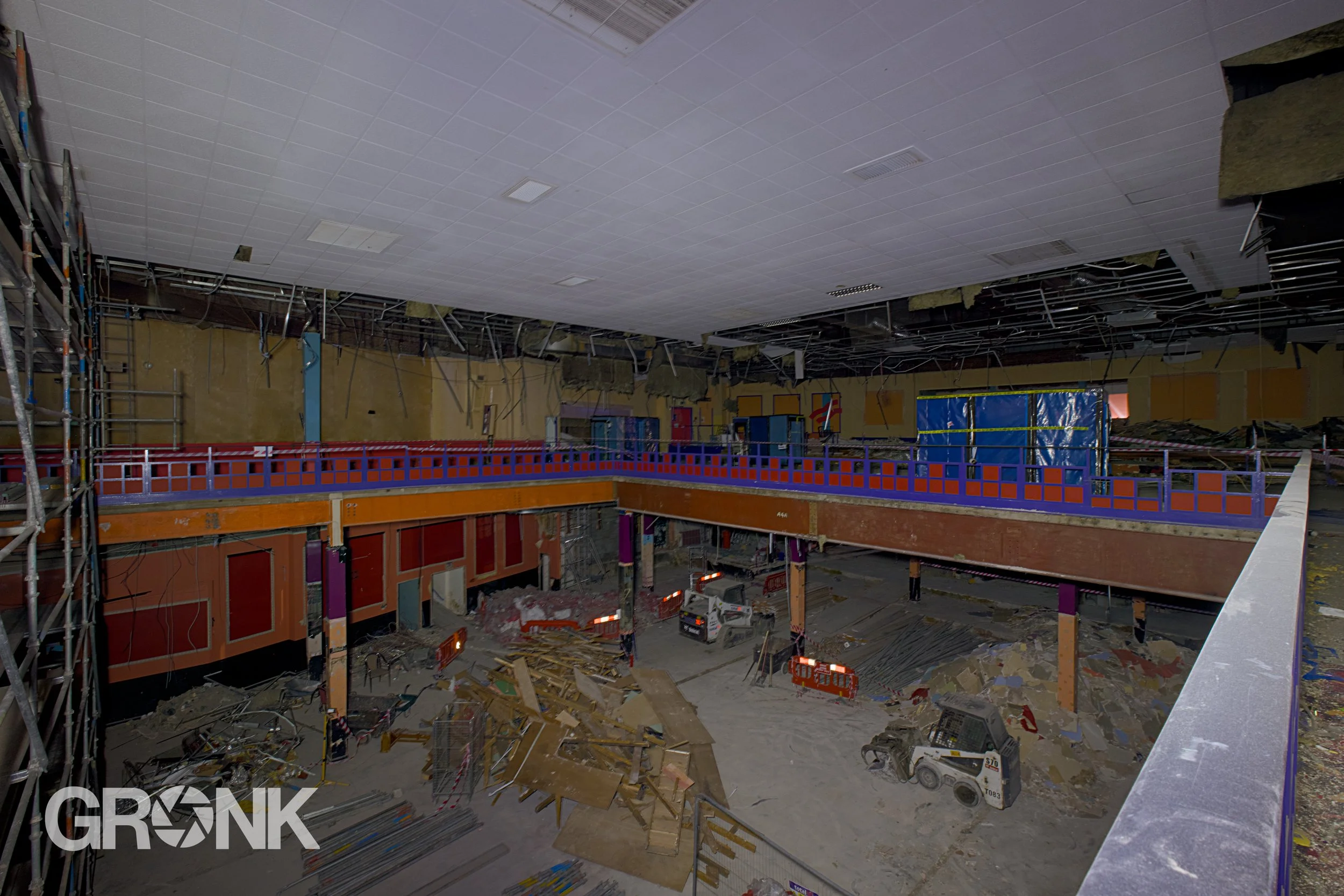
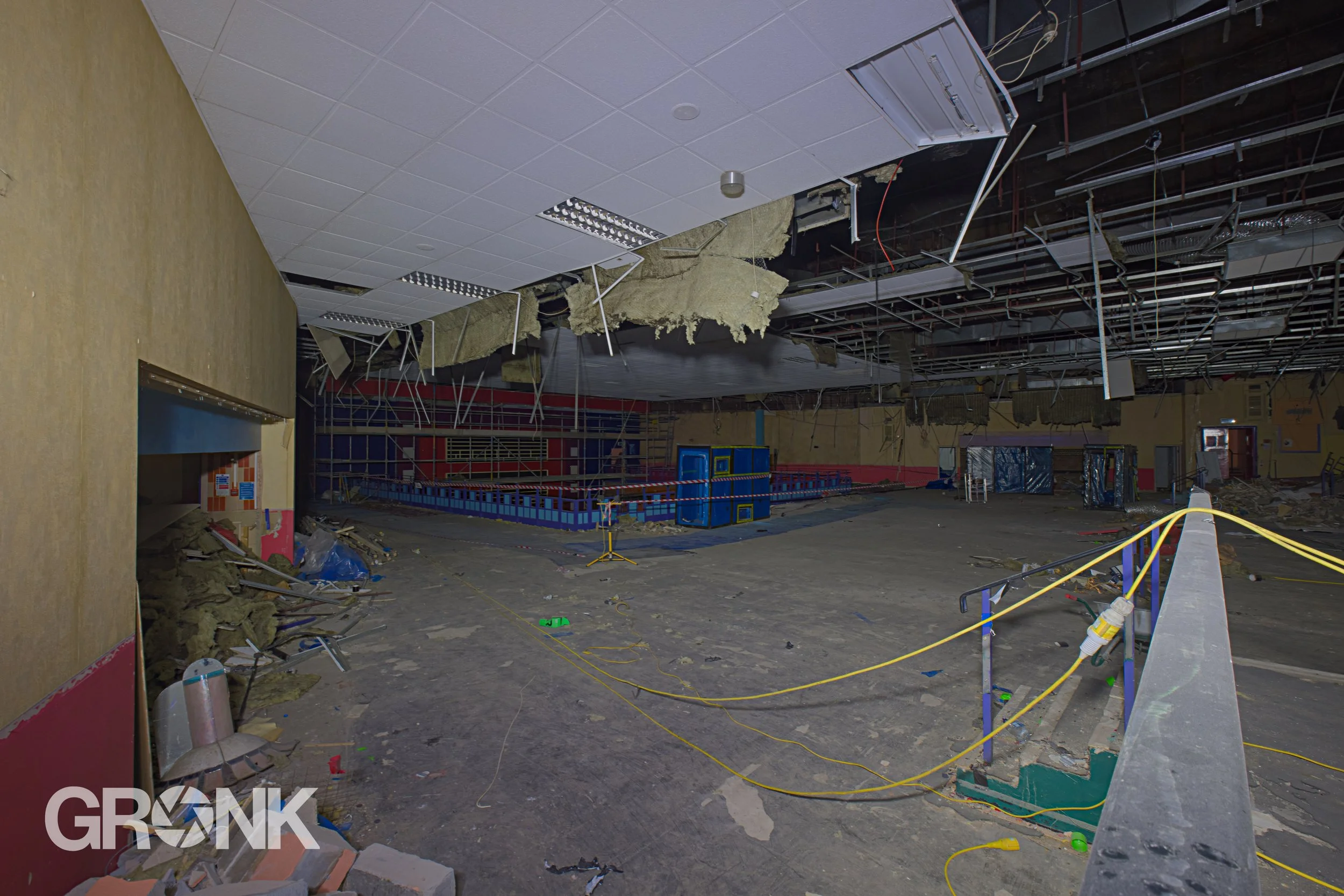
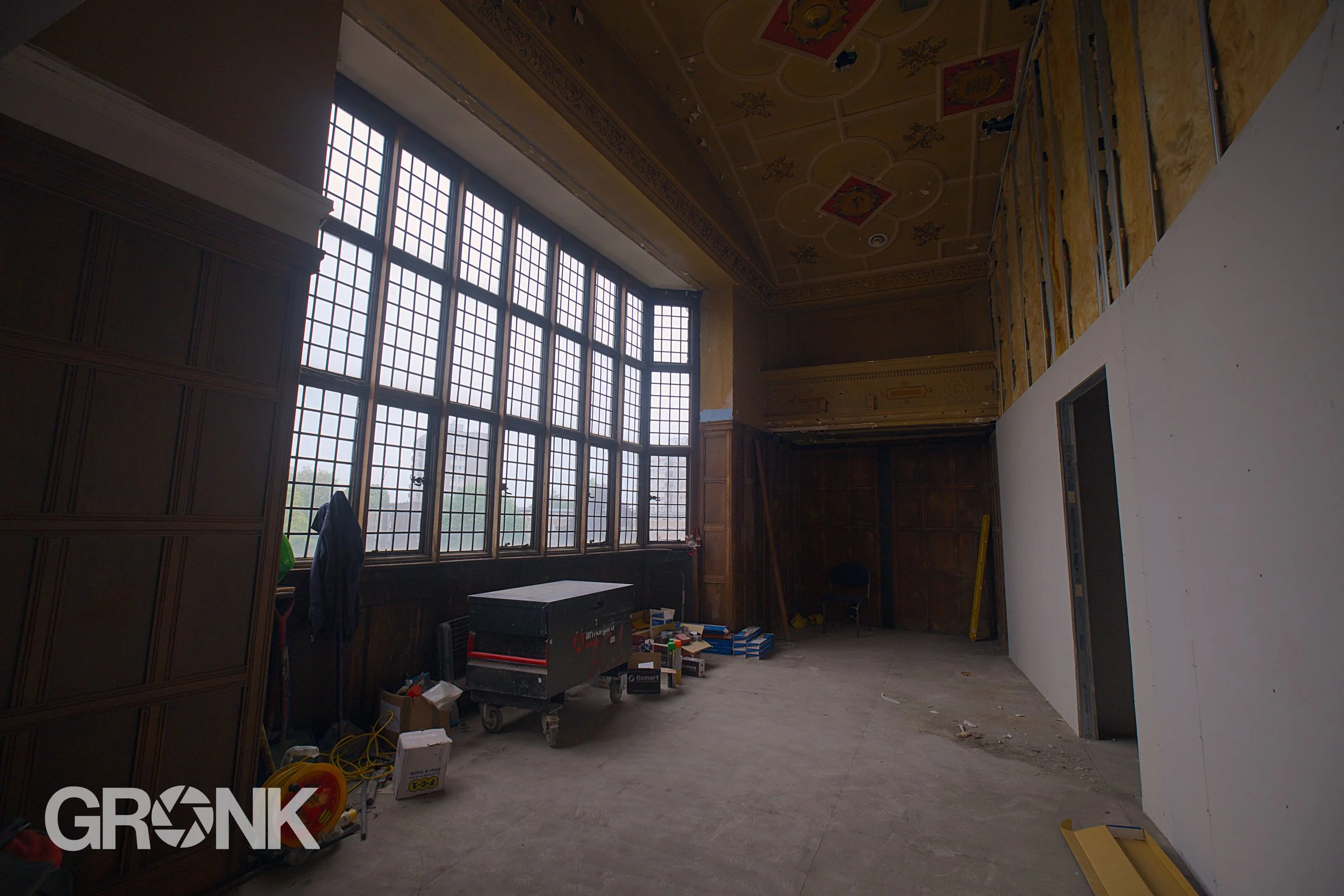
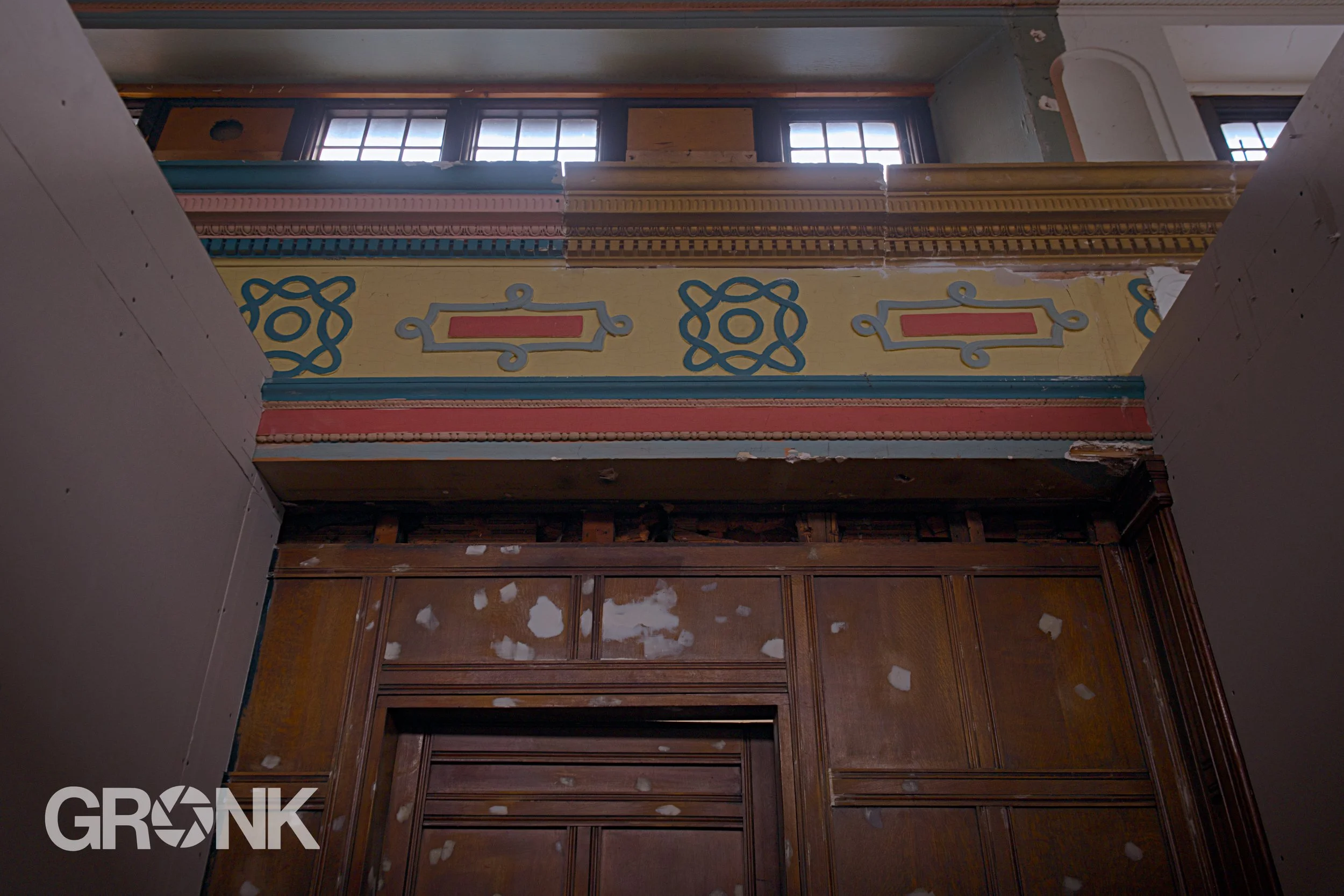
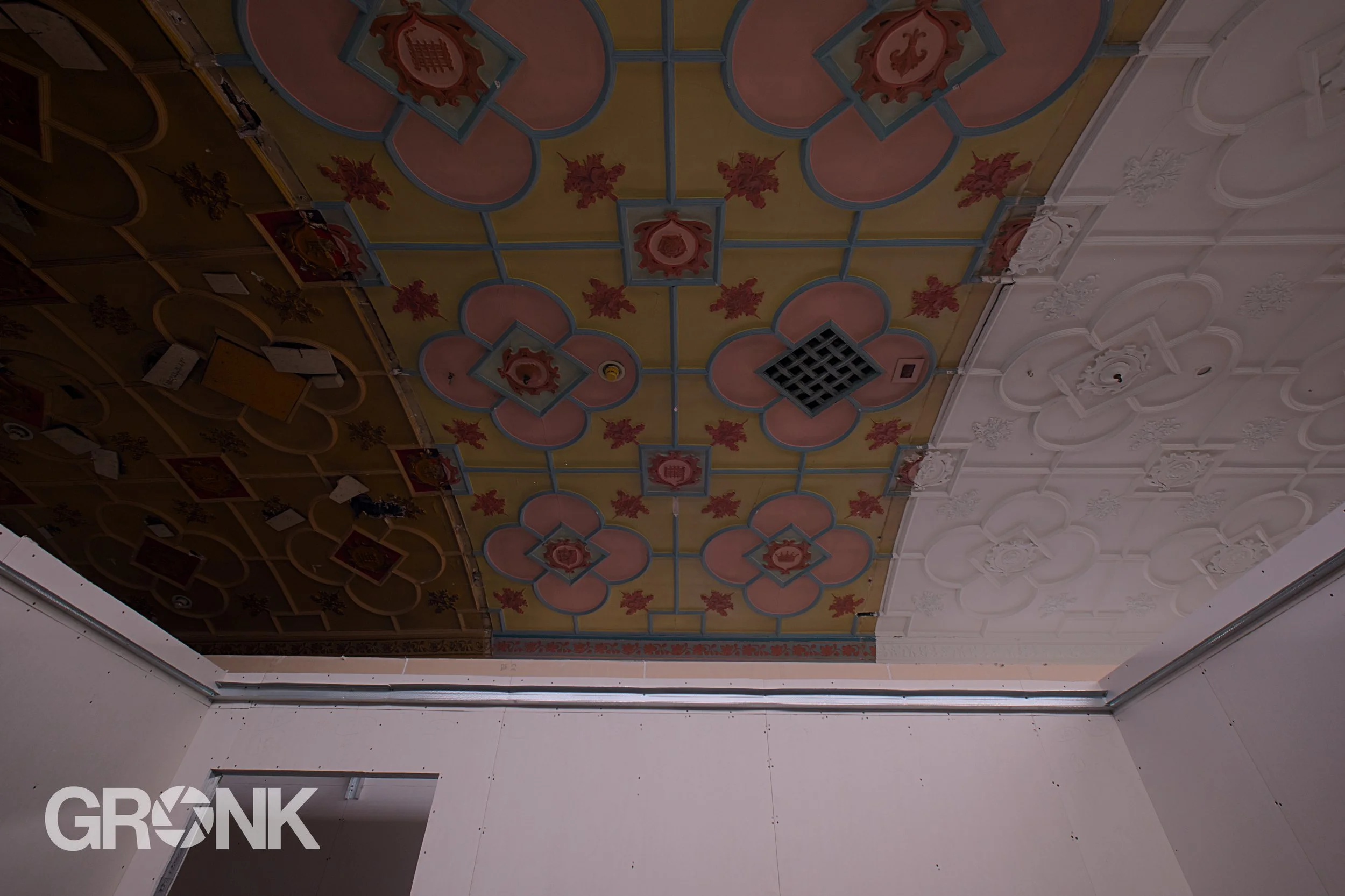
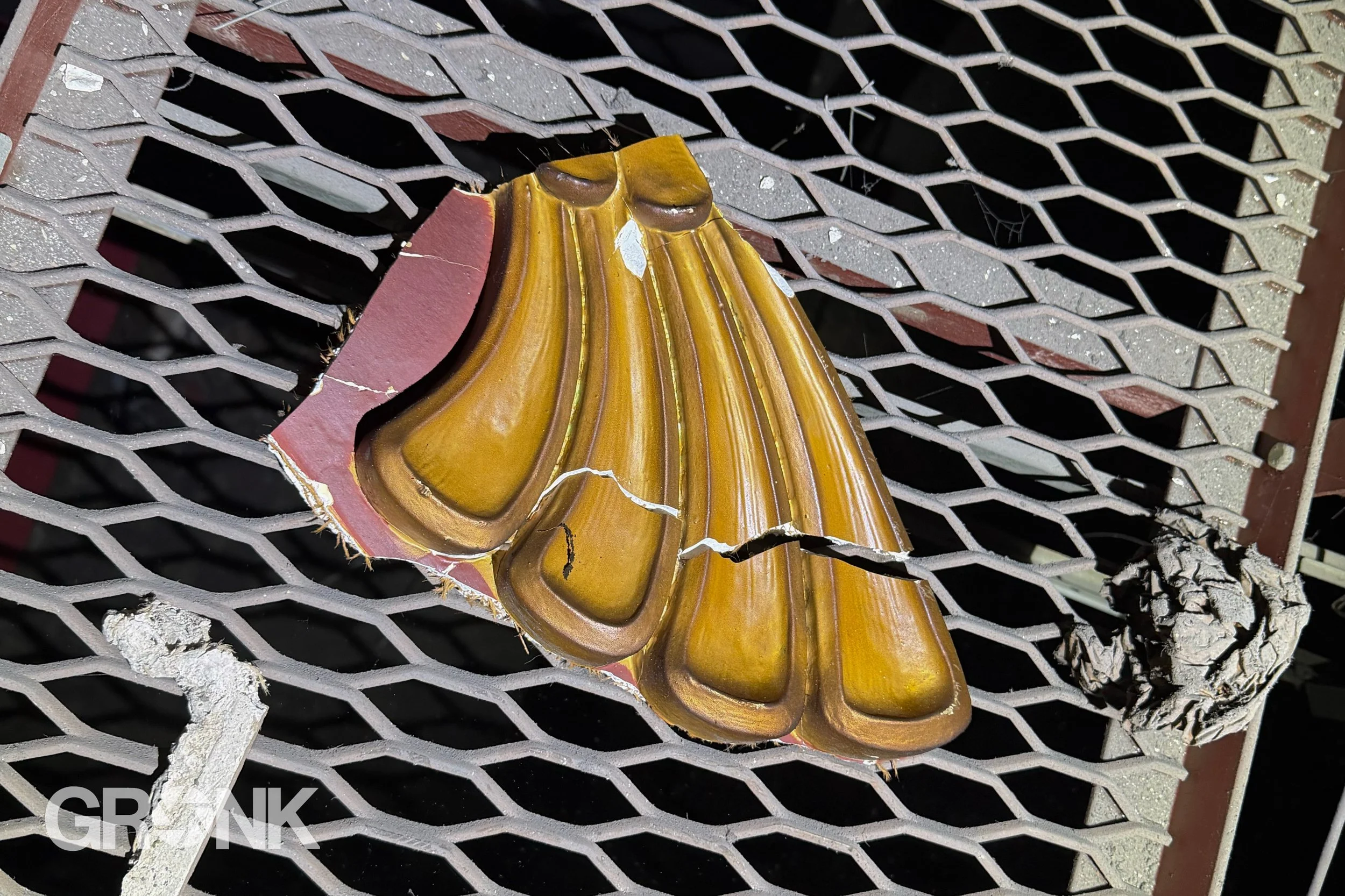
The Gaumont Palace was an impressive venue. Its exterior featured a mock Tudor design, while the entrance evoked the grandeur of an Italian palace, decorated in blue and gold with red accents. Inside, the fan-shaped auditorium had a striking orange ceiling highlighted with green, mauve, and red. The balcony alone seated 800 people and was said at the time to be one of the largest in Northern England. The cinema also included a Tudor-style restaurant and café known as “The Oak.”
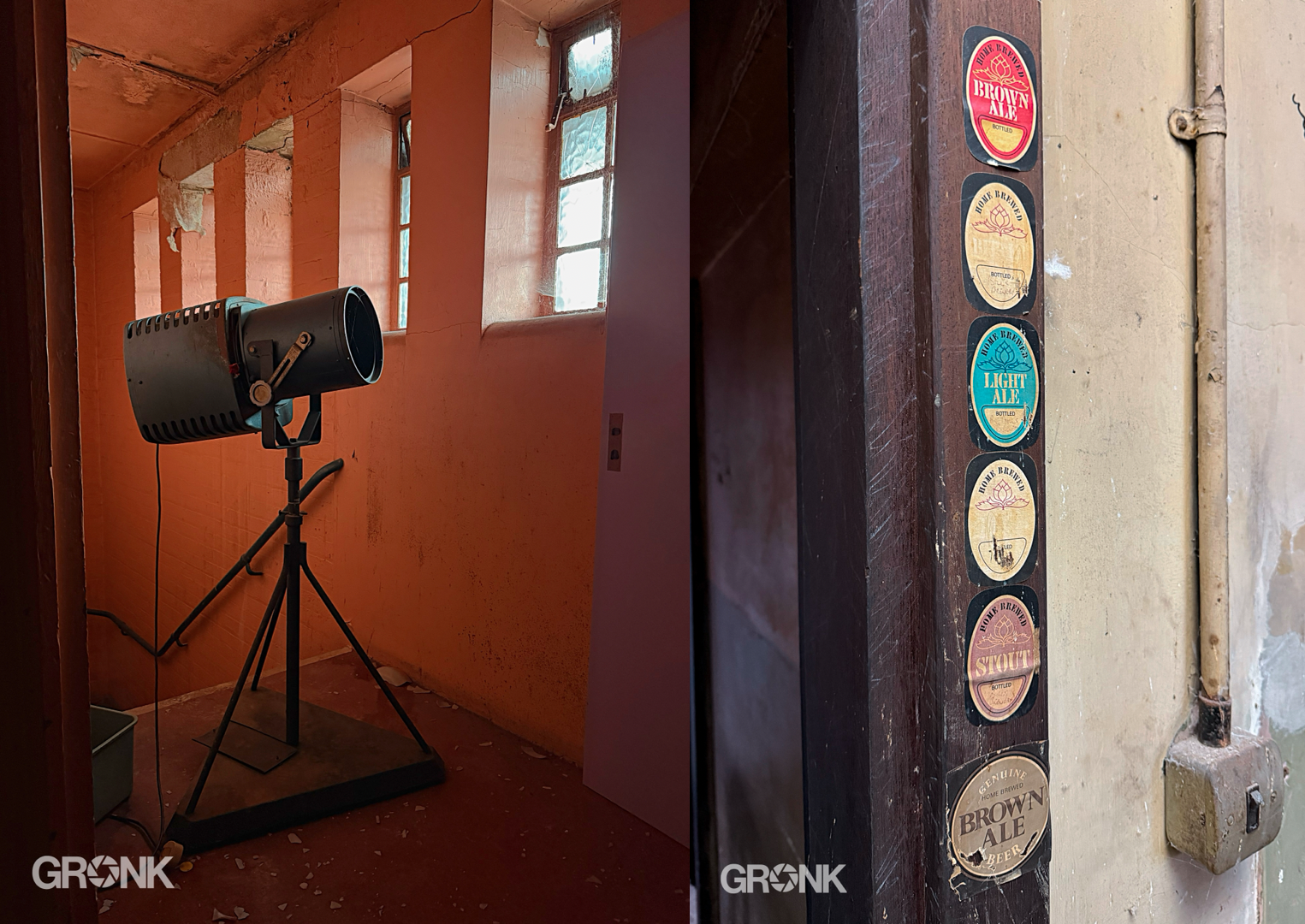
Technically, the cinema was well equipped. A Compton 3-manual, 8-rank organ was installed and played during the opening week by Leslie James. The projection room was staffed by seven projectionists and housed three Gaumont Eclipse projectors, originally fitted with turntables for sound-on-disc—a system that was never used. These were later replaced with Kalee 21 projectors and Duosonic sound equipment. The venue also had a slide projector and spotlight, along with a stage approximately 9 metres deep and nine dressing rooms. Over the years, it hosted numerous live performances, including popular music shows in the late 1950s.
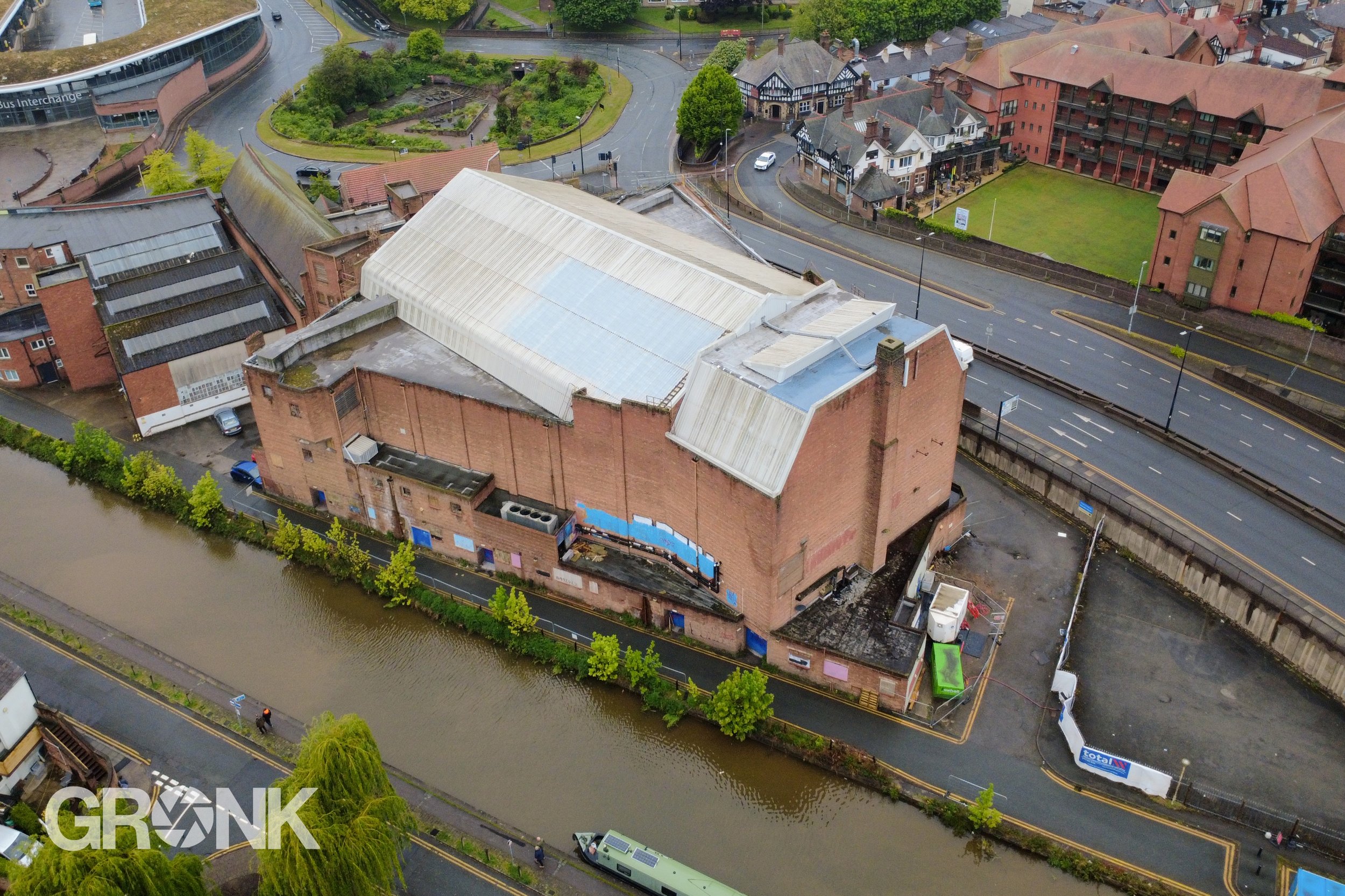
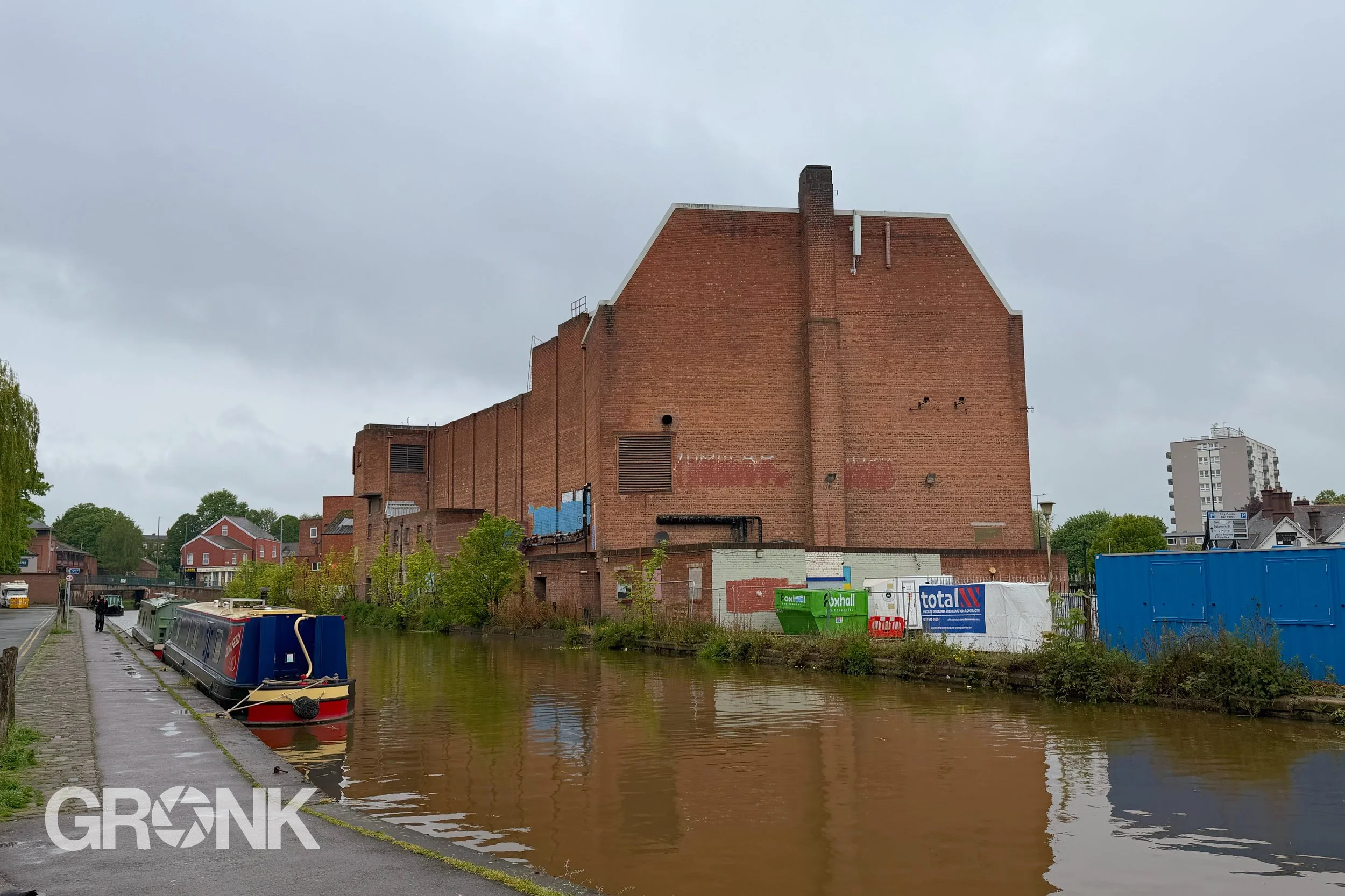
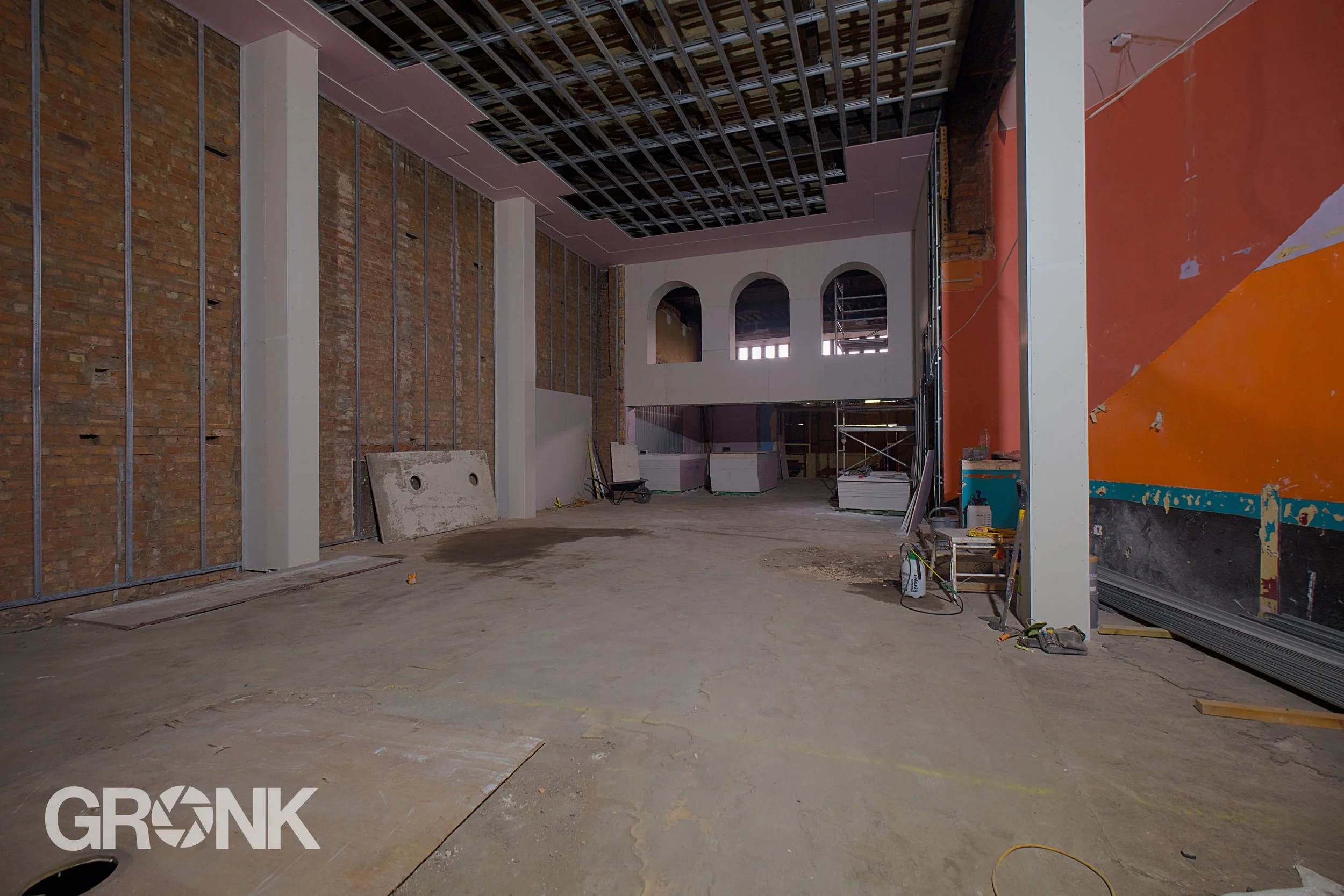
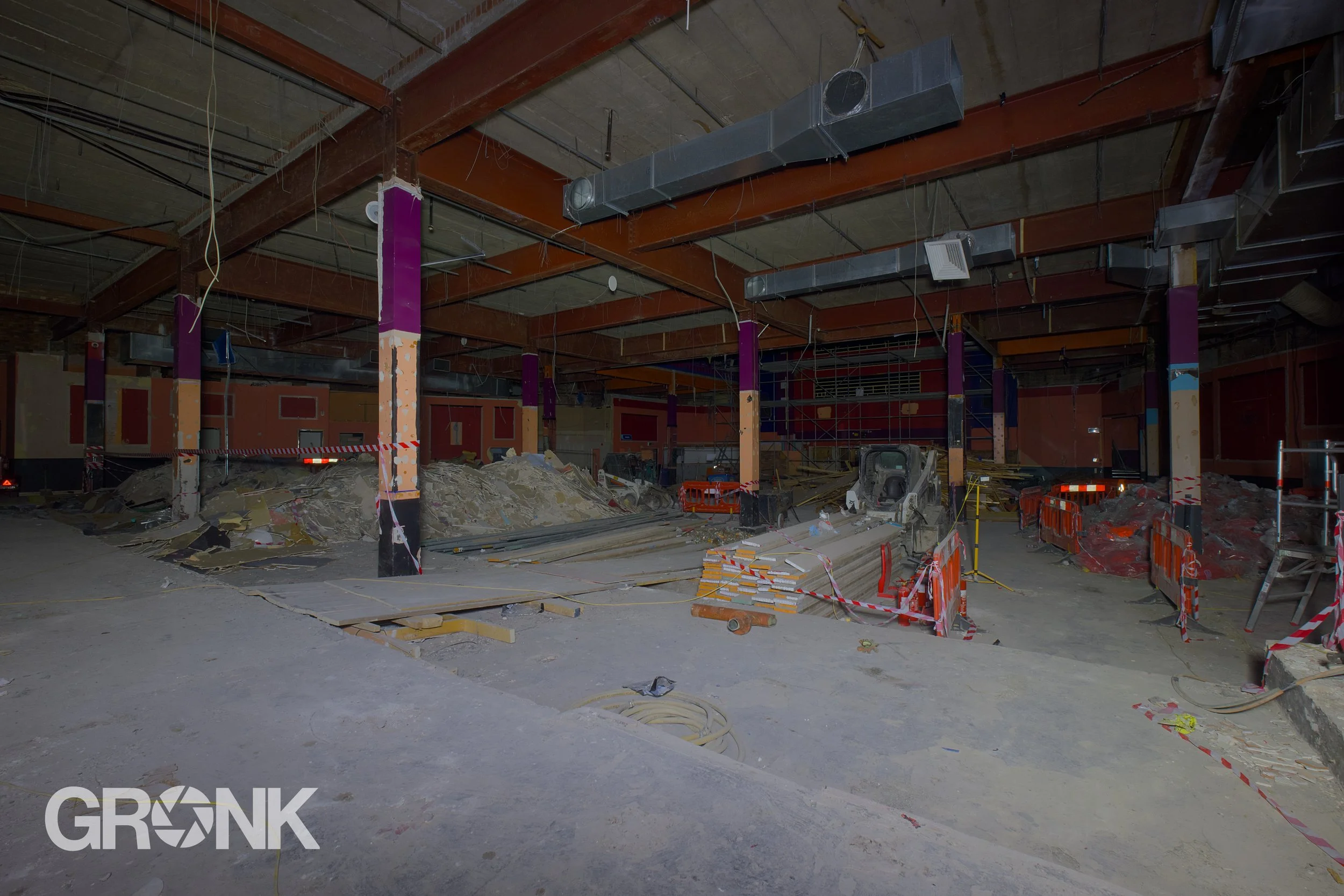
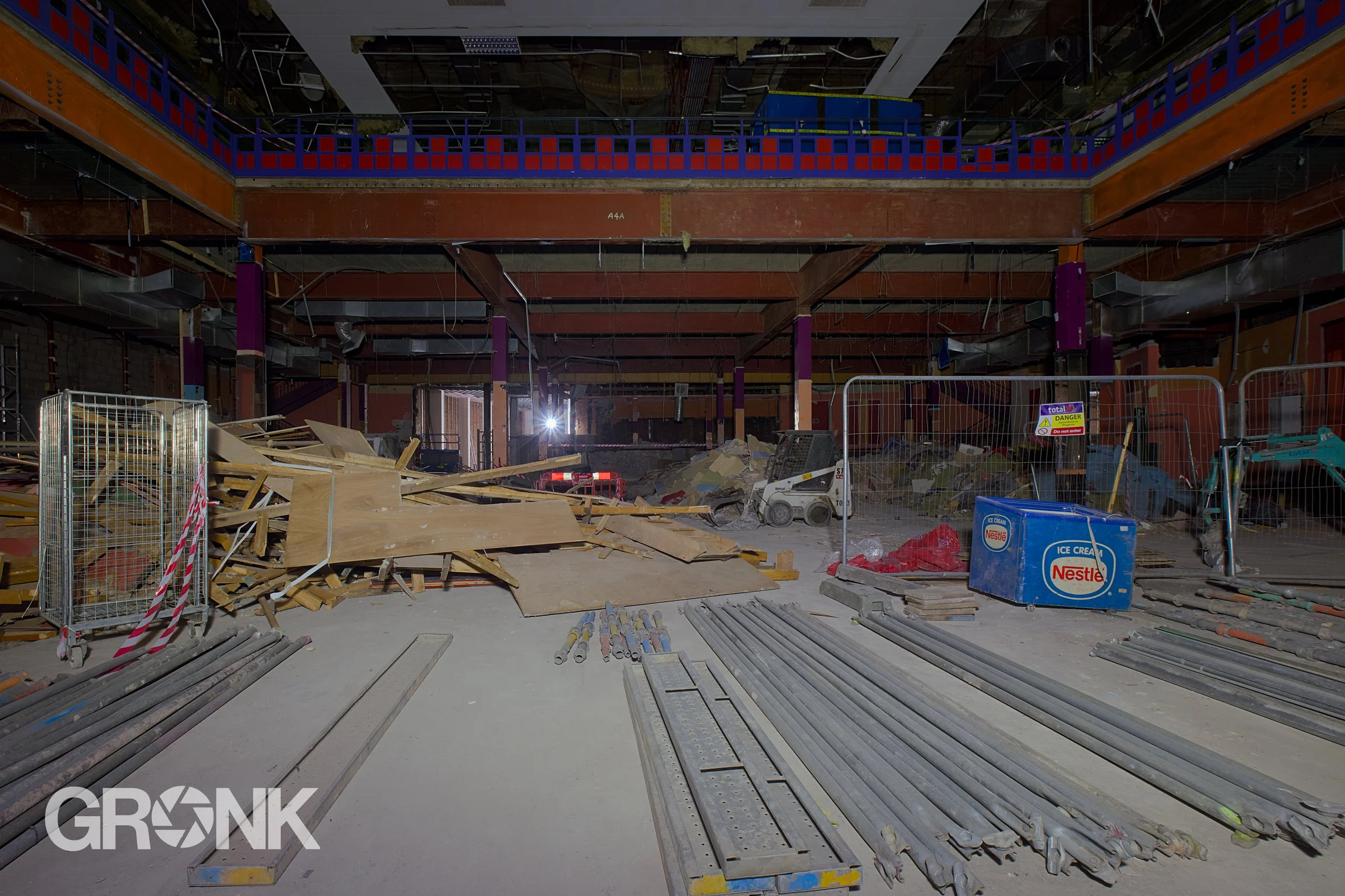
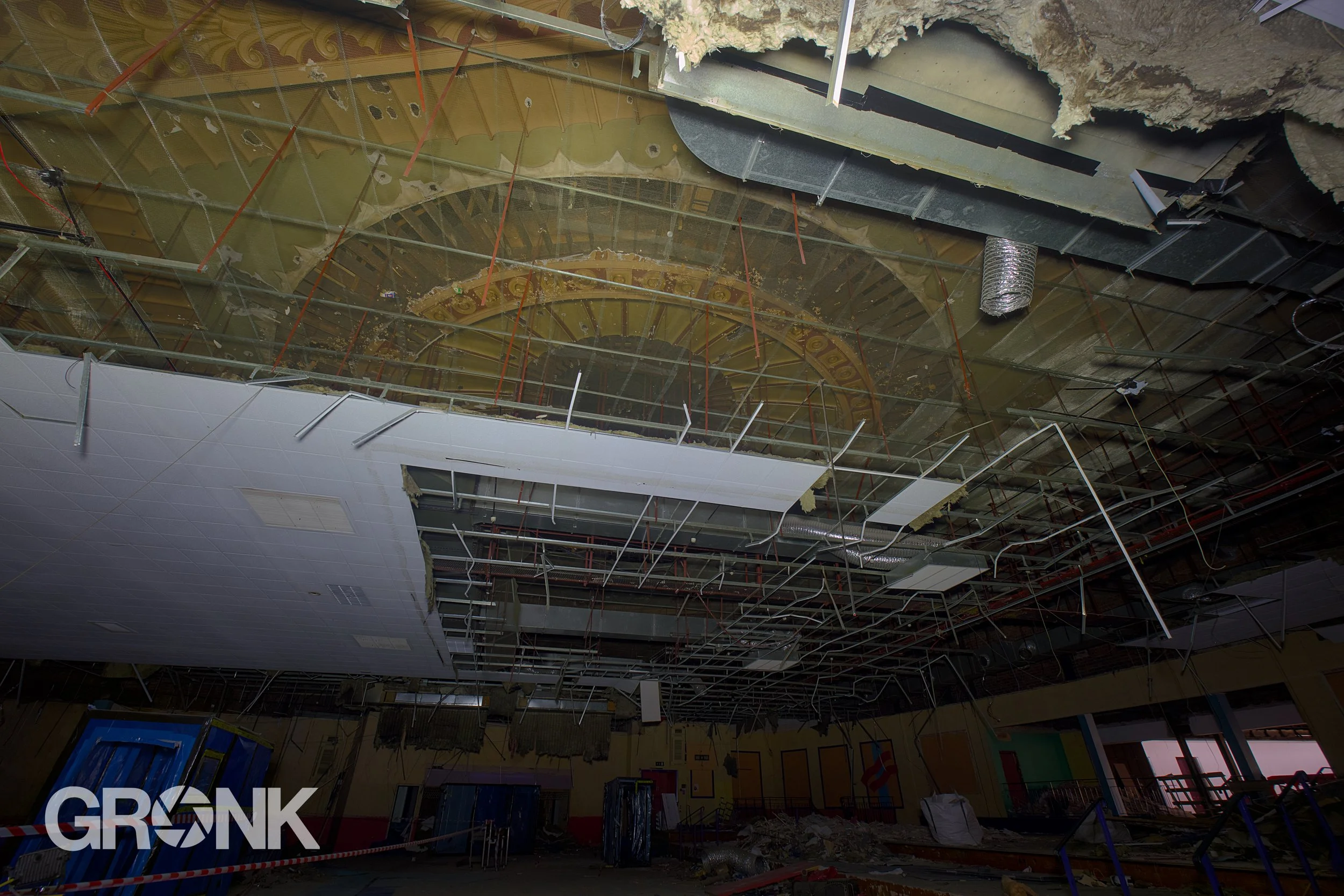
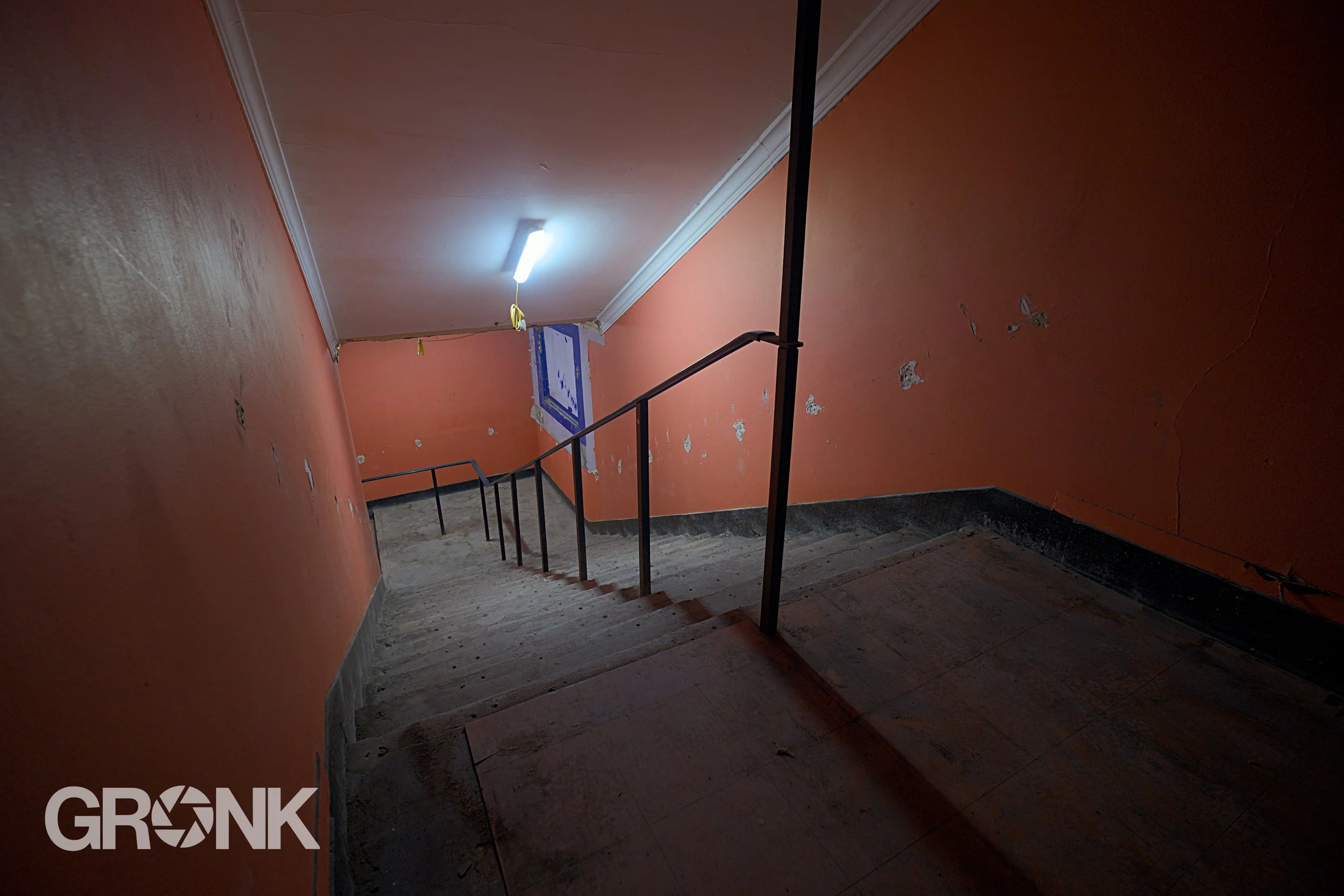
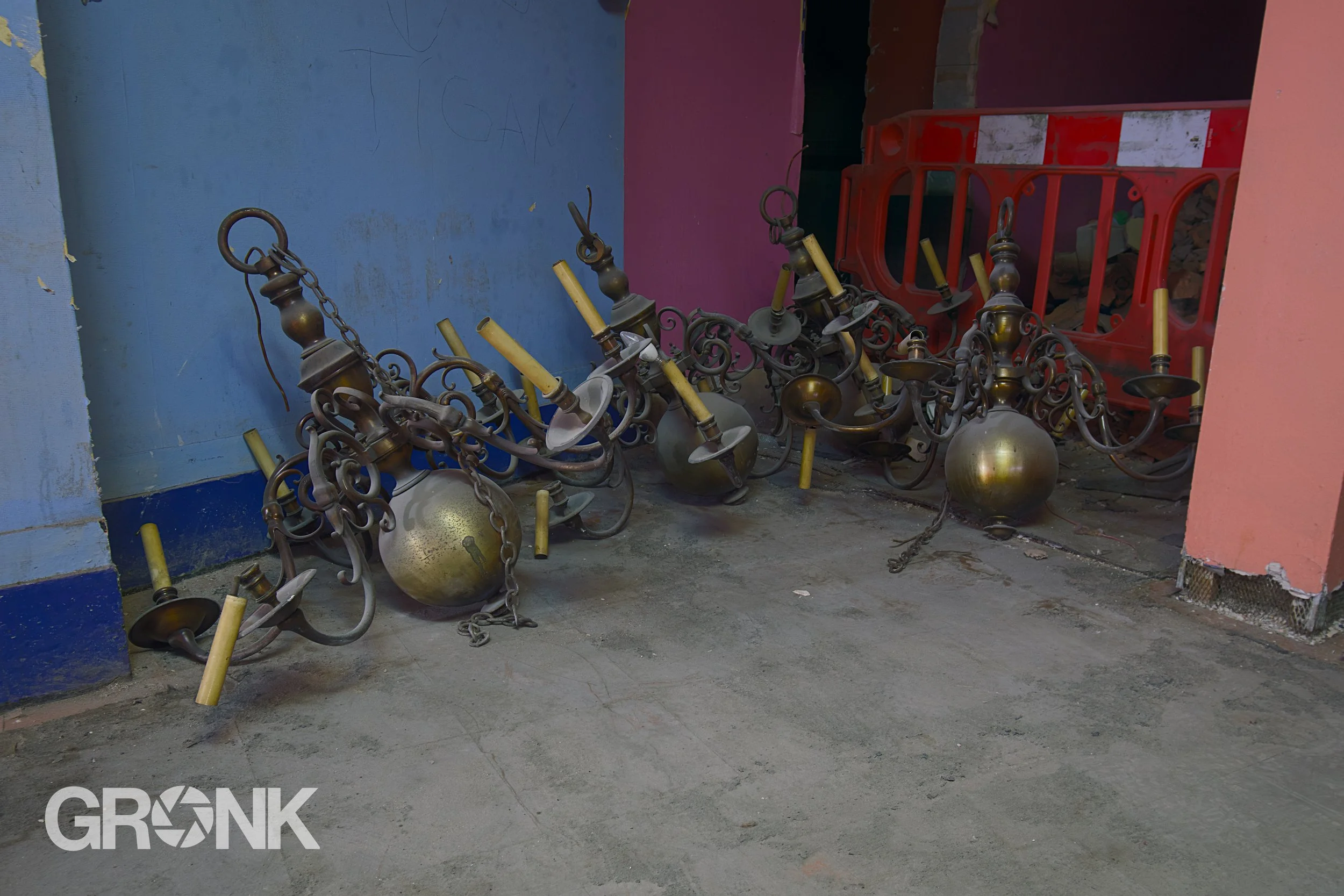
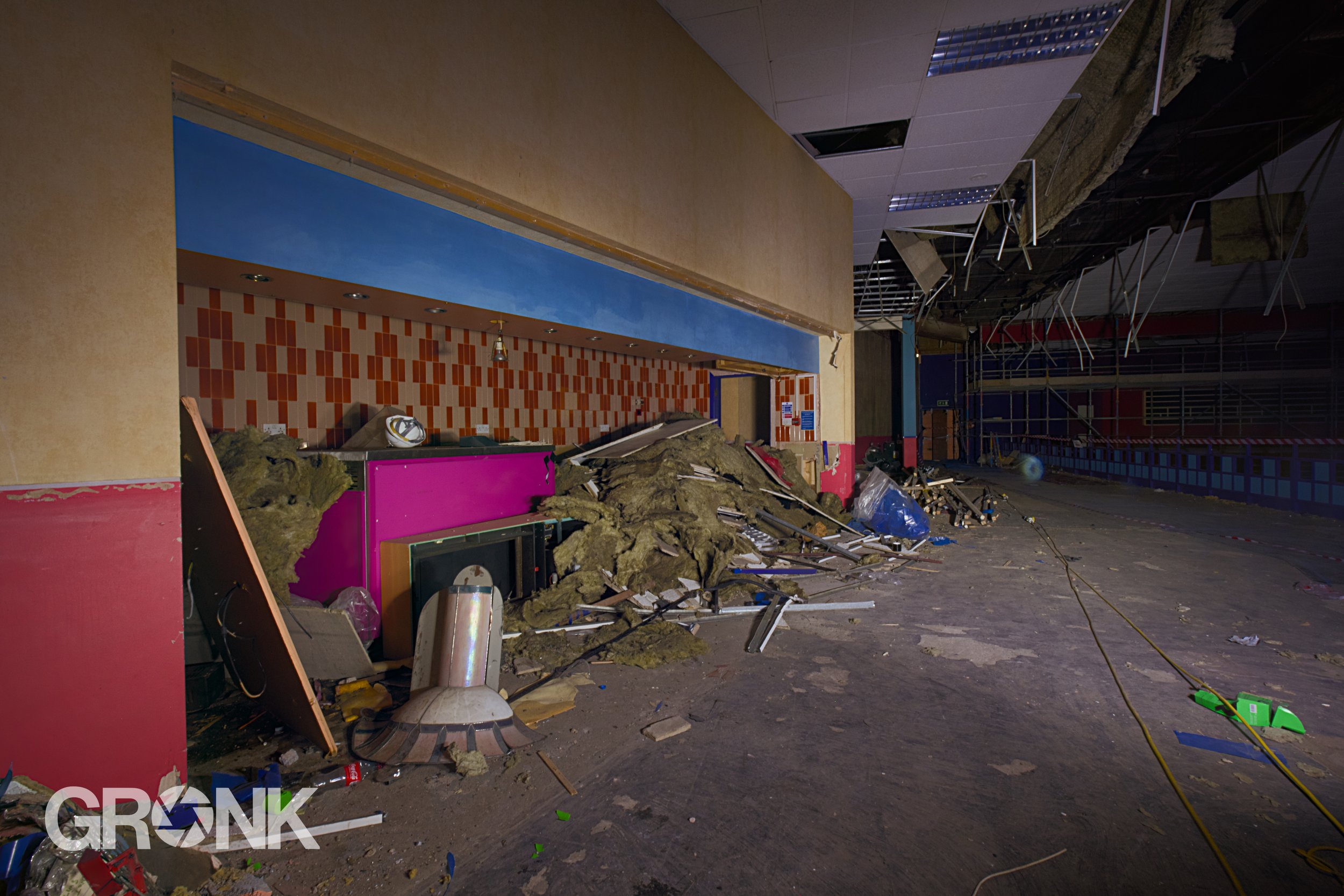
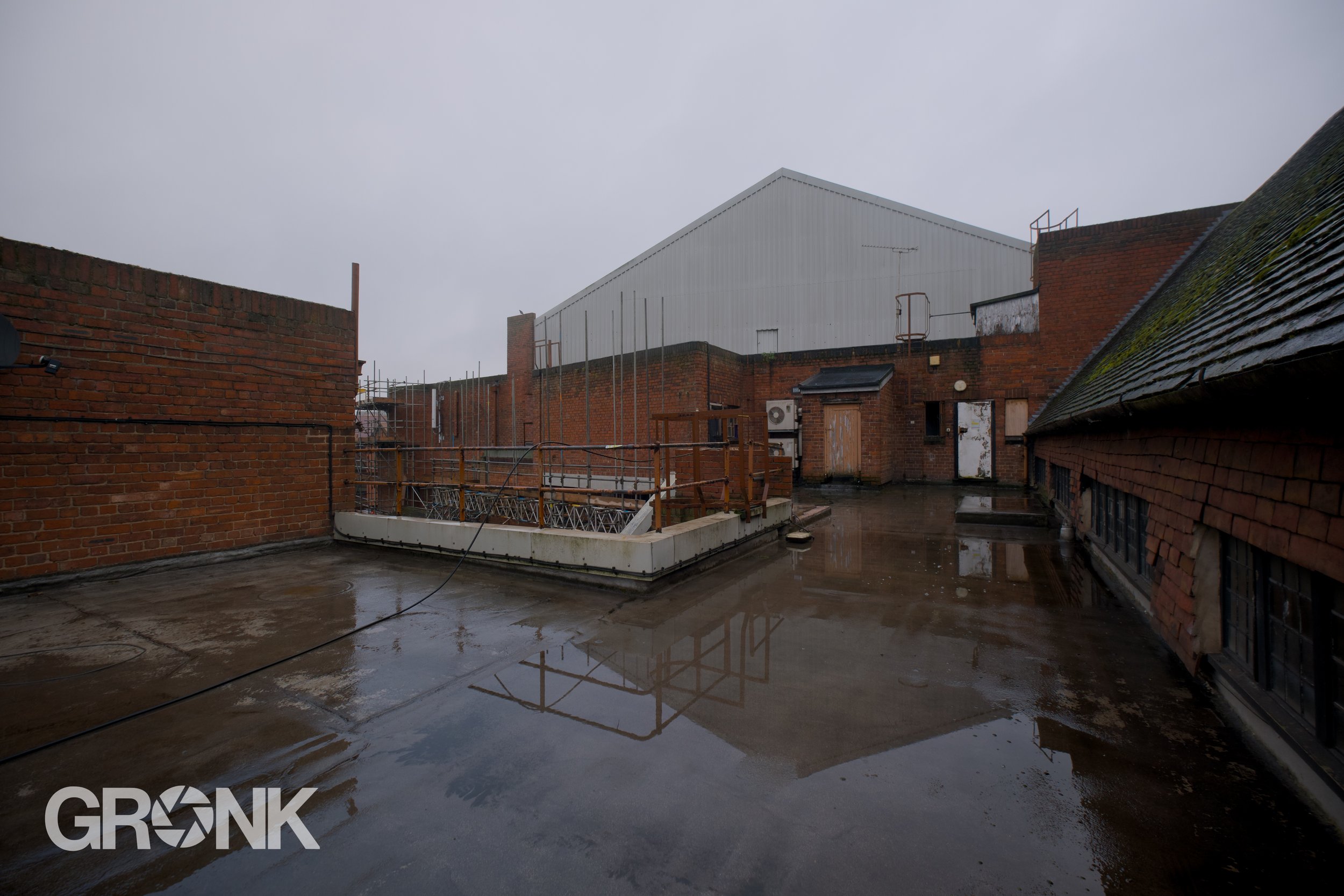
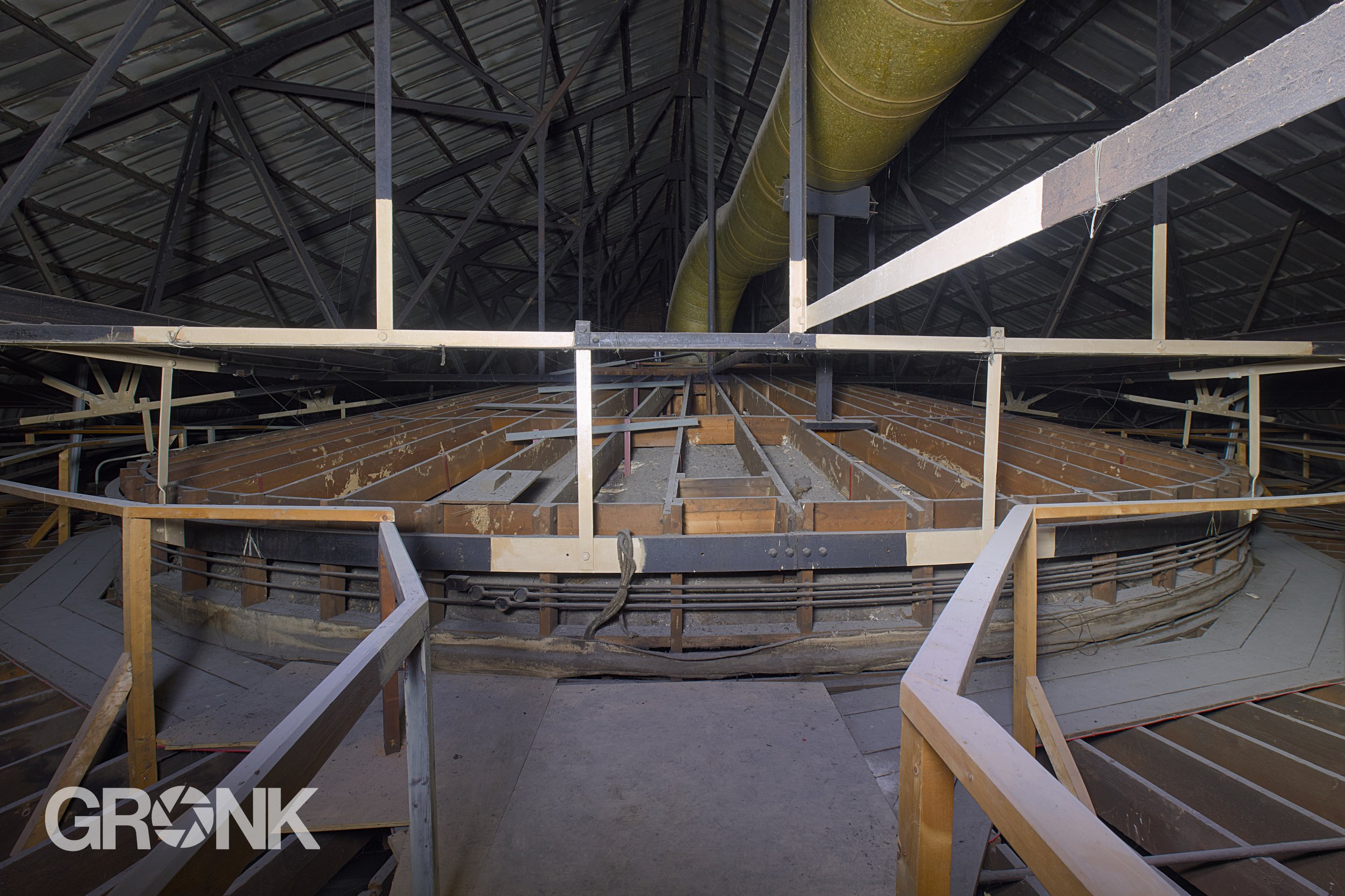
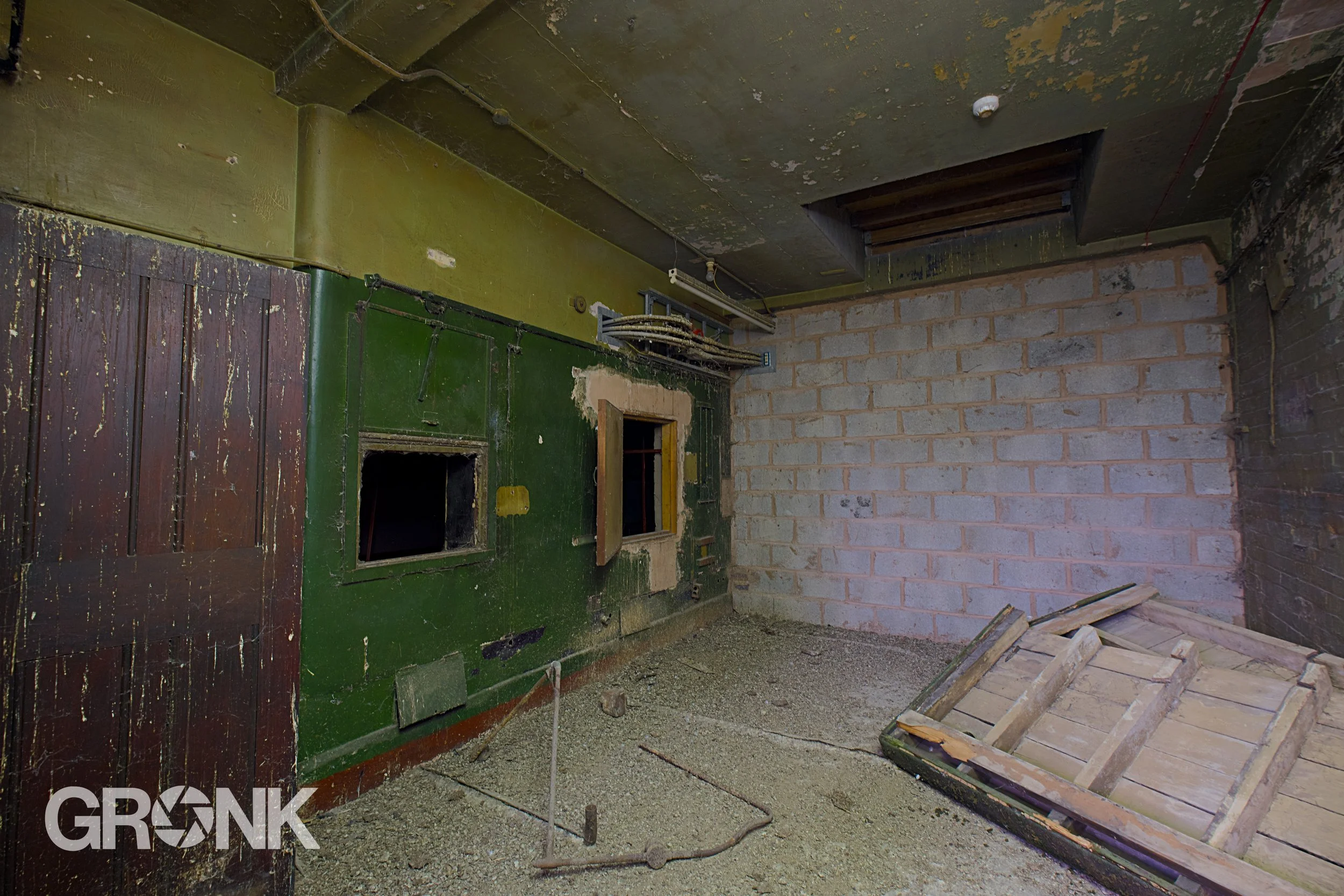
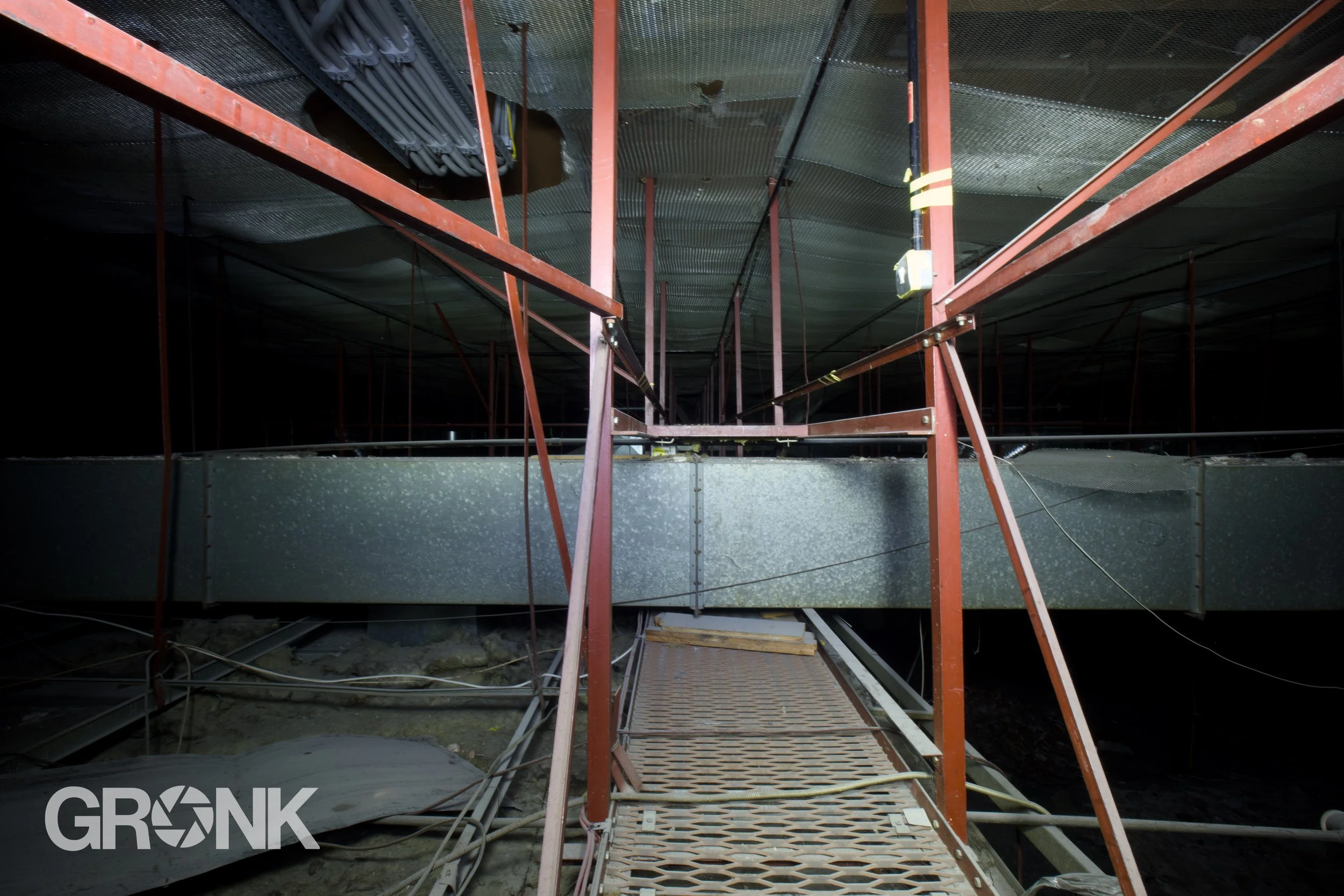
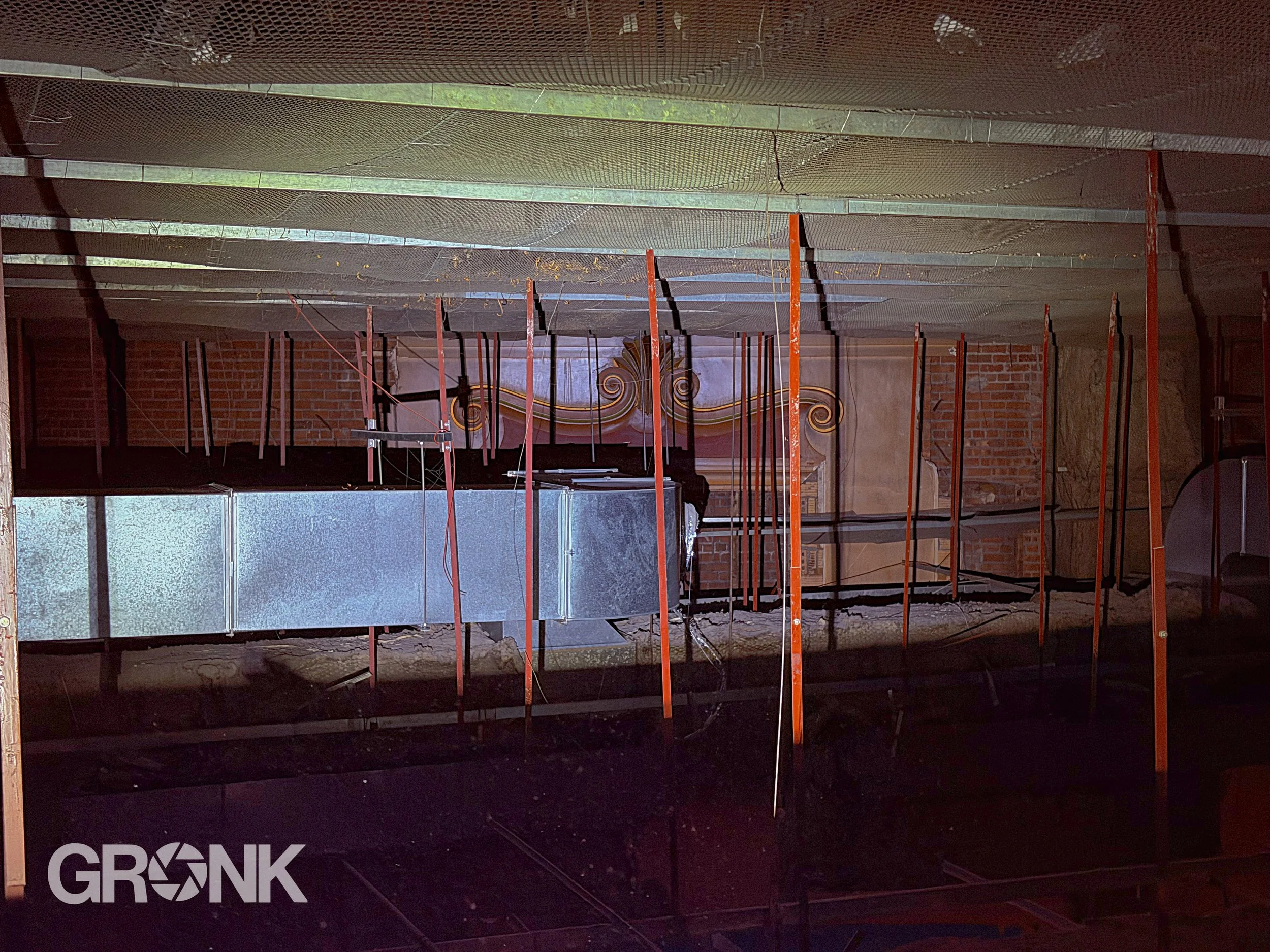
The Gaumont Palace closed on 9 December 1961, with The Marriage-Go-Round, starring Susan Hayward, as its final film. After its closure, the building was repurposed several times. It first became a Top Rank Ten Pin Bowling alley, then the Top Rank Bingo Club, and later a Mecca Bingo venue, which closed on 26 February 2023. Much of the original structure still survives, including the dome—now concealed by a false ceiling, though it has deteriorated over time and is supported by netting. The Kalee 21 projectors were relocated to the Odeon before being replaced by Cinemeccanica equipment in 1966.
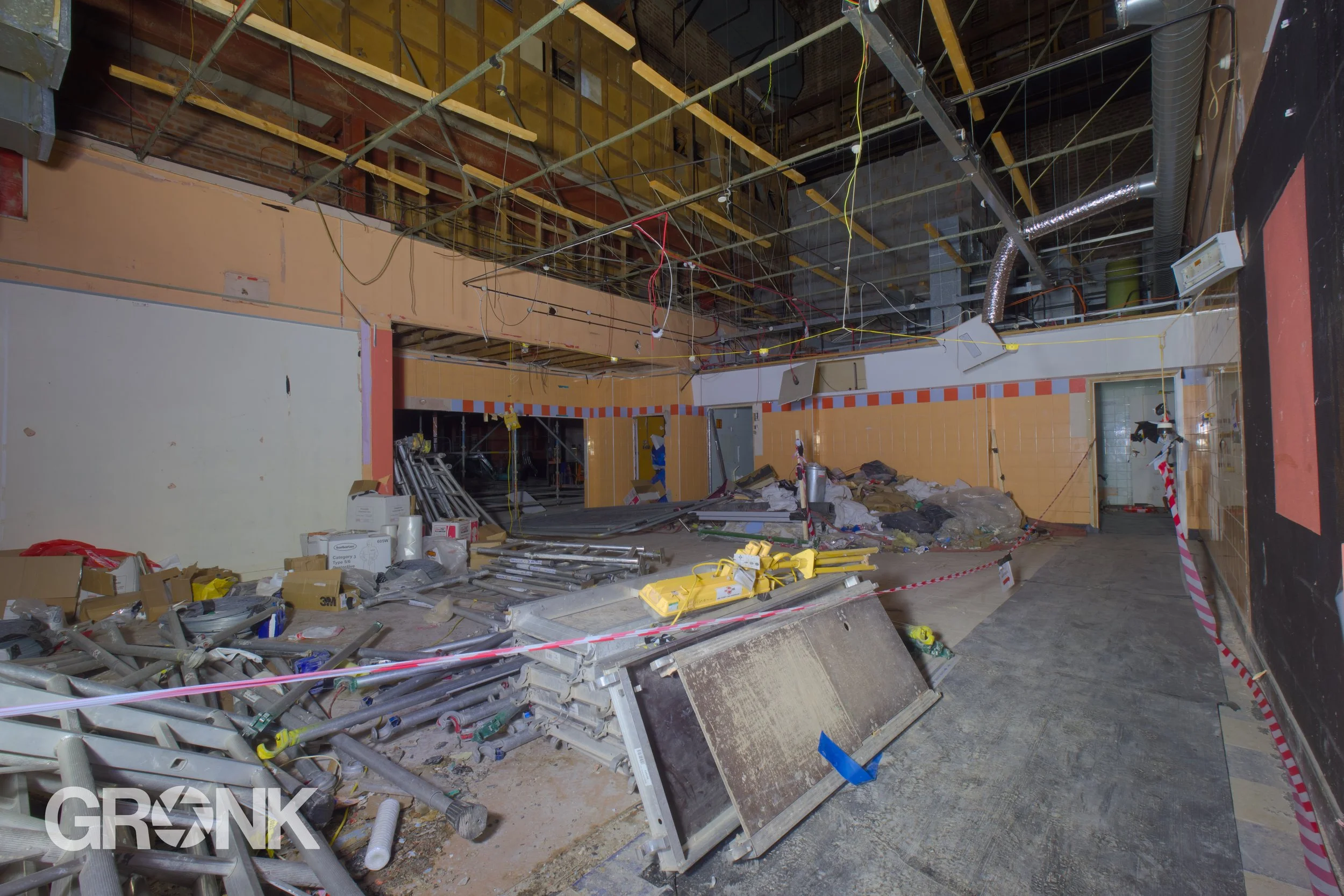
Redevelopment of the site is now underway. Demolition of the auditorium began in early 2026 and is expected to be completed during the third quarter of the year. The entrance foyer building and former restaurant are set to be retained as part of the project, while a new hotel is planned for the land currently occupied by the auditorium.