House of Holes (Grand Theatre), Derby
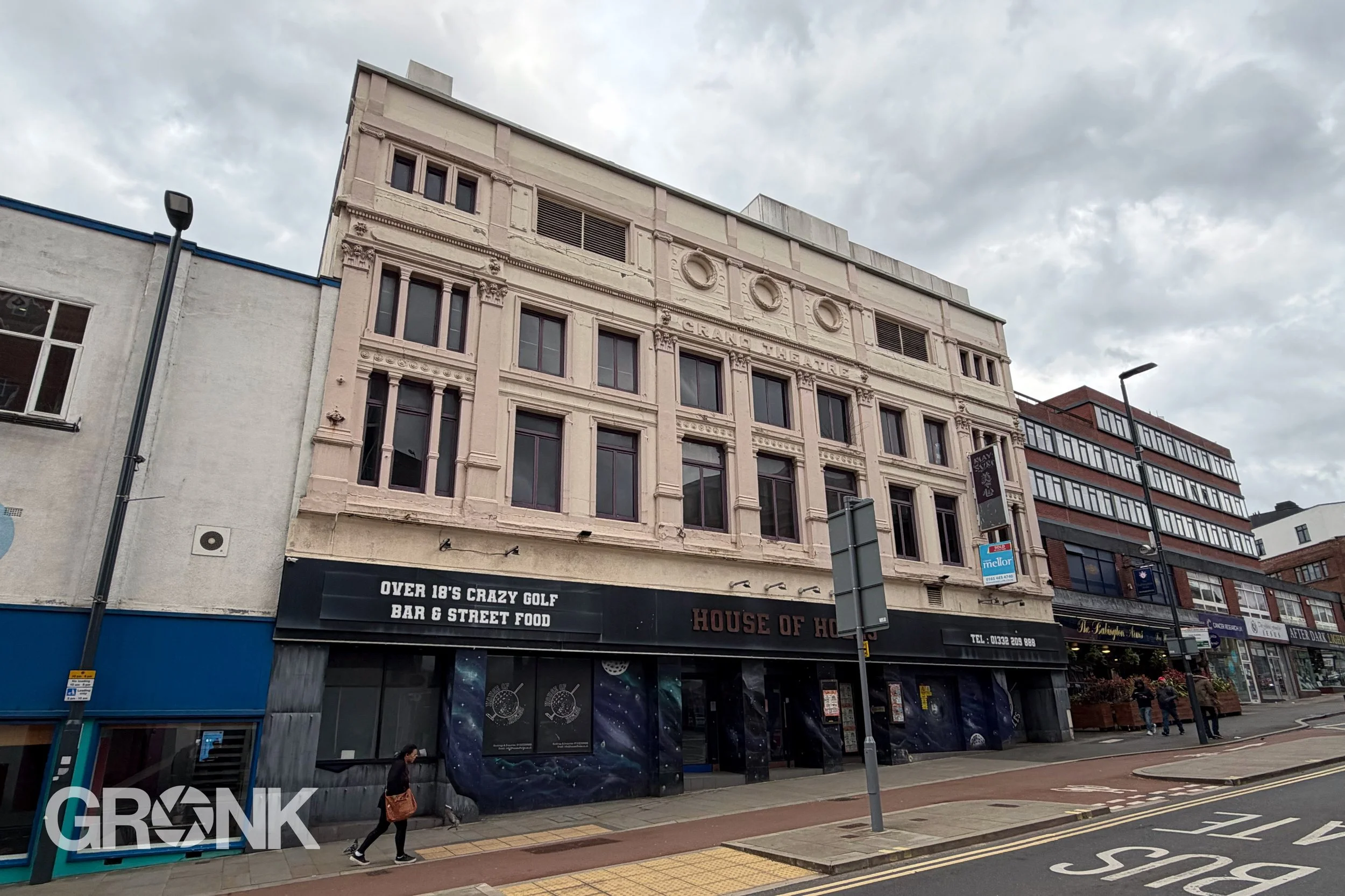
The building later occupied by House of Holes in Derby has a rich history stretching back to the late 19th century. It originally opened in 1886 as the Grand Theatre, an impressive venue designed in an Italian Renaissance style. Built by theatre impresario Andrew Melville, it was intended to rival other major provincial theatres and could seat over 2,000 people. Shortly after opening, however, a serious fire destroyed much of the interior, tragically killing two workers. The theatre was rebuilt and went on to enjoy decades of success.
During its peak, the Grand Theatre hosted a wide range of productions, from drama and opera to variety performances, attracting nationally renowned performers. One of its most notable moments came in 1924 with the premiere of the first stage adaptation of Dracula. Despite its prominence, the theatre closed in 1950 as audiences declined and newer entertainment venues drew crowds away.
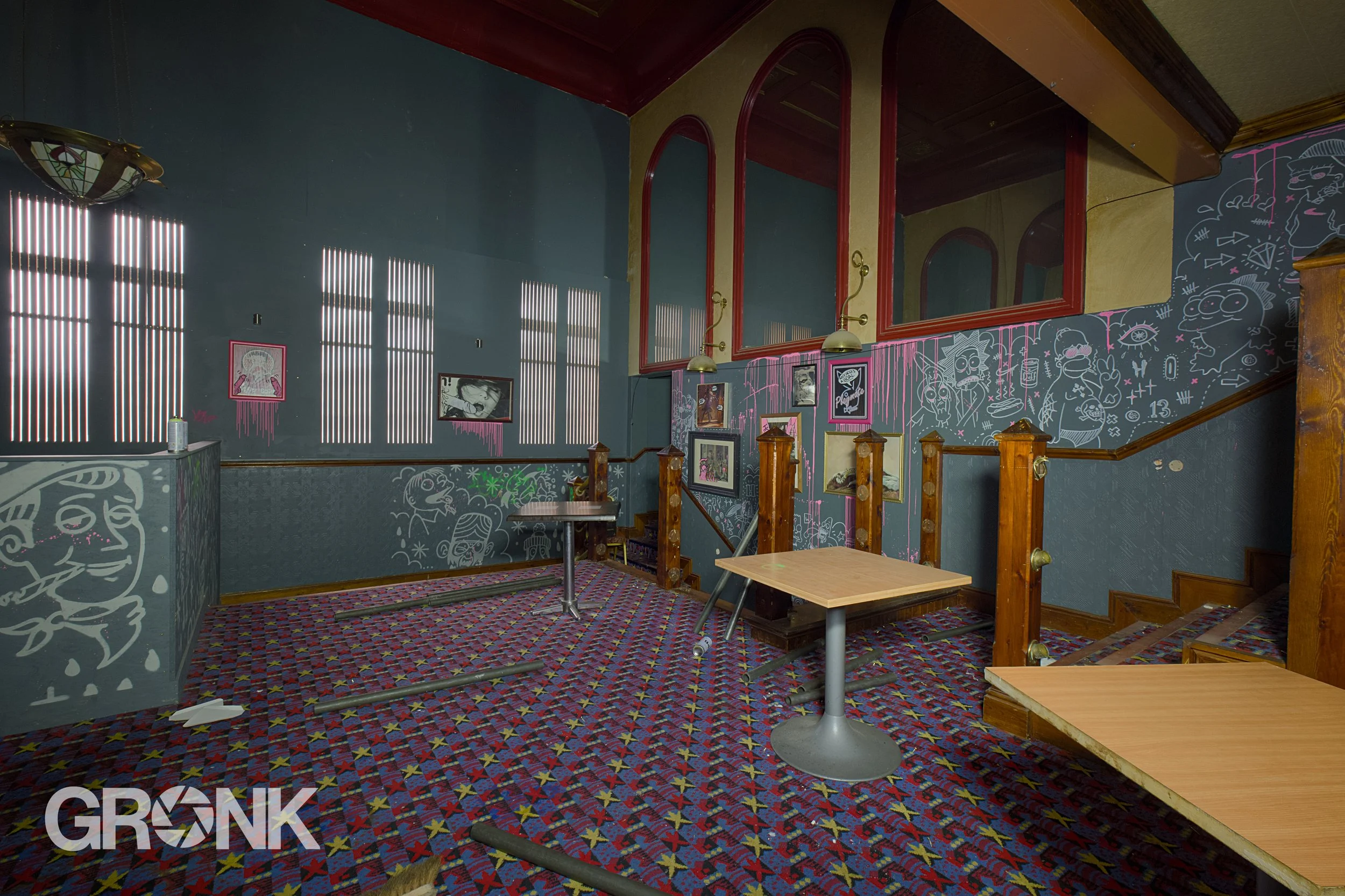
In the late 1950s, the building was significantly redeveloped, with most of the original structure replaced, although the historic façade was retained. It reopened as the Locarno Ballroom, marking a shift from theatre to social dancing and live music. Over the following decades, it became a key part of Derby’s nightlife, operating under a succession of names including Tiffany’s, Ritzy, Eclipse, and McClusky’s, each reflecting changing tastes in music and club culture.
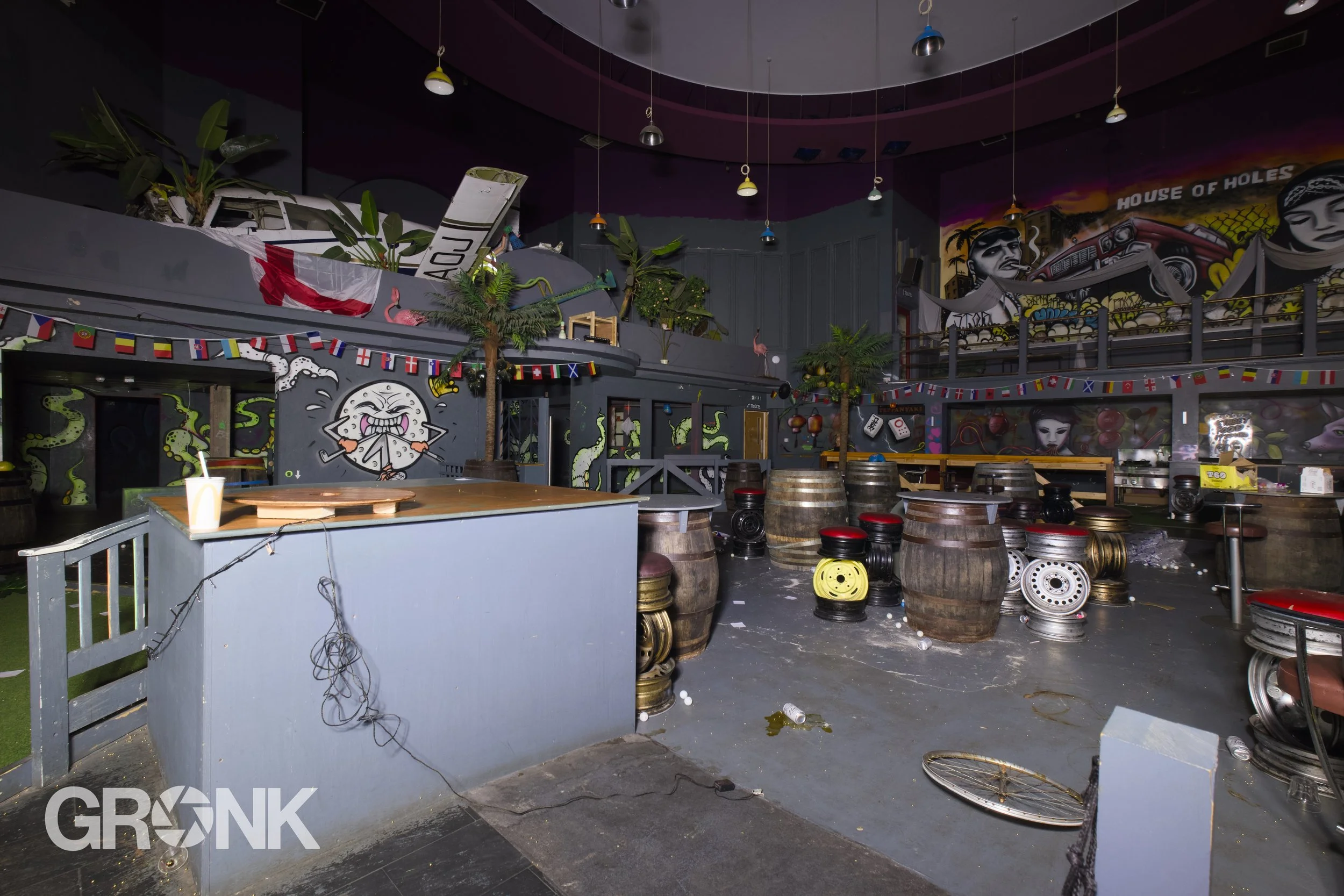
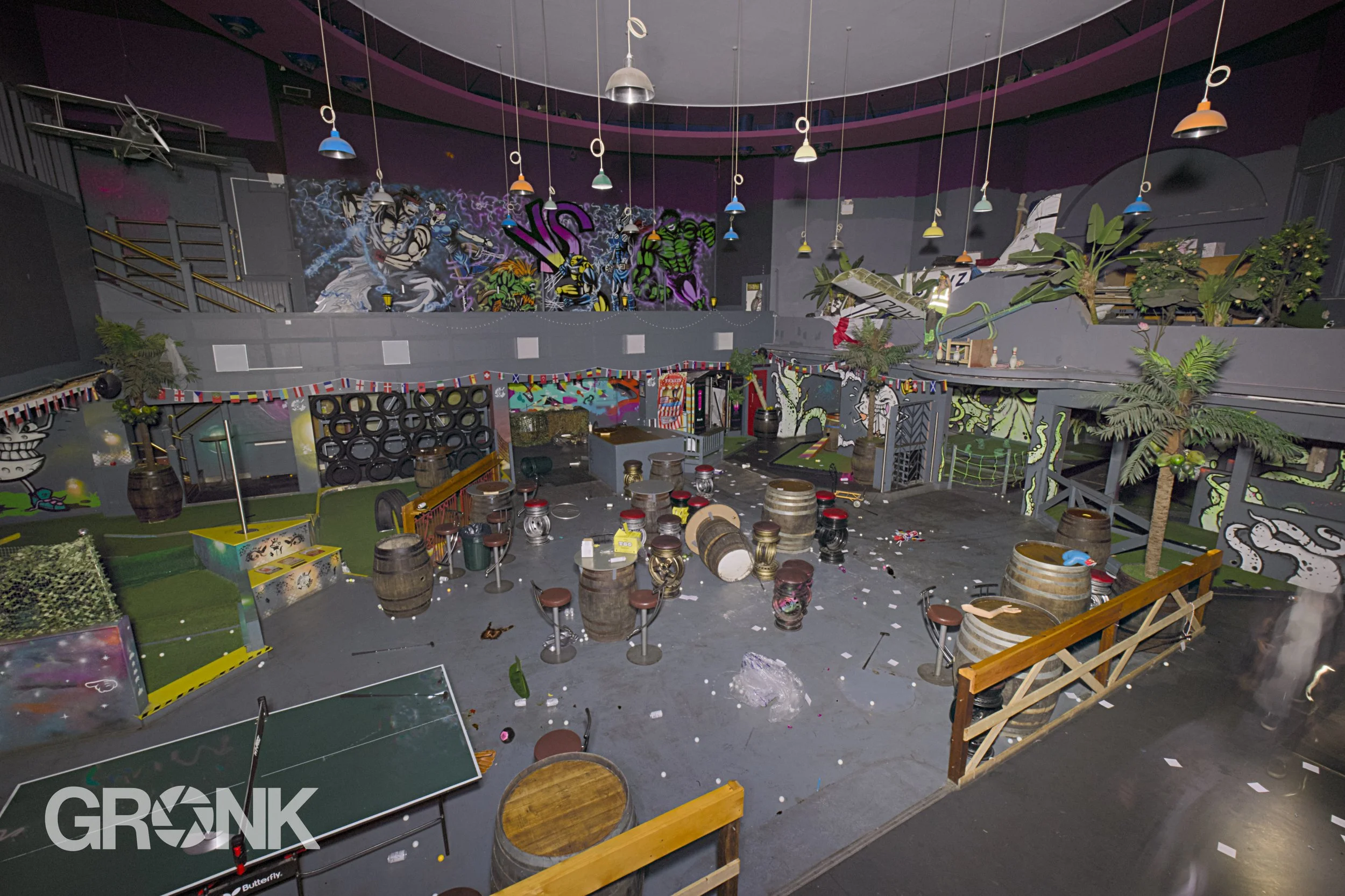
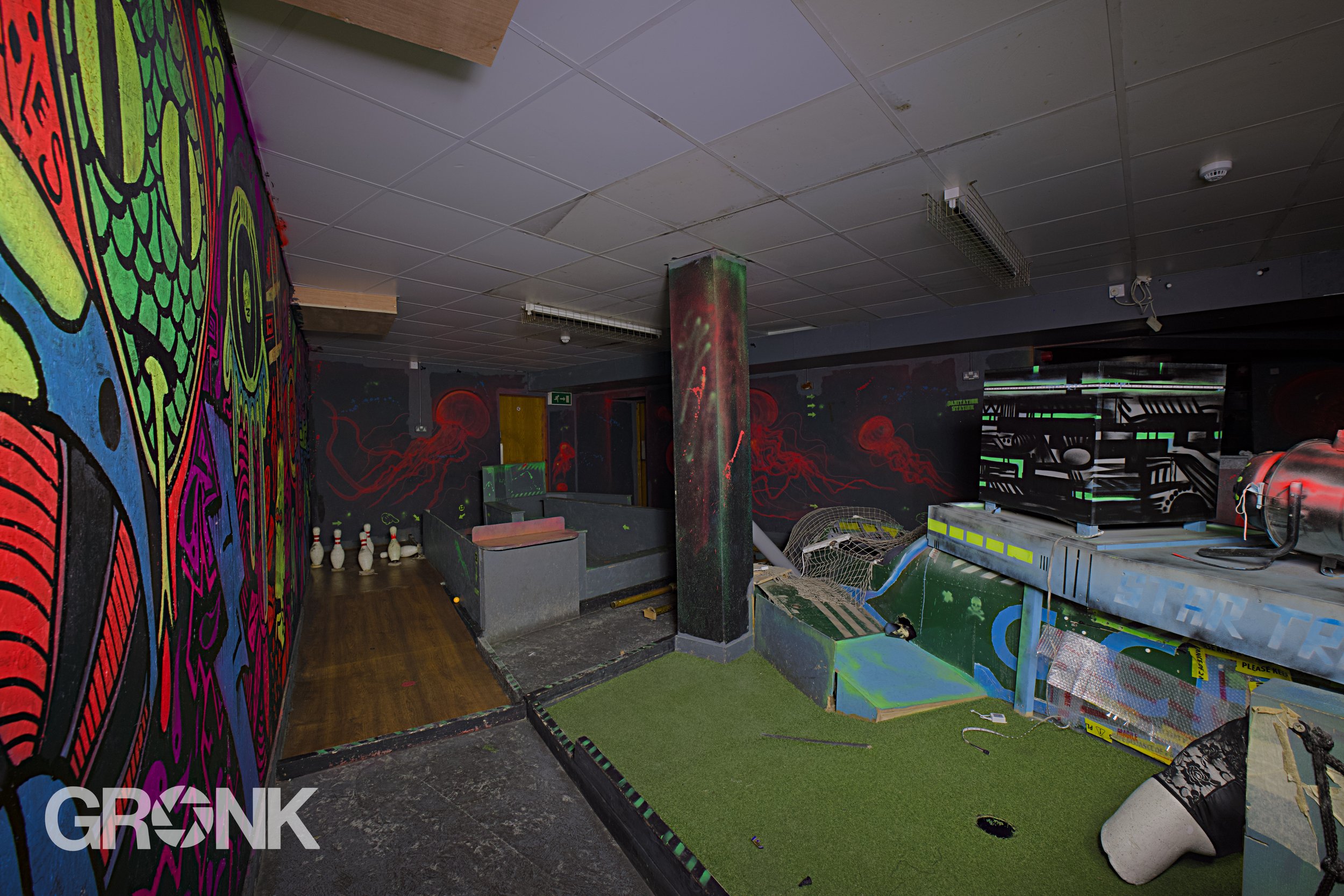
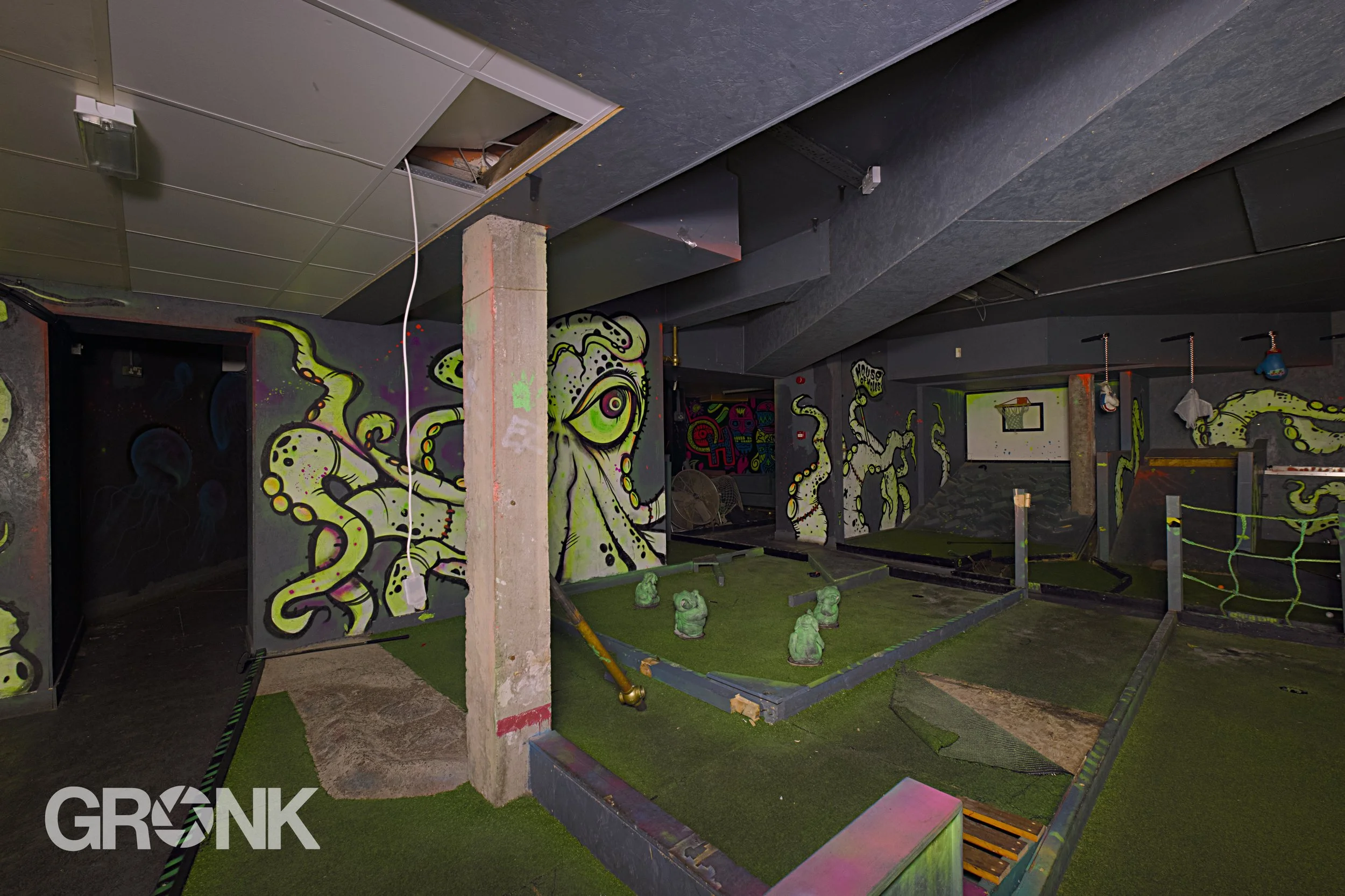
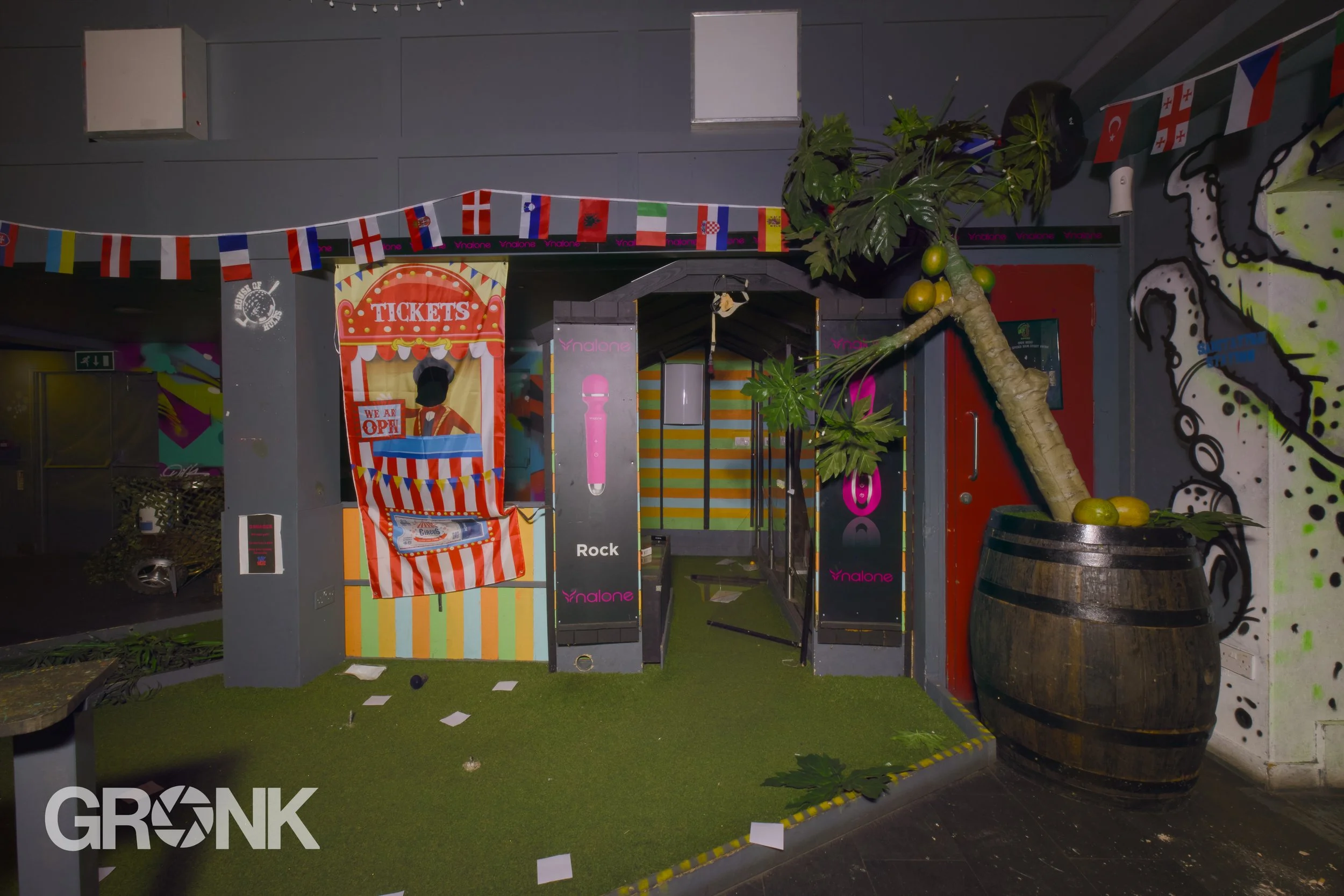
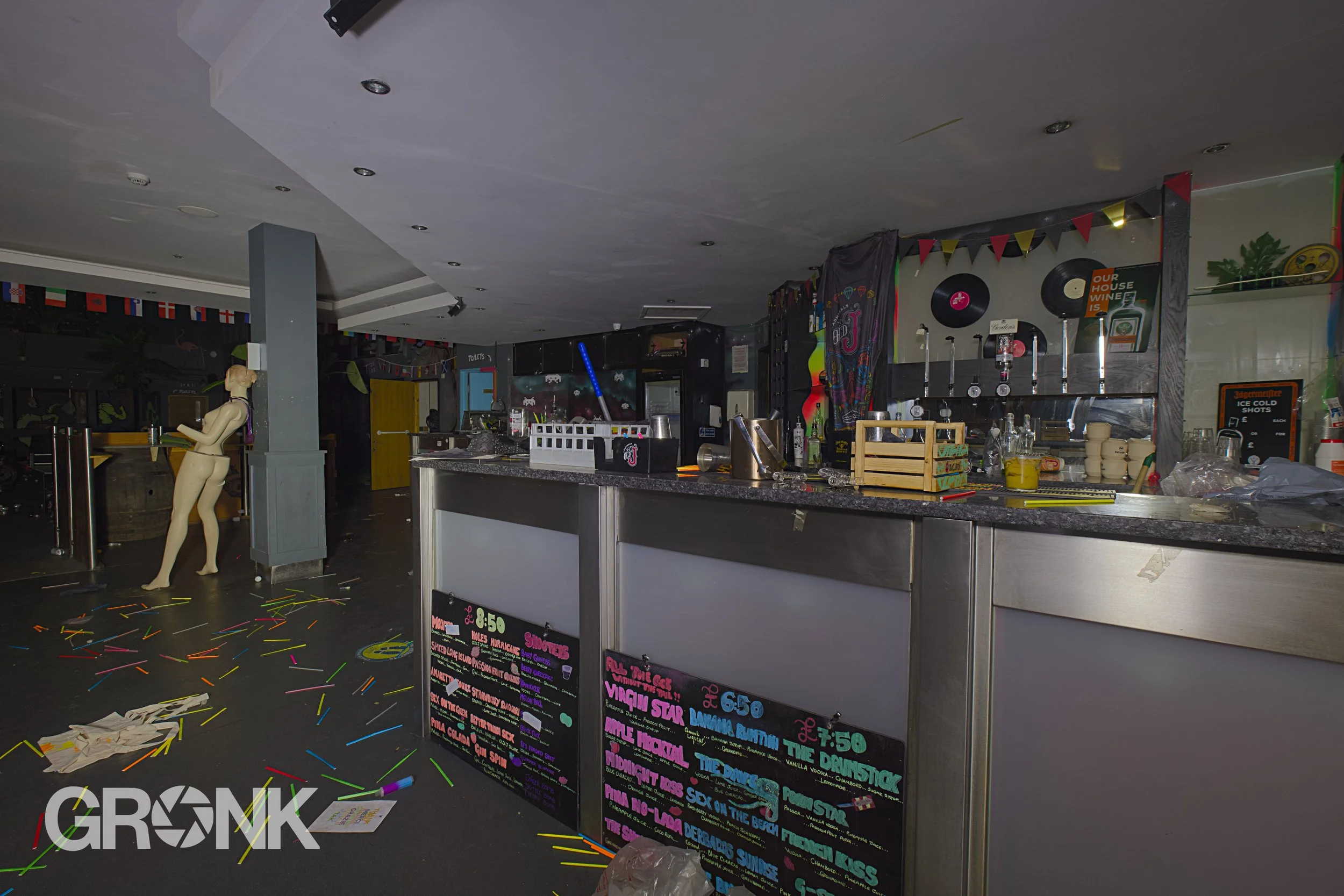
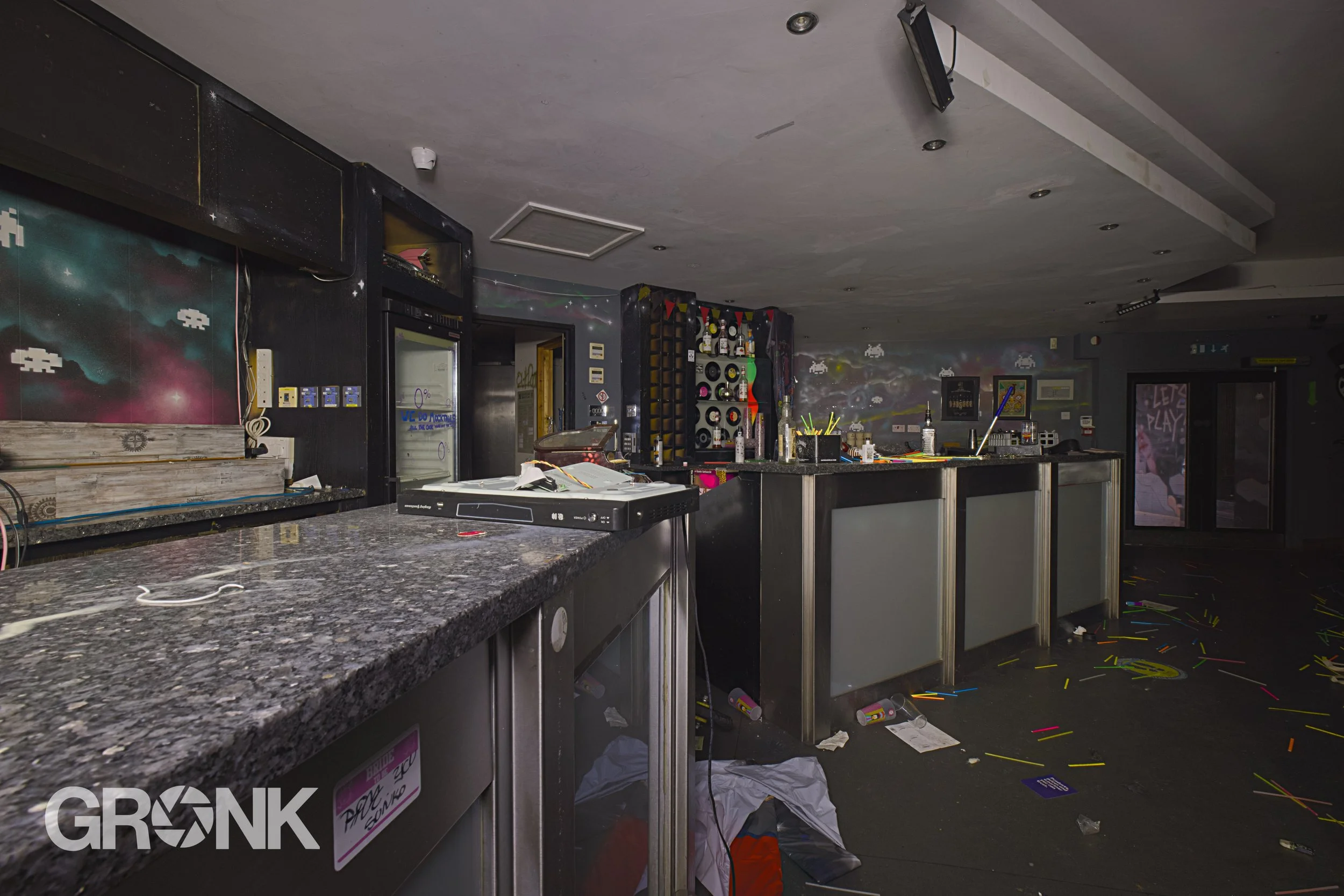
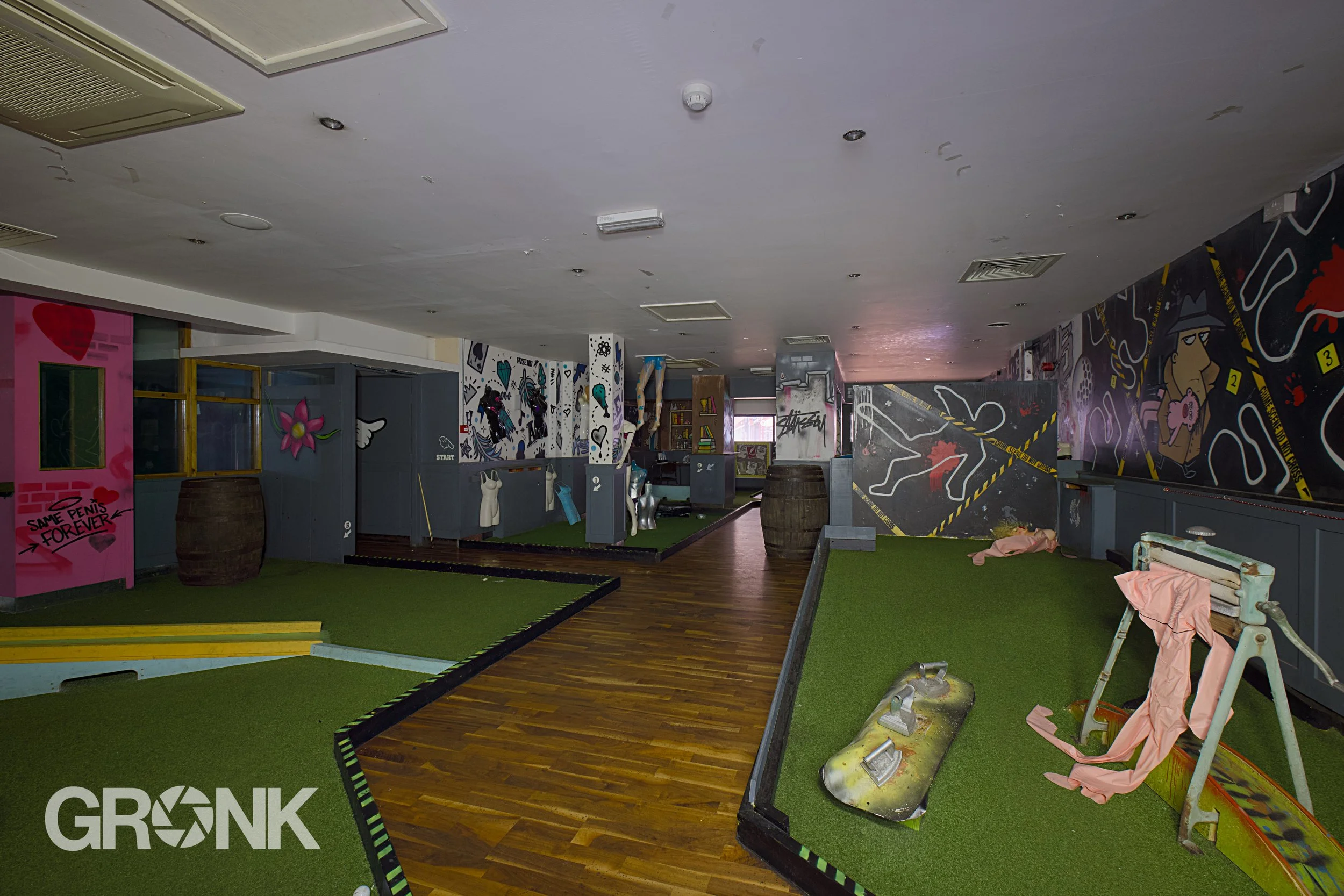
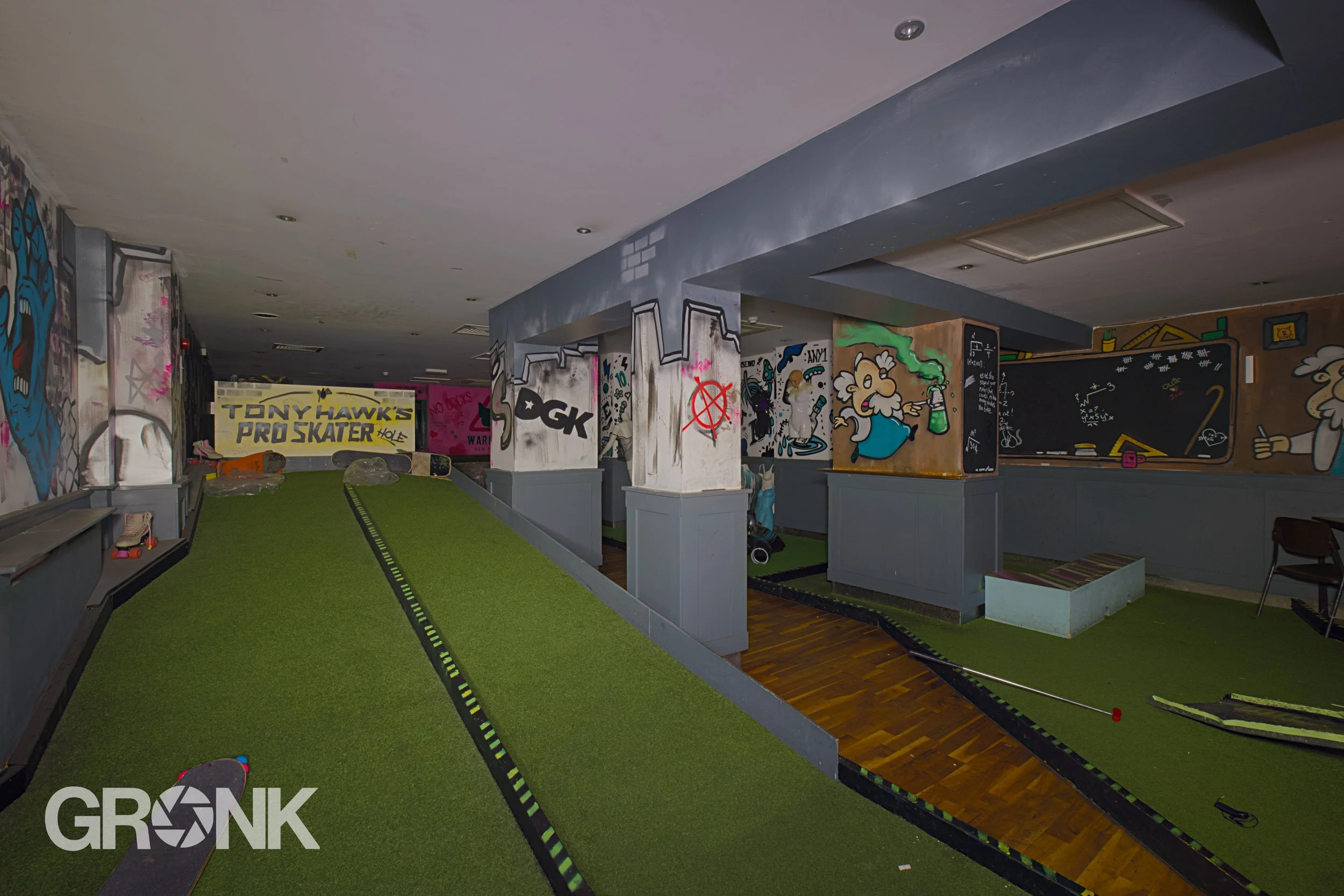
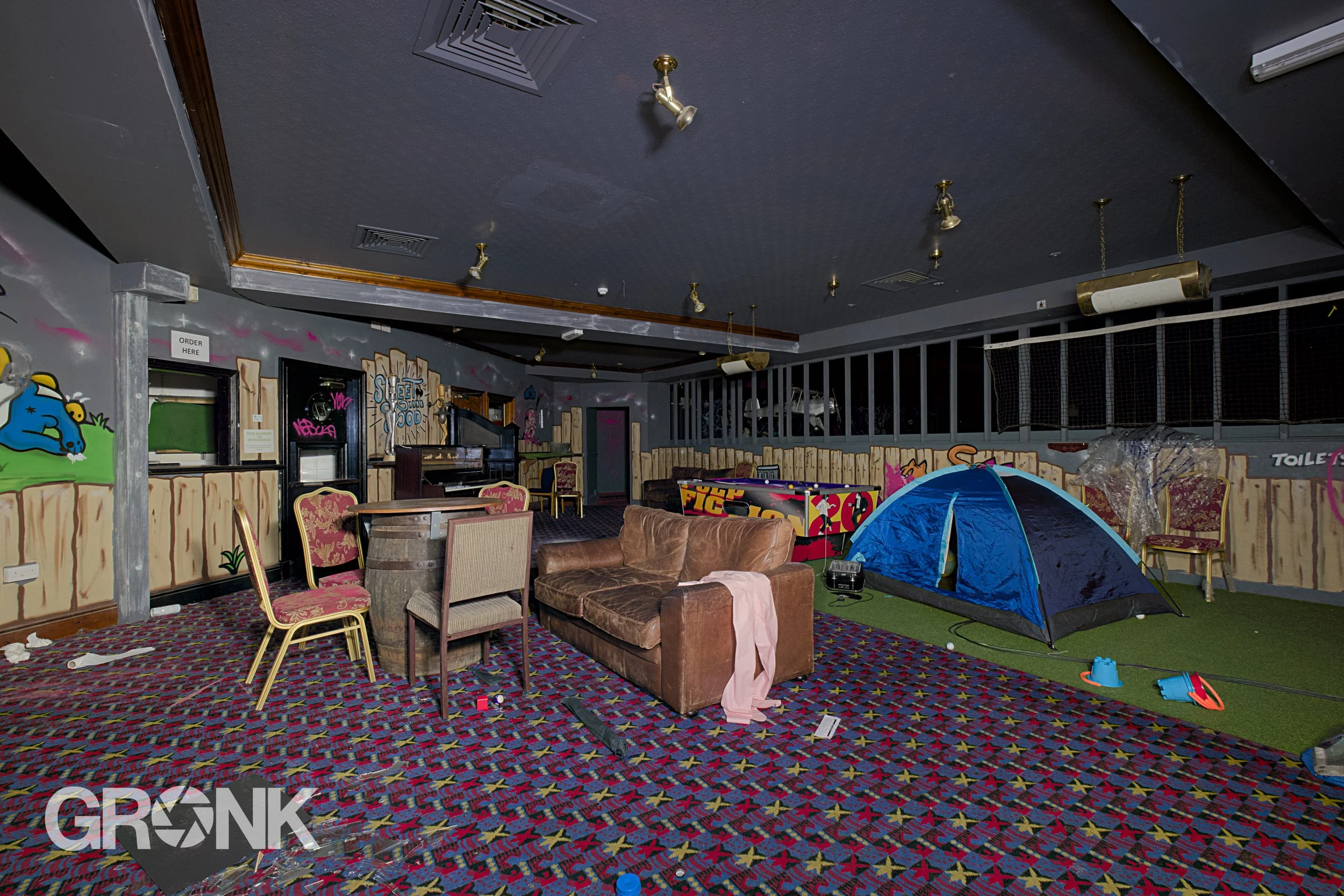
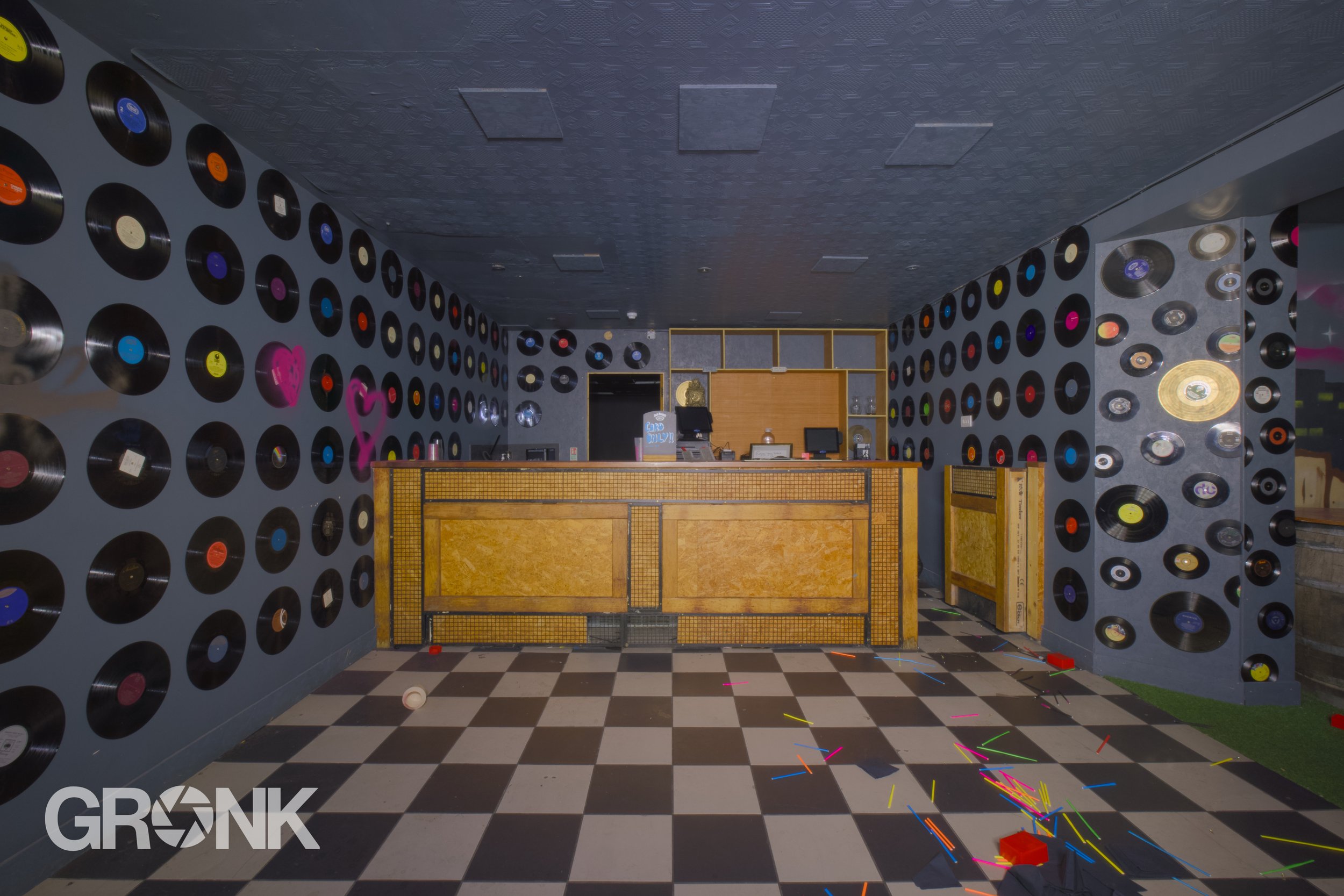
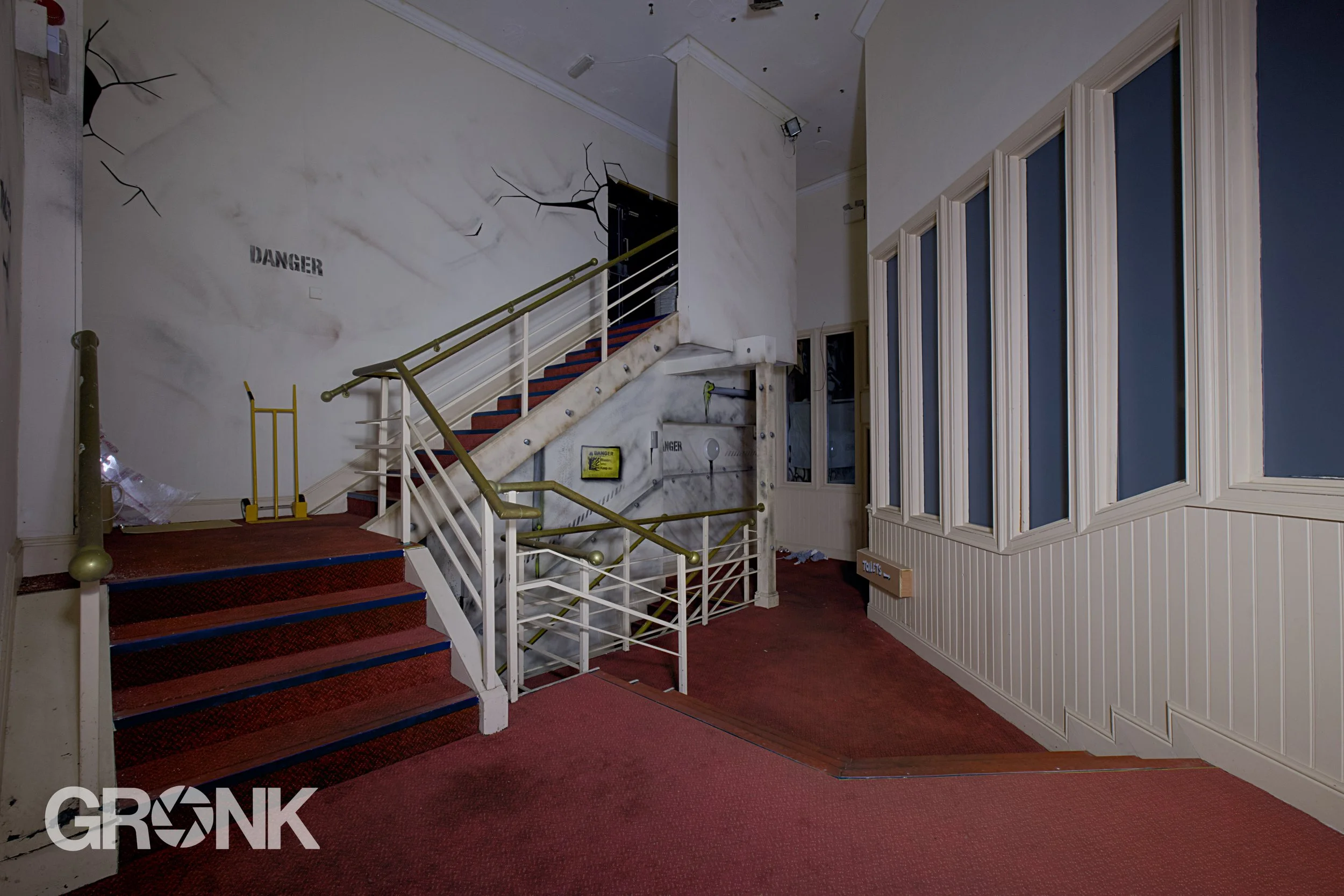
By the early 2000s, the venue had again changed purpose and became the May Sum, a Chinese restaurant remembered by many locals. In 2019, it was reimagined as House of Holes, an adults-only crazy golf and bar venue. Although modernised many times, the building’s enduring role in entertainment continues to reflect its origins as one of Derby’s great theatres.