Magistrates’ Court, Liverpool
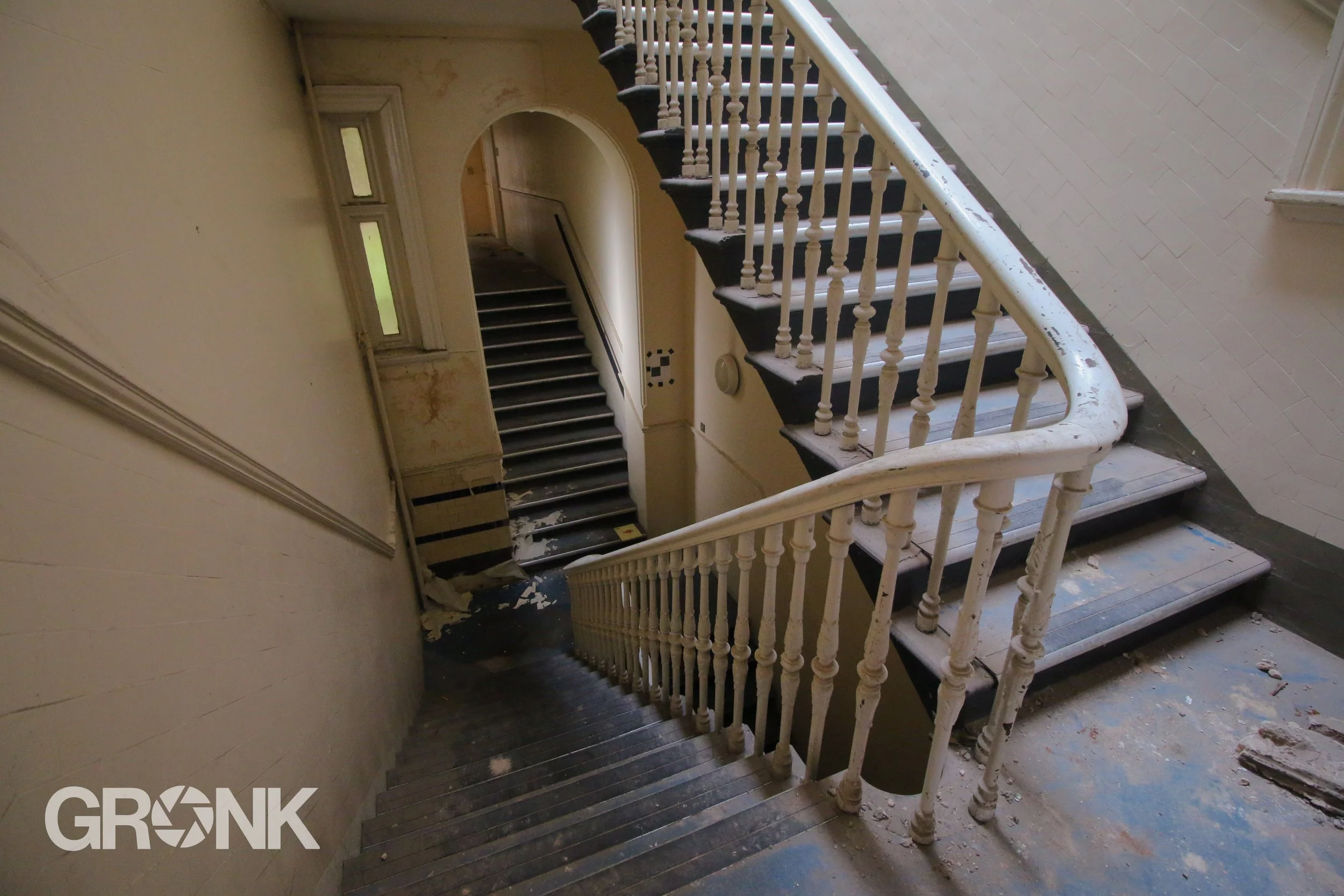
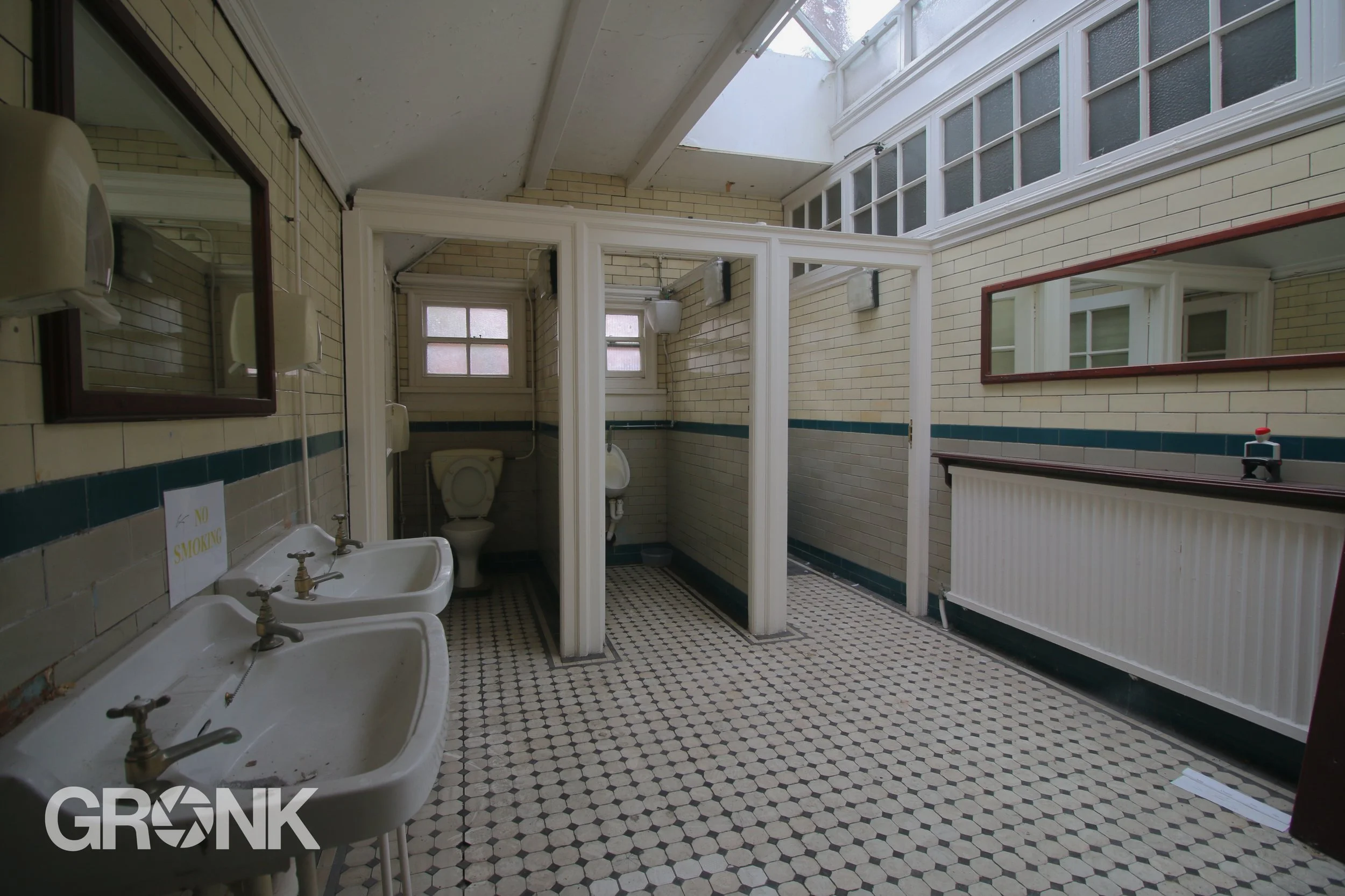
The Liverpool Magistrates’ Court on Dale Street is a striking example of Victorian civic architecture and has played a central role in the city’s legal history for over 150 years. Constructed between 1857 and 1859, it was designed by architect John Grey Weightman, the Liverpool Corporation surveyor at the time. The building’s grand classical design—crafted from ashlar stone on a granite plinth—features giant pilasters, a central pediment, and a distinctive canted corner facing Hatton Garden.
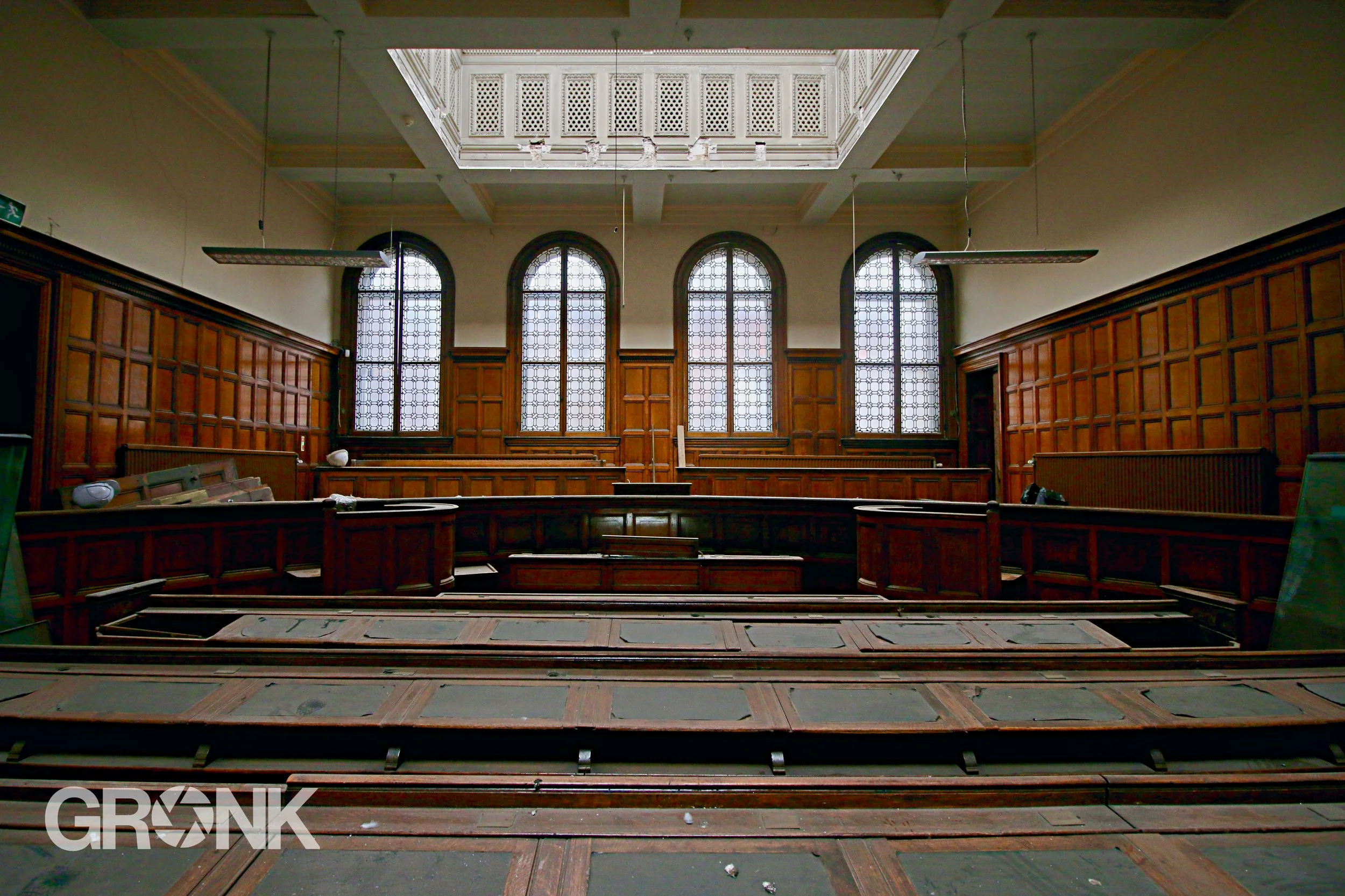
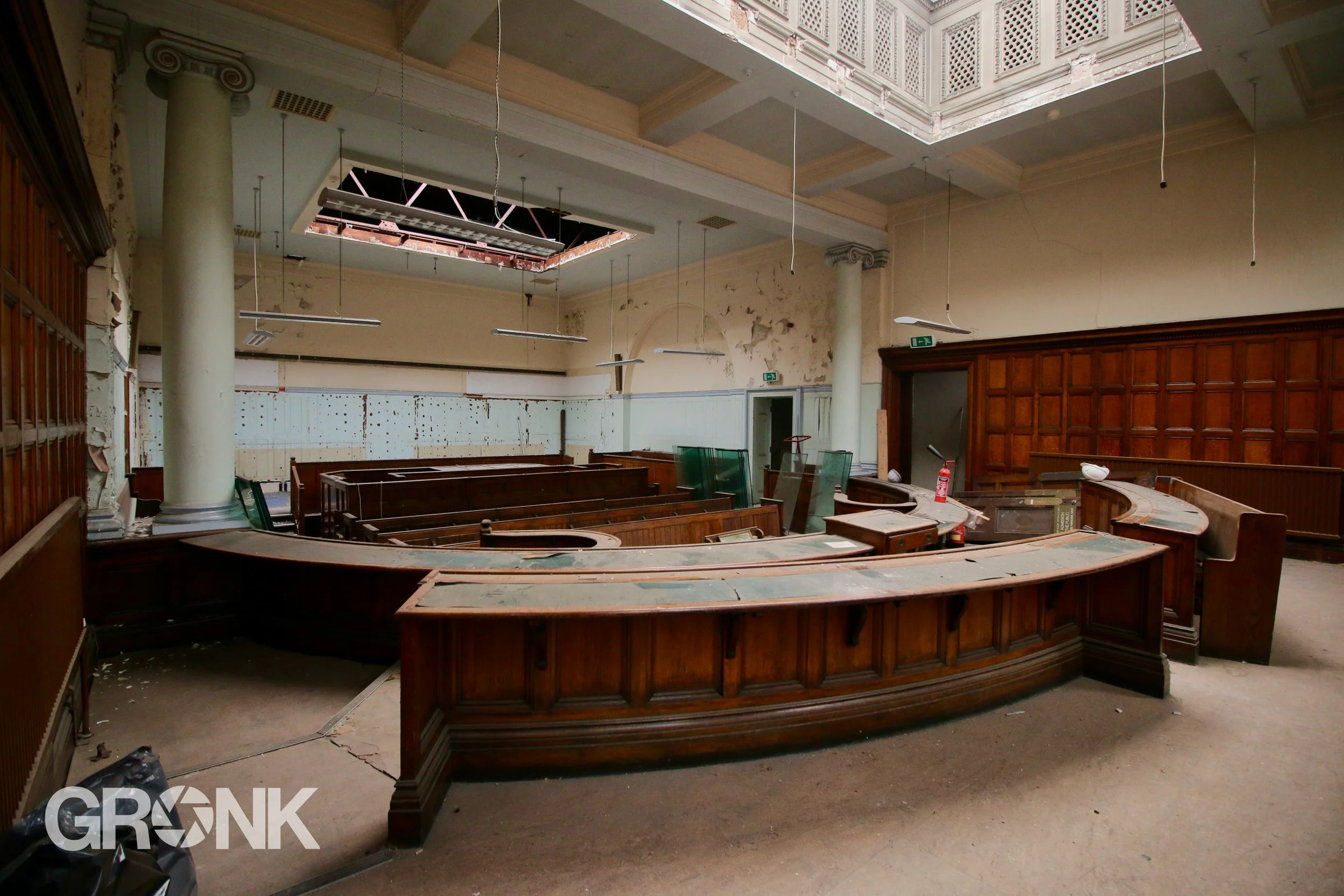
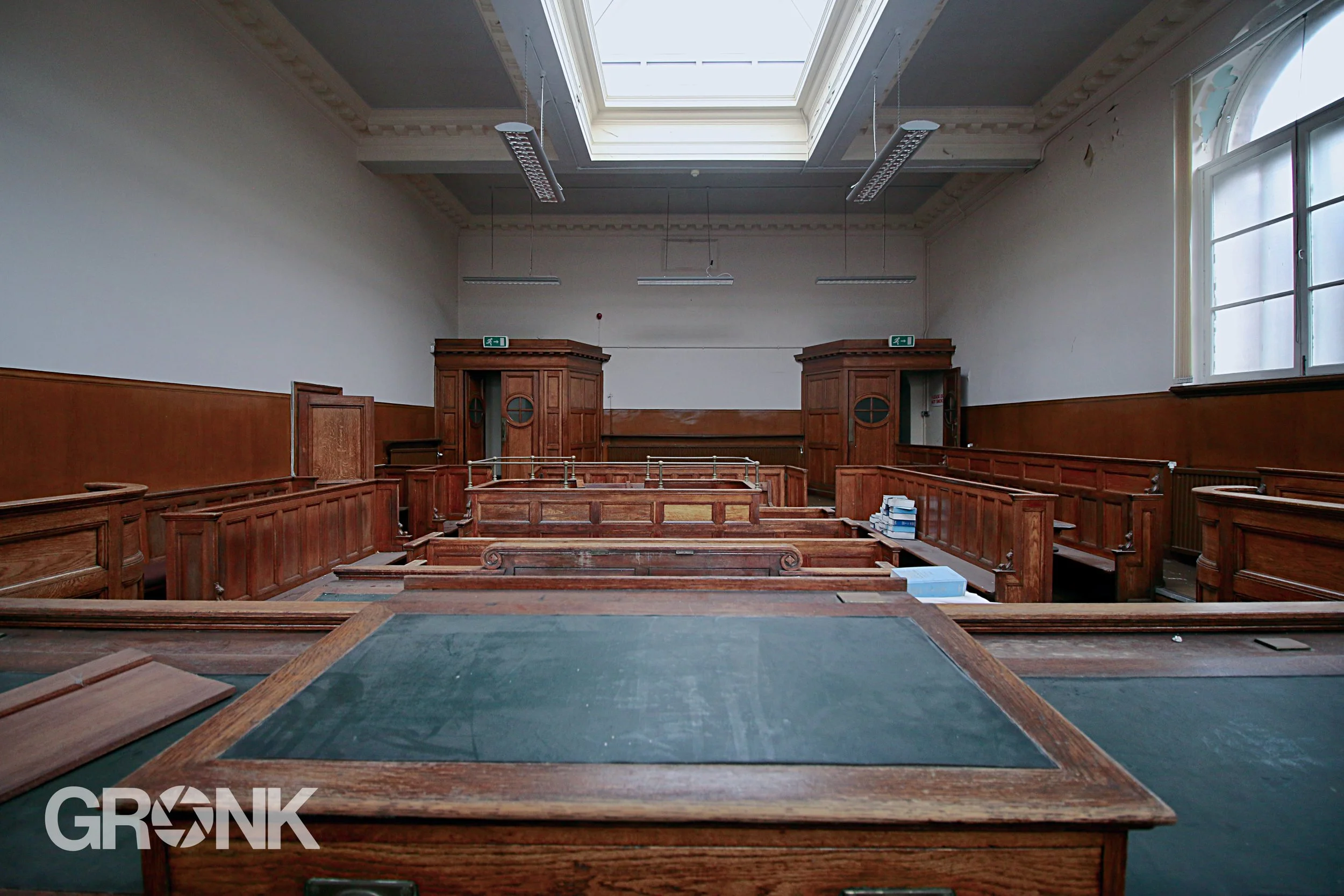
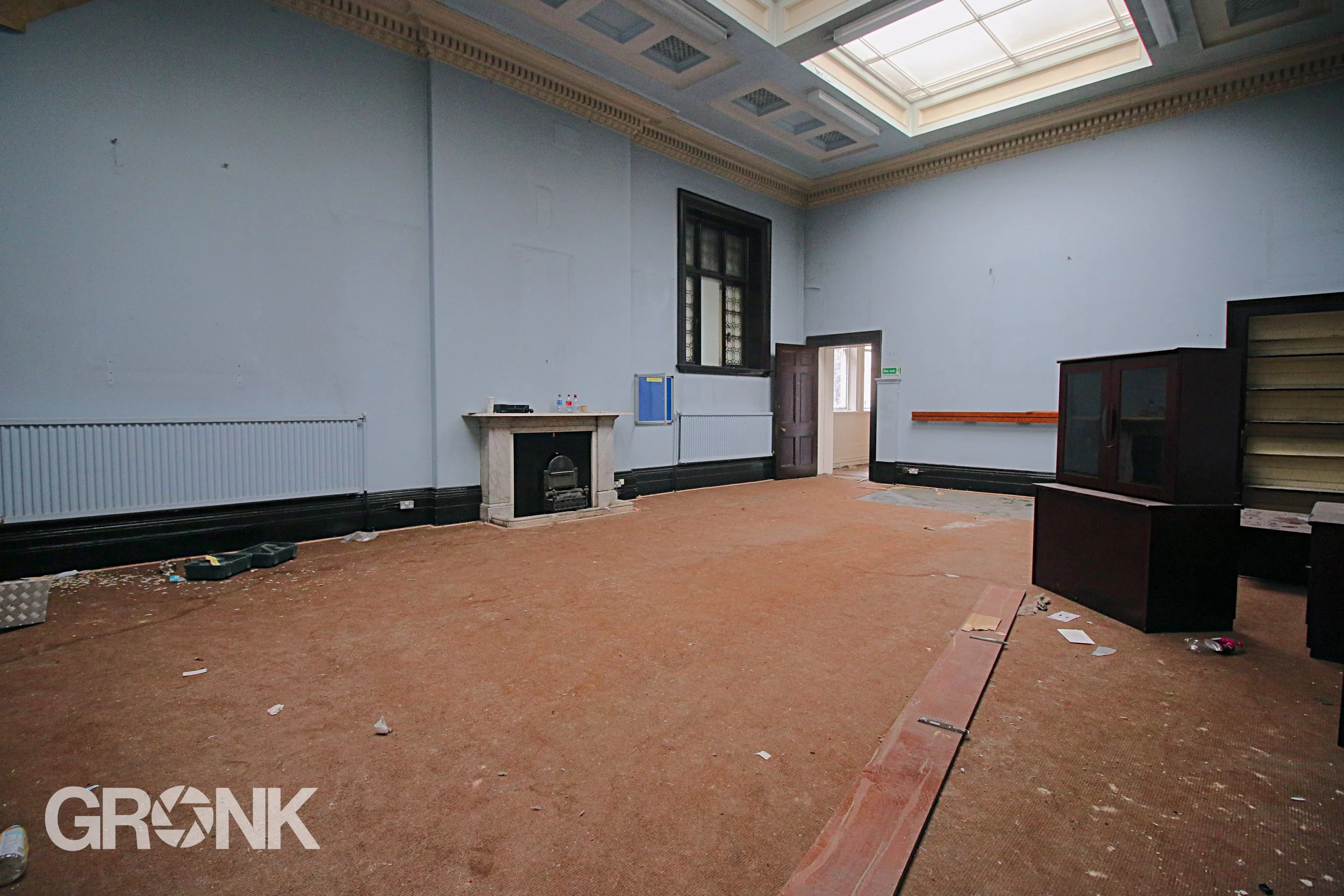
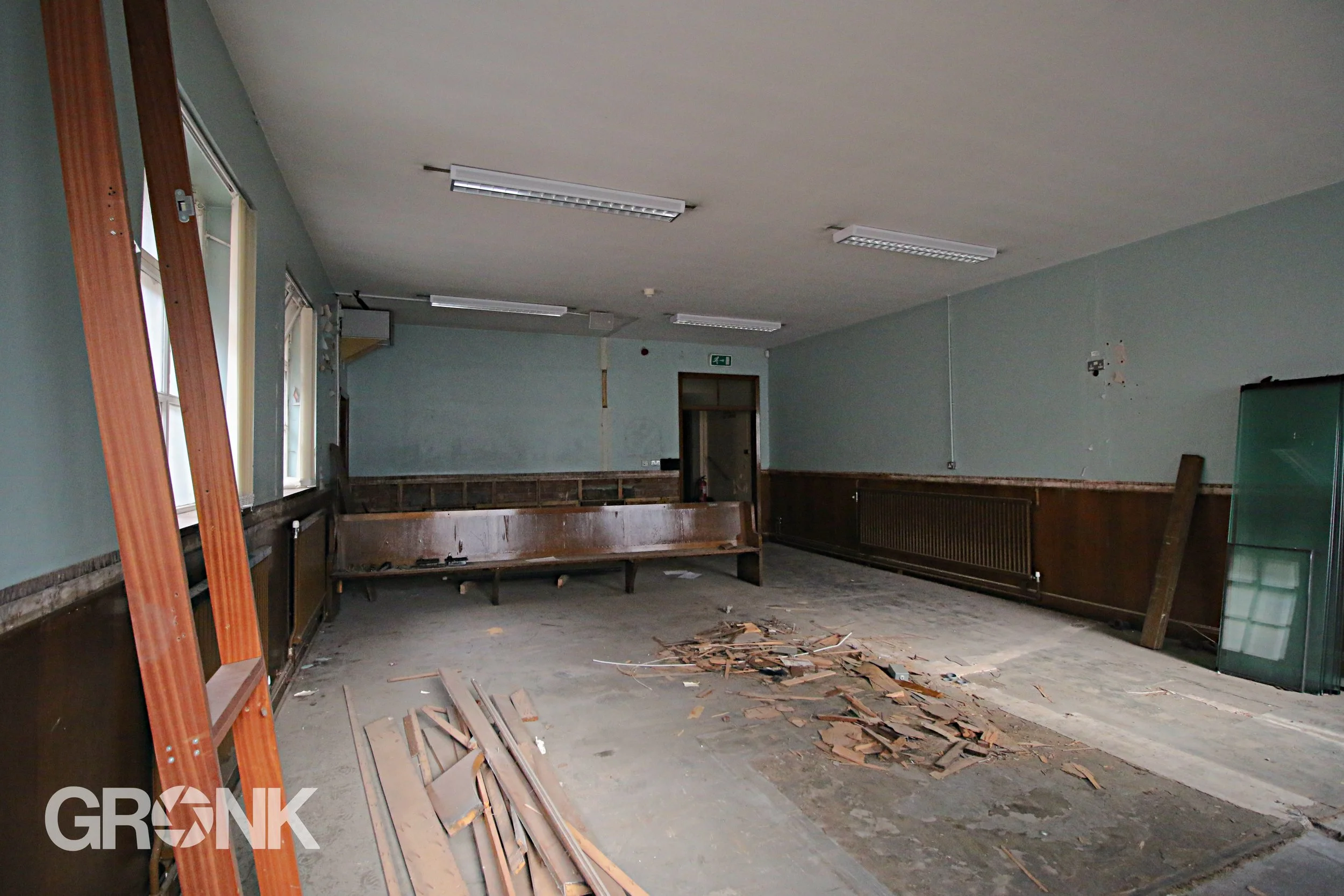
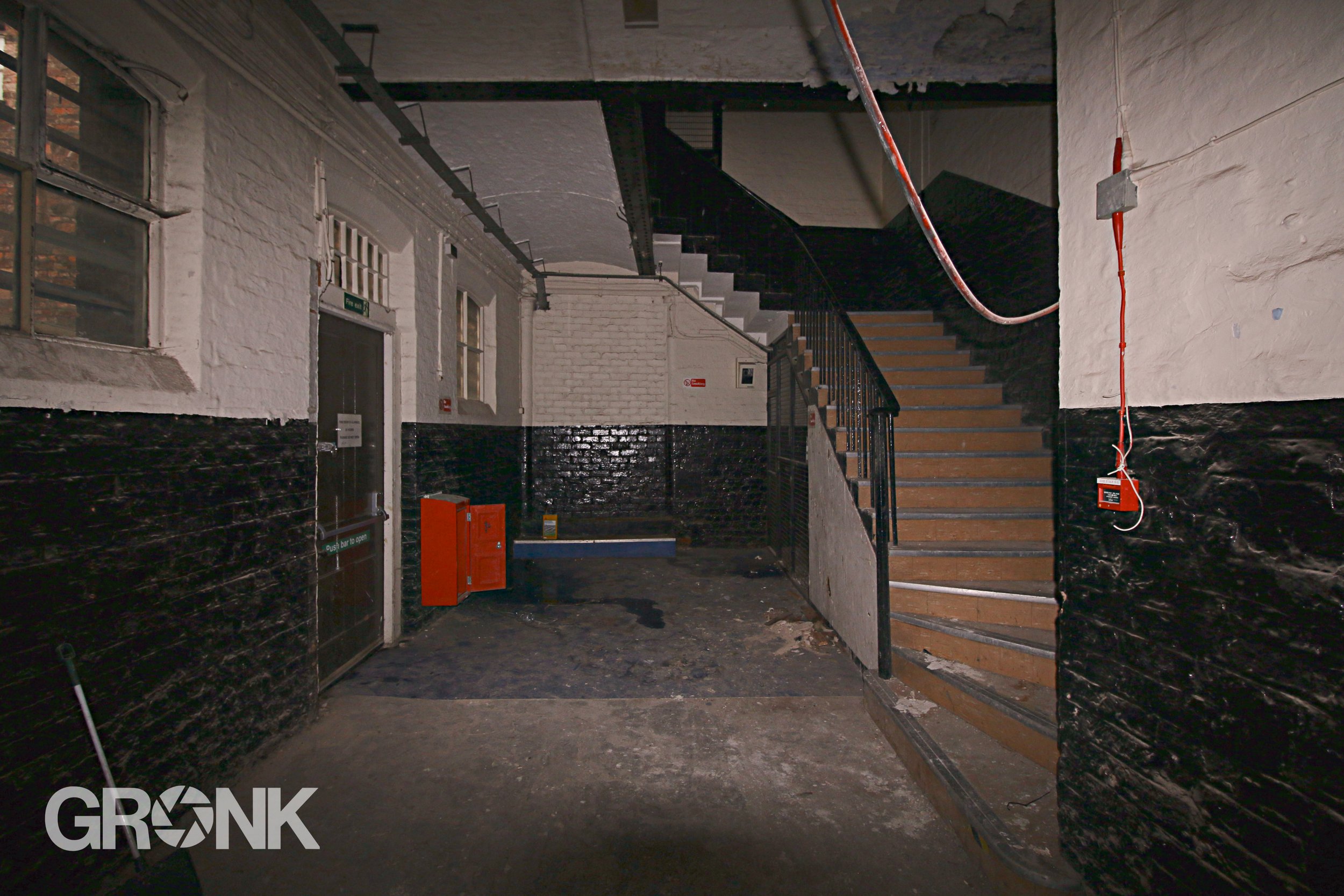
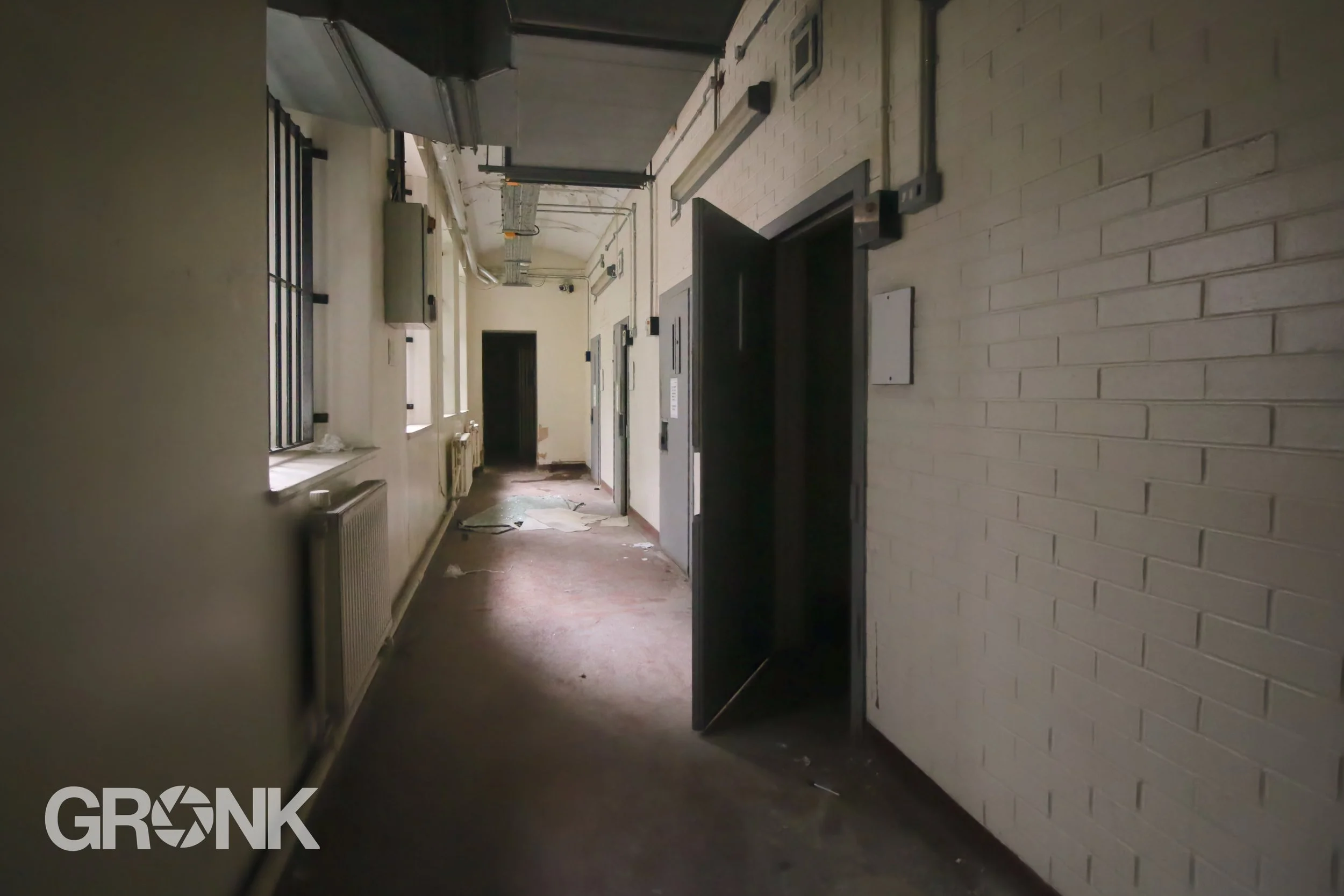
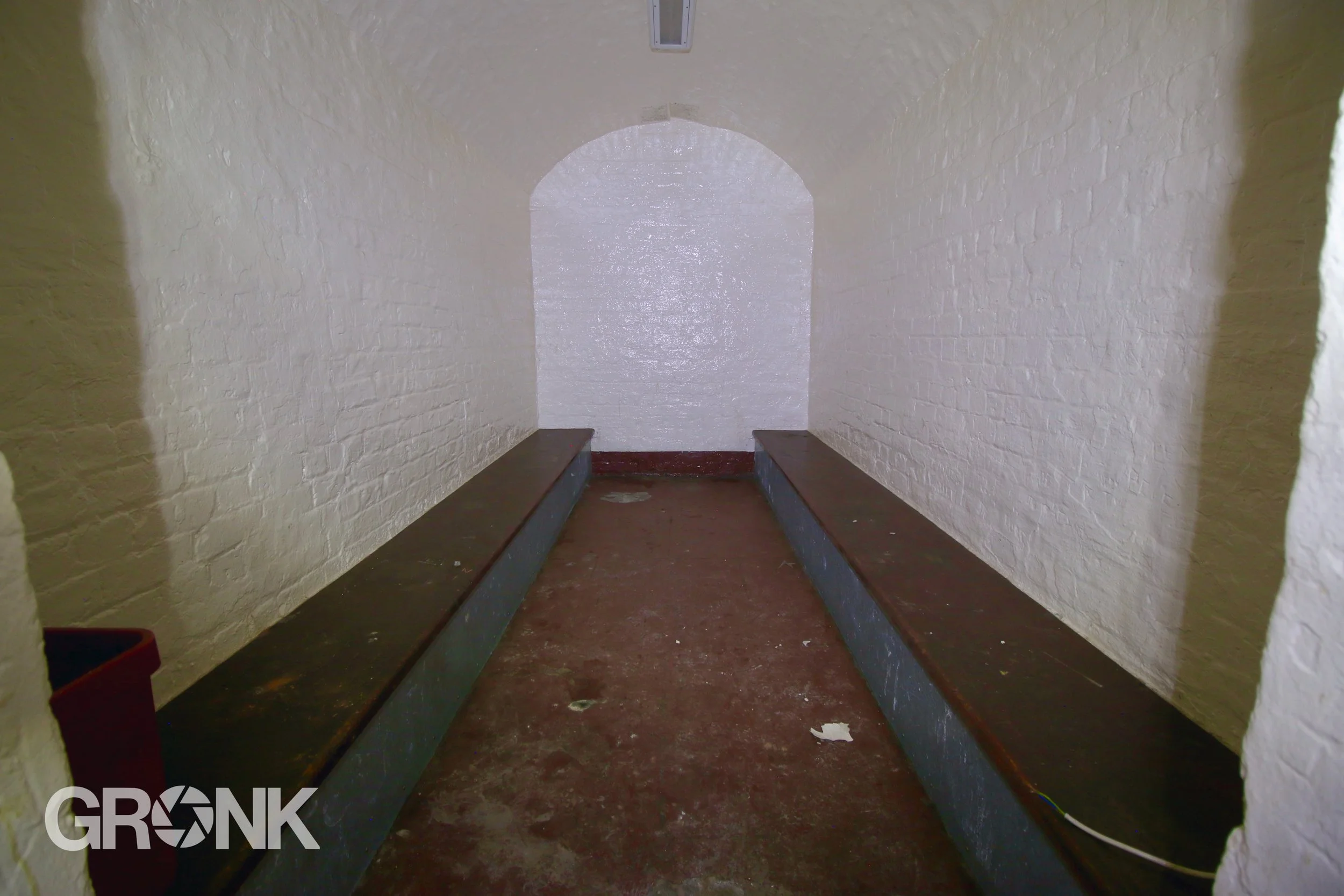
The courthouse was originally built to house seven magistrates’ courts, with associated facilities including basement holding cells, waiting areas, administrative offices, and a central courtyard. For generations, it handled a wide range of criminal and civil cases, including juvenile proceedings (which were later moved to a separate location on Great Crosshall Street in the 1970s).
In recognition of its architectural and historical significance, the court building was granted Grade II listed status on 14 March 1975, ensuring its protection from demolition or unsympathetic alteration.
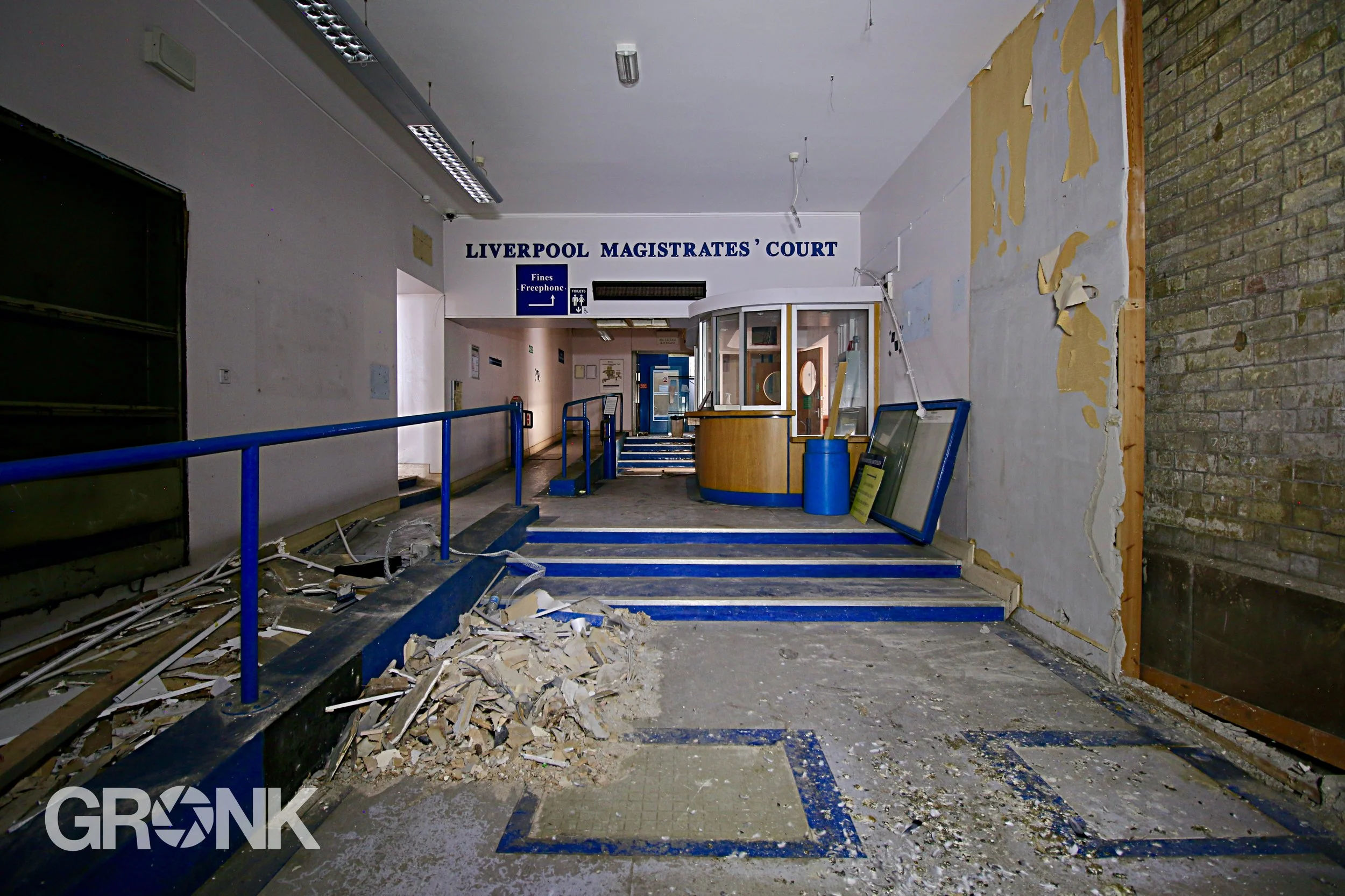
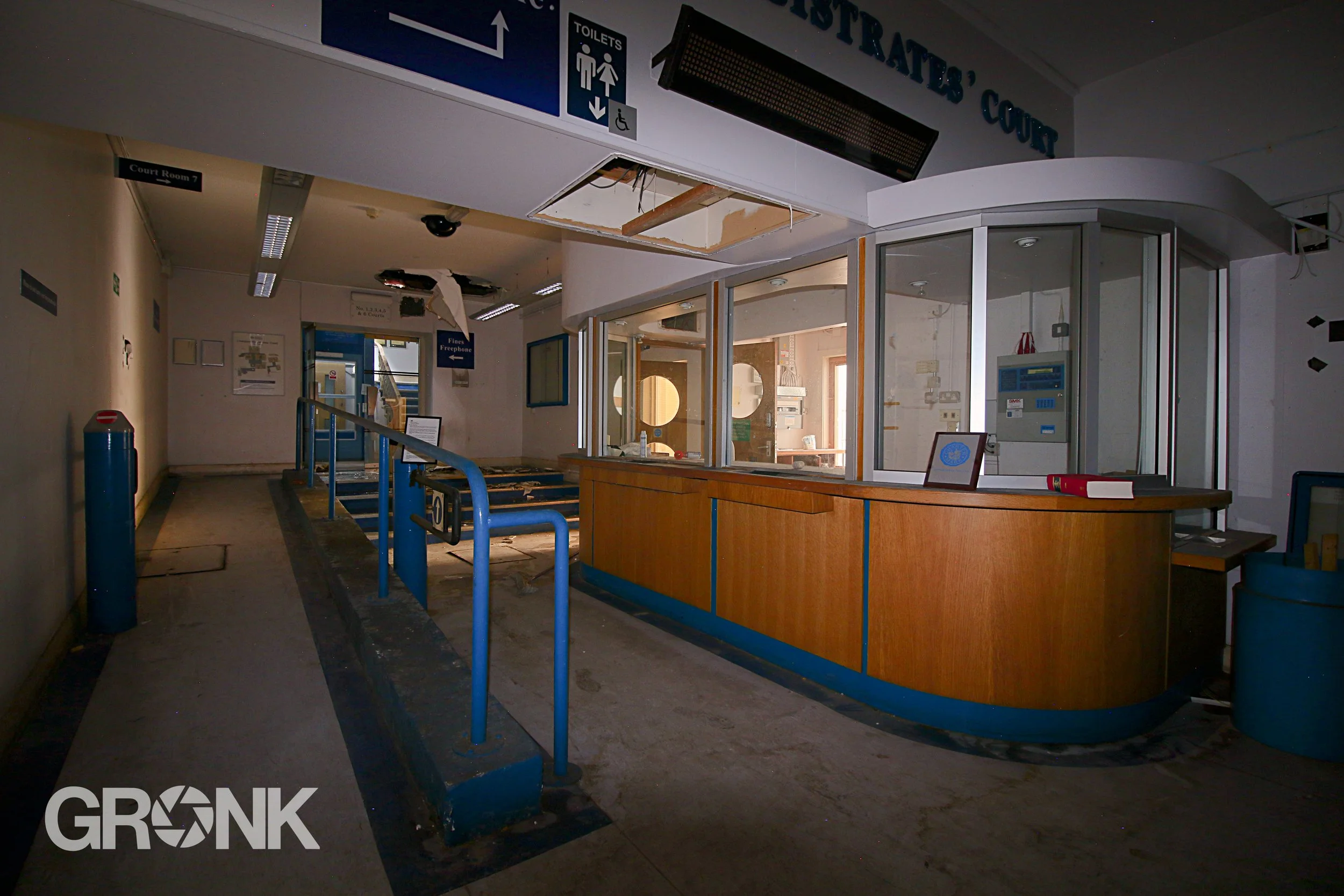
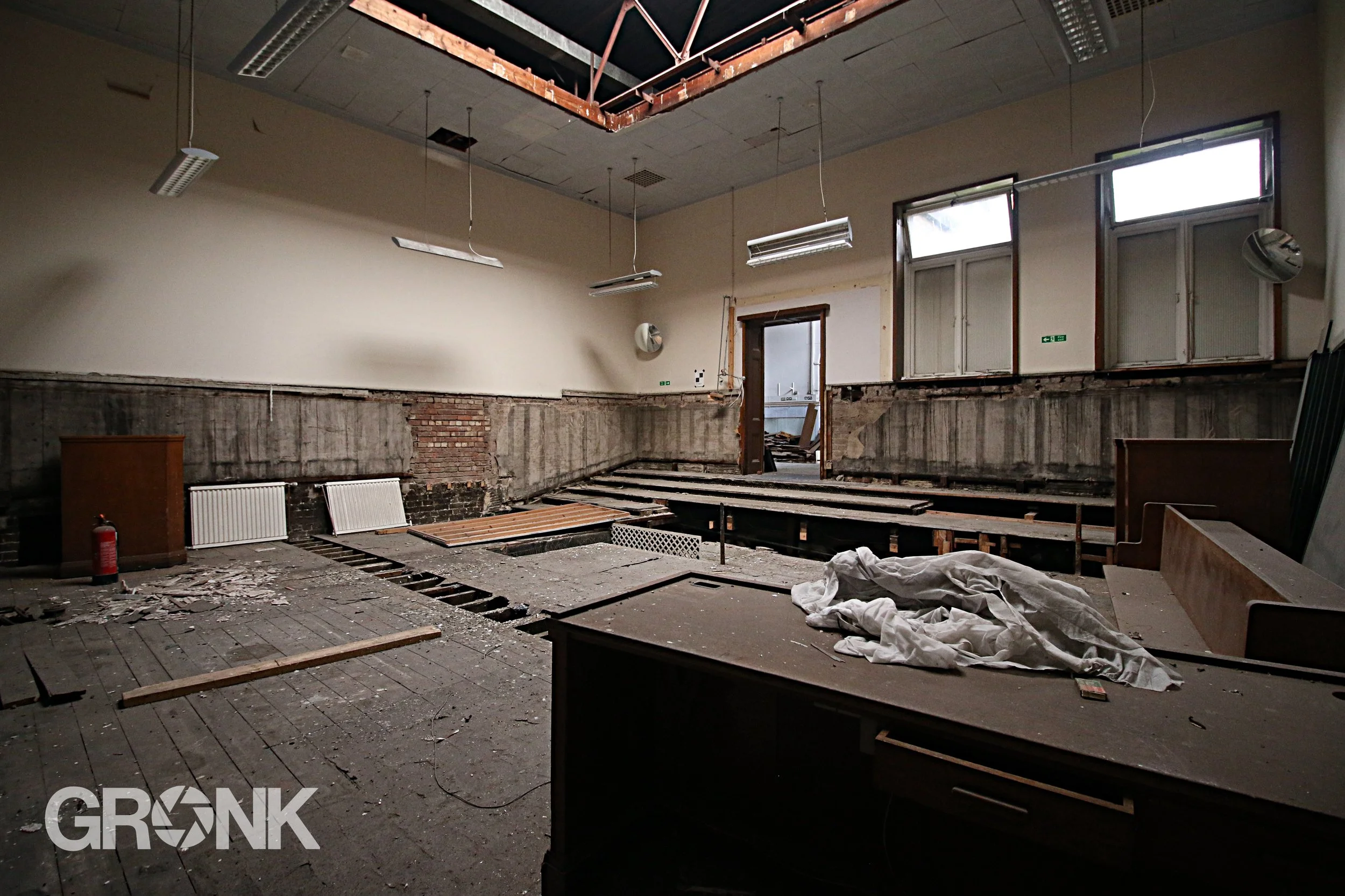
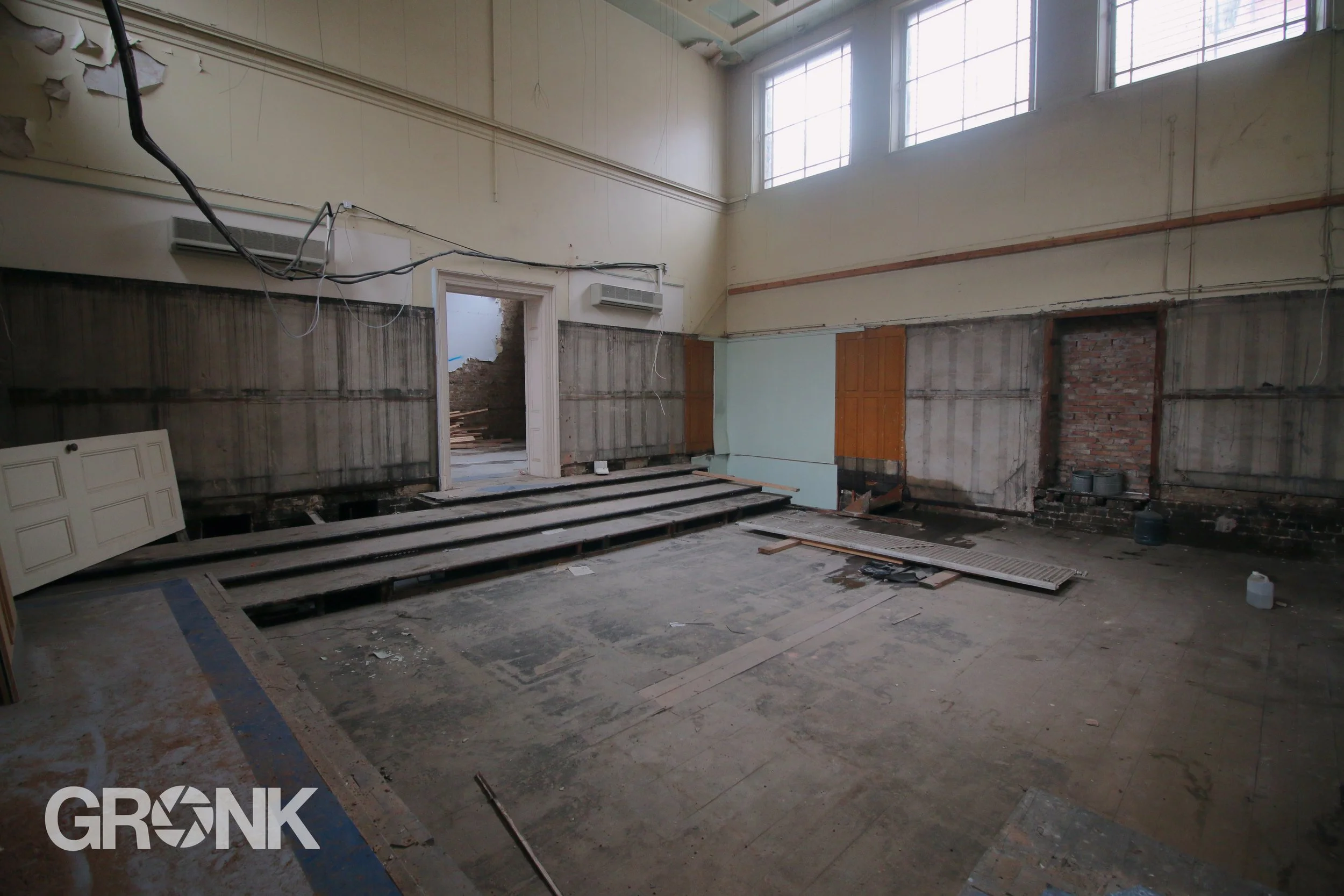
By the early 2000s, the building was beginning to show signs of age, and discussions began about relocating court services. In 2007, the government announced plans to move magistrates’ hearings to a new purpose-built £35 million facility. Although initially scheduled for completion by 2012, the actual relocation to the Queen Elizabeth II Law Courts wasn’t finalized until June 2015. This marked the end of judicial activity at Dale Street after more than 150 years.
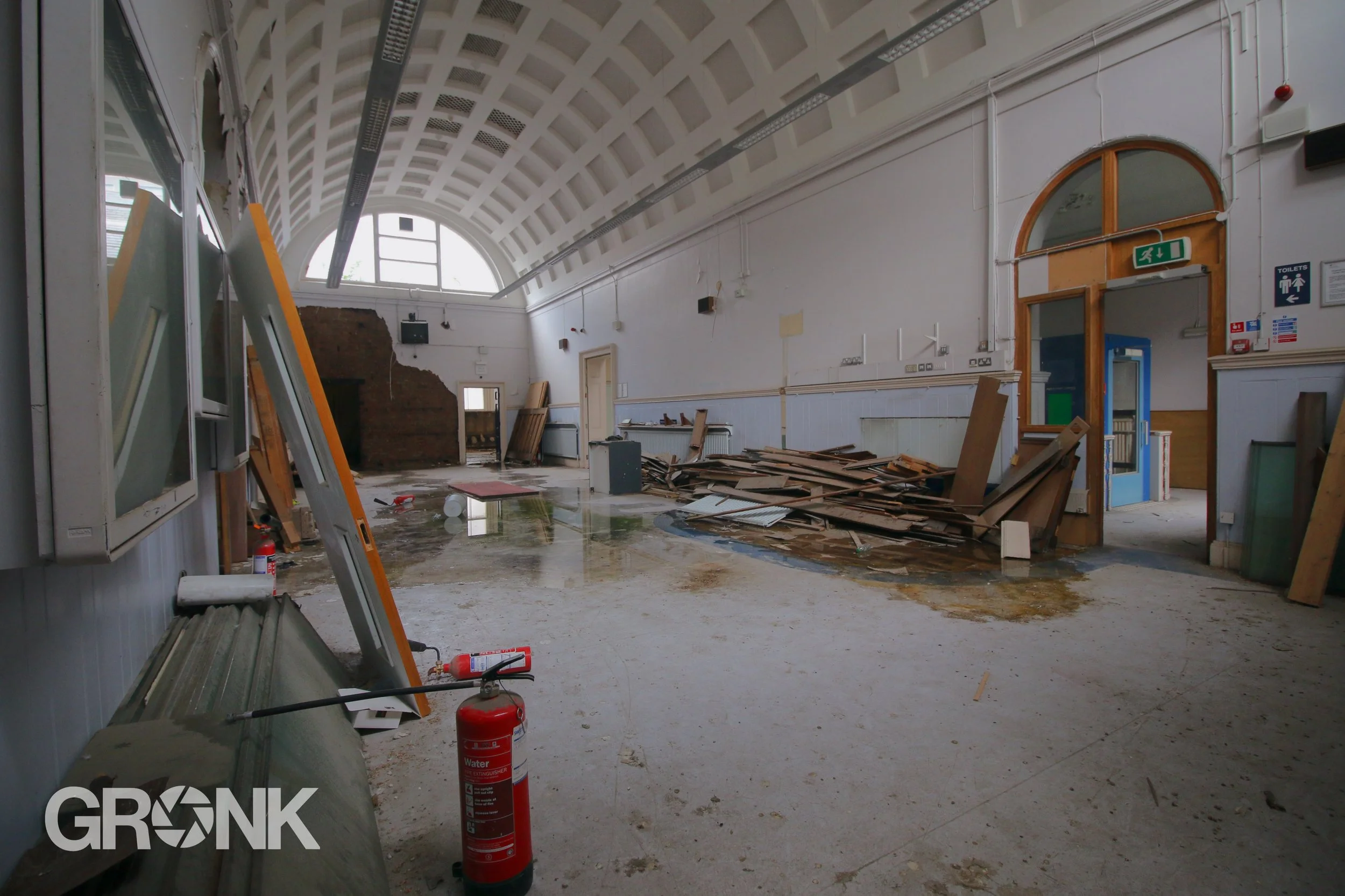
Since its closure, the building has stood empty, though its prime location and historic character have attracted significant interest from developers. A number of proposals have emerged over the past decade, most focused on converting the former courthouse into a boutique hotel. Early plans included themed rooms in the old cells and event spaces in the preserved courtrooms.
In March 2024, the latest and most comprehensive redevelopment plan received planning approval. Spearheaded by Belgian developer VSHF Developments, the project envisions a 111-room hotel comprising 91 rooms within the original Grade II-listed structure and a modern five-storey extension housing an additional 20 rooms. The development will also include a restaurant, bar, gym, and rooftop terrace—ensuring the building’s continued use and preservation while giving it a new public-facing role in the heart of Liverpool.
From its 19th-century origins as a vital judicial hub to its 21st-century reinvention as a heritage-led hospitality venue, the Dale Street Magistrates’ Court remains a significant and enduring part of Liverpool’s architectural and civic landscape.