Pentre Chapel, Pentre Bach
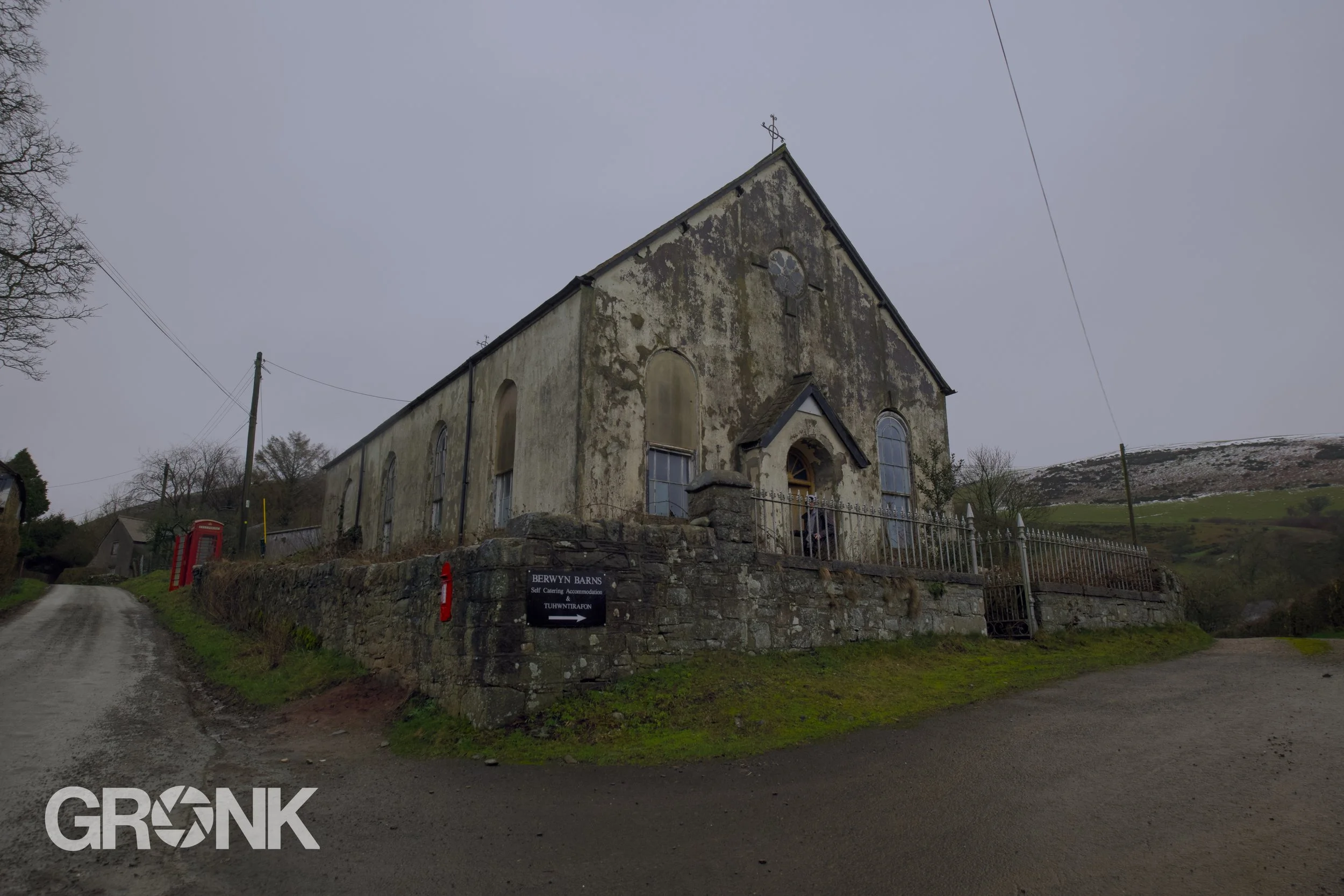
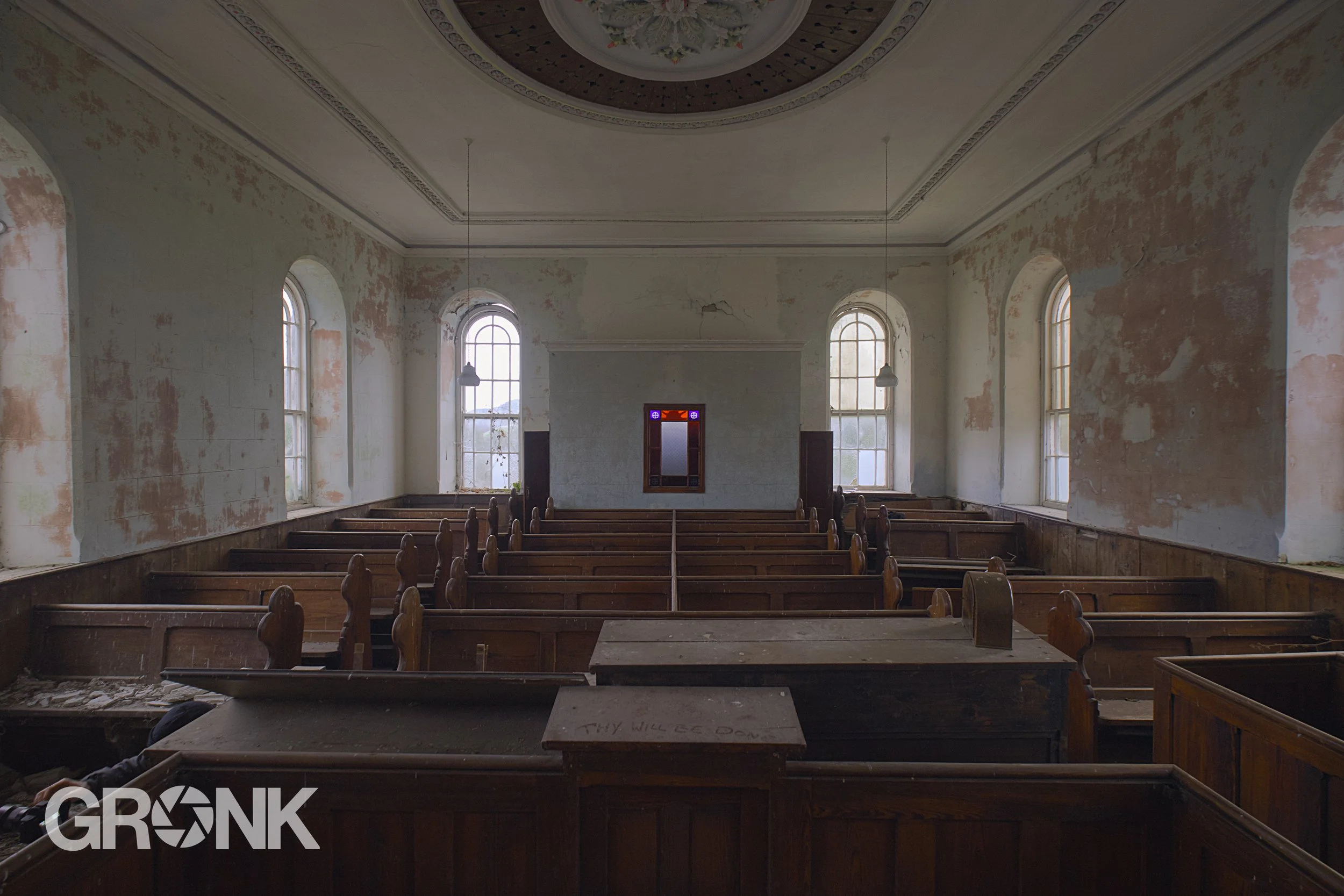
The chapel at Pentre Bach, was built during the early to mid-nineteenth century, when Nonconformist religious movements were expanding rapidly across rural Wales. Farming families in remote upland communities established chapels to provide Welsh-language worship outside the Anglican Church, and these buildings became central to spiritual and social life. The Pentre Bach chapel served scattered farms and small settlements high in the valley, offering regular services, Sunday school education, and community gatherings.
Throughout the nineteenth century, the chapel played an important role in supporting local identity. Religion was closely tied to Welsh culture, literacy, and music, and chapels often hosted meetings, hymn singing, and local events. Its location reflected the dispersed nature of agricultural life in the Ceiriog Valley, ensuring access to worship for residents who lived far from larger villages.
In the early twentieth century, the surrounding area faced uncertainty when reservoir schemes were proposed that would have flooded parts of the valley. Although these plans were never carried out, rural depopulation and social change gradually reduced chapel attendance. As farming communities declined and younger generations moved away, maintaining small chapels became increasingly difficult.
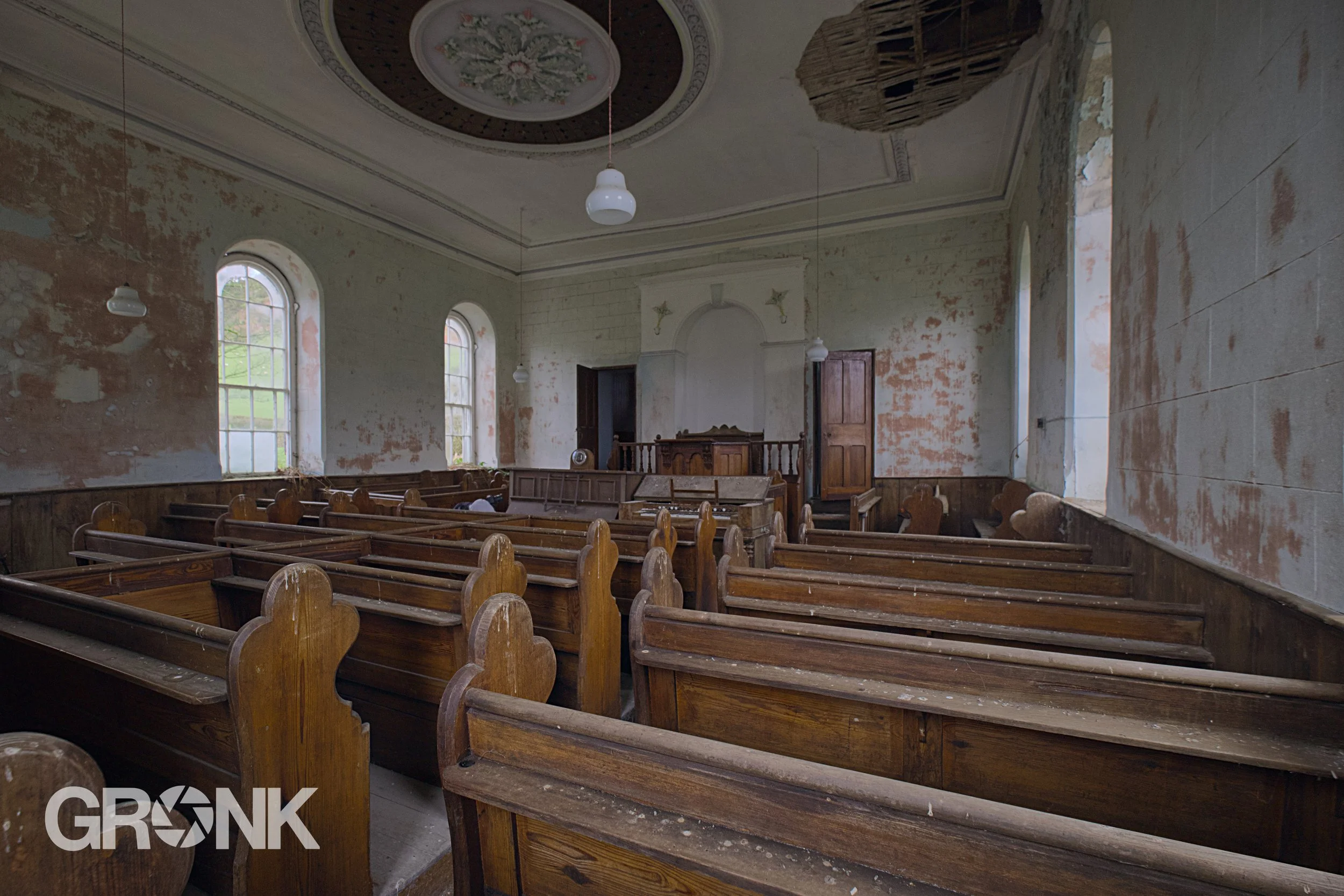
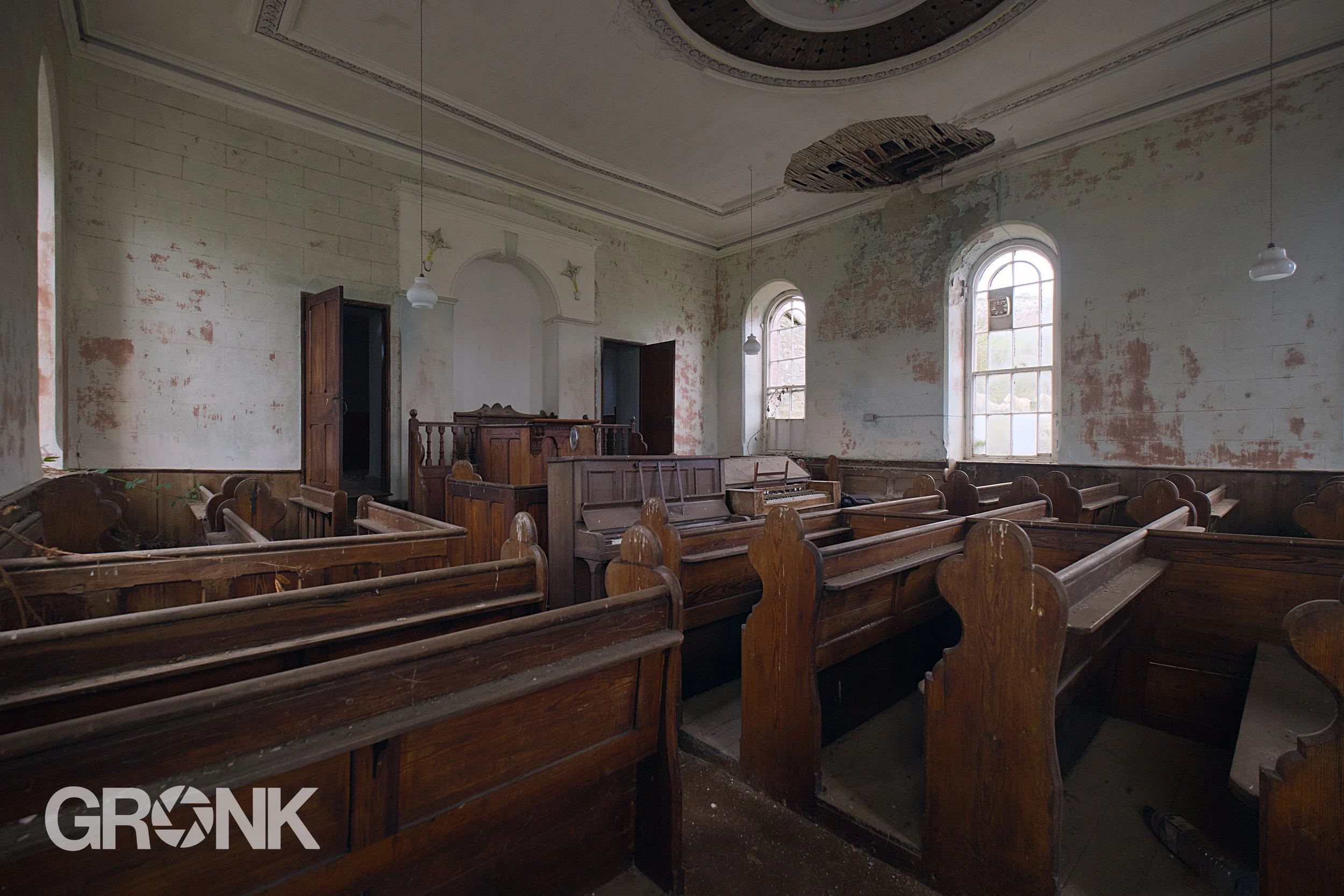
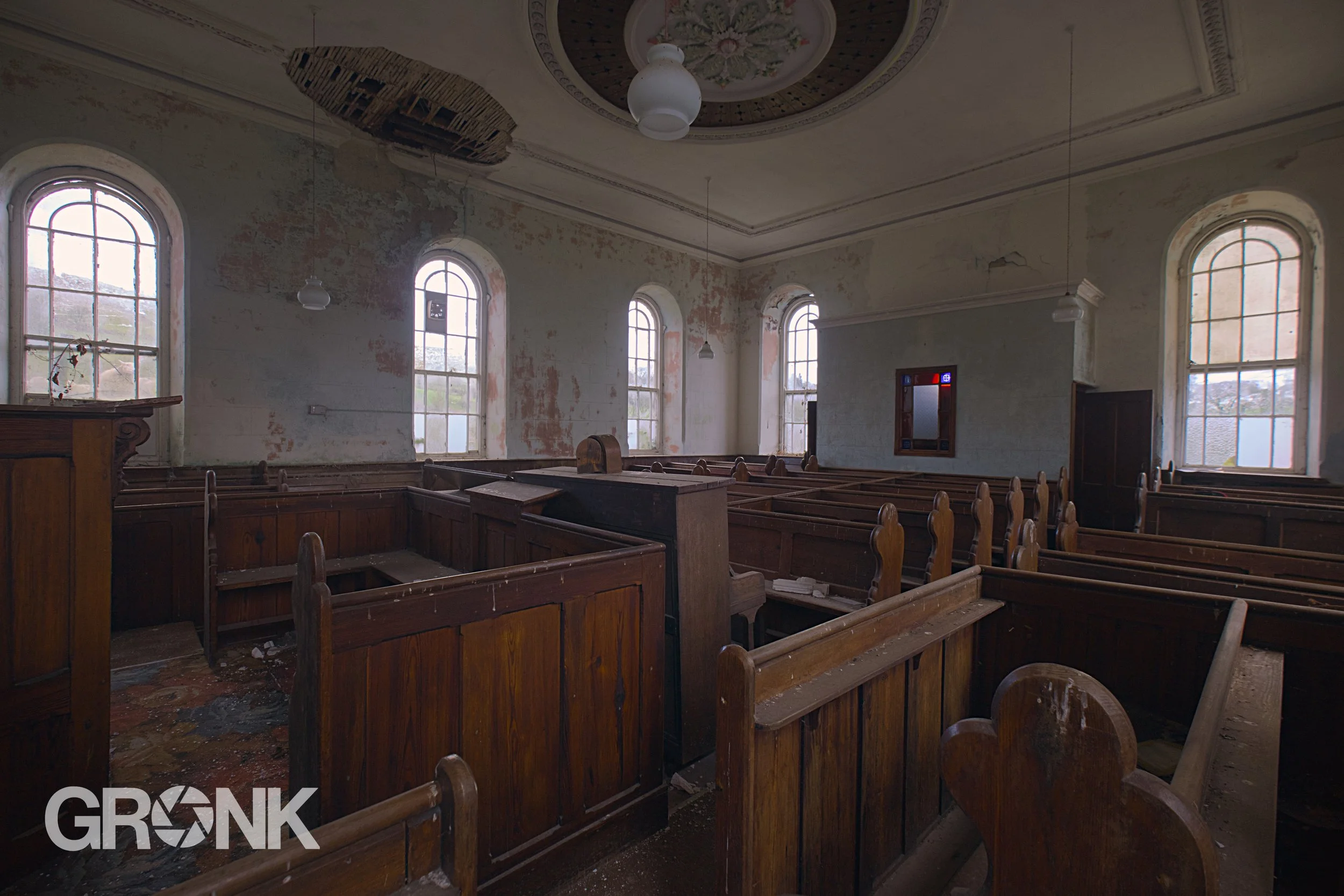
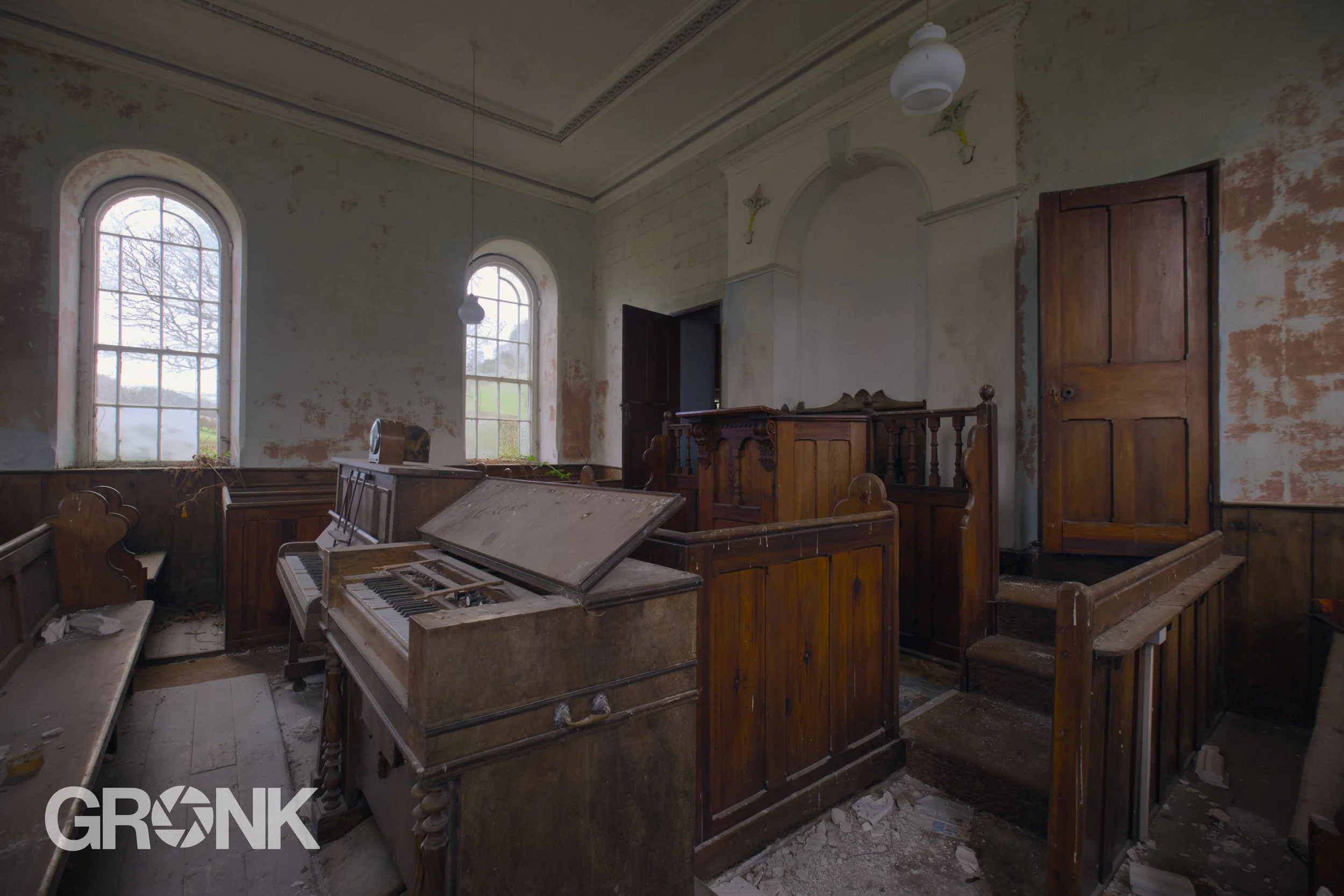
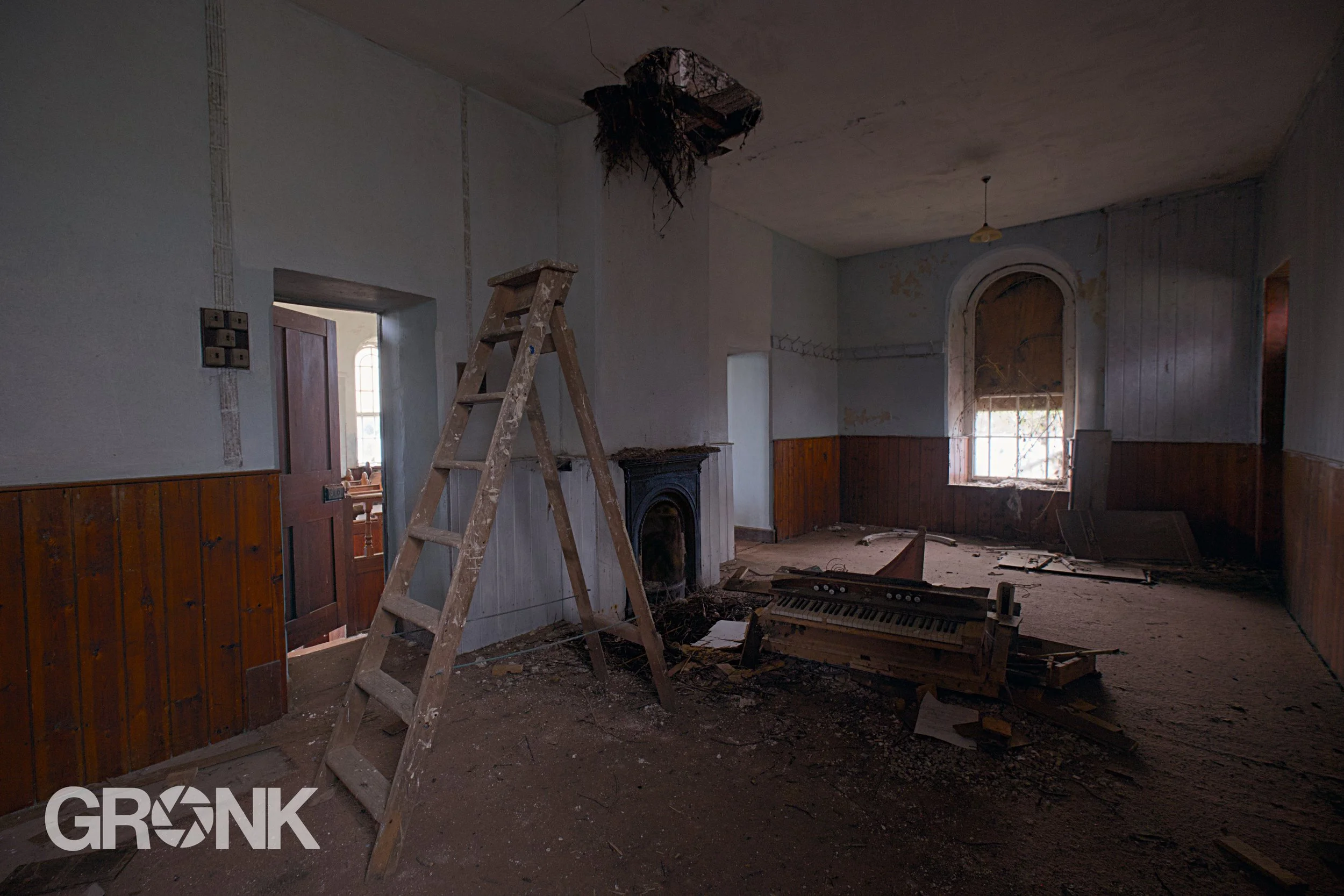
By the later twentieth century, regular use had ceased, and the building fell into disrepair. Like many rural chapels in northeast Wales, it reflects broader changes in religious practice and rural population patterns. Despite its condition, the structure remains an important historical feature, illustrating the religious traditions and community life that once shaped the upland settlements of the valley. It stands as a reminder of the cultural and spiritual heritage of the farming communities that built and sustained it.