Werneth Tunnel, Oldham
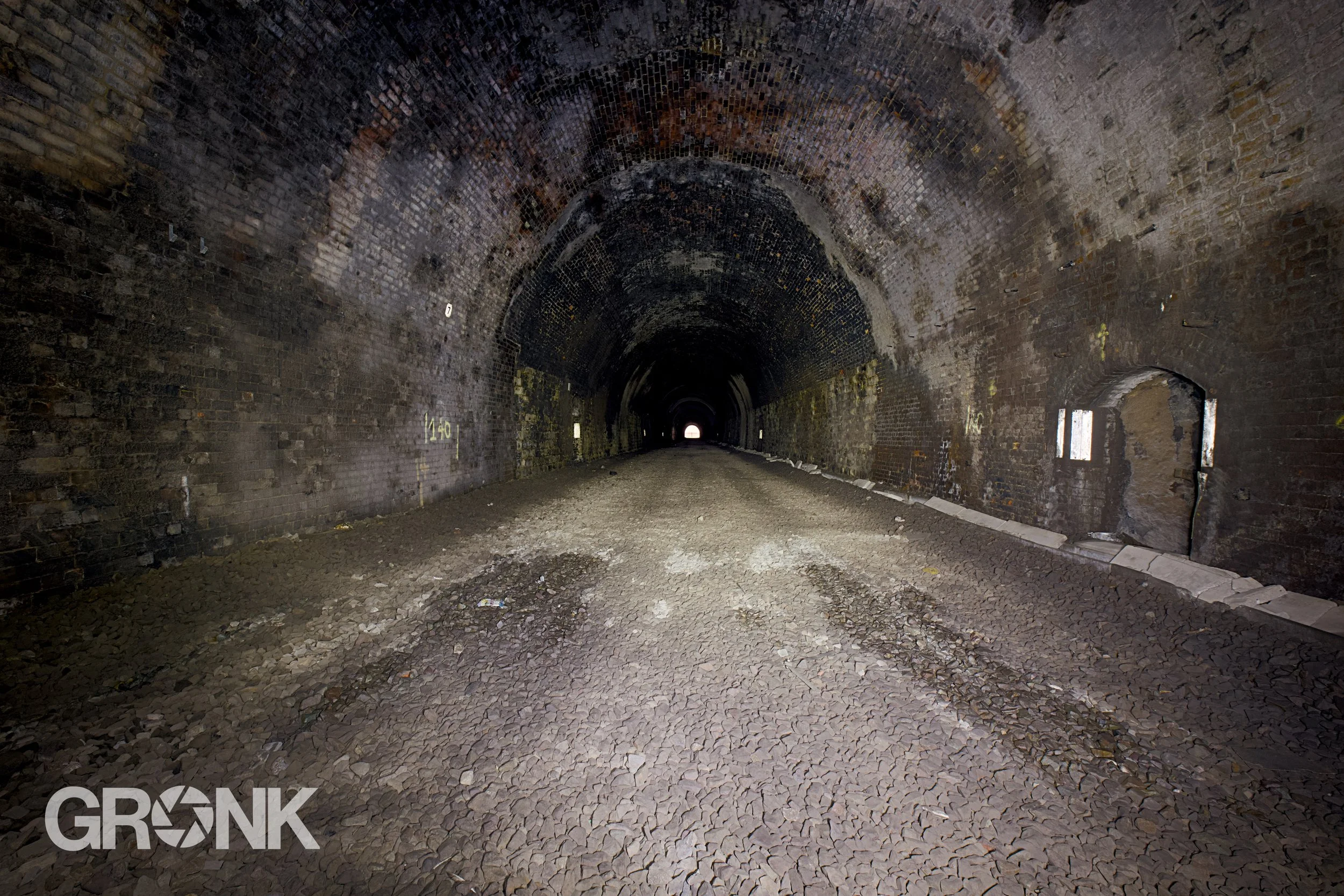
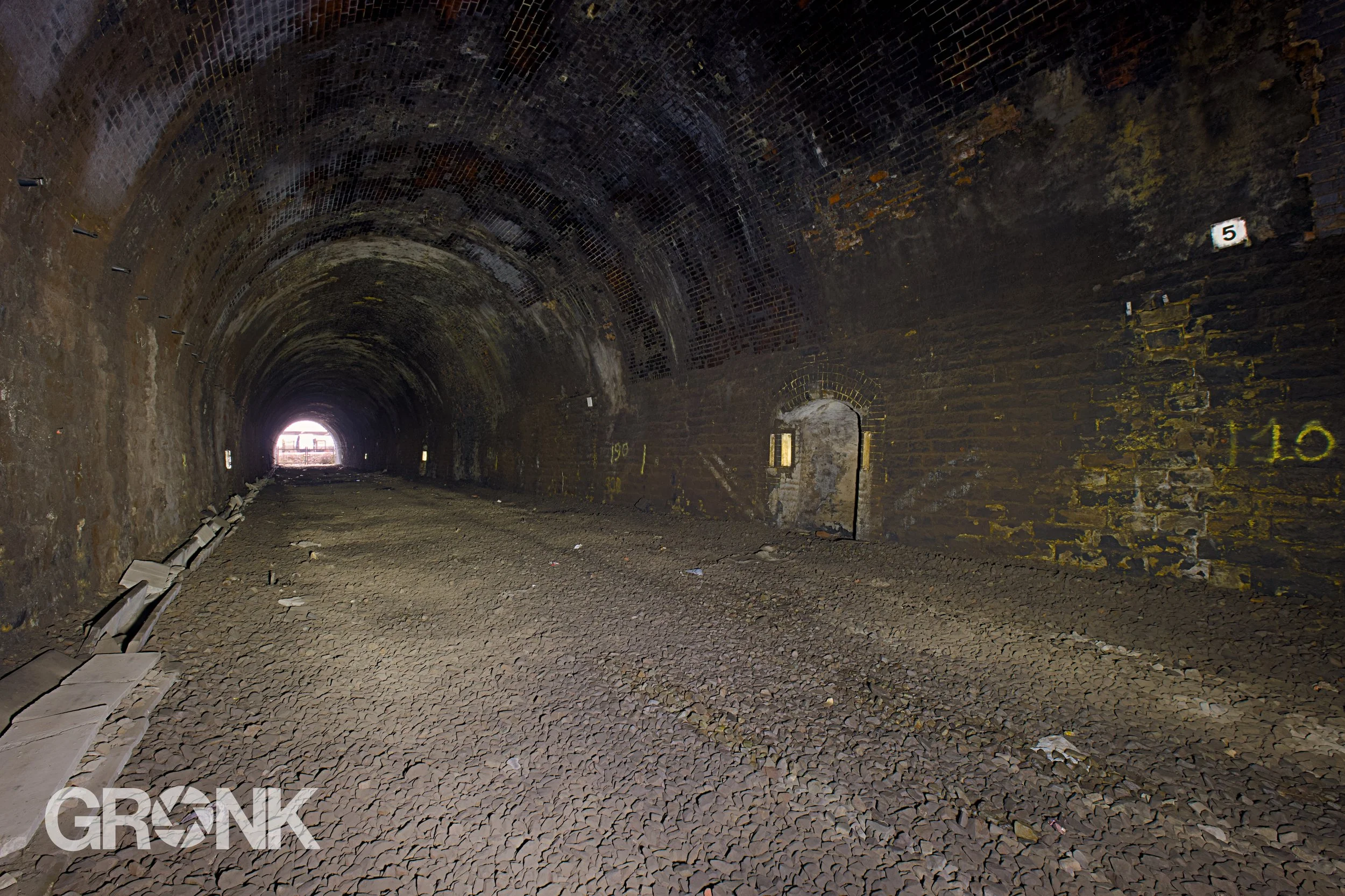
The Werneth Tunnel in Oldham, Greater Manchester, is a significant surviving feature of the town’s Victorian railway infrastructure. It was constructed in 1847 as part of the Oldham Loop Line, built by the Lancashire & Yorkshire Railway to improve rail connections between Manchester and Rochdale via Oldham. The line played an important role in supporting Oldham’s rapidly expanding industrial economy, particularly its cotton mills and associated workforce.
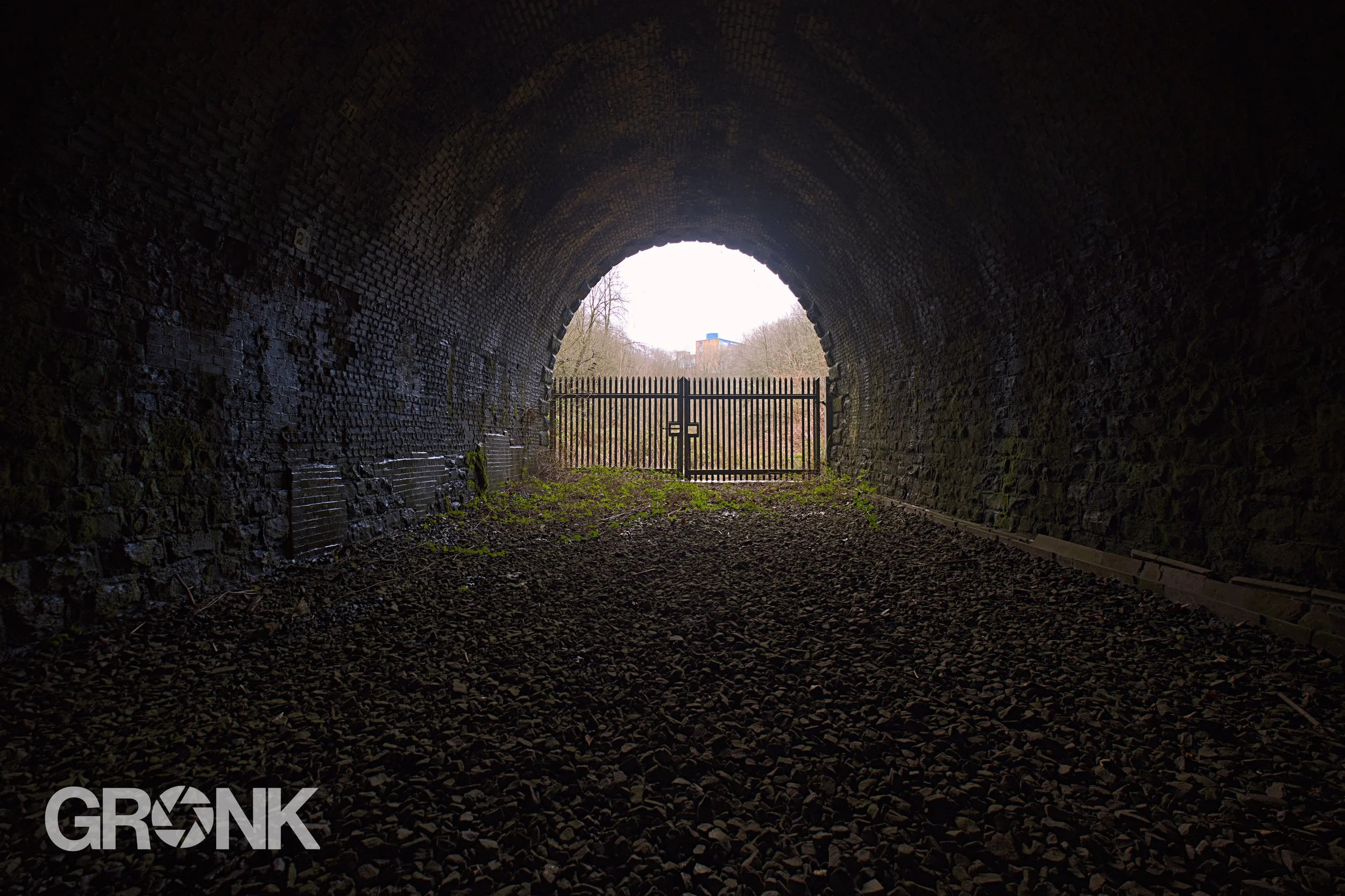
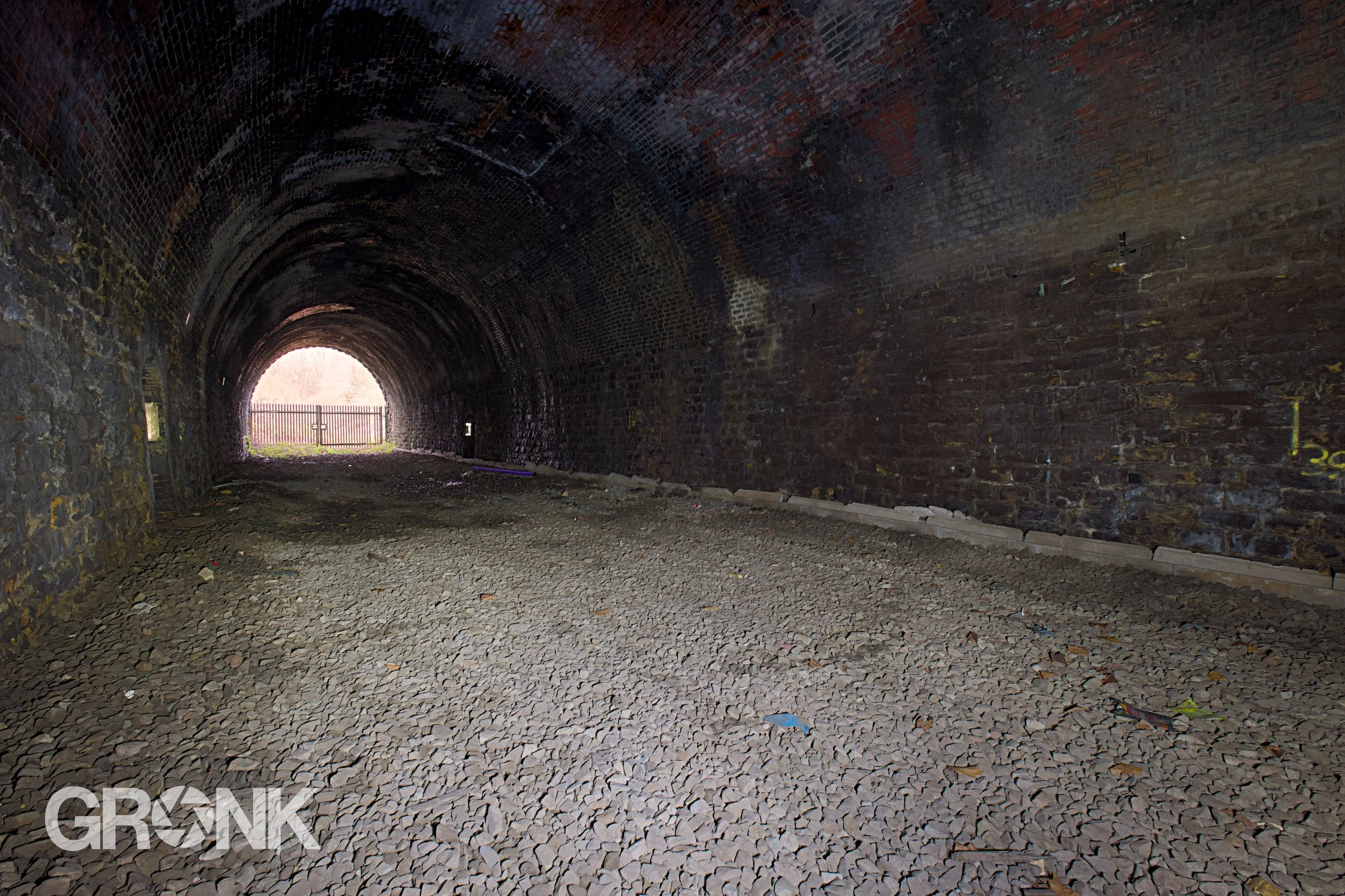
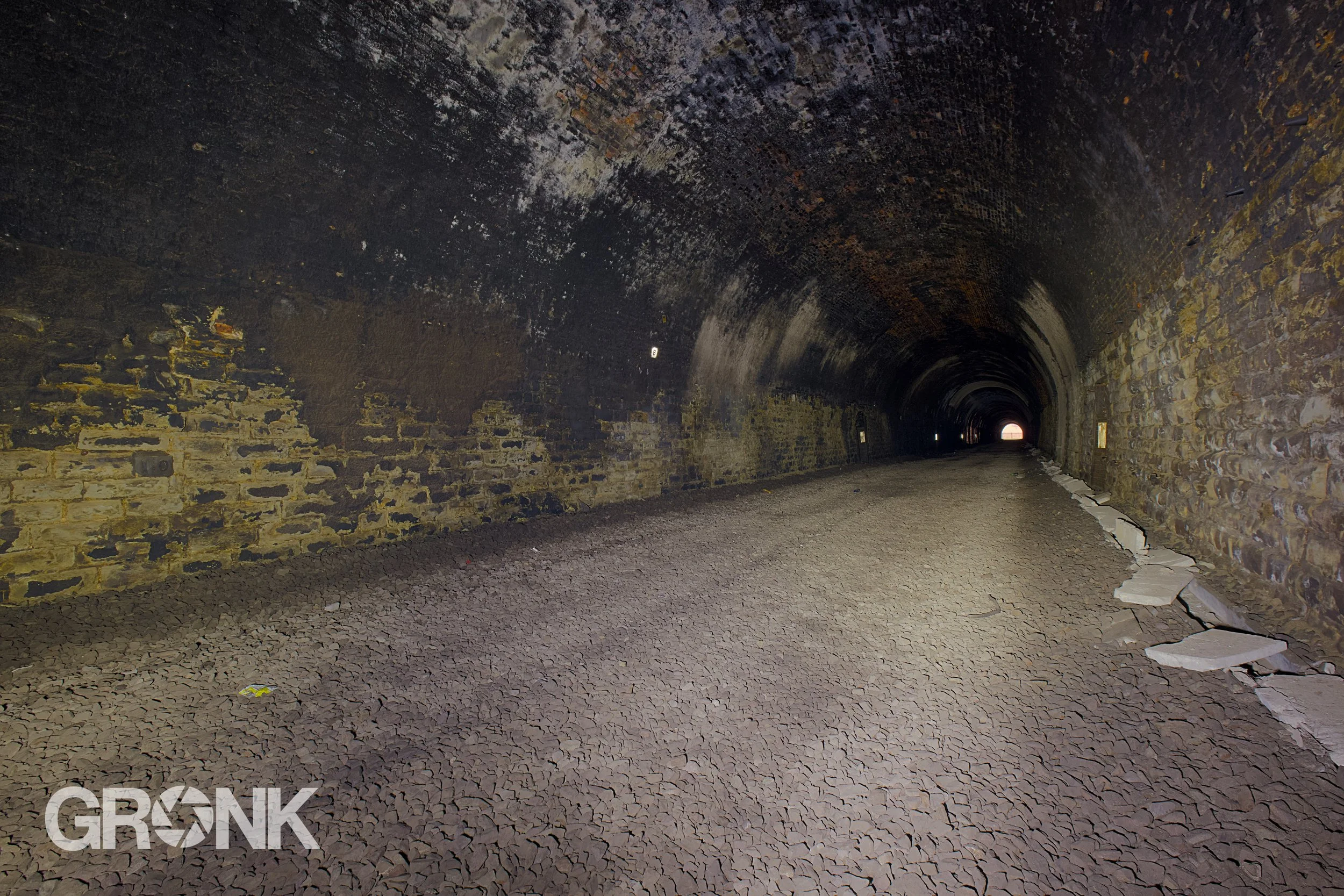
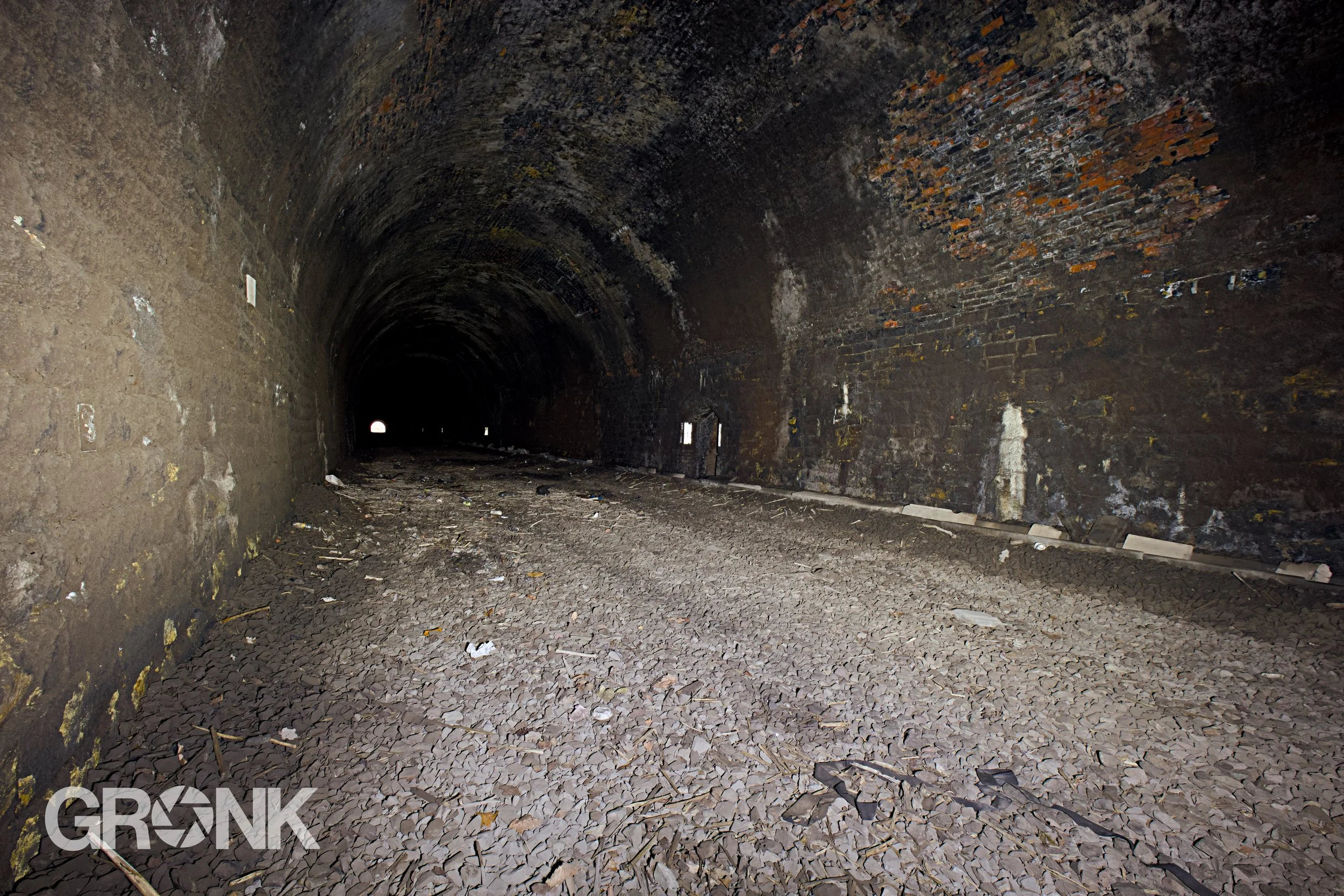
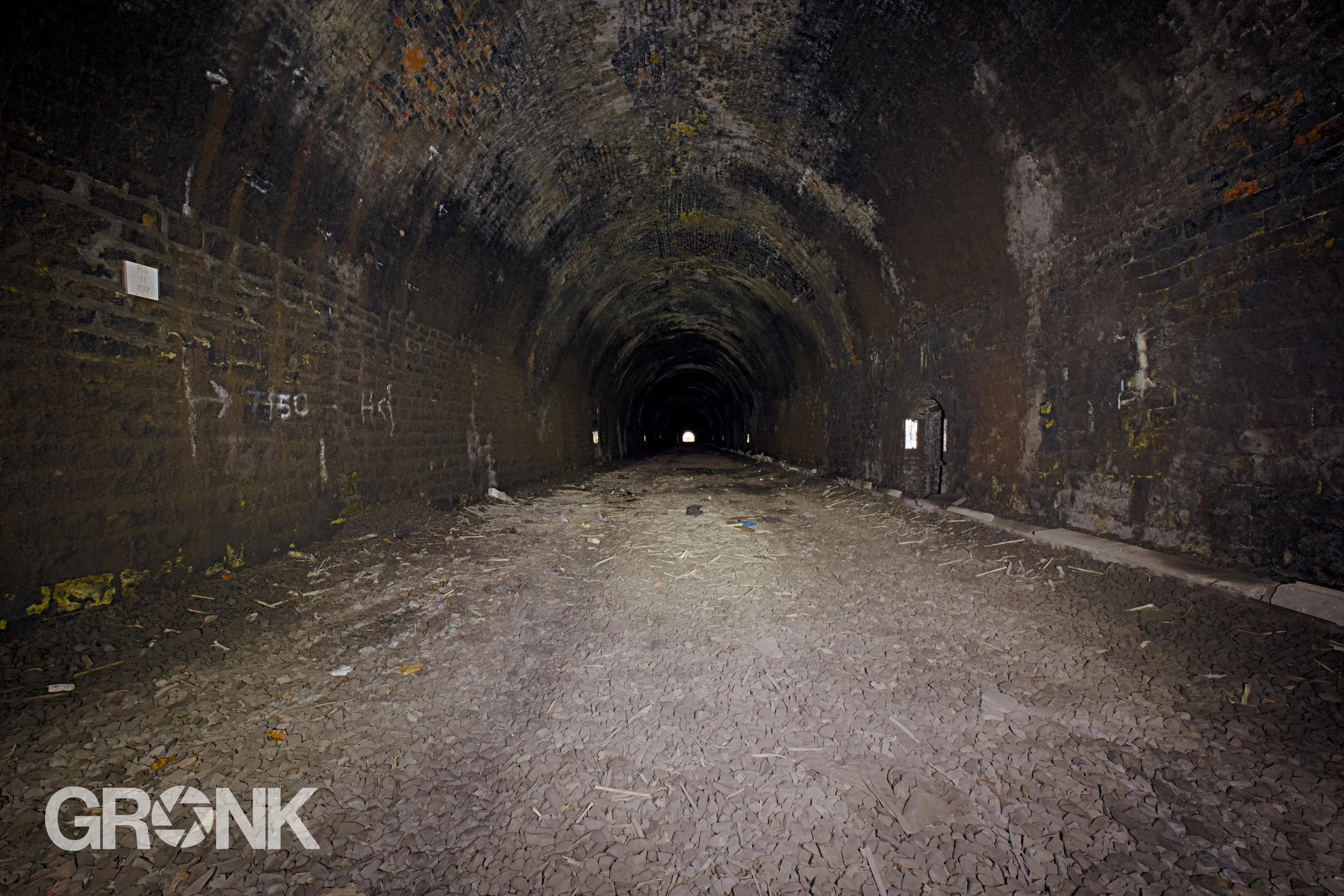
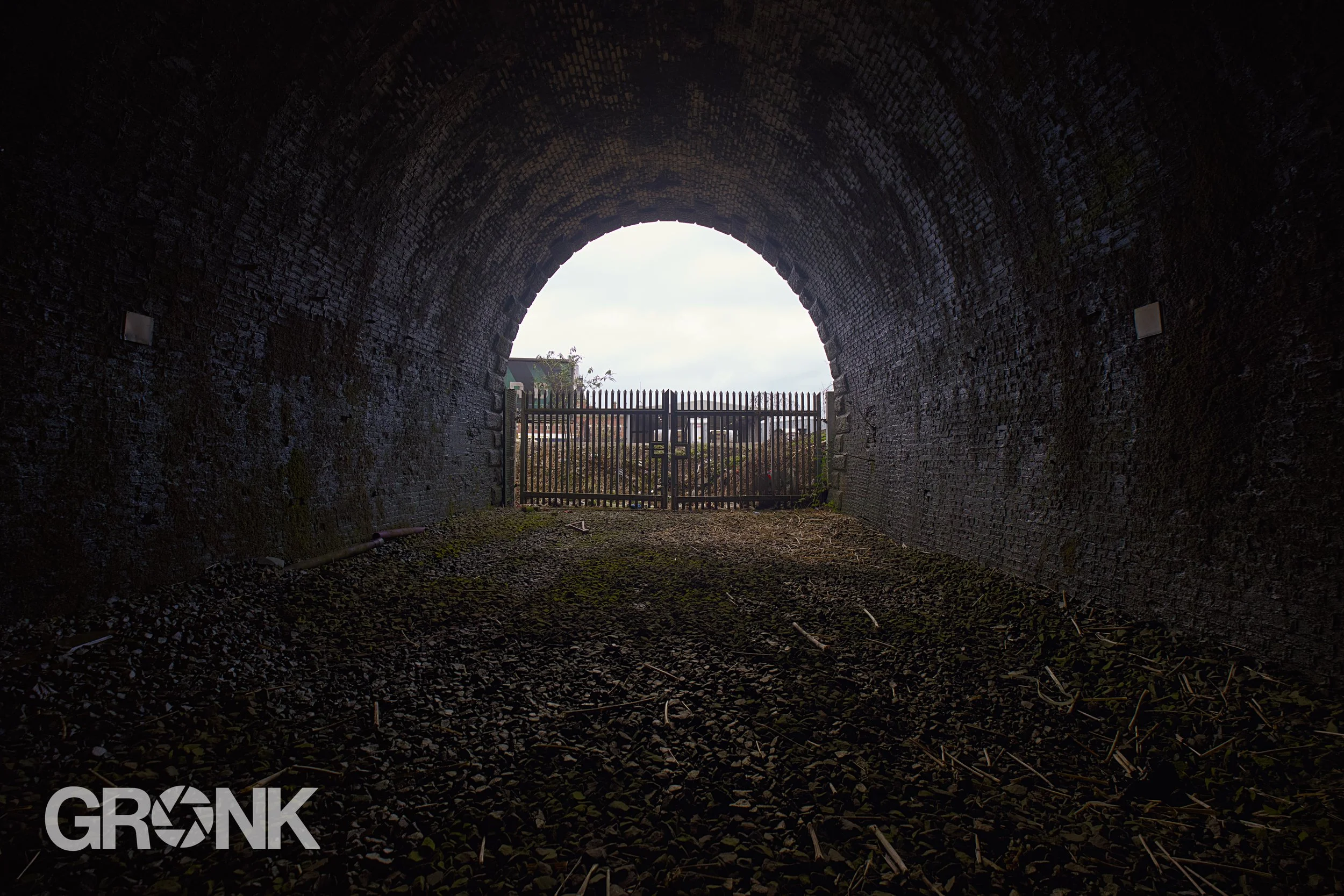
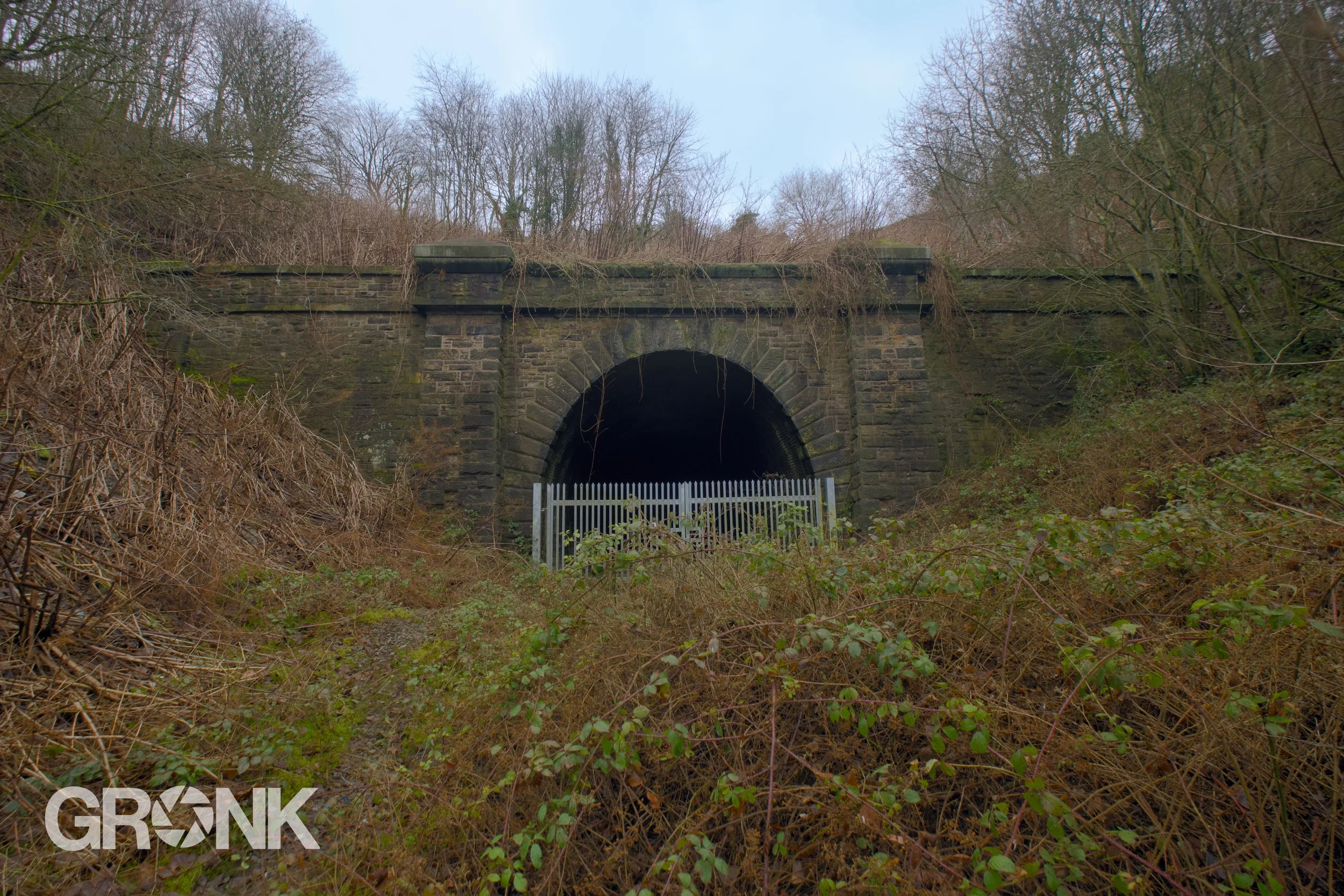
Oldham’s elevated and steep terrain presented major challenges for early railway engineers. To maintain workable gradients for steam locomotives, extensive earthworks and tunnelling were required. The Werneth Tunnel was driven straight through a hillside to the west of the town centre, forming a direct link between Oldham Werneth and Oldham Central stations. The tunnel measures approximately 431 metres in length and was constructed with a traditional brick lining typical of mid-19th-century railway engineering. Its straight alignment distinguishes it from the nearby Central Tunnel, which follows a gentle curve.
For over 160 years, the Werneth Tunnel carried passenger and freight trains. Initially used by steam locomotives and later by diesel multiple units, it formed part of an important suburban route serving daily commuters and local industry. Although not architecturally elaborate, the tunnel was a reliable and durable piece of infrastructure that supported Oldham’s transport needs throughout the Victorian era and well into the 20th century.
Rail services through the tunnel ceased on 3 October 2009, when the Oldham Loop Line closed for conversion to the Manchester Metrolink light-rail system. Trams briefly ran through the tunnel around 2012, but plans later changed in favour of a street-level route through Oldham town centre to improve accessibility and urban regeneration.
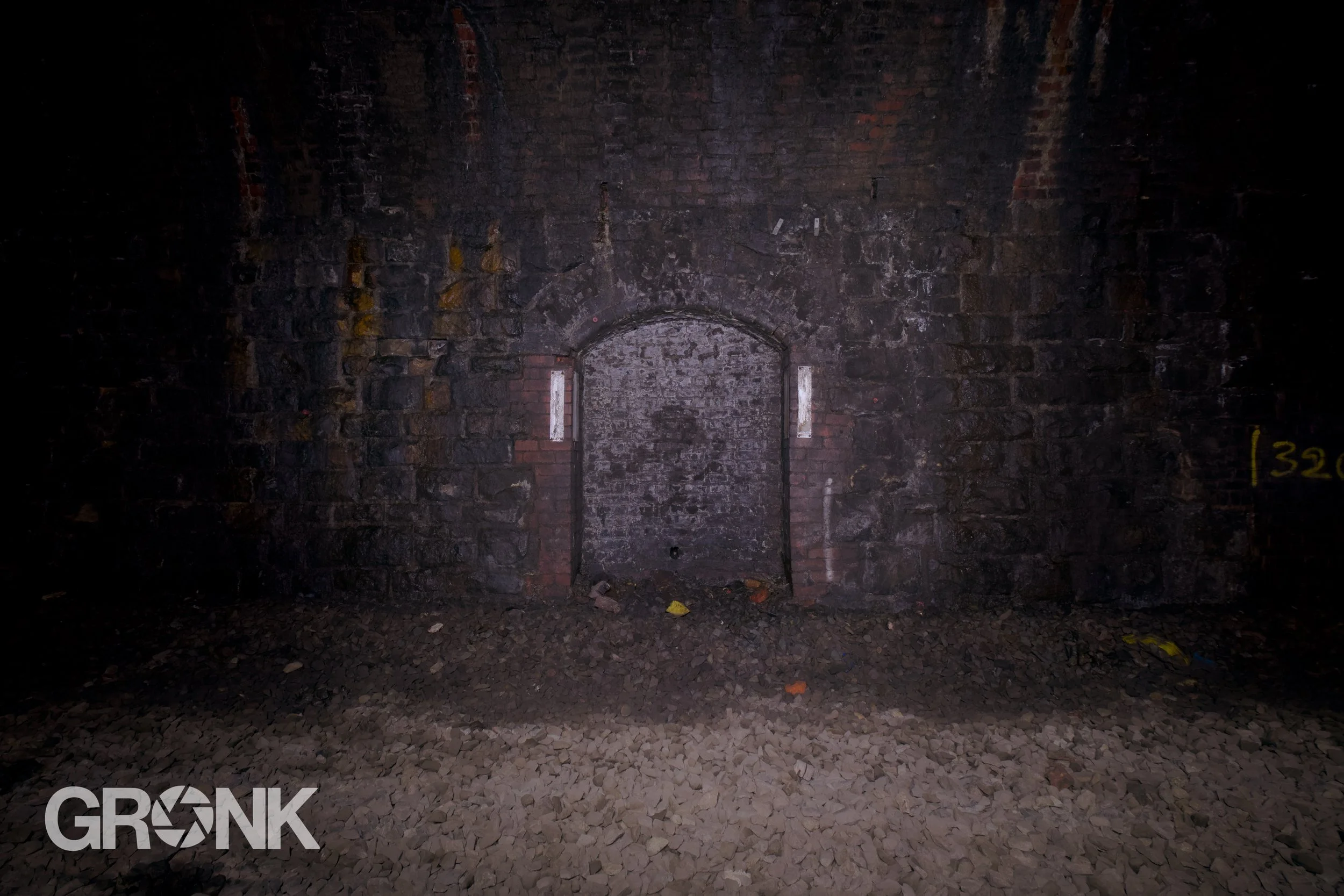
Following this decision, the Werneth Tunnel was taken out of use once again. The tracks were removed and the tunnel sealed, leaving it intact but disused. Today, it remains hidden beneath the landscape, a quiet reminder of Oldham’s railway heritage and the engineering ambition of the Victorian railway age.