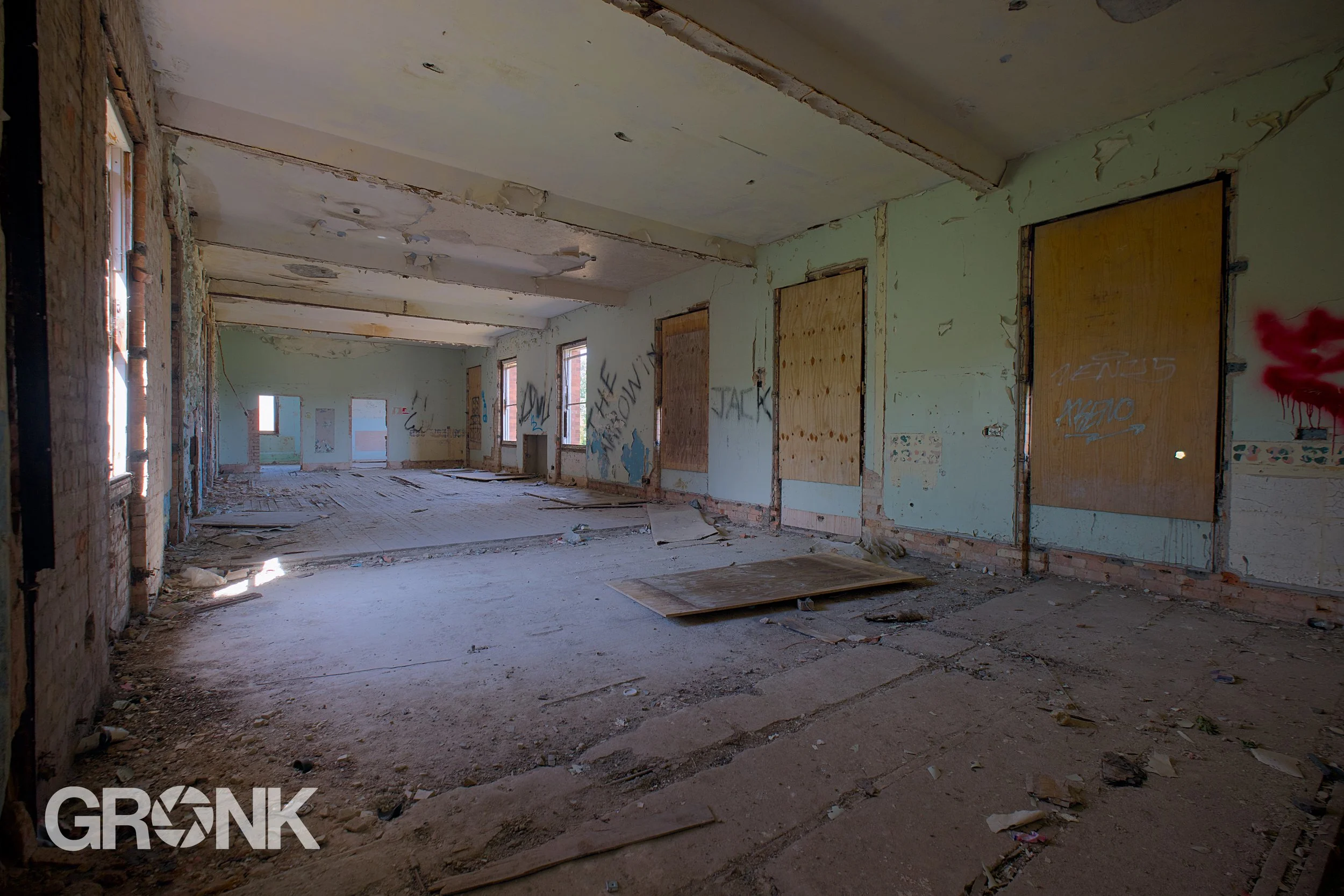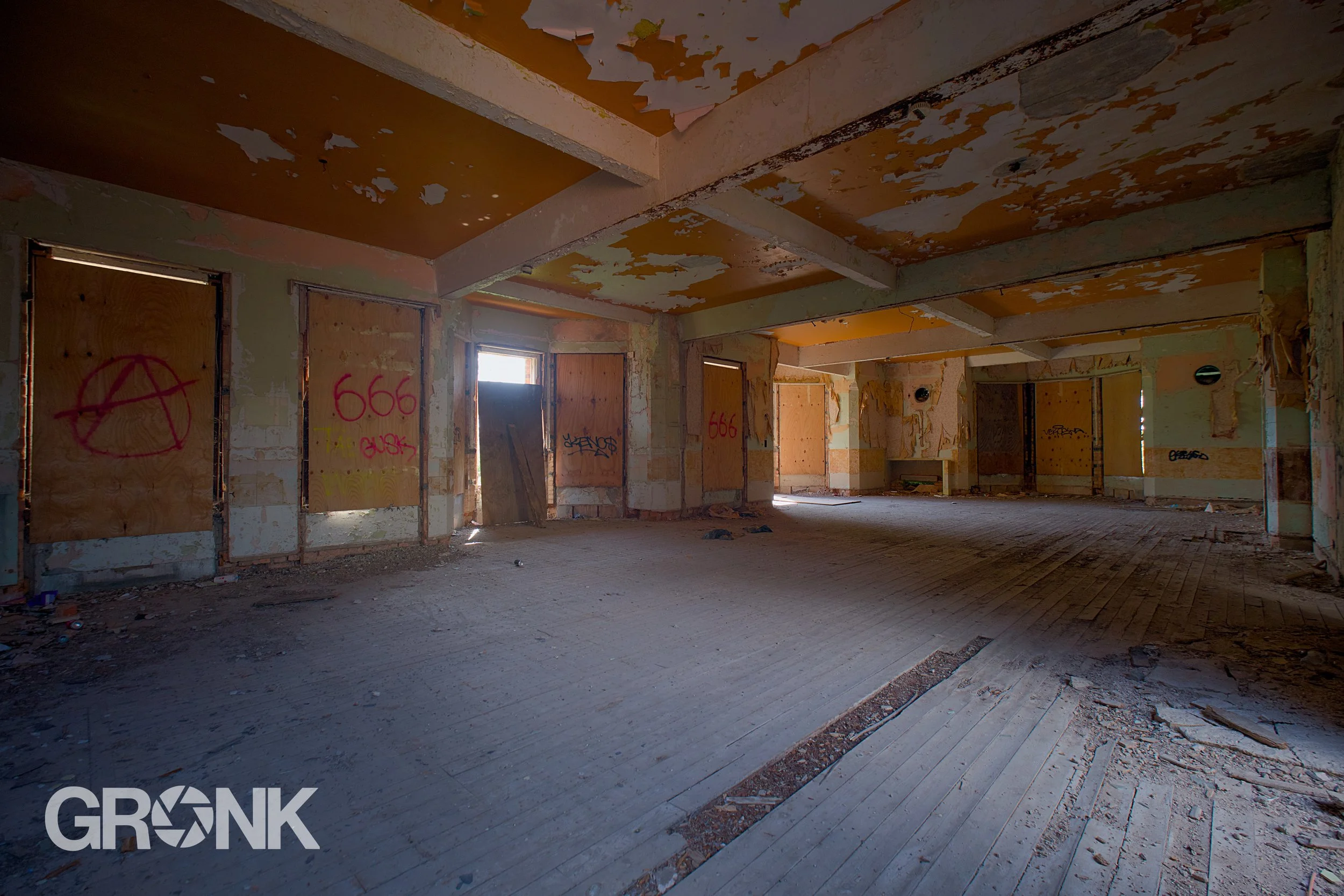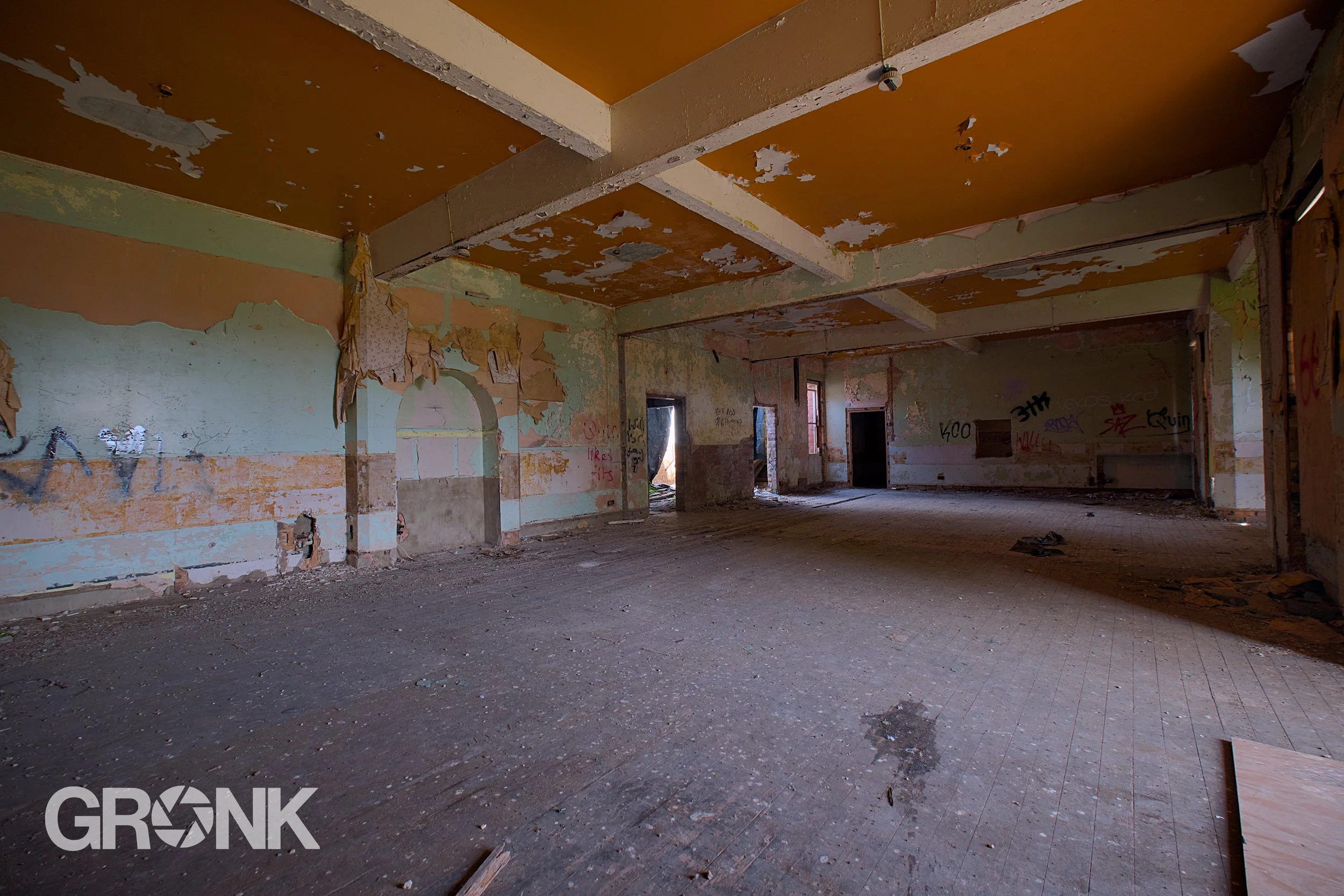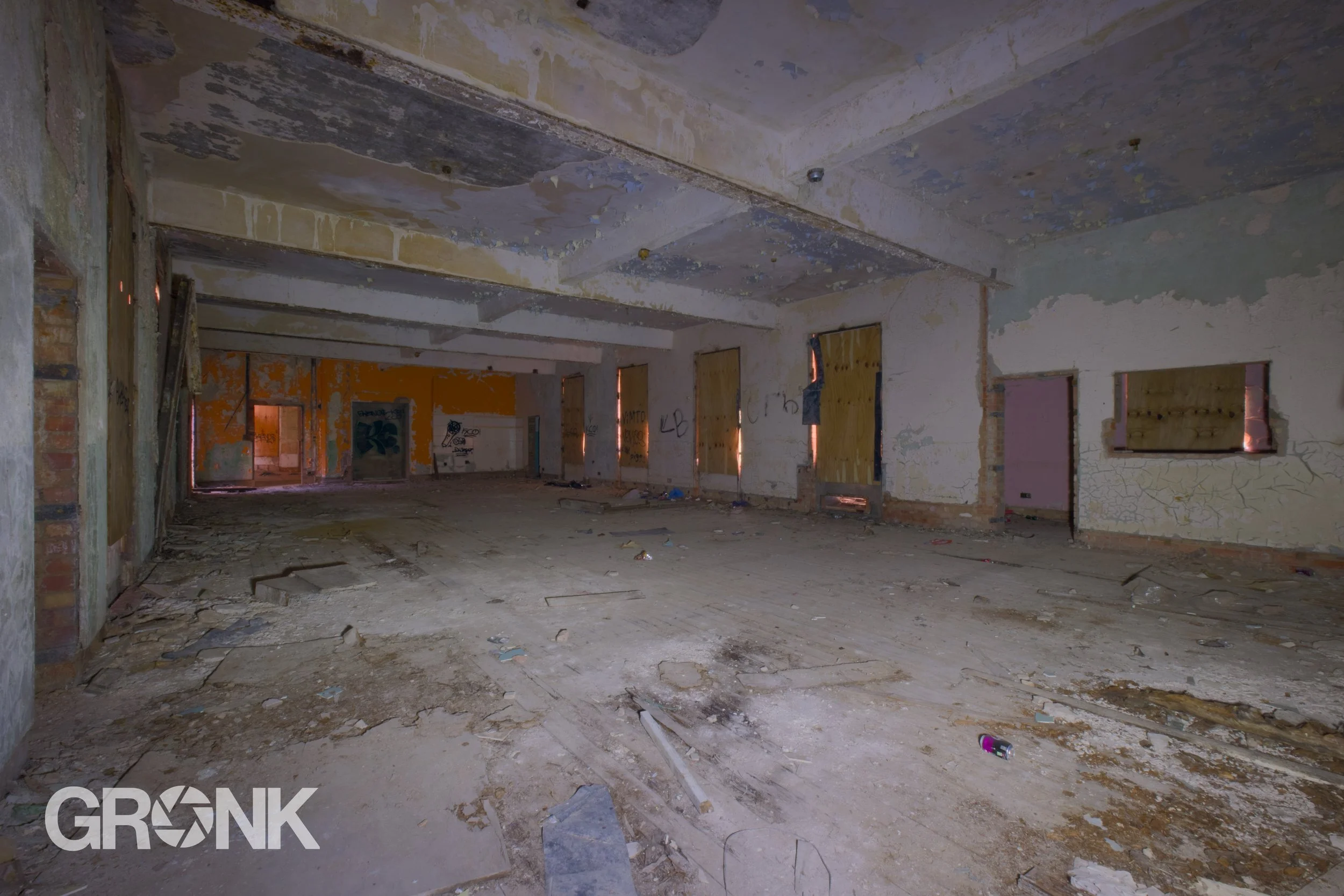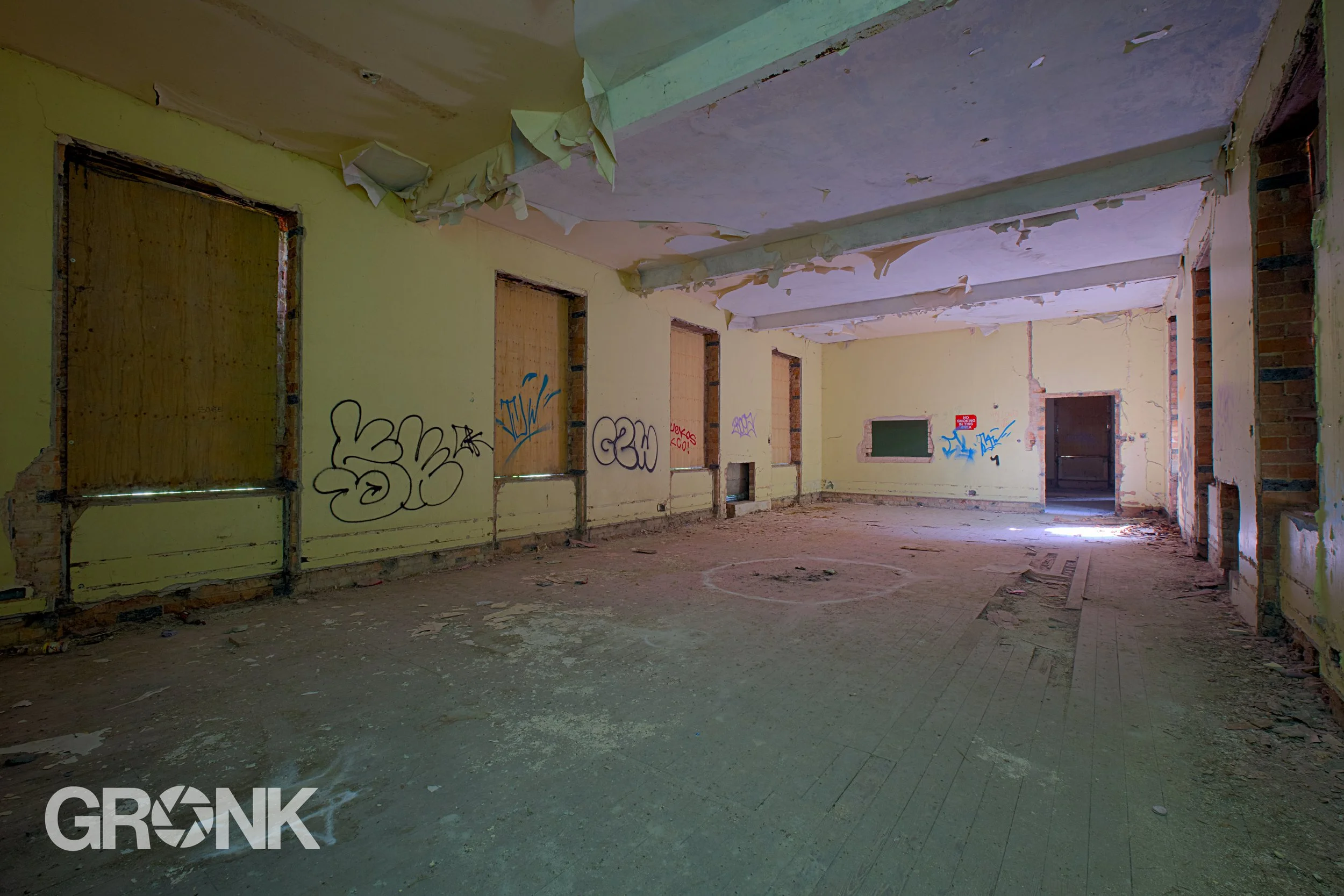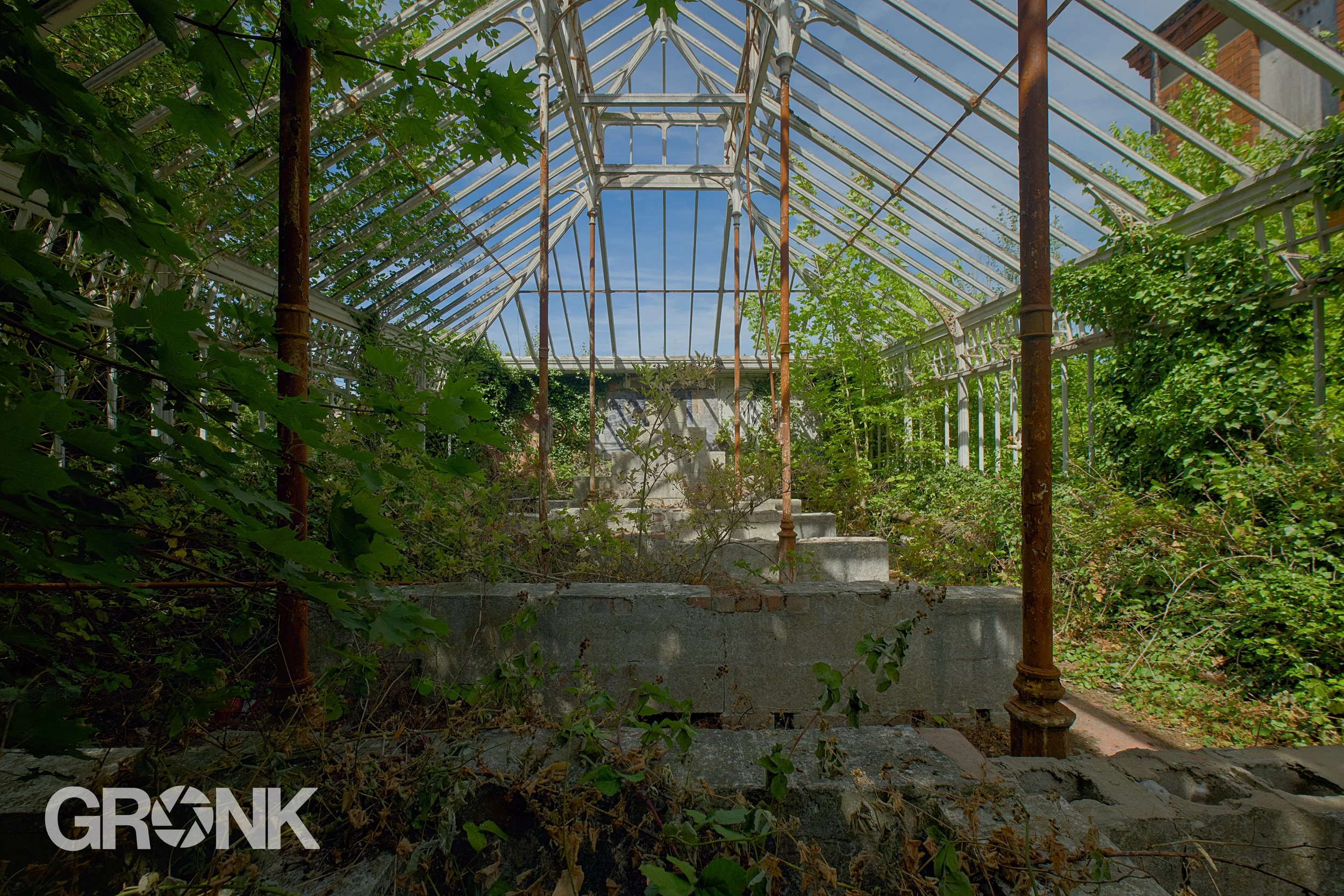
Rauceby Hospital, Sleaford
Rauceby Hospital, near Sleaford in Lincolnshire, began as the Kesteven County Asylum. Plans for the institution began in the 1890s because existing asylums in Lincolnshire were becoming overcrowded. A temporary asylum opened in the former Grantham Workhouse in 1897, while a permanent hospital was constructed at Rauceby.
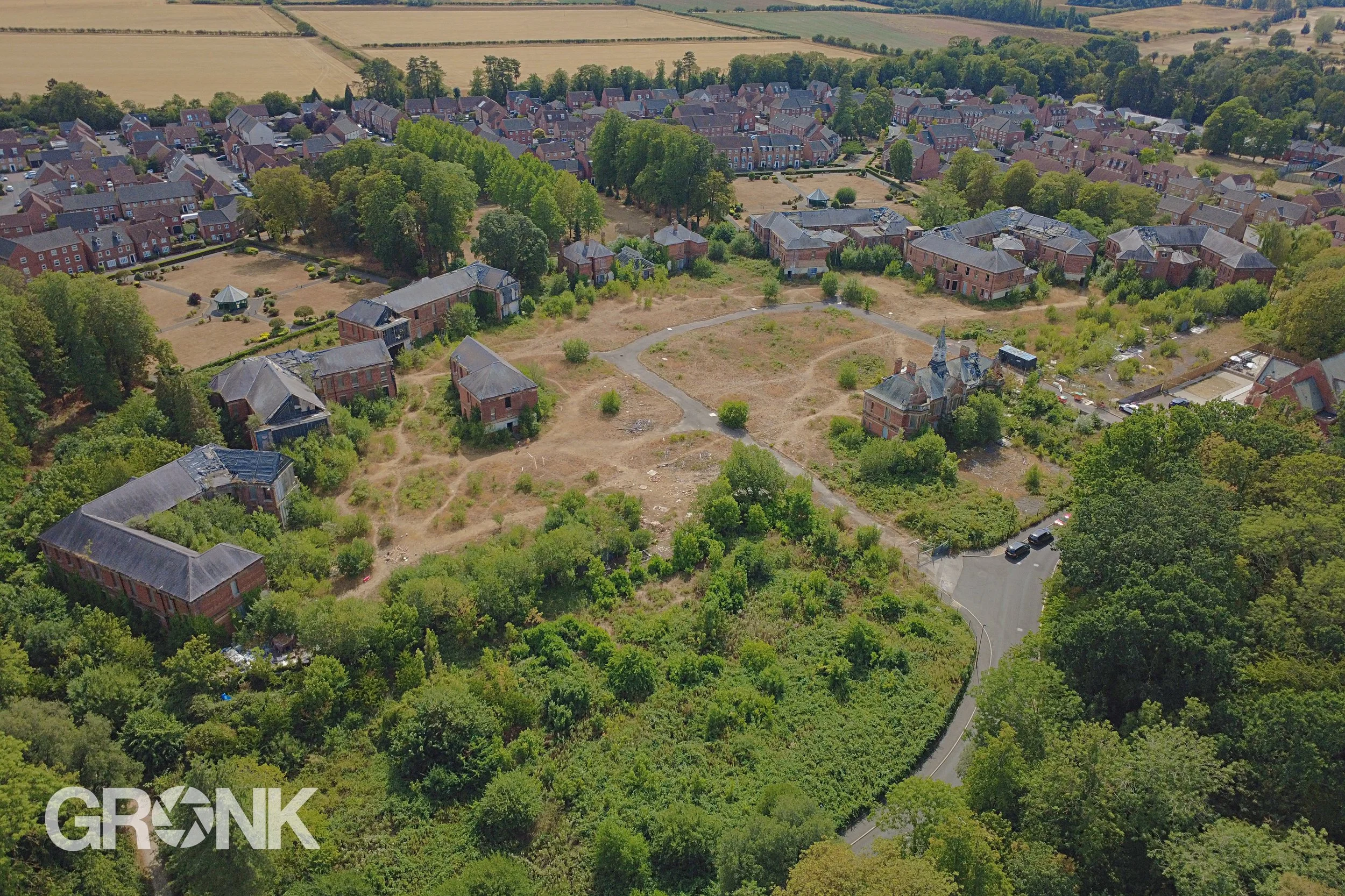
The new hospital, designed by the prominent asylum architect George Thomas Hine, opened on 20 June 1902. It was built to accommodate around 420 patients and was designed as a self-contained community, with separate wards, gardens, recreational areas, a farm and extensive grounds. Patients were encouraged to take part in gardening, farming and other forms of useful work as part of their treatment. The landscape was designed by William Goldring and remains historically important. The hospital was variously known as Kesteven Mental Hospital and Rauceby Mental Hospital before becoming Rauceby Hospital.
During the Second World War, Rauceby underwent a dramatic transformation. In 1940, the RAF took over the hospital and it became No. 4 RAF Hospital, Rauceby. It developed a specialist Crash and Burns Unit, treating badly injured airmen. The hospital became associated with pioneering plastic surgeon Sir Archibald McIndoe and the famous Guinea Pig Club, whose members were RAF airmen undergoing reconstructive surgery. The RAF remained until 1947.
Following the creation of the NHS in 1948, Rauceby returned to civilian psychiatric care. Over the following decades, changes in mental-health treatment and the move towards community-based care reduced the need for large psychiatric hospitals.
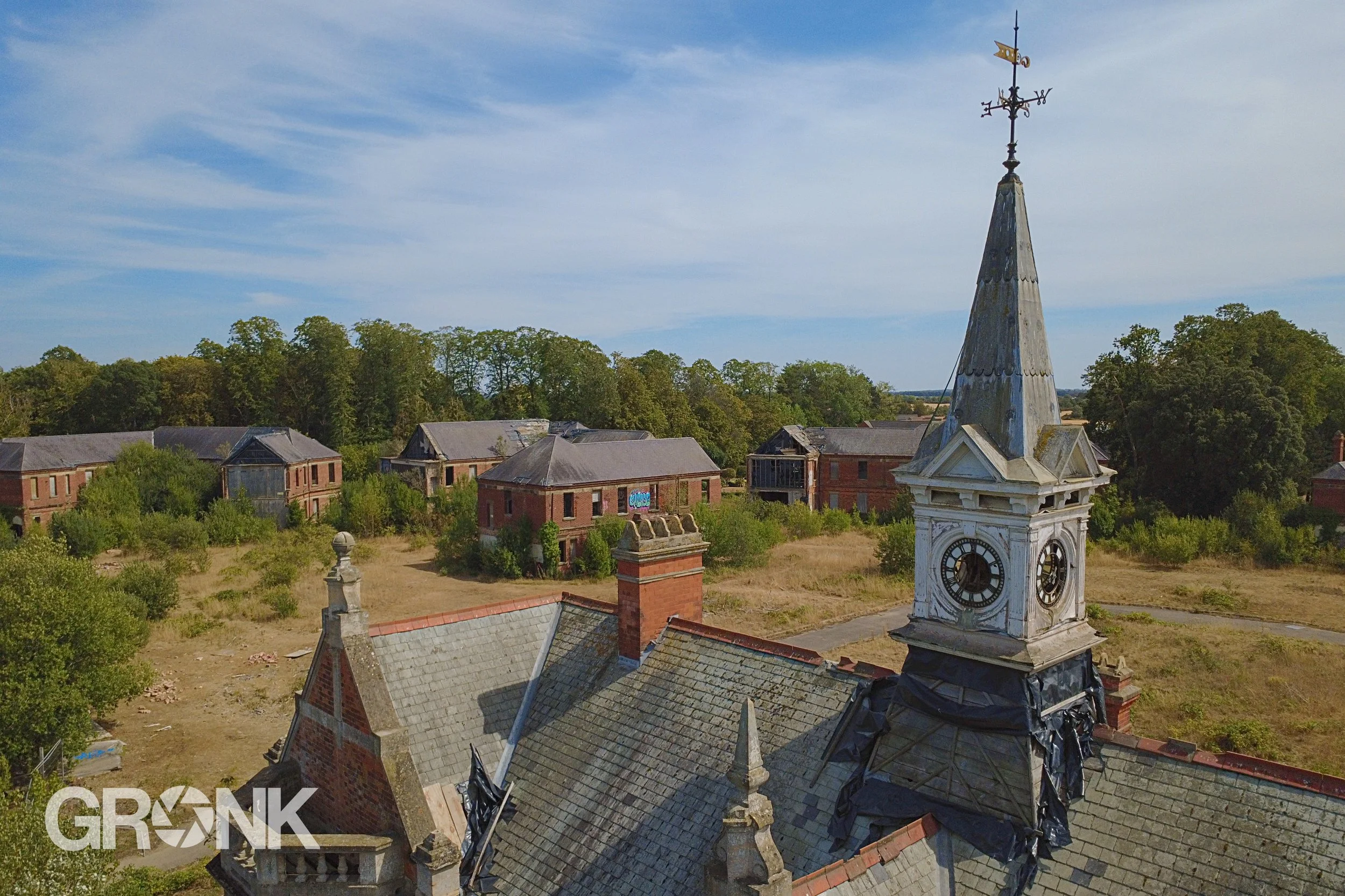
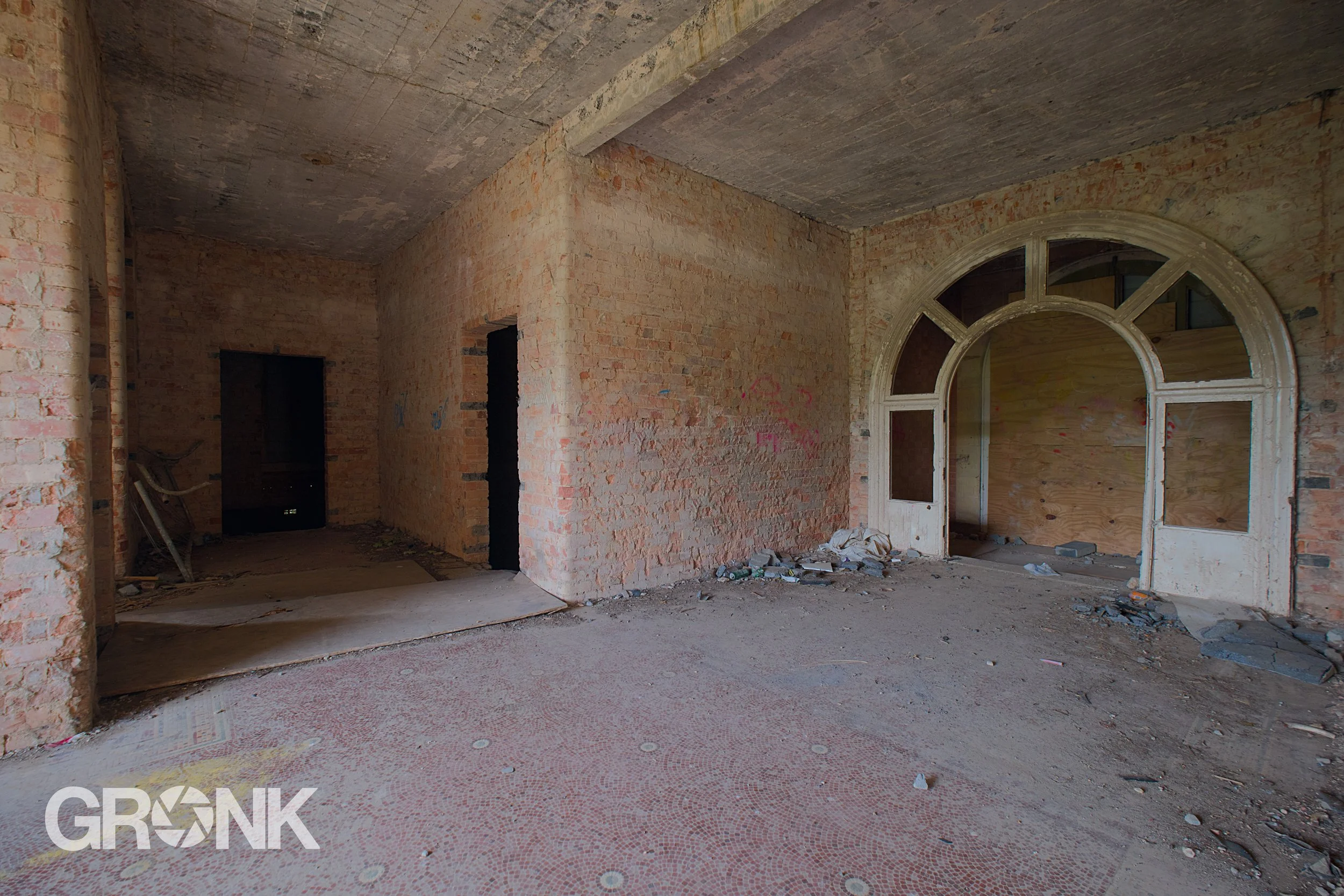
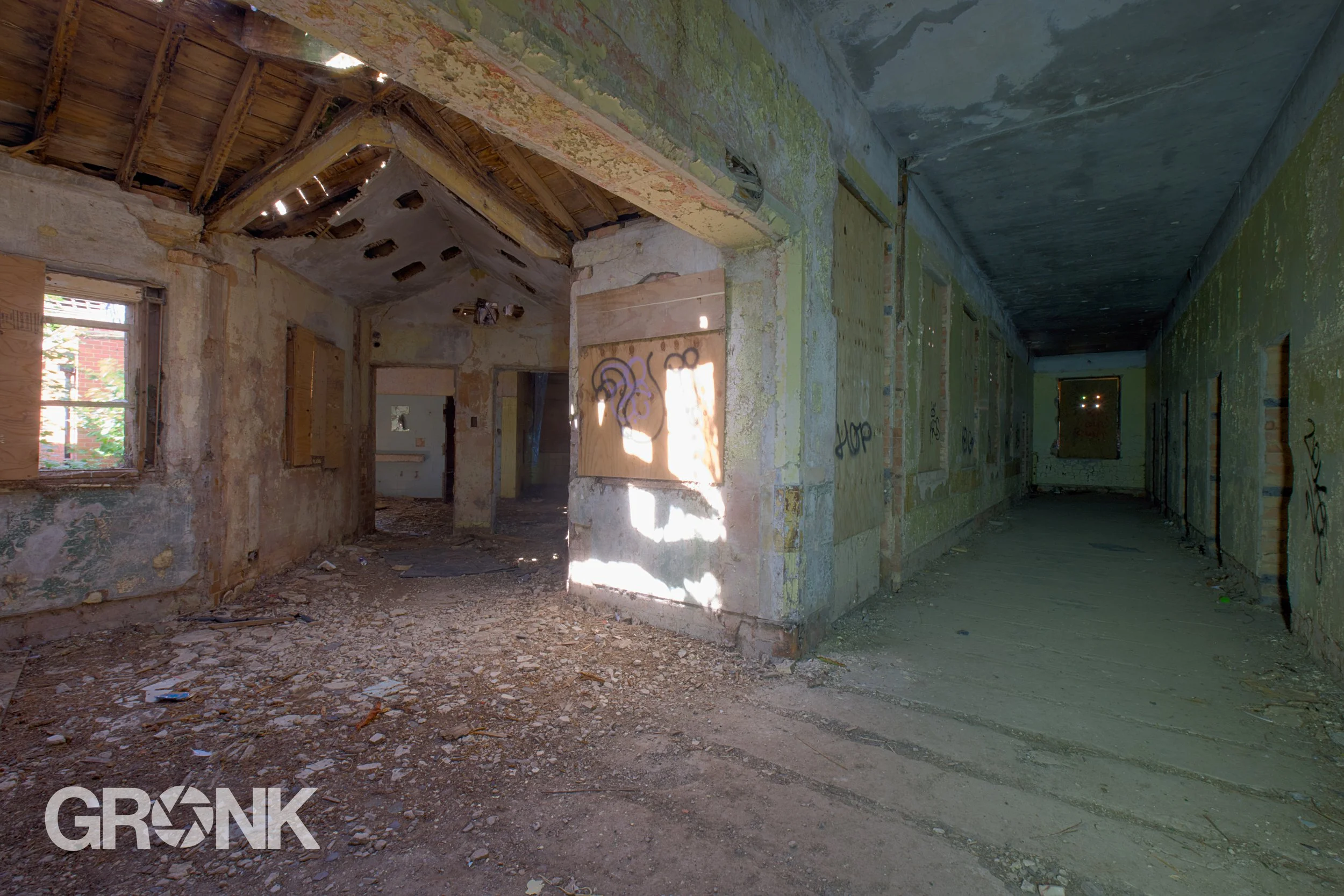
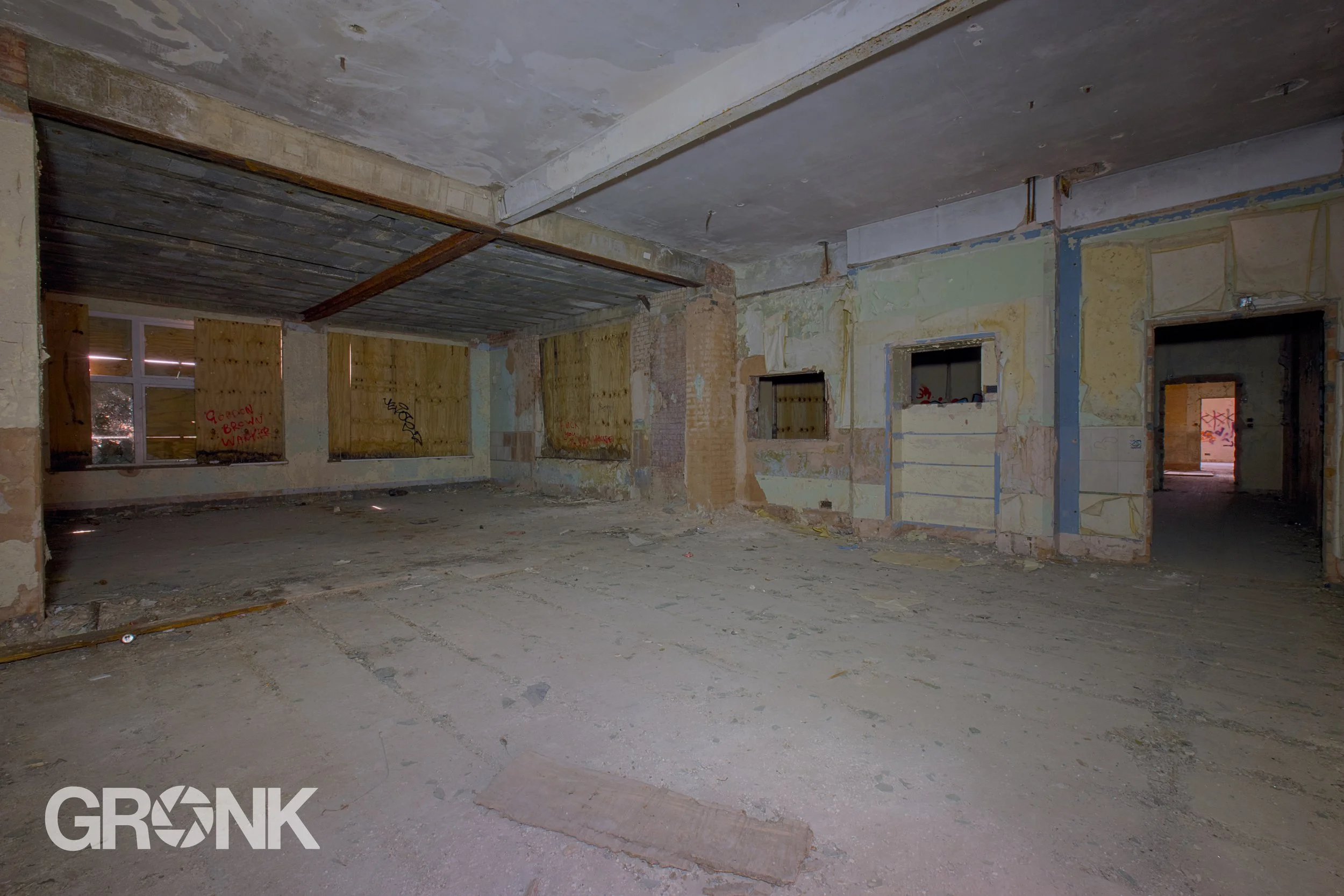
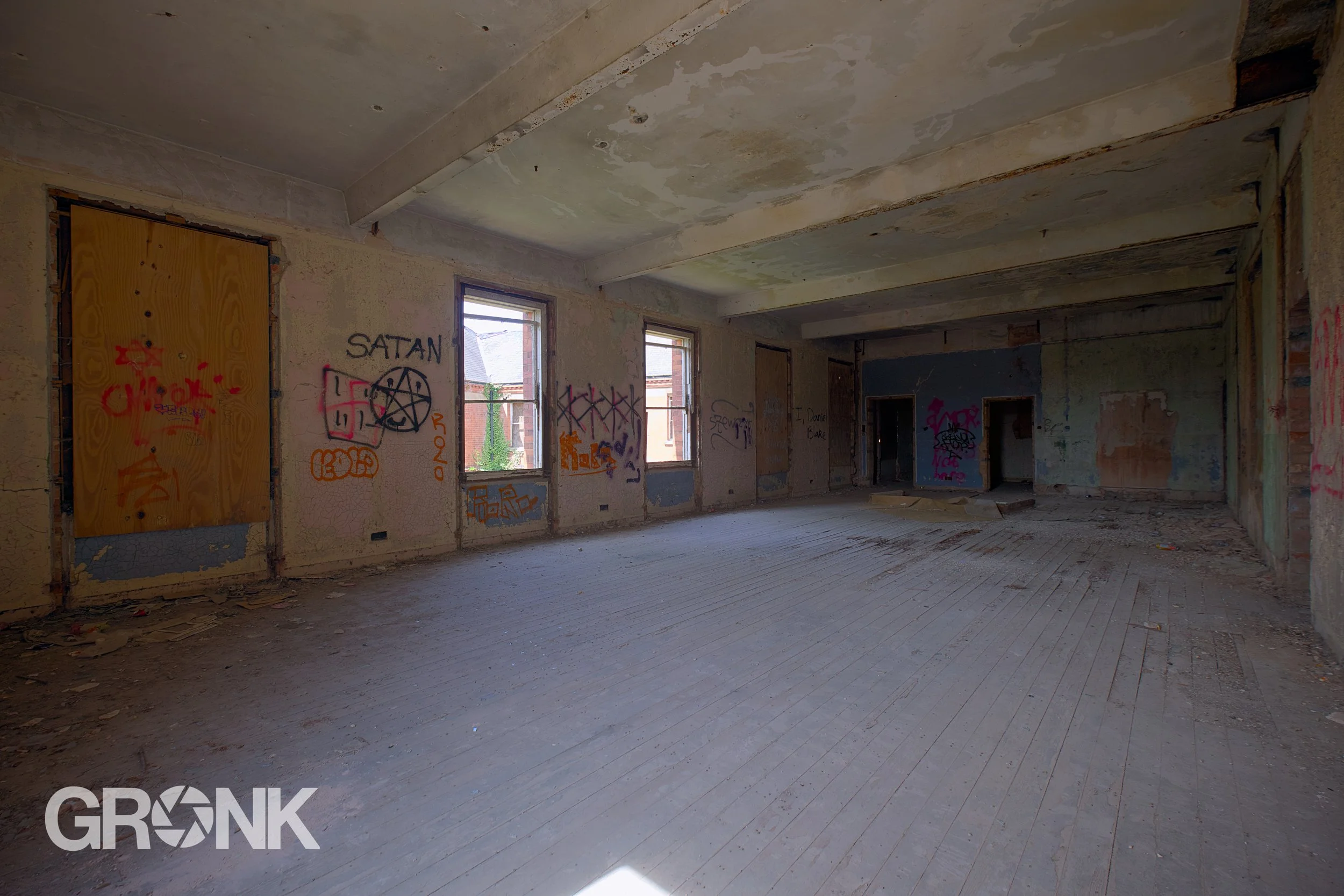
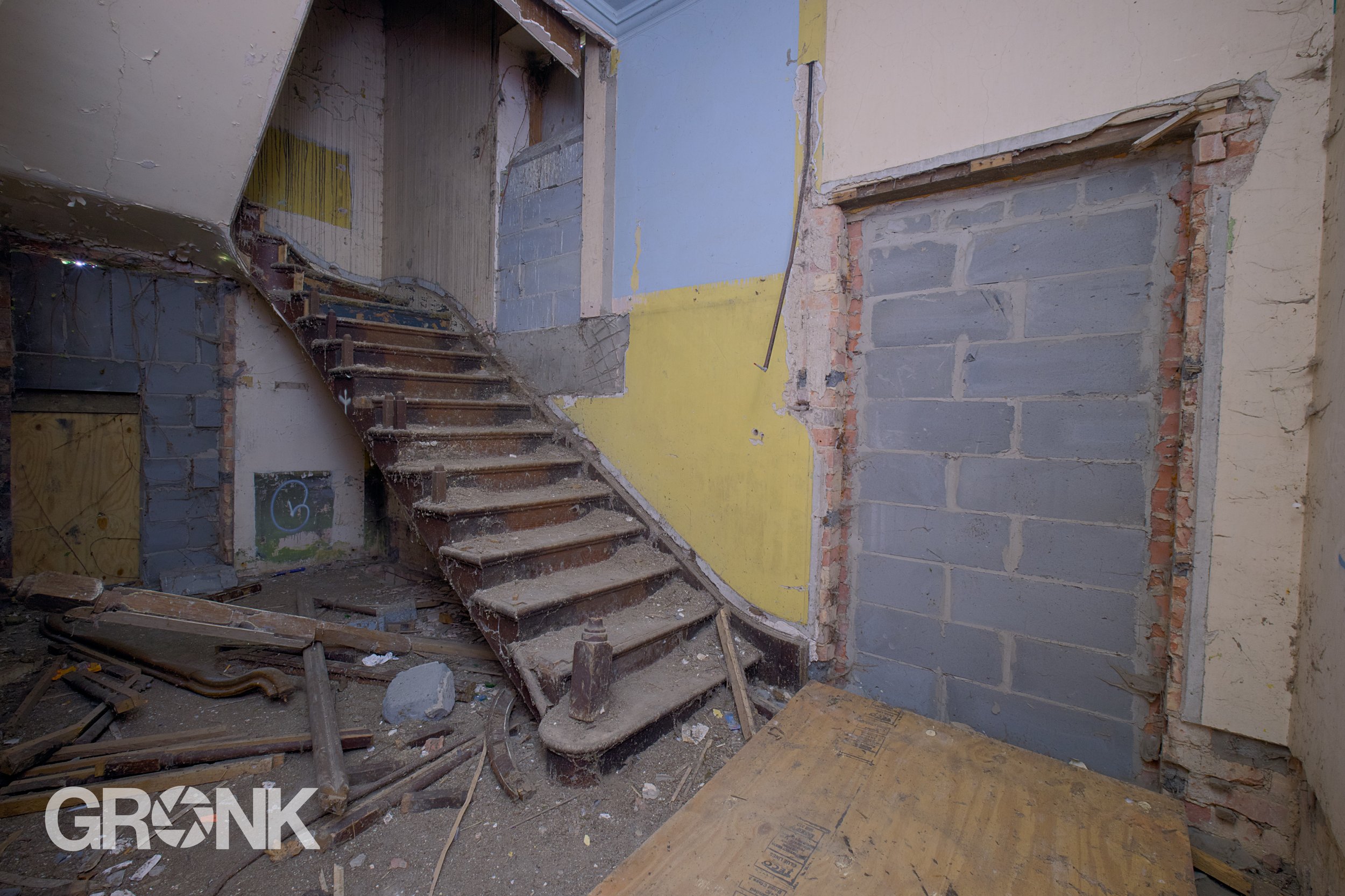
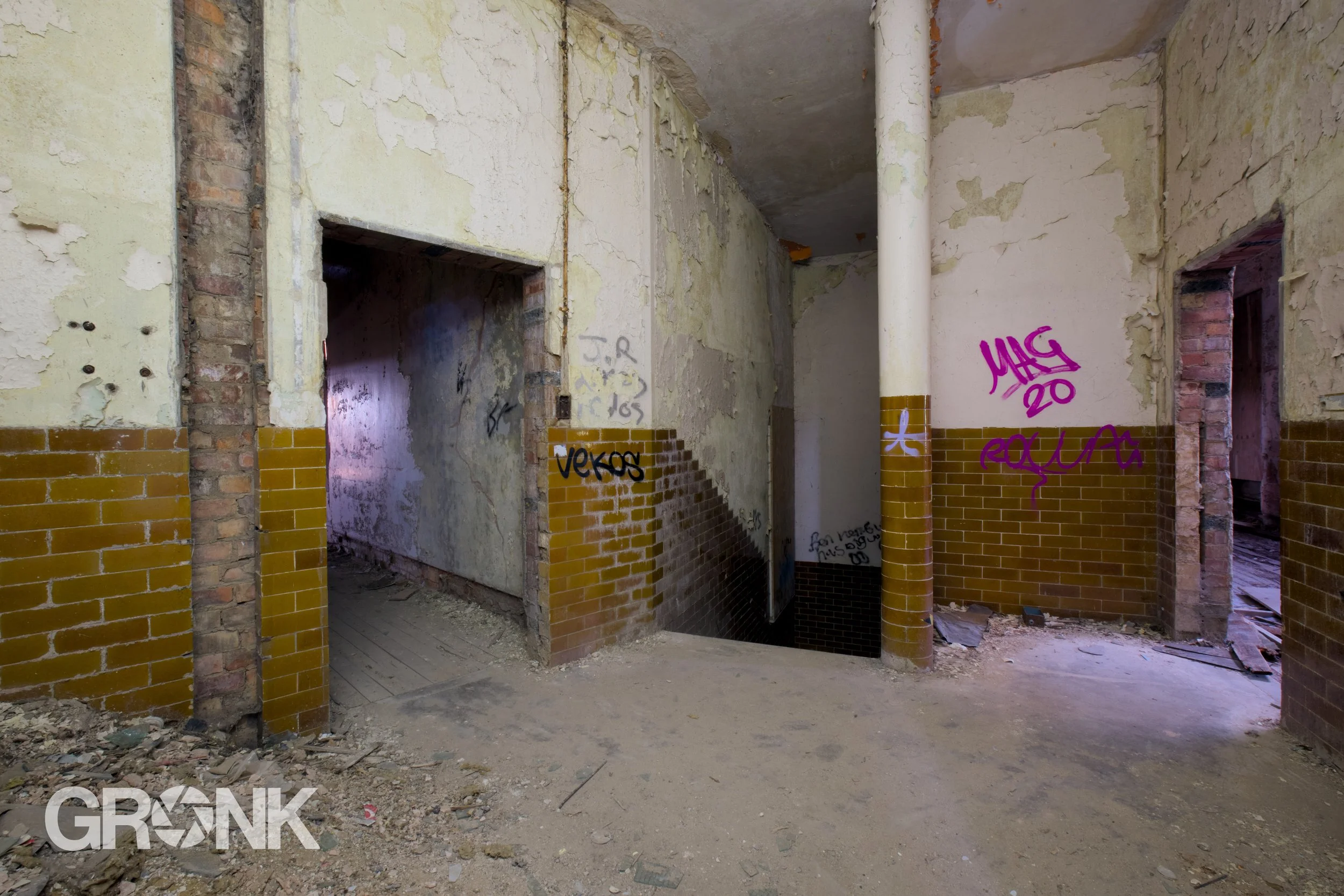
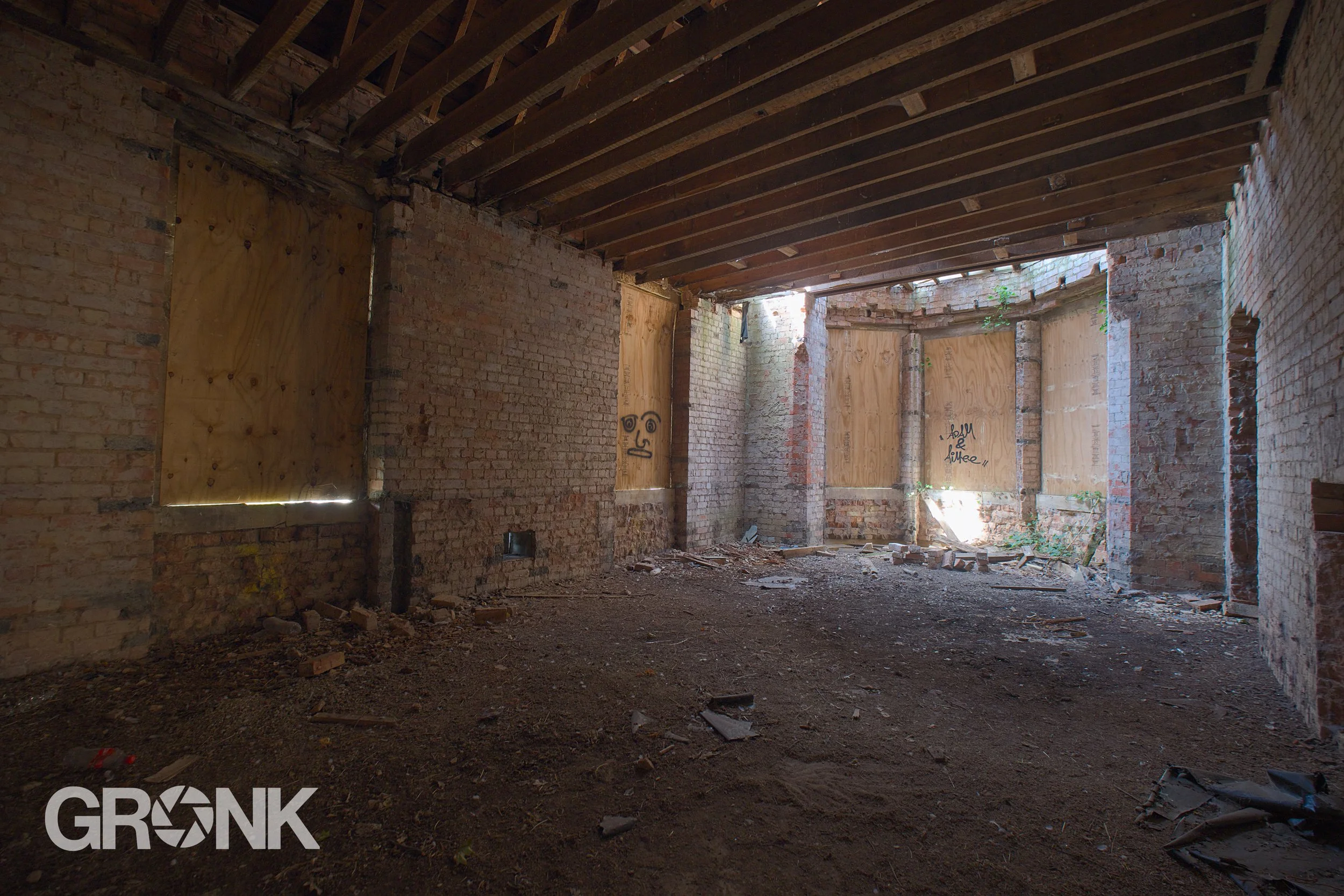
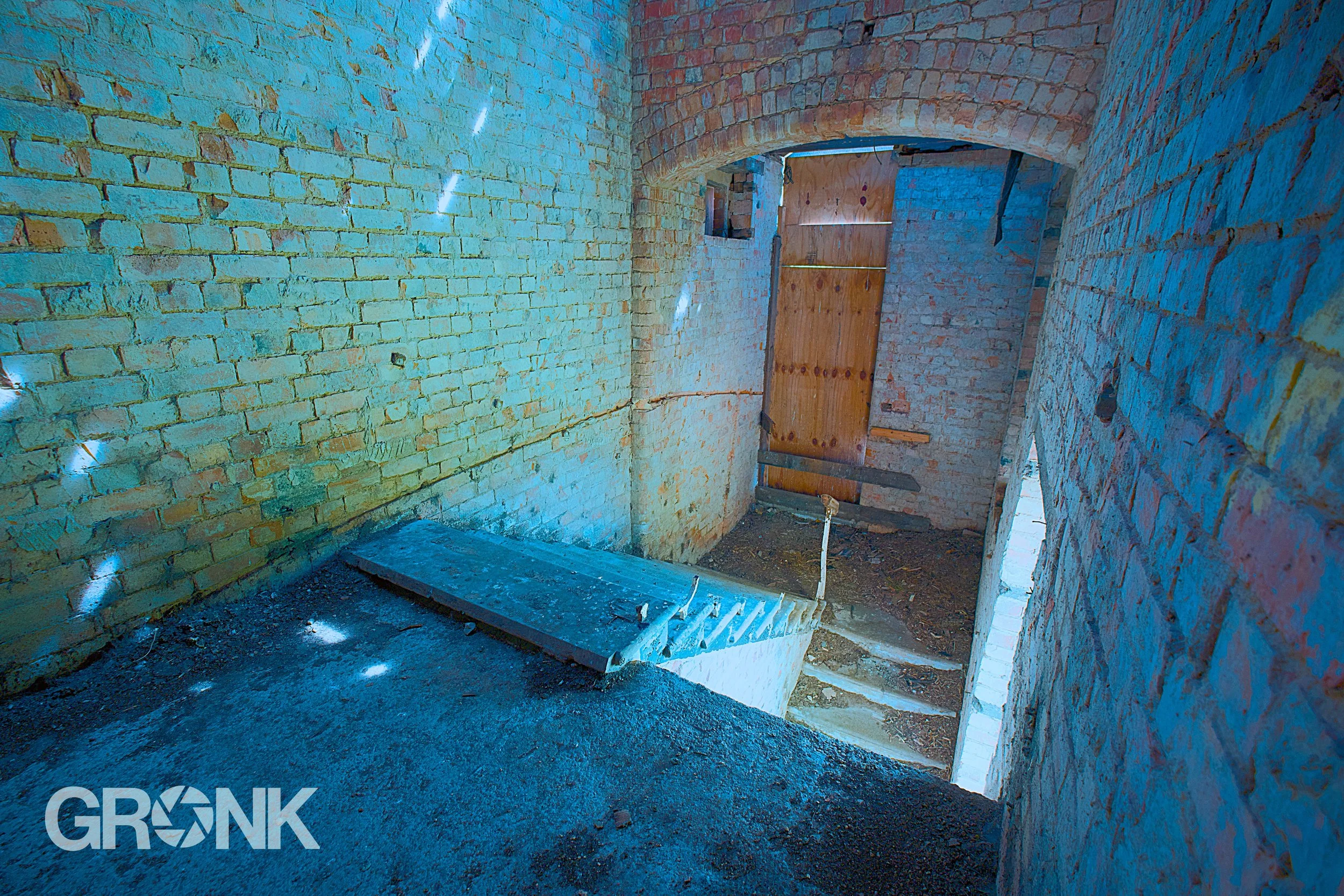
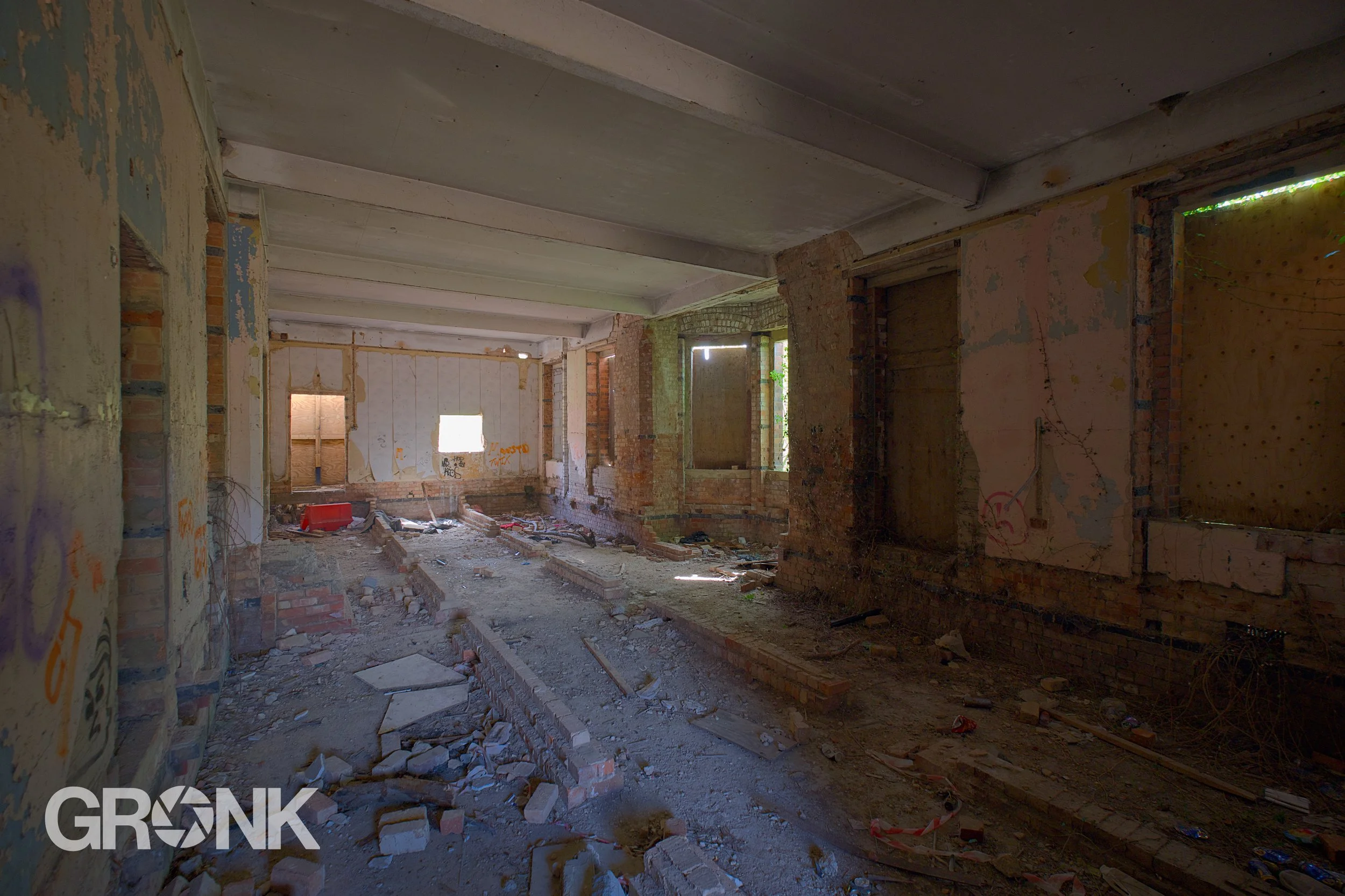
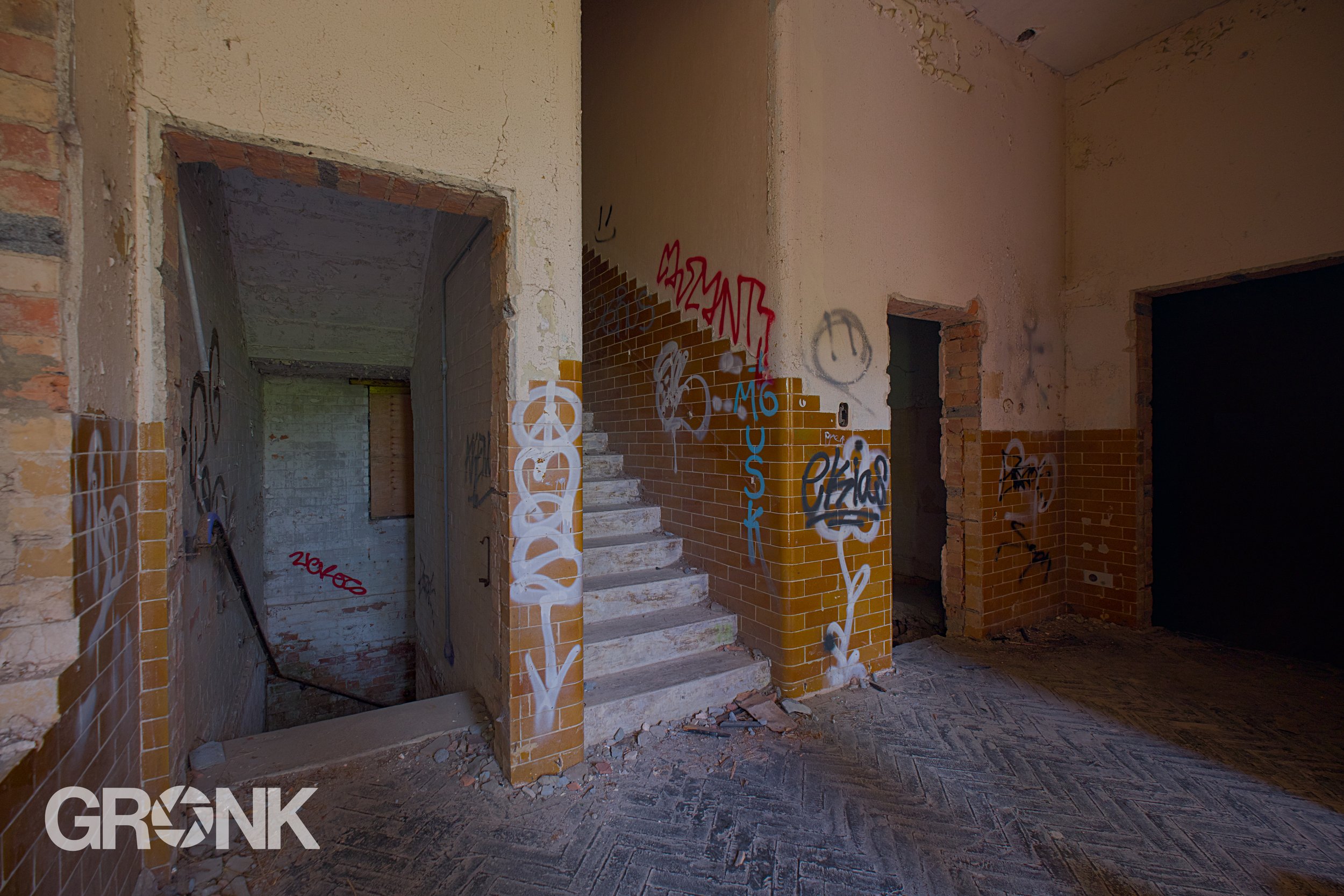
After nearly a century of service, Rauceby Hospital finally closed in December 1997. Much of the former site was subsequently redeveloped for housing, although several historic buildings and parts of the original landscape survived.