Dalcross Airfield Battle HQ, Inverness
The Battle Headquarters at Dalcross was constructed during the Second World War as part of the defences of RAF Dalcross, the wartime airfield that later became Inverness Airport. The airfield was established in 1940 as an alternative to Inverness's Longman Aerodrome, which required expansion. Dalcross was selected for its greater space, although the ground proved problematic and the original grass airfield became unusable during the winter of 1940. It was subsequently closed while proper runways were constructed and reopened on 15 June 1941.
The Battle HQ provided a protected command position from which the station's defence personnel could coordinate the airfield's response during an enemy attack or attempted invasion. Battle Headquarters were generally positioned on high ground so that the defence commander could observe the surrounding airfield and coordinate defensive forces, communications and movements. Dalcross's bunker is recorded as a Type 1008/41 Battle Headquarters, a standard design introduced by the Air Ministry during the war.
Dalcross was an important RAF training and operational station. Among the units based there was No. 2 Air Gunnery School, while other flying-training and operational units also used the airfield. Aircraft operating from Dalcross included Lysanders, Oxfords, Defiants, Blenheims and Hurricanes. In 1946 the station became the headquarters of No. 13 Group, before the airfield passed to civilian control in 1947 and became Inverness Airport.
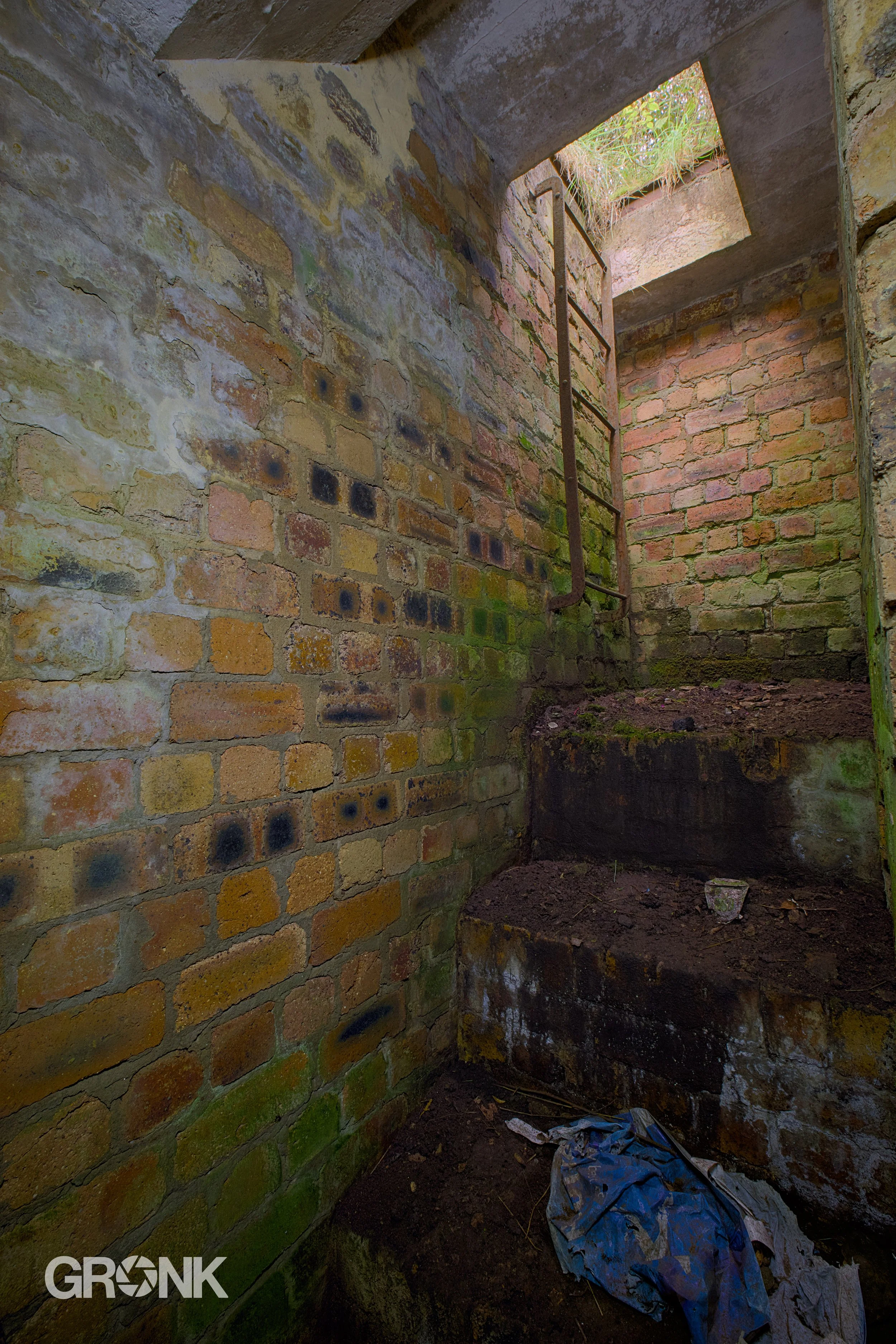
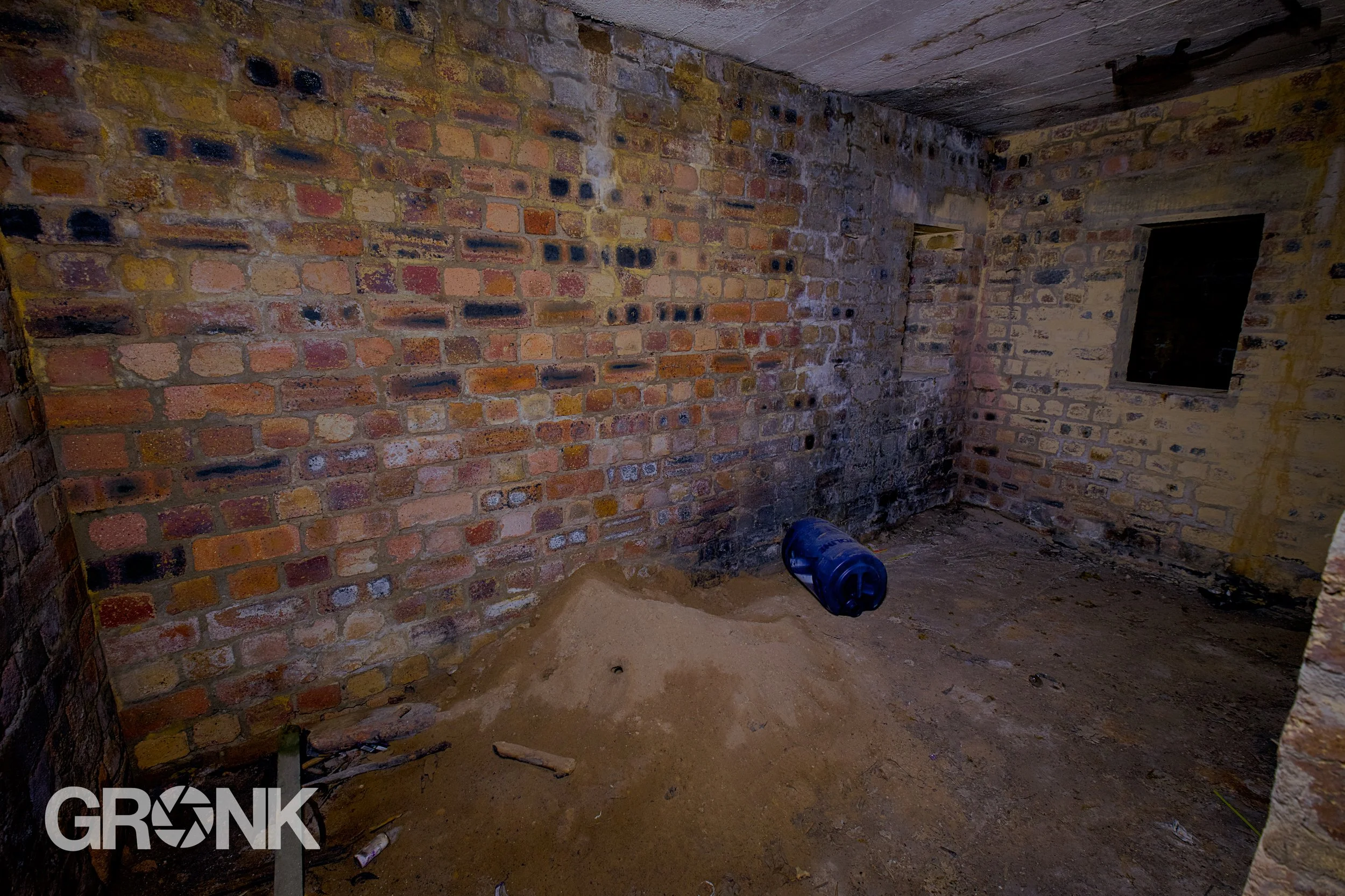
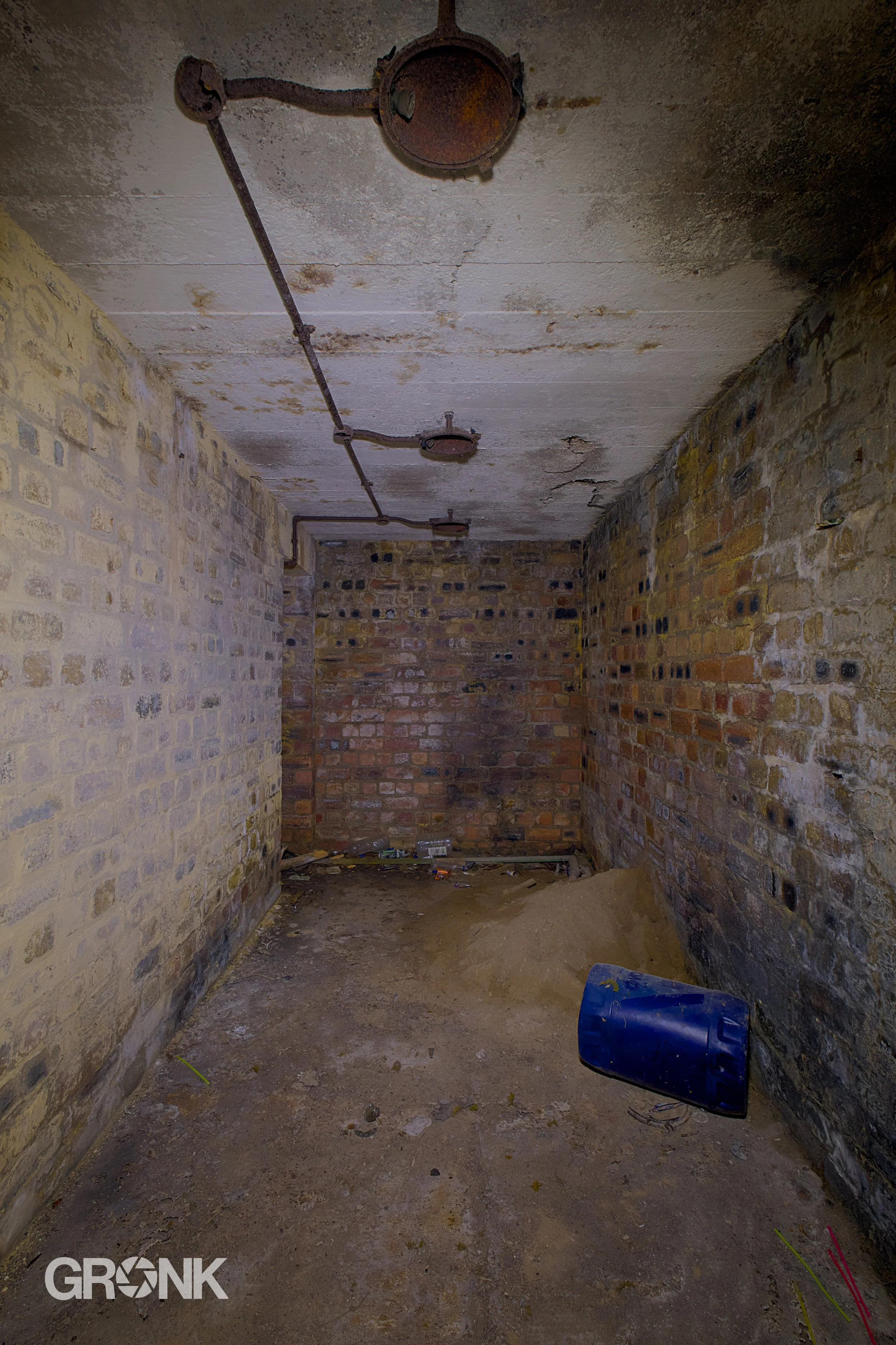
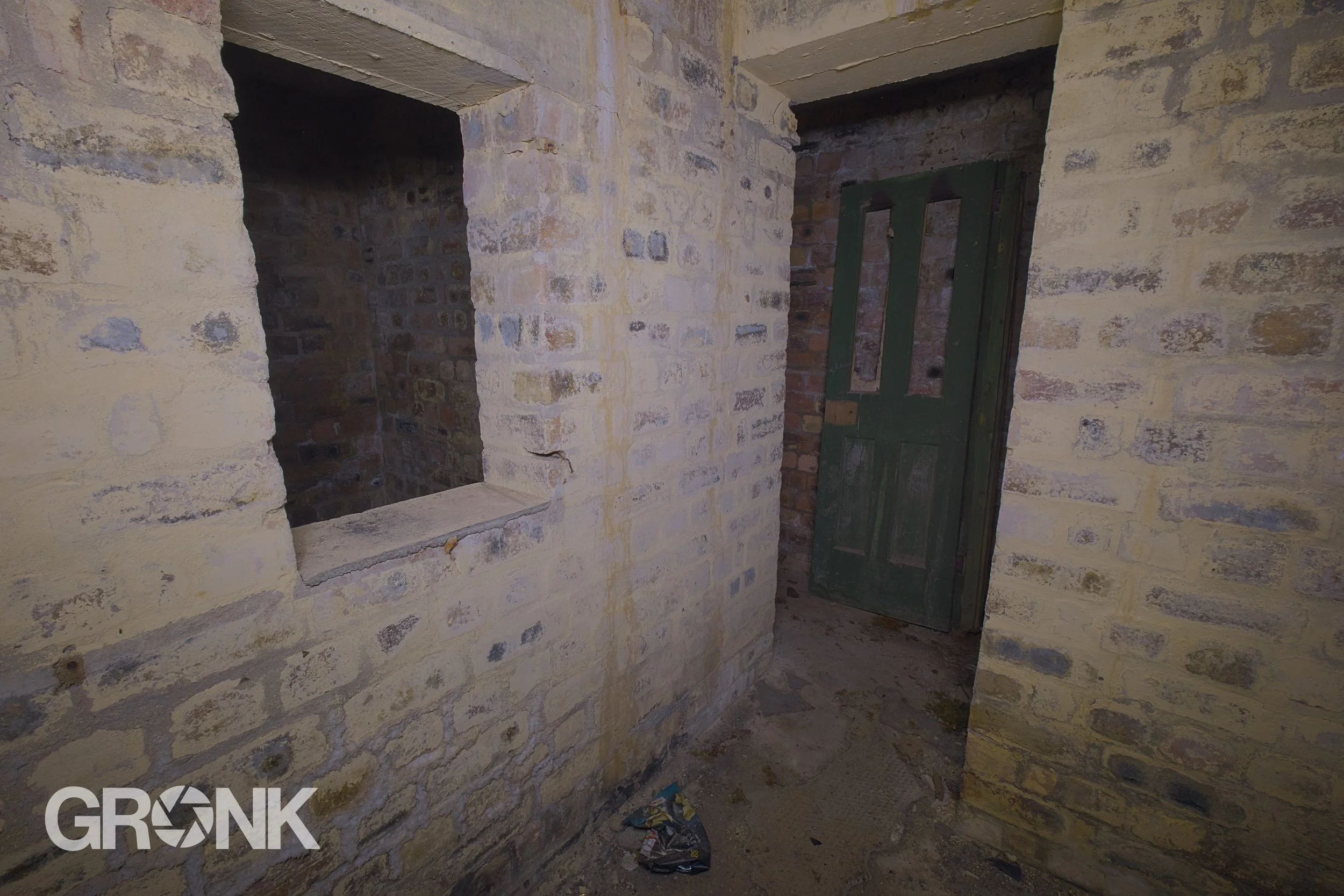
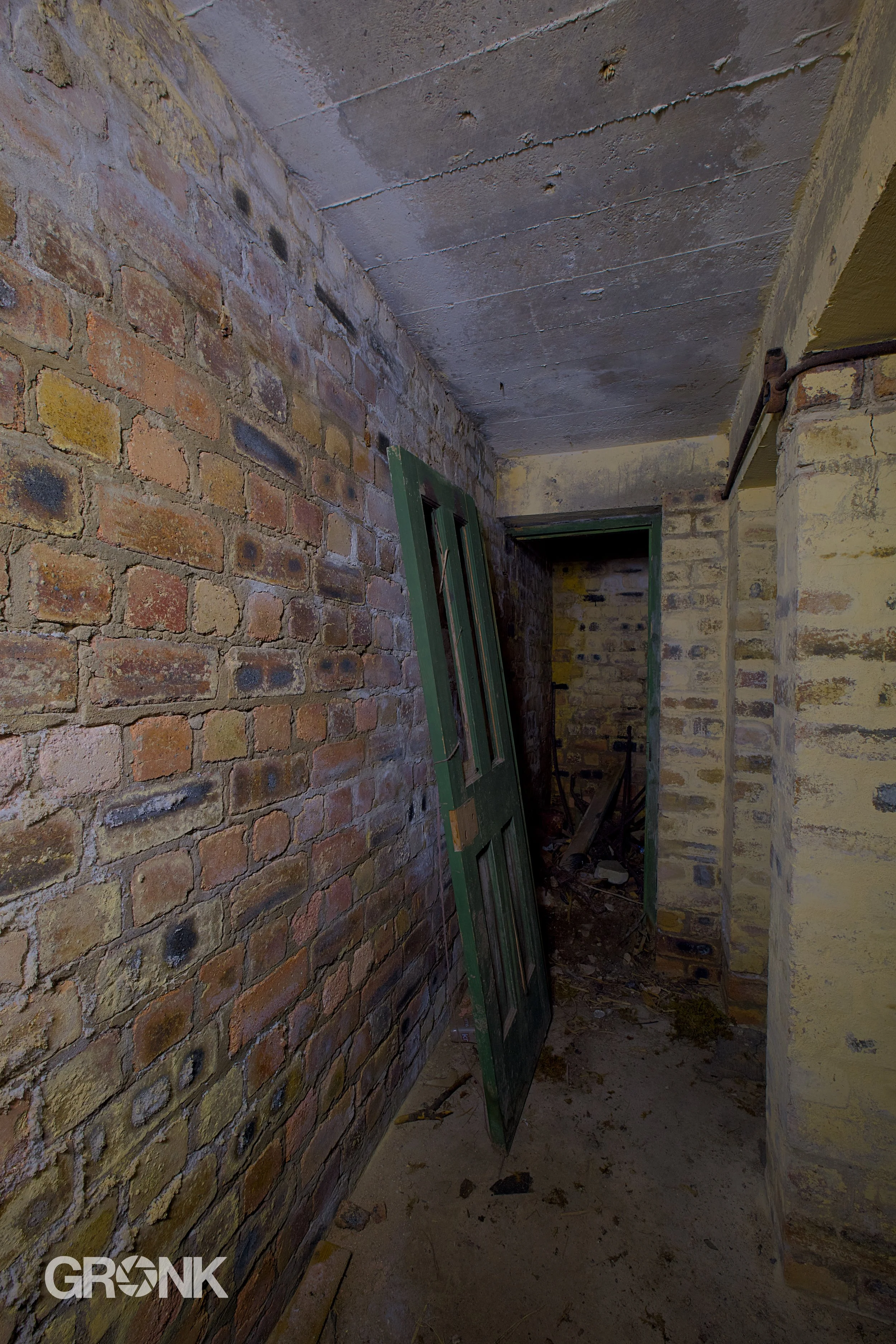
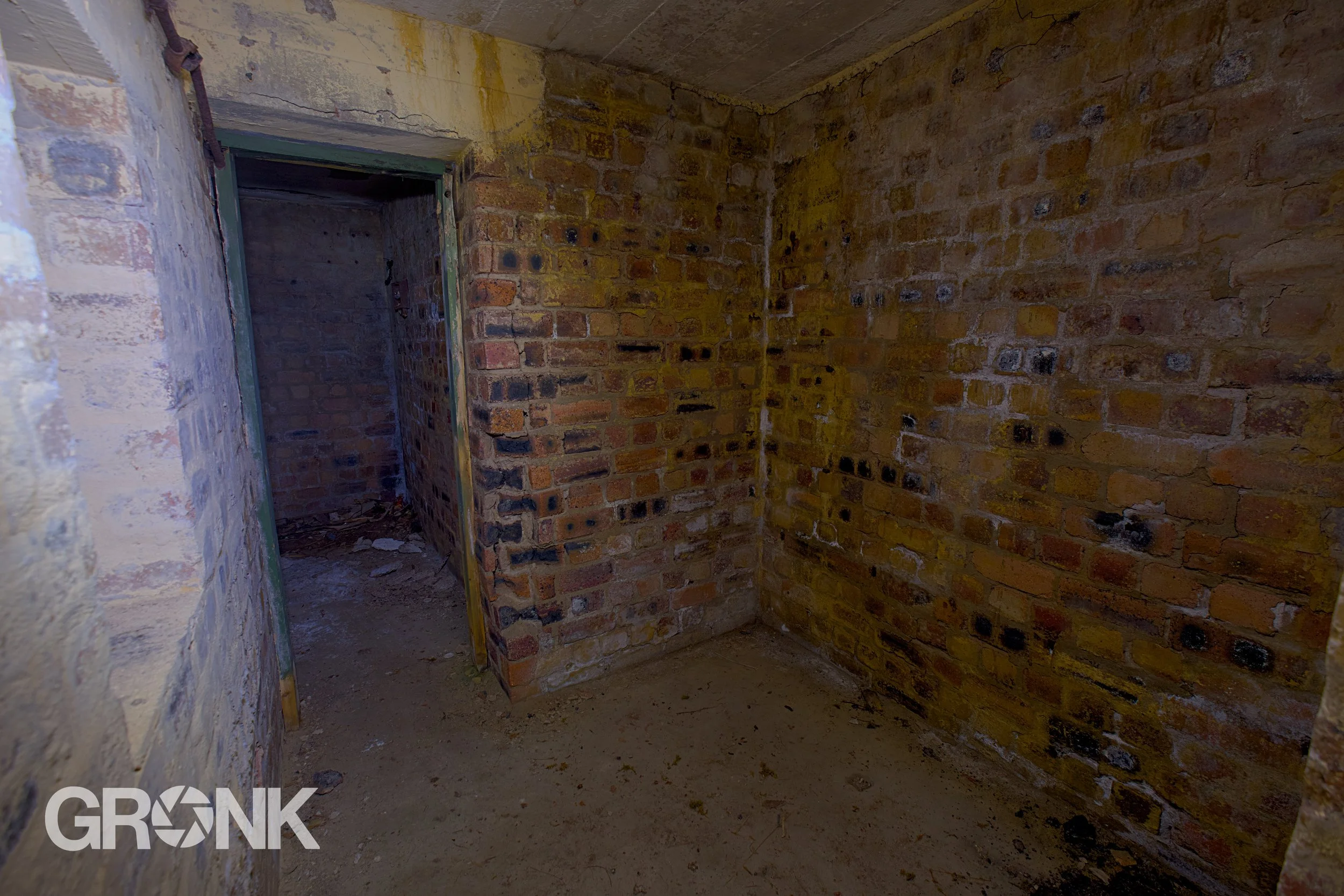
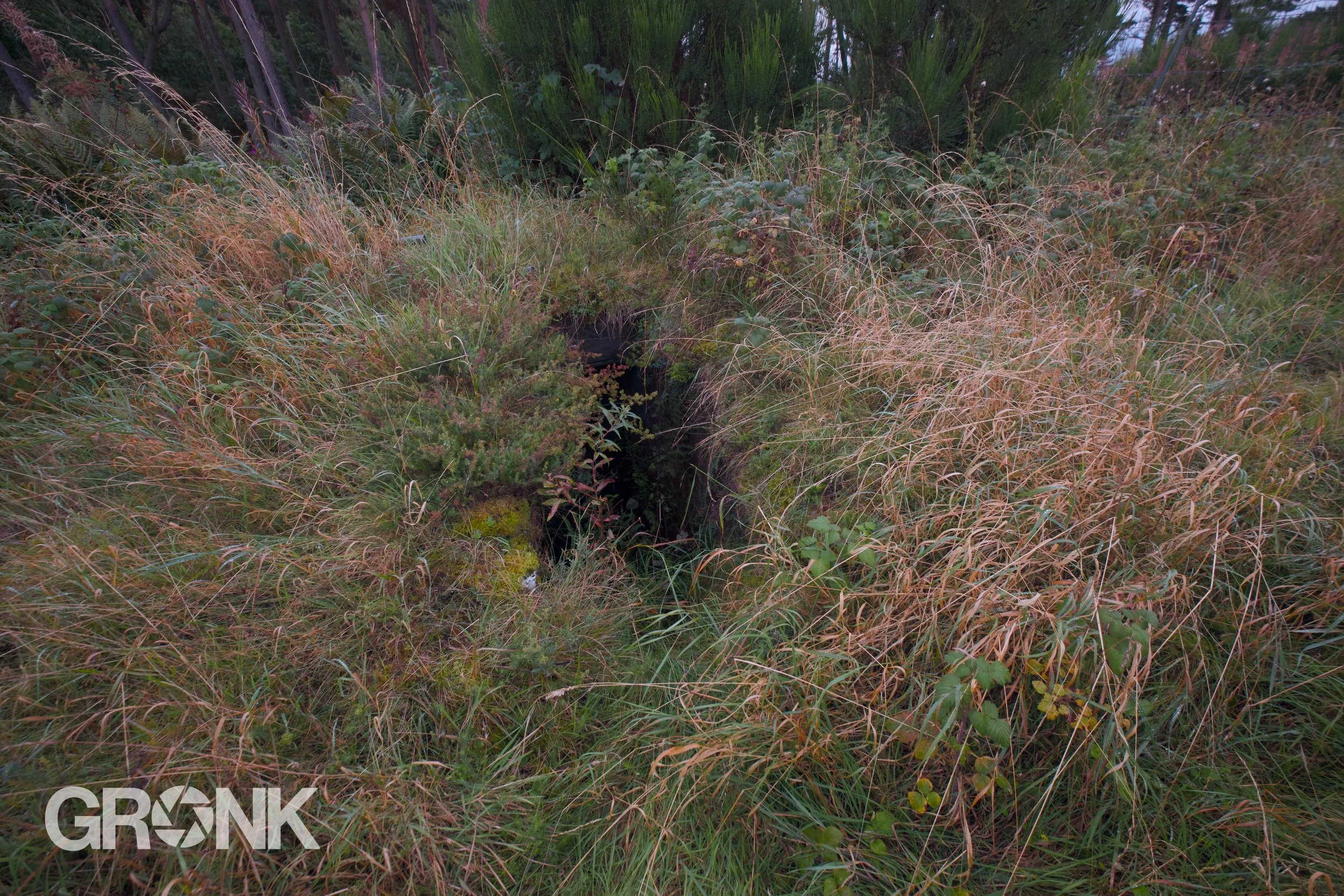
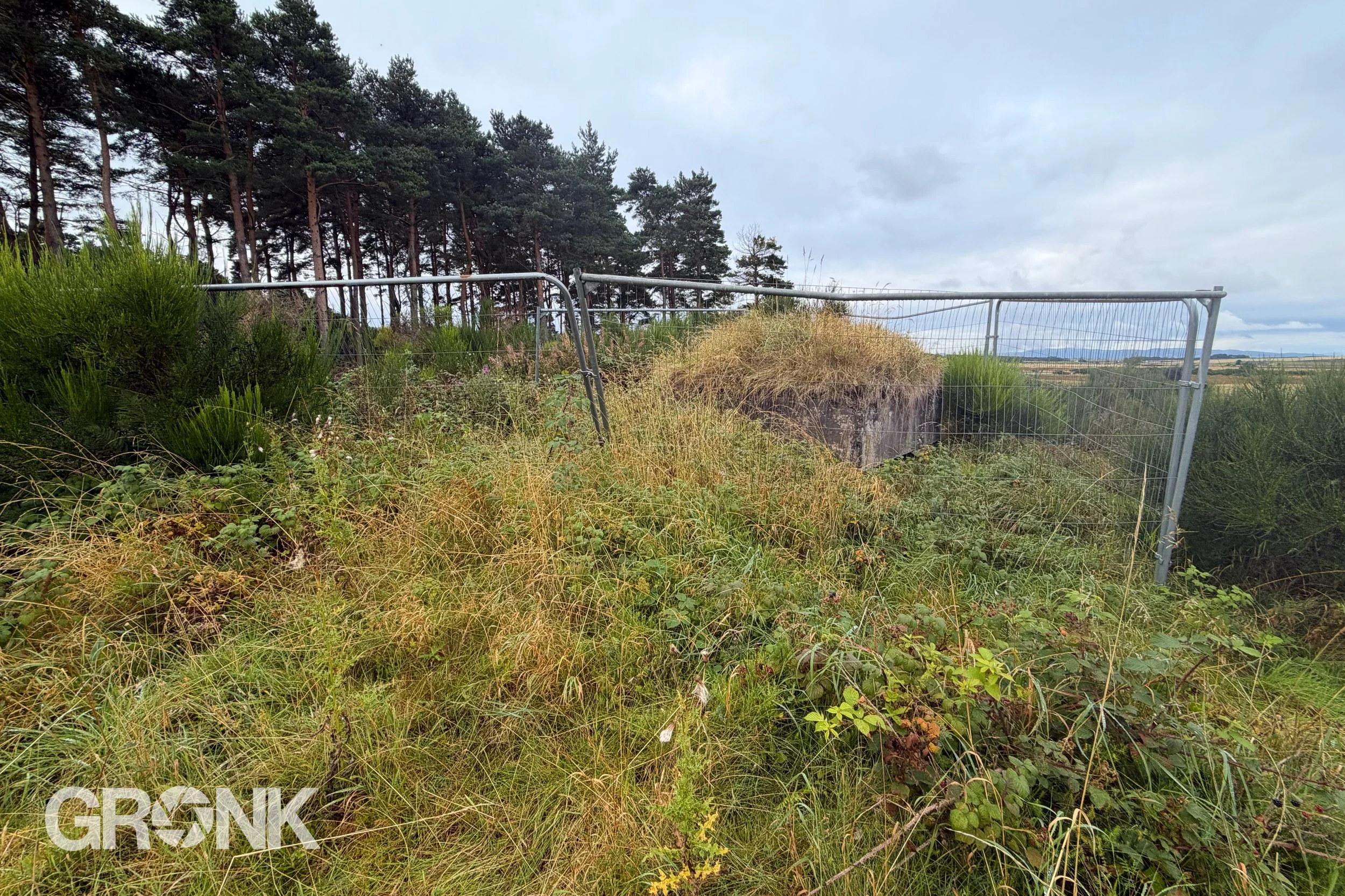
Remarkably, the Battle HQ survived the subsequent development of the airport. A 2013 survey found the bunker dry and in good condition, with original light fittings, switches, an emergency ladder and wooden doors still carrying their RAF green paint. Although one later report suggested it had been demolished during airport expansion, a 2025 inspection confirmed that the bunker was still present outside the airport perimeter, although heavily overgrown.